1. Search Result
Search Result
Results for "

relieving pain

" in MedChemExpress (MCE) Product Catalog:

117

Inhibitors & Agonists

1

Screening Libraries

2

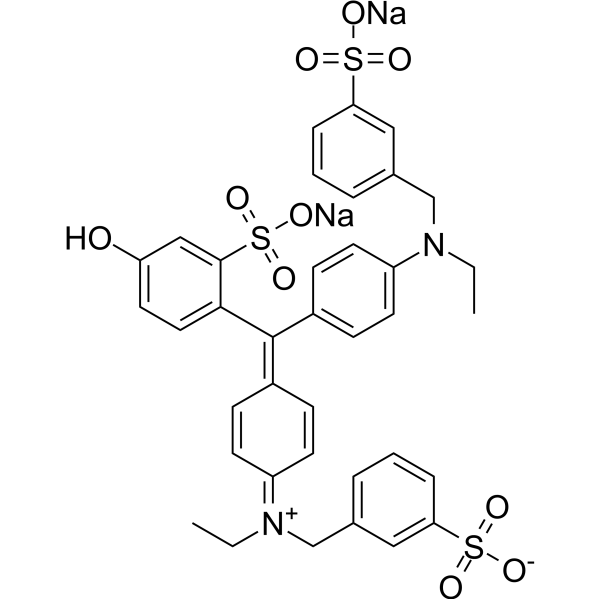
Fluorescent Dyes

1

Biochemical Assay Reagents

3

Peptides

1

Inhibitory Antibodies

13

Natural
Products

11

Isotope-Labeled Compounds

Cat. No. Product Name Target Research Areas Chemical Structure
  • HY-A0057
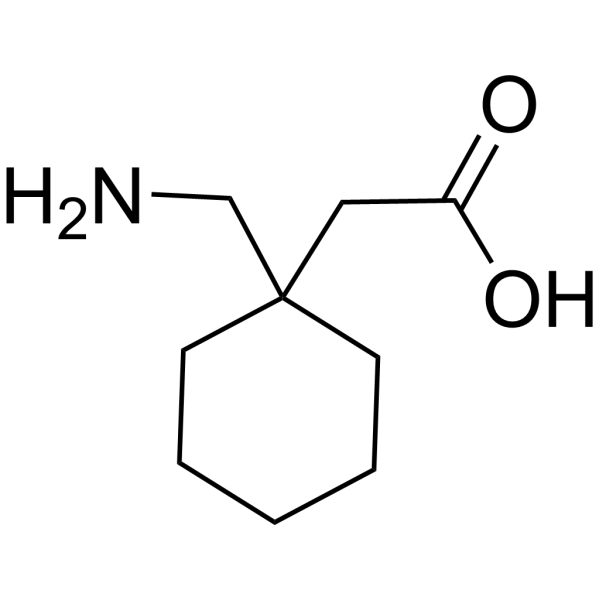
    Gabapentin
    10+ Cited Publications

    Calcium Channel Neurological Disease Cancer
    Gabapentin is a potent, orally active P/Q type Ca 2+ channel blocker. Gabapentin inhibits neuronal Ca 2+ influx and reduction of neurotransmitter release. Gabapentin is a GABA analog that can be used to relieve neuropathic pain .
    Gabapentin
  • HY-122272
    Paroxetine
    Maximum Cited Publications
    17 Publications Verification

    BRL29060

    Serotonin Transporter Adrenergic Receptor P2X Receptor Apoptosis Neurological Disease Cancer
    Paroxetine is an oral inhibitor that falls under the category of selective serotonin reuptake inhibitors (SSRIs). Paroxetine is also a very weak norepinephrine (NE) reuptake inhibitor, capable of inducing cell apoptosis and having anti-tumor activity. Paroxetine has antidepressant, anti-anxiety, and pain-relieving effects, and it can help improve conditions like obsessive-compulsive disorder, panic disorder, post-traumatic stress disorder, premenstrual anxiety, and chronic headaches .
    Paroxetine
  • HY-B0193
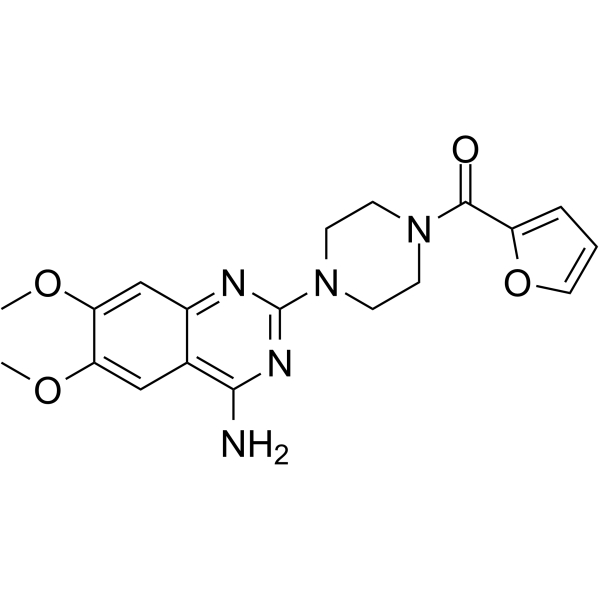
    Prazosin
    15+ Cited Publications

    Adrenergic Receptor Cardiovascular Disease Endocrinology
    Prazosin is an α-adrenergic receptor antagonist. Prazosin can reduce inflammation, relieve anxiety, alleviate panic, prevent memory decline, and modulate the pain-relieving effects of opioids. Prazosin can be used in the study of hypertension and Alzheimer’s disease .
    Prazosin
  • HY-17444

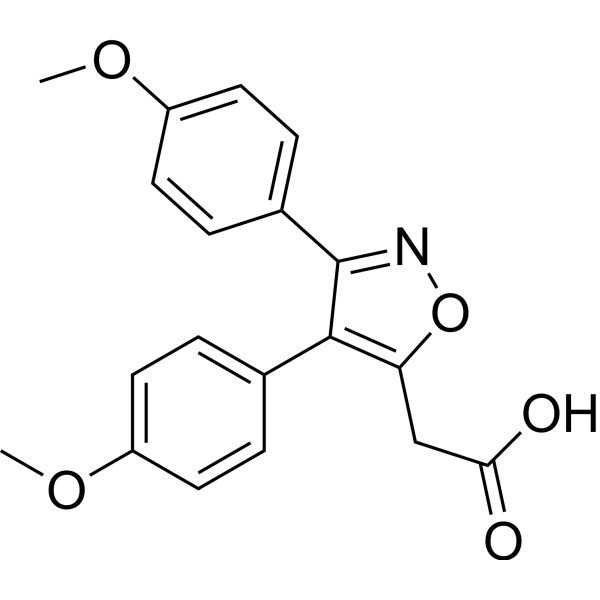
    PPAR Metabolic Disease Cancer
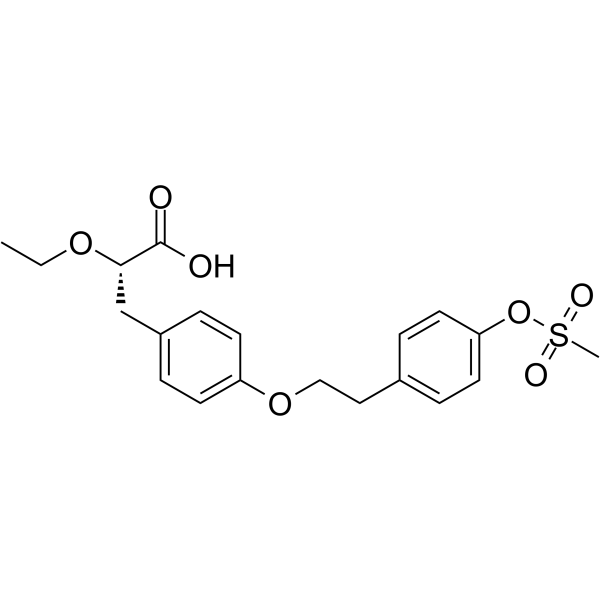
    Tesaglitazar is a dual-target PPARα/γ agonist with an EC50 of 13.4 μM for rat PPARα and 3.6 μM for human PPARα. Tesaglitazar affects lipid and glucose metabolism by activating PPARα and PPARγ receptors, and has the potential to improve blood sugar and relieve pain. Tesaglitazar can be used to induce in vivo tumor models and can be used in the study of type 2 diabetes, dyslipidemia, and neuropathic pain .
    Tesaglitazar
  • HY-76711

    Opioid Receptor Neurological Disease Metabolic Disease Inflammation/Immunology Cancer
    Naltrexone is an orally active, long-acting opioid receptor (opioid receptor) antagonist. Naltrexone blocks the euphoric effects of exogenous opioids and reduces alcohol craving by blocking opioid receptors (μ, κ, and δ) as well as opioid growth factor receptors. Low doses of Naltrexone are used to relieve chronic pain, treat inflammatory diseases and inhibit tumor growth, while high doses or continuous administration exert pro-inflammatory or pro-proliferative effects. Naltrexone relieves intractable pruritus caused by psoriasis, atopic dermatitis and other conditions, and its combination with Bupropion (HY-B0403) inhibits food craving, thereby reducing body weight .
    Naltrexone
  • HY-B0444
    Maprotiline hydrochloride
    4 Publications Verification

    Autophagy Apoptosis ERK Neurological Disease Cancer
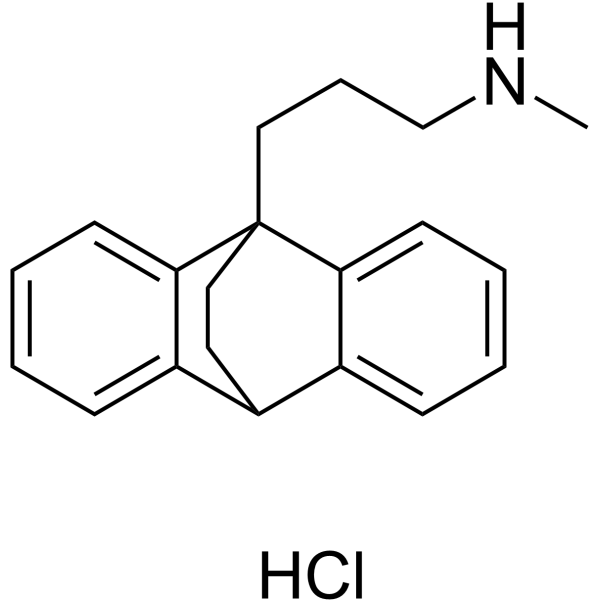
    Maprotiline hydrochloride is a highly selective noradrenergic reuptake inhibitor that has strong antidepressant, antitumor and neuropathic pain-relieving effects with oral activity. Maprotiline hydrochloride induces cancer cell apoptosis by targeting the ERK signaling pathway and CRABP1 .
    Maprotiline hydrochloride
  • HY-111613
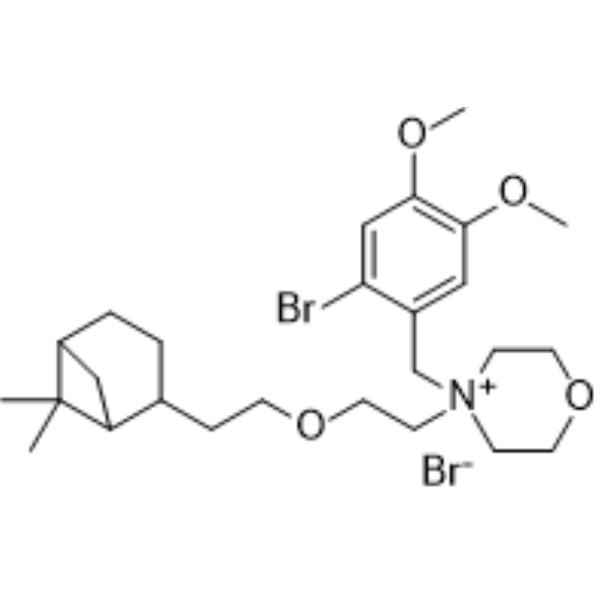
    Pinaverium bromide
    4 Publications Verification

    Calcium Channel Cancer
    Pinaverium bromide is an L-type calcium channel blocker with selectivity for the gastrointestinal tract, effectively relieves pain, diarrhea and intestinal discomfort, provides good therapeutic efficacies without significant adverse effects on Irritable bowel syndrome (IBS) patients .
    Pinaverium bromide
  • HY-B0364A
    Dyclonine hydrochloride
    1 Publications Verification

    Dyclocaine hydrochloride

    Bacterial Fungal Aldehyde Dehydrogenase (ALDH) Infection Cancer
    Dyclonine (Dyclocaine) hydrochloride is an orally effective ALDH covalent inhibitor (crosses blood-brain barrier), with an IC50 of 35 μM for ALDH2 and 76 μM for ALDH3A1. Dyclonine hydrochloride has sensitizing activities for targeted cancer cells and antibacterial. Dyclonine hydrochloride is also a local agent that can suppress or relieve pain. that blocks the transmission of various nerve impulses or stimuli and inhibits the sensation of touch and pain .
    Dyclonine hydrochloride
  • HY-13681
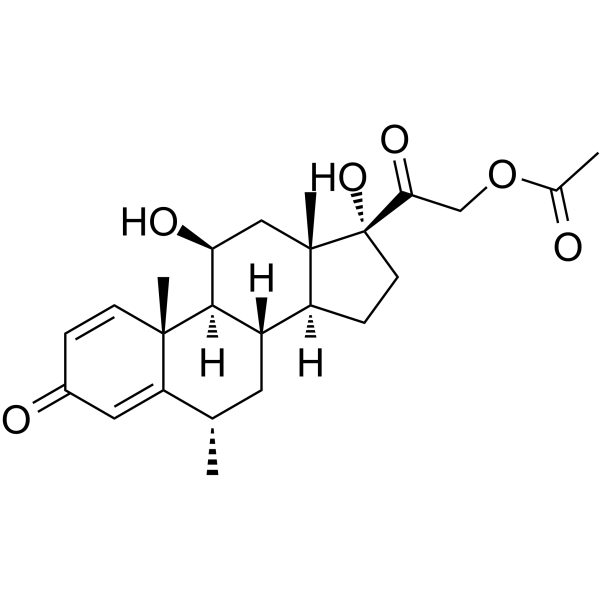
    Methylprednisolone acetate
    1 Publications Verification

    Glucocorticoid Receptor Inflammation/Immunology
    Methylprednisolone acetate, a prednisolone derivative, is a corticosteroid?hormone. Methylprednisolone acetate can relieve pain and swelling that occurs with arthritis and other joint disorders in vivo .
    Methylprednisolone acetate
  • HY-B0369A

    iGluR Neurological Disease Cancer
    Orphenadrine citrate is an orally active and non-competitive NMDA receptor antagonist (crosses the blood-brain barrier) with a Ki of 6.0 μM. Orphenadrine citrate relieves stiffness, pain and discomfort due to muscle strains, sprains or other injuries. Orphenadrine citrate is also used to relieve tremors associated with parkinson's disease. Orphenadrine citrate has good neuroprotective properties, can be used in studies of neurodegenerative diseases .
    Orphenadrine citrate
  • HY-A0057A
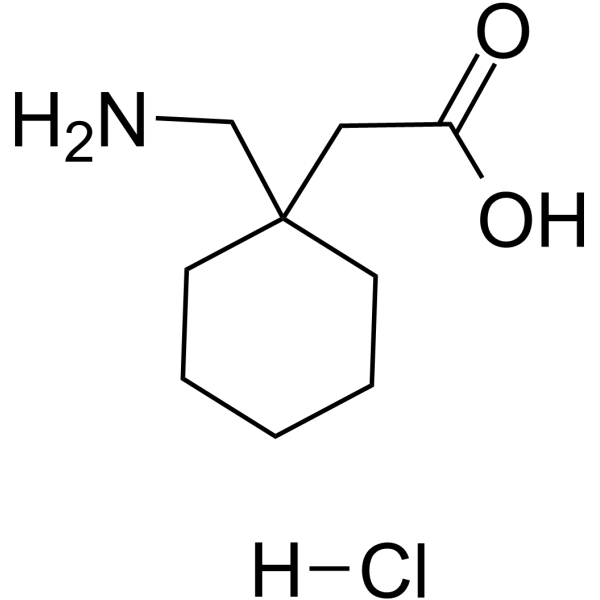
    Gabapentin hydrochloride
    10+ Cited Publications

    Calcium Channel Neurological Disease Cancer
    Gabapentin hydrochloride is a potent, orally active P/Q type Ca 2+ channel blocker. Gabapentin hydrochloride inhibits neuronal Ca 2+ influx and reduction of neurotransmitter release. Gabapentin hydrochloride is a GABA analog that can be used to relieve neuropathic pain .
    Gabapentin hydrochloride
  • HY-B1279
    Metamizole sodium hydrate
    2 Publications Verification

    Dipyrone hydrate; Methamizole sodium hydrate

    COX Apoptosis Inflammation/Immunology
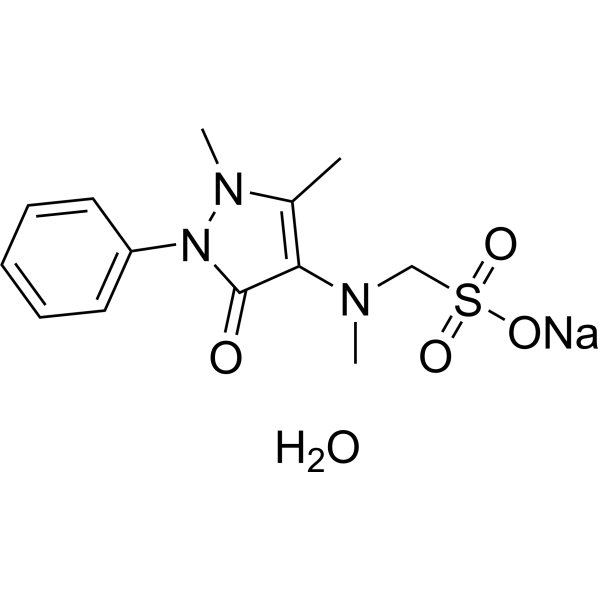
    Metamizole sodium hydrate (Dipyrone) is an orally active cyclooxygenase (COX) inhibitor.. Metamizole sodium hydrate can inhibit cell proliferation and promote cell apoptosis. Metamizole sodium hydrate has anti-inflammatory and antioxidant activities. Metamizole sodium hydrate is an antipyretic, analgesic and spasmolytic agent. Metamizole sodium hydrate can be used in research to relieve a variety of pain .
    Metamizole sodium hydrate
  • HY-107150

    ADX-102; NS-2

    PKC Caspase Neurological Disease Inflammation/Immunology
    Reproxalap (ADX-102) is an active aldehyde sequestering agent. Reproxalap reduces the PKCα activity. Reproxalap blocks caspase 3/7 activation. Reproxalap protects cells from the cytotoxicity of C18:0-al. Reproxalap has anti-inflammatory and pain-relieving effects. Reproxalap is used in studies of dry eye, allergic conjunctivitis, and non-infectious anterior uveitis .
    Reproxalap
  • HY-B1279A
    Metamizole sodium
    2 Publications Verification

    Dipyrone; Methamizole sodium

    COX Apoptosis Inflammation/Immunology Cancer
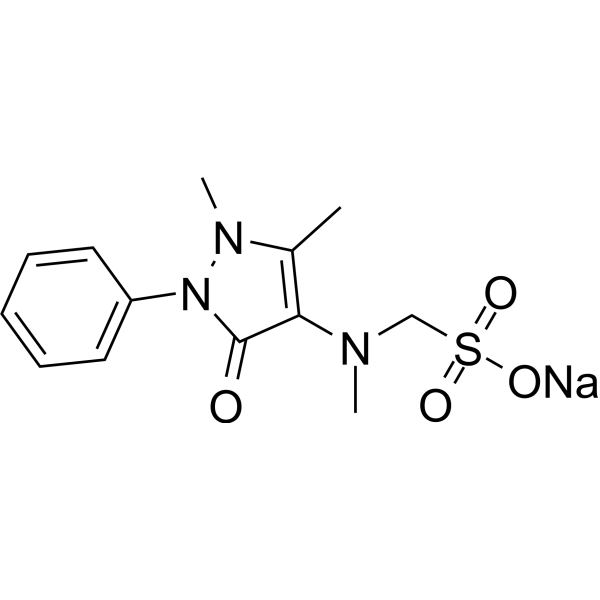
    Metamizole sodium (Dipyrone) is an orally active cyclooxygenase (COX) inhibitor. Metamizole sodium can inhibit cell proliferation and promote cell apoptosis. Metamizole sodium has anti-inflammatory and antioxidant activities. Metamizole sodium is an antipyretic, analgesic and spasmolytic agent. .Metamizole sodium can be used in research to relieve a variety of pain .
    Metamizole sodium
  • HY-B0641

    4-Biphenylacetic acid

    COX Inflammation/Immunology
    Felbinac is a metabolite of fenbufen, an orally active nonsteroidal anti-inflammatory agent and a cyclooxygenase (COX) inhibitor with an IC50 of 865.68 nM for COX1 and 976 nM for COX2. Felbinac reduces the production of prostaglandins by inhibiting COX to relieve pain, reduce inflammation and reduce fever. Felbinac can inhibit CHIKV viral activity .
    Felbinac
  • HY-110292

    TRP Channel Calcium Channel Inflammation/Immunology
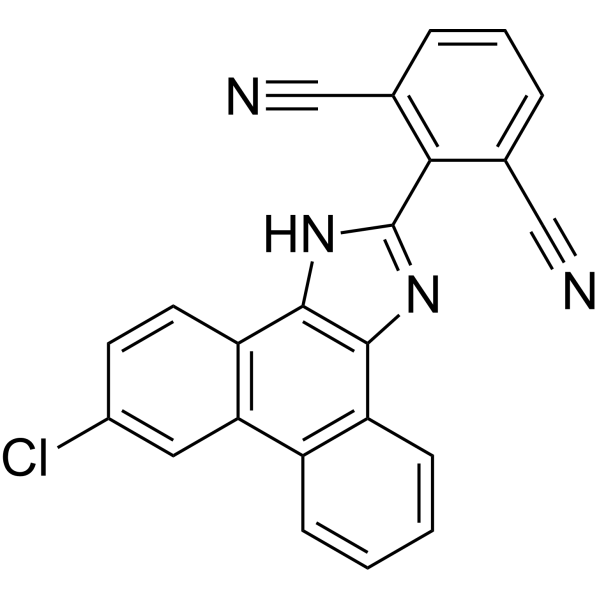
    A-425619 is an orally active and selective transient receptor potential type V1 (TRPV1) antagonist. A-425619 blocks Capsaicin (HY-10448)- and N-arachidonoyl-dopamine (NADA)-induced Ca 2+ influx in dorsal root ganglia and trigeminal ganglia. A-425619 relieves pathophysiological pain associated with inflammation and tissue injury in rats. A-425619 can be used for the study of pain related to inflammation and tissue injury .
    A-425619
  • HY-139644

    Adenosine Receptor Neurological Disease
    MIPS521 is a positive allosteric modulator of adenosine A1 receptor (A1AR). MIPS521 also has a lower A1R allosteric affinity (pKB=4.95; KB=11 μM). MIPS521 exhibits pain-relieving effects in vivo through modulation of the increased levels of endogenous adenosine .
    MIPS521
  • HY-B0714
    Dexketoprofen (trometamol)
    2 Publications Verification

    Dexketoprofen tromethamine salt

    COX Neurological Disease Inflammation/Immunology Cancer
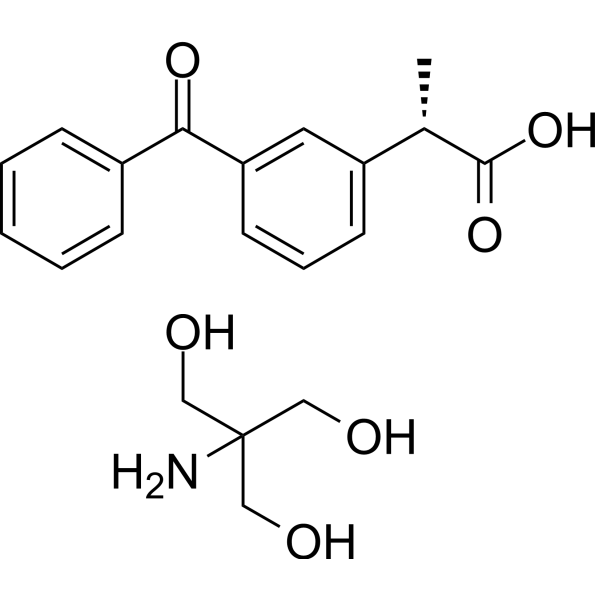
    Dexketoprofen trometamol (Dexketoprofen tromethamine salt) is an orally active non-selective COX inhibitor. Dexketoprofen trometamol has a pain-relieving effect, anti-inflammatory effect and anti-cancer effect .
    Dexketoprofen (trometamol)
  • HY-B0653A
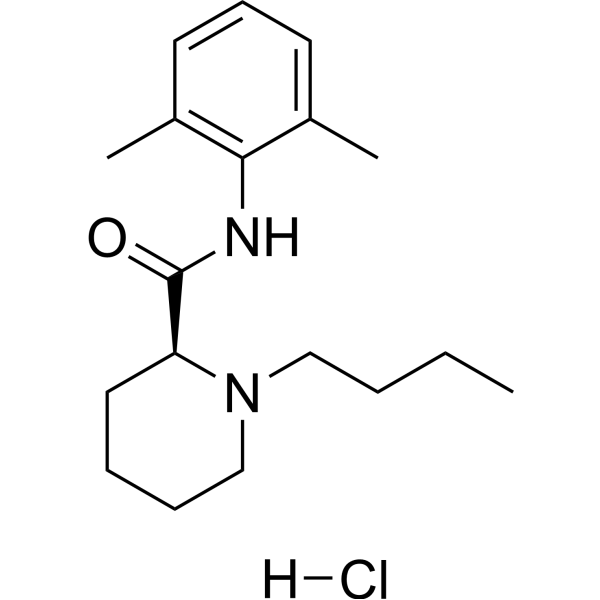
    Levobupivacaine hydrochloride
    2 Publications Verification

    (S)-(-)-Bupivacaine monohydrochloride

    Sodium Channel Ferroptosis Cardiovascular Disease Neurological Disease Cancer
    Levobupivacaine hydrochloride ((S)-(-)-Bupivacaine monohydrochloride) is a long-acting amide local agent that can suppress or relieve pain. Levobupivacaine hydrochloride exerts agent that can suppress or relieve pain. and analgesic effects through reversible blockade of neuronal sodium channel. Levobupivacaine hydrochloride can inhibit impulse transmission and conduction in cardiovascular and other tissues, possessing certain cardiac and CNS toxicity. Levobupivacaine hydrochloride is metabolized by hepatic cytochrome P450 (CYP450) enzymes in vivo. Levobupivacaine hydrochloride can also induce ferroptosis by miR-489-3p/SLC7A11 signaling in gastric cancer .
    Levobupivacaine hydrochloride
  • HY-105584

    Biochemical Assay Reagents Neurological Disease
    Tolycaine is a local agent that can suppress or relieve pain. Tolycaine also induces a convulsive response in experimental animals .
    Tolycaine
  • HY-N7074

    Environmental Pollutants Bacterial Inflammation/Immunology Cancer
    Lanolin is a yellow fat that can be extracted from wool. Lanolin can be used as a skin moisturizer and applied topically to relieve nipple pain and chapping during lactation .
    Lanolin
  • HY-13283
    MF63
    1 Publications Verification

    PGE synthase Inflammation/Immunology
    MF63 is a selective and orally active inhibitor of mPGES-1. MF63 reduces the accumulation of PGE2, relieves pyresis, hyperalgesia, and inflammatory pain by inhibiting mPGES-1 .
    MF63
  • HY-N0688

    Cytochrome P450 Inflammation/Immunology
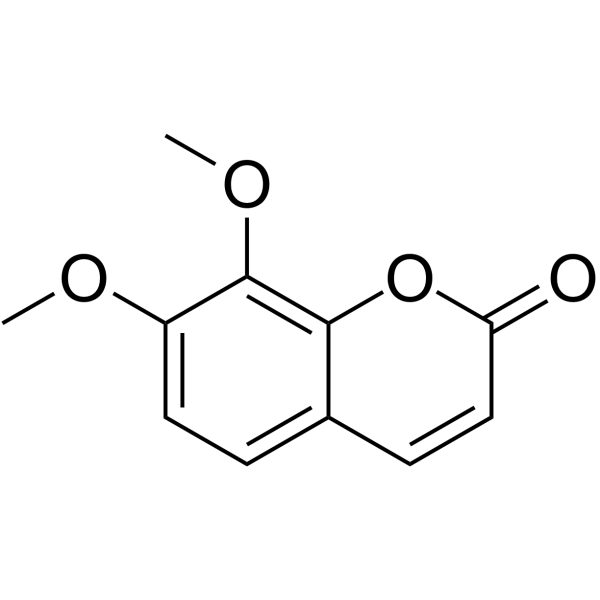
    Linderane, isolated from the root of Lindera aggregata, is an irreversible inhibitor cytochrome P450 2C9 (CYP2C9). Linderane has the potential to relieve pain and cramp .
    Linderane
  • HY-120824
    Mofezolac
    2 Publications Verification

    COX Inflammation/Immunology
    Mofezolac, a non-steroidal anti-inflammatory drug (NSAID), is a selective, reversible and orally active COX-1 inhibitor with an IC50 of 1.44 nM. Mofezolac shows weak inhibitory activity on COX-2 (IC50 of 447 nM). Mofezolac can relieve pain and has anti-inflammatory activities .
    Mofezolac
  • HY-145558

    Sodium Channel Neurological Disease
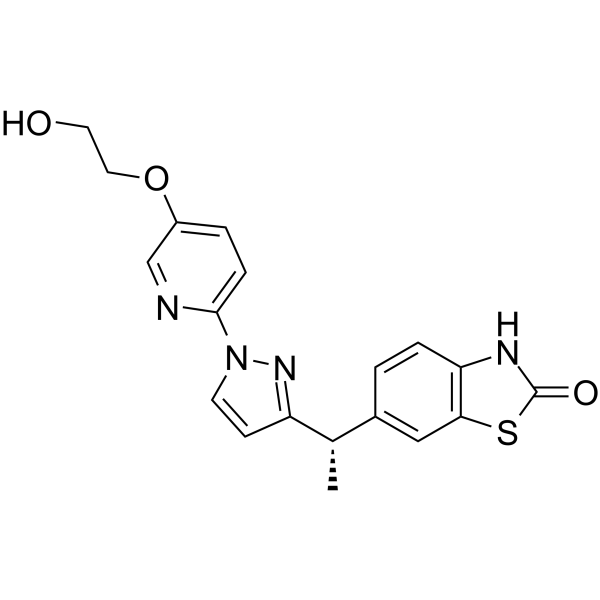
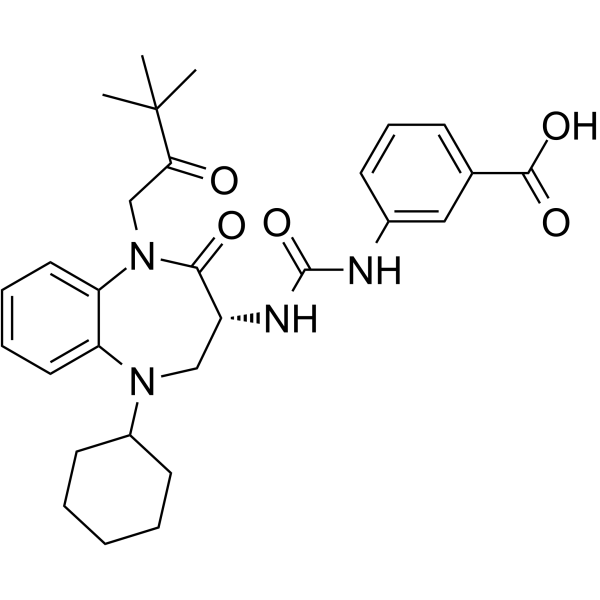
    Bliretrigine is a sodium channel blocker. Bliretrigine has the effect of relieving pain .
    Bliretrigine
  • HY-108707
    LY3130481
    1 Publications Verification

    iGluR Neurological Disease
    LY3130481 is an orally available AMPA receptor antagonist, selectively inhibiting the IC50 value of AMPA/TARP γ-8 at 65 nM. LY3130481 has anticonvulsant, antiepileptic, and pain-relieving effects .
    LY3130481
  • HY-W357818

    GX

    Sodium Channel ERK MEK NF-κB Drug Metabolite Cancer
    Glycinexylidide (GX) is the active metabolite of Lidocaine. Lidocaine is a local agent that can suppress or relieve pain, that inhibits sodium channels involving complex voltage and dependence. Lidocaine also reduces the growth, migration and invasion of gastric cancer cells. Glycinexylidide has research potential for use in anesthesia, cancer, and cardiovascular disease .
    Glycinexylidide
  • HY-B0971

    Prophenpyridamine maleate; Tripoton maleate

    Histamine Receptor Apoptosis Inflammation/Immunology Endocrinology
    Pheniramine (Prophenpyridamine; Tripoton) maleate is a first-generation histamine H1 receptor antagonist, acts on the central nervous system (CNS) with sedative and hypnotic effect. Pheniramine maleate displays antitumor effect and induces leukemia cells apoptosis. Pheniramine maleate is also a safe and effective local agent that can suppress or relieve pain, with antipruritic effects .
    Pheniramine maleate
  • HY-76711S

    Isotope-Labeled Compounds Opioid Receptor Neurological Disease Metabolic Disease Inflammation/Immunology Cancer
    Naltrexone-d4 is deuterium labeled Naltrexone (HY-76711). Naltrexone is an orally active, long-acting opioid receptor (opioid receptor) antagonist. Naltrexone blocks the euphoric effects of exogenous opioids and reduces alcohol craving by blocking opioid receptors (μ, κ, and δ) as well as opioid growth factor receptors. Low doses of Naltrexone are used to relieve chronic pain, treat inflammatory diseases and inhibit tumor growth, while high doses or continuous administration exert pro-inflammatory or pro-proliferative effects. Naltrexone relieves intractable pruritus caused by psoriasis, atopic dermatitis and other conditions, and its combination with Bupropion (HY-B0403) inhibits food craving, thereby reducing body weight.
    Naltrexone-d4
  • HY-B2080A
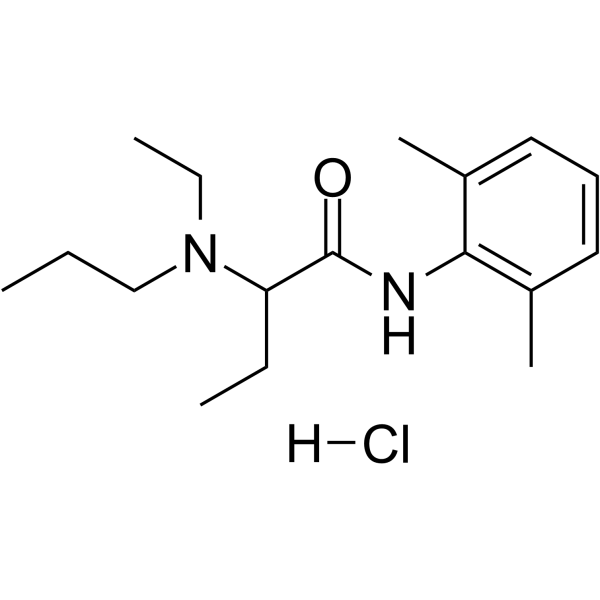
    Etidocaine hydrochloride
    2 Publications Verification

    EDC hydrochloride

    Sodium Channel Infection Others
    Etidocaine (hydrochloride) is a long aminoamide local agent that can suppress or relieve pain .
    Etidocaine hydrochloride
  • HY-108068

    Alfadolone acetate; GR 2/1574

    GABA Receptor Neurological Disease
    Alphadolone acetate (Alfadolone acetate) is a steroid agent that can suppress or relieve pain, with antinociception .
    Alphadolone acetate
  • HY-109547

    Diclofenac hydroxyethylpyrrolidine

    COX Inflammation/Immunology Cancer
    Flector Patch (Diclofenac epolamine) is a non-steroidal anti-inflammatory drug (NSAID) . Flector Patch is used for relieving arthritis Pain, acute Pain, osteoarthritis, and actinic Keratosis. Flector Patch has good skin absorption characteristics without local adverse reactions and allergies .
    Diclofenac epolamine
  • HY-108562

    Prostaglandin Receptor Neurological Disease
    SC-51322 is a potent and selective antagonist of prostaglandin E2 (PGE2) receptor (EP 1), with a pA2 of 8.1. SC-51322 has the pain-relieving effect .
    SC-51322
  • HY-B1726

    Holocaine

    Phosphodiesterase (PDE) Metabolic Disease
    Phenacaine (Holocaine) is a local agent that can suppress or relieve pain. Phenacaine inhibits the specific calmodulin-dependent stimulation of erythrocyte Ca 2+-ATPase and cyclic nucleotide phosphodiesterases from brain and heart .
    Phenacaine
  • HY-B0444R
    Maprotiline hydrochloride (Standard)
    4 Publications Verification

    Reference Standards Autophagy Apoptosis ERK Neurological Disease Cancer
    Maprotiline (hydrochloride) (Standard) is the analytical standard of Maprotiline (hydrochloride). Maprotiline (hydrochloride) (Standard) is a highly selective noradrenergic reuptake inhibitor that has strong antidepressant, antitumor and neuropathic pain-relieving effects. Maprotiline (hydrochloride) (Standard) induces cancer cell apoptosis by targeting the ERK signaling pathway and CRABP1 .
    Maprotiline hydrochloride (Standard)
  • HY-103520

    GABA Receptor Neurological Disease
    DS2 is a selective positive allosteric modulator of δ-GABAA receptor. DS2 selectively potentiates GABA responses mediated by α4β3δ receptor. DS2 does not enhance activity at α4β3γ2 and α1β3γ2 receptors. DS2 relieves pain and has the potential for sleep disorders research .
    DS2
  • HY-W275039

    2-Phenylbenzoquinone

    Biochemical Assay Reagents Neurological Disease
    Phenylquinone (2-Phenylbenzoquinone) causes pain and induces writhing in mice, and is often used in experiments to test the effectiveness of analgesics or agent that can suppress or relieve pain .
    Phenylquinone
  • HY-B1126

    iGluR Neurological Disease Cancer
    Orphenadrine hydrochloride is an orally active and non-competitive NMDA receptor antagonist (crosses the blood-brain barrier) with a Ki of 6.0 μM. Orphenadrine hydrochloride relieves stiffness, pain and discomfort due to muscle strains, sprains or other injuries. Orphenadrine hydrochloride is also used to relieve tremors associated with parkinson's disease. Orphenadrine citrate has good neuroprotective properties, can be used in studies of neurodegenerative diseases .
    Orphenadrine hydrochloride
  • HY-B0444A

    Autophagy Apoptosis ERK Neurological Disease Cancer
    Maprotiline is a highly selective noradrenergic reuptake inhibitor that has strong antidepressant, antitumor and neuropathic pain-relieving effects. Maprotiline induces cancer cell apoptosis by targeting the ERK signaling pathway and CRABP1 .
    Maprotiline
  • HY-B0653
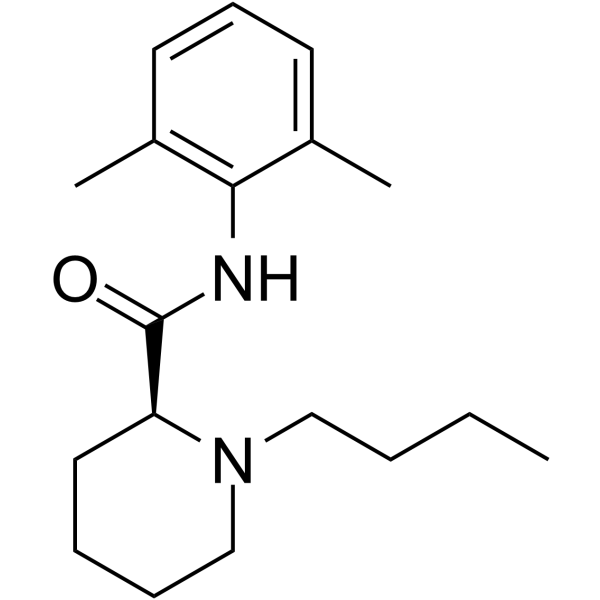
    Levobupivacaine
    2 Publications Verification

    (S)-(-)-Bupivacaine

    Sodium Channel Ferroptosis Neurological Disease Cancer
    Levobupivacaine ((S)-(-)-Bupivacaine) is a long-acting amide local agent that can suppress or relieve pain. Levobupivacaine exerts agent that can suppress or relieve pain. and analgesic effects through reversible blockade of neuronal sodium channel. Levobupivacaine can inhibit impulse transmission and conduction in cardiovascular and other tissues, possessing certain cardiac and CNS toxicity. Levobupivacaine is metabolized by hepatic cytochrome P450 (CYP450) enzymes in vivo. Levobupivacaine can also induce ferroptosis by miR-489-3p/SLC7A11 signaling in gastric cancer .
    Levobupivacaine
  • HY-W121901

    (S)-Naproxen-β-D-glucuronide

    COX Inflammation/Immunology
    Naproxen glucuronide ((S)-Naproxen-β-D-glucuronide) is a non-selective COX inhibitor. Naproxen glucuronide, a metabolite of naproxen, is a nonsteroidal anti-inflammatory drug (NSAID) of the propionic acid class (the same as ibuprofen) that relieves pain, fever, swelling, and stiffness .
    Naproxen glucuronide
  • HY-106407

    Org 4428; ADL 6906

    Adrenergic Receptor 5-HT Receptor Neurological Disease
    Beloxepin (Org 4428) is an orally active synaptosomal noradrenalin reuptake inhibitor and a 5-HT2 receptor antagonist. Beloxepin shows about 100-fold less affine for other monoamine carriers. Beloxepin has antidepressant and pain-relieving effects .
    Beloxepin
  • HY-76711R

    Reference Standards Opioid Receptor Neurological Disease Metabolic Disease Inflammation/Immunology Cancer
    Naltrexone (Standard) is the analytical standard of Naltrexone (HY-76711). This product is intended for research and analytical applications. Naltrexone is an orally active, long-acting opioid receptor (opioid receptor) antagonist. Naltrexone blocks the euphoric effects of exogenous opioids and reduces alcohol craving by blocking opioid receptors (μ, κ, and δ) as well as opioid growth factor receptors. Low doses of Naltrexone are used to relieve chronic pain, treat inflammatory diseases and inhibit tumor growth, while high doses or continuous administration exert pro-inflammatory or pro-proliferative effects. Naltrexone relieves intractable pruritus caused by psoriasis, atopic dermatitis and other conditions, and its combination with Bupropion (HY-B0403) inhibits food craving, thereby reducing body weight.
    Naltrexone (Standard)
  • HY-A0057S

    Calcium Channel Neurological Disease
    Gabapentin-d4 is the deuterium labeled Gabapentin. Gabapentin (Neurontin) is a pharmaceutical agent, specifically a GABA analog. It was originally developed to treat epilepsy, and currently is also used to relieve neuropathic pain.
    Gabapentin-d4
  • HY-116457

    Sombrevin; Fabantol

    GABA Receptor Cardiovascular Disease Neurological Disease
    Propanidid (Sombrevin; Fabantol) is a γ-aminobutyric acid type A (GABAA) receptor agonist and a short-acting non-barbiturate general agent that can suppress or relieve pain. Propanidid can decrease the arterial pressure .
    Propanidid
  • HY-107320

    Prostaglandin Receptor COX NO Synthase Inflammation/Immunology
    Amtolmetin guacil is an effective nonsteroidal anti-Inflammatory agent with pain-relieving effects. Amtolmetin guacil inhibits prostaglandin synthesis and cyclooxygenase (COX). Amtolmetin guacil can stimulate capsaicin receptors present on the gastrointestinal wall and also releases gastroprotective nitric oxide (NO). Amtolmetin guacil can be used to research knee osteoarthritis .
    Amtolmetin guacil
  • HY-B0971A

    Prophenpyridamine; Tripoton; Pheniramine solution

    Histamine Receptor Apoptosis Inflammation/Immunology Cancer
    Pheniramine (Prophenpyridamine;Tripoton) is a first-generation histamine H1 receptor antagonist, acts on the central nervous system (CNS) with sedative and hypnotic effect. Pheniramine displays antitumor effect and induces leukemia cells apoptosis. Pheniramine is also a safe and effective local agent that can suppress or relieve pain, with antipruritic effects .
    Pheniramine
  • HY-W005637

    Others Neurological Disease
    Orthocaine is a local agent that can suppress or relieve pain (extracted from patent WO2002089849A1) .
    Orthocaine
  • HY-B1656

    P 652

    Sodium Channel Cardiovascular Disease Neurological Disease
    Fomocaine (P 652) is an orally active local agent that can suppress or relieve pain. Fomocaine shows antiarrhythmic activity .
    Fomocaine
  • HY-139068

    Drug Derivative Others
    Ibuprofen arginine is an orally active L-arginine of Ibuprofen (HY-78131). With rapid absorption and high bioavailability, Ibuprofen arginine can effectively relieve a variety of acute pain, and has little damage to gastric mucosa and is well tolerated. Ibuprofen arginine can be used in research for pain relief .
    Ibuprofen arginine

Inquiry Online

Your information is safe with us. * Required Fields.

Salutation


Country or Region *

Applicant Name *


Organization Name *

Department *


Email Address *


Product Name *

Cat. No.


Requested quantity *

Phone Number *


Remarks

Inquiry Online

Inquiry Information

Product Name:
Cat. No.:
Quantity:
MCE Japan Authorized Agent:

