



60142-96-3
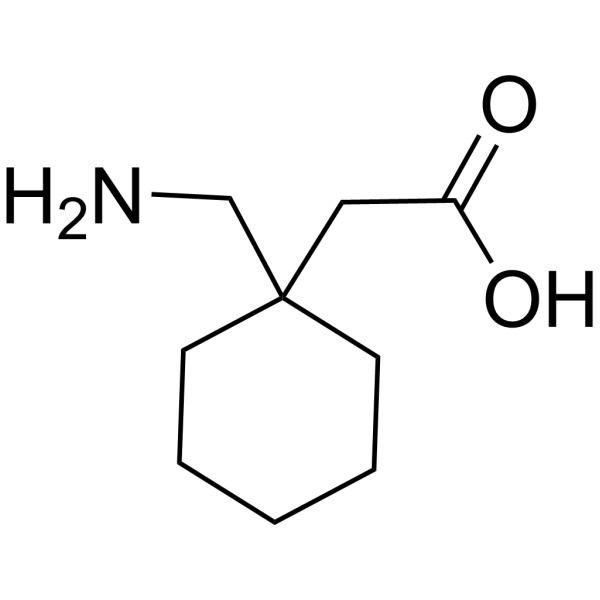
60142-96-3
Chemical Structure
Gabapentin
- CAS No.: 60142-96-3
- Formula:C9H17NO2
- Molecular Weight:171.24
IUPAC Name: 2-(1-(aminomethyl)cyclohexyl)acetic acid
InChIKey: UGJMXCAKCUNAIE-UHFFFAOYSA-N
SMILES: O=C(O)CC1(CN)CCCCC1
Biological Activity: Gabapentin is a potent, orally active P/Q type Ca2+ channel blocker. Gabapentin inhibits neuronal Ca2+ influx and reduction of neurotransmitter release. Gabapentin is a GABA analog that can be used to relieve neuropathic pain[1][2][3].
| Cat. No. | Product Name | Purity | Description | Pricing | |||||||||||||||||||
|---|---|---|---|---|---|---|---|---|---|---|---|---|---|---|---|---|---|---|---|---|---|---|---|
|
|
Gabapentin | 99.99% | Gabapentin is a potent, orally active P/Q type Ca2+ channel blocker. Gabapentin inhibits neuronal Ca2+ influx and reduction of neurotransmitter release. Gabapentin is a GABA analog that can be used to relieve neuropathic pain. | ||||||||||||||||||||
|
loading...
/
|
|||||||||||||||||||||||
|
|
Gabapentin (Standard) | 99.94% | Gabapentin (Standard) is the analytical standard of Gabapentin. This product is intended for research and analytical applications. Gabapentin is a potent, orally active P/Q type Ca2+ channel blocker. Gabapentin inhibits neuronal Ca2+ influx and reduction of neurotransmitter release. Gabapentin is a GABA analog that can be used to relieve neuropathic pain. | ||||||||||||||||||||
|
loading...
/
|
|||||||||||||||||||||||
|
|
Gabapentin-d10 | 99.75% | Gabapentin-d10 is the deuterium labeled Gabapentin (HY-A0057). Gabapentin is a potent, orally active P/Q type Ca2+ channel blocker. Gabapentin inhibits neuronal Ca2+ influx and reduction of neurotransmitter release. Gabapentin is a GABA analog that can be used to relieve neuropathic pain. | ||||||||||||||||||||
|
loading...
/
|
|||||||||||||||||||||||
|
|
Gabapentin-d4 | 99.44% | Gabapentin-d4 is the deuterium labeled Gabapentin. Gabapentin (Neurontin) is a pharmaceutical agent, specifically a GABA analog. It was originally developed to treat epilepsy, and currently is also used to relieve neuropathic pain. | ||||||||||||||||||||
|
loading...
/
|
|||||||||||||||||||||||
Structural Analogs
-
Similarity Score 0.97
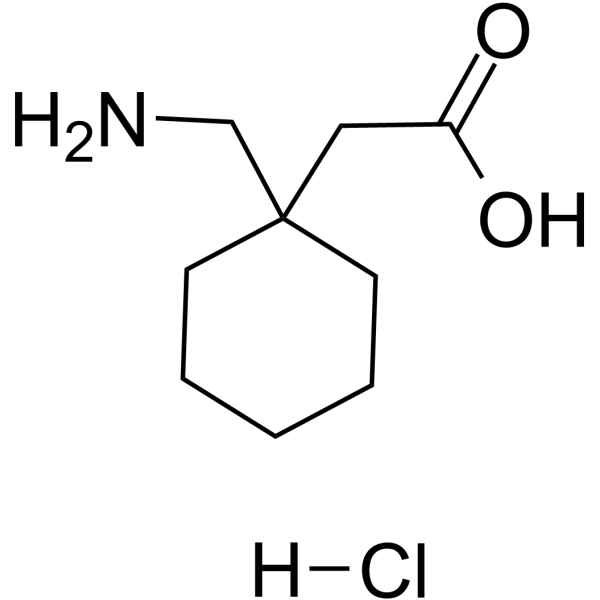 HY-A0057AGabapentin hydrochloride
-
Similarity Score 0.92
 HY-Z8265Gabapentin acid impurity 2
-
Similarity Score 0.87
 HY-W352093Gabapentin acid impurity 6
-
Similarity Score 0.86
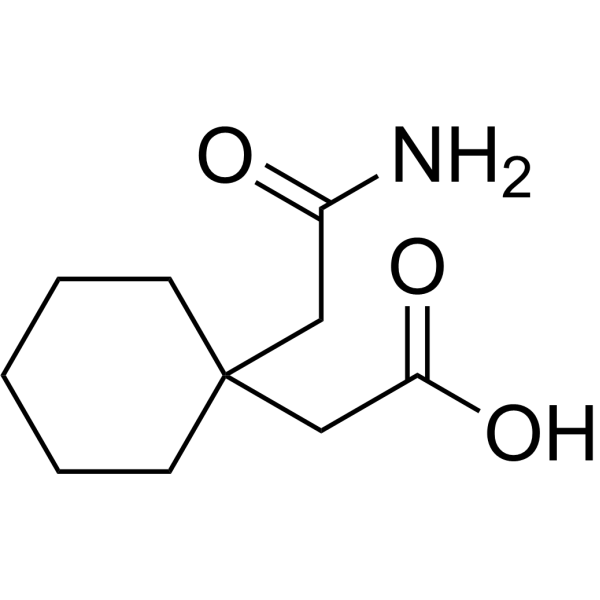 HY-W0258302-(1-(2-Amino-2-oxoethyl)cyclohexyl)acetic acid
-
Similarity Score 0.84
 HY-W334452Gabapentin acid impurity 3
-
Similarity Score 0.84
 HY-W0149041,1-Cyclohexanediaceticacid
-
Similarity Score 0.84
 HY-W017117Gabapentin acid impurity 5
-
Similarity Score 0.83
 HY-W342879Gabapentin acid impurity 3 hydrochloride
-
Similarity Score 0.82
 HY-W0161941-(Carboxymethyl)cyclohexanecarboxylic acid
-

Explore the MedChemAI to find more analogs


References
- [1]. Fink K, et, al. Inhibition of neuronal Ca(2+) influx by gabapentin and subsequent reduction of neurotransmitter release from rat neocortical slices. Br J Pharmacol. 2000 Jun;130(4):900-6. [Content Brief]
- [2]. Celikyurt IK, et, al. Gabapentin, A GABA analogue, enhances cognitive performance in mice. Neurosci Lett. 2011 Apr 1;492(2):124-8. [Content Brief]
- [3]. Meymandi MS, et, al. Gabapentin action and interaction on the antinociceptive effect of morphine on visceral pain in mice. Eur J Anaesthesiol. 2008 Feb;25(2):129-34. [Content Brief]



