
Search Result
Results for "
rescued
" in MedChemExpress (MCE) Product Catalog:
3
Biochemical Assay Reagents
8
Isotope-Labeled Compounds
| Cat. No. |
Product Name |
Target |
Research Areas |
Chemical Structure |
-
- HY-10295
-
SB 202190
Maximum Cited Publications
134 Publications Verification
|
Organoid
p38 MAPK
Autophagy
Apoptosis
|
Neurological Disease
Cancer
|
|
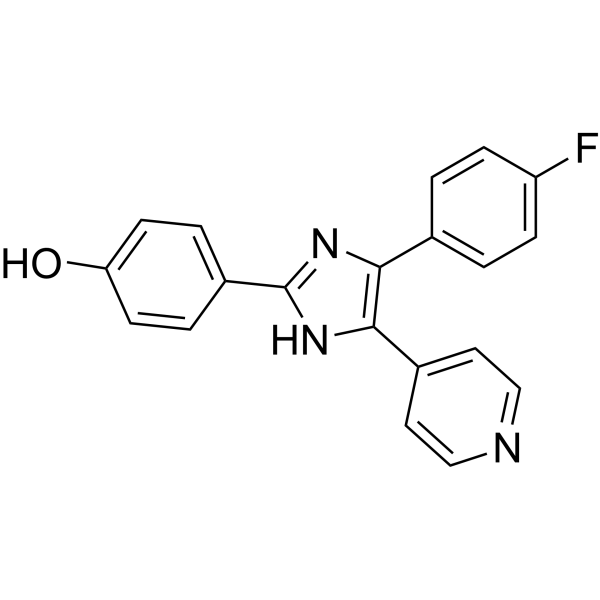
SB 202190 is a selective p38 MAP kinase inhibitor with IC50s of 50 nM and 100 nM for p38α and p38β2, respectively. SB 202190 binds to the ATP pocket of the active recombinant human p38 kinase with a Kd of 38 nM. SB 202190 has anti-cancer activity and rescued memory deficits . SB202190 induces autophagy .
|
-
-
- HY-100489
-
|
tert-Butylhydroquinone
|
Environmental Pollutants
Keap1-Nrf2
ERK
Autophagy
Apoptosis
Ferroptosis
|
Cancer
|
|
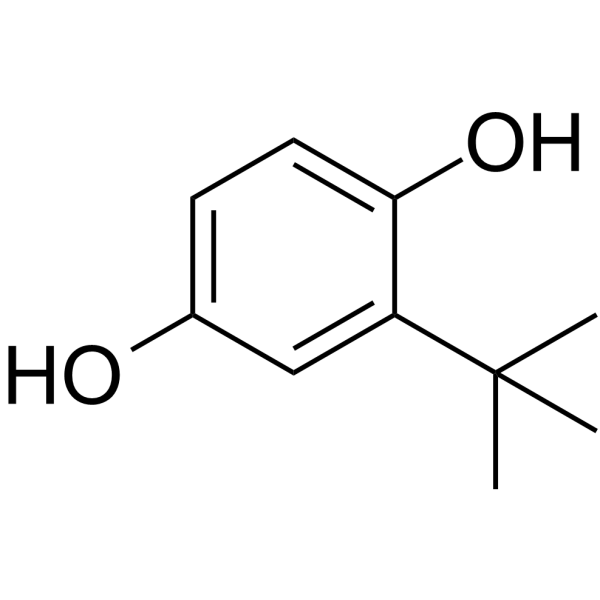
TBHQ (tert-Butylhydroquinone) is a widely used Nrf2 activator, protects against Doxorubicin (DOX)-induced cardiotoxicity through activation of Nrf2 . TBHQ (tert-Butylhydroquinone) is also an ERK activator; rescues Dehydrocorydaline (DHC)-induced cell proliferation inhibitionin melanoma .
|
-
-
- HY-100442
-
|
ABR-215757; ABR 25757
|
SARS-CoV
|
Metabolic Disease
Inflammation/Immunology
|
|
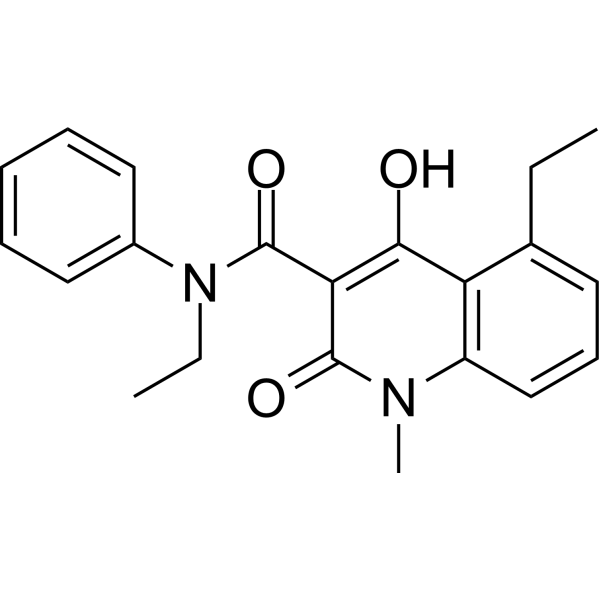
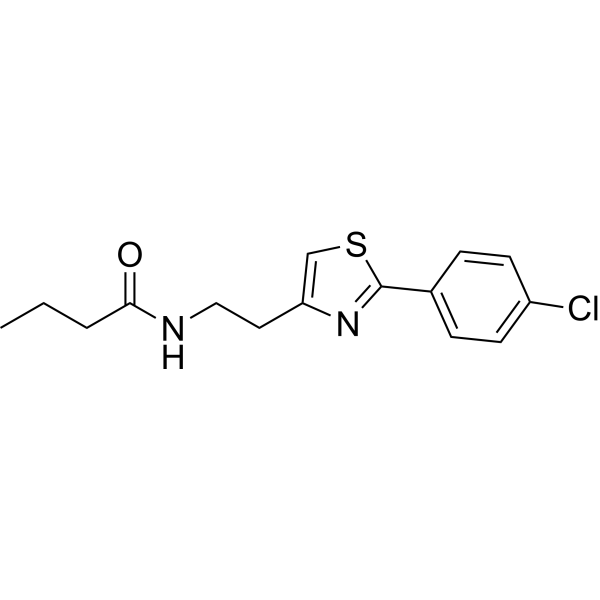
Paquinimod (ABR 215757) is a specific and orally active inhibitor of S100A8/S100A9. Paquinimod rescues the pneumonia with substantial reduction of viral loads in SARS-CoV-2-infected mice .
|
-
-
- HY-13664
-
|
Leucovorin calcium; Calcium folinate
|
Antifolate
Endogenous Metabolite
|
Cancer
|
|
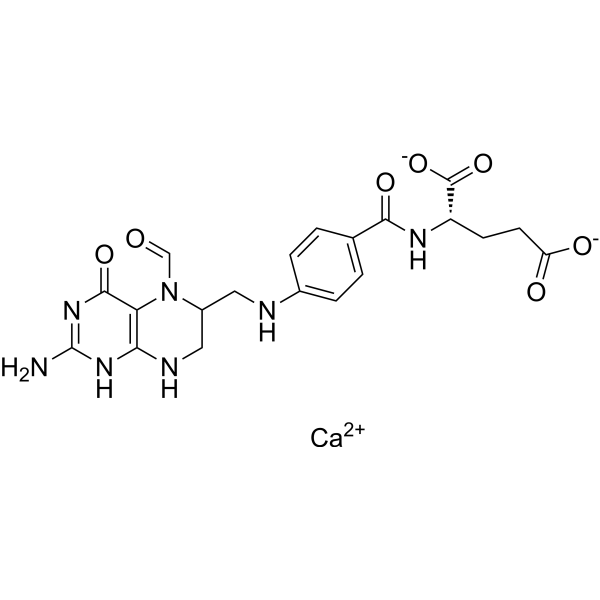
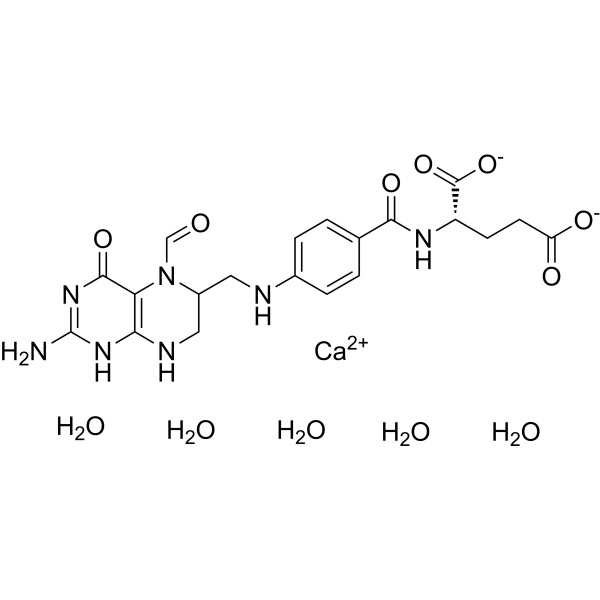
Folinic acid calcium (Leucovorin calcium) is a biological folic acid and is generally administered along with methotrexate (MTX) as a rescue agent to decrease MTX-induced toxicity .
|
-
-
- HY-17556
-
Folinic acid
Maximum Cited Publications
16 Publications Verification
leucovorin
|
Antifolate
Endogenous Metabolite
|
Cancer
|
|
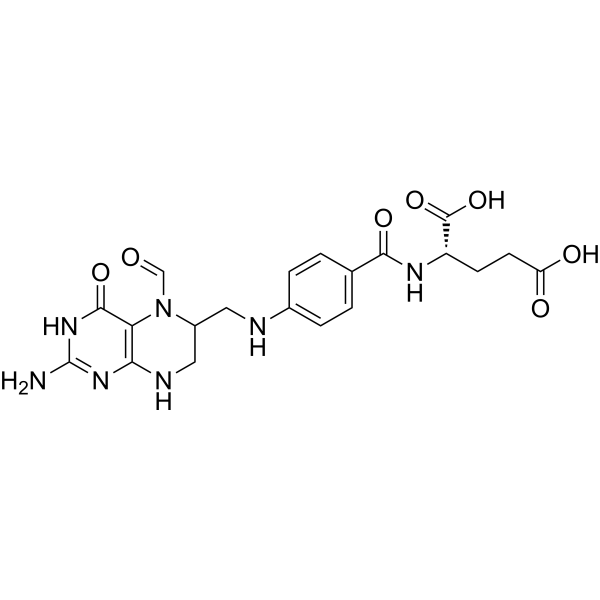
Folinic acid (Leucovorin) is a biological folic acid and is generally administered along with Methotrexate (HY-14519) as a rescue agent to decrease MTX-induced toxicity .
|
-
-
- HY-101855
-
|
Anle138b
|
Amyloid-β
|
Neurological Disease
|
|
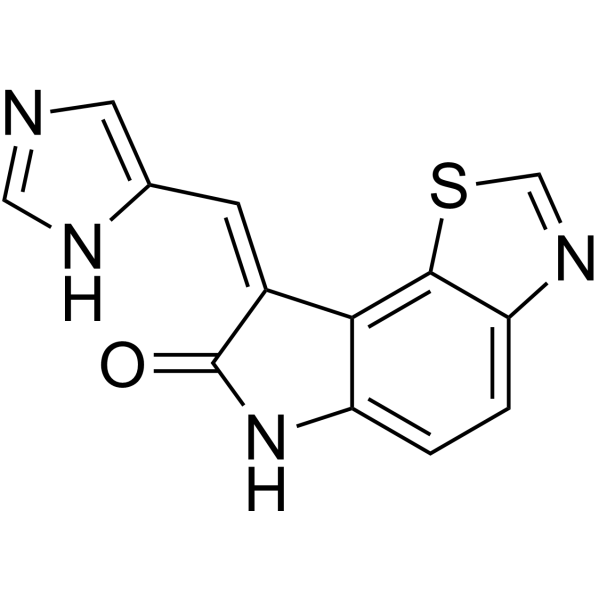
Emrusolmin (Anle138b), an oligomeric aggregation inhibitor, blocks the formation of pathological aggregates of prion protein (PrPSc) and of α-synuclein (α-syn). Emrusolmin strongly inhibits oligomer accumulation, neuronal degeneration, and disease progression in vivo. Emrusolmin has low toxicity and an excellent oral bioavailability and blood-brain-barrier penetration. Emrusolmin blocks Aβ channels and rescues disease phenotypes in a mouse model for amyloid pathology .
|
-
-
- HY-P990110
-
|
Mab158
|
Amyloid-β
|
Neurological Disease
|
|
Lecanemab (Mouse IGG2a) (Mab158) is a monoclonal antibody that targets soluble β-amyloid and has the potential to reduce cognitive decline. The variable region of Lecanemab (Mouse IGG2a) is consistent with that of Lecanemab, while the constant region is of Mouse IGG2a sequence. Lecanemab (Mouse IGG2a) almost abolishes Aβ accumulation in astrocytes and rescues neurons from Aβ-induced cell death. Lecanemab (Mouse IGG2a) holds promise for research in the field of Alzheimer's disease .
|
-
-
- HY-138153
-
|
|
Glutathione Peroxidase
Ferroptosis
|
Cancer
|
|
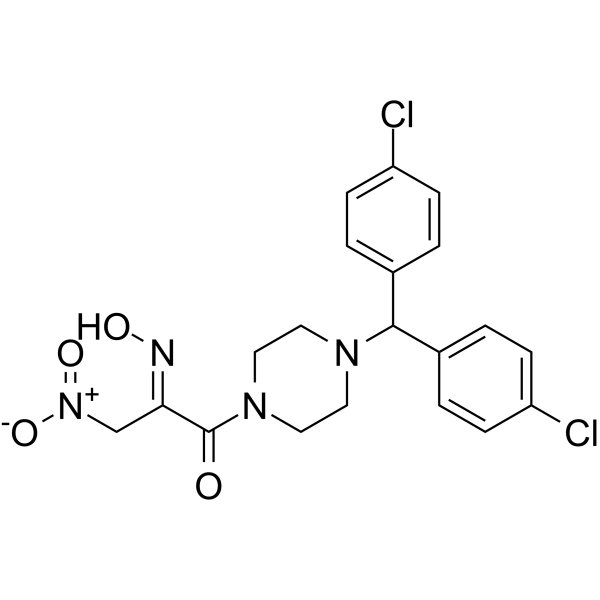
JKE-1674 is an orally active glutathione peroxidase 4 (GPX4) inhibitor and an active metabolite of GPX4 inhibitor ML-210. JKE-1674, an analog of ML-210 in which the nitroisoxazole ring is replaced with an α-nitroketoxime. JKE-1674 can convert into a nitrile oxide JKE-1777. JKE-1674 kills LOX-IMVI cells in a manner that is equipotent to ML-210 and is completely rescued by ferroptosis inhibitors .
|
-
-
- HY-13977A
-
|
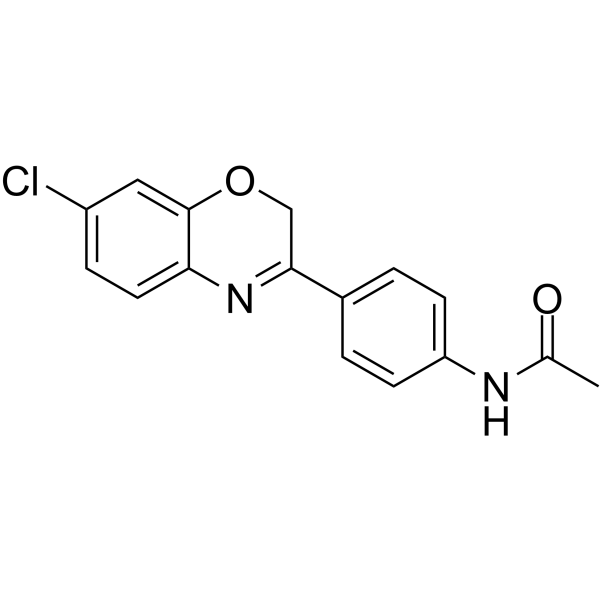
|
Apoptosis
|
Neurological Disease
|
|
PKR-IN-C16 (Compound C16) is a specific double-stranded RNA-dependent protein kinase (PKR) inhibitor. PKR-IN-C16 shows promising neuroprotective properties and can rescue acute brain lesions .
|
-
-
- HY-B0080
-
|
Leucovorin calcium salt pentahydrate
|
Antifolate
Endogenous Metabolite
|
Cancer
|
|
Folinic acid calcium salt pentahydrate (Leucovorin calcium salt pentahydrate) is a biological folic acid and is generally administered along with methotrexate (MTX) as a rescue agent to decrease MTX-induced toxicity .
|
-
-
- HY-172371
-
|
|
Hemoglobin
|
Neurological Disease
Metabolic Disease
Inflammation/Immunology
|
|
Hypoxystat is an orally active hypoxia mimetic. HypoxyStat increases Hemoglobin’s oxygen affinity, limiting oxygen offloading to the tissues and inducing local tissue hypoxia. Hypoxystat reduces Iba1 + cells. HypoxyStat causes systemic hypoxia. Hypoxystat effectively rescues hyperglycemia in mouse models of type 1 and type 2 diabetes. HypoxyStat not only extends lifespan but also rescues key neuropathological and behavioral deficits in the premier mouse model of Leigh syndrome .
|
-
-
- HY-12343
-
ML277
1 Publications Verification
CID-53347902
|
Potassium Channel
|
Cardiovascular Disease
|
|
ML277 (CID-53347902) is a potent and selective activator of K(v)7.1 (KCNQ1) potassium channel activator (EC50=270 nM), rescues function of pathophysiologically important mutant channel complexes in human induced pluripotent stem cell-derived cardiomyocytes .
|
-
-
- HY-18705
-
|
|
Apoptosis
Reactive Oxygen Species (ROS)
Caspase
Bcl-2 Family
Mitochondrial Metabolism
|
Endocrinology
|
|
Azoramide is a potent, orally active small-molecule modulator of the unfolded protein response (UPR). Azoramide improves ER protein folding and elevates ER chaperone capacity, which together protects cells against ER stress. Azoramide alleviates PLA2G6 mutant-induced ER stress through modulating unfolded protein response, and enhances the CERB signaling to rescue mitochondrial function, thereby preventing apoptosis of DA neurons. Azoramide has antidiabetic activity .
|
-
-
- HY-Y0808
-
|
|
Environmental Pollutants
Apoptosis
|
Neurological Disease
Metabolic Disease
|
|
Dimethyl succinate is an orally active cell permeable succinate analogue. Dimethyl succinate can disrupt the TCA cycle by elevating intracellular succinate levels, leading to reduced protein synthesis and impairs myogenic differentiation. Dimethyl succinate can induce apoptosis. Dimethyl succinate can decrease maximal cellular respiration and reserve capacity. Dimethyl succinate can rescue synapse loss in AD. Dimethyl succinate can be used for the researches of metabolic and neurological disease [1][2].
|
-
-
- HY-127009
-
|
Levofolinic acid; Levofolene
|
Lysyl Oxidase
Apoptosis
|
Metabolic Disease
Cancer
|
|
Levoleucovorin (Levofolinic acid; Levofolene) is the pharmacologically and orally active levoisomer of Folinic acid (HY-17556), a synthetic folate analogue. Levoleucovorin can inhibit LOXL2 with an IC50 of 68.81 μM. Levoleucovorin can inhibit cancer cells proliferation, migration and induce apoptosis. Levoleucovorin can be used as a rescue agent for high-dose Methotrexate (HY-14519). Levoleucovorin can reduce the frequency of embryonic malformations. Levoleucovorin can be used for the research of can and endocrinology, such as breast cancer and osteosarcoma .
|
-
-
- HY-112483
-
QX77
5 Publications Verification
|
Autophagy
|
Cancer
|
|
QX77 is a chaperone-mediated autophagy (CMA) activator and upregulates LAMP2A expression in vitro. QX77 induces Rab11 upregulation, rescues Rab11 down-regulation and trafficking deficiency in cystinotic cells . QX77 can impede self-renewal and promote differentiation of ES cells .
|
-
-
- HY-101093
-
CA-170
2 Publications Verification
|
PD-1/PD-L1
|
Inflammation/Immunology
Cancer
|
|
CA-170 is an orally delivered dual inhibitor of VISTA and PD-L1. CA-170 exhibits potent rescue of proliferation and effector functions of T cells inhibited by PD-L1/L2 and VISTA with selectivity over other immune checkpoint proteins as well as a broad panel of receptors and enzymes .
|
-
-
- HY-112798
-
|
|
Apolipoprotein
|
Neurological Disease
|
|
PH-002 is an inhibitor of apolipoprotein (apo) E4 intramolecular domain interaction in neuronal cells that could rescue impairments of mitochondrial motility and neurite outgrowth.
|
-
-
- HY-D0873
-
|
EPPS
|
Amyloid-β
|
Neurological Disease
|
|
HEPPS (EPPS) is a buffering agent with the useful pH range from 7.3 ~ 8.7. HEPPS reduces Aβ-aggregate-induced memory deficits and rescues cognitive deficits in mice. EPPS is orally active and penetrates the blood-brain barrier .
|
-
-
- HY-124899
-
|
SAg1.5
|
Hedgehog
|
Metabolic Disease
|
|
Hh-Ag1.5 (SAg1.5) is a potent Hedgehog (Hh) agonist with an EC50 of 1 nM . Hh-Ag1.5 mediated reprogramming breaks the quiescence of noninjured liver stem cells for rescuing liver failure .
|
-
-
- HY-P0121
-
ReACp53
2 Publications Verification
|
MDM-2/p53
|
Cancer
|
|
ReACp53 could inhibit p53 amyloid formation and rescue p53 function in cancer cell lines.
|
-
-
- HY-W011522
-
|
|
Bacterial
Apoptosis
Antibiotic
Autophagy
|
Infection
Cancer
|
|
Taurolidine is a potent antimicrobial and anticancer agent. Taurolidine inhibits cell proliferation. Taurolidine induces apoptosis and autophagy. Taurolidine rescues mice from sepsis-associated lethality .
|
-
-
- HY-W229874
-
|
|
E1/E2/E3 Enzyme
NF-κB
Reactive Oxygen Species (ROS)
SOD
|
Cancer
|
|
EN106 is a potent inhibitor of FEMIB. EN106 is a cysteine-reactive covalent ligand. EN106 disrupts recognition of the key reductive stress substrate of FEM1B, FNIP1. EN106 reduces oxidative stress and rescues high glucose-induced impaired angiogenesis in HUVECs .
|
-
-
- HY-160505
-
|
|
HCN Channel
|
Neurological Disease
|
|
RO-275 (compound 29) is a potent, selective and orally active HCN1 inhibitor with IC50 values of 0.046, 14.3, 4.6, 13.9 µM for HCN1, HCN2, HCN3, HCN4, respectively. RO-275 rescues decremented working memory. RO-275 has the potential for the research of cognitive dysfunction in brain disorder .
|
-
-
- HY-161929
-
|
|
Glutathione Peroxidase
Ferroptosis
|
Cardiovascular Disease
|
|
GPX4 activator 2 is a GPX4 activator with a Ka value of 0.426 μM for human GPX4. GPX4 activator 2 reduces lipid hydroperoxide levels, prevents lipid peroxide accumulation, and inhibits ferroptosis. GPX4 activator 2 rescues cell death induced by Erastin (HY-15763). GPX4 activator 2 exerts cardioprotective effects in a mouse model of doxorubicin (HY-15142A)-induced myocardial injury .
|
-
-
- HY-101955A
-
|
(2R,6R)-HNK hydrochloride
|
Drug Metabolite
|
Neurological Disease
|
|
(2R,6R)-Hydroxynorketamine ((2R,6R)-HNK) hydrochloride is an active ketamine metabolite with no NMDAR binding activity. (2R,6R)-Hydroxynorketamine hydrochloride rescues impaired dorsal hippocampal long-term potentiation and restores robust long-term potentiation in the hippocampal SC-CA1 pathway. (2R,6R)-Hydroxynorketamine hydrochloride can be used for research on depression .
|
-
-
- HY-N7880
-
|
|
Reactive Oxygen Species (ROS)
|
Cancer
|
|
Salvianolic acid Y is a phenolic acid with the same planar structure as Salvianolic acid B. Salvianolic acid Y rescues cell injury by H2O2 .
|
-
-
- HY-17556R
-
|
leucovorin (Standard)
|
Reference Standards
Antifolate
Endogenous Metabolite
|
Cancer
|
|
Folinic acid (Standard) is the analytical standard of Folinic acid. This product is intended for research and analytical applications. Folinic acid (Leucovorin) is a biological folic acid and is generally administered along with Methotrexate (HY-14519) as a rescue agent to decrease MTX-induced toxicity .
|
-
-
- HY-117709
-
|
|
HDAC
|
Neurological Disease
|
|
BRD6688 is a selective HDAC2 inhibitor. BRD6688 increases H4K12 and H3K9 histone acetylation in primary mouse neuronal cells. BRD6688 crosses the blood brain barrier and rescues the memory defects associated with p25 induced neurodegeneration in contextual fear conditioning in a CK-p25 mouse model .
|
-
-
- HY-P1812
-
AUNP-12
3 Publications Verification
NP-12
|
PD-1/PD-L1
|
Cancer
|
|
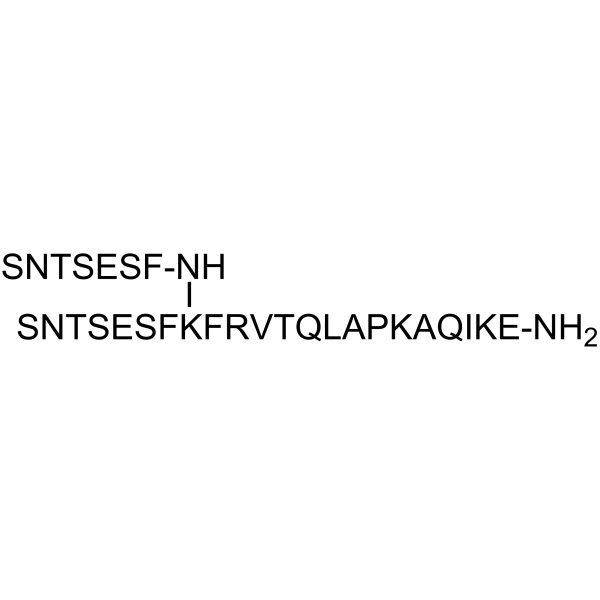
AUNP-12 (NP-12) is a peptide antagonist of the PD-1 signaling pathway, displays equipotent antagonism toward PD-L1 and PD-L2 in rescue of lymphocyte proliferation and effector functions. AUNP-12 exhibits immune activation, excellent antitumor activity, and potential for better management of immune-related adverse events (irAEs) .
|
-
-
- HY-162566
-
|
|
Calcium Channel
Amyloid-β
|
Neurological Disease
|
|
REM127 is a small molecule compound capable of modulating calcium homeostasis in cells and possesses neuroprotective effects. REM127 can restore the calcium homeostasis imbalance in cellular models caused by pathological accumulation of tau protein. REM127 can efficiently cross the blood-brain barrier, and it has the potential to rescue synaptic and cognitive deficits in Alzheimer's disease animal models, as well as to slow down the progression of amyloid-beta and tau protein pathologies. REM127 can be used for research in neurodegenerative diseases .
|
-
-
- HY-119936
-
|
|
CFTR
Autophagy
|
Inflammation/Immunology
|
|
GLPG2451 is a cystic fibrosis transmembrane conductance regulator (CFTR) potentiator, which effectively potentiates low temperature rescued F508del CFTR with an EC50 of 11.1 nM .
|
-
-
- HY-P991373
-
|
|
Tau Protein
|
Neurological Disease
|
|
APNmAb005 is a human monoclonal antibody (mAb) targeting MAPT/Tau/PHF-tau. APNmAb005 blocks tau seeding in vitro and rescues neuronal loss in rTG4510 mice. APNmAb005 can be used in Alzheimer’s disease (AD) research .
|
-
-
- HY-W011522R
-
|
|
Reference Standards
Bacterial
Apoptosis
Antibiotic
Autophagy
|
Infection
Cancer
|
|
Taurolidine (Standard) is the analytical standard of Taurolidine. This product is intended for research and analytical applications. Taurolidine is a potent antimicrobial and anticancer agent. Taurolidine inhibits cell proliferation. Taurolidine induces apoptosis and autophagy. Taurolidine rescues mice from sepsis-associated lethality[1][2].
|
-
-
- HY-P2724
-
|
PNP
|
Endogenous Metabolite
|
Metabolic Disease
|
|
Purine nucleoside phosphorylase, Microorganism (PNP) is a key enzyme in purine metabolism, which is involved in the purine rescue pathway. The deficiency of Purine nucleoside phosphorylase resulted in impaired T cell function. In the presence of inorganic orthophosphate as the second substrate, Purine nucleoside phosphorylase catalyzes the breaking of the glycosidic bond between ribose and deoxyribonucleoside to generate purine base and ribose (deoxyribose) -1-phosphate .
|
-
-
- HY-108531
-
|
|
RAR/RXR
|
Metabolic Disease
|
|
ER 50891 is a RARα antagonist. ER 50891 can significantly antagonize the inhibitory effect of all-trans retinoic acid (ATRA) on the total cell metabolic activity and proliferation of MC3T3-E1 preosteoblasts. ER 50891 rescues ATRA-inhibited osteocalcin (OCN) expression and extracellular matrix mineralization, and suppresses alkaline phosphatase (ALP) activity synergistically. ER 50891 can be used for the study of osteoporosis related to ATRA-induced inhibition of osteoblastogenesis .
|
-
-
- HY-178317
-
|
|
PARP
Apoptosis
|
Infection
Inflammation/Immunology
Cancer
|
|
OUL312 is a potent PARP10 inhibitor (IC50 = 20 nM), showing more than 75-fold greater selectivity for PARP15 (IC50 = 1500 nM). OUL312 is also at least 18-fold higher than all other human enzymes in the family. OUL312 has a good ADME profile, is able to enter cells, is not toxic, and effectively rescues human cells from PARP10-induced apoptosis at sub-micromolar concentrations. OUL312 can be used for the study of cervical cancer .
|
-
-
- HY-W012985
-
|
|
ATP Synthase
Apoptosis
|
Metabolic Disease
Cancer
|
|
Methyl pyruvate is a methyl ester derivative of pyruvic acid. Methyl pyruvate induces insulin release and membrane depolarization. Methyl pyruvate rescues proteasome damage and nuclear localization of TdP-43 caused by overexpression of σ1RE102Q by enhancing ATP synthesis. Methyl pyruvate selectively protects normal lung fibroblasts from cell death induced by Irinotecan (HY-16562). Methyl pyruvate promotes apoptosis and necrosis in cancer cells and downregulates angiogenesis and cell cycle pathways. Methyl pyruvate is an effective substrate for dihydrodihydrogen dehydrogenase.
|
-
-
- HY-115429
-
|
(6R)-Leucovorin calcium; (6R)-Folinic acid calcium
|
Drug Derivative
|
Metabolic Disease
|
|
Calcium dextrofolinate is a stereoisomer of Calcium folinate. Calcium folinate (Folinic acid calcium) is a biological folic acid and is generally administered along with methotrexate (MTX) as a rescue agent to decrease MTX-induced toxicity .
|
-
-
- HY-17556S1
-
|
Leucovorin-d4 calcium hydrate
|
Isotope-Labeled Compounds
Endogenous Metabolite
Antifolate
|
Cancer
|
|
Folinic acid-d4-1 (Leucovorin-d4-1) calcium hydrate is deuterated labeled Folinic acid (HY-17556). Folinic acid (Leucovorin) is a biological folic acid and is generally administered along with Methotrexate (HY-14519) as a rescue agent to decrease Methotrexate-induced toxicity.
|
-
-
- HY-N5130
-
|
|
Others
|
Neurological Disease
|
|
Effusol, a phenolic constituent from Juncus effuses, exhibits potent scavenging activity for DPPH and ABTS radicals, with IC50 values of 79 μM and 2.73 μM, respectively. Effusol rescues CA1 LTP attenuated by corticosterone, defending the hippocampal function against stress-induced cognitive decline .
|
-
-
- HY-W004705
-
|
2-Hydroxymethylaniline
|
Chloride Channel
|
Neurological Disease
|
|
(2-Aminophenyl)methanol (2-Hydroxymethylaniline) is a molecular chaperone to rescue P123S mutant pendrin. (2-Aminophenyl)methanol has the advantages of low dose, long-term effect and low toxicity. (2-Aminophenyl)methanol can be used for the study of Pendred syndrome (a syndromic deafness) .
|
-
-
- HY-146502
-
|
|
PARP
Apoptosis
|
Cancer
|
|
PARP10/15-IN-3 (Compound 8a) is a potent PARP10 and PARP15 dual inhibitor with IC50 values of 0.14 µM and 0.40 µM against PARP10 and PARP15, respectively. PARP10/15-IN-3 is able to enter cells and rescue cells from apoptosis .
|
-
-
- HY-100489R
-
|
tert-Butylhydroquinone (Standard)
|
Reference Standards
Keap1-Nrf2
ERK
Autophagy
Apoptosis
Ferroptosis
|
Cancer
|
|
TBHQ (Standard) is the analytical standard of TBHQ. This product is intended for research and analytical applications. TBHQ (tert-Butylhydroquinone) is a widely used Nrf2 activator, protects against Doxorubicin (DOX)-induced cardiotoxicity through activation of Nrf2 . TBHQ (tert-Butylhydroquinone) is also an ERK activator; rescues Dehydrocorydaline (DHC)-induced cell proliferation inhibitionin melanoma .
|
-
-
- HY-146501
-
|
|
PARP
Apoptosis
|
Cancer
|
|
PARP10/15-IN-2 (Compound 8h) is a potent PARP10 and PARP15 dual inhibitor with IC50 values of 0.15 µM and 0.37 µM against PARP10 and PARP15, respectively. PARP10/15-IN-2 is able to enter cells and rescue cells from apoptosis .
|
-
-
- HY-176236
-
|
|
LXR
Autophagy
|
Metabolic Disease
|
|
Lipophagy inducer 1 is a lipophagy inducer. Lipophagy inducer 1 has activity of reducing lipid droplet accumulation and rescuing cell death. Lipophagy inducer 1 exerts its effects by activating lipophagy, increasing steady-state autophagosome and regulating the LXR signaling pathway. Lipophagy inducer 1 can be used in the study of diabetic nephropathy (DKD) and other diseases related to lipid metabolism disorders .
|
-
-
- HY-155971
-
|
|
Autophagy
|
Inflammation/Immunology
Cancer
|
|
VISTA-IN-2 (Compound 1) is an inhibitor of V-domain Ig suppressor of T-cell activation (VISTA). VISTA-IN-2 induces VISTA degradation in cells through an autophagic mechanism. VISTA-IN-2 rescues VISTA-mediated immunosuppression, and enhances antitumor activity of immune cells. VISTA-IN-2 also activates the antitumor immunity and inhibits tumor growth in a CT26 mouse model .
|
-
-
- HY-101865
-
|
|
Bacterial
|
Infection
|
|
KKL-10 is a small-molecule ribosome rescue inhibitor with broad-spectrum antimicrobial activity against bacteria.
|
-
-
- HY-117187
-
|
|
CFTR
|
Others
|
|
Corr4A is a chemical corrector, which can be used for cystic fibrosis. Corr4A interacts directly with the cystic fibrosis transmembrane conductance regulator (CFTR) or affects indirectly its folding process. Corr4A increases the expression of CFTR ΔF508 on the cell surface, thereby improving its transport to the plasma membrane and increasing the stability of the rescued mutant protein .
|
-
-
- HY-P5183
-
|
|
Sodium Channel
|
Neurological Disease
|
|
Hm1a is a venom peptide and a selective hNaV1.1 activator with an EC50 of 7.5 nM. Hm1a enhances hNaV1.1 and hNaV1.3 channel currents via delayed inactivation. Hm1a restores action potential firing in Dravet syndrome GABAergic inhibitory interneurons, reduces interictal epileptiform discharges and whole-brain hyperexcitability, lowers seizure frequency, and rescues premature death in Dravet syndrome mice. Hm1a can be used for the research of neurological disease, such as Dravet syndrome .
|
-
- HY-177779
-
|
|
Molecular Glues
|
Cancer
|
|
dRRM-1 is a DCAF15-dependent molecular glue degrader of RBM39 and RBM23. dRRM-1 can rescue the self-degradation of DCAF15. dRRM-1 can be used for the research of cancer .
|
-
- HY-10104
-
|
|
Beta-secretase
|
Neurological Disease
|
|
GRL-8234 is a potent β-secretase (BACE1) inhibitor with blood-brain barrier penetration (Ki = 1.8 nM). GRL-8234 can rescue age-related cognitive decline in Tg2576 mice. GRL-8234 can be used in the research related to Alzheimer's disease (AD) .
|
-
- HY-149651
-
|
|
GPR139
|
Neurological Disease
|
|
GPR139 agonist-2 (compound 20a) is a potent GPR139 agonist with an EC50 of 24.7 nM. GPR139 agonist-2 rescues the social interaction deficits and alleviates cognitive deficits in murine schizophrenia models. GPR139 agonist-2 has the potential for antischizophrenia drug research .
|
-
- HY-W835959
-
|
|
Tau Protein
|
Neurological Disease
|
|
ACI-3024 is an an orally active and highly selective Tau protein aggregation inhibitor. ACI-3024 decrease the β-sheet content and seeding properties of pathological Tau from different Tauopathies, leading to a significant rescue of the Tau-induced neurodegeneration and neuroinflammation in a cellular model. ACI-3024 is promising for research of neurodegenerative diseases .
|
-
- HY-100442S1
-
-
- HY-108531A
-
|
|
RAR/RXR
|
Cancer
|
|
ER 50891 quarterhydrate is a RARα antagonist. ER 50891 can significantly antagonize the inhibitory effect of all-trans retinoic acid (ATRA) on the total cell metabolic activity and proliferation of MC3T3-E1 preosteoblasts. ER 50891 rescues ATRA-inhibited osteocalcin (OCN) expression and extracellular matrix mineralization, and suppresses alkaline phosphatase (ALP) activity synergistically. ER 50891 can be used for the study of osteoporosis related to ATRA-induced inhibition of osteoblastogenesis .
|
-
- HY-174427
-
|
|
LRRK2
|
Neurological Disease
|
|
RN341 is a specific type II kinase inhibitor of LRRK2 (IC50: 296 nM). RN341 inhibits LRRK2 phosphorylation and avoids S935 dephosphorylation by stabilizing the open conformation. RN341 rescues LRRK2-mediated kinesin motility block by preventing microtubule binding. RN341 effectively inhibits LRRK2 wild-type and G2019S mutant at the cellular level. RN341 provides a new direction for Parkinson's disease research.
|
-
- HY-13664R
-
|
Leucovorin calcium (Standard); Calcium folinate (Standard)
|
Reference Standards
Antifolate
Endogenous Metabolite
|
Cancer
|
|
Folinic acid (calcium) (Standard) is the analytical standard of Folinic acid (calcium). This product is intended for research and analytical applications. Folinic acid calcium (Leucovorin calcium) is a biological folic acid and is generally administered along with methotrexate (MTX) as a rescue agent to decrease MTX-induced toxicity .
|
-
- HY-144105
-
|
|
MDM-2/p53
|
Cancer
|
|
NSC405640 is a potent inhibitor of the MDM2-p53 interaction. NSC405640 rescues structural p53 mutations. NSC405640 selectively inhibits the growth of cell lines with wild-type p53 .
|
-
- HY-P3528
-
|
|
Caspase
Apoptosis
|
Neurological Disease
|
|
GPR is a three amino acid peptide. GPR can rescue cultured rat hippocampal neurons from Aβ-induced neuronal death by inhibiting caspase-3/p53 dependent apoptosis. GPR can be used for the research of Alzheimer's disease (AD).
|
-
- HY-122989
-
|
|
DYRK
|
Inflammation/Immunology
|
|
Aristolactam BIII is a potent DYRK1A inhibitor and inhibits the kinase activity of DYRK1A in vitro (IC50= 9.67 nM. Aristolactam BIII rescues the proliferative defects of DYRK1A transgenic (TG) mouse-derived fibroblasts and neurological and phenotypic defects of DS-like Drosophila models .
|
-
- HY-W653912A
-
|
|
Isotope-Labeled Compounds
|
Cancer
|
|
Leucovorin-d4 (Leucovorin-d4) calcium hydrate, >90% is a deuterated labeled Folinic acid (Leucovorin, HY-17556). Folinic acid (Leucovorin) is a biological folic acid and is generally administered along with Methotrexate (MTX) (HY-14519) as a rescue agent to decrease MTX-induced toxicity .
|
-
- HY-17556A
-
|
Leucovorin disodium
|
Endogenous Metabolite
Antifolate
|
Cancer
|
|
Folinic acid (Leucovorin) disodium is a biological folic acid and is a forms of vitamin B9. Folinic acid disodium is generally administered along with Methotrexate (HY-14519) as a rescue agent to decrease MTX-induced toxicity. Folinic acid disodium and Sfluorouracil adjuvant chemotherapy shows effective in colon carcinoma .
|
-
- HY-165616
-
|
|
Trk Receptor
|
Neurological Disease
|
|
NS 1231 is a neurotrophic-like compound with neuroprotective effect. NS 1231 can rescue nerve growth factor (NGF)-differentiated PC12 cells from death induced by withdrawal of trophic factors. NS 1231 can stimulate NGF-induced neurite outgrowth of undifferentiated PC12 cells. NS 1231 can be used for the research of neurological disease, such as stroke .
|
-
- HY-174820
-
|
|
Necroptosis
RIP kinase
|
Inflammation/Immunology
Cancer
|
|
AZ'320 is an ATP-competitive necroptosis (EC50 of 4.9 μM) inhibitor and a RIPK1 (pKD of 5.45) inhibitor. AZ'320 inhibits necroptosis by inhibiting RIPK1 phosphorylation. AZ’320 prevents mortality of the mice and rescues temperature and body weight in SIRS mice models. AZ'320 can be used for researches of cancer and inflammation .
|
-
- HY-P1812A
-
|
NP-12 TFA
|
PD-1/PD-L1
|
Cancer
|
|
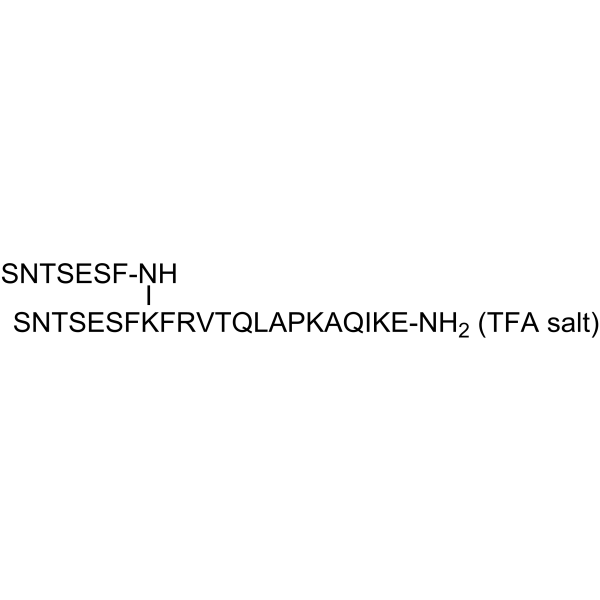
AUNP-12 TFA (NP-12 TFA) is a peptide antagonist of the PD-1 signaling pathway, displays equipotent antagonism toward PD-L1 and PD-L2 in rescue of lymphocyte proliferation and effector functions. AUNP-12 TFA exhibits immune activation, excellent antitumor activity, and potential for better management of immune-related adverse events (irAEs) .
|
-
- HY-N4192
-
|
|
Others
|
Cardiovascular Disease
Cancer
|
|
Toringin, a bioflavonoid, is isolated from the bark of Docyniopsis tschonoski. Toringin progressively decreases not only the cis-effect of the expanded CTG repeats but cytotoxicity as well. Exposure to isosakuranetin, Toringin rescues PC12 neuronal cells. Flavonoids are efficacious for ameliorating the RNA gain of function caused by expanded CTG repeats, and have various biological activities and beneficial actions against cancers, coronary heart disease, among other pathologies .
|
-
- HY-144104
-
-
- HY-17556B
-
|
Leucovorin calcium hydrate
|
Antifolate
Endogenous Metabolite
|
Cancer
|
|
Folinic acid (Leucovorin) calcium hydrate is a biological folic acid and is generally administered along with Methotrexate (HY-14519) as a rescue agent to decrease Methotrexate-induced toxicity .
|
-
- HY-158693
-
|
|
Sigma Receptor
|
Neurological Disease
|
|
WLB-87848 is a selective, orally active, and blood-brain barrier (BBB) permeable σ1 receptor agonist with the Ki of 9 nM. WLB-87848 rescues recognition memory impairment .
|
-
- HY-105790
-
|
Pipethanate
|
Cholinesterase (ChE)
|
Cardiovascular Disease
|
|
Piperilate (Pipethanate) is one of the mixtures of hetrazepine derivative PAF antagonists with anticholinergics, can be used for bronchial asthma research. Piperilate also causes hypotension and rescues mice poisoned by the organophosphates .
|
-
- HY-149274
-
|
|
Sigma Receptor
|
Neurological Disease
|
|
Sigma-1 receptor antagonist 4 (Compound 32) is a potent σ1R antagonist that significantly enhances the analgesic effect of morphine and rescues morphine-induced analgesic tolerance, with potential to prevent morphine tolerance .
|
-
- HY-129317
-
|
|
Prokineticin Receptor
|
Others
|
|
A457 is a prokineticin receptor PKR2 antagonist, with an IC50 of 102 nM. A457 can rescue the cell surface expression and function of P290S PKR2, but not W178S and G234D PKR2 .
|
-
- HY-W744578
-
|
|
Isotope-Labeled Compounds
Apoptosis
Bacterial
Autophagy
Antibiotic
|
Cancer
|
|
Taurolidine-d6 is the deuterium labeled Taurolidine (HY-W011522). Taurolidine is a potent antimicrobial and anticancer agent. Taurolidine inhibits cell proliferation. Taurolidine induces apoptosis and autophagy. Taurolidine rescues mice from sepsis-associated lethality .
|
-
- HY-145256
-
|
|
GABA Receptor
|
Neurological Disease
|
|
GABAA receptor agent 4 (compound 1e) is a potent γ-GABAAR antagonist with an Ki of 0.18 µM. GABAA receptor agent 4 efficiently rescues inhibition of T cell proliferation. GABAA receptor agent 4 has the immunomodulatory potential .
|
-
- HY-119857
-
|
SIRT2 Inhibitor,Inactive Control
|
Sirtuin
|
Neurological Disease
|
|
AGK7 is a potent inhibitor of sirtuin 2 (SIRT2). AGK7 rescues alpha-synuclein toxicity and modified inclusion morphology in a cellular model of Parkinson's disease. AGK7 protects against dopaminergic cell death both in vitro and in a Drosophila model of Parkinson's disease .
|
-
- HY-162678
-
|
|
HDAC
|
Neurological Disease
|
|
HDAC-IN-75 (5d) is a HDAC inhibitor, with IC50 values of 6.32 nM and 1352 nM for HDAC6 and HDAC1, respectively. HDAC-IN-75 (5d) promotes vision rescue in the atp6v0e1 –/– zebrafish model of photoreceptor dysfunction .
|
-
- HY-W704348
-
|
|
Isotope-Labeled Compounds
MDM-2/p53
|
Cancer
|
|
Diphenyltin Dichloride-d10 is the deuterium labeled NSC405640 (HY-144105). NSC405640 is a potent inhibitor of the MDM2-p53 interaction. NSC405640 rescues structural p53 mutations. NSC405640 selectively inhibits the growth of cell lines with wild-type p53 .
|
-
- HY-144775
-
|
|
Cholinesterase (ChE)
|
Neurological Disease
|
|
AChE-IN-10 (Compound 24r) is a potent inhibitor of AChE (IC50 = 2.4 nM). AChE-IN-10 potently inhibits AChE, reduces tau phosphorylation at S396 residue, provides neuroprotection by rescuing neuronal morphology and increasing cell viability. AChE-IN-10 is also found to reduce amyloid aggregation in the presence of AChE .
|
-
- HY-100442S
-
|
ABR-215757-d5; ABR 25757-d5
|
SARS-CoV
Isotope-Labeled Compounds
|
Metabolic Disease
|
|
Paquinimod-d5 is a deuterated analog of Paquinimod (HY-100442). Paquinimod (ABR 215757) is a specific and orally active inhibitor of S100A8/S100A9. Paquinimod rescues the pneumonia with substantial reduction of viral loads in SARS-CoV-2-infected mice .
|
-
- HY-100442R
-
|
ABR-215757 (Standard); ABR 25757 (Standard)
|
Reference Standards
SARS-CoV
|
Metabolic Disease
Inflammation/Immunology
|
|
Paquinimod (Standard) is the analytical standard of Paquinimod. This product is intended for research and analytical applications. Paquinimod (ABR 215757) is a specific and orally active inhibitor of S100A8/S100A9. Paquinimod rescues the pneumonia with substantial reduction of viral loads in SARS-CoV-2-infected mice .
|
-
- HY-124469
-
|
|
Bacterial
|
Infection
|
|
UM-C162, a benzimidazole derivative, can rescue nematodes from a S. aureus infection. UM-C162 prevents the formation of biofilm without interfering with bacterial viability. UM-C162 mediates the disruption of S. aureus hemolysins, proteases and clumping factors production. UM-C162 has the potential to be used as an anti-virulence agent to control S. aureus infections .
|
-
- HY-163005
-
|
|
Glycosidase
|
Metabolic Disease
|
|
α-Glucosidase-IN-43 (compound AS14) is an α-glucosidase inhibitor (IC50: 4.32 μM) with acute hypoglycemic activity. α-Glucosidase-IN-43 exhibits safety and in vivo efficacy, is nontoxic to normal mouse fibroblasts, and is able to rescue streptozotocin (HY-13753)-induced diabetic rats. α-Glucosidase-IN-43 can be used to study postprandial hyperglycemia in diabetic patients .
|
-
- HY-147720A
-
|
|
γ-secretase
|
Neurological Disease
|
|
γ-Secretase modulator 11 hydrochloride (compound 1o) is a potent and orally active γ-secretase modulator with an IC50 of 0.029 µM. γ-Secretase modulator 11 hydrochloride induces a robust reduction in brain Aβ42 levels. γ-Secretase modulator 11 hydrochloride rescues cognitive deficits exhibited by AD model mice. γ-Secretase modulator 11 hydrochloride has the potential for the research of alzheimer's disease .
|
-
- HY-10295R
-
|
|
Organoid
Reference Standards
p38 MAPK
Autophagy
Apoptosis
|
Neurological Disease
Cancer
|
|
SB 202190 (Standard) is the analytical standard of SB 202190. This product is intended for research and analytical applications. SB 202190 is a selective p38 MAP kinase inhibitor with IC50s of 50 nM and 100 nM for p38α and p38β2, respectively. SB 202190 binds to the ATP pocket of the active recombinant human p38 kinase with a Kd of 38 nM. SB 202190 has anti-cancer activity and rescued memory deficits . SB202190 induces autophagy .
|
-
- HY-P10838
-
|
|
PD-1/PD-L1
Apoptosis
|
Cancer
|
|
PL120131 is a PD-1 antagonist, can specifically blocking the interaction between PD-1 and PD-L1, thereby effectively inhibiting the PD-1-mediated apoptosis signaling pathway. PL120131 rescues lymphocytes from apoptosis, maintains the survival and activity of T cells, and induces cytotoxic T lymphocytes to exert killing effects and recognize macrophages and dendritic cells. PL120131 can be used in research related to breast cancer and various malignant tumors .
|
-
- HY-135779
-
|
|
Deubiquitinase
|
Neurological Disease
|
|
IU2-6 is a USP14 deubiquitinase inhibitor. IU2-6 inhibits deubiquitinating activity of proteasome-associated USP14, blocks substrate rescue from degradation, and enhances proteasomal activity. IU2-6 can be used for the research of neurodegeneration .
|
-
- HY-105790A
-
|
|
Cholinesterase (ChE)
|
Cardiovascular Disease
|
|
Piperilate (Pipethanate) hydrochloride is one of the mixtures of hetrazepine derivative PAF antagonists with anticholinergics, can be used for bronchial asthma research. Piperilate hydrochloride also causes hypotension and rescues mice poisoned by the organophosphates .
|
-
- HY-W015787
-
|
|
Chloride Channel
|
Neurological Disease
|
|
2-Hydroxyphenylethanol is a molecular chaperone that rescues misfolded P123S mutant pendrin, promoting translocation from the cytoplasm to the plasma membrane. 2-Hydroxyphenylethanol can be used for the research of pendred syndrome .
|
-
- HY-101865R
-
|
|
Reference Standards
Bacterial
|
Infection
|
|
KKL-10 (Standard) is the analytical standard of KKL-10 (HY-101865). This product is intended for research and analytical applications. KKL-10 is a small-molecule ribosome rescue inhibitor with broad-spectrum antimicrobial activity against bacteria.
|
-
- HY-112798S
-
|
|
Isotope-Labeled Compounds
Apolipoprotein
|
Neurological Disease
|
|
PH-002-d8 is the deuterium labeled PH-002 (HY-112798). PH-002 is an inhibitor of apolipoprotein (apo) E4 intramolecular domain interaction in neuronal cells that could rescue impairments of mitochondrial motility and neurite outgrowth.
|
-
- HY-182550
-
|
|
Dihydroorotate Dehydrogenase
|
Cancer
|
|
Indoluidin D is a selective dihydroorotate dehydrogenase (DHODH) inhibitor with a human DHODH IC50 of 210 nM. Indoluidin D selectively inhibits human DHODH activity, with induced effects rescuable by orotic acid. Indoluidin D promotes myeloid differentiation and inhibits cancer cell proliferation. Indoluidin D can be used for the research of acute promyelocytic leukemia .
|
-
- HY-114239
-
|
|
Amyloid-β
|
Neurological Disease
|
|
JBPOS-0101 is a phenyl carbamate compound. JBPOS-0101 exhibits neuroprotective and antiepileptic effects. JBPOS-0101 can attenuate the accumulation of Aβ in 5XFAD mouse brains and rescue the deficits in learning and memory. JBPOS-0101 can be used for the research of neurological disease, such as Alzheimer's disease (AD) .
|
-
- HY-156898
-
|
|
α-synuclein
Caspase
Reactive Oxygen Species (ROS)
|
Neurological Disease
|
|
NPT100-18A is an αSyn oligomerization inhibitor. NPT10018A rescues cleaved caspase-3 levels to control levels. NPT10018A attenuates mitochondrial oxidative stress probe levels in a compartment-specific manner and, at higher concentrations, increases ATP signals. NPT100-18A can be used for the study of Parkinson’s disease (PD) .
|
-
- HY-100489S
-
|
tert-Butylhydroquinone-d12
|
Isotope-Labeled Compounds
Apoptosis
ERK
Autophagy
Keap1-Nrf2
Ferroptosis
|
Cancer
|
|
TBHQ-d12 (tert-Butylhydroquinone-d12) is the deuterium labeled TBHQ (HY-100489). TBHQ (tert-Butylhydroquinone) is a widely used Nrf2 activator, protects against Doxorubicin (DOX)-induced cardiotoxicity through activation of Nrf2 . TBHQ (tert-Butylhydroquinone) is also an ERK activator; rescues Dehydrocorydaline (DHC)-induced cell proliferation inhibitionin melanoma[2].
|
-
- HY-180997
-
|
|
Amyloid-β
|
Neurological Disease
|
|
Aβ aggregation-IN-5 is a brain-penetrant amyloid-β aggregation inhibitor. Aβ aggregation-IN-5 inhibits Aβ aggregation/oligomerization, rescues cells from AB/ROS toxicity and reduces microglial activation/NO production. Aβ aggregation-IN-5 reduces amyloid burden, neuroinflammation, microglial activation in APP/PSEN1 mice. Aβ aggregation-IN-5 can be used for the research of Alzheimer's disease .
|
-
- HY-167153
-
-
- HY-101093R
-
|
|
PD-1/PD-L1
Reference Standards
|
Inflammation/Immunology
Cancer
|
|
CA-170 (Standard) is the analytical standard of CA-170 (HY-101093). This product is intended for research and analytical applications. CA-170 is an orally delivered dual inhibitor of VISTA and PD-L1. CA-170 exhibits potent rescue of proliferation and effector functions of T cells inhibited by PD-L1/L2 and VISTA with selectivity over other immune checkpoint proteins as well as a broad panel of receptors and enzymes .
|
-
- HY-P10838A
-
|
|
PD-1/PD-L1
Apoptosis
|
Cancer
|
|
PL120131 acetate is a PD-1 antagonist, can specifically blocking the interaction between PD-1 and PD-L1, thereby effectively inhibiting the PD-1-mediated apoptosis signaling pathway. PL120131 acetate rescues lymphocytes from apoptosis, maintains the survival and activity of T cells, and induces cytotoxic T lymphocytes to exert killing effects and recognize macrophages and dendritic cells. PL120131 acetate can be used in research related to breast cancer and various malignant tumors .
|
-
- HY-120120
-
|
|
Microtubule/Tubulin
|
Cancer
|
|
DZ-2384 is a potent microtubule-targeting agent. DZ-2384 increases the rescue frequency and preserves the microtubule network in nonmitotic cells and primary neurons. DZ-2384 acts synergistically with anti-CTLA-4 immunotherapy in Taxane-sensitive and Taxane-resistant xenograft murine models of triple-negative breast cancer (TNBC). DZ-2384 exhibits potent antitumor activity in adult acute lymphocytic leukemia (ALL) models. DZ-2384 can be used for cancer research, such as TNBC and ALL [1][2].
|
-
- HY-183115
-
|
|
Molecular Glues
|
Cancer
|
|
TNG961 is a selective and orally active CRBN-mediated HBS1L molecular glue degrader. TNG961 induces formation of an HBS1L-TNG961-CRBN ternary complex, leading to potent degradation of HBS1L and secondary destabilization of its binding partner PELO. TNG961 can reduce HBS1L protein levels, thereby disrupting the PELO region involved in ribosome rescue. TNG961 can be used for the study of FOCAD-deficient cancers, such as pancreatic cancer .
|
-
- HY-179459
-
|
|
Wnt
LDLR
Amyloid-β
|
Neurological Disease
|
|
SJ-300 is a potent and selective, orally active and brain-penetrat DKK3-LRP1 interaction inhibitor. SJ-300 restores Aβ clearance in AD models. SJ 300 binds to mLRPIV with a Kd of 7.9 μM, inhibits the DKK3 mLRPIV complex with an IC50 of 3.2 μM, and does not disrupt the binding of Aβ to LRP1. SJ 300 rescues cognitive function and ameliorates neuropathology (Aβ plaque reduction ≈ 73.3 %) in vivo. SJ 300 can be employed for research in Alzheimer’s disease .
|
-
- HY-101855R
-
|
Anle138b (Standard)
|
Reference Standards
Amyloid-β
|
Neurological Disease
|
|
Emrusolmin (Standard) (Anle138b (Standard)) is the analytical standard of Emrusolmin (HY-101855). This product is intended for research and analytical applications. Emrusolmin (Anle138b), an oligomeric aggregation inhibitor, blocks the formation of pathological aggregates of prion protein (PrPSc) and of α-synuclein (α-syn). Emrusolmin strongly inhibits oligomer accumulation, neuronal degeneration, and disease progression in vivo. Emrusolmin has low toxicity and an excellent oral bioavailability and blood-brain-barrier penetration. Emrusolmin blocks Aβ channels and rescues disease phenotypes in a mouse model for amyloid pathology .
|
-
- HY-121586
-
|
Bay g 6575
|
Lipoxygenase
|
Cardiovascular Disease
|
|
Nafazatrom (Bay g 6575) is an orally active cardioprotective agent that protects against ischemic damage. Nafazatrom dose-dependently inhibits neutrophil aggregation, superoxide anion generation, arachidonic acid metabolism, and to a lesser extent the release of β-glucosidase, platelet aggregation or arachidonic acid in vitro. Acid metabolism has no significant effect. In a dog ischemia-reperfusion model, Nafazatrom (10 mg/kg; po) reduced infarct size and the occurrence of arrhythmias and rescued ischemic myocardial function without affecting any hemodynamic changes. The basis of Nafazatrom's cardioprotection may be inhibition of neutrophil function and cellular infiltration in vitro .
|
-
- HY-181751
-
|
|
Bacterial
|
Infection
|
|
FabI-IN-1 is a FabI (enoyl-acyl carrier protein reductase) inhibitor with a Ki of 0.32 μM against E. coli FabI. FabI-IN-1 inhibits exhibits activity against Gram-negative bacteria including Escherichia coli (MIC = 6.25 μM) and Klebsiella pneumoniae. FabI-IN-1 rescues Galleria mellonella larvae from lethal Escherichia coli infection. FabI-IN-1 exerts a synergistic effect with Colistin (HY-113678) against Escherichia coli. FabI-IN-1 can be used for the research of gram-negative bacterial infection .
|
-
- HY-183325
-
|
|
Fat Mass and Obesity-associated Protein (FTO)
CXCR
TNF Receptor
|
Neurological Disease
|
|
FTO-IN-17 is an orally active and brain-penetrant FTO (m6A RNA demethylase) inhibitor with an IC50 of 1.1 μM. FTO-IN-17 stably binds the FTO catalytic pocket. FTO-IN-17 protects against Aβ1-42-induced toxicity while increasing global m6A levels and dampening pro-inflammatory gene (CXCL10, TNF-α) expression. FTO-IN-17 ameliorates anxiety-like behavior and rescues hippocampal-dependent spatial, recognition memory and neuroinflammation in Alzheimer's disease mice models .
|
-
- HY-119229
-
|
|
CFTR
|
Inflammation/Immunology
|
|
VRT-325 is a CFTR modulator. VRT-325 inhibits disulfide cross-linking between cysteines in transmembrane segments 6 and 7 of CFTR and P-gp. VRT-325 promotes maturation of CFTR and P-gp processing mutants, rescues ΔF508-CFTR folding at the endoplasmic reticulum. VRT-325 binds ΔF508-CFTR nucleotide-binding domain 1, and increases mature ΔF508-CFTR cell surface expression and chloride conductance. VRT-325 can be used for the research of cystic fibrosis [1] [3].
|
-
- HY-110174
-
|
|
α-synuclein
|
Neurological Disease
|
|
NAB2 is a neuroprotectant that targets the small GTPase Rab1a. NAB2 selectively binds to the GDP-bound form of Rab1a and protects multiple cell types from α-synuclein toxicity by increasing Rab1a expression. Rab1a regulates ER-to-Golgi trafficking and mediates endosomal trafficking events of the E3 ubiquitin ligase Rsp5/Nedd4. NAB2 stimulates ubiquitination of related proteins in a Nedd4-dependent manner and rescues α-synuclein-associated trafficking defects associated with early-onset Parkinson's disease .
|
-
- HY-101360R
-
|
1-Ethyl-2-benzimidazolinone (Standard)
|
Potassium Channel
Reference Standards
|
Cardiovascular Disease
Neurological Disease
Cancer
|
|
1-EBIO (1-Ethyl-2-benzimidazolinone) (Standard) is the analytical standard of 1-EBIO (HY-101360). This product is intended for research and analytical applications. 1-EBIO is an activator of Ca 2+ sensitive K + channels wirh an EC50 of 136 μM for KCa3.1. 1-EBIO induces Cl - secretion, K + conductance, membrane hyperpolarization, and afterhyperpolarisation currents. 1-EBIO reduces epileptiform activity, seizure incidence, and rescues cells from Ionomycin (HY-13434)-induced death .
|
-
- HY-182401
-
|
|
ERK
Akt
|
Neurological Disease
|
|
NS-417 free base is an ERK1, ERK2, and Akt kinase activator with neuroprotective, neurite outgrowth potentiating, and dopaminergic cell population enhancing activity. NS-417 free base enhances activation of ERK1, ERK2, and Akt kinase via growth factor stimulation. NS-417 free base rescues cells from growth factor withdrawal-induced death, stimulates neurite outgrowth, increases tyrosine hydroxylase-positive cell counts, and displays neurotrophic-like activity in in vitro models. NS-417 free base can be used for the research of parkinson’s disease .
|
-
- HY-W141374
-
|
|
DNA/RNA Synthesis
|
Neurological Disease
|
|
CB096 is an r(G4C2) exp RNA binder with EC50 values of 19 μM, 20 μM and 33 μM. CB096 selectively interacts with the 5′CGG/3′GGC 1×1 GG internal loop motif of folded r(G4C2) exp RNA, alters motif dynamics and closed base pairs, and rescues disease-related pathways. CB096 can be used for research on inherited amyotrophic lateral sclerosis/frontotemporal dementia (c9ALS/FTD) .
|
-
- HY-185098
-
|
|
PD-1/PD-L1
Transmembrane Glycoprotein
|
Cancer
|
|
PD1-PDL1-IN-4 (compound 19) is a potent and orally active PD1-PDL1 inhibitor that modulates TIGIT and PD-1 signalling pathways. PD1-PDL1-IN-4 can rescue CD8 + T cell and mouse splenocyte proliferation. PD1-PDL1-IN-4 inhibits tumor growth in a CT26 syngeneic colon adenocarcinoma mouse model. PD1-PDL1-IN-4 can be used for research on colon cancer .
|
-
- HY-104044A
-
|
BGB-290 maleate
|
Apoptosis
|
Neurological Disease
|
|
Pamiparib maleate (BGB-290 maleate) is a highly potent and selective PARP inhibitor with neurotoxicity-inducing activity. Pamiparib maleate can effectively penetrate the blood-brain barrier and cause cerebral hemorrhage, brain atrophy, and movement disorders in zebrafish embryos exposed. Pamiparib maleate exposure downregulates the activities of acetylcholinesterase (AChE) and adenosine triphosphatase (ATPase) and leads to upregulation of oxidative stress, which triggers apoptosis and interferes with the expression of neurodevelopment-related genes. The use of pamiparib maleate is also accompanied by downregulation of the Notch signaling pathway, while activation of the Notch signaling pathway can partially rescue neurodevelopmental toxicity. Therefore, pamiparib maleate provides a reference for evaluating its potential neurotoxicity during embryonic development .
|
-
- HY-W143216
-
|
Monomethylthionine
|
Amyloid-β
Tau Protein
|
Neurological Disease
|
|
Azure C acts as a tau oligomer modulator and Aβ42 oligomerization inhibitor. It regulates hsp70 ATPase activity, thereby mediating the clearance of tau protein. Azure C reduces the levels of toxic tau oligomers by promoting the formation of non-toxic tau aggregates, rescues neuroblastoma cells from tau oligomer-induced toxicity, and binds to and inhibits Aβ42 oligomerization without suppressing its fibrillization. Azure C is generated via sequential oxidation of methylene blue or Azure B through a horseradish peroxidase-mediated reaction, and accumulates in HRP reaction media. Azure C can be used in studies related to tauopathies, including Alzheimer's disease .
|
-
- HY-10624
-
THIQ
1 Publications Verification
|
Melanocortin Receptor
|
Metabolic Disease
|
|
THIQ is the first selective agonist of the melanocortin-4 receptor (MC4R), with high affinity and potency for hMC4R (IC50=1.2 nM, EC50=2.1 nM) and rMC4R (IC50=0.6 nM, EC50=2.9 nM). THIQ maintains low potency at MC1R, MC3R and MC5R. THIQ plays a role in eliciting erectile activity in rodents. THIQ acts as a pharmacoperone of the MC4R rescuing the cell surface expression and signaling of some intracellularly retained MC4R mutants .
|
-
- HY-182893
-
|
|
α-synuclein
Reactive Oxygen Species (ROS)
Tyrosine Hydroxylase
|
Neurological Disease
|
|
SK-129 is a blood-brain barrier-permeable inhibitor of α-synuclein (αS) oligomers with a Kd of 221 nM. SK-129 preferentially binds to neurotoxic αS oligomers over physiological αS monomers, inhibits αS aggregation, blocks the interaction and co-aggregation of αS with tau protein, and prevents the maturation of αS-tau condensates into amyloid aggregates. SK-129 reduces ROS production, rescues dopaminergic neuron degeneration, improves motor function, restores endogenous dopamine synthesis, increases the number of Tyrosine Hydroxylase-positive neurons, prevents brain histopathological changes, alleviates neuroinflammation, and improves survival rates in relevant models. SK-129 can be used in research related to Parkinson's disease (PD) and Lewy body dementia (LBD) .
|
-
- HY-123967
-
|
|
E1/E2/E3 Enzyme
Atg8/LC3
|
Inflammation/Immunology
|
|
RNF5 inhibitor inh-02 is a potent inhibitor of E3 ubiquitin ligase RNF5/RMA1. RNF5 inhibitor inh-02 rescues F508del-CFTR function in F508del-CFTR-expressing immortalized cells (CFBE41o⁻, EC50 = 2.6 μM; FRT, EC 50 = 2.2 μM). RNF5 inhibitor inh-02 increases LC3IIB expression and autophagic vacuole number via reducing ATG4B ubiquitylation and promotes cell motility. RNF5 inhibitor inh-02 can be used for the study of cystic fibrosis .
|
-
- HY-16638
-
|
PDDF
|
Thymidylate Synthase
|
Metabolic Disease
|
|
CB 3717 is a potent inhibitor of human thymidylate synthetase, competitively binding with 5,10-methylenetetrahydrofolate (Ki = 4.9 X 10(-9) M). It also competitively inhibits human dihydrofolate reductase with dihydrofolate (Ki = 2.3 X 10(-8) M). In WI-L2 human lymphoblastoid cells, CB 3717 treatment led to a significant decrease in cellular dTTP levels and a notable increase in dUMP levels, indicating a disruption in nucleotide metabolism. The growth-inhibitory effect of CB 3717 was reversed by thymidine supplementation, demonstrating that thymidylate synthetase became rate-limiting in the presence of this compound. Delayed thymidine supplementation beyond 8 hours resulted in severe cytotoxicity, underscoring the critical timing of nucleotide rescue strategies in CB 3717-treated cells .
|
-
- HY-111772A
-
|
(R)-VX-445
|
Drug Isomer
CFTR
|
Inflammation/Immunology
|
|
(R)-Elexacaftor ((R)-VX-445) is the enantiomer of Elexacaftor (HY-111772). Elexacaftor is an orally active CFTR modulator that targets nucleotide-binding domain 1. Elexacaftor stabilizes misfolded F508del-CFTR protein, enhances its trafficking to the plasma membrane, and significantly improves metabolic stability, thermal stability and ion conductivity. Elexacaftor not only restores chloride transport function in nasal epithelial cells and rescues multiple CFTR mutation subtypes, but also exerts multiplicative synergistic effects with Ivacaftor (HY-13017), and is often used in a triple combination therapy with Tezacaftor (HY-15448). Elexacaftor is widely used in basic and clinical translational research on cystic fibrosis .
|
-
- HY-163316
-
|
|
Sirtuin
Glutamate Dehydrogenase (GLDH)
PDHK
|
Metabolic Disease
Cancer
|
|
SIRT4-IN-1 is a selective and potent Sirtuin 4 (Sirt4) inhibitor with an IC50 of 16 μM for hSirt4. SIRT4-IN-1 also inhibits hSirt1, hSirt2, hSirt3, hSirt4 and hSirt6. SIRT4-IN-1 competes with acyl peptide substrate for Sirt4's acyl binding site, and is noncompetitive with NAD +. SIRT4-IN-1 increases glutamate dehydrogenase (GDH) activity and rescues pyruvate dehydrogenase (PDH) activity. SIRT4-IN-1 inhibits adipocyte differentiation and suppresses Sirt4 overexpression-induced increased differentiation. SIRT4-IN-1 can be used for the researches of cancer and metabolic disease .
|
-
- HY-N9164
-
-
- HY-10624R
-
|
|
Reference Standards
Melanocortin Receptor
|
Metabolic Disease
|
|
THIQ (Standard) is the analytical standard of THIQ (HY-10624). This product is intended for research and analytical applications. THIQ is the first selective agonist of the melanocortin-4 receptor (MC4R), with high affinity and potency for hMC4R (IC50=1.2 nM, EC50=2.1 nM) and rMC4R (IC50=0.6 nM, EC50=2.9 nM). THIQ maintains low potency at MC1R, MC3R and MC5R. THIQ plays a role in eliciting erectile activity in rodents. THIQ acts as a pharmacoperone of the MC4R rescuing the cell surface expression and signaling of some intracellularly retained MC4R mutants .
|
-
- HY-W283930
-
|
|
Tau Protein
ATP Synthase
Mitophagy
Reactive Oxygen Species (ROS)
Mitochondrial Metabolism
|
Neurological Disease
Inflammation/Immunology
|
|
YHV98-4 is a selective, blood-brain barrier permeable Hv1 channel inhibitor. YHV98-4 specifically inhibits Hv1 with a half-maximal inhibitory concentration of 1 µM without inhibiting other ion channels. YHV98-4 reduces the propagation of p-tau. YHV98-4 increases ATP production, and enhances microglial mitophagy. YHV98-4 attenuates inflammatory pain via inhibition of Hv1 and ROS production. YHV98-4 enhances microglia-to-neuron mitochondrial transfer, promoting the delivery of functional mitochondria to rescue neuronal damage and improve cognitive function. YHV98-4 reduces inflammation. YHV98-4 can be used in the research of Alzheimer's disease .
|
-
- HY-181953
-
|
|
Transferrin Receptor
Ferroptosis
Reactive Oxygen Species (ROS)
Glutathione Peroxidase
|
Neurological Disease
|
STIM1-TFR1-IN-1 is an orally active stromal interaction molecule 1 (STIM1)-transferrin receptor 1 (TFR1) protein complex inhibitor with a Kd of 2.18 μM for STIM1-CD protein. STIM1-TFR1-IN-1 blocks STIM1-TFR1 interaction and reduce TFR1-mediated iron uptake activity. STIM1-TFR1-IN-1 inhibits ferroptosis, lipid peroxidation and ROS production, enhances glutathione peroxidase 4 (GPX4) activity and glutathione/oxidized glutathione ratio, and rescues ferroptosis-associated mitochondrial morphological changes. STIM1-TFR1-IN-1 exhibits neuroprotective effects and reduces brain injury. STIM1-TFR1-IN-1 can be used for the research of intracerebral hemorrhage .
|
-
| Cat. No. |
Product Name |
Type |
-
- HY-Y0808
-
|
|
Biochemical Assay Reagents
|
|
Dimethyl succinate is an orally active cell permeable succinate analogue. Dimethyl succinate can disrupt the TCA cycle by elevating intracellular succinate levels, leading to reduced protein synthesis and impairs myogenic differentiation. Dimethyl succinate can induce apoptosis. Dimethyl succinate can decrease maximal cellular respiration and reserve capacity. Dimethyl succinate can rescue synapse loss in AD. Dimethyl succinate can be used for the researches of metabolic and neurological disease [1][2].
|
-
- HY-D0873
-
|
EPPS
|
Biochemical Assay Reagents
|
|
HEPPS (EPPS) is a buffering agent with the useful pH range from 7.3 ~ 8.7. HEPPS reduces Aβ-aggregate-induced memory deficits and rescues cognitive deficits in mice. EPPS is orally active and penetrates the blood-brain barrier .
|
-
- HY-W004705
-
|
2-Hydroxymethylaniline
|
Biochemical Assay Reagents
|
|
(2-Aminophenyl)methanol (2-Hydroxymethylaniline) is a molecular chaperone to rescue P123S mutant pendrin. (2-Aminophenyl)methanol has the advantages of low dose, long-term effect and low toxicity. (2-Aminophenyl)methanol can be used for the study of Pendred syndrome (a syndromic deafness) .
|
| Cat. No. |
Product Name |
Target |
Research Area |
-
- HY-P0121
-
ReACp53
2 Publications Verification
|
MDM-2/p53
|
Cancer
|
|
ReACp53 could inhibit p53 amyloid formation and rescue p53 function in cancer cell lines.
|
-
- HY-P1812
-
AUNP-12
3 Publications Verification
NP-12
|
PD-1/PD-L1
|
Cancer
|
|
AUNP-12 (NP-12) is a peptide antagonist of the PD-1 signaling pathway, displays equipotent antagonism toward PD-L1 and PD-L2 in rescue of lymphocyte proliferation and effector functions. AUNP-12 exhibits immune activation, excellent antitumor activity, and potential for better management of immune-related adverse events (irAEs) .
|
-
- HY-P5183
-
|
|
Sodium Channel
|
Neurological Disease
|
|
Hm1a is a venom peptide and a selective hNaV1.1 activator with an EC50 of 7.5 nM. Hm1a enhances hNaV1.1 and hNaV1.3 channel currents via delayed inactivation. Hm1a restores action potential firing in Dravet syndrome GABAergic inhibitory interneurons, reduces interictal epileptiform discharges and whole-brain hyperexcitability, lowers seizure frequency, and rescues premature death in Dravet syndrome mice. Hm1a can be used for the research of neurological disease, such as Dravet syndrome .
|
-
- HY-P3528
-
|
|
Caspase
Apoptosis
|
Neurological Disease
|
|
GPR is a three amino acid peptide. GPR can rescue cultured rat hippocampal neurons from Aβ-induced neuronal death by inhibiting caspase-3/p53 dependent apoptosis. GPR can be used for the research of Alzheimer's disease (AD).
|
-
- HY-P1812A
-
|
NP-12 TFA
|
PD-1/PD-L1
|
Cancer
|
|
AUNP-12 TFA (NP-12 TFA) is a peptide antagonist of the PD-1 signaling pathway, displays equipotent antagonism toward PD-L1 and PD-L2 in rescue of lymphocyte proliferation and effector functions. AUNP-12 TFA exhibits immune activation, excellent antitumor activity, and potential for better management of immune-related adverse events (irAEs) .
|
-
- HY-P10838
-
|
|
PD-1/PD-L1
Apoptosis
|
Cancer
|
|
PL120131 is a PD-1 antagonist, can specifically blocking the interaction between PD-1 and PD-L1, thereby effectively inhibiting the PD-1-mediated apoptosis signaling pathway. PL120131 rescues lymphocytes from apoptosis, maintains the survival and activity of T cells, and induces cytotoxic T lymphocytes to exert killing effects and recognize macrophages and dendritic cells. PL120131 can be used in research related to breast cancer and various malignant tumors .
|
-
- HY-167153
-
-
- HY-P10838A
-
|
|
PD-1/PD-L1
Apoptosis
|
Cancer
|
|
PL120131 acetate is a PD-1 antagonist, can specifically blocking the interaction between PD-1 and PD-L1, thereby effectively inhibiting the PD-1-mediated apoptosis signaling pathway. PL120131 acetate rescues lymphocytes from apoptosis, maintains the survival and activity of T cells, and induces cytotoxic T lymphocytes to exert killing effects and recognize macrophages and dendritic cells. PL120131 acetate can be used in research related to breast cancer and various malignant tumors .
|
| Cat. No. |
Product Name |
Target |
Research Area |
Image |
-
- HY-P990110
-
|
Mab158
|
Amyloid-β
|
Neurological Disease
|
|
Lecanemab (Mouse IGG2a) (Mab158) is a monoclonal antibody that targets soluble β-amyloid and has the potential to reduce cognitive decline. The variable region of Lecanemab (Mouse IGG2a) is consistent with that of Lecanemab, while the constant region is of Mouse IGG2a sequence. Lecanemab (Mouse IGG2a) almost abolishes Aβ accumulation in astrocytes and rescues neurons from Aβ-induced cell death. Lecanemab (Mouse IGG2a) holds promise for research in the field of Alzheimer's disease .
|
-
(5)
-
- HY-P991373
-
|
|
Tau Protein
|
Neurological Disease
|
|
APNmAb005 is a human monoclonal antibody (mAb) targeting MAPT/Tau/PHF-tau. APNmAb005 blocks tau seeding in vitro and rescues neuronal loss in rTG4510 mice. APNmAb005 can be used in Alzheimer’s disease (AD) research .
|
-
(5)
| Cat. No. |
Product Name |
Category |
Target |
Chemical Structure |
| Cat. No. |
Product Name |
Chemical Structure |
-
- HY-17556S1
-
|
|
|
Folinic acid-d4-1 (Leucovorin-d4-1) calcium hydrate is deuterated labeled Folinic acid (HY-17556). Folinic acid (Leucovorin) is a biological folic acid and is generally administered along with Methotrexate (HY-14519) as a rescue agent to decrease Methotrexate-induced toxicity.
|
-
-
- HY-100442S1
-
|
|
|
Paquinimod-d5-1 is a deuterated analog of Paquinimod (HY-100442). Paquinimod (ABR 215757) is a specific and orally active inhibitor of S100A8/S100A9. Paquinimod rescues the pneumonia with substantial reduction of viral loads in SARS-CoV-2-infected mice .
|
-
-
- HY-W653912A
-
|
|
|
Leucovorin-d4 (Leucovorin-d4) calcium hydrate, >90% is a deuterated labeled Folinic acid (Leucovorin, HY-17556). Folinic acid (Leucovorin) is a biological folic acid and is generally administered along with Methotrexate (MTX) (HY-14519) as a rescue agent to decrease MTX-induced toxicity .
|
-
-
- HY-W744578
-
|
|
|
Taurolidine-d6 is the deuterium labeled Taurolidine (HY-W011522). Taurolidine is a potent antimicrobial and anticancer agent. Taurolidine inhibits cell proliferation. Taurolidine induces apoptosis and autophagy. Taurolidine rescues mice from sepsis-associated lethality .
|
-
-
- HY-W704348
-
|
|
|
Diphenyltin Dichloride-d10 is the deuterium labeled NSC405640 (HY-144105). NSC405640 is a potent inhibitor of the MDM2-p53 interaction. NSC405640 rescues structural p53 mutations. NSC405640 selectively inhibits the growth of cell lines with wild-type p53 .
|
-
-
- HY-100442S
-
|
|
|
Paquinimod-d5 is a deuterated analog of Paquinimod (HY-100442). Paquinimod (ABR 215757) is a specific and orally active inhibitor of S100A8/S100A9. Paquinimod rescues the pneumonia with substantial reduction of viral loads in SARS-CoV-2-infected mice .
|
-
-
- HY-112798S
-
|
|
|
PH-002-d8 is the deuterium labeled PH-002 (HY-112798). PH-002 is an inhibitor of apolipoprotein (apo) E4 intramolecular domain interaction in neuronal cells that could rescue impairments of mitochondrial motility and neurite outgrowth.
|
-
-
- HY-100489S
-
|
|
|
TBHQ-d12 (tert-Butylhydroquinone-d12) is the deuterium labeled TBHQ (HY-100489). TBHQ (tert-Butylhydroquinone) is a widely used Nrf2 activator, protects against Doxorubicin (DOX)-induced cardiotoxicity through activation of Nrf2 . TBHQ (tert-Butylhydroquinone) is also an ERK activator; rescues Dehydrocorydaline (DHC)-induced cell proliferation inhibitionin melanoma[2].
|
-
Your information is safe with us. * Required Fields.
Inquiry Information
- Product Name:
- Cat. No.:
- Quantity:
- MCE Japan Authorized Agent:

