Search Result
Results for "
sarcoma cells
" in MedChemExpress (MCE) Product Catalog:
2
Biochemical Assay Reagents
5
Isotope-Labeled Compounds
| Cat. No. |
Product Name |
Target |
Research Areas |
Chemical Structure |
-
- HY-N0488
-
|
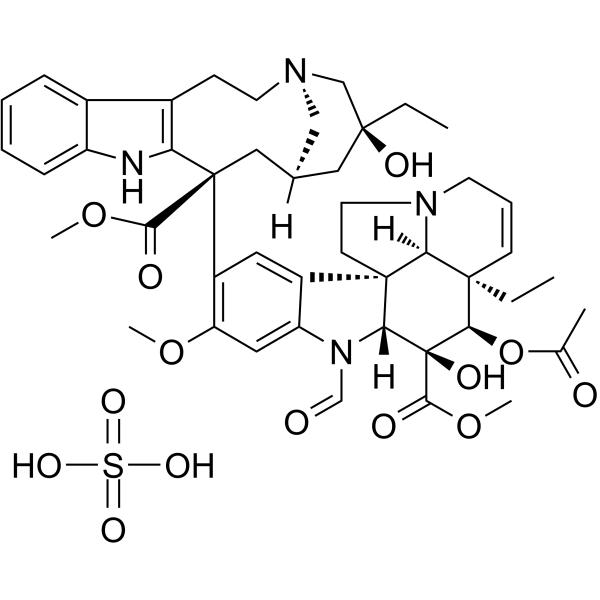
Leurocristine sulfate; NSC-67574 sulfate; 22-Oxovincaleukoblastine sulfate
|
Apoptosis
Microtubule/Tubulin
Mitosis
|
Cancer
|
|
Vincristine (Leurocristine; NSC-67574; 22-Oxovincaleukoblastine) sulfate is a microtubule inhibitor that disrupts microtubule polymerization by binding to β-tubulin (with a Ki of 85 nM in bovine), arrests the cell cycle and induces apoptosis. Vincristine sulfate inhibits cell replication, tumor blood flow and the proliferation of various cancer cells, while triggering effects such as oxidative stress, inflammation, calcium overload, epithelial-mesenchymal transition and peripheral neuropathic pain. Vincristine sulfate upregulates the expression of various transporters and nuclear receptors, and enriches gastric cancer stem-like cells. Vincristine sulfate is used in research related to various tumors including acute lymphoblastic leukemia, lymphoma, melanoma, gastric cancer, solid tumors and sarcomas .
|
-
-
- HY-13062
-
|
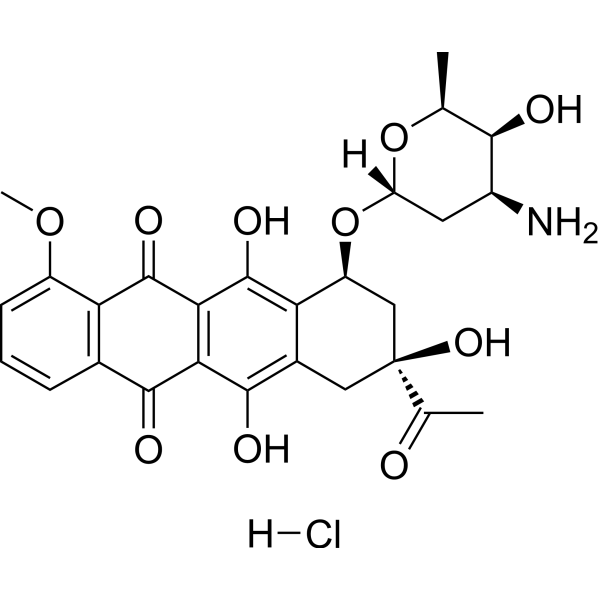
Daunomycin hydrochloride; RP 13057 hydrochloride; Rubidomycin hydrochloride
|
Topoisomerase
DNA/RNA Synthesis
ADC Payload
Bacterial
Autophagy
Apoptosis
Antibiotic
|
Infection
Neurological Disease
Cancer
|
|
Daunorubicin (Daunomycin) hydrochloride is a topoisomerase II inhibitor with potent anti-tumor activity. Daunorubicin hydrochloride inhibits DNA and RNA synthesis. Daunorubicin hydrochloride is a cytotoxin that inhibits cancer cell viability and induces apoptosis and necrosis. Daunorubicin hydrochloride is also an anthracycline antibiotic. Daunorubicin hydrochloride can be used in the research of infection and variety of cancers, including leukemia, non-Hodgkin lymphomas, Ewing's sarcoma, Wilms' tumor .
|
-
-
- HY-N0488A
-
Vincristine
Maximum Cited Publications
74 Publications Verification
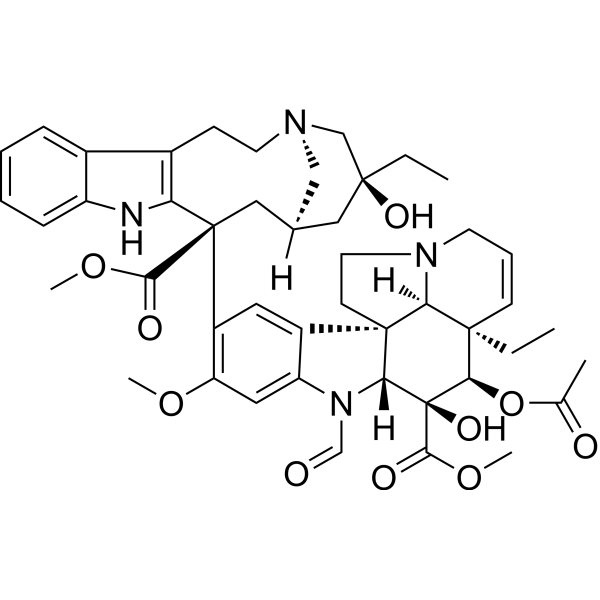
Leurocristine; NSC-67574; 22-Oxovincaleukoblastine
|
Apoptosis
Microtubule/Tubulin
Mitosis
|
Infection
Cancer
|
|
Vincristine (Leurocristine; NSC-67574; 22-Oxovincaleukoblastine) is a microtubule inhibitor that disrupts microtubule polymerization by binding to β-tubulin (with a Ki of 85 nM in bovine), arrests the cell cycle and induces apoptosis. Vincristine inhibits cell replication, tumor blood flow and the proliferation of various cancer cells, while triggering effects such as oxidative stress, inflammation, calcium overload, epithelial-mesenchymal transition and peripheral neuropathic pain. Vincristine upregulates the expression of various transporters and nuclear receptors, and enriches gastric cancer stem-like cells. Vincristine is used in research related to various tumors including acute lymphoblastic leukemia, lymphoma, melanoma, gastric cancer, solid tumors and sarcomas .
|
-
-
- HY-13062A
-
|
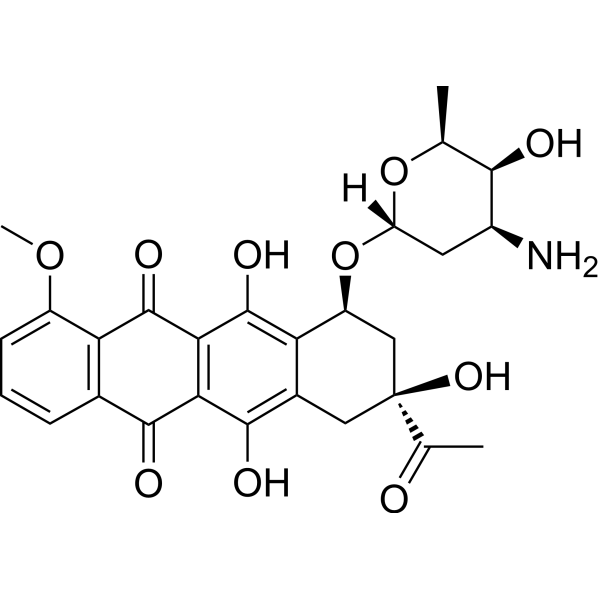
Daunomycin; RP 13057; Rubidomycin
|
Topoisomerase
DNA/RNA Synthesis
ADC Payload
Autophagy
Bacterial
Antibiotic
Apoptosis
|
Infection
Neurological Disease
Cancer
|
|
Daunorubicin (Daunomycin) is a topoisomerase II inhibitor with potent anti-tumor activity. Daunorubicin inhibits DNA and RNA synthesis. Daunorubicin is a cytotoxin that inhibits cancer cell viability and induces apoptosis and necrosis. Daunorubicin is also an anthracycline antibiotic. Daunorubicin can be used in the research of infection and variety of cancers, including leukemia, non-Hodgkin lymphomas, Ewing's sarcoma, Wilms' tumor .
|
-
-
- HY-P990688
-
|
AMG-509
|
CD3
|
Cancer
|
|
Xaluritamig (AMG-509) is a bispecific T cell engager and cytolytic agent with a Kd of 27.6 nM for human CD3ε. Xaluritamig binds to CD3ε via an anti-CD3 single-chain variable fragment (scFv) domain, and to STEAP1 via a bispecific anti-STEAP1 antigen-binding fragment (Fab) domain, thereby recruiting and activating T cells and forming a bridge between T cells and STEAP1-expressing cancer cells. Xaluritamig induces T cell-mediated redirected cytotoxicity, tumor cell lysis, cytokine release, CD8 + T cell activation and expansion, as well as tumor stasis or regression. Xaluritamig contains an Fc domain with no effector function, which prolongs serum half-life, exhibits only minimal activity against cells with low STEAP1 expression and normal cells, and shows extremely low target-related off-tumor toxicity in cynomolgus monkeys. Xaluritamig is used in STEAP1×CD3 XmAb 2+1 immunotherapy and in research on metastatic castration-resistant prostate cancer and Ewing sarcoma .
|
-
-
- HY-147214
-
|
|
YAP
|
Cancer
|
|
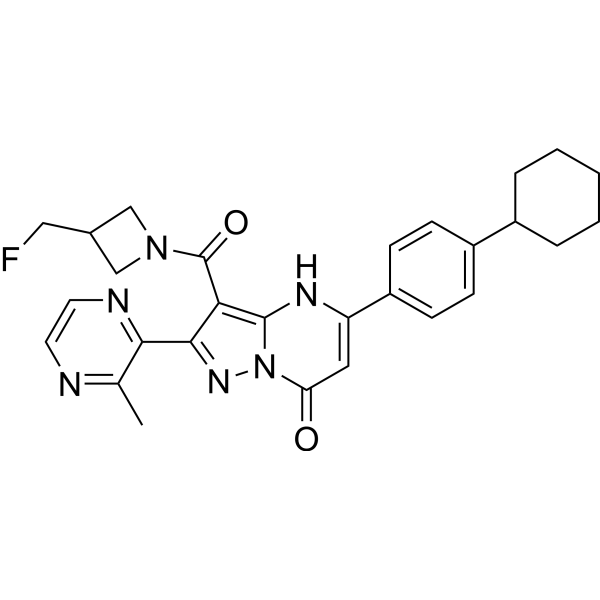
GNE-7883 is a pan-TEAD inhibitor that blocks the association of YAP/TAZ with TEAD. GNE-7883 effectively reduces chromatin accessibility at TEAD motifs, inhibits cell proliferation in multiple cell line models, and achieves strong anti-tumor efficacy in vivo. In addition, GNE-7883 effectively overcomes intrinsic and acquired resistance to KRAS (Kirsten rat sarcoma viral oncogene homolog) G12C inhibitors in multiple preclinical models by inhibiting YAP/TAZ activation .
|
-
-
- HY-128586
-
|
|
Apoptosis
Carbonic Anhydrase
NEDD8-activating Enzyme
|
Cancer
|
|
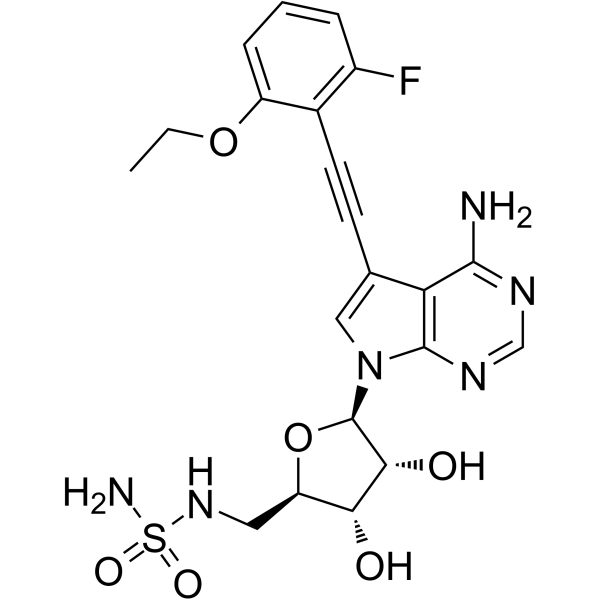
TAS4464 is a long-acting, highly selective covalent inhibitor targeting NEDD8-activating enzyme (NAE) (IC50=0.955 nM), and also inhibits CAII with an IC50 of 0.73 μM, which is less potent than MLN4924 (HY-70062). The IC50 values of TAS4464 against other E1 enzymes UAE and SAE are 449 nM and 1280 nM, respectively. TAS4464 targets NEDD8 in an ATP-dependent manner to inhibit NAE, blocks the neddylation pathway, causes accumulation of CRL ubiquitin ligase substrates (such as CDT1, p27, phosphorylated IκBα), and further induces tumor cell apoptosis. TAS4464 exhibits antiproliferative and cytotoxic effects, and has broad-spectrum antitumor activity against various hematologic and solid tumor cell lines as well as patient-derived tumor cells. TAS4464 has a wide selcetive window, without obvious toxicity. TAS4464 can be used in the research of hematologic malignancies (leukemia, lymphoma, multiple myeloma, etc.) and solid tumors (small cell lung cancer, colorectal cancer, sarcoma, endometrial cancer, ovarian cancer, etc.) .
|
-
-
- HY-B1302
-
|
|
P-glycoprotein
PARP
Caspase
Apoptosis
Potassium Channel
|
Cardiovascular Disease
Neurological Disease
|
|
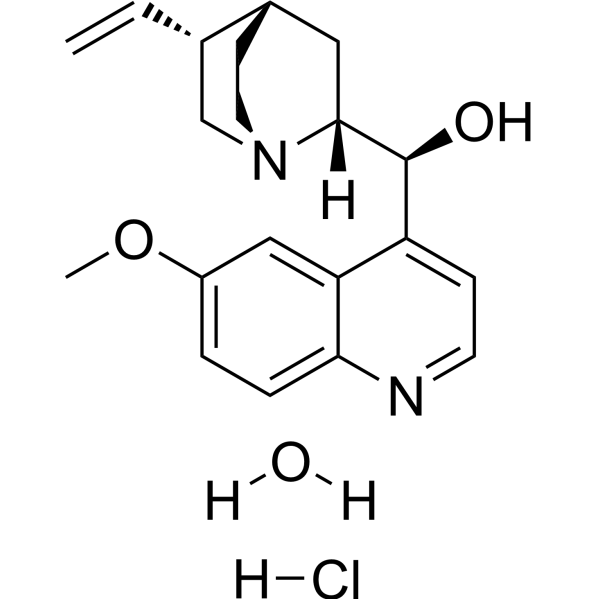
Quinidine hydrochloride monohydrate is an orally active antiarrhythmic agent. Quinidine hydrochloride monohydrate reduces the expression level of P-gp, inhibits P-gp-mediated efflux, increases the intracellular accumulation of P-gp substrates, induces PARP cleavage and Caspase-3 activation, and elevates the proportion of Apoptotic cells at the sub-G1 phase. Quinidine hydrochloride monohydrate exerts sustained block and open-channel block effects on IK(f). Quinidine hydrochloride monohydrate alters the urinary metabolic ratio of Amphetamine, modulates the Pentylenetetrazol-induced seizure threshold, and regulates the anticonvulsant effect of Dextromethorphan. Quinidine hydrochloride monohydrate can be used in studies related to uterine sarcoma and seizures .
|
-
-
- HY-N3017
-
|
|
Antibiotic
|
Neurological Disease
Inflammation/Immunology
|
|
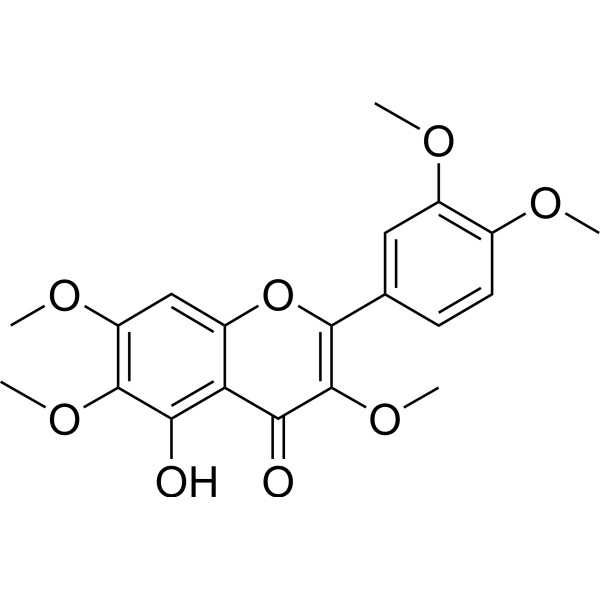
Artemitin is a flavonoid neuroanesthetic agent with moderate cytotoxicity. Artemitint has selective inhibitory activity against Meth-A sarcoma cells with an ED50 of 5-10 μg/mL, and has no significant effect on LLC lung cancer cells. Artemitin exerts anticancer activity by affecting cell proliferation signaling pathways, and also has potential anti-inflammatory and neuroprotective effects. Artemitin exhibits a dose-dependent antinociceptive effect in the mouse hot plate test, with an ED50 of 1.6 μg/kg, and has analgesic activity .
|
-
-
- HY-P99547
-
|
(vic)-Trastuzumab duocarmazine
|
Antibody-Drug Conjugates (ADCs)
|
Cancer
|
|
Trastuzumab duocarmazine ((vic)-Trastuzumab duocarmazine) is a HER2-targeting ADC that is recognized and cleaved by histone B in tumor cells and selectively targets tumor cells. Trastuzumab duocarmazine has anti-tumor activity and can be used in cancer research related to uterine and ovarian sarcomas .
|
-
-
- HY-145925B
-
CFT8634
1 Publications Verification
|
PROTACs
Epigenetic Reader Domain
|
Cancer
|
|
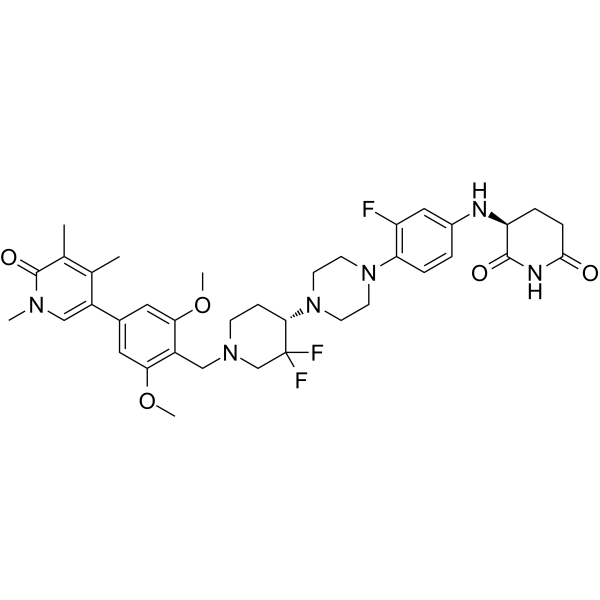
CFT8634 is an orally bioavailable PROTAC BRD9 targeted degrader based on the E3 ubiquitin ligase CRBN mechanism. CFT8634 can be used for the study of synovial sarcoma and SMARCB1-deficient solid tumors (Pink: BRD9 ligand (HY-169988); Blue: E3 ligase ligand (HY-169989); Black: linker (HY-169991). CFT8634 is a heterobifunctional molecule that binds to BRD9 at one end and recruits CRBN at the other end, which can inhibit the growth of tumor cells that depend on BRD9. CFT8634 can be used for the study of SMARCB1-related cancers (such as synovial sarcoma and malignant rhabdoid tumor) .
|
-
-
- HY-109076
-
|
EBC-46
|
PKC
Caspase
|
Cancer
|
|
Tigilanol tiglate (EBC-46) is a protein kinase C (PKC)/C1 domain activator. Tigilanol tiglate is associated with mitochondrial/endoplasmic reticulum (ER) dysfunction, leading to activation of the unfolded protein response (UPRmt/ER) and subsequent induction of ATP depletion, organelles expansion, Caspase activation, gasdermin E cleavage, and terminal necrosis. Tigilanol tiglate, as a small anti-tumor molecule with immunomodulatory effects, can be used in the study of head and neck squamous cell carcinoma and soft tissue sarcoma .
|
-
-
- HY-P1408
-
|
|
Integrin
VEGFR
|
Cancer
|
|
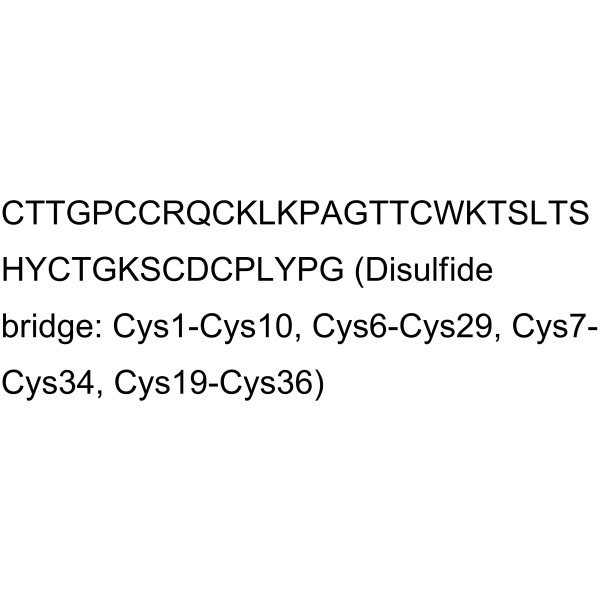
Obtustatin is a non-RGD disintegrin consisting of 41 residues. Obtustatin inhibits the adhesion of α1β1 integrin to type IV Collagen (HY-NP003), blocks α1β1 integrin signaling in endothelial cells, and suppresses FGF2-induced angiogenesis. Obtustatin inhibits tumor progression in mouse models and upregulates VEGF expression in sarcoma-bearing mice. Obtustatin can be used in research related to Lewis lung carcinoma and S-180 sarcoma .
|
-
-
- HY-174341
-
|
|
Transmembrane Glycoprotein
|
Cancer
|
|
CD39-IN-1 is a selective CD39 inhibitor with an IC50 value of 68.7 nM. CD39-IN-1 exerts antiproliferative effects on tumor cells and shows low toxicity to normal cell lines. CD39-IN-1 inhibits CD39-mediated eATP hydrolysis in the ATP-adenosine pathway. CD39-IN-1 is applicable for tumor-related research .
|
-
-
- HY-165740
-
|
Disialoganglioside GD2
|
Apoptosis
|
Cancer
|
|
Ganglioside GD2 (Disialoganglioside GD2) is a tumor-associated antigen. Ganglioside GD2 shows limited expression in normal tissues but is overexpressed in multiple tumor types, and thus can serve as a target in cancer. Ganglioside GD2 is associated with tumor development and malignant phenotypes, and its mechanism of action relies on enhancing cell proliferation, motility, migration, adhesion and invasion, with specific effects depending on the tumor type .
|
-
-
- HY-116514
-
|
|
Farnesyl Transferase
Apoptosis
Endogenous Metabolite
|
Cancer
|
|
(S)-(-)-Perillyl alcohol, a monoterpene, is an orally active farnesyl transferase and geranylgeranyl transferase inhibitor. (S)-(-)-Perillyl alcohol up-regulates the mannose-6-phosphate receptor, facilitating TGF-β1 activation and cytostasis,. (S)-(-)-Perillyl alcohol induces apoptosis in cancer cells, modulates cyclin D1 and AP-1 activity. (S)-(-)-Perillyl alcohol exhibits antitumor activity against sarcoma tumors in mice. (S)-(-)-Perillyl alcohol can be used for the research of squamous cell carcinoma of the esophagus and sarcoma 180 .
|
-
-
- HY-159579
-
|
|
PROTACs
Epigenetic Reader Domain
|
Cancer
|
|
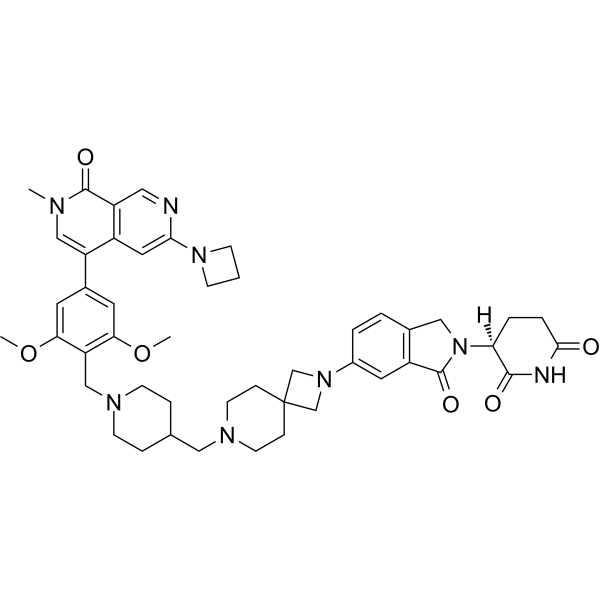
CW-3308 is an orally active BRD9 PROTAC degrader with an DC50 of 92 nM. CW-3308 forms a ternary complex with BRD9 and cereblon to mediate BRD9 degradation. CW-3308 inhibits the viability of synovial sarcoma and rhabdoid tumor cells. CW-3308 reduces BRD9 protein levels in xenograft tumor tissues and suppresses tumor growth in xenograft models. CW-3308 can be used for the research of synovial sarcoma and rhabdoid tumors .
|
-
-
- HY-P2975
-
|
Mouse laminin (Engelbreth-Holm-Swarm murine sarcoma basement membrane)
|
Endogenous Metabolite
Biochemical Assay Reagents
|
Neurological Disease
|
|
Laminin (Engelbreth-Holm-Swarm murine sarcoma basement membrane) is a crucial structural element in animal tissues, forming part of the scaffolding that supports tissue architecture. It interacts with type IV collagen through entactin and perlecan, connects to cell membranes via integrin receptors, dystroglycan complexes, and Lutheran blood group glycoproteins, and contains functional domains that facilitate collagen binding, cell adhesion, heparin interaction, and promote neurite outgrowth.
|
-
-
- HY-P10762
-
|
CBP-1008; LDC 10B
|
Peptide-Drug Conjugates (PDCs)
Folate Receptor (FR)
TRP Channel
|
Cancer
|
|
Ricorfotide vedotin (CBP-1008) is a dual-ligand peptide-drug conjugate (PDC) conjugated to MMAE (HY-15162), targeting Folate receptor α (FRα) and TRPV6. Ricorfotide vedotin binds to FRα with high affinity and TRPV6 with low affinity. Ricorfotide vedotin has antitumor activity, and can be used in advanced solid tumor research (eg: colorectal cancer, breast cancer, non-small cell lung cancer, ovarian cancer, adrenocortical carcinoma and follicular dendritic cell sarcoma) .
|
-
-
- HY-128586A
-
|
|
NEDD8-activating Enzyme
Carbonic Anhydrase
Apoptosis
|
Cancer
|
|
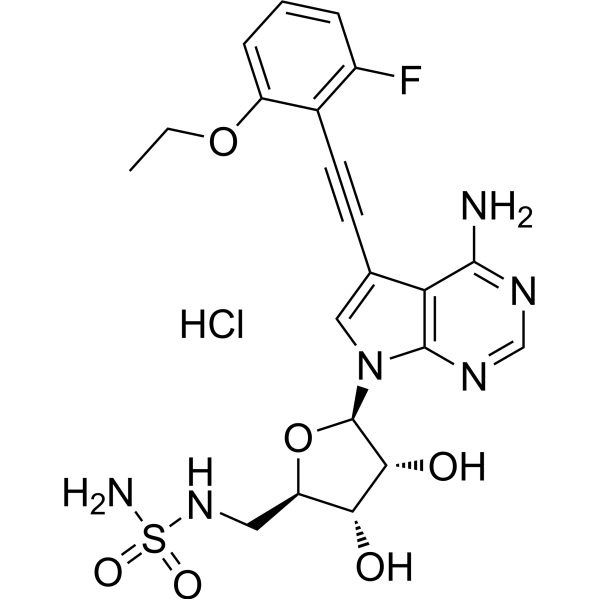
TAS4464 hydrochloride is a long-acting, highly selective covalent inhibitor targeting NEDD8-activating enzyme (NAE) (IC50=0.955 nM), and also inhibits CAII with an IC50 of 0.73 μM, which is less potent than MLN4924 (HY-70062). The IC50 values of TAS4464 hydrochloride against other E1 enzymes UAE and SAE are 449 nM and 1280 nM, respectively. TAS4464 hydrochloride targets NEDD8 in an ATP-dependent manner to inhibit NAE, blocks the neddylation pathway, causes accumulation of CRL ubiquitin ligase substrates (such as CDT1, p27, phosphorylated IκBα), and further induces tumor cell apoptosis. TAS4464 hydrochloride exhibits antiproliferative and cytotoxic effects, and has broad-spectrum antitumor activity against various hematologic and solid tumor cell lines as well as patient-derived tumor cells. TAS4464 hydrochloride has a wide therapeutic window, without obvious toxicity. TAS4464 hydrochloride can be used in the research of hematologic malignancies (leukemia, lymphoma, multiple myeloma, etc.) and solid tumors (small cell lung cancer, colorectal cancer, sarcoma, endometrial cancer, ovarian cancer, etc.) .
|
-
-
- HY-148739
-
|
|
PROTACs
Epigenetic Reader Domain
Apoptosis
|
Cancer
|
|
dBRD 9-A is a selective BRD9 PROTAC degrader. dBRD 9-A induces near complete BRD9 degradation dependent on E3 ubiquitin ligase CRBN and BRD9 bromodomain engagement, and drives loss of BRD9 chromatin binding genome-wide. dBRD 9-A downregulates oncogenic SS18-SSX-driven transcriptional programs, super enhancer-associated gene expression, and SS18-SSX1 super enhancer binding, and depletes GBAF complex members GLTSCR1/1L from SS18-SSX complexes. dBRD 9-A induces cell cycle arrest and increases apoptosis in synovial sarcoma cells. dBRD 9-A can be used for the research of synovial sarcoma .
|
-
-
- HY-172663A
-
|
|
DNA/RNA Synthesis
Apoptosis
|
Cancer
|
|
Trabectedin derivative 1 TFA is a selective DNA minor groove binder. Trabectedin derivative 1 TFA inhibits DNA transcription and repair to induce tumor cell apoptosis. Trabectedin derivative 1 TFA is promising for research of solid tumors such as soft tissue sarcoma and ovarian cancer .
|
-
-
- HY-N2542
-
-
-
- HY-N0566
-
|
Anemosapogenin
|
Apoptosis
Autophagy
Bcl-2 Family
Caspase
Survivin
p38 MAPK
MMP
|
Cancer
|
|
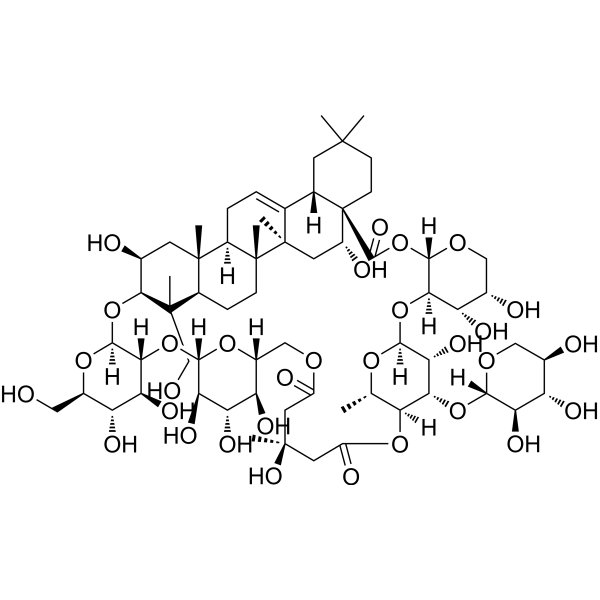
23-Hydroxybetulinic acid (Anemosapogenin) is an orally active triterpenoid with broad-spectrum anticancer activity. 23-Hydroxybetulinic acid reduces the levels of Bcl-2 and survivin, elevates the level of Bax, promotes the cleavage/activation of caspase-3 and caspase-9, and induces apoptosis via the endogenous mitochondrial pathway involving cytochrome C release and mitochondrial membrane potential disruption. 23-Hydroxybetulinic acid arrests the cell cycle at S and G1 phases, inhibits cancer cell proliferation, blocks the MAPK signaling pathway, regulates MMP2, and induces autophagic apoptosis by upregulating beclin-1. 23-Hydroxybetulinic acid inhibits the activity and efflux function of P-gp, increases the intracellular accumulation of chemotherapeutic drugs, and synergistically enhances cytotoxicity with Doxorubicin (HY-15142). 23-Hydroxybetulinic acid inhibits the phosphorylation and nuclear translocation of STAT6, blocks M2 macrophage polarization, and reduces M2 macrophage-mediated apoptosis resistance of colon cancer cells. 23-Hydroxybetulinic acid can be used in related studies on chronic myeloid leukemia, hepatocellular carcinoma, sarcoma 180, multidrug-resistant breast cancer, leukemia, Doxorubicin-induced cardiotoxicity, and colorectal cancer .
|
-
-
- HY-N0891
-
|
Tubeimoside-B
|
EGFR
TGF-β Receptor
RIG-I-like receptor (RLR)
SARS-CoV
|
Infection
Neurological Disease
Cancer
|
|
Tubeimoside II is an orally active triterpenoid saponin and antiviral agent that binds to PACT/PRKRA with Kd values of 5.37 μM and 133.1 μM, respectively. Tubeimoside II inhibits oxidase-dependent EGFR activation and reduces TGF-β1-induced oxidative stress. Tubeimoside II activates the RIG-I signaling pathway and increases IFN-β secretion. Tubeimoside II suppresses TPA-induced ear edema, mouse sarcoma 180 growth, and TPA-induced skin tumor formation. Tubeimoside II exerts broad-spectrum antiviral activity against SARS-CoV-2, HCoV-OC43, and IAV-H1N1/FM1. Tubeimoside II can be used in research related to retinoblastoma, respiratory viral infections, skin tumors, and sarcoma 180 .
|
-
-
- HY-176798
-
|
|
Lactate Dehydrogenase
Reactive Oxygen Species (ROS)
Apoptosis
|
Cancer
|
|
NCI-006 is an orally active lactate dehydrogenase (LDH) inhibitor (LDHA IC50 = 0.06 μM; LDHB IC50 = 0.03 μM). NCI-006 inhibits intratumoral LDH activity, lactate production, and tumor growth in a mouse pancreatic cancer model. NCI-006 inhibits glycolysis and induces apoptosis in vitro. NCI-006 enhances the radiosensitivity of glycolytic tumor cell lines while sparing non-glycolytic/normal cells (1522, skin fibroblasts) in combination with ionizing radiation (IR). NCI-006 exhibits synergistic antitumor effects in combination with IACS-010759 (HY-112037) against colorectal and gastric cancers. NCI-006 targets glycolysis by inhibiting lactate dehydrogenase impairs tumor growth in an Ewing sarcoma model .
|
-
-
- HY-W781133
-
|
cis-[Pt(NH3)2N1-pyridineCl]Cl
|
DNA Alkylator/Crosslinker
|
Cancer
|
|
cDPCP (cis-[Pt(NH3)2(N1-pyridine)Cl]Cl) is a DNA crosslinking agent and also a substrate for OCT1 and OCT2. DPCP exhibits anticancer activity and can improve the survival rate of sarcoma-180 mice. cDPCP is suitable for the research of colorectal cancer and cancers with appropriate cation transporters .
|
-
-
- HY-W035709
-
|
Dihydrocinchonine
|
P-glycoprotein
Apoptosis
|
Cancer
|
|
Hydrocinchonine (Dihydrocinchonine) is a multidrug resistance (MDR)-reversal agent. Hydrocinchonine directly inhibits the function and expression of P-gp, which is the mechanism by which it reverses MDR. Hydrocinchonine exerts synergistic apoptotic effect with Paclitaxel (HY-B0015) in MES-SA/DX5 cells. Hydrocinchonine can be used for the study of gynecological malignant tumors (such as uterine sarcoma) with drug resistance caused by excessive expression of P-gp .
|
-
-
- HY-178861
-
|
|
PROTACs
CDK
Caspase
PARP
Apoptosis
|
Cancer
|
|
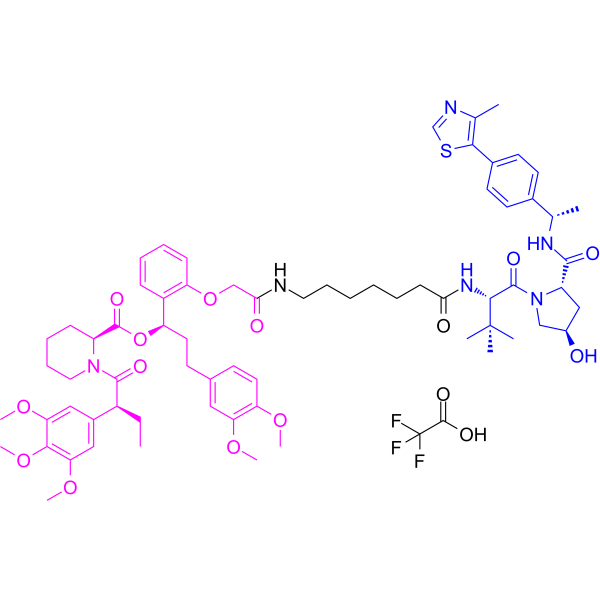
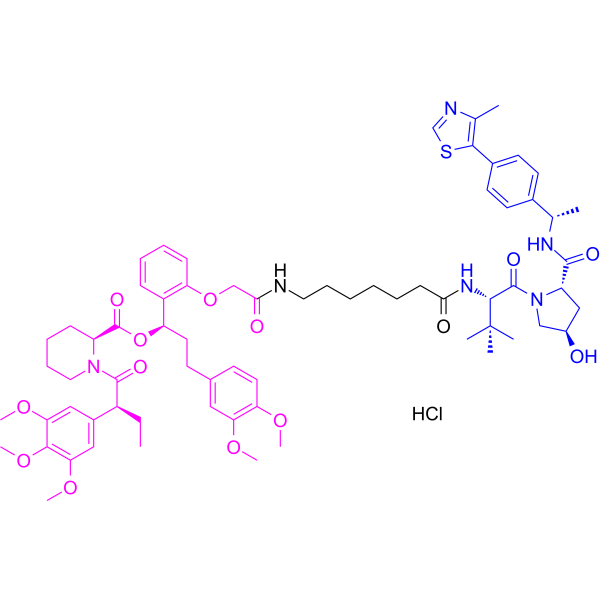
dCDK9-202 a potent CDK9 PROTAC degrader with an DC50 value of 3.5 nM. dCDK9-202 exhibits broad-spectrum anti-tumor activity and extensively disrupts the oncogenic transcriptome. dCDK9-202 can activate Caspase-3/7, increase the level of cleaved PARP, and directly induce apoptosis of tumor cells. dCDK9-202 effectively inhibits TC-71 tumor growth without any signs of toxicity in mice. dCDK9-202 can be used for the study of EGFR-driven cancers such as sarcoma (Pink: CDK9 ligand (HY-178862); Blue: CRBN ligand (HY-W248665); Black: Linker (HY-N8015)) .
|
-
-
- HY-P99218
-
|
Sch 717454; 19D12
|
IGF-1R
|
Cancer
|
|
Robatumumab (Sch 717454) is an anti-human IGF-1R (insulin-like growth factor receptor-1) antibody. Robatumumab shows anti-tumor activity and anti-proliferative activity to cancer cells. Robatumumab can be used in osteosarcoma and Ewing sarcoma research .
|
-
-
- HY-110280
-
|
|
HDAC
Apoptosis
|
Cancer
|
|
MC1742 is a potent HDAC inhibitor, with IC50s of 0.1 μM, 0.11 μM, 0.02 μM, 0.007 μM, 0.61 μM, 0.04 μM and 0.1 μM for HDAC1, HDAC2, HDAC3, HDAC6, HDAC8, HDAC10 and HDAC11, respectively. MC1742 can increase acetyl-H3 and acetyl-tubulin levels and inhibits cancer stem cells growth. MC1742 can induce growth arrest, apoptosis, and differentiation in sarcoma CSC .
|
-
-
- HY-130495
-
|
CDDO-Trifluoethyl amide; RTA 404; TP-500
|
Keap1-Nrf2
Apoptosis
|
Cancer
|
|
CDDO-TFEA (RTA 404; TP-500) is a trifluoroacetamide derivative of CDDO with enhanced ability to cross the blood-brain barrier. CDDO is an Nrf2 activator that inhibits proliferation and induces differentiation and apoptosis in various cancer cells. CDDO-TFEA can enhance Nrf2 expression and signaling in various neurodegenerative disease models, including those mimicking multiple sclerosis, amyotrophic lateral sclerosis, and Huntington's disease. CDDO-TFEA induces apoptosis and blocks colony formation in Ewing's sarcoma and neuroblastoma cell lines with IC50 values ranging from 85-170 nM.
|
-
-
- HY-174866
-
|
|
Histone Acetyltransferase
Epigenetic Reader Domain
PROTACs
|
Cancer
|
|
BT-O2C is a highly selective p300 PROTAC degrader. BT-O2C can significantly degrade the level of p300 in HAP1 cells. BT-O2C has significant cytotoxicity in CIC:DUX4 sarcoma (CDS) cell lines (IC50 ranges from 152 to 221 nM) and significantly reduces the expression of CDS target genes (ETV1, ETV4, ETV5). BT-O2C can be used for research on cancer. (Pink: p300 Ligand (HY-174868); Blue: CRBN Ligand (HY-W023573); Black: Linker; CRBN Ligand+Linker (HY-174869)) .
|
-
-
- HY-173364
-
|
BAK-04-212
|
BCL6
|
Cancer
|
EB-TCIP (BAK-04-212) is a proof-of-concept tool specifically designed for Ewing sarcoma research, serving as an EWSR1::FLI1 binder tagged with BCL6 and FKBP12 F36V. EB-TCIP forms a ternary complex with the tagged fusion protein, specifically recruits EWSR1::FLI1 to BCL6-bound DNA loci, and induces rapid chromatin remodeling and relocalization. By mediating relocalization, EB-TCIP remodels the transcriptional machinery and activates the expression of BCL6 target genes that are originally repressed. EB-TCIP is used in studies related to novel epigenetic therapies for Ewing sarcoma .
|
-
-
- HY-P1258
-
PSI
2 Publications Verification
Proteasome Inhibitor 1; Z-Ile-Glu(OtBu)-Ala-Leu-CHO
|
Proteasome
|
Infection
Cancer
|
|
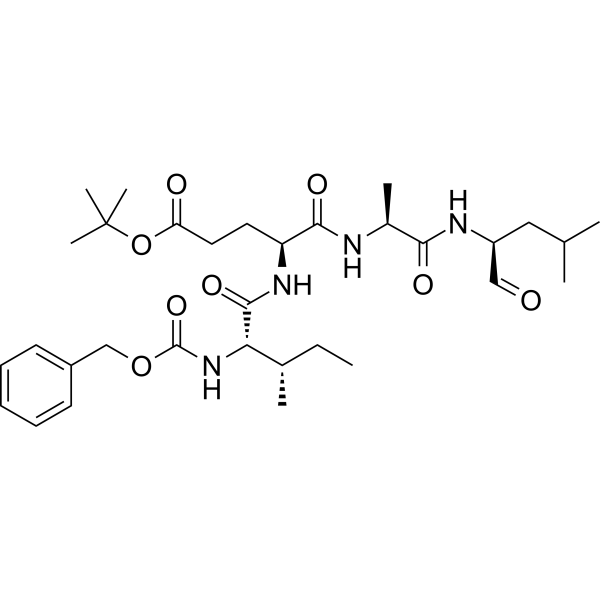
PSI (Proteasome Inhibitor 1) is a potent proteasome inhibitor. PSI inhibits the proliferation of primary effusion lymphoma (PEL) cells. PSI has the potential for the research of Kaposi’s sarcoma-associated herpesvirus (KSHV) infection and KSHV-associated lymphomas .
|
-
-
- HY-50936S
-
|
Ecteinascidin 743-d3; ET-743-d3
|
Isotope-Labeled Compounds
Reactive Oxygen Species (ROS)
Apoptosis
|
Inflammation/Immunology
Cancer
|
|
Trabectedin D3 (Ecteinascidin 743 D3) is deuterium labeled Trabectedin. Trabectedin is a tetrahydroisoquinoline alkaloid with potent antitumor activity. Trabectedin binds to the minor groove of DNA, blocks transcription of stress-induced proteins, induces DNA backbone cleavage and cancer cells apoptosis, and increases the generation of ROS in MCF-7 and MDA-MB-453 cells. Trabectedin has tje potential for soft tissue sarcoma and ovarian cancer treatment .
|
-
-
- HY-204056
-
|
|
Telomerase
|
Cancer
|
|
Telomerase-IN-8 is an orally active telomerase inhibitor, with an IC50 value of 0.98 μM. Telomerase-IN-8 exhibits potent antiproliferative activity against multiple tumor cell lines, including PC3, Bcap-37, MGC-803 and HepG2. Telomerase-IN-8 demonstrates potent antitumor efficacy in S180 sarcoma or HepG2 hepatoma xenograft mice. Telomerase-IN-8 can be used for the study of telomerase-targeted anticancer .
|
-
-
- HY-N0488S
-
|
Leurocristine-d3 sulfate; NSC-67574-d3 sulfate; 22-Oxovincaleukoblastine-d3 sulfate
|
Isotope-Labeled Compounds
Apoptosis
Microtubule/Tubulin
Mitosis
|
Cancer
|
|
Vincristine-d3 sulfate is the deuterium labeled Vincristine sulfate. Vincristine sulfate (Leurocristine; NSC-67574; 22-Oxovincaleukoblastine) is a microtubule inhibitor that disrupts microtubule polymerization by binding to β-tubulin (with a Ki of 85 nM in bovine), arrests the cell cycle and induces apoptosis. Vincristine sulfate inhibits cell replication, tumor blood flow and the proliferation of various cancer cells, while triggering effects such as oxidative stress, inflammation, calcium overload, epithelial-mesenchymal transition and peripheral neuropathic pain. Vincristine sulfate upregulates the expression of various transporters and nuclear receptors, and enriches gastric cancer stem-like cells. Vincristine sulfate is used in research related to various tumors including acute lymphoblastic leukemia, lymphoma, melanoma, gastric cancer, solid tumors and sarcomas .
|
-
-
- HY-121255
-
|
(R)-Cryptopleurine; NSC 19912
|
TMV
|
Cancer
|
|
(–)-Cryptopleurine is an alkaloid that has been found in Lauraceae and has diverse biological activities. It inhibits the growth of human A375 melanoma, A431 epidermoid carcinoma, A549 lung, MES-SA uterine sarcoma, and MCF-7 breast cancer cells (IC50=3 nM for all).2 (–)-Cryptopleurine inhibits hypoxia-induced gene expression in a hypoxia response element (HRE) reporter assay (IC50=8.7 nM).3 (–)-Cryptopleurine (500 μg/mL) prevents lesion formation in tobacco (N. tabacum) plants infected with tobacco mosaic virus (TMV). It also inhibits protein synthesis by yeast and mammalian ribosomes.
|
-
-
- HY-W039939
-
|
2-ADG, 98%
|
Biochemical Assay Reagents
OGT
|
Cancer
|
|
2-Azido-2-deoxy-D-glucose, 98% (2-ADG, 98%) is a substrate of O-GlcNAc transferase (OGT). 2-Azido-2-deoxy-D-glucose, 98% can be transferred from UDP-GlcAz to proteins in vitro via OGT mediation. When delivered as AcGlcAz, 2-Azido-2-deoxy-D-glucose, 98% enables the labeling and investigation of O-GlcNAc-modified nuclear and cytoplasmic proteins in cells. 2-Azido-2-deoxy-D-glucose, 98% undergoes strain-promoted [3+2] azide-alkyne cycloaddition (SPAAC) with technetium- 99m-labeled dibenzocyclooctyne derivatives in vivo. 2-Azido-2-deoxy-D-glucose, 98% can be used in sarcoma-related research .
|
-
-
- HY-13554
-
|
|
Antibiotic
|
Cancer
|
|
Annamycin is an anthracycline antibiotic with antitumor activity. Annamycin interacts with topoisomerase II, induces double-strand DNA breaks, triggers cell death, and exerts cytotoxic effects. In mice, Annamycin inhibits the growth of advanced subcutaneous melanoma and subcutaneous squamous cell carcinoma, and prolongs the survival of mice with subcutaneous reticulosarcoma and in lung cancer lung metastasis models. Annamycin can be used in research related to melanoma, reticulum cell sarcoma, lung cancer, non-small cell lung cancer, small cell lung cancer .
|
-
-
- HY-125443
-
|
|
Others
|
Cancer
|
|
Lucialdehydes A is a lanostante-type triterpene aldehydes, isolated from the fruiting bodies of Ganoderma lucidum. Lucialdehydes A shows cytotoxic effects on tumor cells, including Lewis lung carcinoma (LLC), T-47D, Sarcoma 180, and Meth-A tumor cell lines .
|
-
-
- HY-178345
-
|
ZZ7
|
Molecular Glues
Epigenetic Reader Domain
|
Cancer
|
|
ZZ7-23-022 (ZZ7) is a selective BRD9 molecule glue degrader. ZZ7-23-022 effectively degrades BRD9 in synovial sarcoma cells, but does not affect cardiomyocytes. ZZ7-23-022 can be used for the research of cancer .
|
-
-
- HY-116861
-
|
|
MetAP
|
Cancer
|
|
A-357300 is a reversible and selective MetAP2 inhibitor with IC50s of 0.12 and 57 μM against MetAP2 and MetAP1. A-357300 induces cytostasis by cell cycle arrest at the G1 phase selectively in endothelial cells and in a subset of tumor cells. A-357300 inhibits angiogenesis both in vitro and in vivo and shows potent antitumor efficacy in carcinoma, sarcoma, and neuroblastoma murine models. A-357300 can be used for the studies of neuroblastoma, fibrosarcoma and breast cancer .
|
-
-
- HY-108164
-
|
|
Apoptosis
Bcl-2 Family
Caspase
|
Cancer
|
|
Aspidin BB is a phloroglucinol derivative, which can be isolated from the aerial part of Dryopteris championii. Aspidin BB has anticancer activity. Aspidin BB induces cell cycle arrest and apoptosis in human ovarian HO-8910 cells .
|
-
-
- HY-125664
-
|
|
Antibiotic
|
Cancer
|
|
Lucialdehyde B is a tetracyclic triterpene isolated from the substrates of Ganoderma lucidum with antiviral and cytotoxic activities. Lucialdehyde B has cytotoxic effects against Lewis lung cancer (LLC), T-47D, Sarcoma 180 and Meth-A tumor cell lines .
|
-
-
- HY-P3571
-
|
|
Endothelin Receptor
|
Cancer
|
|
[Ala2] Endothelin-3, human is a linear analog of endothelin-3 (ET-3) where substitution of Ala for Cys residues. TE-3 is a vasoactive peptide, produced by human rhabdomyosarcoma cell lines, whereas it is not expressed by human sarcoma cell lines of non-muscle origin. ET-3 acts as a paracrine factor, since it promotes migration of endothelial cells .
|
-
-
- HY-156511
-
|
|
MNK
|
Cancer
|
|
ETC-168 is a selective and oral active MNK inhibitor with the IC50 values of 23 and 43 nM against MNK1 and MNK2, respectively. ETC-168 shows antiproliferative efficacy in vivo and in vitro .
|
-
-
- HY-108876
-
|
Daunomycincitrate; RP 13057citrate; Rubidomycincitrate
|
Topoisomerase
DNA/RNA Synthesis
ADC Payload
Autophagy
Bacterial
Antibiotic
Apoptosis
|
Infection
Neurological Disease
Cancer
|
|
Daunorubicin (Daunomycin) citrate is a topoisomerase II inhibitor with potent anti-tumor activity. Daunorubicin citrate inhibits DNA and RNA synthesis. Daunorubicin citrate is a cytotoxin that inhibits cancer cell viability and induces apoptosis and necrosis. Daunorubicin citrate is also an anthracycline antibiotic. Daunorubicin citrate can be used in the research of infection and variety of cancers, including leukemia, non-Hodgkin lymphomas, Ewing's sarcoma, Wilms' tumor .
|
-
-
- HY-N16372
-
-
- HY-W654130
-
|
Daunomycin-13C,d3; RP 13057-13C,d3; Rubidomycin-13C,d3
|
Isotope-Labeled Compounds
Bacterial
ADC Payload
Apoptosis
Antibiotic
Topoisomerase
Autophagy
DNA/RNA Synthesis
|
Infection
|
|
Daunorubicin- 13C,d3 is 13C and deuterium labeled Daunorubicin. Daunorubicin (Daunomycin) is a topoisomerase II inhibitor with potent anti-tumor activity. Daunorubicin inhibits DNA and RNA synthesis. Daunorubicin is a cytotoxin that inhibits cancer cell viability and induces apoptosis and necrosis. Daunorubicin is also an anthracycline antibiotic. Daunorubicin can be used in the research of infection and variety of cancers, including leukemia, non-Hodgkin lymphomas, Ewing's sarcoma, Wilms' tumor .
|
-
- HY-13062R
-
|
Daunomycin hydrochloride (Standard); RP 13057 hydrochloride (Standard); Rubidomycin hydrochloride (Standard)
|
Reference Standards
Topoisomerase
DNA/RNA Synthesis
ADC Payload
Bacterial
Autophagy
Apoptosis
Antibiotic
|
Infection
Neurological Disease
Cancer
|
|
Daunorubicin (hydrochloride) (Standard) is the analytical standard of Daunorubicin (hydrochloride). This product is intended for research and analytical applications. Daunorubicin (Daunomycin) hydrochloride is a topoisomerase II inhibitor with potent anti-tumor activity. Daunorubicin hydrochloride inhibits DNA and RNA synthesis. Daunorubicin hydrochloride is a cytotoxin that inhibits cancer cell viability and induces apoptosis and necrosis. Daunorubicin hydrochloride is also an anthracycline antibiotic. Daunorubicin hydrochloride can be used in the research of infection and variety of cancers, including leukemia, non-Hodgkin lymphomas, Ewing's sarcoma, Wilms' tumor .
|
-
- HY-W035709R
-
|
Dihydrocinchonine (Standard)
|
Reference Standards
P-glycoprotein
Apoptosis
|
Cancer
|
|
Hydrocinchonine (Dihydrocinchonine) (Standard) is the analytical standard of Hydrocinchonine (HY-W035709). This product is used for research and analytical purposes.Hydrocinchonine is a multidrug resistance (MDR)-reversal agent. Hydrocinchonine directly inhibits the function and expression of P-gp, which is the mechanism by which it reverses MDR. Hydrocinchonine exerts synergistic apoptotic effect with Paclitaxel (HY-B0015) in MES-SA/DX5 cells. Hydrocinchonine can be used for the study of gynecological malignant tumors (such as uterine sarcoma) with drug resistance caused by excessive expression of P-gp .
|
-
- HY-N0488S2
-
|
Leurocristine-d6 sulfate; NSC-67574-d6 sulfate; 22-Oxovincaleukoblastine-d6 sulfate
|
Isotope-Labeled Compounds
Apoptosis
Mitosis
Microtubule/Tubulin
|
Cancer
|
|
Vincristine-d6 (sulfate) is the deuterium labeled Vincristine sulfate. Vincristine sulfate (Leurocristine; NSC-67574; 22-Oxovincaleukoblastine) is a microtubule inhibitor that disrupts microtubule polymerization by binding to β-tubulin (with a Ki of 85 nM in bovine), arrests the cell cycle and induces apoptosis. Vincristine sulfate inhibits cell replication, tumor blood flow and the proliferation of various cancer cells, while triggering effects such as oxidative stress, inflammation, calcium overload, epithelial-mesenchymal transition and peripheral neuropathic pain. Vincristine sulfate upregulates the expression of various transporters and nuclear receptors, and enriches gastric cancer stem-like cells. Vincristine sulfate is used in research related to various tumors including acute lymphoblastic leukemia, lymphoma, melanoma, gastric cancer, solid tumors and sarcomas .
|
-
- HY-N0488S1
-
|
Leurocristine-d3-1 sulfate; NSC-67574-d3-1 sulfate; 22-Oxovincaleukoblastine-d3-1 sulfate
|
Isotope-Labeled Compounds
Apoptosis
Mitosis
Microtubule/Tubulin
|
Cancer
|
|
Vincristine-d3 sulfate is the deuterium labeled Vincristine sulfate. Vincristine-1 sulfate (Leurocristine; NSC-67574; 22-Oxovincaleukoblastine) is a microtubule inhibitor that disrupts microtubule polymerization by binding to β-tubulin (with a Ki of 85 nM in bovine), arrests the cell cycle and induces apoptosis. Vincristine-1 sulfate inhibits cell replication, tumor blood flow and the proliferation of various cancer cells, while triggering effects such as oxidative stress, inflammation, calcium overload, epithelial-mesenchymal transition and peripheral neuropathic pain. Vincristine-1 sulfate upregulates the expression of various transporters and nuclear receptors, and enriches gastric cancer stem-like cells. Vincristine-1 sulfate is used in research related to various tumors including acute lymphoblastic leukemia, lymphoma, melanoma, gastric cancer, solid tumors and sarcomas .
|
-
- HY-N0488R
-
|
Leurocristine sulfate (Standard); NSC-67574 sulfate (Standard); 22-Oxovincaleukoblastine sulfate (Standard)
|
Reference Standards
Apoptosis
Microtubule/Tubulin
Mitosis
|
Cancer
|
|
Vincristine (sulfate) (Standard) is the analytical standard of Vincristine (sulfate). This product is intended for research and analytical applications. Vincristine sulfate (Leurocristine; NSC-67574; 22-Oxovincaleukoblastine) is a microtubule inhibitor that disrupts microtubule polymerization by binding to β-tubulin (with a Ki of 85 nM in bovine), arrests the cell cycle and induces apoptosis. Vincristine sulfate inhibits cell replication, tumor blood flow and the proliferation of various cancer cells, while triggering effects such as oxidative stress, inflammation, calcium overload, epithelial-mesenchymal transition and peripheral neuropathic pain. Vincristine sulfate upregulates the expression of various transporters and nuclear receptors, and enriches gastric cancer stem-like cells. Vincristine sulfate is used in research related to various tumors including acute lymphoblastic leukemia, lymphoma, melanoma, gastric cancer, solid tumors and sarcomas .
|
-
- HY-P10775A
-
|
|
MMP
|
Cancer
|
|
BT1769 acetate is a conjugate and antitumor agent targeting MT1-MMP, with a Kd value of 3.35 nM against human targets. BT1769 acetate exhibits favorable pharmacokinetic properties. BT1769 acetate specifically binds to MT1-MMP via its bicyclic peptide component, delivering the cytotoxic agent MMAE (HY-15162) to antigen-expressing cells. It effectively inhibits tumor growth, induces complete responses, and significantly prolongs event-free survival in osteosarcoma patient-derived xenograft models. BT1769 acetate shows extremely low activity in Ewing sarcoma models and can be used in osteosarcoma-related research .
|
-
- HY-173273
-
|
|
CDK
Apoptosis
DNA/RNA Synthesis
Akt
|
Cancer
|
|
YJZ5118 is a selective CDK12/CDK13 inhibitor with IC50 values of 39.5 nM and 26.4 nM. YJZ5118 suppresses transcription of DNA damage response genes and induces DNA damage in tumor cells. YJZ5118 inhibits proliferation and triggers apoptosis. YJZ5118 inhibits RNA polymerase II Ser2 phosphorylation and increases Akt pathway activity. YJZ5118 exhibits synergistic effects with Akt inhibitors. YJZ5118 can be used for the research of cancer, such as prostate cancer .
|
-
- HY-119320
-
|
Aethimidinum
|
Biochemical Assay Reagents
|
Cancer
|
|
Ethimidine (Aethimidinum) can reduce the blood serum free SH (sulfhydryl) in in rats previously transplanted with sarcoma or carcinoma cells .
|
-
- HY-N14616
-
|
|
Antibiotic
Bacterial
|
Infection
|
|
Reumycin is a 7-azapteridine antibiotic. Reumycin is toxic to Airy carcinoma, sarcoma-180, sarcoma-37, lymphosarcoma and other tumor cells .
|
-
- HY-P991356
-
|
LAE-005
|
PD-1/PD-L1
|
Cancer
|
|
FAZ-053 is a human monoclonal antibody (mAb) targeting B7-H1/PD-L1/CD274. FAZ-053 inhibits the interaction of PD-L1 with PD-1 and B7-1 on monocytes, dendritic cells, and B cells. FAZ-053 enhances interleukin 2 production. FAZ-053 can be used in advanced alveolar soft tissue sarcoma (ASPS), chordoma, and triple-negative breast cancer research .
|
-
- HY-N14853
-
|
|
Bacterial
Fungal
|
Infection
|
|
Ossamycin is a macrolide antibiotic. Ossamycin has anti-fungal effect, and it has weaker anti-Gram-positive bacterial effect. Ossamycin inhibits L cells, Epstein-Barr ascites cancer cells, KB cells, sarcoma-180 cells, L-1210 cells, HeLa cells in cell culture with IC50s (μg/mL) of 0.007, 0.008, 0.005, 0.008, 0.003, 0.005, respectively .
|
-
- HY-N14179
-
|
|
Fungal
|
Infection
Cancer
|
|
Cytovaricin has the activity of inhibiting Yoshida sarcoma cells and has weak anti-phytopathogenic fungi and chlorella activity .
|
-
- HY-N14522
-
|
|
Bacterial
|
Infection
Cancer
|
|
Gilvocarcin E has anti-Gram-positive bacterial activity and can inhibit sarcoma 180 and P388 leukemia cells .
|
-
- HY-162239
-
|
|
Drug Intermediate
|
Cancer
|
|
Anticancer agent 187 (Compound 4) is an anticancer agent that can target sarcoma cells in tumor-bearing mouse models. Anticancer agent 187 exhibits cytotoxic activity against HepG2, Caco2, and MCF-7 cells .
|
-
- HY-126617
-
|
NSC 258308
|
Others
|
Cancer
|
|
Duclauxin decreases proliferation of tumor cells in vitro and increases the lifespan of mice innoculated with Ehrlich ascitic tumor cells. Duclauxin (10-30 μg/mL) inhibits mitochondrial respiration of P-388 tumor cells and nucleic acid synthesis in cell culture of Ehrlich cancer, the lymphadenomas NK/LI and L 5178, and sarcoma 37. Duclauxin also inhibits growth of wheat coleoptile.
|
-
- HY-P1258A
-
|
Proteasome Inhibitor 1 TFA; Z-Ile-Glu(OtBu)-Ala-Leu-CHO TFA
|
Proteasome
|
Infection
Cancer
|
|
PSI (TFA) is a potent proteasome inhibitor. PSI (TFA) inhibits the proliferation of primary effusion lymphoma (PEL) cells. PSI (TFA) can be used for the research of Kaposi’s sarcoma-associated herpesvirus (KSHV) infection and KSHV-associated lymphomas .
|
-
- HY-116514R
-
|
|
Reference Standards
Farnesyl Transferase
Apoptosis
Endogenous Metabolite
|
Cancer
|
|
(S)-(-)-Perillyl alcohol (Standard) is the analytical standard of (S)-(-)-Perillyl alcohol (HY-116514). This product is intended for research and analytical applications. (S)-(-)-Perillyl alcohol, a monoterpene, is an orally active farnesyl transferase and geranylgeranyl transferase inhibitor. (S)-(-)-Perillyl alcohol up-regulates the mannose-6-phosphate receptor, facilitating TGF-β1 activation and cytostasis,. (S)-(-)-Perillyl alcohol induces apoptosis in cancer cells, modulates cyclin D1 and AP-1 activity. (S)-(-)-Perillyl alcohol exhibits antitumor activity against sarcoma tumors in mice. (S)-(-)-Perillyl alcohol can be used for the research of squamous cell carcinoma of the esophagus and sarcoma 180.
|
-
- HY-149607
-
|
|
SHP2
|
Cancer
|
|
SHP2-IN-22 is SHP2 allosteric inhibitor with an IC50 value of 17.7 nM. SHP2-IN-22 inhibits the proliferation, migration, and invasion of MIA PaCa-2 pancreatic cancer cells. SHP2-IN-22 can be used for Kirsten rat sarcoma viral oncogene (KRAS) mutant cancer research .
|
-
- HY-125322
-
|
|
Bacterial
|
Infection
|
|
Reveromycin C is a polyketide originally isolated from Streptomyces that has antifungal activity against C. albicans (MICs=2.0 and >500 μg/mL at pH 3 and 7.4, respectively). Reveromycin C inhibits EGF-induced mitogenic activity in the Balb/MK mouse epidermal cell line. It also reverses the morphology of sarcoma-virus-transformed NRK rat kidney cells (EC50=1.58 μg/mL) and inhibits proliferation of KB cells and K562 human chronic myelogenous leukemia cells (IC50=2.0 μg/mL for both).
|
-
- HY-178488
-
|
|
Epigenetic Reader Domain
|
Infection
Cancer
|
|
BRM/BRG1 ATP-IN-7 (Compound Cpd69) is a selective dual BRM (SMARCA2) and BRG1 (SMARCA4) inhibitor with IC50 values of 12 nM and 8 nM, respectively. BRM/BRG1 ATP-IN-7 is promising for research of BRM/BRG1-dependent cancers (e.g., non-small cell lung cancer, Ewing sarcoma) and virus-associated diseases (e.g., HPV infection) .
|
-
- HY-178490
-
|
|
Epigenetic Reader Domain
|
Cancer
|
|
BRM/BRG1 ATP-IN-8 (Compound Cpd14) is an orally active BRG1/BRM ATPase domain inhibitor. BRM/BRG1 ATP-IN-8 exerts antitumor effects by disrupting aberrant chromatin remodeling in cancer cells, inducing apoptosis and growth arrest. BRM/BRG1 ATP-IN-8 is promising for research of BRG1/BRM-dependent malignancies, including hematological cancers, prostate cancer, breast cancer, and Ewing's sarcoma .
|
-
- HY-121365
-
|
|
Bacterial
|
Infection
|
|
Forphenicinol is an immunomodulator and a derivative of the bacterial metabolite forphenicine. It increases the phagocytosis of yeast by peritoneal macrophages isolated from thioglycolate-stimulated mice. Forphenicinol (100 μg/animal) prevents cyclophosphamide-induced suppression of delayed-type hypersensitivity (DTH), as well as enhances DTH in response to the hapten oxazolone or sheep red blood cells in mice. It enhances the bactericidal activity of macrophages against P. aeruginosa in mice when administered at a dose of 0.5 mg/kg.2 Forphenicinol (15.6-1,000 μg/animal) increases survival in a mouse model of P. aeruginosa infection. It also inhibits tumor growth in S180 sarcoma and IMC carcinoma mouse xenograft models when administered at doses ranging from 0.05 to 5 mg/kg per day.
|
-
- HY-N0566R
-
|
Anemosapogenin (Standard)
|
Reference Standards
Apoptosis
Autophagy
Bcl-2 Family
Caspase
Survivin
p38 MAPK
MMP
|
Cancer
|
|
23-Hydroxybetulinic acid (Standard) is the analytical standard of 23-Hydroxybetulinic acid (HY-N0566). This product is intended for research and analytical applications. 23-Hydroxybetulinic acid (Anemosapogenin) is an orally active triterpenoid with broad-spectrum anticancer activity. 23-Hydroxybetulinic acid reduces the levels of Bcl-2 and survivin, elevates the level of Bax, promotes the cleavage/activation of caspase-3 and caspase-9, and induces apoptosis via the endogenous mitochondrial pathway involving cytochrome C release and mitochondrial membrane potential disruption. 23-Hydroxybetulinic acid arrests the cell cycle at S and G1 phases, inhibits cancer cell proliferation, blocks the MAPK signaling pathway, regulates MMP2, and induces autophagic apoptosis by upregulating beclin-1. 23-Hydroxybetulinic acid inhibits the activity and efflux function of P-gp, increases the intracellular accumulation of chemotherapeutic drugs, and synergistically enhances cytotoxicity with Doxorubicin (HY-15142). 23-Hydroxybetulinic acid inhibits the phosphorylation and nuclear translocation of STAT6, blocks M2 macrophage polarization, and reduces M2 macrophage-mediated apoptosis resistance of colon cancer cells. 23-Hydroxybetulinic acid can be used in related studies on chronic myeloid leukemia, hepatocellular carcinoma, sarcoma 180, multidrug-resistant breast cancer, leukemia, Doxorubicin-induced cardiotoxicity, and colorectal cancer.
|
-
- HY-165521
-
|
|
RAR/RXR
Interleukin Related
|
Cancer
|
|
AGN-190121 is a selective RARβ/γ retinoid agonist that inhibits IL-6 expression and cell proliferation in cancer cells by antagonizing NF-IL6. AGN-190121 can be used for the research of Kaposi's sarcoma .
|
-
- HY-181169
-
|
|
Cyclin G-associated Kinase (GAK)
|
Cancer
|
|
GAK-IN-3 is a cyclin G-associated kinase (GAK) inhibitor with an IC50 of 207 nM and a Ki of 66 nM. GAK-IN-3 inhibits kinase activity in the nanomolar range by binding to GAK’s ATP-binding site. GAK-IN-3 acts as a cytotoxic agent that reduces viability of Ewing sarcoma cells. GAK-IN-3 can be used for the research of ewing sarcoma .
|
-
- HY-W319584
-
|
|
Drug Derivative
|
Cancer
|
|
AMP-404 is an Imexon (HY-15385)-derived antitumor agent with dual functions as a cytotoxin and growth inhibitor. AMP-404 exerts significant cytotoxic effects against various sensitive, drug-resistant and primary human tumor cells, including myeloma, breast cancer, melanoma, ovarian cancer and sarcoma cells. AMP-404 effectively inhibits the growth of rat PIE 2-3 sarcoma in vivo and exhibits remarkable in vivo efficacy .
|
-
- HY-182082
-
|
|
PROTACs
Epigenetic Reader Domain
|
Cancer
|
|
XYD270 is an orally active BRD9 PROTAC degrader. XYD270 inhibits the proliferation of cancer cells. XYD270 suppresses tumor growth in a mouse model of acute myeloid leukemia. XYD270 can be used in research related to synovial sarcoma and acute myeloid leukemia .
|
-
- HY-W115674
-
|
|
P-glycoprotein
PARP
Caspase
Apoptosis
Potassium Channel
|
Cardiovascular Disease
Neurological Disease
Cancer
|
|
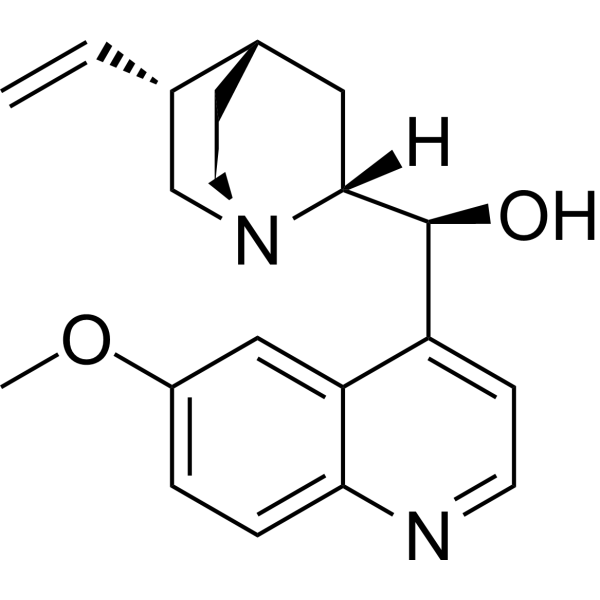
Quinidine hydrochloride is an orally active antiarrhythmic agent. Quinidine hydrochloride reduces the expression level of P-gp, inhibits P-gp-mediated efflux, increases the intracellular accumulation of P-gp substrates, induces PARP cleavage and Caspase-3 activation, and elevates the proportion of Apoptotic cells at the sub-G1 phase. Quinidine hydrochloride exerts sustained block and open-channel block effects on IK(f). Quinidine hydrochloride alters the urinary metabolic ratio of Amphetamine, modulates the Pentylenetetrazol-induced seizure threshold, and regulates the anticonvulsant effect of Dextromethorphan. Quinidine hydrochloride can be used in studies related to uterine sarcoma and seizures .
|
-
- HY-W009929
-
|
4-(Hexyloxy)phenol
|
Apoptosis
Caspase
PARP
|
Cancer
|
|
AC-45594 (4-(Hexyloxy)phenol) is a UPR activator. AC-45594 induces endoplasmic reticulum stress, activates the unfolded protein response (UPR), and drives the transition from adaptive stress signaling to terminal stress signaling, ultimately leading to cell Apoptosis. AC-45594 activates Caspase-3, induces PARP cleavage, and increases the protein level of DR5. AC-45594 selectively inhibits the growth of Ewing sarcoma cells .
|
-
- HY-183077
-
|
|
Epigenetic Reader Domain
Molecular Glues
|
Cancer
|
|
BRD4 degrader-7 (Compound ZZ1) is a CTLH-dependent BRD4 degrader and c-Glue with a DC50 of 489 nM. BRD4 degrader-7 converts to a sulfinic acid derivative inside cells, interacts with the basic pocket of YPEL5, mediates the bridging of BRD4 BD1 to the YPEL5 subunit of the CTLH E3 ubiquitin ligase, and thereby promotes the formation of a ternary complex. BRD4 degrader-7 can be used in research on Ewing's sarcoma and leukemia .
|
-
- HY-105166A
-
|
NSC-659687
|
Drug Derivative
|
Cancer
|
|
S 16020-2 is a new Olivacine derivative. S 16020-2 shows antitumor activity S 16020-2 has anti-cancer activity against leukemia, sarcoma, lung cancer, non-small cell lung cancer, and breast cancer .
|
-
- HY-177966
-
|
|
Drug Metabolite
Apoptosis
Reactive Oxygen Species (ROS)
|
Cancer
|
|
ETM-305 is a degradation product of the anticancer agent ET-743 (HY-50936). ET-743 (Ecteinascidin 743; Trabectedin) is a tetrahydroisoquinoline alkaloid that binds to the minor groove of DNA, blocks the transcription of stress-induced proteins, induces DNA backbone cleavage and cancer cell apoptosis, and increases ROS production in MCF-7 and MDA-MB-453 cells. Trabectedin is used in the research of soft tissue sarcoma and ovarian cancer .
|
-
- HY-183755
-
|
|
Molecular Glues
|
Cancer
|
|
YSA64 is an orally active RBM39-targeting molecular glue. YSA64 promotes degradation via formation of a DCAF15/DDB1 ternary complex, dependent on Cullin-RING E3 ligase and proteasome activity. YSA64 can be used for the research of acute myeloid leukemia and Ewing sarcoma .
|
-
- HY-138008
-
|
|
Microtubule/Tubulin
Apoptosis
|
Cancer
|
|
WX-132-18B is a tubulin inhibitor with an IC50 of 0.45-0.99 nM. WX-132-18B selectively binds to the colchicine-binding site on tubulin, reduces microtubule content via depolymerization, and inhibits tubulin polymerization. WX-132-18B induces tumor cell cycle arrest, apoptosis and changes in nuclear membrane permeability, and decreases mitochondrial membrane potential. WX-132-18B exhibits antiproliferative activity against endothelial cells and human tumor cells, and inhibits the proliferation and growth of xenograft tumors in mice. WX-132-18B can be used in research related to sarcoma, non-small cell lung cancer, gastric cancer and breast cancer .
|
-
- HY-159803
-
|
6-O-(3-Ethoxypropionyl)-3',4'-O-exo-benzylidenechartreusin
|
Endogenous Metabolite
|
Cancer
|
|
IST-622 (6-O-(3-Ethoxypropionyl)-3',4'-O-exo-benzylidenechartreusin) is an anti-tumor agent with significant growth inhibitory activity. IST-622 exhibits significant anti-tumor effects against a variety of mouse tumors such as P388 and L1210 leukemias, B16 melanoma, Lewis lung carcinoma, Colon 26 and Colon 38 adenocarcinomas, and M5076 reticulum cell sarcoma. IST-622 was orally administered and the results showed efficacy in different tumor types. In addition, IST-622 provided significant inhibitory effects against two human tumor xenograft models: large cell lung carcinoma (Lu-116) and gastric adenocarcinoma (St-4). IST-622 also exhibited significant growth inhibitory activity against P388 leukemia in vitro, with a half inhibitory concentration (IC50) more than 20 times lower than CT .
|
-
- HY-186196
-
|
|
Ferroptosis
Reactive Oxygen Species (ROS)
|
Cancer
|
|
Fentomycin-1 is a ferroptosis inducer. Fentomycin-1 activates lysosomal iron 2+ under acidic conditions with hydrogen peroxide to form a reactive iron-oxo species, which induces oxidative degradation, oxidation, and lipolysis of membrane phospholipids, triggering ferroptosis. Fentomycin-1 can be used for the research of pancreatic ductal adenocarcinoma, breast cancer metastasis, and melanoma .
|
-
- HY-107446
-
-
| Cat. No. |
Product Name |
Type |
-
- HY-P2975
-
|
Mouse laminin (Engelbreth-Holm-Swarm murine sarcoma basement membrane)
|
Biochemical Assay Reagents
|
|
Laminin (Engelbreth-Holm-Swarm murine sarcoma basement membrane) is a crucial structural element in animal tissues, forming part of the scaffolding that supports tissue architecture. It interacts with type IV collagen through entactin and perlecan, connects to cell membranes via integrin receptors, dystroglycan complexes, and Lutheran blood group glycoproteins, and contains functional domains that facilitate collagen binding, cell adhesion, heparin interaction, and promote neurite outgrowth.
|
-
- HY-W039939
-
|
2-ADG, 98%
|
Biochemical Assay Reagents
|
|
2-Azido-2-deoxy-D-glucose, 98% (2-ADG, 98%) is a substrate of O-GlcNAc transferase (OGT). 2-Azido-2-deoxy-D-glucose, 98% can be transferred from UDP-GlcAz to proteins in vitro via OGT mediation. When delivered as AcGlcAz, 2-Azido-2-deoxy-D-glucose, 98% enables the labeling and investigation of O-GlcNAc-modified nuclear and cytoplasmic proteins in cells. 2-Azido-2-deoxy-D-glucose, 98% undergoes strain-promoted [3+2] azide-alkyne cycloaddition (SPAAC) with technetium- 99m-labeled dibenzocyclooctyne derivatives in vivo. 2-Azido-2-deoxy-D-glucose, 98% can be used in sarcoma-related research .
|
| Cat. No. |
Product Name |
Target |
Research Area |
-
- HY-P1408
-
|
|
Integrin
VEGFR
|
Cancer
|
|
Obtustatin is a non-RGD disintegrin consisting of 41 residues. Obtustatin inhibits the adhesion of α1β1 integrin to type IV Collagen (HY-NP003), blocks α1β1 integrin signaling in endothelial cells, and suppresses FGF2-induced angiogenesis. Obtustatin inhibits tumor progression in mouse models and upregulates VEGF expression in sarcoma-bearing mice. Obtustatin can be used in research related to Lewis lung carcinoma and S-180 sarcoma .
|
-
- HY-P0131A
-
|
Laminin (925-933) TFA
|
Peptides
|
Cancer
|
|
Laminin peptide CDPGYIGSR (Laminin (925-933)) TFA is a 67 kDa laminin receptor ligand and selective cell adhesion inducer. Laminin peptide CDPGYIGSR TFA not only promotes cell adhesion and mediates directed neurite outgrowth via matrix coating or covalent immobilization, but also inhibits neural crest cell migration under specific conditions. Laminin peptide CDPGYIGSR TFA inhibits lung colonization of melanoma cells, and suppresses the growth of Sarcoma 180 solid tumors and Lewis lung carcinoma (3LL) in mice. Laminin peptide CDPGYIGSR TFA also exerts significant anti-angiogenic effects by inhibiting embryonic angiogenesis in the chick chorioallantoic membrane and vascular endothelial cell migration induced by tumor-conditioned medium. Laminin peptide CDPGYIGSR TFA can be widely used in studies related to melanoma, Sarcoma 180, Lewis lung carcinoma (3LL), and other relevant areas .
|
-
- HY-P10762
-
|
CBP-1008; LDC 10B
|
Peptide-Drug Conjugates (PDCs)
Folate Receptor (FR)
TRP Channel
|
Cancer
|
|
Ricorfotide vedotin (CBP-1008) is a dual-ligand peptide-drug conjugate (PDC) conjugated to MMAE (HY-15162), targeting Folate receptor α (FRα) and TRPV6. Ricorfotide vedotin binds to FRα with high affinity and TRPV6 with low affinity. Ricorfotide vedotin has antitumor activity, and can be used in advanced solid tumor research (eg: colorectal cancer, breast cancer, non-small cell lung cancer, ovarian cancer, adrenocortical carcinoma and follicular dendritic cell sarcoma) .
|
-
- HY-P1258
-
PSI
2 Publications Verification
Proteasome Inhibitor 1; Z-Ile-Glu(OtBu)-Ala-Leu-CHO
|
Proteasome
|
Infection
Cancer
|
|
PSI (Proteasome Inhibitor 1) is a potent proteasome inhibitor. PSI inhibits the proliferation of primary effusion lymphoma (PEL) cells. PSI has the potential for the research of Kaposi’s sarcoma-associated herpesvirus (KSHV) infection and KSHV-associated lymphomas .
|
-
- HY-P3571
-
|
|
Endothelin Receptor
|
Cancer
|
|
[Ala2] Endothelin-3, human is a linear analog of endothelin-3 (ET-3) where substitution of Ala for Cys residues. TE-3 is a vasoactive peptide, produced by human rhabdomyosarcoma cell lines, whereas it is not expressed by human sarcoma cell lines of non-muscle origin. ET-3 acts as a paracrine factor, since it promotes migration of endothelial cells .
|
-
- HY-P10775A
-
|
|
MMP
|
Cancer
|
|
BT1769 acetate is a conjugate and antitumor agent targeting MT1-MMP, with a Kd value of 3.35 nM against human targets. BT1769 acetate exhibits favorable pharmacokinetic properties. BT1769 acetate specifically binds to MT1-MMP via its bicyclic peptide component, delivering the cytotoxic agent MMAE (HY-15162) to antigen-expressing cells. It effectively inhibits tumor growth, induces complete responses, and significantly prolongs event-free survival in osteosarcoma patient-derived xenograft models. BT1769 acetate shows extremely low activity in Ewing sarcoma models and can be used in osteosarcoma-related research .
|
-
- HY-P1258A
-
|
Proteasome Inhibitor 1 TFA; Z-Ile-Glu(OtBu)-Ala-Leu-CHO TFA
|
Proteasome
|
Infection
Cancer
|
|
PSI (TFA) is a potent proteasome inhibitor. PSI (TFA) inhibits the proliferation of primary effusion lymphoma (PEL) cells. PSI (TFA) can be used for the research of Kaposi’s sarcoma-associated herpesvirus (KSHV) infection and KSHV-associated lymphomas .
|
-
- HY-P11231
-
|
FUS(364-369)-TAT
|
Peptides
|
Cancer
|
|
β4-TAT is a kind of β-sheet peptide foldamer. β4-TAT is composed of two parts: the β4 sequence (derived from the β-sheet fragment of the RRM domain of fused in sarcoma (FUS)) and the TAT sequence (a nuclear localization signal peptide that helps the entire peptide penetrate the nuclear membrane). β4-TAT influences FUS aggregation by targeting its RNA recognition motifs (RRM). β4-TAT effectively induces FUS aggregation within cells, leading to the death of cancer cells. β4-TAT can be used for the study of FUS .
|
| Cat. No. |
Product Name |
Target |
Research Area |
Image |
-
- HY-P990688
-
|
AMG-509
|
CD3
|
Cancer
|
|
Xaluritamig (AMG-509) is a bispecific T cell engager and cytolytic agent with a Kd of 27.6 nM for human CD3ε. Xaluritamig binds to CD3ε via an anti-CD3 single-chain variable fragment (scFv) domain, and to STEAP1 via a bispecific anti-STEAP1 antigen-binding fragment (Fab) domain, thereby recruiting and activating T cells and forming a bridge between T cells and STEAP1-expressing cancer cells. Xaluritamig induces T cell-mediated redirected cytotoxicity, tumor cell lysis, cytokine release, CD8 + T cell activation and expansion, as well as tumor stasis or regression. Xaluritamig contains an Fc domain with no effector function, which prolongs serum half-life, exhibits only minimal activity against cells with low STEAP1 expression and normal cells, and shows extremely low target-related off-tumor toxicity in cynomolgus monkeys. Xaluritamig is used in STEAP1×CD3 XmAb 2+1 immunotherapy and in research on metastatic castration-resistant prostate cancer and Ewing sarcoma .
|
-
(5)
-
- HY-P99547
-
|
(vic)-Trastuzumab duocarmazine
|
Antibody-Drug Conjugates (ADCs)
|
Cancer
|
|
Trastuzumab duocarmazine ((vic)-Trastuzumab duocarmazine) is a HER2-targeting ADC that is recognized and cleaved by histone B in tumor cells and selectively targets tumor cells. Trastuzumab duocarmazine has anti-tumor activity and can be used in cancer research related to uterine and ovarian sarcomas .
|
-
(5)
-
- HY-P99281
-
|
BIWA 4; Anti-CD44 Recombinant Antibody
|
Inhibitory Antibodies
|
Cancer
|
|
Bivatuzumab (Anti-CD44 Recombinant Antibody; BIWA 4) is a humanized monoclonal antibody directed against CD44v6. CD44v6 could acts as a sarcoma target for CAR-redirected CIK cells .
|
-
(5)
-
- HY-P99218
-
|
Sch 717454; 19D12
|
IGF-1R
|
Cancer
|
|
Robatumumab (Sch 717454) is an anti-human IGF-1R (insulin-like growth factor receptor-1) antibody. Robatumumab shows anti-tumor activity and anti-proliferative activity to cancer cells. Robatumumab can be used in osteosarcoma and Ewing sarcoma research .
|
-
(5)
-
- HY-P991356
-
|
LAE-005
|
PD-1/PD-L1
|
Cancer
|
|
FAZ-053 is a human monoclonal antibody (mAb) targeting B7-H1/PD-L1/CD274. FAZ-053 inhibits the interaction of PD-L1 with PD-1 and B7-1 on monocytes, dendritic cells, and B cells. FAZ-053 enhances interleukin 2 production. FAZ-053 can be used in advanced alveolar soft tissue sarcoma (ASPS), chordoma, and triple-negative breast cancer research .
|
-
(5)
| Cat. No. |
Product Name |
Category |
Target |
Chemical Structure |
-
- HY-N0488
-
|
Leurocristine sulfate; NSC-67574 sulfate; 22-Oxovincaleukoblastine sulfate
|
Apocynaceae
Alkaloids
Structural Classification
Classification of Application Fields
Anti-aging
Plants
Disease Research Fields
Alkaloid Dimers
Catharanthus roseus (L.) G. Don
Source Classification
Cancer
|
Apoptosis
Microtubule/Tubulin
Mitosis
|
|
Vincristine (Leurocristine; NSC-67574; 22-Oxovincaleukoblastine) sulfate is a microtubule inhibitor that disrupts microtubule polymerization by binding to β-tubulin (with a Ki of 85 nM in bovine), arrests the cell cycle and induces apoptosis. Vincristine sulfate inhibits cell replication, tumor blood flow and the proliferation of various cancer cells, while triggering effects such as oxidative stress, inflammation, calcium overload, epithelial-mesenchymal transition and peripheral neuropathic pain. Vincristine sulfate upregulates the expression of various transporters and nuclear receptors, and enriches gastric cancer stem-like cells. Vincristine sulfate is used in research related to various tumors including acute lymphoblastic leukemia, lymphoma, melanoma, gastric cancer, solid tumors and sarcomas .
|
-
-
- HY-13062
-
-
-
- HY-N0488A
-
Vincristine
Maximum Cited Publications
74 Publications Verification
Leurocristine; NSC-67574; 22-Oxovincaleukoblastine
|
Apocynaceae
Alkaloids
Structural Classification
Classification of Application Fields
Plants
Disease Research Fields
Alkaloid Dimers
Catharanthus roseus (L.) G. Don
Source Classification
Cancer
|
Apoptosis
Microtubule/Tubulin
Mitosis
|
|
Vincristine (Leurocristine; NSC-67574; 22-Oxovincaleukoblastine) is a microtubule inhibitor that disrupts microtubule polymerization by binding to β-tubulin (with a Ki of 85 nM in bovine), arrests the cell cycle and induces apoptosis. Vincristine inhibits cell replication, tumor blood flow and the proliferation of various cancer cells, while triggering effects such as oxidative stress, inflammation, calcium overload, epithelial-mesenchymal transition and peripheral neuropathic pain. Vincristine upregulates the expression of various transporters and nuclear receptors, and enriches gastric cancer stem-like cells. Vincristine is used in research related to various tumors including acute lymphoblastic leukemia, lymphoma, melanoma, gastric cancer, solid tumors and sarcomas .
|
-
-
- HY-13062A
-
-
-
- HY-B1302
-
-
-
- HY-N3017
-
-
-
- HY-116514
-
-
-
- HY-N2542
-
-
-
- HY-N0566
-
|
Anemosapogenin
|
Triterpenes
Structural Classification
other families
Classification of Application Fields
Terpenoids
Plants
Disease Research Fields
Source Classification
Cancer
|
Apoptosis
Autophagy
Bcl-2 Family
Caspase
Survivin
p38 MAPK
MMP
|
|
23-Hydroxybetulinic acid (Anemosapogenin) is an orally active triterpenoid with broad-spectrum anticancer activity. 23-Hydroxybetulinic acid reduces the levels of Bcl-2 and survivin, elevates the level of Bax, promotes the cleavage/activation of caspase-3 and caspase-9, and induces apoptosis via the endogenous mitochondrial pathway involving cytochrome C release and mitochondrial membrane potential disruption. 23-Hydroxybetulinic acid arrests the cell cycle at S and G1 phases, inhibits cancer cell proliferation, blocks the MAPK signaling pathway, regulates MMP2, and induces autophagic apoptosis by upregulating beclin-1. 23-Hydroxybetulinic acid inhibits the activity and efflux function of P-gp, increases the intracellular accumulation of chemotherapeutic drugs, and synergistically enhances cytotoxicity with Doxorubicin (HY-15142). 23-Hydroxybetulinic acid inhibits the phosphorylation and nuclear translocation of STAT6, blocks M2 macrophage polarization, and reduces M2 macrophage-mediated apoptosis resistance of colon cancer cells. 23-Hydroxybetulinic acid can be used in related studies on chronic myeloid leukemia, hepatocellular carcinoma, sarcoma 180, multidrug-resistant breast cancer, leukemia, Doxorubicin-induced cardiotoxicity, and colorectal cancer .
|
-
-
- HY-N0891
-
-
-
- HY-W035709
-
|
Dihydrocinchonine
|
Alkaloids
Other Alkaloids
Rubiaceae
Neolamarckia cadamba (Roxb.) Bosser
Plants
Source Classification
|
P-glycoprotein
Apoptosis
|
|
Hydrocinchonine (Dihydrocinchonine) is a multidrug resistance (MDR)-reversal agent. Hydrocinchonine directly inhibits the function and expression of P-gp, which is the mechanism by which it reverses MDR. Hydrocinchonine exerts synergistic apoptotic effect with Paclitaxel (HY-B0015) in MES-SA/DX5 cells. Hydrocinchonine can be used for the study of gynecological malignant tumors (such as uterine sarcoma) with drug resistance caused by excessive expression of P-gp .
|
-
-
- HY-125443
-
|
|
Triterpenes
Microorganisms
Terpenoids
Source Classification
|
Others
|
|
Lucialdehydes A is a lanostante-type triterpene aldehydes, isolated from the fruiting bodies of Ganoderma lucidum. Lucialdehydes A shows cytotoxic effects on tumor cells, including Lewis lung carcinoma (LLC), T-47D, Sarcoma 180, and Meth-A tumor cell lines .
|
-
-
- HY-108164
-
-
-
- HY-125664
-
-
-
- HY-N16372
-
-
-
- HY-13062R
-
|
Daunomycin hydrochloride (Standard); RP 13057 hydrochloride (Standard); Rubidomycin hydrochloride (Standard)
|
Quinones
Structural Classification
Microorganisms
Anthraquinones
Phenols
Polyphenols
Source Classification
|
Reference Standards
Topoisomerase
DNA/RNA Synthesis
ADC Payload
Bacterial
Autophagy
Apoptosis
Antibiotic
|
|
Daunorubicin (hydrochloride) (Standard) is the analytical standard of Daunorubicin (hydrochloride). This product is intended for research and analytical applications. Daunorubicin (Daunomycin) hydrochloride is a topoisomerase II inhibitor with potent anti-tumor activity. Daunorubicin hydrochloride inhibits DNA and RNA synthesis. Daunorubicin hydrochloride is a cytotoxin that inhibits cancer cell viability and induces apoptosis and necrosis. Daunorubicin hydrochloride is also an anthracycline antibiotic. Daunorubicin hydrochloride can be used in the research of infection and variety of cancers, including leukemia, non-Hodgkin lymphomas, Ewing's sarcoma, Wilms' tumor .
|
-
-
- HY-W035709R
-
|
Dihydrocinchonine (Standard)
|
Structural Classification
Alkaloids
Other Alkaloids
Rubiaceae
Neolamarckia cadamba (Roxb.) Bosser
Plants
Source Classification
|
Reference Standards
P-glycoprotein
Apoptosis
|
|
Hydrocinchonine (Dihydrocinchonine) (Standard) is the analytical standard of Hydrocinchonine (HY-W035709). This product is used for research and analytical purposes.Hydrocinchonine is a multidrug resistance (MDR)-reversal agent. Hydrocinchonine directly inhibits the function and expression of P-gp, which is the mechanism by which it reverses MDR. Hydrocinchonine exerts synergistic apoptotic effect with Paclitaxel (HY-B0015) in MES-SA/DX5 cells. Hydrocinchonine can be used for the study of gynecological malignant tumors (such as uterine sarcoma) with drug resistance caused by excessive expression of P-gp .
|
-
-
- HY-N0488R
-
|
Leurocristine sulfate (Standard); NSC-67574 sulfate (Standard); 22-Oxovincaleukoblastine sulfate (Standard)
|
Apocynaceae
Alkaloids
Structural Classification
Plants
Alkaloid Dimers
Catharanthus roseus (L.) G. Don
Source Classification
|
Reference Standards
Apoptosis
Microtubule/Tubulin
Mitosis
|
|
Vincristine (sulfate) (Standard) is the analytical standard of Vincristine (sulfate). This product is intended for research and analytical applications. Vincristine sulfate (Leurocristine; NSC-67574; 22-Oxovincaleukoblastine) is a microtubule inhibitor that disrupts microtubule polymerization by binding to β-tubulin (with a Ki of 85 nM in bovine), arrests the cell cycle and induces apoptosis. Vincristine sulfate inhibits cell replication, tumor blood flow and the proliferation of various cancer cells, while triggering effects such as oxidative stress, inflammation, calcium overload, epithelial-mesenchymal transition and peripheral neuropathic pain. Vincristine sulfate upregulates the expression of various transporters and nuclear receptors, and enriches gastric cancer stem-like cells. Vincristine sulfate is used in research related to various tumors including acute lymphoblastic leukemia, lymphoma, melanoma, gastric cancer, solid tumors and sarcomas .
|
-
-
- HY-N14616
-
-
-
- HY-N14853
-
|
|
Microorganisms
Macrolide Antibiotics
Antibiotics
Source Classification
|
Bacterial
Fungal
|
|
Ossamycin is a macrolide antibiotic. Ossamycin has anti-fungal effect, and it has weaker anti-Gram-positive bacterial effect. Ossamycin inhibits L cells, Epstein-Barr ascites cancer cells, KB cells, sarcoma-180 cells, L-1210 cells, HeLa cells in cell culture with IC50s (μg/mL) of 0.007, 0.008, 0.005, 0.008, 0.003, 0.005, respectively .
|
-
-
- HY-N14179
-
-
-
- HY-N14522
-
-
-
- HY-116514R
-
-
-
- HY-N0566R
-
|
Anemosapogenin (Standard)
|
Triterpenes
Structural Classification
other families
Terpenoids
Plants
Source Classification
|
Reference Standards
Apoptosis
Autophagy
Bcl-2 Family
Caspase
Survivin
p38 MAPK
MMP
|
|
23-Hydroxybetulinic acid (Standard) is the analytical standard of 23-Hydroxybetulinic acid (HY-N0566). This product is intended for research and analytical applications. 23-Hydroxybetulinic acid (Anemosapogenin) is an orally active triterpenoid with broad-spectrum anticancer activity. 23-Hydroxybetulinic acid reduces the levels of Bcl-2 and survivin, elevates the level of Bax, promotes the cleavage/activation of caspase-3 and caspase-9, and induces apoptosis via the endogenous mitochondrial pathway involving cytochrome C release and mitochondrial membrane potential disruption. 23-Hydroxybetulinic acid arrests the cell cycle at S and G1 phases, inhibits cancer cell proliferation, blocks the MAPK signaling pathway, regulates MMP2, and induces autophagic apoptosis by upregulating beclin-1. 23-Hydroxybetulinic acid inhibits the activity and efflux function of P-gp, increases the intracellular accumulation of chemotherapeutic drugs, and synergistically enhances cytotoxicity with Doxorubicin (HY-15142). 23-Hydroxybetulinic acid inhibits the phosphorylation and nuclear translocation of STAT6, blocks M2 macrophage polarization, and reduces M2 macrophage-mediated apoptosis resistance of colon cancer cells. 23-Hydroxybetulinic acid can be used in related studies on chronic myeloid leukemia, hepatocellular carcinoma, sarcoma 180, multidrug-resistant breast cancer, leukemia, Doxorubicin-induced cardiotoxicity, and colorectal cancer.
|
-
| Cat. No. |
Product Name |
Chemical Structure |
-
- HY-50936S
-
|
|
|
Trabectedin D3 (Ecteinascidin 743 D3) is deuterium labeled Trabectedin. Trabectedin is a tetrahydroisoquinoline alkaloid with potent antitumor activity. Trabectedin binds to the minor groove of DNA, blocks transcription of stress-induced proteins, induces DNA backbone cleavage and cancer cells apoptosis, and increases the generation of ROS in MCF-7 and MDA-MB-453 cells. Trabectedin has tje potential for soft tissue sarcoma and ovarian cancer treatment .
|
-
-
- HY-N0488S
-
|
|
|
Vincristine-d3 sulfate is the deuterium labeled Vincristine sulfate. Vincristine sulfate (Leurocristine; NSC-67574; 22-Oxovincaleukoblastine) is a microtubule inhibitor that disrupts microtubule polymerization by binding to β-tubulin (with a Ki of 85 nM in bovine), arrests the cell cycle and induces apoptosis. Vincristine sulfate inhibits cell replication, tumor blood flow and the proliferation of various cancer cells, while triggering effects such as oxidative stress, inflammation, calcium overload, epithelial-mesenchymal transition and peripheral neuropathic pain. Vincristine sulfate upregulates the expression of various transporters and nuclear receptors, and enriches gastric cancer stem-like cells. Vincristine sulfate is used in research related to various tumors including acute lymphoblastic leukemia, lymphoma, melanoma, gastric cancer, solid tumors and sarcomas .
|
-
-
- HY-W654130
-
|
|
|
Daunorubicin- 13C,d3 is 13C and deuterium labeled Daunorubicin. Daunorubicin (Daunomycin) is a topoisomerase II inhibitor with potent anti-tumor activity. Daunorubicin inhibits DNA and RNA synthesis. Daunorubicin is a cytotoxin that inhibits cancer cell viability and induces apoptosis and necrosis. Daunorubicin is also an anthracycline antibiotic. Daunorubicin can be used in the research of infection and variety of cancers, including leukemia, non-Hodgkin lymphomas, Ewing's sarcoma, Wilms' tumor .
|
-
-
- HY-N0488S2
-
|
|
|
Vincristine-d6 (sulfate) is the deuterium labeled Vincristine sulfate. Vincristine sulfate (Leurocristine; NSC-67574; 22-Oxovincaleukoblastine) is a microtubule inhibitor that disrupts microtubule polymerization by binding to β-tubulin (with a Ki of 85 nM in bovine), arrests the cell cycle and induces apoptosis. Vincristine sulfate inhibits cell replication, tumor blood flow and the proliferation of various cancer cells, while triggering effects such as oxidative stress, inflammation, calcium overload, epithelial-mesenchymal transition and peripheral neuropathic pain. Vincristine sulfate upregulates the expression of various transporters and nuclear receptors, and enriches gastric cancer stem-like cells. Vincristine sulfate is used in research related to various tumors including acute lymphoblastic leukemia, lymphoma, melanoma, gastric cancer, solid tumors and sarcomas .
|
-
-
- HY-N0488S1
-
|
|
|
Vincristine-d3 sulfate is the deuterium labeled Vincristine sulfate. Vincristine-1 sulfate (Leurocristine; NSC-67574; 22-Oxovincaleukoblastine) is a microtubule inhibitor that disrupts microtubule polymerization by binding to β-tubulin (with a Ki of 85 nM in bovine), arrests the cell cycle and induces apoptosis. Vincristine-1 sulfate inhibits cell replication, tumor blood flow and the proliferation of various cancer cells, while triggering effects such as oxidative stress, inflammation, calcium overload, epithelial-mesenchymal transition and peripheral neuropathic pain. Vincristine-1 sulfate upregulates the expression of various transporters and nuclear receptors, and enriches gastric cancer stem-like cells. Vincristine-1 sulfate is used in research related to various tumors including acute lymphoblastic leukemia, lymphoma, melanoma, gastric cancer, solid tumors and sarcomas .
|
-
Your information is safe with us. * Required Fields.
Inquiry Information
- Product Name:
- Cat. No.:
- Quantity:
- MCE Japan Authorized Agent:

