1. Search Result
Search Result
Results for "

spore germination

" in MedChemExpress (MCE) Product Catalog:

51

Inhibitors & Agonists

2

Biochemical Assay Reagents

19

Natural
Products

5

Isotope-Labeled Compounds

Cat. No. Product Name Target Research Areas Chemical Structure
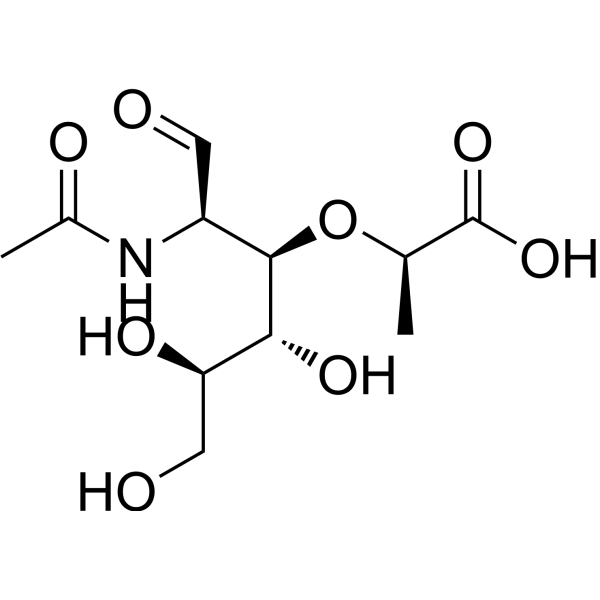
  • HY-W009274

    MurNAc; NAMA

    p38 MAPK NF-κB Bacterial Infection Inflammation/Immunology
    N-acetylmuramic acid is a component of the bacterial cell wall peptidoglycan, essential for maintaining cell shape and integrity . N-acetylmuramic acid inhibits spore germination by inhibiting a coat-associated hexosaminidase and a core enzyme . N-acetylmuramic acid is required by Bacteroides forsythus for proliferation and the maintenance of its cell shape . N-Acetylmuramic acid inhibits the p38 MAPK/NF-κB signaling pathway, and exhibits anti-inflammatory activity. N-Acetylmuramic acid is orally active .
    N-Acetylmuramic acid
  • HY-136409

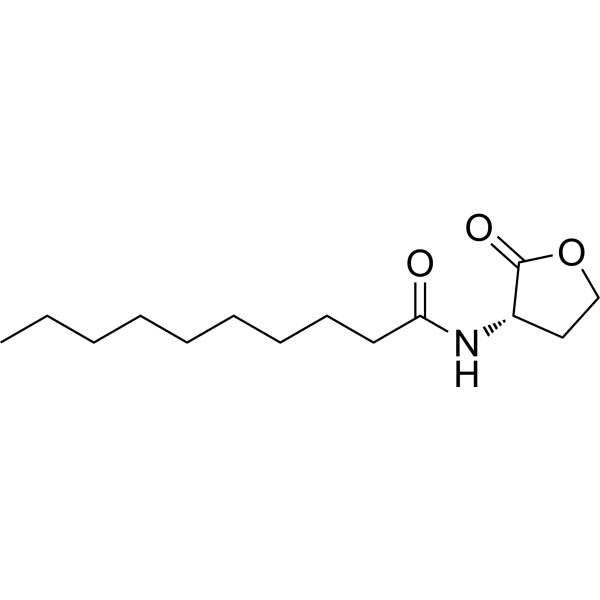
    C10-HSL

    Bacterial Reactive Oxygen Species (ROS) Infection
    N-decanoyl-L-homoserine lactone (C10-HSL) is a N-acyl-homoserine lactone (AHL) N-decanoyl-L-homoserine lactone can inhibit primary root growth in Arabidopsis. N-decanoyl-L-homoserine lactone triggers a transient and immediate increase in the concentrations of cytosolic free Ca 2+ and reactive oxygen species (ROS), increases the activity of mitogen-activated protein kinase 6 (MPK6), and induces nitric oxide (NO) production in Arabidopsis roots .
    N-Decanoyl-L-homoserine lactone
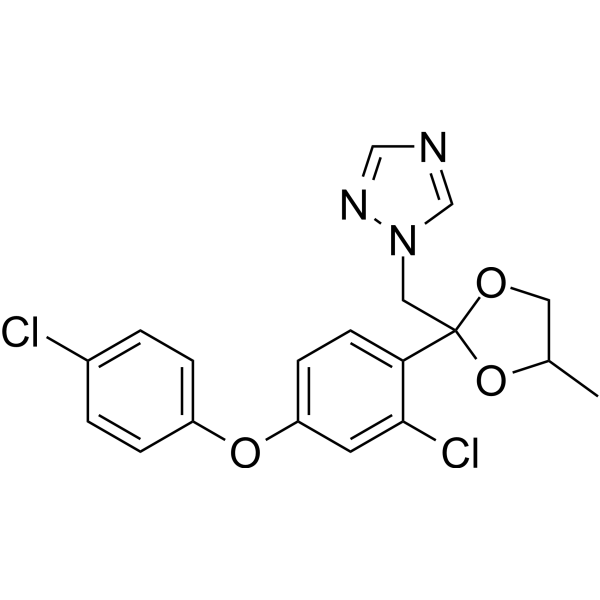
  • HY-B0850
    Difenoconazole
    3 Publications Verification

    Environmental Pollutants Fungal Infection
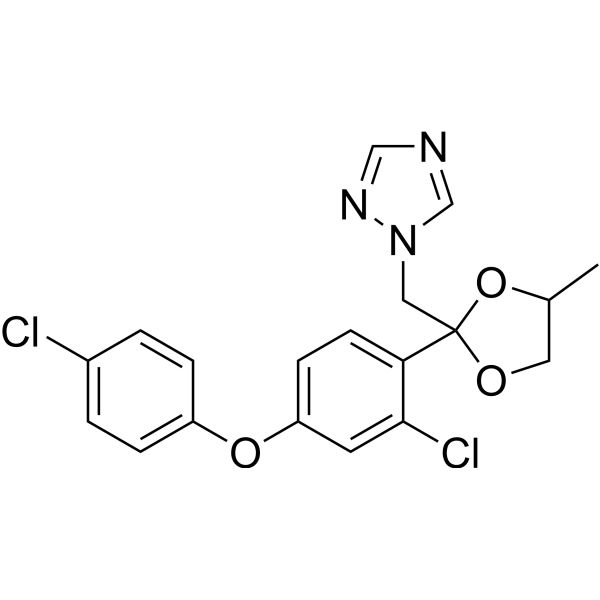
    Difenoconazole is a sterol demethylation inhibitor, as a fungicide. Difenoconazole binds the heme portion of the fungal cytochrome P450 51, interferes the mycelial growth and inhibits the spore germination of pathogens, suppressing fungal growth .
    Difenoconazole
  • HY-N6784

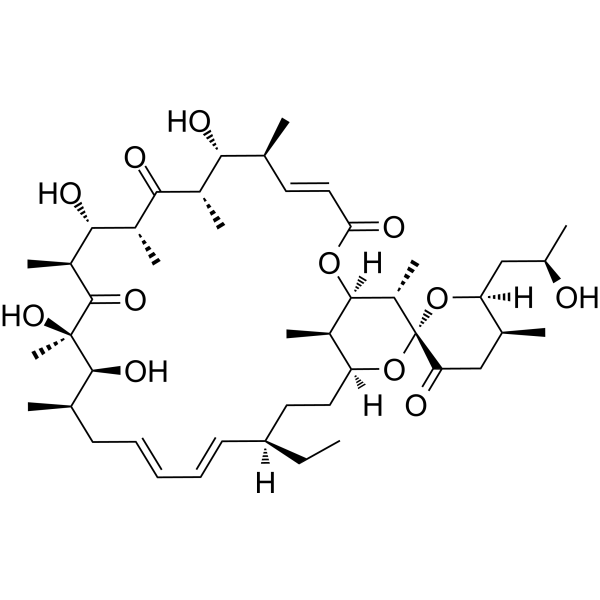
    ATP Synthase Bacterial Apoptosis Antibiotic Infection Neurological Disease
    Oligomycin B is an antibiotic that acts as a non-selective inhibitor of ATP Synthase. Oligomycin B increases mitochondrial membrane potential. Oligomycin B induces apoptosis and necrosis. Oligomycin B impairs the motility of Plasmopara viticola zoospores and induces their lysis. Oligomycin B inhibits Magnaporthe oryzae (wheat blast fungus) and suppresses the development of wheat blast. Oligomycin B reduces hyphal growth and spore germination of Botrytis cinerea, and protects Arabidopsis thaliana against Botrytis cinerea infection. Oligomycin B exacerbates cytotoxic brain edema in rats with cerebral cortical contusion, increases intracranial pressure and brain water content, and aggravates mitochondrial damage in these rats. Oligomycin B is used in studies related to grape downy mildew, traumatic brain injury, wheat blast, and gray mold .
    Oligomycin B
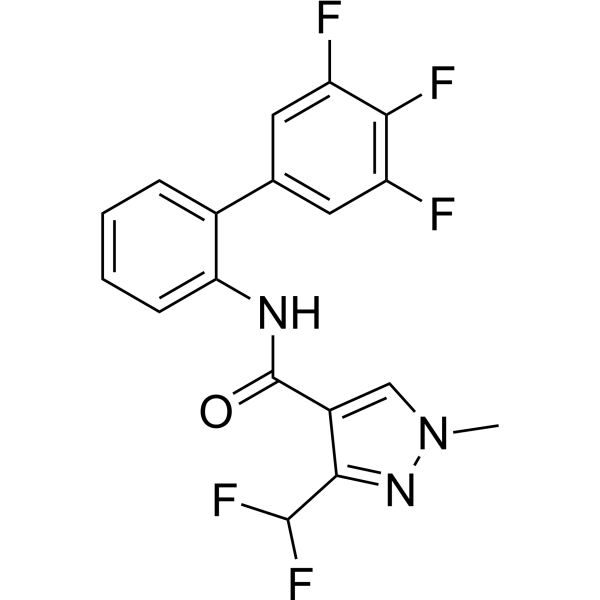
  • HY-135549
    Fluxapyroxad
    1 Publications Verification

    Environmental Pollutants Antibiotic Cytochrome P450 Fungal Succinate Dehydrogenase Infection Inflammation/Immunology
    Fluxapyroxad is a synthetic broad-spectrum fungicide for the control of fungal diseases. Fluxapyroxad inhibits succinate dehydrogenase in complex II of the mitochondrial respiratory chain, resulting in inhibition of spore germination, germ tubes and mycelia growth within the fungus target species .
    Fluxapyroxad
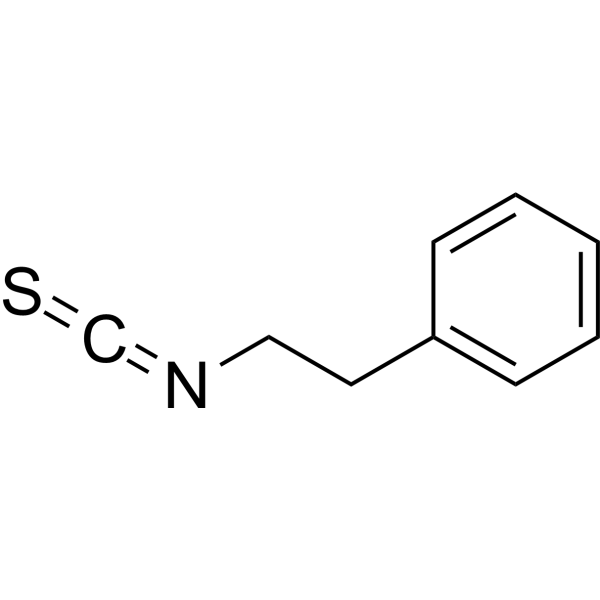
  • HY-23155
    2-Phenylethyl isothiocyanate
    1 Publications Verification

    2-PE ITC

    Fungal Infection
    2-Phenylethyl isothiocyanate is a potent antifungal agent. 2-Phenylethyl isothiocyanate significantly inhibited spore germination and mycelial growth of Alternaria alternata, with a MIC (minimum inhibitory concentration) of 1.22 mM. The antifungal effect of 2-Phenylethyl isothiocyanate against Alternaria alternate might be via reduction in toxin content and breakdown of cell membrane integrity .
    2-Phenylethyl isothiocyanate
  • HY-172670

    Fungal Infection
    Spore germination-IN-1 (Compound 110) is an orally active spore germination inhibitor (IC50: 14 μM). Spore germination-IN-1 specifically inhibits the enzymatic activities of mature SleC and CspB on spores (Kd: 12 and 8 μM). Spore germination-IN-1 can be used in studies against C. difficile .
    Spore germination-IN-1
  • HY-W250308A

    Epsilon-polylysine hydrochloride (MV 2000-5000); ε-Polylysine hydrochloride (MV 2000-5000); ε-PL hydrochloride (MV 2000-5000)

    Bacterial Fungal Reactive Oxygen Species (ROS) Infection
    ε-Poly-L-lysine (Epsilon-polylysine; ε-Polylysine) hydrochloride (MV 2000-5000) is a polycationic antibacterial agent with broad-spectrum activity against Gram-positive bacteria, Gram-negative bacteria, fungi, yeasts and specific bacteriophages. ε-Poly-L-lysine hydrochloride (MV 2000-5000) exerts bactericidal effects through mechanisms such as disrupting microbial membranes, inducing ROS production, inhibiting metabolism and spore germination. ε-Poly-L-lysine hydrochloride (MV 2000-5000) also regulates the expression of multiple key genes including sodA, oxyR and recA. ε-Poly-L-lysine hydrochloride (MV 2000-5000) exhibits properties such as low eukaryotic cytotoxicity, thermal stability and pH stability, and supports tissue regeneration and anti-tumor applications. ε-Poly-L-lysine hydrochloride (MV 2000-5000) can be applied in research fields including bacterial and fungal infections, diabetic ulcers, and methicillin-resistant Staphylococcus aureus infections .
    ε-Poly-L-lysine hydrochloride (MV 2000-5000)
  • HY-N1677

    Akt mTOR Bacterial Fungal AMPK Infection Metabolic Disease Inflammation/Immunology Cancer
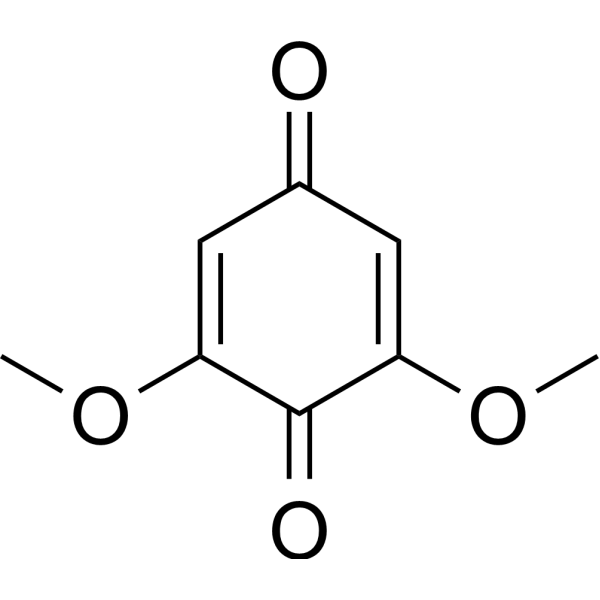
    2,6-Dimethoxy-1,4-benzoquinone is a 1,4-benzoquinone derivative. 2,6-Dimethoxy-1,4-benzoquinone promotes phosphorylation of AKT, S6K, mTOR, 4E-BP1, and AMPK, and attenuates mTORC1 activity as part of the AKT/mTOR pathway. 2,6-Dimethoxy-1,4-benzoquinone stimulates myoblast differentiation, increases myotube size, elevates MHC protein expression, enhances mitochondrial biogenesis, respiration, and DNA content, and increases skeletal muscle weights, fiber size, grip strength, and treadmill performance. 2,6-Dimethoxy-1,4-benzoquinone exerts anti-cancer, anti-inflammatory, anti-adipogenic, antibacterial, and antimutagenic effects, inhibits adipogenic transcription factors, nitric oxide production, skin tumor development, Magnaporthe oryzae growth, spore germination, appressorium formation, and growth of select bacterial species, induces H2O2 generation and rice defense gene expression, and reduces rice blast lesion formation. 2,6-Dimethoxy-1,4-benzoquinone can be used for the research of obesity, skin tumorigenesis, rice blast disease, and food-borne illness .
    2,6-Dimethoxy-1,4-benzoquinone
  • HY-75828

    Dibenzalacetone

    Bacterial Infection
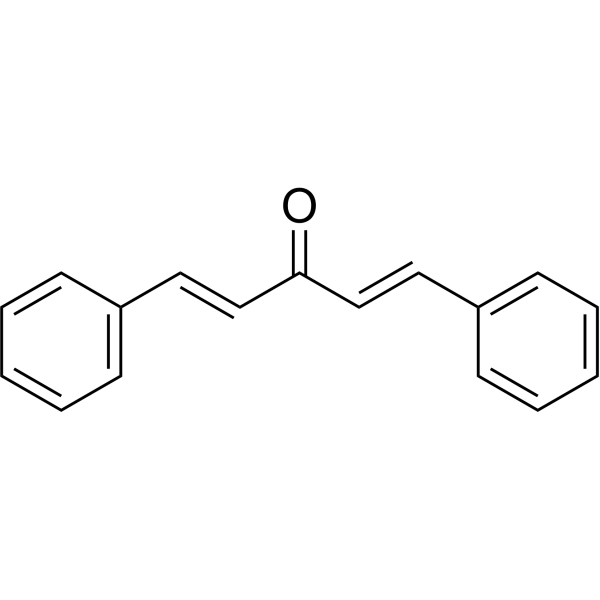
    Dibenzylideneacetone (Dibenzalacetone) is a potent inhibitor of chitinase with an IC50 value of 13.10 μM. The MIC value of Dibenzylideneacetone against Botrytis cinerea is 32 μg/mL, and the EC50 values for inhibiting mycelium growth and spore germination are 16.29 and 14.64 μg/mL, respectively. Dibenzylideneacetone can be used in research on fruit and vegetable preservatives .
    Dibenzylideneacetone
  • HY-111331

    Antibiotic Hexokinase Bacterial Infection
    Germicidin B is an antibiotic with bactericidal activity. Germicidin B inhibits hexokinase II with an IC50 of 25.16 μM. Germicidin B suppresses spore germination in Streptomyces. Germicidin B is applicable to studies on bacterial infections .
    Germicidin B
  • HY-B0850R

    Reference Standards Fungal Infection
    Difenoconazole (Standard) is the analytical standard of Difenoconazole. This product is intended for research and analytical applications. Difenoconazole is a sterol demethylation inhibitor, as a fungicide. Difenoconazole binds the heme portion of the fungal cytochrome P450 51, interferes the mycelial growth and inhibits the spore germination of pathogens, suppressing fungal growth .
    Difenoconazole (Standard)
  • HY-156191

    Bacterial Infection
    Cholic acid anilide, a Narylcholan-24-amide, is a potent inhibitor of C. difficile spore germination with an IC50 value of 1.8 μM in the spore germination assay conducted in Sodium phosphate media containing 6 mM Taurocholate (HY-B1131) and 12 mM Glycine (HY-Y0966). Cholic acid anilide has the potential for C. difficile infections research .
    Cholic acid anilide
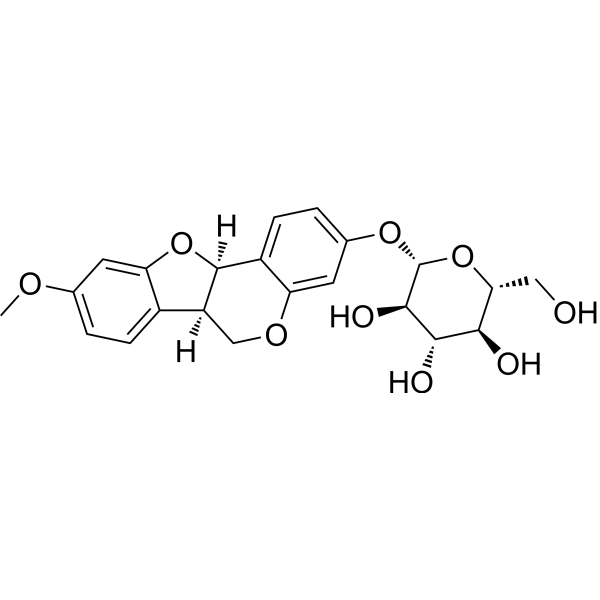
  • HY-N9128
    Medicarpin 3-O-glucoside
    1 Publications Verification

    Others Others
    Medicarpin 3-O-glucoside a phytoalexin, shows inhibition against the germination of G. intraradices spores and hyphal elongation .
    Medicarpin 3-O-glucoside
  • HY-N2573

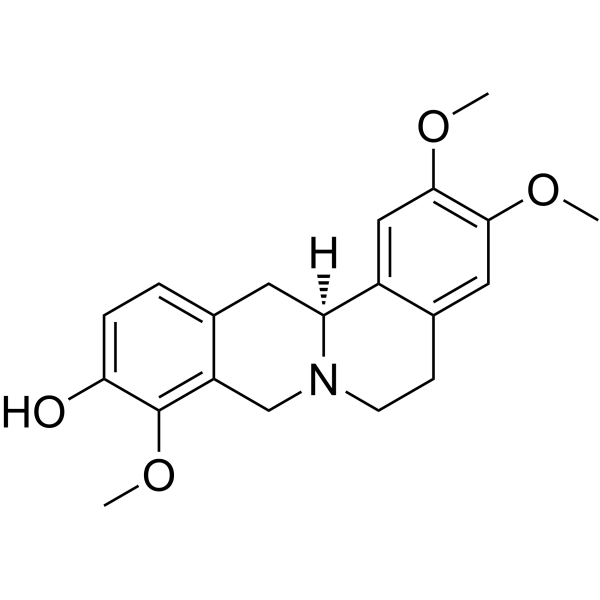
    L-Corydalmine; TLZ-16

    Fungal CXCR Infection Neurological Disease
    Corydalmine (L-Corydalmine) inhibits spore germination of some plant pathogenic as well as saprophytic fungi . Corydalmine acts as an oral analgesic agent, exhibiting potent analgesic activity . Corydalmine alleviates Vincristine-induced neuropathic pain in mice by inhibiting an NF-κB-dependent CXCL1/CXCR2 signaling pathway .
    Corydalmine
  • HY-136409R

    C10-HSL (Standard)

    Reference Standards Bacterial Reactive Oxygen Species (ROS) Infection
    Formoterol (hemifumarate hydrate) (Standard) is the analytical standard of Formoterol (hemifumarate hydrate). This product is intended for research and analytical applications. Formoterol hemifumarate hydrate is a selective, long-acting beta 2-adrenoceptor agonist. Formoterol is a bronchodilator used for the research of the asthma and chronic obstructive pulmonary disease (COPD). Formoterol hemifumarate hydrate induces mitochondrial biogenesis and promotes cognitive recovery after traumatic brain injury .
    N-Decanoyl-L-homoserine lactone (Standard)
  • HY-W010203

    Fungal Infection
    2-Decanone is an antifungal agent. 2-Decanone inhibits pathogen mycelial growth, spore germination, and appressorium formation. 2-Decanone downregulates spore germination-related genes (MfBmp1) and penetration structure formation genes (MfPls1), inducing reactive oxygen species (ROS) accumulation to trigger mitochondrial damage and subsequent spore apoptosis. 2-Decanone is promising for research of postharvest disease control in fruits and vegetables .
    2-Decanone
  • HY-W782599

    Fungal PKC Calcineurin Infection
    Senkyunolide B is a phthalide found in Angelica sinensis. Senkyunolide B has broad antifungal activities. Senkyunolide B affects the spore germination and hyphae growth of Aspergillus fumigatus via down-regulating phosphatidylinositol-PKC-calcineurin axis and the expression of ENG genes .
    Senkyunolide B
  • HY-17517

    Fungal Biochemical Assay Reagents Infection
    Tiadinil is a systemic acquired resistance (SAR) inducer, plant elicitor and antifungal agent. Tiadinil promotes the production of herbivore-induced plant volatiles in Camellia sinensis (tea plant). Tiadinil inhibits mycelial growth, spore germination and germ tube elongation of Stagonosporopsis citrulli in vitro. Tiadinil can be used in studies related to vine blight .
    Tiadinil
  • HY-23155S

    2-PE ITC-d5

    Fungal Infection
    2-Phenylethyl isothiocyanate-d5 isothiocyanate-d5 is the deuterium labeled 2-Phenylethyl isothiocyanate[1]. 2-Phenylethyl isothiocyanate is a potent antifungal agent. 2-Phenylethyl isothiocyanate significantly inhibited spore germination and mycelial growth of Alternaria alternata, with a MIC (minimum inhibitory concentration) of 1.22 mM. The antifungal effect of 2-Phenylethyl isothiocyanate against Alternaria alternata might be via reduction in toxin content and breakdown of cell membrane integrity[2][3].
    2-Phenylethyl isothiocyanate-d5
  • HY-W017611

    Environmental Pollutants Reactive Oxygen Species (ROS) Fungal DNA/RNA Synthesis Infection
    4-Propylphenol is a plant-derived phenolic compound. 4-Propylphenol causes an increase in ROS within the Fusarium graminearum cells, leading to damage to the DNA and cell membranes of the mycelia, effectively inhibiting the growth of the mycelia. 4-Propylphenol also has a growth inhibitory effect on walnut pathogenic fungi (C. gloeosporioides, C. siamense, A. alternata), with its EC50 ranging from 29.11 to 31.89 mg/L, and it also inhibits spore germination, with EC50 being 55.04-71.85 mg/L. 4-Propylphenol can be used in the research of fungal diseases in walnuts and wheat Fusarium head blight .
    4-Propylphenol
  • HY-121387

    Fungal Infection
    Furmecyclox is an effective fungicide. Furmecyclox shows great effects against basidiomycetes .
    Furmecyclox
  • HY-N15600

    (-)-Merulidial

    Antibiotic Fungal Bacterial DNA/RNA Synthesis Infection Cancer
    Merulidial (Compound 1) is an antibiotic and cytotoxic agent with a sesquiterpene dialdehyde structure. Merulidial significantly inhibits the germination of spores and the hyphal growth of the wood-roting basidiomycete Heterobasidion annosum (H. annosum) and the saprophytic mould Cladosporium cucumerinum (C.cucumerinum). Merulidial also inhibits a variety of bacteria, algae and DNA synthesis of ECA cells. Merulidial shows a strong anticancer activity with IC50 s of 20 and 10 μg/mL for ECA and L1210 cells, respectively .
    Merulidial
  • HY-23155R

    2-PE ITC (Standard)

    Fungal Reference Standards Infection
    2-Phenylethyl isothiocyanate (Standard) is the analytical standard of 2-Phenylethyl isothiocyanate. This product is intended for research and analytical applications. 2-Phenylethyl isothiocyanate is a potent antifungal agent. 2-Phenylethyl isothiocyanate significantly inhibited spore germination and mycelial growth of Alternaria alternata, with a MIC (minimum inhibitory concentration) of 1.22 mM. The antifungal effect of 2-Phenylethyl isothiocyanate against Alternaria alternate might be via reduction in toxin content and breakdown of cell membrane integrity .
    2-Phenylethyl isothiocyanate (Standard)
  • HY-N14560

    Fungal Infection
    Cyclopaldic acid of 2.5 μg/mL can inhibit the spore germination of Garlic botrytis spore 95%-100% .
    Cyclopaldic acid
  • HY-143455

    Bacterial Inflammation/Immunology
    Germination-IN-2 (compound 15) is a potent germination inhibitor with an IC50 of 1.3 µM. Germination-IN-2 shows anti-germination activity with 3% germination rate .
    Germination-IN-2
  • HY-143454

    Others Inflammation/Immunology
    Germination-IN-1 (compound 11) is a potent germination inhibitor with an IC50 of 4 µM. Germination-IN-2 shows anti-germination activity with 14% germination rate .
    Germination-IN-1
  • HY-N15326

    Fungal Infection
    Phytoalexine (Compound 8) is a phytoalexin found in wasabi with antifungal activity against fungi such as Phoma lingam and Phoma wasabiae. Phytoalexine inhibits spore germination and mycelial growth of fungi. Phytoalexine is promising for research of pesticides against plant fungal diseases .
    Phytoalexine
  • HY-N13024

    Fungal Infection
    Radulone A is a secondary metabolite, which can be isolated from the wood decomposing fungus Granulobasidium vellereum. Radulone A inhibits spore germination of Phlebiopsis gigantea, Coniophora puteana and Heterobasidion occidentale, with concentrations of 10 µM, 500 µM and 100 µM, respectively .
    Radulone A
  • HY-B0850S

    Isotope-Labeled Compounds Fungal Infection
    Difenoconazole-d6 (hydrochloride) is deuterium labeled Difenoconazole. Difenoconazole is a sterol demethylation inhibitor, as a fungicide. Difenoconazole binds the heme portion of the fungal cytochrome P450 51, interferes the mycelial growth and inhibits the spore germination of pathogens, suppressing fungal growth .
    Difenoconazole-d6 hydrochloride
  • HY-W743674

    Isotope-Labeled Compounds Fungal Infection
    Difenoconazole-d6 is the deuterium labeled Difenoconazole (HY-B0850). Difenoconazole is a sterol demethylation inhibitor, as a fungicide. Difenoconazole binds the heme portion of the fungal cytochrome P450 51, interferes the mycelial growth and inhibits the spore germination of pathogens, suppressing fungal growth .
    Difenoconazole-d6
  • HY-135549R

    Reference Standards Antibiotic Fungal Succinate Dehydrogenase Cytochrome P450 Infection Inflammation/Immunology
    Fluxapyroxad (Standard) is the analytical standard of Fluxapyroxad. This product is intended for research and analytical applications. Fluxapyroxad is a synthetic broad-spectrum fungicide for the control of fungal diseases. It works by inhibiting succinate dehydrogenase in complex II of the mitochondrial respiratory chain, resulting in inhibition of spore germination, germ tubes and mycelia growth within the fungus target species .
    Fluxapyroxad (Standard)
  • HY-N2573A

    L-Corydalmine hydrochloride; TLZ-16-CL

    Fungal CXCR Infection Neurological Disease
    Corydalmine hydrochloride inhibits spore germination of some plant pathogenic as well as saprophytic fungi . Corydalmine hydrochloride acts as an oral analgesic agent, exhibiting potent analgesic activity . Corydalmine hydrochloride alleviates Vincristine-induced neuropathic pain in mice by inhibiting an NF-κB-dependent CXCL1/CXCR2 signaling pathway .
    Corydalmine hydrochloride
  • HY-N14548

    Antibiotic Bacterial Infection
    Cryptosporiopsin can be isolated from the strain of Cryptosporiopsis sp. and Sporormia affinis. Cryptosporiopsin has antibacterial activity to many kinds of basidiomycetes, algal fungi, ascomycetes and hemiplegia fungi that cause wood rot, and can inhibit spore germination of Phytophthora potatoes. Cryptosporiopsin also has certain activity against gram-positive bacteria and negative bacteria .
    Cryptosporiopsin
  • HY-129548

    Antibiotic Infection
    Prumycin is an antifungal antibiotic with activity against cucumber powdery mildew. Prumycin significantly inhibited the disease, whereas other metabolites such as bacillomycin D and surfactin did not. Prumycin did not induce the expression of plant defense genes, indicating that its effects were not through plant defense responses. Observation of cucumber cotyledons treated with prumycin showed that it could inhibit spore germination of P. fusca .
    Prumycin
  • HY-129548A

    Fungal Infection
    Prumycin dihydrochloride is an antifungal antibiotic with activity against cucumber powdery mildew. Prumycin dihydrochloride significantly inhibited the disease, whereas other metabolites such as bacillomycin D and surfactin did not. Prumycin dihydrochloride did not induce the expression of plant defense genes, indicating that its effects were not through plant defense responses. Observation of cucumber cotyledons treated with prumycin showed that it could inhibit spore germination of P. fusca .
    Prumycin dihydrochloride
  • HY-155004

    Antibiotic Fungal Infection
    SDH-IN-3 is a succinate dehydrogenase (SDH) inhibitor with an IC50 of 7.2 μg/mL. SDH-IN-3 exhibits excellent antifungal activities against Nigrospora oryzae with an EC50 of 1.9 μg/mL. SDH-IN-3 can be used for anti-infection research .
    SDH-IN-3
  • HY-172768

    Bacterial Infection
    SCUT1-2 is a bifunctional antibacterial agent with good oral bioavailability in mice (F=56.8%). SCUT1-2 can kill the vegetative cells of C. difficile with a MIC of 0.06-0.50 μg/mL, and inhibit spore germination in vitro. SCUT1-2 could alleviate the symptoms of weight loss and diarrhea in mice caused by C. difficile infection (CDI) and prevent recurrent CDI .
    SCUT1-2
  • HY-183961

    Bacterial Others
    H-D-Ala-β-Ala-OH is a synthetic alanyl dipeptide with no activity against Bacillus thiaminolyticus spore germination and no antibacterial activity against gram-positive and gram-negative bacteria at 100 μg/mL .
    H-D-Ala-β-Ala-OH
  • HY-173402

    Fungal Infection
    TPS1-IN-1 (Compound O1) is a highly potent and broad-spectrum TPS1 inhibitor. TPS1-IN-1 with IC50s of 14.73 μM for MoTPS1 (TPS1 of M oryzae) and 59.99 μM for BcTPS1 (TPS1 of B cinerea), respectively. TPS1-IN-1 exerts a broad-spectrum fungicidal effect by interfering with spore germination, appressorium formation, and turgor pressure accumulation of fungi. TPS1-IN-1 has good safety and has the potential to be a novel fungicide candidate compound .
    TPS1-IN-1
  • HY-W017611S

    Isotope-Labeled Compounds Fungal Reactive Oxygen Species (ROS) DNA/RNA Synthesis Infection
    4-Propylphenol-d12 is the deuterium labeled 4-Propylphenol. 4-Propylphenol is a plant-derived phenolic compound. 4-Propylphenol causes an increase in ROS within the Fusarium graminearum cells, leading to damage to the DNA and cell membranes of the mycelia, effectively inhibiting the growth of the mycelia. 4-Propylphenol also has a growth inhibitory effect on walnut pathogenic fungi (C. gloeosporioides, C. siamense, A. alternata), with its EC50 ranging from 29.11 to 31.89 mg/L, and it also inhibits spore germination, with EC50 being 55.04-71.85 mg/L. 4-Propylphenol can be used in the research of fungal diseases in walnuts and wheat Fusarium head blight.
    4-Propylphenol-d12
  • HY-121628

    Fungal Infection
    Flusulfamide is a sulfonanilide Fungicide that effectively inhibits the germination of resting spores of Plasmodiophora brassicae, the pathogen causing clubroot in cruciferous crops. Flusulfamide blocks the developmental process of resting spores from stage 1 to stage 2. By downregulating germination-related genes and upregulating immunophilin genes (such as PbCyp3), it induces abnormal accumulation of the PbCYP3 protein, thereby causing the spores to deplete energy in a state of continuous energy consumption without germination, and reducing their infectivity. Flusulfamide reduces soil ATP content in the early stage of application, but soil microbial biomass gradually recovers 3 days later. Flusulfamide is widely used in research on clubroot control .
    Flusulfamide
  • HY-N18128

    Fungal Infection
    Hunnemanine is a protoberberine-type isoquinoline alkaloid with significant antifungal activity. At a concentration of 1000 ppm, Hunnemanine completely inhibits spore germination of a variety of phytopathogenic fungi, including Alternaria brassicae, Helminthosporium pennisetti, and Fusarium lini. Hunnemanine can be applied to studies on the infection mechanisms of phytopathogenic fungi and related control strategies .
    Hunnemanine
  • HY-N1677R

    Reference Standards Akt mTOR Bacterial Fungal AMPK Infection Metabolic Disease Inflammation/Immunology Cancer
    2,6-Dimethoxy-1,4-benzoquinone (Standard) is the analytical standard of 2,6-Dimethoxy-1,4-benzoquinone (HY-N1677). This product is intended for research and analytical applications. 2,6-Dimethoxy-1,4-benzoquinone is a 1,4-benzoquinone derivative. 2,6-Dimethoxy-1,4-benzoquinone promotes phosphorylation of AKT, S6K, mTOR, 4E-BP1, and AMPK, and attenuates mTORC1 activity as part of the AKT/mTOR pathway. 2,6-Dimethoxy-1,4-benzoquinone stimulates myoblast differentiation, increases myotube size, elevates MHC protein expression, enhances mitochondrial biogenesis, respiration, and DNA content, and increases skeletal muscle weights, fiber size, grip strength, and treadmill performance. 2,6-Dimethoxy-1,4-benzoquinone exerts anti-cancer, anti-inflammatory, anti-adipogenic, antibacterial, and antimutagenic effects, inhibits adipogenic transcription factors, nitric oxide production, skin tumor development, Magnaporthe oryzae growth, spore germination, appressorium formation, and growth of select bacterial species, induces H2O2 generation and rice defense gene expression, and reduces rice blast lesion formation. 2,6-Dimethoxy-1,4-benzoquinone can be used for the research of obesity, skin tumorigenesis, rice blast disease, and food-borne illness.
    2,6-Dimethoxy-1,4-benzoquinone (Standard)
  • HY-N18069

    Fungal Endogenous Metabolite Infection
    Avenanthramide L is a phytoalexin that can inhibit the spore germination of Puccinia coronata f. sp. avenae. Avenanthramide L is found in the leaves of inoculated oats, but not in the leaves of healthy oat seedlings, and at a concentration of 200-300 μg/mL. Avenanthramide L inhibits fungal spore germination by up to 50%. Avenanthramide L is absent from the leaves of healthy oat seedlings. Avenanthramide L can be used for the research of oat crown rust .
    Avenanthramide L
  • HY-N14716

    Fungal Infection
    Haematocin can inhibit the germination of Pyricularia oryzae spore .
    Haematocin
  • HY-W010203S1

    Isotope-Labeled Compounds Fungal Infection
    2-Decanone-d5-1 is the deuterium labeled 2-Decanone (HY-W010203). 2-Decanone is an antifungal agent. 2-Decanone inhibits pathogen mycelial growth, spore germination, and appressorium formation. 2-Decanone downregulates spore germination-related genes (MfBmp1) and penetration structure formation genes (MfPls1), inducing reactive oxygen species (ROS) accumulation to trigger mitochondrial damage and subsequent spore apoptosis. 2-Decanone is promising for research of postharvest disease control in fruits and vegetables .
    2-Decanone-d5-1
  • HY-B2061

    Fungal Androgen Receptor Infection Cancer
    Vinclozolin is a non-systemic dicarboximide fungicide. Vinclozolin is also an antagonist of the androgen receptor, exerting anti-androgenic effects through its metabolites. Vinclozolin inhibits spore germination and can be used to control fungi in plants such as vegetables and fruits. Vinclozolin is toxic to the reproductive system of rats and possesses certain anti-tumor activity .
    Vinclozolin
  • HY-179411

    Fungal Infection
    Antifungal agent 139 (Compound li) is an antifungal agent that exhibits antifungal activity against Colletotrichum gloeosporioides by inhibiting CgSfu1 and CgRidA. Antifungal agent 139 completely inhibits mycelial growth, spore germination, and appressorium formation, with an EC50 of 18 μg/mL. Antifungal agent 139 can completely block the pathogen's infection of host plants (such as linden trees, cypress trees). Antifungal agent 139 can be used for research on anthrax .
    Antifungal agent 139
  • HY-182471

    Fungal Infection
    Aminopyrifen is a GWT-1 inhibitor. Aminopyrifen inhibits the inositol acylation of phosphatidylinositol, disrupting the maturation process of GPI-anchored proteins and the integrity of fungal cell walls. Aminopyrifen strongly inhibits germ tube elongation of Botrytis cinerea, delays spore germination, prevents appressorium formation, and blocks the infection of plant tissues by pathogenic fungi. Aminopyrifen is effective against field populations of eggplant gray mold and cucumber powdery mildew, and can be used for research on various plant fungal diseases such as gray mold and powdery mildew .
    Aminopyrifen

Inquiry Online

Your information is safe with us. * Required Fields.

Salutation


Country or Region *

Applicant Name *


Organization Name *

Department *


Email Address *


Product Name *

Cat. No.


Requested quantity *

Phone Number *


Remarks

Inquiry Online

Inquiry Information

Product Name:
Cat. No.:
Quantity:
MCE Japan Authorized Agent:

