1. Search Result
Search Result
Pathways Recommended: Membrane Transporter/Ion Channel
Results for "

substrate channel

" in MedChemExpress (MCE) Product Catalog:

26

Inhibitors & Agonists

2

Biochemical Assay Reagents

4

Natural
Products

2

Isotope-Labeled Compounds

Targets Recommended:
Cat. No. Product Name Target Research Areas Chemical Structure
  • HY-107212

    Parasite Chloride Channel P-glycoprotein Bacterial Infection
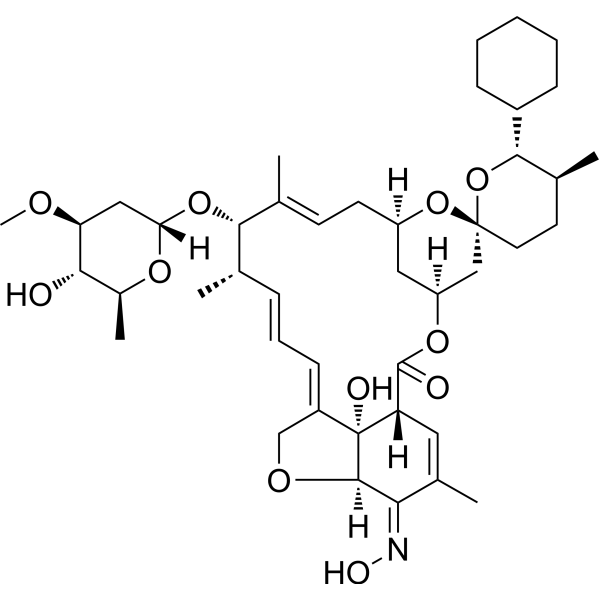
    Selamectin, a semi-synthetic macrocyclic lactone, is a potent parasiticide and anthelminthic. Selamectin activates glutamate-gated chloride channels in neurons and pharyngeal muscles to prevent heartworm, Lymphatic filariae, and nematode infection. Selamectin is also a potent P-glycoprotein substrate and a P-glycoprotein inhibitor with an IC50 of 120 nM .
    Selamectin
  • HY-B1793
    Tetraethylammonium chloride
    5 Publications Verification

    Potassium Channel Neurological Disease Cancer
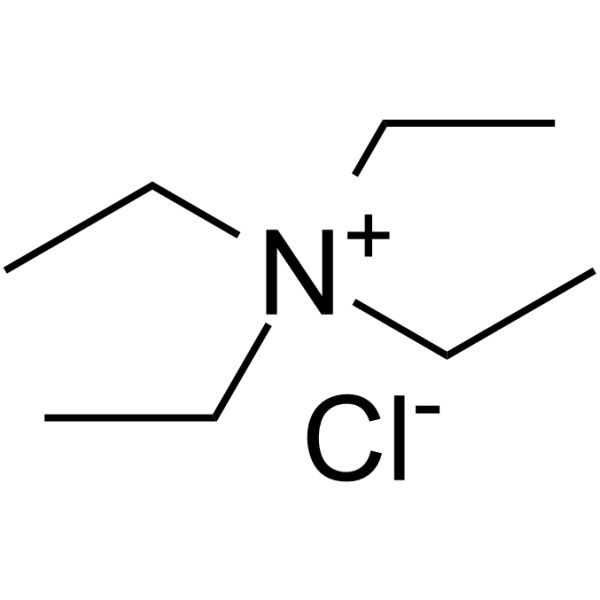
    Tetraethylammonium chloride is a non-selective potassium channel blocker. Tetraethylammonium chloride is a good substrate for organic cation transporter (OCTN1). Tetraethylammonium chloride antitumor properties .
    Tetraethylammonium chloride
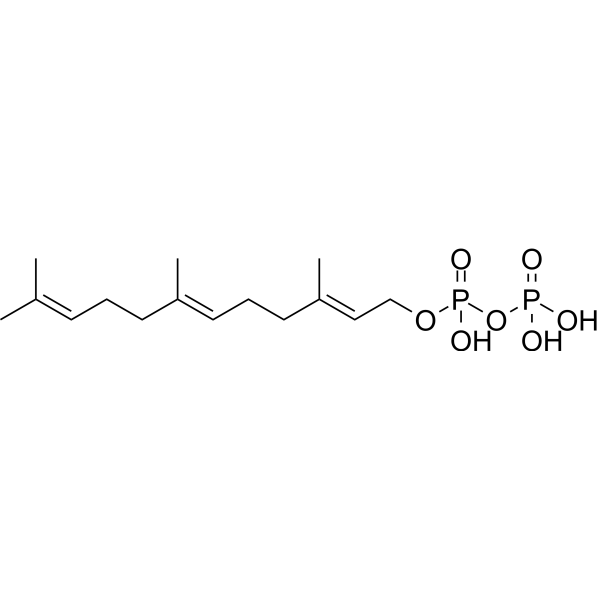
  • HY-113037C

    Farnesyl diphosphate ammonium

    TRP Channel Endogenous Metabolite Calcium Channel Neurological Disease Inflammation/Immunology Cancer
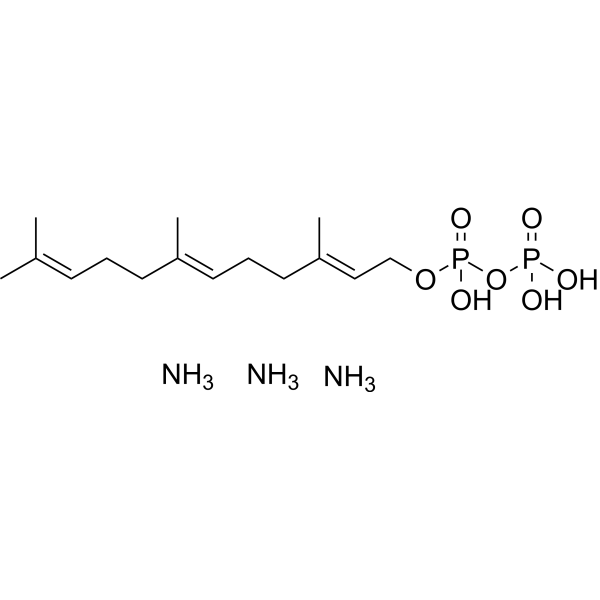
    Farnesyl pyrophosphate (Farnesyl diphosphate) ammonium is a metabolic intermediate in the mevalonate (MVA) pathway. It is a TRP channel (TRPM2) agonist that triggers Ca2+ influx and cell death. Farnesyl pyrophosphate ammonium is a key branch substrate for cholesterol synthesis, ubiquinone synthesis, protein farnesylation, and geranylgeranyl pyrophosphate (GGPP) synthesis. Farnesyl pyrophosphate ammonium is used in research on cerebral ischemia, neurodegenerative diseases, pancreatic cancer, inflammation, and autoimmune diseases .
    Farnesyl pyrophosphate ammonium
  • HY-B1302

    P-glycoprotein PARP Caspase Apoptosis Potassium Channel Cardiovascular Disease Neurological Disease
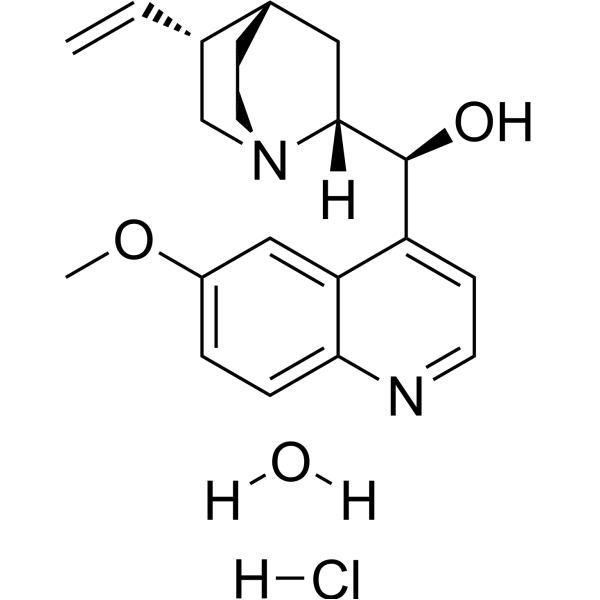
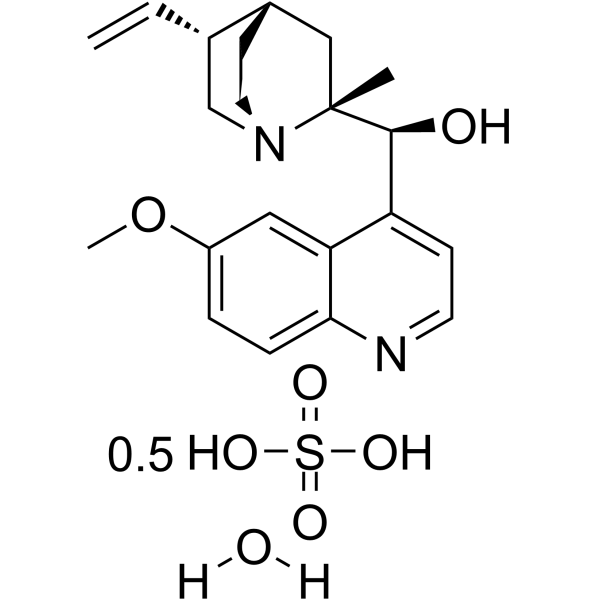
    Quinidine hydrochloride monohydrate is an orally active antiarrhythmic agent. Quinidine hydrochloride monohydrate reduces the expression level of P-gp, inhibits P-gp-mediated efflux, increases the intracellular accumulation of P-gp substrates, induces PARP cleavage and Caspase-3 activation, and elevates the proportion of Apoptotic cells at the sub-G1 phase. Quinidine hydrochloride monohydrate exerts sustained block and open-channel block effects on IK(f). Quinidine hydrochloride monohydrate alters the urinary metabolic ratio of Amphetamine, modulates the Pentylenetetrazol-induced seizure threshold, and regulates the anticonvulsant effect of Dextromethorphan. Quinidine hydrochloride monohydrate can be used in studies related to uterine sarcoma and seizures .
    Quinidine hydrochloride monohydrate
  • HY-124108

    ETYA

    COX Lipoxygenase Orthopoxvirus Potassium Channel DNA/RNA Synthesis Drug Derivative Infection Neurological Disease Inflammation/Immunology Cancer
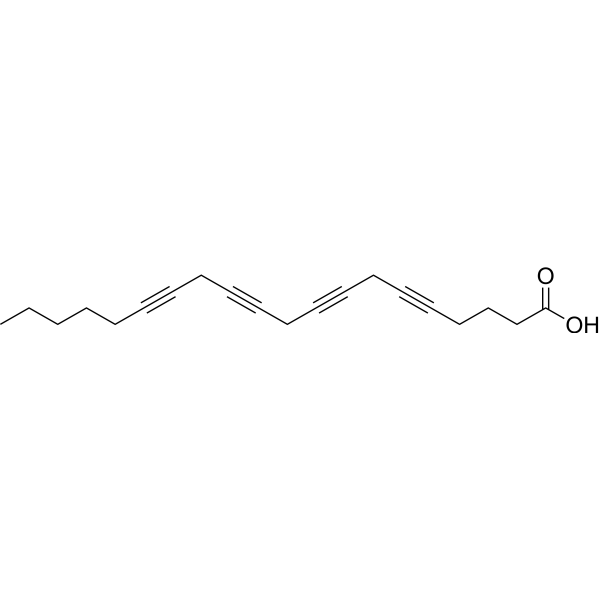
    Eicosatetraynoic acid (ETYA) is a non-metabolizable analog of Arachidonic acid (HY-109590) and also an inhibitor of the lipoxygenase (LOX)/cyclooxygenase (COX) pathway (ID50 = 8 μM and 4 μM). Eicosatetraynoic acid acts as a suicide substrate to inhibit the production of inflammatory mediators such as leukotrienes and prostaglandins. Eicosatetraynoic acid acts directly on cell membranes and membrane proteins to exert a wide range of effects, including blocking potassium channels, increasing cell membrane fluidity, elevating intracellular calcium levels, inhibiting DNA synthesis in tumor cells, inducing differentiation of certain cells, and specifically inhibiting the assembly and replication of orthopoxviruses. Eicosatetraynoic acid alleviates acute lung injury induced by chemicals such as phosgene .
    Eicosatetraynoic acid
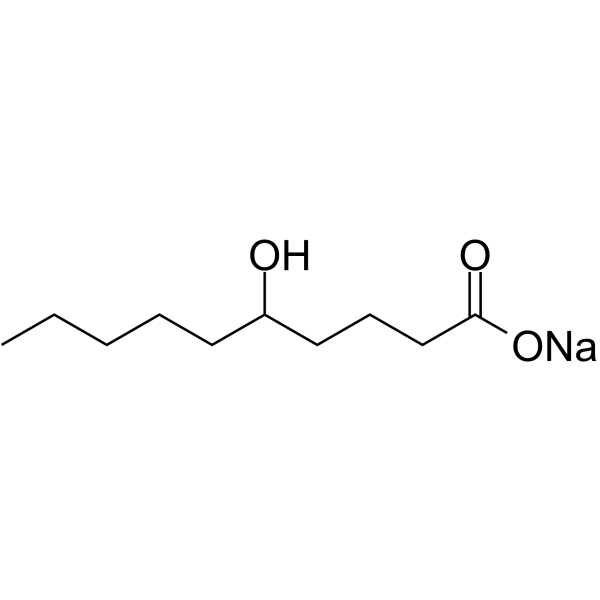
  • HY-136615

    Potassium Channel Neurological Disease
    5-Hydroxydecanoate sodium is a selective ATP-sensitive K + (KATP) channel blocker (IC50 of ~30 μM). 5-Hydroxydecanoate sodium is a substrate for mitochondrial outer membrane acyl-CoA synthetase and has antioxidant activity .
    5-Hydroxydecanoate sodium
  • HY-176763

    Sec61 Cancer
    KZR-261 is a Sec61 translocase inhibitor. KZR-261 binds directly to the Sec61 channel, thereby inhibiting the biosynthesis of certain Sec61 substrate proteins, including oncogenic factors. KZR-261 activates the endoplasmic reticulum stress response. KZR-261 exhibits broad in vitro anticancer activity. KZR-261 shows antitumor efficacy in mouse models of cancer. KZR-261 can be used for the research of multiple myeloma, colorectal cancer, small cell lung cancer, pancreatic cancer, prostate cancer, non-Hodgkin's lymphoma, and mantle cell lymphoma .
    KZR-261
  • HY-113037

    (E/Z)-Farnesyl diphosphate

    TRP Channel Endogenous Metabolite Neurological Disease
    (E/Z)-Farnesyl pyrophosphate ((E/Z)-Farnesyl diphosphate), a 15-carbon isoprenoid, is a metabolic intermediate of the mevalonate (MVA) pathway. (E/Z)-Farnesyl pyrophosphate is a TRPM2 (TRP Channel) agonist, activates TRPM2 opening for ion influx. (E/Z)-Farnesyl pyrophosphate is a key branch substrate for cholesterol synthesis, ubiquinones synthesis, protein farnesylation decoration, and geranyl-geranyl pyrophosphate (GGPP) synthesis .
    (E/Z)-Farnesyl pyrophosphate
  • HY-132184

    5,6-EET; (±)5,6-EpETrE

    Adrenergic Receptor Calcium Channel Endocrinology
    5,6-Epoxyeicosatrienoic acid (5,6-EET; (±)5,6-EpETrE) is a fully racemic version of the enantiomeric forms biosynthesized from arachidonic acid by cytochrome P450 enzymes. In solution, 5,6-Epoxyeicosatrienoic acid degrades into 5,6-DiHET and 5,6-δ-lactone, which can be converted to 5,6-DiHET and quantified by GC-MS. In neuroendocrine cells, such as the anterior pituitary and pancreatic islets, 5,6-Epoxyeicosatrienoic acid has been implicated in the mobilization of calcium and hormone secretion. 5,6-Epoxyeicosatrienoic acid is an inhibitor of T-type voltage-gated calcium channels (Cav3) that inhibits isoforms Cav3.1, Cav3.2 (IC50=0.54 μM), and Cav3. and decreases nifedipine-resistant phenylephrine-induced vasoconstriction in isolated mouse mesenteric arteries via Cav3.2 blockade when used at a concentration of 3 μM. In addition, it is a substrate of COX-1 and COX-2.
    5,6-Epoxyeicosatrienoic acid
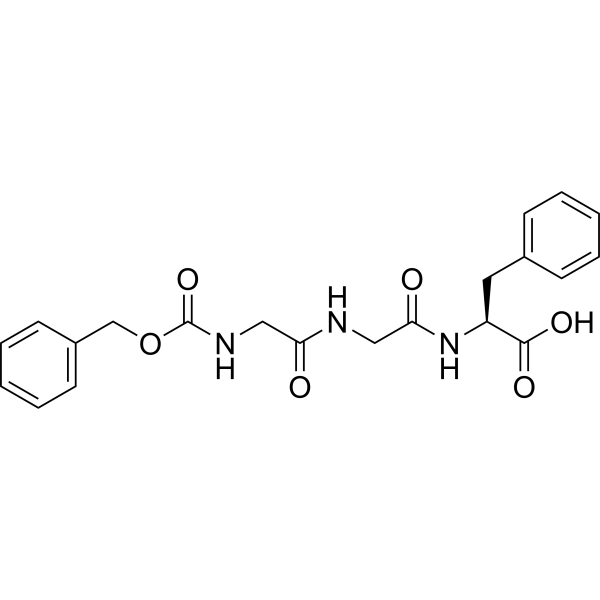
  • HY-W090942

    Endogenous Metabolite Sodium Channel Others
    Z-Gly-Gly-Phe-OH is a substrate for pepsin and thermolysin. Z-Gly-Gly-Phe-OH has an IC50 of 15.8 μM for open sodium channels under pepsin catalysis. Z-Gly-Gly-Phe-OH forms peptide bonds with amine components (such as H-Leu-NHPh) through enzyme-catalyzed condensation reactions, and is active as an intermediate in peptide synthesis .
    Z-Gly-Gly-Phe-OH
  • HY-119101
    AZD-5672
    1 Publications Verification

    CCR Potassium Channel P-glycoprotein Inflammation/Immunology
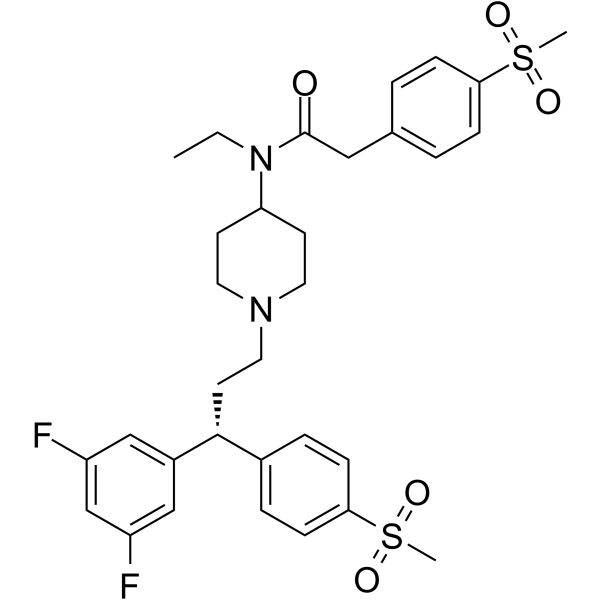
    AZD-5672 is an orally active, potent, and selective CCR5 antagonist (IC50=0.32 nM). AZD-5672 shows moderate activity against the hERG ion channel (binding IC50=7.3 μM). AZD5672 is a substrate of human P-gp, and inhibits P-gp-mediated digoxin transport (IC50=32 μM). AZD-5672 can be used for the research of rheumatoid arthritis .
    AZD-5672
  • HY-N6065
    Praeruptorin A
    3 Publications Verification

    (+)-Praeruptorin A

    Calcium Channel Drug Isomer Cytochrome P450 iGluR Apoptosis Cardiovascular Disease Neurological Disease
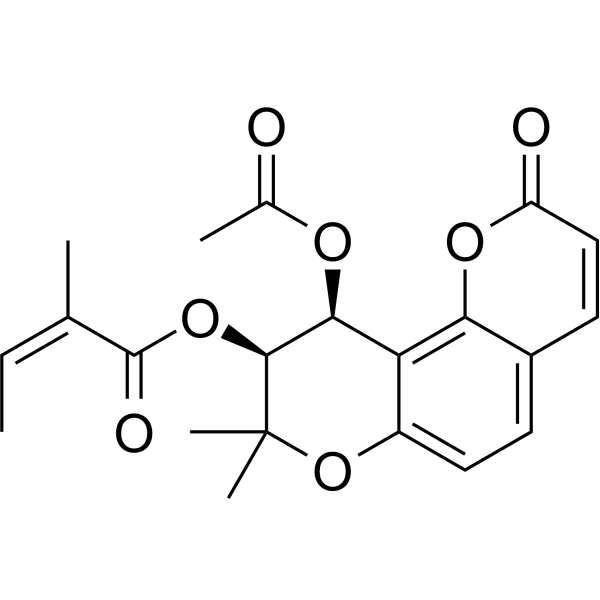
    Praeruptorin A ((+)-Praeruptorin A) is an orally active isomer of (±)-Praeruptorin A (HY-N0081). Praeruptorin A also acts as a Calcium channel blocker. Praeruptorin A can be isolated from Peucedanum. Praeruptorin A serves as a substrate for CYP3A4. Praeruptorin A downregulates NMDA receptors containing GluN2B and inhibits neuronal Apoptosis. Praeruptorin A mediates vasodilation, inhibits vascular hypertrophy and reduces blood pressure. Praeruptorin A can be used in research related to neurological diseases, myocardial ischemia, heart failure, exertional angina, renovascular hypertension and spontaneous hypertension .
    Praeruptorin A
  • HY-113037CS

    Farnesyl diphosphate-d2 triammonium

    Isotope-Labeled Compounds TRP Channel Endogenous Metabolite Calcium Channel Neurological Disease Inflammation/Immunology Cancer
    Farnesyl pyrophosphate-d2 (Farnesyl diphosphate-d2) triammonium is a deuterium labeled Farnesyl pyrophosphate triammonium (HY-113037C). Farnesyl pyrophosphate ammonium is a metabolic intermediate in the mevalonate (MVA) pathway. It is a TRP channel (TRPM2) agonist that triggers Ca2+ influx and cell death. Farnesyl pyrophosphate ammonium is a key branch substrate for cholesterol synthesis, ubiquinone synthesis, protein farnesylation, and geranylgeranyl pyrophosphate (GGPP) synthesis. Farnesyl pyrophosphate ammonium is used in research on cerebral ischemia, neurodegenerative diseases, pancreatic cancer, inflammation, and autoimmune diseases.
    Farnesyl pyrophosphate-d2 triammonium
  • HY-173162

    P-glycoprotein Potassium Channel Cardiovascular Disease Cancer
    GPV0057 (Compound 5d) is a selective and potent P-glycoprotein (P-gp) inhibitor. GPV0057 is also a selective potassium channel Kir2.1 activator. GPV0057 competitively binds to the substrate-binding site of P-gp, inhibiting ATP-dependent drug efflux to reverse multidrug resistance in tumor cells. GPV0057 can also stabilizes the open state of Kir2.1 and promotes potassium ion influx. GPV0057 is promising for research of tumors with high P-gp expression, Kir2.1-deficient diseases such as heart failure and Andersen-Tawil Syndrome .
    GPV0057
  • HY-113037B

    Farnesyl diphosphate

    TRP Channel Endogenous Metabolite Calcium Channel Neurological Disease Inflammation/Immunology Cancer
    Farnesyl pyrophosphate is a metabolic intermediate in the mevalonate (MVA) pathway. It is a TRP channel (TRPM2) agonist that triggers Ca2+ influx and cell death. Farnesyl pyrophosphate is a key branch substrate for cholesterol synthesis, ubiquinone synthesis, protein farnesylation, and geranylgeranyl pyrophosphate (GGPP) synthesis. Farnesyl pyrophosphate is used in research on cerebral ischemia, neurodegenerative diseases, pancreatic cancer, inflammation, and autoimmune diseases.
    Farnesyl pyrophosphate
  • HY-116188

    Others Inflammation/Immunology
    HX1 is a potent reversible myeloperoxidase (MPO) inhibitor with an IC50 value of 50 nM. HX1 is bound within the active site cavity above the heme and blocks the substrate channel. HX1 is promising for research of inflammatory diseases .
    HX1
  • HY-113037AS

    Farnesyl diphosphate-d6

    Isotope-Labeled Compounds TRP Channel Endogenous Metabolite Calcium Channel Neurological Disease Inflammation/Immunology Cancer
    Farnesyl pyrophosphate-d6 (Farnesyl diphosphate-d6) is a deuterium labeled Farnesyl pyrophosphate (HY-113037B). Farnesyl pyrophosphate is a metabolic intermediate in the mevalonate (MVA) pathway. It is a TRP channel (TRPM2) agonist that triggers Ca2+ influx and cell death. Farnesyl pyrophosphate is a key branch substrate for cholesterol synthesis, ubiquinone synthesis, protein farnesylation, and geranylgeranyl pyrophosphate (GGPP) synthesis. Farnesyl pyrophosphate is used in research on cerebral ischemia, neurodegenerative diseases, pancreatic cancer, inflammation, and autoimmune diseases.
    Farnesyl pyrophosphate-d6
  • HY-126720

    Endogenous Metabolite Metabolic Disease
    N-Lignoceroyl Taurine is an arachidonoyl amino acid and taurine conjugate with a fatty acid that can be isolated from bovine brain. N-Lignoceroyl Taurine is one of several novel taurine-conjugated fatty acids discovered during mass spectrometry lipidomic analysis of the brain and spinal cord of wild-type and fatty acid amide hydrolase (FAAH) knockout mice. N-Lignoceroyl Taurine levels were 23-26-fold higher in FAAH -/- mice compared to wild-type mice, suggesting that FAAH utilizes N-Lignoceroyl Taurine as a substrate. However, in vitro experiments with purified FAAH showed that N-Lignoceroyl Taurine was hydrolyzed 2,000-fold slower in FAAH compared to oleoylethanolamide. N-Acyl Taurines with polyunsaturated acyl chains can activate members of the transient receptor potential (TRP) calcium channel family, including TRPV1 and TRPV4.
    N-Lignoceroyl Taurine
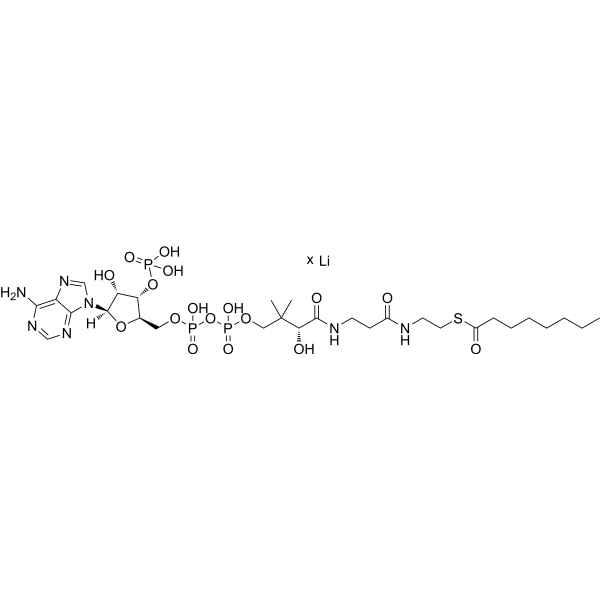
  • HY-134136

    Endogenous Metabolite Others
    Octanoyl coenzyme A is an enoyl-CoA hydratase binder. Octanoyl coenzyme A binds to the active site of enoyl-CoA hydratase, occupies the binding pocket for the fatty acid tail of the enzyme's substrate, and induces a conformational shift in a flexible protein loop via its longer octanoyl chain, forming an open channel leading to the inter-trimer gap .
    Octanoyl Coenzyme A
  • HY-134136B

    S-Octanoate-CoA triammonium; S-​Octanoate-coenzyme A triammonium

    Biochemical Assay Reagents Others
    Octanoyl coenzyme A triammonium is an enoyl-CoA hydratase binder. Octanoyl coenzyme A triammonium binds to the active site of enoyl-CoA hydratase, occupies the binding pocket for the fatty acid tail of the enzyme's substrate, and induces a conformational shift in a flexible protein loop via its longer octanoyl chain, forming an open channel leading to the inter-trimer gap .
    Octanoyl coenzyme A triammonium
  • HY-130656

    cis-8-Eicosenoic acid

    Endogenous Metabolite Metabolic Disease
    8(Z)-Eicosenoic acid is a cis-unsaturated free fatty acid with a 20-carbon chain. It potentiates acetylcholine (ACh) receptor channel currents without depression and enhances PCKε phosphorylation of a substrate peptide in Xenopus oocytes. 8(Z)-Eicosenoic acid constitutes 6% of the fatty acid pool in seed oil isolated from B. collina.
    8(Z)-Eicosenoic acid
  • HY-110196

    Histone Methyltransferase Others
    (S)-PFI-2 hydrochloride is an inhibitor of lysine methyltransferase SETD7 and is approximately 500-fold more active than its enantiomer (R)-PFI-2. (R)-PFI-2 is a cofactor-dependent and substrate-competitive inhibitor. (R)-PFI-2 can occupy the substrate peptide binding groove of SETD7 (including the catalytic lysine binding channel) and interact with the cofactor The donor methyl group is in direct contact. However, (S)-PFI-2 was not observed to have the same interaction as (R)-PFI-2 .
    (S)-PFI-2 hydrochloride
  • HY-107212R

    Reference Standards Parasite Chloride Channel P-glycoprotein Bacterial Infection
    Selamectin (Standard) is the analytical standard of Selamectin. This product is intended for research and analytical applications. Selamectin, a semi-synthetic macrocyclic lactone, is a potent parasiticide and anthelminthic. Selamectin activates glutamate-gated chloride channels in neurons and pharyngeal muscles to prevent heartworm, Lymphatic filariae, and nematode infection. Selamectin is also a potent P-glycoprotein substrate and a P-glycoprotein inhibitor with an IC50 of 120 nM .
    Selamectin (Standard)
  • HY-182464

    Potassium Channel Infection Others
    DABMA is a TMEM175 channel activator with a human EC50 of 17.9 μM. DABMA directly increases TMEM175 channel current via interaction with intracellular, transmembrane, or endosomal lumen-associated domains, and does not alter TMEM175 mRNA or protein levels. DABMA delays endolysosomal substrate degradation, modulates endolysosomal trafficking, increases acidic organelle accumulation, induces cholesterol accumulation and altered late endosome morphology. DABMA can be used for the research of coronavirus disease, Clostridium difficile infection, Pseudomonas aeruginosa infection, rabies, and influenza virus infection .
    DABMA
  • HY-182440

    5-HT Receptor Neurological Disease
    AZD3783 is an orally active, blood-brain barrier-penetrant 5-HT1B receptor antagonist. AZD3783 reverses agonist-induced hypothermia, inhibits separation-induced vocalizations in guinea pig pups, and acts as a moderately permeable glycoprotein substrate with moderate clearance. AZD3783 inhibits hERG channel activity. AZD3783 is applicable for research on depression, anxiety disorders, and other psychiatric diseases associated with serotonergic neurotransmission .
    AZD3783
  • HY-W115674

    P-glycoprotein PARP Caspase Apoptosis Potassium Channel Cardiovascular Disease Neurological Disease Cancer
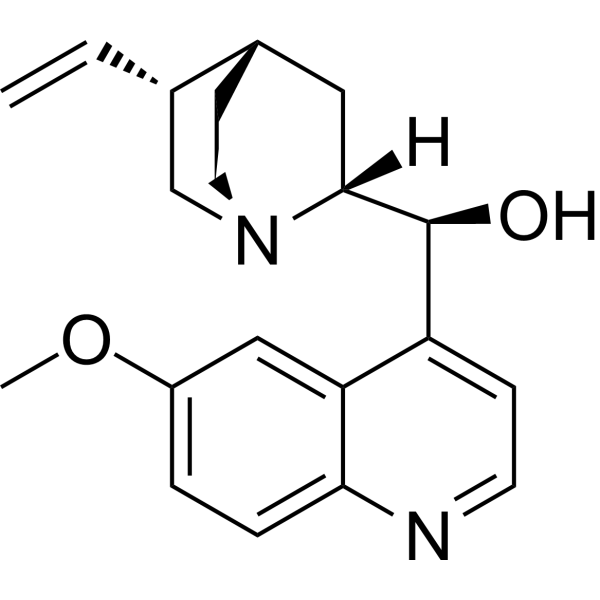
    Quinidine hydrochloride is an orally active antiarrhythmic agent. Quinidine hydrochloride reduces the expression level of P-gp, inhibits P-gp-mediated efflux, increases the intracellular accumulation of P-gp substrates, induces PARP cleavage and Caspase-3 activation, and elevates the proportion of Apoptotic cells at the sub-G1 phase. Quinidine hydrochloride exerts sustained block and open-channel block effects on IK(f). Quinidine hydrochloride alters the urinary metabolic ratio of Amphetamine, modulates the Pentylenetetrazol-induced seizure threshold, and regulates the anticonvulsant effect of Dextromethorphan. Quinidine hydrochloride can be used in studies related to uterine sarcoma and seizures .
    Quinidine hydrochloride

Inquiry Online

Your information is safe with us. * Required Fields.

Salutation


Country or Region *

Applicant Name *


Organization Name *

Department *


Email Address *


Product Name *

Cat. No.


Requested quantity *

Phone Number *


Remarks

Inquiry Online

Inquiry Information

Product Name:
Cat. No.:
Quantity:
MCE Japan Authorized Agent:

