


447 Results for "

toxin A

" in MedChemExpress (MCE) Product Catalog:
Products (447)

447 Results for "toxin A" in MCE Product Catalog:

52
52 Publications Verification
Cat. No.: HY-10320A
CAS No.: 1283526-53-3
Synonyms: BIRB 796 hydrochloride
Target:  

Autophagy Raf p38 MAPK

Research Areas:  

Inflammation/Immunology

Doramapimod hydrochloride (BIRB 796 hydrochloride) is an anti-inflammatory compound with biological activity through inhibition of p38 MAPK. Doramapimod hydrochloride can significantly inhibit the activities of TNF-α and IL-1β induced by LPS, LTA and PGN. Doramapimod hydrochloride showed a stronger inhibitory effect on inflammation induced by all three bacterial toxins, which was more significant compared with the effects of other compounds. Doramapimod hydrochloride can be used in the research of autoimmune diseases .
loading...
    loading...
50
50 Cited Publications
Cat. No.: HY-19610
CAS No.: 23109-05-9
Synonyms: α-Amatoxin
Research Areas:  

Cancer

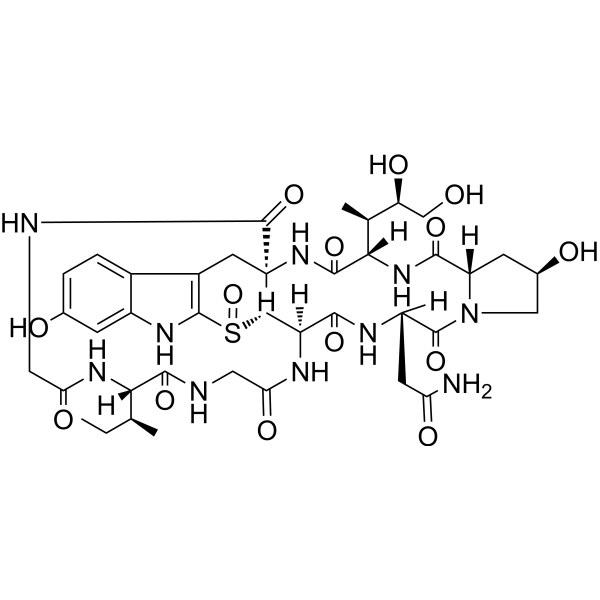
α-Amanitin is the principal toxin of several deadly poisonous mushrooms, exerting its toxic function by inhibiting RNA-polymerase II.
loading...
    loading...
25
25 Cited Publications
Cat. No.: HY-P0028
CAS No.: 17466-45-4
Target:  

Fluorescent Dye

Research Areas:  

Others

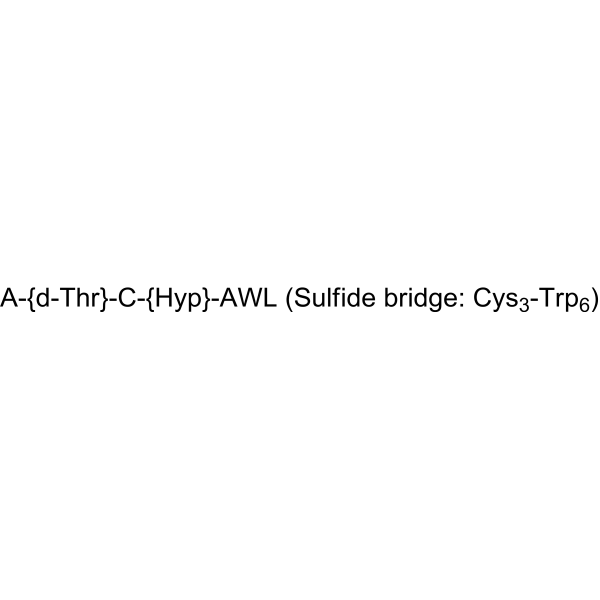
Phalloidin is a mushroom-derived toxin which can be used to label F-actin of the cytoskeleton with fluorochrome .
loading...
    loading...
24
24 Cited Publications
Cat. No.: HY-N6785
CAS No.: 78111-17-8
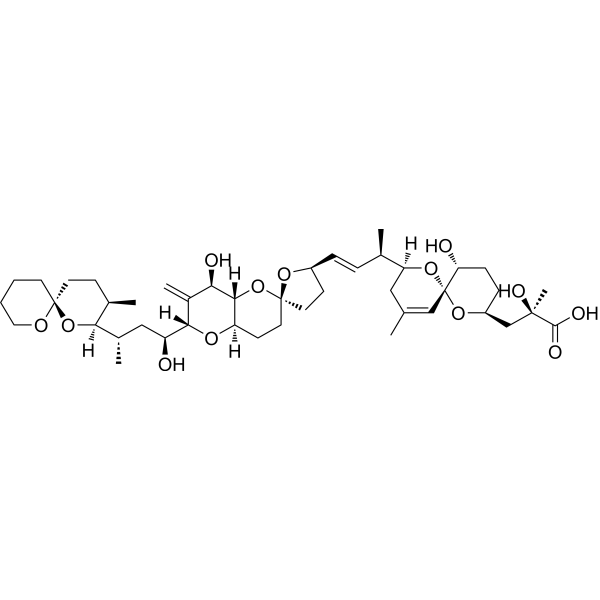
Okadaic acid, a marine toxin, is an inhibitor of protein phosphatases (PP). Okadaic acid has a significantly higher affinity for PP2A (IC50=0.1-0.3 nM), and inhibits PP1 (IC50=15-50 nM), PP3 (IC50=3.7-4 nM), PP4 (IC50=0.1 nM), PP5 (IC50=3.5 nM), but does not inhibit PP2C. Okadaic acid increases of phosphorylation of a number of proteins by inhibiting PP, and acts a tumor promoter. Okadaic acid induces tau phosphorylation .
loading...
    loading...
24
24 Cited Publications
Cat. No.: HY-N6785A
CAS No.: 209266-80-8
Target:  

Phosphatase Apoptosis

Research Areas:  

Neurological Disease Cancer

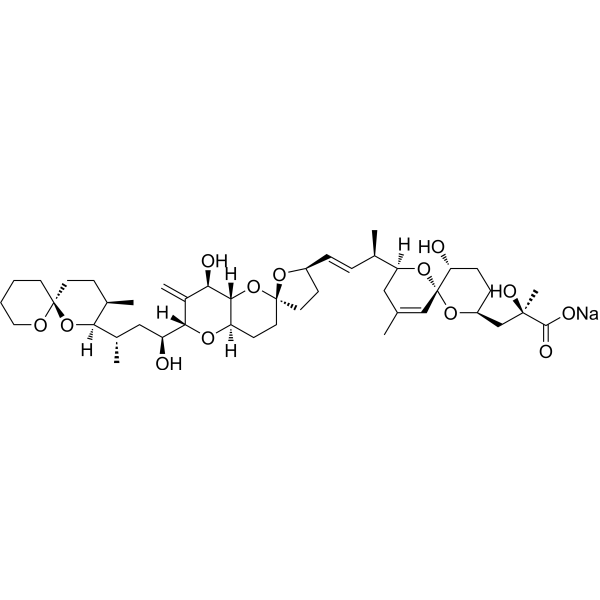
Okadaic acid sodium, a marine toxin, is an inhibitor of protein phosphatases (PP). Okadaic acid (sodium) has a significantly higher affinity for PP2A (IC50=0.1-0.3 nM), and inhibits PP1 (IC50=15-50 nM), PP3 (IC50=3.7-4 nM), PP4 (IC50=0.1 nM), PP5 (IC50=3.5 nM), but does not inhibit PP2C. Okadaic acid sodium increases of phosphorylation of a number of proteins by inhibiting PP, and acts a tumor promoter. Okadaic acid sodium induces tau phosphorylation .
loading...
    loading...
24
24 Cited Publications
Cat. No.: HY-115760
CAS No.: 175522-42-6
Target:  

Phosphatase

Research Areas:  

Neurological Disease Cancer

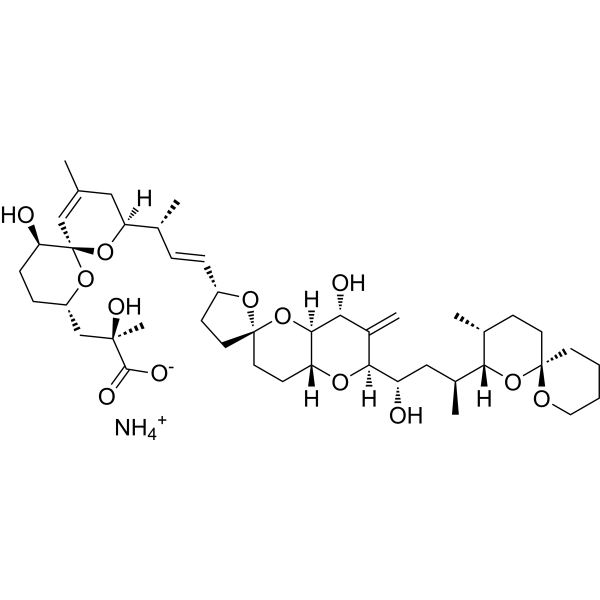
Okadaic acid ammonium salt, a marine toxin, is an inhibitor of protein phosphatases (PP). Okadaic acid ammonium salt has a significantly higher affinity for PP2A (IC50=0.1-0.3 nM), and inhibits PP1 (IC50=15-50 nM), PP3 (IC50=3.7-4 nM), PP4 (IC50=0.1 nM), PP5 (IC50=3.5 nM), but does not inhibit PP2C. Okadaic acid ammonium salt increases of phosphorylation of a number of proteins by inhibiting PP, and acts as a tumor promoter. Okadaic acid ammonium salt induces tau phosphorylation .
loading...
    loading...
19
19 Cited Publications
Cat. No.: HY-120501
CAS No.: 1202764-53-1
Purity:  99.37%
Target:  

NF-κB

Research Areas:  

Inflammation/Immunology

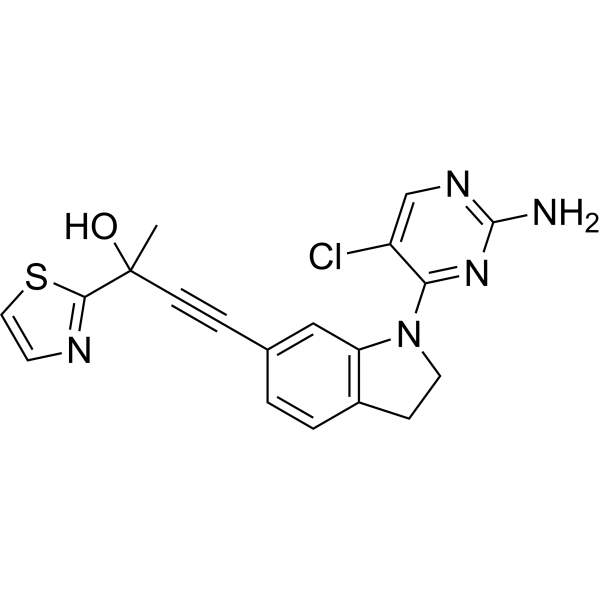
B022 is a potent and selective NF-κB-inducing kinase (NIK) inhibitor (Ki of 4.2 nM; IC50=15.1 nM). B022 protects liver from toxin-induced inflammation, oxidative stress, and injury . B022 is a click chemistry reagent, it contains an Alkyne group and can undergo copper-catalyzed azide-alkyne cycloaddition (CuAAc) with molecules containing Azide groups.
loading...
    loading...
15
15 Cited Publications
Cat. No.: HY-B1455
CAS No.: 18323-44-9
Research Areas:  

Infection Cancer

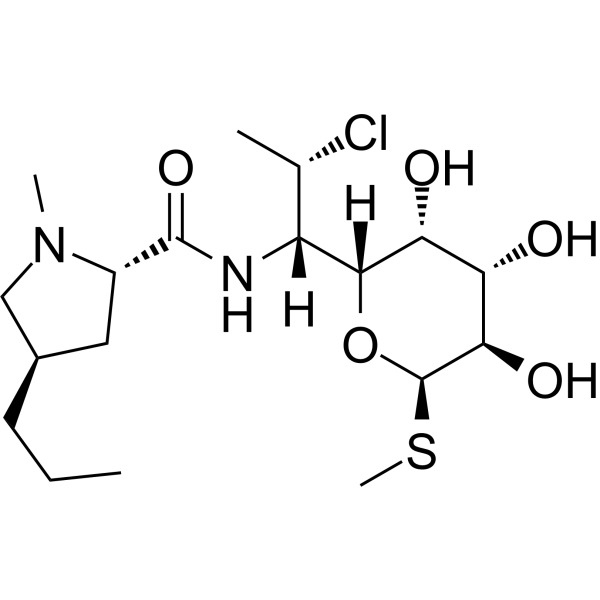
Clindamycin is an orally active and broad-spectrum bacteriostatic lincosamide antibiotic. Clindamycin can inhibit bacterial protein synthesis, possessing the ability to suppress the expression of virulence factors in Staphylococcus aureus at sub-inhibitory concentrations (sub-MICs). Clindamycin resistance results from enzymatic methylation of the antibiotic binding site in the 50S ribosomal subunit (23S rRNA). Clindamycin decreases the production of Panton-Valentine leucocidin (PVL), toxic-shock-staphylococcal toxin (TSST-1) or alpha-haemolysin (Hla). Clindamycin also can be used for researching malaria .
loading...
    loading...
13
13 Cited Publications
Cat. No.: HY-156131
CAS No.: 53179-11-6
Synonyms: ADL 2-1294
Loperamide (ADL 2-1294) is selective and orally active μ opioid receptor agonist with Ki valuess of 3, 48 and 1156 nM against μ, δ and κ opioid receptor, respectively. Loperamide produces antinociception and antihyperalgesia. Loperamide exhibits peripheral selectivity, enhancing fluid, electrolyte, and glucose absorption, reversing PGE2 (HY-101952)- and Cholera toxin (HY-P1446)-induced intestinal secretion, and reducing intestinal motility. Loperamide can be used for the researches of inflammatory pain and protracted diarrhoea .
loading...
    loading...
9
9 Cited Publications
Cat. No.: HY-138298
CAS No.: 1826843-81-5
Purity:  98.90%
Synonyms: T-DXd (solution); DS-8201 (solution); DS-8201a (solution)
Trastuzumab deruxtecan (T-DXd; DS-8201a) (solution) is an anti-human epidermal growth factor receptor 2 (HER2) antibody-drug conjugate (ADC). Trastuzumab deruxtecan is composed of a humanized anti-HER2 antibody, an enzymatically cleavable peptide-linker, a topoisomerase I inhibitor (a toxin component of Dxd), and the drug-linker conjugate for ADC is Deruxtecan (HY-13631E). Trastuzumab deruxtecan can be used for the research of HER2-positive breast cancer and gastric cancer .
loading...
    loading...
9
9 Cited Publications
Cat. No.: HY-138298A
CAS No.: 1826843-81-5
Purity:  99.58%
Synonyms: T-DXd; DS-8201; DS-8201a
Trastuzumab deruxtecan (DS-8201a) is an anti-human epidermal growth factor receptor 2 (HER2) antibody-drug conjugate (ADC). Trastuzumab deruxtecan is composed of a humanized anti-HER2 antibody, an enzymatically cleavable peptide-linker, a topoisomerase I inhibitor (a toxin component of Dxd), and the drug-linker conjugate for ADC is Deruxtecan (HY-13631E). Trastuzumab deruxtecan can be used for the research of HER2-positive breast cancer and gastric cancer .
loading...
    loading...
8
8 Cited Publications
Cat. No.: HY-12506A
CAS No.: 1049731-36-3
Purity:  98.50%
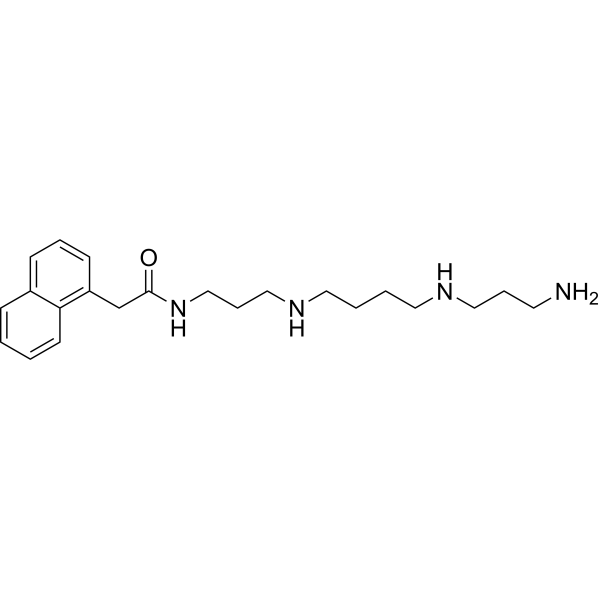
Synonyms: 1-Naphthylacetyl spermine trihydrochloride
Target:  

iGluR

Research Areas:  

Neurological Disease

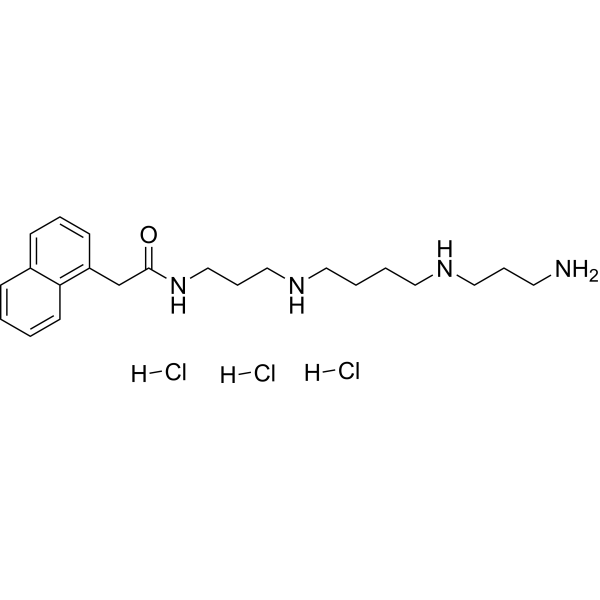
Naspm trihydrochloride (1-Naphthylacetyl spermine trihydrochloride), a synthetic analogue of Joro spider toxin, is a calcium permeable AMPA (CP-AMPA) receptors antagonist.
loading...
    loading...
8
8 Cited Publications
Cat. No.: HY-12506
CAS No.: 122306-11-0
Purity:  96.30%
Synonyms: 1-Naphthylacetyl spermine
Target:  

iGluR

Research Areas:  

Neurological Disease

Naspm (1-Naphthyl acetyl spermine), a synthetic analogue of Joro spider toxin, is a calcium permeable AMPA (CP-AMPA) receptors antagonist.
loading...
    loading...
7
7 Cited Publications
Cat. No.: HY-P1028
CAS No.: 673202-67-0
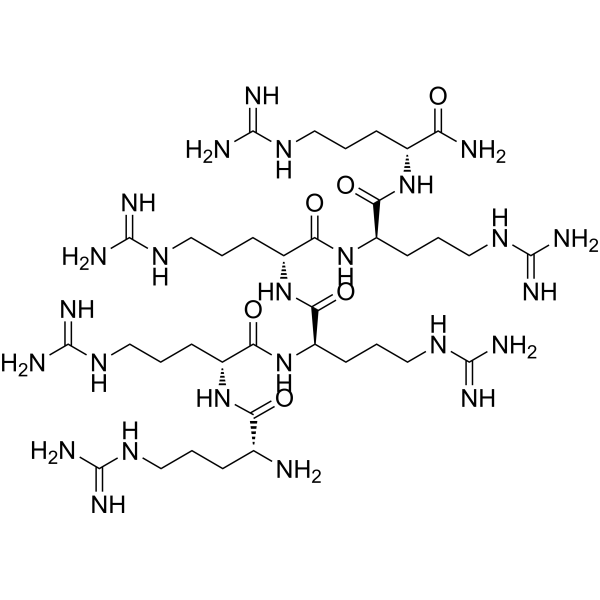
Synonyms: Furin Inhibitor II
Target:  

Bacterial

Research Areas:  

Infection

Hexa-D-arginine (Furin Inhibitor II) is a stable furin inhibitor with Ki values 106 nM, 580 nM and 13.2 μM for furin, PACE4 and prohormone convertase-1 (PC1), respectively. Hexa-D-arginine blocks Pseudomonas exotoxin A and anthrax toxins toxicity in vitro and in vivo .
loading...
    loading...
7
7 Cited Publications
Cat. No.: HY-P1028A
CAS No.: 958204-56-3
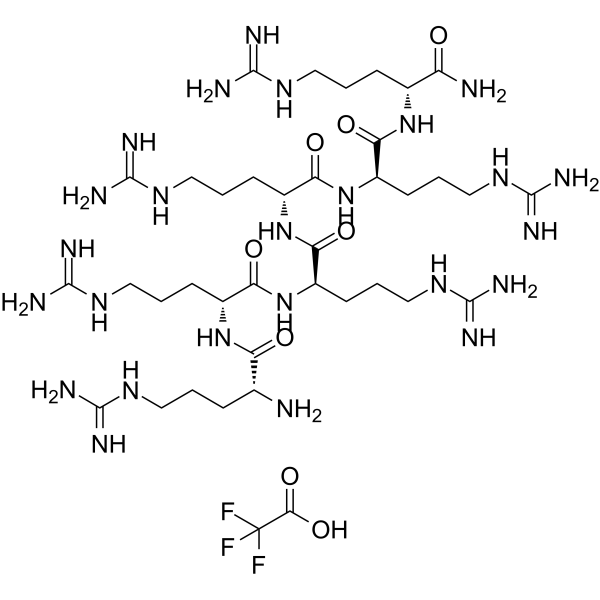
Synonyms: Furin Inhibitor II TFA
Target:  

Bacterial

Research Areas:  

Infection

Hexa-D-arginine TFA (Furin Inhibitor II TFA) is a stable furin inhibitor with Ki values 106 nM, 580 nM and 13.2 μM for furin, PACE4 and prohormone convertase-1 (PC1), respectively. Hexa-D-arginine TFA blocks Pseudomonas exotoxin A and anthrax toxins toxicity in vitro and in vivo .
loading...
    loading...
7
7 Cited Publications
Cat. No.: HY-P1411
CAS No.: 880107-52-8
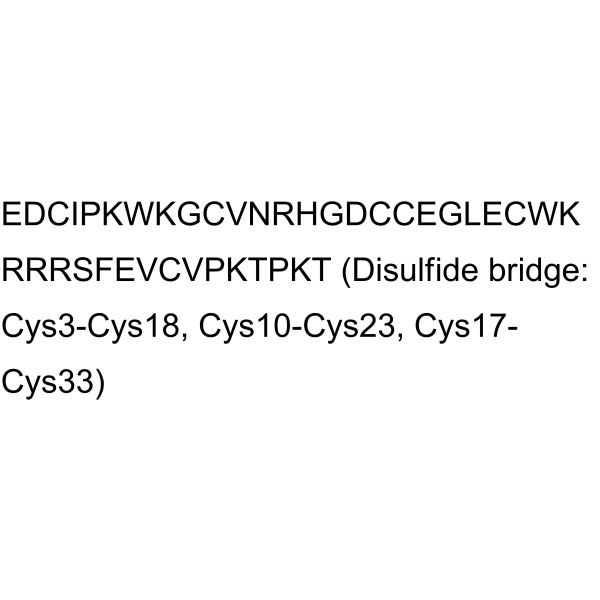
Synonyms: PcTx1; Psalmopoeus cambridgei toxin-1
Research Areas:  

Neurological Disease Cancer

Psalmotoxin 1 (PcTx1) is a protein toxin that can bind at subunit-subunit interfaces of acid-sensing ion channel 1a (ASIC1a). Psalmotoxin 1 is a potent and slective ASIC1a inhibitor (IC50: 0.9 nM) by increasing the apparent affinity for H + of ASIC1a. Psalmotoxin 1 can induce cell apoptosis, also inhibits cell migration, proferliration and invasion of cancer cells. Psalmotoxin 1 can be used in the research of cancers, or neurological disease .
loading...
    loading...
7
7 Cited Publications
Cat. No.: HY-P1411A
Synonyms: PcTx1 TFA; Psalmopoeus cambridgei toxin-1 TFA
Research Areas:  

Neurological Disease Cancer

Psalmotoxin 1 (PcTx1) TFA is a protein toxin that can bind at subunit-subunit interfaces of acid-sensing ion channel 1a (ASIC1a). Psalmotoxin 1 TFA is a potent and slective ASIC1a inhibitor (IC50: 0.9 nM) by increasing the apparent affinity for H + of ASIC1a. Psalmotoxin 1 TFA can induce cell apoptosis, also inhibits cell migration, proferliration and invasion of cancer cells. Psalmotoxin 1 TFA can be used in the research of cancers, or neurological disease .
loading...
    loading...
6
6 Cited Publications
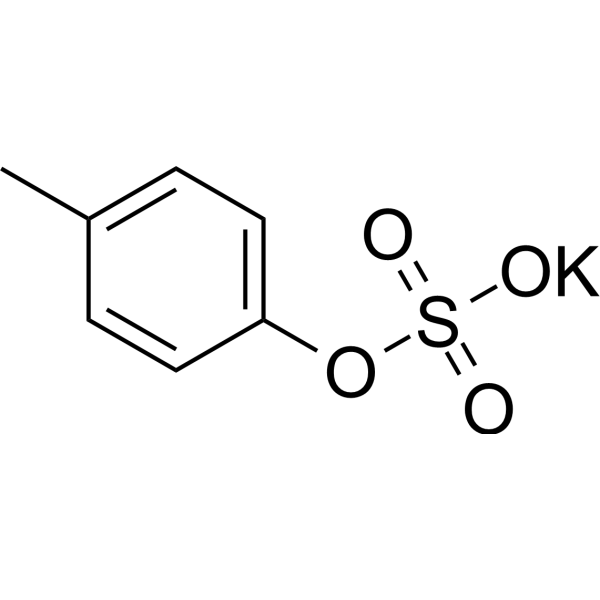
Cat. No.: HY-111431A
CAS No.: 91978-69-7
Purity:  99.92%
Synonyms: p-Tolyl sulfate potassium
p-Cresyl sulfate potassium is a uremic toxin that binds to a prototype protein. p-Cresyl sulfate potassium activates the JNK and p38 MAPK signaling pathways. p-Cresyl sulfate potassium has pro-inflammatory activity .
loading...
    loading...
6
6 Cited Publications
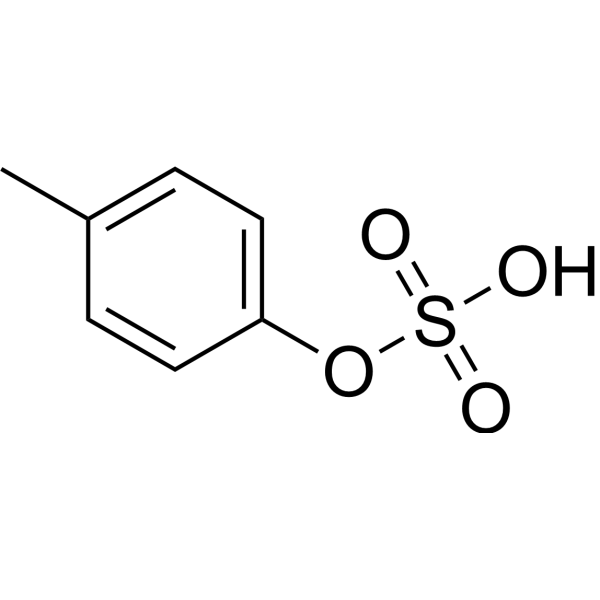
Cat. No.: HY-111431
CAS No.: 3233-58-7
Purity:  99.87%
Synonyms: p-Tolyl sulfate
p-Cresyl sulfate (p-Tolyl sulfate) is a uremic toxin, that can cause renal damage and dysfunction. p-Cresyl sulfate shows antiproliferation activity. p-Cresyl sulfate increases the protein expression of HIF-1α and VHL, decreases the protein expression of HIF-2α. p-Cresyl sulfate induces epithelial-mesenchymal transition (EMT). p-Cresyl sulfate activates the JNK and p38 MAPK signaling pathways .
loading...
    loading...
5
5 Cited Publications
Cat. No.: HY-P2764
CAS No.: 9000-95-7
Target:  

NTPDase

Research Areas:  

Inflammation/Immunology

Apyrase is an Nucleoside triphosphate diphosphohydrolase (NTPDase). Apyrase can hydrolyze extracellular adenosine triphosphate (ATP) and adenosine diphosphate (ADP). Apyrase can inhibit Stx2 toxin release of enterohemorrhagic Escherichia coli (EHEC) infection and protect the intestinal barrier function. Apyrase can be used for the research of infection and inflammation, such as hemorrhagic colitis .
loading...
    loading...

