1. Search Result
Search Result
Results for "

tumor progression

" in MedChemExpress (MCE) Product Catalog:

104

Inhibitors & Agonists

9

Screening Libraries

3

Biochemical Assay Reagents

11

Peptides

6

Inhibitory Antibodies

5

Natural
Products

3

Isotope-Labeled Compounds

3

Oligonucleotides

Cat. No. Product Name Target Research Areas Chemical Structure
  • HY-N9933
    Tauro-β-muricholic acid
    4 Publications Verification

    TβMCA

    FXR Apoptosis Neurological Disease Metabolic Disease Inflammation/Immunology Cancer
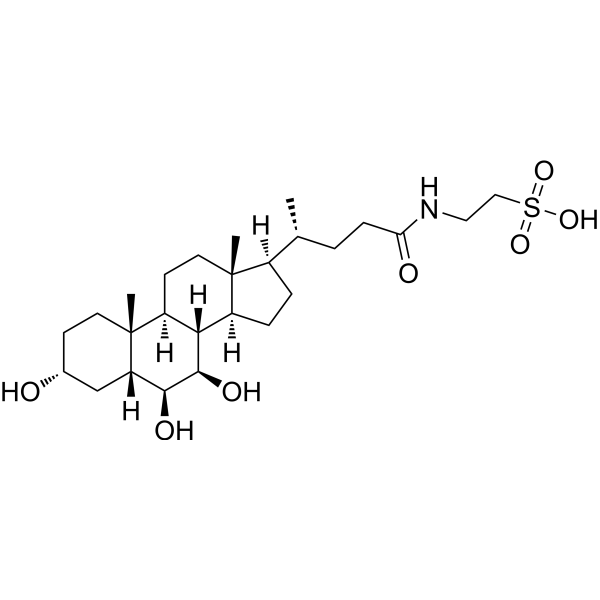
    Tauro-β-muricholic acid (TβMCA) is an orally active trihydroxylated bile acid and a competitive, reversible FXR antagonist (IC50=40 μM). Tauro-β-muricholic acid inhibits bile acid-induced hepatocyte apoptosis by maintaining mitochondrial membrane potential, while simultaneously inhibiting intestinal FXR signaling, affecting bile acid synthesis, hepatic lipid metabolism, and insulin sensitivity. Accumulation of tauro-β-muricholic acid disrupts metabolic homeostasis, promoting cancer stem cell proliferation and tumor progression. The mechanisms of tauro-β-muricholic acid involve two aspects: first, inhibiting the translocation of the pro-apoptotic protein Bax to mitochondria and maintaining mitochondrial membrane potential (MMP); and second, blocking the FXR signaling pathway to regulate bile acid metabolism, reduce serum ceramide production, and downregulate the hepatic SREBP1C/CIDEA pathway. Tauro-β-muricholic acid possesses anti-hepatocyte apoptosis, bile acid homeostasis regulation, and liver fat accumulation reduction properties, and also functions as a biomarker, making it useful in the study of diseases such as bile acid metabolism disorders, non-alcoholic fatty liver disease, colorectal cancer, and liver fibrosis .
    Tauro-β-muricholic acid
  • HY-135899
    SIRT7 inhibitor 97491
    5 Publications Verification

    Sirtuin Apoptosis Cancer
    SIRT7 inhibitor 97491, a potent SIRT7 inhibitor with an IC50 of 325 nM, reduces deacetylase activity of SIRT7 in a dose-dependent manner. SIRT7 inhibitor 97491 prevents tumor progression by increasing p53 stability through acetylation at K373/382. SIRT7 inhibitor 97491 promotes apoptosis through caspase pathway. .
    SIRT7 inhibitor 97491
  • HY-19542
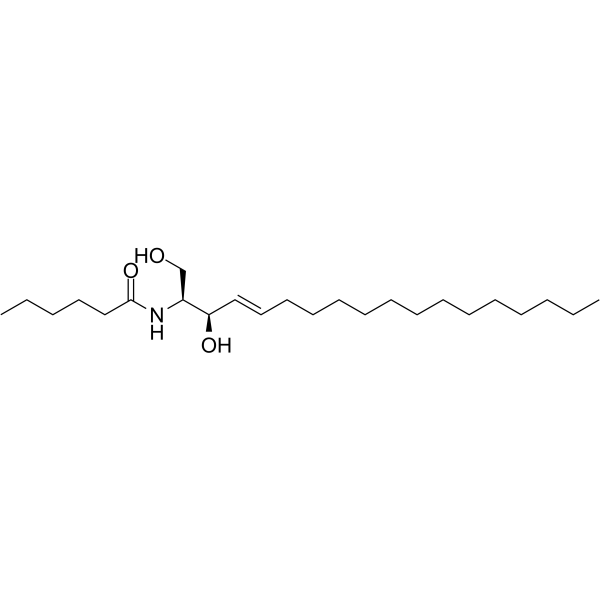
    C6 Ceramide
    3 Publications Verification

    C6-Cer; N-Hexanoylsphingosine

    Apoptosis Cancer
    C6 Ceramide (C6-Cer) is a short-chain, cell-permeable ceramide pathway activator with anticancer activity. C6 Ceramide-mediated miR-29b expression participates in the progression of multiple myeloma through suppressing the proliferation, migration and angiogenesis of endothelial cells by targeting Akt signal pathway. C6 Ceramide exhibits multiple anti-cancer properties including cell cycle arrest, Apoptosis, inhibition of tumor growth and enhances the effects of chemotherapy in drug-resistant cancer cells. C6-ceramide can be used as an adjuvant for chemotherapeutic agents, to enhance anti-tumor effects .
    C6 Ceramide
  • HY-100789
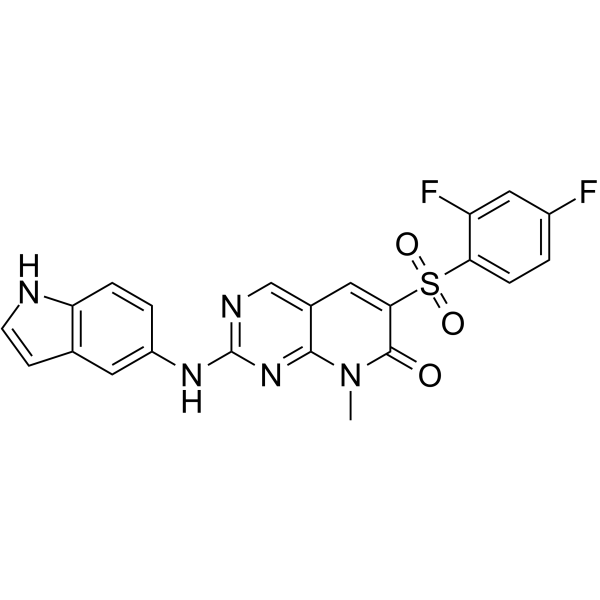
    ON1231320
    2 Publications Verification

    Apoptosis Polo-like Kinase (PLK) Mitosis Cancer
    ON1231320 is a highly specific polo like kinase 2 (PLK2) inhibitor with an IC50 of 0.31 μM. ON1231320 blocks tumor cell cycle progression in the G2/M phase in mitosis, causing apoptotic cell death. ON1231320, an arylsulfonyl pyrido-pyrimidinone, has antitumor activity .
    ON1231320
  • HY-119711

    MMP Cancer
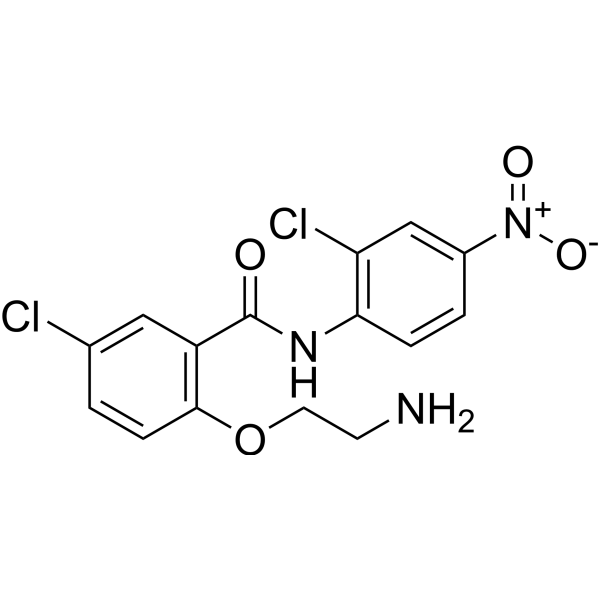
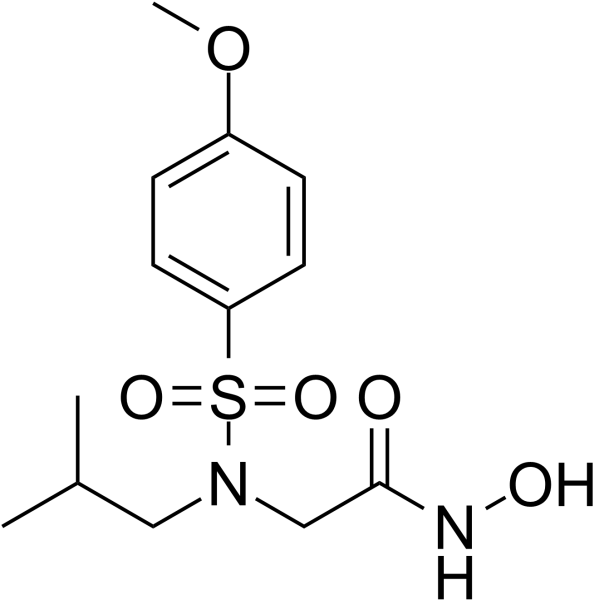
    NNGH is a stromelysin-1 (MMP-3) inhibitor. MMP-3 is both a direct transcriptional target and a necessary contributor of the Wnt/β-catenin signaling pathway. Matrix metalloproteinases (MMPs) play a well-defined role in later stages of tumor progression .
    NNGH
  • HY-W013272

    HFT

    Androgen Receptor Drug Metabolite Akt PI3K Gap Junction Protein Integrin Cancer
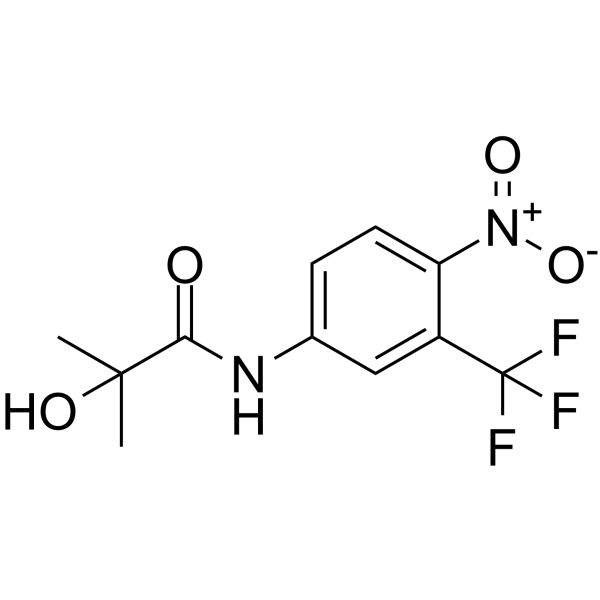
    Hydroxyflutamide (HFT) is the active metabolite of Flutamide (HY-B0022) and exhibits oral activity. Hydroxyflutamide is a potent androgen receptor antagonist with an IC50 of 700 nM. Hydroxyflutamide can affect embryonic development and reproductive tract development in mice. Additionally, Hydroxyflutamide can enhance the efficacy of Bacillus Calmette-Guérin (BCG) to better inhibit the progression of bladder cancer. Hydroxyflutamide can be used in research related to tumors and reproductive diseases .
    Hydroxyflutamide
  • HY-P1408
    Obtustatin
    4 Publications Verification

    Integrin VEGFR Cancer
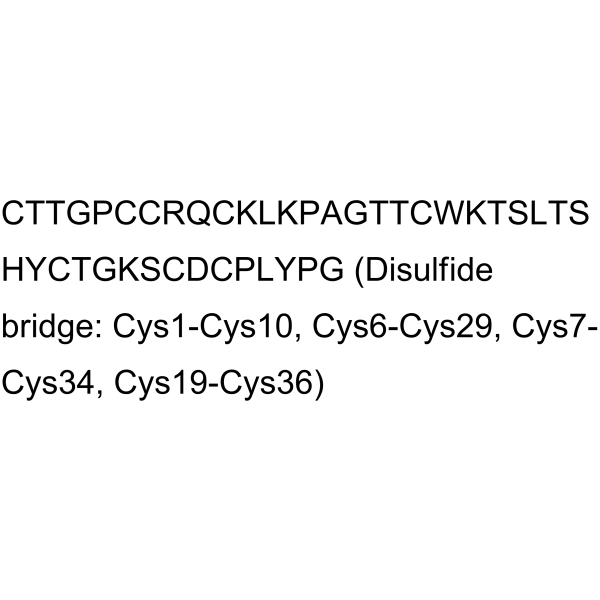
    Obtustatin is a non-RGD disintegrin consisting of 41 residues. Obtustatin inhibits the adhesion of α1β1 integrin to type IV Collagen (HY-NP003), blocks α1β1 integrin signaling in endothelial cells, and suppresses FGF2-induced angiogenesis. Obtustatin inhibits tumor progression in mouse models and upregulates VEGF expression in sarcoma-bearing mice. Obtustatin can be used in research related to Lewis lung carcinoma and S-180 sarcoma .
    Obtustatin
  • HY-19322
    PIM447
    5+ Cited Publications

    LGH447

    Pim Apoptosis Cancer
    PIM447 (LGH447) is a potent, orally available, and selective pan-PIM kinase inhibitor, with Ki values of 6, 18, and 9 pM for PIM1, PIM2, and PIM3, respectively. PIM447 displays dual antimyeloma and bone-protective effects. PIM447 induces apoptosis .
    PIM447
  • HY-141831

    Phosphodiesterase (PDE) Cancer
    STF-1084 is a specific, cell-impermeable, competitive inhibitor of ENPP1 (Ki = 33 nM). STF-1084 increases extracellular cGAMP concentrations by preventing its degradation by ENPP1, thereby enhancing immune infiltration. STF-1084 acts synergistically with ionizing radiation (IR) and cGAMP to delay tumor progression. STF-1084 can be used to study cancers with low immunogenicity .
    STF-1084
  • HY-145601

    TT 00420

    Aurora Kinase FGFR VEGFR Cancer
    Tinengotinib (TT00420) is an orally active, spectrally selective small molecule kinase inhibitor targeting Aurora A/B (IC50=1.2-3.3 nM), FGFR1/2/3 (IC50=1.5-3.5 nM), VEGFRs, JAK1/2 and CSF1R. Tinengotinib blocks Aurora kinase-mediated cell cycle progression (inducing G2/M arrest), inhibits FGFR/JNK-JUN signaling pathway and activates MEK/ERK-dependent apoptotic pathway. Tinengotinib has the activity of anti-tumor proliferation, inducing apoptosis, inhibiting angiogenesis and regulating tumor microenvironment. Tinengotinib can be used in the study of triple-negative breast cancer (TNBC), gallbladder cancer and tumor immune microenvironment .
    Tinengotinib
  • HY-B1817A

    Zinc(II) acetate, 99.99% trace metals basis

    CDK Heme Oxygenase (HO) Apoptosis Others
    Zinc (Zinc (II)) acetate, 99.99% trace metals basis is a heme oxygenase 1 (HO-1) activator and apoptosis inducer with cytotoxic and anticancer activities. Zinc acetate, 99.99% trace metals basis enhances HO-1 expression, alters the microRNA profile, and increases the level of caspase-cleaved cytokeratin 18. Zinc acetate, 99.99% trace metals basis also regulates the expression of Cdk2/cyclin E and interferes with cell cycle progression. Zinc acetate, 99.99% trace metals basis effectively inhibits cancer cell proliferation and induces their rapid death, with no significant cytotoxicity to non-tumor tissues. Zinc acetate, 99.99% trace metals basis has been widely used in studies related to hepatocellular carcinoma, prostate cancer, and other conditions .
    Zinc acetate, 99.99% trace metals basis
  • HY-159069

    Toll-like Receptor (TLR) TNF Receptor Connexin Infection Cancer
    Zymosan (ZM), 95% is a yeast cell wall-derived carbohydrate-rich preparation and immunomodulator. Zymosan (ZM), 95% binds to and activates TLR-2, TLR-4, and Dectin-1 receptor to trigger downstream signaling pathways. Zymosan (ZM), 95% upregulates TLR-2, TLR-4, and TNF-α mRNA expression, increases serum TNF-α levels, and stimulates splenocyte number and viability in mice. Zymosan (ZM), 95% attenuates melanoma growth progression, modulates macrophage marker gene expression, and mediates phagocytosis, ROS generation, and cytokine production. Zymosan (ZM), 95% reduces Connexin 43 protein and mRNA levels, inhibits gap junctional intercellular communication, and induces proinflammatory factor production in human corneal cells. Zymosan (ZM), 95% induces peritoneal inflammation in mice, functions as a drug carrier, and supports fibroblast cell attachment in hydrogel formulations. Zymosan (ZM), 95% can be used for the research of melanoma, tumors, fungal keratitis, ocular surface inflammatory disorders, and peritoneal inflammation .
    Zymosan (ZM), 95%
  • HY-133558
    VII-31
    2 Publications Verification

    E1/E2/E3 Enzyme Apoptosis Cancer
    VII-31 is a potent NEDDylation pathway activator to inhibit the tumor progression in vitro and in vivo. VII-31 induces apoptosis via intrinsic and extrinsic pathways .
    VII-31
  • HY-16532

    AEZS-108; AN-152

    Peptide-Drug Conjugates (PDCs) GnRH Receptor Cancer
    Zoptarelin doxorubicin (AEZS-108; AN-152) is a hybrid anticancer agent, containing Zoptarelin and Doxorubicin. Zoptarelin doxorubicin has been used to research targeting tumors expressing LHRH receptors. Zoptarelin doxorubicin abolishes tumor progression and induces remarkable apoptosis in vitro .
    Zoptarelin doxorubicin
  • HY-132822

    SBP-101

    Drug Derivative Cancer
    Ivospemin (SBP-101) is an antineoplastic spermine analog. Ivospemin has shown efficacy in slowing pancreatic and ovarian tumor progression in vitro and in vivo. Ivospemin shows modest induction of polyamine catabolism, but stronger repression of ornithine decarboxylase activity. Ivospemin is promising for research of cancers .
    Ivospemin
  • HY-W142432

    Biochemical Assay Reagents β-catenin Wnt Arginase TGF-beta/Smad mTOR Akt ERK Atg8/LC3 p62 Autophagy Metabolic Disease Inflammation/Immunology Cancer
    Perfluoroundecanoic acid is a perfluoroalkyl substance (PFAS). Perfluoroundecanoic acid is an orally active oxidative stress inducer. Perfluoroundecanoic acid promotes macrophage M2 polarization, activates Wnt/β-catenin signaling and enhances β-catenin nuclear accumulation. Perfluoroundecanoic acid -induced M2 phenotype macrophage accelerates tumor progression in vitro and in vivo. Perfluoroundecanoic acid induces DNA damage, reproductive and pathophysiological dysfunctions via oxidative stress in male Swiss mice. Perfluoroundecanoic acid inhibits Leydig cell development in pubertal male rats via inducing oxidative stress and autophagy. Perfluoroundecanoic acid accelerates insulitis development in a mouse model of type 1 diabetes. Perfluoroundecanoic acid can be used for the study of ovarian cancer, type 1 diabetes and inflammation .
    Perfluoroundecanoic acid
  • HY-157693

    Endogenous Metabolite Cancer
    C18:1 Cyclic LPA is a naturally occurring analog of the growth factor-like phospholipid mediator, lysophosphatidic acid (LPA), characterized by the formation of a 5-membered ring between its sn-2 hydroxy group and the sn-3 phosphate. This unique structure allows C18:1 Cyclic LPA to influence a variety of cellular functions, such as inhibiting cell cycle progression, promoting the formation of stress fibers, curtailing tumor cell invasiveness and metastasis, and modulating the differentiation and survival of neuronal cells. Notably, many of these cellular effects elicited by C18:1 Cyclic LPA appear to counter those induced by LPA, despite the activation of seemingly similar receptor populations.
    C18:1 Cyclic LPA
  • HY-12929

    SU093

    Pim Apoptosis Cancer
    NSC756093 (SU093) is a GBP1:PIM1 interaction inhibitor. NSC756093 binds to GBP1-PIM1 with a Kd of 38 nM. NSC756093 suppresses proliferation, reduces migration, induces G1 phase cell-cycle arrest, and increases apoptotic cell death in ovarian cancer cells. NSC756093 reduces cellular proteasomal activity, induces accumulation of ubiquitinated proteins, and restrains tumor progression and lung metastasis in murine ovarian cancer xenograft models. NSC756093 increases sensitivity of prostate cancer cells to Docetaxel (HY-B0011) and sensitizes GBP1-overexpressing ovarian cancer cells to Paclitaxel (HY-B0015). NSC756093 can be used for the research of prostate cancer and ovarian cancer .
    NSC756093
  • HY-168878

    METTL3 Cancer
    EP652 is a METTL3 inhibitor and antitumor agent with IC50 values of 2 nM, <10 nM, and 37 nM in SPA, intracellular, and ATPlite assays, respectively. EP652 exhibits high selectivity against 40 other methyltransferases and FTO, and possesses favorable pharmacokinetic parameters. EP652 reduces intracellular N 6-methyladenosine (m 6A) levels in mRNA. EP652 inhibits tumor growth and progression of both hematologic malignancies and solid tumors. EP652 can be used for the research of acute myeloid leukemia, ovarian cancer, non-small cell lung cancer, and hypopharyngeal squamous cell carcinoma .
    EP652
  • HY-120793

    TRB-N0224

    Ras Apoptosis MMP Inflammation/Immunology Cancer
    CMC2.24 (TRB-N0224), an orally active tricarbonylmethane agent, is effective against pancreatic tumor in mice by inhibiting Ras activation and its downstream effector ERK1/2 pathway. CMC2.24 is also a potent inhibitor of zinc-dependent MMPs with IC50s ranging from 2.0-69 μM. CMC2.24 alleviates osteoarthritis progression by restoring cartilage homeostasis and inhibiting chondrocyte apoptosis via the NF-κB/HIF-2α axis .
    CMC2.24
  • HY-176861

    E1/E2/E3 Enzyme Cadherin Cancer
    Hakin-1 is a E3 Ubiquitin-Ligase Hakai inhibitor. Hakin-1 blocks Hakai-mediated global ubiquitination and specific ubiquitination of E-cadherin and inhibits epithelial-mesenchymal transition (EMT) progression. Hakan-1 inhibits tumor progression and cancer metastasis. Hakin-1 can be used for the study of carcinoma such as colorectal cancer .
    Hakin-1
  • HY-169903

    Apoptosis Cancer
    SMIP34 is a PELP1 inhibitor. SMIP34 binds to PELP1 with a Kd of 37.4 μM. SMIP34 inhibits cancer cell proliferation and tumor progression. SMIP34 can be used for breast cancer research, and is active against wild-type (WT), mutant (MT) ER+ and therapy-resistant (TR)-ER+ breast cancer .
    SMIP34
  • HY-W854659
    Chlorin e6 trisodium
    15+ Cited Publications

    Ce6 trisodium

    Photosensitizer Cancer
    Chlorin e6 Ce6 (trisodium) is a water-soluble derivative of chlorophyll, belonging to the chlorin class of photosensitizers with an absorption wavelength range of 600-670 nm. Chlorin e6 trisodium emits characteristic red fluorescence upon light excitation, enabling real-time identification of tumor boundaries and progression. Chlorin e6 trisodium can be used for the study of photodynamic therapy (PDT) of cancers (bladder cancer) and fluorescence diagnosis of neoplastic lesions .
    Chlorin e6 trisodium
  • HY-P991358

    LFA-102; X213

    Estrogen Receptor/ERR STAT Akt Cancer
    XOMA-213 (LFA-102; X213) is a human monoclonal antibody (mAb) targeting the prolactin receptor (PRLR), with a Kd value of 2 nM against the human target. XOMA-213 blocks PRL-induced cell proliferation and inhibits the activation of multiple PRLR ligands, including PRL and human growth hormone (hGH). XOMA-213 suppresses PRL-induced phosphorylation of Stat5, Akt and ERK1/2 in cells. XOMA-213 induces tumor regression, delays disease progression, and inhibits PRLR signaling as well as tumor growth. XOMA-213 can be used in research related to breast cancer .
    XOMA-213
  • HY-146887

    Deubiquitinase Apoptosis Cancer
    USP7-IN-9 is a highly potent ubiquitin-specific protease 7 (USP7) inhibitor with an IC50 value of 40.8 nM. USP7-IN-9 can induce apoptosis and arrest cell progression at G0/G1 and S phases in RS4; 11 cells. USP7-IN-9 reduces the protein levels of oncoproteins MDM2 and DNMT1 and increases the protein levels of tumor suppressors p53 and p21 .
    USP7-IN-9
  • HY-P2822

    PGK

    Endogenous Metabolite Infection Endocrinology Cancer
    Phosphoglycerate kinase, yeast (PGK), namely phosphoglycerate kinase, is a glycolytic enzyme commonly used in biochemical research. Phosphoglycerate kinase can catalyze the reversible transfer of phosphate groups from 1,3-bisphosphoglycerate (1,3-BPG) to ADP to generate 3-phosphoglycerate (3-PG) and ATP. At the same time, it can also participate in gluconeogenesis, catalyzing the opposite reaction to produce 1,3BPGA and ADP. Phosphoglycerate kinase is involved in energy metabolism, interaction with nucleic acid, tumor progression, cell death and virus replication and other related processes .
    Phosphoglycerate kinase, yeast
  • HY-P1109

    CDK Cancer
    [Ala92]-p16 (84-103) is a peptide derived from the p16CDKN2/INK4a (p16) tumor suppressor protein. [Ala92]-p16 (84-103) binds to both cdk4 and cdk6 and inhibits cdk4-cyclin D1 kinase activity in vitro (IC50: 1.5 μM). [Ala92]-p16 (84-103) blocks cell cycle progression through the G1 phase .
    [Ala92]-p16 (84-103)
  • HY-P10427

    CXCR Dengue Virus Neurological Disease Inflammation/Immunology Cancer
    DV1 is a CXCR4 inhibitor with anti-proteolytic properties that specifically blocks the binding of SDF-1α to its receptor. DV1 inhibits the migration of breast cancer cells and enables the targeted delivery of avidin-PLGA nanoparticles to CXCR4-expressing cancer cells. DV1 not only effectively suppresses the progression of metastatic breast cancer in mouse models, but also preferentially accumulates in brain tumor tissues rather than normal brain tissues, showing potential for inhibiting intracranial tumor metastasis. As a humoral immune stimulant, DV1 induces the production of specific IgG, neutralizing antibodies and cellular immune responses, thereby providing the host with protection against lethal challenges. DV1 has been applied to studies on CXCR4-expressing cancers, glioblastoma, dengue fever and other related diseases .
    DV1
  • HY-123733A

    RPS-001 TFA

    PSMA Cancer
    MIP-1095 (RPS-001) TFA is a potent inhibitor of PSMA with good biodistribution and efficient targeting of tumor lesions. In applications, MIP-1095 TFA will be isotopically labeled ( 131I labeled) as an imaging probe to indicate tumor progression. And 131I-MIP-1095 showed higher renal uptake in mice .
    MIP-1095 TFA
  • HY-149482
    LN5P45
    1 Publications Verification

    Cathepsin Cancer
    LN5P45 is an OTUB2 inhibitor (IC50: 2.3 μM). LN5P45 induces monoubiquitination of OTUB2 on lysine 31. LN5P45 can be used for research of tumor progression and metastasis .
    LN5P45
  • HY-172448

    ATM/ATR Cancer
    YY2201 is a highly potent and selective ATR inhibitor with an IC50 of 8 nM. YY2201 shows >200-fold more selective for ATR than mTOR. YY2201 inhibits tumor progression in broad-spectrum cancer types (such as lung cancer) .
    YY2201
  • HY-124844

    AZA-9

    HuR Cancer
    Azaphilone-9 (AZA-9) is an inhibitor of HuR-ARE RNA interaction (IC50=1.2 μM) by binding RNA-binding protein Hu antigen R (HuR). The HuR-RNA interactions stabilize many oncogenic mRNAs in tumors. Thus Azaphilone-9 potentially inhibit cancer cell growth and progression .
    Azaphilone-9
  • HY-P991042

    IGF-1R Cancer
    Anti-IGFBP2 Antibody (M14) is an human anti-IGFBP2 monoclonal inhibitory antibody, which binds IGFBP2 with high affinity and blocks its binding with IGF1. Anti-IGFBP2 Antibody (M14) inhibits human endothelial cell recruitment, thus blocks the tumor progression of human metastatic cancer .
    Anti-IGFBP2 Antibody (M14)
  • HY-P10427A

    CXCR Dengue Virus Infection
    DV1 TFA is a CXCR4 inhibitor with anti-proteolytic properties that specifically blocks the binding of SDF-1α to its receptor. DV1 TFA inhibits the migration of breast cancer cells and enables the targeted delivery of avidin-PLGA nanoparticles to CXCR4-expressing cancer cells. DV1 TFA not only effectively suppresses the progression of metastatic breast cancer in mouse models, but also preferentially accumulates in brain tumor tissues rather than normal brain tissues, showing potential for inhibiting intracranial tumor metastasis. As a humoral immune stimulant, DV1 TFA induces the production of specific IgG, neutralizing antibodies and cellular immune responses, thereby providing the host with protection against lethal challenges. DV1 TFA has been applied to studies on CXCR4-expressing cancers, glioblastoma, dengue fever and other related diseases .
    DV1 TFA
  • HY-120499

    Hedgehog Smo Cancer
    AZD8542 is an antagonist of Smoothened (SMO), playing an important role in oncology. AZD8542 is an Hedgehog (Hh) pathway antagonist on tumor progression with an emphasis on the role of the stroma compartment .
    AZD8542
  • HY-W369099

    STAT Apoptosis Cancer
    HJC0152 (free base) is an orally active and potent inhibitor of STAT3. HJC0152 (free base) inhibits cell cycle progression and induces apoptosis. HJC0152 (free base) significantly suppresses MDA-MB-231 xenograft tumor growth in mice .
    HJC0152 free base
  • HY-179157

    PROTACs Checkpoint Kinase (Chk) DNA/RNA Synthesis Apoptosis Bcl-2 Family Caspase Cancer
    MA203 is a highly efficient and selective PROTAC degrader targeting CHK1. MA203 accelerates CRBN-dependent proteasomal degradation of CHK1 in solid tumor-derived cells and acute leukemia cells. MA203 induces DNA replication stress. MA203 blocks cell cycle progression and triggers tumor cell apoptosis. MA203 does not damage healthy differentiated and primitive hematopoietic cells, stromal cells, and retinal epithelial cells. MA203 can be used for the study of CHK1-dependent cancers .
    MA203
  • HY-W854385A
    Sialyl Lewis A sodium
    1 Publications Verification

    SLeA sodium

    Biochemical Assay Reagents Cancer
    Sialyl Lewis A (SLeA) sodium is a tumor-associated carbohydrate antigen, also known as carbohydrate antigen 19-9 (CA19-9), that binds to E-selectin (ELAM-1) and selectins to mediate cell-endothelium adhesion. Sialyl Lewis A sodium promotes cancer cell-vascular endothelium adhesion, and its surface presence correlates with increased tumorigenicity and invasiveness in cancer cells. Sialyl Lewis A sodium shows elevated expression in human adenocarcinomas of the colon, pancreas, and stomach, with expression levels linked to tumor progression and poor prognosis in colorectal and gastric carcinomas. Sialyl Lewis A sodium can be used for the research of cancers, such as colon, pancreas, stomach, and squamous lung cancer .
    Sialyl Lewis A sodium
  • HY-W854385

    SLeA

    Biochemical Assay Reagents E-Selectin Cancer
    Sialyl Lewis A (SLeA) is a tumor-associated carbohydrate antigen, also known as carbohydrate antigen 19-9 (CA19-9), that binds to E-selectin (ELAM-1) and selectins to mediate cell-endothelium adhesion. Sialyl Lewis A promotes cancer cell-vascular endothelium adhesion, and its surface presence correlates with increased tumorigenicity and invasiveness in cancer cells. Sialyl Lewis A shows elevated expression in human adenocarcinomas of the colon, pancreas, and stomach, with expression levels linked to tumor progression and poor prognosis in colorectal and gastric carcinomas. Sialyl Lewis A can be used for the research of cancers, such as colon, pancreas, stomach, and squamous lung cancer .
    Sialyl Lewis A
  • HY-P991647

    CXCR Cancer
    ALX-0651 is a biparatopic humanized monoclonal antibody inhibitor targeting CXCR4. ALX-0651 inhibits hematopoietic stem cell trafficking, tumor progression and metastasis. ALX-0651 can be used for non-Hodgkin’s lymphoma and multiple myeloma research .
    ALX-0651
  • HY-P2115

    GnRH Receptor Cancer
    Ramorelix is a luteinizing-hormone-releasing hormone (LHRH) antagonist. Ramorelix can inhibit tumor progression in vivo. Ramorelix can be studied in anti-cancer research .
    Ramorelix
  • HY-32015
    Cot inhibitor-1
    2 Publications Verification

    MAP3K Inflammation/Immunology
    Cot inhibitor-1 (compound 28) is a selective tumor progression loci-2 (Tpl2) kinase inhibitor with an IC50 of 28 nM. Cot inhibitor-1 shows an inhibition of TNF-alpha production in human whole blood with an IC50 of 5.7 nM .
    Cot inhibitor-1
  • HY-P4910

    Proteasome Apoptosis Cancer
    Baceridin is a proteasome inhibitor and a cyclic hexapeptide. Baceridin can be isolated from the culture medium of Epiphytic Bacillus. Baceridin can inhibit cell cycle progression and induce tumor cell apoptosis through a p53-independent pathway. Baceridin can be used in cancer research .
    Baceridin
  • HY-132822A

    SBP-101 hydrochloride

    Drug Derivative Cancer
    Ivospemin (SBP-101) hydrochloride is an antineoplastic spermine analog. Ivospemin hydrochloride has shown efficacy in slowing pancreatic and ovarian tumor progression in vitro and in vivo. Ivospemin hydrochloride shows modest induction of polyamine catabolism, but stronger repression of ornithine decarboxylase activity. Ivospemin hydrochloride is promising for research of cancers .
    Ivospemin hydrochloride
  • HY-156792

    RIO Kinase Cancer
    RIOK2-IN-1 (com 4) is a potent and selective RIOK2 inhibitor (Kd=150 nM), but has low cellular activity (IC50=14,600 nM). RIOK2 is an atypical kinase associated with a variety of human cancers and is involved in ribosome maturation and cell cycle progression. The small molecule inhibitor CQ211 (HY-147655), an improvement of RIOK2-IN-1 as the lead compound, has good in vivo and in vitro activity, inhibits the proliferation of MKN-1 and HT-29 cancer cells, and can xenograft MKN in mice -1 model inhibits tumor progression .
    RIOK2-IN-1
  • HY-154313

    Clospirazine

    Ras Cancer
    Spiclomazine (Clospirazine) is a potent mutant KRAS(G12C) inhibitor that selectively inhibits mutant KRAS-driven pancreatic cancer. Spiclomazine can eliminate KRas-GTP levels in KRAS-driven pancreatic cancer and effectively inhibit RAS-mediated signaling. Spiclomazine significantly inhibits tumor progression in mouse renal capsule xenotransplantation models .
    Spiclomazine
  • HY-P11052

    HSP Cancer
    A8 peptide is a Hsp72 antagonist. A8 peptide inhibits tumor progression and metastasis as well as enhances the cancer cells' sensitivity to apoptosis induced by chemotherapeutic agents (such as Cisplatin (HY-17394)) by blocking the Hsp72-TLR2 interaction and the subsequent activation of MDSCs. A8 peptide can be used for cancers research .
    A8 peptide
  • HY-108433

    Carnitine palmitoyltransferase 2

    Apoptosis MDM-2/p53 Metabolic Disease Cancer
    CPT2 (Carnitine palmitoyltransferase 2), an enzyme that participates in fatty acid oxidation, also is a colorectal cancer (CRC) prognostic biomarker. CPT2 overexpression can activate p-p53 to increase p53 expression, thereby inhibiting tumor proliferation and promoting apoptosis. CPT2 deficiency results in the most common inherited disorder of long-chain fatty acid oxidation affecting skeletal muscle. Downregulation of CPT2 is also highly correlated with the progression of various cancers and has potential for cancer research .
    CPT2
  • HY-178391

    ROS Kinase p38 MAPK ERK Apoptosis Cancer
    SMU-037 is an orally active and selective ROS1 inhibitor that demonstrates potent activity (IC₅₀ = 6.8 nM) and possesses the ability to penetrate the blood-brain barrier. SMU-037 shows ~25-fold selectivity over ALK, and superior sensitivity against the G2032R mutation. SMU-037 attenuates phosphorylation of ROS1 and downstream MAPK-ERK signaling pathway, leading to cell cycle arrest and apoptosis. SMU-037 effectively suppresses tumor progression in both xenograft and intracranial mouse models. SMU-037 can be used for non-small cell lung cancer (NSCLC) research .
    SMU-037
  • HY-119616

    Apoptosis Cancer
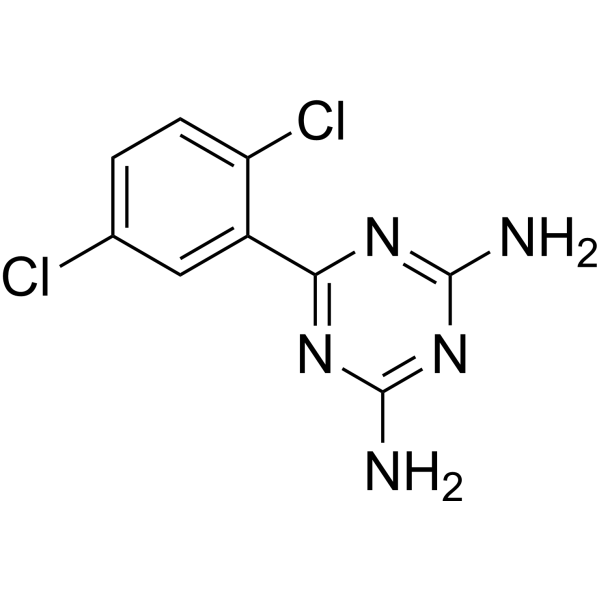
    Phenamet is an anti-tumor agent that can inhibit tumor growth and slow the progression of cancer. Phenamet prevents the reproduction of tumor cells by interfering with the growth and division of cancer cells. In addition, Phenamet can induce apoptosis in cancer cells, thereby eliminating tumor cells.
    Phenamet

Inquiry Online

Your information is safe with us. * Required Fields.

Salutation


Country or Region *

Applicant Name *


Organization Name *

Department *


Email Address *


Product Name *

Cat. No.


Requested quantity *

Phone Number *


Remarks

Inquiry Online

Inquiry Information

Product Name:
Cat. No.:
Quantity:
MCE Japan Authorized Agent:

