1. Search Result
Search Result
Pathways Recommended: Stem Cell/Wnt Cell Cycle/DNA Damage
Results for "

vascular cell

" in MedChemExpress (MCE) Product Catalog:

383

Inhibitors & Agonists

4

Screening Libraries

13

Fluorescent Dyes

12

Biochemical Assay Reagents

42

Peptides

16

Inhibitory Antibodies

82

Natural
Products

13

Recombinant Proteins

24

Isotope-Labeled Compounds

9

Antibodies

9

Oligonucleotides

1

GMP Molecules

Cat. No. Product Name Target Research Areas Chemical Structure
  • HY-B0228
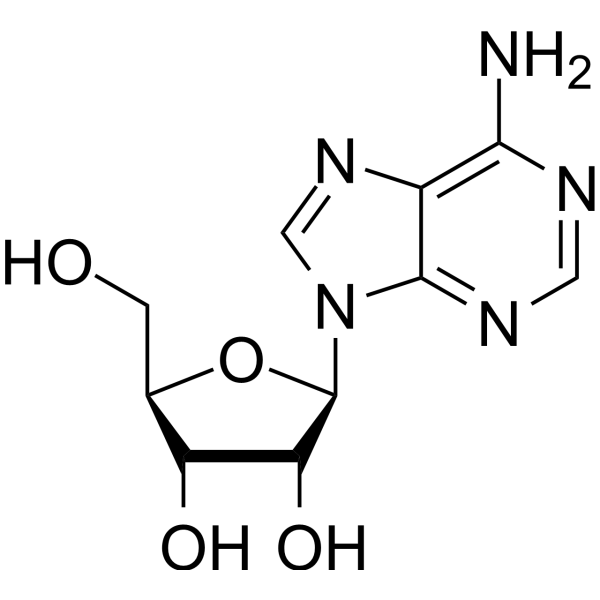
    Adenosine
    15+ Cited Publications

    Adenine riboside; D-Adenosine

    Environmental Pollutants Autophagy Nucleoside Antimetabolite/Analog Endogenous Metabolite Apoptosis Metabolic Disease Cancer
    Adenosine (Adenine riboside), a ubiquitous and BBB-permeable endogenous autacoid, acts through the enrollment of four G protein-coupled receptors: A1, A2A, A2B, and A3. Adenosine affects almost all aspects of cellular physiology, including neuronal activity, vascular function, platelet aggregation, and blood cell regulation .
    Adenosine
  • HY-101200

    SIN-1 chloride

    Apoptosis Autophagy Reactive Oxygen Species (ROS) Annexin A NF-κB Cardiovascular Disease Neurological Disease Inflammation/Immunology Cancer
    Linsidomine hydrochloride (SIN-1 chloride) is a spontaneous ROS/RNS generator and peroxynitrite donor. Linsidomine hydrochloride is a vasodilator and platelet aggregation inhibitor. Linsidomine hydrochloride induces oxidative stress-induced chondrocyte apoptosis and necrosis. Linsidomine hydrochloride inhibits the migration, proliferation and neointima formation of vascular smooth muscle cells by inhibiting the expression of annexin A2. In addition, low doses of Linsidomine hydrochloride shows protective effects on Zn 2+ treated nerve cells .
    Linsidomine hydrochloride
  • HY-P0049
    Argipressin
    5+ Cited Publications

    Arg8-vasopressin; AVP

    Vasopressin Receptor Neurological Disease Cancer
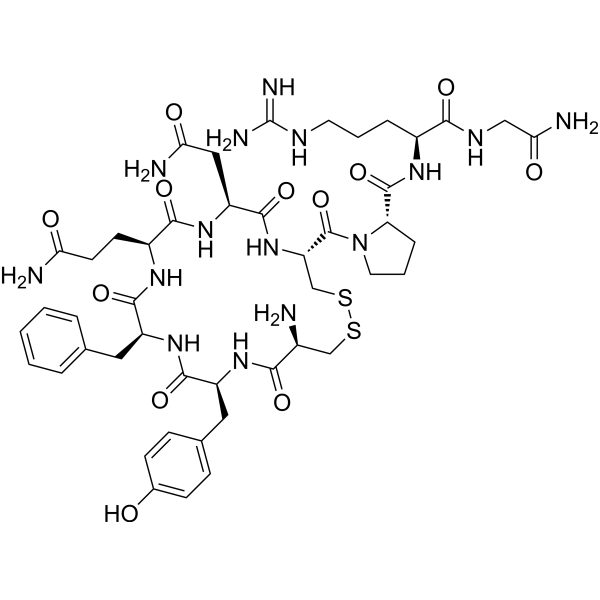
    Argipressin (Arg8-vasopressin) binds to the V1, V2, V3-vascular arginine vasopressin receptor, with a Kd value of 1.31 nM in A7r5 rat aortic smooth muscle cells for V1.
    Argipressin
  • HY-W009749
    L-Cystathionine
    1 Publications Verification

    Endogenous Metabolite Apoptosis Cardiovascular Disease
    L-Cystathionine is a nonprotein thioether and is a key amino acid associated with the metabolic state of sulfur-containing amino acids. L-Cystathionine protects against Homocysteine-induced mitochondria-dependent apoptosis of vascular endothelial cells (HUVECs). L-Cystathionine plays an important role in cardiovascular protection .
    L-Cystathionine
  • HY-N2464
    Maltotetraose
    1 Publications Verification

    Amylotetraose; Fujioligo 450; α-1,4-Tetraglucose

    TNF Receptor Endogenous Metabolite Bacterial Integrin NF-κB Cardiovascular Disease Inflammation/Immunology
    Maltotetraose can serve as a substrate for enzyme-linked assays to measure amylase activity in biological fluids. Maltotetraose has oral active, and reduces TNF-α-induced inflammatory responses by inhibiting NF-κB activity and decreasing ICAM-1 expression. Maltotetraose also inhibits PDGF-induced vascular smooth muscle cell migration and neovascularization. Additionally, Maltotetraose derivatives can function as probes for detecting bacterial infections by targeting the maltodextrin transporter. With good long-term safety, Maltotetraose holds promise for research in atherosclerosis-related diseases .
    Maltotetraose
  • HY-B1153
    Glafenine
    4 Publications Verification

    Glafenin

    COX CFTR Apoptosis Endoplasmic Reticulum Oxidoreductase 1 (ERO1) Metabolic Disease Inflammation/Immunology
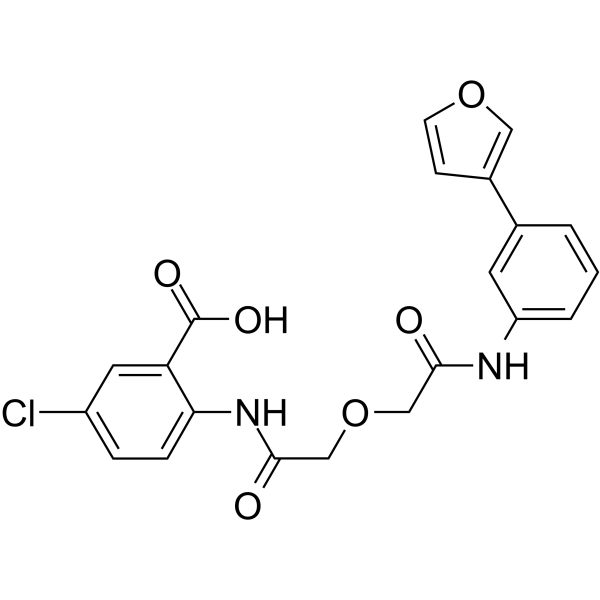
    Glafenine (Glafenin) is a non-selective, non-steroidal anti-inflammatory drug-based COX-1/COX-2 inhibitor. Glafenine exerts anti-inflammatory, anti-proliferative and anti-cell migration effects by inhibiting the arachidonic acid metabolic pathway and reducing prostaglandin synthesis. Glafenine can induce cell cycle arrest in vascular smooth muscle cells and endothelial cells and reduce the synthesis of the extracellular matrix protein Tenascin. Glafenine can be used in the research of inflammatory-related diseases, vascular restenosis and cystic fibrosis (CF) .
    Glafenine
  • HY-12765

    E-3174; EXP-3174

    Drug Metabolite Angiotensin Receptor Cardiovascular Disease
    Losartan Carboxylic Acid (E-3174), an active carboxylic acid metabolite of Losartan, is an angiotensin II receptor type 1 (AT1) antagonist. The Ki values are 0.97, 0.57, 0.67 nM for rat AT1B/AT1A and human AT1, respectively. Losartan Carboxylic Acid blocks the angiotensin II-induced responses in vascular smoothmuscle cells (VSMC). Losartan Carboxylic Acid elevates plasma renin activities and reduces mean arterial pressure .
    Losartan Carboxylic Acid
  • HY-N0252
    Catharanthine
    3 Publications Verification

    (+)-3,4-Didehydrocoronaridine

    Calcium Channel Cardiovascular Disease Neurological Disease Cancer
    Catharanthine ((+)-3,4-Didehydrocoronaridine), a constituent of anticancer vinca alkaloids, inhibits voltage-operated L-type Ca 2+ channel (VOCC). Catharanthine has IC50s of 220 μM and 8 μM for VOCC currents in cardiomyocytes and vascular smooth muscle cells (VSMCs), respectively. Catharanthine lowers blood pressure (BP), heart rate (HR). Catharanthine has anti-cancer activity .
    Catharanthine
  • HY-14444
    Plinabulin
    2 Publications Verification

    NPI-2358

    Microtubule/Tubulin Cancer
    Plinabulin (NPI-2358) is a vascular disrupting agen (VDA) against tubulin-depolymerizing with an IC50 of 9.8 nM against HT-29 cells . Plinabulin binds the colchicine binding site of β-tubulin preventing polymerization and has potent inhibitory to tumor cells .
    Plinabulin
  • HY-N6031
    Dendrophenol
    3 Publications Verification

    Moscatilin

    NF-κB Apoptosis COX HIF/HIF Prolyl-Hydroxylase Wnt β-catenin JNK Cardiovascular Disease Inflammation/Immunology Cancer
    Dendrophenol (Moscatilin) is a NF-κB inhibitor that inhibits inflammation. Dendrophenol exerts potent cytotoxic effect against tumor cells and induces cell cycle arrest and apoptosis. Dendrophenol has antitumor activity. In addition, Dendrophenol can inhibit vascular calcification by inhibiting the activation of WNT3/β-catenin .
    Dendrophenol
  • HY-B0228S11

    Adenine riboside-15N5; D-Adenosine-15N5

    Isotope-Labeled Compounds Cancer
    Adenosine- 15N5 (Adenine riboside- 15N5; D-Adenosine- 15N5) is the 15N labled Adenosine (HY-B0228). Adenosine (Adenine riboside), a ubiquitous endogenous autacoid, acts through the enrollment of four G protein-coupled receptors: A1, A2A, A2B, and A3. Adenosine affects almost all aspects of cellular physiology, including neuronal activity, vascular function, platelet aggregation, and blood cell regulation .
    Adenosine-15N5
  • HY-151527
    PI3K/Akt/CREB activator 1
    4 Publications Verification

    Akt PI3K Epigenetic Reader Domain Neurological Disease
    PI3K/Akt/CREB activator 1 (compound AE-18) is a potent, orally active PI3K/Akt/CREB activator. PI3K/Akt/CREB activator 1 promotes neuronal proliferation, induced differentiation of Neuro-2a cells into a neuron-like morphology, and accelerated the establishment of axon-dendrite polarization of primary hippocampal neurons through upregulating brain-derived neurotrophic factor via the PI3K/Akt/CREB pathway. PI3K/Akt/CREB activator 1 can be used in research of vascular dementia (VaD) .
    PI3K/Akt/CREB activator 1
  • HY-14804
    Tasisulam
    1 Publications Verification

    LY 573636

    Molecular Glues Apoptosis Cancer
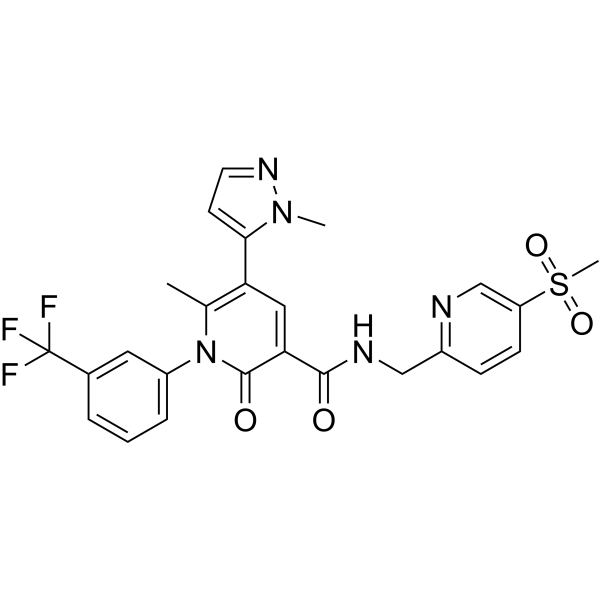
    Tasisulam is a anticancer agent and induces apoptosis via the intrinsic pathway, resulting in cytochrome c release and caspase-dependent cell death. Tasisulam inhibits mitotic progression and induces vascular normalization .
    Tasisulam
  • HY-113446

    Endogenous Metabolite Cardiovascular Disease Inflammation/Immunology
    Leukotriene C4 is a eicosanoid lipid mediator and produced by immune cells during type 2 inflammation. Leukotriene C4 can mediate inflammation,allergy, bronchoconstriction, and vascular leakage .
    Leukotriene C4
  • HY-W005255

    Endogenous Metabolite Cardiovascular Disease
    3-(3-Hydroxyphenyl)propionic acid (3HPPA) is an endothelium-dependent nitric oxide (NO) release promoter and endothelial nitric oxide synthase (eNOS) activator. 3-(3-Hydroxyphenyl)propionic acid activates eNOS to mediate vascular smooth muscle relaxation and enhances endothelial cell NO synthesis, inducing vasodilation and reducing peripheral vascular resistance. 3-(3-Hydroxyphenyl)propionic acid can dose-dependently reduce systolic and diastolic blood pressure in spontaneously hypertensive rats (SHR) without affecting cardiac contractility or heart rate. 3-(3-Hydroxyphenyl)propionic acid has antihypertensive and vascular protective effects and can be used in the prevention and treatment of cardiovascular diseases .
    3-(3-Hydroxyphenyl)propionic acid
  • HY-B0228R

    Adenine riboside (Standard); D-Adenosine (Standard)

    Reference Standards Nucleoside Antimetabolite/Analog Autophagy Apoptosis Endogenous Metabolite Metabolic Disease Cancer
    Adenosine (Standard) is the analytical standard of Adenosine. This product is intended for research and analytical applications. Adenosine (Adenine riboside), a ubiquitous endogenous autacoid, acts through the enrollment of four G protein-coupled receptors: A1, A2A, A2B, and A3. Adenosine affects almost all aspects of cellular physiology, including neuronal activity, vascular function, platelet aggregation, and blood cell regulation .
    Adenosine (Standard)
  • HY-B0228S13

    Adenine riboside-13C10; D-Adenosine-13C10

    Isotope-Labeled Compounds Nucleoside Antimetabolite/Analog Endogenous Metabolite Autophagy Apoptosis Metabolic Disease Cancer
    Adenosine- 13C10 (Adenine riboside- 13C10; D-Adenosine- 13C10) is 13C-labeled Adenosine (HY-B0228). Adenosine (Adenine riboside), a ubiquitous endogenous autacoid, acts through the enrollment of four G protein-coupled receptors: A1, A2A, A2B, and A3. Adenosine affects almost all aspects of cellular physiology, including neuronal activity, vascular function, platelet aggregation, and blood cell regulation.
    Adenosine-13C10
  • HY-W506116

    Ostruthine

    Bacterial DNA/RNA Synthesis Cardiovascular Disease Infection
    Ostruthin is a natural coumarin compound with bacterial and antimycobacterial activities . Ostruthin inhibits the growth of mycobacteria and Staphylococcus aureus. Ostruthin suppresses vascular smooth muscle cell proliferation as well as de novo cellular DNA synthesis. Ostruthin is applicable to research related to mycobacterial infections and cardiovascular and cerebrovascular diseases .
    Ostruthin
  • HY-W040055
    Neopterin
    1 Publications Verification

    D-(+)-Neopterin; D-erythro-Neopterin

    NF-κB PPAR ERK Raf Src Cardiovascular Disease Inflammation/Immunology
    Neopterin is an immune system activator metabolized by GTP and can be produced by activated macrophages. Neopterin has the potential to resist vascular inflammation and atherosclerosis. Neopterin inhibits the phosphorylation of NF-κB and promotes the expression of PPAR-γ, thereby suppressing the inflammatory response of vascular endothelial cells, reducing the formation of macrophage foam cells, and regulating the migration and proliferation of vascular smooth muscle cells. Neopterin can be used in research fields such as cardiovascular diseases (such as atherosclerosis), inflammation-related diseases and tumor immunomonitoring .
    Neopterin
  • HY-W539944
    Argipressin acetate
    5+ Cited Publications

    Arg8-vasopressin acetate; AVP acetate

    Vasopressin Receptor Apoptosis Neurological Disease Cancer
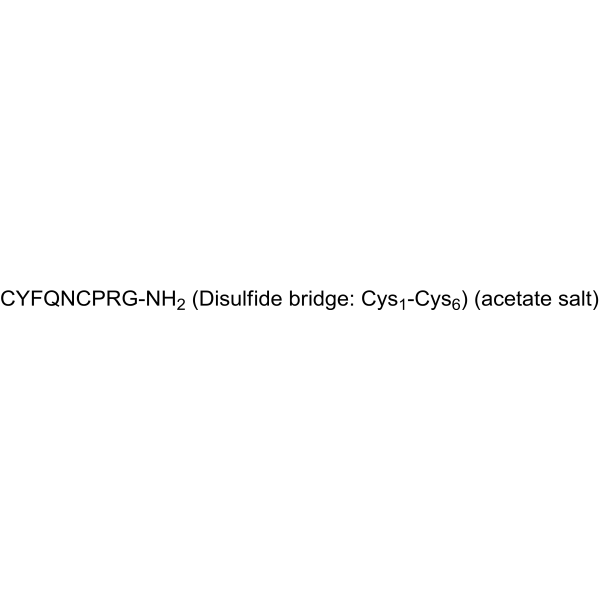
    Argipressin (Arg8-vasopressin) (acetate) binds to the V1, V2, V3-vascular arginine vasopressin receptor, with a Kd value of 1.31 nM in A7r5 rat aortic smooth muscle cells for V1 .
    Argipressin acetate
  • HY-N0590
    Corynoxeine
    5+ Cited Publications

    ERK Cardiovascular Disease
    Corynoxeine, isolated from the hook of Uncaria rhynchophylla, is a potent ERK1/ERK2 inhibitor of key PDGF-BB-induced vascular smooth muscle cells (VSMCs) proliferation.
    Corynoxeine
  • HY-10498
    Lexibulin
    2 Publications Verification

    CYT-997

    Microtubule/Tubulin Reactive Oxygen Species (ROS) Apoptosis Cancer
    Lexibulin (CYT-997) is a potent and orally active tubulin polymerisation inhibitor with IC50s of 10-100 nM in cancer cell lines; with potent cytotoxic and vascular disrupting activity in vitro and in vivo . Lexibulin induces cell apoptosis and induces mitochondrial ROS generation in GC cells .
    Lexibulin
  • HY-19393

    Phosphodiesterase (PDE) Cardiovascular Disease Inflammation/Immunology Cancer
    SCH 351591 is a highly selective, orally active PDE4 inhibitor, with IC50 values of 58 nM and 153 nM in humans and rats, respectively. SCH 351591 effectively inhibits pathological processes such as cytokine production, eosinophilia, airway hyperresponsiveness and bronchospasm. SCH 351591 also induces microvascular injury, activates mast cells and endothelial cells, and causes increases in serum histamine and various inflammatory factors, leading to early vascular damage. SCH 351591 has been widely used in studies related to asthma, chronic obstructive pulmonary disease and drug-induced vascular injury .
    SCH 351591
  • HY-A0066A

    Imidaline hydrochloride; NSC35110 hydrochloride

    Adrenergic Receptor Cardiovascular Disease Endocrinology
    Tolazoline hydrochloride (Imidaline hydrochloride) is an α-adrenergic receptor antagonist. Tolazoline hydrochloride inhibits Noradrenaline (HY-13715)-induced cell contraction, modulates vascular resistance, increases arterial pressure, and reverses bradycardia and tachypnea. Tolazoline hydrochloride can be used to study erectile dysfunction, α2-adrenergic receptor agonist-related poisoning, and skin vascular disease research .
    Tolazoline hydrochloride
  • HY-B1035
    Levobunolol hydrochloride
    1 Publications Verification

    l-Bunolol hydrochloride

    Adrenergic Receptor Calcium Channel Casein Kinase Cardiovascular Disease
    Levobunolol (l-Bunolol) hydrochloride is a non-selective β-adrenergic antagonist and vasodilator. By blocking calcium ion influx and reducing the sensitivity of vascular smooth muscle to calcium, Levobunolol hydrochloride effectively dilates the ciliary arteries and increases ocular blood flow, so it is widely used in research on glaucoma and ocular hypertension. Levobunolol hydrochloride inhibits the β-receptor signaling pathway and the expression of related proliferation markers (such as CK3, CK14, CK19, Ki67) in corneal cells. In rabbit models, Levobunolol hydrochloride not only does not inhibit corneal epithelial regeneration, but also accelerates the healing of mechanical injury without adverse effects. Levobunolol hydrochloride also inhibits histamine-induced vasoconstriction and intracellular calcium elevation, exhibiting unique vascular regulatory activity. Levobunolol hydrochloride protects ocular blood flow and promotes corneal repair .
    Levobunolol hydrochloride
  • HY-158082B

    Tetramethyl rhodamine isothiocyanate glucan, MW 40000

    Fluorescent Dye Others
    TRITC-dextran (Tetramethyl rhodamine isothiocyanate glucan), MW 40000 is a TRITC (HY-D0791)-labeled neutral 40 kDa fluorescent polysaccharide probe. TRITC-dextran, MW 40000 forms a membrane layer on the surface of protocells composed of protamine/folate condensates, and is used to assess membrane fluidity via fluorescence recovery after photobleaching. TRITC-dextran, MW 40000 can also be used to evaluate the anti-bacterial invasion ability and colloidal stability of coated condensates, as well as analyze the permeability of vascular and lymphatic endothelial cell layers .
    TRITC-dextran, MW 40000
  • HY-142117

    Calcium Channel Chloride Channel Others
    Adenophostin A is an IP3 receptor (inositol 1,4,5-trisphosphate receptors) modulator and Ca 2+ releaser, with an IC50 of 1.3 nM, an EC50 of 1.4 nM, and a Ki of 0.18 nM in rats, and an IC50 of 0.95 nM in humans. Adenophostin A activates IP3 receptors, stimulates Ca 2+ release from intracellular stores and microsomes, inhibits the binding of [ 3H]IP3 to plasma membrane receptors, and activates chloride channels. Adenophostin A resists phosphorylation and dephosphorylation by IP3 metabolic enzymes to maintain its activity, and increases cytoplasmic [Ca 2+] levels via calcium mobilization from the endoplasmic reticulum of vascular smooth muscle cells. Adenophostin A is applicable to research related to hemorrhagic shock .
    Adenophostin A
  • HY-A0066

    Imidaline; NSC35110

    Adrenergic Receptor Cardiovascular Disease Endocrinology
    Tolazoline (Imidaline) is an α-adrenergic receptor antagonist. Tolazoline inhibits Noradrenaline (HY-13715)-induced cell contraction, modulates vascular resistance, increases arterial pressure, and reverses bradycardia and tachypnea. Tolazoline can be used to study erectile dysfunction, α2-adrenergic receptor agonist-related poisoning, and skin vascular disease research .
    Tolazoline
  • HY-138822

    2,3-DPG pentasodium salt

    Endogenous Metabolite Cardiovascular Disease
    2,3-Diphospho-D-glyceric acid (2,3-DPG) pentasodium salt is a hemoglobin binder and vascular calcification inhibitor that reduces the oxygen affinity of hemoglobin. 2,3-Diphospho-D-glyceric acid pentasodium salt also specifically delays the transformation of colloidal calciprotein particles into crystalline forms, thereby effectively inhibiting vascular smooth muscle cell calcification without affecting the normal formation of osteoid nodules in osteoblast-like cells. 2,3-Diphospho-D-glyceric acid pentasodium salt shows no cytotoxicity to tested cell lines and only weakly interferes with β-hematin formation mediated by glyceryl monopalmitate. 2,3-Diphospho-D-glyceric acid pentasodium salt can be used to study the pathological mechanisms of vascular calcification and malaria-related conditions .
    2,3-Diphospho-D-glyceric acid pentasodium salt
  • HY-121018

    BM-13505; SKF 96148

    Prostaglandin Receptor Cardiovascular Disease
    Daltroban (BM-13505) is a selective and specific thromboxane A2 (TXA2) receptor antagonist. Daltroban increase intracellular calcium in vascular smooth muscle cells. Daltroban shows protective effect in reperfusion injury .
    Daltroban
  • HY-P99215

    Anti-EGFL7; RG 7414

    VEGFR Cancer
    Parsatuzumab (Anti-EGFL7; RG 7414) is a humanized monoclonal antibody, acts as an immunomodulator and binds to EGFL7. Parsatuzumab selectively blocks the interaction between EGFL7 and endothelial cells, potentially inhibiting vascular regrowth and reducing vascular endothelial growth factor (VEGF) inhibition .
    Parsatuzumab
  • HY-W100287

    NF-κB p38 MAPK Interleukin Related IKK JNK β-catenin Wnt Neurological Disease Inflammation/Immunology Cancer
    Murrayafoline A is a carbazole alkaloid that can be extracted from Murraya tetramera. Murrayafoline A directly targets Specificity protein 1 (Sp1), thereby inhibiting NF-κB and MAPK signaling pathways. Murrayafoline a induces a G0/G1-phase arrest in platelet-derived growth factor (PDGF)-stimulated vascular smooth muscle cells. Murrayafoline A attenuates the Wnt/β-catenin pathway by promoting the degradation of intracellular β-catenin proteins. Murrayafoline A enhances the contraction of rat ventricular myocytes and L-type calcium current by activating protein kinase C. Murrayafoline A inhibits LPS (HY-D1056)-induced neuroinflammation in vivo. Murrayafoline A can be used for the study of inflammation, vascular complications and colon cancer .
    Murrayafoline A
  • HY-108589

    PNU 37883A

    Potassium Channel Neurological Disease
    PNU 37883 hydrochloride (PNU 37883A) is a selective vascular ATP-sensitive potassium (Kir6, KATP) channels blocker. PNU 37883 hydrochloride has diuretic effects with specific binding in kidney and vascular smooth muscle rather than in brain or pancreatic beta cells .
    PNU 37883 hydrochloride
  • HY-B1153A
    Glafenine hydrochloride
    4 Publications Verification

    Glafenin hydrochloride

    COX CFTR Apoptosis Endoplasmic Reticulum Oxidoreductase 1 (ERO1) Metabolic Disease Inflammation/Immunology
    Glafenine (Glafenin) hydrochloride is a non-selective, non-steroidal anti-inflammatory drug-based COX-1/COX-2 inhibitor. Glafenine hydrochloride exerts anti-inflammatory, anti-proliferative and anti-cell migration effects by inhibiting the arachidonic acid metabolic pathway and reducing prostaglandin synthesis. Glafenine hydrochloride can induce cell cycle arrest in vascular smooth muscle cells and endothelial cells and reduce the synthesis of the extracellular matrix protein Tenascin. Glafenine hydrochloride can be used in the research of inflammatory-related diseases, vascular restenosis and cystic fibrosis (CF) .
    Glafenine hydrochloride
  • HY-12537

    Histamine Receptor 5-HT Receptor Inflammation/Immunology Endocrinology
    Peptide 401, a potent mast cell degranulating factor from bee venom, suppresses the increased vascular permeability due to intradermal injection of various smooth muscle spasmogens (histamine, and 5-HT).
    Peptide 401
  • HY-16196

    IRC-110160

    Microtubule/Tubulin HIF/HIF Prolyl-Hydroxylase STAT Cancer
    ENMD-1198 (IRC-110160), an orally active microtubule destabilizing agent, is a 2-methoxyestradiol analogue with antiproliferative and antiangiogenic activity. ENMD-1198 is suitable for inhibiting HIF-1alpha and STAT3 in human HCC cells and leads to reduced tumor growth and vascularization.
    ENMD-1198
  • HY-B1153R

    Glafenin (Standard)

    COX CFTR Apoptosis Endoplasmic Reticulum Oxidoreductase 1 (ERO1) Reference Standards Metabolic Disease Inflammation/Immunology
    Glafenine (Standard) is the analytical standard of Glafenine. This product is intended for research and analytical applications. Glafenine (Glafenin) is a non-selective, non-steroidal anti-inflammatory drug-based COX-1/COX-2 inhibitor. Glafenine exerts anti-inflammatory, anti-proliferative and anti-cell migration effects by inhibiting the arachidonic acid metabolic pathway and reducing prostaglandin synthesis. Glafenine can induce cell cycle arrest in vascular smooth muscle cells and endothelial cells and reduce the synthesis of the extracellular matrix protein Tenascin. Glafenine can be used in the research of inflammatory-related diseases, vascular restenosis and cystic fibrosis (CF) .
    Glafenine (Standard)
  • HY-P1564A

    Angiotensin Receptor Others
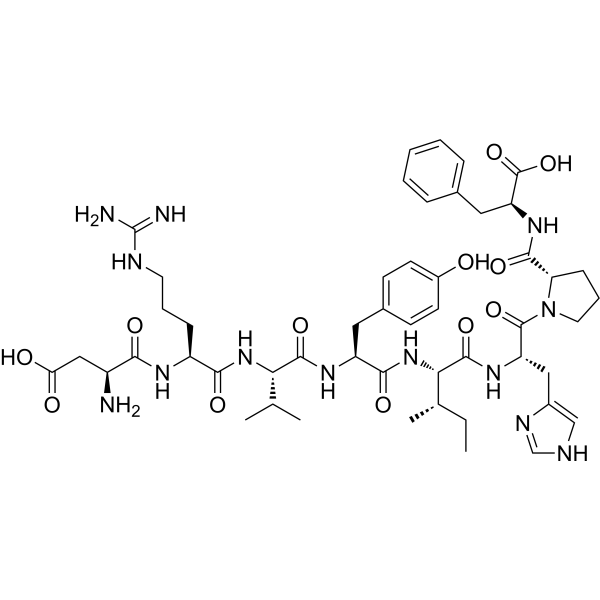
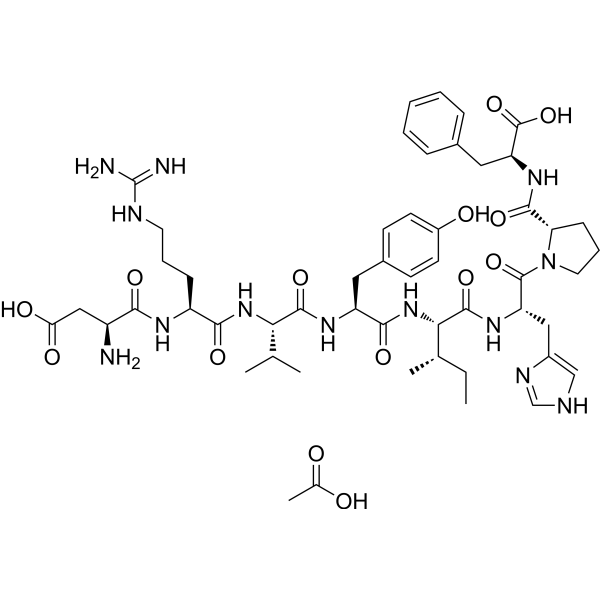
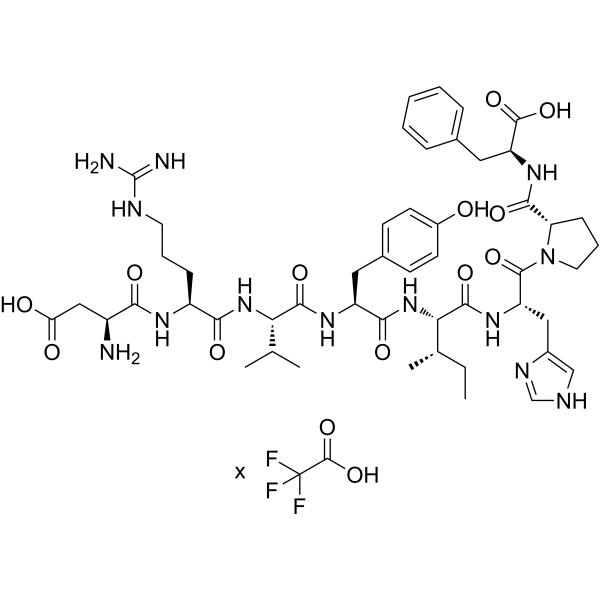
    [Sar1, Ile8]-Angiotensin II (TFA) is a peptide that has multiple effects on vascular smooth muscle, including contraction of normal arteries and hypertrophy or hyperplasia of cultured cells or diseased vessels.
    [Sar1, Ile8]-Angiotensin II TFA
  • HY-P5107

    LMWP; TDSP5

    VEGFR Cancer
    Low molecular weight protamine is a cell-penetrating peptide with vascular endothelial growth factor (VEGF) inhibitory activity. Low molecular weight protamine can inhibit tumor growth and is used in cancer research .
    Low molecular weight protamine
  • HY-19529

    Endothelin Receptor Cardiovascular Disease Endocrinology
    Ro 46-2005 is a novel synthetic non-peptide endothelin receptor antagonist, inhibits the specific binding of 125I-ET-1 to human vascular smooth muscle cells (ETA receptor) with IC50 of 220 nM.
    Ro 46-2005
  • HY-P3525A

    Integrin Others
    G-Pen-GRGDSPCA TFA is an αvβ3-inhibiting RGD peptide. G-Pen-GRGDSPCA can limit neointimal hyperplasia and lumen stenosis after vascular injury, as well as regulate the migration and proliferation of smooth muscle cells. G-Pen-GRGDSPCA TFA can be used in the study of the mechanism of vascular injury repair .
    G-Pen-GRGDSPCA TFA
  • HY-B0228S12

    Adenine riboside-d13; D-Adenosine-d13

    Isotope-Labeled Compounds Nucleoside Antimetabolite/Analog Endogenous Metabolite Autophagy Apoptosis Metabolic Disease Cancer
    Adenosine-d13 (Adenine riboside-d13; D-Adenosine-d13) is deuterium labeled Adenosine (HY-B0228). Adenosine (Adenine riboside), a ubiquitous endogenous autacoid, acts through the enrollment of four G protein-coupled receptors: A1, A2A, A2B, and A3. Adenosine affects almost all aspects of cellular physiology, including neuronal activity, vascular function, platelet aggregation, and blood cell regulation.
    Adenosine-d13
  • HY-U00002

    VEGFR EGFR Cancer
    ZD-4190 is a potent, orally available inhibitor of the vascular endothelial cell growth factor receptor 2 (VEGFR2) and of epidermal growth factor receptor (EGFR) signalling, used for the treatment of cancer.
    ZD-4190
  • HY-161460

    Ferroptosis Reactive Oxygen Species (ROS) Cardiovascular Disease
    Ferroptosis-IN-7(Compound 26) is a ferroptosis inhibitor which can restore cell viability, reduce iron accumulation and scavenge reactive oxygen species. Ferroptosis-IN-7 can be used for vascular diseases research .
    Ferroptosis-IN-7
  • HY-P3525

    Integrin Others
    G-Pen-GRGDSPCA is an αvβ3-inhibiting RGD peptide. G-Pen-GRGDSPCA can limit neointimal hyperplasia and lumen stenosis after vascular injury, as well as regulate the migration and proliferation of smooth muscle cells. G-Pen-GRGDSPCA can be used in the study of the mechanism of vascular injury repair .
    G-Pen-GRGDSPCA
  • HY-N0252A
    Catharanthine Tartrate
    3 Publications Verification

    (+)-3,4-Didehydrocoronaridine Tartrate

    Calcium Channel Cardiovascular Disease Neurological Disease Cancer
    Catharanthine ((+)-3,4-Didehydrocoronaridine) Tartrate, a constituent of anticancer vinca alkaloids, inhibits voltage-operated L-type Ca 2+ channel (VOCC). Catharanthine Tartrate has IC50s of 220 μM and 8 μM for VOCC currents in cardiomyocytes and vascular smooth muscle cells (VSMCs), respectively. Catharanthine Tartrate lowers blood pressure (BP), heart rate (HR). Catharanthine Tartrate has anti-cancer activity .
    Catharanthine Tartrate
  • HY-N9097

    Reactive Oxygen Species (ROS) SOD Glutathione Peroxidase PKC NADPH Oxidase Metabolic Disease Inflammation/Immunology
    Niazirin is an orally active antioxidant. Niazirin can be isolated from Moringa oleifera Lam. Niazirin reduces the production levels of ROS and MDA, while increasing the levels of superoxide dismutase SOD and glutathione peroxidase GPx. Niazirin also abolishes high glucose-induced PKCζ activation and inhibits Nox4 protein expression. Niazirin exhibits excellent free radical scavenging activity. Niazirin significantly inhibits high glucose-induced proliferation of vascular smooth muscle cells. Niazirin can be used in the research of diabetic atherosclerosis .
    Niazirin
  • HY-134368

    Calcium Channel Cardiovascular Disease
    Ap3A is a vasoactive molecule that regulates intracellular Ca 2+ levels. Ap3A can promote the growth of vascular smooth muscle cells .
    Ap3A
  • HY-B0312S

    Phosphodiesterase (PDE) Cardiovascular Disease
    Dipyridamole-d20 is the deuterium labeled Dipyridamole. Dipyridamole is a phosphodiesterase inhibitor that blocks uptake and metabolism of adenosine by erythrocytes and vascular endothelial cells .
    Dipyridamole-d20
  • HY-131162

    Angiotensin Receptor Cardiovascular Disease
    Chymase is a protein-digester enzyme found primarily in mast cells (MC), fibroblasts, and vascular endothelial cells. Chymase is released into the extracellular stroma in the context of inflammatory signals, tissue injury and cellular stress. Chymase is also involved in angiotensin II (Ang II) production, which is used in cardiovascular disease studies .
    Chymase

Inquiry Online

Your information is safe with us. * Required Fields.

Salutation


Country or Region *

Applicant Name *


Organization Name *

Department *


Email Address *


Product Name *

Cat. No.


Requested quantity *

Phone Number *


Remarks

Inquiry Online

Inquiry Information

Product Name:
Cat. No.:
Quantity:
MCE Japan Authorized Agent:

