61 Results for "

vascular contraction

" in MedChemExpress (MCE) Product Catalog:
Products (61)

61 Results for "vascular contraction" in MCE Product Catalog:

19
19 Publications Verification
Cat. No.: HY-P0206
CAS No.: 58-82-2
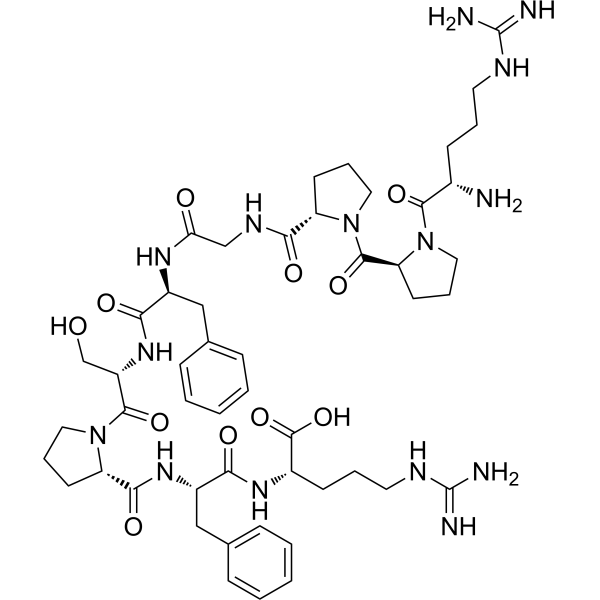
Bradykinin is an effective endothelium-dependent vasodilator that can lower blood pressure. Bradykinin can induce contraction of bronchial and intestinal non-vascular smooth muscle, increase vascular permeability, and participate in the mechanism of pain .
loading...
    loading...
19
19 Publications Verification
Cat. No.: HY-P0206A
CAS No.: 6846-03-3
Bradykinin acetate is an effective endothelium-dependent vasodilator that can lower blood pressure. Bradykinin acetate can induce contraction of bronchial and intestinal non-vascular smooth muscle, increase vascular permeability, and participate in the mechanism of pain .
loading...
    loading...
4
4 Cited Publications
Cat. No.: HY-14290
CAS No.: 60560-33-0
Purity:  99.89%
Synonyms: P-1134
Target:  

Potassium Channel

Research Areas:  

Cardiovascular Disease

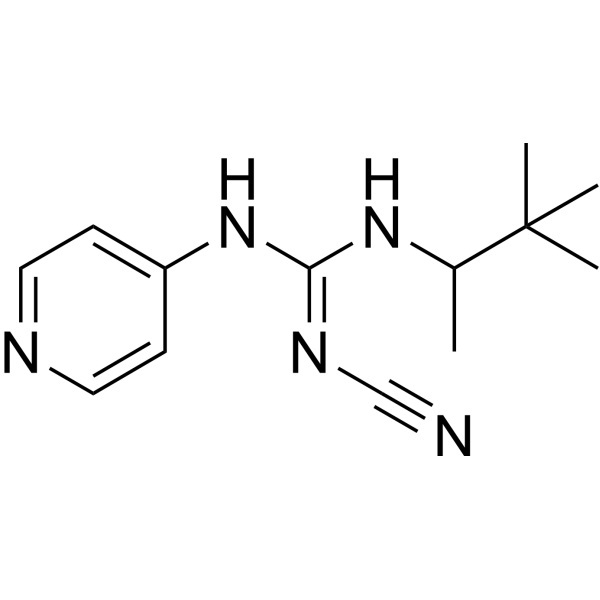
Pinacidil (P-1134) is a potent activator of ATP-sensitive potassium channel. Pinacidil is an antihypertensive agent hyperpolarizes vascular smooth muscle by opening K + channels. Pinacidil enhances K +-efflux in smooth muscle. Pinacidil has vasorelaxant properties. Pinacidil is able to inhibit spontaneous tone and of reducing agonist induced contractions. Pinacidil can be studied in research area such as cardiovascular diseases .
loading...
    loading...
4
4 Cited Publications
Cat. No.: HY-14290A
CAS No.: 85371-64-8
Purity:  99.82%
Synonyms: P-1134 monohydrate
Target:  

Potassium Channel

Research Areas:  

Cardiovascular Disease

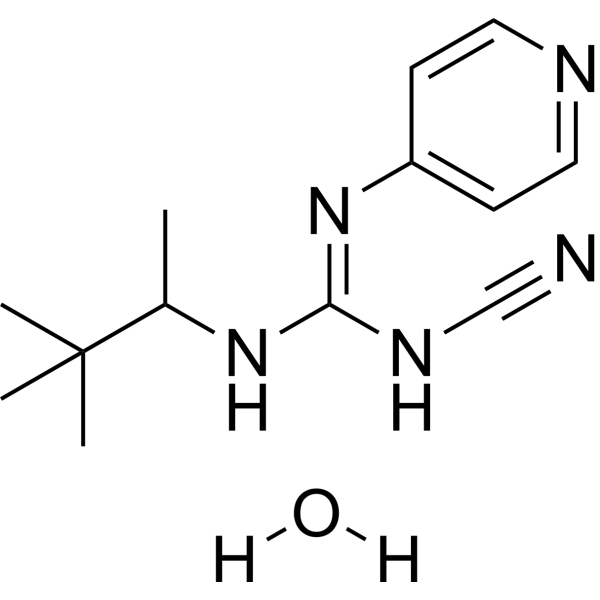
Pinacidil (P-1134) monohydrate is a potent activator of ATP-sensitive potassium channel. Pinacidil monohydrate is an antihypertensive agent hyperpolarizes vascular smooth muscle by opening K + channels. Pinacidil monohydrate enhances K +-efflux in smooth muscle. Pinacidil monohydrate has vasorelaxant properties. Pinacidil monohydrate is able to inhibit spontaneous tone and of reducing agonist induced contractions. Pinacidil monohydrate can be studied in research area such as cardiovascular diseases .
loading...
    loading...
1
1 Cited Publications
Cat. No.: HY-N1551
CAS No.: 76843-23-7
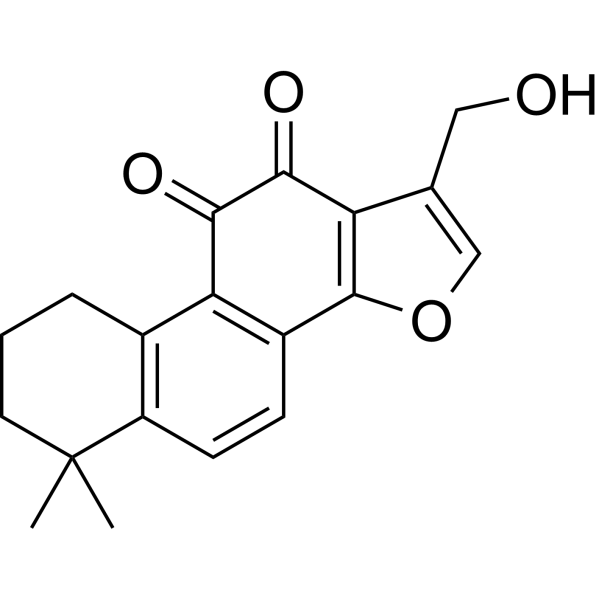
Przewaquinone A, a lipophilic diterpene quinone present only in Salvia przewalskii, induces a potent inhibitory action on vascular contraction .
loading...
    loading...
Cat. No.: HY-12749
CAS No.: 42794-76-3
Purity:  99.67%
Synonyms: (±)-Midodrin
Target:  

Adrenergic Receptor

Research Areas:  

Cardiovascular Disease

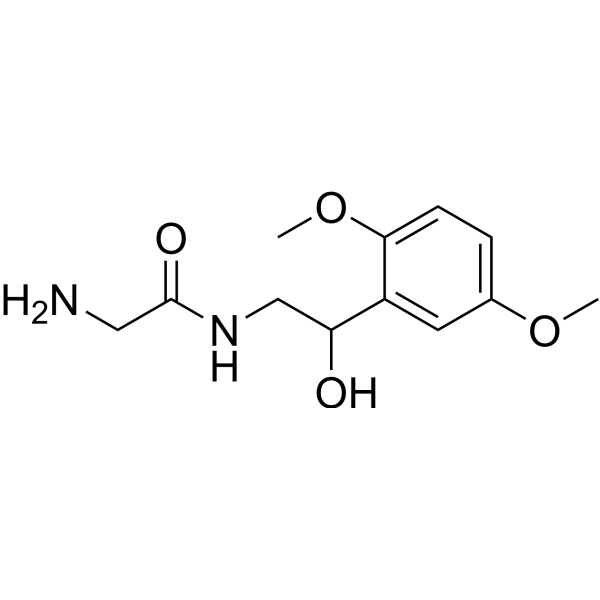
Midodrine is a selective and orally active adrenergic α1-receptor agonist. Midodrine can strengthen vascular contraction. Midodrine can be used for the researches of cardiovascular disease, such as orthostatic hypotension .
loading...
    loading...
Cat. No.: HY-12749A
CAS No.: 43218-56-0
Purity:  99.49%
Synonyms: (±)-Midodrine hydrochloride
Target:  

Adrenergic Receptor

Research Areas:  

Cardiovascular Disease

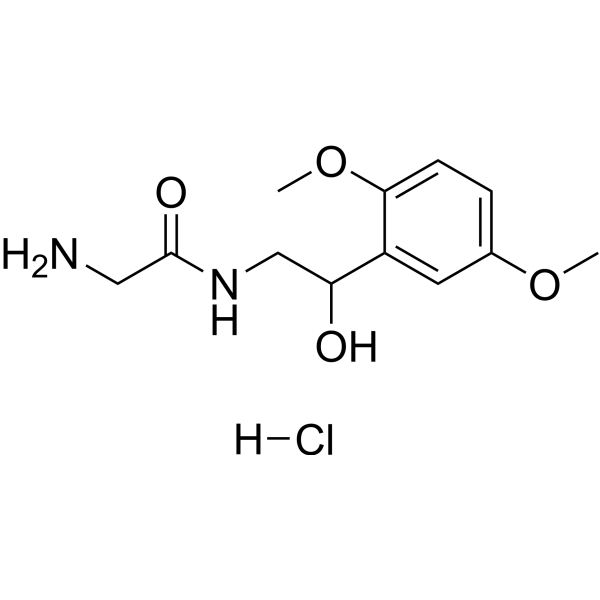
Midodrine hydrochloride ((±)-Midodrine hydrochloride) is a selective and orally active adrenergic α1-receptor agonist. Midodrine hydrochloride can strengthen vascular contraction. Midodrine hydrochloride can be used for the researches of cardiovascular disease, such as orthostatic hypotension .
loading...
    loading...
Cat. No.: HY-A0066A
CAS No.: 59-97-2
Synonyms: Imidaline hydrochloride; NSC35110 hydrochloride
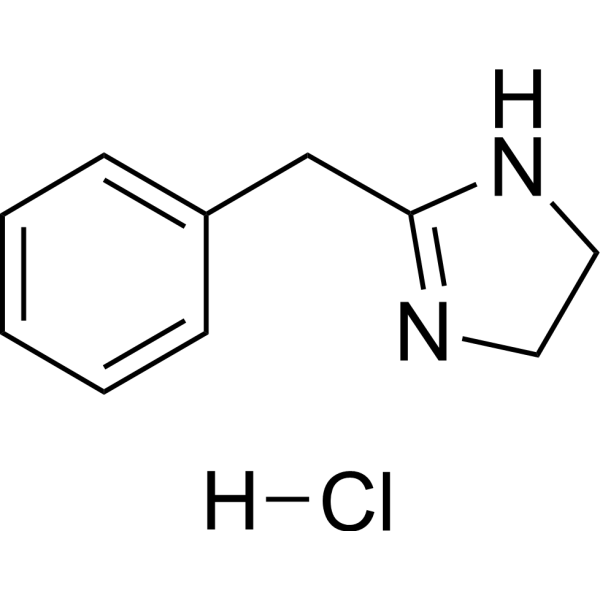
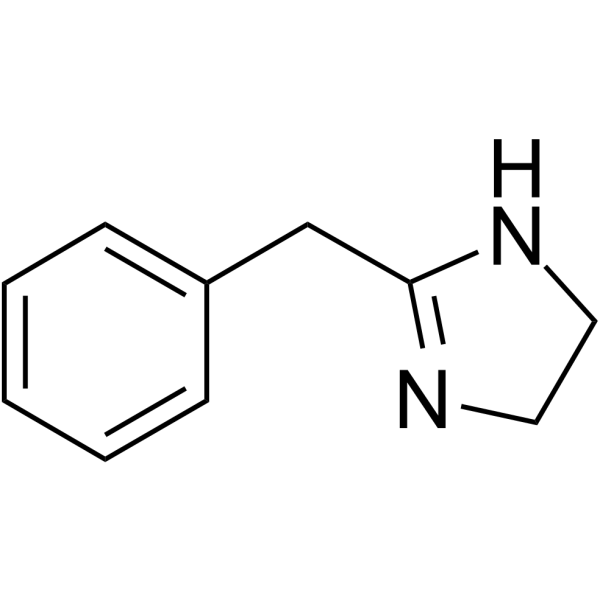
Tolazoline hydrochloride (Imidaline hydrochloride) is an α-adrenergic receptor antagonist. Tolazoline hydrochloride inhibits Noradrenaline (HY-13715)-induced cell contraction, modulates vascular resistance, increases arterial pressure, and reverses bradycardia and tachypnea. Tolazoline hydrochloride can be used to study erectile dysfunction, α2-adrenergic receptor agonist-related poisoning, and skin vascular disease research .
loading...
    loading...
Cat. No.: HY-B1671
CAS No.: 500-64-1
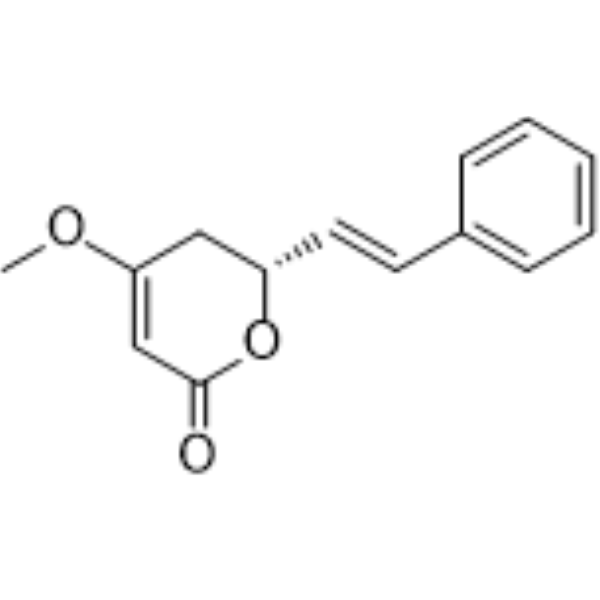
(+)-Kavain, a main kavalactone that can be extracted from Piper methysticum, has anticonvulsive properties, attenuating vascular smooth muscle contraction through interactions with voltage-dependent Na + and Ca 2+ channels . (+)-Kavain is shown to bind at the α4β2δ GABAA receptor and potentiate GABA efficacy . (+)-Kavain is used as a treatment for inflammatory diseases, its anti-inflammatory action has been widely studied .
loading...
    loading...
Cat. No.: HY-P1636
CAS No.: 113274-56-9
Research Areas:  

Metabolic Disease

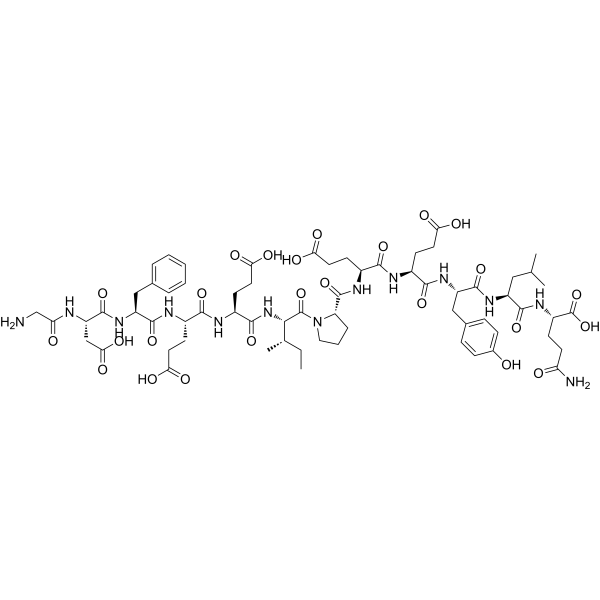
Hirudin (54-65) is a thrombin antagonist and YAP suppressor with anticoagulatory properties.Hirudin (54-65) blocks thrombin's anion binding site, acts on soluble and thrombus-bound thrombin.Hirudin (54-65) suppresses thrombin-induced profibrotic YAP activity, reduces YAP expression, nuclear translocation, and downstream effector signaling in vascular endothelial cells.Hirudin (54-65) ameliorates obstructive cholestasis, attenuates liver fibrosis symptoms, fibrosis-associated angiogenesis, and endothelial-to-mesenchymal transition.Hirudin (54-65) reduces liver inflammation and tissue hypoxia.Hirudin (54-65) promotes extracellular calcium influx through L-type calcium channels in canine coronary artery smooth muscle, mediates contraction.Hirudin (54-65) induces endothelium-independent contraction of canine coronary arterial segments; this response is not affected by indomethacin pretreatment.Hirudin (54-65) can be used for the research of liver obstructive cholestasis, liver fibrosis .
loading...
    loading...
Cat. No.: HY-15195
CAS No.: 290815-26-8
Purity:  98.15%
Synonyms: Ro 67-0565; SPP-301
Target:  

Endothelin Receptor

Avosentan (Ro 67-0565; SPP-301) is an orally active endothelin (ETA) receptor antagonist. Avosentan can block the ETA receptor, thereby reducing vascular contraction and exerting a renal protective effect. Avosentan inhibits vascular contraction caused by ET-1 and alleviates the reduction in retinal and optic nerve head blood flow induced by it, lowering intraocular pressure in the glaucoma monkey model. Avosentan non-specifically blocks ETB receptors at high doses, inhibiting ETB-mediated diuresis and natriuresis, and may cause fluid retention. Avosentan can be used to reduce proteinuria with diabetic nephropathy, but induces significant fluid overload and congestive heart failure .
loading...
    loading...
Cat. No.: HY-A0066
CAS No.: 59-98-3
Synonyms: Imidaline; NSC35110
Target:  

Adrenergic Receptor

Tolazoline (Imidaline) is an α-adrenergic receptor antagonist. Tolazoline inhibits Noradrenaline (HY-13715)-induced cell contraction, modulates vascular resistance, increases arterial pressure, and reverses bradycardia and tachypnea. Tolazoline can be used to study erectile dysfunction, α2-adrenergic receptor agonist-related poisoning, and skin vascular disease research .
loading...
    loading...
Cat. No.: HY-W100287
CAS No.: 4532-33-6
Murrayafoline A is a carbazole alkaloid that can be extracted from Murraya tetramera. Murrayafoline A directly targets Specificity protein 1 (Sp1), thereby inhibiting NF-κB and MAPK signaling pathways. Murrayafoline a induces a G0/G1-phase arrest in platelet-derived growth factor (PDGF)-stimulated vascular smooth muscle cells. Murrayafoline A attenuates the Wnt/β-catenin pathway by promoting the degradation of intracellular β-catenin proteins. Murrayafoline A enhances the contraction of rat ventricular myocytes and L-type calcium current by activating protein kinase C. Murrayafoline A inhibits LPS (HY-D1056)-induced neuroinflammation in vivo. Murrayafoline A can be used for the study of inflammation, vascular complications and colon cancer .
loading...
    loading...
Cat. No.: HY-A0144
CAS No.: 709-55-7
Research Areas:  

Cardiovascular Disease

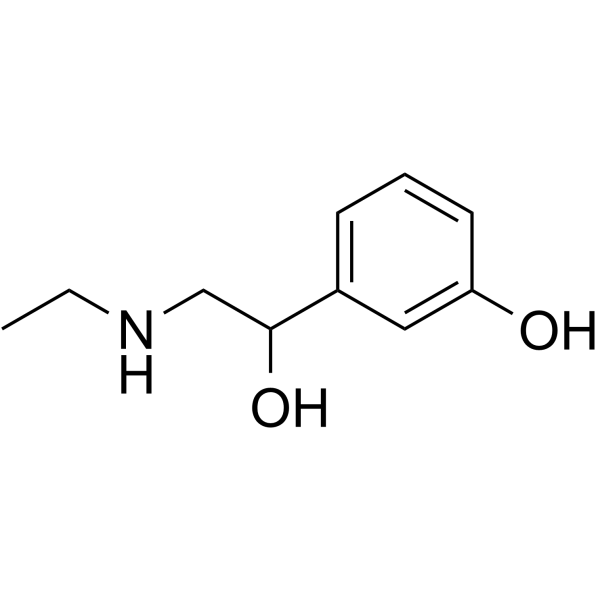
Etilefrine is a sympathetic nerve agonist and AMPK activator that selectively targets α1/β1 adrenergic receptors. Etilefrine stimulates α1 adrenergic receptors, leading to contraction of vascular smooth muscle and increased peripheral resistance. Etilefrine also stimulates β1 receptors to enhance myocardial contractility and increase heart rate, thereby increasing blood pressure and improving cardiac output. Etilefrine also bidirectionally regulates the AMPK/Akt pathway and modulates the phosphorylation levels. Etilefrine can be used in cardiovascular research, such as postural hypotension, chylothorax, and improving low cardiac output .
loading...
    loading...
Cat. No.: HY-A0144A
CAS No.: 943-17-9
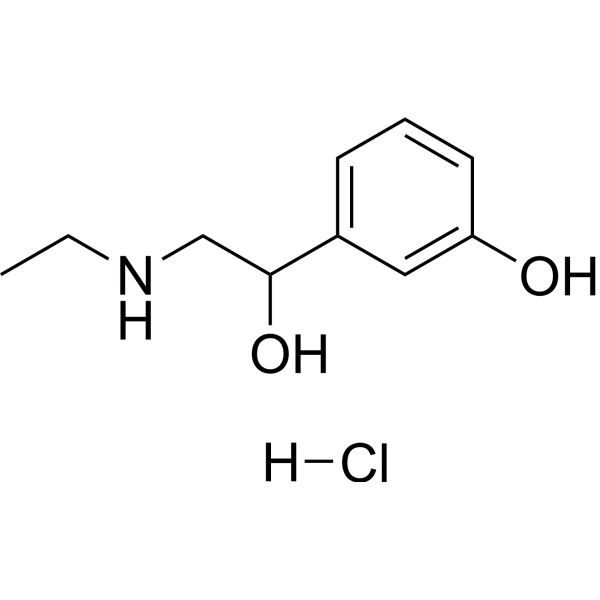
Etilefrine hydrochloride is a sympathetic nerve agonist and AMPK activator that selectively targets α1/β1 adrenergic receptors. Etilefrine hydrochloride stimulates α1 adrenergic receptors, leading to contraction of vascular smooth muscle and increased peripheral resistance. Etilefrine hydrochloride also stimulates β1 receptors to enhance myocardial contractility and increase heart rate, thereby increasing blood pressure and improving cardiac output. Etilefrine hydrochloride also bidirectionally regulates the AMPK/Akt pathway and modulates the phosphorylation levels. Etilefrine hydrochloride can be used in cardiovascular research, such as postural hypotension, chylothorax, and improving low cardiac output .
loading...
    loading...
Cat. No.: HY-P1564A
CAS No.: 2918768-31-5
Target:  

Angiotensin Receptor

Research Areas:  

Others

[Sar1, Ile8]-Angiotensin II (TFA) is a peptide that has multiple effects on vascular smooth muscle, including contraction of normal arteries and hypertrophy or hyperplasia of cultured cells or diseased vessels.
loading...
    loading...
Cat. No.: HY-W153159
CAS No.: 13062-76-5
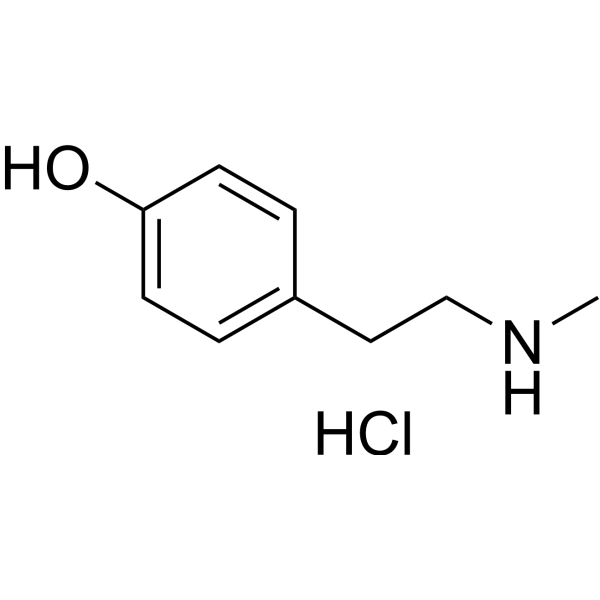
N-Methyltyramine hydrochloride is an orally active α2-adrenoreceptor antagonist with an IC50 value of 5.53 μM against rat targets. N-Methyltyramine hydrochloride blocks α2-adrenoreceptors, while inhibiting lipolysis, hyperactivity responses and small intestinal peristalsis in mice. N-Methyltyramine hydrochloride promotes gastrin release and pancreatic juice secretion, upregulates appetite, blood pressure, myocardial contraction frequency and contraction intensity, and increases renal blood flow, renal vascular resistance and mean peripheral arterial resistance. N-Methyltyramine hydrochloride relaxes mouse small intestinal smooth muscle and undergoes biotransformation in vivo to produce adrenaline. N-Methyltyramine hydrochloride can be used in studies related to gastrointestinal diseases .
loading...
    loading...
Cat. No.: HY-123468
CAS No.: 91742-10-8
Purity:  99.03%
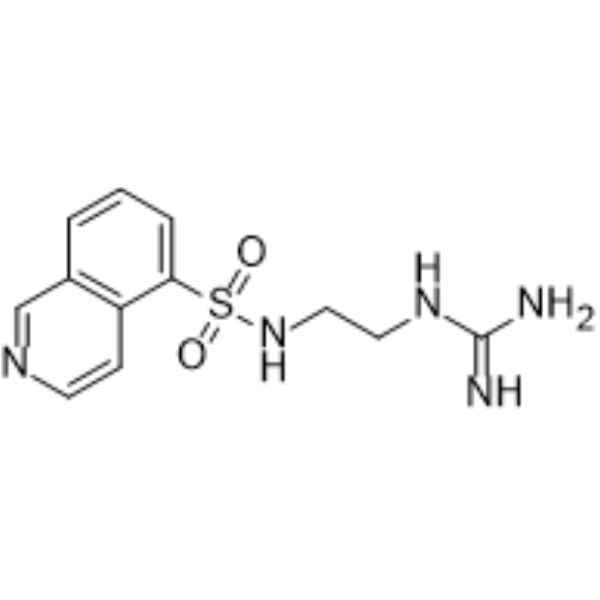
HA-1004 is a selective inhibitor of PKA, which can inhibit lipolysis and induce vascular relaxation. HA-1004 is also a dual inhibitor of cyclic GMP-dependent protein kinase and cyclic AMP-dependent protein, and is involved in smooth muscle, second messenger, cyclic AMP and cyclic GMP regulation mechanisms. HA-1004 is an antagonist for calcium, that can be used as a vasodilator to inhibit the contraction of rabbit aortic strips, or to antagonize ERK and tyrosine hydroxylase (TH) phosphorylation in morphine abstinence rat models .
loading...
    loading...
Cat. No.: HY-160210
CAS No.: 2313483-41-7
Target:  

Adrenergic Receptor

Research Areas:  

Cardiovascular Disease

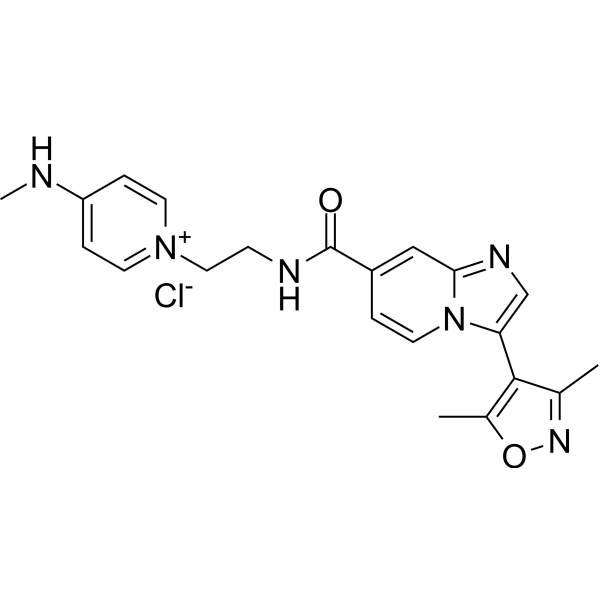
BAY-6096, a chemical probe, is a potent, selective, and highly water-soluble adrenergic receptor α2B antagonist with an IC50 of 14 nM. BAY-6096 can effectively reduceα 2B receptor agonist-induced rat vascular contraction .
loading...
    loading...
Cat. No.: HY-12718
CAS No.: 613-67-2
Target:  

Adrenergic Receptor

Research Areas:  

Cardiovascular Disease

(±)-WB 4101 is a highly selective α1-adrenergic receptor antagonist. (±)-WB 4101 blocks norepinephrine-induced vascular smooth muscle contraction to exert antihypertensive and benign prostatic hyperplasia (BPH)-relieving effects. (±)-WB 4101 is promising for research of hypertension and BPH .
loading...
    loading...