



Apoptosis
Apoptosis
Apoptosis is a distinctive form of cell death exhibiting specific morphological and biochemical characteristics, including cell membrane blebbing, chromatin condensation, genomic DNA fragmentation, and exposure of specific phagocytosis signaling molecules on the cell surface. Cells undergoing apoptosis differ from those dying through necrosis. Necrotic cells are usually recognized by the immune system as a danger signal and, thus, resulting in inflammation; in contrast, apoptotic death is quiet and orderly.
There are two major pathways of apoptotic cell death induction: The intrinsic pathway, also called the Bcl-2-regulated or mitochondrial pathway, is activated by various developmental cues or cytotoxic insults, such as viral infection, DNA damage and growth-factor deprivation, and is strictly controlled by the BCL-2 family of proteins. The extrinsic or death-receptor pathway is triggered by ligation of death receptors (members of the tumor necrosis factor (TNF) receptor family, such as Fas or TNF receptor-1 (TNFR1)) that contain an intracellular death domain, which can recruit and activate caspase-8 through the adaptor protein Fas-associated death domain (FADD; also known as MORT1) at the cell surface. This recruitment causes subsequent activation of downstream (effector) caspases, such as caspase-3, -6 or -7, without any involvement of the BCL-2 family.
Studies suggest that alterations in cell survival contribute to the pathogenesis of a number of human diseases, including cancer, viral infections, autoimmune diseases, neurodegenerative disorders, and AIDS (acquired immunodeficiency syndrome). Treatments designed to specifically alter the apoptotic threshold may have the potential to change the natural progression of some of these diseases.
All Product Categories
-
Apoptosis Inhibitors
(866)
View all products
-
Apoptosis Agonists
(7)
View all products
-
Apoptosis Antagonists
(9)
View all products
-
Apoptosis Activators
(360)
View all products
-
Apoptosis Modulators
(57)
View all products
-
Apoptosis Inducers
(7670)
View all products
-
Apoptosis Degrader
(1)
View all products
-
Apoptosis Controls
(33)
View all products
-
Apoptosis Related Products (9548)
Related Products (9548)

-
Antibodies (120)
-
Thymidine 3',5'-diphosphate tetrasodium
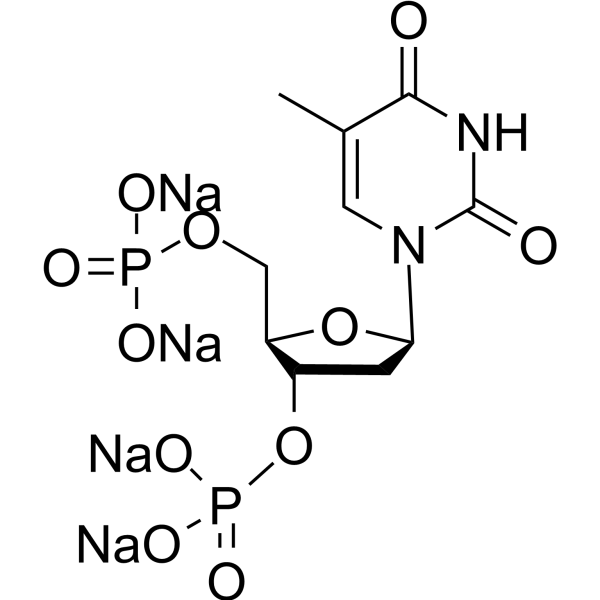 0 ImagesSynonyms: Deoxythymidine 3′,5′-diphosphate tetrasodium; pdTp tetrasodiumThymidine 3',5'-diphosphate (Deoxythymidine 3′,5′-diphosphate) tetrasodium is a selective inhibitor of staphylococcal nuclease and tudor domain containing 1 (SND1, the MicroRNA regulatory complex RISC subunit) and [3,5-2H2] tyrosyl nuclease. Thymidine 3',5'-diphosphate tetrasodium has anti-tumor activity and can also be used as a catalyst in biochemical reactions.
-
Sertaconazole nitrate
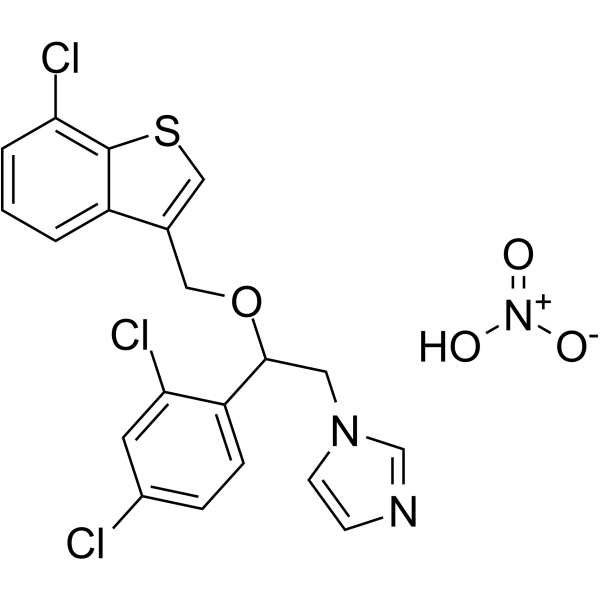 0 ImagesSynonyms: FI7056Sertaconazole nitrate (FI7056) is a broad-spectrum topical antifungal agent, exhibits anti-inflammatory activity via activation of a p38-COX-2-PGE2 pathway. Sertaconazole nitrate is also a microtubule inhibitor, shows antiproliferative effect, induces apoptosis and autophagy, and can also inhibit the migration of cells.
-
Semaglutide (crude)
 0 ImagesCat. No.: HY-114118CPCAS No.: 910463-68-2Semaglutide (crude) is the crude form of Semaglutide (HY-114118). Semaglutide is a long-acting, selective, competitive GLP-1R agonist that can penetrate the blood-brain barrier. After activating GLP-1R, Semaglutide promotes insulin secretion, inhibits gastric emptying and appetite, and at the same time enhances Autophagy, inhibits oxidative stress and Apoptosis. Semaglutide also regulates mitochondrial function and lipid metabolism (such as reducing de novo lipogenesis in the liver). Semaglutide has activities such as lowering blood sugar, reducing weight, neuroprotection (such as improving motor function in Parkinson's disease models, reducing α-synuclein aggregation) and improving hepatic steatosis. Semaglutide can be used for the study of neurodegenerative diseases and liver diseases such as type 2 diabetes, obesity, Parkinson's disease, metabolic associated fatty liver disease (MASLD), and cancer.
-
Ubiquitin Isopeptidase Inhibitor I, G5
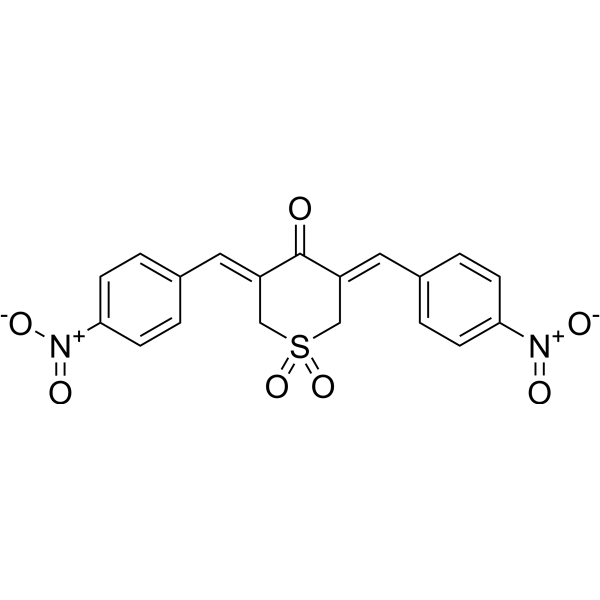 0 ImagesSynonyms: NSC144303

-
Amiloride hydrochloride (Standard)
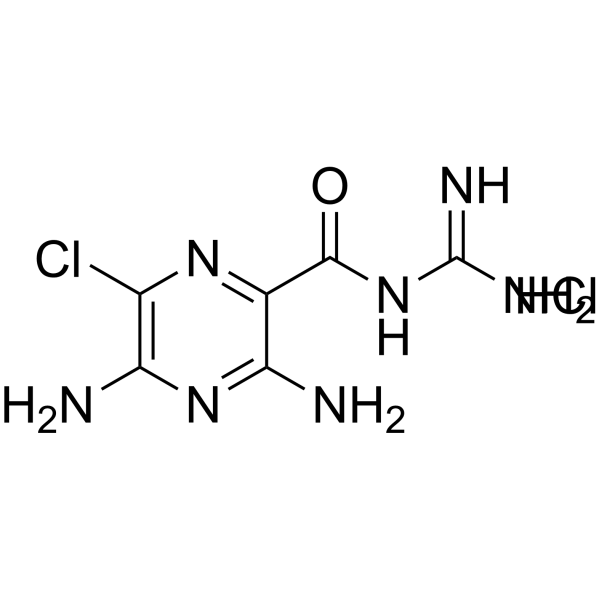 0 ImagesSynonyms: MK-870 hydrochloride (Standard)Amiloride (hydrochloride) (Standard) is the analytical standard of Amiloride (hydrochloride). This product is intended for research and analytical applications. Amiloride hydrochloride (MK-870 hydrochloride) is an inhibitor of both epithelial sodium channel (ENaC) and urokinase-type plasminogen activator receptor (uTPA). Amiloride hydrochloride is a blocker of polycystin-2 (PC2; TRPP2) channel.
-
TRAP-1
 0 ImagesSynonyms: XJZ-06-462TRAP-1 (XJZ-06-462) is a transcriptional activator of p53 (TRAP) with JQ-1 carboxylic acid (HY-78695) as its target protein ligand. TRAP-1 forms a ternary complex with p53Y220C and BRD4, potently activates p53 transcription, and inhibits the growth and proliferation of tumor cells. TRAP-1 upregulates p21 and other p53 target genes in pancreatic cell lines carrying p53Y220C, and induces cellular senescence and apoptosis. TRAP-1 can be used in cancer research involving p53Y220C-carrying tumors.
-
Diallyl disulfide
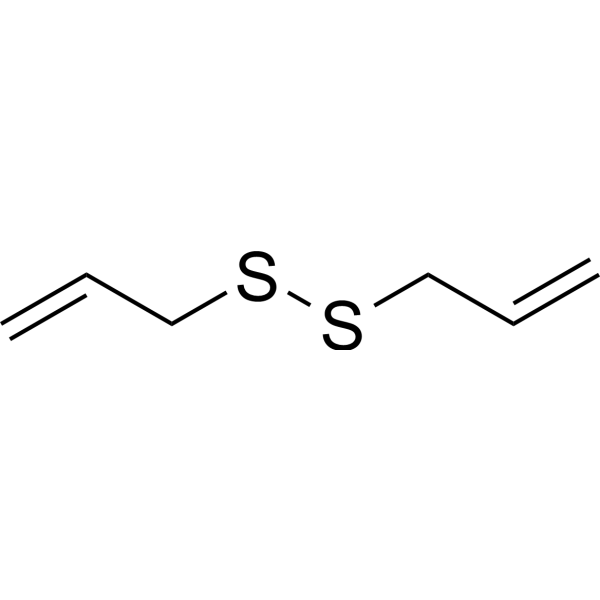 0 ImagesDiallyl disulfide is an orally active decomposition product of allicin and has a pungent odor. Diallyl disulfide can act as a hydrogen sulfide donor. Diallyl disulfide has inhibitory activity against squalene monooxygenase with an IC50 of 400 μM. Diallyl disulfide can alleviate the cytotoxicity and apoptosis of intestinal and liver cells induced by Ethyl Carbamate (HY-B1207). Diallyl disulfide can prevent emphysema induced by cigarette smoke. Diallyl disulfide also has anti-colon cancer and anti-inflammatory neurogenic activities, and can reverse the depressive-like behavior of mice.
-
BML-210
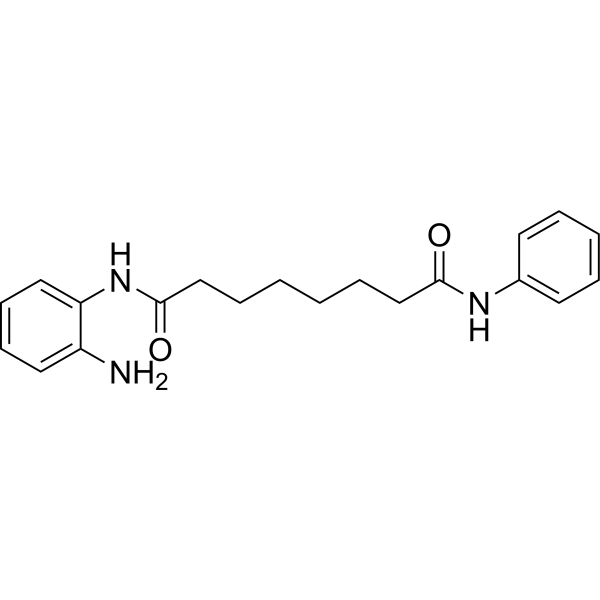 0 ImagesBML-210 is a potent HDAC inhibitor. BML-210 can inhibit the HDAC4-VP16-driven reporter signal with an apparent IC50 of ∼5 µM. BML-210 has a specific disruptive effect on the HDAC4:MEF2 interaction. BML-210 causes an increase in the G0/G1 phase. BML-210 induces apoptosis and displays antitumour activities in orthotopic mammary tumours in mice.
-
SHLP2
 0 ImagesSynonyms: Small humanin-like peptide 2SHLP2 (Small humanin-like peptide 2) is a small molecule peptide encoded by mitochondrial DNA, belonging to mitochondria derived peptide. SHLP2 has the activity of regulating apoptosis and inhibits cell death. SHLP2 binds to mitochondrial complex 1. SHLP2 improves mitochondrial metabolism by increasing respiration and biogenesis, reducing ROS, and decreasing mtDNA oxidation. SHLP2 also regulated energy homeostasis through the activation of hypothalamic neurons. SHLP2 can be used in the study of diseases related to mitochondrial dysfunction and anti-aging diseases, such as age-related macular degeneration and Parkinson’s disease.
-
2'-Deoxyadenosine monohydrate
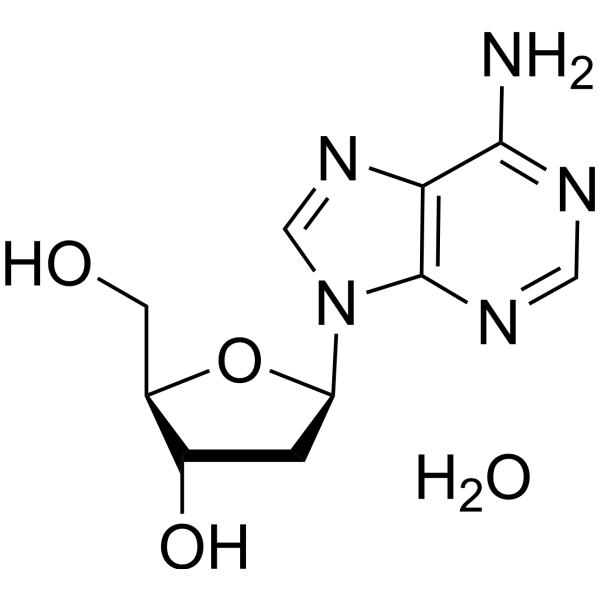 0 Images2′-Deoxyadenosine monohydrate is an adenine nucleoside that inhibits glucose-stimulated insulin release. 2′-Deoxyadenosine monohydrate inhibits glucose-stimulated increases seen in islet cyclic AMP (cAMP) accumulation. 2'-Deoxyadenosine monohydrate activates caspase-3 and promotes apoptosis. 2'-Deoxyadenosine monohydrate inhibits the activity of S-adenosyl-L-homocysteine hydrolase (SAHH). 2'-Deoxyadenosine monohydrate inhibits the growth of various cells. 2'-Deoxyadenosine monohydrate has an anticancer effect on colon cancer.

-
Z-FF-FMK
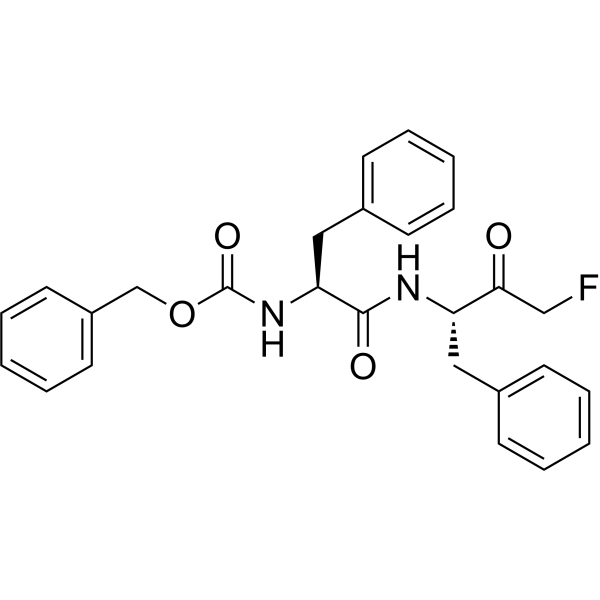 0 ImagesCat. No.: HY-141867CAS No.: 105608-85-3Synonyms: Z-Phe-Phe-FMKZ-FF-FMK (Z-Phe-Phe-FMK) is a cell-permeable, irreversible, and cysteine protease inhibitor targeting cathepsin-L. Z-FF-FMK inhibits angiotensin II-induced MEK activation in vascular walls, aortic medial remodeling, blood pressure elevation, and upregulation of cystatin C in aortic walls. Z-FF-FMK prevents β-amyloid-mediated caspase-3 activation, poly (ADP-ribose) polymerase cleavage, DNA fragmentation, and apoptosis of cortical neurons (apoptosis). Z-FF-FMK can be used in research related to hypertension and Alzheimer's disease.
-
hnRNPK-IN-1
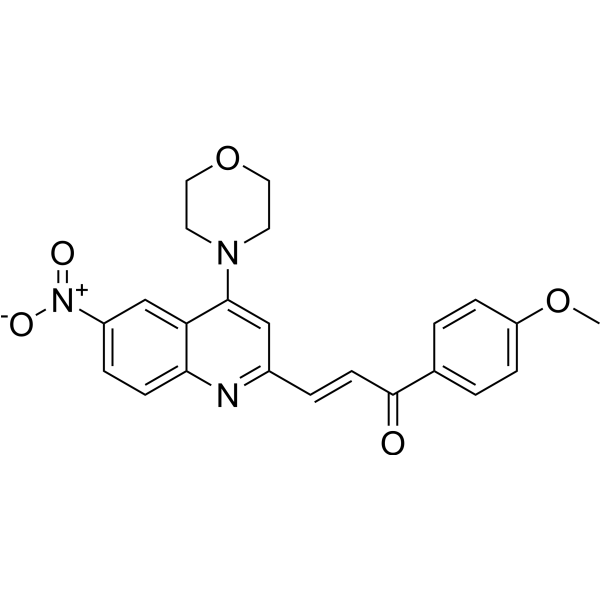 0 ImagesCat. No.: HY-135691CAS No.: 2313528-04-8hnRNPK-IN-1 is a heterogeneous nuclear ribonucleoprotein K (hnRNPK) binding ligand with Kd values of 4.6 μM and 2.6 μM measured with SPR and MST, respectively. hnRNPK-IN-1 inhibits c-myc transcription by disrupting the binding of hnRNPK and c-myc promoter. hnRNPK-IN-1 induces Hela cells apoptosis and has strongly anti-tumor activities.
-
N6-(2-Hydroxyethyl)adenosine
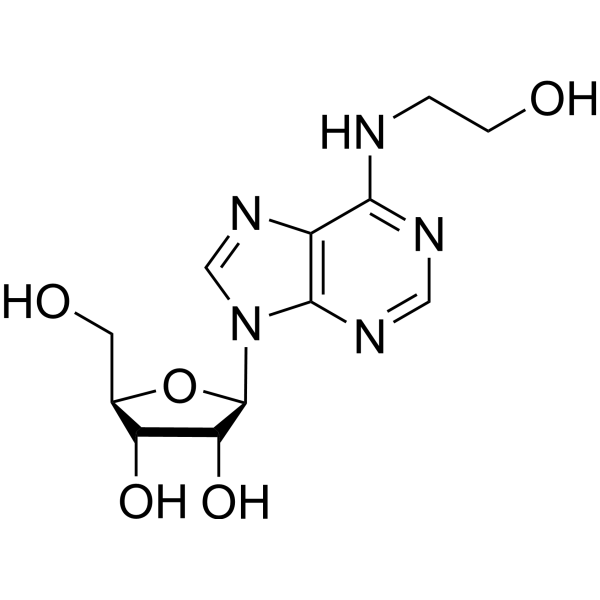 0 ImagesN6-(2-Hydroxyethyl)adenosine is a purine nucleoside analog. N6-(2-Hydroxyethyl)adenosine inhibits NF-κB/Smad signaling pathway, exhibits anti-hyperglycemia, antioxidant, antitumor and anti-inflammatory and insecticidal activities. N6-(2-Hydroxyethyl)adenosine is orally active.
-
LEM-14
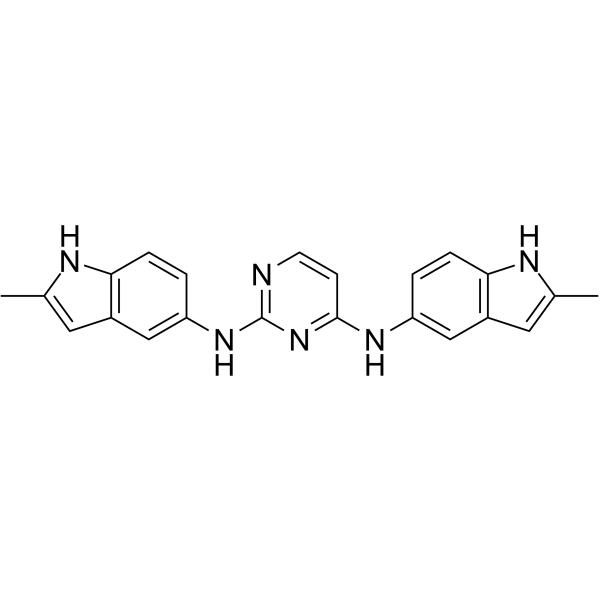
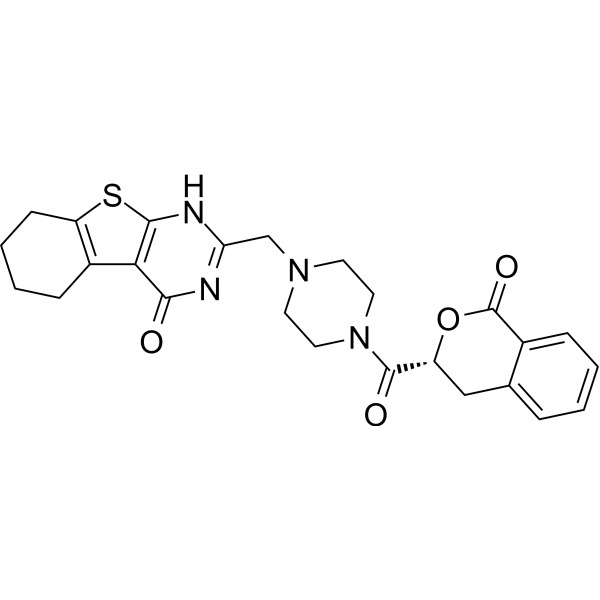 0 ImagesLEM-14 is a potent and selective NSD2 inhibitor with an IC50 of 132 µM. LEM-14 has very weak activitv against NSD1 and has no activity against NSD3. LEM-14 inhibits fibrotic gene expression in ND but not DIO BMDMs. LEM-14 combined with ionizing radiation (IR) enhances the apoptosis rate and reduces the colony-formation ability of CRC cells. LEM-14 exhibits enhanced anti-tumor efficacy in Balb/c nude mice bearing LoVo cell xenografts when combined with ionizing radiation. LEM-14 has the potential for the research of multiple myeloma and colorectal cancer.
-
PRLX-93936 dihydrochloride
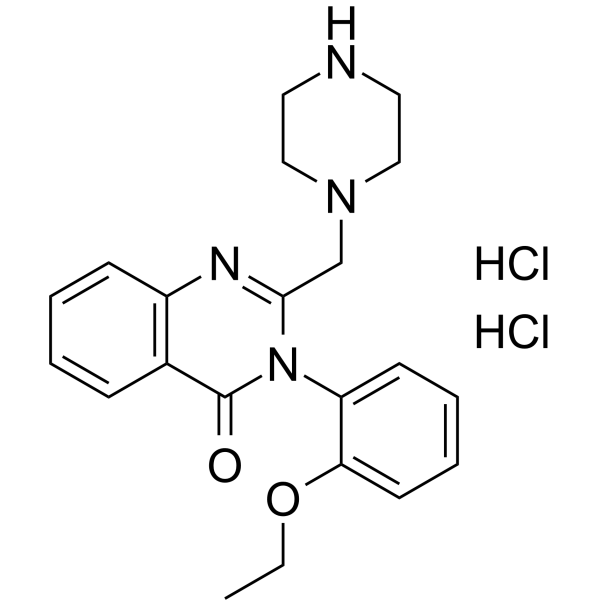 0 ImagesPRLX-93936 dihydrochloride is a molecular Glues that binds to and reprograms the TRIM21 ubiquitin ligase to degrade nuclear pore complexes. PRLX-93936 dihydrochloride binds to TRIM21, forms a ternary complex with TRIM21 and NUP98, and mediates the ubiquitination and proteasomal degradation of NUP98 and other nuclear pore complex proteins. PRLX-93936 dihydrochloride induces the loss of short-lived cytoplasmic mRNA transcripts, triggers cancer cell apoptosis (Apoptosis), and inhibits the activated Ras pathway. PRLX-93936 dihydrochloride inhibits HIF-1 under hypoxic conditions (IC50 = 0.09 μM in cell-based reporter gene assay). PRLX-93936 dihydrochloride suppresses tumor growth in mouse models and improves survival rates in mouse models of multiple myeloma. PRLX-93936 dihydrochloride is applicable to research related to pancreatic cancer and multiple myeloma.
-
Palomid 529
 0 ImagesSynonyms: P529




