



Autophagy
Autophagy is a conserved cellular degradation and recycling process in the lysosome. In mammalian cells, there are three primary types of autophagy: microautophagy, macroautophagy, and chaperone-mediated autophagy (CMA). Microphagy captures cargoes by means of invaginations or protrusions of the lysosomal membrane directly, CMA uses chaperones to identify cargo proteins and then unfolds and transfers them into the lysosomal, while macroautophagy sequesters cargo by autophagosomes-de novo synthesized of double-membrane vesicles-and subsequently transport it to the lysosome.
Macroautophagy is the best studied and it occurs at a low level constitutively and can also be further induced under stress conditions, such as nutrient or energy starvation with a salient feature of autophagy protein degradation. Stress-induced macrophagy plays an important role in protein catabolism with another key protein degradation pathway, the ubiquitin–proteasome system (UPS).
As the study progressed, autophagy gains its importance under basal, nutrient-rich conditions, and is now recognized as a critical housekeeping pathway in catabolism of diverse cellular constituents, such as protein aggregates (aggrephagy), lipid droplets (lipophagy), iron complex (Ferritinophagy) and carbohydrate. Except for macromolecules, autophagy can also target several organelles and structures, such as mitochondria (mitophagy), peroxisome (pexophagy), endoplasmic reticulum (reticulophagy or ER-phagy), ribosome (ribophagy), spermatozoon-inherited organelles following fertilization (allophagy), secretory granules within pancreatic cells (zymophagy) and intracellular pathogens (xenophagy).
Autophagy and its dysfunction are associated with a variety of human pathologies, including ageing, cancer, neurodegenerative disease, heart disease and metabolic diseases, such as diabetes. Plenty of drugs and natural products are involved in autophagy modulation through multiple signaling pathways. Small molecules that can regulate autophagy seem to have great potential to intervene such diseases in animal models or clinical courses.
All Product Categories
-
Autophagy Inhibitors
(463)
View all products
-
Autophagy Agonists
(6)
View all products
-
Autophagy Activators
(116)
View all products
-
Autophagy Modulators
(59)
View all products
-
Autophagy Chemicals
(2)
View all products
-
Autophagy Inducers
(2155)
View all products
-
Autophagy Controls
(5)
View all products
-
Autophagy Ligand
(1)
View all products
-
Autophagy Related Products (3336)
Related Products (3336)

-
Antibodies (31)
-
Autophagy Signaling Pathway
-
Thalidomide-NH-(CH2)2-NH-Boc
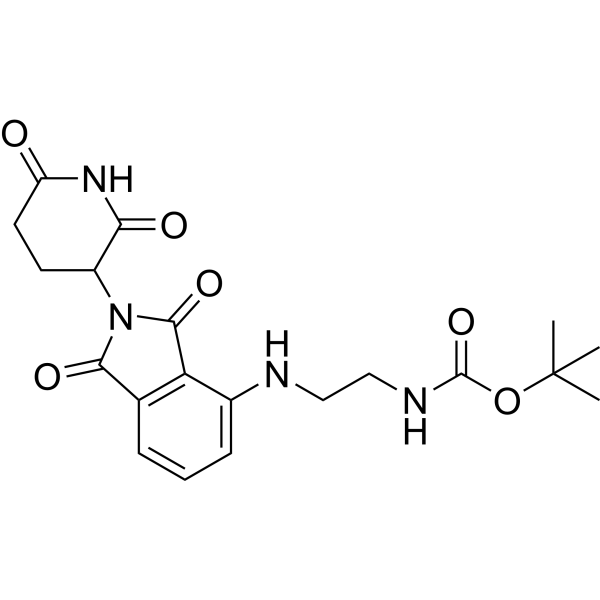 0 ImagesCat. No.: HY-W584513CAS No.: 1957235-57-2Thalidomide-NH-(CH2)2-NH-Boc is a Boc-modified Thalidomide (HY-14658) that acts as a Cereblon ligand to recruit CRBN protein. The Boc protecting group at the end of Thalidomide-NH-(CH2)2-NH-Boc can be removed under acidic conditions to participate in the synthesis of PROTAC molecules. Thalidomide-NH-(CH2)2-NH-Boc is a key intermediate in the synthesis of CRBN-based PROTAC molecules.
-
AP-24567
 0 ImagesCat. No.: HY-125142CAS No.: 943319-87-7AP-24567 is a Ligands for Target Protein for PROTAC, which can be used for the synthesis of SB1-G-187 (HY-137342).
-
XAN-5
 0 ImagesCat. No.: HY-181599XAN-5 is a mitochondrial DNA G-quadruplex (mtG4) ligand with a Kd of 3.8 μM. XAN-5 selectively binds and stabilizes mtG4 structures, disrupting mitochondrial gene transcription and DNA replication. XAN-5 triggers mitochondrial dysfunction, ROS overproduction, G0 phase arrest and caspase-dependent apoptosis. XAN-5 inhibits autophagy and induces immunogenic cell death. XAN-5 inhibits tumor growth in a mouse liver cancer model while enhancing tumor-infiltrating CD4+ and CD8+ T cells. XAN-5 targets two cancer resistance mechanisms simultaneously. XAN-5 can be used for the research of liver cancer.
-
Taurolidine-d6
 0 ImagesCat. No.: HY-W744578Taurolidine-d6 is the deuterium labeled Taurolidine (HY-W011522). Taurolidine is a potent antimicrobial and anticancer agent. Taurolidine inhibits cell proliferation. Taurolidine induces apoptosis and autophagy. Taurolidine rescues mice from sepsis-associated lethality.
-
Ancitabine
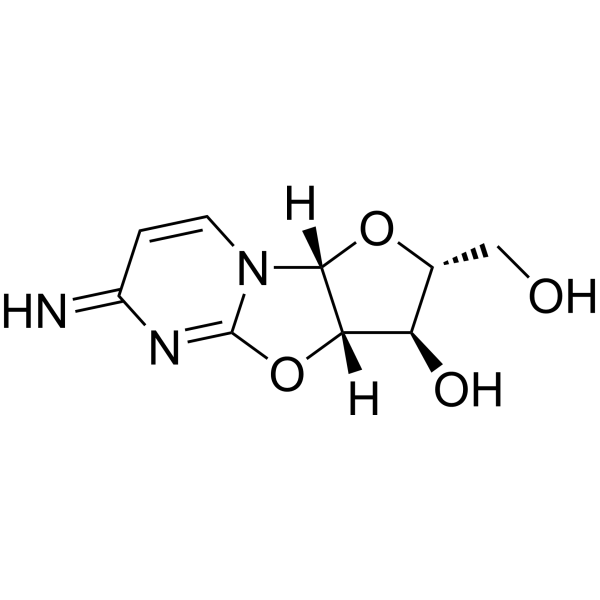 0 ImagesCat. No.: HY-N0093ACAS No.: 31698-14-3Synonyms: Cyclocytidine; Cyclo-CMPAncitabine (Cyclocytidine) is a cytarabine derivative that inhibits viral replication. Ancitabine blocks vaccinia virus DNA replication, the progression of viral protein synthesis from early to late stages, and one-step growth of vaccinia virus. Ancitabine is applicable to research related to vaccinia virus infection, leukemia, human cytomegalovirus infection and colorectal cancer.
-
Lapatinib-13C215N
 0 ImagesCat. No.: HY-W777297CAS No.: 1246819-08-8Lapatinib-13C2,15N Ditosylate is the 13C- and 15N-labeled Lapatinib ditosylate (HY-50898A). Lapatinib ditosylate (GW572016 ditosylate) is a potent inhibitor of the ErbB-2 and EGFR tyrosine kinase domains with IC50 values against purified EGFR and ErbB-2 of 10.2 and 9.8 nM, respectively.
-
(1R,5S)-Thalidomide-3,8-diazabicyclo[3.2.1]octane-(1R,4r)-cyclohexane-NH-Boc
![(1R,5S)-Thalidomide-3,8-diazabicyclo[3.2.1]octane-(1R,4r)-cyclohexane-NH-Boc](https://file.medchemexpress.com/product_pic/hy-163226.gif "Click to View (1R,5S)-Thalidomide-3,8-diazabicyclo[3.2.1]octane-(1R,4r)-cyclohexane-NH-Boc Product Detail") 0 ImagesCat. No.: HY-163226(1R,5S)-Thalidomide-3,8-diazabicyclo[3.2.1]octane-(1R,4r)-cyclohexane-NH-Boc is a conjugate of E3 ligase ligand and linker, consisting of Thalidomide (HY-14658) and the corresponding Linker. (1R,5S)-Thalidomide-3,8-diazabicyclo[3.2.1]octane-(1R,4r)-cyclohexane-NH-Boc can serve as Cereblon ligand to recruit CRBN protein and serve as a key intermediate for the synthesis of complete PROTAC molecules.
0 ImagesCat. No.: HY-163226(1R,5S)-Thalidomide-3,8-diazabicyclo[3.2.1]octane-(1R,4r)-cyclohexane-NH-Boc is a conjugate of E3 ligase ligand and linker, consisting of Thalidomide (HY-14658) and the corresponding Linker. (1R,5S)-Thalidomide-3,8-diazabicyclo[3.2.1]octane-(1R,4r)-cyclohexane-NH-Boc can serve as Cereblon ligand to recruit CRBN protein and serve as a key intermediate for the synthesis of complete PROTAC molecules.
-
Coibamide A
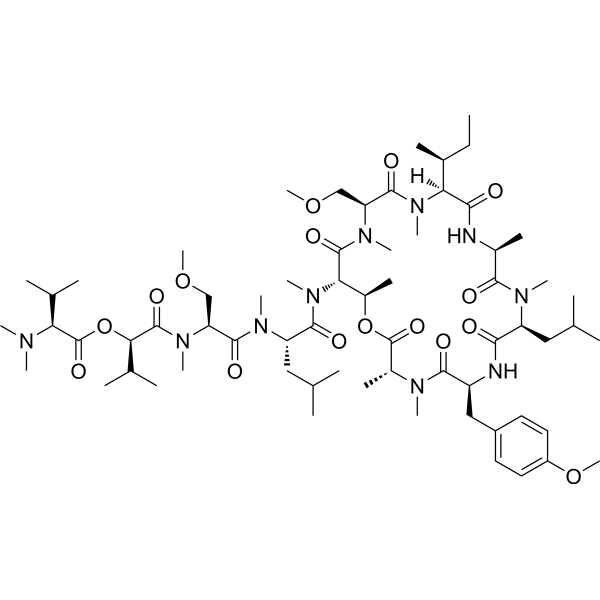 0 ImagesCat. No.: HY-P3990CAS No.: 1029227-48-2Coibamide A, an N-methyl-stabilized cytotoxic depsipeptide, shows potent antiproliferative activity. Coibamide A induces autophagosome accumulation via an mTOR-independent mechanism. Coibamide A induces apoptosis. Coibamide A inhibits VEGFA/VEGFR2 expression and suppresses tumor growth in glioblastoma xenografts.
-
Thalidomide-NH-C13-NH2 hydrochloride
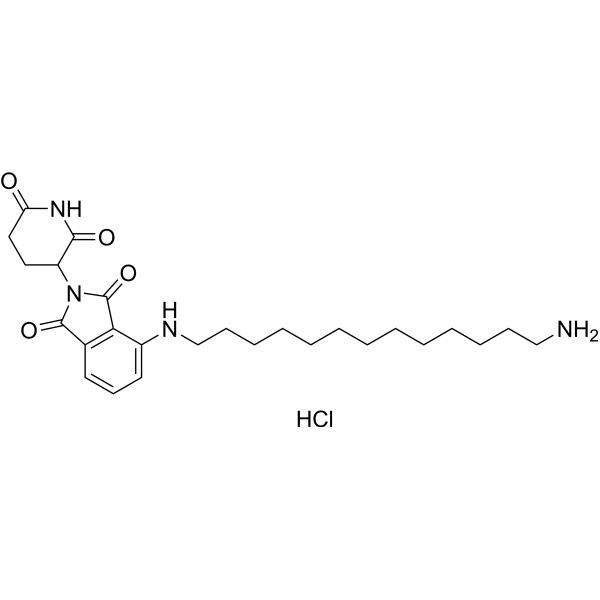 0 ImagesCat. No.: HY-156161Purity: 99.82%Thalidomide-NH-C13-NH2 hydrochloride is the Thalidomide (HY-10984)-based cereblon ligand used in the recruitment of CRBN protein.Thalidomide-NH-C13-NH2 hydrochloride can be connected to the ligand for protein by a linker to form PROTACs.
-
Spexin TFA
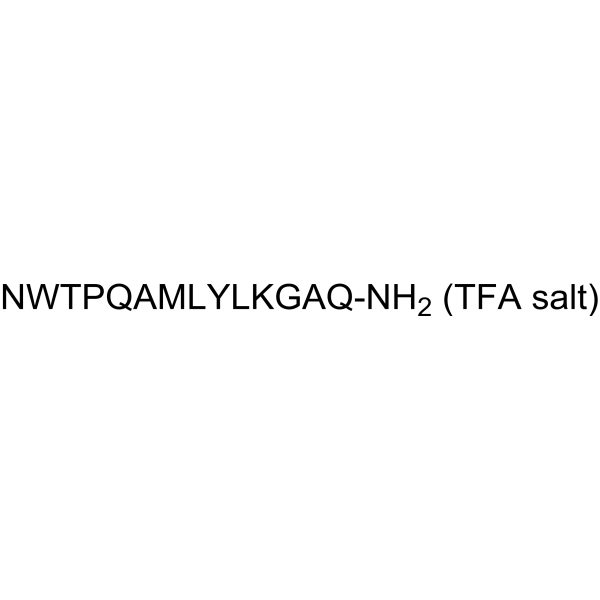 0 ImagesCat. No.: HY-P1723ASynonyms: Neuropeptide Q TFASpexin (Neuropeptide Q) TFA is a selective agonist of galanin receptors GAL2 and GAL3, and is a conserved peptide that functions as a neurotransmitter/neuromodulator and endocrine factor. Spexin TFA can function through both central and peripheral actions. Spexin TFA upregulates Beclin 1 to inhibit ferroptosis induced by excessive autophagy, reduces the uptake of long-chain fatty acids by adipocytes, and regulates energy metabolism by increasing lipid oxidation (e.g., reducing the respiratory exchange ratio in rodents). Spexin TFA improves cardiac function in the Doxorubicin hydrochloride (HY-15142)-induced cardiotoxicity model, protects mitochondrial membrane potential, and reduces iron accumulation and lipid peroxidation. Spexin TFA can be used to study obesity and its related metabolic disorders, cardiovascular diseases (e.g., cardioprotection), and side effects of tumor chemotherapy.
-
Homovanillic acid-d3-1
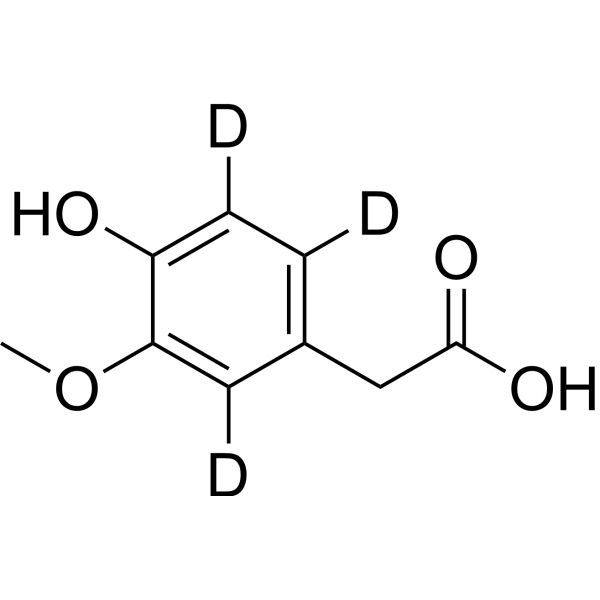 0 ImagesCat. No.: HY-N0384S4CAS No.: 68408-02-6Synonyms: Vanilacetic acid-d3-1Homovanillic acid-d3-1 (Vanilacetic acid-d3-1) is deuterated labeled Homovanillic acid (HY-N0384). Homovanillic acid (Vanilacetic acid) is a dopamine metabolite found to be associated with aromatic L-amino acid decarboxylase deficiency, celiac disease, growth hormone deficiency, and sepiapterin reductase deficiency.
-
Afatinib-d4
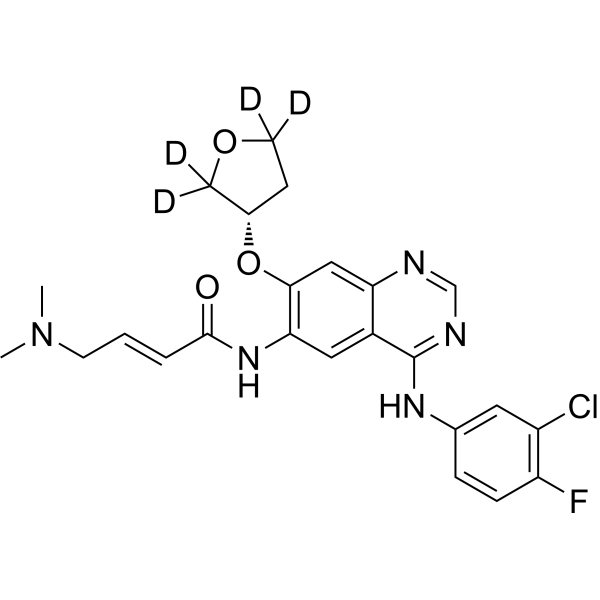 0 ImagesCat. No.: HY-10261S1Synonyms: BIBW 2992-d4Afatinib-d4 is the deuterium labeled Afatinib. Afatinib (BIBW 2992) is an irreversible EGFR family inhibitor with IC50s of 0.5 nM, 0.4 nM, 10 nM and 14 nM for EGFRwt, EGFRL858R, EGFRL858R/T790M and HER2, respectively.
-
(S)-Thalidomide-piperazine-pyrimidine-piperazine-C2-OH
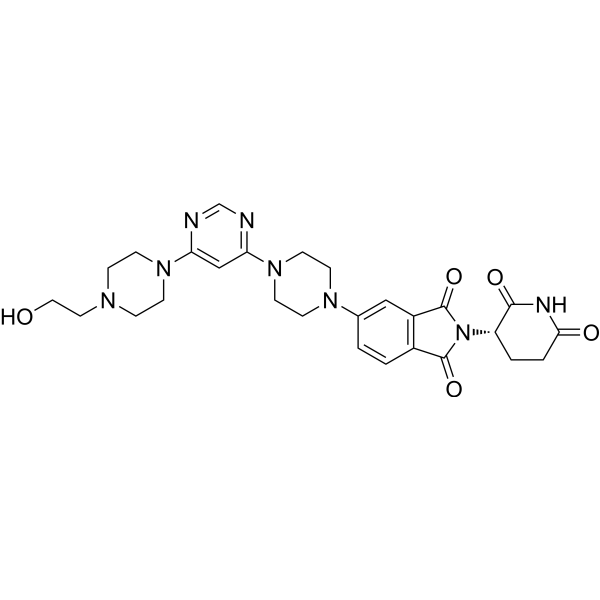 0 ImagesCat. No.: HY-157760(S)-Thalidomide-piperazine-pyrimidine-piperazine-C2-OH is a conjugate of E3 ligase ligand and linker, consisting of Thalidomide (HY-14658) and the corresponding Linker. (S)-Thalidomide-piperazine-pyrimidine-piperazine-C2-OH can serve as a Cereblon ligand to recruit CRBN proteins and serve as a key intermediate for the synthesis of complete PROTAC molecules.
-
Tubulosine
 0 ImagesTubulosine is an alkaloid. Tubulosine can be isolated from Pogonopus tubulosus (DC.) Schumann. Tubulosine is an ATP-competitive, selective JAK3 inhibitor with an IC50 value of 9.9 nM. Tubulosine also inhibits the kinase activities of other JAK family members, the extent of inhibition is less than that of JAK3, with IC50 values of 69.5, 84.9 and 76.3 nM for JAK1, JAK2 and TYK2, respectively. Tubulosine selectively inhibits JAK3 signalling by binding to the ATP-binding site of the kinase of JAK3. Tubulosine induces apoptotic and necrotic/autophagic cell death. Tubulosine inhibits the process of peptide chain elongation by eukaryotic polysomes by, specifically preventing the elongation-factor-2-dependent step of translocation. Tubulosine exhibits anticancer activity in breast cancer cells.
-
Sertaconazole nitrate (Standard)
 0 ImagesSynonyms: FI7056 (Standard)Sertaconazole (nitrate) (Standard) is the analytical standard of Sertaconazole (nitrate). This product is intended for research and analytical applications. Sertaconazole nitrate (FI7056) is a broad-spectrum topical antifungal agent, exhibits anti-inflammatory activity via activation of a p38-COX-2-PGE2 pathway. Sertaconazole nitrate is also a microtubule inhibitor, shows antiproliferative effect, induces apoptosis and autophagy, and can also inhibit the migration of cells.
-
Sodium butyrate-d5
 0 ImagesCat. No.: HY-W723834CAS No.: 204244-79-1Synonyms: Butanoic acid-d5 sodium; Butyric acid-d5 sodiumSodium butyrate-d5 (Butanoic acid-d5 sodium) is the deuterium labeled Sodium butyrate (HY-B0350A). Sodium Butyrate (sodium butanoate) is an inhibitor of HDAC, possessing anti-tumor activity.
-
Dinoprost-13C5
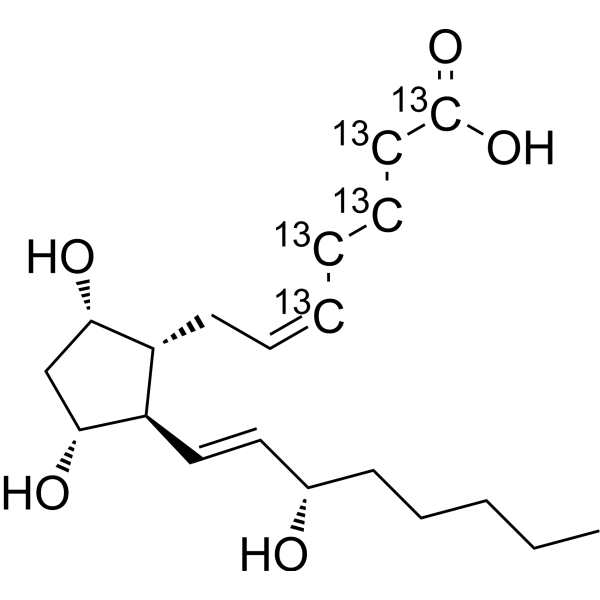 0 ImagesCat. No.: HY-12956S2Synonyms: Prostaglandin F2α-13C5; PGF2α-13C5Dinoprost-13C5 is 13C labeled Dinoprost (HY-12956). Dinoprost (Prostaglandin F2α) is an orally active, potent prostaglandin F (PGF) receptor (FP receptor) agonist. Dinoprost is a luteolytic hormone produced locally in the endometrial luminal epithelium and corpus luteum (CL). Dinoprost plays a key role in the onset and progression of labour.
-
Sodium butyrate (GMP)
 0 ImagesCat. No.: HY-B0350AGCAS No.: 156-54-7Synonyms: Butanoic acid sodium (GMP); Butyric acid sodium (GMP)Sodium butyrate (GMP) refers to Sodium butyrate (HY-B0350A) of GMP grade. Small molecules of GMP grade can be used as adjuvants in cell therapy. Sodium Butyrate (sodium butanoate) is an inhibitor of HDAC, possessing anti-tumor activity.

-
EGFR-IN-187
 0 ImagesCat. No.: HY-180196EGFR-IN-187 (Compound 4d) is a selective EGFR inhibitor with an IC50 of 25.41 μM. EGFR-IN-187 can cause cancer cells S amd G2/M phase arrest and induce apoptosis and autophagy. EGFR-IN-187 upregulates CCNE1, Bax, LC3B-II and P27 expression and downregulates CCNA1 and Bcl-2 levels. EGFR-IN-187 can be used for the research of cancer, such as lung cancer.




