



Keap1-Nrf2
Keap1-Nrf2 is the major regulator of cytoprotective responses to electrophilic chemicals or reactive oxygen species (ROS). Keap1 is an E3 ligase, which induces the degradation of Nrf2 by ubiquitin-proteasome system (UPS). Upregulation of Nrf2 inducing by inactivation of Keap1 is often observed in cancer cells. Aberrant activation of Nrf2 in cancer cells accelerates proliferation and metabolism. For this case, Nrf2 is an attractive molecule as a therapeutic target in cancer and a lot number of Nrf2 inhibitors are developed. What’s interesting, Nrf2 induction is also reported to be treatment strategies for accelerating the detoxification of carcinogens and protect the body from chemical carcinogenesis.
All Product Categories
-
Keap1-Nrf2 Related Products (521)
Related Products (521)

-
Antibodies (7)
-
Acetyl zingerone
 0 ImagesAcetyl zingerone is an analog of Zingerone (HY-14621). Acetyl zingerone downregulates the expression of ROS metabolism-related genes, fibroblast senescence-related genes, keratinocyte differentiation-related genes, and IL-17A target genes. Acetyl zingerone inhibits the activities of MMP-1, MMP-3, and MMP-12, as well as the activation of NLRP3 inflammasome, pyroptosis (pyroptosis), ferroptosis (ferroptosis), cartilage destruction, and UVA-induced cyclobutane pyrimidine dimer formation. Acetyl zingerone upregulates the expression of collagen, proteoglycan, extracellular matrix glycoprotein, Notch pathway, and GPX4 gene, activates Nrf2 and HO-1, induces extracellular matrix synthesis and PINK1/Parkin-mediated mitophagy (mitophagy), and promotes chondrocyte survival. Acetyl zingerone alleviates the progression of osteoarthritis in mice. Acetyl zingerone can be used in research related to skin aging, inflammatory skin diseases, osteoarthritis, melanoma, and non-melanoma skin cancer.
-
Nrf2 activator-6
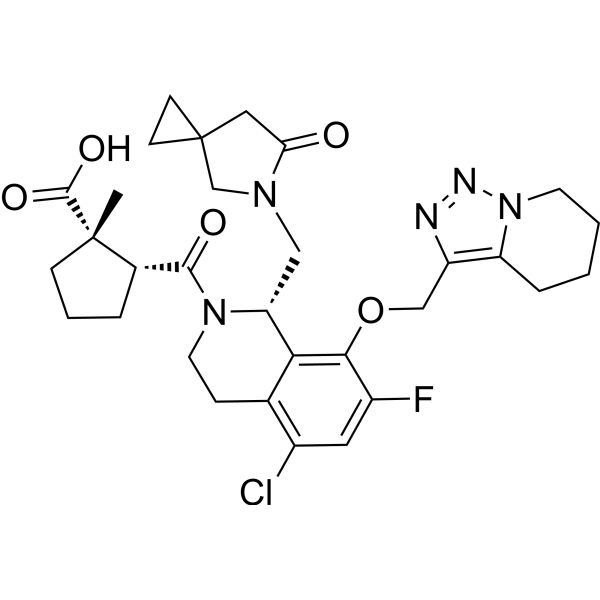 0 ImagesCat. No.: HY-148480CAS No.: 2728780-74-1Nrf2 activator-6, a tetrahydroisoquinoline compound, is a Nrf2 activator. Nrf2 activator-6 has an IC50 of 5 nM for inhibiting the Kelch domain-Nrf2 interaction (WO2021214470A1; Example 4).
-
FITC-labeled Keap1-Nrf2 probe
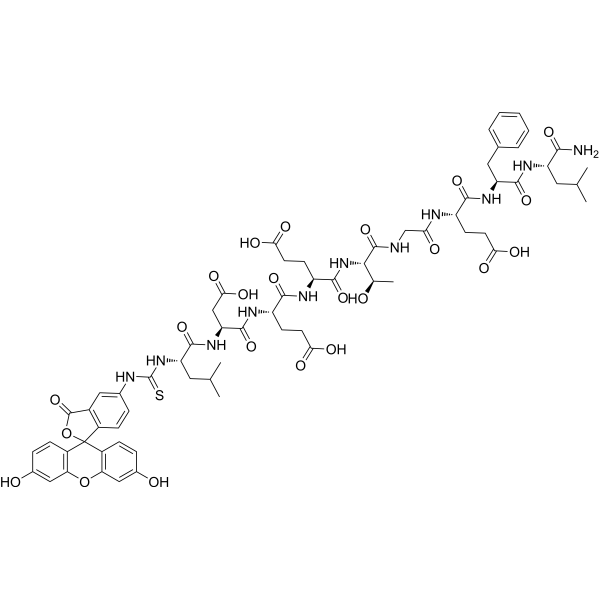 0 ImagesCat. No.: HY-P5909FPurity: 98.57%FITC-labeled Keap1-Nrf2 probe is a fluorescent probe targeting the Keap1-Nrf2 protein-protein interaction. FITC-labeled Keap1-Nrf2 probe binds to the Kelch domain of Keap1 and serves as a tracer probe in fluorescence polarization assays to detect the Keap1-Nrf2 protein interaction and its inhibitors. FITC-labeled Keap1-Nrf2 probe is applicable to studies related to Keap1-Nrf2 PPI, Nrf2 signaling and oxidative stress.
-
5-(3',4'-Dihydroxyphenyl)-γ-valerolactone
 0 Images5-(3',4'-Dihydroxyphenyl)-γ-valerolactone is an intestinal microbiota metabolite of (-)-Epicatechin (HY-N0001). 5-(3',4'-Dihydroxyphenyl)-γ-valerolactone downregulates TNF-α-stimulated phosphorylation of IKK and IκBα, inhibits the transcriptional activation of NF-κB, and suppresses the expression of adhesion molecules and chemokines. 5-(3',4'-Dihydroxyphenyl)-γ-valerolactone promotes autophagy, alleviates oxidative stress, maintains osteoblast differentiation, induces G1 phase arrest, inhibits adipogenesis, and scavenges ABTS free radicals. 5-(3',4'-Dihydroxyphenyl)-γ-valerolactone inhibits the adhesion of uropathogenic Escherichia coli to bladder epithelial cells; when used in combination with Curcumin (HY-N0005), it downregulates the NLRP3 and NOX2/Nrf2 signaling pathways, thereby reducing microglial activation. 5-(3',4'-Dihydroxyphenyl)-γ-valerolactone can be used in research related to diabetes, atherosclerosis, osteoporosis, obesity, neurodegenerative diseases involving microglial activation, and urinary tract infections.
-
Pellitorine
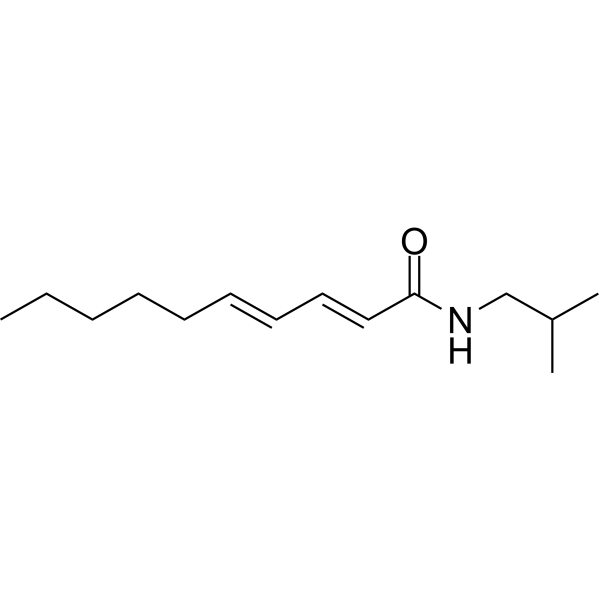 0 ImagesPellitorine is a bioactive natural amide compound. Pellitorine can competitively antagonize the activation of TRPV1 by Capsaicin (HY-10448), thereby reducing pain signal transmission. Pellitorine improves cognitive dysfunction by upregulating the BDNF-ERK1/2-CREB and Nrf2-HO-1 pathways. Pellitorine exerts anti-inflammatory and anti-sepsis effects by inhibiting the release of high mobility group protein B1 (HMGB1) and the expression of RAGE/TLR4. Pellitorine exerts its antithrombotic effect by prolonging the clotting time, inhibiting the activity of clotting factors and thrombin. Pellitorine inhibits lipid peroxidation and resists ferroptosis by upregulating GPX4 and DHODH. Pellitorine kills Aedes aegypti mosquito larvae by inhibiting V-type H⁺-ATPase and aquaporin 4 (AaAQP4). Pellitorine exhibits anti-cancer activity (e.g., leukemia and breast cancer) and has inhibitory effects on certain bacteria.
-
Keap1-Nrf2-IN-7
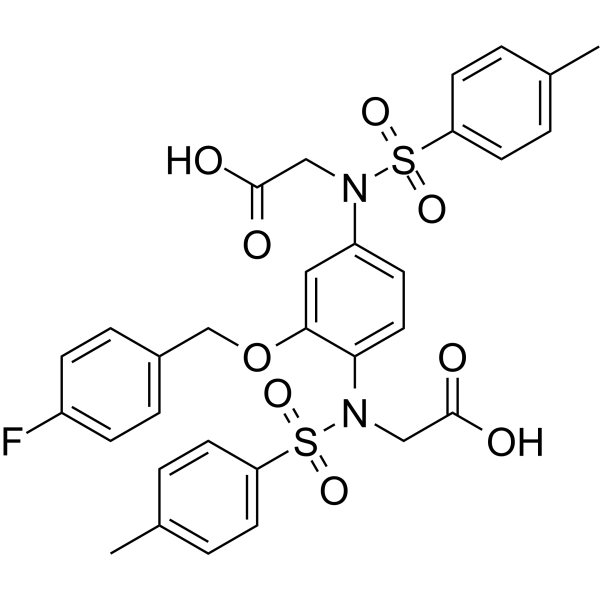 0 ImagesKeap1-Nrf2-IN-7 (compound 7v) is a potent Keap1-Nrf2 PPI (Keap1-Nrf2 protein−protein interaction) inhibitor with an IC50 of 0.45 µM.
-
Tanshindiol C
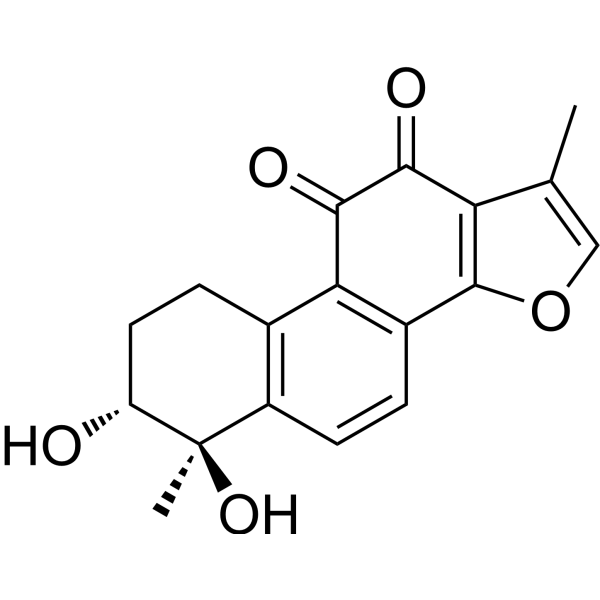 0 ImagesTanshindiol C is a S-adenosylmethionine-competitive EZH2 (Histone Methyltransferase) inhibitor with an IC50 of 0.55 μM for inhibiting the methyltransferase activity. Tanshindiol C is also an activator of both Nrf2 and Sirtuin 1 (Sirt1) in macrophages. Tanshindiol C possesses anti-cancer activity, and can be used for atherosclerosis research.
-
Selenomethionine (Standard)
 0 ImagesSynonyms: Seleno-DL-methionine (Standard); DL-Selenomethionine (Standard)Selenomethionine (Standard) is the analytical standard of Selenomethionine. This product is intended for research and analytical applications. Selenomethionine is a naturally occurring amino acid containing selenium that has oral activity and is a common natural food source. Selenomethionine has antitumor activity[1][2][3].
-
Keap1-Nrf2 probe
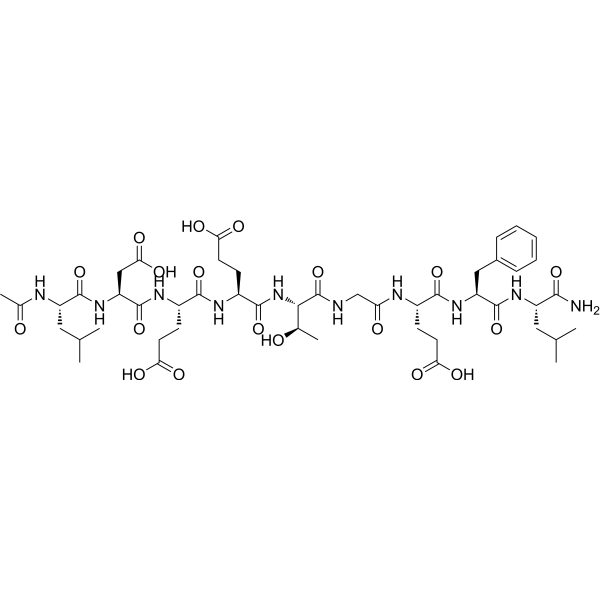 0 ImagesKeap1-Nrf2 probe is a Keap1-Nrf2 probe.
-
Sarmentosin
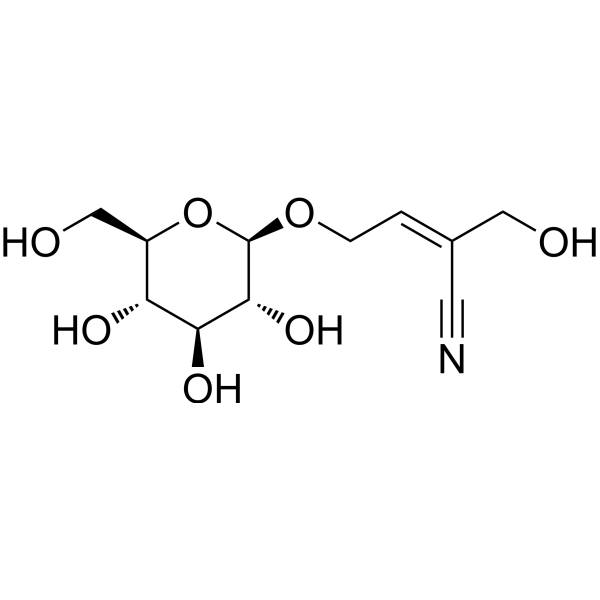 0 ImagesCat. No.: HY-N1244CAS No.: 71933-54-5Synonyms: Sarmentosine; Sarmentosine (glycoside)
-
Tomentosin
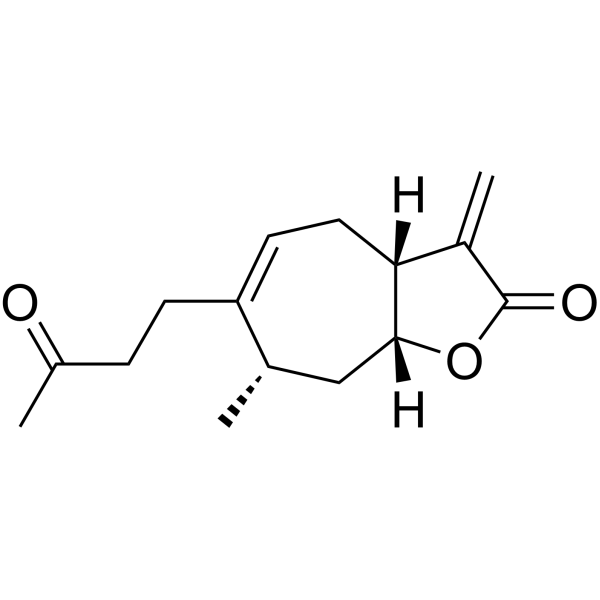 0 ImagesTomentosin is an orally active natural sesquiterpenoid lactone. Tomentosin exhibits multiple activities such as anti-tumor, anti-fungal, anti-inflammatory, anti-oxidant and neuroprotective effects. Tomentosin can inhibit tumor cell proliferation, migration and invasion, and induce apoptosis. Tomentosin can be used in the research of tumors, inflammation and nervous system diseases.
-
Nrf2 activator-10
 0 ImagesNrf2 activator-10 (Compound AI-1) is a PI3K-dependent inducer for antioxidant response element (ARE) (EC50 is 2.7 μM) and an activator for Nrf2. Nrf2 activator-10 modifies Keap1, blocks Cul3-Keap1 ubiquitin ligase complex, activates the transcription of Nrf2. Nrf2 activator-10 protects cells from H2O2-induced apoptosis.
-
Lilial (Standard)
 0 ImagesCat. No.: HY-W014684RCAS No.: 80-54-6Lilial (Standard) is the analytical standard of Lilial. This product is intended for research and analytical applications. Lilial is a widely used synthetic fragrance and ester in consumer products. Lilial possesses estrogenic activity in vitro. Lilial can induce a toxic effect on mitochondria that causes a decrease in the viability of HaCaT cells. Lilial can increase NRF2 protein level in vitro. Lilial is able to target respiratory chain complexes, inhibit complexes I and II of the electron transport chain, increase the generation of reactive oxygen species, and decrease the level of intracellular ATP. Lilial can induce systemic toxicity in vivo. Lilial induces significant DNA strand breaks.
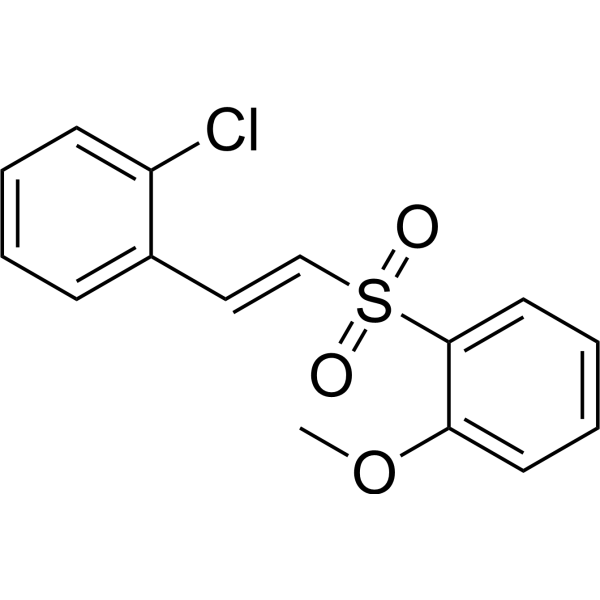
-
Benzanthrone
 0 ImagesBenzanthrone is an immunotoxic, pro-inflammatory Photosensitizer. Benzanthrone upregulates iNOS, COX-2 and inflammatory cytokines; activates ERK1/2, p38, JNK, AP-1 and NF-κB; inhibits Nrf2; and induces oxidative stress and DNA damage. Upon radiation exposure, Benzanthrone generates singlet oxygen and superoxide anion radicals, induces photohemolysis and lipid peroxidation, and alters the levels of skin xenobiotic enzymes. Benzanthrone exhibits differential genotoxicity in different cell lines. Benzanthrone possesses skin tumor-initiating and promoting activities. Benzanthrone can be used in skin tumor-related studies.
-
Benzbromarone (Standard)
 0 ImagesBenzbromarone (Standard) is the analytical standard of Benzbromarone. This product is intended for research and analytical applications. Benzbromarone is an orally active anti-gout agent. Benzbromarone has anti-infammatory, anti-oxidative stress and nephroprotective effects. Benzbromarone can be used for the research of hyperuricemia and gout.
-
Propoxur
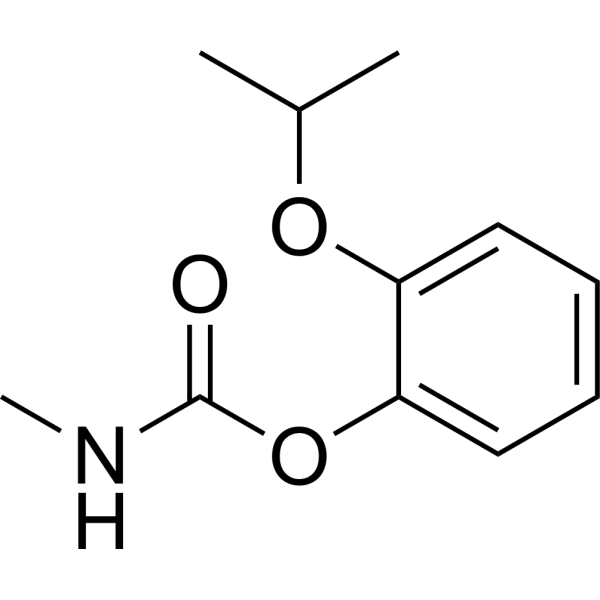 0 ImagesPropoxur is a reversible, competitive, orally active AChE inhibitor that can cross the blood-brain barrier. Propoxur inhibits AChE activity to induce neurotoxicity, while promoting MMP-2 expression and enhancing tumor cell migration and invasion by inducing intracellular ROS generation and activating the ERK/Nrf2 signaling pathway. On the one hand, Propoxur inhibits AChE, leading to acetylcholine accumulation and causing neurological dysfunction; on the other hand, it promotes Nrf2 nuclear translocation through ROS-dependent ERK1/2 phosphorylation, and upregulates MMP-2 and other invasion-related proteins. Propoxur is also a carbamate insecticide used to combat turf, forestry, and household pests.
-
LMDP10
 0 ImagesLMDP10 is an orally active 3-amino quinazoline derivative with Keap1-Nrf2 pathway activation activity. LMDP10 binds to Keap1 to inhibit Keap1-Nrf2 interaction, thereby activating the Nrf2 pathway. LMDP10 elevates Nrf2, SOD, and GSH levels, reduces MDA and TNF-α levels, attenuates neurodegeneration, and improves memory function in Alzheimer’s disease (AD) rats. LMDP10 can be used for the study of AD.
-
BPK-29
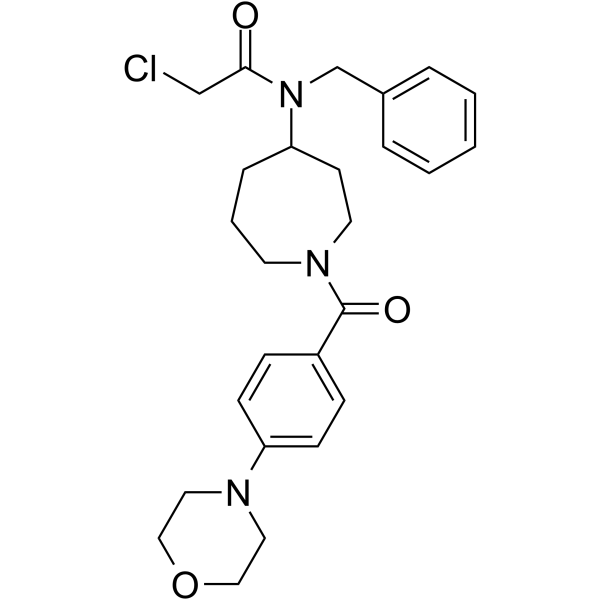 0 ImagesBPK-29 is a specific ligand that disrupts the atypical orphan nuclear receptor NR0B1-protein (such RBM45 and SNW1) interactions by covalently modifying C274. BPK-29 impairs the anchorage-independent growth of KEAP1-mutant cancer cells.




