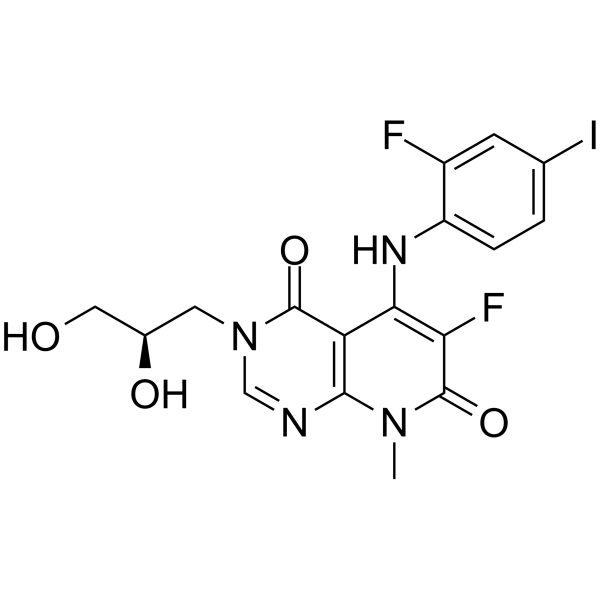
MEK
Mitogen-activated protein kinase kinase; MAPKK; MAP2K
MEK (Mitogen-activated protein kinase kinase, MAPKK) is a kinase enzyme which phosphorylates mitogen-activated protein kinases (MAPKs). The activated MAPK leads to the phosphorylation of downstream transcription factors that regulate various responses such as stress signaling, pathogen response, and hormone signaling.
In general, the MAPKKK phosphorylates a serine or threonine residue on a MAPKK, which sequentially activates a MAPK (ERK, p38 or JNK), the last protein in the cascade. Activation of the p38 MAPK occurs mainly through mitogen-activated protein kinase kinase 3 (MKK3) and MKK6 (sometimes MKK4). The JNK is regulated by two upstream MAP2Ks: MKK4 and MKK7. The highly homologous kinases, MEK1 and MEK2, act downstream of Ras and Raf to activate ERK mitogen-activated protein kinases.
MEK Isoform Specific Products
All Product Categories
-
MEK Related Products (250)
Related Products (250)

-
Antibodies (9)
-
MEK Isoform Comparison
-
Lidocaine hydrochloride
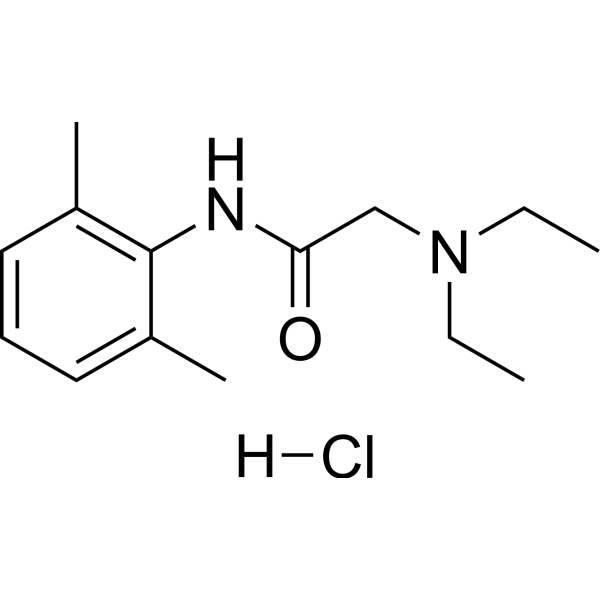 0 ImagesLidocaine hydrochloride (Lignocaine hydrochloride) inhibits sodium channels involving complex voltage and using dependence. Lidocaine hydrochloride decreases growth, migration and invasion of gastric carcinoma cells via up-regulating miR-145 expression and further inactivation of MEK/ERK and NF-κB signaling pathways. Lidocaine hydrochloride is an amide derivative and a agent to treat ventricular arrhythmia and an effective tumor-inhibitor.
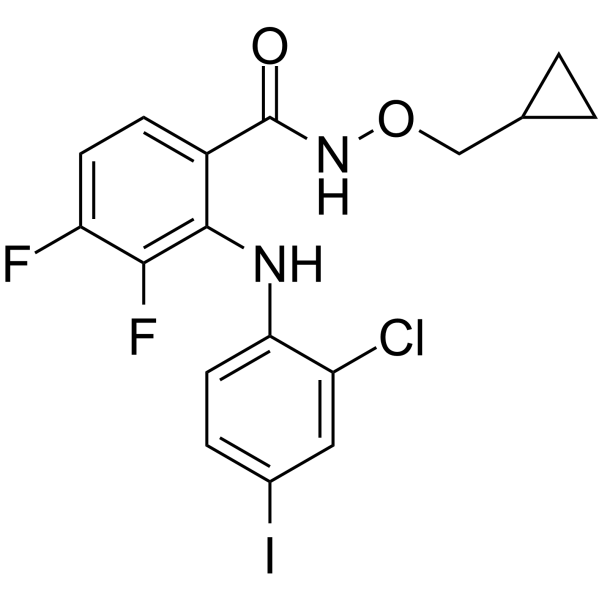
-
Sorafenib-d3
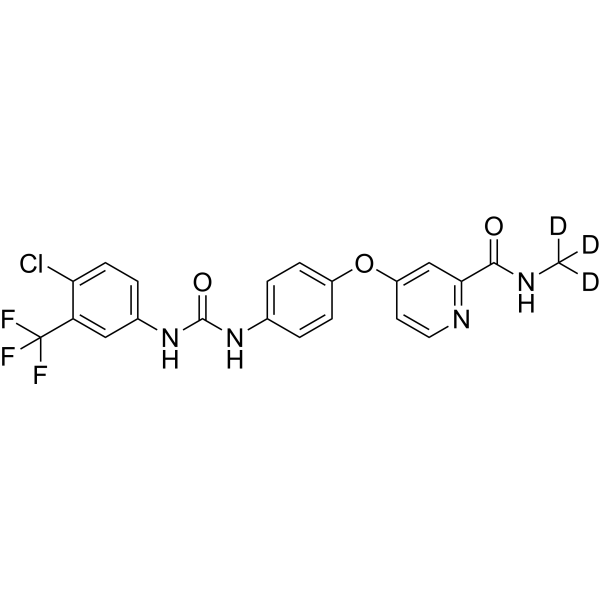 0 ImagesSynonyms: Donafenib; Bay 43-9006-d3Sorafenib-d3 (Donafenib) is the deuterated-labeled Sorafenib (HY-10201). Sorafenib (Bay 43-9006) is a potent oral active multikinase inhibitor. Sorafenib blocks autophosphorylation and activity of receptor tyrosine kinases (VEGFR-2, VEGFR-3) and RAF family kinases, thereby suppressing the RAF/MEK/ERK and PI3K/Akt pathways, inhibiting STAT3 phosphorylation, and selectively inhibiting the MAPK pathway in cancer cells. Sorafenib induces cell cycle arrest, autophagy, apoptosis, and PARP cleavage, reduces Bcl-2, Bcl-XL, cyclin D1 levels, and activates Bak and Bax. Sorafenib inhibits tumor growth and metastasis in mouse and rat models. Sorafenib can be used for cancer research, such as colon, breast, non-small-cell lung cancer (NSCLC), ovarian, pancreatic, melanoma, colorectal and hepatocellular carcinoma.
-
Lixisenatide
 0 ImagesLixisenatide is a glucagon-like peptide-1 (GLP-1) receptor agonist. Lixisenatide inhibits the inflammatory response through down regulation of pro-inflammatory cytokines, and suppresses of the Akt-MEK1/2 signaling pathway. Lixisenatide can inhibit oxidative stress, mitochondrial dysfunction and apoptosis. Lixisenatide can be used for the researches of inflammation, metabolic disease, neurological disease and cardiovascular disease, such as rheumatoid arthritis, diabetes, Alzheimer's disease and atherosclerosis.
-
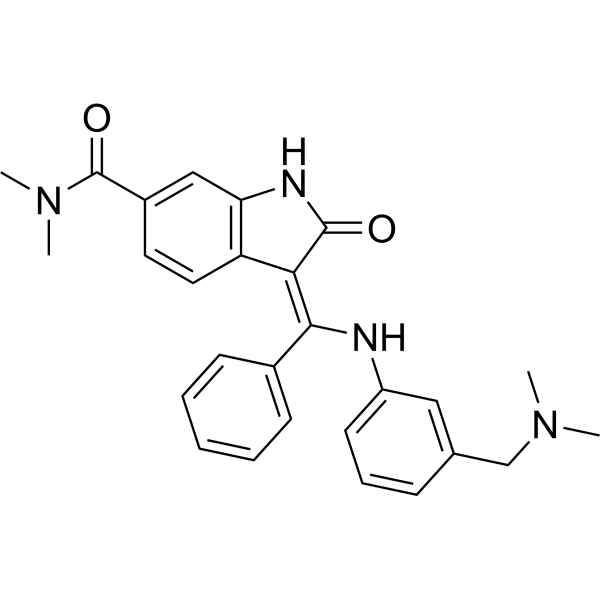
TERT activator-1
 0 ImagesTERT activator-1 is a small molecule activator of telomerase reverse transcriptase (TERT). TERT activator-1 promotes TERT transcription through the MEK/ERK/AP-1 signaling cascade. TERT activator-1 promotes adult neurogenesis and enhances neuromuscular function. TERT activator-1 reduces cellular senescence and systemic inflammation in aged mice, and can be used in the study of aging.
-
Tunlametinib
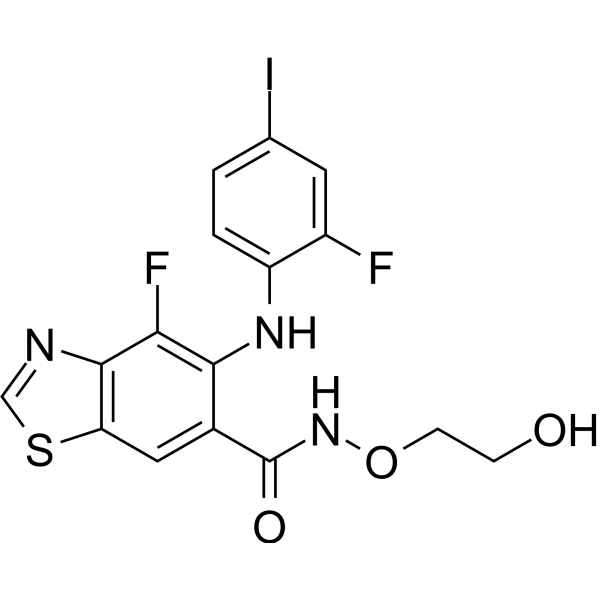 0 ImagesSynonyms: HL-085Tunlametinib is a highly selective, orally active MEK1/2 inhibitor (IC50=1.9 nM, MEK1). Tunlametinib blocks the RAS-RAF-MEK-ERK signaling pathway, arrests tumor cell cycle and promotes apoptosis. Tunlametinib potently inhibits the proliferation of RAS/RAF mutant cancer cells (such as BRAF V600E, KRAS G12C mutant cells). Tunlametinib shows synergistic anti-tumor effects with BRAF/KRASG12C/SHP2 inhibitors, Docetaxel (HY-B0011). Tunlametinib can be used to study targeted therapy for RAS/RAF mutation-driven malignancies (such as melanoma, colorectal cancer, and non-small cell lung cancer).
-
Sophocarpine
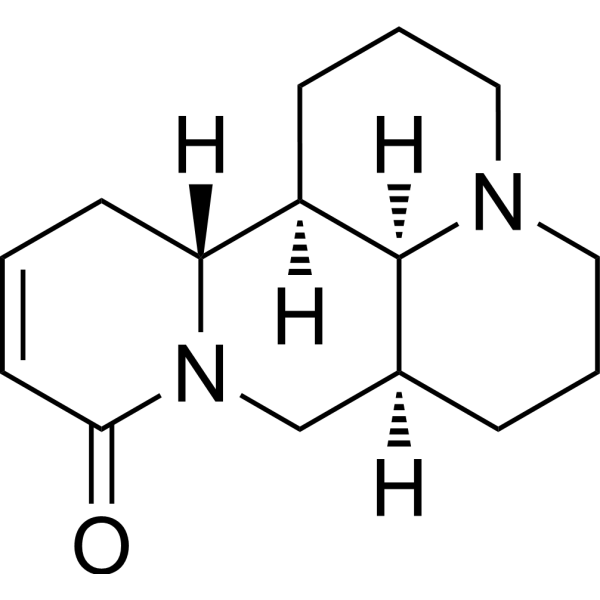 0 ImagesSophocarpine is a PTEN activator and an inhibitor of PI3K/Akt, MEK/ERK, and NF-κB signaling pathways. Sophocarpine upregulates PTEN expression and inhibits PI3K/Akt phosphorylation, arrests tumor cell cycle and induces apoptosis. Sophocarpine inhibits MEK/ERK phosphorylation and VEGF secretion, reducing tumor cell migration. Sophocarpine can also inhibit NF-κB activation and p38 and JNK phosphorylation, reduce the expression of inflammatory factors such as iNOS and COX-2, and activate the Nrf2/HO-1 pathway to reduce oxidative stress. Sophocarpine has anti-tumor, anti-inflammatory, antioxidant and anti-apoptotic effects, and can be used in the research of cancers such as glioblastoma and colorectal cancer, inflammation-related diseases, and Doxorubicin (HY-15142A)-induced cardiac damage.
-
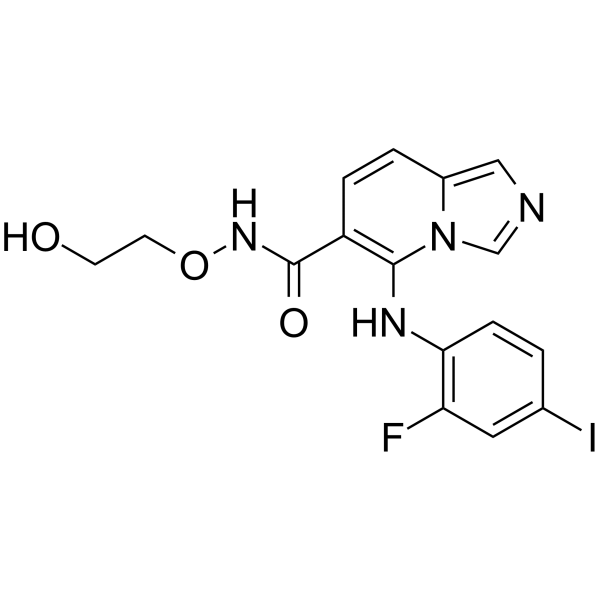
Pimasertib
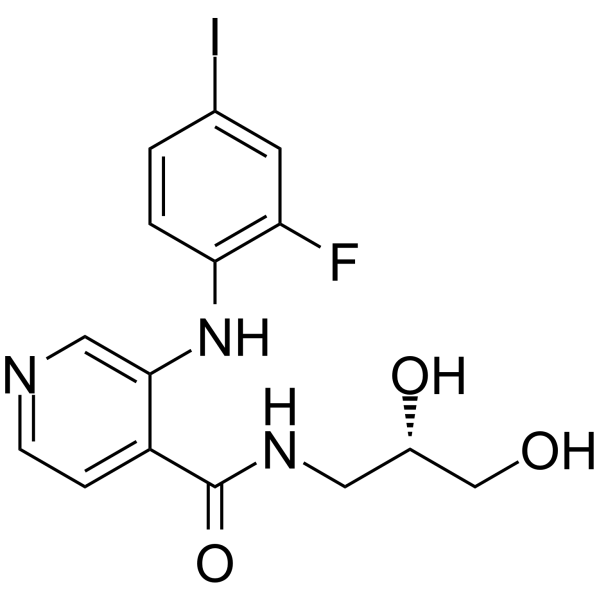 0 ImagesSynonyms: AS703026; MSC1936369BPimasertib (AS703026) is a highly selective, ATP non-competitive allosteric orally available MEK1/2 inhibitor.
-
Trametiglue
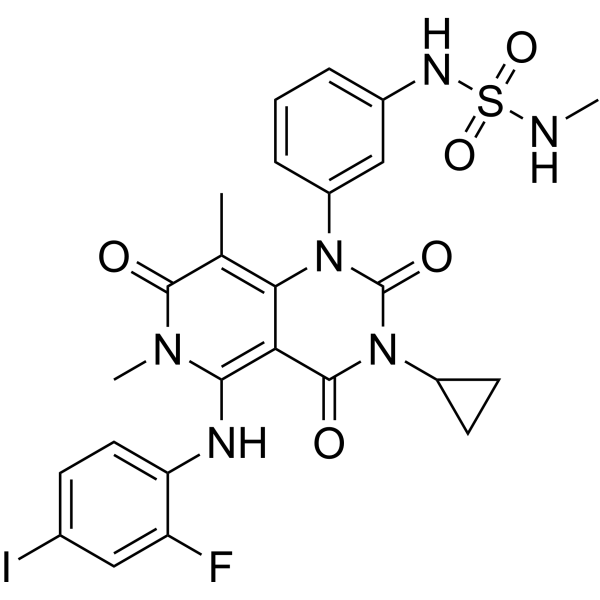 0 ImagesTrametiglue, a derivative of Trametinib (HY-10999), targets both KSR-MEK and RAF-MEK with unprecedented potency and selectivity via unique interfacial binding interactions.
-
Selumetinib sulfate
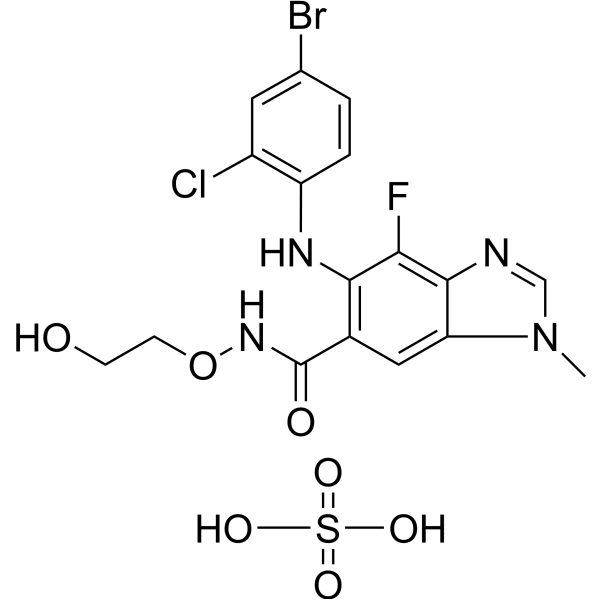 0 ImagesSynonyms: AZD6244 sulfate; ARRY-142886 sulfateSelumetinib (AZD6244) sulfate is selective, non-ATP-competitive oral MEK1/2 inhibitor, with an IC50 of 14 nM for MEK1. Selumetinib (AZD6244) sulfate inhibits ERK1/2 phosphorylation. Selumetinib sulfate can penetrate the blood brain barrier (BBB).
-
Gossypetin
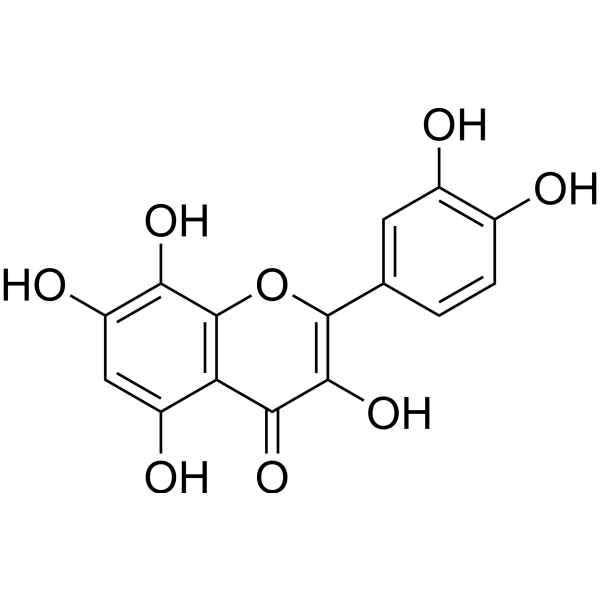 0 ImagesGossypetin is a hexahydroxylated flavonoid and is a potent mitogen-activated protein kinase kinase (MKK)3 and MKK6 inhibitor with strongly attenuates the MKK3/6-p38 signaling pathway, has various pharmacological activities, including antioxidant, antibacterial and anticancer activities.
-
Refametinib
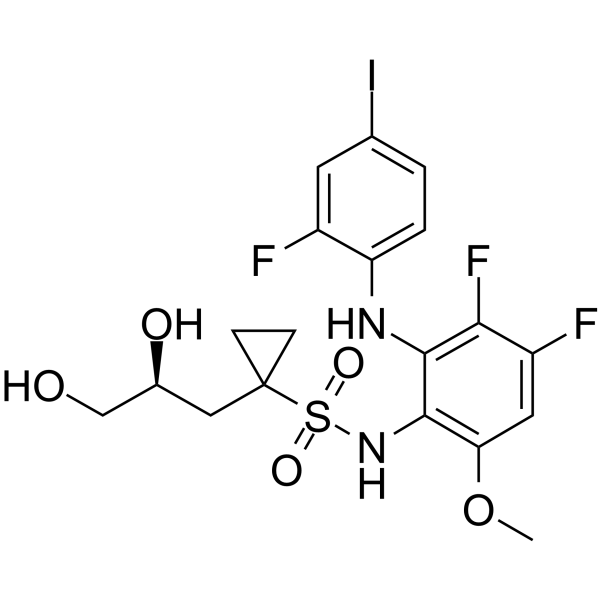 0 ImagesSynonyms: BAY 869766; RDEA119

-
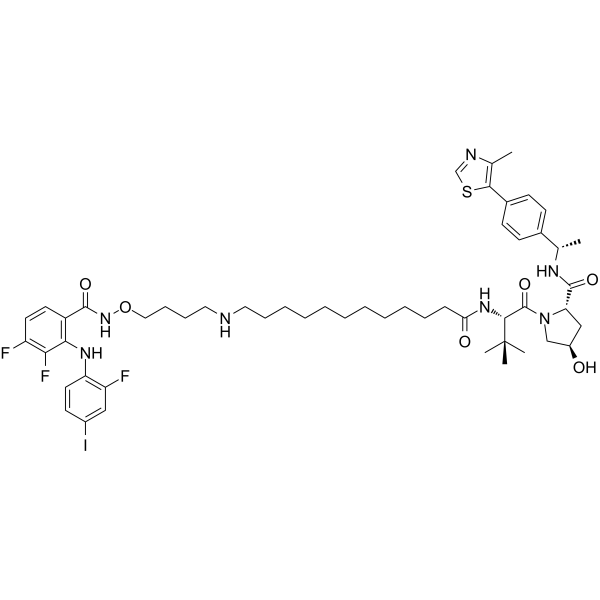
SJF-0628
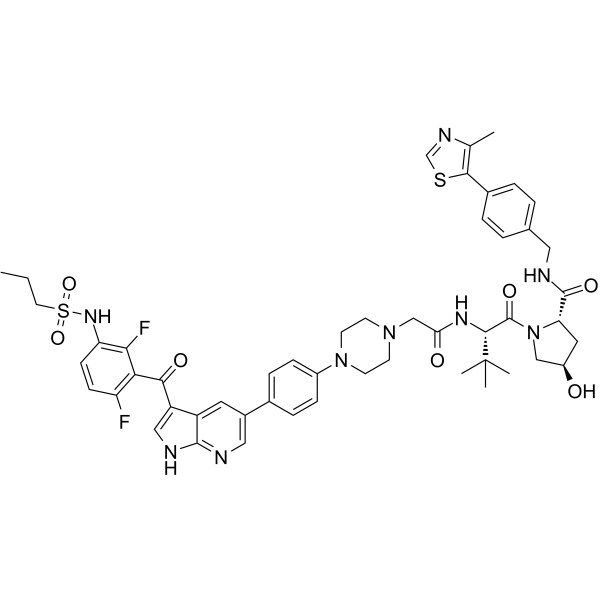 0 ImagesSJF-0628 is a PROTAC degrader of BRAF mutants, with a DC50 of 6.8 nM against BRAFV600E. SJF-0628 induces the ubiquitination and degradation of BRAF mutants in various cancer cell lines. SJF-0628 reduces pMEK and pErk levels. SJF-0628 exhibits antitumor activity. SJF-0628 can be used in research on colorectal cancer, melanoma, lung cancer, and triple-negative breast cancer.
-
Lidocaine (Standard)
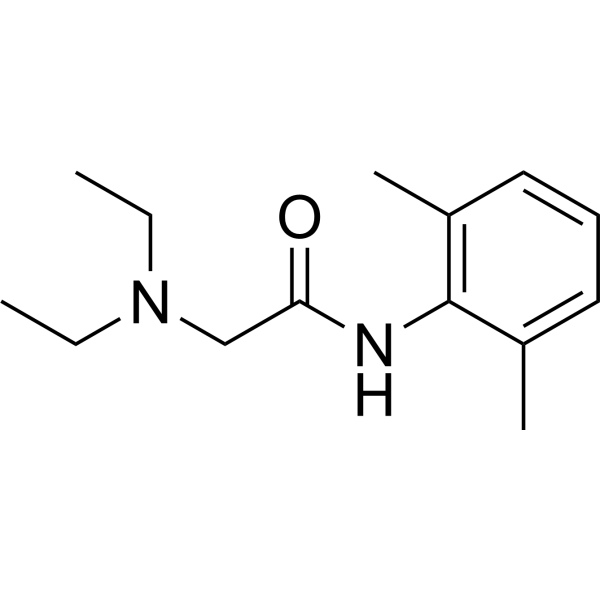 0 ImagesLidocaine (Standard) is the analytical standard of Lidocaine. This product is intended for research and analytical applications. Lidocaine (Lignocaine) inhibits sodium channels involving complex voltage and using dependence. Lidocaine decreases growth, migration and invasion of gastric carcinoma cells via up-regulating miR-145 expression and further inactivation of MEK/ERK and NF-κB signaling pathways. Lidocaine is an amide derivative and has potential for the research of ventricular arrhythmia.
-
Cefotetan
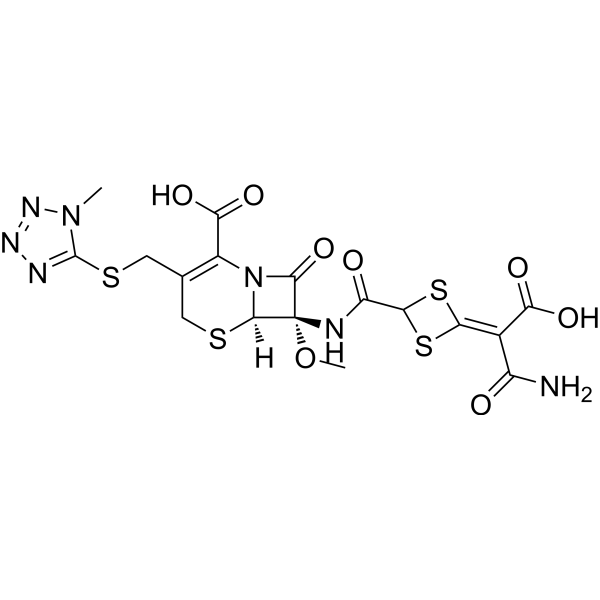 0 ImagesCefotetan is a binding agent that targets human Raf1 kinase inhibitor protein (hRKIP). Cefotetan binds to hRKIP, reduces the binding space between hRKIP and Raf1 kinase, relieves hRKIP's inhibition of the Ras/Raf1/MEK/ERK signaling pathway, and enhances ERK phosphorylation. Cefotetan can be used to study diseases associated with dysregulated Ras/Raf1/MEK/ERK signaling pathways. Cefotetan is also a broad-spectrum antibacterial agent that disrupts cell wall synthesis by binding to bacterial penicillin-binding proteins (PBPs). It is used to study bacterial infections such as bone, skin, urinary tract, and lower respiratory tract.