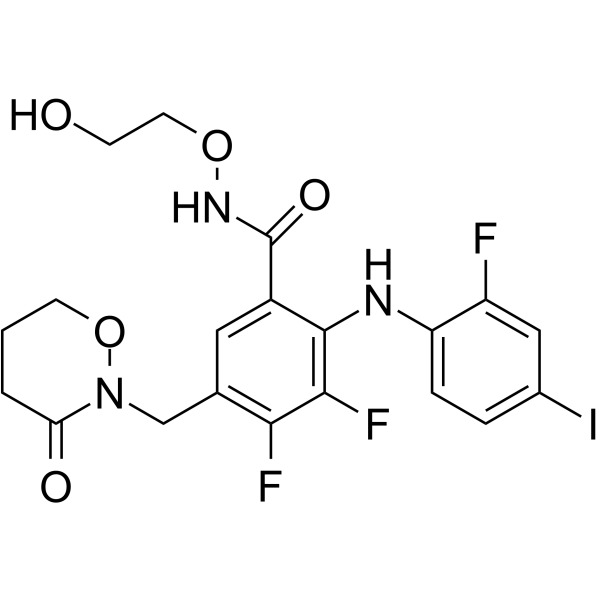
MEK
Mitogen-activated protein kinase kinase; MAPKK; MAP2K
MEK (Mitogen-activated protein kinase kinase, MAPKK) is a kinase enzyme which phosphorylates mitogen-activated protein kinases (MAPKs). The activated MAPK leads to the phosphorylation of downstream transcription factors that regulate various responses such as stress signaling, pathogen response, and hormone signaling.
In general, the MAPKKK phosphorylates a serine or threonine residue on a MAPKK, which sequentially activates a MAPK (ERK, p38 or JNK), the last protein in the cascade. Activation of the p38 MAPK occurs mainly through mitogen-activated protein kinase kinase 3 (MKK3) and MKK6 (sometimes MKK4). The JNK is regulated by two upstream MAP2Ks: MKK4 and MKK7. The highly homologous kinases, MEK1 and MEK2, act downstream of Ras and Raf to activate ERK mitogen-activated protein kinases.
MEK Isoform Specific Products
All Product Categories
-
MEK Related Products (250)
Related Products (250)

-
Antibodies (9)
-
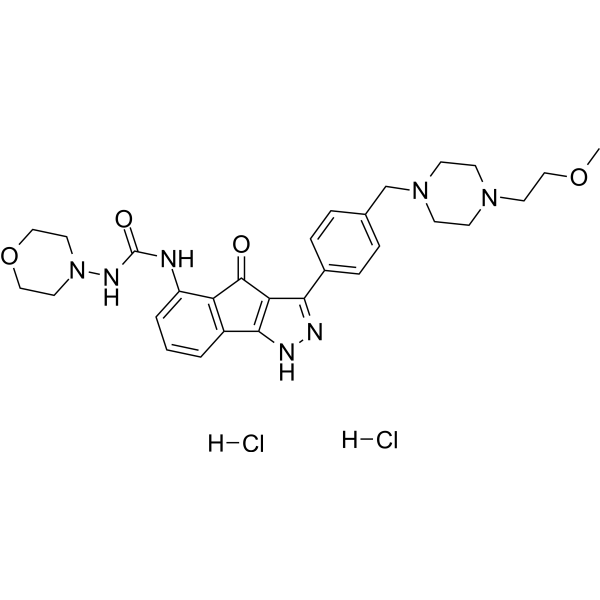
MEK Isoform Comparison
-
Azelnidipine
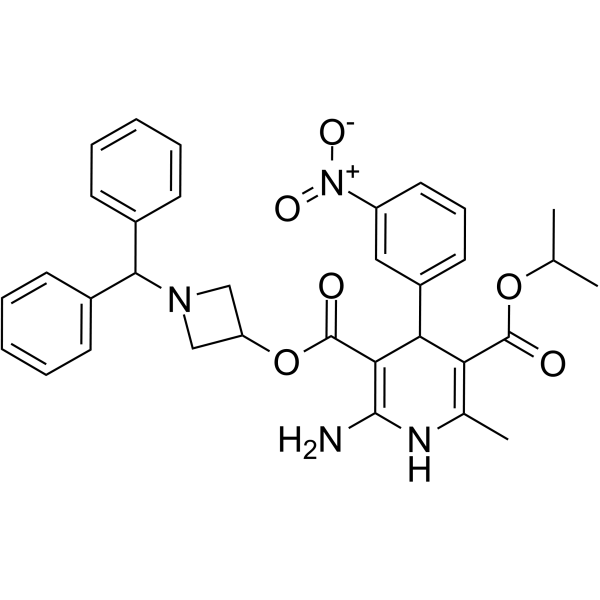 0 ImagesSynonyms: CS 905Azelnidipine (CS 905) is a dihydropyridine calcium channel blocker that is effective orally. Azelnidipine inhibits the intracellular calcium ion flow and lower blood pressure by selectively blocking L-type calcium channel on the membrane of vascular smooth muscle. Azelnidipine inhibits esophageal squamous cell carcinoma proliferation by targeting MEK1/2. Azelnidipine also has anti-inflammatory, antioxidant and neuroprotective effects .
-
CS640
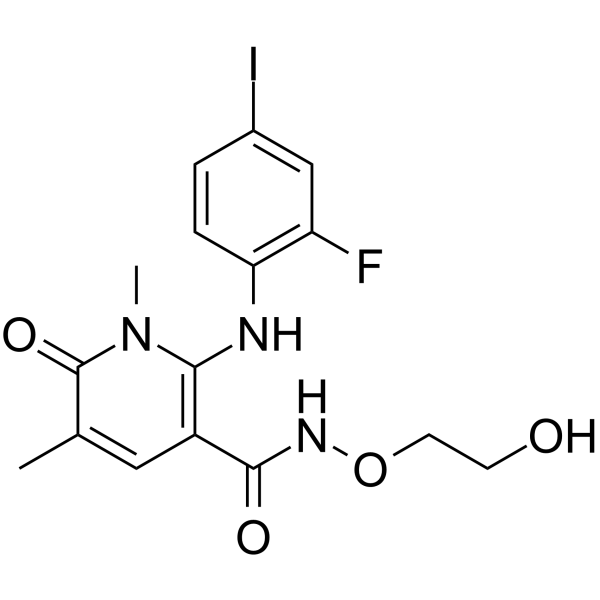
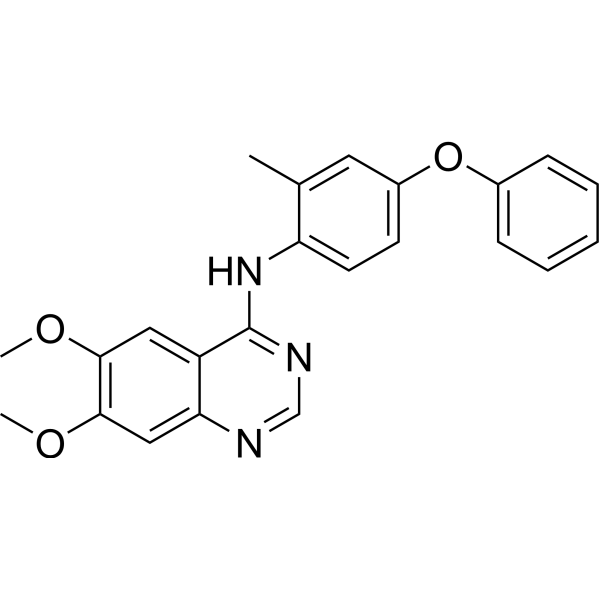
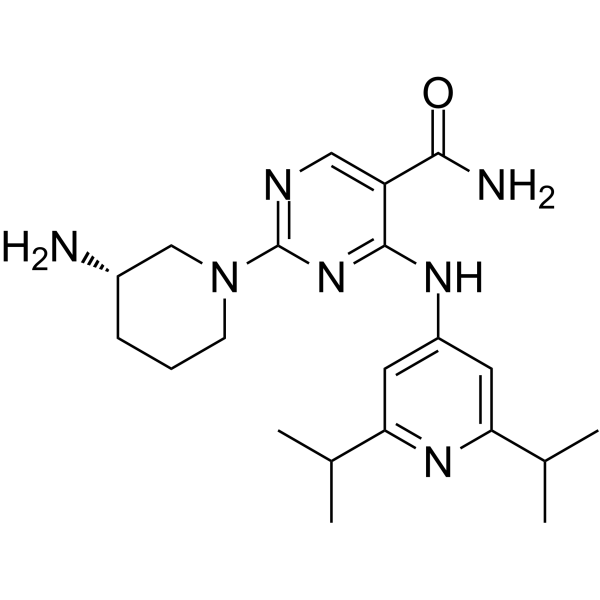 0 ImagesCS640 (Compound 19) is a chemical probe and a calmodulin-dependent kinase inhibitor. CS640 inhibits CaMK1D, CaMK1B, CaMK1A, CaMK1G, MEK5, RIPK4, mLK3 and PIP5K1, with IC50 values of 8, 3, 1, 1, 25 nM, 5.69, 2.75 and 11.2 μM, respectively. CS640 blocks Aβ-induced hyperphosphorylation of tau protein at the Thr181 site, but fails to protect primary mouse cortical neurons from Aβ-induced toxic damage. CS640 is applicable to research related to Alzheimer's disease.
-
Lidocaine hydrochloride hydrate
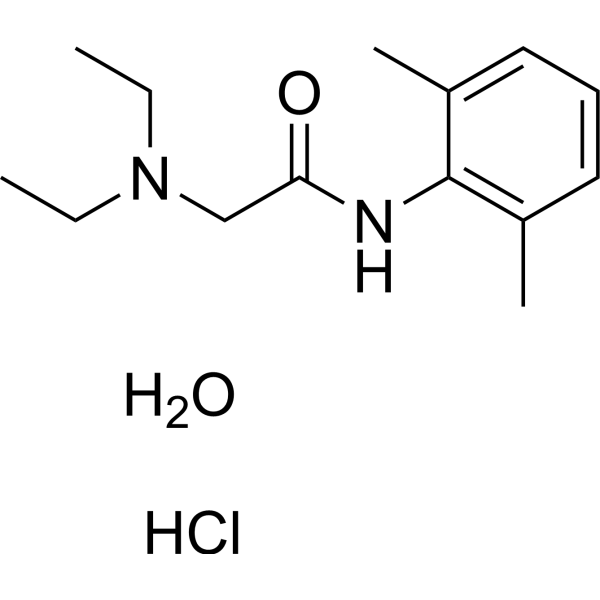 0 ImagesLidocaine (Lignocaine) hydrochloride hydrate inhibits sodium channels involving complex voltage and using dependence. Lidocaine hydrochloride hydrate decreases growth, migration and invasion of gastric carcinoma cells via up-regulating miR-145 expression and further inactivation of MEK/ERK and NF-κB signaling pathways. Lidocaine hydrochloride hydrate is an amide derivative and has potential for the research of ventricular arrhythmia.
-
HRX-0233
 0 ImagesHRX-0233 is an orally potent MAP2K4 inhibitor. HRX-0233 inhibits the MAP2K4-JNK-JUN signaling pathway, blocks the feedback activation of receptor tyrosine kinases, and sustains the inhibitory effect on KRAS signaling. HRX-0233 exerts synergistic inhibition on the mTORC1 and MAPK pathways. When combined with Ipatasertib (HY-15186) or Sotorasib (HY-114277), it produces synergistic antiproliferative, pro-apoptotic (apoptosis) and antitumor effects, and shows good tolerability in mouse models. HRX-0233 can be used in CRISPR knockout screens to identify vulnerability-related genes. HRX-0233 is applicable to research related to prostate cancer, non-small cell lung cancer and colorectal cancer.
-
TriDAP dihydrochloride
 0 ImagesCat. No.: HY-P5522APurity: 98.65%Synonyms: L-Ala-γ-D-Glu-meso-diaminopimelic acid dihydrochlorideTriDAP dihydrochloride (L-Ala-γ-D-Glu-meso-diaminopimelic acid dihydrochloride) is a NOD1 agonist with a Kd value of 34.5 μM. TriDAP dihydrochloride enhances the binding of NOD1-RICK, promotes RICK phosphorylation, and activates the NF-κB, TAK1, MEK/ERK, p38 and interferon response pathways. TriDAP dihydrochloride downregulates Runx2 via increasing ubiquitination and reduces trabecular bone parameters. TriDAP dihydrochloride decreases IκBα levels and increases p65 levels. TriDAP dihydrochloride induces the secretion of proinflammatory mediators IL-8 and prostaglandins, triggers tissue inflammation and innate immune activation, and inhibits SARS-CoV-2 replication in lung epithelial cells. TriDAP dihydrochloride increases the RANKL/OPG ratio in mice, reduces bone mass and enhances osteoclast activity, and inhibits new bone formation by decreasing the mineralization deposition rate in mice. TriDAP dihydrochloride can be used in research related to pulpitis, chronic ulcerative colitis, Crohn's disease and SARS-CoV-2 infection.
-
Mirdametinib (GMP)
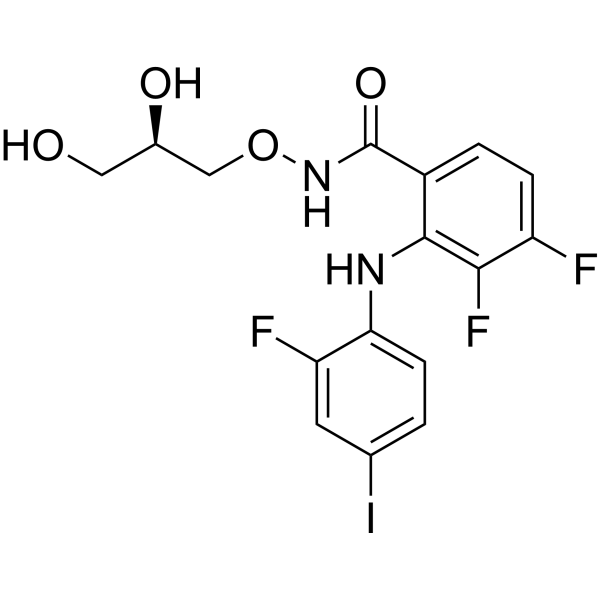 0 ImagesCat. No.: HY-10254GCAS No.: 391210-10-9Synonyms: PD0325901 (GMP); PD325901 (GMP)Mirdametinib (PD0325901) (GMP) is Mirdametinib (HY-10254) produced by using GMP guidelines. GMP small molecules works appropriately as an auxiliary reagent for cell therapy manufacture. Mirdametinib is an orally active, selective and non-ATP-competitive MEK inhibitor.
-
SHOC2-RAS PPI-IN-1
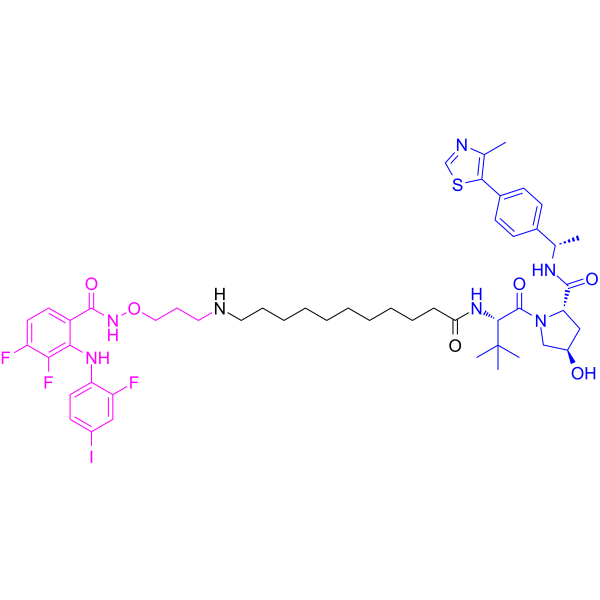
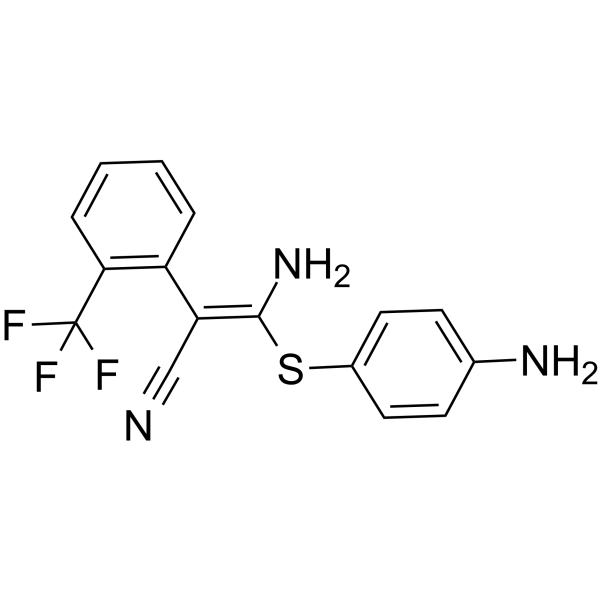
 0 ImagesCat. No.: HY-202699Purity: 99.50%SHOC2-RAS PPI-IN-1 is a SHOC2-NRAS interaction inhibitor with IC50 of 0.048 μM and a Kd of 0.065 μM for SHOC2. SHOC2-RAS PPI-IN-1 inhibits RAS/MAPK signalling and downregulates MEK and ERK phosphorylation. SHOC2-RAS PPI-IN-1 can inhibit cells proliferation in RAS-mutant cancer models. SHOC2-RAS PPI-IN-1 can be used for the research of RAS-mutant cancers.
-
Z-FF-FMK
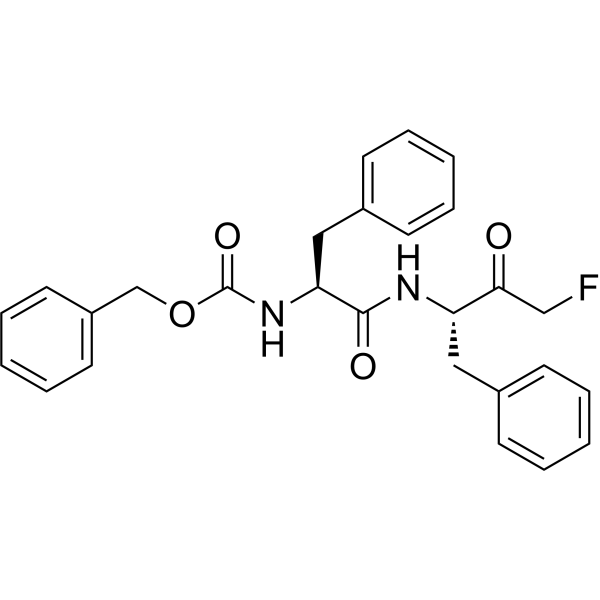 0 ImagesCat. No.: HY-141867CAS No.: 105608-85-3Synonyms: Z-Phe-Phe-FMKZ-FF-FMK (Z-Phe-Phe-FMK) is a cell-permeable, irreversible, and cysteine protease inhibitor targeting cathepsin-L. Z-FF-FMK inhibits angiotensin II-induced MEK activation in vascular walls, aortic medial remodeling, blood pressure elevation, and upregulation of cystatin C in aortic walls. Z-FF-FMK prevents β-amyloid-mediated caspase-3 activation, poly (ADP-ribose) polymerase cleavage, DNA fragmentation, and apoptosis of cortical neurons (apoptosis). Z-FF-FMK can be used in research related to hypertension and Alzheimer's disease.
-
Trametinib (Standard)
 0 ImagesSynonyms: GSK1120212 (Standard); JTP-74057 (Standard)Trametinib (Standard) is the analytical standard of Trametinib. This product is intended for research and analytical applications. Trametinib (GSK1120212; JTP-74057) is an orally active MEK inhibitor that inhibits MEK1 and MEK2 with IC50s of about 2 nM. Trametinib activates autophagy and induces apoptosis.
-
5-O-Methylvisammioside
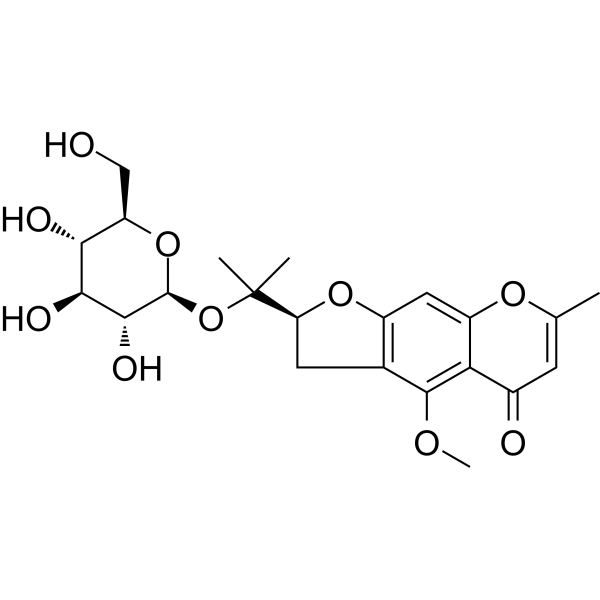 0 ImagesSynonyms: 4'-O-β-D-Glucosyl-5-O-methylvisamminol5-O-Methylvisammioside (4'-O-β-D-Glucosyl-5-O-methylvisamminol) is an orally active natural chromone glycoside and multiple biological activities. 5-O-Methylvisammioside inhibits ferroptosis by activating the Nrf2/HO-1 signaling axis. 5-O-Methylvisammioside alleviates intestinal barrier damage by inhibiting the ROS/NF-κB/NLRP3 pathway. 5-O-Methylvisammioside exerts a protective effect against acute liver injury by reducing ALT/AST, decreasing inflammatory infiltration, and inhibiting IκB-α phosphorylation and NF-κB nuclear translocation. 5-O-Methylvisammioside blocks the HMGB1/RAGE/MEK/ERK signaling axis to exert anti-tumor and anti-angiogenic effects. 5-O-Methylvisammioside improves depression-like behaviors by inhibiting Src kinase and the NF-κB pathway.
-
Sorafenib (Standard)
 0 ImagesSynonyms: Bay 43-9006 (Standard)Sorafenib (Standard) (Bay 43-9006 (Standard)) is the analytical standard of Sorafenib (HY-10201). This product is intended for research and analytical applications. Sorafenib (Bay 43-9006) is a potent oral active multikinase inhibitor. Sorafenib blocks autophosphorylation and activity of receptor tyrosine kinases (VEGFR-2, VEGFR-3) and RAF family kinases, thereby suppressing the RAF/MEK/ERK and PI3K/Akt pathways, inhibiting STAT3 phosphorylation, and selectively inhibiting the MAPK pathway in cancer cells. Sorafenib induces cell cycle arrest, autophagy, apoptosis, and PARP cleavage, reduces Bcl-2, Bcl-XL, cyclin D1 levels, and activates Bak and Bax. Sorafenib inhibits tumor growth and metastasis in mouse and rat models. Sorafenib can be used for cancer research, such as colon, breast, non-small-cell lung cancer (NSCLC), ovarian, pancreatic, melanoma, colorectal and hepatocellular carcinoma.
-
Lidocaine-d10
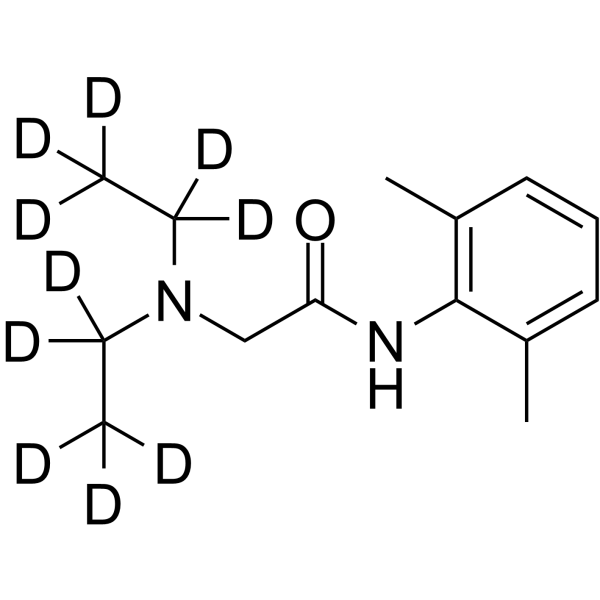 0 ImagesLidocaine-d10 is the deuterium labeled Lidocaine. Lidocaine (Lignocaine) inhibits sodium channels involving complex voltage and using dependence. Lidocaine decreases growth, migration and invasion of gastric carcinoma cells via up-regulating miR-145 expression and further inactivation of MEK/ERK and NF-κB signaling pathways. Lidocaine is an amide derivative and has potential for the research of ventricular arrhythmia.
-
Cobimetinib hemifumarate
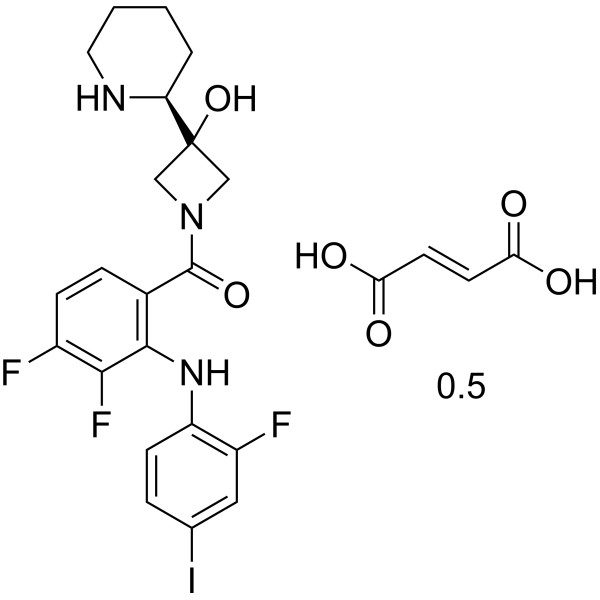 0 ImagesSynonyms: GDC-0973 hemifumarate; XL-518 hemifumarate