



PI3K Activator
-
Cholesta-3,5-diene
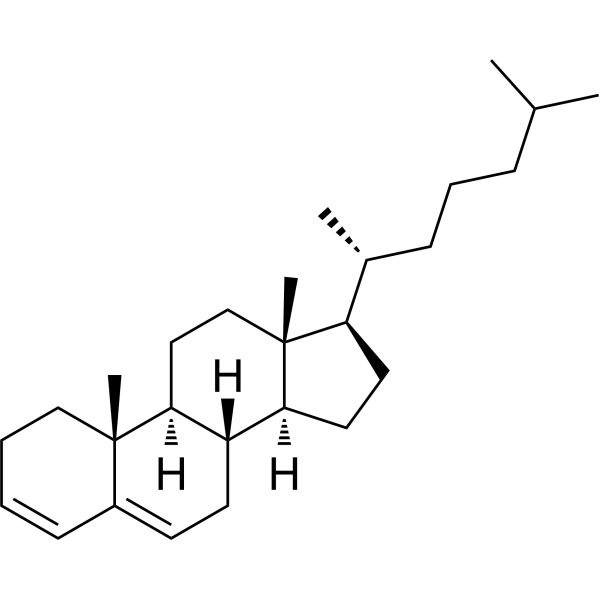 0 ImagesSynonyms: delta-3,5-Cholestadiene
Cholesta-3,5-diene is an inflammatory modulator that targets immune cells such as neutrophils and accelerates wound healing by promoting neutrophil chemotaxis and fibroblast migration. Cholesta-3,5-diene enhances immune cell recruitment and extracellular matrix deposition by activating chemokine receptor-mediated signaling pathways such as PI3K/Akt. Cholesta-3,5-diene can be applied topically to wound repair and has potential therapeutic value in chronic ulcers or skin lesions.
-
Androsin
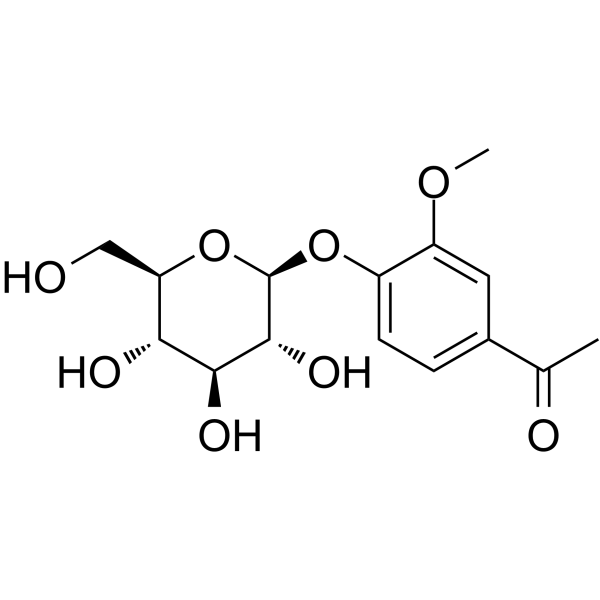 0 Images
Androsin is an active compound isolated from Picrorhiza Kurroa Royle ex Benth. Androsin activates AMPKα/PI3K/Beclin1/LC3 signaling pathway, inhibits SREBP1c/FASN signaling pathway. Androsin can be used in research of asthma and non-alcoholic fatty liver disease (NAFLD). Androsin is orally active.
-
Heptadecanoic acid (Standard)
 0 ImagesCat. No.: HY-W004284RCAS No.: 506-12-7
Heptadecanoic acid (Standard) is the analytical standard of Heptadecanoic acid. This product is intended for research and analytical applications. Heptadecanoic acid is an odd-chain saturated fatty acid (OCS-FA) with oral activity. Heptadecanoic acid can inhibit cell proliferation and induce Apoptosis. Heptadecanoic acid has antitumor activity. Heptadecanoic acid is associated with a number of diseases, including coronary heart disease, pre-diabetes and type 2 diabetes, and multiple sclerosis[1].

-
1-Deoxynojirimycin (Standard)
 0 ImagesSynonyms: Duvoglustat (Standard)
1-Deoxynojirimycin (Standard) is the analytical standard of 1-Deoxynojirimycin. This product is intended for research and analytical applications. 1-Deoxynojirimycin (Duvoglustat) is a potent and orally active α-glucosidase inhibitor. 1-Deoxynojirimycin suppresses postprandial blood glucose and is widely used for diabetes mellitus. 1-Deoxynojirimycin possesses antihyperglycemic, anti-obesity, and antiviral features.
-
Pegloxenatide
 0 ImagesCat. No.: HY-P3491CAS No.: 2420483-82-3Synonyms: Polyethylene glycol loxenatide; PEX 168
Pegloxenatide (Polyethylene glycol loxenatide) is a long-acting glucagon-like peptide-1 receptor (GLP-1RA) agonist. Pegloxenatide has various activities such as lowering blood glucose, lowering blood lipids, improving body weight, anti-inflammation, promoting wound healing, protecting the liver, and protecting the heart. Pegloxenatide can be used in the research of type 2 diabetes and its multiple complications.
-
Hyaluronic acid, low endotoxin
 0 ImagesSynonyms: Hyaluronan, low endotoxin; Hyaluronate, low endotoxin
Hyaluronic acid, low endotoxin (Hyaluronan, low endotoxin) is a biopolymer composed of repeating disaccharide units containing low levels of endotoxin. Hyaluronic acid is a major component of the extracellular matrix (ECM). It is synthesized on the plasma membrane. Hyaluronic acid exerts its effects by binding to receptors CD44 and RHAMM. Hyaluronic acid activates PI3K-Akt signaling. Hyaluronic acid also enhances cell invasion and angiogenesis by promoting or stimulating the binding of proteolytic MMP-9 to the cell surface. Elevated hyaluronic acid levels are associated with tumor cell growth, adhesion, migration, invasion, and angiogenesis in digestive system cancers. Hyaluronic acid is involved in tissue remodeling and rapid cell proliferation in several physiological processes, including embryonic morphogenesis and wound healing. Hyaluronic acid can be used as a regulator of cancer-associated lymphangiogenesis. Hyaluronic acid can be used as a drug delivery carrier for sodium butyrate, enhancing its anti-proliferative activity against breast cancer cell lines. Hyaluronic acid can lubricate the corneal endothelium. Hyaluronic acid can improve tissue hydration and enhance the resistance of cells to mechanical damage. Hyaluronic acid has been conjugated with antibodies to ensure that the active compound continues to exert its effects at the site of inflammation. Hyaluronic acid can be used in research in the fields of osteoarthritis, ophthalmology, cosmetic dermatology, oncology, and liver diseases.
-
Erucic acid (Standard)
 0 Images
Erucic acid (Standard) is the analytical standard of Erucic acid. This product is intended for research and analytical applications. Erucic acid, a monounsaturated fatty acid (MUFA), is isolated from the seed of Raphanus sativus L. Erucic acid can readily cross the blood-brain barrier (BBB), it has been reported to normalize the accumulation of very long-chain fatty acids in the brain. Erucic acid can improve cognitive impairment and be effective against dementia.
-
Anti-CD3 Antibody (UCHT-1)
 0 ImagesCat. No.: HY-P991842
Anti-CD3 Antibody (UCHT-1) is an antibody targeting CD3. Anti-CD3 Antibody (UCHT-1) activates the phospholipase C and phosphatidylinositol 3-kinase (PI3K) signaling pathways, elevates intracellular calcium levels, regulates the T3 epitope, and triggers T lymphocyte proliferation. Anti-CD3 Antibody (UCHT-1) also inhibits lymphocyte proliferation, abolishes IL-2 production, and blocks the expression of IL-2 receptors. Anti-CD3 Antibody (UCHT-1) is applicable to research related to graft-versus-host disease, acute myeloid leukemia, and B-cell acute lymphoblastic leukemia.
-
Doxycycline-d3 (hyclate) (major)
 0 ImagesCat. No.: HY-N0565S1
Doxycycline-d3 hyclate (major) is the deuterium labeled Doxycycline hyclate (HY-N0565B). Doxycycline hyclate is an orally active highly lipophilic, tissue-permeable MMP inhibitor with broad-spectrum antibacterial activity. Doxycycline hyclate is also a semi-synthetic antibiotic with chelating properties, which blocks bacterial protein synthesis and inhibits extracellular matrix degradation through interactions with zinc and calcium atoms. Doxycycline hyclate also inhibits mitochondrial biogenesis, translation, and the expression of respiratory chain proteins. Doxycycline hyclate induces apoptosis, inhibits autophagy and EMT, downregulates stem cell markers, and activates the PI3K-AKT pathway, thereby effectively inhibiting the viability and proliferation of cancer cells such as breast cancer cells. Doxycycline hyclate also promotes the survival and self-renewal of embryonic stem cells and neural stem cells, and reduces the frequency of medium changes in culture. Doxycycline hyclate has been applied in studies related to breast cancer, prostate cancer, bladder cancer, and other cancers.
-
Nickel(II) oxide
 0 ImagesCat. No.: HY-W075770CAS No.: 1313-99-1Synonyms: Nickel monoxide
Nickel(II) oxide (nickel monoxide) is a chemical warfare agent that can enter the body through the respiratory tract and other routes, distributing to organs such as the lungs and testes. The nanoparticle form of nickel(II) oxide (NiO NPs) exhibits antibacterial, anti-leishmanial, anti-diabetic, and anti-cancer activities. NiO NPs can be activated by ultraviolet and visible light, generating reactive oxygen species (ROS). Nickel(II) oxide induces oxidative stress by generating reactive oxygen species, activating the TGF-β1-mediated MAPK and PI3K/AKT pathways, disrupting the MMPs/TIMPs balance, and upregulating the expression of inflammatory factors (IL-1β, IL-6) and apoptosis-related molecules (Bax, caspase-3, p53), while inhibiting the activity of the anti-apoptotic molecule Bcl-2. Nickel(II) oxide induces cytotoxicity, promotes fibrosis, triggers inflammatory responses, and causes apoptosis. Nickel(II) oxide can be applied in research on the safety assessment of nanomaterials, such as in the context of pulmonary fibrosis and reproductive system toxicity.
-
E8431
 0 ImagesCat. No.: HY-180801CAS No.: 2419580-01-9
E8431 is a DCSTAMP antagonist with an IC50 value of 775.8 nM for osteoclastogenesis. E8431 selectively binds to the endoplasmic reticulum domain of DCSTAMP, disrupts its interaction with RAP1B, and inhibits downstream cytoskeleton rearrangement mediated by the RAP1-RAC1 signaling pathway, thereby impeding osteoclast precursor fusion, suppressing bone resorption, and stimulating PDGFBB secretion to promote osteogenesis and angiogenesis. E8431 can be used in the research of osteoporosis.
-
Triphenyl phosphate-d15
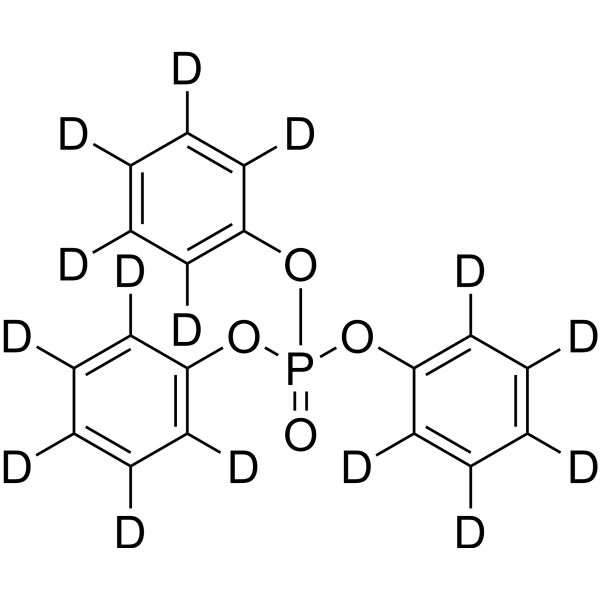 0 ImagesSynonyms: Celluflex TPP-d15; DHPF 005-d15; Disflamol TP-d15; Disflamoll TP-d15; NSC 57868-d15; Phenyl phosphate ((PhO)3PO)-d15; Phoscon FR 903N-d15
Triphenyl phosphate-d15 is the deuterium labeled Triphenyl phosphate. Triphenyl phosphate is an orally active, blood-brain barrier-permeable aryl organophosphate flame retardant and endocrine disruptor. Triphenyl phosphate disrupts mitochondrial dynamic balance through oxidative stress, induces excessive mitophagy and apoptosis, and ultimately leads to myocardial fibrosis. In the brain, Triphenyl phosphate activates the NF-κB inflammatory pathway by disrupting the gut microbiota, alters tryptophan metabolism and elevates neurotoxins, thereby inducing anxiety- and depression-like behaviors. In the skeletal and reproductive systems, Triphenyl phosphate inhibits osteoblast differentiation and induces germ cell apoptosis by suppressing the MAPK/ERK pathway and activating the JNK signal, respectively. In adipose and placental tissues, Triphenyl phosphate promotes lipid accumulation by activating the PI3K/AKT-PPARγ axis, and disrupts placental metabolism via the MAOA/ROS/NF-κB cascade, impairing neurodevelopment of offspring.
-
Berberine sulfate (Standard)
 0 ImagesSynonyms: Natural Yellow 18 sulfate (Standard)
Berberine (sulfate) (Standard) is the analytical standard of Berberine (sulfate). This product is intended for research and analytical applications. Berberine sulfate is an alkaloid isolated from the Chinese herbal medicine Huanglian, as an antibiotic. Berberine sulfate induces reactive oxygen species (ROS) generation and inhibits DNA topoisomerase. Berberine sulfate has antineoplastic properties. The sulfate form improves bioavailability[1][2].
-
(22S,23S)-Homobrassinolide
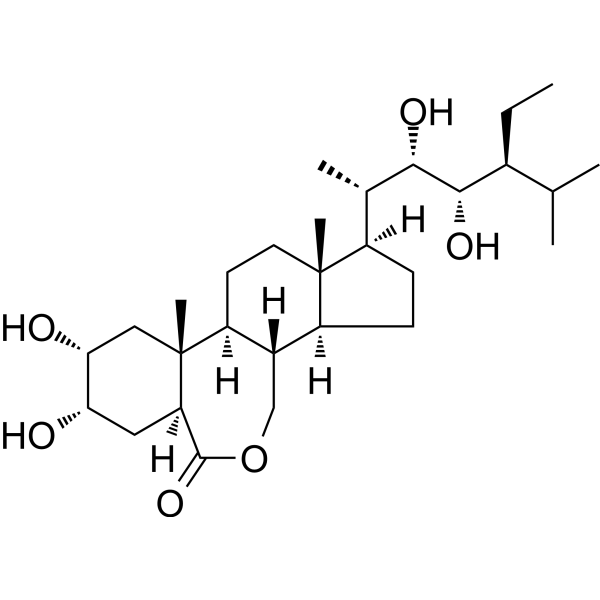 0 ImagesSynonyms: SSHB
(22S,23S)-Homobrassinolide is one of the most active brassinosteroids in inducing plant growth in various plant bioassay systems. (22S,23S)-Homobrassinolide shows Akt-dependent anabolic activity in rat skeletal muscle cells. Orally active.
-
(Z)-2-(Oleoyloxy)propane-1,3-diyl dipalmitate
 0 ImagesSynonyms: 1,3-Dipalmitoyl-2-oleoylglycerol; ?1,3-Palmitin-2-Olein; TG(16:0/18:1/16:0)
(Z)-2-(Oleoyloxy) propane-1,3-diyl dipalmitate (1,3-Dipalmitoyl-2-oleoylglycerol) is an orally active PTP1B inhibitor with an IC50 of 31.01 μM and a Ki of 16.36 μM. (Z)-2-(Oleoyloxy) propane-1,3-diyl dipalmitate also inhibits α-glucosidase with an IC50 of 163.31 μM. It inhibits phosphorylation of p38 MAPK, activates the PI3K/Akt/CREB pathway, and exhibits antioxidant, anti-apoptosis and anti-inflammatory activities, as well as inhibits peroxynitrite-mediated albumin nitration. (Z)-2-(Oleoyloxy) propane-1,3-diyl dipalmitate can be used in studies related to cerebral ischemia-reperfusion injury and diabetes.
-
MRS2768 tetrasodium salt
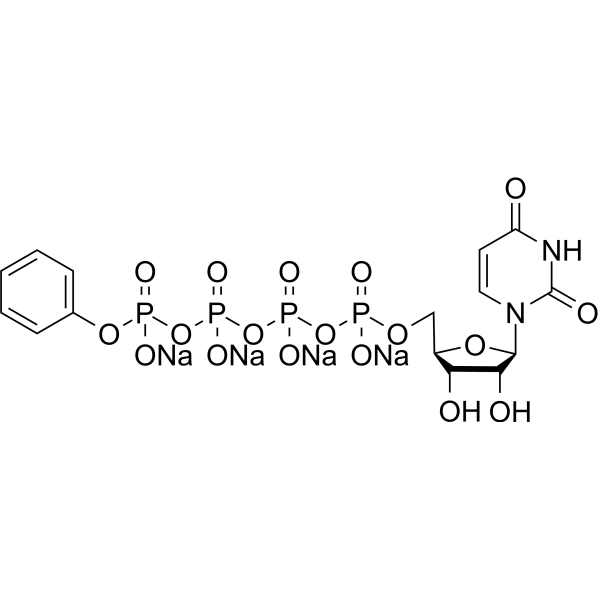 0 Images
MRS2768 tetrasodium salt is a potent, selective, and metabolically stable P2Y2 receptor agonist with an EC50 of 1.89 μM for the human P2Y2 receptor. MRS2768 tetrasodium salt activates Gq/PLC/PKC signaling, leading to downstream phosphorylation of Akt, eNOS, and ERK, with effects varying by cell type. MRS2768 tetrasodium salt inhibits ENaC via Gq/PKC/Src/Akt to promote natriuresis and lower blood pressure in the kidney. MRS2768 tetrasodium salt activates eNOS to increase NO secretion in endothelial cells. MRS2768 tetrasodium salt drives proliferation via PI3K/Akt in fibroblasts and cancer cells. MRS2768 tetrasodium salt exerts anti-apoptotic effects through PKC/Src/Akt in cardiomyocytes. MRS2768 tetrasodium salt can be applied to investigate P2Y2-dependent pathological processes, including acute kidney injury, chronic kidney disease and renal fibrosis, DOCA-salt induced hypertension, myocardial infarction, pulmonary arterial hypertension, pancreatic cancer, cardiac fibrosis, dry eye disease, as well as shear stress-mediated vascular remodeling and atherosclerosis.
-
Gamma-glutamylcysteine TFA (Standard)
 0 ImagesCat. No.: HY-113402ARCAS No.: 283159-88-6Synonyms: γ-Glu-Cys TFA (Standard)
Gamma-glutamylcysteine (TFA) (Standard) is the analytical standard of Gamma-glutamylcysteine (TFA). This product is intended for research and analytical applications. Gamma-glutamylcysteine TFA (γ-Glu-Cys TFA) is an orally active, blood-brain barrier permeable dipeptide. Gamma-glutamylcysteine TFA activates AMPK, SIRT1, IL-4/STAT6, AC/cAMP/PI3K, IGF-1R/IRS1/PI3K, and Nrf2 signaling pathways; it inhibits NF-κB, JAK1/STAT1/3, MAPKs, cadmium-induced p38 MAPK, JNK, and PI3K/Akt signaling pathways. Gamma-glutamylcysteine TFA regulates macrophage polarization, modulates the trafficking of CD36 and GLUT4, induces glutathione synthesis, improves metabolic dysfunction, reduces lipid deposition, ameliorates glucose homeostasis, inhibits apoptosis (Apoptosis), stabilizes mitochondria, suppresses lipid peroxidation, iron accumulation and ferroptosis (Ferroptosis), reduces ds-HMGB1 levels, reverses mechanical hyperalgesia, and alleviates hepatic lipid droplet formation. Gamma-glutamylcysteine TFA is applicable to research related to inflammatory bowel disease, type 2 diabetes, cadmium-induced neurotoxicity, Alzheimer's disease, cerebral ischemia/reperfusion injury, neuropathy, and alcoholic liver disease.
-
Egg oil
 0 Images
Egg oil is a natural oil, which consists primarily of cholesterol, lecithin and glycerides of the fatty acids. Egg oil exhibits activity in regulating the gut microbial dysbiosis, alleviating obesity, insulin resistance and inflammation.



