



Isotope-Labeled Compounds
Isotope-labeled compounds are chemical substances in which some atoms in their molecules are replaced by isotope atoms. The range of stable isotope products can cover from gases to complex molecules. Isotope-labeled compounds could provide a site-specific investigation of structures, making molecules easily detectable by mass spectrometry and NMR, and maintaining the physico-chemical properties of the target molecule at the same time.
MCE isotope-labeled compounds are all stable isotope-labeled compounds and are non-radioactive labeled substances. MCE isotope-labeled compounds are unique tools for identifying and understanding biological and chemical processes. Stable isotope-labeled products are now getting more and more popular among scientists. The scope of application is gradually penetrating into various scientific fields, such as life sciences, food and medicine, agriculture, environment, geology, etc. Stable isotope-labeled compounds have a wide range of applications in the Life Science areas, such as Metabolomics, Proteomics, Clinical studies, Deuterium drugs, etc.
All Product Categories
-
Isotope-Labeled Compounds Related Products (11097)
Related Products (11097)

-
2-Quinoxalinecarboxylic acid-d4
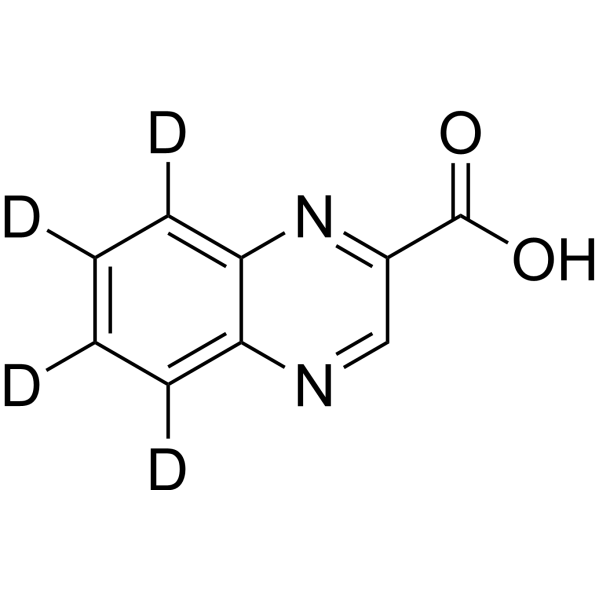 0 ImagesSynonyms: Quinoxaline-2-carboxylicacid-d42-Quinoxalinecarboxylic acid-d4 is the deuterium labeled 2-Quinoxalinecarboxylic acid.
-
Vitamin K1-13C6
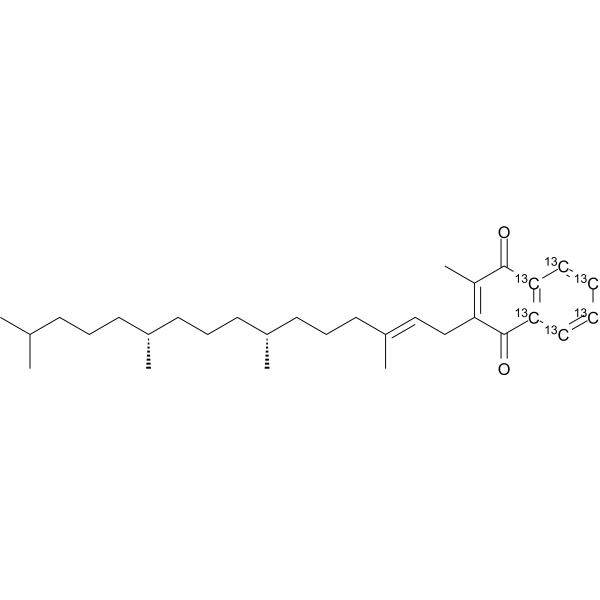 0 ImagesCat. No.: HY-N0684S3Purity: 98.01%Synonyms: Phylloquinone-13C6; Phytomenadione-13C6Vitamin K1-13C6 is the 13C-labeled Vitamin K1. Vitamin K1 a naturally occurring vitamin required for blood coagulation and bone and vascular metabolism.
-
(E)-4-Hydroxytamoxifen-d5
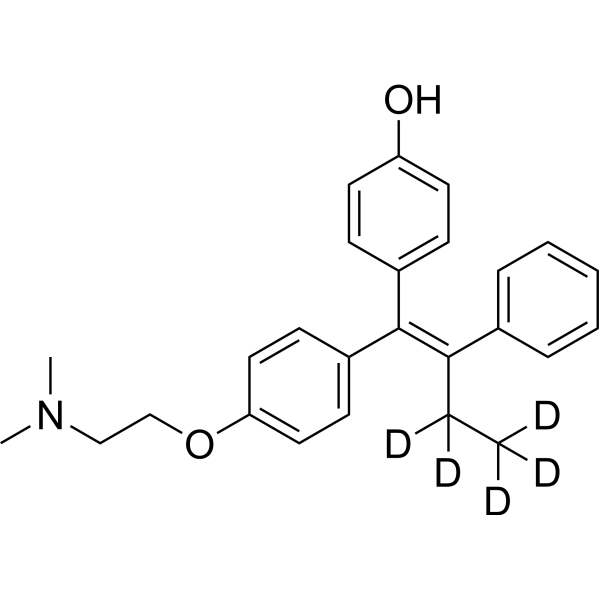 0 ImagesCat. No.: HY-16950BSPurity: 99.04%Synonyms: (E)-Afimoxifene-d5(E)-4-Hydroxytamoxifen-d5 ((E)-Afimoxifene-d5) is the deuterium labeled (E)-4-Hydroxytamoxifen. (E)-4-Hydroxytamoxifen ((E)-Afimoxifene), the less active isomer of (Z)-4-hydroxytamoxifen, is an estrogen receptor modulator.
-
L-Cysteine-d2
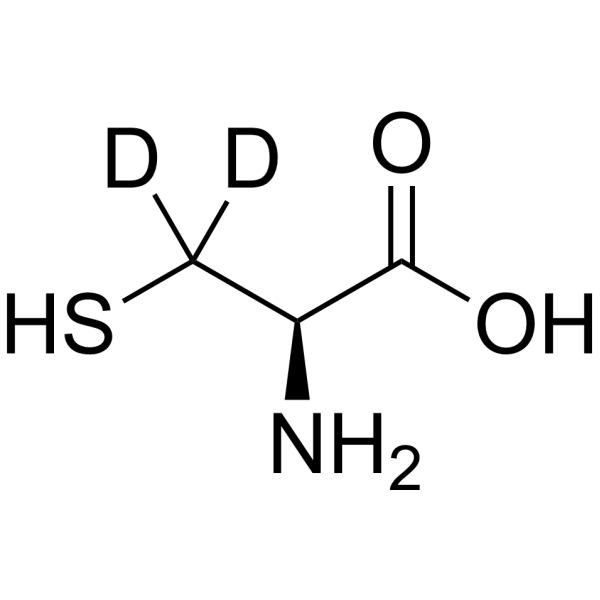 0 ImagesL-Cysteine-d2 is the deuterium labeled L-Cysteine. L-Cysteine is a conditionally essential amino acid, which acts as a precursor for biologically active molecules such as hydrogen sulphide (H2S), glutathione and taurine. L-Cysteine suppresses ghrelin and reduces appetite in rodents and humans.
-
Capecitabine-d11
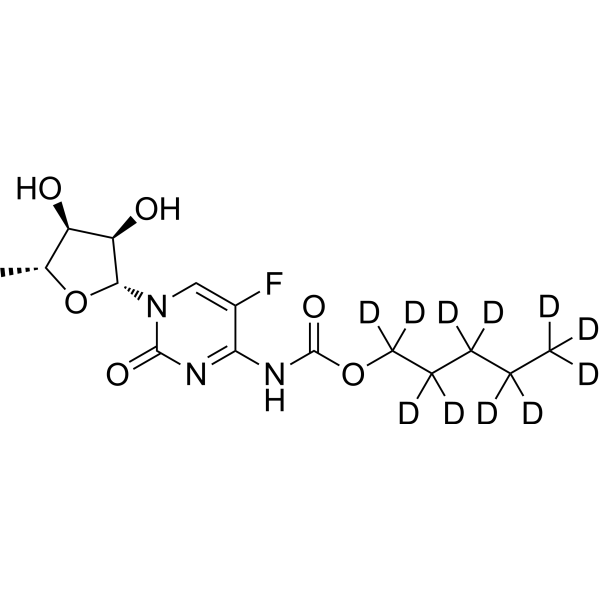 0 ImagesCapecitabine-d11 is the deuterium labeled Capecitabine. Capecitabine is an oral proagent that is converted to its active metabolite, 5-FU, by thymidine phosphorylase.
-
6β-Hydroxy Cortisol-d4
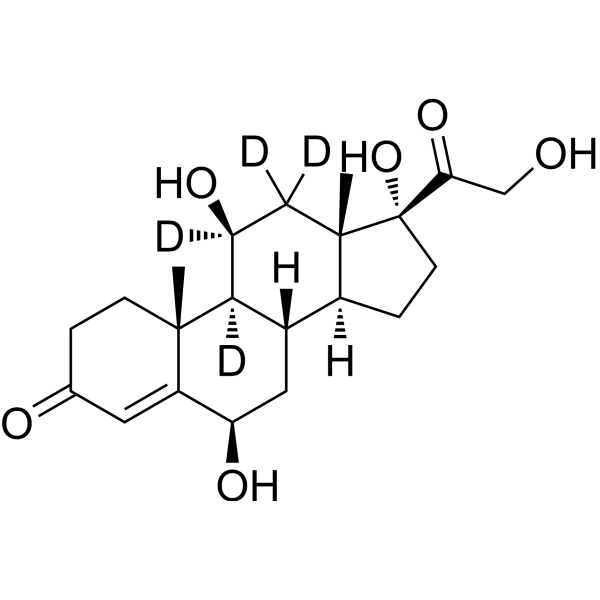 0 Images6β-Hydroxy Cortisol-d4 is a deuterium labeled compound.
-
N-Desmethyl imatinib-d8
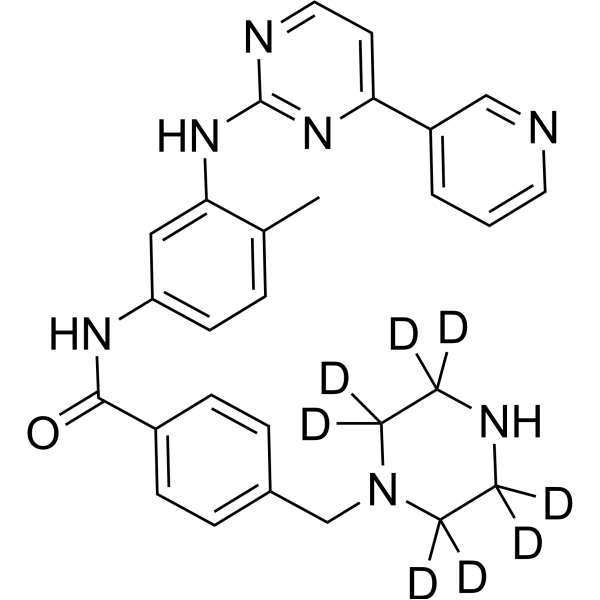 0 ImagesSynonyms: Norimatinib-d8; Imatinib metabolite N-Desmethyl imatinib-d8; CGP 74588-d8N-Desmethyl imatinib-d8 is a deuterium labeled Imatinib metabolite N-Desmethyl Imatinib (HY-G0017). N‑Desmethyl imatinib (Norimatinib) is an active metabolite of Imatinib (HY-15463), a selective c‑Abl inhibitor, and a substrate of P‑glycoprotein. N-Desmethyl imatinib binds to the c-Abl catalytic domain to prevent substrate phosphorylation, inhibits c-Abl-mediated α-synuclein activation and downstream inflammatory signaling pathways. N-Desmethyl imatinib induces apoptosis in K562 human leukemia cells. N-Desmethyl imatinib exhibits significantly elevated plasma levels in gastrointestinal stromal tumor (GIST) settings following mild SARS CoV 2 infection. N-Desmethyl imatinib can be used for the research of Parkinson’s disease, gastrointestinal stromal tumor, and chronic myeloid leukemia.
-
Cytidine 5′-monophosphate-13C9,15N3 dilithium
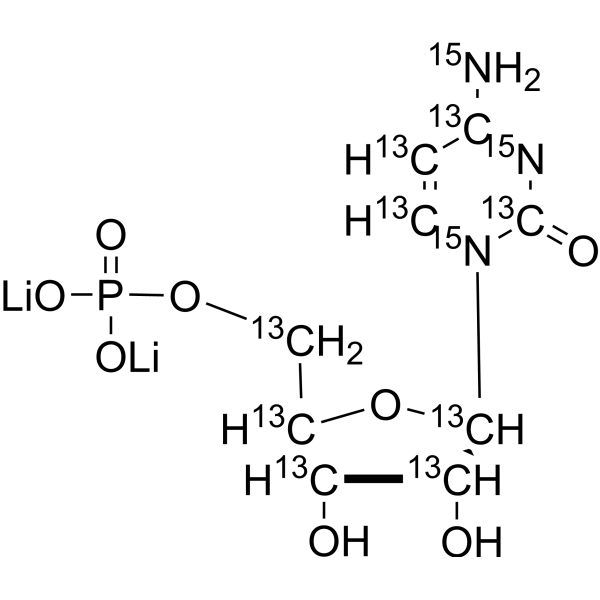 0 ImagesSynonyms: 5'-Cytidylic acid-13C9,15N3 dilithium; 5'-CMP-13C9,15N3 dilithiumCytidine 5′-monophosphate-13C9,15N3 (5'-Cytidylic acid-13C9,15N3 dilithium; 5'-CMP-13C9,15N3) dilithium is 13C and 15N-labeled Cytidine 5'-monophosphate (HY-W009162). Cytidine 5'-monophosphate (5'-Cytidylic acid) is a nucleotide which is used as a monomer in RNA. Cytidine 5'-monophosphate consists of the nucleobase cytosine, the pentose sugar ribose, and the phosphate group.
-
Sodium α-ketoisocaproic acid-13C6
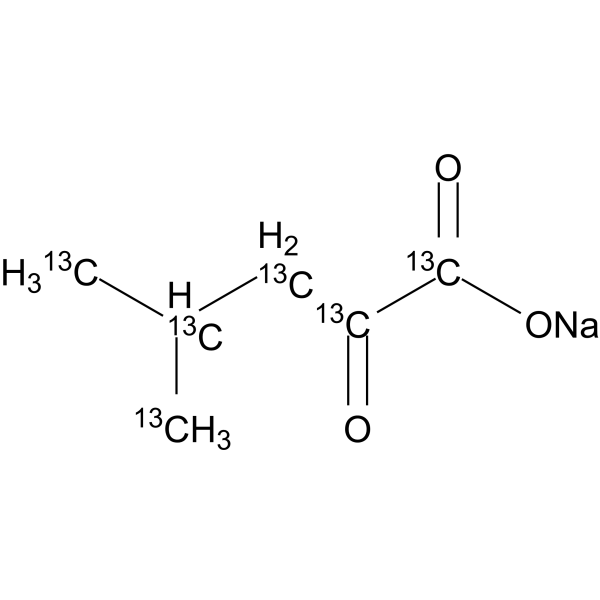 0 ImagesSynonyms: Sodium 4-methyl-2-oxopentanoate-13C6; 2-Ketoisocaproic acid-13C6 sodium saltSodium α-ketoisocaproic acid-13C6 is the 13C labeled Sodium α-ketoisocaproic acid.
-
Lumefantrine-d9
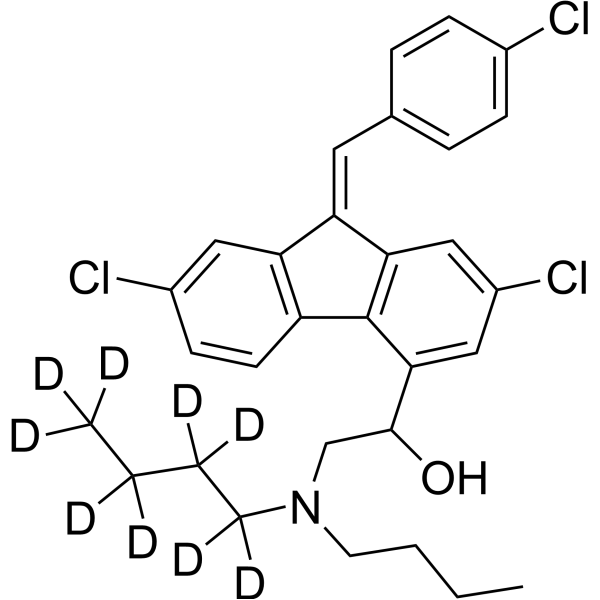 0 ImagesCat. No.: HY-B0803S1CAS No.: 2477594-24-2Synonyms: Benflumetol-d9Lumefantrine-d9 is the deuterium labeled Lumefantrine. Lumefantrine is an antimalarial drug, used in combination with Artemether. The artemether-lumefantrine (AL) as the first- and second-line anti-malarial drugs.
-
Enalapril-d5 maleate
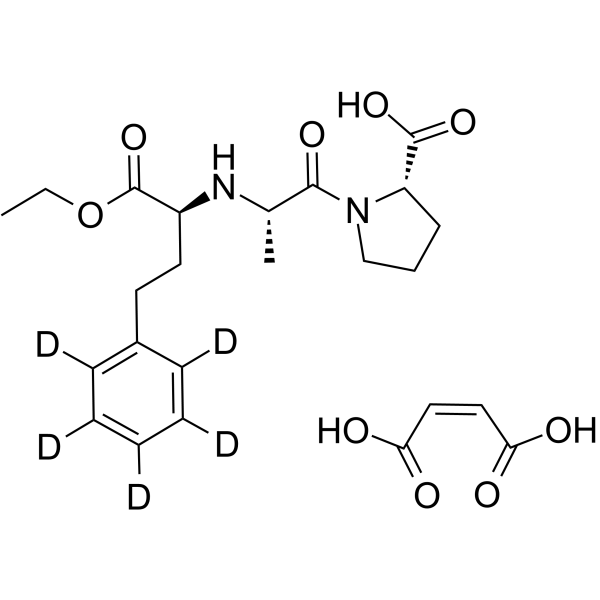 0 ImagesSynonyms: MK-421-d5maleateEnalapril-d5 maleate (MK-421 D5 maleate) is the deuterated-labeled Enalapril maleate (HY-B0331A). Enalapril maleate is an orally active angiotensin-converting enzyme inhibitor. Enalapril maleate blocks the conversion of angiotensin I to angiotensin II, regulates the renin-angiotensin system, reduces preload and afterload, and decreases plasma angiotensin II levels. Enalapril maleate inhibits apoptosis, reduces nitric oxide metabolite levels, stabilizes endothelial cells, enhances endothelial antioxidant defense, scavenges reactive oxygen species (ROS), and alleviates neuronal damage. Enalapril maleate attenuates glutathione depletion, protein/lipid oxidation, tissue damage, and type III collagen immunolabeling in organs of diabetic rats. Enalapril maleate reduces systolic blood pressure and urinary albumin excretion, and delays the progression of diabetic cardiac/renal injury. Enalapril maleate is used in research related to asymptomatic left ventricular dysfunction, congestive heart failure, Alzheimer's disease, diabetes mellitus, acute myocardial infarction, atrial fibrillation, hypertension, cerebral ischemia, chronic heart failure, and single-ventricle physiology.
-
D-Glucose-13C6,d7
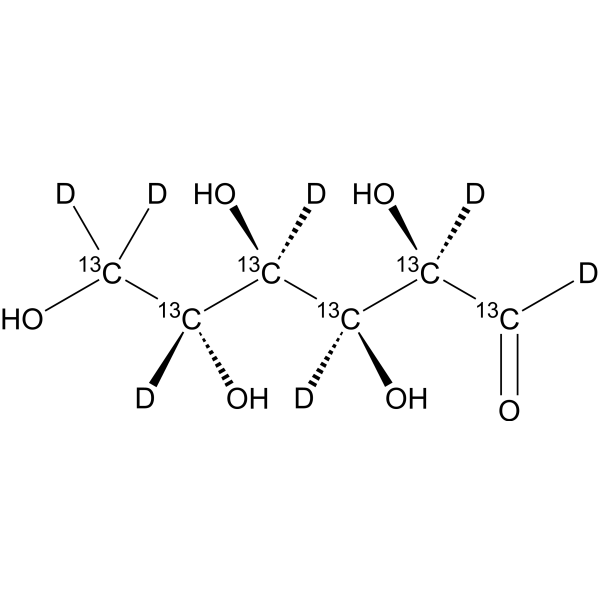 0 ImagesSynonyms: Glucose-13C6,d7; D-(+)-Glucose-13C6,d7; Dextrose-13C6,d7D-Glucose-13C6,d7 is the deuterium and 13C labeled D-Glucose.
-
Thiamine pyrophosphate-d3
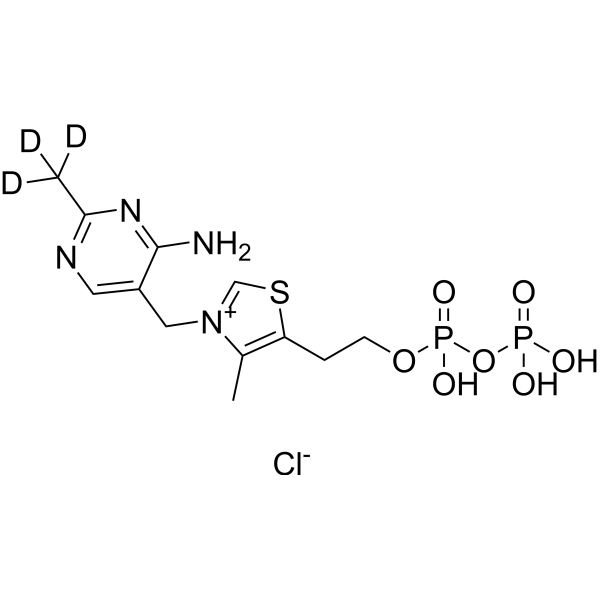 0 ImagesCat. No.: HY-113076SCAS No.: 2483831-79-2Thiamine pyrophosphate-d3 is the deuterium labeled Thiamine pyrophosphate. Thiamine pyrophosphate is the coenzyme form of Vitamin B1 and is a required intermediate in the pyruvate dehydrogenase complex and the ketoglutarate dehydrogenase complex.
-
L-Threonine-15N
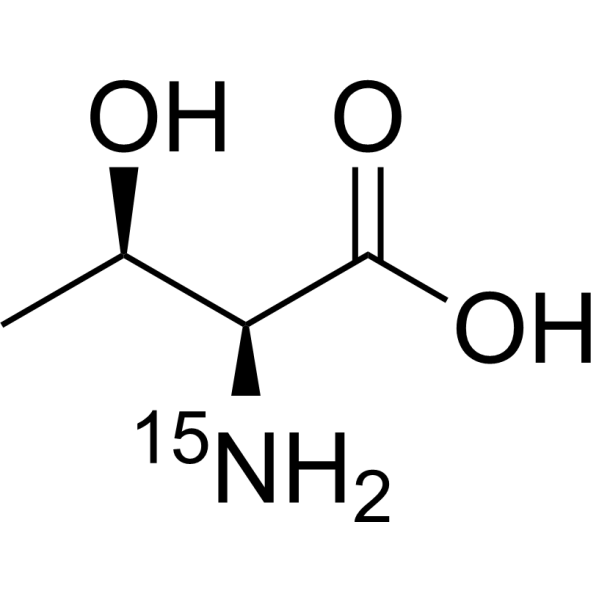 0 ImagesL-Threonine-15N is the 15N-labeled L-Threonine. L-Threonine is a natural amino acid, can be produced by microbial fermentation, and is used in food, medicine, or feed.
-
Febuxostat-d7
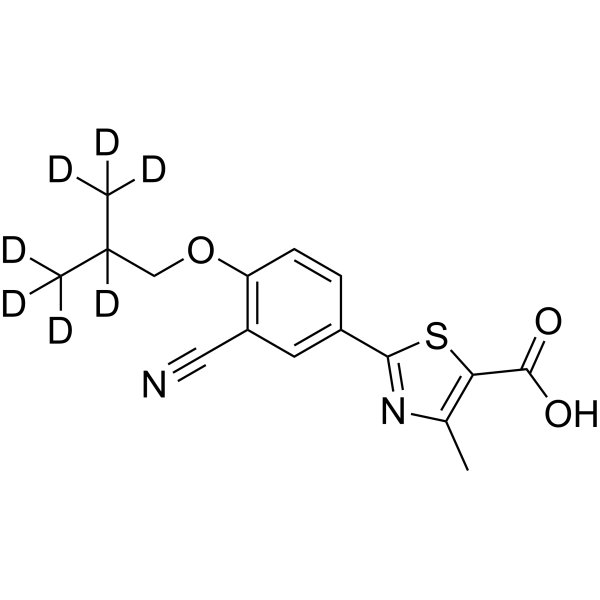 0 ImagesSynonyms: TEI 6720-d7; TMX 67-d7Febuxostat-d7 is deuterium labeled Febuxostat. Febuxostat (TEI 6720) is selective xanthine oxidase inhibitor with a Ki of 0.6 nM.
-
Brexpiprazole-d8
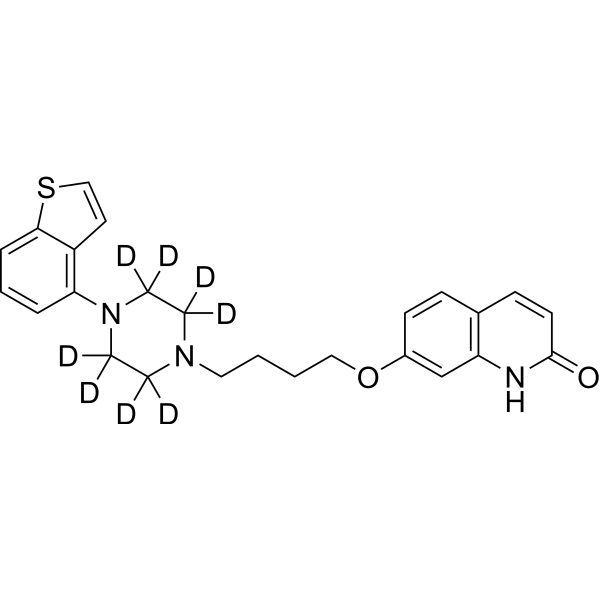 0 ImagesSynonyms: OPC-34712-d8Brexpiprazole-d8 (OPC-34712-d8) is the deuterium labeled Brexpiprazole (HY-15780). Brexpiprazole (OPC-34712), an atypical orally active antipsychotic agent, is a partial agonist of human 5-HT1A and dopamine D2L receptor with Kis of 0.12 nM and 0.3 nM, respectively. Brexpiprazole is also a 5-HT2A receptor antagonist with a Ki of 0.47 nM. Brexpiprazole also shows potent antagonist activity at human noradrenergic α1B (Ki=0.17 nM) and α2C receptors (Ki=0.59 nM).
-
Etidronic acid-d3 disodium
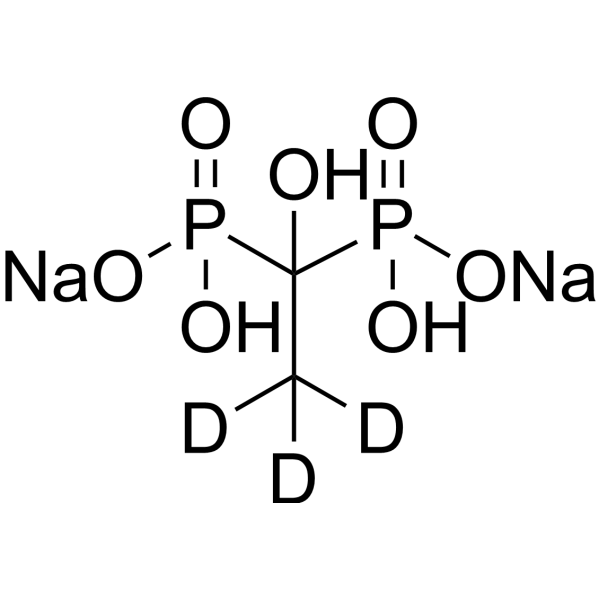 0 ImagesSynonyms: Etidronate-d3 disodium; HEDPA-d3 disodium; HEDP-d3 disodiumEtidronic acid-d3 (disodium) is the deuterium labeled Etidronic acid disodium.
-
Skatole-d8
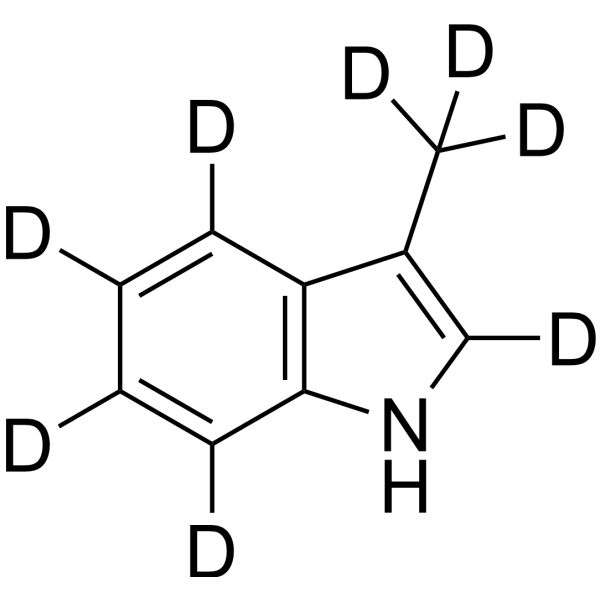 0 ImagesSynonyms: 3-Methylindole-d8; 3-Methyl-1H-indole-d8Skatole-d8 is the deuterium labeled Skatole. Skatole is produced by intestinal bacteria, regulates intestinal epithelial cellular functions through activating aryl hydrocarbon receptors and p38.
-
Glycine-2-13C,15N
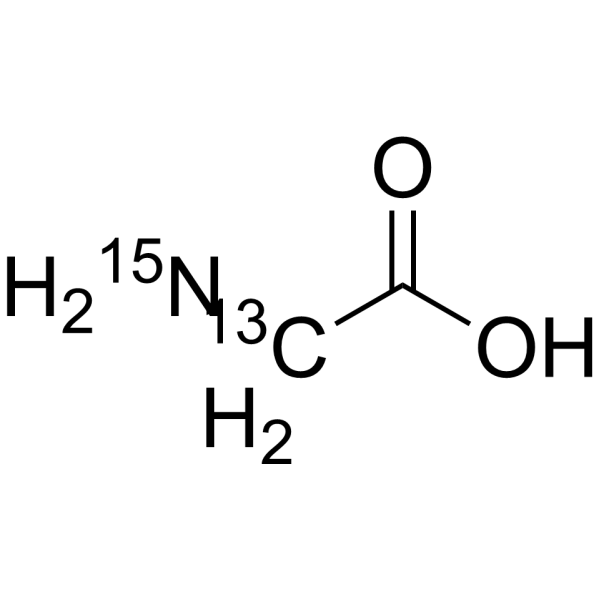 0 ImagesGlycine-2-13C,15N is the 13C- and 15N-labeled Glycine. Glycine is an inhibitory neurotransmitter in the CNS and also acts as a co-agonist along with glutamate, facilitating an excitatory potential at the glutaminergic N-methyl-D-aspartic acid (NMDA) receptors.
-
1-Stearoyl-rac-glycerol-d35
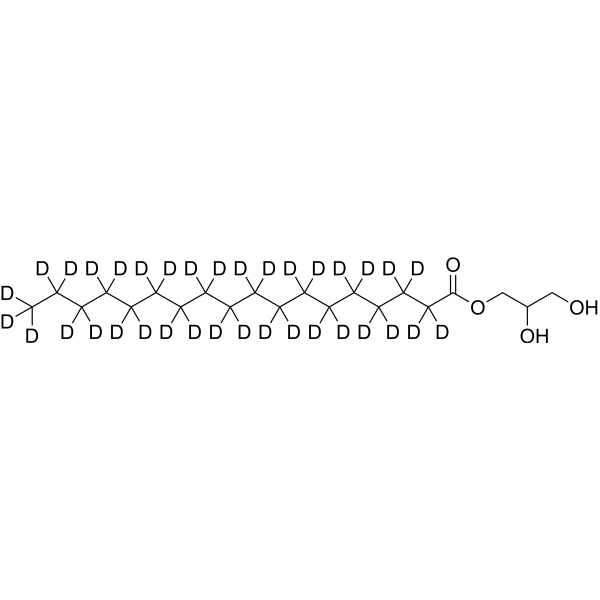 0 ImagesSynonyms: 1-Monostearin-d35; 2,3-dihydroxypropyl stearate-d351-Stearoyl-rac-glycerol-d35 is the deuterium labeled 1-Stearoyl-rac-glycerol.



