



Isotope-Labeled Compounds
Isotope-labeled compounds are chemical substances in which some atoms in their molecules are replaced by isotope atoms. The range of stable isotope products can cover from gases to complex molecules. Isotope-labeled compounds could provide a site-specific investigation of structures, making molecules easily detectable by mass spectrometry and NMR, and maintaining the physico-chemical properties of the target molecule at the same time.
MCE isotope-labeled compounds are all stable isotope-labeled compounds and are non-radioactive labeled substances. MCE isotope-labeled compounds are unique tools for identifying and understanding biological and chemical processes. Stable isotope-labeled products are now getting more and more popular among scientists. The scope of application is gradually penetrating into various scientific fields, such as life sciences, food and medicine, agriculture, environment, geology, etc. Stable isotope-labeled compounds have a wide range of applications in the Life Science areas, such as Metabolomics, Proteomics, Clinical studies, Deuterium drugs, etc.
All Product Categories
-
Isotope-Labeled Compounds Related Products (11099)
Related Products (11099)

-
N-Valerylglycine-d2
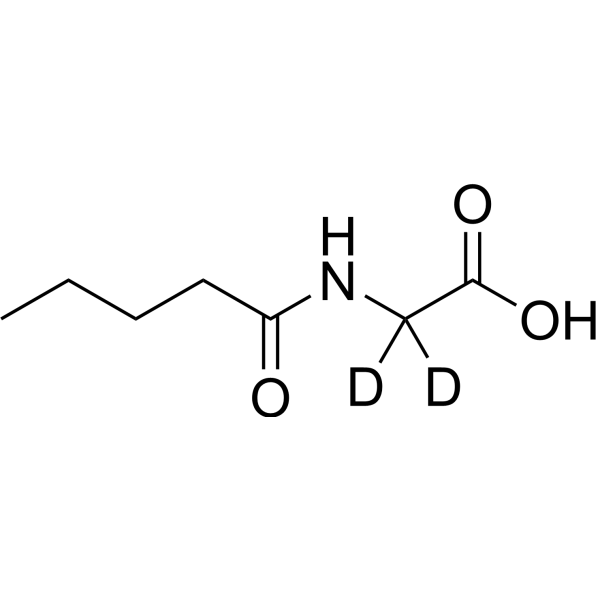 0 ImagesCat. No.: HY-W141934SCAS No.: 3008541-76-9N-Valerylglycine-d2 is the deuterated labeled N-Valerylglycine (HY-W141934). N-Valerylglycine is a Glycine (HY-Y0966) derivative.
-
1-Hexanol-d13
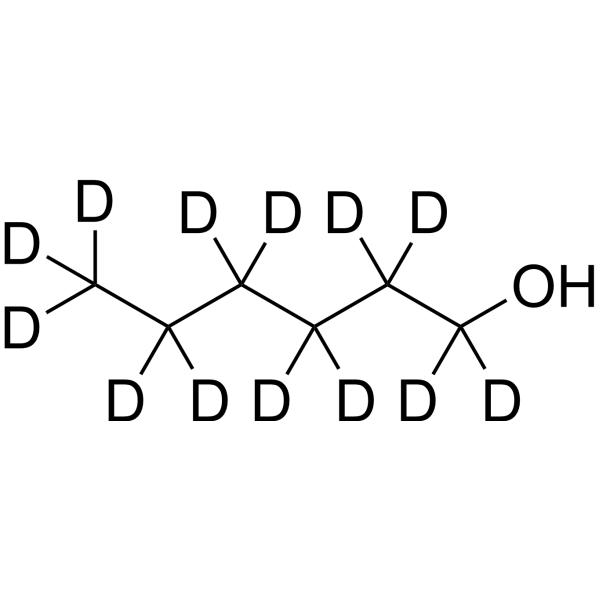 0 ImagesCat. No.: HY-W032022SCAS No.: 204244-84-81-Hexanol-d13 is the deuterium labeled 1-Hexanol. 1-Hexanol, a primary alcohol, is a surfactant that can be employed in industrial processes to enhance interfacial properties. 1-Hexanol uncouples mitochondrial respiration by a non-protonophoric mechanism.
-
Menaquinone-4-d7
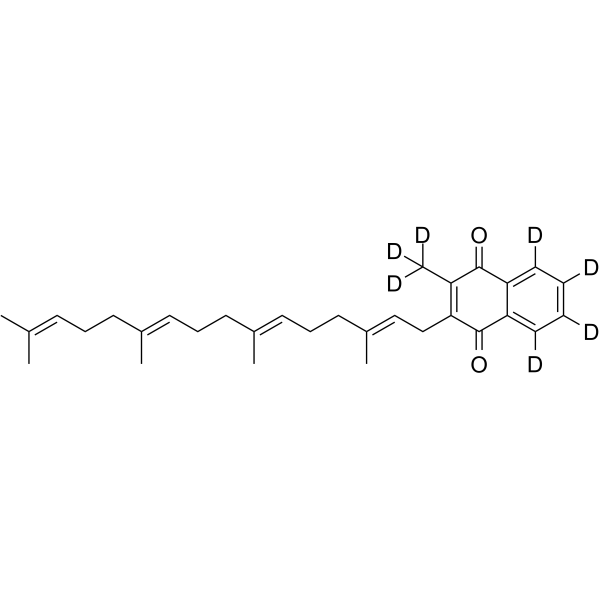 0 ImagesCat. No.: HY-B2156SCAS No.: 1233937-25-1Synonyms: Vitamin K2(MK-4)-d7; Menaquinone K4-d7Menaquinone-4-d7 (Vitamin K2(MK-4)-d7) is the deuterium labeled Menaquinone-4. Menaquinone-4 is a vitamin K, used as a hemostatic agent, and also a adjunctive therapy for the pain of osteoporosis.
-
Methyl-triphenylphosphonium-d3 bromide
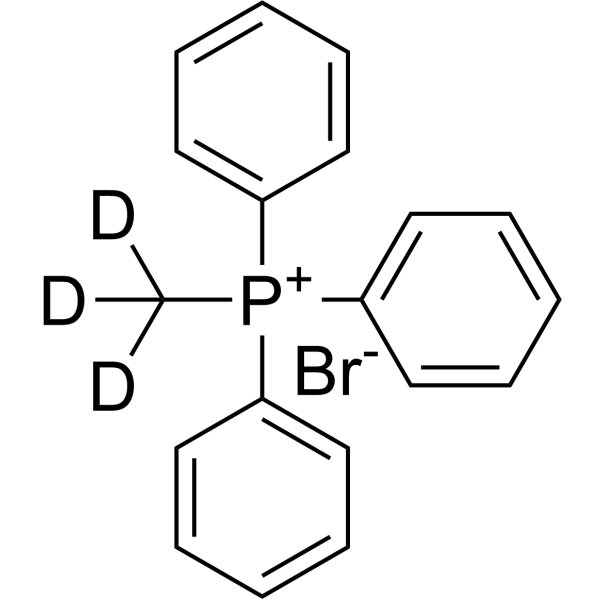 0 ImagesSynonyms: Phosphonium, methyltriphenyl-, bromide (8CI,9CI)-d3; M 0779-d3; MTPPB-d3; Phosphonium,methyltriphenyl-,bromide-d3; Methyltriphenylphosphonium bromide-d3Methyl-triphenylphosphonium-d3 (bromide) is the deuterium labeled Methyl-triphenylphosphonium bromide.
-
7α-Hydroxycholesterol-d7
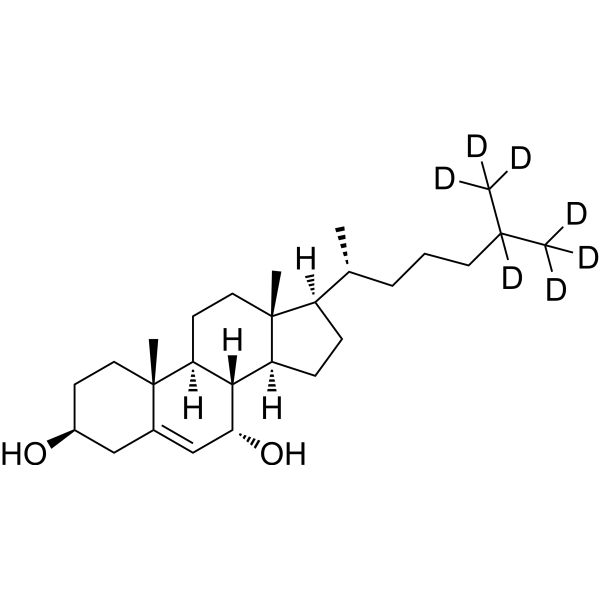 0 ImagesCat. No.: HY-N7264SCAS No.: 349553-94-27α-Hydroxycholesterol-d7 is the deuterium labeled 7α-Hydroxycholesterol. 7α-Hydroxycholesterol is a cholesterol oxide and is formed by both enzymatic and non-enzymatic oxidation. 7α-Hydroxycholesterol can be used as a biomarker for lipid peroxidation.
-
(R)-(+)-Warfarin-d5
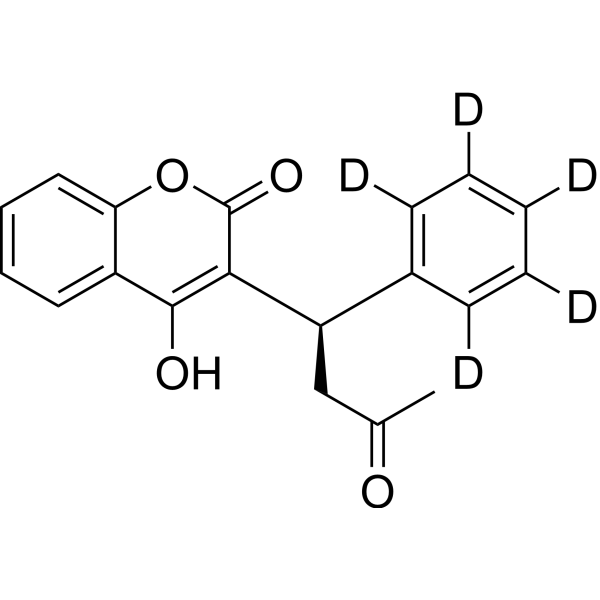 0 Images(R)-(+)-Warfarin-d5 is the deuterated-labeled (R)-(+)-Warfarin (HY-W015998). (R)-(+)-Warfarin is an orally active chiral 4-hydroxycoumarin compound with vitamin K epoxide reductase (VKOR) inhibitory activity and cytochrome P450 substrate activity. (R)-(+)-Warfarin undergoes stereoselective metabolism via CYP1A2 to form 6-Hydroxywarfarin and 8-Hydroxywarfarin, and is metabolized via CYP3A4 to produce 10-Hydroxywarfarin (HY-134999). (R)-(+)-Warfarin can be used for the research of thromboembolic diseases.
-
Benzyl alcohol-d7
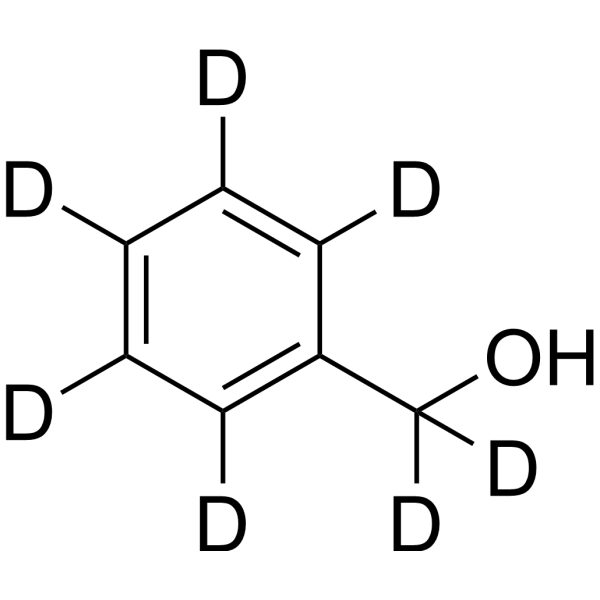 0 ImagesSynonyms: Benzenemethanol-d7Benzyl alcohol-d7 is the deuterium labeled Benzyl alcohol. Benzyl alcohol is an aromatic alcohol; a colorless liquid with a mild pleasant aromatic odor.
-
(±)-Naproxen-d3
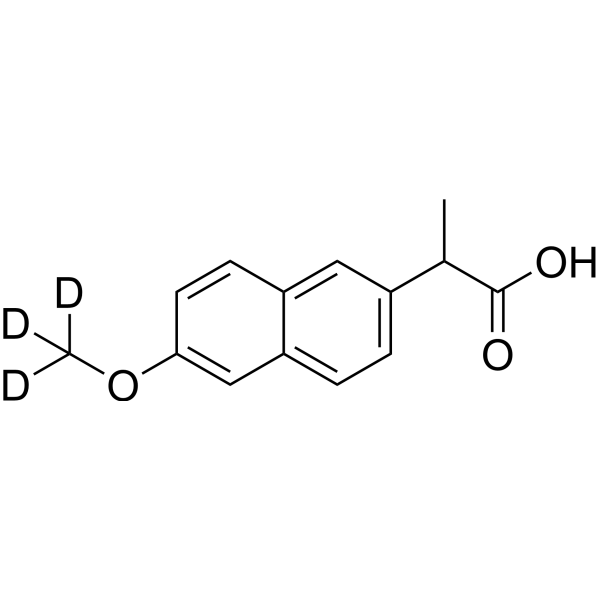 0 ImagesSynonyms: (Rac)-Naproxen-d3(±)-Naproxen-d3 is the deuterium labeled (±)-Naproxen. (±)-Naproxen is a non-steroidal anti-inflammatory drug (NSAID).
-
Cefepime-d8 sulfate
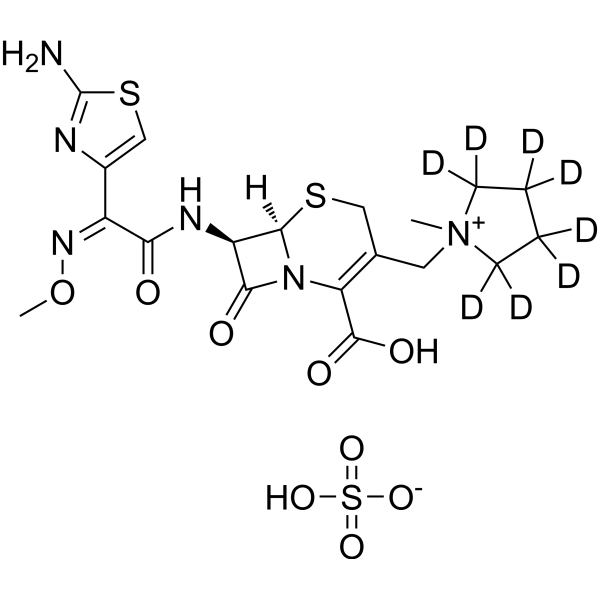 0 ImagesCefepime-d8 (BMY-28142-d8) sulfate is deuterium labeled Cefepime sulfate. Cefepime sulfate is a broad-spectrum, blood-brain barrier-permeable cephalosporin antibiotic with hPON1 inhibitory activity, with an IC50 of 21.115 mM and a Ki of 35.092 mM. Cefepime sulfate inhibits hPON1 via a non-competitive mechanism and blocks GABAA receptors. Cefepime sulfate penetrates the outer membrane of Gram-negative bacteria, inhibits the growth of Gram-positive and Gram-negative bacteria, and does not induce the production of β-lactamase.
-
1,1-Dimethylurea-d6
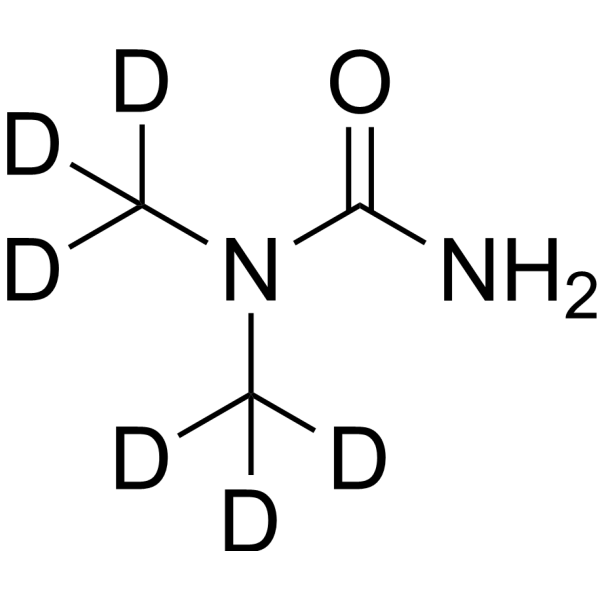 0 ImagesSynonyms: Asym-Dimethylurea-d61,1-Dimethylurea-d6 is the deuterium labeled 1,1-Dimethylurea.
-
18:1-17:1-18:1 TG-d5
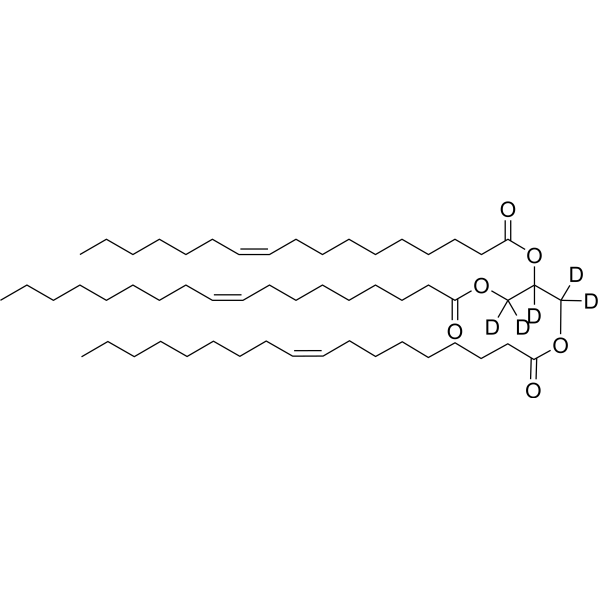 0 ImagesCat. No.: HY-163164SCAS No.: 2342574-91-618:1-17:1-18:1 TG-d5, 1,3-dioleoyl-2-heptadec-10Z-enoyl-glycerol-d5, is a deuterated substance.
-
Oleoylethanolamide-d2
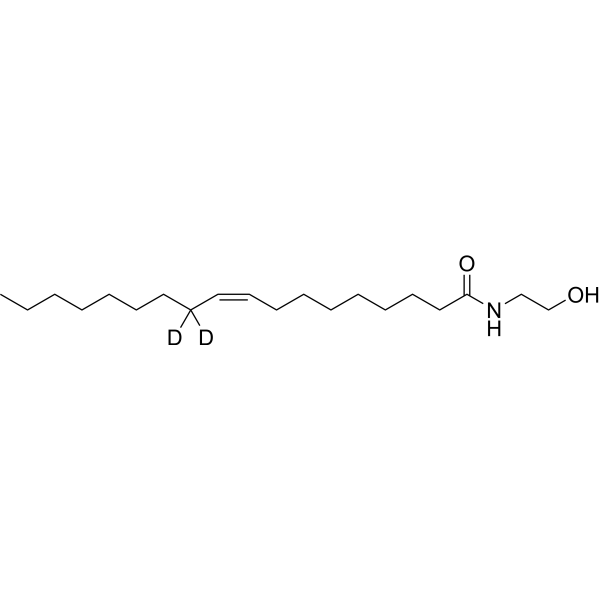 0 ImagesCat. No.: HY-107542S2CAS No.: 1245477-09-1Synonyms: N-Oleoylethanolamide-d2; Oleamide MEA-d2; Oleic acid monoethanolamide-d2Oleoylethanolamide-d2 is the deuterium labeled Oleoylethanolamide. Oleoylethanolamide is a high affinity endogenous PPAR-α agonist, which plays an important role in the treatment of obesity and arteriosclerosis.
-
Vanzacaftor-d4
 0 ImagesCat. No.: HY-145603SSynonyms: VX-121-d4Vanzacaftor-d4 (VX-121-d4) is the deuterium labeled Vanzacaftor (HY-145603). Vanzacaftor is an orally active noval corrector of Cystic fibrosis transmembrane conductance regulator (CFTR). Vanzacaftor improves processing and trafficking of CFTR protein as well as increases chloride transport in triple combined with Tezacaftor (HY-15448) and Deutivacaftor. Vanzacaftor-Tezacaftor-Deutivacaftor is safe and well tolerated, improving lung function, respiratory symptoms, and CFTR function with cystic fibrosis, which is promising for research in the field of cystic fibrosis diseases.
-
1-Hexanol-d11
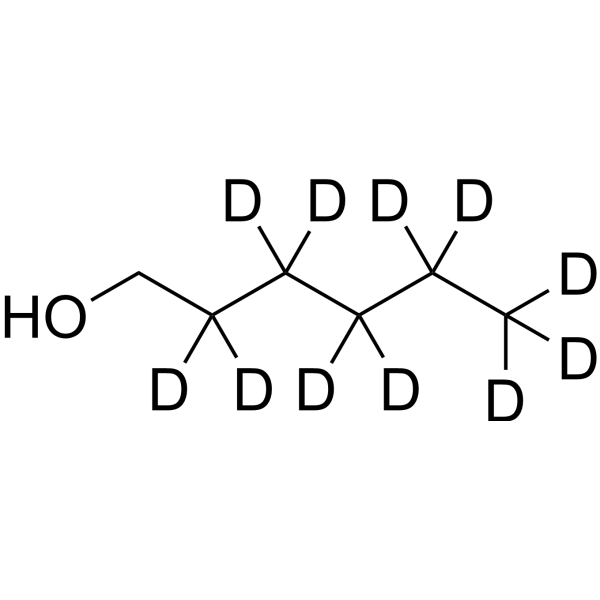 0 Images1-Hexanol-d11 is the deuterium labeled 1-Hexanol. 1-Hexanol, a primary alcohol, is a surfactant that can be employed in industrial processes to enhance interfacial properties. 1-Hexanol uncouples mitochondrial respiration by a non-protonophoric mechanism.
-
Velnacrine-d4 hydrochloride
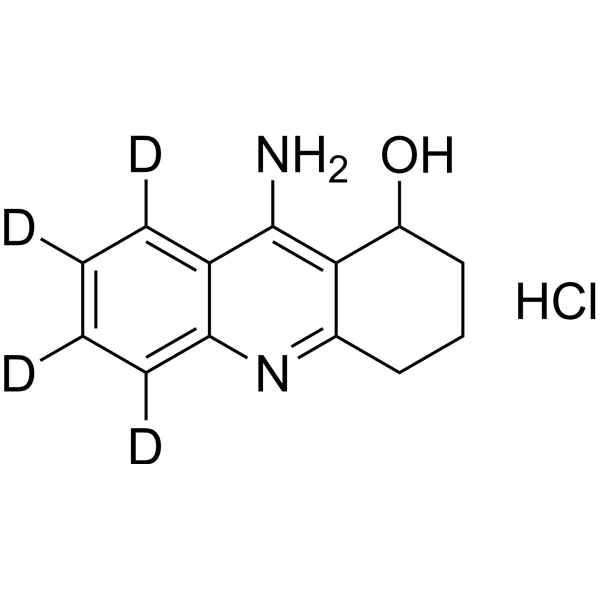 0 ImagesSynonyms: HP 029-d4 hydrochloride; Hydroxytacrine-d4 hydrochlorideVelnacrine-d4 (hydrochloride) is deuterium labeled Velnacrine.
-
Fluorene-d8
 0 ImagesCat. No.: HY-W026772S1CAS No.: 35782-21-9Fluorene-d8 is the deuterium labeled Fluorene (HY-W026772). Fluorene is an orally active polycyclic aromatic hydrocarbon (PAH) and a precursor to other fluorene-based compounds. Fluorene and its derivatives serve as dye precursors for fluorene synthesis. In A549 cells, Fluorene induces oxidative stress and inflammatory responses by increasing ROS and SOD generation, exacerbating lipid peroxidation, modulating antioxidant enzyme activity, and upregulating the expression of pro-inflammatory factors TNF-α and IL-6. In vivo, Fluorene exhibits anxiolytic activity. Fluorene holds potential for research in inflammation and neurological disorders.
-
Stearoyl coenzyme A-13C18 lithium
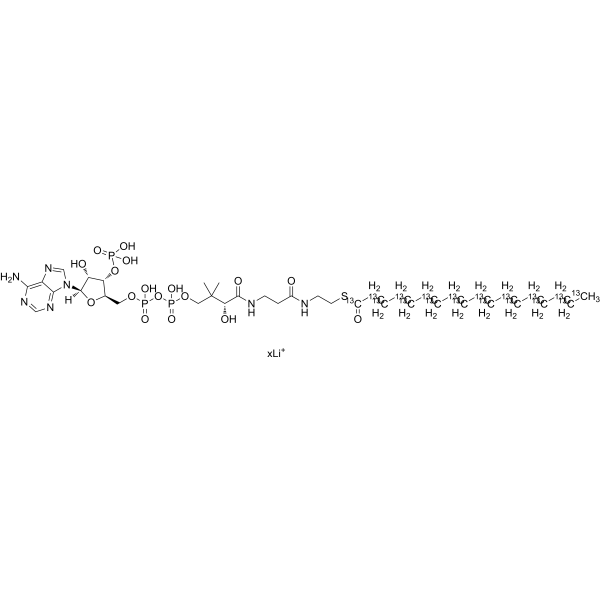 0 ImagesCat. No.: HY-134423SStearoyl coenzyme A-13C18 (lithium) is the 13C labeled Stearoyl coenzyme A lithium. Stearoyl coenzyme A (Stearoyl-CoA) lithium is an active compound that can be used as a substrate for the determination of stearoyl-Coenzyme desaturase in microsomes.
-
Gefitinib-d3
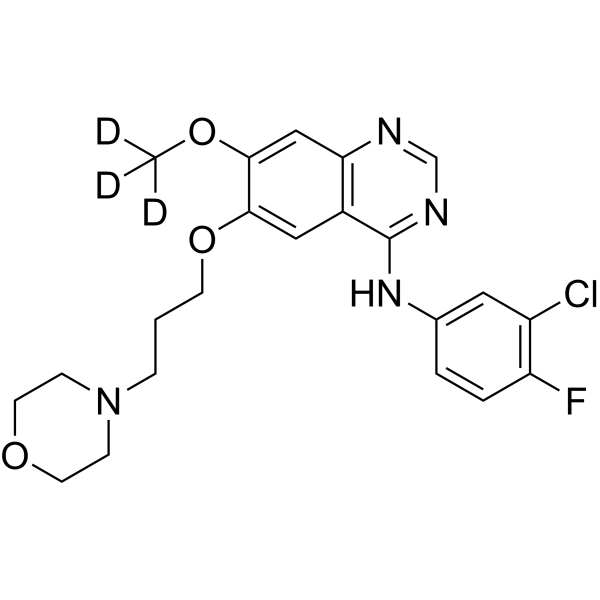 0 ImagesGefitinib-d3 (ZD1839-d3) is the deuterium labeled Gefitinib. Gefitinib (ZD1839) is a potent, selective and orally active EGFR tyrosine kinase inhibitor with an IC50 of 33 nM. Gefitinib selectively inhibits EGF-stimulated tumor cell growth (IC50 of 54 nM) and that blocks EGF-stimulated EGFR autophosphorylation in tumor cells. Gefitinib also induces autophagy. Gefitinib has antitumour activity.
-
27-Hydroxy cholesterol-d6
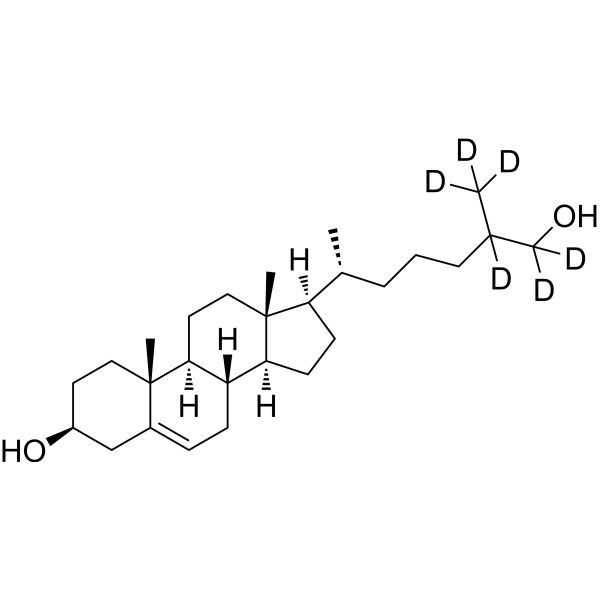 0 ImagesCat. No.: HY-143367SCAS No.: 1246302-95-3Synonyms: Cholest-5-ene-3 beta,26-diol-d627-Hydroxy cholesterol-d6 is deuterium labeled 27-Hydroxy cholesterol.



