



Isotope-Labeled Compounds
Isotope-labeled compounds are chemical substances in which some atoms in their molecules are replaced by isotope atoms. The range of stable isotope products can cover from gases to complex molecules. Isotope-labeled compounds could provide a site-specific investigation of structures, making molecules easily detectable by mass spectrometry and NMR, and maintaining the physico-chemical properties of the target molecule at the same time.
MCE isotope-labeled compounds are all stable isotope-labeled compounds and are non-radioactive labeled substances. MCE isotope-labeled compounds are unique tools for identifying and understanding biological and chemical processes. Stable isotope-labeled products are now getting more and more popular among scientists. The scope of application is gradually penetrating into various scientific fields, such as life sciences, food and medicine, agriculture, environment, geology, etc. Stable isotope-labeled compounds have a wide range of applications in the Life Science areas, such as Metabolomics, Proteomics, Clinical studies, Deuterium drugs, etc.
All Product Categories
-
Isotope-Labeled Compounds Related Products (11099)
Related Products (11099)

-
C26 Sphingomyelin (d18:1/26:0)-d4
 0 ImagesCat. No.: HY-165075SC26 Sphingomyelin (d18:1/26:0)-d4 is deuterium labeled C26 Sphingomyelin (d18:1/26:0). C26 Sphingomyelin (d18:1/26:0) is a biochemical reagent.
-
Methoxytrimethylsilane-d3
 0 ImagesCat. No.: HY-Y1838SCAS No.: 19108-51-1Methoxytrimethylsilane-d3 is the deuterium labeled Methoxytrimethylsilane. Methoxytrimethylsilane is a mono-alkoxy derivative.
-
15:0-18:1 DG-d7
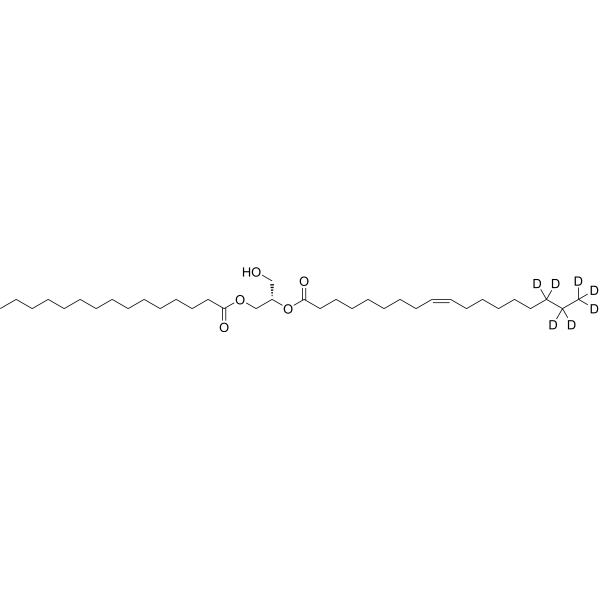 0 ImagesCat. No.: HY-146795SCAS No.: 2097561-14-115:0-18:1 DG-d7 is deuterium labeled 15:0-18:1 DG.
-
Metazachlor-d6
 0 ImagesCat. No.: HY-136373SCAS No.: 1246816-51-2Synonyms: BAS 479H-d6Metazachlor-d6 (BAS 479H-d6) is a deuterium labeled Metazachlor (HY-136373). Metazachlor (BAS 479H) is a herbicide belonging to the chloroacetamides class. Metazachlor can inhibit the synthesis of very long chain fatty acids during the germination and emergence of weed seeds, thereby interfering with cell division and tissue differentiation, and thus hindering the normal growth and development of weeds.
-
7-Ethoxyresorufin-d5
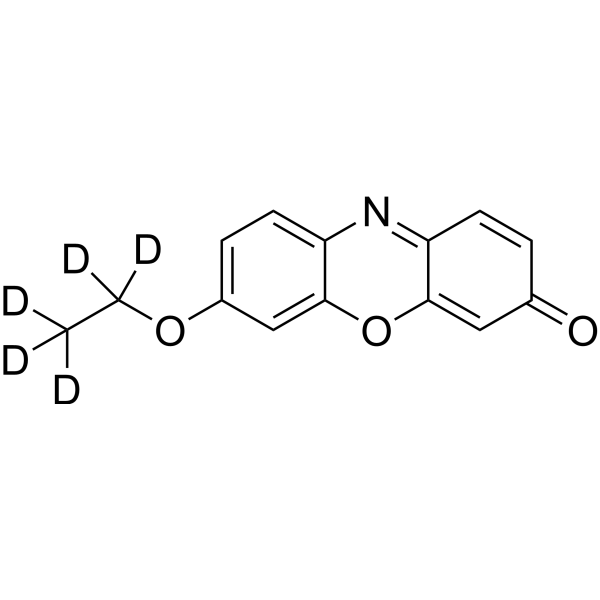 0 ImagesSynonyms: Resorufin ethyl ether-d57-Ethoxyresorufin-d5 is deuterium labeled 7-Ethoxyresorufin. 7-Ethoxyresorufin (Resorufin ethyl ether) is a fluorometric substrate and competitive inhibitor of cytochrome P450, especially CYP1A1. 7-Ethoxyresorufin also inhibits NO synthase.
-
Scopolamine-d3 hydrobromide
 0 ImagesSynonyms: Hyoscine-d3 hydrobromideScopolamine-d3 hydrobromide is the deuterium labeled Scopolamine hydrobromide (HY-B2065). Scopolamine (Hyoscine) hydrochloride is a high-affinity muscarinic antagonist that can cross the blood-brain barrier. Scopolamine hydrochloride competitively antagonizes 5-HT3 receptors with an IC50 of 2.09 μM. Scopolamine hydrochloride can induce cognitive and memory deficits in animals. Scopolamine hydrochloride can be used in the research of preventing postoperative nausea and vomiting, motion sickness, nervous system diseases, etc.
-
2-Hydroxy Atorvastatin-d5 disodium
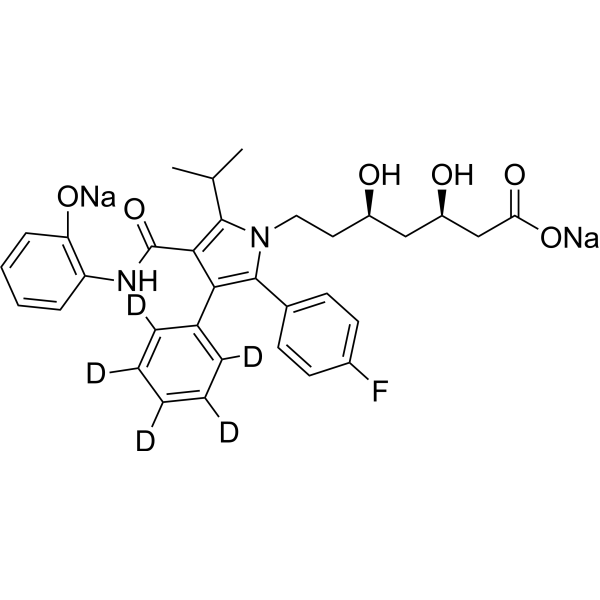 0 ImagesCat. No.: HY-143840SCAS No.: 1276537-19-92-Hydroxy Atorvastatin-d5 disodium is the deuterium labeled 2-Hydroxy Atorvastatin disodium. 2-Hydroxy atorvastatin calcium salt is a hydroxy metabolite of Atorvastatin calcium salt. Atorvastatin is a potent HMG-CoA reductase inhibitor with an IC50 value of 8 nM.
-
3-(Trimethylsilyl)propanoic acid-d4 sodium
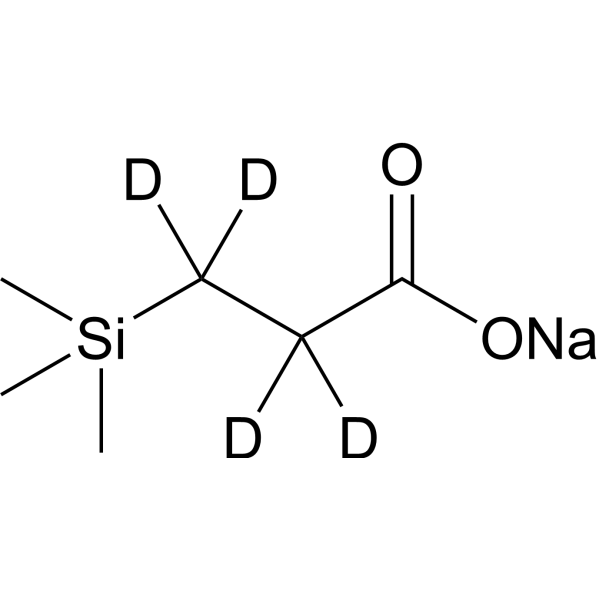 0 Images3-(Trimethylsilyl)propanoic acid-d4 sodium is deuterated labeled 3-(Trimethylsilyl)propanoic acid.
-
Gluconate-1-13C sodium
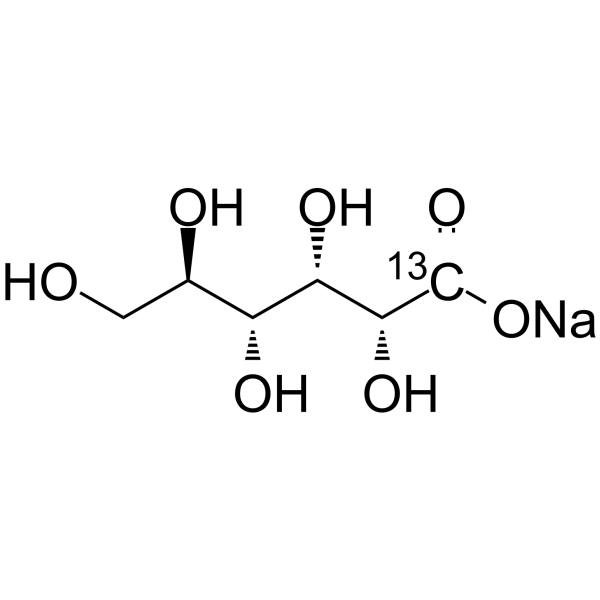 0 ImagesSynonyms: D-Gluconic acid sodium salt-1-13C; Sodium D-gluconate-1-13C; D-Gluconate sodium salt-1-13CGluconate-1-13C (D-Gluconic acid-1-13C) sodium is the 13C labeled Gluconate sodium (HY-B1092A). Gluconate (D-Gluconic acid) sodium is an orally active glucose derivative. Gluconate sodium reduces nitric oxide and inflammatory cytokines (IL-1β and IL-6). Gluconate sodium inhibits ERK phosphorylation. Gluconate sodium has antioxidant and antiplatelet activation activities. Gluconate sodium has antitumor activity against colorectal cancer. Gluconate sodium improves osteoarthritis, intestinal damage and acute lung injury.
-
Tetradecane-d30
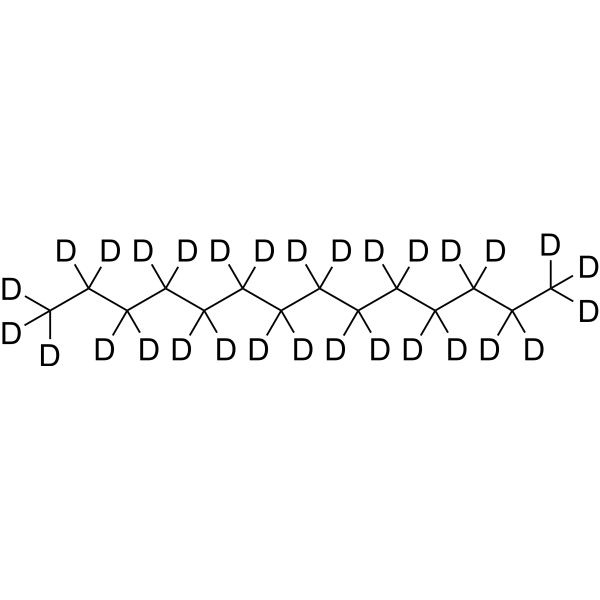 0 ImagesSynonyms: n-Tetradecane-d30Tetradecane-d30 (n-Tetradecane-d30) is the deuterium labeled Tetradecane (HY-W094846). Tetradecane (n-Tetradecane) is a low-temperature phase change material with a phase change temperature of 5°C and a latent heat of phase change of 220 J/g. Tetradecane undergoes solid-liquid phase transition around 5°C, and achieves temperature regulation by absorbing or releasing latent heat.
-
Hexamethylbenzene-d18
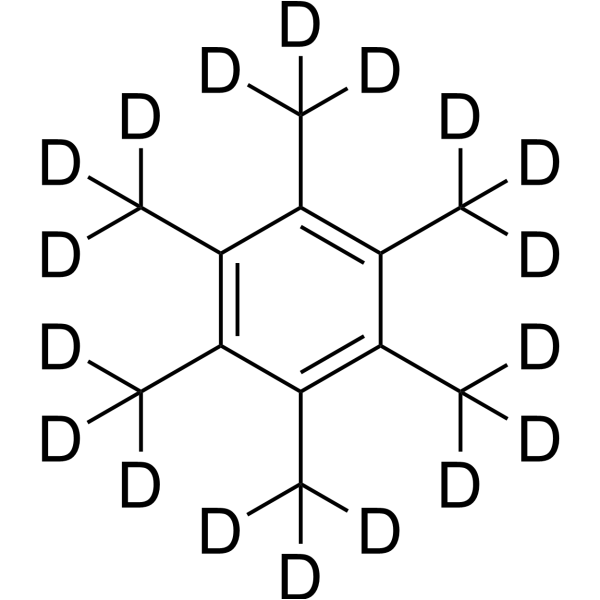 0 ImagesHexamethylbenzene-d18 is the deuterium labeled Hexamethylbenzene.
-
Uridine 5'-monophosphate-d11 dilithium
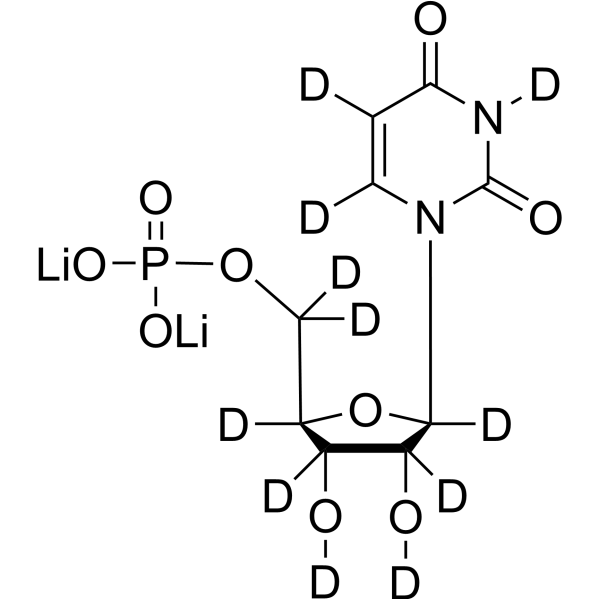 0 ImagesCat. No.: HY-101981S2Purity: 99.90%Synonyms: 5'-Uridylic acid-d11 dilithiumUridine 5'-monophosphate-d11 (5'- Uridylic acid-d11) dilithium is deuterium labeled Uridine 5'-monophosphate (HY-101981). Uridine 5'-monophosphate (5'-Uridylic acid) is an orally active mitochondrial ATP-dependent potassium channel activator that has a protective effect on the heart. Uridine 5'-monophosphate can promote the synthesis of CDP-choline and induce apoptosis in intestinal epithelial cells, which is beneficial for gut development and reduces diarrhea.
-
16α-Hydroxydehydroepiandrosterone-d6
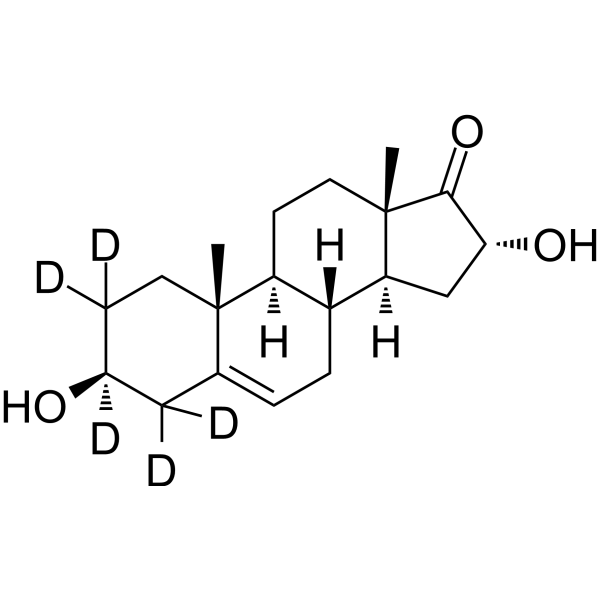 0 ImagesCat. No.: HY-113031SCAS No.: 97453-29-7Synonyms: 16α-hydroxy-DHEA-d6; 16α-OH-DHEA-d616α-Hydroxydehydroepiandrosterone-d6 (16α-Hydroxy-DHEA-d6) is the deuterium labeled 16α-Hydroxydehydroepiandrosterone.
-
Clomiphene-d5 hydrochloride
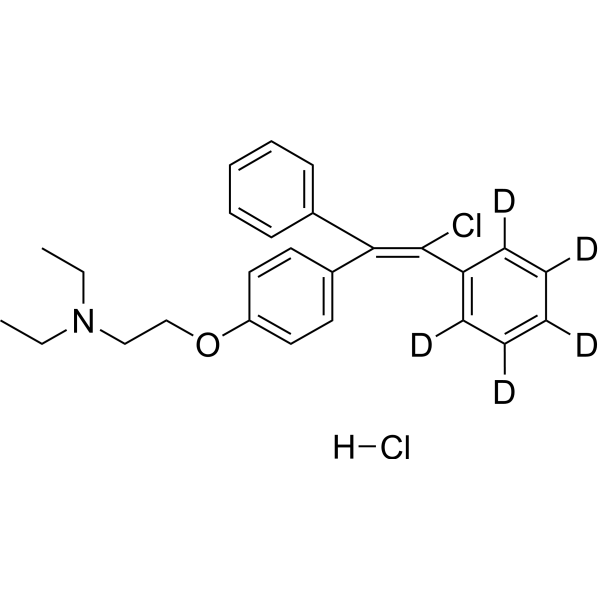 0 ImagesSynonyms: Clomifene-d5 hydrochloride; (Z/E)-Enclomiphene-d5 hydrochloride; (Z/E)-Enclomifene-d5 hydrochlorideClomifene (Clomifene; (Z/E)-Enclomiphene; (Z/E)-Enclomifene)-d5 hydrochloride is a deuterium labeled Clomifene hydrochloride (HY-A0287A). Clomiphene hydrochloride is an orally active ovulation-inducing agent. Clomiphene hydrochloride binds to hypothalamic estrogen receptors to elevate FSH levels, and exhibits antiestrogenic or estrogenic properties. Clomiphene hydrochloride can induce erturbations during meiotic maturation and cytogenetic abnormalities in mouse oocytes. Clomiphene hydrochloride ameliorates memory impairment in PCOS models. Clomiphene hydrochloride mobilizes cytosolic calcium and reduces viability in prostate cancer cells. Clomiphene hydrochloride can be used for the research of polycystic ovary syndrome (PCOS) and prostate cancer.
-
2,4-Dichloro-6-phenyl-1,3,5-triazine-d5
 0 Images2,4-Dichloro-6-phenyl-1,3,5-triazine-d7 is the deuterium labeled 2,4-Dichloro-6-phenyl-1,3,5-triazine (HY-21598).
-
Lyso-PAF C-16-d4
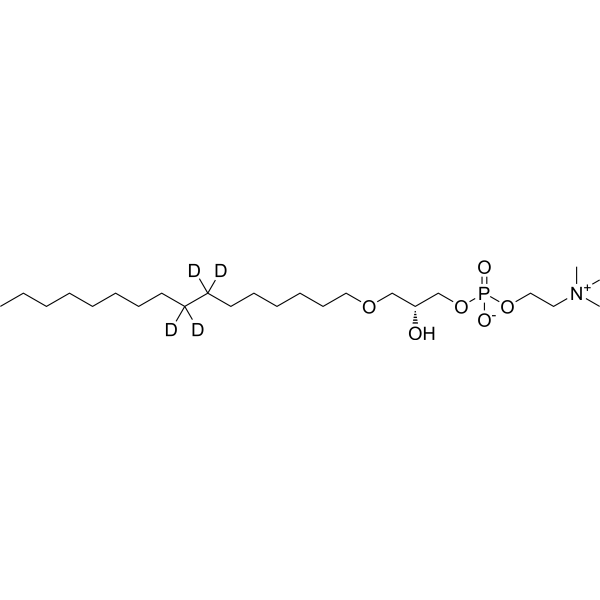 0 ImagesCat. No.: HY-141570SCAS No.: 201216-37-7Synonyms: Lyso-platelet-activating factor C-16-d4Lyso-PAF C-16-d4 (Lyso-platelet-activating factor C-16-d4) is the deuterated-labeled Lyso-PAF C-16 (HY-141570). Lyso-PAF C-16 is a precursor and metabolite of 1-O-hexadecyl-2-acetyl-sn-glycero-3-phosphocholine (PAF C-16). Lyso-PAF C-16 is a substrate for either PAF C-16 formation by the remodeling pathway or selective acylation with arachidonic acid by a CoA-independent transacylase.
-
N-Octanoylglycine-2,2-d2
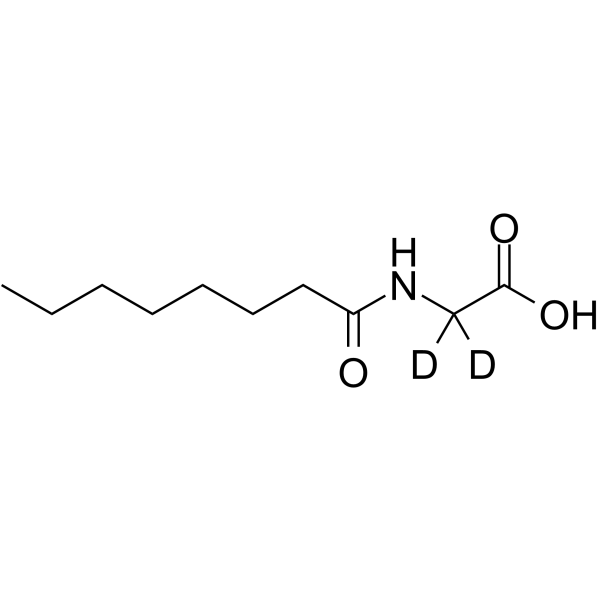 0 ImagesN-Octanoylglycine-2,2-d2 is the deuterium labeled N-Octanoylglycine-2,2.
-
Dimethyl succinate-d4
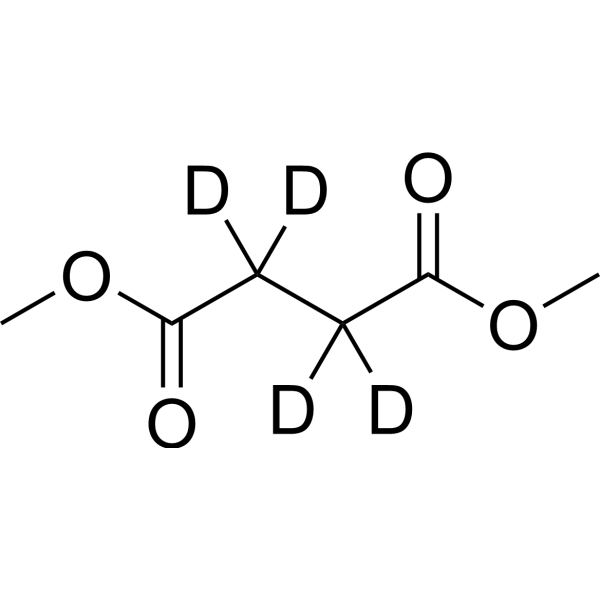 0 ImagesDimethyl succinate-d4 is the deuterium labeled Dimethyl succinate.
-
14:0 Lyso PC-d27
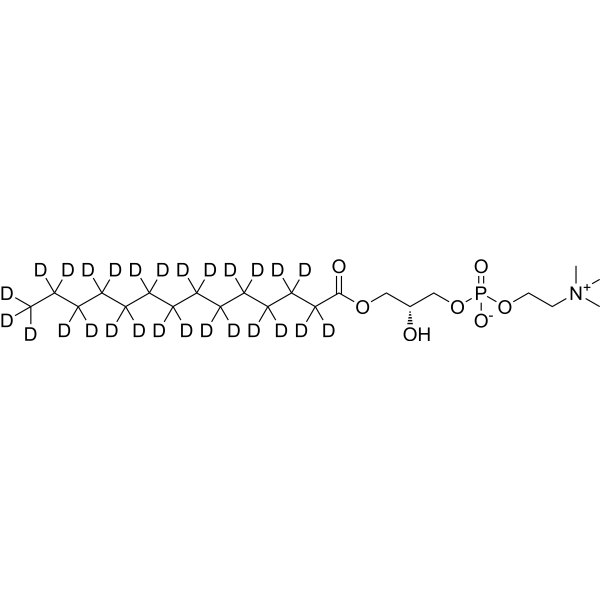 0 Images14:0 Lyso PC-d27 is deuterium labeled 14:0 Lyso PC.



