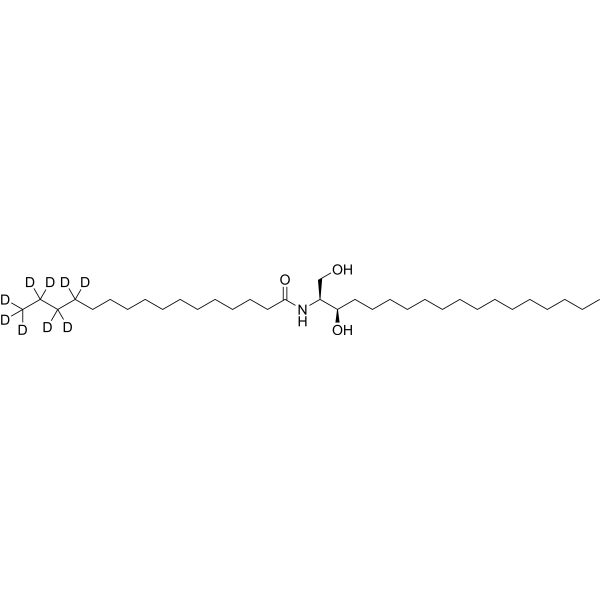
Isotope-Labeled Compounds
Isotope-labeled compounds are chemical substances in which some atoms in their molecules are replaced by isotope atoms. The range of stable isotope products can cover from gases to complex molecules. Isotope-labeled compounds could provide a site-specific investigation of structures, making molecules easily detectable by mass spectrometry and NMR, and maintaining the physico-chemical properties of the target molecule at the same time.
MCE isotope-labeled compounds are all stable isotope-labeled compounds and are non-radioactive labeled substances. MCE isotope-labeled compounds are unique tools for identifying and understanding biological and chemical processes. Stable isotope-labeled products are now getting more and more popular among scientists. The scope of application is gradually penetrating into various scientific fields, such as life sciences, food and medicine, agriculture, environment, geology, etc. Stable isotope-labeled compounds have a wide range of applications in the Life Science areas, such as Metabolomics, Proteomics, Clinical studies, Deuterium drugs, etc.
All Product Categories
-
Isotope-Labeled Compounds Related Products (11101)
Related Products (11101)

-
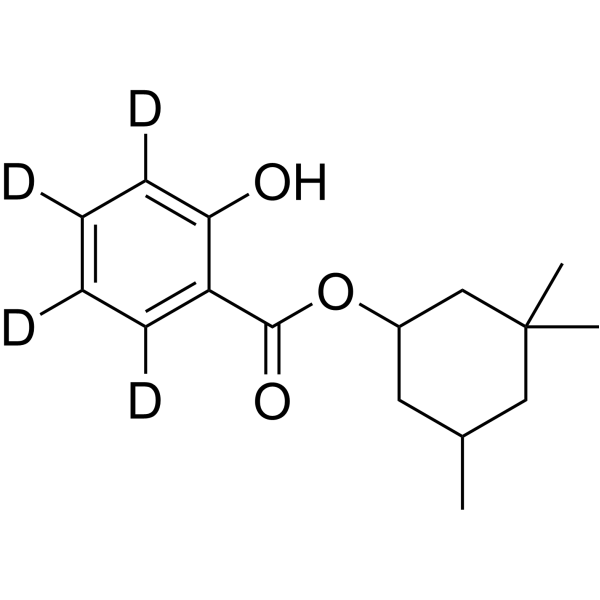
UV-328-d12
 0 ImagesCat. No.: HY-W745880Purity: 99.9%UV-328-d12 is the deuterium labeled UV-328.

-
Chlormadinone acetate-d6-1
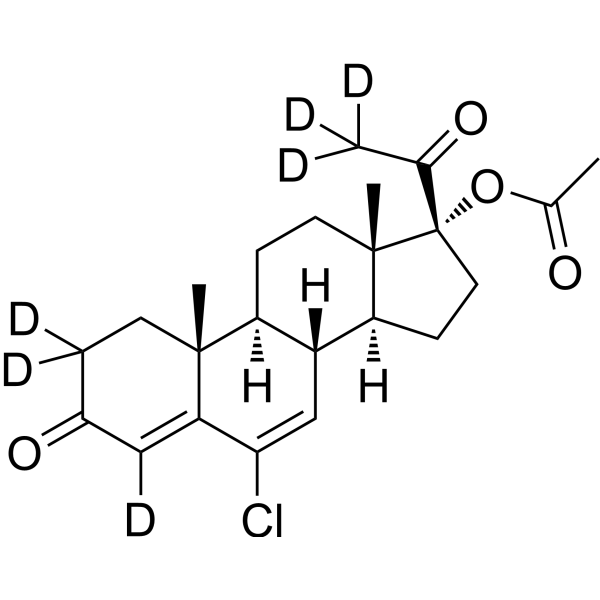 0 ImagesCat. No.: HY-B1095S1Purity: 99.0%Chlormadinone acetate-d6-1 is deuterium labeled Chlormadinone acetate (HY-B1095). Chlormadinone acetate is a progestogen with potent progestogenic activity and antiandrogenic effects. Chlormadinone acetate acts on glucocorticoid receptor, progesterone receptor, androgen receptor, and GABAA receptor. Chlormadinone acetate induces endometrial proliferation in estrogen-pretreated rabbits, inhibits testosterone-stimulated growth of the prostate and seminal vesicles in castrated rats, and reduces the thymus and adrenal weights in juvenile rats. Chlormadinone acetate is applicable to research related to diseases such as depression and reproductive metabolic disorders.
-
MCPA-d3
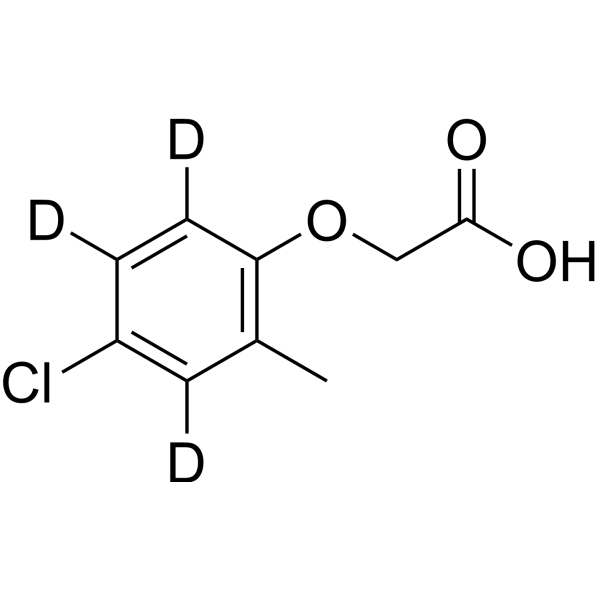 0 ImagesMCPA-d3 is the deuterium labeled MCPA (HY-B0859). MCPA is an orally active phenoxyacetic acid herbicide. MCPA interferes with membrane integrity, energy metabolism (decreases ATP levels), and redox balance in plant cells. MCPA increases hepatic cytochrome P-450 levels and increases aniline hydroxylase and 7-ethoxycoumarin O-deethylase activities. MCPA can be used to control broadleaf weeds.
-
2′-O-Methyluridine-d3
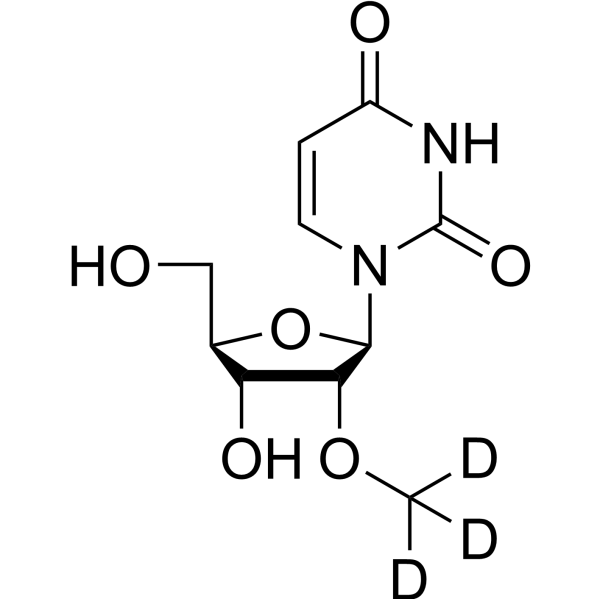 0 ImagesCat. No.: HY-W011824SPurity: 99.19%2′-O-Methyluridine-d3 is deuterium labeled 2′-O-Methyluridine (HY-W011824).2’-O-Methyluridine is a modified nucleoside that can be found in T. thermophile tRNA. 2’-O-Methyluridine level in serum is decreased in patients with breast cancer.
-
Cyclic GMP-13C,15N2
 0 ImagesCat. No.: HY-W654000Purity: 98.80%Synonyms: Guanosine 3',5'-cyclic-13C,15N2 monophosphateCyclic GMP-13C,15N2 is 13C and 15N labeled Cyclic GMP (HY-113469). Cyclic GMP (cGMP), an important second messenger, is a major intracellular mediator of extracellular signals such as nitric oxide (NO) and natriuretic peptides (NPs). Effects of Cyclic GMP occur through three main groups of cellular targets: cGMP-dependent protein kinases (PKGs), cGMP-gated cation channels, and PDEs. Cyclic GMP can inhibit both platelet adhesion and aggregation. cGAMP (Cyclic-GMP-AMP) (HY-12512), a conjugate of Cyclic GMP and AMP, can induce IRF3 phosphorylation and nuclear translocation, enhancing antiviral immune responses.
-
L-Homocitrulline-d3
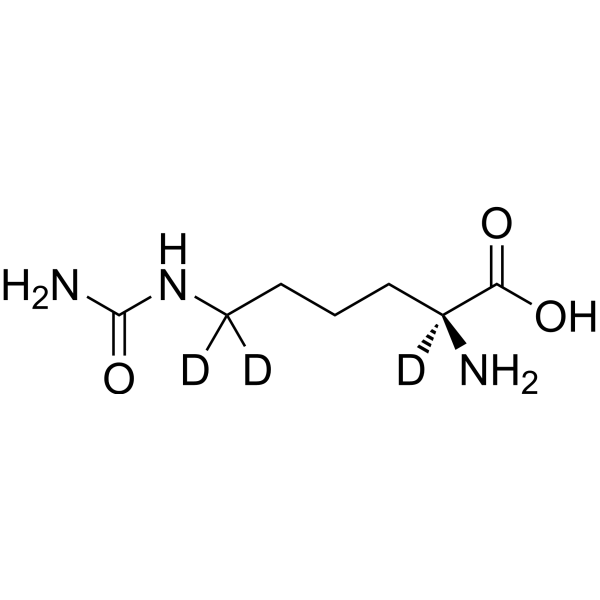 0 ImagesCat. No.: HY-W018004SPurity: 98.90%L-Homocitrulline-d3 is the deuterium labeled L-Homocitrulline. L-Homocitrulline is metabolized to homoarginine through homoargininosuccinate via the urea cycle pathway and its metabolic abnormality could lead to Lysinuric Protein Intolerance (LPI).
-
Doxycycline-d3 (hyclate) (major)
 0 ImagesCat. No.: HY-N0565S1Doxycycline-d3 hyclate (major) is the deuterium labeled Doxycycline hyclate (HY-N0565B). Doxycycline hyclate is an orally active highly lipophilic, tissue-permeable MMP inhibitor with broad-spectrum antibacterial activity. Doxycycline hyclate is also a semi-synthetic antibiotic with chelating properties, which blocks bacterial protein synthesis and inhibits extracellular matrix degradation through interactions with zinc and calcium atoms. Doxycycline hyclate also inhibits mitochondrial biogenesis, translation, and the expression of respiratory chain proteins. Doxycycline hyclate induces apoptosis, inhibits autophagy and EMT, downregulates stem cell markers, and activates the PI3K-AKT pathway, thereby effectively inhibiting the viability and proliferation of cancer cells such as breast cancer cells. Doxycycline hyclate also promotes the survival and self-renewal of embryonic stem cells and neural stem cells, and reduces the frequency of medium changes in culture. Doxycycline hyclate has been applied in studies related to breast cancer, prostate cancer, bladder cancer, and other cancers.
-
Decyltrimethylammonium-d21 bromide
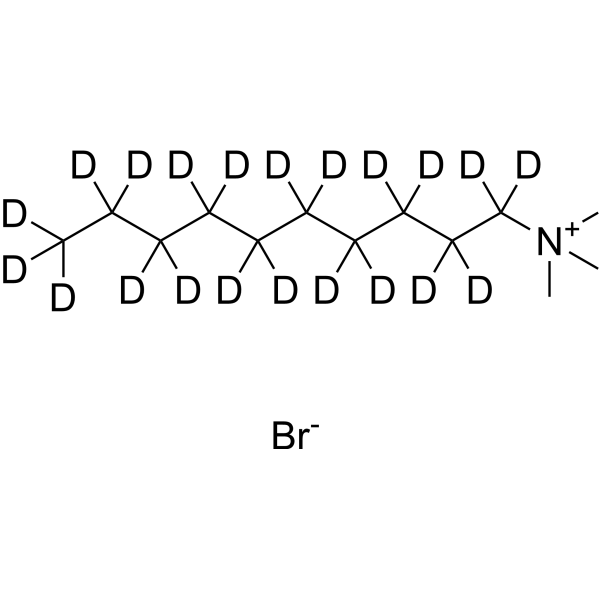 0 ImagesN,N,N-Trimethyldecan-1-aminium-d21 bromide is the deuterium labeled N,N,N-Trimethyldecan-1-aminium bromide.
-
5-Methyl-1H-benzotriazole-d6
 0 ImagesCat. No.: HY-W086988SCAS No.: 1246820-65-4Synonyms: 5-Methylbenzotriazole-d65-Methyl-1H-benzotriazole-d6 (5-Methylbenzotriazole-d6) is the deuterium labeled 5-Methyl-1H-benzotriazole (HY-W086988). 5-Methyl-1H-benzotriazole is a biological material or organic compound that can be used in life science research.
-
Teriflunomide-d4
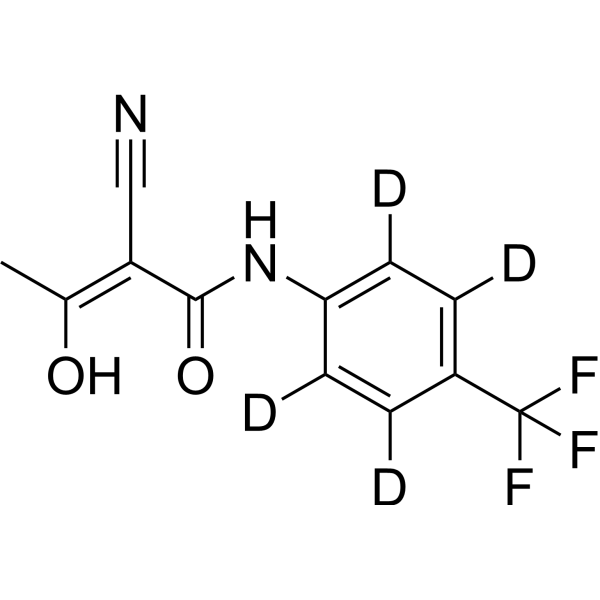 0 ImagesSynonyms: A77 1726-d4Teriflunomide-d4 is deuterium labeled Teriflunomide.
-
α-Linolenic acid-d5
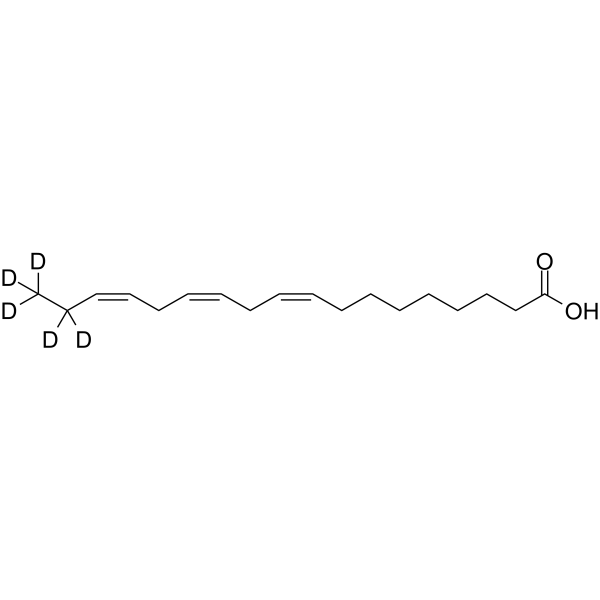 0 ImagesCat. No.: HY-N0728SCAS No.: 145191-04-4α-Linolenic acid-d5 is the deuterium labeled α-Linolenic acid. α-Linolenic acid, isolated from seed oils, is an essential fatty acid that cannot be synthesized by humans. α-Linolenic acid can affect the process of thrombotic through the modulation of PI3K/Akt signaling. α-Linolenic acid possess the anti-arrhythmic properties and is related to cardiovascular disease and cancer.
-
Cetrimonium-d9 bromide
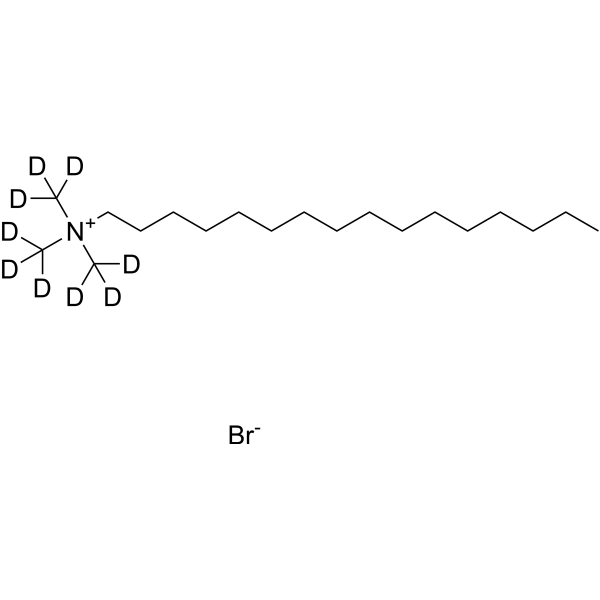 0 ImagesCat. No.: HY-B1260S3CAS No.: 95217-14-4Synonyms: CTAB-d9; Cetyltrimethylammonium-d9 bromide; Hexadecyltrimethylammonium-d9 bromideCetrimonium-d9 (bromide) is the deuterium labeled Cetrimonium bromide. Cetrimonium bromide (CTAB) is an amine based cationic quaternary surfactant, is one of the components of the topical antiseptic Cetrimide.
-
1-Bromo-4-fluorobenzene-d4
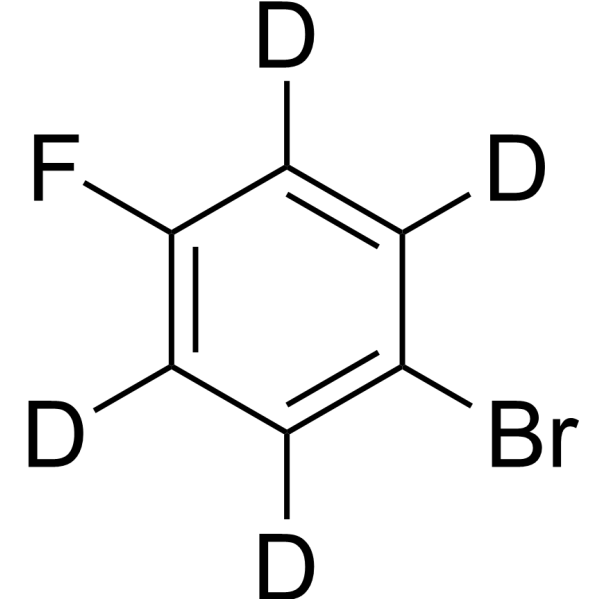 0 Images1-Bromo-4-fluorobenzene-d4 is the deuterium labeled 1-Bromo-4-fluorobenzene.
-
1-Bromo-2-chlorobenzene-d4
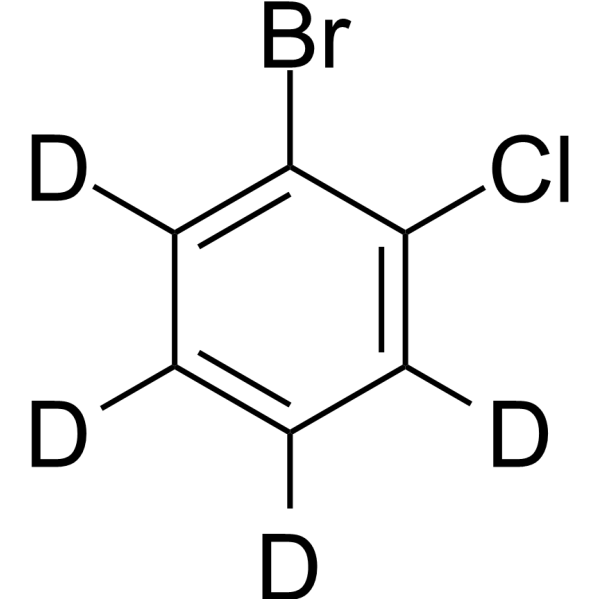 0 ImagesSynonyms: 2-Bromochlorobenzene-d41-Bromo-2-chlorobenzene-d4 is the deuterium labeled 1-Bromo-2-chlorobenzene.
-
Ergosterol-d3
 0 ImagesCat. No.: HY-N0181SErgosterol-d3 is the deuterium labeled Ergosterol (HY-N0181). Ergosterol is the primary sterol found in fungi, with antioxidative, anti-proliferative, and anti-inflammatory effects.
-
Valeryl-L-carnitine-d3 chloride
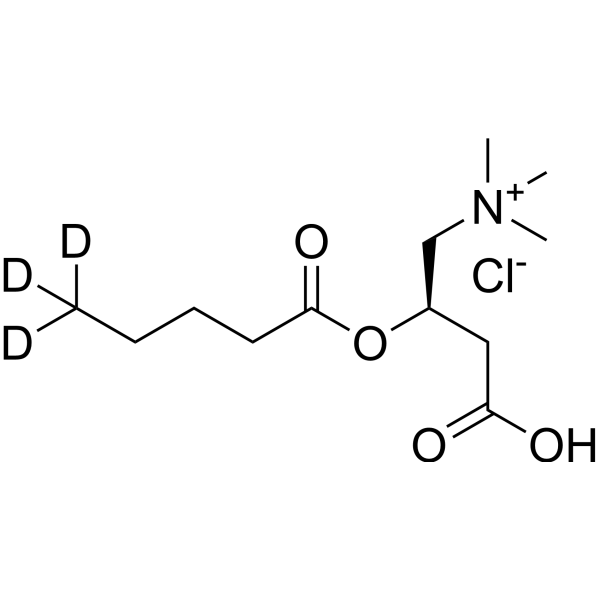 0 ImagesCat. No.: HY-139928SValeryl-L-carnitine-d3 (chloride) is the deuterium labeled Valeryl-L-carnitine chloride.
-
Carbidopa-d3
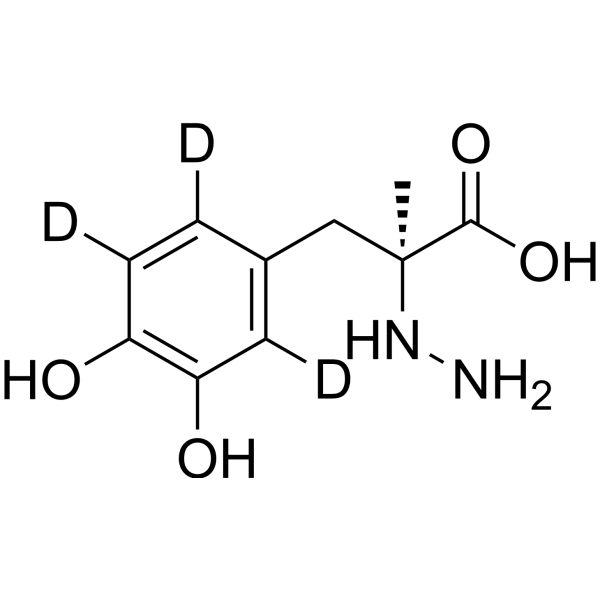 0 ImagesCarbidopa-d3 is the deuterium labeled Carbidopa.