



Isotope-Labeled Compounds
Isotope-labeled compounds are chemical substances in which some atoms in their molecules are replaced by isotope atoms. The range of stable isotope products can cover from gases to complex molecules. Isotope-labeled compounds could provide a site-specific investigation of structures, making molecules easily detectable by mass spectrometry and NMR, and maintaining the physico-chemical properties of the target molecule at the same time.
MCE isotope-labeled compounds are all stable isotope-labeled compounds and are non-radioactive labeled substances. MCE isotope-labeled compounds are unique tools for identifying and understanding biological and chemical processes. Stable isotope-labeled products are now getting more and more popular among scientists. The scope of application is gradually penetrating into various scientific fields, such as life sciences, food and medicine, agriculture, environment, geology, etc. Stable isotope-labeled compounds have a wide range of applications in the Life Science areas, such as Metabolomics, Proteomics, Clinical studies, Deuterium drugs, etc.
All Product Categories
-
Isotope-Labeled Compounds Related Products (11101)
Related Products (11101)

-
N-6-Methyl-2-deoxyadenosine-d3
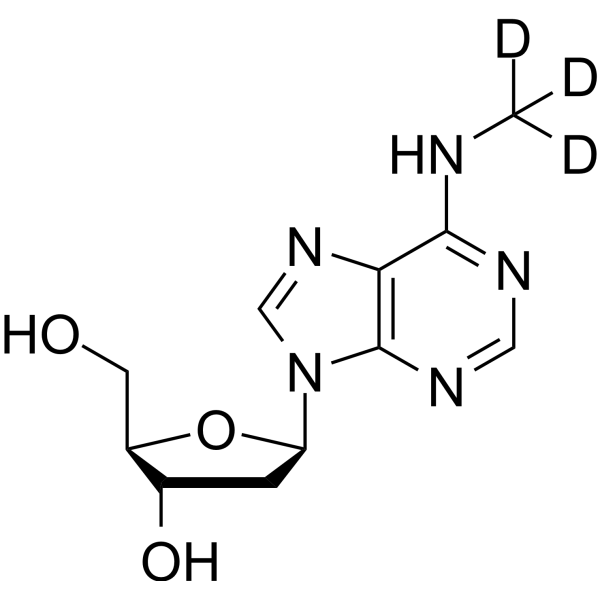 0 ImagesN-6-Methyl-2-deoxyadenosine-d3 is the deuterium labeled N-6-Methyl-2-deoxyadenosine (HY-W011725). N-6-Methyl-2-deoxyadenosine is an adenine nucleoside analogue.
-
Citric acid-2,4-13C2
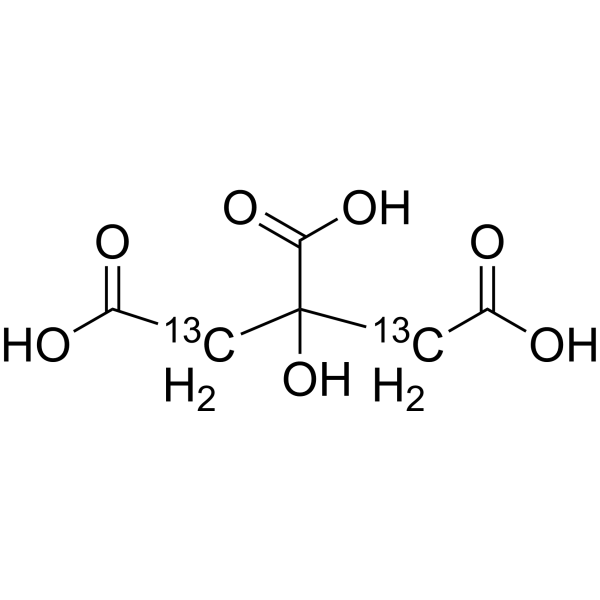 0 ImagesCitric acid-2,4-13C2 is the 13C-labeled Citric acid (HY-N1428). Citric acid is a natural preservative and food tartness enhancer. Citric acid induces apoptosis and cell cycle arrest at G2/M phase and S phase in HaCaT cells. Citric acid cause oxidative damage of the liver by means of the decrease of antioxidative enzyme activities. Citric acid is also an acidulant, emulsifier, sequestrant and buffering agent widely used across many industries.
-
Perindopril-d4
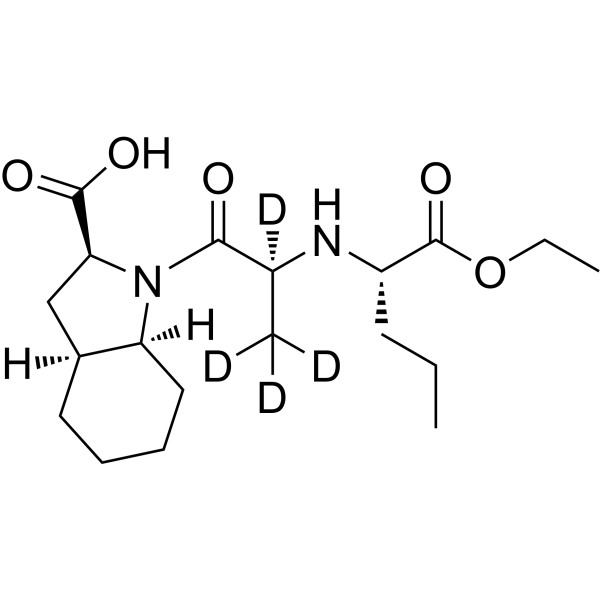 0 ImagesPerindopril-d4 is the deuterium labeled Perindopril.
-
Arachidonoyl LPA-d5
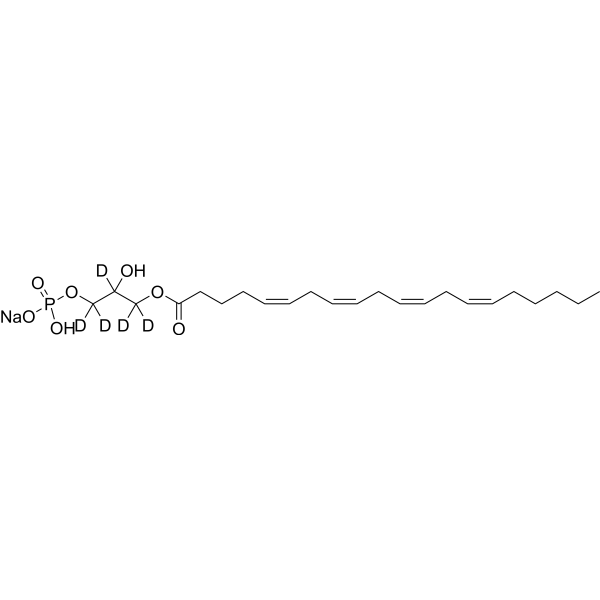 0 ImagesCat. No.: HY-146945SArachidonoyl LPA-d5 is deuterium labeled Arachidonoyl LPA.
-
L-Tyrosine-3,5-13C2
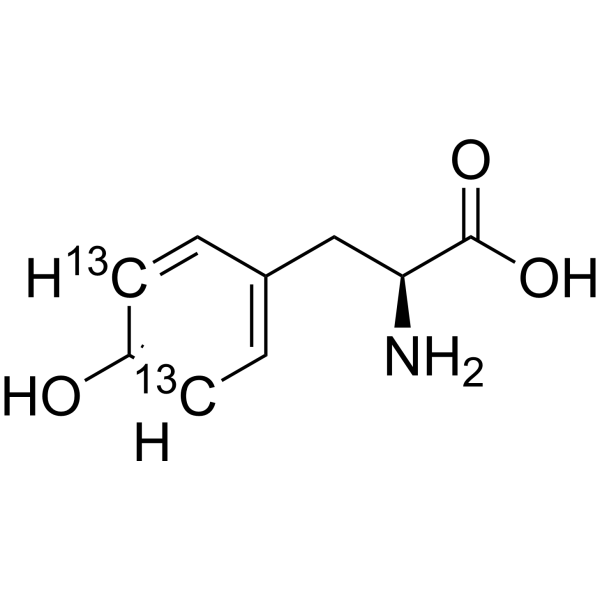 0 ImagesL-Tyrosine-3,5-13C2 is the 13C-labeled L-Tyrosine. L-Tyrosine is a non-essential amino acid which can inhibit citrate synthase activity in the posterior cortex.
-
Ethyl octanoate-d15
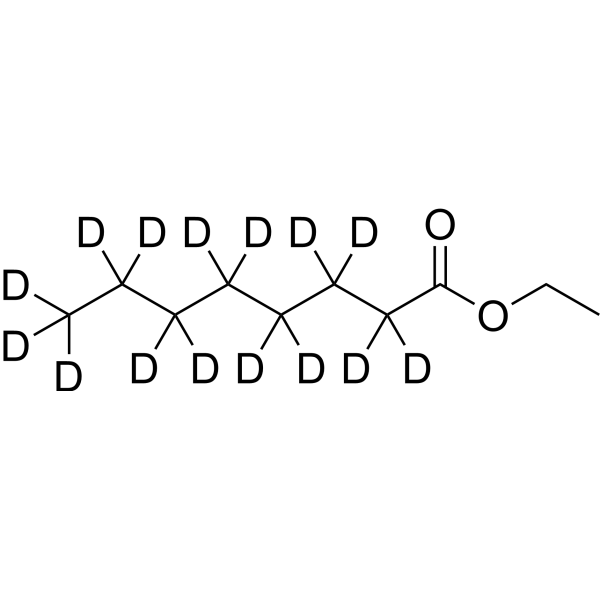 0 ImagesEthyl octanoate-d15 is the deuterium labeled Ethyl octanoate.
-
Orlistat-d3
 0 ImagesCat. No.: HY-B0218SCAS No.: 1356930-46-5Synonyms: Tetrahydrolipstatin-d3; Ro-18-0647-d3Orlistat-d3 is a deuterated labeled Orlistat. Orlistat (Tetrahydrolipstatin) is a well-known irreversible inhibitor of pancreatic and gastric lipases. Orlistat is also an inhibitor of fatty acid synthase (FASN), is used orally for long-term research of obesity.?Anti-atherosclerotic?effect.
-
3-Hydroxypropionic acid-d4 sodium
 0 ImagesCat. No.: HY-W715112Purity: 98.0%3-Hydroxypropionic acid-d4 sodium is the deuterium labeled 3-Hydroxypropionic acid sodium (HY-W095705A). 3-Hydroxypropionic acid sodium, an endogenous metabolite, is a building block in the chemical synthesis.
-
D-Xylulose-2-13C
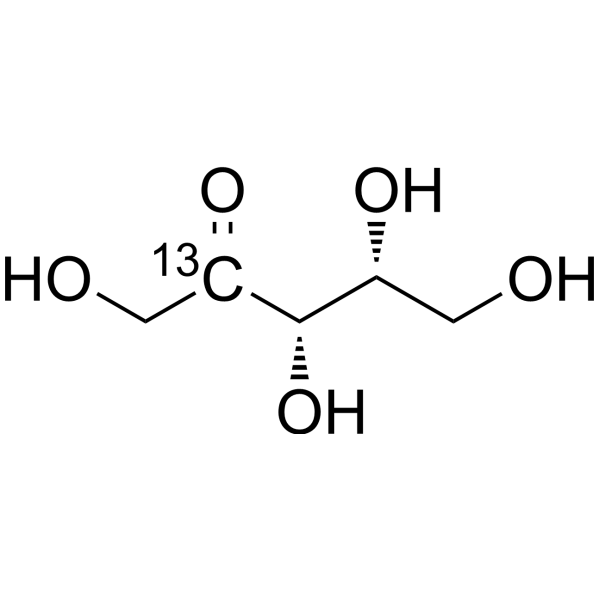 0 ImagesD-Xylulose-2-13C is the 13C-labeled D-Xylulose (HY-W010256). D-Xylulose is a toxic pentose. D-Xylulose does not induce pentitol production in cells. D-Xylulose can induce ATP and intracellular Pi depletion through the accumulation of Sedoheptulose 7-P.
-
Niflumic acid-13C6
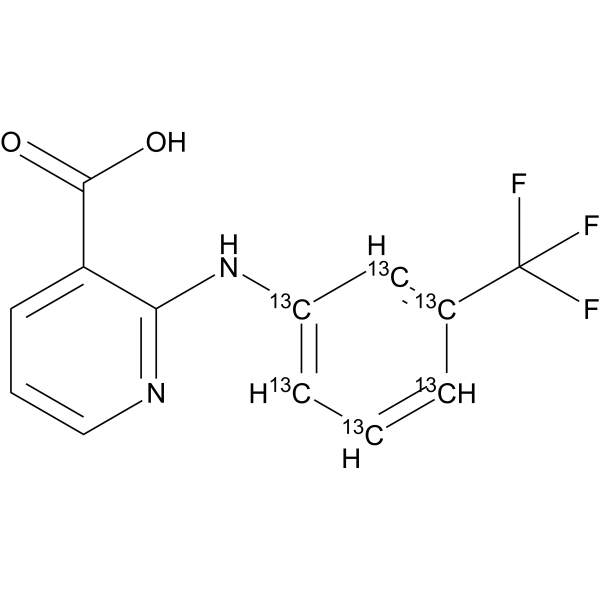 0 ImagesNiflumic acid-13C6 is the 13C6 labeled Niflumic acid. Niflumic acid, a Ca2+-activated Cl- channel blocker, is an analgesic and anti-inflammatory agent used in the treatment of rheumatoid arthritis.
-
Indole-3-butyric acid-d2
 0 ImagesCat. No.: HY-N0186S3Purity: 99.79%Synonyms: Indolebutyric acid-d2Indole-3-butyric acid-d2 (Indolebutyric acid-d2) is the deuterium labeled Indole-3-butyric acid (HY-N0186). Indole-3-butyric acid (3-indolebutyric acid) is a plant growth auxin and a good rooting agent. It can promote herbs and woody ornamental plant rooting and used for improving fruit rate. Indole 3-butyric acid is an auxin precursor, and is converted to indole 3-acetic acid (IAA) in a peroxisomal β-oxidation process.
-
2'-O-Methylcytidine-d3
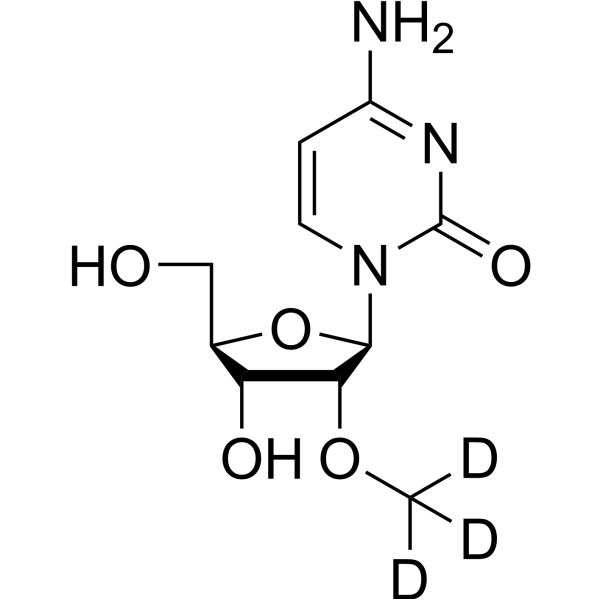 0 ImagesCat. No.: HY-W011834SCAS No.: 2653209-08-42'-O-Methylcytidine-d3 is deuterium labeled 2'-O-Methylcytidine (HY-W011834). 2'-O-Methylcytidine is a 2'-substituted nucleoside as a inhibitor of HCV replication. 2'-O-Methylcytidine inhibits RNA-dependent RNA polymerase (NS5B)-catalyzed RNA synthesis in vitro, in a manner that is competitive with substrate nucleoside triphosphate.
-
Amlodipine-d4
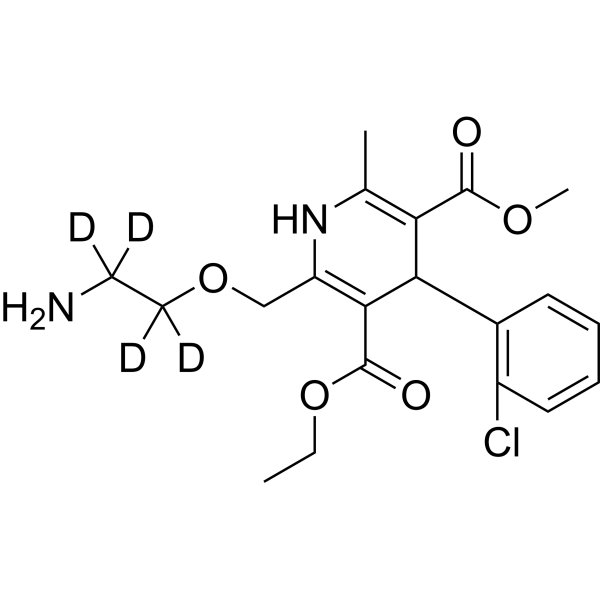 0 ImagesAmlodipine-d4 is a deuterium labeled Amlodipine (HY-B0317). Amlodipine, an antianginal agent and an orally active dihydropyridine calcium channel blocker, works by blocking the voltage-dependent L-type calcium channels, thereby inhibiting the initial influx of calcium. Amlodipine can be used for the research of high blood pressure and cancer.
-
Levetiracetam-d6 (ring-d6)
 0 ImagesSynonyms: UCB L059-d6 (ring-d6)Levetiracetam-d6 (ring-d6) can be used as internal standard for the determination of Levetiracetam (HY-B0106) content in whole blood.
-
5-Aminolevulinic acid-d2 hydrochloride
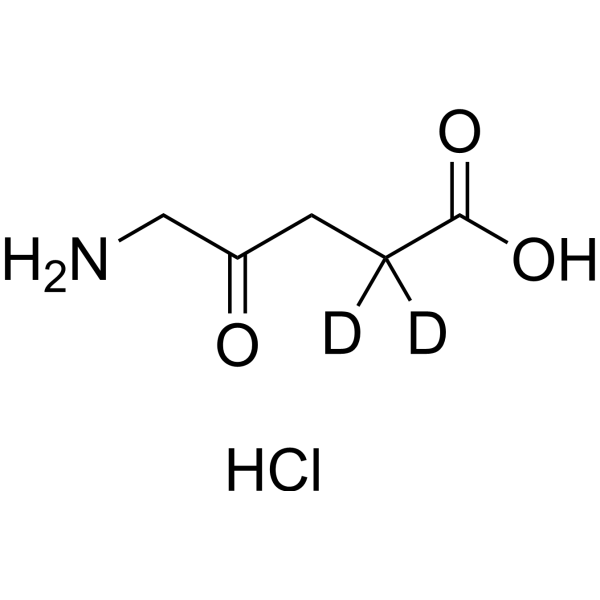 0 ImagesCat. No.: HY-N0305S1CAS No.: 187237-35-0Synonyms: 5-ALA-d2 hydrochloride; δ-Aminolevulinic acid-d2 hydrochloride; 5-Amino-4-oxopentanoic acid-d2 hydrochloride5-Aminolevulinic acid-d2 (hydrochloride) is deuterium labeled 5-Aminolevulinic acid (hydrochloride).
-
4,4'-Sulfonyldiphenol-13C12
 0 ImagesCat. No.: HY-W653930CAS No.: 1991267-29-8Synonyms: Bisphenol S-13C12; Bis(4-hydroxyphenyl) sulfone-13C124,4'-Sulfonyldiphenol-13C12 (Bisphenol S-13C12) is 13C labeled 4,4'-Sulfonyldiphenol. 4,4'-Sulfonyldiphenol (Bisphenol S; Bis(4-hydroxyphenyl) sulfone) is a biochemical reagent that can be used as a biological material or organic compound for life science related research.
-
Alectinib-d8
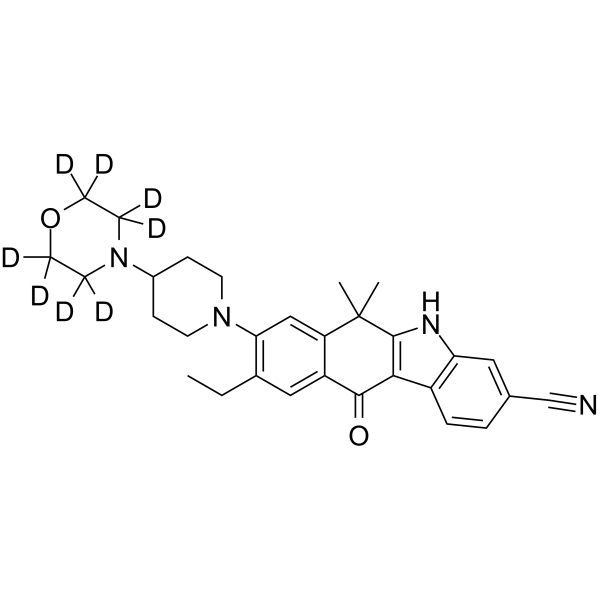 0 ImagesSynonyms: CH5424802-d8; RO5424802-d8; AF802-d8Alectinib-d8 is the deuterium labeled Alectinib. Alectinib (CH5424802) is a potent, selective, and orally available ALK inhibitor with an IC50 of 1.9 nM and a Kd value of 2.4 nM (in an ATP-competitive manner), and also inhibits ALK F1174L and ALK R1275Q with IC50s of 1 nM and 3.5 nM, respectively. Alectinib demonstrates effective central nervous system (CNS) penetration.
-
3-Bromofluorobenzene-d4
 0 ImagesSynonyms: m-Bromofluorobenzene-d43-Bromofluorobenzene-d4 (m-Bromofluorobenzene-d4) is the deuterium labeled 3-Bromofluorobenzene.
-
Fulvestrant-d5
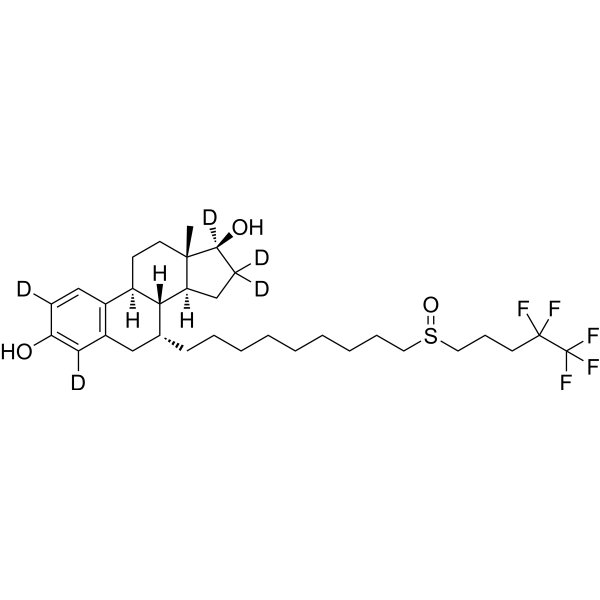 0 ImagesCat. No.: HY-13636S1Purity: 99.9%Synonyms: ICI 182780-d5; ZD 9238-d5; ZM 182780-d5Fulvestrant-d5 (ICI 182780-d5) is a isotope of Fulvestrant (HY-13636). Fulvestrant (ICI 182780) is a pure antiestrogen and a potent estrogen receptor (ER) antagonist with an IC50 of 9.4 nM. Fulvestrant is also a GPR30 agonist. Fulvestrant effectively inhibits the growth of ER-positive MCF-7 cells with an IC50 of 0.29 nM. Fulvestrant also induces autophagy and has antitumor efficacy.
-
Tentoxin-d3
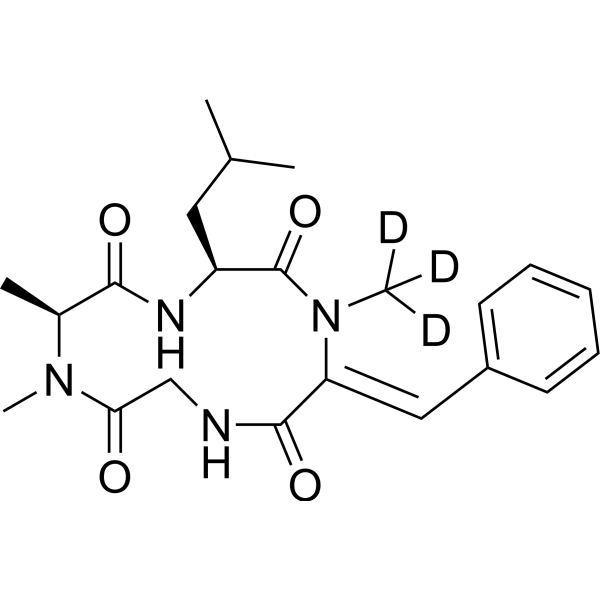 0 ImagesCat. No.: HY-W653894CAS No.: 1426437-58-2



