



Isotope-Labeled Compounds
Isotope-labeled compounds are chemical substances in which some atoms in their molecules are replaced by isotope atoms. The range of stable isotope products can cover from gases to complex molecules. Isotope-labeled compounds could provide a site-specific investigation of structures, making molecules easily detectable by mass spectrometry and NMR, and maintaining the physico-chemical properties of the target molecule at the same time.
MCE isotope-labeled compounds are all stable isotope-labeled compounds and are non-radioactive labeled substances. MCE isotope-labeled compounds are unique tools for identifying and understanding biological and chemical processes. Stable isotope-labeled products are now getting more and more popular among scientists. The scope of application is gradually penetrating into various scientific fields, such as life sciences, food and medicine, agriculture, environment, geology, etc. Stable isotope-labeled compounds have a wide range of applications in the Life Science areas, such as Metabolomics, Proteomics, Clinical studies, Deuterium drugs, etc.
All Product Categories
-
Isotope-Labeled Compounds Related Products (11126)
Related Products (11126)

-
Isovaleric acid-13C
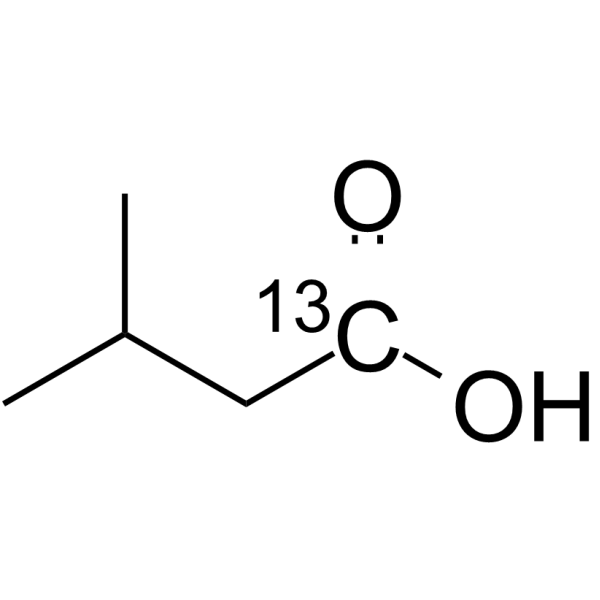 0 ImagesIsovaleric acid-13C is the 13C labeled Isovaleric acid. Isovaleric acid is a natural fatty acid and known to effect on neonatal death and possible Jamaican vomiting sickness in human.
-
Uridine 5′-monophosphate-15N2 disodium salt
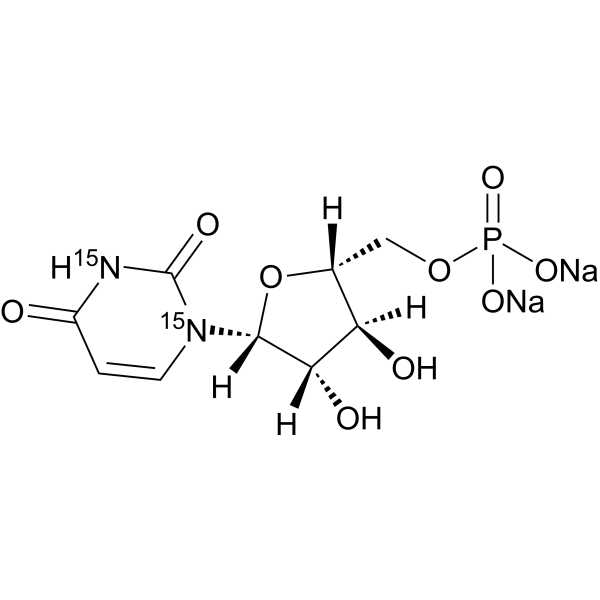 0 ImagesCat. No.: HY-150651SPurity: 99.6%Synonyms: 5'-Uridylic acid-15N2 disodium salt
-
D-Glucose-d1-4
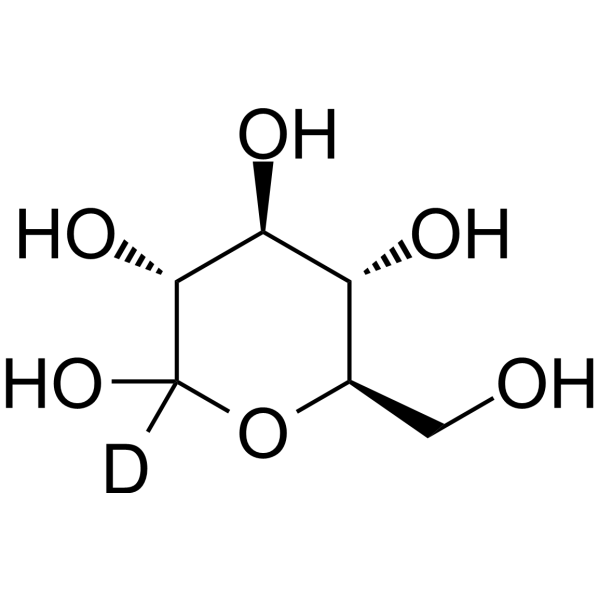 0 ImagesSynonyms: Glucose-d1-4; D-(+)-Glucose-d1-4; Dextrose-d1-4D-Glucose-d-44 is the deuterium labeled D-Glucose. D-Glucose (Glucose), a monosaccharide, is an important carbohydrate in biology. D-Glucose is a carbohydrate sweetener and critical components of the general metabolism, and serve as critical signaling molecules in relation to both cellular metabolic status and biotic and abiotic stress response.
-
Calcifediol-d6 monohydrate
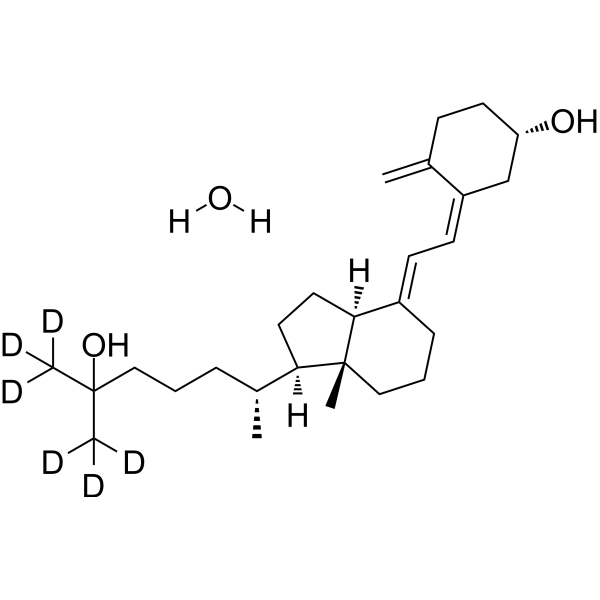 0 ImagesCat. No.: HY-32351ASCAS No.: 2483831-70-3Synonyms: 25-hydroxy Vitamin D3-d6 monohydrateCalcifediol-d6 monohydrate is the deuterium labeled Calcifediol monohydrate. Calcifediol monohydrate (25-hydroxy Vitamin D3 monohydrate), is an effective VDR ligand and VD supplement. Calcifediol is a prohormone of the vitamin D endocrine system (VDES) and is hydroxylated in the liver to produce the active form, calcitriol. Calcifediol can rapidly increase serum VD levels.
-
L-Norvaline-d5
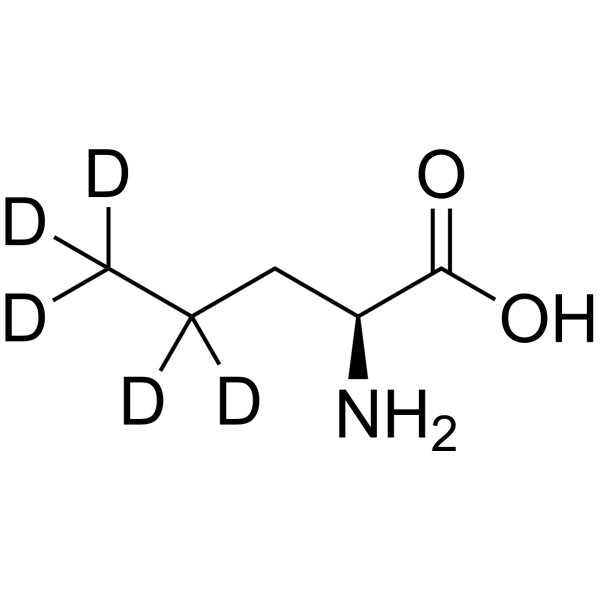 0 ImagesL-Norvaline-d5 is the deuterium labeled L-Norvaline. L-Norvaline is the inhibitor for arginase, that promotes the production of NO, reduces oxidative stress, improves insulin resistance, and exhibits antioxidant and anti-hyperglycemic effects. L-Norvaline can be used in research of Alzheimer’s disease.
-
Terbinafine-d3 hydrochloride
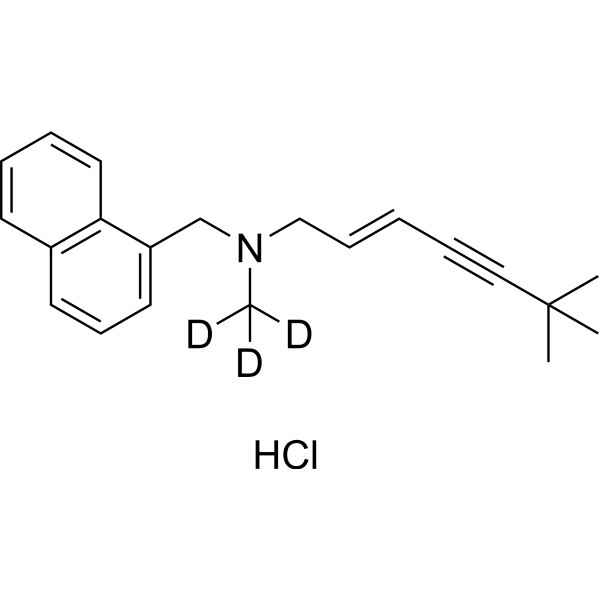 0 ImagesSynonyms: TDT 067-d3 hydrochlorideTerbinafine-d3 hydrochloride is the deuterium labeled Terbinafine hydrochloride. Terbinafine hydrochloride (TDT 067 hydrochloride) is an antifungal medication used to treat fungal infections. It is a potent non-competitive inhibitor of squalene epoxidase from Candida with a Ki of 30 nM. Terbinafine hydrochloride also antibacterial activity against certain Gram-positive and Gram-negative bacteria.
-
Coenzyme Q10-d6
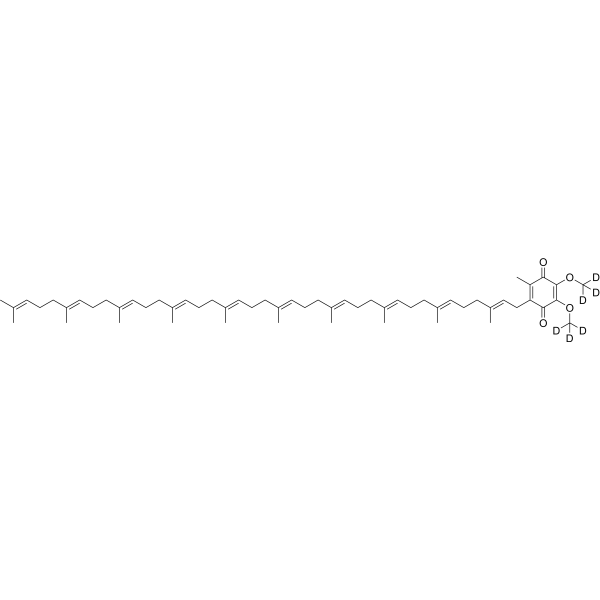 0 ImagesCat. No.: HY-N0111SCAS No.: 110971-02-3Synonyms: CoQ10-d6; Ubiquinone-10-d6Coenzyme Q10-d6 is deuterium labeled Coenzyme Q10. Coenzyme Q10 is an essential cofactor of the electron transport chain and a potent antioxidant agent.
-
3-Methyl-2-quinoxalinecarboxylic acid-d4
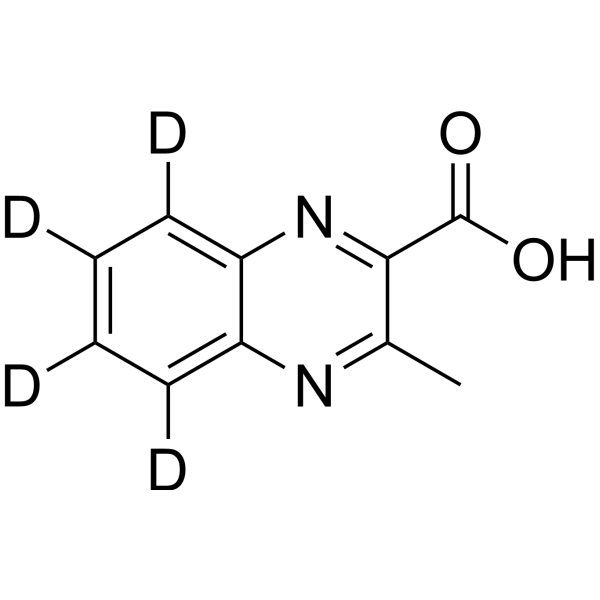 0 ImagesSynonyms: MQCA-d43-Methyl-2-quinoxalinecarboxylic acid-d4 is the deuterium labeled 3-Methyl-2-quinoxalinecarboxylic acid. 3-Methyl-2-quinoxalinecarboxylic acid (MQCA), an important N-oxide reductive metabolite of Quinocetone or Olaquindox, potently inhibits the growth of Chang liver cells through S phase arrest of the cell cycle.
-
4-Ethylphenol-d10
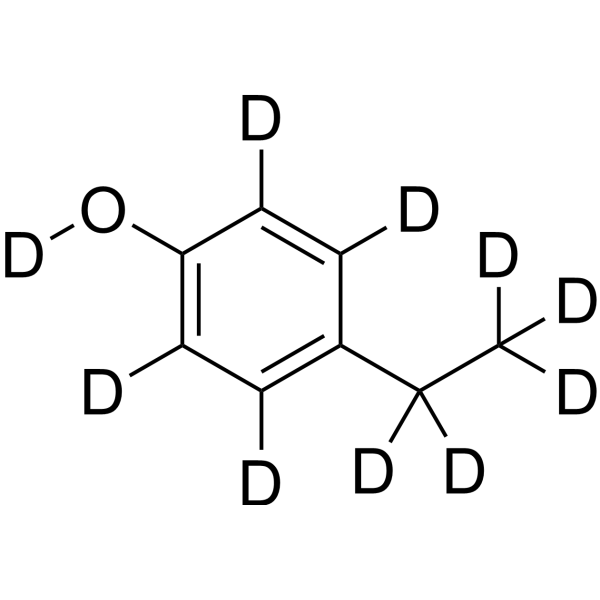 0 ImagesCat. No.: HY-W012836S1CAS No.: 352431-18-64-Ethylphenol-d10 is the deuterium labeled 4-Ethylphenol (HY-W012836). 4-Ethylphenol is a volatile phenolic compound associated with off-odour in wine. 4-Ethylphenol is a phenolic compound that can be synthesized by intestinal flora. 4-Ethylphenol will be converted to 4-ethylphenyl sulfate (HY-W674241) by Lactobacillus plantarum.
-
Fmoc-Arg(Pbf)-OH-13C6,15N4
 0 ImagesCat. No.: HY-Y1636SCAS No.: 1217461-89-6Fmoc-Arg(Pbf)-OH-13C6,15N4 is the 13C-labeled and 15N-labeled Fmoc-Arg(Pbf)-OH (HY-Y1636). Fmoc-Arg(Pbf)-OH is an arginine derivative containing amine protecting group Fmoc. Fmoc-Arg(Pbf)-OH is a building block for the introduction of Arg into SPPS (Solid-Phase Peptide Synthesis).
-
Hyocholic Acid-d4
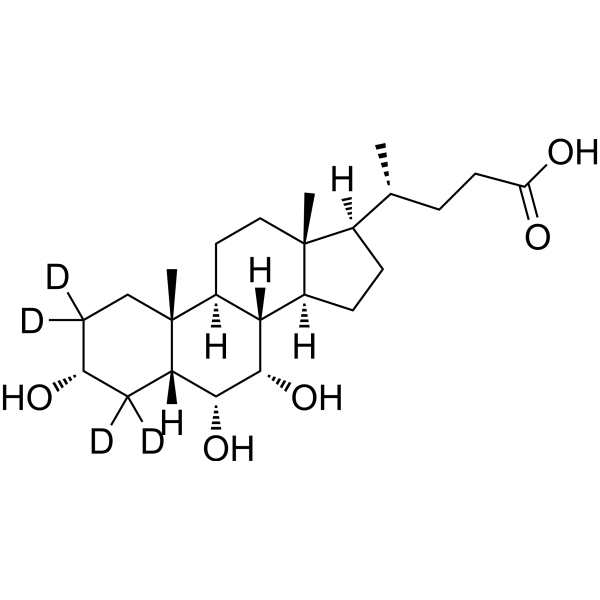 0 ImagesCat. No.: HY-121238SHyocholic Acid-d4 is the deuterium labeled Hyocholic Acid.
-
Maltose monohydrate-d14
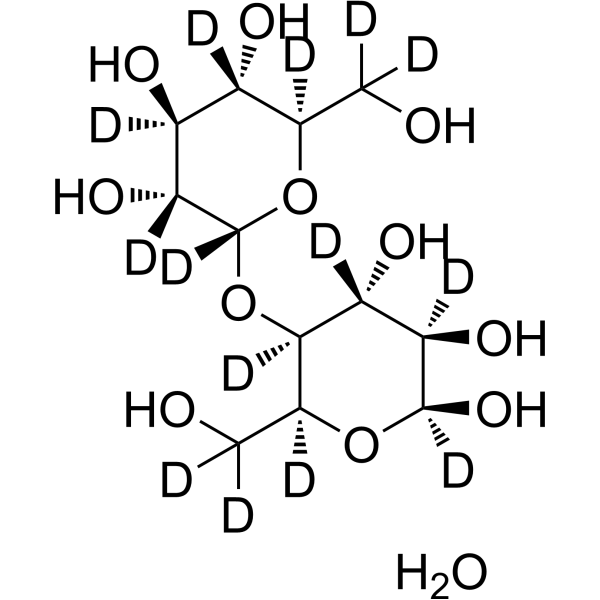 0 ImagesCat. No.: HY-N2024ASMaltose monohydrate-d14 is the deuterium labeled Maltose monohydrate. Maltose monohydrate is a disaccharide composed of two glucose molecules linked together. Maltose monohydrate is an endogenous metabolic product in plants, yeast, or bacteria, and it participates in carbon source storage and metabolism. Maltose monohydrate is a key core metabolite and main transport form in the temporary starch degradation, carbon output, and subsequent sucrose synthesis metabolism of the night chloroplast. In X. dendrorhous, maltose can act as a sugar donor and is converted into isomaltulose by α-glucosidase. Maltose monohydrate can act as a osmotic agent, supporting continuous capillary ultrafiltration and preventing severe metabolic disorders.
-
HMMNI-d3
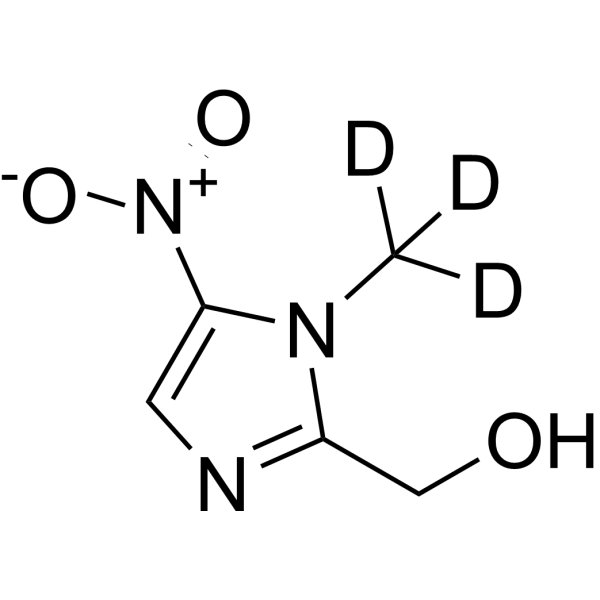 0 ImagesSynonyms: Hydroxy Dimetridazole-d3HMMNI-d3 (Hydroxy Dimetridazole-d3) is deuterium labeled HMMNI (HY-W008216). HMMNI (Hydroxy dimetridazole) is a hydroxy metabolite of Dimetridazol (HY-B1244). Dimetridazole is a nitroimidazole class agent that combats protozoan infections.
-
Quinolinic acid-13C4,15N
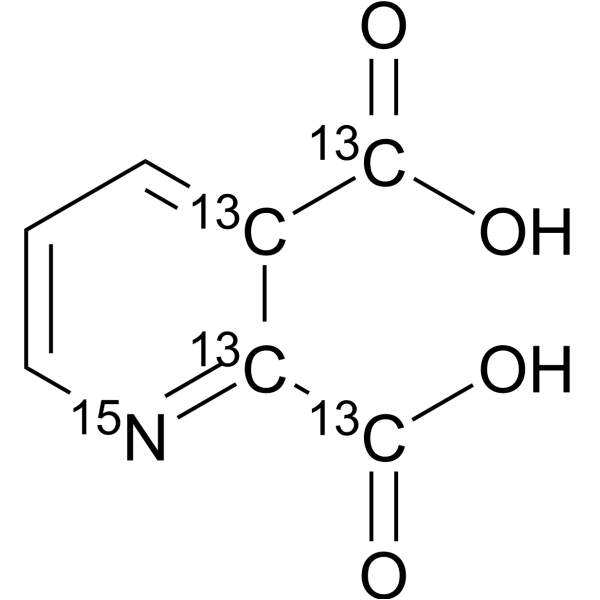 0 ImagesCat. No.: HY-100807S2Purity: 98.80%Quinolinic acid-13C4, 15N is an isotopic labeled Quinolinic acid (HY-100807). Quinolinic acid, an endogenous metabolite of tryptophan, is a N-methyl-D-aspartate receptor (NMDA receptor) agonist. Quinolinic acid increases glutamate efflux, induces the generation of ROS, activates nitric oxide synthase, produces excessive NO, leading to calcium ion influx and neuronal apoptosis.
-
Asoxime-d4 dichloride
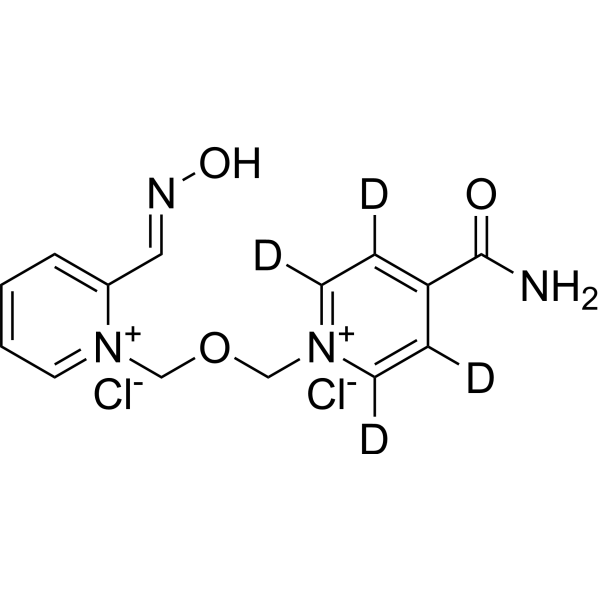 0 ImagesCat. No.: HY-106901ASSynonyms: HI-6-d4Asoxime-d4 dichloride (HI-6-d4) is the deuterium labeled Asoxime dichloride. Asoxime dichloride is an orally active thiosemicarbazone-based antidote. Asoxime dichloride is a reversible inhibitor of AChE, and its core mechanism of action is to re-activate AChE inhibited by nerve toxins, thereby restoring the cholinergic nerve function. Asoxime dichloride significantly restores the function of poisoned muscles without reactivating AChE. Asoxime dichloride is an antagonist of acetylcholine receptors (AChRs), including nicotinic receptor and α7 nAChR. Asoxime dichloride can serve as an effective immunomodulator, improving the immune effect of the nervous system.
-
Myristic acid-d7
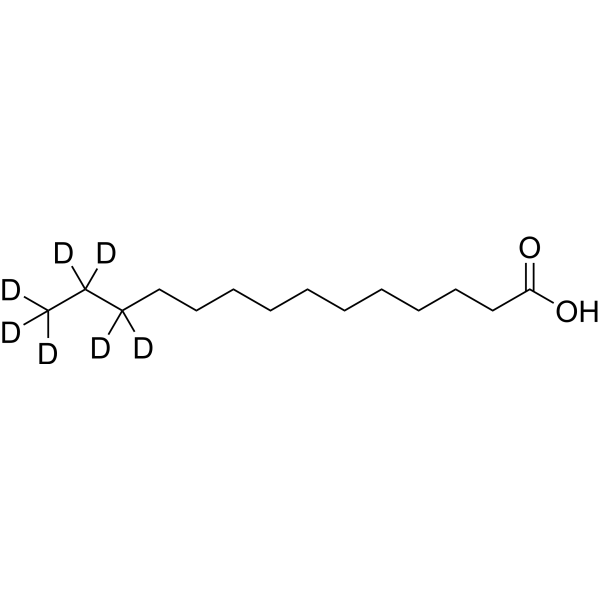 0 ImagesCat. No.: HY-N2041S7Purity: 99.50%Myristic acid-d7 is the deuterium labeled Myristic acid. Myristic acid is a saturated 14-carbon fatty acid occurring in most animal and vegetable fats, particularly butterfat and coconut, palm, and nutmeg oils.
-
H-D-Trp-OH-d5
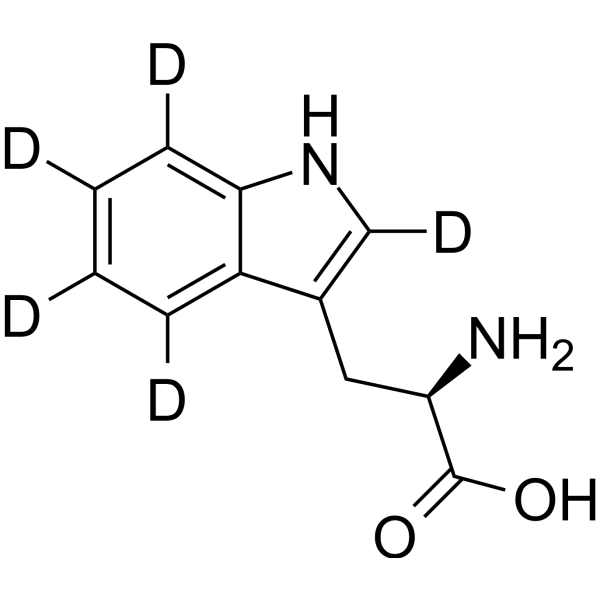 0 ImagesCat. No.: HY-W012479SCAS No.: 1202359-57-6Synonyms: D-Tryptophan-d5H-D-Trp-OH-d5 (D-Tryptophan-d5) is the deuterium labeled H-D-Trp-OH. H-D-Trp-OH is a D-stereoisomer of tryptophan and occasionally found in naturally produced peptides such as the marine venom peptide.
-
1,4-Naphthoquinone-d6
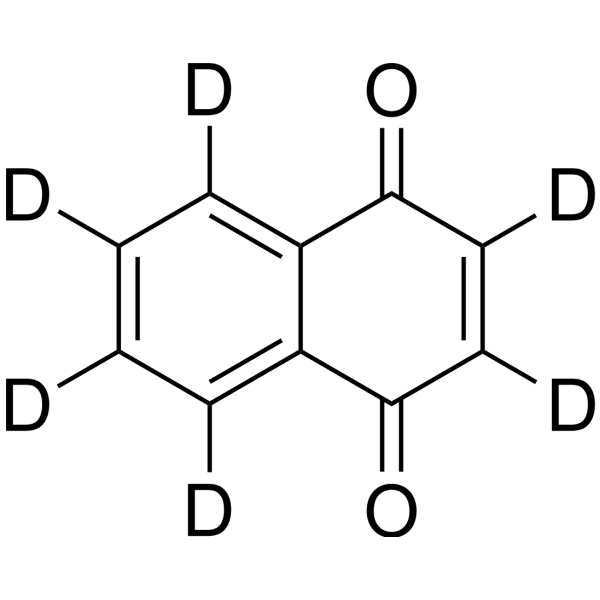 0 Images1,4-Naphthoquinone-d6 is the deuterium labeled 1,4-Naphthoquinone. 1,4-Naphthoquinone is an inhibitor with broad-spectrum inhibitory activity targeting DNA polymerase, NF-κB and monoamine oxidase (MAO-A/B), with antibacterial and anti-biofilm efficacy. 1,4-Naphthoquinone is a competitive inhibitor of MAO-B (Ki=1.4 μM) and a non-competitive inhibitor of MAO-A (Ki=7.7 μM). 1,4-Naphthoquinone inhibits DNA polymerase pol α, β, γ, δ, ε, λ with IC50 ranging from 5.57-128 μM. 1,4-Naphthoquinone inhibits tumor cell proliferation, induces apoptosis and necrosis, and has anti-angiogenic and anti-inflammatory activities by inducing oxidative stress, depleting glutathione (GSH), inhibiting DNA polymerase-mediated DNA synthesis and blocking NF-κB nuclear translocation. 1,4-Naphthoquinone can be used in anti-bacterial , anti-tumor and anti-inflammatory studies, including inhibition of melanoma and colon cancer cell growth and endothelial cell function, as well as LPS-induced inflammation models.

-
2'-Deoxyadenosine-13C10
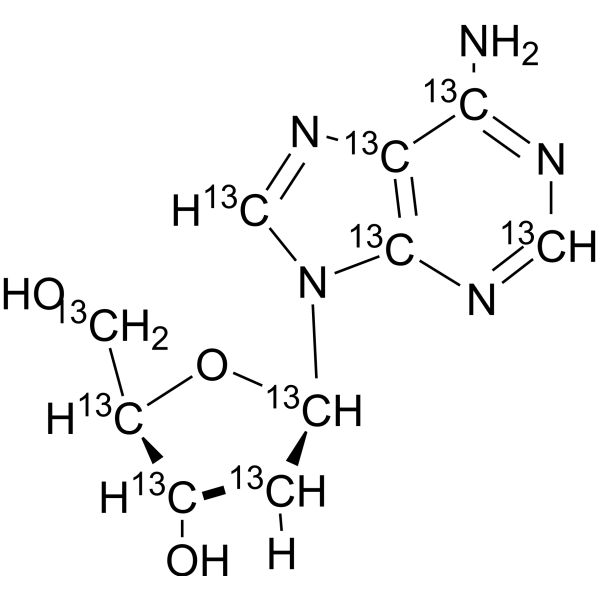 0 ImagesCat. No.: HY-W040329S1Purity: 99.0%2'-Deoxyadenosine-13C10 is 13C-labeled 2'-Deoxyadenosine (HY-W040329). 2′-Deoxyadenosine is an adenine nucleoside that inhibits glucose-stimulated insulin release. 2′-Deoxyadenosine inhibits glucose-stimulated increases seen in islet cyclic AMP (cAMP) accumulation. 2'-Deoxyadenosine activates caspase-3 and promotes apoptosis. 2'-Deoxyadenosine inhibits the activity of S-adenosyl-L-homocysteine hydrolase (SAHH). 2'-Deoxyadenosine inhibits the growth of various cells. 2'-Deoxyadenosine has an anticancer effect on colon cancer.



