



Isotope-Labeled Compounds
Isotope-labeled compounds are chemical substances in which some atoms in their molecules are replaced by isotope atoms. The range of stable isotope products can cover from gases to complex molecules. Isotope-labeled compounds could provide a site-specific investigation of structures, making molecules easily detectable by mass spectrometry and NMR, and maintaining the physico-chemical properties of the target molecule at the same time.
MCE isotope-labeled compounds are all stable isotope-labeled compounds and are non-radioactive labeled substances. MCE isotope-labeled compounds are unique tools for identifying and understanding biological and chemical processes. Stable isotope-labeled products are now getting more and more popular among scientists. The scope of application is gradually penetrating into various scientific fields, such as life sciences, food and medicine, agriculture, environment, geology, etc. Stable isotope-labeled compounds have a wide range of applications in the Life Science areas, such as Metabolomics, Proteomics, Clinical studies, Deuterium drugs, etc.
All Product Categories
-
Isotope-Labeled Compounds Related Products (11128)
Related Products (11128)

-
Phthalic acid-d4
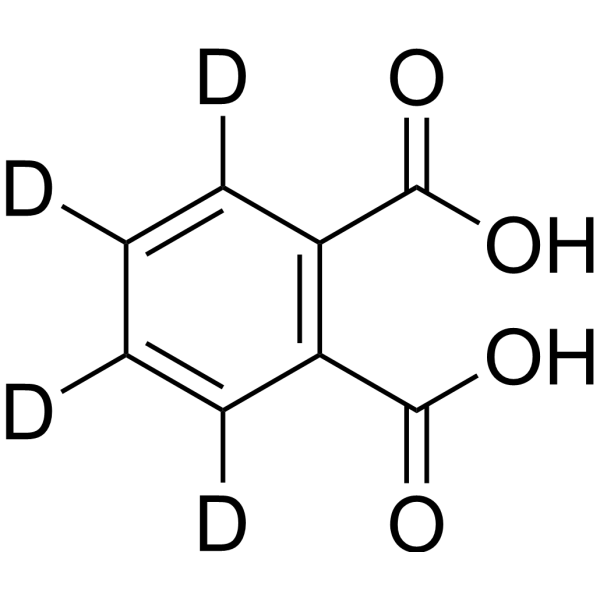 0 ImagesPhthalic acid-d4 is the deuterium labeled Phthalic acid. Phthalic acid is the final common metabolite of phthalic acid esters (PAEs). Phthalic acid can be used for the synthesis of synthetic agents, such as isophthalic acid (IPA), and terephthalic acid (TPA). Phthalic acid has applications in the preparation of phthalate ester plasticizers. Phthalic acid exhibits mutagenic effect and causes genetic damage in mammalian germ cells.
-
Triheptadecanoin-d5
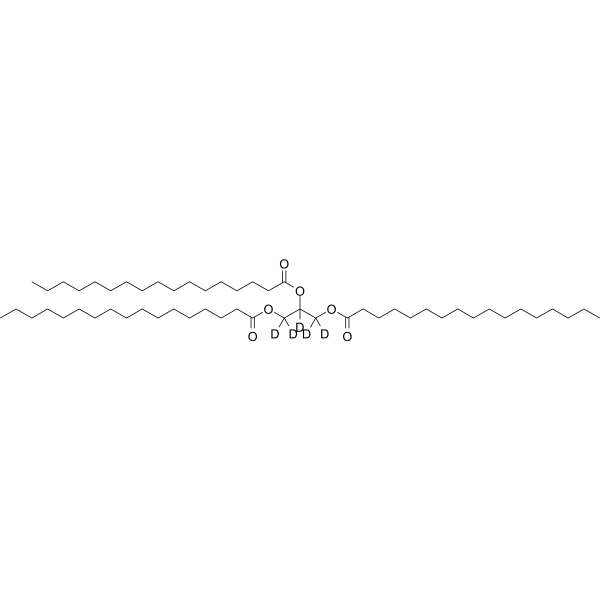 0 ImagesSynonyms: Glycerol triheptadecanoate-d5; Trimargarin-d5Triheptadecanoin-d5 is the deuterium labeled Triheptadecanoin.
-
Adipic acid-13C
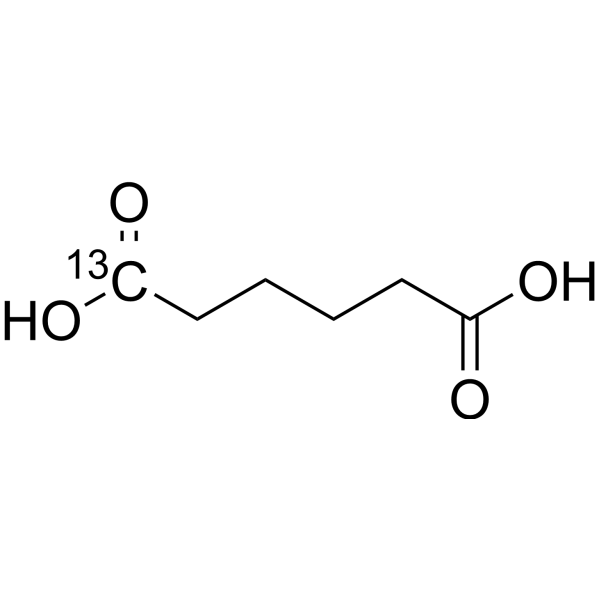 0 ImagesSynonyms: Hexanedioic acid-13CAdipic acid-13C (Hexanedioic acid-13C) is the 13C labeled Adipic acid (HY-W017522). Adipic acid (Hexanedioic acid) is an orally active compound with anti-HSV-1 activity. Adipic acid has low toxicity and can be used as a food additive and a gelling agent. Adipic acid can also be used in the synthesis of lubricants, artificial resins, plastics, etc.
-
Carbamazepine-d8
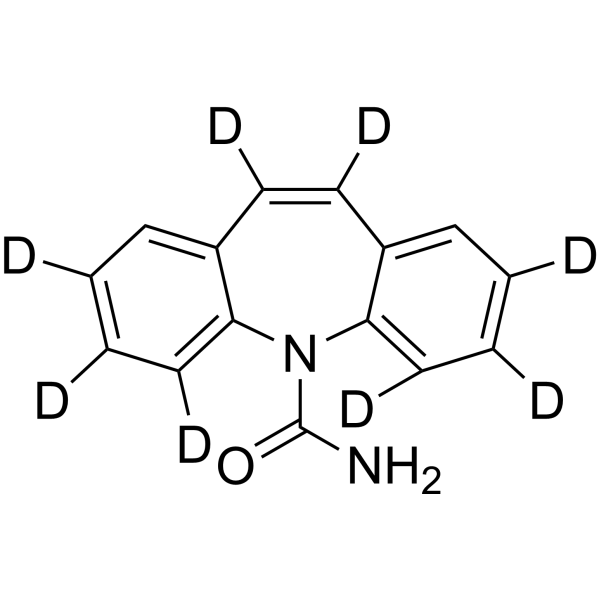 0 ImagesCat. No.: HY-B0246S2CAS No.: 1538624-35-9Synonyms: CBZ-d8; NSC 169864-d8Carbamazepine-d8 is the deuterium labeled Carbamazepine. Carbamazepine, a sodium channel blocker, is an anticonvulsant agent, with an IC50 of 131 μM.
-
Pitavastatin-d4 sodium
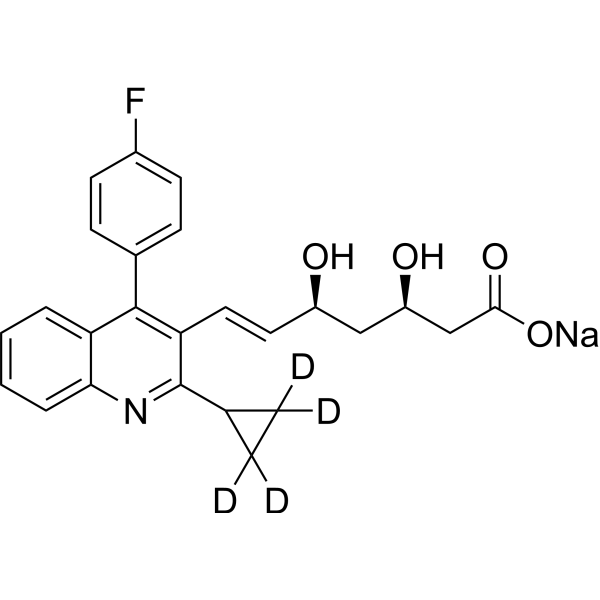 0 ImagesCat. No.: HY-B0144BSPurity: 99.67%Pitavastatin-d4 (sodium) is deuterium labeled Pitavastatin (sodium).
-
Clothianidin-d3
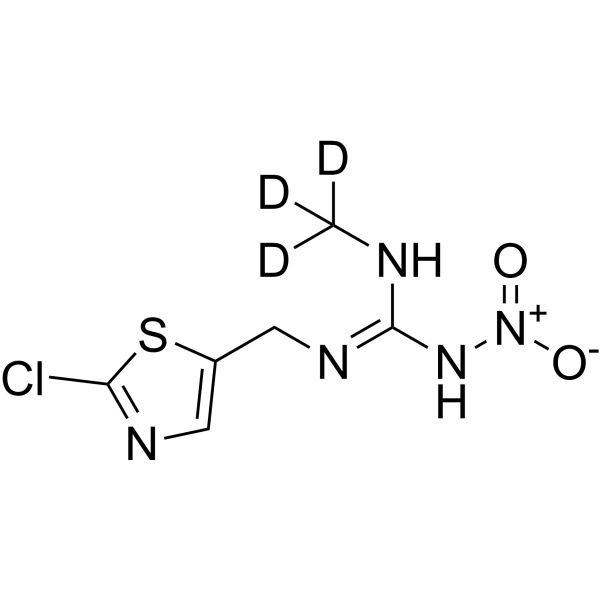 0 ImagesClothianidin-d3 is the deuterium labeled Clothianidin.Clothianidin-d3 is a neonicotinoid insecticide. Clothianidin-d3 shows excellent long-term control effect in small doses against various insect pests such as Coleoptera, Thysanoptera, Lepidoptera, Diptera, Homoptera, Heteroptera, Orthoptera and Isoptera families. Clothianidin-d3 has various application methods and high safety for crops.
-
Cyantraniliprole-d3
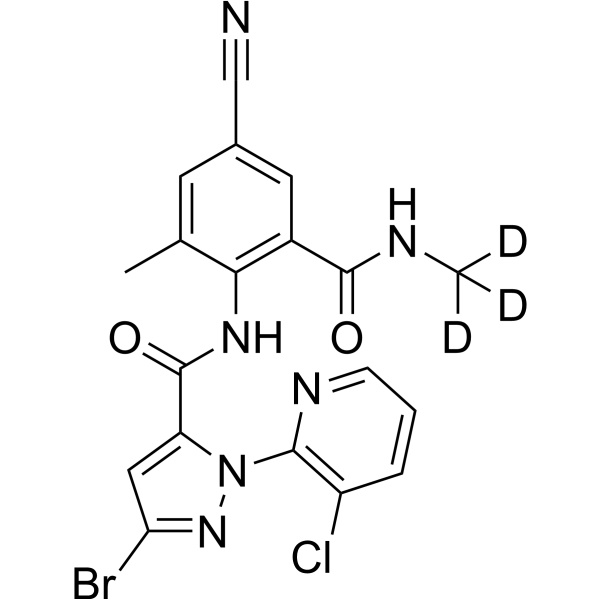 0 ImagesSynonyms: HGW-86-d3; DPX-HGW86-d3Cyantraniliprole-d3 is the deuterium labeled Cyantraniliprole, which is an insecticide of the ryanoid class.
-
Glucosylsphingosine-d7
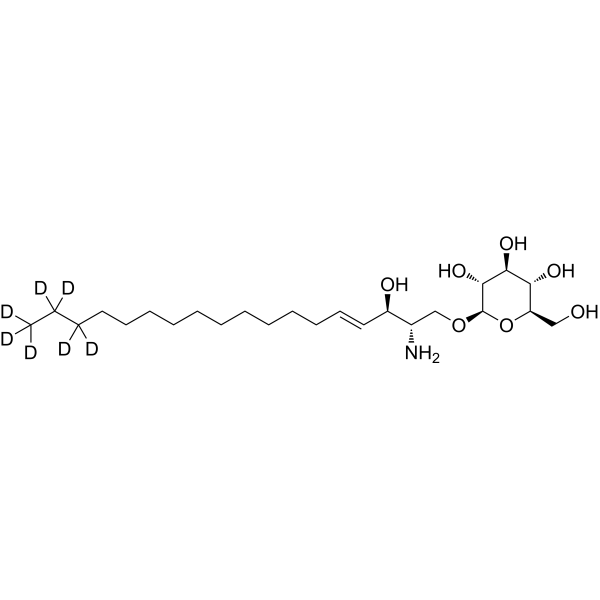 0 ImagesSynonyms: Glucopsychosine-d7; Lyso-Gb1-d7; Lyso-GL1-d7Glucosylsphingosine-d7 is deuterium labeled Glucosylsphingosine.
-
Adrenosterone-d10
 0 ImagesCat. No.: HY-W721874CAS No.: 15807-37-1Synonyms: (+)-Adrenosterone-d10Adrenosterone-d10 ((+)-Adrenosterone-d10) is the deuterium labeled Adrenosterone (HY-17462). Adrenosterone ((+)-Adrenosterone) is a competitive hydroxysteroid (11-beta) dehydrogenase 1 (HSD11β1) inhibitor. Adrenosterone is a steroid hormone with weak androgenic effect. Adrenosterone is a dietary supplement that can decrease fat and increase muscle mass. Adrenosterone acts as a suppressor of metastatic progression of human cancer cells.
-
Acetaldehyde 2,4-Dinitrophenylhydrazone-3,5,6-d3
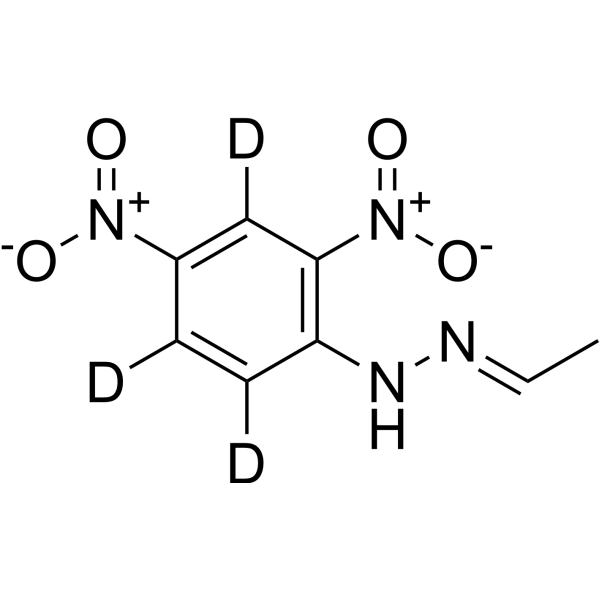 0 ImagesAcetaldehyde 2,4-Dinitrophenylhydrazone-3,5,6-d3 is the deuterium labeled Acetaldehyde 2,4-Dinitrophenylhydrazone-3,5,6.
-
D-Arabinose-1-13C
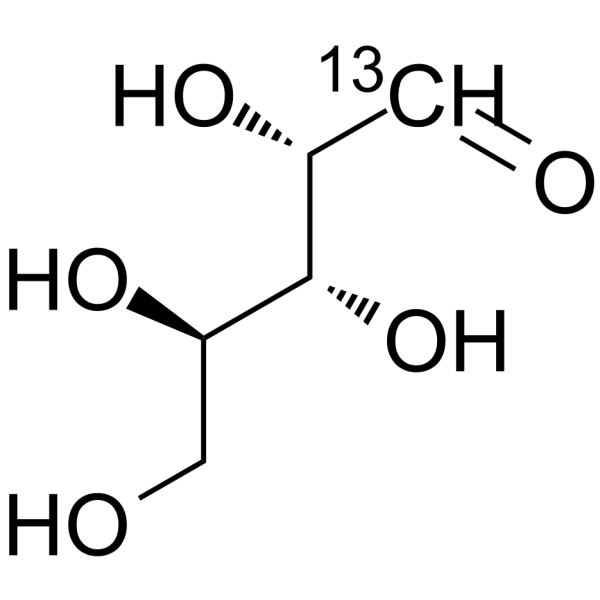 0 ImagesArabinose-1-13C is the 13C labeled Arabinose. Arabinose is an endogenous metabolite.
-
Agomelatine-d6
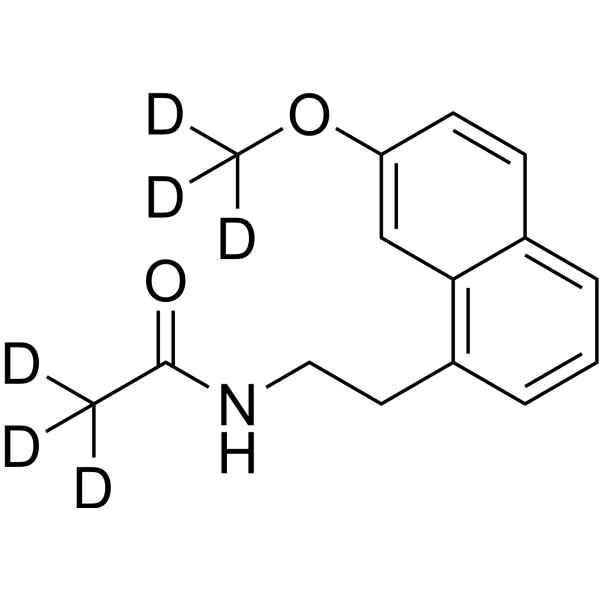 0 ImagesSynonyms: S-20098-d6
-
dGTP-13C10 dilithium
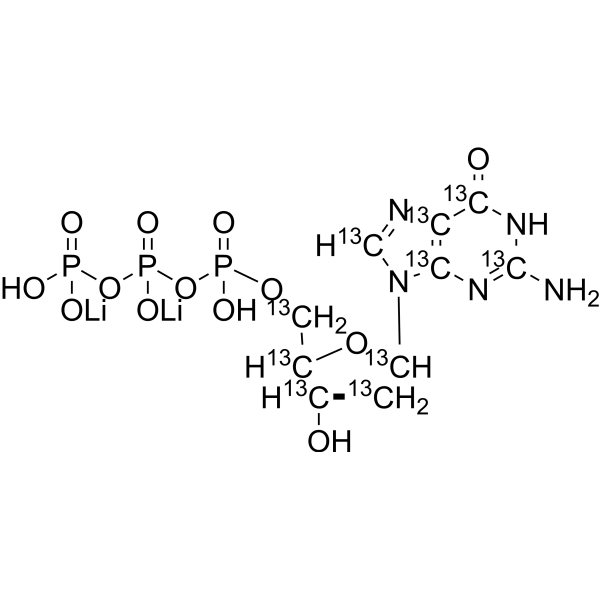 0 ImagesCat. No.: HY-138616S3Purity: 98.8%Synonyms: 2'-Deoxyguanosine-5'-triphosphate-13C10 dilithiumdGTP-13C10 (2'-Deoxyguanosine-5'-triphosphate-13C10) dilithium is 13C-labeled dGTP (HY-138616). dGTP (2'-Deoxyguanosine-5'-triphosphate), a guanosine nucleotide, can be used in deoxyribonucleic acid synthesis. Guanosine nucleotides (GDP, GTP, dGDP, and dGTP) are highly susceptible to oxidative damage to 8-oxo-GDP (8-O-GDP), 8-O-dGTP, 8-O-GTP, and 8-O-dGTP.
-
S-Ethyl dipropylthiocarbamate-d14
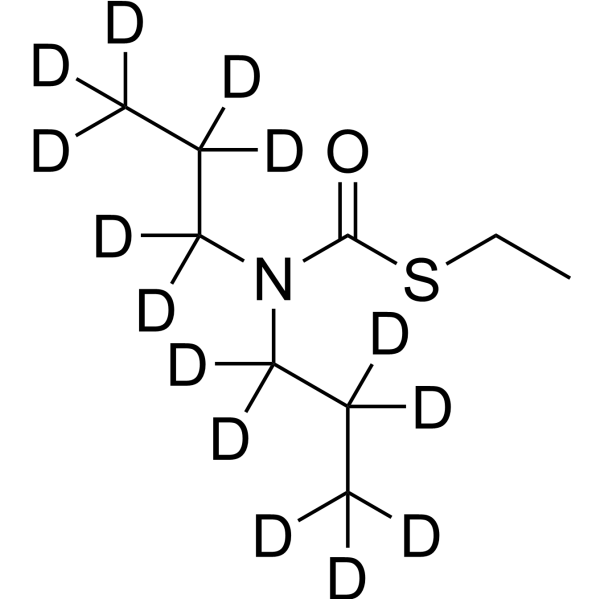 0 ImagesS-Ethyl dipropylthiocarbamate-d14 is the deuterium labeled S-Ethyl dipropylthiocarbamate.
-
Alendronic acid-d6
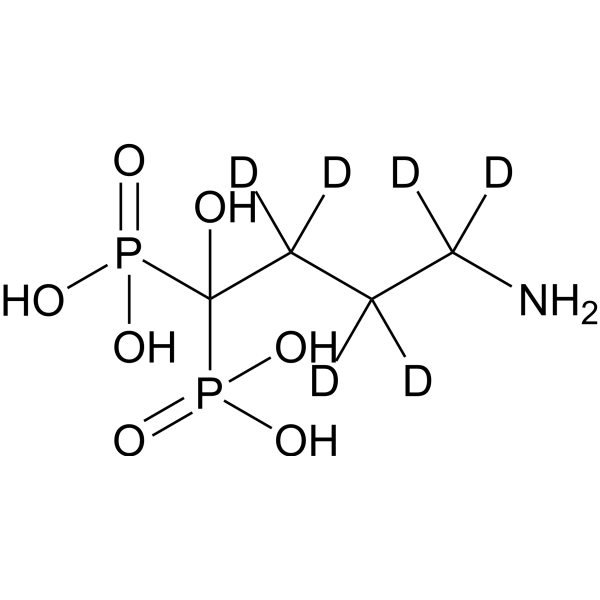 0 ImagesAlendronic acid-d6 is the deuterium labeled Alendronic acid. Alendronic acid, a bisphosphonate, is a farnesyl diphosphate synthase (FDPS) inhibitor. Alendronic acid inhibits osteoclast-mediated bone resorption. Alendronic acid shows efficacy in postmenopausal osteoporosis, malignant hypercalcemia and Paget’s disease.
-
Rabeprazole-d4 sodium
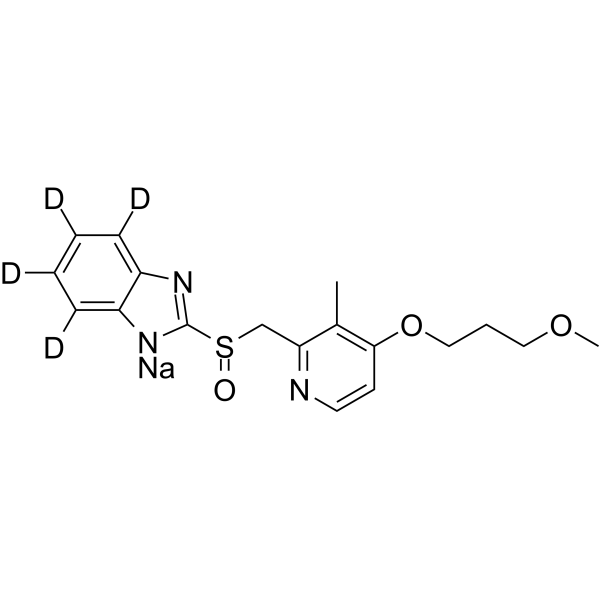 0 ImagesCat. No.: HY-B0656ASSynonyms: LY307640-d4 sodiumRabeprazole-d4 (sodium) is the deuterium labeled Rabeprazole sodium. Rabeprazole sodium (LY307640 sodium) is a second-generation proton pump inhibitor (PPI) that irreversibly inactivates gastric H+/K+-ATPase. Rabeprazole sodium induces apoptosis. Rabeprazole sodium acts as an uridine nucleoside ribohydrolase (UNH) inhibitor with an IC50 of 0.3 μM. Rabeprazole sodium can be used for the research of gastric ulcerations and gastroesophageal reflux.
-
Fmoc-Glu(OtBu)-OH-13C5,15N
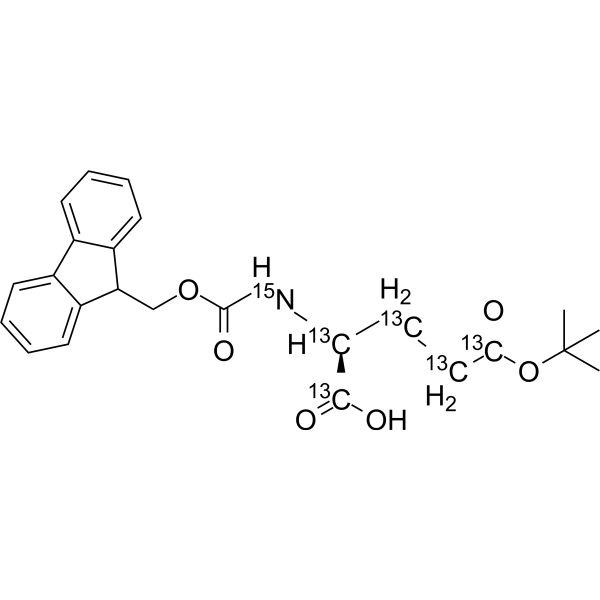 0 ImagesCat. No.: HY-141902SCAS No.: 1261078-12-9FMOC-L-Glutamic Acid-13C5,15N-5-t-butyl ester is the 13C and 15N labeled FMOC-L-Glutamic Acid-5-t-butyl ester.
-
Cortodoxone-d2
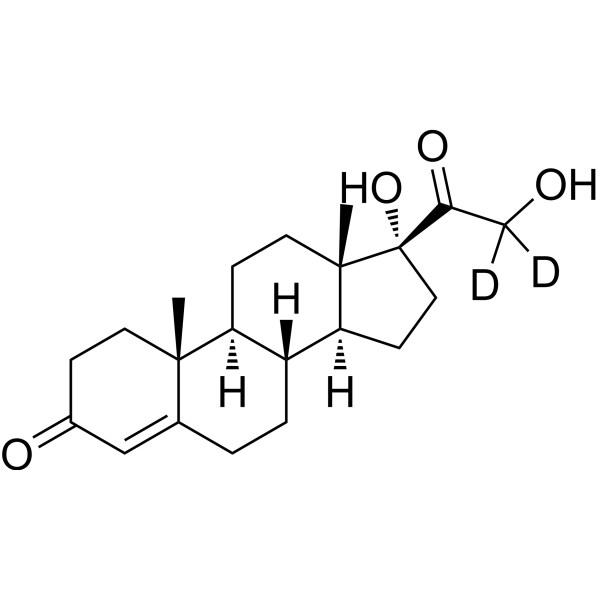 0 ImagesSynonyms: 11-Deoxycortisol-d2; cortexolone-d2; Reichstein's substance S-d2Cortodoxone-d2 is the deuterium labeled Cortodoxone. Cortodoxone is a glucocorticoid steroid hormone that can be oxygenated to cortisol (Hydrocortisone).
-
Nintedanib-13C,d3
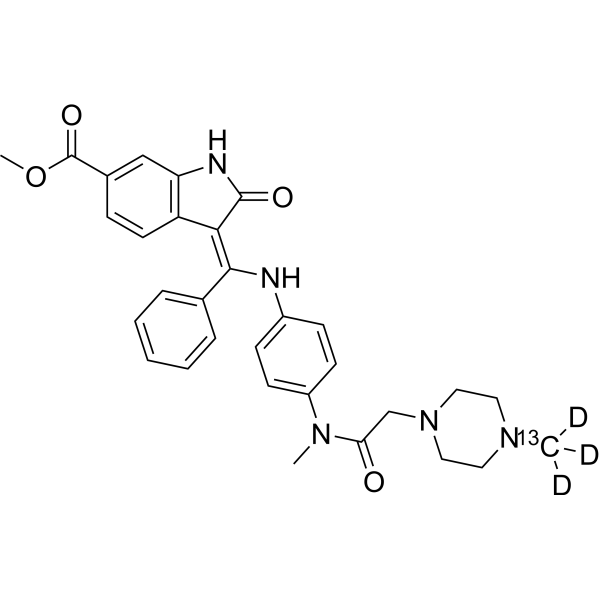 0 ImagesCat. No.: HY-50904S1Synonyms: BIBF 1120-13C,d3Nintedanib-13C,d3 is the 13C- and deuterium labeled Nintedanib. Nintedanib (BIBF 1120) is a potent triple angiokinase inhibitor for VEGFR1/2/3, FGFR1/2/3 and PDGFRα/β with IC50s of 34 nM/13 nM/13 nM, 69 nM/37 nM/108 nM and 59 nM/65 nM, respectively.
-
Delafloxacin-d5
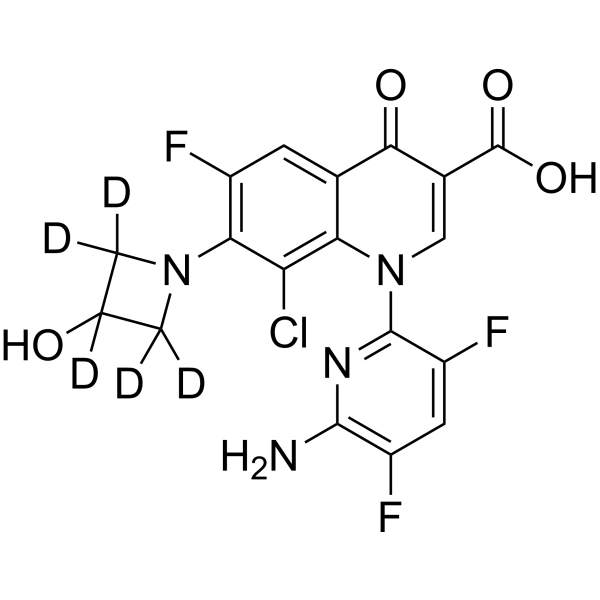 0 ImagesCat. No.: HY-14814SPurity: 99.76%Synonyms: RX-3341-d5; WQ-3034-d5; ABT492-d5Delafloxacin-d5 is deuterium labeled Delafloxacin. Delafloxacin (RX-3341; WQ-3034; ABT492) is a broad-spectrum fluoroquinolone antibiotic. Delafloxacin has a broad spectrum of activity that includes drug-resistant Staphylococcus aureus, Streptococcus pneumoniae, and Klebsiella pneumonia.



