



Isotope-Labeled Compounds
Isotope-labeled compounds are chemical substances in which some atoms in their molecules are replaced by isotope atoms. The range of stable isotope products can cover from gases to complex molecules. Isotope-labeled compounds could provide a site-specific investigation of structures, making molecules easily detectable by mass spectrometry and NMR, and maintaining the physico-chemical properties of the target molecule at the same time.
MCE isotope-labeled compounds are all stable isotope-labeled compounds and are non-radioactive labeled substances. MCE isotope-labeled compounds are unique tools for identifying and understanding biological and chemical processes. Stable isotope-labeled products are now getting more and more popular among scientists. The scope of application is gradually penetrating into various scientific fields, such as life sciences, food and medicine, agriculture, environment, geology, etc. Stable isotope-labeled compounds have a wide range of applications in the Life Science areas, such as Metabolomics, Proteomics, Clinical studies, Deuterium drugs, etc.
All Product Categories
-
Isotope-Labeled Compounds Related Products (11128)
Related Products (11128)

-
Oleoyl LPA-d5
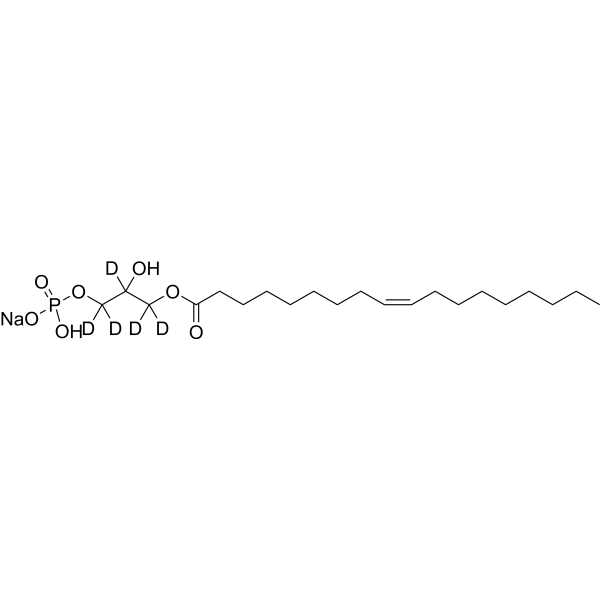 0 ImagesCat. No.: HY-146956SOleoyl LPA-d5 is deuterium labeled Oleoyl LPA.
-
Uridine triphosphate-13C9 dilithium
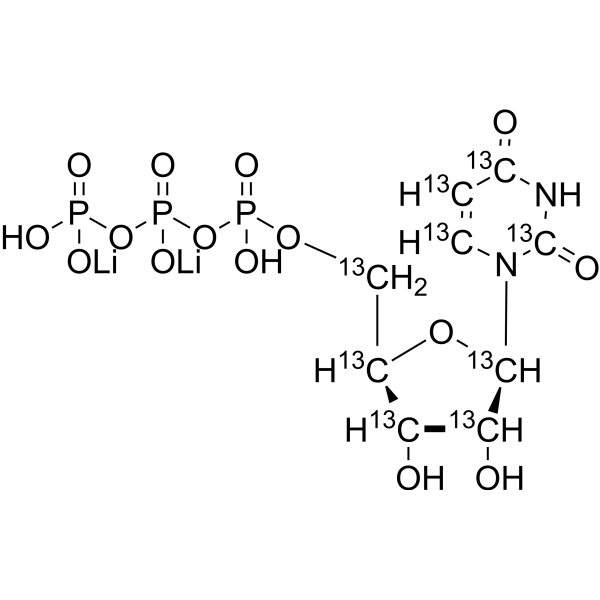 0 ImagesCat. No.: HY-107372S2Purity: 99.33%Synonyms: UTP-13C9 dilithium; Uridine 5'-triphosphate-13C9 dilithiumUridine triphosphate-13C9 (UTP-13C9 dilithium; Uridine 5'-triphosphate-13C9) dilithium is 13C-labeled Uridine triphosphate (HY-107372). Uridine triphosphate (UTP;Uridine 5'-triphosphate) is a nucleotide that regulates the functions of the pancreas in endocrine and exocrine secretion, proliferation, channels, transporters, and intracellular signaling under normal and disease states.
-
Olaparib-d4-1
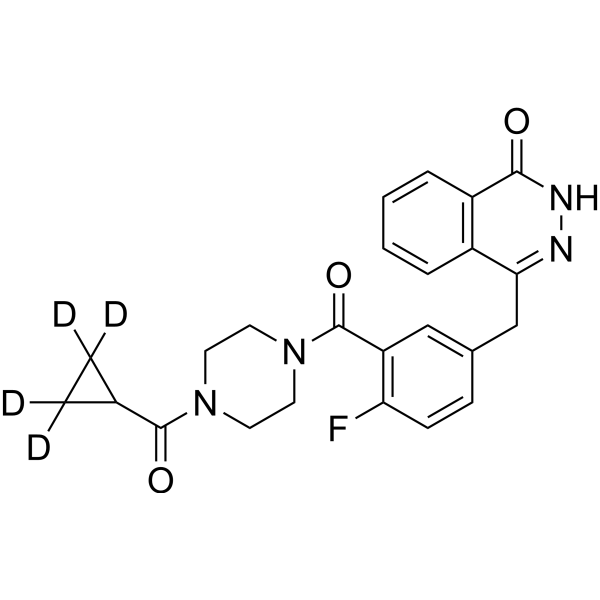 0 ImagesSynonyms: AZD2281-d4-1; KU0059436-d4-1; MK-7339-d4-1
-
N-Acetylornithine-d2
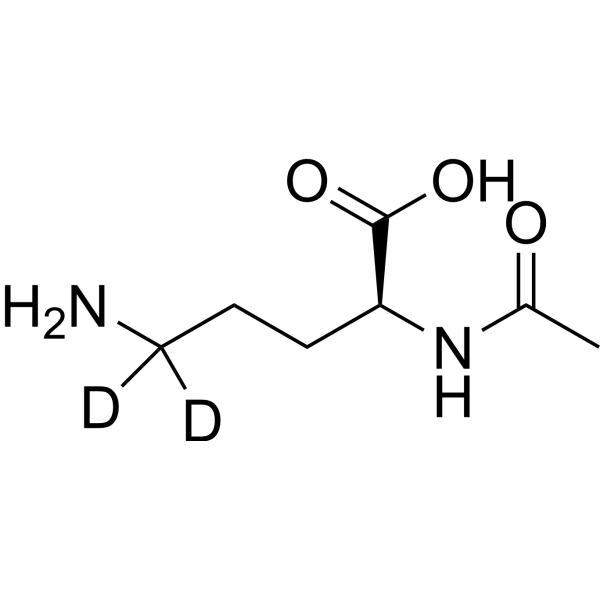 0 ImagesCat. No.: HY-113080SN-Acetylornithine-d2 is the deuterium labeled N-Acetylornithine (HY-113080). N-Acetylornithine is an intermediate in the enzymatic biosynthesis of the amino acid L-arginine from L-glutamate.
-
2'-Deoxycytidine-13C9,15N3
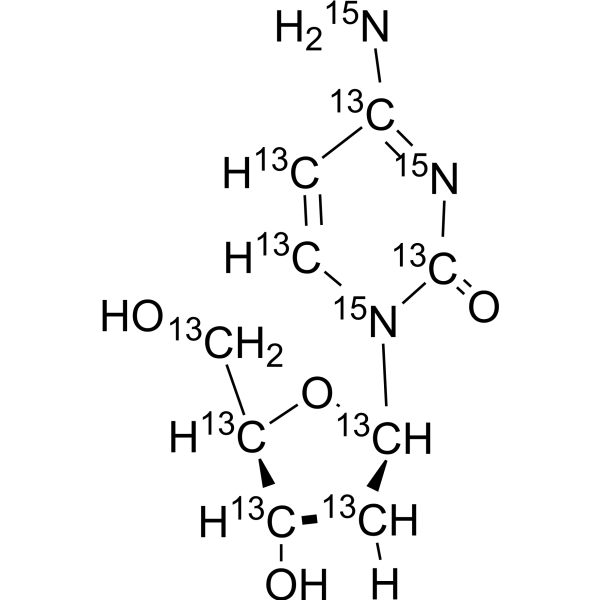 0 ImagesSynonyms: Deoxycytidine-13C9,15N3; Cytosine deoxyriboside-13C9,15N3; Deoxyribose cytidine-13C9,15N32'-Deoxycytidine-13C9,15N3 (Deoxycytidine-13C9,15N3; Cytosine deoxyriboside-13C9,15N3; Deoxyribose cytidine-13C9,15N3) is 13C and 15N-labeled 2'-Deoxycytidine (HY-D0184). 2'-Deoxycytidine, a deoxyribonucleoside, could inhibit biological effects of Bromodeoxyuridine (Brdu).
-
Gedatolisib-d8
 0 ImagesCat. No.: HY-10681SPurity: 98.71%Synonyms: PKI-587-d8; PF-05212384-d8Gedatolisib-d8 (PKI-587-d8) is the deuterium labeled Gedatolisib (HY-10681). Gedatolisib (PKI-587) is a highly potent dual inhibitor of PI3Kα, PI3Kγ, and mTOR with IC50s of 0.4 nM, 5.4 nM and 1.6 nM, respectively. Gedatolisib is equally effective in both complexes of mTOR, mTORC1 and mTORC2.
-
Dimetridazole-d3
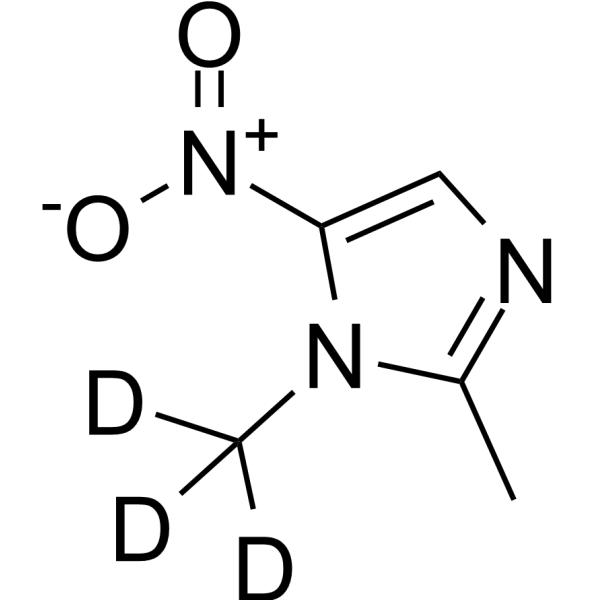 0 ImagesSynonyms: 1,2-Dimethyl-5-nitroimidazole-d3Dimetridazole-d3 (1,2-Dimethyl-5-nitroimidazole-d3) is a deuterium labeled Dimetridazole (HY-B1244). Dimetridazole is a nitroimidazole antibiotic. Dimetridazole inhibits protein synthesis in cultures of Campylobacter jejuni. Dimetridazole is genotoxic. Dimetridazole can be used in the research of protozoal and bacterial infections.
-
L-Phenylalanine-15N,d8
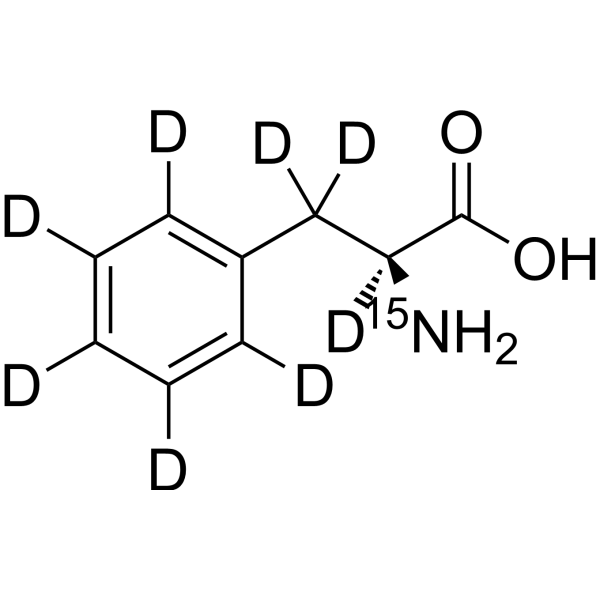 0 ImagesCat. No.: HY-N0215S14Purity: 99.90%Synonyms: (S)-2-Amino-3-phenylpropionic acid-15N,d8L-Phenylalanine-15N,d8 is the deuterium and 15N-labeled L-Phenylalanine. L-Phenylalanine ((S)-2-Amino-3-phenylpropionic acid) is an essential amino acid isolated from Escherichia coli. L-Phenylalanine is a α2δ subunit of voltage-dependent Ca2+ channels antagonist with a Ki of 980 nM. L-phenylalanine is a competitive antagonist for the glycine- and glutamate-binding sites of N-methyl-D-aspartate receptors (NMDARs) (KB of 573 μM ) and non-NMDARs, respectively. L-Phenylalanine is widely used in the production of food flavors and pharmaceuticals.
-
Estriol-d2
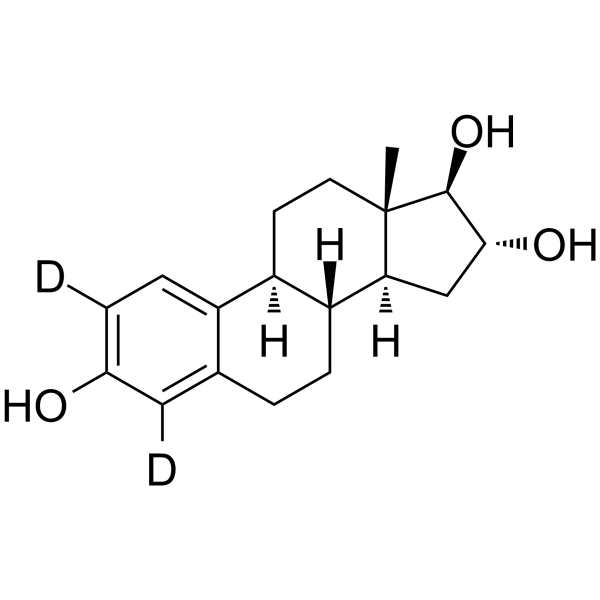 0 ImagesEstriol-d2 is the deuterium labeled Estriol. Estriol is an antagonist of the G-protein coupled estrogen receptor in estrogen receptor-negative breast cancer cells.
-
Glycopyrrolate-d3 bromide
 0 ImagesCat. No.: HY-W654210Purity: 99.63%Synonyms: Glycopyrronium-d3 bromideGlycopyrrolate-d3 (bromide) is deuterium labeled Glycopyrrolate. Glycopyrrolate (Glycopyrronium bromide), a quaternary ammonium derivative, is a muscarinic receptor antagonist. Glycopyrrolate has bronchoprotective effect and produces a beneficial effect on blood pressure. Glycopyrrolate can be used for the research of bronchial diseases.

-
Acetylcholine-d16 bromide
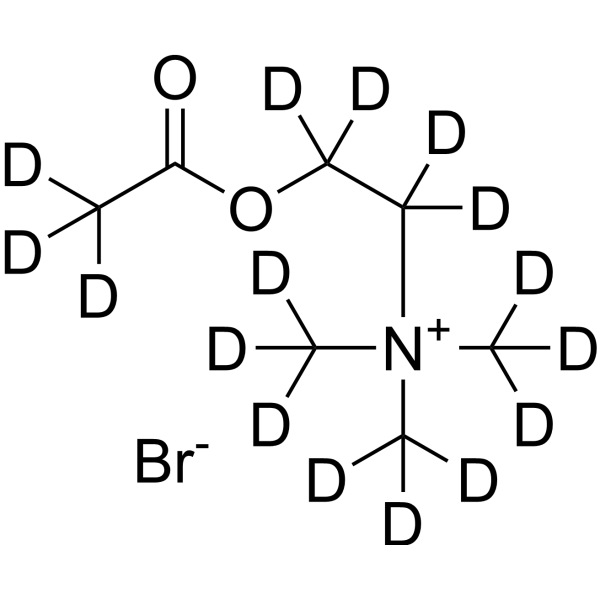 0 ImagesSynonyms: ACh-d16 bromideAcetylcholine-d16 (bromide) is the deuterium labeled Acetylcholine bromide.
-
Deoxycytidine triphosphate-15N3 dilithium
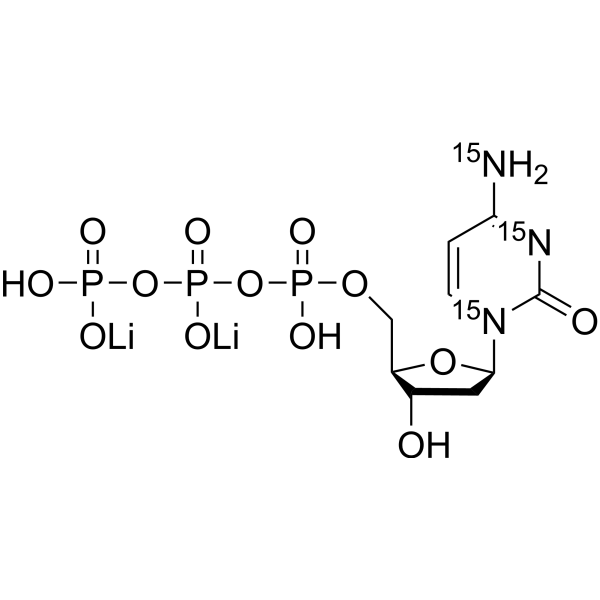 0 ImagesCat. No.: HY-101400S3Purity: 99.0%Synonyms: dCTP-15N3 dilithium; 2′-Deoxycytidine-5′-triphosphate-15N3 dilithiumDeoxycytidine triphosphate-15N3 (dCTP-15N3 dilithium; 2′-Deoxycytidine-5′-triphosphate-15N3) dilithium is 15N labeled Deoxycytidine triphosphate (HY-101400). Deoxycytidine triphosphate (dCTP) is a nucleoside triphosphate that can be used for DNA synthesis. Deoxycytidine triphosphate has many applications, such as real-time PCR, cDNA synthesis, and DNA sequencing.
-
Taurocholic acid-d8 sodium
 0 ImagesSynonyms: Sodium taurocholate-d8 (Standard); N-Choloyltaurine-d8 sodiumTaurocholic acid-d8 (sodium) is deuterium labeled Taurocholic acid (sodium). Taurocholic acid sodium (Sodium taurocholate) has marked bioactive effects such as an inhibitory potential against hepatic artery ligation induced biliary damage by upregulation of VEGF-A expression. Taurocholic acid sodium has immunoregulation effect.
-
15-Deoxy-Δ-12,14-prostaglandin J2-d4
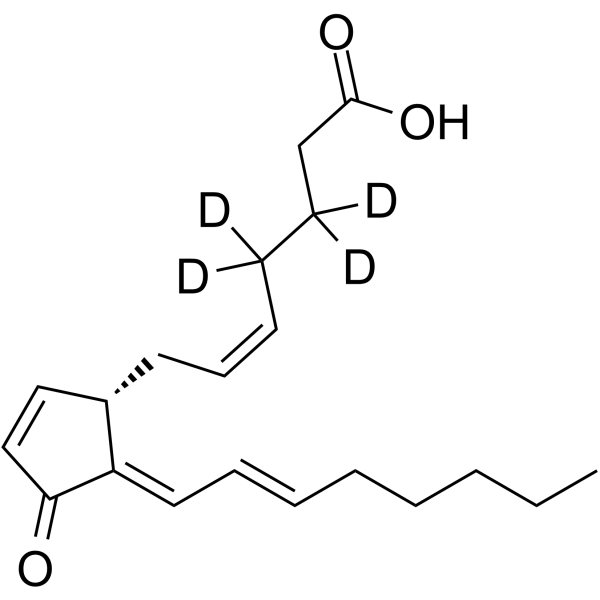 0 ImagesSynonyms: 15d-PGJ2-d4; 15-Deoxy-Δ12,14-PGJ2-d415-Deoxy-Δ-12,14-prostaglandin J2-d4 is the deuterium labeled 15-Deoxy-Δ-12,14-prostaglandin J2. 15-Deoxy-Δ-12,14-prostaglandin J2 (15d-PGJ2) is a cyclopentenone prostaglandin and a metabolite of PGD2. 15-Deoxy-Δ-12,14-prostaglandin J2 is a selective PPARγ (EC50 of 2 μM) and a covalent PPARδ agonist. 15-Deoxy-Δ-12,14-prostaglandin J2 promotes efficient differentiation of C3H10T1/2 fibroblasts to adipocytes with an EC50 of 7 μM.
-
(E/Z)-Resveratrol-13CN6
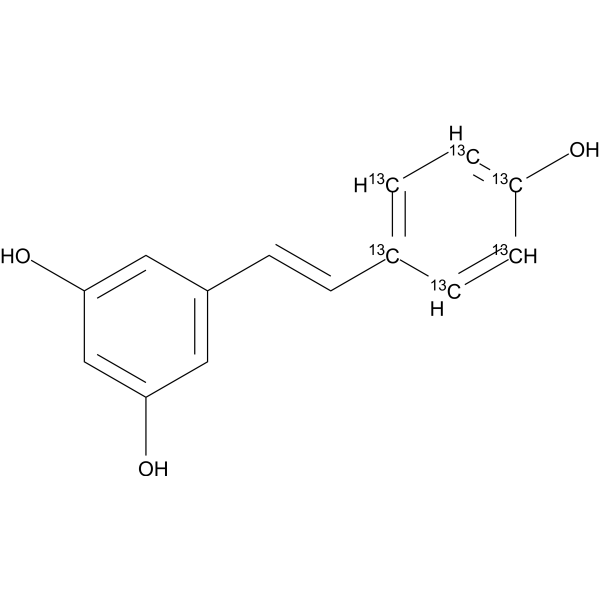 0 ImagesCat. No.: HY-16561S2CAS No.: 1185247-70-4Resveratrol-(4-Hydroxyphenyl)-13CN6 is the 13C labeled Resveratrol-(4-Hydroxyphenyl).
-
Tenuazonic acid-d13
 0 ImagesTenuazonic acid-d13 is deuterium labeled Tenuazonic acid. Tenuazonic acid is a nonhost-selective mycotoxin belonging to the tetramic acids family. Tenuazonic acid inhibits protein biosynthesis on ribosomes by suppressing the release of new protein. Tenuazonic acid is acutely toxic, and oral LD50 is set between 81-186 mg/kg in rats and mice. Tenuazonic acid blocks electron transport beyond the primary quinone receptor (QA) by interacting with the D1 protein and is a photosystem II (PSII) inhibitor. In addition, Tenuazonic acid has antiviral effects on measles virus, enterovirus, respiratory virus and so on. Tenuazonic acid has an inhibitory effect on skin cancer.
-
Bisphenol Z-d6
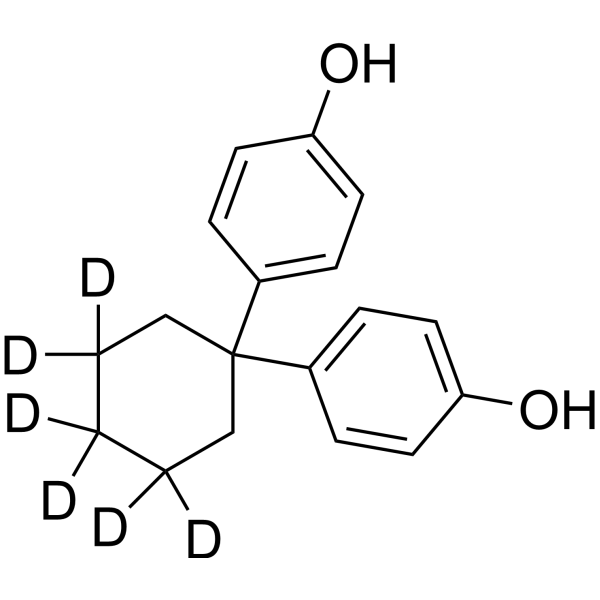 0 ImagesCat. No.: HY-W013326SCAS No.: 2733972-12-6Bisphenol Z-d6 is the deuterium labeled 4,4'-(Cyclohexane-1,1-diyl)diphenol (HY-W013326).
-
Pyraclostrobin-d6
 0 ImagesCat. No.: HY-W654330Purity: 99.90%



