



Protocatechualdehyde (Standard)
Based on 1 publication(s) in Google Scholar
Protocatechualdehyde (Standard) is the analytical standard of Protocatechualdehyde. This product is intended for research and analytical applications. Protocatechualdehyde (Catechaldehyde), a natural polyphenol compound isolated from the roots of radix Salviae Miltiorrhizae, is associated with a wide variety of biological activities and has been widely used in medicine as an antioxidant, anti-aging, an antibacterial and anti-inflammatory agent.
Para uso exclusivo en investigación. No vendemos a pacientes.
- Pureza : 98%
- No. CAS: 139-85-5
- Fòrmula: C₇H₆O₃
- Peso molecular:138.12
-
Almacenamiento:
Please store the product under the recommended conditions in the Certificate of Analysis.


To place orders, for customer services and technical support, please contact: MedChemExpress USA
Tel: 609-228-6898 E-mail: [email protected] [email protected]


-
 Product Information
-
Chemical Information
- Pureza y Documentación
-
 Help & FAQs


-
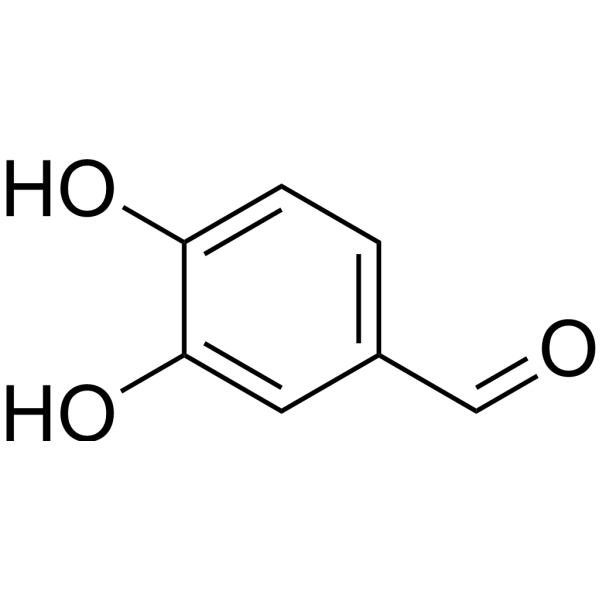
HY-N0295
ProtocatechualdehydePolyphenol Compound -
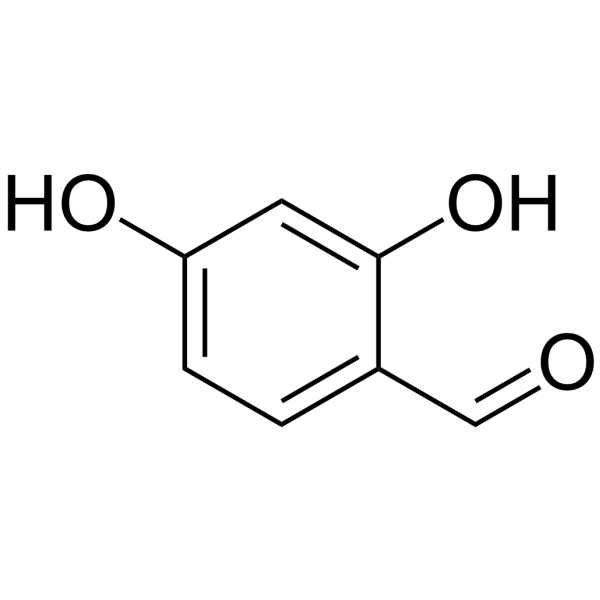
HY-W007539
2,4-DihydroxybenzaldehydeDrug Intermediate -
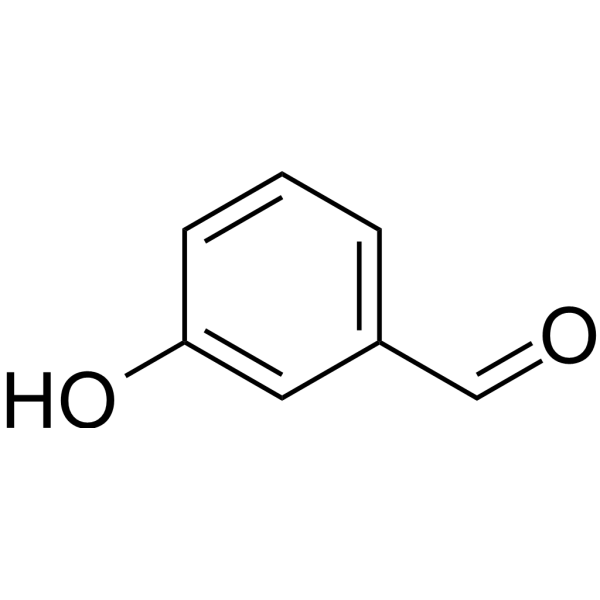
HY-76006
3-HydroxybenzaldehydeSubstrate For ALDH, Precursor Compound for Phenolic Compounds -
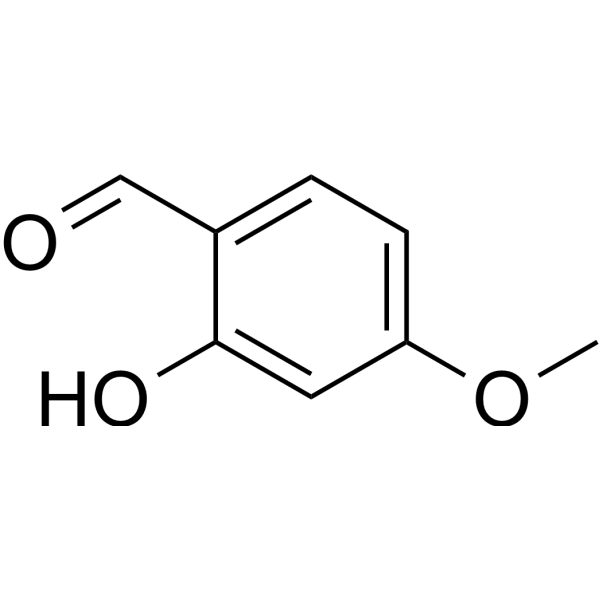
HY-N0445
2-Hydroxy-4-methoxybenzaldehydeTyrosinase Inhibitor -
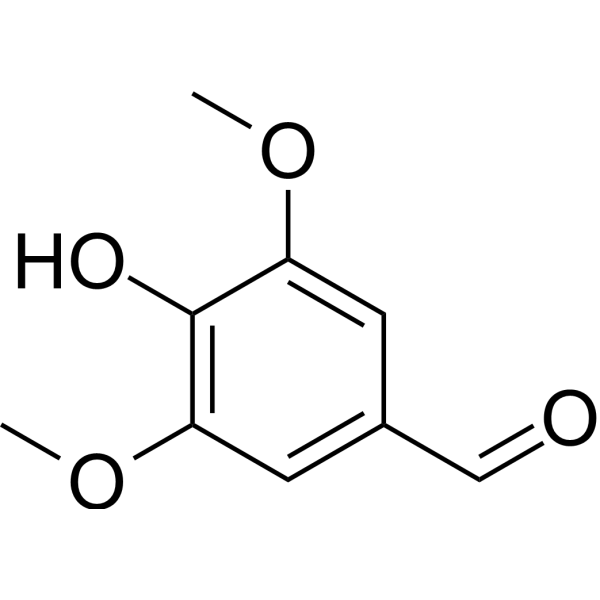
HY-N1390
SyringaldehydeCOX-2 Inhibitor -

HY-Y0785
Glyoxal (40% w/w in water)Drug Intermediate -
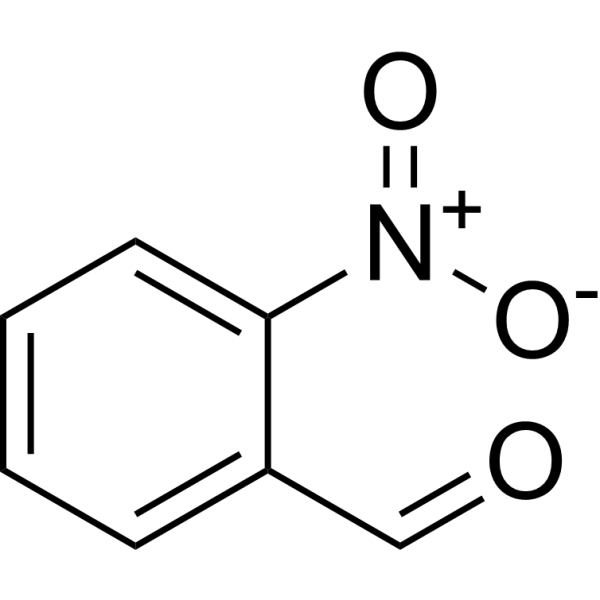
HY-W007454
2-NitrobenzaldehydeBiochemical Reagent -
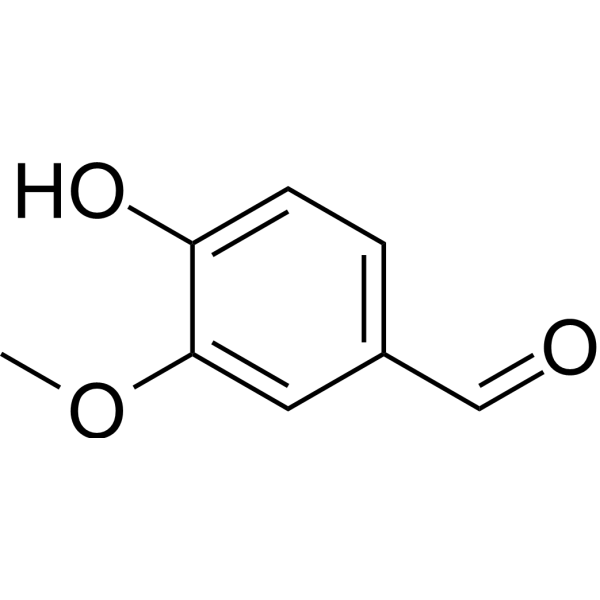
HY-N0098
VanillinPhenolic Aldehyde -
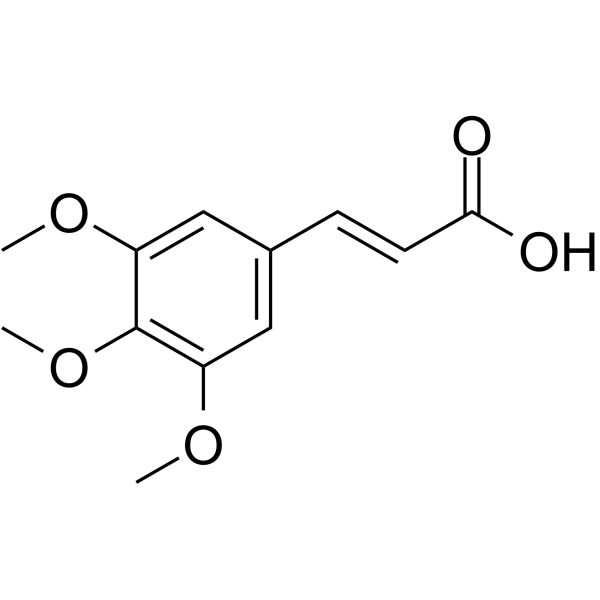
HY-W012123
3,4,5-Trimethoxycinnamic acid -
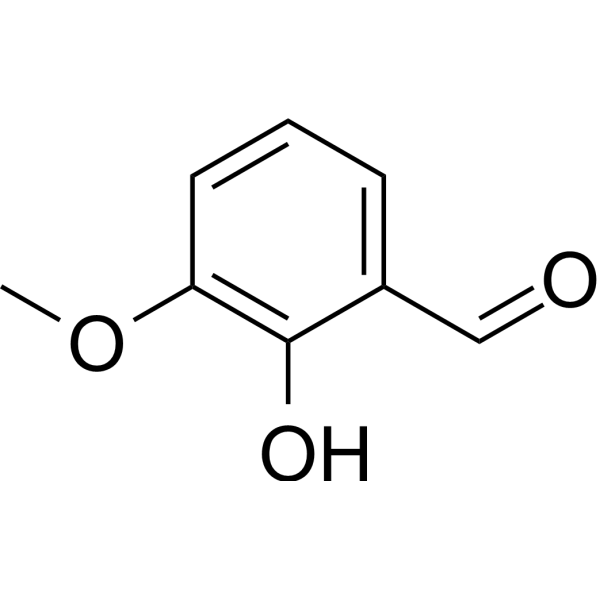
HY-Y1832
o-VanillinAntifungal Agent -

HY-75887
5-NitrosalicylaldehydeDronedarone Intermediate -
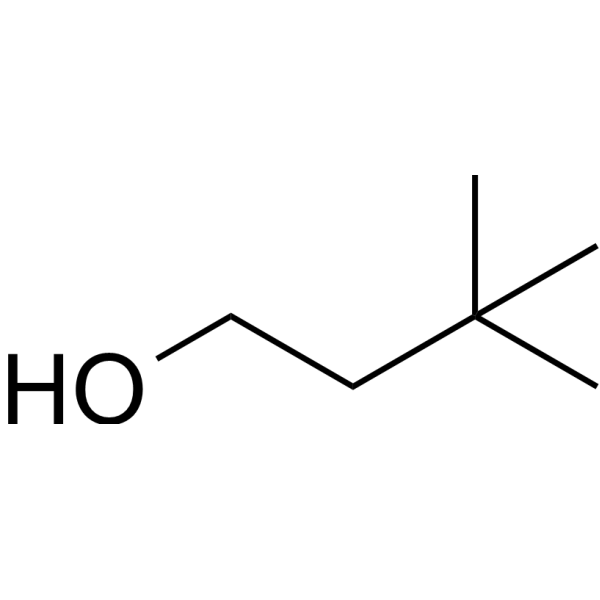
HY-W012977
3,3-Dimethyl-1-butanolTMA /TMAO Inhinbitor
Publications Citing Use of MedChemExpress (MCE) Protocatechualdehyde (Standard)
More

Product Information
Information
Aplicación
The compound is the grade of analytical standard, which is the reference standard supplied assay. It is commonly used in qualitative, quantitative and methodological research experiments in HPLC, GC and MS.


Chemical Information
-
No. CAS 139-85-5
-
Appearance Solid
-
Peso molecular 138.12
-
Fòrmula C₇H₆O₃
-
Color Yellow to brown
-
SMILES
O=CC1=CC=C(O)C(O)=C1
-
Synonyms
Catechaldehyde (Standard); Protocatechuic aldehyde (Standard); Rancinamycin IV (Standard)
-
Structure Classification
-
Initial Source
-
Envío
Room temperature in continental US; may vary elsewhere.
-
Almacenamiento
Please store the product under the recommended conditions in the Certificate of Analysis.


Publications (1)
-
Journal Impact Factor
-
Most Recent


Pureza y Documentación
Referencias
[1]. Li S, et al. Evaluation of the Antibacterial Effects and Mechanism of Action of Protocatechualdehyde against Ralstonia solanacearum. Molecules. 2016 Jun 9;21(6). [Content Brief]
[2]. Choi J, et al. Anticancer activity of protocatechualdehyde in human breast cancer cells. J Med Food. 2014 Aug;17(8):842-8. [Content Brief]
[3]. Jeong JB, et al. Protocatechualdehyde possesses anti-cancer activity through downregulating cyclin D1 and HDAC2 in human colorectal cancer cells. Biochem Biophys Res Commun. 2013 Jan 4;430(1):381-6. [Content Brief]

Calculators
Concentration (start) × Volume (start) = Concentration (final) × Volume (final)


Protocatechualdehyde (Standard) Related Classifications
HY-N0295R Related Classifications
 Powered by Bioz