



ND-646
Based on 14 publication(s) in Google Scholar
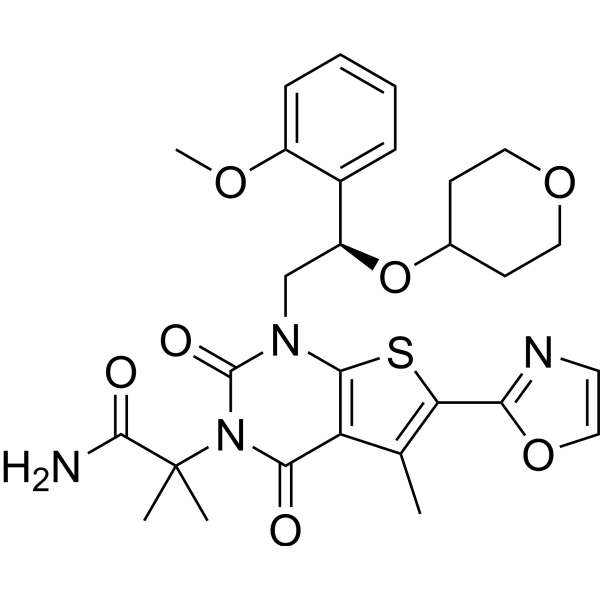
ND-646 is an orally bioavailable and steric inhibitor of acetyl-CoA carboxylase (ACC) with IC50s of 3.5 nM and 4.1 nM for recombinant hACC1 and hACC2, respectively.
商品は「研究用試薬」です。人や動物の医療用・臨床診断用・食品用の製品ではありません。
研究用途以外に使用した場合、当社は一切の責任を負いかねます。
- 純度 : 99.13%
- CAS 番号: 1434639-57-2
- 分子式: C28H32N4O7S
- 分子量:568.64
-
保管条件:Powder -20°C, 3 years , 4°C, 2 years ; In solvent -80°C, 2 years , -20°C, 1 year

To place orders, for customer services and technical support, please contact: MedChemExpress USA
Tel: 609-228-6898 E-mail: [email protected] [email protected]


-
 生物活性
生物活性
-
化学情報
-
溶剤 & 溶解度
- 純度とドキュメンテーション
- 参考文献
-
 Help & FAQs


-
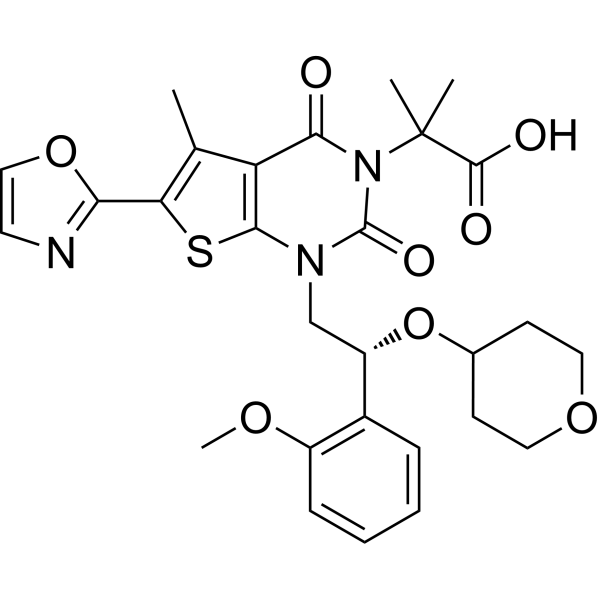
HY-16901
FirsocostatACC Inhibitor -
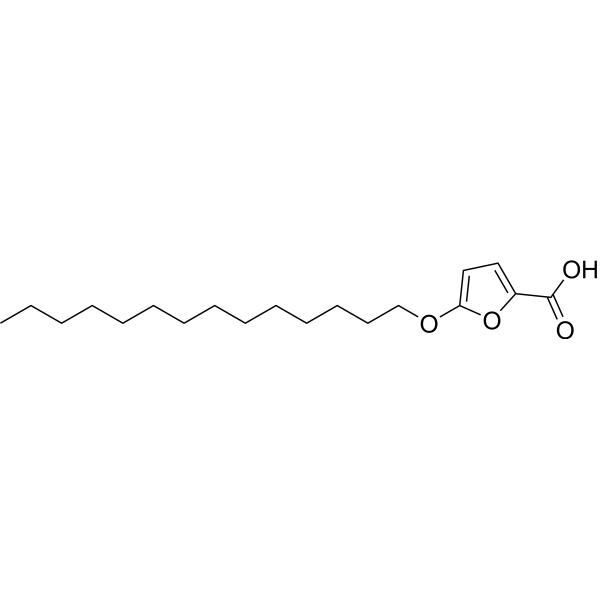
HY-101068
TOFAAcetyl-CoA Carboxylase Inhibitor -
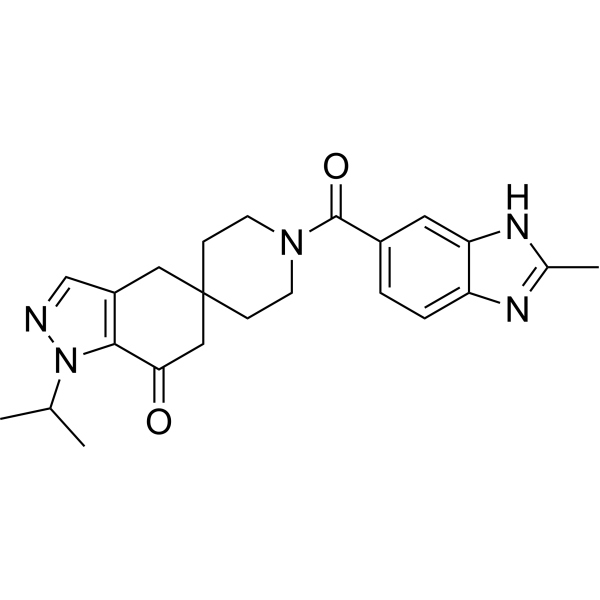
HY-12942
PF-05175157Acetyl-CoA Carboxylase Inhibitor -
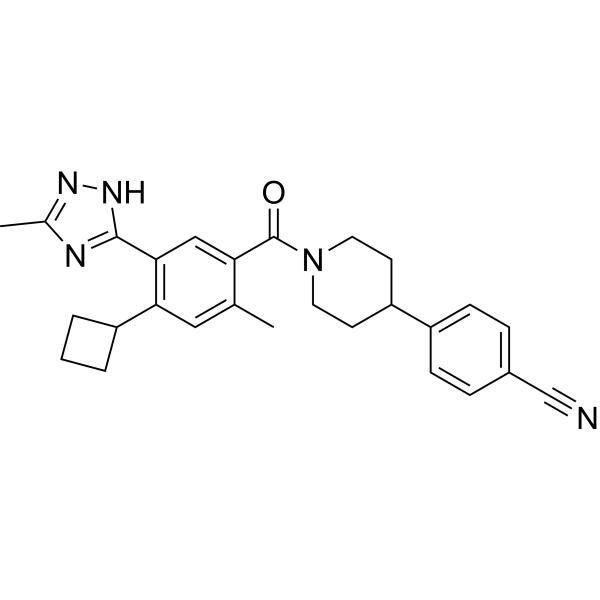
HY-112829
DenifanstatFASN Inhibitor -
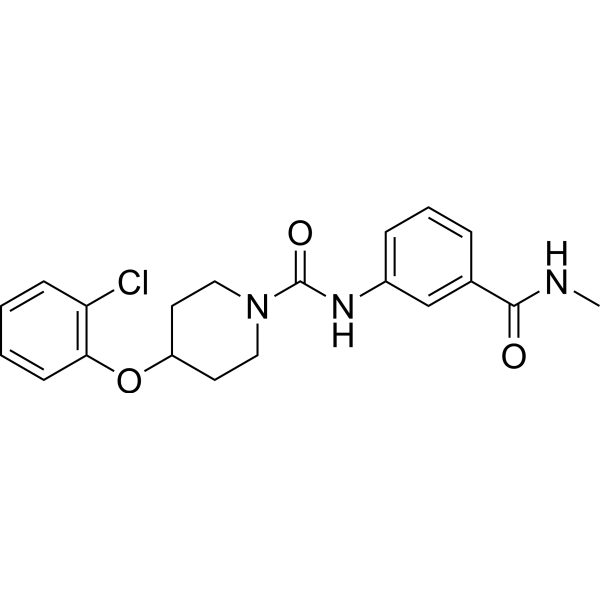
HY-50709
A939572SCD1 Inhibitor -
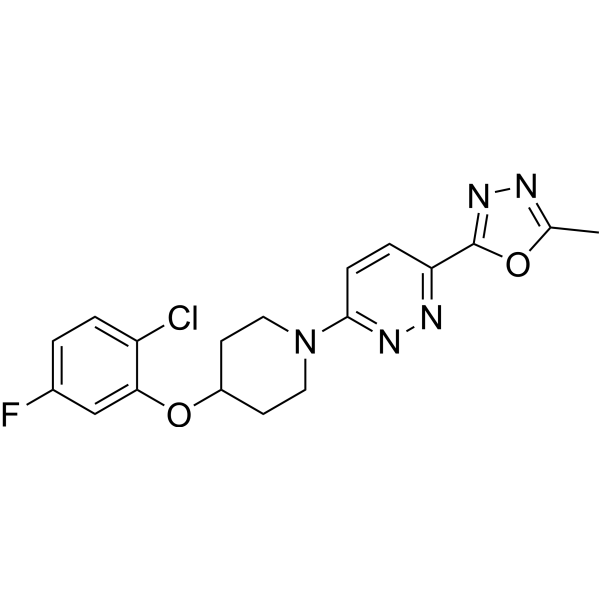
HY-15823
CAY10566SCD1 Inhibitor -
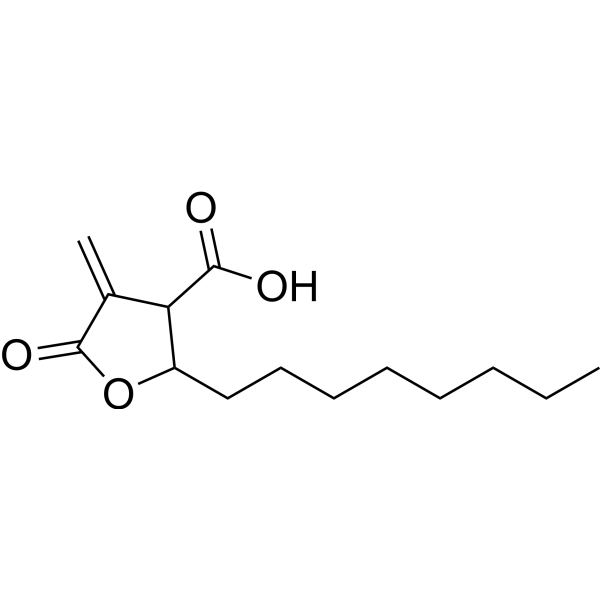
HY-12364
C75Fatty Acid Synthase Inhibitor -
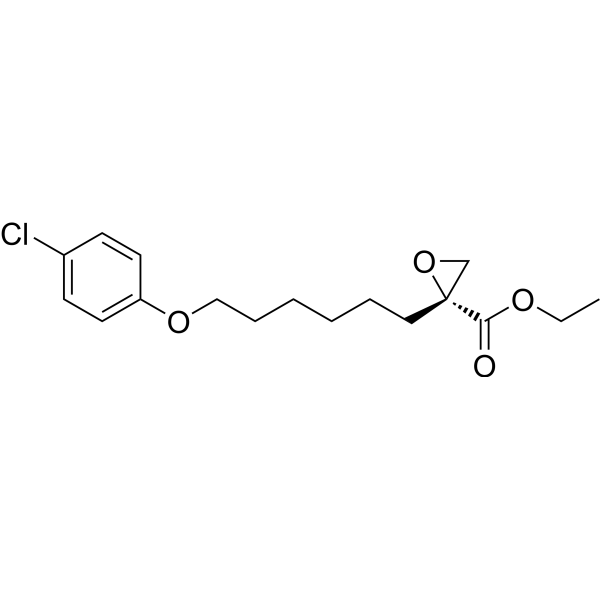
HY-50202
EtomoxirCPT1a Inhibitor -
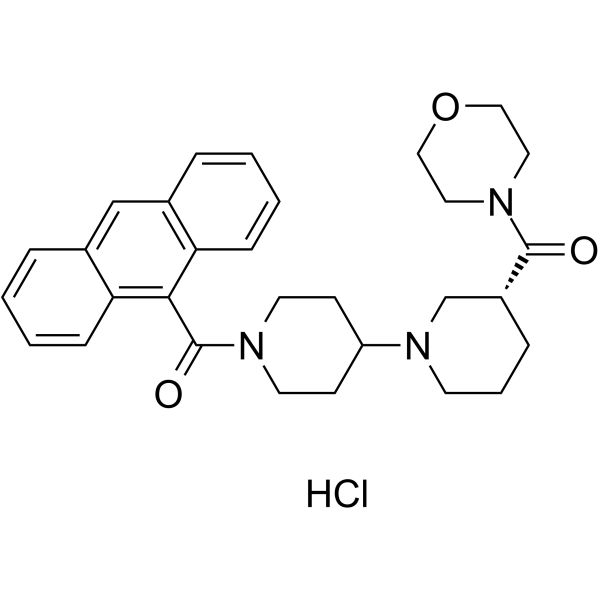
HY-15259A
CP-640186 hydrochlorideACC Inhibitor -
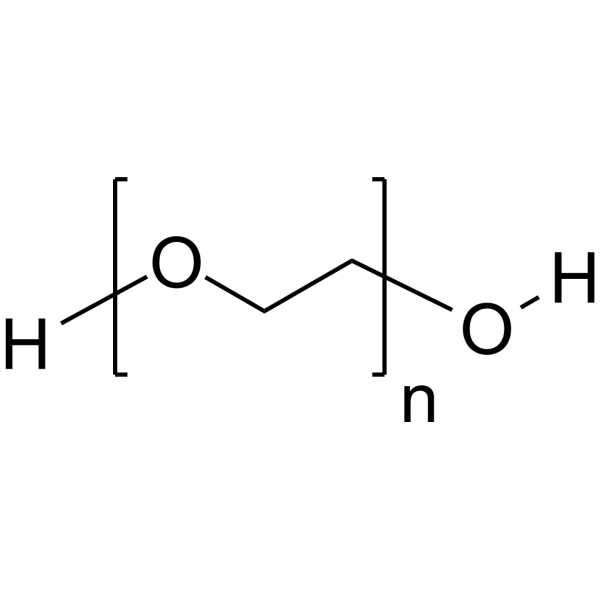
HY-Y0873
PEG300Neutral Polymer -
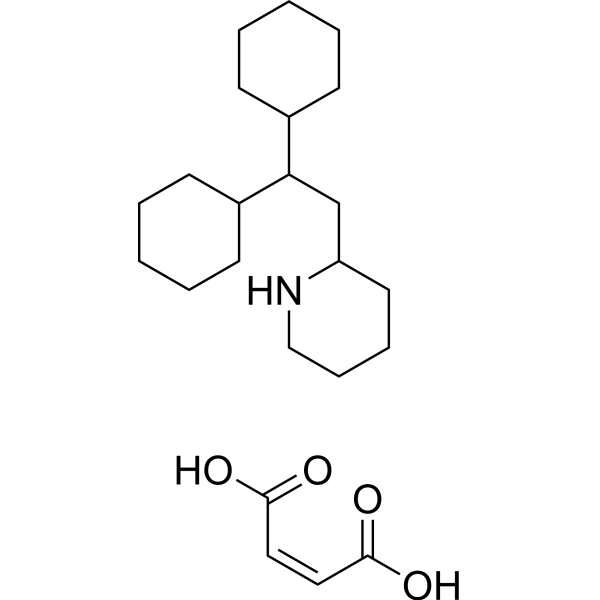
HY-B1334A
Perhexiline maleateCPT1/CPT2 Inhibitor -
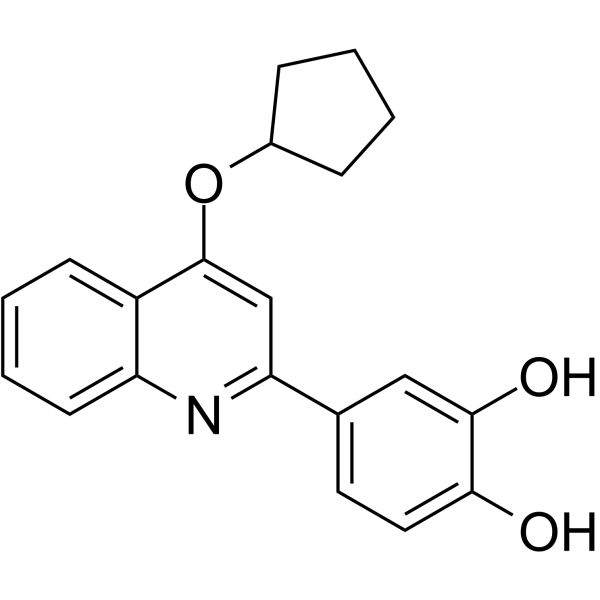
HY-135981
CMS-121Acetyl-CoA Carboxylase 1 Inhibitor
MedChemExpress(MCE)の使用を引用している文献 ND-646
More- Science. 2025 Jan 10;387(6730):eads9960. [Abstract]
- Cell Metab. 2024 May 7;36(5):969-983.e10. [Abstract]
- Cancer Discov. 2020 Sep;10(9):1282-1295. [Abstract]
- Redox Biol. 2024 Feb:69:102982. [Abstract]
- J Neuroinflammation. 2020 Jun 16;17(1):191. [Abstract]
- Phytomedicine. 2025 Nov 25:148:157438. [Abstract]
- Clin Cancer Res. 2025 May 15;31(10):1975-1987. [Abstract]
- Int J Mol Sci. 2024 Sep 22;25(18):10170. [Abstract]
- J Biol Chem. 2021 Aug;297(2):100950. [Abstract]
- bioRxiv. 2026 Feb 1.
- bioRxiv. 2023 Nov 17.
- Elife. 2020 Oct 5:9:e56749. [Abstract]
- University of the Sciences in Philadelphia. 2020 Jul.
- bioRxiv. 2020 Jun.
 Customer Validation & Images

-
In Vivo Efficacy Study
-
Bio/Physico-chemical Assay
-
Bio/Physico-chemical Assay
-
Bio/Physico-chemical Assay
-
In Vivo Efficacy Study


生物活性
製品説明
IC50 & Target
IC50: 3.5 nM (hACC1), 4.1 nM (hACC2)[1]
体外実験
ND-646 inhibits both ACC1 and ACC2 and therefore precludes the ability of ACC2 to compensate for ACC1 inhibition. ND-646 inhibits dimerization of recombinant human ACC2 BC domain (hACC2-BC) under native conditions; hACC2-BC migrates as a dimer in its absence and a monomer in its presence. In cell free systems, ND-646 inhibits enzymatic activity of recombinant human ACC1 (hACC1) with an IC50 of 3.5 nM and recombinant human ACC2 (hACC2) with an IC50 of 4.1 nM[1].
MedChemExpress (MCE) has not independently confirmed the accuracy of these methods. They are for reference only.
体内実験
MedChemExpress (MCE) has not independently confirmed the accuracy of these methods. They are for reference only.


化学情報
-
CAS 番号 1434639-57-2
-
性状 Solid
-
分子量 568.64
-
分子式 C28H32N4O7S
-
Color White to off-white
-
SMILES
O=C(N)C(C)(C)N(C(N(C[C@@H](C1=CC=CC=C1OC)OC2CCOCC2)C3=C4C(C)=C(C5=NC=CO5)S3)=O)C4=O
-
輸送条件
Room temperature in continental US; may vary elsewhere.
-
保管条件
Powder -20°C 3 years 4°C 2 years In solvent -80°C 2 years -20°C 1 year


Publications (14)
-
Journal Impact Factor
-
Most Recent
-
Science
2025 Jan 10;387(6730):eads9960. PMID: 39787221
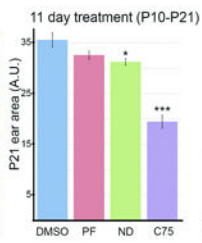
ND-646 purchased from MedChemExpress. Usage Cited in: Science. 2025 Jan 10;387(6730):eads9960. [Abstract]
Ears become smaller in mice topically treated with de novo lipogenesis inhibitors PF-05175157 (PF), ND-646 (ND) and C75 as compared to DMSO control.
-
Cell Metab
Acetyl-CoA carboxylase obstructs CD8+ T cell lipid utilization in the tumor microenvironment. [Abstract]2024 May 7;36(5):969-983.e10. PMID: 38490211 -
Cancer Discov
Changes in Aged Fibroblast Lipid Metabolism Induce Age-Dependent Melanoma Cell Resistance to Targeted Therapy via the Fatty Acid Transporter FATP2. [Abstract]2020 Sep;10(9):1282-1295. PMID: 32499221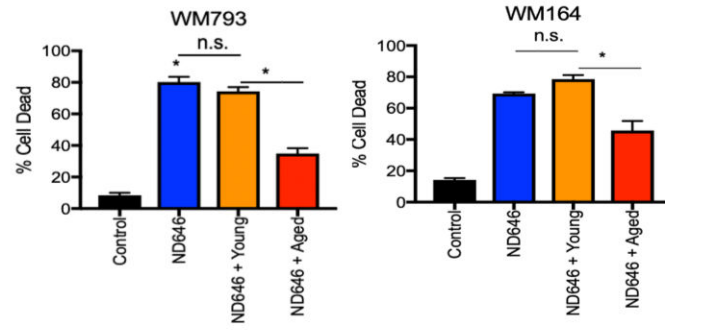
ND-646 purchased from MedChemExpress. Usage Cited in: Cancer Discov. 2020 Sep;10(9):1282-1295. [Abstract]
Melanoma cells treated with 4nM ND646 in the presence of young and aged fibroblast conditioned media for 48 hrs followed by Trypan blue exclusion analysis.
-
Redox Biol
IL-10 protects against OPC ferroptosis by regulating lipid reactive oxygen species levels post stroke. [Abstract]2024 Feb:69:102982. PMID: 38070317
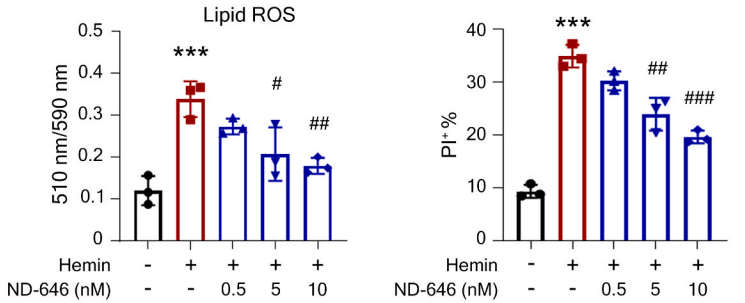
ND-646 purchased from MedChemExpress. Usage Cited in: Redox Biol. 2024 Feb:69:102982. [Abstract]
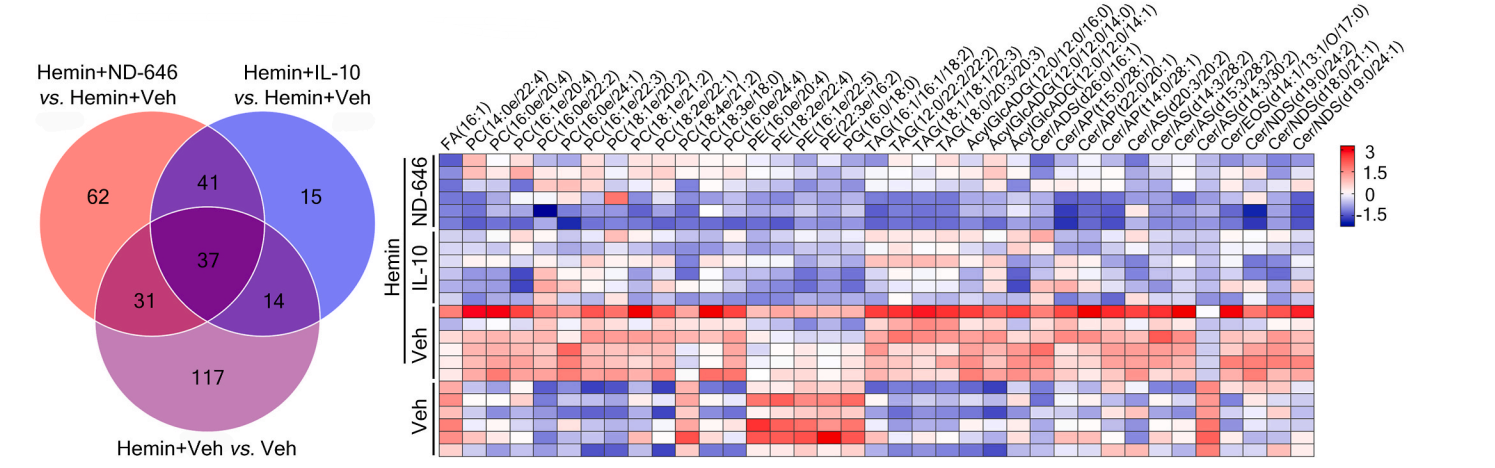
We treated OPCs with ND-646 (0-10 nM), the specific inhibitor of ACC, and found it protected against hemin-induced lipid ROS accumulation and ferroptosis dose-dependently as IL-10 and DLK1 did.
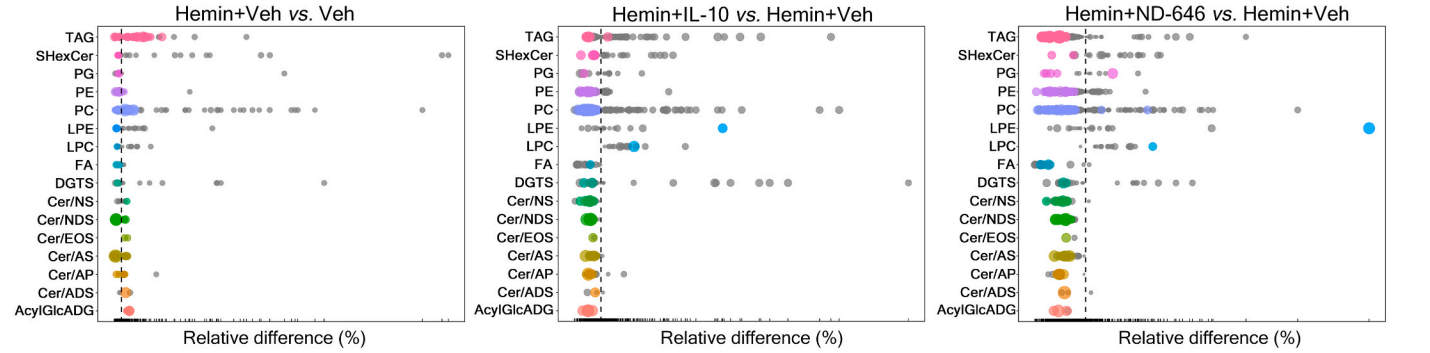
ND-646 purchased from MedChemExpress. Usage Cited in: Redox Biol. 2024 Feb:69:102982. [Abstract]
Hemin increased the contents of triacylglycerol (TAG) and phosphatidylcholine (PC) in OPCs, while hemin plus IL-10 or ND-646 treatment significantly reduced the contents of TAG, phosphatidylglycerol (PG), phosphatidylethanolamine (PE), and PC.
ND-646 purchased from MedChemExpress. Usage Cited in: Redox Biol. 2024 Feb:69:102982. [Abstract]
IL-10 and ND-646 treatment both decreased these metabolites levels.
ND-646 purchased from MedChemExpress. Usage Cited in: Redox Biol. 2024 Feb:69:102982. [Abstract]
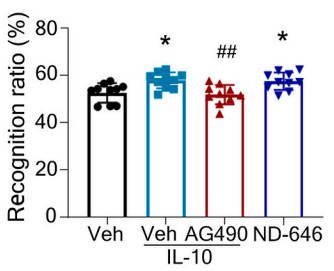
Both IL-10 and ND-646 treatment rescued cognitive impairment of WT ICH mice, while AG490 abolished IL-10 effects significantly.
-
J Neuroinflammation
Metformin inhibits intracranial aneurysm formation and progression by regulating vascular smooth muscle cell phenotype switching via the AMPK/ACC pathway. [Abstract]2020 Jun 16;17(1):191. PMID: 32546267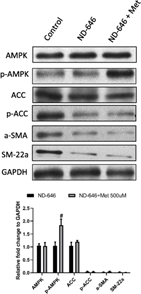
ND-646 purchased from MedChemExpress. Usage Cited in: J Neuroinflammation. 2020 Jun 16;17(1):191. [Abstract]
Western blot analysis of total AMPK, p-AMPK, ACC, p-ACC, α-SMA, SM22α, and GAPDH expression in VSMCs treated as indicated.
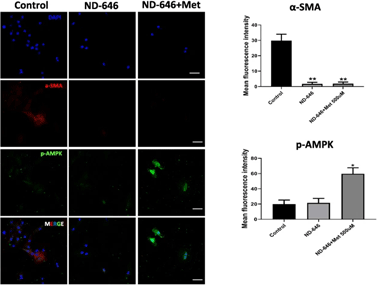
ND-646 purchased from MedChemExpress. Usage Cited in: J Neuroinflammation. 2020 Jun 16;17(1):191. [Abstract]
The level of p-ACC is decreased by exposure to ND-646, with no observable difference in p-AMPK expression. qRT-PCR analysis revealed that α-SMA and SM22α are downregulated in the presence of ND-646, which is corroborated by immunofluorescence labeling.
-
Phytomedicine
Unveiling plumbagin as a novel metabolic modulator to suppress ACC1-mediated de novo lipogenesis in non-small cell lung cancer. [Abstract]2025 Nov 25:148:157438. PMID: 41187651 -
Clin Cancer Res
Targeting Acetyl-CoA Carboxylase Suppresses De Novo Lipogenesis and Tumor Cell Growth in Multiple Myeloma. [Abstract]2025 May 15;31(10):1975-1987. PMID: 40053701 -
Int J Mol Sci
Augmented Global Protein Acetylation Diminishes Cell Growth and Migration of Cholangiocarcinoma Cells. [Abstract]2024 Sep 22;25(18):10170. PMID: 39337655 -
J Biol Chem
Hydrogen sulfide stimulates lipid biogenesis from glutamine that is dependent on the mitochondrial NAD(P)H pool. [Abstract]2021 Aug;297(2):100950. PMID: 34252456 -
-
-
Elife
A powerful drug combination strategy targeting glutamine addiction for the treatment of human liver cancer. [Abstract]2020 Oct 5:9:e56749. PMID: 33016874 -
-


溶剤 & 溶解度
体外:
DMSO : ≥ 100 mg/mL (175.86 mM; Hygroscopic DMSO has a significant impact on the solubility of product, please use newly opened DMSO)
* "≥" means soluble, but saturation unknown.
Please refer to the solubility information to select the appropriate solvent. Once prepared, please aliquot and store the solution to prevent product inactivation from repeated freeze-thaw cycles.
Storage method and period of stock solution: -80°C, 2 years; -20°C, 1 year. When stored at -80°C, please use it within 2 years. When stored at -20°C, please use it within 1 year.
Please refer to the solubility information to select the appropriate solvent. Once prepared, please aliquot and store the solution to prevent product inactivation from repeated freeze-thaw cycles.
Storage method and period of stock solution: -80°C, 2 years; -20°C, 1 year. When stored at -80°C, please use it within 2 years. When stored at -20°C, please use it within 1 year.
濃度 (開始) × 体積 (開始) = 濃度 (終了) × 体積 (終了)
体内:
Select the appropriate dissolution method based on your experimental animal and administration route.
- For the following dissolution methods, please ensure to first prepare a clear stock solution using an In Vitro approach and then sequentially add co-solvents:
- To ensure reliable experimental results, the clarified stock solution can be appropriately stored based on storage conditions. As for the working solution for In Vivo experiments, it is recommended to prepare freshly and use it on the same day.
- The percentages shown for the solvents indicate their volumetric ratio in the final prepared solution. If precipitation or phase separation occurs during preparation, heat and/or sonication can be used to aid dissolution.
Add each solvent one by one: 10% DMSO 40% PEG300 5% Tween-80 45% Saline
Solubility: ≥ 2.5 mg/mL (4.40 mM); Clear solution
This protocol yields a clear solution of ≥ 2.5 mg/mL (saturation unknown).
Taking 1 mL working solution as an example, add 100 μL DMSO stock solution (25.0 mg/mL) to 400 μL PEG300, and mix evenly; then add 50 μL Tween-80 and mix evenly; then add 450 μL Saline to adjust the volume to 1 mL.
Preparation of Saline: Dissolve 0.9 g sodium chloride in ddH₂O and dilute to 100 mL to obtain a clear Saline solution.
In Vivo Dissolution Calculator
Please enter the basic information of animal experiments:
-
-
-
-
Recommended: Prepare an additional quantity of animals to account for potential losses during experiments.
Please enter your animal formula composition:
-
%DMSO +
Recommended: Keep the proportion of DMSO in working solution below 2% if your animal is weak.
-
%+
-
+%Tween-80 + +
-
%Saline +
The co-solvents required include: DMSO, . All of co-solvents are available by MedChemExpress (MCE). , Tween 80. All of co-solvents are available by MedChemExpress (MCE).
Working solution concentration: 0.22 mg/mL
Method for preparing stock solution: mg drug dissolved in μL DMSO. Stock solution concentration: mg/mL.
1. Take μL DMSO stock solution;
2. Add μL .
μL , mix evenly;
3. Then add μL Tween 80, mix evenly;
4. Then add μL
Please ensure that the stock solution in the first step is dissolved to a clear state, and add co-solvents in sequence. You can use ultrasonic heating (ultrasonic cleaner, recommended frequency 20-40 kHz), vortexing, etc. to assist dissolution.


純度とドキュメンテーション
-
データシート (286 KB)
-
SDS (393 KB)
- English - EN (393 KB)
- Français - FR (393 KB)
- Deutsch - DE (393 KB)
- Norwegian - NO (393 KB)
- Español - ES (393 KB)
- Swedish - SV (393 KB)
- Italian - IT (393 KB)
- Korean - KR (393 KB)
- Portuguese - PT (393 KB)
-
取扱説明書 (2659 KB)
参考文献


Complete Stock Solution Preparation Table
Please refer to the solubility information to select the appropriate solvent. Once prepared, please aliquot and store the solution to prevent product inactivation from repeated freeze-thaw cycles.
Storage method and period of stock solution: -80°C, 2 years; -20°C, 1 year. When stored at -80°C, please use it within 2 years. When stored at -20°C, please use it within 1 year.
| Optional Solvent | Concentration Solvent Mass | 1 mg | 5 mg | 10 mg | 25 mg |
|---|---|---|---|---|---|
| DMSO | 1 mM | 1.7586 mL | 8.7929 mL | 17.5858 mL | 43.9645 mL |
| 5 mM | 0.3517 mL | 1.7586 mL | 3.5172 mL | 8.7929 mL | |
| 10 mM | 0.1759 mL | 0.8793 mL | 1.7586 mL | 4.3965 mL | |
| 15 mM | 0.1172 mL | 0.5862 mL | 1.1724 mL | 2.9310 mL | |
| 20 mM | 0.0879 mL | 0.4396 mL | 0.8793 mL | 2.1982 mL | |
| 25 mM | 0.0703 mL | 0.3517 mL | 0.7034 mL | 1.7586 mL | |
| 30 mM | 0.0586 mL | 0.2931 mL | 0.5862 mL | 1.4655 mL | |
| 40 mM | 0.0440 mL | 0.2198 mL | 0.4396 mL | 1.0991 mL | |
| 50 mM | 0.0352 mL | 0.1759 mL | 0.3517 mL | 0.8793 mL | |
| 60 mM | 0.0293 mL | 0.1465 mL | 0.2931 mL | 0.7327 mL | |
| 80 mM | 0.0220 mL | 0.1099 mL | 0.2198 mL | 0.5496 mL | |
| 100 mM | 0.0176 mL | 0.0879 mL | 0.1759 mL | 0.4396 mL |


ND-646 関連分類
HY-101842 関連分類
 Powered by Bioz