185 Results for "

detergency

" in MedChemExpress (MCE) Product Catalog:
Products (185)

185 Results for "detergency" in MCE Product Catalog:

1
1 Cited Publications
Cat. No.: HY-K1003

MCE Mammalian Active Protein Extraction Reagent are gentle, non-denaturing detergents designed for the rapid, high-quality, and high-activity extraction of cytoplasmic, nuclear, and membrane proteins from mammalian cells or tissues. The 100 mL is defined as the base specification. All larger sizes correspond to incremental volumes of this base.

loading...
    loading...
1
1 Cited Publications
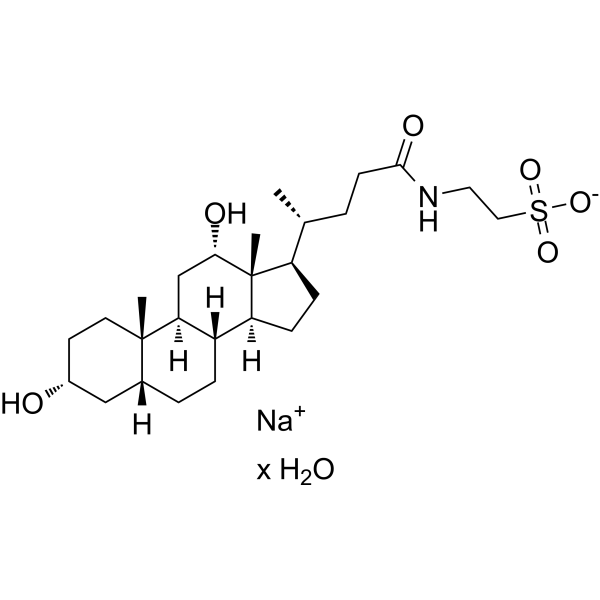
Cat. No.: HY-W089835
CAS No.: 207737-97-1
Sodium taurodeoxycholate hydrate is a bile salt-related anionic detergent. Sodium taurodeoxycholate hydrate is formed in the liver by conjugation of deoxycholate with Taurine (HY-B0351). Sodium taurodeoxycholate hydrate is used for isolation of membrane proteins including inner mitochondrial membrane proteins. Taurodeoxycholate-d6 (TDCA) exhibits anti-inflammatory and neuroprotective effects .
loading...
    loading...
1
1 Cited Publications
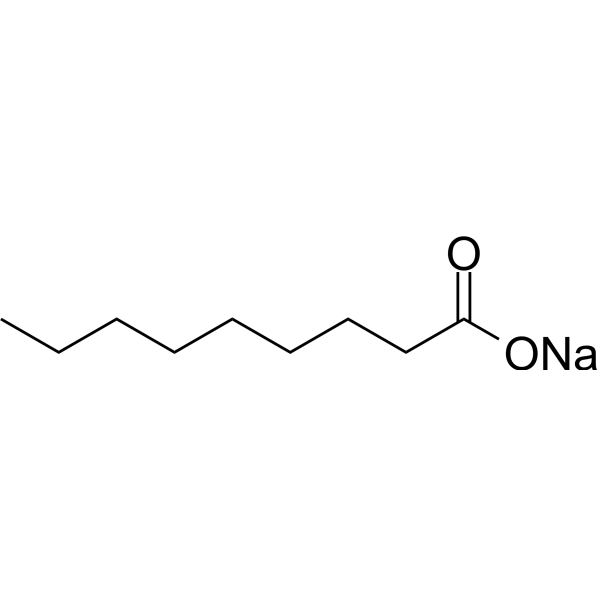
Cat. No.: HY-W127375
CAS No.: 14047-60-0
Synonyms: Sodium pelargonate
Sodium nonanoate is a salt-like compound commonly used as a surfactant or emulsifier in a variety of industrial applications, including the production of detergents, soaps and personal care products. In addition, it can be used as an intermediate in the synthesis of various organic compounds, including pharmaceuticals and agrochemicals. Its unique chemical properties make it an important ingredient in a variety of industrial processes, especially in the manufacture of textiles and paper products.
loading...
    loading...
1
1 Cited Publications
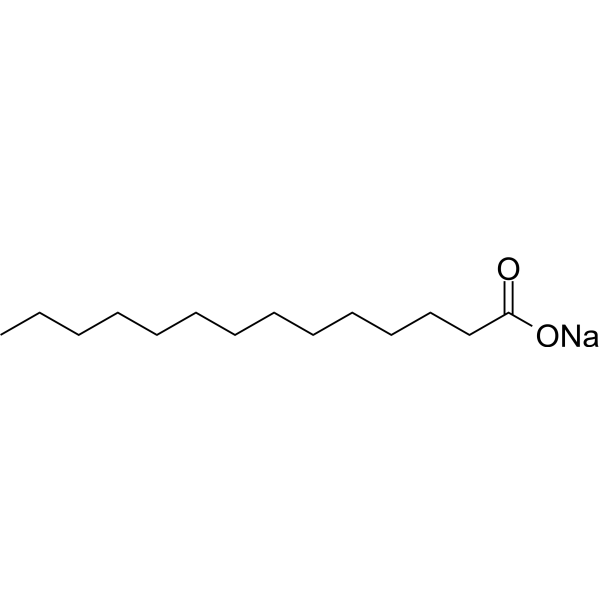
Cat. No.: HY-W127604
CAS No.: 822-12-8
Synonyms: Myristic acid sodium
Sodium myristate is a salt-like compound commonly used as a surfactant or emulsifier in a variety of industrial applications, including the production of detergents, soaps, and personal care products. In addition, it can be used as an intermediate in the synthesis of various organic compounds, including fragrances and pharmaceuticals. Its unique chemical properties make it an important ingredient in a variety of industrial processes, especially in the manufacture of textiles and paper products.
loading...
    loading...
1
1 Cited Publications
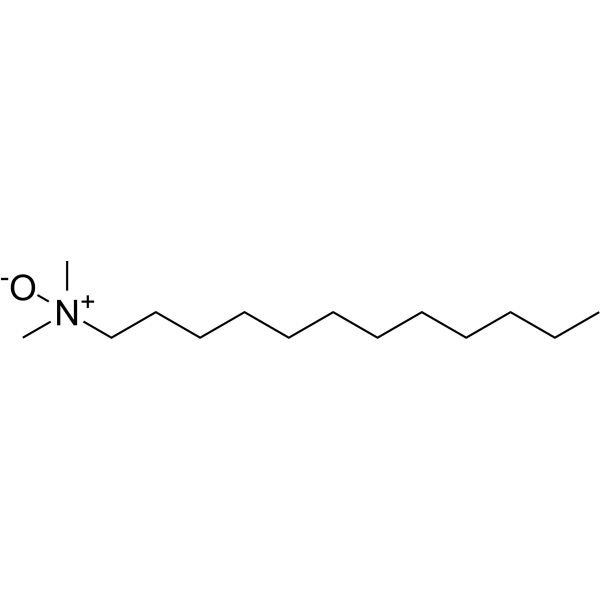
Cat. No.: HY-W127785
CAS No.: 1643-20-5
Synonyms: N,N-Dimethyldodecan-1-amine oxide; Dodecyldimethylamine oxide
N,N-Dimethyldodecylamine N-oxide is an amine oxide surfactant commonly used as a detergent, emulsifier and wetting agent in various industrial processes, especially in personal care products and household cleaning in the production of agents. N,N-Dimethyldodecylamine N-oxide has unique chemical properties that make it an effective ingredient in many product formulations to help reduce surface tension and enhance cleaning power.
loading...
    loading...
1
1 Cited Publications
Cat. No.: HY-B2228
CAS No.: 9001-92-7
Proteinase, Aspergillus oryzae is a serine protease that hydrolyzes peptide bonds in protein substrates, preferring alkaline conditions (optimal pH 10.5). It efficiently degrades casein, poly-L-glutamic acid, and poly-L-lysine, with activity irreversibly inhibited by diisopropylfluorophosphate (DFP) and potato inhibitor. This enzyme catalyzes proteolysis via serine residues in its active site, finding applications in food processing (e.g., soy sauce fermentation), detergents, and leather industries due to its high yield in solid-state fermentation and cost-effective production.
loading...
    loading...
1
1 Cited Publications
Cat. No.: HY-W035903
CAS No.: 2002-24-6
Synonyms: 2-Aminoethanol hydrochloride
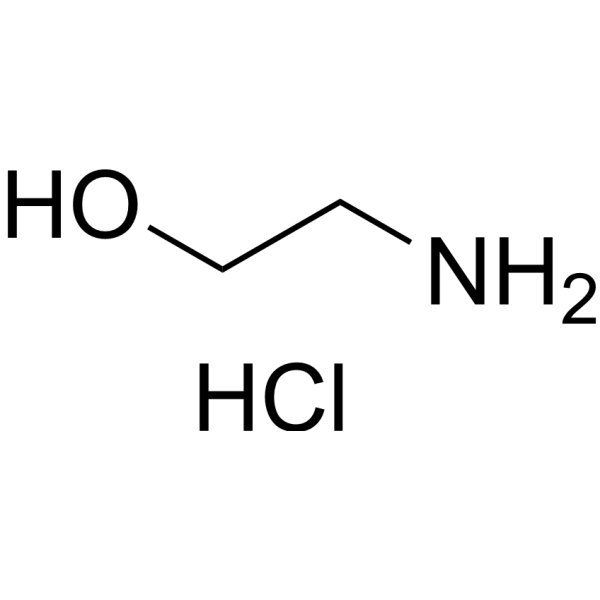
Ethanolamine hydrochloride, is an organic compound used in various industrial applications. It is a white or colorless solid that is soluble in water and has a faint odor. One of the major uses of Ethanolamine hydrochloride is in the production of detergents and surfactants. Used as a raw material in the manufacture of compounds such as ethylenediaminetetraacetic acid (EDTA) and diethanolamine, which are commonly used in household and industrial cleaning products. Ethanolamine hydrochloride is also used in the synthesis of pharmaceuticals, agrochemicals and rubber processing agents. It acts as a buffer in certain chemical reactions, helping to adjust pH and maintain stability. Ethanolamine hydrochloride can be used for gas purification and metal corrosion inhibitor. Its ability to react with acid gases such as carbon dioxide and sulfur dioxide makes it useful for removing impurities from natural gas and other industrial gases. Overall, Ethanolamine hydrochloride is a multifunctional compound with many potential industrial applications. Its ability to act as a buffer, chelating agent, and corrosion inhibitor makes it an important tool in a variety of industries.
loading...
    loading...
Cat. No.: HY-Y0308
CAS No.: 7558-79-4
Disodium phosphate is commonly used as a food additive, buffer and laboratory reagent. Disodium phosphate has unique chemical properties that make it an important ingredient in the manufacture of fertilizers, detergents and water treatment products. Additionally, it is used in various medical applications such as osmotic laxatives and electrolyte replacement solutions.
loading...
    loading...
Cat. No.: HY-108294
CAS No.: 3055-99-0
Purity:  ≥98.0%
Synonyms: Nonaoxyethylene monododecyl ether
Research Areas:  

Others

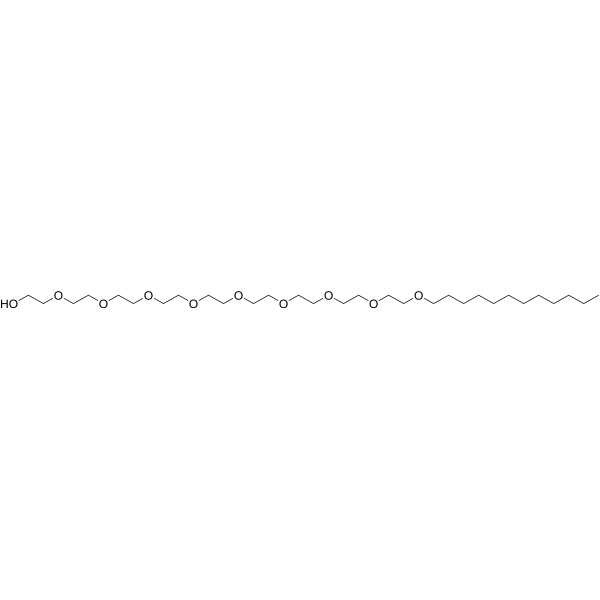
Nonaethylene glycol monododecyl ether (Nonaoxyethylene monododecyl ether) is a nonionic surfactant and polyethylene glycol (PEG) detergent that can be used to form initial coalesced O/W emulsion droplets, as well as for protein separation and purification .
loading...
    loading...
Cat. No.: HY-116013
CAS No.: 29557-51-5
Purity:  99.91%
Research Areas:  

Others

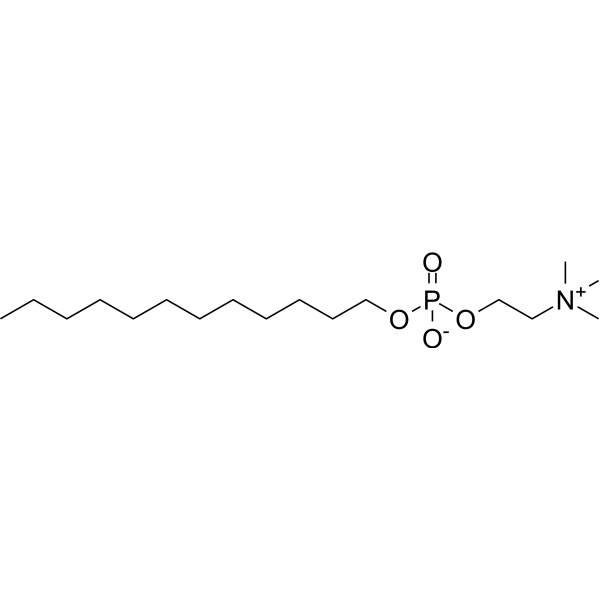
Dodecylphosphocholine is a detergent widely utilized in NMR studies of membrane proteins .
loading...
    loading...
Cat. No.: HY-W250168A
CAS No.: 9004-98-2
Synonyms: Polyethylene glycol oleyl ether, average Mn~1150; Polyethylene glycol monooleyl ether, n~20
Polyoxyethylene(20) oleyl ether (Polyethylene glycol oleyl ether, with an average Mn of 1150) is a non-ionic surfactant. Polyoxyethylene(20) oleyl ether possesses emulsifying and detergent properties and can be used as a functional additive in drug delivery systems, helping to form stable nanoemulsions .
loading...
    loading...
Cat. No.: HY-B1119S
CAS No.: 1020719-98-5
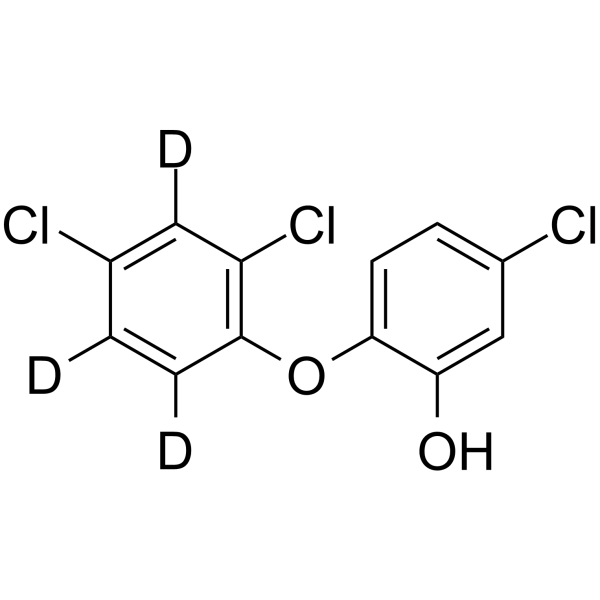
Triclosan-d3 is the deuterium labeled Triclosan. Triclosan is an antibacterial and antifungal agent found in consumer products, including soaps, detergents, toys, and surgical cleaning treatments .
loading...
    loading...
Cat. No.: HY-W040201
CAS No.: 82473-24-3
Synonyms: 3-[3-(Cholamidopropyl)dimethylammonio]-2-hydroxy-1-propanesulfonate
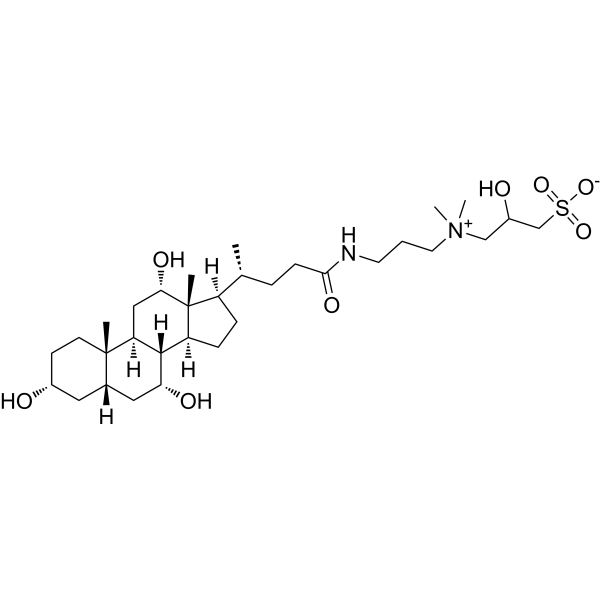
CHAPSO is a bile derivative. CHAPSO reduces protein adsorption, improves the cryo-EM imaging quality. CHAPSO can be used as a detergent, or as the membrane protein solubilization and reconstruction reagent in membrane protein structural studies .
loading...
    loading...
Cat. No.: HY-135057
CAS No.: 4292-10-8
Synonyms: Lauramidopropyl betaine
Research Areas:  

Others

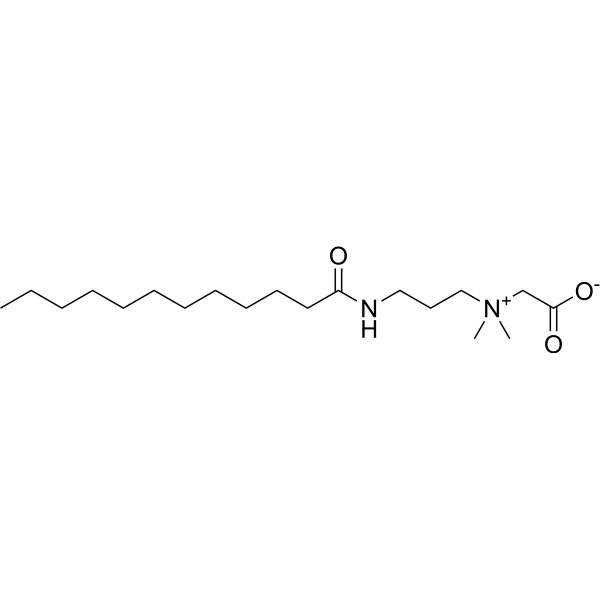
Lauroylamide propylbetaine (35% in water) (Lauramidopropyl betaine) is an ampholytic surfactant for cosmetic and hair compositions to enhance viscosity and has good biodegradability. Lauroylamide propylbetaine (35% in water) promotes CH4 hydrate formation by reducing the induction time and increasing the CH4 consumption rate for hydrate growth .
loading...
    loading...
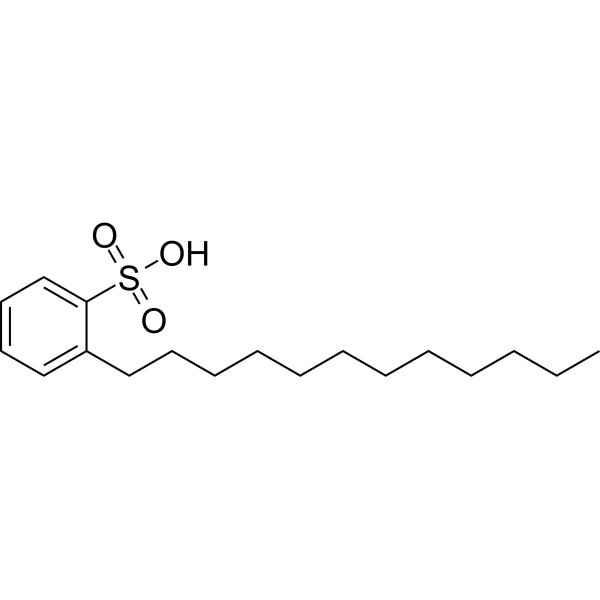
Cat. No.: HY-W250144
CAS No.: 27176-87-0
Synonyms: Dodecylbenzenesulphonic acid
Dodecylbenzenesulfonic acid (Dodecylbenzenesulphonic acid) is an anionic surfactant. Dodecylbenzenesulfonic acid serves as a raw material for various detergents. Dodecylbenzenesulfonic acid can be used as a cleaning agent in the daily chemical industry or a chemical oil-displacing agent in tertiary oil recovery .
loading...
    loading...
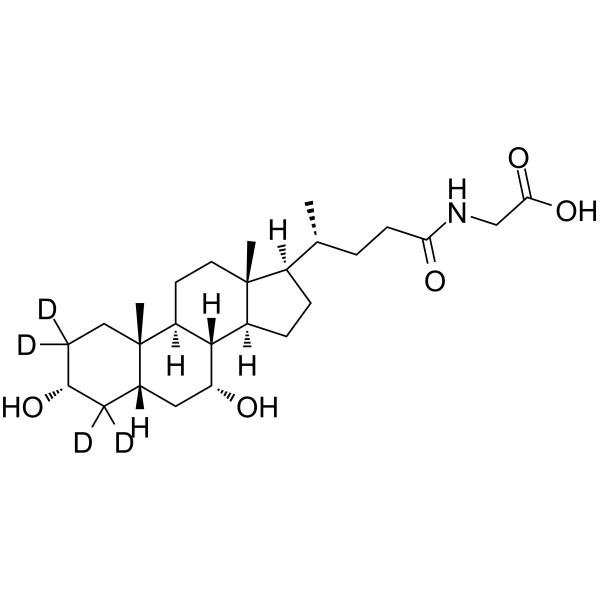
Cat. No.: HY-N2334S
CAS No.: 1201918-16-2
Synonyms: Chenodeoxycholylglycine-d4
Glycochenodeoxycholic acid-d4 is the deuterium labeled Glycochenodeoxycholic acid. Glycochenodeoxycholic acid (Chenodeoxycholylglycine) is a bile acid formed in the liver from chenodeoxycholate and glycine. It acts as a detergent to solubilize fats for absorption and is itself absorbed. Glycochenodeoxycholic acid (Chenodeoxycholylglycine) induces hepatocyte apoptosis .
loading...
    loading...
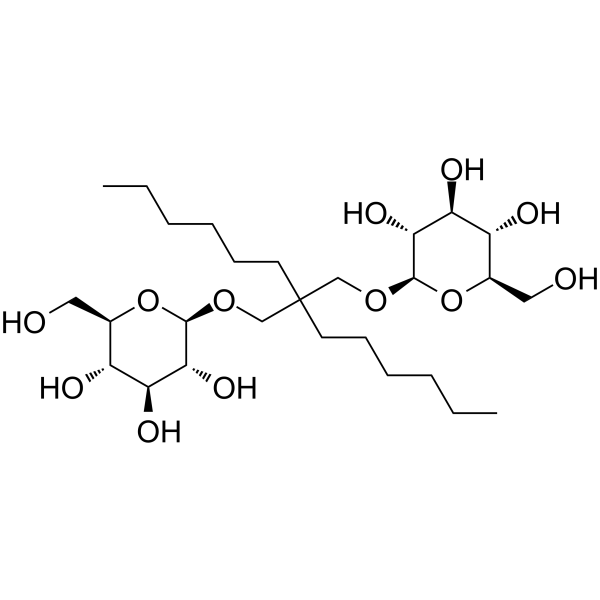
Cat. No.: HY-138192
CAS No.: 1257853-32-9
Purity:  ≥98.0%
Synonyms: OGNG
Research Areas:  

Others

Octyl glucose neopentyl glycol (OGNG) is a neopentyl glycol detergent that can be used to maintain the stability of membrane proteins .
loading...
    loading...
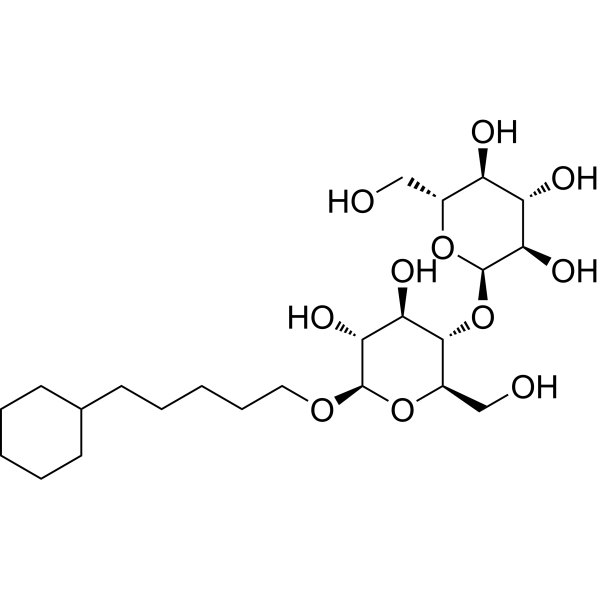
Cat. No.: HY-123622
CAS No.: 250692-65-0
Purity:  99.95%
CYMAL-5, 98% (TLC) is a cycloalkyl aliphatic saccharide. CYMAL-5, 98% (TLC) is a glycosidic surfactant (GS) with a chiral maltose polar head group and a cyclohexyl-pentyl hydrophobic tail. CYMAL-5, 98% (TLC) is a non-ionic detergent that has a tenfold lower critical micelle concentration (CMC) in comparison with OG, and has previously been used for membrane protein extraction or crystallization of membrane proteins for X-ray crystallographic studies .
loading...
    loading...
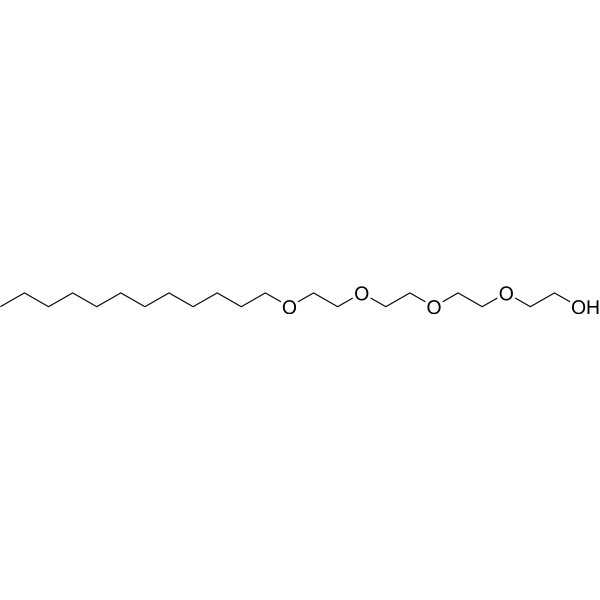
Cat. No.: HY-W099536
CAS No.: 5274-68-0
Synonyms: Tetraoxyethylene glycol monododecyl ether
Research Areas:  

Others

PEG-4 lauryl ether is a non-ionic detergent that can be used as an excipient or for the isolation of functional membrane complexes .
loading...
    loading...
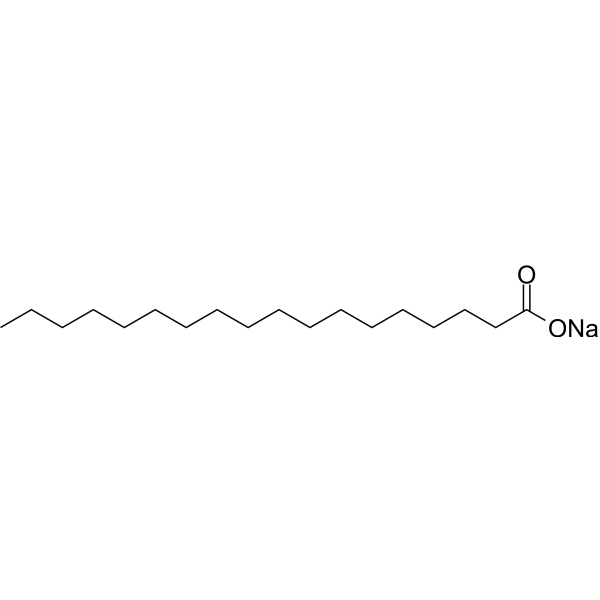
Cat. No.: HY-W099570
CAS No.: 822-16-2
Stearate sodiumIt is an organic compound belonging to fatty acids. It is the sodium salt of stearic acid, a saturated fatty acid commonly found in various animal and vegetable fats. Stearate sodiumCommonly used as surfactants, emulsifiers and detergents, it is widely used in the cosmetics, personal care and detergent industries. It's found in a variety of products, including soaps, shampoos, toothpaste, and laundry detergent. Also, it has applications in the food industry where it is used as a food additive to improve texture and shelf life.
loading...
    loading...

