
70 Results for "

endothelial dysfunction

" in MedChemExpress (MCE) Product Catalog:
Products (70)

70 Results for "endothelial dysfunction" in MCE Product Catalog:

Cat. No.: HY-19876
CAS No.: 935481-06-4
Synonyms: Debio-0827
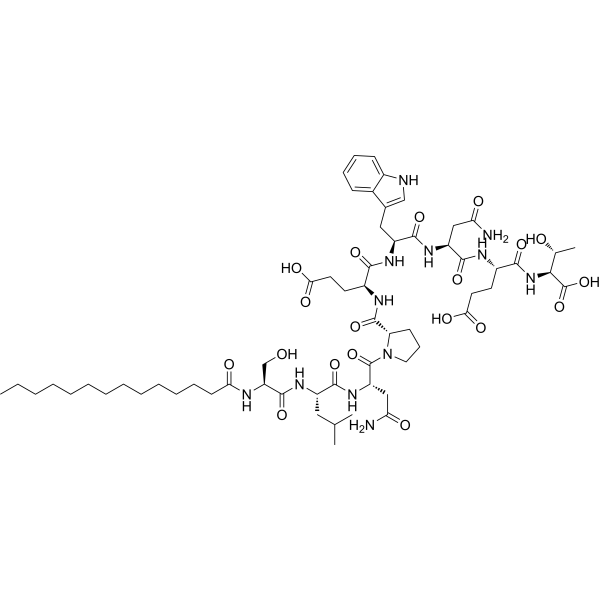
PL37 (Debio-0827) is an orally active, blood-brain barrier permeable dual enkephalinase inhibitor. PL37 inhibits aminopeptidase N, neprilysin, and metalloproteases, thereby blocking the degradation of endogenous enkephalins, elevating enkephalin levels, and activating peripheral μ- and δ-opioid receptors. PL37 induces mitochondrial dysfunction, mitophagy, and apoptosis, inhibits endothelial cell proliferation, migration, invasion, and tube formation, and suppresses hemangioma tumor growth and angiogenesis. PL37 can be used in research related to peripheral neuropathic pain, osteosarcoma-induced hyperalgesia, painful diabetic neuropathy, migraine, bone cancer pain, neuroinflammatory pain, and infantile hemangioma .
loading...
    loading...
Cat. No.: HY-W104821
CAS No.: 603-45-2
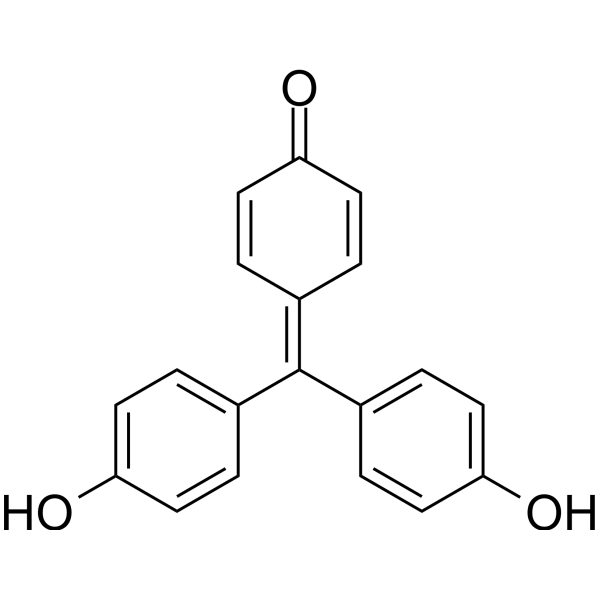
Rosolic acid is a Michael acceptor molecule isolated from the rhizomes of Plantago asiatica L. Rosolic acid inhibits Keap1, promotes Nrf2 nuclear translocation, and upregulates HO-1 and NQO-1. Rosolic acid reduces ER stress markers PERK, ATF-6, GRP78, and CHOP, as well as oxidative stress, ROS production, inflammation, and apoptosis. Rosolic acid upregulates SOD, CAT, and GPx activities, induces angiogenesis and insulin secretion, and restores endothelial function and pancreatic beta cell protection under ER stress. Rosolic acid can be used in research on diabetes and endothelial dysfunction .
loading...
    loading...
Cat. No.: HY-15651A
CAS No.: 1240425-05-1
Synonyms: AZD9668 tosylate
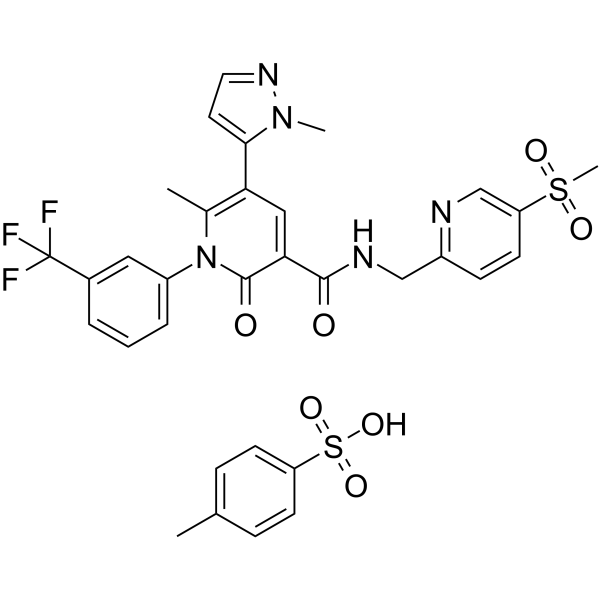
Alvelestat tosylate (AZD9668 tosylate) is an orally active, selective inhibitor of neutrophil elastase. Alvelestat tosylate reduces elastase activity, myeloperoxidase release, neutrophil recruitment and activation, and calcium phosphate precipitation; promotes smooth muscle cell colonization and collagen deposition; and inhibits the formation of neutrophil extracellular traps (NETs) as well as NET-derived neutrophil elastase activity. Alvelestat tosylate restores endothelial dysfunction, regulates antioxidant factors, improves the expression of endothelial tight junctions, reduces vascular leakage, and accelerates wound healing. Alvelestat tosylate prevents pulmonary hemorrhage, matrix protein degradation, airspace enlargement, and small airway wall remodeling; and alleviates cigarette-induced inflammatory responses. Alvelestat tosylate inhibits the growth of abdominal aortic aneurysms exacerbated by Porphyromonas gingivalis. Alvelestat tosylate can be used in research related to chronic obstructive pulmonary disease, abdominal aortic aneurysm, radiation-induced skin injury, and bronchiectasis .
loading...
    loading...
Cat. No.: HY-15651R
CAS No.: 848141-11-7
Synonyms: AZD9668 (Standard)
Alvelestat (Standard) (AZD9668 (Standard)) is the analytical standard of Alvelestat (HY-15651). This product is intended for research and analytical applications. Alvelestat (AZD9668) is an orally active, selective inhibitor of neutrophil elastase. Alvelestat reduces elastase activity, myeloperoxidase release, neutrophil recruitment and activation, and calcium phosphate precipitation; promotes smooth muscle cell colonization and collagen deposition; and inhibits the formation of neutrophil extracellular traps (NETs) as well as NET-derived neutrophil elastase activity. Alvelestat restores endothelial dysfunction, regulates antioxidant factors, improves the expression of endothelial tight junctions, reduces vascular leakage, and accelerates wound healing. Alvelestat prevents pulmonary hemorrhage, matrix protein degradation, airspace enlargement, and small airway wall remodeling; and alleviates cigarette-induced inflammatory responses. Alvelestat inhibits the growth of abdominal aortic aneurysms exacerbated by Porphyromonas gingivalis. Alvelestat can be used in research related to chronic obstructive pulmonary disease, abdominal aortic aneurysm, radiation-induced skin injury, and bronchiectasis .
loading...
    loading...
Cat. No.: HY-123823
CAS No.: 175033-36-0
Purity:  98.57%
Synonyms: NCX 4016
Target:  

NO Synthase Apoptosis STAT

Research Areas:  

Inflammation/Immunology Cancer

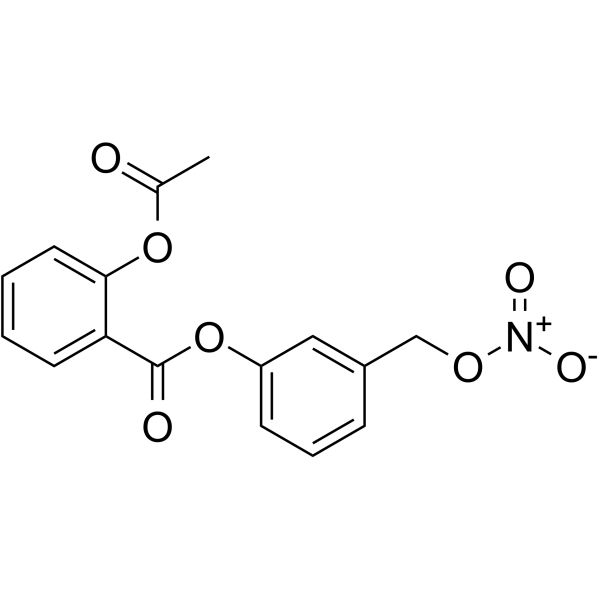
Nitroaspirin (NCX 4016) is an orally active inhibitor of ARG1 and NOS2. Nitroaspirin reduces ARG1 enzymatic activity via the STAT6-mediated signaling pathway, and feedback-inhibits the catalytic activity of NOS2 in a NO-releasing group-dependent manner. Nitroaspirin continuously releases intracellular NO, inducing redox-dependent loss of cell viability. Nitroaspirin also exerts anti-angiogenic effects by causing endothelial barrier dysfunction, and effectively inhibits the proliferation of Cisplatin (HY-17394)-resistant human ovarian cancer cells . Nitroaspirin can be used in research related to colon cancer, breast cancer and Cisplatin-resistant human ovarian cancer .
loading...
    loading...
Cat. No.: HY-174829
CAS No.: 13198-99-7
7,4'-Dimethoxy-3-hydroxyflavone is an orally active PAR4 antagonist. 7,4'-Dimethoxy-3-hydroxyflavone inhibits PAR4-mediated human platelet aggregation with an IC50 of 1.4 μM. 7,4'-Dimethoxy-3-hydroxyflavone inhibits PAR4-mediated human platelet aggregation and PAR4 signaling pathways, including NF-κB, Ca 2+/protein kinase C, Akt, ERK and p38. 7,4'-Dimethoxy-3-hydroxyflavone prevents vascular PAR4 expression, endothelial dysfunction and ameliorates oxidative stress in Streptozotocin (STZ) (HY-13753)-induced diabetic mice. 7,4'-Dimethoxy-3-hydroxyflavone prevents thrombosis in mice without affecting bleeding time [1][2].
loading...
    loading...
Cat. No.: HY-P1184
CAS No.: 1093111-54-6
HNGF6A is a humanin analogue. HNGF6A increases glucose-stimulated insulin secretion and glucose metabolism, and has the potential for diabetes research. HNGF6A inhibits of ROS production during oxidative stress. HNGF6A can prevent endothelial dysfunction and atherosclerosis in vivo .
loading...
    loading...
Cat. No.: HY-108052R
CAS No.: 6906-38-3
Synonyms: Delphinidin 3-O-glucoside chloride (Standard); Delphinidin 3-O-β-glucoside chloride (Standard)
Delphinidin 3-glucoside (chloride) (Standard) is the analytical standard of Delphinidin 3-glucoside (chloride). This product is intended for research and analytical applications. Delphinidin 3-glucoside chloride (Delphinidin 3-O-glucoside chloride) is an active anthocyanin found in Hibiscus sabdariffa extract. Delphinidin 3-glucoside chloride induces a pro-apoptotic effect in B cell chronic lymphocytic leukaemia (B CLL) . Delphinidin 3-glucoside chloride exerts phytoestrogen activity by binding to ERβ, with an IC50 of 9.7 μM . Delphinidin-3-O-glucoside chloride inhibits EGFR with an IC50 of 2.37 µM . Delphinidin 3-glucoside chloride exhibits antitumor effects through pAKT/IRF1/HOTAIR pathway. Delphinidin 3-glucoside chloride exhibits efficacy against oxidative stress, inhibits platelet activation and endothelial dysfunction .
loading...
    loading...
Cat. No.: HY-17369A
CAS No.: 142373-60-2
Synonyms: L700462 hydrochloride; MK383 hydrochloride
Target:  

Integrin

Research Areas:  

Cardiovascular Disease

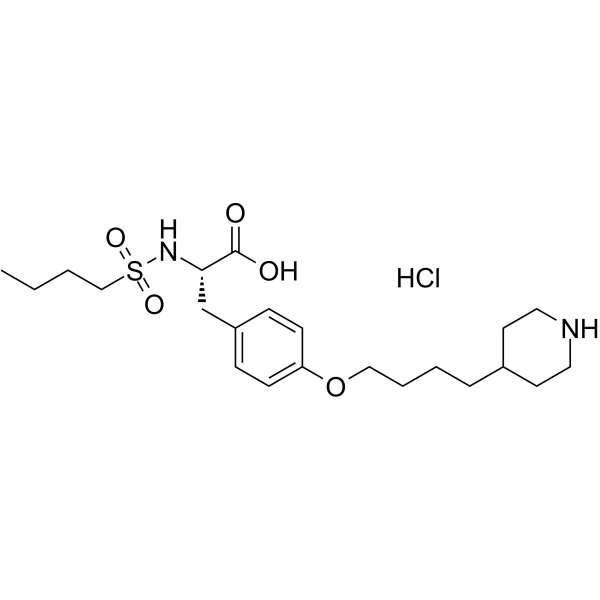
Tirofiban (L700462) hydrochloride is a selective and reversible platelet integrin receptor (Gp IIb/IIIa) antagonist that inhibits fibrinogen binding to this receptor and has antithrombotic activity. Tirofiban hydrochloride induces proliferation and migration on endothelial cell by inducing production of VEGF. Tirofiban hydrochloride can significantly reduces myocardial no-reflow and ischemia-reperfusion injury by alleviating myocardial microvascular structural and endothelial dysfunction in the ischemic area .
loading...
    loading...
Cat. No.: HY-P3199
CAS No.: 862502-26-9
Target:  

PKC

Research Areas:  

Inflammation/Immunology

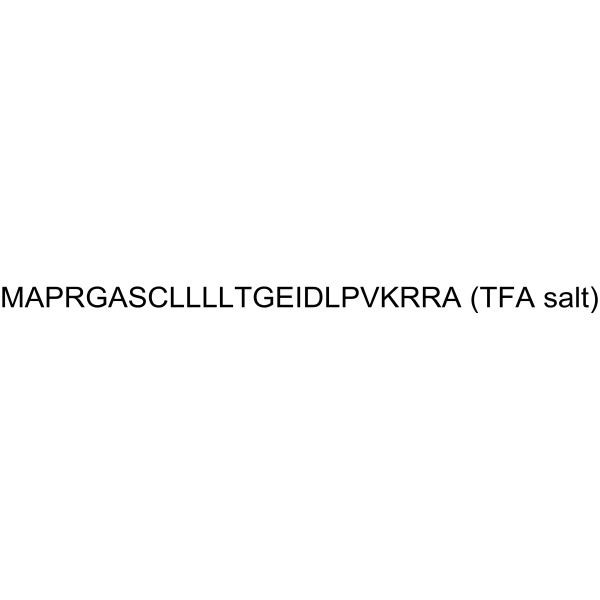
PKCβII Peptide Inhibitor I is a PKCβII inhibitor. PKCβII Peptide Inhibitor I shows cardioprotective effects in rat cardiac Ischemia/reperfusion injury model. PKCβII Peptide Inhibitor I also prevents vascular endothelial dysfunction .
loading...
    loading...
Cat. No.: HY-17369BR
CAS No.: 144494-65-5
Synonyms: L700462 (Standard); MK383 (Standard)
Research Areas:  

Cardiovascular Disease

Tirofiban (Standard) is the analytical standard of Tirofiban. This product is intended for research and analytical applications. Tirofiban (L700462) is a selective and reversible platelet integrin receptor (Gp IIb/IIIa) antagonist that inhibits fibrinogen binding to this receptor and has antithrombotic activity. Tirofiban induces proliferation and migration on endothelial cell by inducing production of VEGF. Tirofiban can significantly reduces myocardial no-reflow and ischemia-reperfusion injury by alleviating myocardial microvascular structural and endothelial dysfunction in the ischemic area .
loading...
    loading...
Cat. No.: HY-111899
CAS No.: 111200-01-2
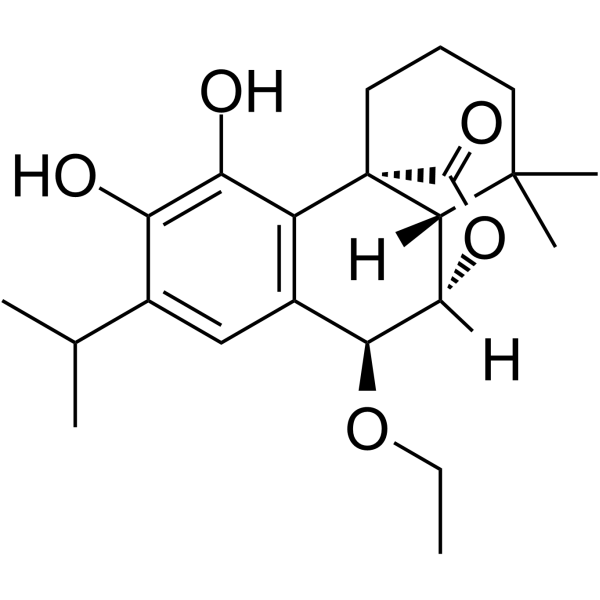
7-Ethoxyrosmanol is a phenolic diterpene that is isolated from Salvia chamelaeagnea. 7-Ethoxyrosmanol has antioxidant activity in vitro and antitumor effects on neuroblastoma cells. 7-Ethoxyrosmanol alleviates hyperglycemia-induced endothelial cell dysfunction via regulating FBXL7 .
loading...
    loading...
Cat. No.: HY-134314
CAS No.: 913645-39-3
8-Nitro-cGMP is an electrophilic second messenger of redox signaling that can form a protein-S-cGMP adduct in s-guanylation process. 8-Nitro-cGMP is an autophagy inducer. 8-Nitro-cGMP promotes RANKL-induced osteoclast differentiation from macrophages. 8-Nitro-cGMP has vasodilator effect, and ameliorates the vascular endothelial dysfunction in diabetic mice .
loading...
    loading...
Cat. No.: HY-10383
CAS No.: 198279-45-7
J-104132 (L-753037) is a potent, orally active, selective and competitive ETA/ETB receptor antagonist with Ki of 0.034 nM for ETA and 0.104 nM for ETB receptors. J-104132 inhibits Endothelin-1 (ET-1) (HY-P71446)-induced signaling and vascular contractions in vitro. J-104132 alleviates hypertension, vascular remodeling, and diabetic endothelial dysfunction in vivo by dual ETA/ETB blockade. J-104132 can be used for research on diabetic vascular complications [1][3].
loading...
    loading...
Cat. No.: HY-B0331B
CAS No.: 149404-21-7
Synonyms: MK-421 sodium
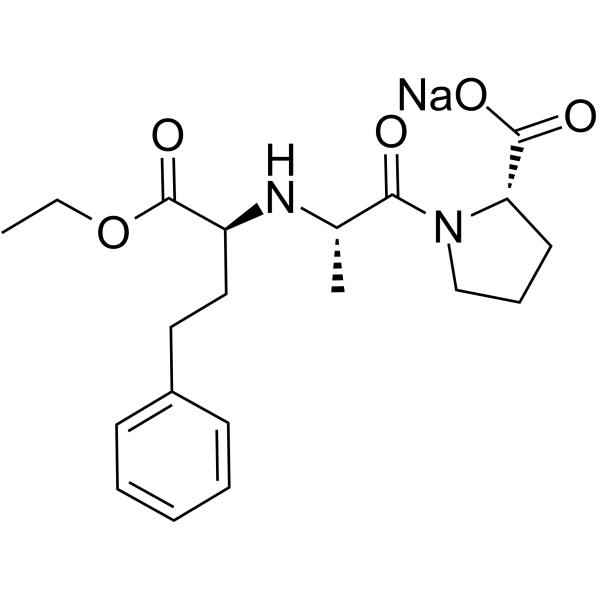
Enalapril sodium (MK-421 sodium) is an orally active angiotensin-converting enzyme inhibitor. Enalapril sodium blocks the conversion of angiotensin I to angiotensin II, regulates the renin-angiotensin system, reduces preload and afterload, and decreases plasma angiotensin II levels. Enalapril sodium inhibits apoptosis, reduces nitric oxide metabolite levels, stabilizes endothelial cells, enhances endothelial antioxidant defense, scavenges reactive oxygen species (ROS), and alleviates neuronal damage. Enalapril sodium attenuates glutathione depletion, protein/lipid oxidation, tissue damage, and type III collagen immunolabeling in organs of diabetic rats. Enalapril sodium reduces systolic blood pressure and urinary albumin excretion, and delays the progression of diabetic cardiac/renal injury. Enalapril sodium is used in research related to asymptomatic left ventricular dysfunction, congestive heart failure, Alzheimer's disease, diabetes mellitus, acute myocardial infarction, atrial fibrillation, hypertension, cerebral ischemia, chronic heart failure, and single-ventricle physiology .
loading...
    loading...
Cat. No.: HY-165587
CAS No.: 284464-83-1
Research Areas:  

Cardiovascular Disease

BM-573 is an orally active dual thromboxane A₂ (TXA₂) modulator with an IC50 of 1.3 nM. BM-573 possesses both thromboxane synthase (TxAS) inhibition and thromboxane receptor (TP) antagonistic effects. BM-573 can completely inhibit platelet aggregation induced by Arachidonic acid (HY-109590) or U-46619 (TXA₂ analogues). BM-573 completely blocks the generation of TXB₂ (the stable metabolite of TXA₂) in human platelets and does not inhibit cyclooxygenase (COX-1/COX-2), thus avoiding interference with other prostaglandin synthesis. BM-573 has an inhibitory effect on U-46619-induced contractions in rat gastric fundus smooth muscle (ED₅₀ = 4.2 μM), but has no effect on contractions caused by PGE₂, PGF₂α, or PGI₂. BM-573 can be used in the study of atherosclerosis, myocardial infarction, pulmonary hypertension and shock .
loading...
    loading...
Cat. No.: HY-101795R
CAS No.: 4608-49-5
Larixyl acetate (Standard) is the analytical standard of Larixyl acetate. This product is intended for research and analytical applications. Larixyl acetate is a potent and selective TRPC6 inhibitor with IC50 values of 0.58 μM and 6.83 μM against hTRPC6-YFP and hTRPC3-YFP, respectively. Larixyl acetate prevents HPV and is effective in protecting against traumatic brain injury-induced systemic endothelial dysfunction .
loading...
    loading...
Cat. No.: HY-P1184A
HNGF6A TFA is a humanin analogue. HNGF6A TFA increases glucose-stimulated insulin secretion and glucose metabolism, and has the potential for diabetes research. HNGF6A TFA inhibits of ROS production during oxidative stress. HNGF6A TFA can prevent endothelial dysfunction and atherosclerosis in vivo .
loading...
    loading...
Cat. No.: HY-171336
CAS No.: 357625-50-4
TRC4186 is a potent advanced glycation end-product (AGE) breaker . TRC4186 breaks advanced glycation end-products, reduces their tissue accumulation, and decreases AGE burden. TRC4186 improves endothelial and myocardial function, preserves cardiac function, retards renal dysfunction, and reduces renal dysfunction severity. TRC4186 downregulates brain natriuretic peptide and IL-6 expression. TRC4186 can be used for the research of diabetic macro- and microvascular complications, diabetic heart failure, diabetic renal failure, hypertension, diabetes, diabetic cardiomyopathy, and diabetic nephropathy .
loading...
    loading...
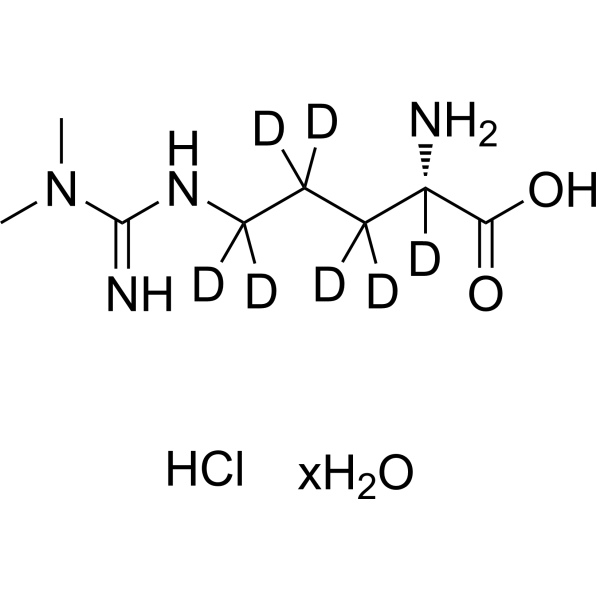
Cat. No.: HY-113216S
Synonyms: NG,NG-Dimethylarginine-d7 hydrochloride hydrate
Asymmetric dimethylarginine-d7 (hydrochloride hydrate) is the deuterium labeled Asymmetric dimethylarginine. Asymmetric dimethylarginine is an endogenous inhibitor of nitric oxide synthase (NOS), and functions as a marker of endothelial dysfunction in a num
loading...
    loading...

