1. Search Result
Search Result
Results for "

AMPK Activator

" in MedChemExpress (MCE) Product Catalog:

328

Inhibitors & Agonists

1

Fluorescent Dyes

10

Biochemical Assay Reagents

12

Peptides

125

Natural
Products

24

Isotope-Labeled Compounds

3

Oligonucleotides

Targets Recommended:
Cat. No. Product Name Target Research Areas Chemical Structure
  • HY-13417
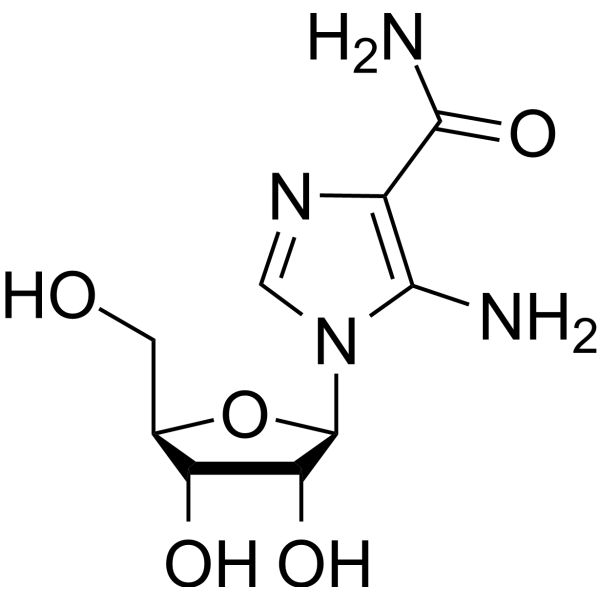
    AICAR
    Maximum Cited Publications
    215 Publications Verification

    Acadesine; AICA Riboside

    AMPK Autophagy YAP Mitophagy Endogenous Metabolite Cancer
    AICAR (Acadesine) is an adenosine analog and a AMPK activator. AICAR is also an autophagy, YAP and mitophagy inhibitor. AICAR regulates the glucose and lipid metabolism, and inhibits proinflammatory cytokines and iNOS production. AICAR inhibits autophagy through a mechanism independent of AMPK activity .
    AICAR
  • HY-50662
    A-769662
    40+ Cited Publications

    AMPK Metabolic Disease
    A-769662 is a AMP-activated protein kinase (AMPK) activator. A-769662 inhibits the function of the 26S proteasome by an AMPK-independent mechanism and leads to cell cycle arrest. A-769662 directly stimulates partially purified rat liver AMPK (EC50 = 0.8 μM) and inhibits fatty acid synthesis in primary rat hepatocytes (IC50 = 3.2 μM). A-769662 can alleviate the symptoms of metabolic diseases such as type 2 diabetes .
    A-769662
  • HY-111363
    MK8722
    20+ Cited Publications

    AMPK Metabolic Disease
    MK8722 is a potent and systemic pan-AMPK activator.
    MK8722
  • HY-12357
    Bempedoic acid
    20+ Cited Publications

    ETC-1002; ESP-55016

    ATP Citrate Lyase AMPK Metabolic Disease
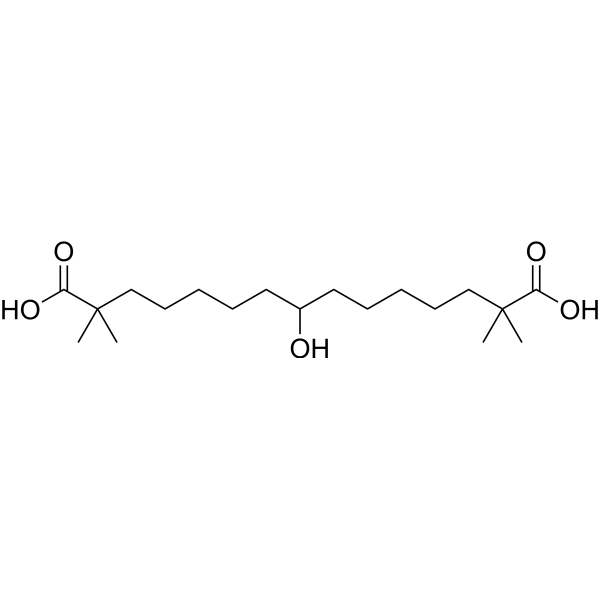
    Bempedoic acid (ETC-1002) is an ATP-citrate lyase (ACL) inhibitor . Bempedoic acid (ETC-1002) activates AMPK .
    Bempedoic acid
  • HY-103683
    PF-06409577
    1 Publications Verification

    AMPK Metabolic Disease
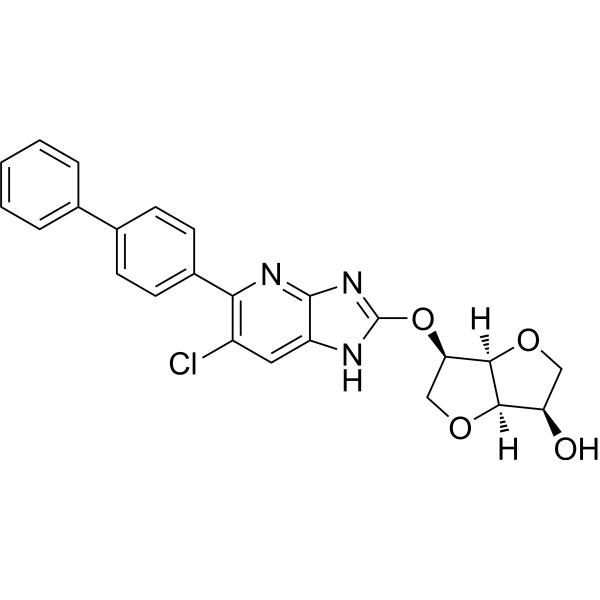
    PF-06409577 is a potent and selective allosteric activator of AMPK α1β1γ1 isoform with an EC50 of 7 nM.
    PF-06409577
  • HY-13417A
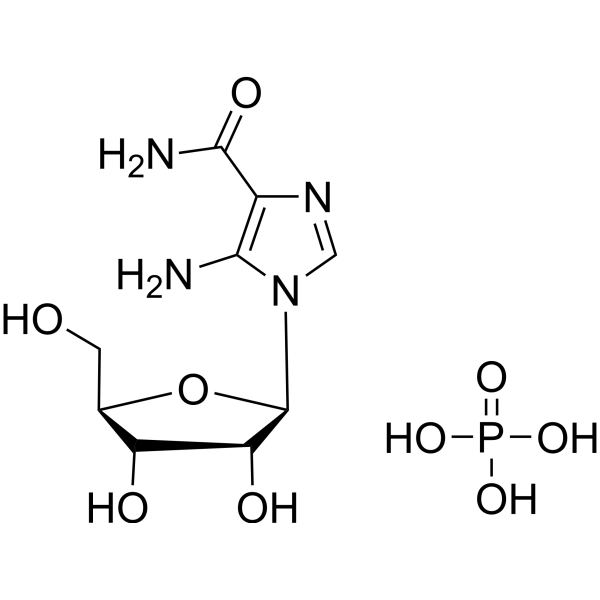
    AICAR phosphate
    Maximum Cited Publications
    215 Publications Verification

    Acadesine phosphate; AICA Riboside phosphate

    AMPK Autophagy YAP Mitophagy Endogenous Metabolite Cancer
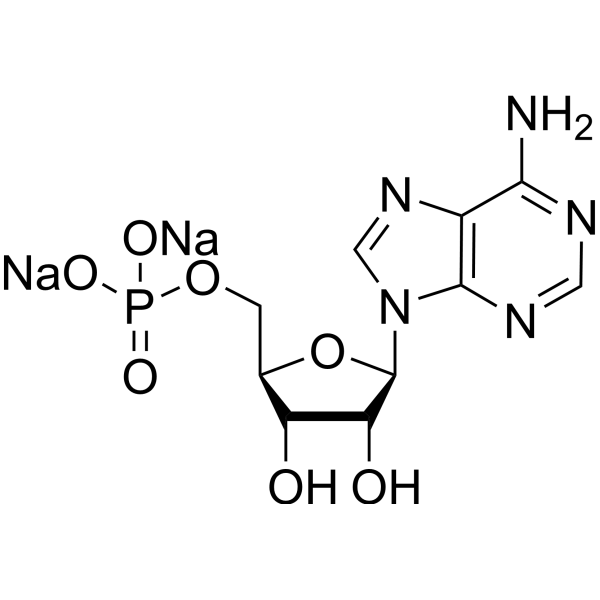
    AICAR phosphate (Acadesine phosphate) is an adenosine analog and a AMPK activator. AICAR phosphate regulates the glucose and lipid metabolism, and inhibits proinflammatory cytokines and iNOS production. AICAR phosphate is also an autophagy, YAP and mitophagy inhibitor .
    AICAR phosphate
  • HY-N1411
    Platycodin D
    5+ Cited Publications

    AMPK Wnt Metabolic Disease
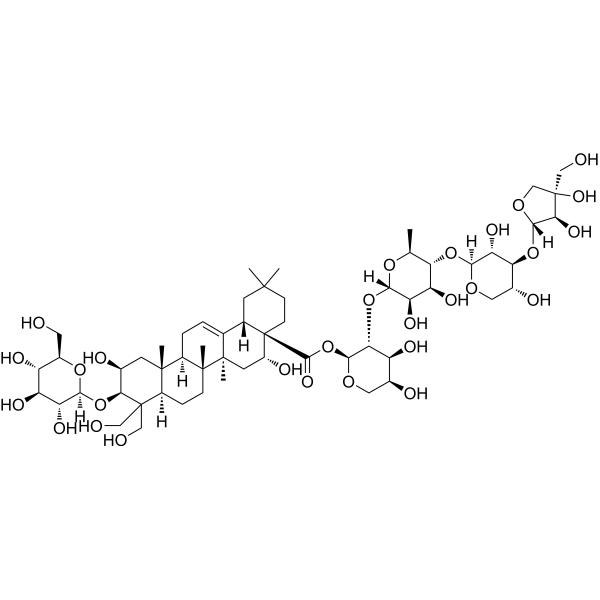
    Platycodin D is a saponin isolated from Platycodon grandiflorus, acts as an activator of AMPKα, with anti-obesity property. WNT/β-catenin pathway mediates the anti-adipogenic effect of platycodin D .
    Platycodin D
  • HY-112233
    O-304
    5 Publications Verification

    AMPK Cardiovascular Disease Metabolic Disease
    O-304 is a first-in-class, orally available pan-AMPK activator, which increases AMPK activity by suppressing the dephosphorylation of pAMPK. O-304 exhibits a great potential as a agent to treat type 2 diabetes (T2D) and associated cardiovascular complications .
    O-304
  • HY-100548
    GSK621
    5+ Cited Publications

    AMPK Autophagy Apoptosis Cancer
    GSK621 is a specific AMPK activator, with IC50 values of 13-30 μM for AML cells. GSK621 induces autophagy and apoptosis. GSK621 induces eiF2α phosphorylation-a hallmark of UPR activation .
    GSK621
  • HY-110228

    1,1-Dimethylbiguanide-d6 hydrochloride

    Isotope-Labeled Compounds AMPK Autophagy Mitophagy Apoptosis mTOR Cardiovascular Disease Metabolic Disease
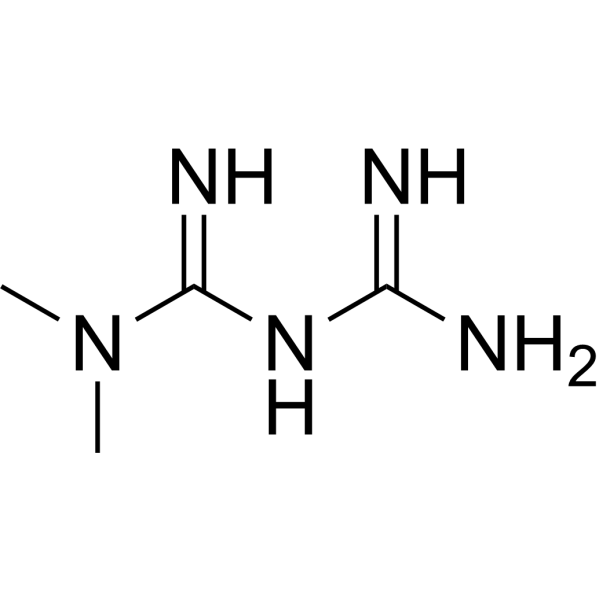
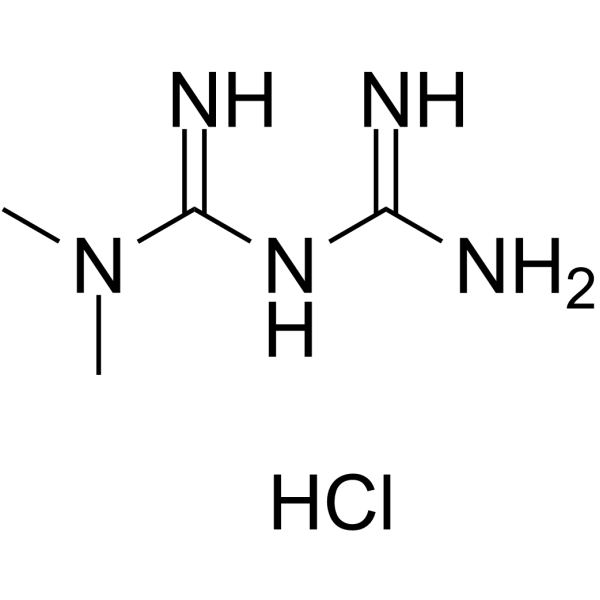
    Metformin-d6 hydrochloride is a deuterium labeled Metformin hydrochloride. Metformin hydrochloride inhibits the mitochondrial respiratory chain in the liver, leading to AMPK activation and enhancing insulin sensitivity, and can be used in the study of type 2 diabetes. Metformin hydrochloride also inhibits liver oxidative stress, nitrosative stress, inflammation, and apoptosis caused by liver ischemia/reperfusion injury. In addition, metformin hydrochloride regulates the expression of autophagy-related proteins by activating AMPK and inhibiting the mTOR signaling pathway, thereby inducing tumor cell autophagy and inhibiting the growth of renal cell carcinoma in vitro and in vivo .
    Metformin-d6 hydrochloride
  • HY-B0923
    Danthron
    4 Publications Verification

    Dantron; Chrysazin; 1,8-Dihydroxyanthraquinone

    AMPK Autophagy Bacterial Virus Protease Cancer
    Danthron is a natural product extracted from the traditional Chinese medicine Salvia miltiorrhiza Bunge. Danthron functions in regulating glucose and lipid metabolism by activating AMPK.
    Danthron
  • HY-N0671
    Rhapontin
    2 Publications Verification

    Rhaponiticin

    Apoptosis Cardiovascular Disease Metabolic Disease Inflammation/Immunology Cancer
    Rhapontin (Rhaponiticin) is an orally aactive SIRT1 agonist and AMPK activator with anti-inflammatory and anti-fibrotic activities. Rhapontin inhibits NLRP3 inflammasome activation by activating SIRT1 and inhibits TGF-β/Smad signaling via the AMPK pathway. Rhapontin reduces intestinal and lung inflammation, inhibits fibroblast differentiation and extracellular matrix deposition, and enhances tight junction protein expression to repair epithelial barriers. Rhapontin can be used in the study of inflammatory bowel diseases (such as ulcerative colitis) and pulmonary fibrosis .
    Rhapontin
  • HY-148189
    Aldometanib
    5+ Cited Publications

    LXY-05-029

    Fructose-1,6-bisphosphate aldolase AMPK Metabolic Disease
    Aldometanib (LXY-05-029) is an orally active aldolase inhibitor. Aldometanib can activate lysosomal adenosine monophosphate-activated protein kinase (AMPK) and decreases blood glucose. Aldometanib can be used for the research of metabolic homeostasis .
    Aldometanib
  • HY-117755

    AMPK Metabolic Disease
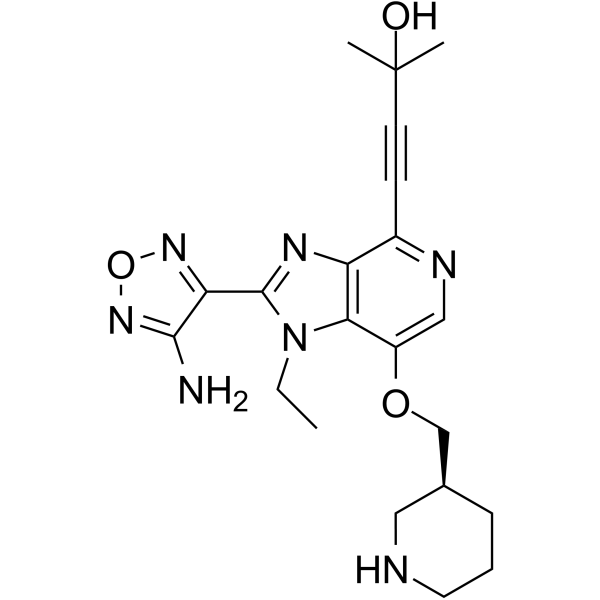
    PF-739 is an orally active and non-selective activator of AMPK. PF-739 activates 12 heterotrimeric AMPK complexes and significantly reduces the level of glucose in plasma complexes .
    PF-739
  • HY-B1104

    (±)-Indoprofe

    Akt AMPK NF-κB p38 MAPK Inflammation/Immunology
    Indoprofen ((±)-Indoprofe) activates AKT-AMPK signaling pathway, inhibits NF-κB/MAPK signaling pathway. Indoprofen exhibits anti-inflammatory and immunomodulatory activities. Indoprofen is orally active .
    Indoprofen
  • HY-120877

    MARK Salt-inducible Kinase (SIK) AMPK Apoptosis Cancer
    MRT199665 is a potent and ATP-competitive, selective MARK/SIK/AMPK inhibitor with IC50s of 2/2/3/2 nM, 10/10 nM, and 110/12/43 nM for MARK1/MARK2/MARK3/MARK14, AMPKα1/AMPKα2, and SIK1/SIK2/SIK3, respectively . MRT199665 causes apoptosis in MEF2C-activated human acute myeloid leukemias (AML) cells . MRT199665 inhibits the phosphorylation of SIK substrate CRTC3 at S370 .
    MRT199665
  • HY-107988
    MK-3903
    3 Publications Verification

    AMPK Metabolic Disease
    MK-3903 is a potent and selective AMP-activated protein kinase (AMPK) activator with an EC50 of 8 nM.
    MK-3903
  • HY-N2312
    Mogrol
    2 Publications Verification

    ERK STAT Cancer
    Mogrol is a biometabolite of mogrosides, and acts via inhibition of the ERK1/2 and STAT3 pathways, or reducing CREB activation and activating AMPK signaling.
    Mogrol
  • HY-136093A
    Lixumistat acetate
    1 Publications Verification

    IM156; HL156A; HL271 acetate

    Mitochondrial Metabolism AMPK Neurological Disease Metabolic Disease Inflammation/Immunology Cancer
    Lixumistat (IM156) acetate is a potent and orally active AMPK activator and OXPHOS inhibitor. Lixumistat acetate strongly activates AMPK, while it lacks the systemic metabolic regulatory effects of classic metformin, such as hypoglycemic and weight-lowering activities. Lixumistat acetate exhibits significant therapeutic effects on cognitive decline associated with brain aging and pulmonary fibrosis .
    Lixumistat acetate
  • HY-15840
    YLF-466D
    2 Publications Verification

    C24

    AMPK Cancer
    YLF-466D is a newly developed AMPK activator, which inhibits platelet aggregation.
    YLF-466D
  • HY-N6258
    Kahweol
    1 Publications Verification

    AMPK Apoptosis Metabolic Disease Cancer
    Kahweol is one of the consituents of the coffee from Coffea Arabica with anti-inflammatory anti-angiogenic, and anti-cancerous activities. Kahweol inhibits adipogenesis and increase glucose uptake by AMP-activated protein kinase (AMPK) activation. Kahweol induces apoptosis.
    Kahweol
  • HY-12808
    STF-118804
    2 Publications Verification

    NAMPT AMPK mTOR Cancer
    STF-118804 is a highly specific NAMPT inhibitor. STF-118804 activates AMPK and inhibits mTOR pathways. STF-118804 has antitumor activity against pancreatic cancer .
    STF-118804
  • HY-131334

    AMPK Metabolic Disease
    AMPK activator 4 is a potent AMPK activator without inhibition of mitochondrial complex I. AMPK activator 4 selectively activates AMPK in the muscle tissues. AMPK activator 4 dose-dependently improves glucose tolerance in normal mice, and significantly lowers fasting blood glucose level and ameliorates insulin resistance in db/db diabetic mice. Anti-hyperglycemic effect .
    AMPK activator 4
  • HY-12831
    Ampkinone
    3 Publications Verification

    AMPK Metabolic Disease
    Ampkinone is an indirect AMP-activated protein kinase (AMPK) activator.
    Ampkinone
  • HY-16708A
    ZLN024 hydrochloride
    1 Publications Verification

    AMPK Metabolic Disease
    ZLN024 hydrochloride is an AMPK allosteric activator. ZLN024 directly activates recombinant AMPK α1β1γ1, AMPK α2β1γ1, AMPK α1β2γ1 and AMPK α2β2γ1 heterotrimer with EC50s of 0.42 µM, 0.95 µM, 1.1 µM and 0.13 µM, respectively.
    ZLN024 hydrochloride
  • HY-121006

    Mitochondrial Metabolism AMPK Insulin Receptor Metabolic Disease Cancer
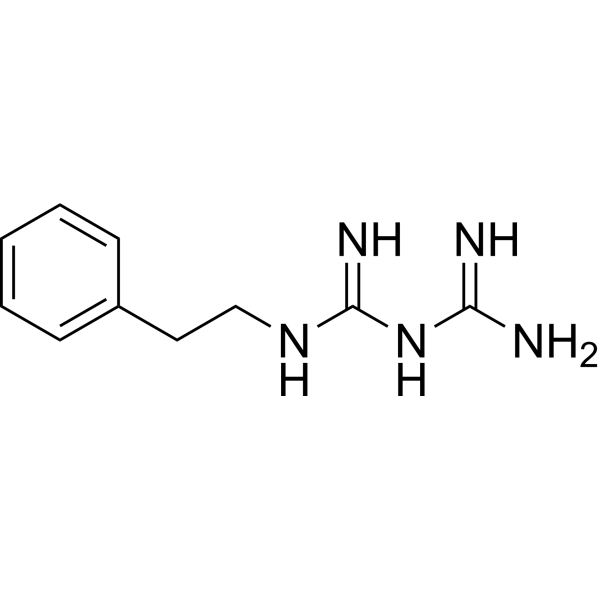
    Biguanide is an orally active antihyperglycemic agent. Biguanide inhibits mitochondrial ATP production, activates the LKB1-AMPK signaling pathway, and damages the energy homeostasis. Biguanide enhances insulin-receptor activation and downstream signaling. Biguanide exhibits potential in ameliorating the type 2 diabetes and the insulin-associated cancers.
    Biguanide
  • HY-N6971

    Cimicifugoside M

    AMPK Metabolic Disease
    Cimiracemoside C is an active component of Cimicifuga racemosa, activates AMPK, has the potential activity against diabetes .
    Cimiracemoside C
  • HY-103238
    RSVA405
    1 Publications Verification

    AMPK STAT Autophagy Neurological Disease Metabolic Disease Inflammation/Immunology
    RSVA405 is a potent, orally active activator of AMPK, with an EC50 of 1 μM. RSVA405 facilitates CaMKKβ-dependent activation of AMPK, inhibits mTOR, and promotes autophagy to increase Aβ degradation. RSVA405 has anti-inflammatory effects through the inhibition of STAT3 function. RSVA405 can also be used for the research of obesity .
    RSVA405
  • HY-117623

    PF-249

    AMPK Metabolic Disease
    PF-06685249 (PF-249) is a potent and orally active allosteric AMPK activator with an EC50 of 12 nM for recombinant AMPK α1β1γ1. PF-06685249 improves renal function in ZSF-1 rats with diabetic nephropathy. PF-06685249 can be used for diabetic nephropathy research .
    PF-06685249
  • HY-136447
    ASP4132
    1 Publications Verification

    AMPK Cancer
    ASP4132 is an orally active, potent AMPK activator with an EC50 of 18 nM. ASP4132 has anti-cancer activity and makes tumor regression in breast cancer xenograft mouse models .
    ASP4132
  • HY-N10093

    Chamaejasmin

    Apoptosis AMPK Autophagy Reactive Oxygen Species (ROS) Cancer
    Chamaejasmine is a biflavonoid that can be isolated from the roots of Stellera chamaejasme L. Chamaejasmine has antitumor activity. Chamaejasmine induces cell apoptosis, autophagy and ROS production, and activates the activity of AMPK/mTOR signal pathway .
    Chamaejasmine
  • HY-A0144A

    Adrenergic Receptor AMPK Akt Cardiovascular Disease
    Etilefrine hydrochloride is a sympathetic nerve agonist and AMPK activator that selectively targets α1/β1 adrenergic receptors. Etilefrine hydrochloride stimulates α1 adrenergic receptors, leading to contraction of vascular smooth muscle and increased peripheral resistance. Etilefrine hydrochloride also stimulates β1 receptors to enhance myocardial contractility and increase heart rate, thereby increasing blood pressure and improving cardiac output. Etilefrine hydrochloride also bidirectionally regulates the AMPK/Akt pathway and modulates the phosphorylation levels. Etilefrine hydrochloride can be used in cardiovascular research, such as postural hypotension, chylothorax, and improving low cardiac output .
    Etilefrine hydrochloride
  • HY-A0144

    Adrenergic Receptor AMPK Akt Cardiovascular Disease
    Etilefrine is a sympathetic nerve agonist and AMPK activator that selectively targets α1/β1 adrenergic receptors. Etilefrine stimulates α1 adrenergic receptors, leading to contraction of vascular smooth muscle and increased peripheral resistance. Etilefrine also stimulates β1 receptors to enhance myocardial contractility and increase heart rate, thereby increasing blood pressure and improving cardiac output. Etilefrine also bidirectionally regulates the AMPK/Akt pathway and modulates the phosphorylation levels. Etilefrine can be used in cardiovascular research, such as postural hypotension, chylothorax, and improving low cardiac output .
    Etilefrine
  • HY-155363

    AMPK Metabolic Disease
    AMPK activator 13 is a potent activator of AMPK. AMPK activator 13 inhibits mitotic clonal expansion of 3T3-L1 cells by activating AMPK pathway and enhances cell mitochondrial oxygen consumption rate. AMPK activator 13 can be used in study obesity .
    AMPK activator 13
  • HY-149406

    AMPK Cancer
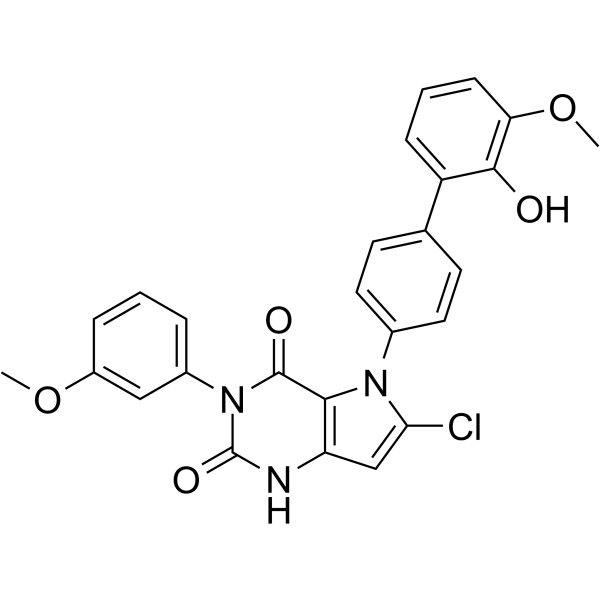
    AMPK activator 12 (compound 21) is a potent AMPK activator and GDF15 inducer. AMPK activator 12 increases GDF15 protein levels in human hepatic cells .
    AMPK activator 12
  • HY-N6631
    7-Methoxyisoflavone
    4 Publications Verification

    AMPK Metabolic Disease Cancer
    7-Methoxyisoflavone is an isoflavone derivative and also an activator of adenosine monophosphate-activated protein kinase (AMPK).
    7-Methoxyisoflavone
  • HY-P0136
    SAMS
    2 Publications Verification

    AMPK Metabolic Disease
    SAMS peptide is a specific substrate for the AMP-activated protein kinase (AMPK).
    SAMS
  • HY-136093B
    Lixumistat
    1 Publications Verification

    IM156 free base; HL156A free base; HL271 free base

    Mitochondrial Metabolism AMPK Neurological Disease Inflammation/Immunology
    Lixumistat (IM156 free base) is a potent and orally active AMPK activator and OXPHOS inhibitor. Lixumistat strongly activates AMPK, while it lacks the systemic metabolic regulatory effects of classic metformin, such as hypoglycemic and weight-lowering activities. Lixumistat exhibits significant therapeutic effects on cognitive decline associated with brain aging and pulmonary fibrosis .
    Lixumistat
  • HY-130479

    Adiponectin Receptor PPAR PGC-1α Sirtuin AMPK Metabolic Disease
    AdipoR agonist 1 (Compound 112254) is an agonist for adiponectin receptor (AdipoR), which activates the transcriptional regulators like peroxisome proliferator-activated receptors (PPARs), peroxisome proliferator-activated receptor gamma coactivator 1α (PGC-1α), sirtuin 1 (SIRT1), and adenylate-activated protein kinase (AMPK). AdipoR agonist 1 is utilized in preventive doping research .
    AdipoR agonist 1
  • HY-103239

    AMPK Cardiovascular Disease Metabolic Disease
    PT1 is an AMPKα1 activator that directly activates the inactive truncated forms of AMPKα1 monomers .
    PT1
  • HY-136093
    Lixumistat hydrochloride
    1 Publications Verification

    HL271; IM156 hydrochloride; HL156A hydrochloride

    Mitochondrial Metabolism AMPK Neurological Disease
    Lixumistat (IM156) hydrochloride is a potent and orally active AMPK activator and OXPHOS inhibitor. Lixumistat hydrochloride strongly activates AMPK, while it lacks the systemic metabolic regulatory effects of classic metformin, such as hypoglycemic and weight-lowering activities. Lixumistat hydrochloride exhibits significant therapeutic effects on cognitive decline associated with brain aging and pulmonary fibrosis .
    Lixumistat hydrochloride
  • HY-N3425

    AMPK Others
    Kazinol U inhibits melanogenesis through the inhibition of tyrosinase-related proteins via AMPK activation .
    Kazinol U
  • HY-P1576A

    Salt-inducible Kinase (SIK) AMPK Others
    AMARA peptide (TFA) is a substrate for salt-inducible kinase (SIK) and adenosine monophosphate activated protein kinase (AMPK).
    AMARA peptide TFA
  • HY-130723A

    AMPK Cancer
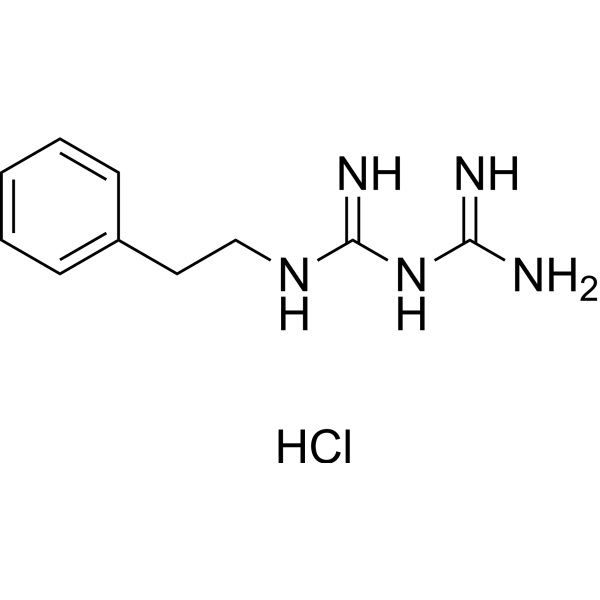
    AMPK activator 2 (compound 7a) hydrochloride, a fluorine-containing proguanil derivative, up-regulates AMPK signal pathway and downregulates mTOR/4EBP1/p70S6K. AMPK activator 2 hydrochloride inhibits proliferation and migration of human cancer cell lines (UMUC3, T24, A549) .
    AMPK activator 2 hydrochloride
  • HY-N0671R
    Rhapontin (Standard)
    2 Publications Verification

    Rhaponiticin (Standard)

    Reference Standards Apoptosis Cardiovascular Disease Metabolic Disease Inflammation/Immunology Cancer
    Rhapontin (Standard) is the analytical standard of Rhapontin (HY-N0671). This product is intended for research and analytical applications. Rhapontin (Rhaponiticin) is an orally aactive SIRT1 agonist and AMPK activator with anti-inflammatory and anti-fibrotic activities. Rhapontin inhibits NLRP3 inflammasome activation by activating SIRT1 and inhibits TGF-β/Smad signaling via the AMPK pathway. Rhapontin reduces intestinal and lung inflammation, inhibits fibroblast differentiation and extracellular matrix deposition, and enhances tight junction protein expression to repair epithelial barriers. Rhapontin can be used in the study of inflammatory bowel diseases (such as ulcerative colitis) and pulmonary fibrosis .
    Rhapontin (Standard)
  • HY-148684

    AMPK Metabolic Disease
    AMPK activator 10 is an orally active, potent AMPK activator with EC150 of 44.3 nM by cell-ELISA. AMPK activator 10 increases the phosphorylation levels of ACC. AMPK activator 10 exhibits a glucose lowering effect .
    AMPK activator 10
  • HY-16708

    AMPK Metabolic Disease
    ZLN024 is an AMPK allosteric activator. ZLN024 directly activates recombinant AMPK α1β1γ1, AMPK α2β1γ1, AMPK α1β2γ1 and AMPK α2β2γ1 heterotrimer with EC50s of 0.42 µM, 0.95 µM, 1.1 µM and 0.13 µM, respectively.
    ZLN024
  • HY-120904

    AMPK Metabolic Disease
    AMPK-IN-1 is an activator of AMPK (EC50: 551 nM for isoform α2β2γ1). AMPK-IN-1 leads to eEF2 phosphorylation in a mTORC1-independent way .
    AMPK-IN-1
  • HY-U00292

    AMPK Metabolic Disease
    AMPK activator 1 is an AMPK activator extracted from patent WO2013116491A1, compound No.1-75, has an EC50 of <0.1μM.
    AMPK activator 1
  • HY-124822
    COH-SR4
    2 Publications Verification

    AMPK Metabolic Disease Cancer
    COH-SR4 is an AMPK activator. COH-SR4 shows potent anti-proliferative activities against leukemia, melanoma, breast and lung cancers. COH-SR4 inhibits adipocyte differentiation via AMPK activation. COH-SR4 can be used for the research of obesity and related metabolic disorders .
    COH-SR4

Inquiry Online

Your information is safe with us. * Required Fields.

Salutation


Country or Region *

Applicant Name *


Organization Name *

Department *


Email Address *


Product Name *

Cat. No.


Requested quantity *

Phone Number *


Remarks

Inquiry Online

Inquiry Information

Product Name:
Cat. No.:
Quantity:
MCE Japan Authorized Agent:

