1. Search Result
Search Result
Results for "

AP1

" in MedChemExpress (MCE) Product Catalog:

117

Inhibitors & Agonists

1

Screening Libraries

1

Fluorescent Dye

2

Biochemical Assay Reagents

4

Peptides

30

Natural
Products

1

Recombinant Proteins

5

Isotope-Labeled Compounds

30

Antibodies

2

Click Chemistry

26

Oligonucleotides

Targets Recommended:
Cat. No. Product Name Target Research Areas Chemical Structure
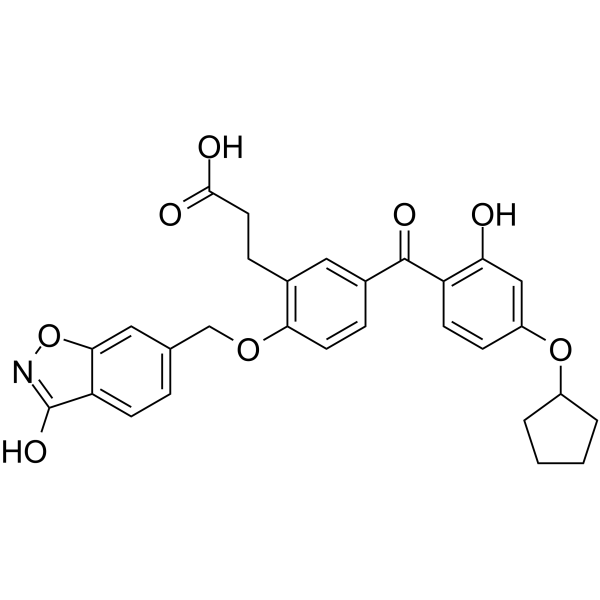
  • HY-12270
    T-5224
    Maximum Cited Publications
    100 Publications Verification

    AP-1 MMP Neurological Disease Inflammation/Immunology Cancer
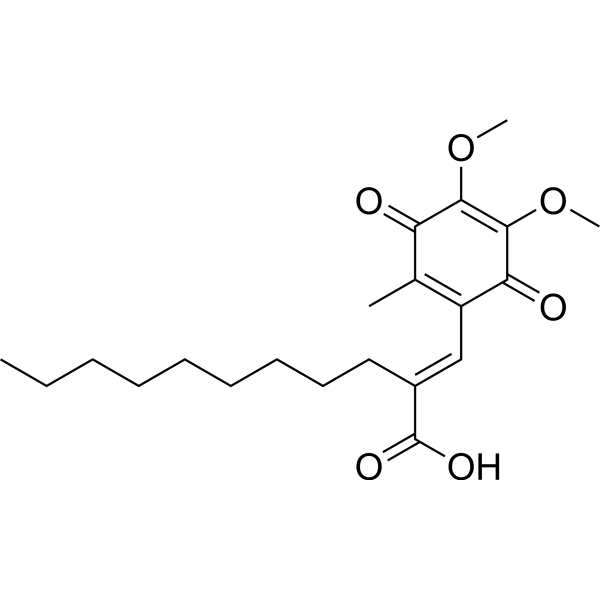
    T-5224 is a transcription factor c-Fos/activator protein (AP)-1 inhibitor with anti-inflammatory effects, which specifically inhibits the DNA binding activity of c-Fos/c-Jun without affecting other transcription factors. T-5224 inhibits the IL-1β-induced up-regulation of Mmp-3, Mmp-13 and Adamts-5 transcription [1] .
    T-5224
  • HY-B1272
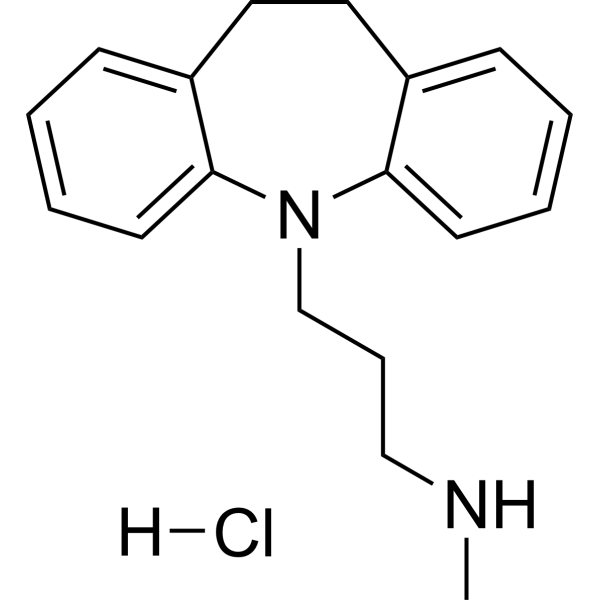
    Desipramine hydrochloride
    10+ Cited Publications

    Adrenergic Receptor ERK JNK p38 MAPK NF-κB AP-1 Apoptosis Reactive Oxygen Species (ROS) Mitochondrial Metabolism TNF Receptor Neurological Disease Inflammation/Immunology Cancer
    Desipramine hydrochloride is a first-generation tricyclic antidepressant. Desipramine hydrochloride selectively binds to norepinephrine transporter and blocks neuronal norepinephrine reuptake. Desipramine hydrochloride activates MAPK signaling via ERK1/2, JNK, and p38, represses NF-κB and AP-1 activity, and induces apoptosis via ROS elevation, mitochondrial membrane potential reduction, and intracellular calcium increase. Desipramine hydrochloride also shows anyi-inflammatory activity, inhibiting TNF-α production. Desipramine hydrochloride can be used for the research of hepatocellular cancer, inflammation, and neurological diseases [1] .
    Desipramine hydrochloride
  • HY-15870
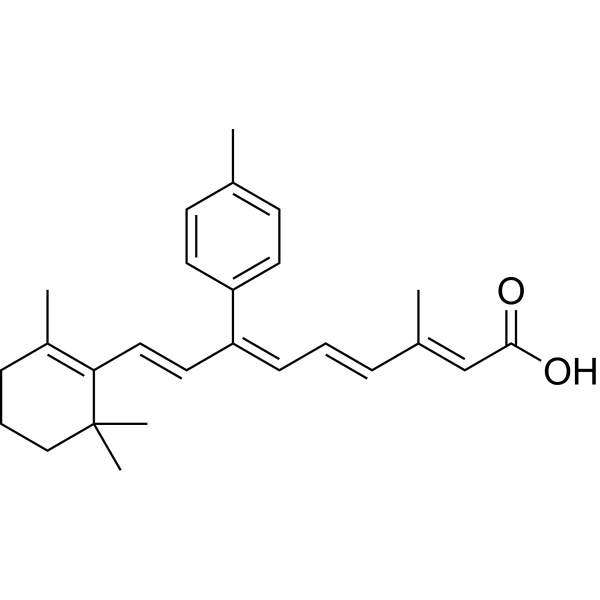
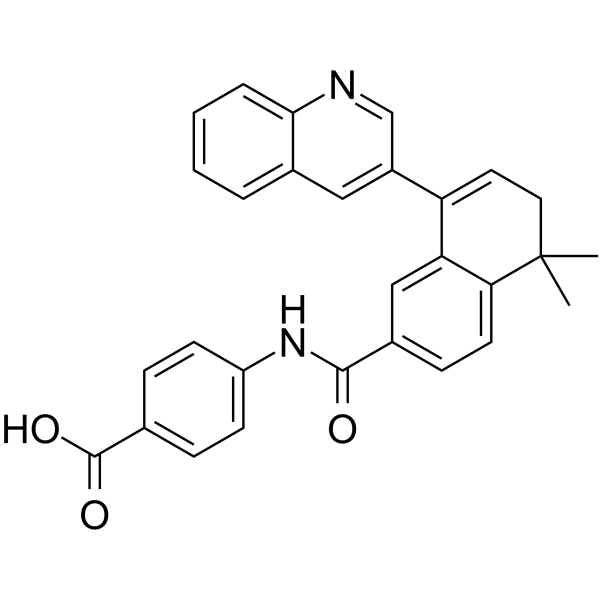
    SR 11302
    20+ Cited Publications

    AP-1 Inflammation/Immunology Cancer
    SR 11302 is an activator protein-1 (AP-1) transcription factor inhibitor. SR 11302 is a retinoid that specifically inhibits AP-1 activity without activating the transcription of retinoic acid response element (RARE) [1].
    SR 11302
  • HY-N0510
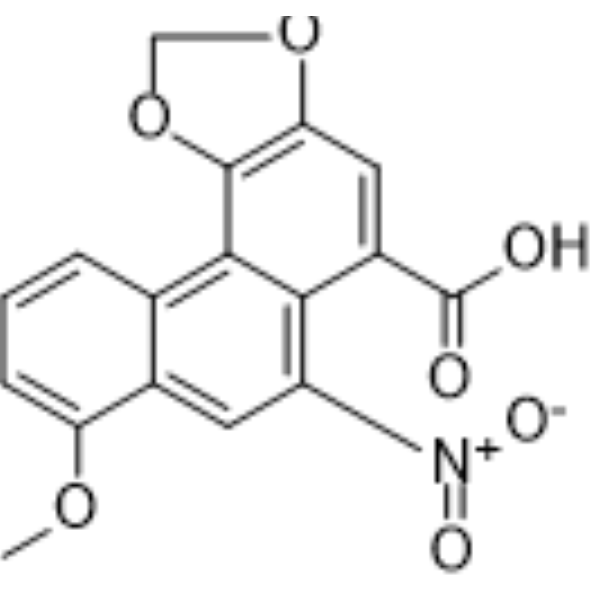
    Aristolochic acid A
    Maximum Cited Publications
    10 Publications Verification

    Aristolochic acid I; TR 1736

    NF-κB Neurological Disease Metabolic Disease Inflammation/Immunology Cancer
    Aristolochic acid A (Aristolochic acid I; TR 1736) is the main component of plant extract Aristolochic acids, which are found in various herbal plants of genus Aristolochia and Asarum. Aristolochic acid A significantly reduces both activator protein 1 (AP-1) and NF-κB activities. Aristolochic acid A reduces BLCAP gene expression in human cell lines [1].
    Aristolochic acid A
  • HY-19357
    Erenapurstat
    4 Publications Verification

    E3330; APX-3330

    DNA/RNA Synthesis NF-κB AP-1 HIF/HIF Prolyl-Hydroxylase VEGFR Reactive Oxygen Species (ROS) Cardiovascular Disease Neurological Disease Cancer
    Erenapursta (E3330) is a direct, orally active and selective inhibitor of Ape-1 (apurinic/apyrimidinic endonuclease 1)/Ref-1 (redox factor-1) redox. Erenapursta is able to impair tumor growth and blocks the activity of NF-κB, AP-1, and HIF-1α in pancreatic cancer. Erenapursta shows anticancer activities [1] .
    Erenapurstat
  • HY-N2593
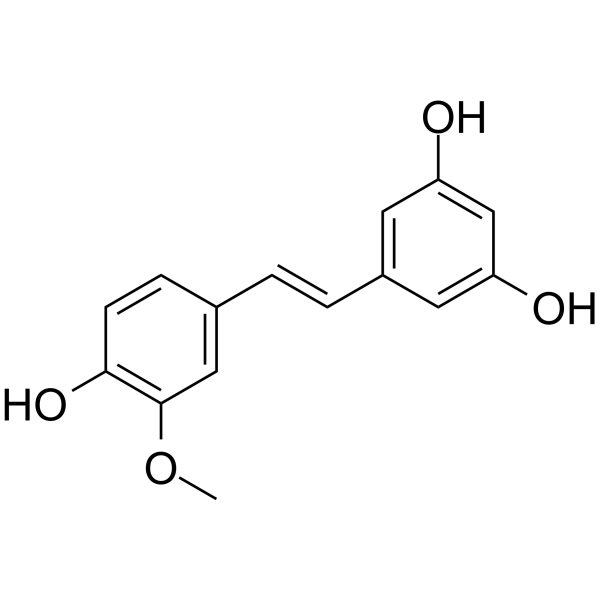
    Isorhapontigenin
    4 Publications Verification

    Carnitine Palmitoyltransferase (CPT) Reactive Oxygen Species (ROS) Autophagy Apoptosis NF-κB PI3K Akt MMP Keap1-Nrf2 Metabolic Disease Inflammation/Immunology Cancer
    Isorhapontigenin is an orally active dietary polyphenol. Isorhapontigenin acts as a potent antioxidant that reduces the production of reactive oxygen species (ROS). Isorhapontigenin promotes the binding of JUN to the AP-1 site on the SESN2 promoter, induces SESN2 transcription, triggers MAPK8-dependent JUN activation, and upregulates the expression of PPAR-α, PGC-1α and CPT-1A to facilitate fatty acid oxidation. Isorhapontigenin induces autophagy, apoptosis and preadipocyte differentiation; it inhibits tumor growth, cell invasion, NF-κB transcriptional activity, the PI3K/Akt signaling pathway, STAT1 phosphorylation and MMP-2 expression. Isorhapontigenin alleviates oxidative stress, inflammatory cytokine release and triglyceride accumulation; it increases intracellular ATP levels and promotes Nrf2 nuclear translocation. Isorhapontigenin improves insulin sensitivity in adipose tissue and glucose tolerance, and reduces postprandial blood glucose, insulin and free fatty acid levels. Isorhapontigenin is applicable to research on bladder cancer, liver injury, chronic obstructive pulmonary disease, acute lung injury and type 2 diabetes [1] .
    Isorhapontigenin
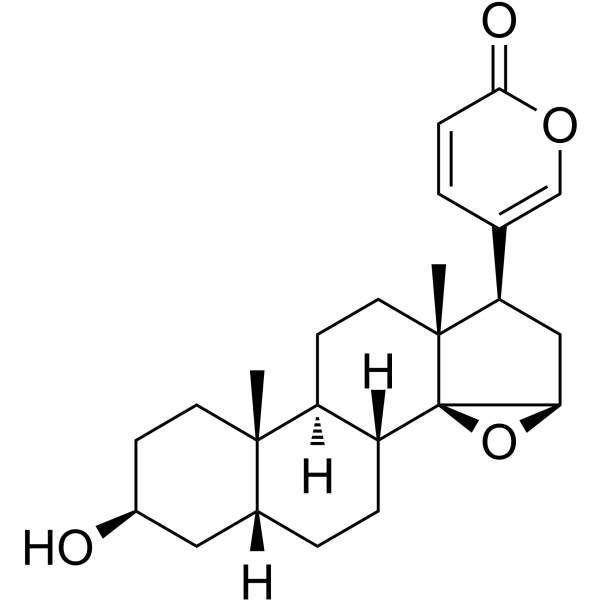
  • HY-N0815
    Resibufogenin
    5+ Cited Publications

    Bufogenin; Recibufogenin

    PI3K Akt NF-κB AP-1 GSK-3 CDK Neurological Disease Inflammation/Immunology Cancer
    Resibufogenin is an orally active anticancer agent. Resibufogenin can be extracted from toad venom. Resibufogenin blocks signaling pathways such as PI3K/Akt, NF-κB, AP-1, activates GSK-3β, and regulates cyclin D1. Resibufogenin can activate central neurons. Resibufogenin has anti-inflammatory activity. Resibufogenin has anti-tumor effects on a variety of tumors such as multiple myeloma, renal cancer, colorectal cancer, pancreatic cancer, and glioma [1] .
    Resibufogenin
  • HY-107574
    TC-E 5003
    3 Publications Verification

    Histone Methyltransferase AP-1 NF-κB PKA Metabolic Disease Inflammation/Immunology Cancer
    TC-E 5003 is a selective protein arginine methyltransferase 1 (PRMT1) inhibitor with an IC50 of 1.5 µM against hPRMT1. TC-E 5003 modulates the lipopolysaccharide (LPS) (HY-D1056)-induced AP-1 and NF-κB signaling pathways with anti-inflammatory properties. TC-E 5003 also upregulates the expression of Ucp1 and Fgf21, activates protein kinase A signaling and lipolysis in primary subcutaneous adipocytes from both mouse and humans. TC-E 5003 is promising for research of obesity and associated metabolic disorders, oxidative stress, inflammation and cancers [1] .
    TC-E 5003
  • HY-13755A
    (R)-Sulforaphane
    2 Publications Verification

    L-SulforAPhane

    Keap1-Nrf2 Bcl-2 Family Caspase Reactive Oxygen Species (ROS) NF-κB Inflammation/Immunology Cancer
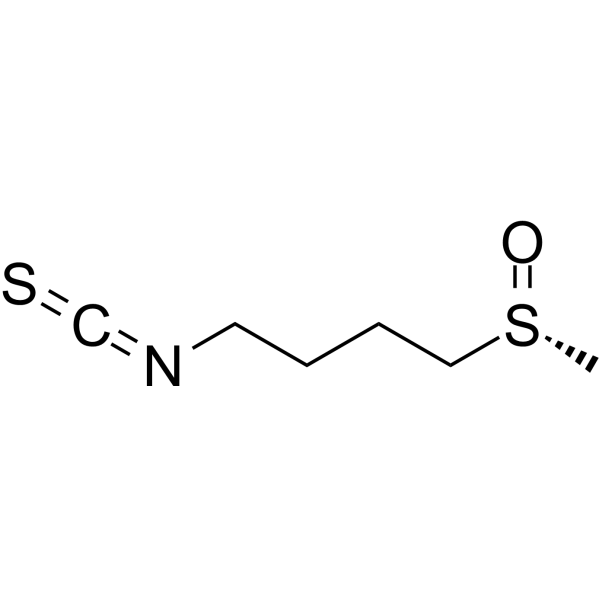
    (R)-Sulforaphane (L-Sulforaphane) is a orally active, potent inducer of the Keap1/Nrf2/ARE pathway, exhibiting antioxidant and anticancer activities. (R)-Sulforaphane primarily functions by upregulating phase II detoxifying enzymes in cells, aiding in the removal of carcinogens and combating oxidative stress. (R)-Sulforaphane is capable of modulating gene expression, influencing various signaling pathways, including Nrf2, NF-κB, and AP-1. (R)-Sulforaphane can be used in studies of tumor biology, antioxidant defense mechanisms, as well as inflammation and immune responses [1] .
    (R)-Sulforaphane
  • HY-129239
    Farudodstat
    4 Publications Verification

    ASLAN003

    Dihydroorotate Dehydrogenase DNA/RNA Synthesis Apoptosis Cancer
    Farudodstat (ASLAN003) is an orally active and potent Dihydroorotate Dehydrogenase (DHODH) inhibitor with an IC50 of 35 nM for human DHODH enzyme. Farudodstat inhibits protein synthesis via activation of AP-1 transcription factors. Farudodstat induces apoptosis and substantially prolongs survival in acute myeloid leukemia (AML) xenograft mice [1] .
    Farudodstat
  • HY-122808

    mGluR NF-κB AP-1 Metabolic Disease
    (-)-Camphoric acid is the less active enantiomer of Camphoric acid. Camphoric acid induces glutamate receptor expression. Camphoric acid also significantly induces the activation of NF-κB and AP-1. Camphoric acid significantly stimulates the differentiation of mouse osteoblastic MC3T3-E1 subclone 4 cells. Camphoric acid has weak regulatory function towards glutamate receptors. Camphoric acid can induce mRNA expression of glutamate signaling molecules and activate transcription factors, thereby stimulating osteoblast differentiation [1] .
    (-)-Camphoric acid
  • HY-10072

    NF-κB AP-1 Inflammation/Immunology
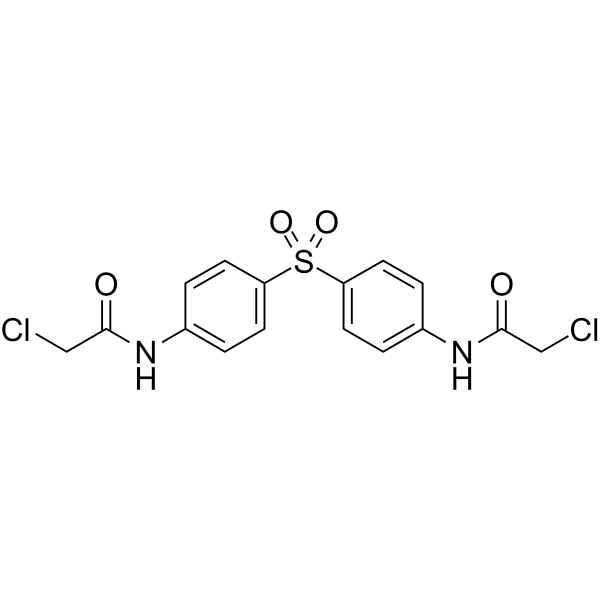
    SPC 839 (compound 10) is an orally active inhibitor of AP-1 and NF-kB mediated transcriptional activation with IC50 of 0.008 μM [1].
    SPC 839
  • HY-110177
    SP-100030
    1 Publications Verification

    NF-κB Inflammation/Immunology
    SP-100030 is a potent NF-κB and activator protein-1 (AP-1) double inhibitor (IC50s=50 and 50 nM, respectively). SP-100030 inhibits IL-2, IL-8, and TNF-alpha production in Jurkat and other T cell lines. SP-100030 decreases murine collagen-induced arthritis (CIA) [1] .
    SP-100030
  • HY-B0327
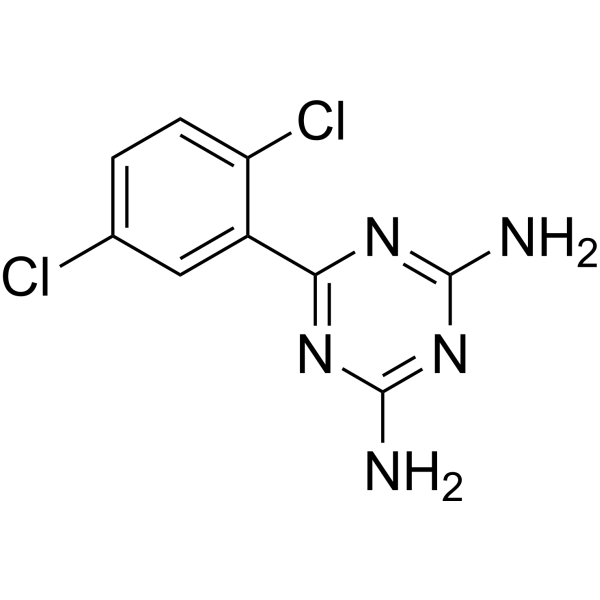
    Irsogladine
    3 Publications Verification

    Dicloguamine

    Phosphodiesterase (PDE) NF-κB AP-1 TRP Channel Interleukin Related Inflammation/Immunology Cancer
    Irsogladine (Dicloguamine) is an orally active gastric mucosal protective agent. Irsogladine inhibits breast cancer recurrence and lung metastasis in nude mice . Irsogladine inhibits the transcriptional activities of NF-κB and AP-1, suppresses the activities of PDE and PDE4 to elevate intracellular cAMP levels, and activates TRPV1 and KATP channels. Irsogladine enhances iNOS expression, NO production, and the activation of cAMP-responsive elements. Irsogladine inhibits the development and progression of intestinal polyps in Apc-mutant mice. Irsogladine alleviates oxidative stress, increases gastric mucosal blood flow, and stimulates the production of endogenous prostaglandins. Irsogladine promotes insulin secretion in MIN6 cells. Irsogladine inhibits tumor angiogenesis, cancer cell proliferation, and the production of proinflammatory cytokines. Irsogladine exerts protective effects on astrocytes in ethanol/hydrochloric acid-induced gastric ulcers in mice. Irsogladine prevents colitis in IL-10 gene-deficient mice by reducing the production of IL-12 and IL-23. Irsogladine upregulates gap junction intercellular communication in pancreatic cancer cells via the PKA pathway. Irsogladine is applicable to research related to breast cancer, intestinal polyposis, gastric ulcer, spontaneous colitis, glioma, liver cancer, and pancreatic cancer [1] [5][6] .
    Irsogladine
  • HY-116514

    Farnesyl Transferase Apoptosis Endogenous Metabolite Cancer
    (S)-(-)-Perillyl alcohol, a monoterpene, is an orally active farnesyl transferase and geranylgeranyl transferase inhibitor. (S)-(-)-Perillyl alcohol up-regulates the mannose-6-phosphate receptor, facilitating TGF-β1 activation and cytostasis,. (S)-(-)-Perillyl alcohol induces apoptosis in cancer cells, modulates cyclin D1 and AP-1 activity. (S)-(-)-Perillyl alcohol exhibits antitumor activity against sarcoma tumors in mice. (S)-(-)-Perillyl alcohol can be used for the research of squamous cell carcinoma of the esophagus and sarcoma 180 [1] .
    (S)-(−)-Perillyl alcohol
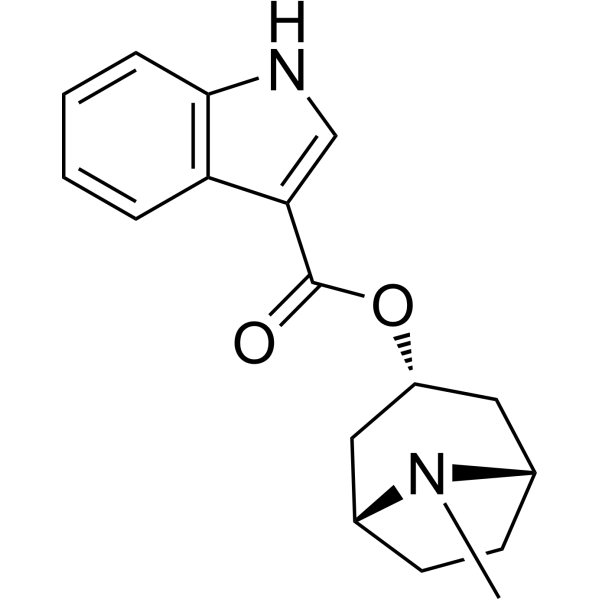
  • HY-B0072
    Tropisetron
    4 Publications Verification

    SDZ-ICS-930 free base

    5-HT Receptor nAChR p38 MAPK NF-κB AP-1 Nuclear Factor of activated T Cells (NFAT) JAK Neurological Disease Inflammation/Immunology Cancer
    Tropisetron is an orally active 5-HT3R antagonist (Ki = 5.3 nM) as well as being a potent and selective α7 nicotinic partial agonist (EC50 = 1.3 μM). Tropisetron prevents phosphorylation and activation of the p38 MAPK. Tropisetron inhibits both IL-2 gene transcription and IL-2 synthesis in stimulated T cells. Tropisetron inhibits the binding to DNA and the transcriptional activity of NFAT and AP-1. Tropisetron is anti-inflammatory and antiemetic. Tropisetron has antitumor and neuroprotective effects. Tropisetron can be studied in research for diseases including hemorrhagic cystitis, chronic joint inflammation, lung cancer and chronic cerebral hypoperfusion [1] .
    Tropisetron
  • HY-133987
    AP-1/NF-κB activation inhibitor 1
    3 Publications Verification

    NF-κB Inflammation/Immunology
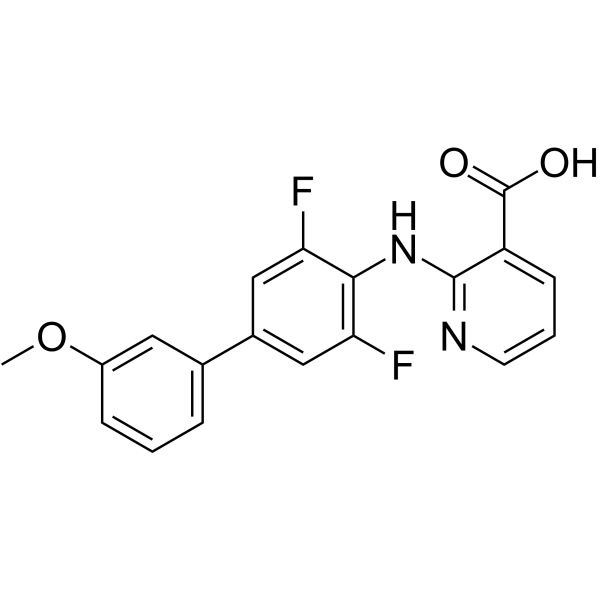
    AP-1/NF-κB activation inhibitor 1 is a potent AP-1 and NF-κB mediated transcriptional activation inhibitor (IC50=1 μM), without blocking basal transcription driven by the β-actin promoter. AP-1/NF-κB activation inhibitor 1 has a similar inhibitory effect on the production of IL-2 and IL-8 levels in stimulated cells [1].
    AP-1/NF-κB activation inhibitor 1
  • HY-N1513

    AP-1 NF-κB Cancer
    Ganoderic acid H is a lanostane-type triterpene isolated from Ganoderma lucidum. Ganoderic acid H suppresses growth and invasive behavior of breast cancer cells through the inhibition of transcription factors AP-1 and NF-kappaB signaling [1].
    Ganoderic acid H
  • HY-W010983
    SC-236
    2 Publications Verification

    COX PPAR Apoptosis Cardiovascular Disease Inflammation/Immunology Cancer
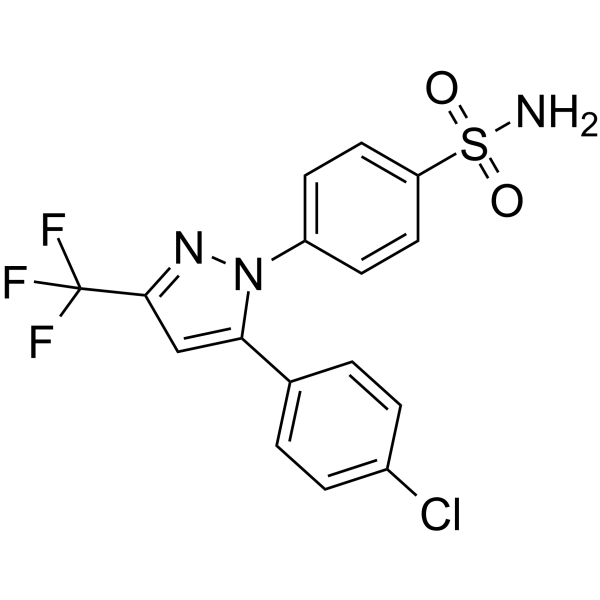
    SC-236 is an orally active COX-2 specific inhibitor (IC50 = 10 nM) and a PPARγ agonist. SC-236 suppresses activator protein-1 (AP-1) through c-Jun NH2-terminal kinase. SC-236 exerts anti-inflammatory effects by suppressing phosphorylation of ERK in a murine model [1] .
    SC-236
  • HY-121607
    INI-43
    1 Publications Verification

    AP-1 Apoptosis Cancer
    INI-43 is an inhibitor of Kpnβ1, interfering with the nuclear localization of Kpnβ1 and known Kpnβ1 cargo proteins, NFAT, NFκB, AP-1, and NFY. INI-43 can inhibit the proliferation of cancer cells, cause G2-M cell cycle arrest in cancer cells, and induce the intrinsic apoptosis pathway [1] .
    INI-43
  • HY-129056

    Thrombin NF-κB AP-1 Cardiovascular Disease Neurological Disease
    Melagatran is a reversible, selective, orally active direct inhibitor of thrombin with a Ki of 2 nM. Melagatran binds directly to the active site of thrombin, inhibiting thrombin-mediated conversion of fibrinogen to fibrin. Melagatran reduces the DNA binding activity of NF-κB and AP-1. Melagatran reduces fibrin deposition in organs, alleviates ischemic brain damage, and reduces the size of advanced atherosclerotic lesions. Melagatran can be used in the study of cardiovascular disease (coronary thrombosis, atherosclerosis) and ischemic brain damage [1] .
    Melagatran
  • HY-N4226

    AP-1 COX Inflammation/Immunology
    1-Methyl-6-oxo-1,6-dihydropyridine-3-carboxylic acid is an AP-1 inhibitor which can be found in Cordyceps bassiana. 1-Methyl-6-oxo-1,6-dihydropyridine-3-carboxylic acid downregulates the expression of COX-2. 1-Methyl-6-oxo-1,6-dihydropyridine-3-carboxylic acid can be used for the study of atopic dermatitis [1] .
    1-Methyl-6-oxo-1,6-dihydropyridine-3-carboxylic acid
  • HY-N0363
    (+)-Columbianetin
    2 Publications Verification

    (S)-Columbianetin

    ERK JNK TGF-beta/Smad Others
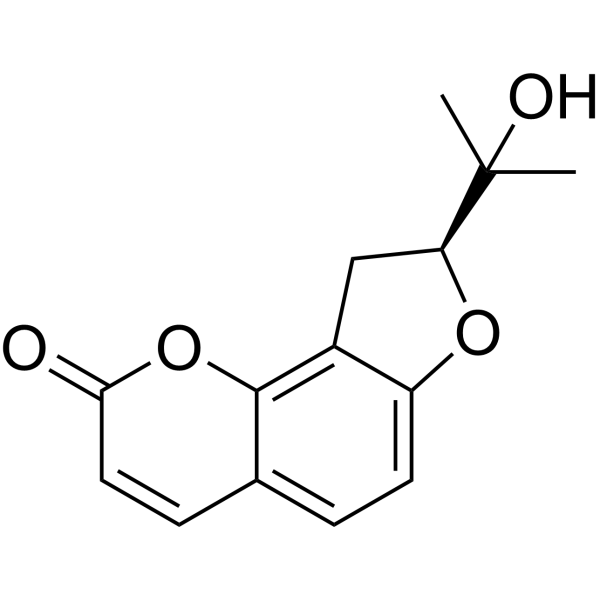
    (+)-Columbianetin acts as an inhibitor of JNK and ERK as well as an activator of TGFβ signaling. (+)-Columbianetin inhibits UVA-induced phosphorylation of JNK and ERK, reduces the production of MMP-1, reverses UVA-induced collagen degradation, and alleviates UVA-mediated inhibition of Smad2/3 phosphorylation and translocation. (+)-Columbianetin regulates the AP-1 and ASK1-MAPK signaling pathways, inhibits the production of ROS, blocks sub-G1 cell cycle arrest, modulates the expression of MMP, and protects human keratinocytes against UVB-induced damage. (+)-Columbianetin is applicable to research related to skin aging [1] .
    (+)-Columbianetin
  • HY-W031757

    Influenza Virus Bacterial Dipeptidyl Peptidase COX NF-κB AP-1 RIG-I-like receptor (RLR) STAT Infection Neurological Disease Inflammation/Immunology
    Anthraquinone-2-carboxylic acid is an orally active anthraquinone compound and Antibacterial agent. Anthraquinone-2-carboxylic acid can be isolated from Bajitian. Anthraquinone-2-carboxylic acid inhibits the activation of DPP-IV, COX-2, NF-κB and AP-1. Anthraquinone-2-carboxylic acid blocks IAV-induced activation of the RIG-I/STAT1 pathway, alleviates IAV-mediated weight loss, and protects against lethal IAV infection. Anthraquinone-2-carboxylic acid inhibits the growth of various Staphylococcus strains. It possesses potent anti-inflammatory, immunomodulatory, analgesic and antibacterial activities [1] .\n


    Anthraquinone-2-carboxylic acid
  • HY-115062

    Phospholipase NADPH Oxidase p38 MAPK Akt NF-κB AP-1 Reactive Oxygen Species (ROS) Cardiovascular Disease Inflammation/Immunology Cancer
    MJ-33 lithium salt is a competitive phospholipase A2 (PLA2) inhibitor with an IC50 of 0.3 μM. MJ-33 lithium salt inhibits NOX2 activation and reduces ROS production by blocking the PLA2 activity of Prdx6. MJ-33 lithium salt effectively inhibits the activity of acidic PLA2 (pH 4.0) and reduces the degradation of alveolar surfactant phosphatidylcholine (PC), but exerts no effect on alkaline PLA2 (pH 8.5). MJ-33 lithium salt significantly alleviates lung oxidative injury induced by ischemia-reperfusion (I/R). MJ-33 lithium salt significantly inhibits the invasion, migration and adhesion abilities of prostate cancer cells by suppressing the MAPK, AKT, NF-κB and AP-1 signaling pathways. MJ-33 lithium salt can be used for the research of ROS-related diseases and prostate cancer [1] .
    MJ33 lithium salt
  • HY-141645

    WS070117

    AMPK TGF-β Receptor NF-κB JNK AP-1 Cardiovascular Disease Metabolic Disease Inflammation/Immunology
    IMM-H007 (WS070117) is an orally active and potent AMPK (AMP-activated protein kinase) activator and TGFβ1 (transforming growth factor β1) antagonist. IMM-H007 has protective effects in cardiovascular diseases via activation of AMPK. IMM-H007 negatively regulates endothelium inflammation through inactivating NF-κB and JNK/AP1 signaling. IMM-H007 inhibits ABCA1 degradation. IMM-H007 resolves hepatic steatosis in HFD-fed hamsters by the regulation of lipid metabolism. IMM-H007 can be used for the research of nonalcoholic fatty liver disease (NAFLD) and inflammatory atherosclerosis [1] .
    IMM-H007
  • HY-N4182
    Licochalcone E
    4 Publications Verification

    Akt p38 MAPK Autophagy Inflammation/Immunology
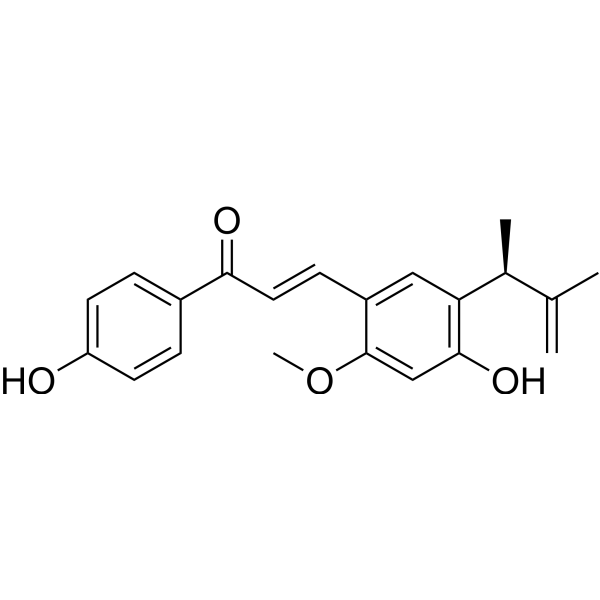
    Licochalcone E, a flavonoid compound isolated from Glycyrrhiza uralensis, inhibits NF-κB and AP-1 transcriptional activity through the inhibition of AKT and MAPK activation [1].
    Licochalcone E
  • HY-101259
    BMS-195614
    3 Publications Verification

    BMS 614

    RAR/RXR Bcl-2 Family NF-κB PPAR VEGFR Interleukin Related Cardiovascular Disease Inflammation/Immunology Endocrinology
    BMS-195614 (BMS 614) is an orally active neutral RARα-selective antagonist with a Ki of 2.5 nM. BMS-195614 restores the expression of Bcl2. BMS-195614 inhibits the transactivation of NF-κB, AP-1 and PPAR. BMS-195614 downregulates the expression of IL-6 and VEGF. BMS-195614 reduces blue light-induced phototoxicity and inhibits cell migration. BMS-195614 modulates inflammation and angiogenesis [1] .
    BMS-195614
  • HY-B1984
    p,p'-DDD
    1 Publications Verification

    4,4'-DDD; p,p'-Dichlorodiphenyl dichloroethane

    Environmental Pollutants Drug Metabolite Apoptosis Insecticide Necroptosis Infection Neurological Disease Cancer
    p,p'-DDD (4,4’-DDD) is an organochlorine insecticide, a major metabolite of p,p'-DDT. p,p'-DDD is an agonist at estrogen receptor α(ERα) and ERβ. p,p'-DDD increases DNA damage, apoptosis and necrosis in peripheral blood. p,p'-DDD stimulates cell proliferation in SKBR3 cells. p,p'-DDD activates the AP-1 transcription factor. p,p'-DDD decreases sleep times of barbiturates and steroids in rats [1] .
    p,p'-DDD
  • HY-101318
    β-Funaltrexamine hydrochloride
    2 Publications Verification

    β-FNA hydrochloride

    Opioid Receptor p38 MAPK STAT NF-κB NO Synthase Toll-like Receptor (TLR) Cardiovascular Disease Neurological Disease
    β-Funaltrexamine (β-FNA) hydrochloride is a blood-brain barrier-permeable, selective and irreversible μ-opioid receptor antagonist with immunomodulatory, anti-inflammatory and neuroprotective activities. β-Funaltrexamine hydrochloride inhibits p38 MAPK and TLR4 signaling by blocking μ-opioid receptors, and reduces the transcriptional activities of NF-κB, AP-1, CREB and Stat. Furthermore, β-Funaltrexamine hydrochloride inhibits iNOS activation and pro-inflammatory microglial polarization, converting microglia to an anti-inflammatory phenotype, thereby downregulating neuroinflammation and ameliorating neuronal degeneration. β-Funaltrexamine hydrochloride is widely applicable to research related to stroke, cerebral ischemia/reperfusion injury and neurodegenerative diseases [1] .
    β-Funaltrexamine hydrochloride
  • HY-N10913

    AP-1 p38 MAPK NO Synthase TNF Receptor COX Interleukin Related Inflammation/Immunology
    Chloranthalactone B, a lindenane-type sesquiterpenoid, is a nature product that could be isolated from Chinese medicinal herb Sarcandra glabra. Chloranthalactone B inhibits the production of inflammatory mediators by inhibiting the AP-1 and p38 MAPK pathways [1].
    Chloranthalactone B
  • HY-169481

    PROTACs Anaplastic lymphoma kinase (ALK) Cancer
    AP-1 is a PROTAC targeting anaplastic lymphoma kinase (ALK). AP-1 is composed of PROTAC target protein ligand CS-1243648 (HY-169482) (red part), E3 ligase ligand Pomalidomide (HY-10984) (blue part) and PROTAC Linker 2-(Tert-Butoxy)-2-oxoacetic acid (HY-W687662) (black part) [1].
    AP-1
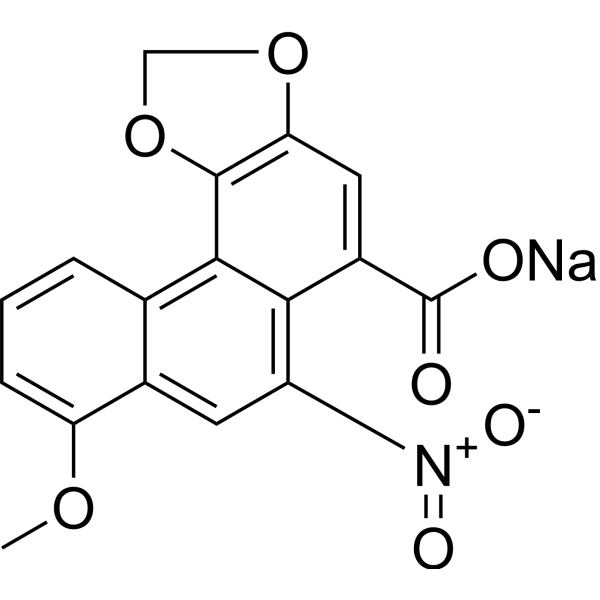
  • HY-N0510A
    Aristolochic acid A sodium
    5+ Cited Publications

    Aristolochic acid I sodium; TR 1736 sodium

    NF-κB Neurological Disease Metabolic Disease Inflammation/Immunology Cancer
    Aristolochic acid A (Aristolochic acid I) sodium is the main component of plant extract Aristolochic acids, which are found in various herbal plants of genus Aristolochia and Asarum. Aristolochic acid A sodium significantly reduces both activator protein 1 (AP-1) and NF-κB activities. Aristolochic acid A sodium reduces BLCAP gene expression in human cell lines [1].
    Aristolochic acid A sodium
  • HY-100233
    IQ-1S free acid
    1 Publications Verification

    JNK Inflammation/Immunology Cancer
    IQ-1S free acid is a prospective inhibitor of NF-κB/activating protein 1 (AP-1) activity with an IC50 of 2.3±0.41 μM. IQ-1S free acid has binding affinity (Kd values) in the nanomolar range for all three JNKs with Kds of 100 nM, 240 nM, and 360 nM for JNK3, JNK1, and JNK2, respectively.
    IQ-1S free acid
  • HY-151876

    Glucocorticoid Receptor NF-κB AP-1 Inflammation/Immunology
    Glucocorticoid receptor modulator 1 is a highly potent and orally active non-steroidal selective glucocorticoid receptor modulator with an IC50 value of 9 nM and 130 nM for NF-κB and AP-1, respectively. Glucocorticoid receptor modulator 1 can effectively reduce the expression of inflammatory factors IL-6, IL-1β, TNF-α, also can relieve dermatitis in mice [1].
    Glucocorticoid receptor modulator 1
  • HY-B1272A

    Adrenergic Receptor ERK JNK p38 MAPK NF-κB AP-1 Apoptosis Reactive Oxygen Species (ROS) Mitochondrial Metabolism TNF Receptor Neurological Disease Inflammation/Immunology Cancer
    Desipramine is a first-generation tricyclic antidepressant. Desipramine selectively binds to norepinephrine transporter and blocks neuronal norepinephrine reuptake. Desipramine activates MAPK signaling via ERK1/2, JNK, and p38, represses NF-κB and AP-1 activity, and induces apoptosis via ROS elevation, mitochondrial membrane potential reduction, and intracellular calcium increase. Desipramine also shows anyi-inflammatory activity, inhibiting TNF-α production. Desipramine can be used for the research of hepatocellular cancer, inflammation, and neurological diseases [1] .
    Desipramine
  • HY-15870A

    AP-1 Inflammation/Immunology Cancer
    (6E)-SR 11302 is a E-isomer of SR 11302. SR 11302 is an activator protein-1 (AP-1) transcription factor inhibitor. SR 11302 is a retinoid that specifically inhibits AP-1 activity without activating the transcription of retinoic acid response element (RARE) [1].
    (6E)-SR 11302
  • HY-151883

    Apoptosis MDM-2/p53 Cancer
    APE1-IN-2 (compound AP1) is a Pt(IV) proagent, targeting a critical BER protein, apurinic/apyrimidinic endonuclease 1 (APE1). APE1-IN-2 shows anticancer activity. APE1-IN-2 induces intracellular accumulation of platinum and activates DNA damage response and apoptosis signals [1].
    APE1-IN-2
  • HY-P1185

    Vasopressin Receptor Apoptosis Cardiovascular Disease Cancer
    Antagonist G is a potent vasopressin antagonist. Antagonist G is also a weak antagonist of GRP and Bradykinin. Antagonist G induces AP-1 transcription and sensitizes cells to chemotherapy [1] .
    Antagonist G
  • HY-B1272R

    Reference Standards Adrenergic Receptor ERK JNK p38 MAPK NF-κB AP-1 Apoptosis Reactive Oxygen Species (ROS) Mitochondrial Metabolism TNF Receptor Neurological Disease Inflammation/Immunology Cancer
    Desipramine hydrochloride (Standard) is the analytical standard of Desipramine hydrochloride (HY-B1272). This product is intended for research and analytical applications. Desipramine hydrochloride is a first-generation tricyclic antidepressant. Desipramine hydrochloride selectively binds to norepinephrine transporter and blocks neuronal norepinephrine reuptake. Desipramine hydrochloride activates MAPK signaling via ERK1/2, JNK, and p38, represses NF-κB and AP-1 activity, and induces apoptosis via ROS elevation, mitochondrial membrane potential reduction, and intracellular calcium increase. Desipramine hydrochloride also shows anyi-inflammatory activity, inhibiting TNF-α production. Desipramine hydrochloride can be used for the research of hepatocellular cancer, inflammation, and neurological diseases [1] .
    Desipramine hydrochloride (Standard)
  • HY-RS07054

    Small Interfering RNA (siRNA) Others

    JUN Human Pre-designed siRNA Set A contains three designed siRNAs for JUN gene (Human), as well as a negative control, a positive control, and a FAM-labeled negative control.

    JUN Human Pre-designed siRNA Set A
    JUN Human Pre-designed siRNA Set A
  • HY-155395

    Fluorescent Dye Infection
    DDAN-MT is an enzymatic activated near-infrared fluorescent probe. DDAN-MT can be used for rapid, highly selective, and real-time monitoring of endogenous MtMET-AP1 activity in M. tuberculosis [1].
    DDAN-MT
  • HY-15131

    Interleukin Related Inflammation/Immunology
    PNRI-299 is a selective AP-1 transcription inhibitor with an IC50 of 20 uM. PNRI-299 is a selective APE/Ref-1 inhibitor. PNRI-299 has no effect on NF-κB transcription or thioredoxin (up to 200 uM). PNRI-299 significantly reduces airway eosinophil infiltration, mucus hypersecretion, edema, and IL-4 levels in a mouse asthma model [1] .
    PNRI-299
  • HY-12270R

    AP-1 MMP Others
    T-5224 (Standard) is the analytical standard of T-5224. This product is intended for research and analytical applications. T-5224 is a transcription factor c-Fos/activator protein (AP)-1 inhibitor with anti-inflammatory effects, which specifically inhibits the DNA binding activity of c-Fos/c-Jun without affecting other transcription factors. T-5224 inhibits the IL-1β-induced up-regulation of Mmp-3, Mmp-13 and Adamts-5 transcription [1] .
    T-5224 (Standard)
  • HY-113443

    AP-1 Metabolic Disease
    12(S)-HPETE is a 12-hydroxyeicosatetraenoic acid. 12(S)-HPETE has the function of regulating vascular tone. 12(S)-HPETE induces the expression of c-Fos and c-Jun protein and increases activating protein 1 (AP-1) activity in vascular smooth muscle cells.12(S)-HPETE may play a physiological role in vasomotor regulation through endothelium itself and crosstalk between blood cells and endothelium. 12(S)-HPETE can be used in the study of cerebrovascular tension [1] .
    12(S)-HPETE
  • HY-B1984S

    4,4'-DDD-d8; p,p'-Dichlorodiphenyl dichloroethane-d8

    Drug Metabolite Apoptosis Necroptosis Insecticide Infection Neurological Disease Cancer
    p,p'-DDD-d8 is the deuterium labeled p,p'-DDD[1]. p,p'-DDD (4,4’-DDD) is an organochlorine insecticide, a major metabolite of p,p'-DDT. p,p'-DDD is an agonist at estrogen receptor α(ERα) and ERβ. p,p'-DDD increases DNA damage, apoptosis and necrosis in peripheral blood. p,p'-DDD stimulates cell proliferation in SKBR3 cells. p,p'-DDD activates the AP-1 transcription factor. p,p'-DDD decreases sleep times of barbiturates and steroids in rats [1] .
    p,p'-DDD-d8
  • HY-168895

    AP-1 ERK Apoptosis Cancer
    c-Fos-IN-1 (Compound P16) is a c-Jun inhibitor, and decreases mRNA levels and protein levels of c-Fos. c-Fos-IN-1 also inhibits the phosphorylation activity of ERK and the transcriptional activity of AP-1. c-Fos-IN-1 shows anticancer activity by inhibiting ERK/c-Fos/Jun pathway. c-Fos-IN-1 inhibits the proliferation and migration of gastric cancer cells (IC50: 2.31 μM for MGC-803 cell). c-Fos-IN-1 arrests cell cycle at G2/M phase and induces cancer cell apoptosis. c-Fos-IN-1 inhibits gastric cancer tumor growth [1].
    c-Fos-IN-1
  • HY-136271

    Phospholipase NADPH Oxidase p38 MAPK Akt NF-κB AP-1 Reactive Oxygen Species (ROS) Cardiovascular Disease Inflammation/Immunology Cancer
    MJ-33 is a competitive phospholipase A₂ (PLA₂) inhibitor with an IC50 of 0.3 μM. MJ-33 inhibits the activation of NOX2 by blocking the PLA₂ activity of Prdx6, thereby reducing the production of ROS. MJ-33 effectively inhibits the activity of acidic PLA₂ (pH 4.0), reduces the degradation of pulmonary surfactant phosphatidylcholine (PC), but has no effect on alkaline PLA₂ (pH 8.5). MJ-33 significantly alleviates lung oxidative damage induced by ischemia-reperfusion (I/R). MJ-33 significantly inhibits the invasive, migratory and adhesive abilities of prostate cancer cells by suppressing the MAPK, AKT, NF-κB and AP-1 signaling pathways. MJ-33 can be used to study ROS-related diseases and prostate cancer [1] .
    MJ33
  • HY-N4226R

    Reference Standards AP-1 COX Inflammation/Immunology
    1-Methyl-6-oxo-1,6-dihydropyridine-3-carboxylic acid (Standard) is the analytical standard of 1-Methyl-6-oxo-1,6-dihydropyridine-3-carboxylic acid (HY-N4226). This product is intended for research and analytical applications. 1-Methyl-6-oxo-1,6-dihydropyridine-3-carboxylic acid is an AP-1 inhibitor which can be found in Cordyceps bassiana. 1-Methyl-6-oxo-1,6-dihydropyridine-3-carboxylic acid downregulates the expression of COX-2. 1-Methyl-6-oxo-1,6-dihydropyridine-3-carboxylic acid can be used for the study of atopic dermatitis.
    1-Methyl-6-oxo-1,6-dihydropyridine-3-carboxylic acid (Standard)
  • HY-N16527

    TNF Receptor Interleukin Related NADPH Oxidase Reactive Oxygen Species (ROS) NF-κB COX NO Synthase JNK AP-1 TGF-β Receptor Metabolic Disease
    7-O-Galloyl-D-sedoheptulose is an orally effective polyphenolic compound. 7-O-Galloyl-D-sedoheptulose lowers the serum levels of glucose, leptin, insulin, C-peptide, resistin, TNF-α, IL-6, and increases the serum level of adiponectin. 7-O-Galloyl-D-sedoheptulose significantly reduces the levels of ROS and lipid peroxidation products (TBARS) by down-regulating the protein expression of NADPH oxidase subunit Nox-4 and p22phox. 7-O-Galloyl-D-sedoheptulose down-regulates NF-κB and related pro-inflammatory factors (COX-2, iNOS), inhibits the phosphorylation of JNK and the activity of its downstream AP-1. 7-O-Galloyl-D-sedoheptulose reduces the expression of TGF-β1 and fibronectin, indicating its potential in anti-tissue fibrosis. 7-O-Galloyl-D-sedoheptulose can be used for the study of type 2 diabetes and its hepatic and pancreatic complications [1].
    7-O-Galloyl-D-sedoheptulose

Inquiry Online

Your information is safe with us. * Required Fields.

Salutation


Country or Region *

Applicant Name *


Organization Name *

Department *


Email Address *


Product Name *

Cat. No.


Requested quantity *

Phone Number *


Remarks

Inquiry Online

Inquiry Information

Product Name:
Cat. No.:
Quantity:
MCE Japan Authorized Agent:

