
816 Results for "

Aggregation inhibitor

" in MedChemExpress (MCE) Product Catalog:
Products (816)

816 Results for "Aggregation inhibitor" in MCE Product Catalog:

45
45 Publications Verification
Referencia número: HY-114118
No. CAS: 910463-68-2
Pureza:  99.84%
Semaglutide is a long-acting, selective, competitive GLP-1R agonist that can penetrate the blood-brain barrier. After activating GLP-1R, Semaglutide promotes insulin secretion, inhibits gastric emptying and appetite, and at the same time enhances autophagy, inhibits oxidative stress and apoptosis. Semaglutide also regulates mitochondrial function and lipid metabolism (such as reducing de novo lipogenesis in the liver). Semaglutide has activities such as lowering blood sugar, reducing weight, neuroprotection (such as improving motor function in Parkinson's disease models, reducing α-synuclein aggregation) and improving hepatic steatosis. Semaglutide can be used for the study of neurodegenerative diseases and liver diseases such as type 2 diabetes, obesity, Parkinson's disease, metabolic associated fatty liver disease (MASLD), and cancer .
loading...
    loading...
45
45 Publications Verification
Referencia número: HY-114118B
No. CAS: 1997361-85-9
Pureza:  99.92%
Semaglutide acetate is a long-acting, selective, competitive GLP-1R agonist that can penetrate the blood-brain barrier. After activating GLP-1R, Semaglutide acetate promotes insulin secretion, inhibits gastric emptying and appetite, and at the same time enhances autophagy, inhibits oxidative stress and apoptosis. Semaglutide acetate also regulates mitochondrial function and lipid metabolism (such as reducing de novo lipogenesis in the liver). Semaglutide acetate has activities such as lowering blood sugar, reducing weight, neuroprotection (such as improving motor function in Parkinson's disease models, reducing α-synuclein aggregation) and improving hepatic steatosis. Semaglutide acetate can be used for the study of neurodegenerative diseases and liver diseases such as type 2 diabetes, obesity, Parkinson's disease, metabolic associated fatty liver disease (MASLD), and cancer .
loading...
    loading...
45
45 Publications Verification
Referencia número: HY-114118A
Pureza:  99.92%
Semaglutide TFA is a long-acting, selective, competitive GLP-1R agonist that can penetrate the blood-brain barrier. After activating GLP-1R, Semaglutide TFA promotes insulin secretion, inhibits gastric emptying and appetite, and at the same time enhances autophagy, inhibits oxidative stress and apoptosis. Semaglutide TFA also regulates mitochondrial function and lipid metabolism (such as reducing de novo lipogenesis in the liver). Semaglutide TFA has activities such as lowering blood sugar, reducing weight, neuroprotection (such as improving motor function in Parkinson's disease models, reducing α-synuclein aggregation) and improving hepatic steatosis. Semaglutide TFA can be used for the study of neurodegenerative diseases and liver diseases such as type 2 diabetes, obesity, Parkinson's disease, metabolic associated fatty liver disease (MASLD), and cancer .
loading...
    loading...
32
32 Cited Publications
Referencia número: HY-17459
No. CAS: 120202-66-6
Synonyms: (S)-(+)-Clopidogrel bisulfate; (S)-(+)-Clopidogrel hydrogen sulfate
Áreas de investigación:  

Cardiovascular Disease Cancer

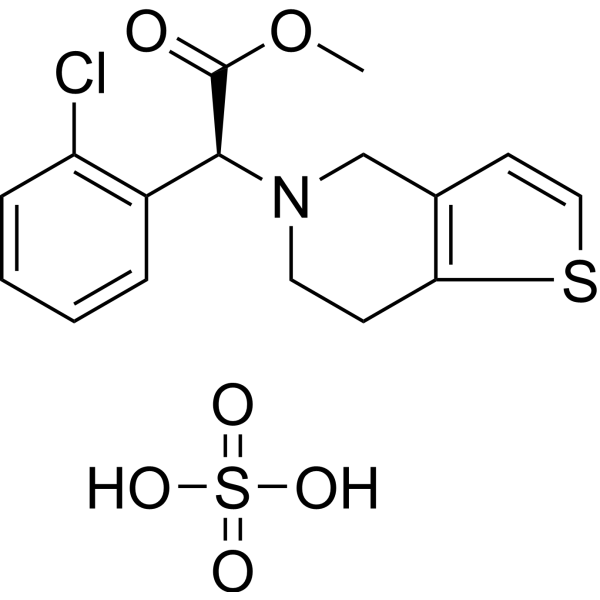
Clopidogrel hydrogen sulfate is an antiplatelet agent to prevent blood clots. Clopidogrel hydrogen sulfate inhibits CYP2B6 and CYP2C19 with IC50s of 18.2 nM and 524 nM, respectively . Clopidogrel hydrogen sulfate is a potent antithrombotic agent that inhibits ADP-induced platelet aggregation .Clopidogrel hydrogen sulfate also is an orally active P2Y(12) inhibitor .
loading...
    loading...
30
30 Cited Publications
Referencia número: HY-14536
No. CAS: 61-73-4
Pureza:  95.05%
Synonyms: Basic Blue 9; CI-52015; Methylthioninium chloride
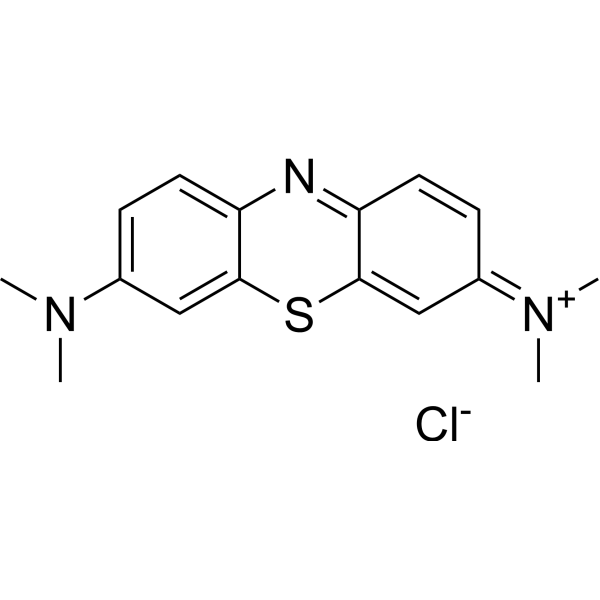
Methylene blue (Basic Blue 9) is a guanylyl cyclase (sGC), monoamine oxidase A (MAO-A) and NO synthase (NOS) inhibitor. Methylene blue is a vasopressor and is often used as a dye in several medical procedures. Methylene blue through the nitric oxide syntase/guanylate cyclase signalling pathway to reduce prepulse inhibition. Methylene blue is a REDOX cycling compound and able to cross the blood-brain barrier. Methylene blue is a Tau aggregation inhibitor. Methylene Blue is a photosensitizer and redox agent. Methylene blue reduces cerebral edema, attenuated microglial activation and reduced neuroinflammation .
loading...
    loading...
28
28 Cited Publications
Referencia número: HY-B0282
No. CAS: 60-31-1
Synonyms: ACh chloride
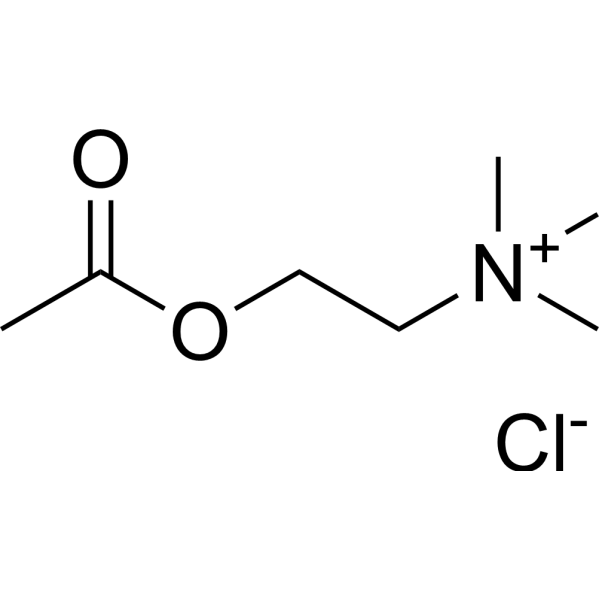
Acetylcholine chloride (ACh chloride), a neurotransmitter, is a potent and BBB-permeable cholinergic agonist. Acetylcholine chloride is a modulator of the activity of dopaminergic (DAergic) neurons through the stimulation of nicotinic acetylcholine receptors (nAChRs) . Acetylcholine chloride inhibits p53 mutant peptide aggregation in vitro .
loading...
    loading...
27
27 Cited Publications
Referencia número: HY-D0958
No. CAS: 122965-43-9
Synonyms: Basic Blue 9 hydrate; CI-52015 hydrate; Methylthioninium chloride hydrate
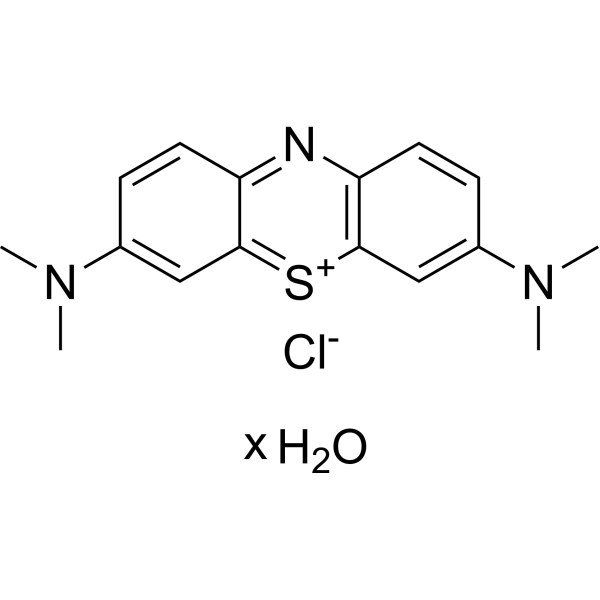
Methylene blue (Basic Blue 9) hydrate is a guanylyl cyclase (sGC), monoamine oxidase A (MAO-A) and NO synthase (NOS) inhibitor. Methylene blue is a vasopressor and is often used as a dye in several medical procedures. Methylene blue hydrate through the nitric oxide syntase/guanylate cyclase signalling pathway to reduce prepulse inhibition. Methylene blue hydrate is a REDOX cycling compound and able to cross the blood-brain barrier. Methylene blue hydrate is a Tau aggregation inhibitor. Methylene blue hydrate reduces cerebral edema, attenuated microglial activation and reduced neuroinflammation .
loading...
    loading...
22
22 Cited Publications
Referencia número: HY-B0131
No. CAS: 745-65-3
Synonyms: Alprostadil; PGE1
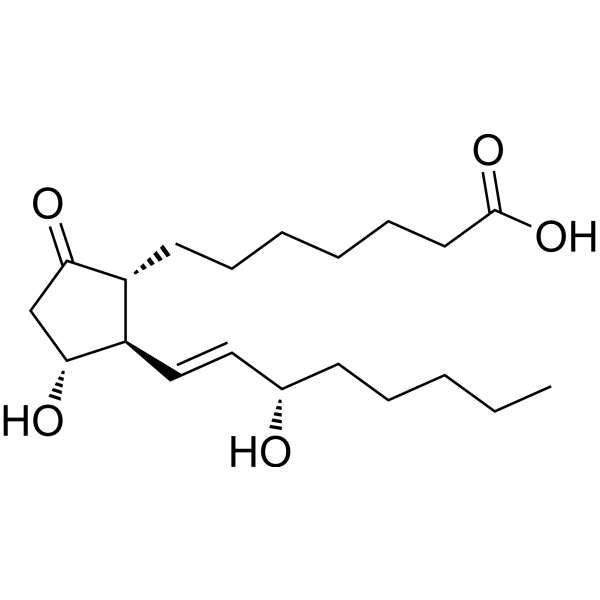
Prostaglandin E1 (Alprostadil) is a prostanoid receptor ligand, with Kis of 1.1 nM, 2.1 nM, 10 nM, 33 nM and 36 nM for mouse EP3, EP4, EP2, IP and EP1, respectively. Prostaglandin E1 induces vasodilation and inhibits platelet aggregation. Prostaglandin E1 can be used as a vasodilator for the research of peripheral vascular diseases .
loading...
    loading...
18
18 Cited Publications
Referencia número: HY-111557
No. CAS: 568580-02-9
Pureza:  ≥95.0%
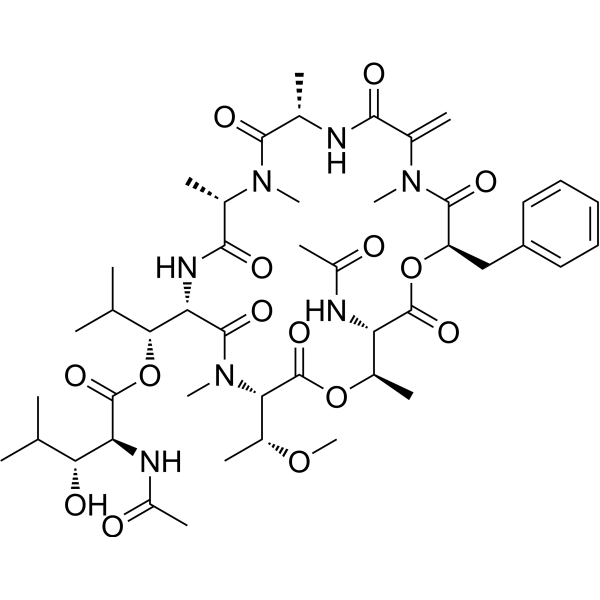
YM-254890 is a selective Gαq/11 protein inhibitor isolated from Chromobacterium sp. YM-254890 shows no inhibition of other G protein subtypes. YM-254890 inhibits platelet aggregation induced by ADP by blocking the P2Y1 signal transduction pathway, with an IC50 value below 0.6 μM .
loading...
    loading...
15
15 Cited Publications
Referencia número: HY-N0720
No. CAS: 41060-15-5
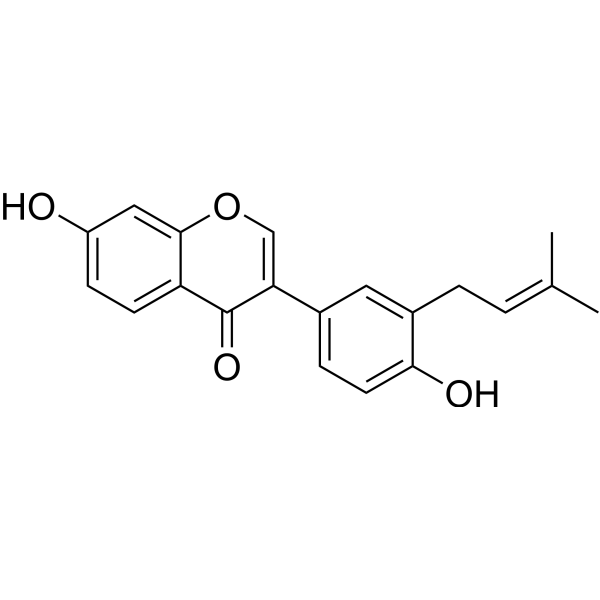
Neobavaisoflavone, a flavonoid, is isolated from the seeds of Psoralea corylifolia. Neobavaisoflavone exhibits anti-inflammatory, anti-cancer and anti-oxidation activities. Neobavaisoflavone inhibits DNA polymerase at moderate to high concentrations. Neobavaisoflavone also inhibits platelet aggregation .
loading...
    loading...
15
15 Cited Publications
Referencia número: HY-Y0966
No. CAS: 56-40-6
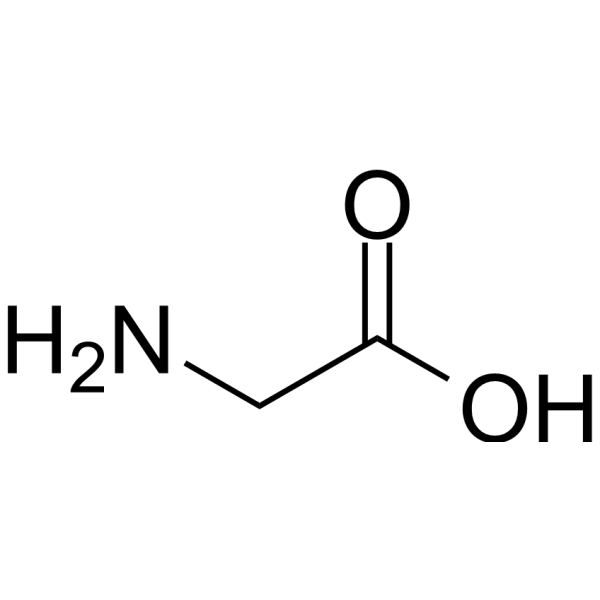
Glycine is an inhibitory neurotransmitter in the CNS and also acts as a co-agonist along with glutamate, facilitating an excitatory potential at the glutaminergic N-methyl-D-aspartic acid (NMDA) receptors. Glycine is orally active. Glycine inhibits the membrane aggregation of NINJ1 and prevents plasma membrane rupture during cell death. Glycine can be used to study cell protection, cancer, neurological diseases, and angiogenesis .
loading...
    loading...
14
14 Cited Publications
Referencia número: HY-15136
No. CAS: 193275-84-2
Pureza:  99.60%
Synonyms: Sch66336
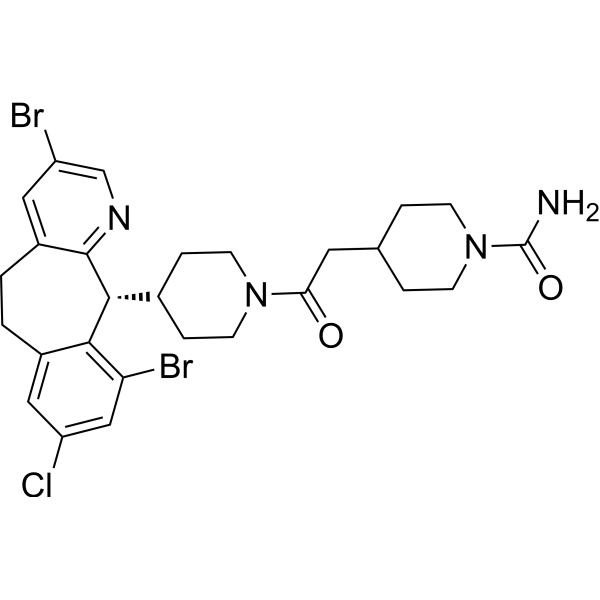
Lonafarnib (Sch66336) is an orally active, blood-brain barrier penetrant farnesyltransferase (FPTase) inhibitor. Lonafarnib increases the phosphorylation levels of Akt, CaMKII and CREB, upregulates BDNF expression in the hippocampus, elevates the content of α7nAChR on cell membranes, and blocks the isoprenylation of H-Ras. Lonafarnib repairs synapses and reverses spatial memory deficits in Aβ1-42 model mice. Lonafarnib inhibits RSV fusion and replication, and alleviates virus-induced lung injury. Lonafarnib activates the lysosomal and autophagic pathways, and reduces the phosphorylation and aggregation of tau. Lonafarnib acts synergistically with Sorafenib (HY-10201) to promote apoptosis, and inhibits the proliferation and invasion of melanoma cells. Lonafarnib inhibits the farnesylation of progerin, repairs nuclear membrane defects, and activates the cGAS-STING-STAT1 signaling pathway. Lonafarnib can be used in research related to diseases including Alzheimer's disease, viral infections, melanoma, and progeria .
loading...
    loading...
12
12 Cited Publications
Referencia número: HY-N0373
No. CAS: 58749-23-8
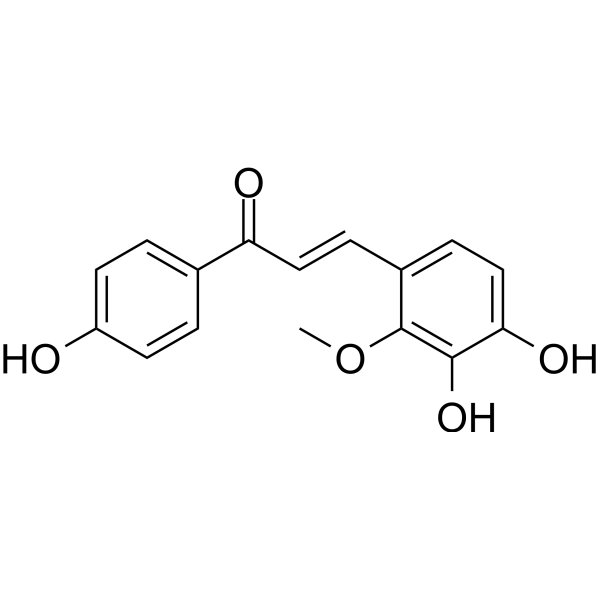
Licochalcone B is an extract from the root of Glycyrrhiza uralensis. Licochalcone B inhibits amyloid β (42) self-aggregation (IC50=2.16 μM) and disaggregate pre-formed Aβ42 fibrils, reduce metal-induced Aβ42 aggregation through chelating metal ionsLicochalcone B inhibits phosphorylation of NF-κB p65 in LPS signaling pathway. Licochalcone B inhibits growth and induces apoptosis of NSCLC cells. Licochalcone B specifically inhibits the NLRP3 inflammasome by disrupting NEK7‐NLRP3 interaction .
loading...
    loading...
12
12 Cited Publications
Referencia número: HY-10119
No. CAS: 618385-01-6
Pureza:  99.79%
Synonyms: SCH 530348
Áreas de investigación:  

Cardiovascular Disease

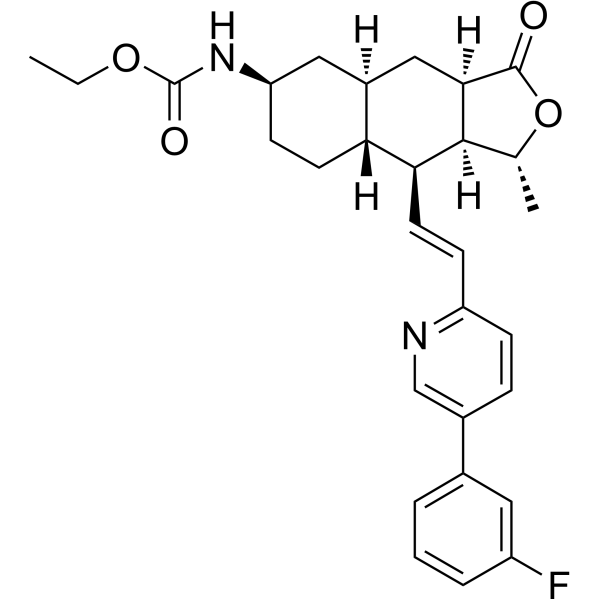
Vorapaxar (SCH 530348), an antiplatelet agent, is a selective, orally active, and competitive thrombin receptor protease-activated receptor (PAR-1) antagonist (Ki=8.1 nM). Vorapaxar (SCH 530348) inhibits thrombin receptor-activating peptide (TRAP)-induced platelet aggregation in a dose-dependent manner .
loading...
    loading...
12
12 Cited Publications
Referencia número: HY-10119A
No. CAS: 705260-08-8
Pureza:  99.81%
Synonyms: SCH 530348 sulfate
Áreas de investigación:  

Cardiovascular Disease

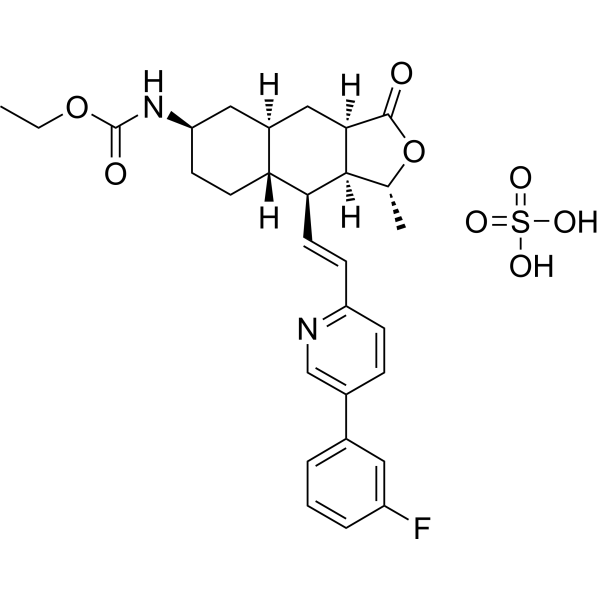
Vorapaxar sulfate (SCH 530348 sulfate), an antiplatelet agent, is a selective, orally active, and competitive thrombin receptor protease-activated receptor (PAR-1) antagonist (Ki=8.1 nM). Vorapaxar sulfate inhibits thrombin receptor-activating peptide (TRAP)-induced platelet aggregation in a dose-dependent manner .
loading...
    loading...
10
10 Cited Publications
Referencia número: HY-B1588
No. CAS: 5697-56-3
Áreas de investigación:  

Neurological Disease Metabolic Disease

Carbenoxolone is a blood-brain barrier-permeable Pannexin1 inhibitor, gap junction (Gap junction) blocker, and β-amyloid 42 inhibitor. Carbenoxolone modulates voltage-gated currents of wild-type and mutant Panx1, and inhibits stimulus-activated Panx1 channel function. Carbenoxolone interacts with stable residues of β-amyloid 42 peptides, fibrils and oligomers, thereby inhibiting their aggregation. Carbenoxolone alleviates liver fibrosis. Carbenoxolone exerts neuroprotective and nootropic effects. Carbenoxolone can be used in studies related to Alzheimer's disease and liver fibrosis .
loading...
    loading...
10
10 Cited Publications
Referencia número: HY-N0570
No. CAS: 10597-60-1
Synonyms: DOPET; 3,4-Dihydroxyphenethyl alcohol; 3-Hydroxytyrosol
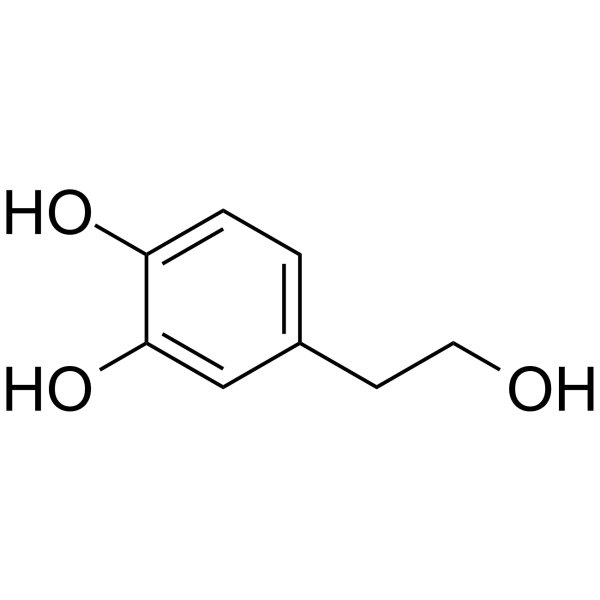
Hydroxytyrosol (DOPET; 3,4-Dihydroxyphenethyl alcohol) is an orally active, blood-brain barrier-permeable multi-active compound with multiple effects including antibacterial, antioxidant, anti-platelet aggregation, and neuroprotective activities. Hydroxytyrosol not only inhibits the growth of Vibrio by increasing bacterial membrane permeability, but also interacts with DNA and mediates supercoiled DNA relaxation. Meanwhile, Hydroxytyrosol effectively reduces thrombosis and inhibits lipid oxidation by inhibiting COX activity and promoting vascular nitric oxide production. In terms of neuroprotection, Hydroxytyrosol significantly alleviates neuronal apoptosis and inflammatory responses by up-regulating the expression level of ERβ, thereby improving cognitive function in Alzheimer's disease models. Hydroxytyrosol has been widely used in scientific research related to Vibrio infection, arterial thrombosis, Alzheimer's disease and other related fields .
loading...
    loading...
9
9 Cited Publications
Referencia número: HY-W010791
No. CAS: 20398-34-9
Target:  

Endogenous Metabolite

Áreas de investigación:  

Others

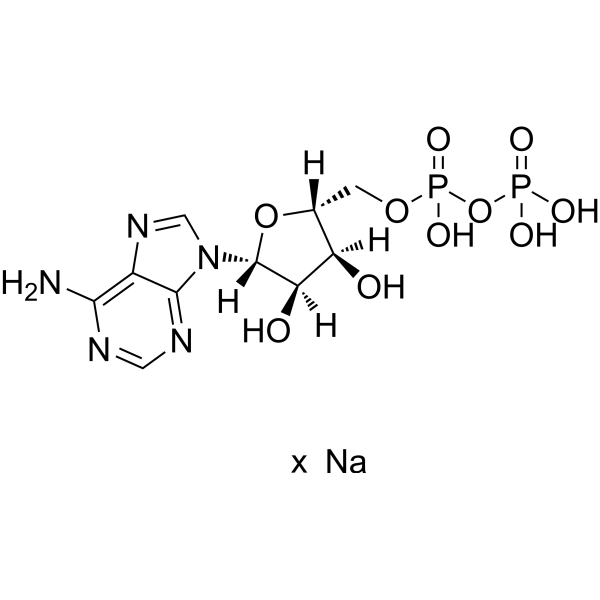
Adenosine 5'-diphosphate sodium salt is a nucleoside diphosphate and the product of ATP dephosphorylation by ATPases. Adenosine 5'-diphosphate sodium salt induces human platelet aggregation and inhibits stimulated adenylate cyclase through its action on P2T-purinergic receptors .
loading...
    loading...
9
9 Cited Publications
Referencia número: HY-W010918
No. CAS: 58-64-0
Synonyms: Adenosine diphosphate; ADP
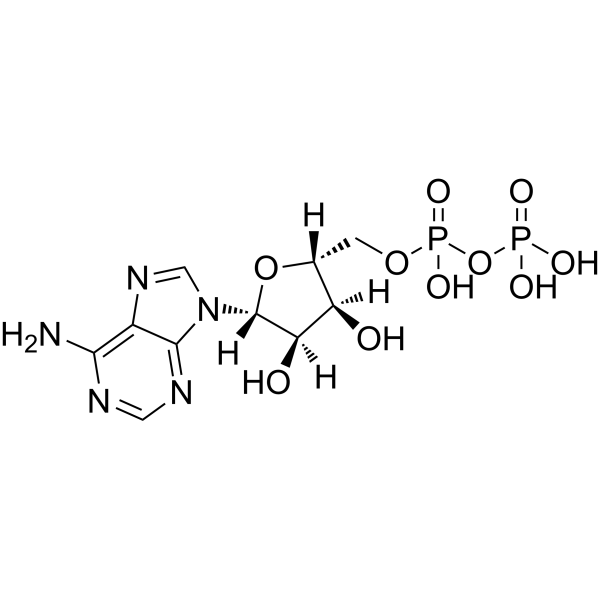
Adenosine 5'-diphosphate (Adenosine diphosphate) is a nucleoside diphosphate. Adenosine 5'-diphosphate is the product of ATP dephosphorylation by ATPases. Adenosine 5'-diphosphate induces human platelet aggregation and inhibits stimulated adenylate cyclase by an action at P2T-purinoceptors.
loading...
    loading...
7
7 Cited Publications
Referencia número: HY-121526
No. CAS: 67776-06-1
Pureza:  98.76%
Synonyms: SNAP
Target:  

NO Synthase

Áreas de investigación:  

Cardiovascular Disease Cancer

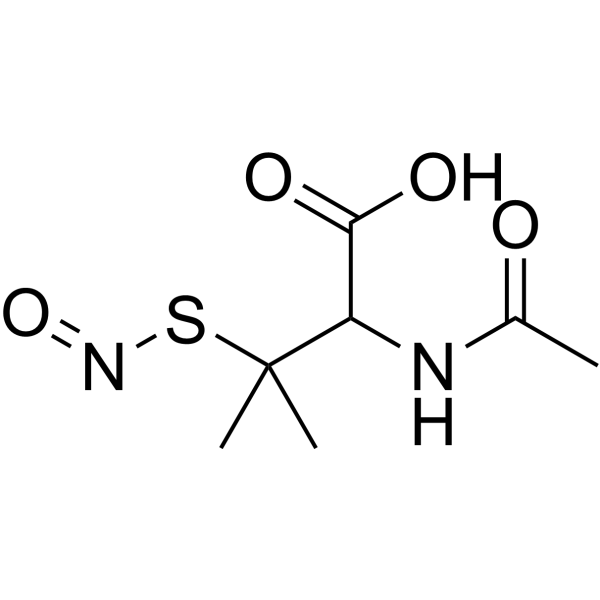
S-Nitroso-N-acetyl-DL-penicillamine (SNAP) is a nitric oxide donor and acts as a stable inhibitor of platelet aggregation .
loading...
    loading...

