482 Results for "

Analgesic activity

" in MedChemExpress (MCE) Product Catalog:
Products (482)

482 Results for "Analgesic activity" in MCE Product Catalog:

147
147 Publications Verification
Cat. No.: HY-12708
CAS No.: 50-53-3
Purity:  99.75%
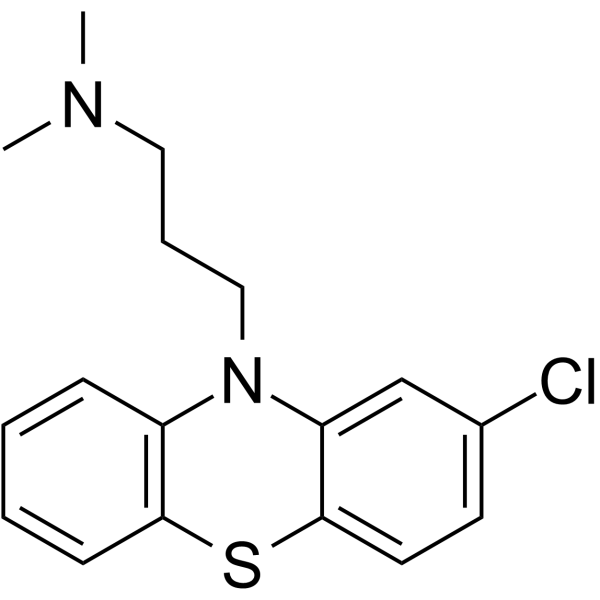
Chlorpromazine is an orally active, blood-brain barrier-transparent antipsychotic agent that effectively antagonises D2 dopamine receptors and 5-HT2A, which is widely used in schizophrenia and other psychiatric disorders. Chlorpromazine exerts anti-cancer activity through a variety of pathways, including anti-proliferation, induction of autophagy and cycle arrest (G2-M phase), inhibition of cytochrome c oxidase (CcO), inhibition of tumour growth and metastasis, and inhibition of tumour immune escape. Chlorpromazine also blocks hNav1.7 channels (IC50=25.9 μM; concentration-dependent) and HERG potassium channels (IC50=21.6 μM), which has potential for analgesic and cardiac arrhythmic studies. Chlorpromazine also can inhibit clathrin-mediated endocytosis .
loading...
    loading...
147
147 Publications Verification
Cat. No.: HY-B0407A
CAS No.: 69-09-0
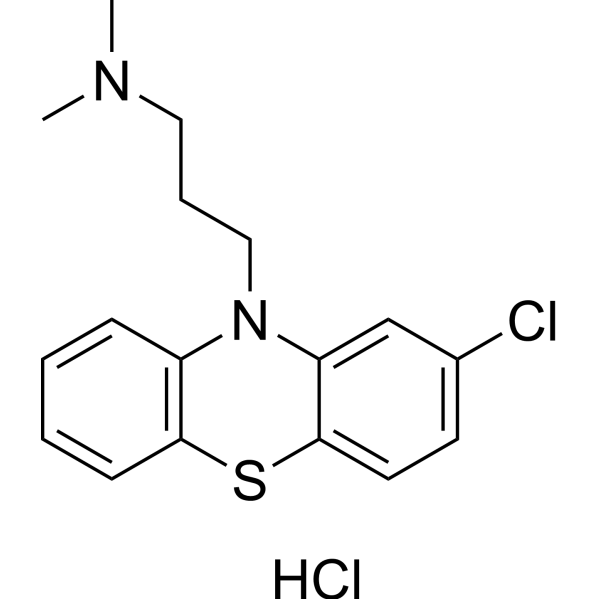
Chlorpromazine hydrochloride is an orally active, blood-brain barrier-transparent antipsychotic agent that effectively antagonises D2 dopamine receptors and 5-HT2A, which is widely used in schizophrenia and other psychiatric disorders. Chlorpromazine hydrochloride exerts anti-cancer activity through a variety of pathways, including anti-proliferation, induction of autophagy and cycle arrest (G2-M phase), inhibition of cytochrome c oxidase (CcO), inhibition of tumour growth and metastasis, and inhibition of tumour immune escape. Chlorpromazine hydrochloride also blocks hNav1.7 channels (IC50=25.9 μM; concentration-dependent) and HERG potassium channels (IC50=21.6 μM), which has potential for analgesic and cardiac arrhythmic studies. Chlorpromazine hydrochloride also can inhibit clathrin-mediated endocytosis .
loading...
    loading...
38
38 Cited Publications
Cat. No.: HY-B0330B
CAS No.: 177325-13-2
Synonyms: (-)-Ofloxacin hydrochloride
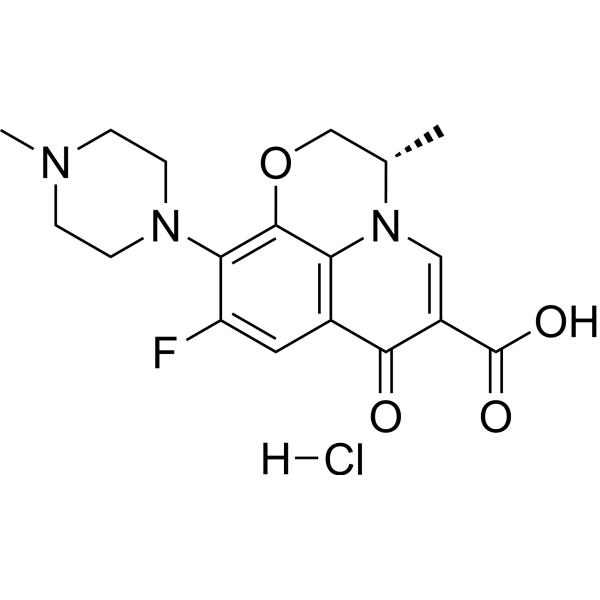
Levofloxacin hydrochloride is an orally active antibiotic. Levofloxacin inhibits DNA gyrase and topoisomerase IV activity, inducing Apoptosis. Levofloxacin hydrochloride has antibacterial activity against both Gram-positive and Gram-negative bacteria. Levofloxacin hydrochloride exhibits anticancer activity against lung cancer. Levofloxacin hydrochloride has anti-acnegenic, anxiogenic, and analgesic effects. Levofloxacin hydrochloride shortens sleep duration in mice. Levofloxacin hydrochloride can be used in the research of infectious diseases (such as tuberculosis, chronic periodontitis, bacterial infections associated with stable COPD, and BK viremia) and lung cancer .
loading...
    loading...
23
23 Cited Publications
Cat. No.: HY-N0171
CAS No.: 83-46-5
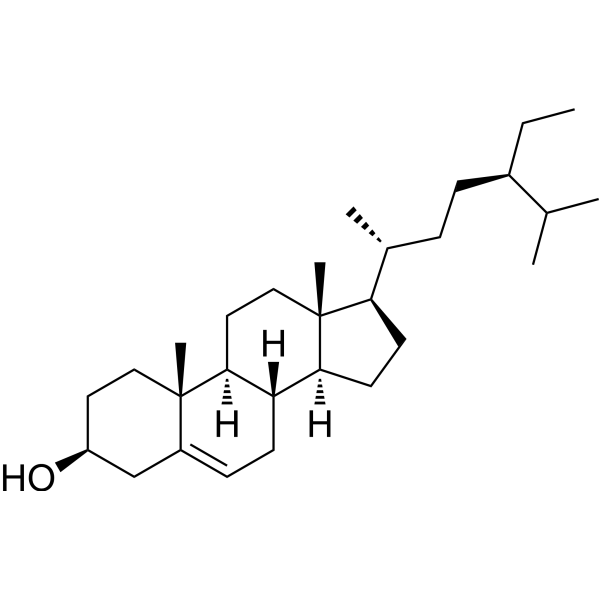
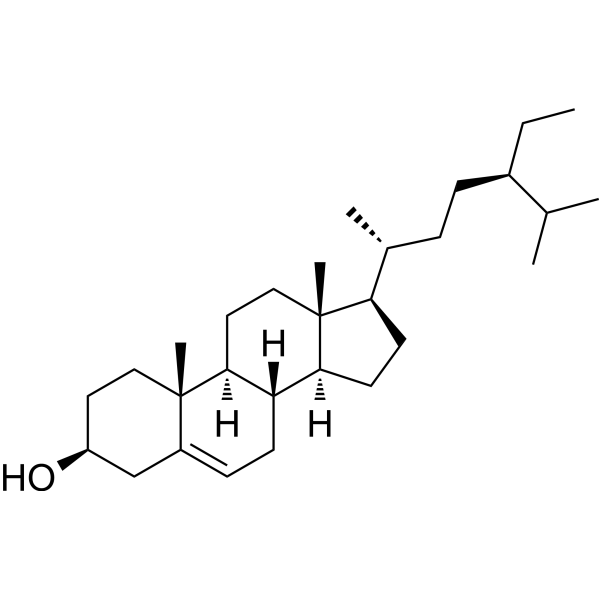
Beta-Sitosterol (purity≥80%) is orally active. Beta-Sitosterol exhibits multiple activities, including anti-inflammatory, anticancer, antioxidant, antimicrobial, antidiabetic, antioxidant enzyme, and analgesic. Beta-Sitosterol inhibits inflammation and impaired adipogenesis in bovine mammary epithelial cells by reducing levels of ROS, TNF-α, IL-1β, and NF-κB p65 and restoring the activity of the HIF-1α/mTOR signaling pathway. Beta-Sitosterol induces apoptosis in cancer cells through ROS-mediated mitochondrial dysregulation and p53 activation. Beta-Sitosterol exerts its anticancer effects in cancer cells by activating caspase-3, caspase-8, and caspase-9, mediating PARP inactivation, MMP loss, altered Bcl-2-Bax ratio, and cytochrome c release. Beta-Sitosterol modulates macrophage polarization and reduces rheumatoid inflammation in mice. Beta-Sitosterol inhibits tumor growth in multiple mouse cancer models. Beta-Sitosterol can be used in the research of arthritis, lung cancer, breast cancer and other cancers, diabetes, etc .
loading...
    loading...
23
23 Cited Publications
Cat. No.: HY-N0171A
CAS No.: 83-46-5
Synonyms: β-Sitosterol (purity>98%); 22,23-Dihydrostigmasterol (purity>98%)
Beta-Sitosterol (purity>98%) is orally active. Beta-Sitosterol exhibits multiple activities, including anti-inflammatory, anticancer, antioxidant, antimicrobial, antidiabetic, antioxidant enzyme, and analgesic. Beta-Sitosterol inhibits inflammation and impaired adipogenesis in bovine mammary epithelial cells by reducing levels of ROS, TNF-α, IL-1β, and NF-κB p65 and restoring the activity of the HIF-1α/mTOR signaling pathway. Beta-Sitosterol induces apoptosis in cancer cells through ROS-mediated mitochondrial dysregulation and p53 activation. Beta-Sitosterol exerts its anticancer effects in cancer cells by activating caspase-3, caspase-8, and caspase-9, mediating PARP inactivation, MMP loss, altered Bcl-2-Bax ratio, and cytochrome c release. Beta-Sitosterol modulates macrophage polarization and reduces rheumatoid inflammation in mice. Beta-Sitosterol inhibits tumor growth in multiple mouse cancer models. Beta-Sitosterol can be used in the research of arthritis, lung cancer, breast cancer and other cancers, diabetes, etc .
loading...
    loading...
21
21 Cited Publications
Cat. No.: HY-13913
CAS No.: 123653-11-2
Purity:  99.71%
Target:  

COX

Research Areas:  

Inflammation/Immunology Cancer

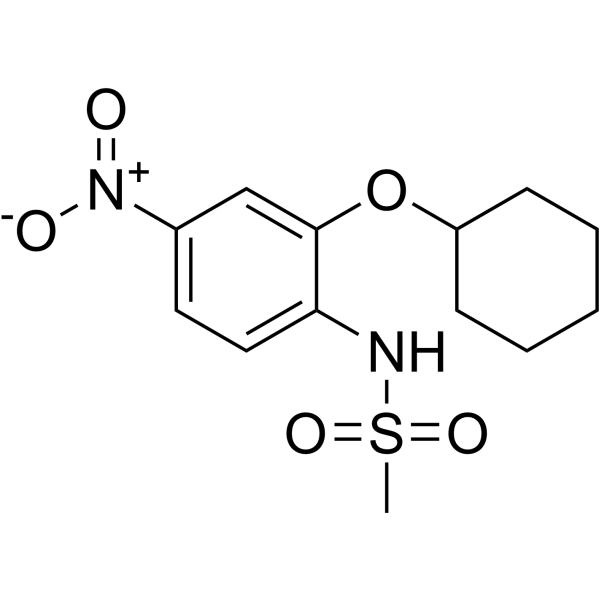
NS-398 is a non-steroidal an-inflammatory agent with analgesic and antipyretic effects, and selectively inhibits prostaglandin G/H synthase 2/cyclooxygenase 2 (COX-2) activity, with an IC50 of 3.8 μM, and has no effect on COX-1 at 100 μM.
loading...
    loading...
8
8 Cited Publications
Cat. No.: HY-B0527
CAS No.: 50-48-6
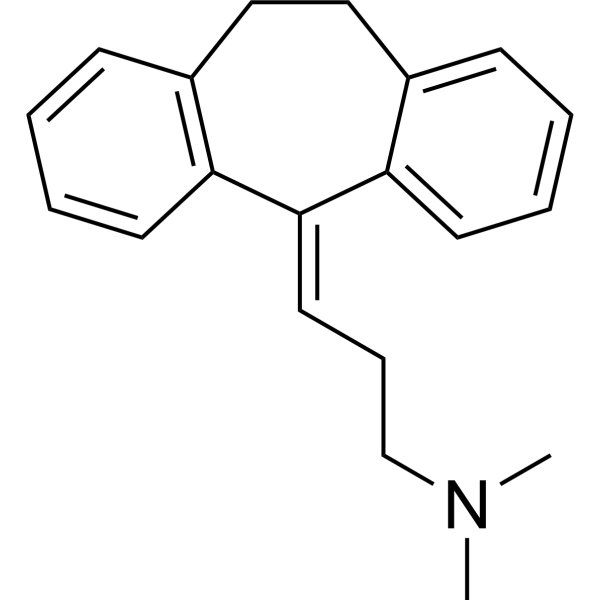
Amitriptyline is an orally active tricyclic antidepressant (TCA). Amitriptyline mainly exerts its antidepressant effect by blocking SERT (Ki = 3.45 nM) and NET (Ki = 13.3 nM), thereby increasing the concentrations of 5-hydroxytryptamine (5-HT) and norepinephrine (NE) in the synaptic cleft. Amitriptyline is also an agonist at α2A and TrkA/TrkB receptors, thereby exerting analgesic and neurotrophic activities (inhibiting cell apoptosis). Amitriptyline can reduce inflammation, angiogenesis and fibrosis. Amitriptyline binds to DAT (with Ki = 2.58 μM). Amitriptyline has high affinity for a series of receptors and can antagonize muscarinic cholinergic receptors (M1/M2/M3/M4/M5 receptors) (Ki = 11-24 nM), H1 receptors (Ki = 0.5-1.1 nM), adrenergic α1 receptors (Ki = 4.4 nM), etc., resulting in a series of side effects. Amitriptyline can block sodium channels and hERG potassium channel (IC50 = 4.78 μM) and it has cardiotoxicity .
loading...
    loading...
8
8 Cited Publications
Cat. No.: HY-B0527A
CAS No.: 549-18-8
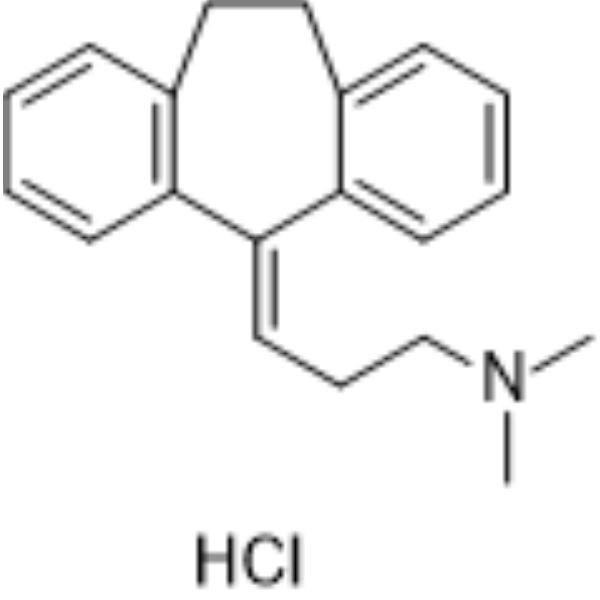
Amitriptyline hydrochloride is an orally active tricyclic antidepressant (TCA). Amitriptyline hydrochloride mainly exerts its antidepressant effect by blocking SERT (Ki = 3.45 nM) and NET (Ki = 13.3 nM), thereby increasing the concentrations of 5-hydroxytryptamine (5-HT) and norepinephrine (NE) in the synaptic cleft. Amitriptyline hydrochloride is also an agonist at α2A and TrkA/TrkB receptors, thereby exerting analgesic and neurotrophic activities (inhibiting cell apoptosis). Amitriptyline hydrochloride can reduce inflammation, angiogenesis and fibrosis. Amitriptyline hydrochloride binds to DAT (with Ki = 2.58 μM). Amitriptyline hydrochloride has high affinity for a series of receptors and can antagonize muscarinic cholinergic receptors (M1/M2/M3/M4/M5 receptors) (Ki = 11-24 nM), H1 receptors (Ki = 0.5-1.1 nM), adrenergic α1 receptors (Ki = 4.4 nM), etc., resulting in a series of side effects. Amitriptyline hydrochloride can block sodium channels and hERG potassium channel (IC50 = 4.78 μM) and it has cardiotoxicity .
loading...
    loading...
7
7 Cited Publications
Cat. No.: HY-N2041
CAS No.: 544-63-8
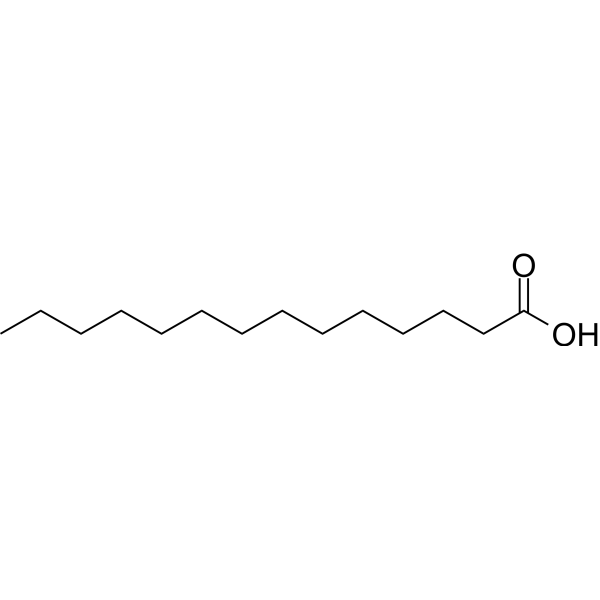
Myristic acid is an orally active saturated 14-carbon fatty acid found in most animal and plant fats, especially milk fat coconut oil, palm oil and nutmeg oil. Myristic acid exerts anti-inflammatory activity through the NF-κB pathway. Myristic acid has antibacterial, anti-inflammatory and analgesic properties .
loading...
    loading...
6
6 Cited Publications
Cat. No.: HY-N0263
CAS No.: 58812-37-6
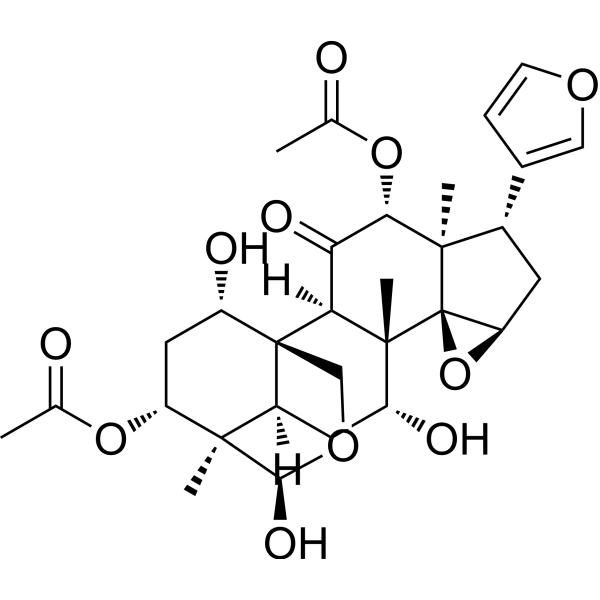
Toosendanin, a triterpenoid extracted from the bark of fruit of Melia toosendan Sieb. et Zucc., possesses analgesic, insecticidal and anti-inflammatory activities .
loading...
    loading...
6
6 Cited Publications
Cat. No.: HY-N0826
CAS No.: 18797-79-0
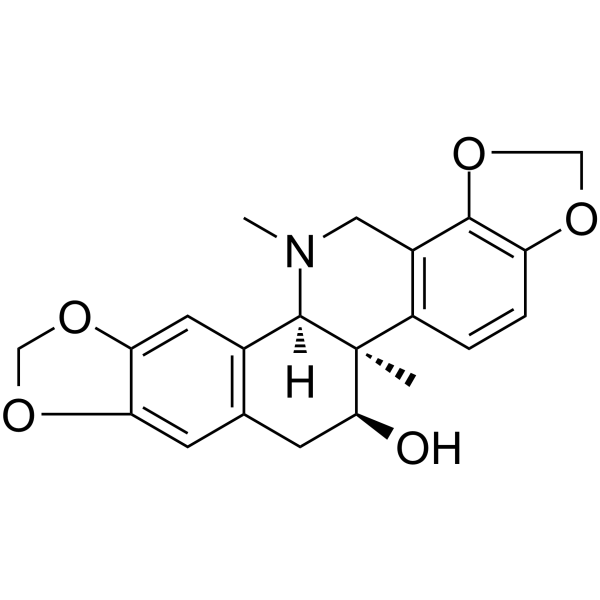
Corynoline is an orally active acetylcholinesterase (AChE) inhibitor with an IC50 of 30.6 μM. Corynoline exhibits multiple activities including anti-inflammatory, antinociceptive, antitumor and analgesic effects. Corynoline can be used in the research of diseases such as tumors and inflammatory pain .
loading...
    loading...
5
5 Cited Publications
Cat. No.: HY-N0666
CAS No.: 56-84-8
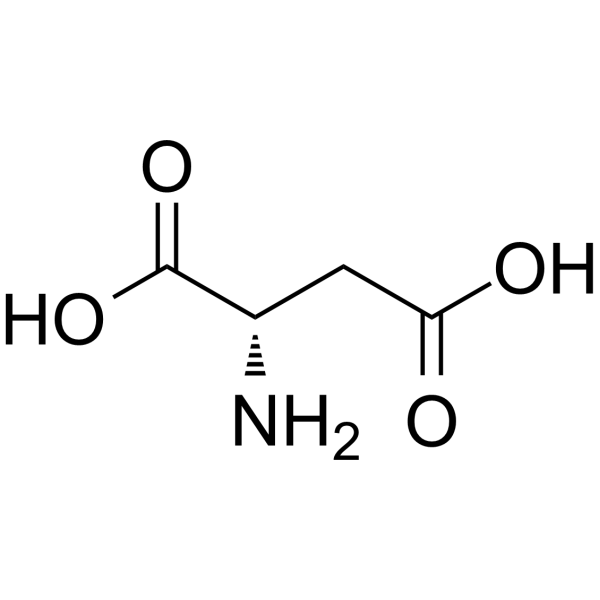
L-Aspartic acid is a NMDA receptor agonist and acidic amino acid. L-Aspartic acid has no independent analgesic activity. L-Aspartic acid can antagonize the analgesic effects of D-Aspartic acid and Morphine. L-Aspartic acid regulates polymorph transformation, crystal growth/aggregation and nucleation processes of calcium carbonate, and can serve as a biomineralization template. L-Aspartic acid promotes burst firing of central neurons. L-Aspartic acid can be used in studies related to cerebral ischemia and epilepsy .
loading...
    loading...
5
5 Cited Publications
Cat. No.: HY-N0666A
CAS No.: 1115-63-5
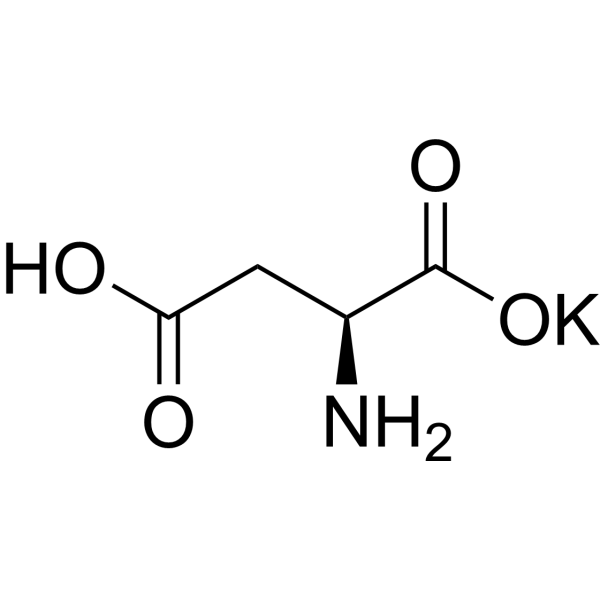
L-Aspartic acid potassium (potassium L-aspartate) is a NMDA receptor agonist and acidic amino acid. L-Aspartic acid potassium has no independent analgesic activity. L-Aspartic acid potassium can antagonize the analgesic effects of D-Aspartic acid and Morphine. L-Aspartic acid potassium regulates polymorph transformation, crystal growth/aggregation and nucleation processes of calcium carbonate, and can serve as a biomineralization template. L-Aspartic acid potassium promotes burst firing of central neurons. L-Aspartic acid potassium can be used in studies related to cerebral ischemia and epilepsy .
loading...
    loading...
5
5 Cited Publications
Cat. No.: HY-N0666B
CAS No.: 10389-09-0
Synonyms: Calcium L-aspartate
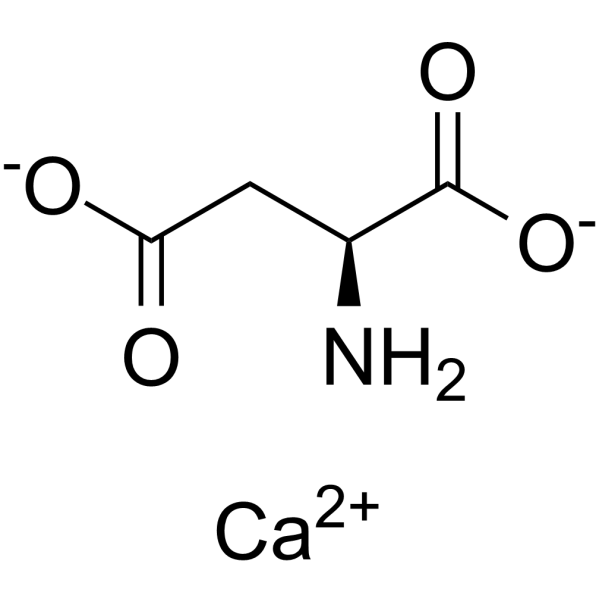
Aspartic acid calcium (calcium L-aspartate) is a NMDA receptor agonist and acidic amino acid. Aspartic acid calcium has no independent analgesic activity. Aspartic acid calcium can antagonize the analgesic effects of D-Aspartic acid and Morphine. Aspartic acid calcium regulates polymorph transformation, crystal growth/aggregation and nucleation processes of calcium carbonate, and can serve as a biomineralization template. Aspartic acid calcium promotes burst firing of central neurons. Aspartic acid calcium can be used in studies related to cerebral ischemia and epilepsy .
loading...
    loading...
5
5 Cited Publications
Cat. No.: HY-N0666C
CAS No.: 3792-50-5
Synonyms: Sodium L-aspartate
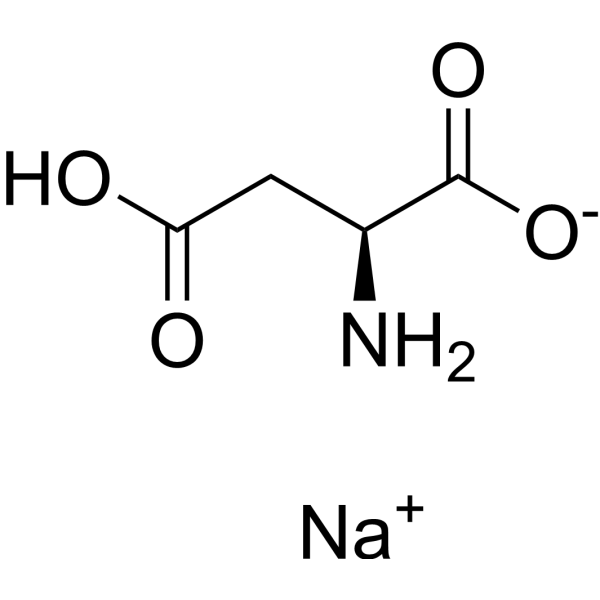
L-Aspartic acid sodium (Sodium L-aspartate) is a NMDA receptor agonist and acidic amino acid. L-Aspartic acid sodium has no independent analgesic activity. L-Aspartic acid sodium can antagonize the analgesic effects of D-Aspartic acid and Morphine. L-Aspartic acid sodium regulates polymorph transformation, crystal growth/aggregation and nucleation processes of calcium carbonate, and can serve as a biomineralization template. L-Aspartic acid sodium promotes burst firing of central neurons. L-Aspartic acid sodium can be used in studies related to cerebral ischemia and epilepsy .
loading...
    loading...
5
5 Cited Publications
Cat. No.: HY-N0666D
CAS No.: 5598-53-8
Synonyms: Disodium L-aspartate
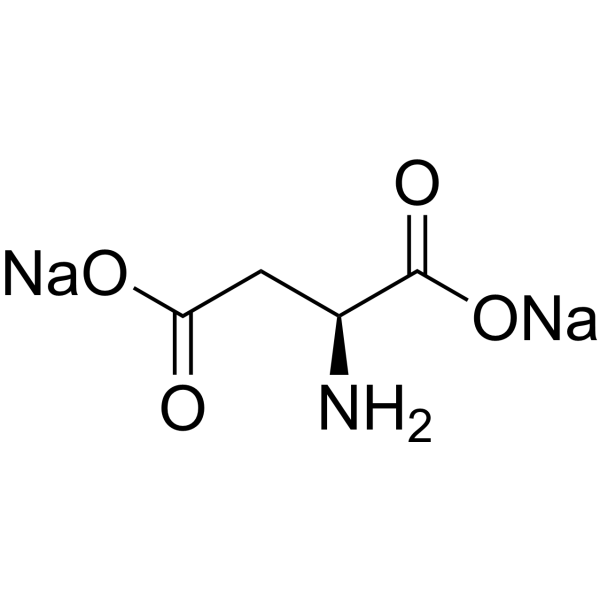
L-Aspartic acid disodium (disodium L-aspartate) is a NMDA receptor agonist and acidic amino acid. L-Aspartic acid disodium has no independent analgesic activity. L-Aspartic acid disodium can antagonize the analgesic effects of D-Aspartic acid and Morphine. L-Aspartic acid disodium regulates polymorph transformation, crystal growth/aggregation and nucleation processes of calcium carbonate, and can serve as a biomineralization template. L-Aspartic acid disodium promotes burst firing of central neurons. L-Aspartic acid disodium can be used in studies related to cerebral ischemia and epilepsy .
loading...
    loading...
5
5 Cited Publications
Cat. No.: HY-10864
CAS No.: 546141-08-6
Purity:  99.15%
Synonyms: KDS-4103
Target:  

FAAH Autophagy Mitophagy

Research Areas:  

Neurological Disease

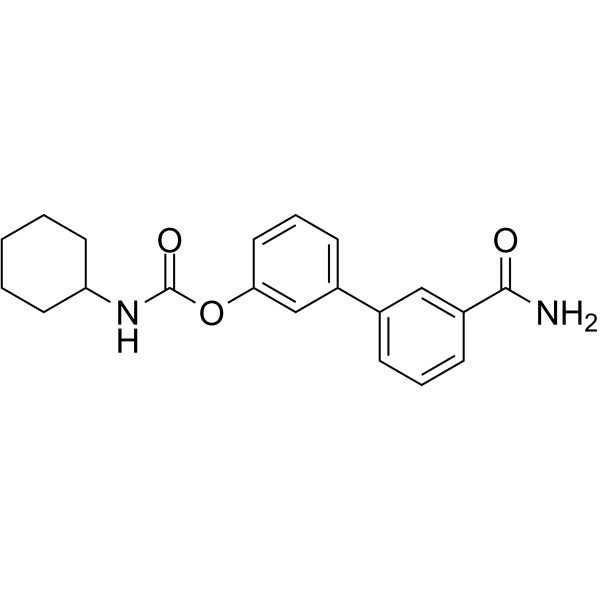
URB-597 (KDS-4103) is an orally bioavailable and selective FAAH inhibitor. URB-597 inhibits FAAH activity with an IC50s of approximately 5 nM in rat brain membranes, 0.5 nM in intact rat neurons, 3 nM in human liver microsomes. Antidepressant-like effects. Analgesic activity .
loading...
    loading...
5
5 Cited Publications
Cat. No.: HY-P1290
CAS No.: 121932-06-7
Synonyms: PKI-(6-22)-amide
Target:  

PKA

Research Areas:  

Neurological Disease

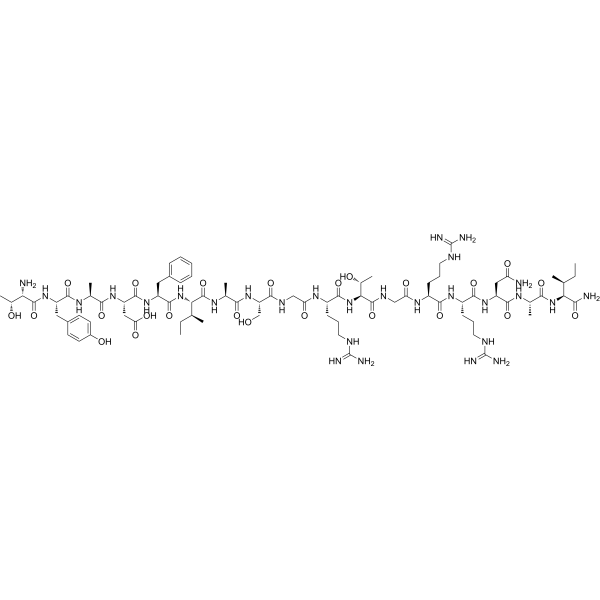
PKA Inhibitor Fragment (6-22) amide is a highly potent and specific competitive inhibitor of PKA, with Ki values of 1.7 nM and 1.6 nM against human and bovine PKA catalytic subunits, respectively. The IC50 of PKA Inhibitor Fragment (6-22) amide targeting bovine PKA is 8.6 nM. PKA Inhibitor Fragment (6-22) amide effectively abolishes PKA activity in mouse brain and spinal cord, and exerts in vivo efficacy via intracerebroventricular administration. PKA Inhibitor Fragment (6-22) amide significantly reverses low-dose morphine analgesic tolerance in mice and blocks photoaffinity labeling of cAMP-dependent protein kinase. PKA Inhibitor Fragment (6-22) amide can be applied to research in fields related to the mechanism of morphine analgesic tolerance and skin wound healing .
loading...
    loading...
5
5 Cited Publications
Cat. No.: HY-B1190
CAS No.: 50370-12-2
Synonyms: BL-S 578
Target:  

Bacterial Antibiotic EAAT

Research Areas:  

Infection Neurological Disease

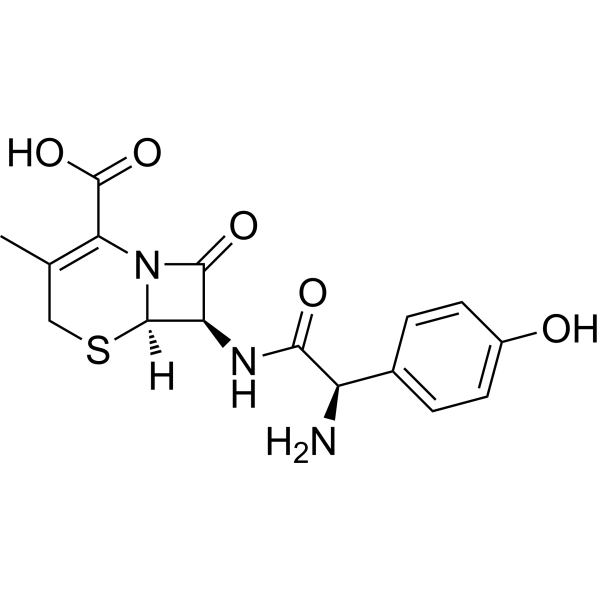
Cefadroxil is an orally active broad-spectrum cephalosporin antibiotic. Cefadroxil inhibits bacterial cell wall synthesis and enhances the expression of glutamate transporter-1. Cefadroxil is dependent on the intestinal peptide transporter PepT1 for small intestinal absorption. Cefadroxil has inhibitory and bactericidal activity against a variety of Gram-positive and Gram-negative bacteria and has analgesic effects on neuropathic pain .
loading...
    loading...
5
5 Cited Publications
Cat. No.: HY-B1190A
CAS No.: 66592-87-8
Synonyms: BL-S 578 hydrate
Target:  

Bacterial Antibiotic EAAT

Research Areas:  

Infection Neurological Disease

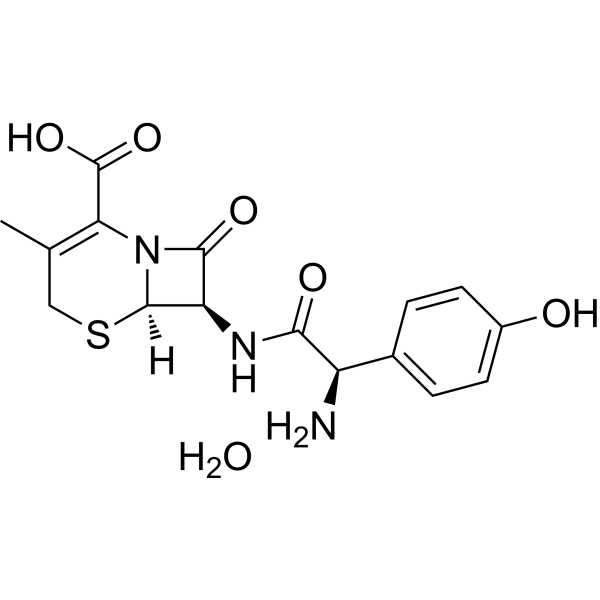
Cefadroxil hydrate is an orally active broad-spectrum cephalosporin antibiotic. Cefadroxil hydrate inhibits bacterial cell wall synthesis and enhances the expression of glutamate transporter-1. Cefadroxil hydrate is dependent on the intestinal peptide transporter PepT1 for small intestinal absorption. Cefadroxil hydrate has inhibitory and bactericidal activity against a variety of Gram-positive and Gram-negative bacteria and has analgesic effects on neuropathic pain .
loading...
    loading...

