
1. Search Result
Search Result
Results for "

Analgesic effect

" in MedChemExpress (MCE) Product Catalog:

141

Inhibitors & Agonists

20

Peptides

1

Inhibitory Antibodies

19

Natural
Products

9

Isotope-Labeled Compounds

2

Click Chemistry

Cat. No. Product Name Target Research Areas Chemical Structure
  • HY-B0509A
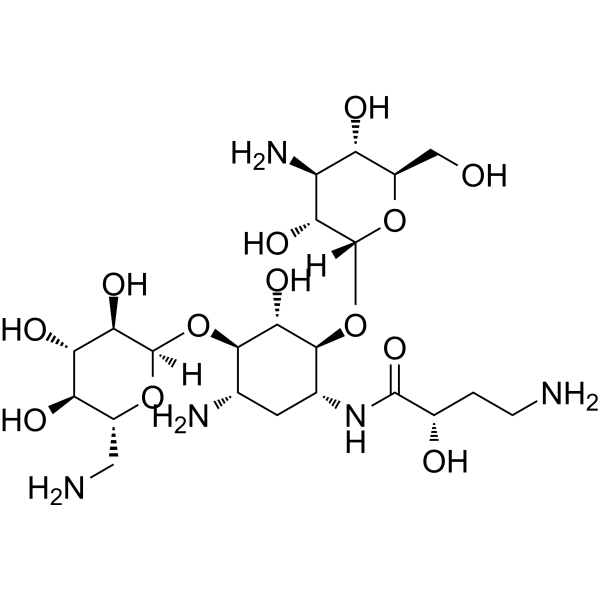
    Amikacin
    Maximum Cited Publications
    26 Publications Verification

    BAY 41-6551

    Bacterial Antibiotic Infection Cancer
    Amikacin (BAY 41-6551) is a semisynthetic kanamycin analog that is active against most Gram-negative bacteria, including gentamicin- and tobramycin-resistant strains. Significant inhibitory effect. Amikacin is ototoxic and nephrotoxic. Amikacin can be used in bacteriostatic, anti-cancer and analgesic studies .
    Amikacin
  • HY-P0210
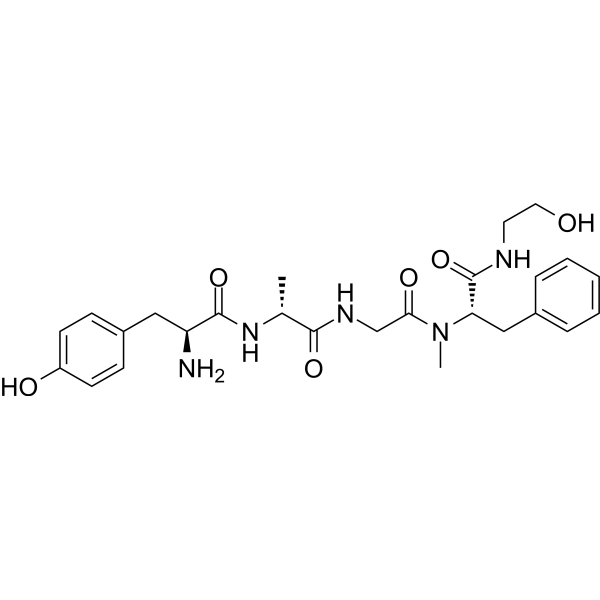
    DAMGO
    Maximum Cited Publications
    12 Publications Verification

    Opioid Receptor Cancer
    DAMGO is a μ-opioid receptor (μ-OPR ) selective agonist with a Kd of 3.46 nM for native μ-OPR .
    DAMGO
  • HY-108449
    Acoltremon
    2 Publications Verification

    WS-12; AR-15512; AVX-012

    TRP Channel Neurological Disease
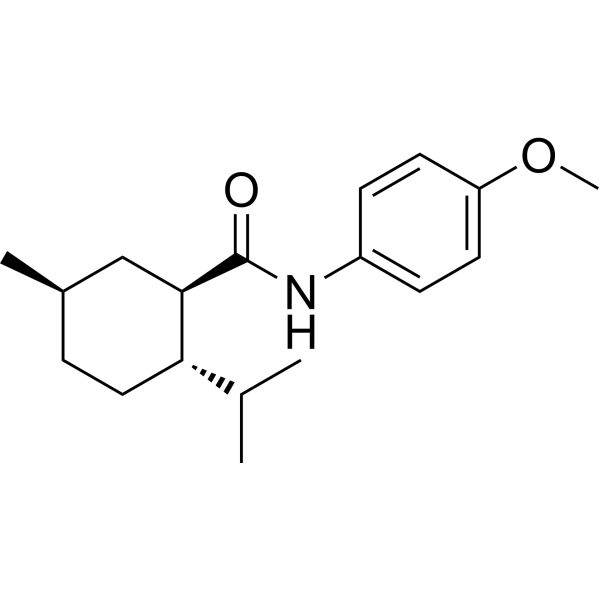
    Acoltremon (WS-12; AR-15512) is a potent and selective TRPM8 agonist, the menthol derivative, as a cooling agent. Acoltremon shows analgesic effect, and can be used in chronic neuropathic pain research .
    Acoltremon
  • HY-B0363
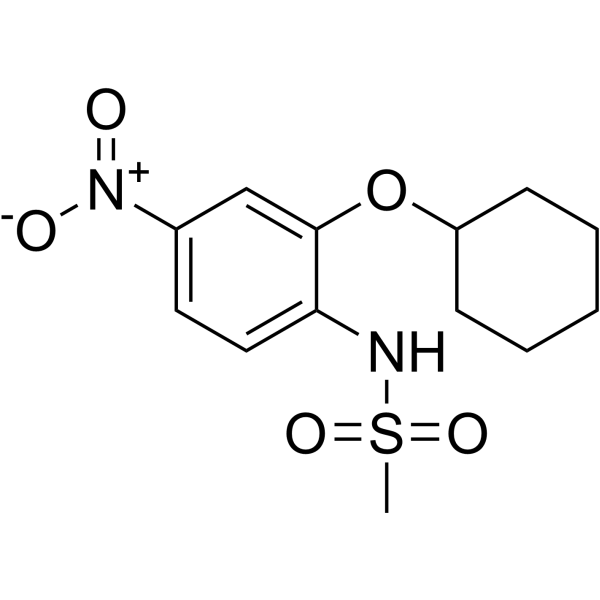
    Nimesulide
    5+ Cited Publications

    R805

    COX Inflammation/Immunology Cancer
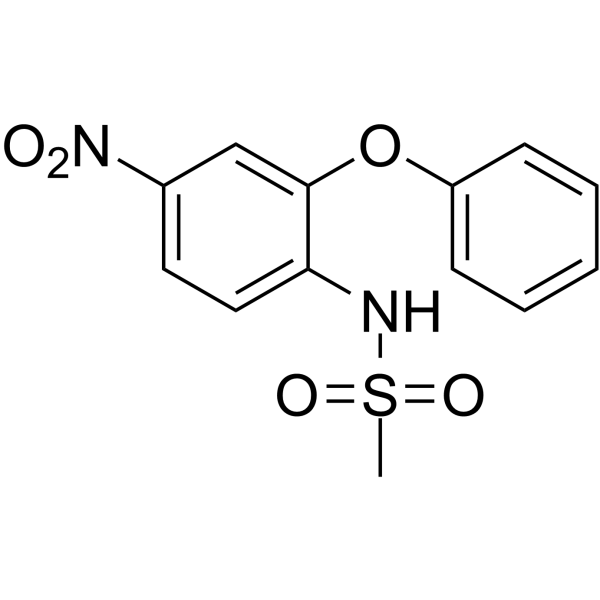
    Nimesulide is a selective COX-2 inhibitor, with IC50s of 70 nM-70 μM in a time-dependent manner, but it shows no effect on COX-1 (IC50 >100 μM). Nimesulide has potent anti-inflammatory, analgesic and antipyretic properties.
    Nimesulide
  • HY-B0985
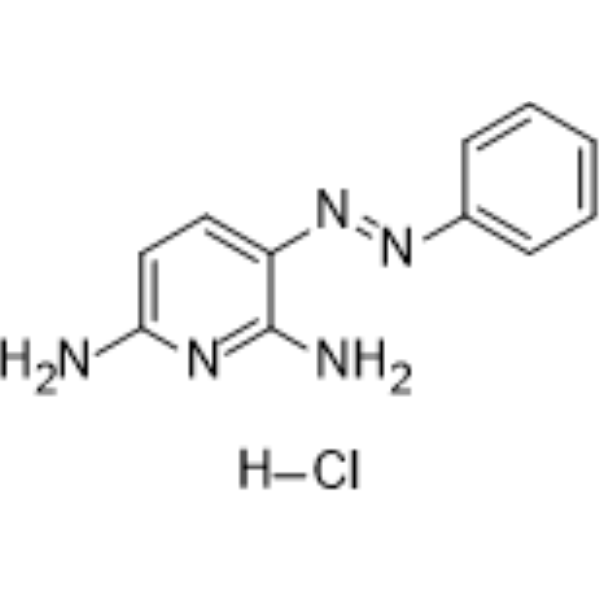
    Phenazopyridine hydrochloride
    2 Publications Verification

    TRP Channel Neurological Disease
    Phenazopyridine hydrochlorideis a competitive SARM1 inhibitor, with IC50 145 μM. Phenazopyridine hydrochlorideis a TRPM8 antagonist. Phenazopyridine hydrochloride has a local anesthetic/analgesic effect. Phenazopyridine hydrochlorideis used to relieve painful symptoms of conditions such as cystitis and urethritis. Phenazopyridine hydrochloridecan promote neuronal differentiation and can also be used in the study of traumatic brain injury, peripheral neuropathy and neurodegenerative diseases .
    Phenazopyridine hydrochloride
  • HY-13913
    NS-398
    15+ Cited Publications

    COX Inflammation/Immunology Cancer
    NS-398 is a non-steroidal an-inflammatory agent with analgesic and antipyretic effects, and selectively inhibits prostaglandin G/H synthase 2/cyclooxygenase 2 (COX-2) activity, with an IC50 of 3.8 μM, and has no effect on COX-1 at 100 μM.
    NS-398
  • HY-N3017
    Artemitin
    1 Publications Verification

    Antibiotic Neurological Disease Inflammation/Immunology
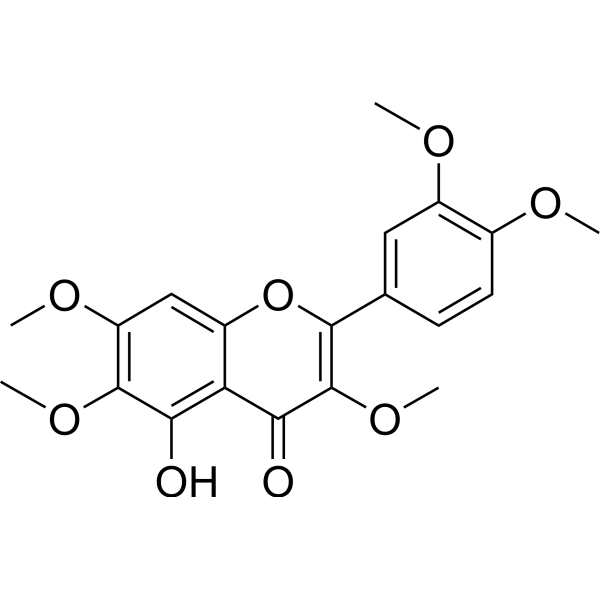
    Artemitin is a flavonoid neuroanesthetic agent with moderate cytotoxicity. Artemitint has selective inhibitory activity against Meth-A sarcoma cells with an ED50 of 5-10 μg/mL, and has no significant effect on LLC lung cancer cells. Artemitin exerts anticancer activity by affecting cell proliferation signaling pathways, and also has potential anti-inflammatory and neuroprotective effects. Artemitin exhibits a dose-dependent antinociceptive effect in the mouse hot plate test, with an ED50 of 1.6 μg/kg, and has analgesic activity .
    Artemitin
  • HY-N8290

    Lactucopicrin

    LOX-1 NF-κB Cholinesterase (ChE) Parasite Infection Cardiovascular Disease Neurological Disease Inflammation/Immunology
    Lactupicrin (Lactucopicrin) exhibits analgesic, sedative, antimalarial activities and atheroprotective effect. Lactupicrin inhibits acetylcholinesterase (AChE) with an IC50 of 150.3 μM. Lactupicrin is an orally active characteristic bitter sesquiterpene lactone .
    Lactupicrin
  • HY-N8487

    Cytochrome P450 Neurological Disease Inflammation/Immunology Cancer
    7-Methoxyflavone is a flavonoid compound that can be isolated from Zornia brasiliensis. 7-Methoxyflavone can bind to human serum albumin and is an aromatase inhibitor. 7-Methoxyflavone has peripheral analgesic and certain antitumor activities. 7-Methoxyflavone is effective against chemical pain but has no significant effect on thermal pain .
    7-Methoxyflavone
  • HY-P3445A

    HSK21542 acetate

    Opioid Receptor Neurological Disease
    Anrikefon (HSK21542) acetate is a kappa opioid receptor agonist with analgesic effect .
    Anrikefon acetate
  • HY-W013331
    Deoxyartemisinin
    1 Publications Verification

    2-Deoxyartemisinin

    TNF Receptor Neurological Disease Inflammation/Immunology
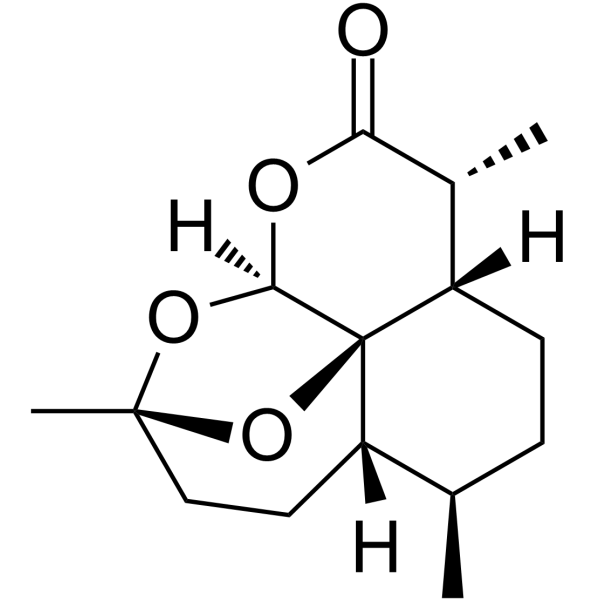
    Deoxyartemisinin (2-Deoxyartemisinin) is an orally active anti-inflammatory and analgesic agent. Deoxyartemisinin selectively reduces the level of the pro-inflammatory cytokine TNF-α. Deoxyartemisinin alleviates neuropathic pain, inflammatory pain, and croton oil-induced ear edema.\nDeoxyartemisinin exerts an analgesic effect against thermal stimulation. Deoxyartemisinin has anti-ulcer activity. Deoxyartemisinin can be used in research related to inflammatory diseases, pain, and gastric ulcers .
    Deoxyartemisinin
  • HY-17391

    Adenosine Receptor Endocrinology
    Pamabrom is a diuretic that acts on the opioid receptor-nitric oxide (NO) -cyclic guanosine monophosphate (cGMP) -K + channel pathway. Pamabrom exerts peripheral antinociceptive activity by activating this pathway. The mechanism involves activating opioid receptors, promoting the release of nitric oxide, and then influencing cyclic guanosine monophosphate and K channels to produce an analgesic effect. Pamabrom is orally active and is mainly used in the research and treatment of premenstrual syndrome and primary dysmenorrhea[1].
    Pamabrom
  • HY-P3445

    HSK21542

    Opioid Receptor Neurological Disease
    Anrikefon (HSK21542) is a kappa opioid receptor agonist with analgesic effect .
    Anrikefon
  • HY-P0210B
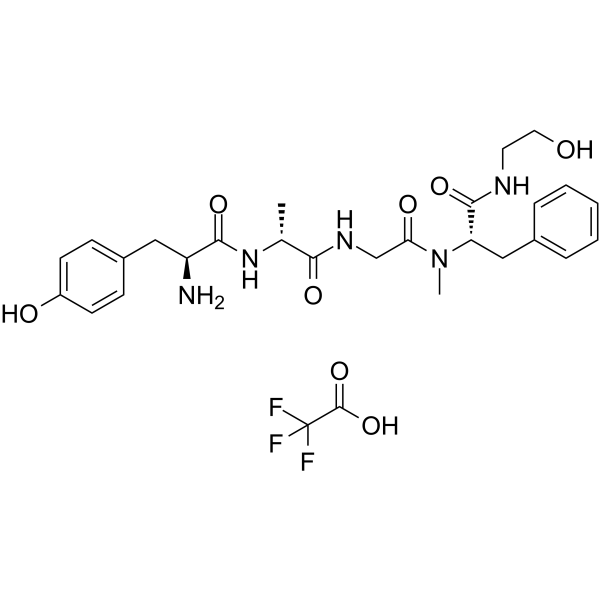
    DAMGO TFA
    Maximum Cited Publications
    12 Publications Verification

    Opioid Receptor Cancer
    DAMGO TFA is a μ-opioid receptor (μ-OPR ) selective agonist with a Kd of 3.46 nM for native μ-OPR .
    DAMGO TFA
  • HY-N0398

    Opioid Receptor Neurological Disease
    Sec-O-Glucosylhamaudol is a natural compound extracted from Peucedanum japonicum Thunb, decreases levels of μ-opioid receptor, with analgesic effect .
    Sec-O-Glucosylhamaudol
  • HY-109054A

    Drug Metabolite Opioid Receptor Neurological Disease
    O-Desmethyltramadol hydrochloride is the main active metabolite of tramadol (Tramadol) and can cross the blood-brain barrier. O-Desmethyltramadol hydrochloride mainly exerts its analgesic effect by activating the µ-opioid receptor (µ-OR) .
    O-Desmethyltramadol hydrochloride
  • HY-W176629
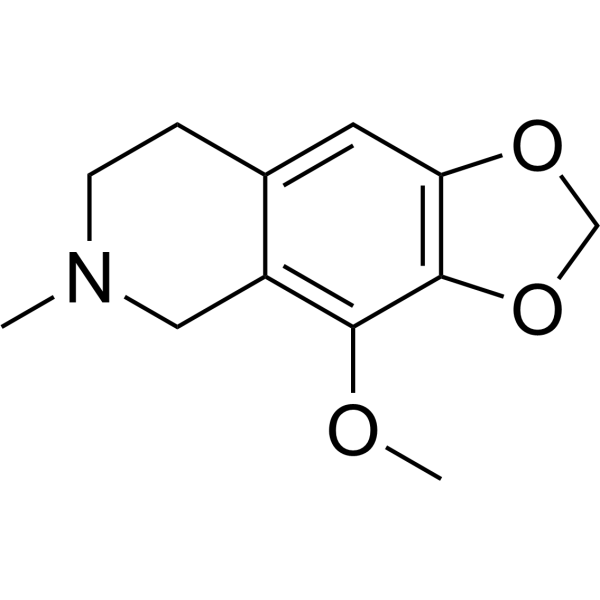
    Hydrocotarnine
    1 Publications Verification

    E1/E2/E3 Enzyme Interleukin Related Neurological Disease Metabolic Disease Inflammation/Immunology
    Hydrocotarnine is a Cbl inhibitor, and results in inflammasome-mediated IL-18 secretion in colitis. Hydrocotarnine increases expression of GLUT1 and cellular glucose uptake in glycolytic metabolism. Hydrocotarnine acts as an agent that provides analgesic effect in cancer research .
    Hydrocotarnine
  • HY-137451
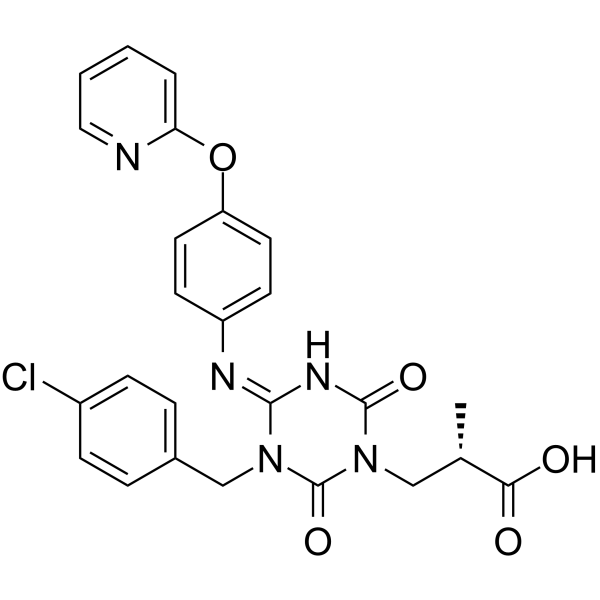
    Sivopixant
    1 Publications Verification

    S-600918

    P2X Receptor Neurological Disease
    Sivopixant (S-600918) is a potent and selective P2X3 receptor antagonist (P2X3 IC50=4.2 nM; P2X2/3 IC50=1100 nM). Sivopixant shows strong analgesic effect .
    Sivopixant
  • HY-W013712

    Potassium Channel Neurological Disease
    GI-530159 is a selective opener of TREK1 and TREK2 potassium channels. GI-530159 displays selectivity for TREK1/2 over TRAAK, TASK3 and other potassium channels, with an EC50 of 0.76 μM for TREK1. GI-530159 reduces rat dorsal root ganglion neuron excitability and shows potential analgesic effect .
    GI-530159
  • HY-12811
    PF-04856264
    1 Publications Verification

    Sodium Channel Neurological Disease
    PF-04856264 is a potent and selective Nav1.7 inhibitor, with IC50s of 28, 131, 19, and 42 nM for human, mouse, cynomolgus monkey and dog Nav1.7, respectively. PF-04856264 has low potency against the rat Nav1.7 channel. PF-04856264 shows analgesic effect .
    PF-04856264
  • HY-W050088

    HP 549

    Drug Derivative Neurological Disease Inflammation/Immunology
    Isoxepac (HP 549) is an orally active non-steroidal anti-inflammatory agent. Isoxepac can inhibit Carrageenan (HY-125474) paw oedema, adjuvant-induced polyarthritis, and prostaglandin synthesis. Isoxepac (200 mg) has an analgesic effect after meniscectomy with a low incidence of side effects. Isoxepac can be used in the research of inflammatory (rheumatoid arthritis) and pain-related diseases .
    Isoxepac
  • HY-109054

    Drug Metabolite Opioid Receptor Neurological Disease
    O-Desmethyltramadol is the main active metabolite of tramadol (Tramadol) and can cross the blood-brain barrier. O-Desmethyltramadol mainly exerts its analgesic effect by activating the µ-opioid receptor (µ-OR) .
    O-Desmethyltramadol
  • HY-114806

    Flenac; R 67408

    Thyroid Hormone Receptor Inflammation/Immunology
    Fenclofenac is an orally active anti-inflammatory agent with a low ulcerogenic effect. Fenclofenac also exhibits antipyretic and analgesic activities, with an oral LD50 of 2280 mg/kg in rats. Fenclofenac can be utilized in inflammation research .
    Fenclofenac
  • HY-108519

    ROCK Neurological Disease
    AS1892802 is a potent, orally active, and highly selective inhibitor of ROCK. The onset of antinociceptive effect of AS1892802 is as fast as those of Tramadol and Diclofenac. AS1892802 did not induce gastric irritation or abnormal behavior. AS1892802 is an attractive analgesic profile for the research of severe osteoarthritis pain .
    AS1892802
  • HY-147907

    Adenosine Receptor Neurological Disease Inflammation/Immunology Cancer
    Adenosine receptor inhibitor 1 is a potent and selective adenosine receptor (AR) inhibitor with Ki values of >1000, 68.5, >1000, >1000 nM for A1AR, A2AAR, A2BAR, A3AR, respectively. Adenosine receptor inhibitor 1 shows antinociceptive activity, anti-inflammatory effect and peripheral analgesic effect. Adenosine receptor inhibitor 1 has the potential for the research of cancer or neurodegenerative diseases .
    Adenosine receptor inhibitor 1
  • HY-178494

    Sodium Channel Potassium Channel Neurological Disease
    Nav1.7-IN-19 is a potent, selective and orally active Nav1.7 inhibitor with an IC50 of 0.49 μM. Nav1.7-IN-19 shows high selectivity for Nav1.7, with selectivities of 312-fold and 662-fold against Nav1.1 and Nav1.5 in the inactivated state. Nav1.7-IN-19 exhibits weak inhibition on hERG potassium channels. Nav1.7-IN-19 exhibits analgesic effect and can be used for the research of neurological disease .
    Nav1.7-IN-19
  • HY-P1329A
    CTOP TFA
    1 Publications Verification

    Opioid Receptor Neurological Disease
    CTOP TFA is a potent and highly selective μ-opioid receptor antagonist. CTOP TFA antagonizes the acute analgesic effect and hypermotility. CTOP TFA enhances extracellular dopamine levels in the nucleus accumbens. CTOP TFA dose-dependently enhances locomotor activity .
    CTOP TFA
  • HY-13222
    BAN ORL 24
    1 Publications Verification

    Opioid Receptor Neurological Disease Cancer
    BAN ORL 24 is a nociceptin/orphanin FQ (N/OFQ) peptide receptor (NOP) antagonist. BAN ORL 24 has antagonistic effect for nociceptin (NOP) receptor with KI value of 0.24 nM in CHO cell. BAN ORL 24 can be used for the research of cancer and analgesic .
    BAN ORL 24
  • HY-W013164

    COX Inflammation/Immunology Cancer
    SC-58125 is a potent and selective inhibitor of cyclooxygenase 2 (COX-2), with an IC50 of 0.04 μM. SC-58125 exhibits antitumor activity in vitro and in vivo. SC-58125 also can inhibit edema at the inflammatory site and has analgesic effect .
    SC-58125
  • HY-B0985A
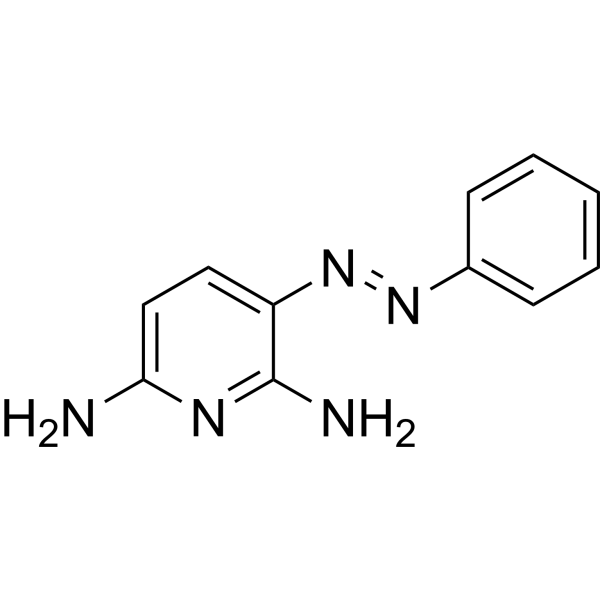
    Phenazopyridine
    2 Publications Verification

    TRP Channel Neurological Disease
    Phenazopyridine is a competitive SARM1 inhibitor, with IC50 145 μM. Phenazopyridine is a TRPM8 antagonist. Phenazopyridine has a local anesthetic/analgesic effect. Phenazopyridine is used to relieve painful symptoms of conditions such as cystitis and urethritis. Phenazopyridine can promote neuronal differentiation and can also be used in the study of traumatic brain injury, peripheral neuropathy and neurodegenerative diseases .
    Phenazopyridine
  • HY-149269

    COX Carbonic Anhydrase LOX-1 Inflammation/Immunology
    COX-2-IN-30 is a benzenesulfonamide derivative, as well as an orally active and dual inhibitor of COX (IC50=49 nM for COX-2, 10.4 μM for COX-1) and 5-LOX (IC50=2.4 μM). COX-2-IN-30 also inhibits transmembrane hCA IX and hCA XII isoform with nanomolar calss Ki values. COX-2-IN-30 exhibits analgesic, anti-inflammatory, and ulcerogenic activities, and does not show acute gastric effect .
    COX-2-IN-30
  • HY-105808

    Drug Derivative Neurological Disease Inflammation/Immunology
    Furobufen, an anti-inflammatory agent, produces antiarthritic, antipyretic effects. Furobufen has an analgesic effect in inflamed tissue .
    Furobufen
  • HY-111025

    Others Neurological Disease
    Ectylurea, a N-acylurea, can be used in studies of tension and anxiety symptoms, has no effect on the autonomic nervous system, and has no convulsive, analgesic or antispasmodic activity in animals .
    Ectylurea
  • HY-P1329

    Opioid Receptor Neurological Disease
    CTOP is a potent and highly selective μ-opioid receptor antagonist. CTOP antagonizes the acute morphine-induced analgesic effect and hypermotility. CTOP enhances extracellular dopamine levels in the nucleus accumbens. CTOP dose-dependently enhances locomotor activity .
    CTOP
  • HY-108449S

    WS-12-d3; AR-15512-d3; AVX-012-d3

    Isotope-Labeled Compounds TRP Channel Neurological Disease
    Acoltremon-d3 (WS-12-d3) is the deuterium labeled Acoltremon (HY-108449). Acoltremon is a potent and selective TRPM8 agonist, the menthol derivative, as a cooling agent. Acoltremon shows analgesic effect, and can be used in chronic neuropathic pain research .
    Acoltremon-d3
  • HY-N7934

    (-)-Trachelogenin

    HCV Infection Neurological Disease Inflammation/Immunology
    Trachelogenin ((-)-Trachelogenin) is an HCV entry inhibitor without genotype specificity, and with low cytotoxicity. Trachelogenin inhibits HCVcc infection and HCVpp cell entry in a dose-dependent manner with an IC50 of 0.325 and 0.259 μg/mL in HCVcc and HCVpp models, respectively. Trachelogenin exhibits effective antiviral, anti-inflammatory and analgesic effects .
    Trachelogenin
  • HY-P1617

    Endogenous Metabolite Neurological Disease
    LY 190388 is a penicillamine-containing enkefa peptide analog with μ receptor agonist activity. LY 190388 showed analgesic effect in inhibiting the writhing response in mice after intracerebroventricular administration. The analgesic effect of LY 190388 is not caused by its δ receptor agonist action, but by its μ receptor agonist activity. When LY 190388 is used together with the δ receptor antagonist ICI 174864, an additive analgesic effect is produced .
    LY 190388
  • HY-136720

    COX Others
    ZXX2-77 is a cyclooxygenase-1 (COX-1) selective inhibitor belonging to the benzenesulfonylanilide class of compounds. It is reported as a novel analgesic that does not cause gastric damage. ZXX2-77 has a weak analgesic effect but exhibits potent COX-1 inhibitory activity in vitro. The low oral absorption rate of ZXX2-77 leads to its weak analgesic effect in vivo. At a dose of 30 mg/kg, the maximum plasma concentration of ZXX2-77 (1.2 mM) did not reach its COX-1 IC50 value (3.2 mM). In contrast, its derivative ZXX2-79, although weaker in vitro COX inhibitory activity, is better absorbed, exhibits stronger analgesic effect and hardly causes gastric damage. These findings suggest that ZXX2-77 and its derivatives as COX-1 selective inhibitors may become effective analgesics that do not cause gastric damage.
    ZXX2-77
  • HY-171758

    Opioid Receptor Neurological Disease
    BU72 is a highly potent and long-acting agonist of μ and κ opioid receptors, and also has a partial agonist effect on δ opioid receptors (EC50 values are 0.054, 0.033, and 0.58 nM, respectively). BU72 has a strong and long-lasting analgesic effect, which is mainly mediated by μ opioid receptors. BU72 has a long-lasting activity and can partially reverse the analgesic effect of morphine. BU72 can be used in the study of opioid dependence .
    BU72
  • HY-P0007

    Carbocalcitonin

    Drug Intermediate Metabolic Disease
    Elcatonin (Carbocalcitonin) is a synthetic analog of eel calcitonin. Elcatonin increases bone mineral density, inhibits bone resorption and processes a central analgesic effect .
    Elcatonin
  • HY-N4219

    Others Neurological Disease Metabolic Disease
    Saikosaponin B3 is a saikosaponin isolated from the roots of Bupleurum falcatum L., with analgesic effect. Saikosaponin B3 inhibits ACTH-induced lipolysis in the fat cells .
    Saikosaponin B3
  • HY-153471

    Opioid Receptor Infection Inflammation/Immunology
    MOR agonist-1 is a MOR (μ-opioid receptor) agonist. MOR agonist-1 has good analgesic effect. MOR agonist-1 can be used for the research of pain and pain-related disorders .
    MOR agonist-1
  • HY-N11960

    Opioid Receptor Inflammation/Immunology
    Ignavine is a conformational modulator of μ-opioid receptors (IC50 = 2.0 μM). Ignavine exhibits a concentration dependent bidirectional regulatory effect in vitro. Ignavine has analgesic activity. Ignavine can be used for research on pain related conditions .
    Ignavine
  • HY-173016

    Opioid Receptor Neurological Disease
    HINT1-IN-1 (Compound 8) is the inhibitor for histidine triad nucleotide-binding protein 1 (HINT1) with a Ki of 1.14 μM. HINT1-IN-1 affects the cross-regulation between μ-opioid receptor (MOR) and NMDA receptor (NMDAR). HINT1-IN-1 enhances the analgesic effect of morphine without causing opioid tolerance and has independent analgesic effects in mouse model .
    HINT1-IN-1
  • HY-159094

    Sodium Channel Neurological Disease
    Nav1.8-IN-15 (compound 6) is a potent Nav1.8 inhibitor. Nav1.8-IN-15 shows analgesic effect. Nav1.8-IN-15 has the potential for the research of chronic pain .
    Nav1.8-IN-15
  • HY-109054AS

    Isotope-Labeled Compounds Drug Metabolite Opioid Receptor Neurological Disease
    O-Desmethyltramadol-d6 hydrochloride is a deuterated labeled O-Desmethyltramadol hydrochloride. O-Desmethyltramadol hydrochloride is the main active metabolite of tramadol (Tramadol) and can cross the blood-brain barrier. O-Desmethyltramadol hydrochloride mainly exerts its analgesic effect by activating the µ-opioid receptor (µ-OR) .
    O-Desmethyltramadol-d6 hydrochloride
  • HY-P3223A

    Opioid Receptor Neurological Disease
    Biphalin acetate, a BBB-penetrable opioid peptide analog, contains two active enkephalin pharmacophores.Biphalin acetate has high affinity for opioid receptors. Biphalin acetate shows analgesic effect in acute, neuropathic, and chronic animal pain models. Biphalin acetate is also an antiviral, antiproliferative, anti-inflammatory, and neuroprotective agent .
    Biphalin acetate
  • HY-W013164R

    Reference Standards COX Inflammation/Immunology Cancer
    SC-58125 is a potent and selective inhibitor of cyclooxygenase 2 (COX-2), with an IC50 of 0.04 μM. SC-58125 exhibits antitumor activity in vitro and in vivo. SC-58125 also can inhibit edema at the inflammatory site and has analgesic effect .
    SC-58125 (Standard)
  • HY-N8290R

    Lactucopicrin (Standard)

    Autophagy NF-κB AMPK Reference Standards Neurological Disease Metabolic Disease
    Lactupicrin (Standard) is the analytical standard of Lactupicrin. This product is intended for research and analytical applications. Lactupicrin (Lactucopicrin) exhibits analgesic, sedative, antimalarial activities and atheroprotective effect. Lactupicrin inhibits acetylcholinesterase (AChE) with an IC50 of 150.3 μM. Lactupicrin is an orally active characteristic bitter sesquiterpene lactone .
    Lactupicrin (Standard)
  • HY-P991622

    Trk Receptor Neurological Disease Inflammation/Immunology
    MNAC13 is a kind of mouse IgG1 chimeric antibody, targeting to human TrkA. MNAC13 inhibits the NGF dependent signaling pathway by specifically binding to TrkA receptors. MNAC13 has good analgesic effect and long-lasting efficacy. MNAC13 can be used for researches on inflammatory and chronic pain .
    MNAC13

Inquiry Online

Your information is safe with us. * Required Fields.

Salutation


Country or Region *

Applicant Name *


Organization Name *

Department *


Email Address *


Product Name *

Cat. No.


Requested quantity *

Phone Number *


Remarks

Inquiry Online

Inquiry Information

Product Name:
Cat. No.:
Quantity:
MCE Japan Authorized Agent:

