
1. Search Result
Search Result
Results for "

Anesthetic

" in MedChemExpress (MCE) Product Catalog:

118

Inhibitors & Agonists

1

Screening Libraries

1

Fluorescent Dye

3

Peptides

8

Natural
Products

4

Isotope-Labeled Compounds

1

Oligonucleotides

Cat. No. Product Name Target Research Areas Chemical Structure
  • HY-B0405
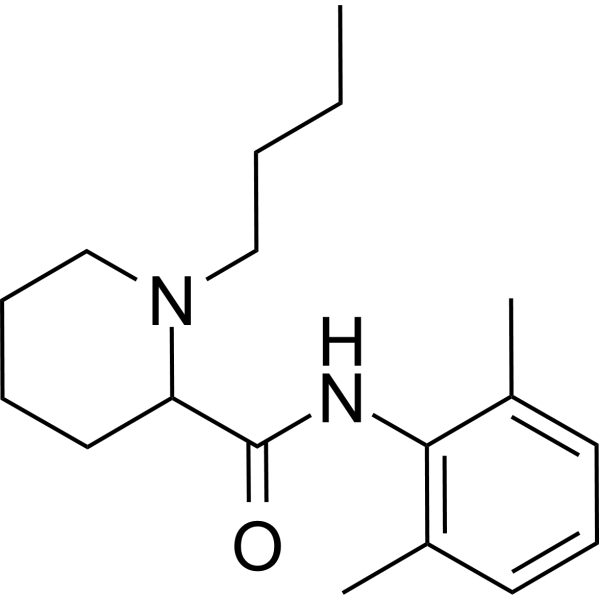
    Bupivacaine
    4 Publications Verification

    iGluR Sodium Channel Calcium Channel Potassium Channel Neurological Disease Cancer
    Bupivacaine is a NMDA receptor inhibitor. Bupivacaine can block sodium, L-calcium, and potassium channels.Bupivacaine potently blocks SCN5A channels with the IC50 of 69.5 μM. Bupivacaine can be used for the research of chronic pain .
    Bupivacaine
  • HY-B1240
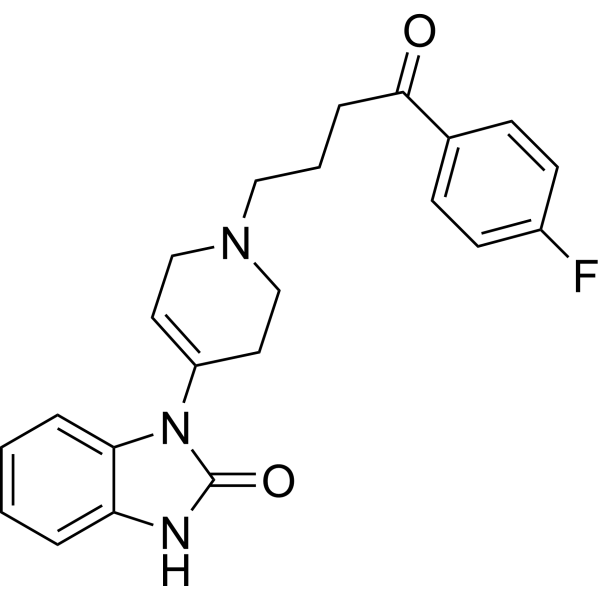
    Droperidol
    5 Publications Verification

    Dehydrobenzperidol

    Dopamine Receptor GABA Receptor nAChR Neurological Disease
    Droperidol (Dehydrobenzperidol) is a butyrophenone pamine-2 receptor antagonist that inhibits the activation of GABA(A) and neuronal nicotinic receptors (nAChR), with IC50 values of 12.6 nM and 5.8 μM. Droperidol has anesthetic and sedative properties .
    Droperidol
  • HY-B0985
    Phenazopyridine hydrochloride
    2 Publications Verification

    TRP Channel Neurological Disease
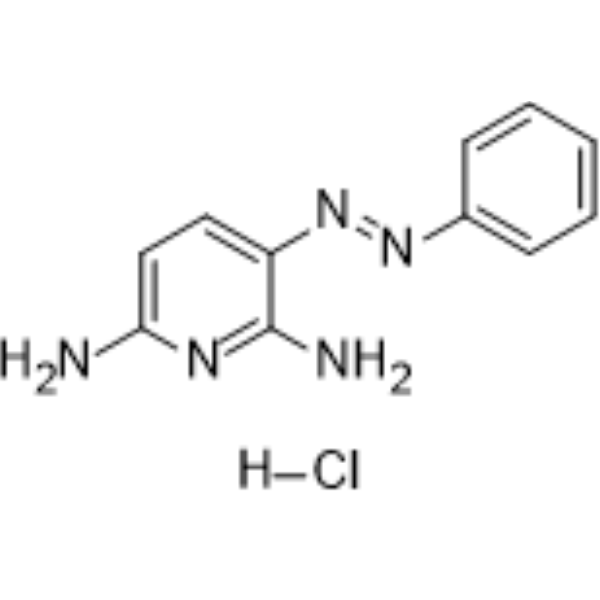
    Phenazopyridine hydrochlorideis a competitive SARM1 inhibitor, with IC50 145 μM. Phenazopyridine hydrochlorideis a TRPM8 antagonist. Phenazopyridine hydrochloride has a local anesthetic/analgesic effect. Phenazopyridine hydrochlorideis used to relieve painful symptoms of conditions such as cystitis and urethritis. Phenazopyridine hydrochloridecan promote neuronal differentiation and can also be used in the study of traumatic brain injury, peripheral neuropathy and neurodegenerative diseases .
    Phenazopyridine hydrochloride
  • HY-Y0258
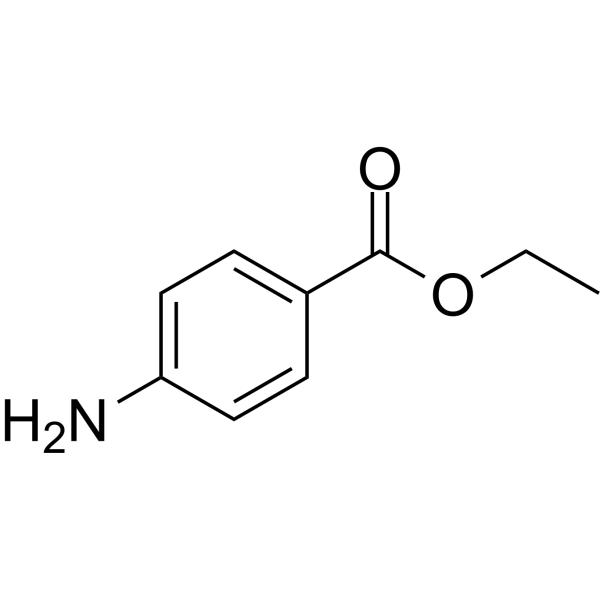
    Benzocaine
    1 Publications Verification

    Environmental Pollutants Sodium Channel Bacterial Infection Neurological Disease
    Benzocaine is an orally active local anesthetic. Benzocaine non-competitively inhibits the binding of Ca-ATPase to Ca 2+, with an IC50 of 47.1 mM. Benzocaine exerts anesthetic effects by blocking voltage-gated sodium channels. Benzocaine induces methemoglobinemia in various experimental animals .
    Benzocaine
  • HY-B0480
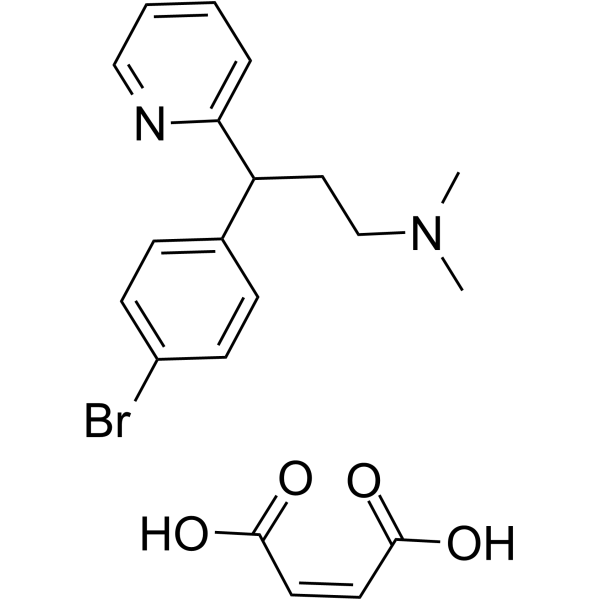
    Brompheniramine maleate
    2 Publications Verification

    (±)-Brompheniramine maleate

    Histamine Receptor mAChR Potassium Channel Sodium Channel Calcium Channel Neurological Disease Inflammation/Immunology Endocrinology
    Brompheniramine ((±)-Brompheniramine) maleate is a potent and orally active antihistamine of the alkylamine class. Brompheniramine maleate is a selective histamine H1 receptor antagonist with a Kd of 6.06 nM. Brompheniramine maleate can block the hERG channels, calcium channels, and sodium channels with IC50s of 0.90 μM, 16.12 μM and 21.26 μM, respectively. Brompheniramine maleate has anticholinergic, antidepressant and anesthetic properties and can be used for allergic rhinitis research .
    Brompheniramine maleate
  • HY-B1539A

    Magenta base monohydrochloride; Basic Fuchsin monohydrochloride; Rosaniline Base monohydrochloride

    Fluorescent Dye Bacterial Fungal Infection
    Fuchsine base (Magenta base; Basic Fuchsin) monohydrochloride is a triaminotriphenylmethane dye. Fuchsine base monohydrochloride has anesthetic, bactericidal and fungicidal properties. Fuchsine base monohydrochloride can be used for the staining of collagen, muscle, mitochondria and tuberculosis. Fuchsine base monohydrochloride is commonly used as a counterstain in Gram staining .
    Fuchsine base monohydrochloride
  • HY-B0517
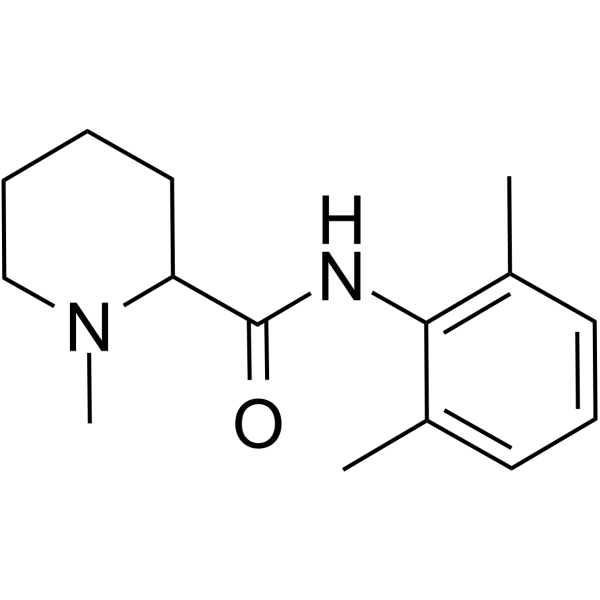
    Mepivacaine
    1 Publications Verification

    Sodium Channel Neurological Disease
    Mepivacaine is an amide-type local anesthetic agent. Mepivacaine binds to specific voltage-gated sodium ion channels in neuronal cell membranes, which inhibits both sodium influx and membrane depolarization .
    Mepivacaine
  • HY-Y1314
    Dimethyl sulfone
    3 Publications Verification

    Bacterial Metabolic Disease
    Dimethyl sulfone (Methyl Sulfonyl Methane) is a metabolic product of endogenous methanethiol metabolism and intestinal bacterial metabolism. Dimethyl sulfone inhibits choriocapillary endothelial (CCE) cell proliferation, also has many biological effects, including antiinflammatory, antioxidant, and local anesthetic effects that could be neuroprotective .
    Dimethyl sulfone
  • HY-B0379A
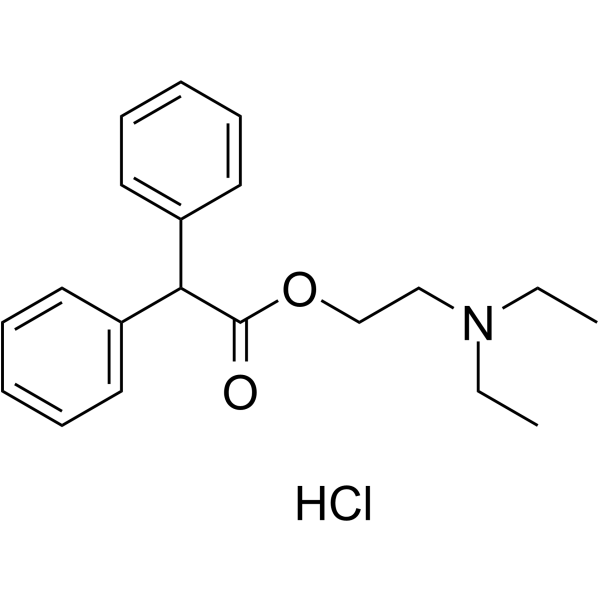
    Adiphenine hydrochloride
    3 Publications Verification

    nAChR Neurological Disease
    Adiphenine hydrochloride is a non-competitive inhibitor of nicotinic acetylcholine receptor (nAChR), with an IC50s of 1.9, 1.8, 3.7, and 6.3 μM for α1, α3β4, α4β2, and α4β4, respectively. Adiphenine hydrochloride has anticonvulsant effects .
    Adiphenine hydrochloride
  • HY-B0405A
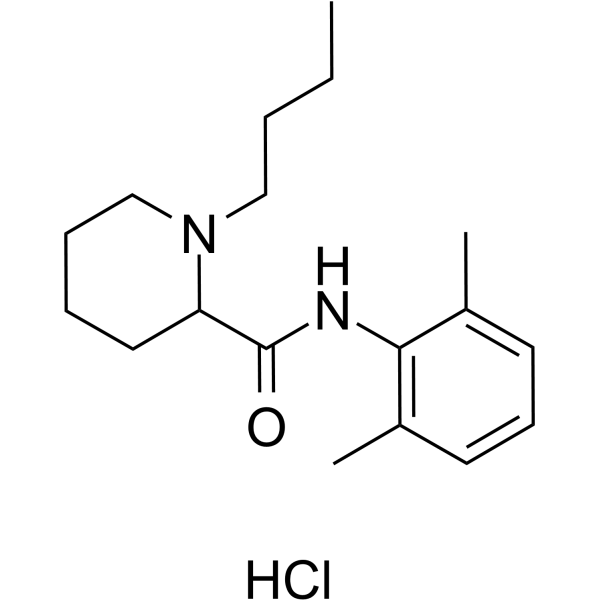
    Bupivacaine hydrochloride
    4 Publications Verification

    iGluR Sodium Channel Calcium Channel Potassium Channel Neurological Disease Cancer
    Bupivacaine hydrochloride is a NMDA receptor inhibitor.Bupivacaine can block sodium, L-calcium, and potassium channels.Bupivacaine potently blocks SCN5A channels with the IC50 of 69.5 μM. Bupivacaine hydrochloride can be used for the research of chronic pain .
    Bupivacaine hydrochloride
  • HY-B0900
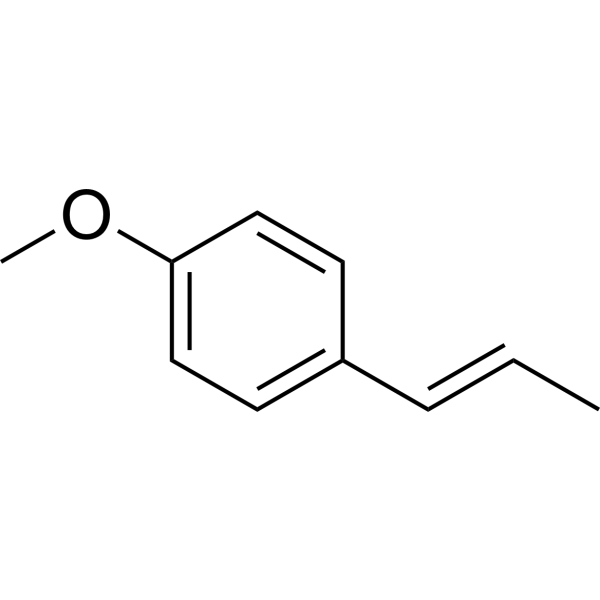
    Anethole
    2 Publications Verification

    Anise camphor; p-Propenylanisole; Isoestragole

    Environmental Pollutants Apoptosis NF-κB Fungal Bacterial MMP Infection Neurological Disease Inflammation/Immunology Cancer
    Anethole is a type of orally active aromatic compound that is widely found in nature and used as a flavoring agent. Anethole possesses anticancer, anti-inflammatory, antioxidant, antibacterial, antifungal, anesthetic, estrogenic, central nervous system depressant, hypnotic, insecticidal, and gastroprotective effects. Anethole can be used in the study of oxidative stress-related skin diseases and prostate cancer .
    Anethole
  • HY-B1551

    Benzononatine

    Sodium Channel Neurological Disease
    Benzonatate (Benzononatine) is an orally active and non-narcotic peripheral antitussive agent. Benzonatate is a reversible voltage-gated Na + channels inhibitor. Benzonatate dampens the activity of cough stretch receptors .
    Benzonatate
  • HY-B1704
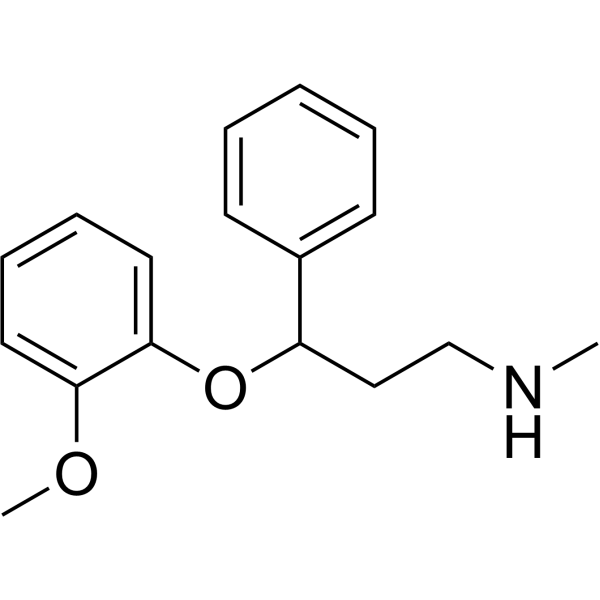
    Nisoxetine
    1 Publications Verification

    Monoamine Transporter Sodium Channel Neurological Disease
    Nisoxetine is a potent and selective inhibitor of noradrenaline transporter (NET), with a Kd of 0.76 nM. Nisoxetine is an antidepressant and local anesthetic, it can block voltage-gated sodium channels .
    Nisoxetine
  • HY-66012
    Proparacaine hydrochloride
    2 Publications Verification

    Proxymetacaine hydrochloride

    Sodium Channel Neurological Disease
    Proparacaine (Proxymetacaine) hydrochloride is a local anesthetic. Proparacaine hydrochloride blocks voltage-gated sodium channels on neuronal cell membranes, thereby inhibiting signal conduction and nociceptive signal transmission. Proparacaine hydrochloride blocks nociceptive signals in the eye and induces ocular muscle relaxation to reduce eye movement during surgery. Proparacaine hydrochloride is used in research related to cataracts .
    Proparacaine hydrochloride
  • HY-Y0258A
    Benzocaine (hydrochloride)
    1 Publications Verification

    Sodium Channel Calcium Channel Neurological Disease
    Benzocaine hydrochloride is an orally active local anesthetic. Benzocaine hydrochloride non-competitively inhibits the binding of Ca-ATPase to Ca 2+, with an IC50 of 47.1 mM. Benzocaine hydrochloride exerts anesthetic effects by blocking voltage-gated sodium channels. Benzocaine hydrochloride induces methemoglobinemia in various experimental animals .
    Benzocaine (hydrochloride)
  • HY-B1007
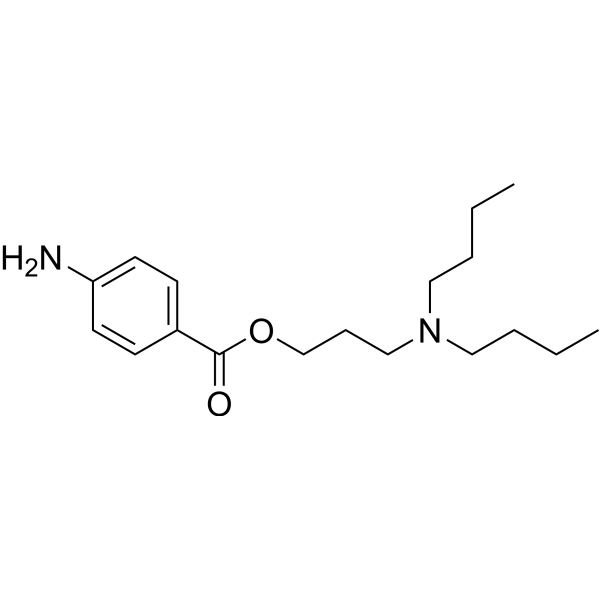
    Butacaine
    2 Publications Verification

    Sodium Channel Neurological Disease
    Butacaine is a reversible nerve conduction blocker. Butacaine acts on the nervous system and nerve fibers, can cause both sensory and motor paralysis. Butacaine inhibits the NavBh currents. Butacaine can form inclusion complexes with α-cyclodextrin (α-CD) and β-cyclodextrin (β-CD). Butacaine is commonly used as a negative control for other local anesthetics .
    Butacaine
  • HY-B0517A
    Mepivacaine hydrochloride
    1 Publications Verification

    Sodium Channel Neurological Disease
    Mepivacaine hydrochloride binds to specific voltage-gated sodium ion channels in neuronal cell membranes, which inhibits both sodium influx and membrane depolarization .
    Mepivacaine hydrochloride
  • HY-B1419

    2-Hydroxybenzyl alcohol; Saligenin

    Drug Intermediate Bacterial Others
    Salicyl alcohol (2-Hydroxybenzyl alcohol; Saligenin) is a phenolic alcohol-type topical anesthetic and strong sensitizer with antiseptic, antibacterial and antipyretic activities. Salicyl alcohol serves as a precursor for salicin synthesis. Salicyl alcohol induces contact dermatitis and eczematous skin reactions, and is a well-known allergen identified in phenolic resins. Salicyl alcohol is isolated from the barks of European aspen (Populus tremula), rowan (Sorbus aucuparia) and willow (Salix spp.). Salicyl alcohol is used in studies related to allergic contact dermatitis .
    Salicyl alcohol
  • HY-B1704A
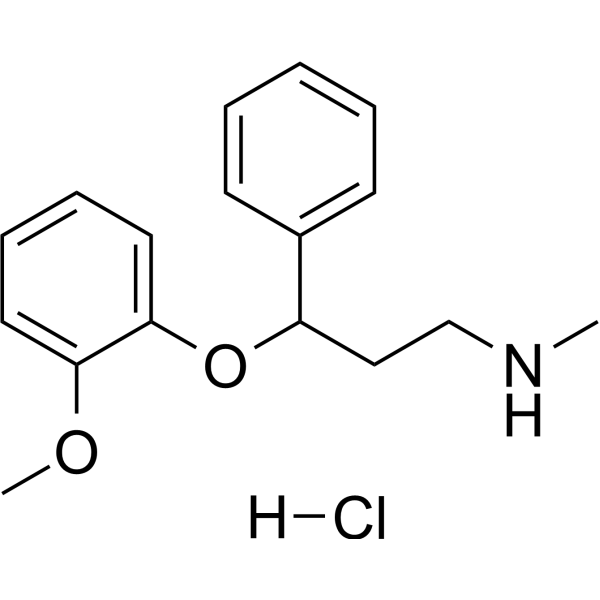
    Nisoxetine hydrochloride
    1 Publications Verification

    Monoamine Transporter Sodium Channel Neurological Disease
    Nisoxetine hydrochloride is a potent and selective inhibitor of noradrenaline transporter (NET), with a Kd of 0.76 nM. Nisoxetine hydrochloride is an antidepressant and local anesthetic, it can block voltage-gated sodium channels .
    Nisoxetine hydrochloride
  • HY-105584

    Biochemical Assay Reagents Neurological Disease
    Tolycaine is a local agent that can suppress or relieve pain. Tolycaine also induces a convulsive response in experimental animals .
    Tolycaine
  • HY-A0182A
    Felypressin acetate
    3 Publications Verification

    PLV-2 acetate

    Vasopressin Receptor Cardiovascular Disease
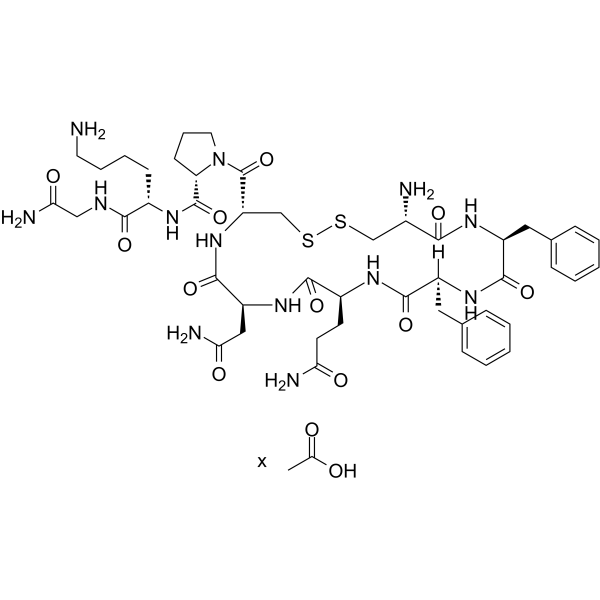
    Felypressin acetate (PLV-2 acetate) is a non-catecholamine vasoconstrictor and a vasopressin 1 agonist. Felypressin acetate is widely used in dental procedures .
    Felypressin acetate
  • HY-A0182
    Felypressin
    3 Publications Verification

    PLV-2

    Vasopressin Receptor Cardiovascular Disease
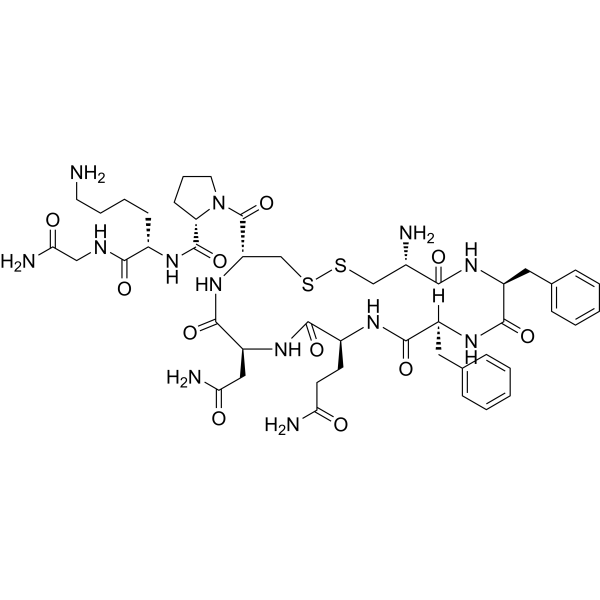
    Felypressin (PLV-2) is a non-catecholamine vasoconstrictor and a vasopressin 1 agonist. Felypressin is widely used in dental procedures .
    Felypressin
  • HY-121870

    Larocaine

    Drug Derivative Cytochrome P450 Neurological Disease
    Dimethocaine (Larocaine) is a cocaine derivative and ester-type local anesthetic. Dimethocaine is metabolized by hP450 1A2, 2C19, 2D6, and 3A4 in vitro. Dimethocaine exhibits locomotor-promoting, reinforcing, and anxiogenic effects .
    Dimethocaine
  • HY-W016414

    Environmental Pollutants Endogenous Metabolite Cardiovascular Disease
    Triethyl phosphate is a versatile phosphate ester compound. Triethyl phosphate induces rapid and short-acting anesthesia, and exhibits hypotensive, smooth muscle relaxant, and cardiac inhibitory effects. Triethyl phosphate also modulates cholinergic toxicity; its anesthetic effect shows sex- and age-dependency in rodents, and it interacts with SKF 525-A (HY-B1311) to alter the duration of anesthesia .
    Triethyl phosphate
  • HY-W015050

    1-Aminoanthracene

    GABA Receptor Chloride Channel Fluorescent Dye Neurological Disease
    1-Anthramine (1-aminoanthracene) is a fluorescent general anesthetic. potentiates GABAergic transmission with Kd = 0.1 mM, for binding to the general anesthetic site in horse spleen apoferritin (HSAF). 1-Anthramine fluorescence is enhanced when bound to HSAF. 1-Anthramine potentiates chloride currents elicited by GABA. 1-Anthramine can reversibly inhibit the movement of Xenopus laevis, with an EC50 value of 16 μM .
    1-Anthramine
  • HY-B2080A
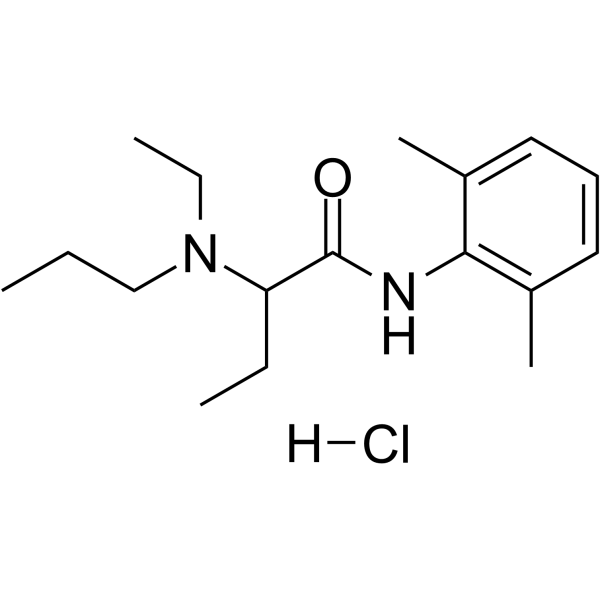
    Etidocaine hydrochloride
    2 Publications Verification

    EDC hydrochloride

    Sodium Channel Infection Others
    Etidocaine (hydrochloride) is a long aminoamide local agent that can suppress or relieve pain .
    Etidocaine hydrochloride
  • HY-B1604

    2-Chloroprocaine hydrochloride

    Na+/K+ ATPase Neurological Disease
    Chloroprocaine hydrochloride (2-Chloroprocaine hydrochloride) is a potent inhibitor of Na,K-ATPase activity with an IC50 of 13 mM. Chloroprocaine hydrochloride blocks peripheral nerve .
    Chloroprocaine hydrochloride
  • HY-B1726

    Holocaine

    Phosphodiesterase (PDE) Metabolic Disease
    Phenacaine (Holocaine) is a local agent that can suppress or relieve pain. Phenacaine inhibits the specific calmodulin-dependent stimulation of erythrocyte Ca 2+-ATPase and cyclic nucleotide phosphodiesterases from brain and heart .
    Phenacaine
  • HY-B1288A

    Benoxinate; Novesinol; Oxybucaine

    Sodium Channel Cardiovascular Disease Neurological Disease
    Oxybuprocaine is a short-acting ester anesthetic. Oxybuprocaine binds to sodium channels and reversibly stabilizes neuronal membranes. Oxybuprocaine has cutaneous analgesic properties. Oxybuprocaine is less potent than Bupivacaine (HY-B0405) at producing central nervous system and cardiovascular toxicity. Oxybuprocaine can be used in ophthalmology and otolaryngology .
    Oxybuprocaine
  • HY-B0985A
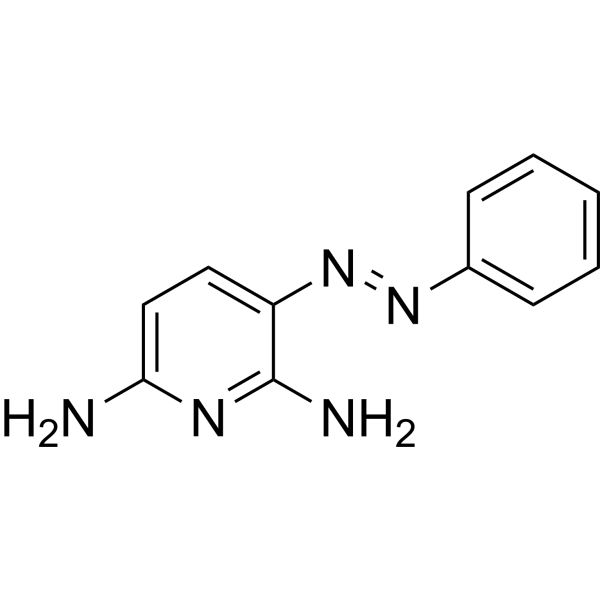
    Phenazopyridine
    2 Publications Verification

    TRP Channel Neurological Disease
    Phenazopyridine is a competitive SARM1 inhibitor, with IC50 145 μM. Phenazopyridine is a TRPM8 antagonist. Phenazopyridine has a local anesthetic/analgesic effect. Phenazopyridine is used to relieve painful symptoms of conditions such as cystitis and urethritis. Phenazopyridine can promote neuronal differentiation and can also be used in the study of traumatic brain injury, peripheral neuropathy and neurodegenerative diseases .
    Phenazopyridine
  • HY-B0480A
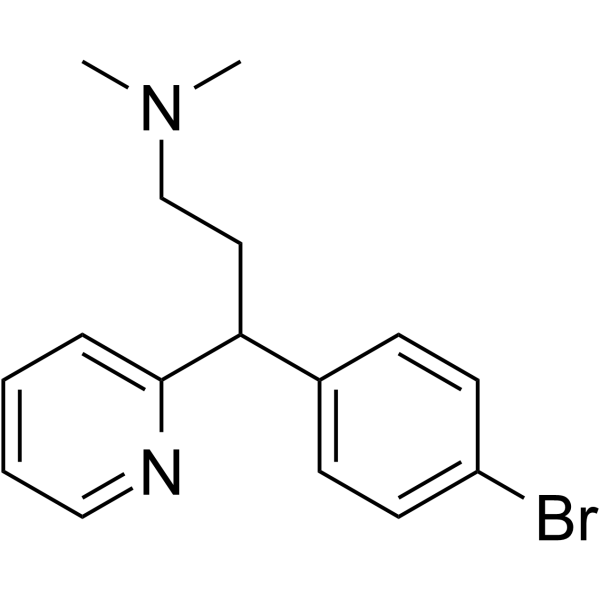
    Brompheniramine
    2 Publications Verification

    (±)-Brompheniramine

    Histamine Receptor mAChR Potassium Channel Sodium Channel Calcium Channel Neurological Disease Inflammation/Immunology Endocrinology
    Brompheniramine ((±)-Brompheniramine) is a potent and orally active antihistamine of the alkylamine class. Brompheniramine is a selective histamine H1 receptor antagonist with a Kd of 6.06 nM. Brompheniramine can block the hERG channels, calcium channels, and sodium channels with IC50s of 0.90 μM, 16.12 μM and 21.26 μM, respectively. Brompheniramine has anticholinergic, antidepressant and anesthetic properties and can be used for allergic rhinitis research .
    Brompheniramine
  • HY-116548

    Dopamine Receptor Neurological Disease
    Nitracaine is a structural analog of Dimethocaine (HY-121870), a local anesthetic that inhibits dopamine reuptake through the dopamine transporter .
    Nitracaine
  • HY-B1604A

    2-Chloroprocaine

    Na+/K+ ATPase Neurological Disease
    Chloroprocaine (2-Chloroprocaine) is a potent inhibitor of Na,K-ATPase activity with an IC50 of 13 mM. Chloroprocaine blocks peripheral nerve .
    Chloroprocaine
  • HY-W089856

    Bacterial Fungal Antibiotic Infection Neurological Disease
    Chlorobutanol hemihydrate is an antimicrobial agent with oral activity, also possessing preservative effects. Chlorobutanol hemihydrate exhibits resistance to a variety of Gram-positive and Gram-negative bacteria, as well as several fungal spores and fungi, and is widely used in the food and cosmetics industries .
    Chlorobutanol hemihydrate
  • HY-B0405S

    Isotope-Labeled Compounds iGluR Sodium Channel Calcium Channel Potassium Channel Neurological Disease
    Bupivacaine-d99 is a deuterium labeled Bupivacaine. Bupivacaine is a NMDA receptor inhibitor.Bupivacaine can block sodium, L-calcium, and potassium channels.Bupivacaine potently blocks SCN5A channels with the IC50 of 69.5 μM. Bupivacaine can be used for the research of chronic pain .
    Bupivacaine-d9
  • HY-B2080

    EDC

    Sodium Channel Infection Others
    Etidocaine (EDC) is a long aminoamide local anesthetic .
    Etidocaine
  • HY-148156

    Histamine Receptor Neurological Disease
    Hydroxydione has an effect of general anesthetic. Hydroxydione is a neuroactive steroid it can be used for anaesthesia related research .
    Hydroxydione
  • HY-Z6848

    Sodium Channel Neurological Disease
    (R)-(+)-Bupivacaine hydrochloride is a voltage-gated sodium channel inhibitor. (R)-(+)-Bupivacaine hydrochloride can selectively block the voltage-gated sodium channels on nerve cell membranes, inhibit the influx of sodium ions, and thus prevent the generation and conduction of nerve impulses, exerting local anesthetic activity. (R)-(+)-Bupivacaine hydrochloride can be used in research of acute pains .
    (R)-(+)-Bupivacaine hydrochloride
  • HY-116457

    Sombrevin; Fabantol

    GABA Receptor Cardiovascular Disease Neurological Disease
    Propanidid (Sombrevin; Fabantol) is a γ-aminobutyric acid type A (GABAA) receptor agonist and a short-acting non-barbiturate general agent that can suppress or relieve pain. Propanidid can decrease the arterial pressure .
    Propanidid
  • HY-19699

    NAAM; 1-Naphthaleneacetamide; α-Naphthylacetamide

    Environmental Pollutants Phytohormone Neurological Disease Endocrinology
    1-Naphthylacetamide is an orally active nonsteroidal anti-inflammatory agent (NAIA) and also an indole-type auxin plant growth regulator. 1-Naphthylacetamide inhibits inflammatory response-related pathways and modulates plant hormone signaling, exhibiting anti-inflammatory, local anesthetic, antispasmodic, analgesic, and diuretic activities. 1-Naphthylacetamide promotes plant cell expansion, differentiation, and fruit enlargement. Additionally, 1-Naphthylacetamide induces central nervous system (CNS) depression in mice, characterized by reduced spontaneous activity, decreased irritability, decreased muscle tone, and attenuated ear-cuff reflex, ipsilateral flexor reflex, and corneal reflex [1][2].
    1-Naphthylacetamide
  • HY-W016083

    β-Naphthoxyethanol

    Biochemical Assay Reagents Neurological Disease
    Anavenol (β-Naphthoxyethanol) is an anesthetic. Anavenol exerts anesthetic effects on horses. Anavenol can be used in studies on adverse events associated with equine anesthesia .
    Anavenol
  • HY-Y0258R
    Benzocaine (Standard)
    1 Publications Verification

    Reference Standards Sodium Channel Bacterial Neurological Disease
    Benzocaine (Standard) is the analytical standard of Benzocaine (HY-Y0258). This product is intended for research and analytical applications. Benzocaine is an orally active local anesthetic. Benzocaine non-competitively inhibits the binding of Ca-ATPase to Ca 2+, with an IC50 of 47.1 mM. Benzocaine exerts anesthetic effects by blocking voltage-gated sodium channels. Benzocaine induces methemoglobinemia in various experimental animals .
    Benzocaine (Standard)
  • HY-W006844

    Biochemical Assay Reagents Others
    2,6-Diethylphenol is an aromatic alcohol. 2,6-Diethylphenol exhibits anesthetic activity in animal models .
    2,6-Diethylphenol
  • HY-W005637

    Others Neurological Disease
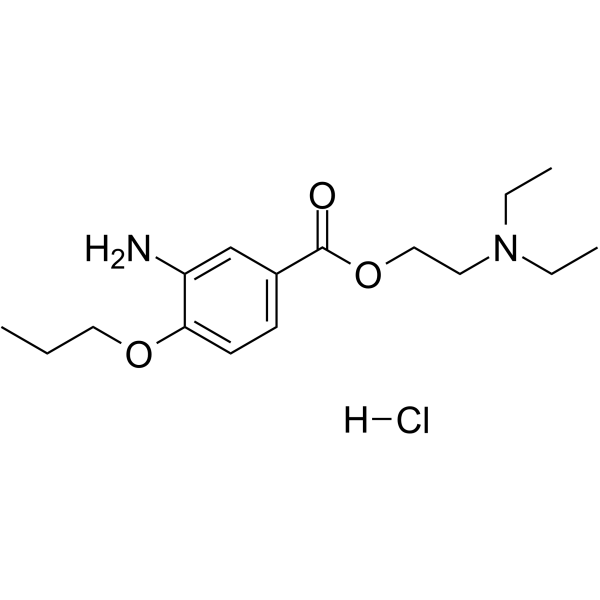
    Orthocaine is a local agent that can suppress or relieve pain (extracted from patent WO2002089849A1) .
    Orthocaine
  • HY-B1755

    Propyl 4-aminobenzoate

    Biochemical Assay Reagents Neurological Disease
    Risocaine, also known as Propyl 4-aminobenzoate, with potential neuroleptic properties .
    Risocaine
  • HY-B0517S

    Sodium Channel Neurological Disease
    Mepivacaine-d3 is the deuterium labeled Mepivacaine. Mepivacaine is an amide-type local anesthetic agent. Mepivacaine binds to specific voltage-gated sodium ion channels in neuronal cell membranes, which inhibits both sodium influx and membrane depolarization .
    Mepivacaine-d3
  • HY-B0900R

    Anise camphor (Standard); p-Propenylanisole (Standard); Isoestragole (Standard)

    Apoptosis Fungal Bacterial MMP NF-κB Reference Standards Infection Neurological Disease Inflammation/Immunology Cancer
    Anethole (Standard) is the analytical standard of Anethole. This product is intended for research and analytical applications. Anethole is a type of orally active aromatic compound that is widely found in nature and used as a flavoring agent. Anethole possesses anticancer, anti-inflammatory, antioxidant, antibacterial, antifungal, anesthetic, estrogenic, central nervous system depressant, hypnotic, insecticidal, and gastroprotective effects. Anethole can be used in the study of oxidative stress-related skin diseases and prostate cancer .
    Anethole (Standard)
  • HY-Y0258AR

    Reference Standards Bacterial Sodium Channel Neurological Disease
    Benzocaine hydrochloride (Standard) is an analytical standard of Benzocaine hydrochloride (HY-Y0258A). This product is intended for research and analytical applications. Benzocaine hydrochloride is an orally active local anesthetic. Benzocaine hydrochloride non-competitively inhibits the binding of Ca-ATPase to Ca 2+, with a IC50 of 47.1 mM. Benzocaine hydrochloride exerts anesthetic effects by blocking voltage-gated sodium channels. Benzocaine hydrochloride induces methemoglobinemia in various experimental animals .
    Benzocaine (hydrochloride) (Standard)
  • HY-118833

    Calcium Channel Cardiovascular Disease
    RAC 109 is a local anesthetic. RAC 109 reduces ventricular conduction velocity and myocardial contractility in rabbits in a stereospecific manner (EC50=30 μM) .
    RAC 109
  • HY-B0517R

    Reference Standards Sodium Channel Neurological Disease
    Mepivacaine (Standard) is the analytical standard of Mepivacaine. This product is intended for research and analytical applications. Mepivacaine is an amide-type local anesthetic agent. Mepivacaine binds to specific voltage-gated sodium ion channels in neuronal cell membranes, which inhibits both sodium influx and membrane depolarization .
    Mepivacaine (Standard)

Inquiry Online

Your information is safe with us. * Required Fields.

Salutation


Country or Region *

Applicant Name *


Organization Name *

Department *


Email Address *


Product Name *

Cat. No.


Requested quantity *

Phone Number *


Remarks

Inquiry Online

Inquiry Information

Product Name:
Cat. No.:
Quantity:
MCE Japan Authorized Agent:

