






1. Search Result
Search Result
Pathways Recommended: Stem Cell/Wnt Cell Cycle/DNA Damage
Results for "

B cell immunity

" in MedChemExpress (MCE) Product Catalog:

150

Inhibitors & Agonists

2

Screening Libraries

10

Biochemical Assay Reagents

8

Peptides

35

Inhibitory Antibodies

17

Natural
Products

13

Isotope-Labeled Compounds

17

Oligonucleotides

Cat. No. Product Name Target Research Areas Chemical Structure
  • HY-113962
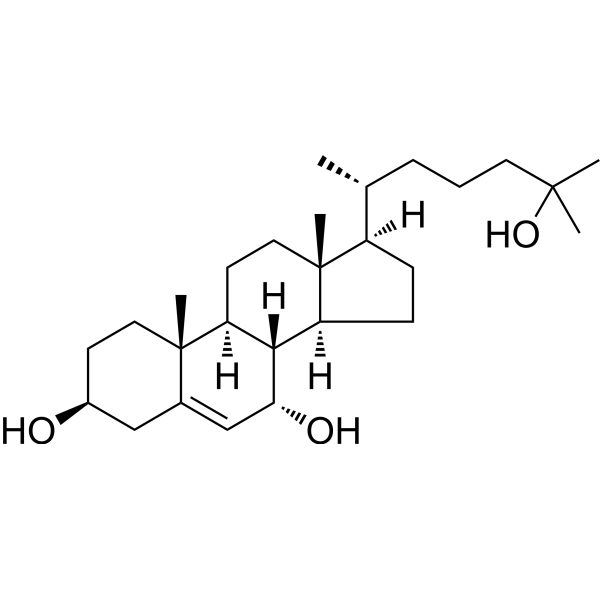
    7α,25-Dihydroxycholesterol
    3 Publications Verification

    7α,25-OHC

    EBI2/GPR183 Endogenous Metabolite Inflammation/Immunology
    7α, 25-dihydroxycholesterol (7α,25-OHC) is a potent and selective agonist and endogenous ligand of the orphan GPCR receptor EBI2 (GPR183). 7α, 25-dihydroxycholesterol is highly potent at activating EBI2 (EC50=140 pM; Kd=450 pM). 7α, 25-dihydroxycholesterol can serve as a chemokine directing migration of B cells, T cells and dendritic cells .
    7α,25-Dihydroxycholesterol
  • HY-150724
    ODN 1018
    2 Publications Verification

    1018 ISS

    Toll-like Receptor (TLR) Inflammation/Immunology
    ODN 1018 (1018 ISS) is a TLR9 agonist and immune modulator. ODN 1018 exhibits adjuvant activity and augments CD8+ T cell responses with LNP-encapsulated OVA peptides. ODN 1018 triggers sustained suppression of allergic airway inflammation. ODN 1018 can be used for the research of allergic asthma and systemic lupus erythematosus .
    ODN 1018
  • HY-W145667
    Mannan
    1 Publications Verification

    Endogenous Metabolite Glycosidase Bacterial Interleukin Related Reactive Oxygen Species (ROS) Infection Metabolic Disease Inflammation/Immunology
    Mannan is an orally active polysaccharide compound that binds to the mannose receptor (MR). Mannan promotes bacterial uptake and endosomal degradation by binding to MR, thereby enhancing the production of IL-12 in immune cells. Mannan enhances ROS production. Mannan modulates immunity, inhibits Aflatoxin B1 (HY-N6615)-induced toxicity, and reduces lipid .
    Mannan
  • HY-P990706

    ALPN-303

    TNF Receptor Inflammation/Immunology
    Povetacicept (ALPN-303) is an engineered Fc fusion protein containing the TACI domain, and acts as a dual APRIL/BAFF antagonist. The Kd value of Povetacicept for human BAFF is 59.3 pM, while its Kd value for human APRIL is 1.00 pM. Povetacicept reduces the activation, proliferation, differentiation and survival of B cells, and inhibits the production of immunoglobulins and autoantibodies. Povetacicept can be used in research related to autoimmune hemolytic anemia, immune thrombocytopenia, systemic lupus erythematosus, lupus nephritis and myasthenia gravis .
    Povetacicept
  • HY-P991097

    PM-8002; BNT-327

    VEGFR PD-1/PD-L1 Cancer
    Pumitamig (PM-8002, BNT-327) is a bispecific antibody targeting PD-L1 and VEGF-A, with immune activation and anti-angiogenic activities. By binding to PD-L1, Pumitamig restores the function of effector T cells, while neutralizing VEGF-A in the tumor microenvironment to reverse its inhibition on the infiltration and activation of immune cells and normalize tumor blood vessels. Pumitamig can also be combined with various ADCs targeting TROP2, B7H3, HER2, HER3 for the research of advanced/metastatic solid tumors, including non-small cell lung cancer, ovarian cancer, triple-negative breast cancer, cervical cancer, etc. Pumitamig also exhibits potential efficacy in "cold" tumors with low PD-L1 expression that are insensitive to immunotherapy .
    Pumitamig
  • HY-143712
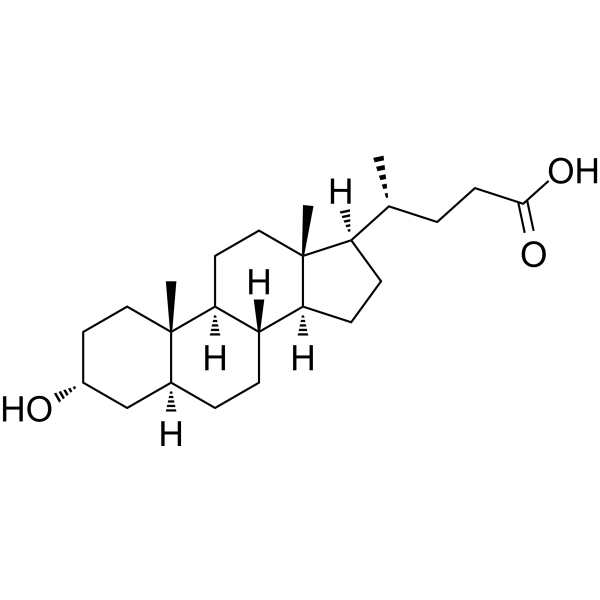
    Allolithocholic acid
    1 Publications Verification

    Drug Metabolite G protein-coupled Bile Acid Receptor 1 ROR Metabolic Disease Inflammation/Immunology Cancer
    Allolithocholic acid is an orally active metabolite of Lithocholic acid (HY-B0172). Allolithocholic acid is a dual GPBAR1 agonist (EC50 = 2.7 μM) and RORγt inverse agonist (IC50 = 3.4 μM). Allolithocholic acid modulates immune and metabolic pathways, regulates immune cell polarization, prevents M1 macrophage and Th17 CD4 cell polarization. Allolithocholic acid improves insulin sensitivity, reduces liver lipid accumulation, reverses liver immunological, inflammatory and metabolic signaling dysregulation, restores bile acid homeostasis, adipose tissue histopathology/function, and intestinal microbiota composition, modulates intestinal immunity. Allolithocholic acid can be used for the researches of cancer, inflammayion, immunology and metabolic disease .
    Allolithocholic acid
  • HY-NP137

    Biochemical Assay Reagents Inflammation/Immunology
    NP-PE (Phycoerythrin) is a complex formed by 4-Hydroxy-3-nitrophenylacetyl (NP, a hapten) with Phycoerythrin (PE, a carrier protein). NP-PE (Phycoerythrin) can induce the formation of specific immune complexes and mediate the targeted encounter and activation of B cells with antigens. NP-PE (Phycoerythrin) can be used to study the mechanisms by which B cells capture and transport immune complexes in lymph nodes .
    NP-PE (Phycoerythrin)
  • HY-NP006
    Protein A
    1 Publications Verification

    SPA

    Endogenous Metabolite Apoptosis Inflammation/Immunology
    Protein A (SPA) is an immunoglobulin (Ig)-binding protein that exists on the bacterial surface and can be freely secreted into the extracellular environment. Protein A blocks opsonophagocytosis and induces B cell apoptosis in vitro by binding to the Fc region of antibodies and the Fab region of B cell receptors. Protein A can form toxic immune complexes with IgG, thereby inducing leukocyte necrosis. Protein A contributes to the virulence expression of Staphylococcus aureus. Protein A triggers allergic reactions in IgG-pretreated mouse models. Protein A can be used in studies related to immune system diseases .
    Protein A
  • HY-33299
    Serpin B9-IN-1
    1 Publications Verification

    BTCA

    Biochemical Assay Reagents Cancer
    Serpin B9-IN-1 (BTCA) is an inhibitor that specifically targets Serpin B9 (SB9); SB9 is a natural inhibitor of granzyme B (GrB) , but may promote the metastasis of lung cancer cells into the bone marrow. SB9-overexpressing cancer cells promote proliferation and metastasis in an immune cell-dependent manner by binding to GrB. Inhibition of SB9 by Serpin B9-IN-1 significantly inhibits immunotherapy of lung cancer bone metastases in the caudal artery (CA) mouse model (LCBM) .
    Serpin B9-IN-1
  • HY-P990083

    AT-1501

    TNF Receptor Inflammation/Immunology
    Tegoprubart (AT-1501) is a CD40 ligand inhibitor (EC50=100 ng/mL) and immunosuppressant that selectively inhibits the CD40 ligand, a co-stimulatory molecule involved in T cell activation. Tegoprubart suppresses immune rejection, prevents rejection in animal transplantation models, and reduces cell-mediated and antibody-mediated immune responses to create a more immunotolerant environment. Tegoprubart preserves renal function when combined with Mycophenolate (HY-B0421) and Corticosteroids, and maintains graft function in preclinical studies. Tegoprubart is applicable to research related to kidney transplantation and kidney transplant rejection .
    Tegoprubart
  • HY-109035
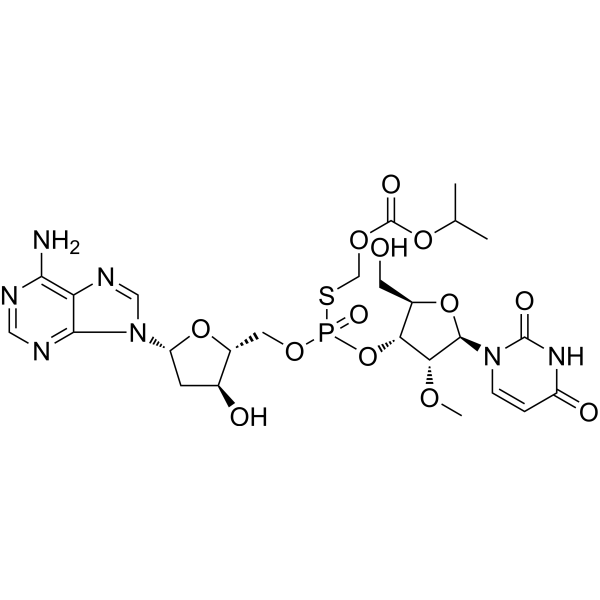
    Inarigivir soproxil
    1 Publications Verification

    SB9200; GS-9992

    HCV HBV Infection
    Inarigivir soproxil (SB9200) is an agonist of innate immunity and shows potent antiviral activity against resistant HCV variants, with EC50s of 2.2 and 1.0 μM for HCV 1a/1b in cells of genotype 1 HCV replicon systems. Inarigivir soproxil, an orally bioavailable proagent of SB 9000, has broad-spectrum antiviral activity against RNA viruses including HCV, norovirus, respiratory syncytial virus and influenza and HBV .
    Inarigivir soproxil
  • HY-150217
    CpG ODN 10101
    2 Publications Verification

    ODN 10101

    Toll-like Receptor (TLR) Infection Inflammation/Immunology
    CpG ODN 10101 (ODN 10101; CPG 10101) is a selective agonist targeting TLR9, a synthetic oligodeoxynucleotide modified with phosphate thioester. CpG ODN 10101 activates B cells and plasmacytoid dendritic cells (pDCs), inducing the production of cytokines and chemokines such as interferon-IFN-α, interferon-inducible protein IP-10, and 2'5'-oligoadenylate synthase (2'5'-OAS), regulating innate immunity and promoting Th1 adaptive immune responses. CpG ODN 10101 also possesses antiviral properties and enhances vaccine immunogenicity, making it suitable as an immunomodulator and vaccine adjuvant for vaccine development in chronic hepatitis C and infectious diseases such as melioidosis, pertussis, and respiratory syncytial virus (RSV) .
    CpG ODN 10101
  • HY-B2176S6

    Adenosine 5'-triphosphate-13C10 dilithium

    Isotope-Labeled Compounds Endogenous Metabolite Metabolic Disease Inflammation/Immunology
    ATP- 13C10 (Adenosine 5'-triphosphate- 13C10) dilithium is 13C-labeled ATP (HY-B2176). ATP (Adenosine 5'-triphosphate) is a central component of energy storage and metabolism in vivo. ATP provides the metabolic energy to drive metabolic pumps and serves as a coenzyme in cells. ATP is an important endogenous signaling molecule in immunity and inflammation.
    ATP-13C10 dilithium
  • HY-P1745

    Insulin B chain (9-23)

    MHC Insulin Receptor IFNAR Inflammation/Immunology
    InsB (9-23) (Insulin B chain (9-23)) is an HLA-DQ8-restricted insulin B-chain peptide composed of amino acid residues 9-23. InsB (9-23) serves as a major MHC II class-restricted antigen. InsB (9-23) supports the recognition and activation of T cells, stimulates the secretion of IFN-γ and cytokines, and induces cross-reactive immune responses. InsB (9-23)-specific CD4 T cells can initiate diabetes . InsB (9-23) can be used in research related to type 1 diabetes and autoimmune diabetes .
    InsB (9-23)
  • HY-D1056A2

    LPS, from Escherichia coli (O127:B8)

    Toll-like Receptor (TLR) Inflammation/Immunology
    Lipopolysaccharides, from E. coli O127:B8 (LPS, from Escherichia coli (O127:B8)) are endotoxins and TLR4 activators extracted from Escherichia coli (E. coli O127:B8) and are classified as S (smooth) type LPS. Lipopolysaccharides, from E. coli O127:B8 possess the typical three-part structure: O-antigen, R3-type core oligosaccharide, and lipid A. Lipopolysaccharides, from E. coli O127:B8 activate TLR-4 in immune cells, can induce inflammatory responses and ileal contractility, and can be used to construct intestinal inflammation models .
    It is recommended to prepare a solution with concentration ≥2 mg/mL. Vortex thoroughly for more than 10 minutes. Due to the adsorption characteristics of LPS, silanized container or low adsorption centrifuge tubes should be used for aliquoting and storage, and mix thoroughly before use.
    Lipopolysaccharides, from E. coli O127:B8
  • HY-150726
    ODN 1668
    1 Publications Verification

    Toll-like Receptor (TLR) Bacterial Infection Neurological Disease Inflammation/Immunology
    ODN 1668, a class B CpG ODN (oligodeoxynucleotide), is a TLR-9 agonist. ODN 1668 has strong immune regulatory properties, can enhance the level of antibody IgG2 subtype, promote the immune response of T cells and B cells, and can be used in the study of vaccine adjuvants. In addition, CpG ODN 1668 induces an antimicrobial immune response via a CaTLR9 dependent pathway in groupers. Sequence: 5'-tccatgacgttcctgatgct-3’ .
    ODN 1668
  • HY-150726C
    ODN 1668 sodium
    1 Publications Verification

    Toll-like Receptor (TLR) Bacterial Infection Neurological Disease Inflammation/Immunology
    ODN 1668 sodium, a class B CpG ODN (oligodeoxynucleotide), is a TLR-9 agonist. ODN 1668 sodium has strong immune regulatory properties, can enhance the level of antibody IgG2 subtype, promote the immune response of T cells and B cells, and can be used in the study of vaccine adjuvants. In addition, CpG ODN 1668 sodium induces an antimicrobial immune response via a CaTLR9 dependent pathway in groupers. Sequence: 5'-tccatgacgttcctgatgct-3’ .
    ODN 1668 sodium
  • HY-B2046

    Environmental Pollutants Apoptosis Herbicide Bcl-2 Family Caspase Reactive Oxygen Species (ROS) Inflammation/Immunology
    Simazine is a triazine herbicide. Simazine is widely used in agriculture, potted plant and tree production. In addition, Simazine can induce the apoptosis of immune cells in the spleen of mice and inhibit the proliferation of B cells and T cells in mice .
    Simazine
  • HY-P99157

    CD276/B7-H3 Cancer
    Omburtamab is a humanized monoclonal antibody targeting B7-H3 (CD276). Omburtamab selectively binds to B7-H3 highly expressed on the surface of tumor cells and activates anti-tumor immune responses mediated by T cells and natural killer (NK) cells. Omburtamab can promote the specific infiltration of CAR-T cells into tumors, enhance the killing function of NK cells through the CD16 signaling pathway, and regulate tumor cell glucose metabolism (such as inhibiting the Warburg effect). Omburtamab has the potential to inhibit solid tumors such as non-small cell lung cancer (NSCLC) .
    Omburtamab
  • HY-P99845

    MEDI 4920; VIB 4920

    TNF Receptor Inflammation/Immunology
    Dazodalibep (MEDI 4920; VIB 4920) is a non-antibody fusion protein that targets CD40L. Dazodalibep inhibits the co-stimulatory signals between immune cells (such as T cells, B cells, and antigen-presenting cells), thereby enabling the inhibition of a broader range of cellular and humoral responses. Dazodalibep can be used for research on rheumatoid arthritis and Sjögren's syndrome .
    Dazodalibep
  • HY-109192
    Tolebrutinib
    5+ Cited Publications

    SAR442168; PRN2246

    Btk Neurological Disease
    Tolebrutinib (SAR442168) is a potent, selective, orally active and brain-penetrant inhibitor of Bruton tyrosine kinase (BTK), with IC50s of 0.4 and 0.7 nM in Ramos B cells and in HMC microglia cells, respectively. Tolebrutinib exhibits efficacy in central nervous system immunity. Tolebrutinib can be used for the research of multiple sclerosis (MS) .
    Tolebrutinib
  • HY-150229

    Liposome Cancer
    306-N16B is a selective lung-targeted lipid nanoparticle that reversibly targets lung endothelial cells and specific immune cells through selective adsorption of a protein corona mediated by differences in tail structure (such as fibrinogen β/γ chain). 306-N16B binds to specific plasma proteins in the blood to form a protein corona, which guides the particles to be enriched in the lungs, releases mRNA and promotes target cell gene expression, exerts efficient lung cell transfection activity, and can precisely regulate gene delivery of different cell types in the lungs (such as endothelial cells and macrophages). 306-N16B can be used in gene therapy technologies for hereditary lung diseases including pulmonary lymphangioleiomyomatosis (LAM), restoring tumor suppressor function by delivering Tsc2 mRNA, and can also be used for lung-specific mRNA vaccines and gene editing therapies .
    306-N16B
  • HY-P99236
    Bexmarilimab
    1 Publications Verification

    FP-1305

    Transmembrane Glycoprotein Inflammation/Immunology Cancer
    Bexmarilimab (FP-1305) is a potent humanized anti-CLEVER-1 IgG4 antibody with an IC50 value of 4.51 nM. Bexmarilimab is capable of inducing a phenotypic M2 to M1 immune switch of tumor-associated macrophages. Bexmarilimab can promote antigen presentation and pro-inflammatory cytokine secretion. Bexmarilimab can induce B-cell and T-cell activation. Bexmarilimab can be used in researches of immunology and cancer, such as colorectal carcinoma .
    Bexmarilimab
  • HY-P99814

    AMG-701

    CD3 Inflammation/Immunology Cancer
    Pavurutamab (AMG-701) is a bispecific T cell engager molecule that anti-CD3 and anti-B cell maturation antigens (BCMA). Pavurutamab has an extended half-life based on Pacanalotamab (HY-P99798). The Fc of Pavurutamab is coupled to molecules to improve pharmacokinetic parameters. Pavurutamab has potential applications in immune regulation and multiple myeloma (MM) .
    Pavurutamab
  • HY-122822

    PROTACs Histone Acetyltransferase Interleukin Related CXCR TNF Receptor CD28 Inflammation/Immunology Cancer
    GSK699 is a KAT2A/B/PCAF/GCN5 PROTAC degrader . GSK699 induces proteasome-dependent degradation of KAT2A, KAT2B, PCAF and GCN5, regulates the histone acetyltransferase activity of the SAGA complex, and reduces the level of histone H3K9ac. GSK699 inhibits the growth of neuroblastoma, acute myeloid leukemia and small cell lung cancer cells. GSK699 reduces the production of inflammatory cytokines and chemokines, and impairs LPS-stimulated immune cell responses. GSK699 is applicable to research related to acute myeloid leukemia, small cell lung cancer, neuroblastoma and inflammatory diseases .
    GSK699
  • HY-P10056

    Human ezrin peptide (324-337)

    HIV HCV HPV Influenza Virus Interleukin Related Infection Inflammation/Immunology
    HEP-1 (Human ezrin peptide (324 - 337)) is an orally active peptide with antiviral, anti-inflammatory, and immunomodulatory activities. HEP-1 is effective against infections by various viruses such as HIV, HCV, herpes viruses, HPV, and influenza viruses. As an immunomodulator, HEP-1 can enhance the adaptive immunity mediated by B cells and T cells. HEP-1 can also increase the antibody titers after hepatitis B vaccination. HEP-1 can be used in the research of viral infections and inflammation-related diseases .
    HEP-1
  • HY-B2176S5

    Adenosine 5'-triphosphate-15N5 dilithium

    Isotope-Labeled Compounds Endogenous Metabolite Metabolic Disease Inflammation/Immunology
    ATP- 15N5 (Adenosine 5'-triphosphate- 15N5) dilithium is 15N labeled ATP (HY-B2176). ATP (Adenosine 5'-triphosphate) is a central component of energy storage and metabolism in vivo. ATP provides the metabolic energy to drive metabolic pumps and serves as a coenzyme in cells. ATP is an important endogenous signaling molecule in immunity and inflammation.
    ATP-15N5 dilithium
  • HY-D1056A4

    LPS, from Escherichia coli (O128:B12)

    Toll-like Receptor (TLR) Inflammation/Immunology
    Lipopolysaccharides, from E. coli O128:B12 (LPS, from Escherichia coli (O128:B12)) are endotoxins and TLR4 activators extracted from Escherichia coli (E. coli O128:B12) and are classified as S (smooth) type LPS. Lipopolysaccharides, from E. coli O128:B12 possess the typical three-part structure: O-antigen, R3-type core oligosaccharide, and lipid A. Lipopolysaccharides, from E. coli O128:B12 activate TLR-4 in immune cells, can be used to construct animal models of neonatal brain inflammation, and may influence preterm birth in neonates .
    It is recommended to prepare a solution with concentration ≥2 mg/mL. Vortex thoroughly for more than 10 minutes. Due to the adsorption characteristics of LPS, silanized container or low adsorption centrifuge tubes should be used for aliquoting and storage, and mix thoroughly before use.
    Lipopolysaccharides, from E. coli O128:B12
  • HY-D1056B4

    LPS, from bacterial (Salmonella typhosa)

    Toll-like Receptor (TLR) Inflammation/Immunology
    Lipopolysaccharides, from Salmonella typhosa are lipopolysaccharide endotoxins and TLR-4 activators derived from Salmonella typhosa, classified as S-type LPS, which can activate pathogen-associated molecular patterns (PAMP) of the immune system and induce cellular secretion of migrasomes. Lipopolysaccharides, from Salmonella typhosa exhibit a typical three-part structure: O-antigen, core oligosaccharide, and lipid A. Lipopolysaccharides, from Salmonella typhosa can serve as vaccine adjuvants and demonstrate adjuvant activity targeting B cells in immune responses in vivo .
    It is recommended to prepare a solution with concentration ≥2 mg/mL. Vortex thoroughly for more than 10 minutes. Due to the adsorption characteristics of LPS, silanized container or low adsorption centrifuge tubes should be used for aliquoting and storage, and mix thoroughly before use.
    Lipopolysaccharides, from Salmonella typhosa
  • HY-113512

    Influenza Virus Inflammation/Immunology
    17-HDHA is a DHA-derived specialized proresolving mediator (SPM). 17-HDHA enhances the antibody-mediated immune response against influenza virus. 17-HDHA enhances the differentiation of B cells toward the CD27 + CD38 + antibody-secreting cell phenotype, thereby strongly increasing IgM and IgG production by activated B cells .
    17-HDHA
  • HY-150745A

    Toll-like Receptor (TLR) Inflammation/Immunology
    ODN 24987 sodium is a Guanine-modified inhibitory oligonucleotides (ODN), targeting TLR9. ODN 24987 can inhibit IL-6 and IFN-α release. ODN 24987 sodium can be used for research immune disorders. ODN 24987 sequence: 5’-C-C-T-G-G-C-c7G-G-G-G-3’ .
    ODN 24987 sodium
  • HY-159643

    MAP4K IFNAR Interleukin Related Inflammation/Immunology Cancer
    NDI-101150 is an orally active, potent and selective hematopoietic progenitor cell kinase 1 (HPK1) inhibitor with an IC50 of 0.7 nM. NDI-101150 blocks HPK1-mediated negative regulation of immune receptor signaling, inhibits immunosuppression of T cell activation, enhances antigen-specific antibody production and augments B-cell activation. NDI-101150 inhibits tumor growth in syngeneic tumor models, establishes durable antitumor immune memory, and synergizes with anti-PD1 to enhance exhausted T cell activity and drive tumor regressions. NDI-101150 can be used for the research of cancer, such as breast cancer and colon cancer .
    NDI-101150
  • HY-B2176S4

    Adenosine 5'-triphosphate-d14 dilithium

    Isotope-Labeled Compounds Endogenous Metabolite Metabolic Disease Inflammation/Immunology
    ATP-d14 (Adenosine 5'-triphosphate-d14) dilithium is deuterium labeled ATP (HY-B2176). ATP (Adenosine 5'-triphosphate) is a central component of energy storage and metabolism in vivo. ATP provides the metabolic energy to drive metabolic pumps and serves as a coenzyme in cells. ATP is an important endogenous signaling molecule in immunity and inflammation.
    ATP-d14 dilithium
  • HY-B2176S7

    Adenosine 5'-triphosphate-13C2 dilithium

    Isotope-Labeled Compounds Endogenous Metabolite Metabolic Disease Inflammation/Immunology
    ATP- 13C2 (Adenosine 5'-triphosphate- 13C2) dilithium is 13C-labeled ATP (HY-B2176). ATP (Adenosine 5'-triphosphate) is a central component of energy storage and metabolism in vivo. ATP provides the metabolic energy to drive metabolic pumps and serves as a coenzyme in cells. ATP is an important endogenous signaling molecule in immunity and inflammation.
    ATP-13C2 dilithium
  • HY-P991176

    RO7443904

    CD19 CD28 Cancer
    RG-6333 is a bispecific agonist targeting CD19 and CD28. RG-6333 specifically recognizes and binds to the CD19 antigen on the surface of B-cell malignancies to locate tumor cells. RG-6333 activates T cells by binding to CD28, overcoming activation barriers to enhance anti-tumor immunity. RG-6333 can be used in the study of relapsed/refractory non-Hodgkin's lymphoma. The recommended isotype control is human IgG1 kappa, isotype control (HY-P99001) .
    RG-6333
  • HY-150749A

    IFNAR Cancer
    ODN D-SL03 sodium is a C class CpG oligonucleotides, and can induce stimulate PBMCs to produce high level of IFN-α. ODN D-SL03 sodium can activate human B cells, NK cells and mononuclear cells and up-regulate expression of CD80, CD86 and HLA-DR on the surface of subsets in human PBMCs. ODN D-SL03 sodium also can inhibit the growth of the tumor. ODN D-SL03 sequence: 5'-tcgcgaacgttcgccgcgttcgaacgcgg-3' .
    ODN D-SL03 sodium
  • HY-177058

    Toll-like Receptor (TLR) Mitosis Inflammation/Immunology
    DSP30 is a phosphorothioate cpG-oligodeoxynucleotide and a TLR9 agonist. DSP30 can activate immune system cells, including B cells and dendritic cells, by inducing proliferation and cytokine production.DSP30 can enhance the immunosuppressive function of bone marrow-multipotent mesenchymal stromal cells (BM-MSC). DSP30 combined with interleukin 2 (IL2) is an effective mitotic stimulant in B-cell disorders. DSP30 can be used for the genetic characteristic research and analysis of chronic lymphocytic leukemia (CLL) .
    DSP30
  • HY-P990279

    CD276/B7-H3 Apoptosis STAT Inflammation/Immunology Cancer
    Anti-Mouse CD276/B7-H3 Antibody (MJ18) is a rat-derived anti-mouse CD276/B7-H3 IgG1 monoclonal antibody. Anti-Mouse CD276/B7-H3 Antibody (MJ18) can inhibit CD276/B7-H3 and induce tumor cell apoptosis. Anti-Mouse CD276/B7-H3 Antibody (MJ18) enhances anti-tumor immune response by reducing immunosuppressive cells and promoting T cell activation. Anti-Mouse CD276/B7-H3 Antibody (MJ18) can be used for research on cancer such as breast cancer and prostate cancer .
    Anti-Mouse CD276/B7-H3 Antibody (MJ18)
  • HY-169853

    VISTA Inflammation/Immunology
    M351-0056 is the agonist for the immune checkpoint protein VISTA, that reduces the secretion of VISTA-induced cytokines, promotes the T-cell proliferation induced by VISTA, and exhibits immunomodulatory activity. M351-0056 ameliorates Imiquimod (HY-B0180)-induced psoriatic dermatitis in mouse models .
    M351-0056
  • HY-175780

    CD28 IFNAR TNF Receptor Interleukin Related Cancer
    CD28-IN-1 (Compound 19MS-5) is a CD28 inhibitor with a KD of 12.48  μM. CD28-IN-1 has a superior binding capacity to CD28 and potently inhibits CD28-B7 interactions. CD28-IN-1 inhibits CD28-driven immune activation and suppresses cytokine (IFN-γ, IL-2 and TNF-α) production in primary human T cells co-cultured with tumor spheroids and human epithelial tissues. CD28-IN-1 can be used for tumor immunity research .
    CD28-IN-1
  • HY-P990124

    TNF Receptor NF-κB Interleukin Related Inflammation/Immunology Cancer
    Anti-Mouse GITR Antibody (DTA-1) is a rat derived IgG2b monoclonal agonist antibody targeting mouse GITR. Anti-Mouse GITR Antibody (DTA-1) can activate T cells and B cells to enhance immune response. Anti-Mouse GITR Antibody (DTA-1) selectively enhances Th2 cell effector function through GITR signaling. Anti-Mouse GITR Antibody (DTA-1) may exacerbate allergic reactions. Anti-Mouse GITR Antibody (DTA-1) can be used for researches on cancer and allergic conditions such as colon cancer and allergic asthma. The recommed isotype control of Anti-Mouse GITR Antibody (DTA-1) is Rat IgG2b kappa, Isotype Control (HY-P990682) .
    Anti-Mouse GITR Antibody (DTA-1)
  • HY-155847

    Phosphatase PD-1/PD-L1 Inflammation/Immunology Cancer
    LYP-IN-3 is a selective, orally active and reversible lymphoid-tyrosine phosphatase (LYP) inhibitor (IC50 = 2.55 μM, Ki = 0.93 μM). D34 exhibits high selectivity of PTP1B, PTPN12, PTPN5 and SSH2. LYP-IN-3 regulates the T-cell receptor (TCR) signaling by specifically inhibiting LYP. LYP-IN-3 does not significantly inhibit MC38 cell viability; its anti-tumor effect stems from immune regulation. LYP-IN-3 can significantly upregulate PD-L1 or PD-1 expression in different immune cells. LYP-IN-3 facilitates T-cell infiltration and enhances T-cell functions. LYP-IN-3 synergizes with PD-L1 blockade can significantly improve colorectal tumor regression. LYP-IN-3 can be used for the study of colorectal cancer .
    LYP-IN-3
  • HY-B0345AR

    Adenosine 5'-triphosphate disodium (Standard); Disodium adenosine triphosphate (Standard)

    Reference Standards Endogenous Metabolite Metabolic Disease Inflammation/Immunology Cancer
    ATP disodium salt (Standard) is the analytical standard of ATP disodium salt (HY-B0345A). This product is intended for research and analytical applications. ATP disodium salt (Adenosine 5'-triphosphate disodium salt) is a central component of energy storage and metabolism in vivo, provides the metabolic energy to drive metabolic pumps and serves as a coenzyme in cells. ATP disodium salt is an important endogenous signaling molecule in immunity and inflammation .
    ATP disodium (Standard)
  • HY-P990264

    Transmembrane Glycoprotein Inflammation/Immunology
    Anti-Mouse CD70 Antibody (FR70) is a rat-derived ant-mouse CD70 IgG2b κ type antibody inhibitor. Anti-Mouse CD70 Antibody (FR70) decreases CD4 +, CD8 + T cells and eosinophils. Anti-Mouse CD70 Antibody (FR70) shows potent anti-inflammatory and anti-immune effects on allergic lung inflammation and cardiac transplant mice models .
    Anti-Mouse CD70 Antibody (FR70)
  • HY-174366

    c-Fms PI3K Cancer
    JMC14 is a selective and orally active PI3Kδ and CSF1R inhibitor with IC50 values of 12 nM and 143 nM, respectively. JMC14 preferentially inhibits PI3Kδ-mediated signaling at the cellular level. JMC14 demonstrates potent antitumor activity against B-cell lymphomas and triple-negative breast cancer (TNBC) in both in vitro and vivo studies. JMC14 can be used for the study of antitumor immunity .
    JMC14
  • HY-150745

    Toll-like Receptor (TLR) Inflammation/Immunology
    ODN 24987 is a Guanine-modified inhibitory oligonucleotides (ODN), targeting TLR9. ODN 24987 can inhibit IL-6 and IFN-α release. ODN 24987 can be used for research immune disorders. ODN 24987 sequence: 5’-C-C-T-G-G-C-c7G-G-G-G-3’ .
    ODN 24987
  • HY-157281

    PLIII

    Endogenous Metabolite Drug Derivative MHC Inflammation/Immunology
    Photolumazine III (PLIII) is a microbial metabolite and derivative of Riboflavin (HY-B0456). Photolumazine III binds MR1 with high specificity. Photolumazine III supports efficient TCR binding. Photolumazine III acts as an antigen to activate cells. Responses to Photolumazine III trigger immune reactions .
    Photolumazine III
  • HY-164002

    Btk Others
    PF-303 is a potent, oral inhibitor of Bruton's tyrosine kinase (BTK) (IC50=0.64 nM). The melamine portion of PF-303 forms a covalent bond with BTK's Cys481, which is reversible and exhibits a high selectivity compared to irreversible covalent BTK inhibitors. PF-303 can be used to model and study the effects of BTK inhibition on the mature immune system, including effects on B-cell subsets, antibody responses, and T-cell-mediated activation .
    PF-303
  • HY-125376

    PI3K Cancer
    PI3Kδ-IN-3 (Compound 11) is a PI3Kδ inhibitor (IC50: 9 nM). PI3Kδ-IN-3 inhibits B cell function. PI3Kδ-IN-3 has good pharmacokinetic properties .
    PI3Kδ-IN-3
  • HY-P990046

    Incagn-02385

    LAG-3 Inflammation/Immunology
    Tuparstobart (Incagn-02385) is an IgG1κ antibody targeting LAG-3. LAG-3 is an immune checkpoint receptor protein mainly expressed on activated T cells, NK cells, B cells and plasmacytoid dendritic cells .
    Tuparstobart

Inquiry Online

Your information is safe with us. * Required Fields.

Salutation


Country or Region *

Applicant Name *


Organization Name *

Department *


Email Address *


Product Name *

Cat. No.


Requested quantity *

Phone Number *


Remarks

Inquiry Online

Inquiry Information

Product Name:
Cat. No.:
Quantity:
MCE Japan Authorized Agent:

