
1. Search Result
Search Result
Results for "

BK

" in MedChemExpress (MCE) Product Catalog:

53

Inhibitors & Agonists

7

Peptides

1

Inhibitory Antibodies

6

Natural
Products

3

Recombinant Proteins

2

Isotope-Labeled Compounds

6

Antibodies

1

Oligonucleotides

Cat. No. Product Name Target Research Areas Chemical Structure
  • HY-B0330
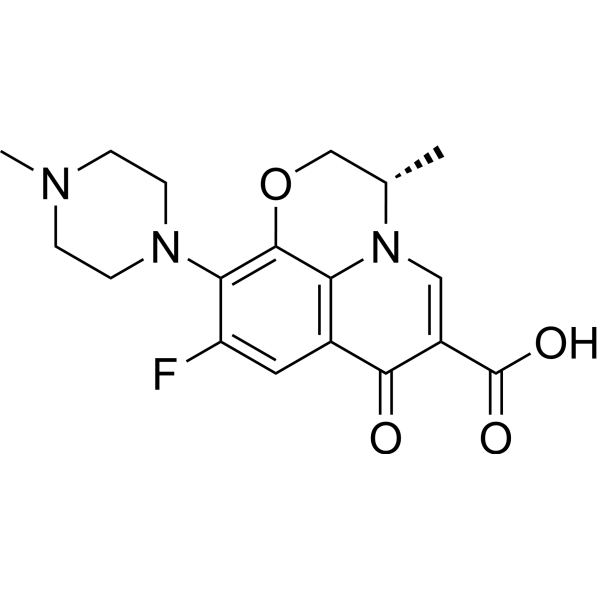
    Levofloxacin
    Maximum Cited Publications
    35 Publications Verification

    (-)-Ofloxacin

    Topoisomerase DNA/RNA Synthesis Antibiotic Bacterial Orthopoxvirus Infection Cancer
    Levofloxacin ((-)-Ofloxacin) is an orally active antibiotic and is active against both Gram-positive and Gram-negative bacteria. Levofloxacin inhibits the DNA gyrase and topoisomerase IV. Levofloxacin can be used for chronic periodontitis, airway inflammation and BK Viremia research. Levofloxacin shows anti-orthopoxvirus activity .
    Levofloxacin
  • HY-B0330A
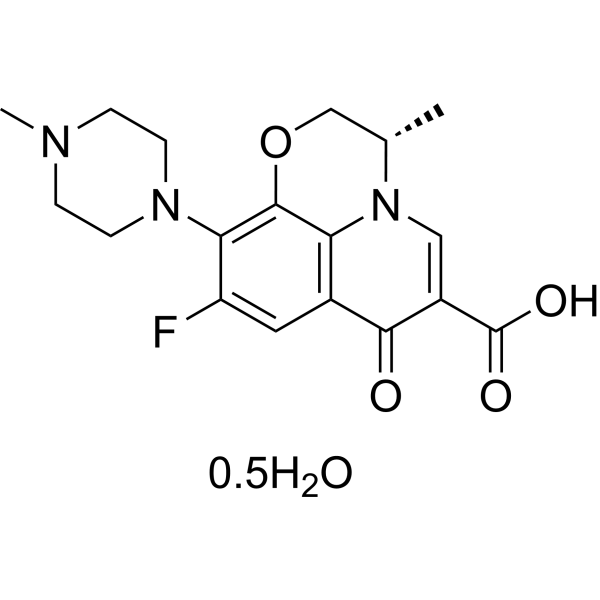
    Levofloxacin hydrate
    Maximum Cited Publications
    35 Publications Verification

    Levofloxacin hemihydrate

    Bacterial Antibiotic Topoisomerase DNA/RNA Synthesis Orthopoxvirus Infection Cancer
    Levofloxacin hydrate (Levofloxacin hemihydrate) is an orally active antibiotic and is active against both Gram-positive and Gram-negative bacteria. Levofloxacin hydrate inhibits the DNA gyrase and topoisomerase IV. Levofloxacin hydrate can be used for chronic periodontitis, airway inflammation and BK Viremia research. Levofloxacin hydrate shows anti-orthopoxvirus activity .
    Levofloxacin hydrate
  • HY-P0190
    Iberiotoxin
    2 Publications Verification

    Potassium Channel Cardiovascular Disease
    Iberiotoxin is a toxin isolated from Buthus tamulus scorpion venom. Iberiotoxin is a selective high conductance high conductance Ca 2+-activated K + channel inhibitor with a Kd of ~1 nM. Iberiotoxin does not block other types of voltage-dependent ion channels .
    Iberiotoxin
  • HY-N6778
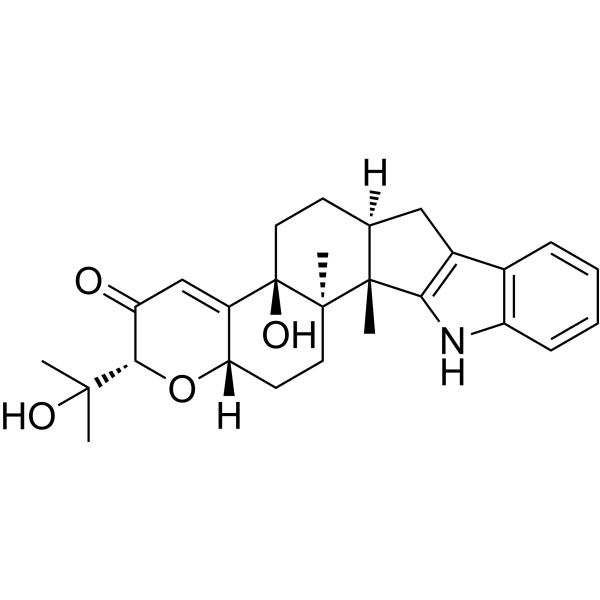
    Paxilline
    5+ Cited Publications

    Potassium Channel Calcium Channel Reactive Oxygen Species (ROS) Neurological Disease
    Paxilline is an indole alkaloid mycotoxin derived from Penicillium paxilli, which effectively inhibits the BK channel through a channel-blocking mechanism. Paxilline also inhibits sarco/endoplasmic reticulum Ca 2+-stimulated ATPase (SERCA), with IC50 values ranging from 5 μM to 50 μM for different SERCA isoforms. Paxilline exhibits significant anticonvulsant and neuroprotective effects, as well as certain antioxidant activity .
    Paxilline
  • HY-13103
    NS 11021
    3 Publications Verification

    Potassium Channel Others
    NS 11021 is a potent and specific Ca 2+-activated big-conductance K + Channels (KCa1.1 channels) activator. NS 11021 at concentrations above 0.3 μM activates KCa1.1 in a concentration-dependent manner by parallelshifting the channel activation curves to more negative potentials .
    NS 11021
  • HY-12496
    NS-1619
    4 Publications Verification

    Potassium Channel Apoptosis Cardiovascular Disease Cancer
    NS-1619 is an opener of large conductance Ca 2+-activated K + (BK) channel. NS-1619 is a highly effective relaxant with an EC50 of about 10 – 30 μM in several smooth muscles of blood vessels and other tissues . NS1619 inhibits proliferation and induces apoptosis in A2780 ovarian cancer cells .
    NS-1619
  • HY-15416

    Potassium Channel Cardiovascular Disease Neurological Disease
    NS309 is a potent and selective activator of the Ca 2+-activated SK/IK potassium channels, but displays no activity at BK channels .
    NS309
  • HY-110197
    6bK TFA
    2 Publications Verification

    IDE Metabolic Disease
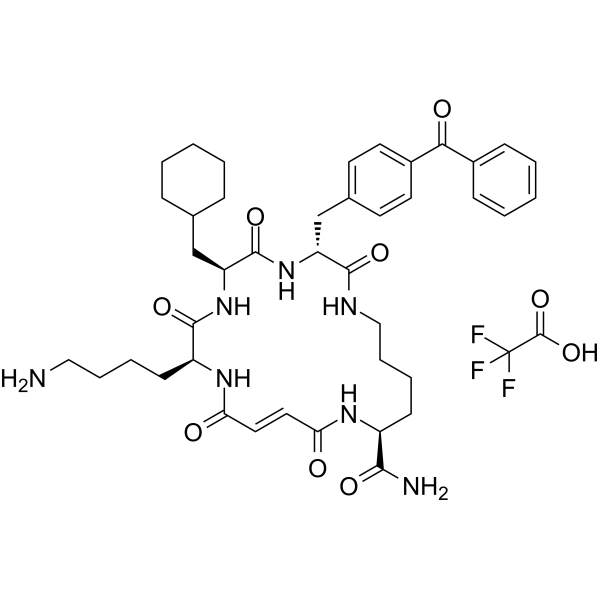
    6bK TFA is a selective insulin-degrading enzyme (IDE) inhibitor with an IC50 of 50 nM. 6bK TFA binds to the distal pocket of IDE, thereby blocking substrate binding, peptide unfolding and cleavage processes, and reducing the degradation of insulin, glucagon and amylin. 6bK TFA improves oral glucose tolerance but impairs intraperitoneal glucose tolerance. 6bK TFA can be used in research related to type 2 diabetes .
    6bK TFA
  • HY-B0330B
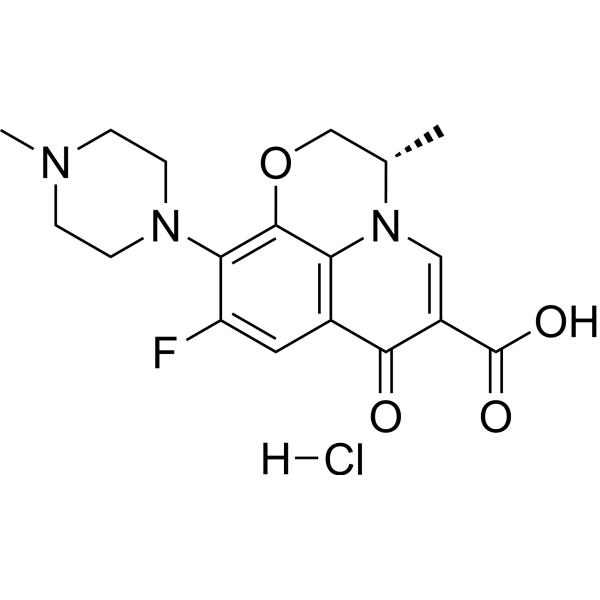
    Levofloxacin hydrochloride
    Maximum Cited Publications
    35 Publications Verification

    (-)-Ofloxacin hydrochloride

    Antibiotic Bacterial DNA/RNA Synthesis Topoisomerase Orthopoxvirus Apoptosis Infection Neurological Disease Cancer
    Levofloxacin hydrochloride is an orally active antibiotic. Levofloxacin inhibits DNA gyrase and topoisomerase IV activity, inducing Apoptosis. Levofloxacin hydrochloride has antibacterial activity against both Gram-positive and Gram-negative bacteria. Levofloxacin hydrochloride exhibits anticancer activity against lung cancer. Levofloxacin hydrochloride has anti-acnegenic, anxiogenic, and analgesic effects. Levofloxacin hydrochloride shortens sleep duration in mice. Levofloxacin hydrochloride can be used in the research of infectious diseases (such as tuberculosis, chronic periodontitis, bacterial infections associated with stable COPD, and BK viremia) and lung cancer .
    Levofloxacin hydrochloride
  • HY-P1676
    cyclo(RLsKDK)
    2 Publications Verification

    BK-1361

    MMP Cancer
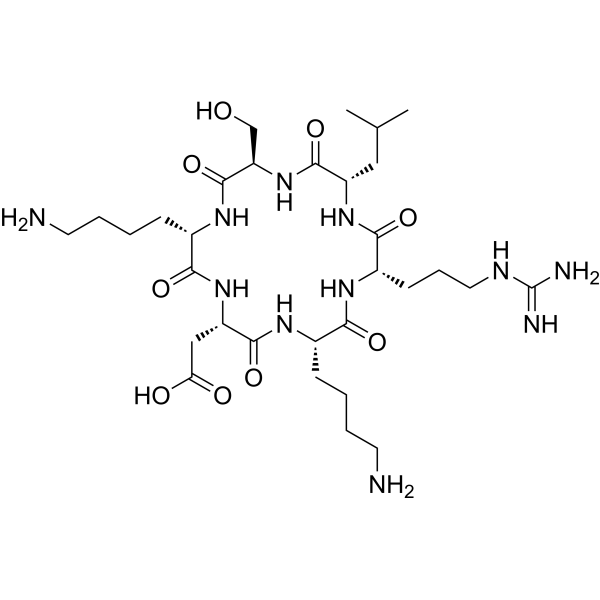
    cyclo(RLsKDK) (BK-1361) is a specific inhibitor of metalloproteinase ADAM8 with an IC50 value of 182 nM. cyclo(RLsKDK) has potential applications in inflammatory diseases and cancer .
    cyclo(RLsKDK)
  • HY-P2983

    Kininase II; CD143

    Endogenous Metabolite Cardiovascular Disease Cancer
    Angiotensin-converting enzyme (Kininase II) is a dicarboxypeptidase, it converts inactive Angiotensin I (Ang I) to active Ang II and degrades active bradykinin (BK). Angiotensin-converting enzyme is a potent vasoconstrictor, is often used in biochemical studies .
    Angiotensin-converting enzyme
  • HY-N3463

    Potassium Channel Neurological Disease
    Isopimaric acid is a potent opener of large conductance calcium activated K + (BK) channels.
    Isopimaric acid
  • HY-110153

    Potassium Channel Neurological Disease
    NS19504 is a Ca 2+-activated K + channel (BK channel, KCa1.1 channel) activator (EC50=11.0 μM) with relaxing effect on bladder smooth muscle spontaneous phasic contractions .
    NS19504
  • HY-B0330R
    Levofloxacin (Standard)
    30+ Cited Publications

    (-)-Ofloxacin (Standard)

    Antibiotic DNA/RNA Synthesis Orthopoxvirus Topoisomerase Bacterial Reference Standards Infection Cancer
    Levofloxacin (Standard) is the analytical standard of Levofloxacin. This product is intended for research and analytical applications. Levofloxacin ((-)-Ofloxacin) is an orally active antibiotic and is active against both Gram-positive and Gram-negative bacteria. Levofloxacin inhibits the DNA gyrase and topoisomerase IV. Levofloxacin can be used for chronic periodontitis, airway inflammation and BK Viremia research. Levofloxacin shows anti-orthopoxvirus activity .
    Levofloxacin (Standard)
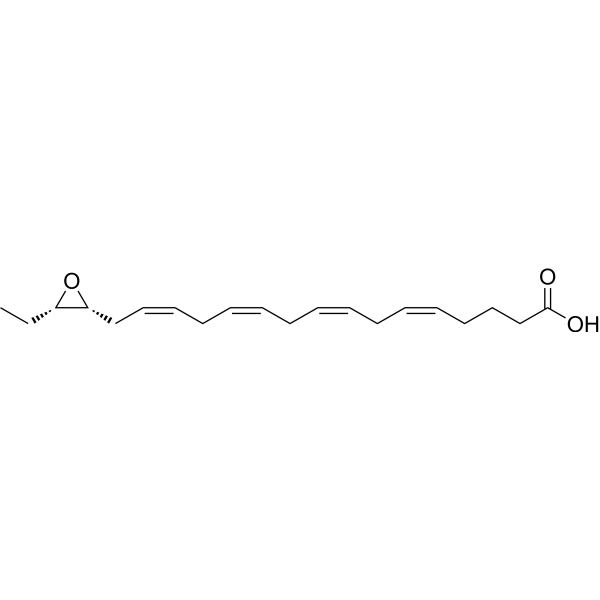
  • HY-113040A

    17(R),18(S)-EETeTr

    Calcium Channel Cardiovascular Disease
    (17R,18S)-Epoxyeicosatetraenoic acid (17 (R),18 (S)-EETeTr) is a physiologically active fatty acid metabolite and also a vasodilator targeting BKα. (17R,18S)-Epoxyeicosatetraenoic acid activates the outward potassium current mediated by BK channels, and this effect is independent of the BKβ1 subunit, intracellular/extracellular calcium levels, and sarcoplasmic reticulum calcium release regulated by RyR3. (17R,18S)-Epoxyeicosatetraenoic acid is produced by the epoxidation of eicosapentaenoic acid mediated by CYP1A1 variants. (17R,18S)-Epoxyeicosatetraenoic acid is applicable to research related to arrhythmia .
    (17R,18S)-Epoxyeicosatetraenoic acid
  • HY-131012

    Potassium Channel Others
    GoSlo-SR-5-69 is a potent activator of large conductance Ca 2+-activated K + (BK) channels, with an EC50 of 251 nM .
    GoSlo-SR-5-69
  • HY-N6776

    Potassium Channel Neurological Disease Cancer
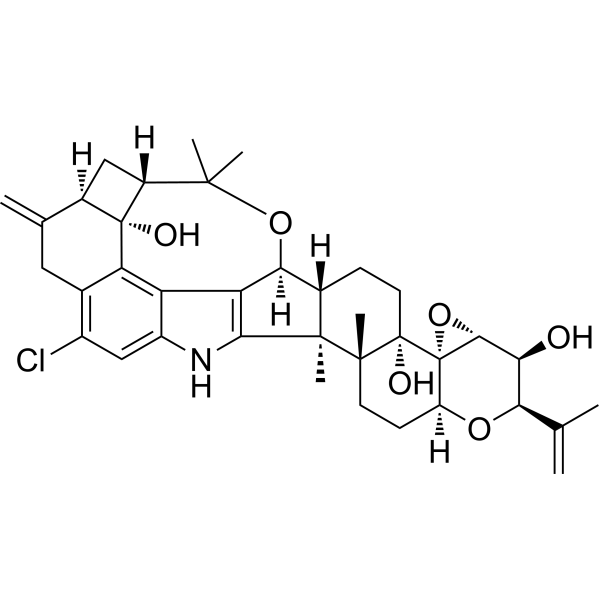
    Penitrem A is an indole diterpene neurotoxic alkaloid produced by Penicillium, acts as a selective BK channel antagonist with antiproliferative and anti-invasive activities against multiple malignancies. Penitrem A increases the spontaneous release of endogenous glutamate, gamma-aminobutyric acid (GABA) and aspartate from cerebrocortical synaptosomes, and induces tremorgenic syndromes in animals .
    Penitrem A
  • HY-109545

    Unoprostone isopropyl ester; UF-021

    Potassium Channel Others
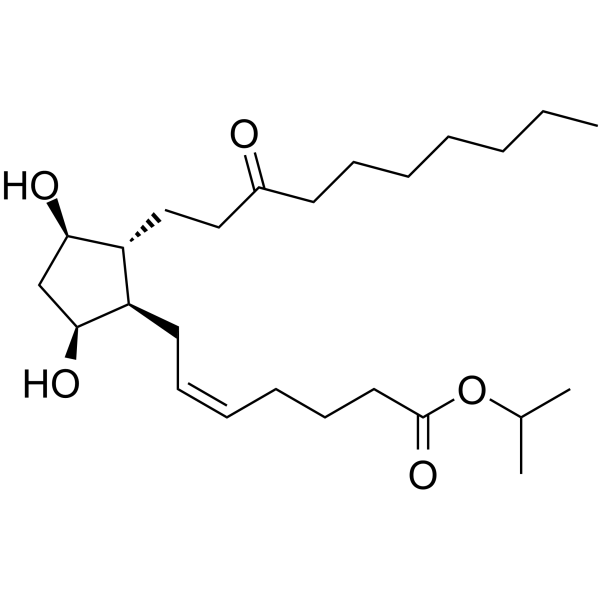
    Isopropyl unoprostone (Unoprostone isopropyl ester), an analogue of a prostaglandin metabolite, is a potent large conductance Ca 2+-activated K + (BK) channels activator. Isopropyl unoprostone has antiglaucoma effects, lowering intraocular pressure (IOP) by increasing aqueous humour outflow. Isopropyl unoprostone can improve retinal sensitivity and the protection of central retinal sensitivity .
    Isopropyl unoprostone
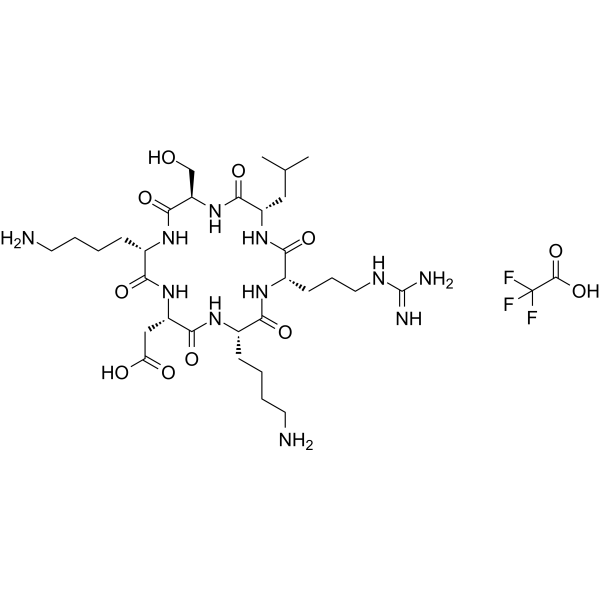
  • HY-P1676A
    cyclo(RLsKDK) TFA
    2 Publications Verification

    BK-1361 TFA

    MMP Cancer
    cyclo(RLsKDK) (TFA) (BK-1361 (TFA)) is a specific inhibitor of metalloproteinase ADAM8 with an IC50 value of 182 nM. cyclo(RLsKDK) (TFA) has potential applications in inflammatory diseases and cancer .
    cyclo(RLsKDK) TFA
  • HY-117931

    Potassium Channel Neurological Disease
    NS004 is a potassium (BK) channel activator that increases Iberiotoxin (HY-P0190) or Tetraethylammonium (HY-B1793)-sensitive whole-cell efflux currents. NS004 also significantly increased the activity of individual GH3 cell BK channels and rat brain BK channels reorganized into planar lipid bilayers, causing an increase in channel mean open time, a decrease in intermittent time, and an increase in channel voltage/calcium sensitivity .
    NS004
  • HY-B0330BR

    (-)-Ofloxacin hydrochloride (Standard)

    Reference Standards Antibiotic Bacterial DNA/RNA Synthesis Topoisomerase Orthopoxvirus Apoptosis Infection Neurological Disease Cancer
    Levofloxacin (hydrochloride) (Standard) is the analytical standard of Levofloxacin hydrochloride (HY-B0330B). This product is intended for research and analytical applications. Levofloxacin hydrochloride is an orally active antibiotic. Levofloxacin inhibits DNA gyrase and topoisomerase IV activity, inducing Apoptosis. Levofloxacin hydrochloride has antibacterial activity against both Gram-positive and Gram-negative bacteria. Levofloxacin hydrochloride exhibits anticancer activity against lung cancer. Levofloxacin hydrochloride has anti-acnegenic, anxiogenic, and analgesic effects. Levofloxacin hydrochloride shortens sleep duration in mice. Levofloxacin hydrochloride can be used in the research of infectious diseases (such as tuberculosis, chronic periodontitis, bacterial infections associated with stable COPD, and BK viremia) and lung cancer .
    Levofloxacin hydrochloride (Standard)
  • HY-15791

    FK-3657

    Bradykinin Receptor Inflammation/Immunology
    FR173657 is an orally active bradykinin B2 receptor antagonist (IC50: 0.56, 1.5, 2.9 nM for pig, rat, human B2 receptor respectively). FR173657 (p.o.) inhibits BK-induced bronchoconstriction in guinea-pigs (ED50: 0.075 mg/kg). FR173657 (p.o.) also inhibits Carrageenin-induced paw oedema in mice (ED50: 6.8 mg/kg). FR173657 can be used for research of inflammatory disease .
    FR173657
  • HY-150048

    CD73 Apoptosis Cancer
    BK50164 is a potent CD73 inhibitor with an IC50 value of 13.089 μM. BK50164 binds to CD99 with a KD value of 1.5 μM. BK50164 shows antiproliferative activity. BK50164 induced Apoptosis and cell cycle arrest at Sub-G1 phase .
    BK50164
  • HY-19071

    Antibiotic Bacterial Infection
    BK-218 is an orally active cephalosporin antibiotic that binds to penicillin-binding proteins (PBPs) and has a greater inhibitory effect than Cephalexin (HY-B0200) and Cefoxitin (HY-B1825). BK-218 has similar antibacterial activity to Cefamandole (HY-B1128) and can be used in the development of antibacterial drugs .
    BK-218
  • HY-150885

    Ligands for Target Protein for PROTAC Btk Cancer
    BTK ligand 1 (compound 1) is a ligand targeting Bruton’s tyrosine kinase (Btk). BTK ligand 1 can combine with E3 ligase ligand (Ligand for E3 Ligase) through PROTAC Linker to form PROTAC. PROTACs targeting Btk can be used in the study of chronic lymphocytic leukemia (CLL) and other BK cell malignancies .
    BTK ligand 1
  • HY-B0330C

    (-)-Ofloxacin sodium

    Antibiotic Orthopoxvirus Bacterial DNA/RNA Synthesis Topoisomerase Infection Inflammation/Immunology Cancer
    Levofloxacin ((-)-Ofloxacin) sodium is an orally active antibiotic and is active against both Gram-positive and Gram-negative bacteria. Levofloxacin sodium inhibits the DNA gyrase and topoisomerase IV. Levofloxacin sodium can be used for chronic periodontitis, airway inflammation and BK Viremia research. Levofloxacin sodium shows anti-orthopoxvirus activity .
    Levofloxacin sodium
  • HY-B0330AR

    Levofloxacin hemihydrate (Standard)

    Reference Standards Bacterial Antibiotic Topoisomerase DNA/RNA Synthesis Orthopoxvirus Infection Cancer
    Levofloxacin (hydrate) (Standard) is the analytical standard of Levofloxacin (hydrate). This product is intended for research and analytical applications. Levofloxacin hydrate (Levofloxacin hemihydrate) is an orally active antibiotic and is active against both Gram-positive and Gram-negative bacteria. Levofloxacin hydrate inhibits the DNA gyrase and topoisomerase IV. Levofloxacin hydrate can be used for chronic periodontitis, airway inflammation and BK Viremia research. Levofloxacin hydrate shows anti-orthopoxvirus activity .
    Levofloxacin hydrate (Standard)
  • HY-106277A

    MEN16132

    Bradykinin Receptor Metabolic Disease
    Fasitibant chloride hydrochloride (MEN16132) is a potent, selective, high affinity, and long-lasting nonpeptide bradykinin B2 (BK2) receptor antagonist. Fasitibant chloride hydrochloride has proinflammatory effects and can be used for the research of osteoarthritis and rheumatoid arthritis .
    Fasitibant chloride hydrochloride
  • HY-P991153

    Virus Protease Infection
    Potravitug is a humanized immunoglobulin G1-κ monoclonal antibody targeting the major capsid protein VP1 of BK polyomavirus (BKV). Potravitug is promising for research of BKV-infection-related diseases, such as BKV-induced nephropathy after organ transplantation .
    Potravitug
  • HY-W714396

    Drug Derivative Neurological Disease
    bk-EABDI hydrochloride is a drug derivative characterized by an ethyl group at the alpha position as well as an N-terminal ethyl group.
    bk-EABDI hydrochloride
  • HY-W338859

    Bacterial Topoisomerase Antibiotic Infection Cancer
    Levofloxacin mesylate is an orally active antibiotic and is active against both Gram-positive and Gram-negative bacteria. Levofloxacin mesylate inhibits the DNA gyrase and topoisomerase IV. Levofloxacin mesylate can be used for chronic periodontitis, airway inflammation and BK Viremia research. Levofloxacin mesylate shows anti-orthopoxvirus activity .
    Levofloxacin mesylate
  • HY-12496R

    Potassium Channel Apoptosis Cardiovascular Disease Cancer
    NS-1619 (Standard) is the analytical standard of NS-1619. This product is intended for research and analytical applications. NS-1619 is an opener of large conductance Ca2+-activated K+ (BK) channel. NS-1619 is a highly effective relaxant with an EC50 of about 10-30 μM in several smooth muscles of blood vessels and other tissues . NS1619 inhibits proliferation and induces apoptosis in A2780 ovarian cancer cells .
    NS-1619 (Standard)
  • HY-106916

    Potassium Channel Chloride Channel Cardiovascular Disease Neurological Disease
    Unoprostone, a prostaglandin F2α analog, is a large conductance Ca 2+-activated K + (BK) channels and ClC-2 type chloride channels activator. Unoprostone reduces oxidative stress- and light-induced retinal cell death, and phagocytotic dysfunction. Unoprostone reduces intraocular pressure and can be used for the study of glaucoma, ocular hypertension and retinitis pigmentosa .
    Unoprostone
  • HY-P1721

    Bradykinin Receptor Cardiovascular Disease
    NPC 17731 is a new bradykinin (BK) receptor antagonist. NPC 17731 antagonized both the contractile and relaxant responses caused by BK in longitudinal smooth muscle with IC50 of 23 and 29 nM, respectively .
    NPC 17731
  • HY-RS07411

    Small Interfering RNA (siRNA) Others

    KNG1 Human Pre-designed siRNA Set A contains three designed siRNAs for KNG1 gene (Human), as well as a negative control, a positive control, and a FAM-labeled negative control.

    KNG1 Human Pre-designed siRNA Set A
    KNG1 Human Pre-designed siRNA Set A
  • HY-P1694

    Bradykinin Receptor Cardiovascular Disease
    B4148 is a selective competitive bradykinin (BK) antagonist that significantly inhibits BK-induced hypotension in rats. In a rat model of endotoxin shock induced by Escherichia coli lipopolysaccharide, B4148 significantly attenuated the decrease in mean arterial blood pressure compared with the control group .
    B4148
  • HY-133614

    Potassium Channel Others
    Dihydroisopimaric acid activates large conductance Ca 2+ activated K + (BK) channels alphabeta1 in the direct measurement of BKalphabeta1 opening under whole-cell voltage clamp .
    Dihydroisopimaric acid
  • HY-12655

    MMP Metabolic Disease
    IDE-IN-1 (compound 6bK) is an insulin-degrading enzyme (IDE) inhibitor with IC50 value of 50 nM. IDE-IN-1 can be used to study type 2 diabetes .
    IDE-IN-1
  • HY-P1281

    Potassium Channel Neurological Disease
    Kaliotoxin is a peptidyl inhibitor of neuronal BK-Type. Kaliotoxin can specific inhibit Kv channels and calcium-activated potassium channels. Kaliotoxin can be used for the research of the regulation of membrane potential and neuron excitability .
    Kaliotoxin
  • HY-106277

    Bradykinin Receptor Metabolic Disease
    Fasitibant (free base) is a potent, selective, high affinity, and long-lasting nonpeptide bradykinin B2 (BK2) receptor antagonist. Fasitibant (free base) has proinflammatory effects and can be used for the research of osteoarthritis and rheumatoid arthritis .
    Fasitibant free base
  • HY-103289

    Bradykinin Receptor Metabolic Disease Inflammation/Immunology
    MEN 11270, a cyclic decapeptide, is a B2 kinin receptor antagonist. MEN 11270 bound with high-affinity to the B2 kinin receptor constitutively expressed by WI38 human fibroblasts, inhibiting 3H-bradykinin (BK) with a pKi value of 10.3 .
    MEN 11270
  • HY-120506

    Bradykinin Receptor Others
    L-366811 is a compound with bradykinin agonist activity, with activity to stimulate phosphatidylinositol turnover and induce uterine contraction. L-366811 stimulates phosphatidylinositol turnover in rat uterine slices and induces rat uterine contraction in vitro, with moderate affinity for the [3H]BK binding site.
    L-366811
  • HY-133596

    Potassium Channel GABA Receptor Neurological Disease
    12,14-Dichlorodehydroabietic acid, a chlorinated resin acid, is a potent Ca 2+-activated K + (BK) channel opener. 12,14-Dichlorodehydroabietic acid blocks GABA-dependent chloride entry in mammalian brain and operates as a non-competitive GABAA antagonist. 12,14-Dichlorodehydroabietic acid increases cytosolic free Ca 2+ and stimulates transmitter release .
    12,14-Dichlorodehydroabietic acid
  • HY-B0330BS1

    (-)-Ofloxacin-d3 hydrochloride

    Isotope-Labeled Compounds Antibiotic Bacterial Topoisomerase DNA/RNA Synthesis Orthopoxvirus Infection Cancer
    Levofloxacin-d3 ((-)-Ofloxacin-d3) hydrochlorideis deuterium labeled Levofloxacin (hydrochloride). Levofloxacin ((-)-Ofloxacin) hydrochloride is an orally active antibiotic and is active against both Gram-positive and Gram-negative bacteria. Levofloxacin hydrochloride inhibits the DNA gyrase and topoisomerase IV. Levofloxacin hydrochloride can be used for chronic periodontitis, airway inflammation and BK Viremia research. Levofloxacin hydrochloride shows anti-orthopoxvirus activity .
    Levofloxacin-d3 hydrochloride
  • HY-W744235

    Isotope-Labeled Compounds Topoisomerase Bacterial DNA/RNA Synthesis Antibiotic Orthopoxvirus Infection Inflammation/Immunology Cancer
    Levofloxacin-d3 sodium is the deuterium labeled Levofloxacin sodium (HY-B0330C). Levofloxacin ((-)-Ofloxacin) sodium is an orally active antibiotic and is active against both Gram-positive and Gram-negative bacteria. Levofloxacin sodium inhibits the DNA gyrase and topoisomerase IV. Levofloxacin sodium can be used for chronic periodontitis, airway inflammation and BK Viremia research. Levofloxacin sodium shows anti-orthopoxvirus activity .
    Levofloxacin-d3 sodium
  • HY-130309

    (±)8,9-EEQ; (±)8,9-epoxy Eicosatetraenoic acid

    Angiotensin-converting Enzyme (ACE) Cardiovascular Disease
    Eicosapentaenoic acid (EPA) is converted to epoxyeicosatetraenoic acids (EpETEs) by several cytochrome P450 isoforms. The major product of this epoxygenase pathway, (±)17(18)-EpETE, relaxes vascular and airway smooth muscle by activating large conductance Ca 2+-activated K + (BKCa) channels by directly interacting with BKα channel subunits. (±)8(9)-EpETE is an epoxygenase pathway product produced from EPA by CYP450 both in vitro and in vivo.
    (±)8(9)-EpETE
  • HY-14886

    MEN16132 free base

    Bradykinin Receptor Cardiovascular Disease Neurological Disease
    Fasitibant chloride (MEN16132 free base) is a potent and selective nonpeptide bradykinin B2 receptor (B2R) antagonist. Fasitibant chloride reduces joint pain and diminishes joint oedema in Carrageenan-induced arthritis rat model .
    Fasitibant chloride
  • HY-110197A

    IDE Metabolic Disease
    6bK formate is a potent and selective insulin degrading enzyme (IDE) inhibitor with an IC50 value of 50 nM. 6bK formate increases circulating insulin in high-fat-fed mice. Acute administration of 6bK formate enhances glucose tolerance to oral glucose, notably to a greater extent in high-fat-fed mice. 6bK formate can be used for type 2 diabetes research .
    6bK formate
  • HY-N17375

    NADPH Oxidase Infection Metabolic Disease
    Saikosaponin bk1 is a NADPH-oxidase 5(NOX5) dehydrogenase domain binder and hepatoprotective agent. Saikosaponin bk1 forms stable interactions with the dehydrogenase domain of NOX5 from Cylindrospermum stagnale. Saikosaponin bk1 is applicable to research related to COVID-19 and alcoholic liver injury .
    Saikosaponin bk1
  • HY-158927

    5-Chloro BK-MPA hydrochloride; 5Cl-BK-MPA hydrochloride

    Drug Derivative Neurological Disease
    5-Chloro-2-thiothinone (5-Chloro bk-MPA) hydrochloride is structurally similar to known stimulants.
    5-Chloro-2-thiothinone hydrochloride

Inquiry Online

Your information is safe with us. * Required Fields.

Salutation


Country or Region *

Applicant Name *


Organization Name *

Department *


Email Address *


Product Name *

Cat. No.


Requested quantity *

Phone Number *


Remarks

Inquiry Online

Inquiry Information

Product Name:
Cat. No.:
Quantity:
MCE Japan Authorized Agent:

