1. Search Result
Search Result
Pathways Recommended: Stem Cell/Wnt Cell Cycle/DNA Damage
Results for "

BV-2 microglial cell

" in MedChemExpress (MCE) Product Catalog:

44

Inhibitors & Agonists

1

Peptides

25

Natural
Products

1

Isotope-Labeled Compounds

Cat. No. Product Name Target Research Areas Chemical Structure
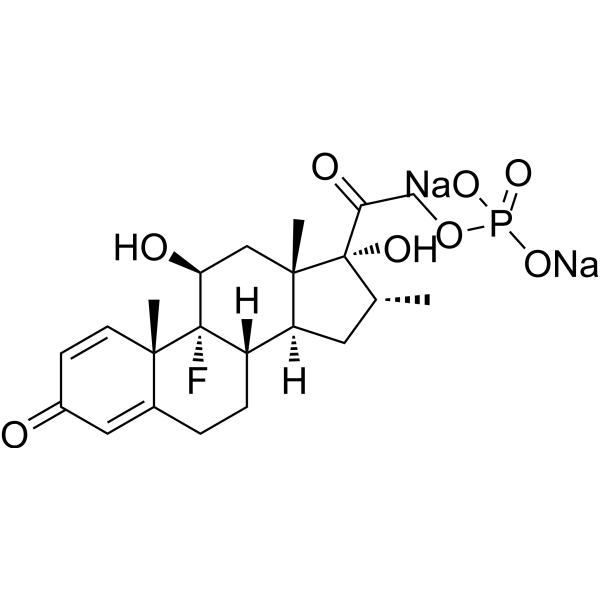
  • HY-B1829A
    Dexamethasone phosphate disodium
    Maximum Cited Publications
    11 Publications Verification

    Dexamethasone 21-phosphate disodium

    Glucocorticoid Receptor TGF-β Receptor Interleukin Related Neurological Disease Inflammation/Immunology
    Dexamethasone phosphate (Dexamethasone 21-phosphate) disodium is a prodrug form of the glucocorticoid Dexamethasone (HY-14648). Dexamethasone phosphate disodium is produced by introducing a phosphate ester group at the 21-position of the Dexamethasone molecule, forming a salt with sodium ions, thereby significantly improving water solubility. Dexamethasone phosphate disodium inhibits LPS (HY-D1056)-induced degradation of IRAK-1 and IRAK-4, and blocks LPS-induced activation of TRAF6, p-TAK1 and p-JNK. Dexamethasone phosphate disodium inhibits the secretion of RANTES, TGF-β1 and NO, promotes the production of MIP-1α and IL-10, and blocks microglial migration. Dexamethasone phosphate disodium is almost completely converted to Dexamethasone in rat blood, and supports transdermal delivery via iontophoresis. Dexamethasone phosphate disodium can be used in research related to steroid-dependent ulcerative colitis, chemotherapy-induced vomiting, allergic asthma and acute colitis (inflammatory bowel disease) .
    Dexamethasone phosphate disodium
  • HY-B1114
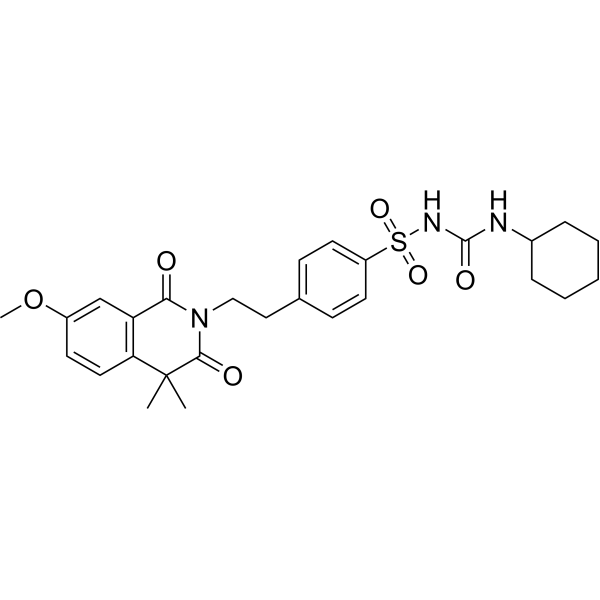
    Gliquidone
    2 Publications Verification

    AR-DF 26

    Potassium Channel ERK STAT NF-κB COX Interleukin Related Reactive Oxygen Species (ROS) Metabolic Disease
    Gliquidone can bind to the pancreatic β-cells and increases insulin release to regulate blood glucose levels. Gliquidone significantly decreases LPS (HY-D1056)-induced proinflammatory responses and inhibits ERK/STAT3/NF-κB phosphorylation in BV2 microglial cells. Gliquidone can suppress microgliosis, microglial hypertrophy mediated by LPS, and proinflammatory cytokine COX-2 and IL-6 levels in murine model. Gliquidone also exhibits good anticancer activity in lung carcinoma cells. Gliquidone has antioxidant property. Gliquidone can be studied in research for type 2 diabetes and cancers .
    Gliquidone
  • HY-170621

    STAT NO Synthase COX Interleukin Related TNF Receptor Neurological Disease Metabolic Disease Inflammation/Immunology Cancer
    STAT1/3-IN-1 is a potent STAT1/3 inhibitor with potent anti-inflammatory effect. STAT1/3-IN-1 inhibits phosphorylation and nuclear translocation of STAT1/3 to modulate microglial inflammation, reduces LPS (HY-D1056)-induced pro-inflammatory cytokines (NO, IL-1β, IL-6, and TNF-α) and inflammatory mediators (iNOS, COX-2). STAT1/3-IN-1 exhibits low toxicity in mice. STAT1/3-IN-1 can be used for the research of neuroinflammation .
    STAT1/3-IN-1
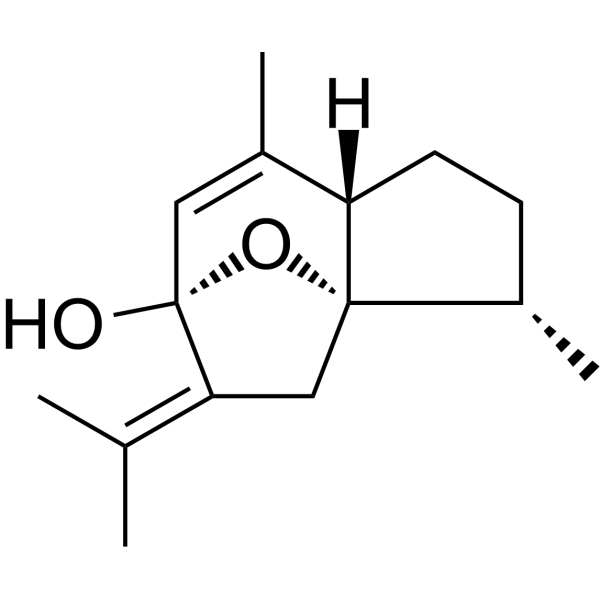
  • HY-N2259
    Curcumenol
    4 Publications Verification

    (+)-Curcumenol

    Cytochrome P450 Neurological Disease Inflammation/Immunology Cancer
    Curcumenol ((+)-Curcumenol) is a potent CYP3A4 inhibitor with an IC50 of 12.6 μM, which is one of constituents in the plants of medicinally important genus of Curcuma zedoaria, with neuroprotection, anti-inflammatory, anti-tumor and hepatoprotective activities. Curcumenol ((+)-Curcumenol) suppresses Akt-mediated NF-κB activation and p38 MAPK signaling pathway in LPS-stimulated BV-2 microglial cells .
    Curcumenol
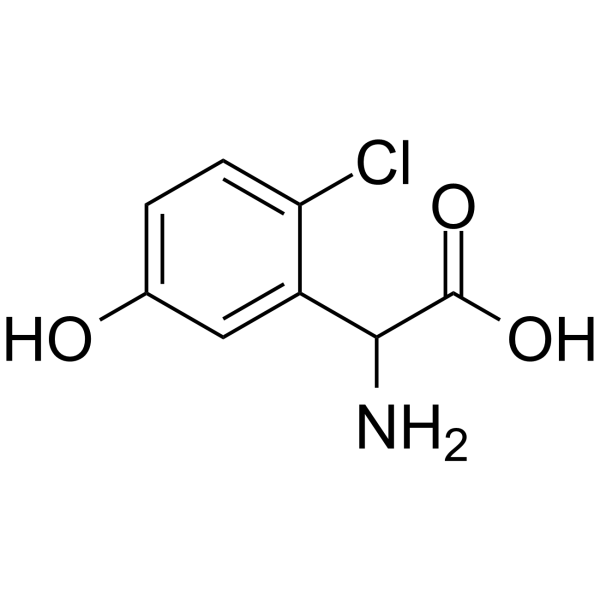
  • HY-101364
    CHPG
    4 Publications Verification

    mGluR NF-κB ERK Akt Cardiovascular Disease Inflammation/Immunology
    CHPG is a selective mGluR5 agonist, and attenuates SO2-induced oxidative stress and inflammation through TSG-6/NF-κB pathway in BV2 microglial cells . CHPG protects against traumatic brain injury (TBI) in vitro and in vivo by activation of the ERK and Akt signaling pathways .
    CHPG
  • HY-19667A
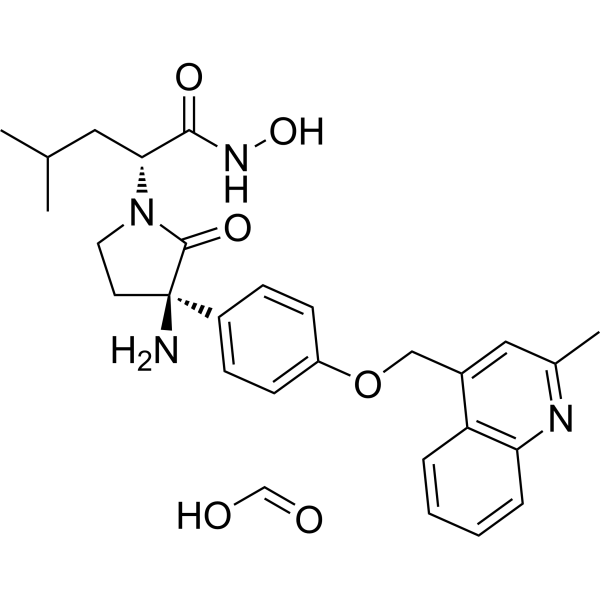
    BMS-561392 formate
    2 Publications Verification

    DPC 333 formate

    TNF Receptor NF-κB Apoptosis p38 MAPK Neurological Disease Inflammation/Immunology
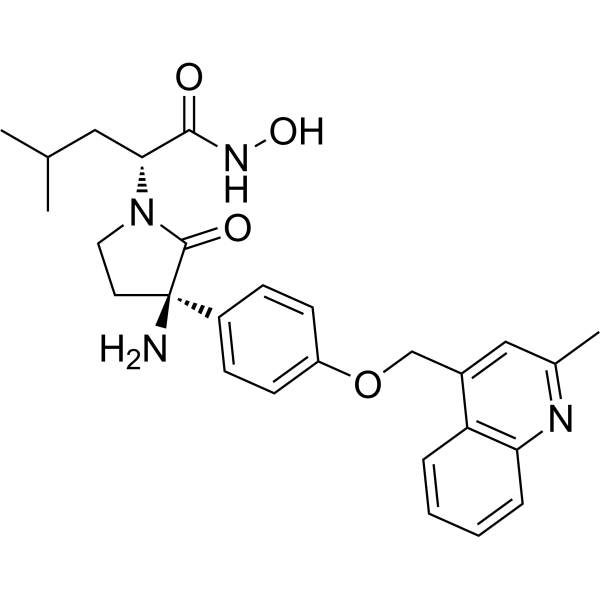
    BMS-561392 formate (DPC 333 formate) is a selective ADAM17(TACE) inhibitor. BMS-561392 formate inhibits TNF-α secretion by regulating signaling pathways such as p44 MAPK and NF-κB. BMS-561392 formate also affects the survival of central nervous system-related cells including oligodendrocytes and microglia. BMS-561392 formate promotes microglial apoptosis, enlarges the injury area and exacerbates astrogliosis in a mouse spinal cord injury model. BMS-561392 formate can be used in research related to spinal cord injury and inflammatory diseases .
    BMS-561392 formate
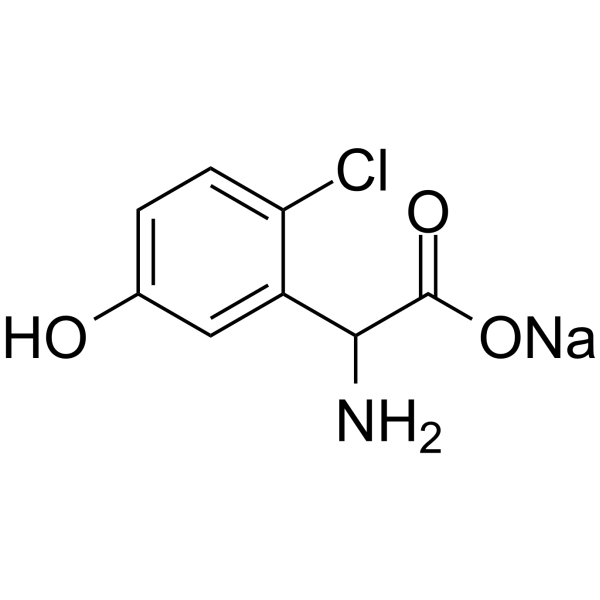
  • HY-101364A
    CHPG sodium salt
    4 Publications Verification

    mGluR NF-κB ERK Akt Neurological Disease Inflammation/Immunology
    CHPG sodium salt is a selective mGluR5 agonist, and attenuates SO2-induced oxidative stress and inflammation through TSG-6/NF-κB pathway in BV2 microglial cells . CHPG sodium salt protects against traumatic brain injury (TBI) in vitro and in vivo by activation of the ERK and Akt signaling pathways. .
    CHPG sodium salt
  • HY-107581
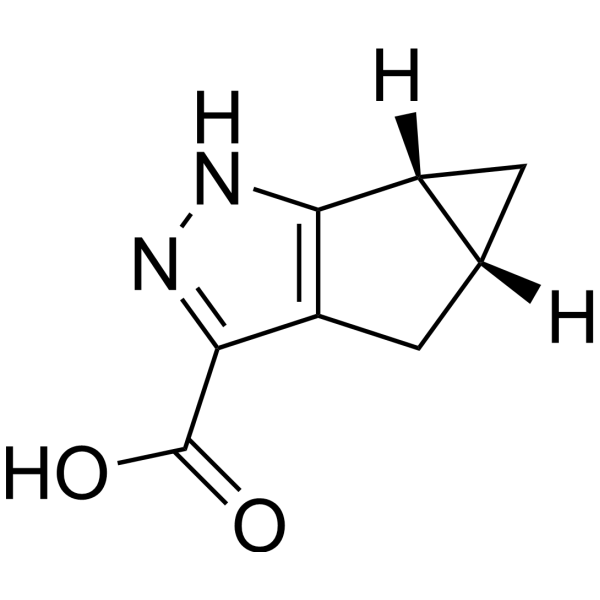
    MK-1903
    1 Publications Verification

    GPR109A MMP Metabolic Disease Inflammation/Immunology
    MK-1903 is an orally active full agonist of GPR109a/HCAR2, with an EC50 of 12.9 nM. MK-1903 activates antilipolytic and vasodilatory pathways, reduces plasma free fatty acid levels, and induces skin flushing. MK-1903 stimulates the expression of HCAR2 protein and regulates the inflammatory response of microglia. MK-1903 prevents the enhanced firing activity of spinal nociceptive neurons. MK-1903 triggers the release of MMP-9 and the formation of NET. MK-1903 can be used in the research of dyslipidemia and neuroinflammation-based central nervous system diseases .
    MK-1903
  • HY-N8371

    NO Synthase COX Interleukin Related TNF Receptor Inflammation/Immunology
    Shizukaol B is a lindenane-type dimeric sesquiterpene, used to be isolated from the whole plant of Chloranthus henryi. Shizukaol B has anti-inflammatory effect against lipopolysaccharide (LPS)-induced activation of BV2 microglial cells. Shizukaol B inhibits iNOS and COX-2, and suppresses NO production, TNF-α, and IL-1β expression .
    Shizukaol B
  • HY-19667

    DPC 333

    TNF Receptor NF-κB Apoptosis p38 MAPK Neurological Disease Inflammation/Immunology
    BMS-561392 (BMS-561392) is a selective ADAM17(TACE) inhibitor. BMS-561392 inhibits TNF-α secretion by regulating signaling pathways such as p44 MAPK and NF-κB. BMS-561392 also affects the survival of central nervous system-related cells including oligodendrocytes and microglia. BMS-561392 promotes microglial apoptosis, enlarges the injury area and exacerbates astrogliosis in a mouse spinal cord injury model. BMS-561392 can be used in research related to spinal cord injury and inflammatory diseases .
    BMS-561392
  • HY-110003
    Arachidonylcyclopropylamide
    2 Publications Verification

    ACPA

    Cannabinoid Receptor Neurological Disease
    Arachidonylcyclopropylamide (ACPA) is a potent and selective CB1 receptors agonist. Arachidonylcyclopropylamide inhibits forskolin-stimulated cAMP production in CHO cells transfected with human cannabinoid CB1 receptors (IC50=2 nM) .
    Arachidonylcyclopropylamide
  • HY-101546A

    (+)-Cavidine

    p38 MAPK ERK Interleukin Related Neurological Disease Inflammation/Immunology
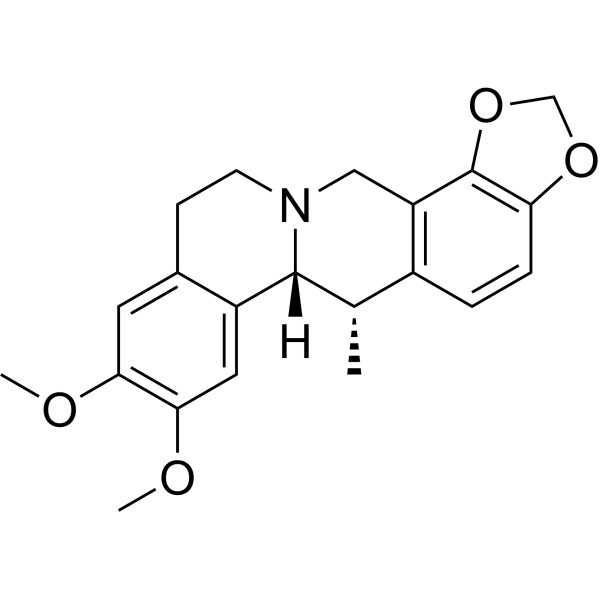
    Cavidine ((+)-Cavidine) is an analgesic and anti-inflammatory agent. Cavidine can be isolated from Corydalis ternata f. yanhusuo (Y.H.Chou & Chun C.Hsu) Y.C.Zhu. Cavidine reduces the expression of inflammatory factors IL-1β, IL-6 and TNF-α, and inhibits calcium ion influx. Cavidine inhibits the phosphorylation of p38 and ERK1/2. Cavidine increases mechanical and thermal pain thresholds in chronic pain models. Cavidine can be used for the research of chronic pain .
    Cavidine
  • HY-147512

    Cannabinoid Receptor Inflammation/Immunology
    CB1/2 agonist 1 is a potent and cross the blood-brain barrier CB1/2 agonist with EC50s of 56.15, 11.63 nM for CB1R and CB2R, respectively. CB1/2 agonist 1 reduces glutamate release and LPS-induced activation of microglial cells. CB1/2 agonist 1 shows anti-inflammatory and antinociceptive effects. CB1/2 agonist 1 has the potential for the research of multiple sclerosis .
    CB1/2 agonist 1
  • HY-113898

    Angiotensin-converting Enzyme (ACE) Toll-like Receptor (TLR) Interleukin Related Cardiovascular Disease Neurological Disease
    Ganoderic acid K is a triterpenoid compound. Ganoderic acid K can be isolated from Ganoderma lucidum. Ganoderic acid K inhibits ACE activity with an IC50 of 2.6×10 -5 M. Ganoderic acid K exhibits direct, high-affinity binding to recombinant MD2 protein, with a Kd value of 0.47 μM. It potently inhibits LPS-induced release of TNF-α and IL-6. It reduces cerebral infarction volume and ameliorates neurological dysfunction in mice with ischemic stroke in the tMCAO model. Ganoderic acid K can be used in studies related to hypertension and ischemic stroke .
    Ganoderic acid K
  • HY-N0887
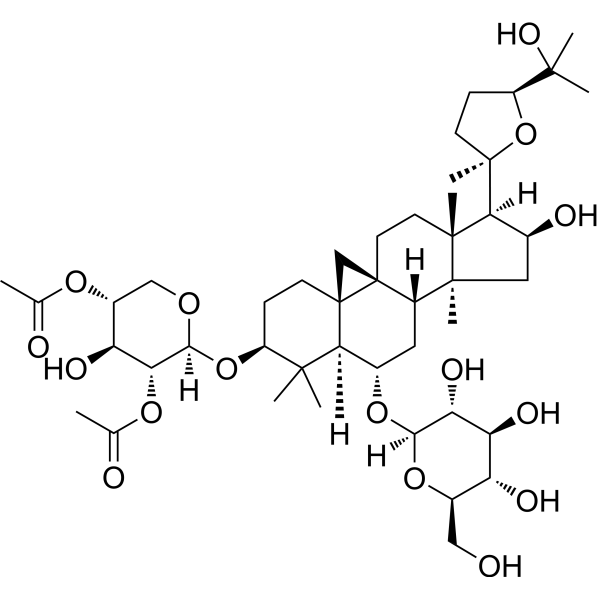
    Isoastragaloside I
    2 Publications Verification

    Isoastragaloside-I

    Akt NF-κB p38 MAPK PI3K FXR Keap1-Nrf2 NO Synthase COX Interleukin Related Integrin TGF-β Receptor Reactive Oxygen Species (ROS) Neurological Disease Metabolic Disease Inflammation/Immunology
    Isoastragaloside I is a natural compound found in Astragalus membranaceus, with oral activity and multiple biological activities such as anti-inflammatory and antioxidant properties. Isoastragaloside I inhibits Akt, NF-κB, MAPKs and PI3K, enhances the activity of hepatic FXR, regulates the TGF-β/Smads signaling pathway, and upregulates antioxidant molecules downstream of Nrf2. Isoastragaloside I inhibits the expression of NO, TNF-α, iNOS, COX-2, IL-1β and VCAM-1, and reduces intracellular ROS levels. Isoastragaloside I attenuates blood-brain barrier disruption, restores intestinal barrier function, increases β-cell mass, improves glucose homeostasis, and elevates circulating adiponectin levels. Isoastragaloside I can be used for the study of neuroinflammation-related neurodegenerative diseases, cholestatic liver disease, and diabetes .
    Isoastragaloside I
  • HY-138050

    (-)-Nyasol; (Z)-Hinokiresinol; cis-Hinokiresinol

    NO Synthase Bacterial Fungal Parasite Leukotriene Receptor Infection Inflammation/Immunology
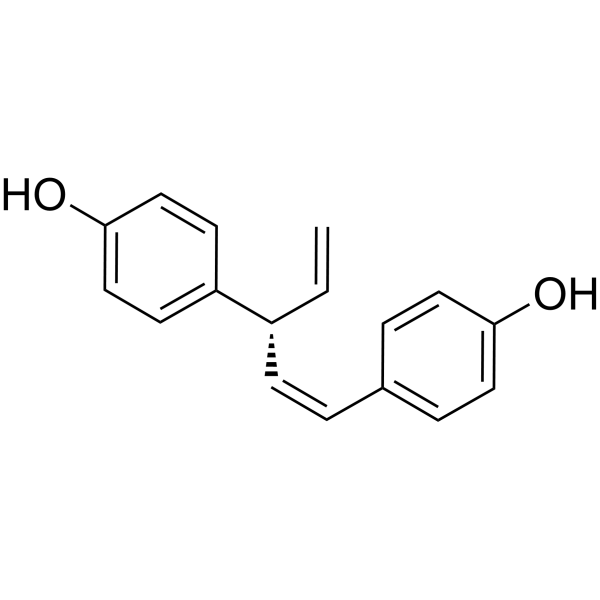
    Nyasol ((-)-Nyasol) is an active compound that has antifungal, antibacterial, antileishmanial, hyaluronidase inhibition activities. Nyasol inhibits LTB4 binding to human neutrophils. Nyasol suppresses neuroinflammatory response through the inhibition of I-κB degradation in LPS (HY-D1056)-stimulated BV-2 microglial cells .
    Nyasol
  • HY-N2259R

    (+)-Curcumenol (Standard)

    Reference Standards Cytochrome P450 Neurological Disease Inflammation/Immunology Cancer
    Curcumenol ((+)-Curcumenol) is a potent CYP3A4 inhibitor with an IC50 of 12.6 μM, which is one of constituents in the plants of medicinally important genus of Curcuma zedoaria, with neuroprotection, anti-inflammatory, anti-tumor and hepatoprotective activities. Curcumenol ((+)-Curcumenol) suppresses Akt-mediated NF-κB activation and p38 MAPK signaling pathway in LPS-stimulated BV-2 microglial cells .
    Curcumenol (Standard)
  • HY-N4190

    1,6-O,O-Diacetylbritannilactone; Di-O-acetylbritannilactone

    NO Synthase Neurological Disease Inflammation/Immunology
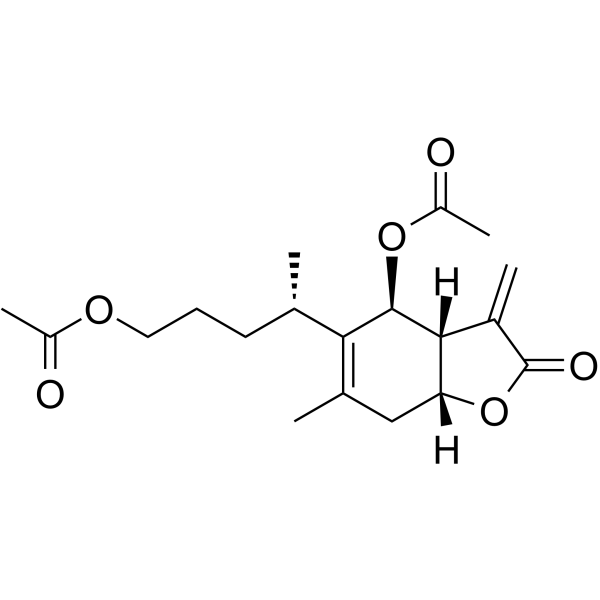
    Britannilactone diacetate (1,6-O,O-Diacetylbritannilactone; Compound 2) exhibits potential NO inhibition effect. Britannilactone diacetate exhibits activity against NO production induced by LPS in BV-2 microglial cells with the EC50 value of 6.3 μM. Britannilactone diacetate exhibits a favorable blood-brain barriers (BBB) penetration and absorption, distribution, metabolism, excretion, and toxicity (ADMET) property .
    Britannilactone diacetate
  • HY-155572

    Keap1-Nrf2 Inflammation/Immunology
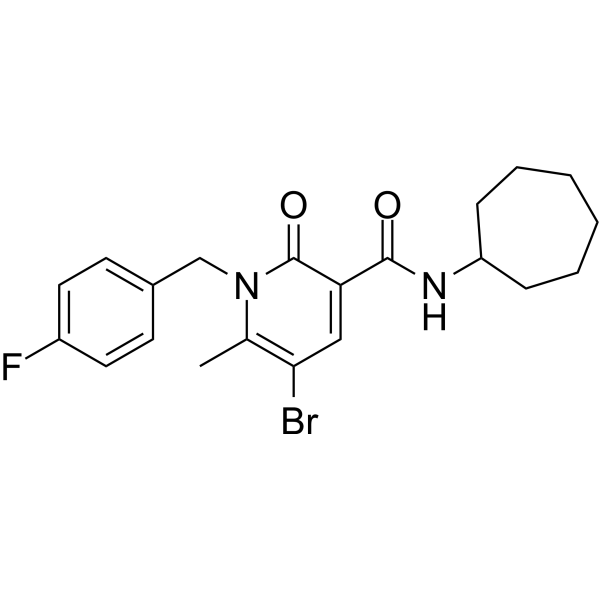
    Nrf2 activator-8 (compound 10e) is a Nrf2 activator (EC50=37.9 nM). Nrf2 activator-8 exhibits remarkable antioxidant and anti-inflammatory effects in BV-2 microglial cells. Nrf2 activator-8 can significantly restore spatial memory deficits in a mouse model of lipopolysaccharide (LPS)-induced neuroinflammation .
    Nrf2 activator-8
  • HY-N10066

    NO Synthase Inflammation/Immunology
    Anti-inflammatory agent 5 displays potent inhibition of NO generation in lipopolysaccharide-induced BV-2 microglial cells.
    Anti-inflammatory agent 5
  • HY-N3760

    NO Synthase Inflammation/Immunology
    Dimeric coniferyl acetate is a NO production inhibitor with an IC50 value 7.9 μM in BV-2 microglial cells .
    Dimeric coniferyl acetate
  • HY-N10275

    Others Inflammation/Immunology
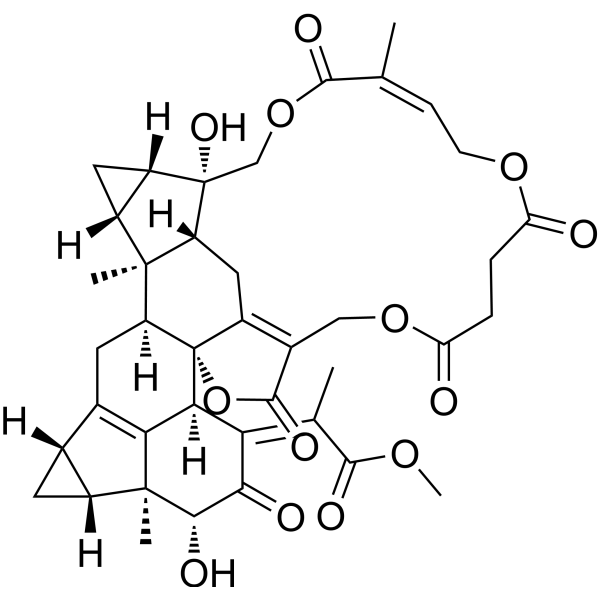
    Herpotrichone A shows potent anti-neuroinflammatory activity in lipopolysaccharide (LPS)-induced BV-2 microglial cells with the half maximal inhibitory concentration (IC50) value of 0.41 μM.
    Herpotrichone A
  • HY-P10350

    NF-κB Neurological Disease Inflammation/Immunology
    PapRIV is an agonist of BV-2 microglial cells, capable of activating microglial cells through an NF-κB-dependent pathway. PapRIV induces the expression of pro-inflammatory cytokines such as IL-6 and TNFα and increases the production of reactive oxygen species (ROS). PapRIV can cross the blood-brain barrier .
    PapRIV
  • HY-N3473

    NO Synthase Neurological Disease
    Isomaculosidine is an alkaloid that can be isolated from D. dasycarpus. Isomaculosidine can inhibit nitric oxide (NO) production in lipopolysaccharide (LPS)-stimulated BV2 microglial cells .
    Isomaculosidine
  • HY-N15566

    Drug Derivative Neurological Disease Inflammation/Immunology
    Theleganbanin D is a p-terphenyl derivative found in the Thelephora ganbajun. Theleganbanin D inhibits TNF-α, IL-6, and IL-1β production in LPS-induced BV-2 microglial cells. Theleganbanin D is promising for research of neurodegenerative diseases .
    Theleganbanin D
  • HY-146168

    Keap1-Nrf2 Inflammation/Immunology
    Nrf2 activator-5 (compound 1) is a potent Nrf2 activator that can attenuate H2O2-induced oxidative stress and LPS-stimulated inflammation in BV-2 microglial cells. Nrf2 activator-5 exhibits antioxidant and anti-inflammatory activities .
    Nrf2 activator-5
  • HY-N15570

    Interleukin Related TNF Receptor Neurological Disease Inflammation/Immunology
    2-O-Methylatromentin is an anti-neuroinflammatory agent. 2-O-Methylatromentin shows inhibitory activity on the production of pro-inflammatory cytokines TNF-α, IL-6 and IL-1β in Lipopolysaccharides (HY-D1056) (LPS) -induced BV-2 microglial cells. 2-O-Methylatromentin can be used for the study of neuroinflammatory related diseases .
    2-O-Methylatromentin
  • HY-N13701

    NO Synthase Inflammation/Immunology
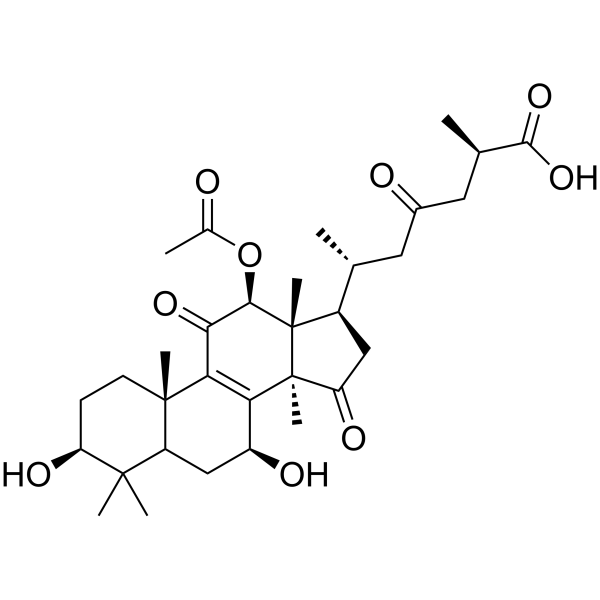
    3β,7β,15α-Trihydroxy-4-(hydroxymethyl)-11,23-dioxo-lanost-8-en-26-oic acid is a triterpene compound that can be found in Ganoderma lucidum, and it inhibits nitric oxide (NO) production in BV-2 microglial cells induced by lipopolysaccharide (LPS, HY-D1056), with an IC50 of 4.15 μM .
    3β,7β,15α-Trihydroxy-4-(hydroxymethyl)-11,23-dioxo-lanost-8-en-26-oic acid
  • HY-N0894A

    (3R,5R)-Hexahydrobisdemethoxycurcumin

    Drug Metabolite Neurological Disease Inflammation/Immunology
    (3R,5R)-Octahydrocurcumin (Compound 7) is gut microbial metabolite of Curcumin (HY-N0005). (3R,5R)-Octahydrocurcumin exhibits neuroprotective efficacy against Aβ25-35-induced cell damage in SH-SY5Y, and anti-inflammatory activity against LPS-stimulated mouse microglial BV-2 .
    (3R,5R)-Octahydrocurcumin
  • HY-N13706

    NO Synthase Inflammation/Immunology
    3β,15α-Dihydroxy-7,11,23-trioxo-lanost-8-dien-26-oic acid is a triterpene compound that can be found in Ganoderma lucidum, and it inhibits nitric oxide (NO) production in BV-2 microglial cells induced by lipopolysaccharide (LPS, HY-D1056), with an IC50 of 6.50 μM, making it a potential candidate for anti-inflammatory research .
    3β,15α-Dihydroxy-7,11,23-trioxo-lanost-8-dien-26-oic acid
  • HY-168091

    NOD-like Receptor (NLR) Interleukin Related Inflammation/Immunology
    YM-I-26 is a selective NLRP3 inflammasome inhibitor. YM-I-26 enhances the phagocytosis of β-amyloid protein by mouse microglial BV2 cells and inhibits the production of IL-1β and IL-10. YM-I-26 can be used to study the immunomodulatory activity associated with inflammation .
    YM-I-26
  • HY-101364AR

    Reference Standards mGluR NF-κB ERK Akt Neurological Disease Inflammation/Immunology
    CHPG (sodium salt) (Standard) is the analytical standard of CHPG (sodium salt). This product is intended for research and analytical applications. CHPG sodium salt is a selective mGluR5 agonist, and attenuates SO2-induced oxidative stress and inflammation through TSG-6/NF-κB pathway in BV2 microglial cells . CHPG sodium salt protects against traumatic brain injury (TBI) in vitro and in vivo by activation of the ERK and Akt signaling pathways. .
    CHPG sodium salt (Standard)
  • HY-B1114R

    AR-DF 26 (Standard)

    Potassium Channel Reference Standards ERK STAT NF-κB COX Interleukin Related Metabolic Disease
    Gliquidone (Standard) is the analytical standard of Gliquidone. This product is intended for research and analytical applications. Gliquidone can bind to the pancreatic β-cells and increases insulin release to regulate blood glucose levels. Gliquidone significantly decreases LPS (HY-D1056)-induced proinflammatory responses and inhibits ERK/STAT3/NF-κB phosphorylation in BV2 microglial cells. Gliquidone can suppress microgliosis, microglial hypertrophy mediated by LPS, and proinflammatory cytokine COX-2 and IL-6 levels in murine model. Gliquidone also exhibits good anticancer activity in lung carcinoma cells. Gliquidone has antioxidant property. Gliquidone can be studied in research for type 2 diabetes and cancers .
    Gliquidone (Standard)
  • HY-N19854

    NO Synthase Neurological Disease
    Mariaterpenoside A is an inducible nitric oxide synthase (iNOS) inhibitor. Mariaterpenoside A interacts with the active cavity of iNOS protein via hydrogen bonds with specific residues of the binding site. Mariaterpenoside A suppresses NO release in LPS (HY-D1056)-induced murine microglial BV-2 cells. Mariaterpenoside A can be used for the research of neurodegenerative disease .
    Mariaterpenoside A
  • HY-10512S

    AR 0133418-d3; GSK 3β inhibitor VIII-d3; AR 014418-d3

    Isotope-Labeled Compounds GSK-3 Metabolic Disease Cancer
    AR-A014418-d3 is the deuterium labeled AR-A014418. AR-A014418 is a potent, selective, and ATP-competitive GSK3β inhibitor (IC50=104 nM; Ki=38 nM) .
    AR-A014418-d3
  • HY-N10274

    Others Neurological Disease Inflammation/Immunology
    Herpotrichone B shows potent anti-neuroinflammatory activity in lipopolysaccharide (LPS)-induced BV-2 microglial cells with the half maximal inhibitory concentration (IC50) value of 0.11 μM.
    Herpotrichone B
  • HY-N13831

    Others Others
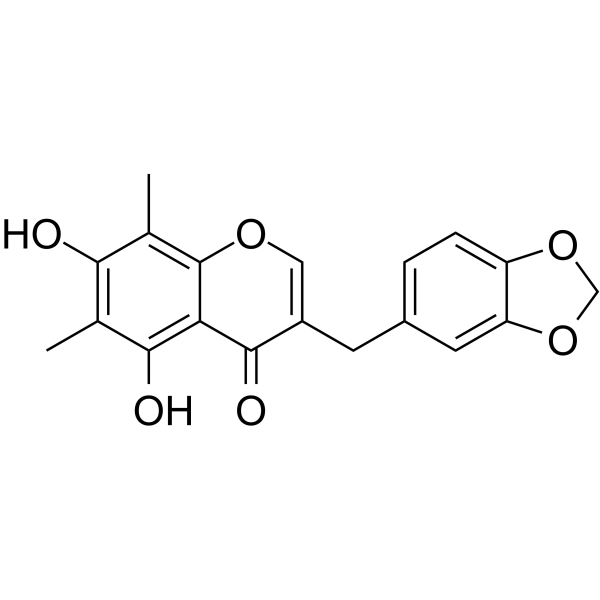
    Swietenidine B is a quinoline alkaloid that can be isolated from the root bark of Dictamnus dasycarpus. Swietenidine B does not show significant activity in inhibiting NO production in LPS-induced BV-2 microglial cells .
    Swietenidine B
  • HY-N15564

    Drug Derivative Neurological Disease Inflammation/Immunology
    Theleganbanin B is a p-terphenyl derivative found in the Thelephora ganbajun. Theleganbanin B inhibits TNF-α, IL-6, and IL-1β production in LPS-induced BV-2 microglial cells. Theleganbanin B inhibits the phosphorylation of JAK2/STAT3. Theleganbanin B is promising for research of neurodegenerative diseases .
    Theleganbanin B
  • HY-N19714

    Drug Derivative Inflammation/Immunology
    Aspacochinoside N is a pregnane glycoside (steroidal saponin) found in the roots of Asparagus cochinchinensis with an IC50 > 100 μM for NO production inhibition. Aspacochinoside N can be used in research on neuroinflammation .
    Aspacochinoside N
  • HY-182325

    Proteasome Interleukin Related Neurological Disease
    DB-310 is a selective immunoproteasome LMP2 inhibitor with an IC50 value of 80.62 nM. DB-310 inhibits the production of IL-1α in microglia. DB-310 improves cognitive function in the Tg2576 transgenic mouse model of Alzheimer's disease. DB-310 can be used for research related to Alzheimer's disease .
    DB-310
  • HY-N17524

    NO Synthase Inflammation/Immunology
    Floridolide B is a clerodane-type diterpenoid that can be isolated from the tuberous roots of Tinospora sagittata(Oliv.) Gagnep. The IC50 value of Floridolide B for inhibiting NO production in LPS-stimulated microglia is >60 μM .
    Floridolide B
  • HY-N17562

    NO Synthase Interleukin Related IKK NF-κB Inflammation/Immunology
    Acutissimalignan B is a natural product. Acutissimalignan B can be isolated from Daphne kiusiana var. atrocaulis (Rehd.) F. Maekawa. Acutissimalignan B can reduce the mRNA expression of inflammatory cytokines (iNOS, TNF-α, IL-1β, and IL-6), inhibit the phosphorylation of IκBα, and inhibit the nuclear translocation of NK-κB p65. Acutissimalignan B shows anti-neuroinflammatory effects .
    Acutissimalignan B
  • HY-N19789

    Bacterial Infection
    Gleinadiene is a coumarin that can be isolated from the extracts of leaves of Murraya paniculata. Gleinadiene exhibits weak antimicrobial activity against the gram-positive bacterium Bacillus cereus. Gleinadiene can be used for the research of bacterial infection .
    Gleinadiene
  • HY-N16851

    Drug Derivative Others
    Breynioside A is a natural phenolic compound.
    Breynioside A

Inquiry Online

Your information is safe with us. * Required Fields.

Salutation


Country or Region *

Applicant Name *


Organization Name *

Department *


Email Address *


Product Name *

Cat. No.


Requested quantity *

Phone Number *


Remarks

Inquiry Online

Inquiry Information

Product Name:
Cat. No.:
Quantity:
MCE Japan Authorized Agent:

