
1. Search Result
Search Result
Results for "

CSF1R

" in MedChemExpress (MCE) Product Catalog:

98

Inhibitors & Agonists

9

Inhibitory Antibodies

23

Recombinant Proteins

6

Antibodies

4

Oligonucleotides

Targets Recommended:
Cat. No. Product Name Target Research Areas Chemical Structure
  • HY-114153
    PLX5622
    85+ Cited Publications

    c-Fms Neurological Disease
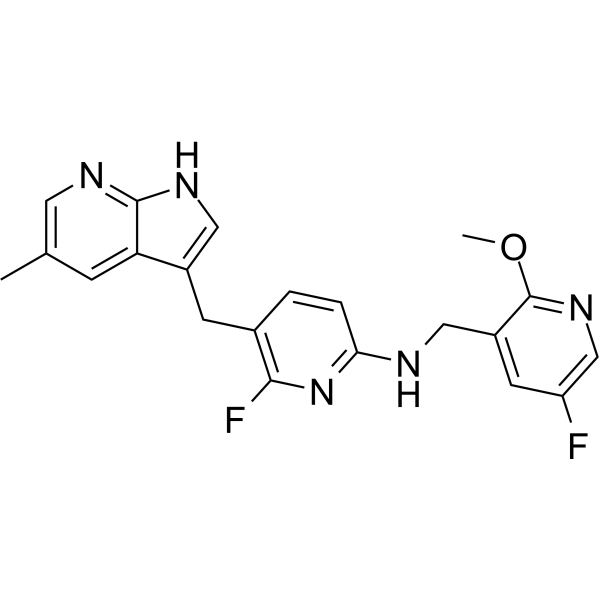
    PLX5622 is a highly selective brain penetrant and orally active CSF1R inhibitor (IC50=0.016 μM; Ki=5.9 nM). PLX5622 allows for extended and specific microglial cells elimination, preceding and during pathology development. PLX5622 demonstrates desirable PK properties in varies animals. PLX5622 is predominantly administered via ad libitum diets with a dose of 1200 ppm [1] .
    PLX5622
  • HY-16749
    Pexidartinib
    Maximum Cited Publications
    144 Publications Verification

    PLX-3397

    c-Fms c-Kit Apoptosis Cancer
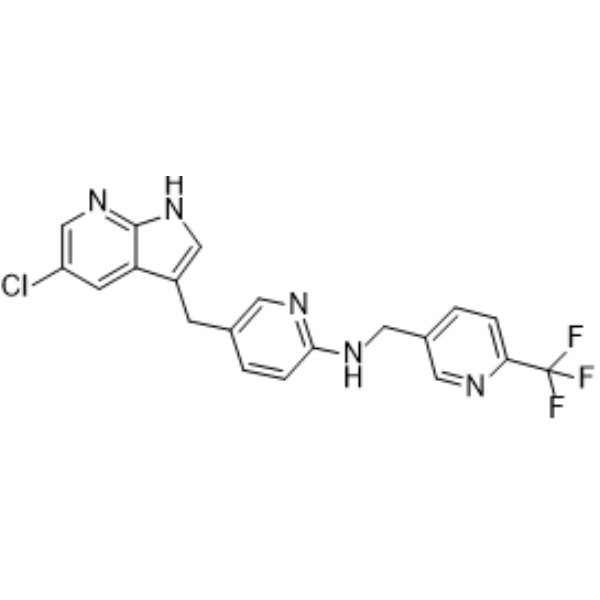
    Pexidartinib (PLX-3397) is a potent, orally active, selective, and ATP-competitive colony stimulating factor 1 receptor (CSF1R or M-CSFR) and c-Kit inhibitor, with IC50s of 20 and 10 nM, respectively. Pexidartinib (PLX-3397) exhibits 10- to 100-fold selectivity for c-Kit and CSF1R over other related kinases. Pexidartinib (PLX-3397) induces cell apoptosis and has anti-tumor activity. Pexidartinib has limited permeability to the blood-brain barrier, primarily through ABCB1 [1] .
    Pexidartinib
  • HY-12768
    Sotuletinib
    35+ Cited Publications

    BLZ945

    c-Fms Infection Neurological Disease Cancer
    Sotuletinib (BLZ945) is a potent, selective, orally active and brain-penetrant CSF-1R (c-Fms) inhibitor with an IC50 of 1 nM, showing more than 1,000-fold selectivity against its closest receptor tyrosine kinase homologs. Sotuletinib can be used for microglia depletion, and for tumor and CNS-related disease research [1] .
    Sotuletinib
  • HY-16749A
    Pexidartinib hydrochloride
    Maximum Cited Publications
    144 Publications Verification

    PLX-3397 hydrochloride

    c-Fms c-Kit Apoptosis Cancer
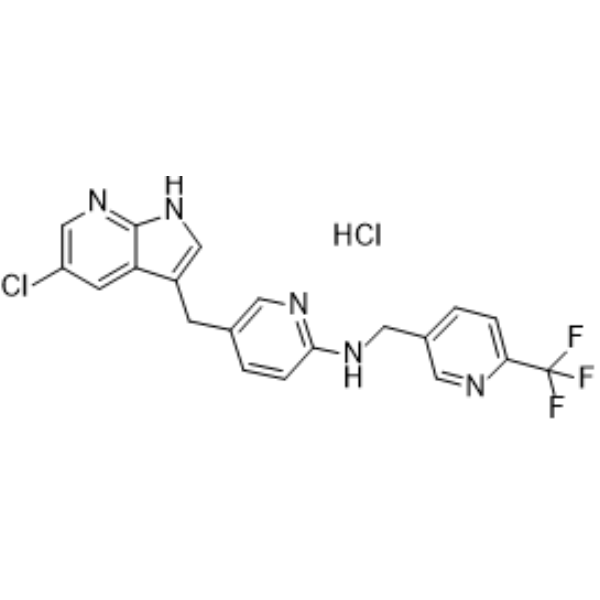
    Pexidartinib hydrochloride (PLX-3397 hydrochloride) is a potent, orally active, selective, and ATP-competitive colony stimulating factor 1 receptor (CSF1R or M-CSFR) and c-Kit inhibitor, with IC50s of 20 and 10 nM, respectively. Pexidartinib hydrochloride exhibits 10- to 100-fold selectivity for c-Kit and CSF1R over other related kinases. Pexidartinib hydrochloride induces cell apoptosis and has anti-cancer activity [1].
    Pexidartinib hydrochloride
  • HY-12297
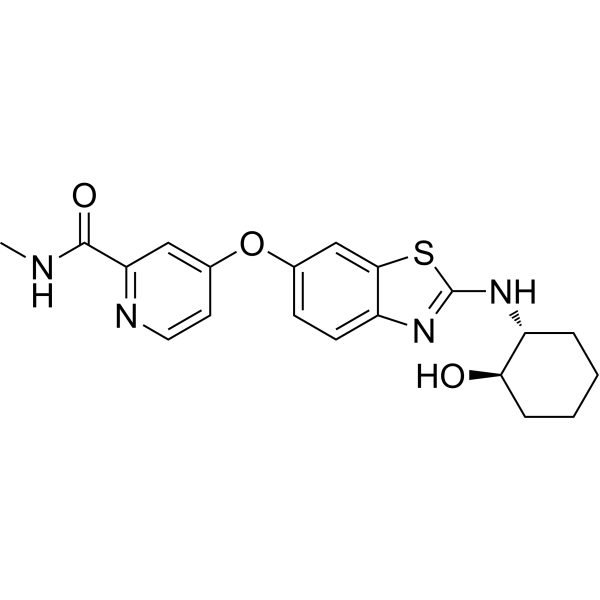
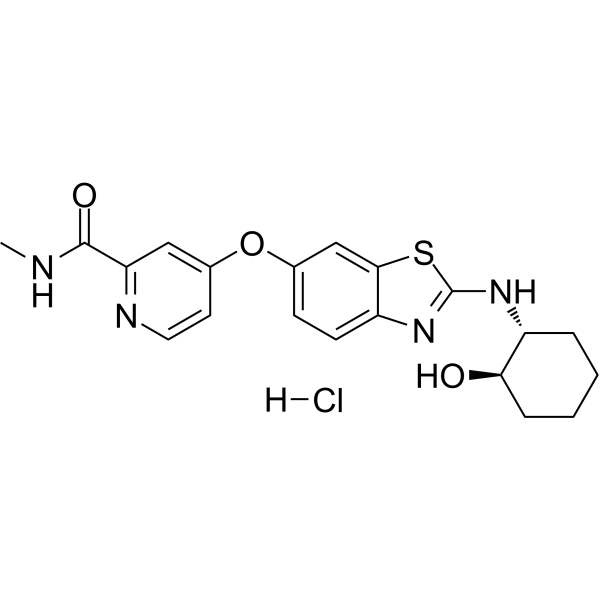
    Sulfatinib
    2 Publications Verification

    Surufatinib; HMPL-012

    FGFR VEGFR Cancer
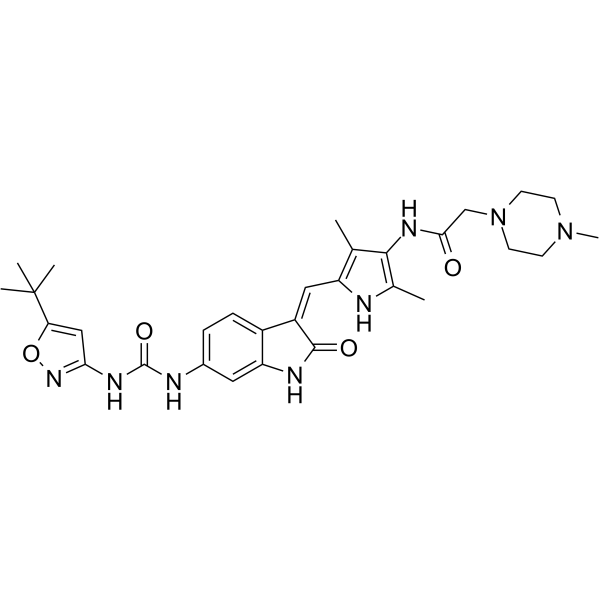
    Sulfatinib (Surufatinib) is a potent and highly selective tyrosine kinase inhibitor against VEGFR1/2/3, FGFR1 and CSF1R with IC50s of in a range of 1 to 24 nM.
    Sulfatinib
  • HY-50905
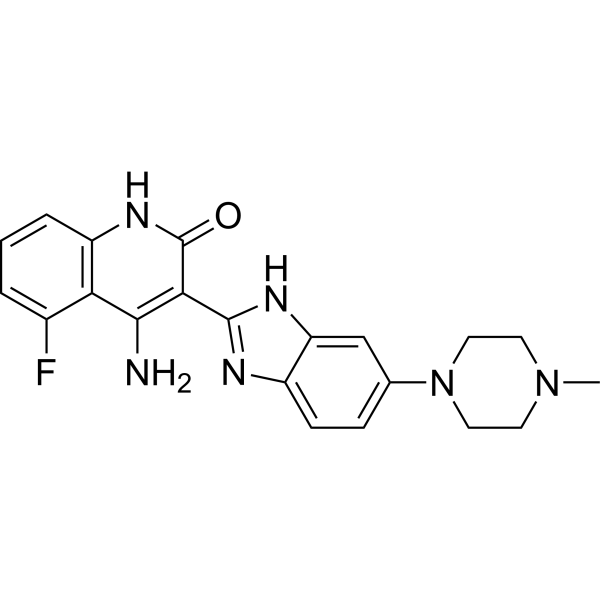
    Dovitinib
    10+ Cited Publications

    CHIR-258; TKI258

    FLT3 c-Kit FGFR VEGFR PDGFR c-Fms Cancer
    Dovitinib (CHIR-258) is an orally active, potent multi-targeted tyrosine kinase (RTK) inhibitor with IC50s of 1, 2, 36, 8/9, 10/13/8, 27/210 nM for FLT3, c-Kit, CSF-1R, FGFR1/FGFR3, VEGFR1/VEGFR2/VEGFR3 and PDGFRα/PDGFRβ, respectively. Dovitinib has potent antitumor activity [1] .
    Dovitinib
  • HY-12768A
    Sotuletinib hydrochloride
    35+ Cited Publications

    BLZ945 hydrochloride

    c-Fms Cancer
    Sotuletinib (BLZ945) hydrochloride is a potent, selective, orally active and brain-penetrant CSF-1R (c-Fms) inhibitor with an IC50 of 1 nM, showing more than 1,000-fold selectivity against its closest receptor tyrosine kinase homologs. Sotuletinib hydrochloride can be used for microglia depletion, and for tumor and CNS-related disease research. [1].
    Sotuletinib hydrochloride
  • HY-114153C

    c-Fms Neurological Disease
    PLX5622 in AIN-76A Diet (1200 ppm) contains 1200 mg of PLX5622 (HY-114153) per Kg of AIN-76 diet and it can be used for microglia clearance. PLX5622 in AIN-76A Diet (1200 ppm) is ideal choose for microglia function research in healthy/diseased states. PLX5622 in AIN-76A Diet (1200 ppm) has been verified by MedChemExpress (MCE).The color of PLX5622 in AIN-76A Diet (1200 ppm) provided by MCE is blue. Meanwhile, MCE will provide an equal amount of PLX5622-Free AIN-76A Diet (no added pigments) as a complimentary offering, which is used for the control group.
    PLX5622 in AIN-76A Diet (1200 ppm)
  • HY-132166
    Velzatinib
    1 Publications Verification

    M4205; IDRX-42

    c-Kit PDGFR c-Fms FLT3 Src Cancer
    Velzatinib (M4205) is a multi-target inhibitor for PDGFRB, PDGFRA, CSF1R, c-Kit, FLT3, and LCK, with an IC50s of 2.6, 50, 5.5, 44, 141 and 141 nM, respectively. Velzatinib exhibits antitumor efficacy in xenograft mouse models [1].
    Velzatinib
  • HY-P990125

    c-Fms Cardiovascular Disease Neurological Disease Metabolic Disease Inflammation/Immunology
    Anti-Mouse (CSF1R/CD115) Antibody (AFS98) is an anti-mouse CSF1R IgG2a antibody inhibitor derived from rats. Anti-Mouse (CSF1R/CD115) Antibody (AFS98) inhibits M-CSF-dependent colony formation and cell growth by blocking the binding of M-CSF to its receptor. Anti-Mouse (CSF1R/CD115) Antibody (AFS98) can be used for the researches of inflammation, metabolic disease, cardiovascular disease and neurological disease, such as such as stroke, diabetes and arthritis [1] .
    Anti-Mouse CSF1R/CD115 Antibody (AFS98)
  • HY-P99259

    FPA 008; Anti-Human CSF1R Recombinant Antibody

    c-Fms Inflammation/Immunology Cancer
    Cabiralizumab (FPA 008) is an anti-CSF1R monoclonal antibody (MAb). Cabiralizumab enhances T cell infiltration and antitumor T cell immune responses. Cabiralizumab inhibits the activation of osteoclasts and blocks bone destruction, and can be used in the research of rheumatoid arthritis (RA). Cabiralizumab can combine with Nivolumab (HY-P9903) for lung cancer research [1] .
    Cabiralizumab
  • HY-P990043

    VGL101

    Ser/Thr Kinase TREM receptor Inflammation/Immunology
    Iluzanebart is a human monoclonal IgG1 antibody and is the agonist antibody for human TREM2 (hTREM2). Iluzanebart improves the survival and function of microglia by activating the TREM2 signaling pathway to compensate for the loss of CSF1R function. Iluzanebart can be used for research of adult-onset leukoencephalopathy associated with CSF1R (colony stimulating factor 1 receptor) (CSF1R-ALSP) [1].
    Iluzanebart
  • HY-10408
    Ki20227
    4 Publications Verification

    c-Fms VEGFR c-Kit PDGFR Inflammation/Immunology
    Ki20227 is an orally active and highly selective c-Fms tyrosine kinase (CSF1R) inhibitor with IC50s of 2 nM, 12 nM, 451 and 217 nM for CSF1R, VEGFR2 (vascular endothelial growth factor receptor-2), c-Kit (stem cell factor receptor) and PDGFRβ (platelet-derived growth factor receptor β). Ki20227 suppresses osteoclast differentiation and osteolytic bone destruction [1].
    Ki20227
  • HY-153920

    ABSK021

    c-Fms c-Kit PDGFR Cancer
    Pimicotinib (ABSK021) is a selective and orally active CSF1R inhibitor with an IC50 value of 19.48 nM (determined by inhibiting ADP production). Pimicotinib exhibits anti-tumor activity [1] .
    Pimicotinib
  • HY-152830

    Q702

    c-Fms TAM Receptor MHC Cancer
    Adrixetinib (Q702) is an orally active triple inhibitor against CSF1R, Mer, and Axl, with Kd values of 8.7 nM, 0.8 nM, and 0.3 nM, respectively. Adrixetinib acts as a potent immune modulator that remodels the tumor microenvironment. Adrixetinib increases the abundance of M1 macrophages and CD8⁺ T cells, while decreasing the levels of M2 macrophages and myeloid-derived suppressor cells (MDSCs). Adrixetinib upregulates the expression of MHC class I and E-cadherin in tumor cells. Adrixetinib shows remarkable antitumor efficacy in syngeneic mouse tumor models. Adrixetinib is suitable for the research of breast cancer, renal adenocarcinoma, colon carcinoma, and melanoma [1] .
    Adrixetinib
  • HY-P99245

    RG 7155; RO 5509554

    c-Fms Cancer
    Emactuzumab(RG 7155) is a specific monoclonal antibody that inhibits colonystimulating factor 1 receptor (CSF1R) activation. Emactuzumab has high affinity for CSF-1R with Ki value of 0.2 nM to blocks CSF-1R dimerization. Emactuzumab can be used for the research of several diseases, such as diffuse-type tenosynovial giant cell tumour (dt-GCT) [1] .
    Emactuzumab
  • HY-101774
    CSF1R-IN-1
    1 Publications Verification

    c-Fms Cancer
    CSF1R-IN-1 is a CSF1R inhibitor with an with an IC50 of 0.5 nM.
    CSF1R-IN-1
  • HY-P99452

    SNDX-6352

    c-Fms Inflammation/Immunology Cancer
    Axatilimab (SNDX-6352) is a humanized IgG4 antibody with high affinity to CSF-1R. Axatilimab can be used for the research of chronic graft versus host disease (cGVHD) and neoplastic diseases [1] .
    Axatilimab
  • HY-114153A
    PLX5622 hemifumarate
    85+ Cited Publications

    c-Fms Neurological Disease
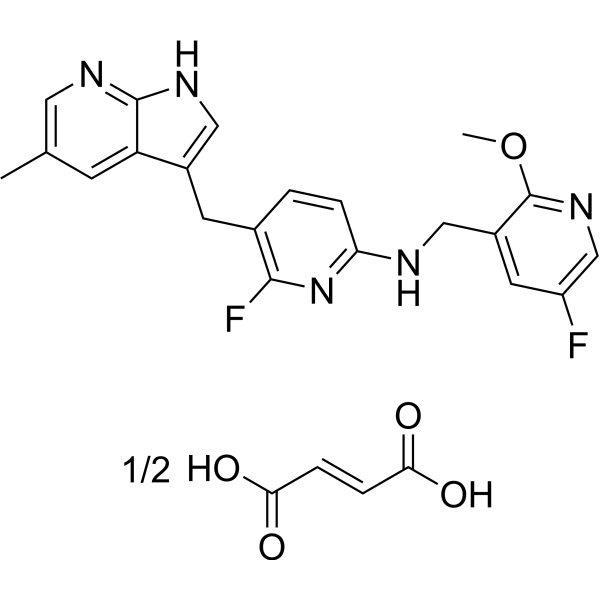
    PLX5622 hemifumarate is a highly selective brain penetrant and orally active CSF1R inhibitor (IC50=0.016 μM; Ki=5.9 nM). PLX5622 hemifumarate allows for extended and specific microglial elimination, preceding and during pathology development. PLX5622 hemifumarate demonstrates desirable PK properties in varies animals [1] .
    PLX5622 hemifumarate
  • HY-111787

    TPX-0022; CSF1R-IN-2

    Src c-Met/HGFR c-Fms Cancer
    Elzovantinib (TPX-0022) is an oral-active inhibitor of SRC, MET and c-FMS, with IC50 values of 0.12 nM, 0.14 nM and 0.76 nM for SRC, MET and c-FMS respectively [1].
    Elzovantinib
  • HY-109190
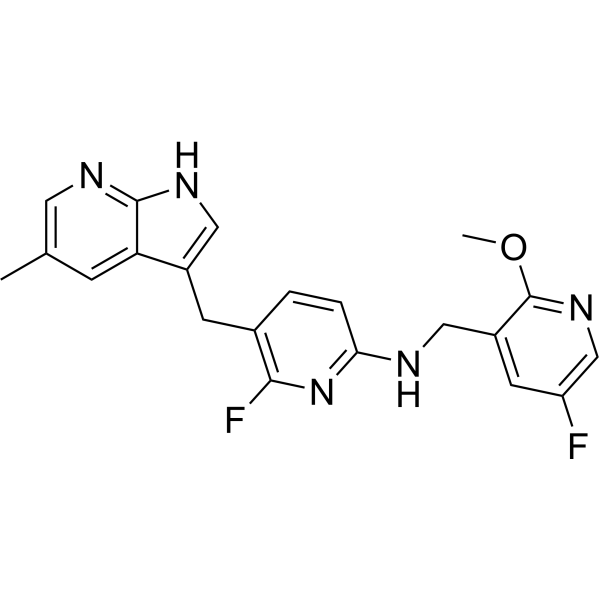
    Seralutinib
    2 Publications Verification

    GB002; PK10571

    PDGFR c-Fms c-Kit Cardiovascular Disease
    Seralutinib (GB002) is an inhaled PDGFRα and PDGFRβ inhibitor. Seralutinib also targets to CSF1R and c-KIT with IC50s of 8 nM and 14 nM, respectively. Seralutinib (GB002) is used in the study for pulmonary arterial hypertension [1] .
    Seralutinib
  • HY-124526

    Ibcasertib; CS2164

    PDGFR c-Fms Aurora Kinase VEGFR c-Kit Mitosis Cancer
    Chiauranib (CS2164) is an orally active multi-target inhibitor against tumor angiogenesis. Chiauranib potently inhibits the angiogenesis-related kinases (VEGFR1, VEGFR2, VEGFR3, PDGFRα and c-Kit), mitosis-related kinase Aurora B, and chronic inflammation-related kinase CSF-1R, with IC50 values ranging from 1-9 nM. Chiauranib has strongly anticancer effects [1].
    Chiauranib
  • HY-101768
    PRN1371
    1 Publications Verification

    FGFR c-Fms Cancer
    PRN1371 is a highly selective and potent FGFR1-4 and CSF1R inhibitor with IC50s of 0.6, 1.3, 4.1, 19.3 and 8.1 nM for FGFR1, FGFR2, FGFR3, FGFR4 and CSF1R, respectively [1].
    PRN1371
  • HY-P99368

    MCS110

    c-Fms Metabolic Disease Cancer
    Lacnotuzumab (MCS110) is a neutralizing humanized IgG1/κ monoclonal antibody targeting CSF-1 that prevents CSF-1 from activating the CSF-1R. Lacnotuzumab can be used for the research of pigmented villonodular synovitis [1] .
    Lacnotuzumab
  • HY-10204
    OSI-930
    4 Publications Verification

    c-Kit VEGFR c-Fms Apoptosis Cancer
    OSI-930 is an orally selective inhibitor of Kit, KDR and CSF-1R (c-Fms) with IC50s of 80 nM, 9 nM and 15 nM, respectively. OSI-930 also moderately inhibits Flt-1, c-Raf, Lck and low activity against PDGFRα/β, Flt-3 and Abl. OSI-930 has antitumor activity [1].
    OSI-930
  • HY-109086
    Edicotinib
    3 Publications Verification

    JNJ-40346527; JNJ-527

    c-Fms Neurological Disease Inflammation/Immunology Cancer
    Edicotinib (JNJ-40346527) is a potent, selective, brain penetrant and orally active colony-stimulating factor-1 receptor (CSF-1R) inhibitor with an IC50 of 3.2 nM. Edicotinib exhibits less inhibitory effects on KIT and FLT3 with IC50 values of 20 nM and 190 nM, respectively [1]. Edicotinib limits microglial expansion and attenuates microglial proliferation and neurodegeneration in mice. Edicotinib has the potential for Alzheimer’s disease and rheumatoid arthritis research [1] .
    Edicotinib
  • HY-19772

    ESM-HDAC391; CHR-5154; HDAC-IN-3

    HDAC c-Fms Inflammation/Immunology
    GSK3117391 (ESM-HDAC391; CHR-5154; HDAC-IN-3) is an orally active HDAC inhibitor with a IC50 of 55 nM. Using esterase-sensitive motif technology, GSK3117391 is selectively converted into its active acid metabolite HDAC189 in cells expressing carboxylesterase-1. GSK3117391 induces sustained global protein acetylation in monocytes, inhibits the production of proinflammatory cytokines, depletes circulating monocytes, downregulates the expression of CSF1R, and inhibits monocyte adhesion and differentiation. GSK3117391 can be used in the research of chronic inflammatory diseases [1].
    GSK3117391
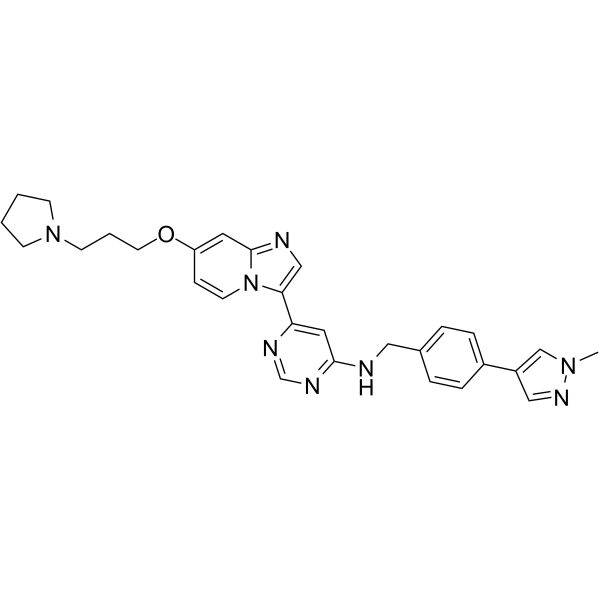
  • HY-117244
    AZD7507
    2 Publications Verification

    c-Fms Cancer
    AZD7507 is a potent and orally active CSF-1R inhibitor, with antitumor activity.
    AZD7507
  • HY-145601

    TT 00420

    Aurora Kinase FGFR VEGFR Cancer
    Tinengotinib (TT00420) is an orally active, spectrally selective small molecule kinase inhibitor targeting Aurora A/B (IC50=1.2-3.3 nM), FGFR1/2/3 (IC50=1.5-3.5 nM), VEGFRs, JAK1/2 and CSF1R. Tinengotinib blocks Aurora kinase-mediated cell cycle progression (inducing G2/M arrest), inhibits FGFR/JNK-JUN signaling pathway and activates MEK/ERK-dependent apoptotic pathway. Tinengotinib has the activity of anti-tumor proliferation, inducing apoptosis, inhibiting angiogenesis and regulating tumor microenvironment. Tinengotinib can be used in the study of triple-negative breast cancer (TNBC), gallbladder cancer and tumor immune microenvironment [1] .
    Tinengotinib
  • HY-126297

    c-Fms Inflammation/Immunology Cancer
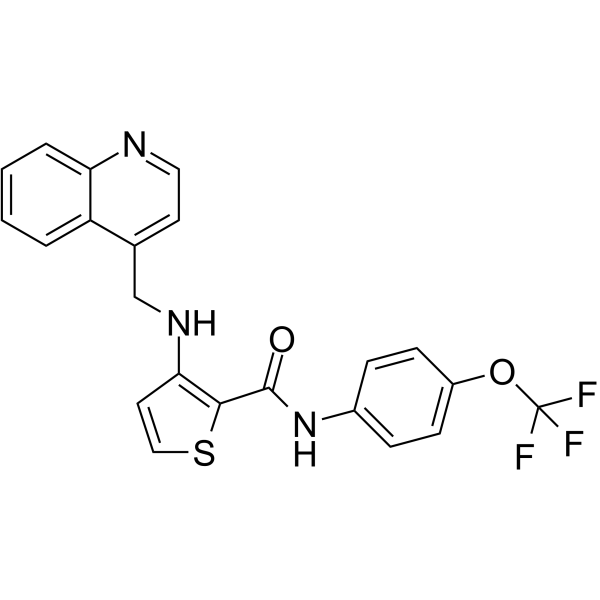
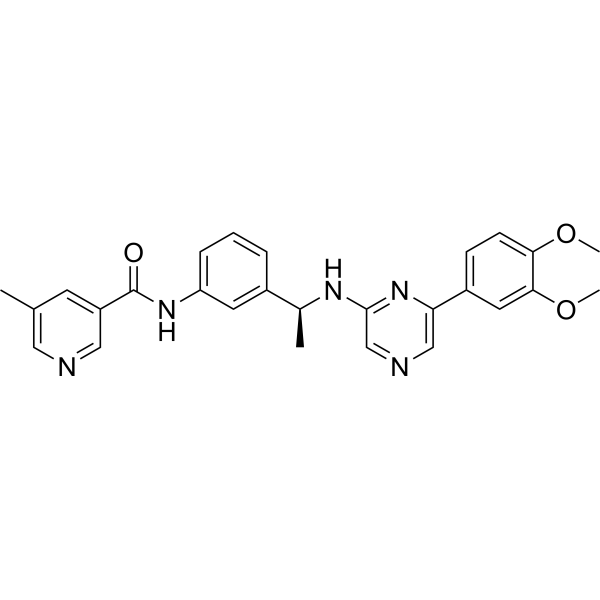
    c-Fms-IN-10 is the derivative of thieno [3,2-d] pyrimidine, an kinase inhibitor of FMS (Colony stimulating factor-1 receptor, CSF-1R) with IC50 of 2 nM. c-Fms-IN-10 has anti-tumor activity [1].
    c-Fms-IN-10
  • HY-160842

    c-Fms Neurological Disease
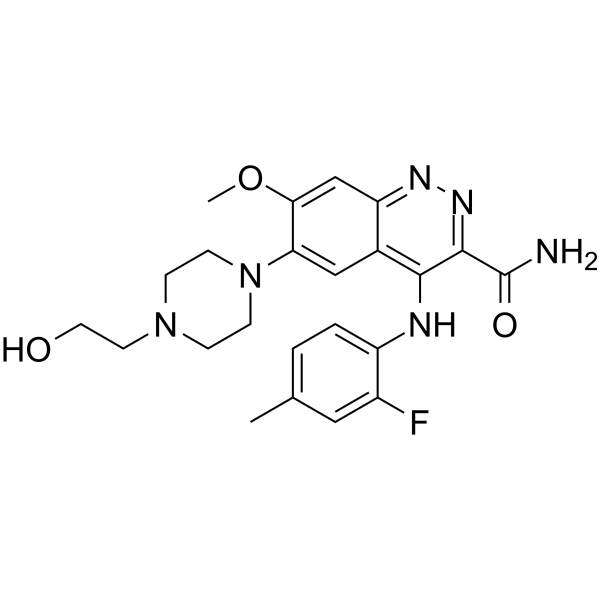
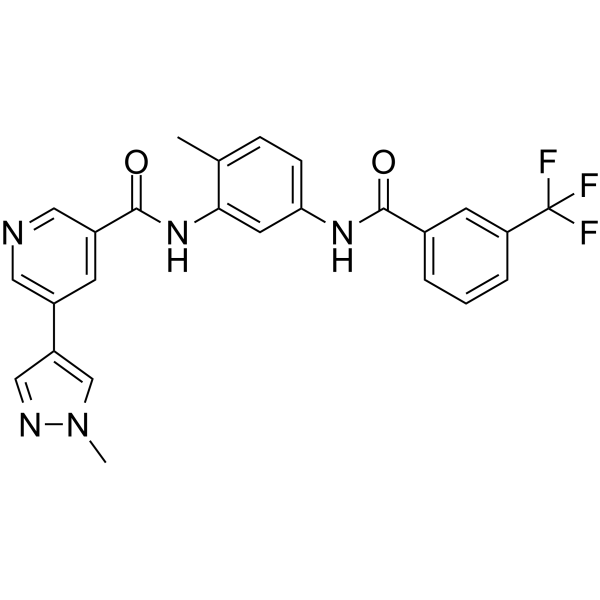
    CSF1R-IN-24 (Example 134) is an orally active CSF1R inhibitor. CSF1R-IN-24 significantly inhibits the survival of human ipSC-derived microglia (hiPSC-MG) [1].
    CSF1R-IN-24
  • HY-100491

    FGFR Cancer
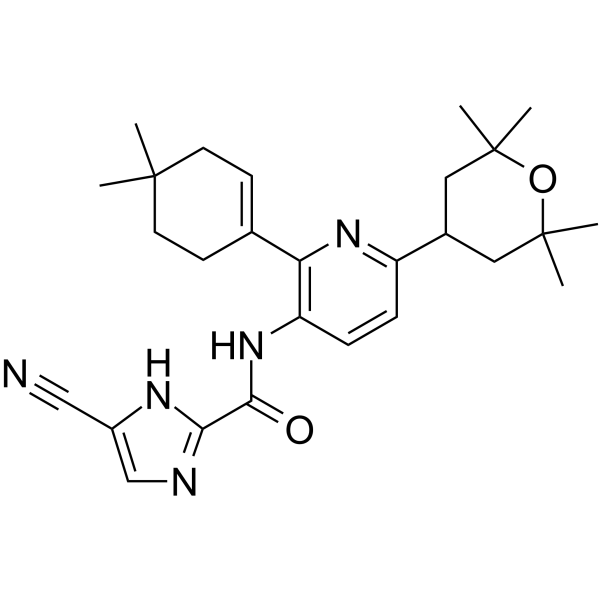
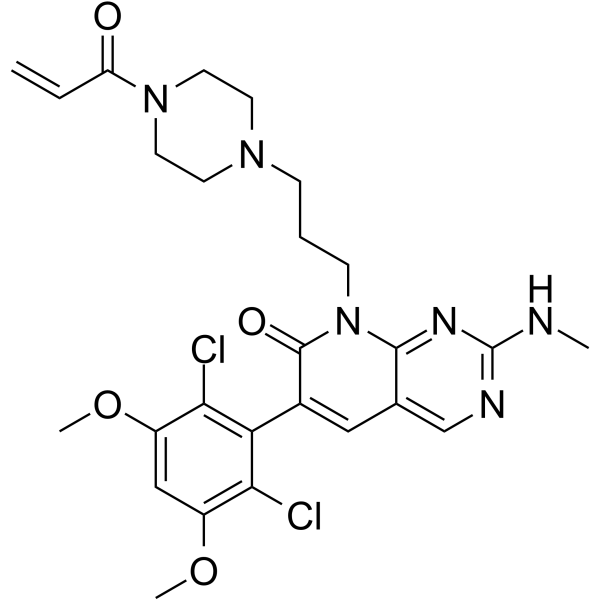
    H3B-6527 is an orally active, highly selective and covalent FGFR4 inhibitor with an IC50 of <1.2 nM. H3B-6527 has at least 250-fold selectivity over FGFR1-3 with IC50s of 320 nM, 1290 nM and 1060 nM respectively. H3B-6527 has potent anti-cancer activity [1].
    H3B-6527
  • HY-159838

    EI‐1071

    c-Fms Amyloid-β Neurological Disease Cancer
    Enrupatinib (EI‐1071) is a potent, orally active, CNS-penetrant and selective CSF1R inhibitor. Enrupatinib inhibits macrophage proliferation and osteoclast differentiation in vitro. Enrupatinib preserves microglia distal to plaques. Enrupatinib mitigates Alzheimer's disease (AD)-related pathologies by reducing neuroinflammation, preserving neuronal integrity, lowering disease-associated microglia gene expression, and enhancing cognitive function in 5xFAD and J20 mouse models. Enrupatinib reduces tumor-associated macrophage infiltration and enhances antitumor activity of anti-PD-1 antibody in murine colorectal cancer and breast cancer models. Enrupatinib can be used for the research of AD, colorectal cancer, and breast cancer [1] .
    Enrupatinib
  • HY-136362

    c-Fms Inflammation/Immunology Cancer
    ARRY-382 is a potent, oral and highly selective inhibitor of CSF1R/c-Fms with an IC50 of 9 nM. ARRY-382 can be used for the research of advanced or metastatic cancers [1].
    ARRY-382
  • HY-117273

    Raf Autophagy Cancer
    AZ304 is an ATP-competitive dual BRAF kinase inhibitor, potently inhibits wild type BRAF, V600E mutant BRAF and wild type CRAF, with IC50s of 79 nM, 38 nM and 68 nM, respectively. AZ304 also has significant effect on other kinases, such as p38 (IC50, 6 nM), CSF1R (IC50, 35 nM). Anti-tumor activity [1].
    AZ304
  • HY-159108

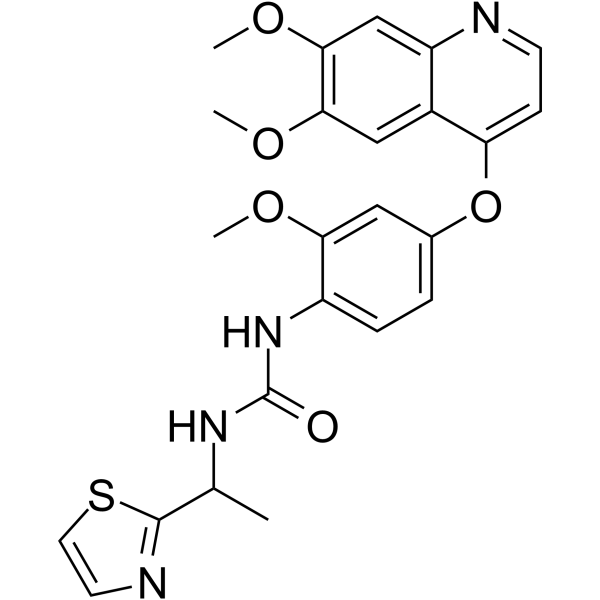
    c-Fms Cardiovascular Disease
    AZ683 is a potent and selective 3-amido-4-anilinoquinoline CSF1R inhibitor. AZ683 has high affinity for CSF1R (Ki=8 nM; IC50=6 nM). AZ683 has good oral bioavailability. [ 11C]AZ683 can be used as a positron emission tomography (PET) radiotracer for colony stimulating factor 1 receptor (CSF1R) [1] .
    AZ683
  • HY-161025

    c-Fms VEGFR Cancer
    SYHA1813 is a dual inhibitor of CSF1R and VEGFR. SYHA1813 has potent antitumor activity against GBM [1].
    SYHA1813
  • HY-147615

    c-Fms Cancer
    CSF1R-IN-12 (compound 1) is a potent inhibitor of CSF1R. Colony stimulating factor 1 (CSF-1, also known as macrophage colony stimulating factor, M-CSF) is an important growth factor that controls bone marrow progenitor cells, monocytes, macrophages, and giants. CSF1R-IN-12 has the potential for the research of cancer diseases [1].
    CSF1R-IN-12
  • HY-122906

    c-Fms Inflammation/Immunology
    JTE-952 is a potent, oral active and selective Type II inhibitor of colony stimulating factor-1 receptor (CSF-1R or cFMS, type III receptor tyrosine kinase), with IC50 values of 13 nM and 261 nM for CSF1R and TrkA , respectively. Effective against a mouse collagen-induced model of arthritis [1].
    JTE-952
  • HY-132935

    c-Fms Inflammation/Immunology Cancer
    BPR1R024 is an orally active and selective colony-stimulating factor-1 receptor (CSF1R) inhibitor. BPR1R024 has potent CSF1R inhibition activity with an IC50 value of 0.53 nM. BPR1R024 can be used for the research of immuno-oncology [1].
    BPR1R024
  • HY-112451

    c-Fms Inflammation/Immunology
    cFMS Receptor Inhibitor II is a CSF1R kinase inhibitor. CSF-1 is a cytokine [1].
    cFMS Receptor Inhibitor II
  • HY-119942

    c-Fms Cancer
    c-Fms-IN-8 (compound 4a) is a colony stimulating factor-1 receptor (CSF-1R, c-FMS) Type II inhibitor, with an IC50 of 9.1 nM [1].
    c-Fms-IN-8
  • HY-13493

    PDGFR c-Kit FLT3 Cancer
    AC710 is a potent PDGFR inhibitor with Kds of 0.6, 1.57, 1, 1.3, 1.0 nM for FLT3, CSF1R, KIT, PDGFRα and PDGFRβ, respectively.
    AC710
  • HY-P991048

    c-Fms Cancer
    AMG-820 is a fully human IgG2 antibody that targets CSF-1R. AMG-820 inhibits binding of the ligands CSF1 and IL34 and subsequent ligand-induced receptor activation. The isotype control for AMG-820 can refer to Human IgG2 kappa, Isotype Control (HY-P99002) [1].
    AMG-820
  • HY-139990
    CSF1R-IN-3
    1 Publications Verification

    c-Fms Cancer
    CSF1R-IN-3 (compound 21) is a potent and orally active CSF-1R inhibitor (IC50=2.1 nM). CSF1R-IN-3 is a potent antiproliferative activity against colorectal cancer cells. CSF1R-IN-3 inhibits the progression of colorectal cancer by suppressing the migration of macrophages, reprograming M2-like macrophages to the M1 phenotype, and enhancing the antitumor immunity [1].
    CSF1R-IN-3
  • HY-16749R

    PLX-3397 (Standard)

    c-Fms c-Kit Apoptosis Reference Standards Cancer
    Pexidartinib (Standard) is the analytical standard of Pexidartinib. This product is intended for research and analytical applications. Pexidartinib (PLX-3397) is a potent, orally active, selective, and ATP-competitive colony stimulating factor 1 receptor (CSF1R or M-CSFR) and c-Kit inhibitor, with IC50s of 20 and 10 nM, respectively. Pexidartinib (PLX-3397) exhibits 10- to 100-fold selectivity for c-Kit and CSF1R over other related kinases. Pexidartinib (PLX-3397) induces cell apoptosis and has anti-tumor activity [1].
    Pexidartinib (Standard)
  • HY-153012

    TAM Receptor c-Fms Cancer
    Axl/Mer-IN-1 (Compound 1) is an Axl/Mer receptor tyrosine kinase (Axl/Mer RTK) and CSF1R inhibitor with Kds of <0.1 μM [1].
    Axl/Mer/CSF1R-IN-1
  • HY-RS03230

    Small Interfering RNA (siRNA) Others

    Csf1r Rat Pre-designed siRNA Set A contains three designed siRNAs for Csf1r gene (Rat), as well as a negative control, a positive control, and a FAM-labeled negative control.

    Csf1r Rat Pre-designed siRNA Set A
    Csf1r Rat Pre-designed siRNA Set A
  • HY-144041

    c-Fms Cancer
    CSF1R-IN-5 is a potent inhibitor of CSF1R. CSF-1R is expressed in macrophages, and the survival and differentiation of macrophages depends on the CSF-1/CSF-1R signaling pathway. CSF1R-IN-5 affects the exchange of inflammatory factors between TAMs and glioma cells. CSF1R-IN-5 has the potential for the research of cancer disease (extracted from patent WO2021197276A1, compound 11) [1].
    CSF1R-IN-5
  • HY-174366

    c-Fms PI3K Cancer
    JMC14 is a selective and orally active PI3Kδ and CSF1R inhibitor with IC50 values of 12 nM and 143 nM, respectively. JMC14 preferentially inhibits PI3Kδ-mediated signaling at the cellular level. JMC14 demonstrates potent antitumor activity against B-cell lymphomas and triple-negative breast cancer (TNBC) in both in vitro and vivo studies. JMC14 can be used for the study of antitumor immunity [1].
    JMC14

Inquiry Online

Your information is safe with us. * Required Fields.

Salutation


Country or Region *

Applicant Name *


Organization Name *

Department *


Email Address *


Product Name *

Cat. No.


Requested quantity *

Phone Number *


Remarks

Inquiry Online

Inquiry Information

Product Name:
Cat. No.:
Quantity:
MCE Japan Authorized Agent:

