1. Search Result
Search Result
Results for "

Ca2 influx

" in MedChemExpress (MCE) Product Catalog:

107

Inhibitors & Agonists

2

Biochemical Assay Reagents

10

Peptides

20

Natural
Products

13

Isotope-Labeled Compounds

Cat. No. Product Name Target Research Areas Chemical Structure
  • HY-18723
    Yoda 1
    Maximum Cited Publications
    100 Publications Verification

    Piezo Channel Akt ERK Potassium Channel Cardiovascular Disease
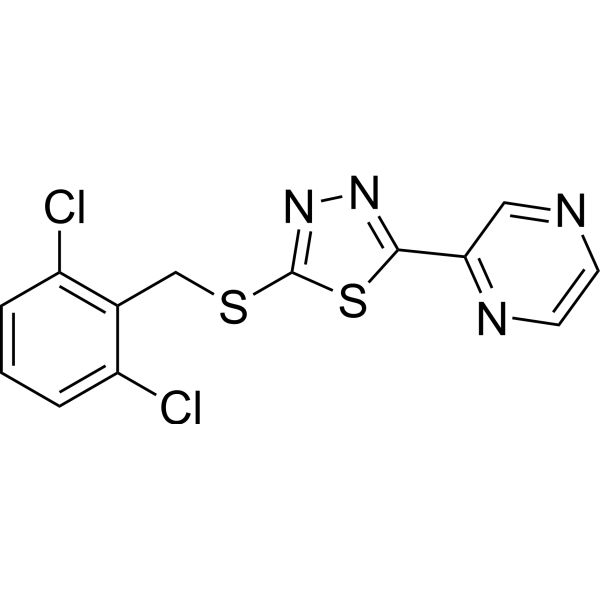
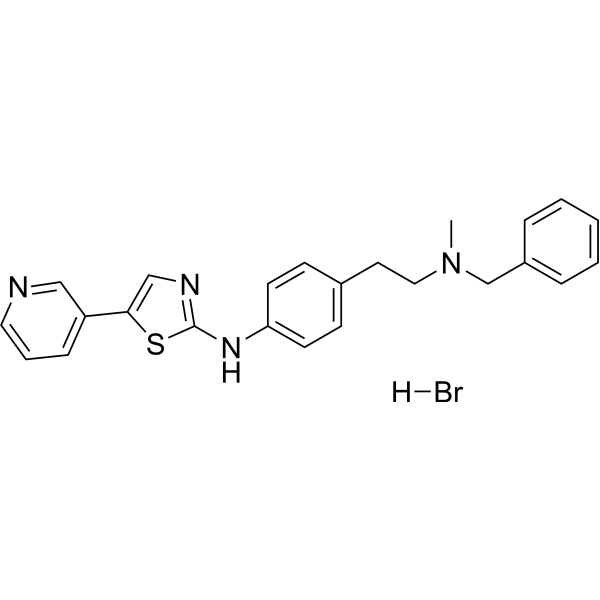
    Yoda 1 is a potent and selective Piezo1 agonist. Yoda 1 activates purified Piezo1 channels. Yoda 1 potently inhibits macropinocytosis induced by epidermal growth factor (EGF). Yoda 1 enhances Ca 2+ influx followed by activation of the calcium-activated potassium channel KCa3.1 and inhibition of Rac1 activation .
    Yoda 1
  • HY-A0057
    Gabapentin
    10+ Cited Publications

    Calcium Channel Neurological Disease Cancer
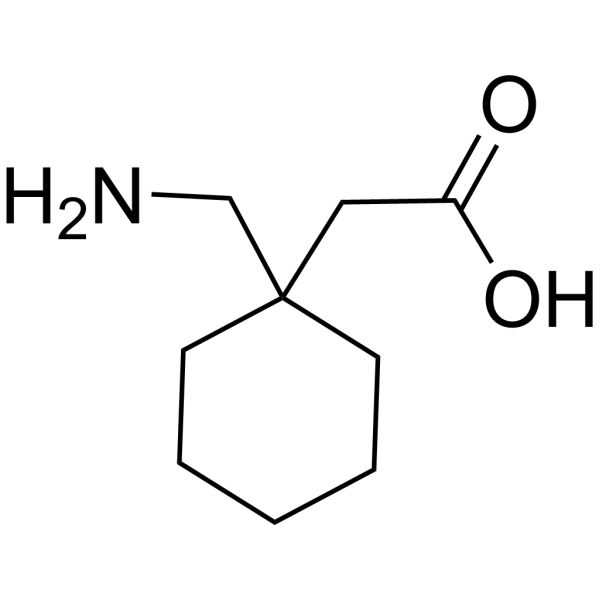
    Gabapentin is a potent, orally active P/Q type Ca 2+ channel blocker. Gabapentin inhibits neuronal Ca 2+ influx and reduction of neurotransmitter release. Gabapentin is a GABA analog that can be used to relieve neuropathic pain .
    Gabapentin
  • HY-19608
    GSK1016790A
    35+ Cited Publications

    TRP Channel Calcium Channel Cardiovascular Disease Metabolic Disease
    GSK1016790A is a potent and selective transient receptor potential vanilloid 4 (TRPV4) channel agonist. GSK1016790A can elicit Ca 2+ influx and elevate intracellular Ca 2+ in HEK cells .
    GSK1016790A
  • HY-12323
    ISX-9
    10+ Cited Publications

    Isoxazole 9

    Calcium Channel Neurological Disease
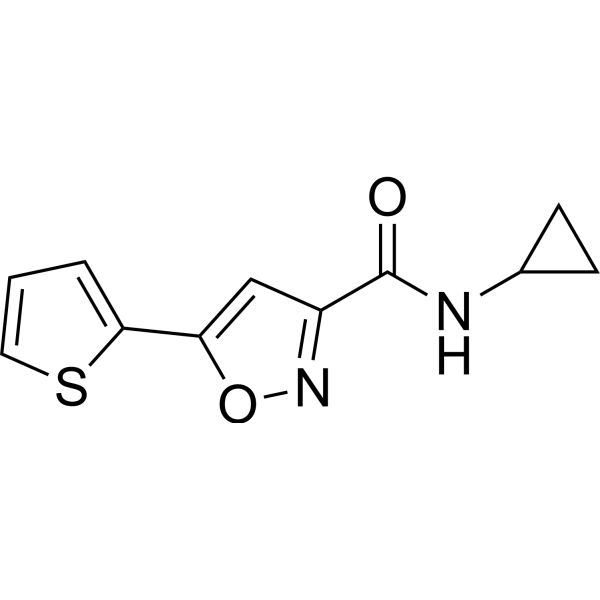
    ISX-9 (Isoxazole 9) is a potent inducer of adult neural stem cell differentiation. ISX-9 activates Ca 2+ influx through both voltage-gated Ca 2+ channels and NMDA receptors and increases neuroD expression. ISX-9 also induces cardiomyogenic differentiation of Notch-activated epicardium-derived cells (NECs) .
    ISX-9
  • HY-10588
    Bay K 8644
    5+ Cited Publications

    (±)-Bay K 8644

    Calcium Channel Cardiovascular Disease Neurological Disease
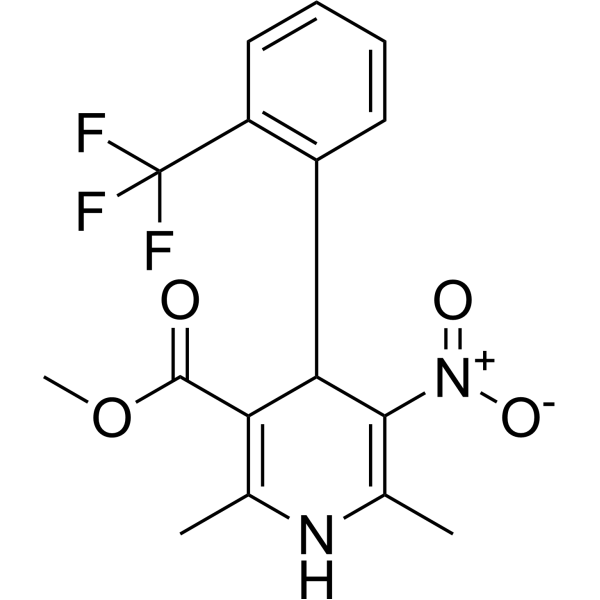
    Bay K 8644 ((±)-Bay K 8644) is a racemate consisting of two isomers (R)-(+)-Bay-K-8644 and (S)-(-)-Bay-K-8644 . Bay K 8644 is a L-type Ca 2+ channel agonist with an EC50 of 17.3 nM. Bay K 8644 increases Ca 2+ influx through sarcolemmal Ca 2+ channels by increasing the open time of the channel. Bay K 8644 has vasoconstrictive effects .
    Bay K 8644
  • HY-14656
    Diltiazem hydrochloride
    5+ Cited Publications

    CRD-401

    Calcium Channel Cardiovascular Disease Cancer
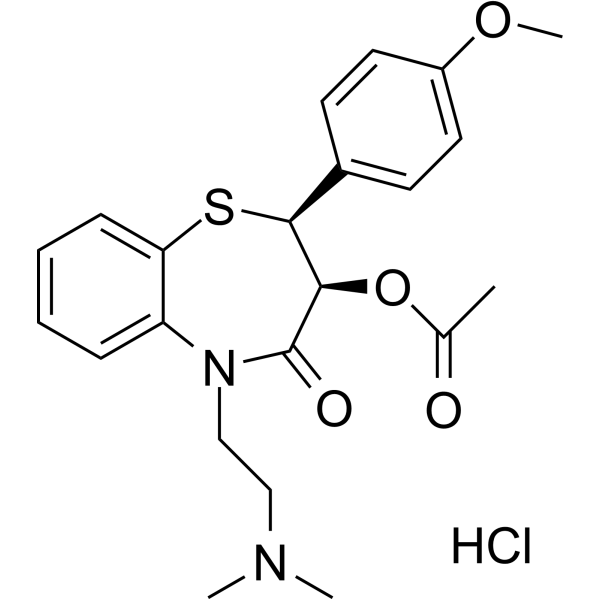
    Diltiazem hydrochloride is a Ca 2+ influx inhibitor (slow channel blocker or calcium antagonist).
    Diltiazem hydrochloride
  • HY-101064

    N-FMOC-leucine; NPC 15199; NSC 334290

    PPAR Calcium Channel Lipase Metabolic Disease Inflammation/Immunology
    Fmoc-Leucine (N-FMOC-leucine) is an anti-inflammatory agent that not only promotes extracellular Ca 2+ influx but also facilitates intracellular Ca 2+ release. Fmoc-Leucine is a selective ligand for PPARγ (Ki = 15 μM), exhibiting insulin-sensitizing effects but with weak fatogenic activity. Fmoc-Leucine exhibits unique self-assembly properties and can form transient gels, stable gels, or crystals/2D sheets through different pathways. Fmoc-Leucine can be used in the research of diabetes, colitis, and bladder cancer .
    Fmoc-leucine
  • HY-N0043
    Ginsenoside Rd
    1 Publications Verification

    Gypenoside VIII

    NF-κB COX Calcium Channel Cytochrome P450 Endogenous Metabolite Cardiovascular Disease Inflammation/Immunology Cancer
    Ginsenoside Rd inhibits TNFα-induced NF-κB transcriptional activity with an IC50 of 12.05±0.82 μM in HepG2 cells. Ginsenoside Rd inhibits expression of COX-2 and iNOS mRNA. Ginsenoside Rd also inhibits Ca 2+ influx. Ginsenoside Rd inhibits CYP2D6, CYP1A2, CYP3A4, and CYP2C9, with IC50s of 58.0±4.5 μM, 78.4±5.3 μM, 81.7±2.6 μM, and 85.1±9.1 μM, respectively.
    Ginsenoside Rd
  • HY-115864

    TAK-653; NBI-1065845

    iGluR Lipoxygenase Neurological Disease
    Osavampator (TAK-653) is a AMPA receptor positive allosteric modulator. Osavampator selectively binds to AMPA-R in a glutamate-dependent manner and induces Ca2+ influx in hGluA1i CHO cells (EC50 = 3.3 μM). Osavampator improves learning and memory in many models. Osavampator is can be used for the research of depressive disorders .
    Osavampator
  • HY-133168
    Englerin A
    1 Publications Verification

    TRP Channel Cancer
    Englerin A is a potent and selective activator of TRPC4 and TRPC5 channels, with EC50s of 11.2 and 7.6 nM, respectively. Englerin A can induce renal carcinoma cells death by elevated Ca 2+ influx and Ca 2+ cell overload .
    Englerin A
  • HY-113037C

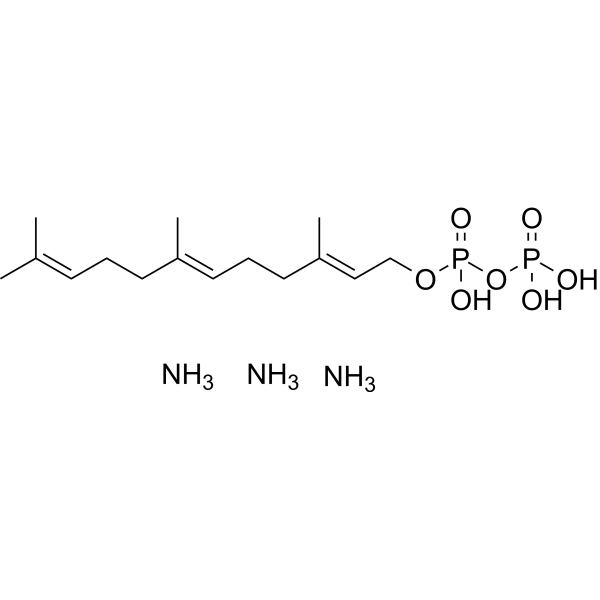
    Farnesyl diphosphate ammonium

    TRP Channel Endogenous Metabolite Calcium Channel Neurological Disease Inflammation/Immunology Cancer
    Farnesyl pyrophosphate (Farnesyl diphosphate) ammonium is a metabolic intermediate in the mevalonate (MVA) pathway. It is a TRP channel (TRPM2) agonist that triggers Ca2+ influx and cell death. Farnesyl pyrophosphate ammonium is a key branch substrate for cholesterol synthesis, ubiquinone synthesis, protein farnesylation, and geranylgeranyl pyrophosphate (GGPP) synthesis. Farnesyl pyrophosphate ammonium is used in research on cerebral ischemia, neurodegenerative diseases, pancreatic cancer, inflammation, and autoimmune diseases .
    Farnesyl pyrophosphate ammonium
  • HY-120691A
    GSK205
    10+ Cited Publications

    TRP Channel Metabolic Disease Inflammation/Immunology
    GSK205 is a potent, selective TRPV4 antagonist with an IC50 of 4.19  μM for inhibiting TRPV4-mediated Ca 2+ influx .
    GSK205
  • HY-135897
    Urolithin C
    5 Publications Verification

    Calcium Channel Reactive Oxygen Species (ROS) Apoptosis Endogenous Metabolite Metabolic Disease
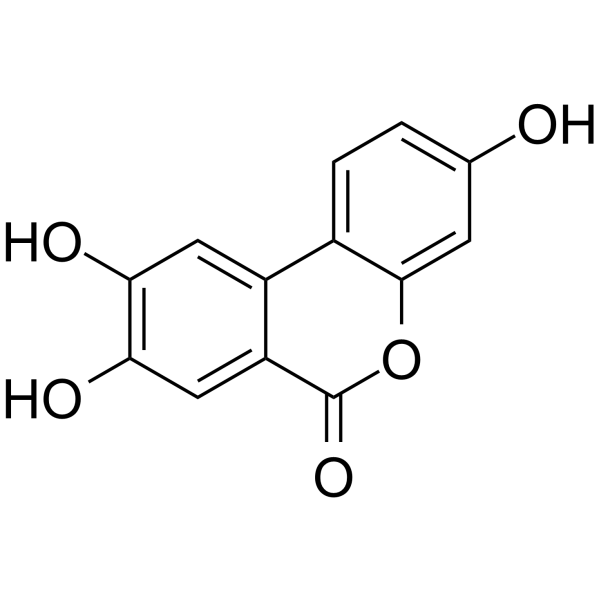
    Urolithin C, a gut-microbial metabolite of Ellagic acid, is a glucose-dependent activator of insulin secretion. Urolithin C is a L-type Ca 2+ channel opener and enhances Ca 2+ influx. Urolithin C induces cell apoptosis through a mitochondria-mediated pathway and also stimulates reactive oxygen species (ROS) formation .
    Urolithin C
  • HY-116291

    4αPDD

    TRP Channel CHIKV Infection Inflammation/Immunology
    4α-Phorbol 12,13-didecanoate (4αPDD) is a transient receptor potential vanilloid 4 (TRPV4) agonist. 4α-Phorbol 12,13-didecanoate can promote Ca 2+ influx, induce ATP release and function as an osmoreceptor. 4α-Phorbol 12,13-didecanoate can inhibit water intake and increase maximal micturition pressure in rats. 4α-Phorbol 12,13-didecanoate can be used for the researches of inflammation and infection, such as chikungunya virus (CHIKV) .
    4α-Phorbol 12,13-didecanoate
  • HY-A0057A
    Gabapentin hydrochloride
    10+ Cited Publications

    Calcium Channel Neurological Disease Cancer
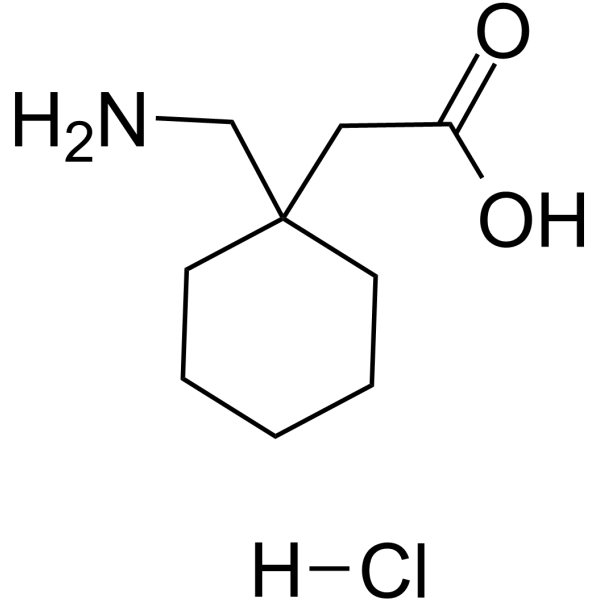
    Gabapentin hydrochloride is a potent, orally active P/Q type Ca 2+ channel blocker. Gabapentin hydrochloride inhibits neuronal Ca 2+ influx and reduction of neurotransmitter release. Gabapentin hydrochloride is a GABA analog that can be used to relieve neuropathic pain .
    Gabapentin hydrochloride
  • HY-108465
    Pyr3
    5+ Cited Publications

    TRP Channel Others
    Pyr3 is a selective inhibitor of transient receptor potential canonical channel 3 (TRPC3), with an IC50 of 700 nM for TRPC3-mediated Ca 2+ influx.
    Pyr3
  • HY-P5912

    iGluR Calcium Channel Neurological Disease
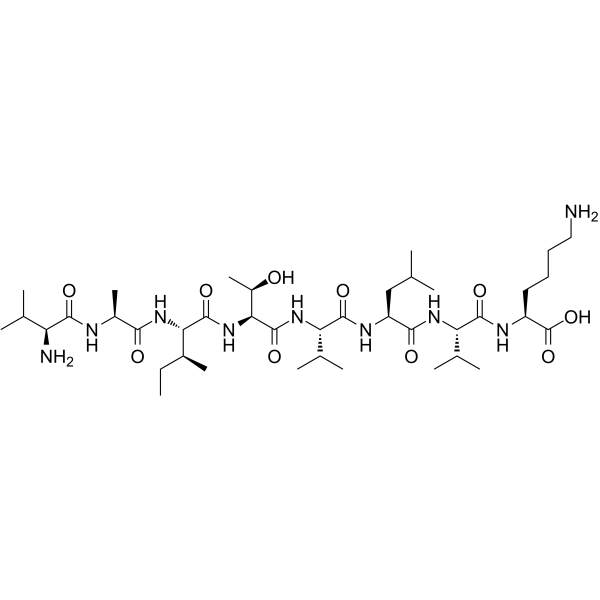
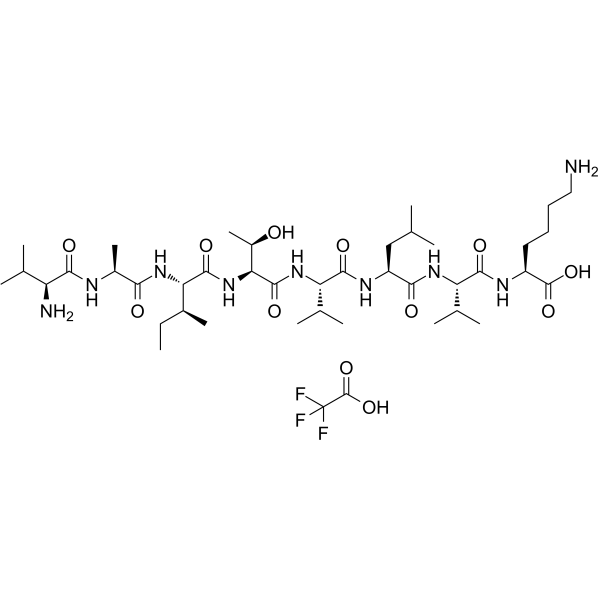
    GluN1 (356-385) is a polypeptide targeting NMDAR GluN1. GluN1 (356-385) induces the production of autoantibodies, which reduce the density of cell surface NMDAR clusters, impair long-term potentiation, and decrease NMDAR-mediated Ca 2+ influx. As an immunogen, GluN1 (356-385) induces symptoms similar to anti-NMDAR encephalitis, including memory loss, in mice. GluN1 (356-385) can be used to establish a mouse model that mimics the pathogenesis of anti-NMDAR encephalitis. GluN1 (356-385) is applicable to research related to anti-NMDAR encephalitis .
    GluN1(356-385)
  • HY-16935

    JNJ-39439335

    TRP Channel Neurological Disease
    Mavatrep (JNJ-39439335) is an orally active, selective and potent TRPV1 antagonist with high affinity for hTRPV1 channels (Ki=6.5 nM). Mavatrep antagonizes capsaicin-induced Ca 2+ influx with an IC50 value of 4.6 nM. Mavatrep can be used in some studies of neuropathic pain .
    Mavatrep
  • HY-107411
    Bromoenol lactone
    3 Publications Verification

    (6E)-Bromoenol lactone

    Phospholipase Inflammation/Immunology
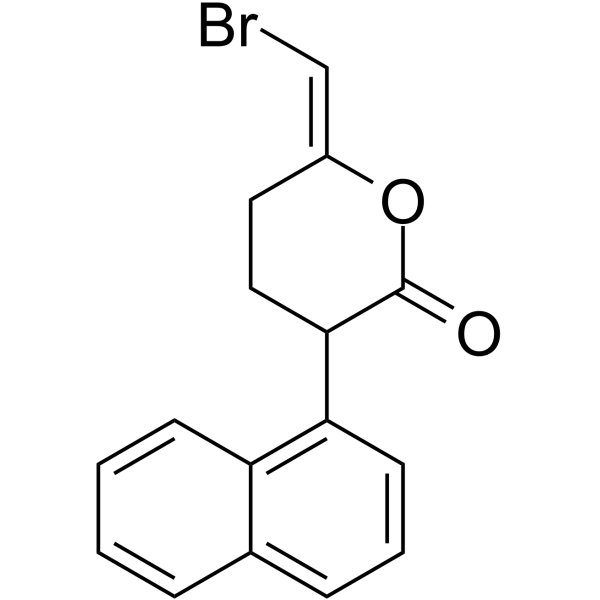
    Bromoenol lactone ((6E)-Bromoenol lactone) is a suicide-based irreversible, selective, potent inhibitor of calcium-independent phospholipase A2 (iPLA2β) with an IC50 value of approximately 7 μM, which inhibits antigen-stimulated mast cell exocytosis without blocking Ca 2+ influx .
    Bromoenol lactone
  • HY-110292

    TRP Channel Calcium Channel Inflammation/Immunology
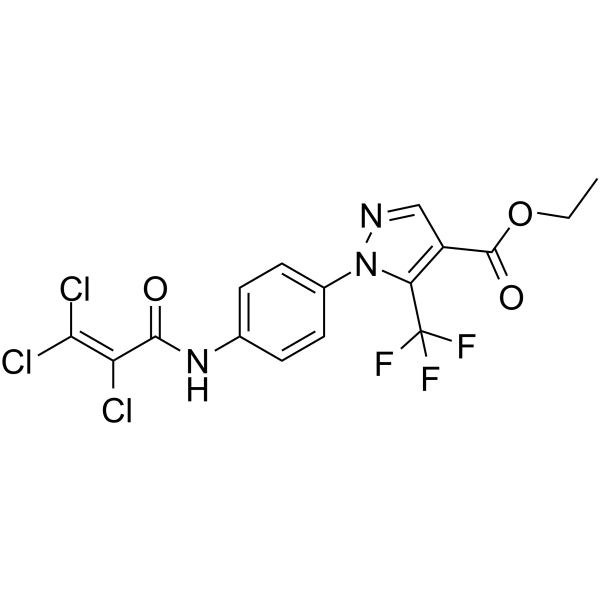
    A-425619 is an orally active and selective transient receptor potential type V1 (TRPV1) antagonist. A-425619 blocks Capsaicin (HY-10448)- and N-arachidonoyl-dopamine (NADA)-induced Ca 2+ influx in dorsal root ganglia and trigeminal ganglia. A-425619 relieves pathophysiological pain associated with inflammation and tissue injury in rats. A-425619 can be used for the study of pain related to inflammation and tissue injury .
    A-425619
  • HY-N0724
    Mesaconitine
    2 Publications Verification

    TNF Receptor Neurological Disease
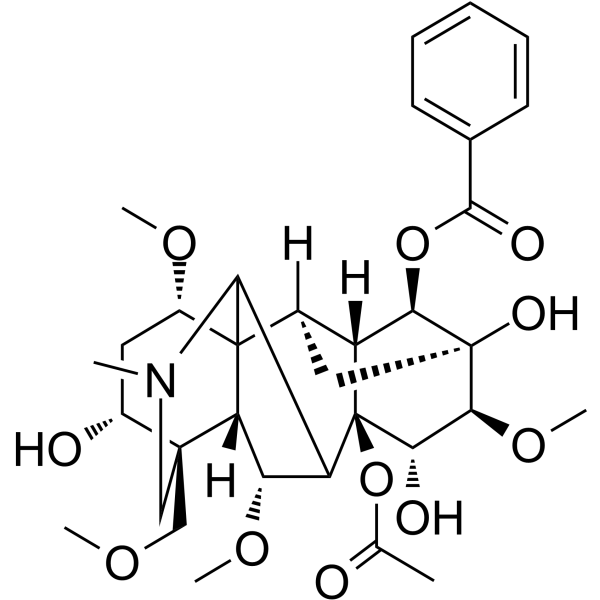
    Mesaconitine is a nitric oxide synthase activator. Mesaconitine drives extracellular Na + and Ca 2+ influx into endothelial cells, increases intracellular Na + and Ca 2+ concentrations, and triggers nitric oxide release. Mesaconitine is applicable for pain-related research .
    Mesaconitine
  • HY-101017
    Palmitoylcarnitine chloride
    2 Publications Verification

    Endogenous Metabolite Akt Calcium Channel Cardiovascular Disease Metabolic Disease Inflammation/Immunology Cancer
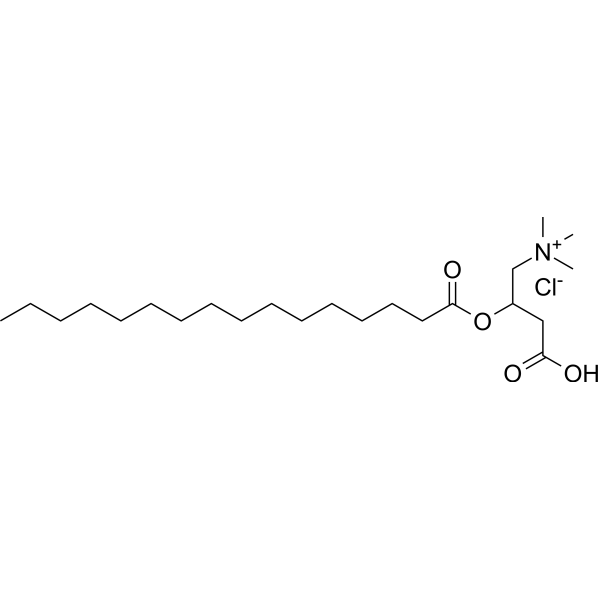
    Palmitoylcarnitine chloride is a fatty acid-derived mitochondrial substrate, and selectively decreases cell survival in colorectal and prostate cancer cells by affecting on pro-inflammatory pathways, Ca 2+ influx, and DHT-like effects .
    Palmitoylcarnitine chloride
  • HY-N2344
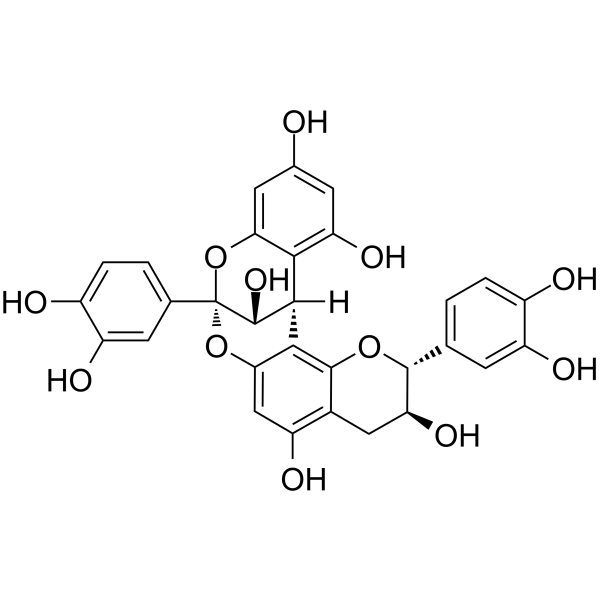
    Procyanidin A1
    2 Publications Verification

    Proanthocyanidin A1

    PKC Inflammation/Immunology
    Procyanidin A1 (Proanthocyanidin A1) is a procyanidin dimer, which inhibits degranulation downstream of protein kinase C activation or Ca 2+ influx from an internal store in RBL-213 cells. Procyanidin A1 has antiallergic effects .
    Procyanidin A1
  • HY-19408
    Pyr10
    3 Publications Verification

    TRP Channel Others
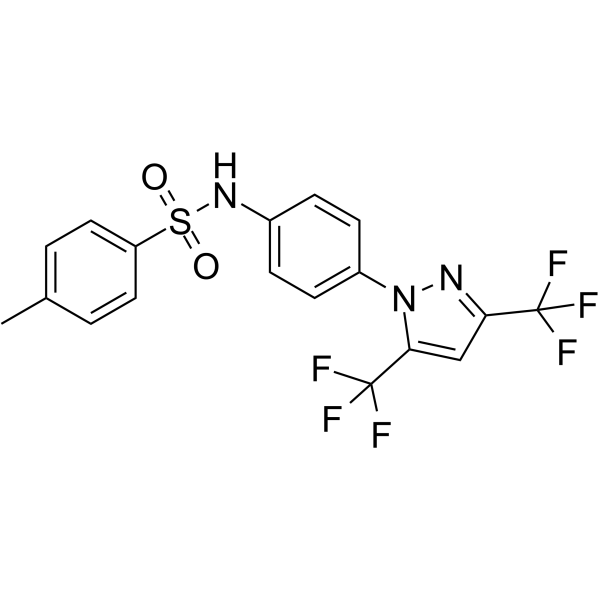
    Pyr10 is a pyrazole derivative and a selective TRP cation 3 (TRPC3) inhibitor. Pyr10 inhibits Ca 2+ influx in carbachol-stimulated TRPC3-transfected HEK293 cells with an IC50 of 0.72 μM (IC50 of 13.08 μM for store operated Ca 2+ entry in BRL-2H3 cells). Pyr10 has the ability to distinguish between receptor-operated TRPC3 and native stromal interaction molecule 1 (STIM1)/Orai1 channels .
    Pyr10
  • HY-P1080
    ω-Agatoxin IVA
    1 Publications Verification

    Calcium Channel Cardiovascular Disease Neurological Disease
    ω-Agatoxin IVA is a potent, selective P/Q type Ca 2+ (Cav2.1) channel blocker with IC50 values of 2 nM and 90 nM. ω-Agatoxin IVA inhibits glutamate exocytosis and calcium influx elicited by high potassium. ω-Agatoxin IVA inhibits Capsaicin (HY-10448)-induced CGRP release and vasodilation. ω-Agatoxin IVA can be used for the research of neurological and cardiovascular disease .
    ω-Agatoxin IVA
  • HY-100712
    DPO-1
    1 Publications Verification

    Potassium Channel Calcium Channel NOD-like Receptor (NLR) Interleukin Related Cardiovascular Disease Inflammation/Immunology
    DPO-1 is a potent Kv1.5 and Kv1.3 (EC50 = 3.1 μM) channels inhibitor with potential immunomodulatory and anti-inflammatory effects. DPO-1 reduces Kv1.3 current density, blunts Ca 2+ influx in Ca 2+-depleted Jurkat cells, and inhibits IL-2 secretion in activated Jurkat cells. DPO-1 inhibits Uric acid sodium (HY-B2130A) (MSU)-induced NLRP3 inflammasome activation by blocking Kv1.5-mediated K + efflux. DPO-1 can be used for the study of immunologic disorders and atrial fibrillation .
    DPO-1
  • HY-A0079

    AmethoCaine

    Sodium Channel Calcium Channel Neurological Disease
    Tetracaine (Amethocaine) is a sodium channel inhibitor and ryanodine receptor (RyR) inhibitor. Tetracaine blocks sodium conduction across nerve cell membranes, preventing rapid sodium ion influx and depolarization. Tetracaine exhibits biphasic effects on spontaneous sarcoplasmic reticulum Ca 2+ release in Ca 2+-overloaded ventricular myocytes, and increases sarcoplasmic reticulum Ca 2+ load. Tetracaine can be used in research related to eye diseases .
    Tetracaine
  • HY-P1077
    CALP1
    3 Publications Verification

    mGluR Phosphodiesterase (PDE) Apoptosis Calmodulin Inflammation/Immunology
    CALP1 is a calmodulin (CaM) agonist (Kd of 88 µM) with binding to the CaM EF-hand/Ca 2+-binding site. CALP1 blocks calcium influx and apoptosis (IC50 of 44.78 µM) through inhibition of calcium channel opening. CALP1 blocks glutamate receptor channels and blocks a store-operated nonselective cation channel. CALP1 activates CaM-dependent phosphodiesterase activity .
    CALP1
  • HY-P1080A
    ω-Agatoxin IVA TFA
    1 Publications Verification

    Calcium Channel Neurological Disease
    ω-Agatoxin IVA TFA is a potent, selective P/Q type Ca 2+ (Cav2.1) channel blocker with IC50 values of 2 nM and 90 nM. ω-Agatoxin IVA TFA inhibits glutamate exocytosis and calcium influx elicited by high potassium. ω-Agatoxin IVA TFA inhibits Capsaicin (HY-10448)-induced CGRP release and vasodilation. ω-Agatoxin IVA TFA can be used for the research of neurological and cardiovascular disease .
    ω-Agatoxin IVA TFA
  • HY-N2060

    Apoptosis Bacterial Infection Inflammation/Immunology Cancer
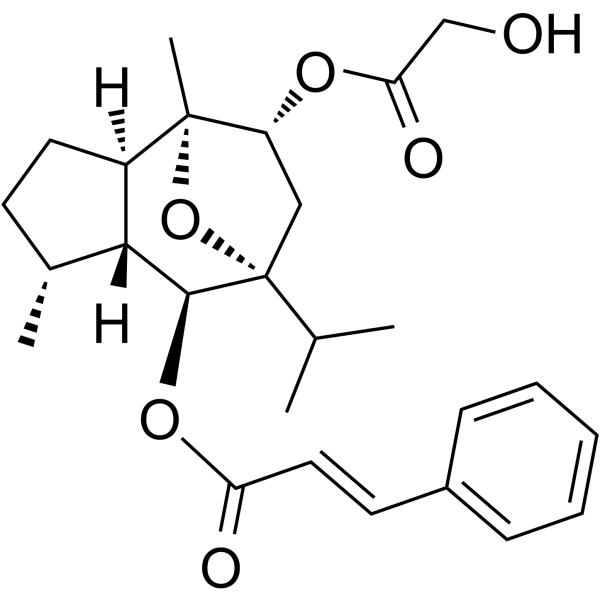
    Evocarpine, a quinolone alkaloid that could be isolated from Evodiae fructus, inhibitss Ca 2+ influx through voltage-dependent calcium channels. Antimycobacterial activity .
    Evocarpine
  • HY-101015A

    Phospholipase Apoptosis Inflammation/Immunology
    OBAA is a potent phospholipase A2 (PLA2) inhibitor with an IC50 of 70 nM. OBAA blocks Melittin-induced Ca 2+ influx in Trypanosoma brucei with an IC50 of 0.4 μM .
    OBAA
  • HY-P1077A
    CALP1 TFA
    3 Publications Verification

    mGluR Phosphodiesterase (PDE) Apoptosis Calmodulin Inflammation/Immunology
    CALP1 TFA is a calmodulin (CaM) agonist (Kd of 88 µM) with binding to the CaM EF-hand/Ca 2+-binding site. CALP1 TFA blocks calcium influx and apoptosis (IC50 of 44.78 µM) through inhibition of calcium channel opening. CALP1 TFA blocks glutamate receptor channels and blocks a store-operated nonselective cation channel. CALP1 TFA activates CaM-dependent phosphodiesterase activity .
    CALP1 TFA
  • HY-N16129

    Nymphaeol A; Propolin C

    COX Reactive Oxygen Species (ROS) Calcium Channel Ferroptosis Mitochondrial Metabolism MMP Inflammation/Immunology Cancer
    Diplacone is an orally active geranyl flavanone. It is isolated from the fruits of Paulownia tomentosa. Diplacone reduces COX-2 levels and increases the pro-MMP2/MMP2 ratio. It induces ferroptosis-mediated cell death. Diplacone enhances mitochondrial Ca 2+ influx and ROS production. It possesses anti-inflammatory and free radical-scavenging activities. Diplacone can be used in research related to ulcerative colitis and non-small cell lung cancer .
    Diplacone
  • HY-165607S

    Piezo Channel Isotope-Labeled Compounds ERK CaMK Metabolic Disease
    MCB-22-174 is a deuterated Piezo1 agonist, with an EC50 value of 6.28 μM. MCB-22-174 remarkably activates the CaMKII/ERK signaling pathway and initiates Ca 2+ influx in rMSCs. MCB-22-174 significantly decreases the expression of chondrogenesis markers (Comp, Acan) and adipogenesis markers (Lpl, Fabp4) in MSCs. MCB-22-174 can effectively improve bone quality in hind-limb unloading (HU) model rats. MCB-22-174 can be used for the study of disuse osteoporosis (OP) .
    MCB-22-174
  • HY-113037CS

    Farnesyl diphosphate-d2 triammonium

    Isotope-Labeled Compounds TRP Channel Endogenous Metabolite Calcium Channel Neurological Disease Inflammation/Immunology Cancer
    Farnesyl pyrophosphate-d2 (Farnesyl diphosphate-d2) triammonium is a deuterium labeled Farnesyl pyrophosphate triammonium (HY-113037C). Farnesyl pyrophosphate ammonium is a metabolic intermediate in the mevalonate (MVA) pathway. It is a TRP channel (TRPM2) agonist that triggers Ca2+ influx and cell death. Farnesyl pyrophosphate ammonium is a key branch substrate for cholesterol synthesis, ubiquinone synthesis, protein farnesylation, and geranylgeranyl pyrophosphate (GGPP) synthesis. Farnesyl pyrophosphate ammonium is used in research on cerebral ischemia, neurodegenerative diseases, pancreatic cancer, inflammation, and autoimmune diseases.
    Farnesyl pyrophosphate-d2 triammonium
  • HY-14656S

    Calcium Channel Cardiovascular Disease
    Diltiazem-d3 (hydrochloride) is the deuterium labeled Diltiazem hydrochloride. Diltiazem hydrochloride is a Ca2+ influx inhibitor (slow channel blocker or calcium antagonist)[1][2].
    Diltiazem-d3 hydrochloride
  • HY-115767

    1,2-Dioleoyl-rac-glycerol

    PKC Others
    (±)-1,2-Diolein (1,2-Dioleoyl-rac-glycerol) is a PKC activator. (±)-1,2-Diolein increases myotubes Ca 2+ influx .
    (±)-1,2-Diolein
  • HY-117073

    Calcium Channel Neurological Disease
    ITH12575, a CGP37157 derivative, is a potent and selective mNCX blocker. ITH12575 reduces Ca 2+ influx through CALHM1 at low micromolar concentrations .
    ITH12575
  • HY-N7875

    Others Others
    Celangulin is an insecticidal component isolated from Celastrus angulatus. Celangulin activates the calcium channel on the plasma membrane with increasing the intracellular Ca 2+ after influx from the external. Celangulin activates the calcium channel in the ER .
    Celangulin
  • HY-103442
    CGP52411
    1 Publications Verification

    DAPH

    EGFR Amyloid-β Neurological Disease Cancer
    CGP52411 (DAPH) is a high selective, potent, orally active and ATP-competitive EGFR inhibitor with an IC50 of 0.3 μM. CGP52411 blocks the toxic influx of Ca 2+ ions into neuronal cells, and dramatic inhibits and reverses the formation of β-amyloid (Aβ42) fibril aggregates associated with Alzheimer's disease .
    CGP52411
  • HY-P1831

    ProAM N20, Human; PAMP-20, human

    nAChR Sodium Channel Calcium Channel Cardiovascular Disease Neurological Disease
    Proadrenomedullin (1-20), human is a potent hypotensive and catecholamine release–inhibitory peptide released from chromaffin cells. Proadrenomedullin (1-20) inhibits catecholamine secretion in PC12 pheochromocytoma cells (IC50 ≈ 350 nM) by suppressing Na +/Ca 2+ influx and blocking desensitization. Proadrenomedullin (1-20), human specifically acts on nicotinic cholinergic receptors in a non competitive manner. Proadrenomedullin (1-20), human can be used for research on conditions such as hypertension .
    Proadrenomedullin (1-20), human
  • HY-178963

    Sodium Channel Calcium Channel Neurological Disease
    Nav1.2-IN-2 is a Nav1.2 inhibitor with a human IC50 of 0.18 μM. Nav1.2-IN-2 preferentially binds to the inactivated state of Nav1.2, reduces window current, suppresses neuronal depolarization and action potential generation. Nav1.2-IN-2 suppresses Veratridine (HY-N6691)-induced Ca 2+ influx. Nav1.2-IN-2 can be used for the research of epilepsy .
    Nav1.2-IN-2
  • HY-P1387

    Amyloid-β Apoptosis Neurological Disease
    β-Amyloid (1-40) (rat) is a rat form of the amyloid β-peptide, which accumulates as an insoluble extracellular deposit around neurons, giving rise to the senile plaques associated with Alzheimer's disease (AD). β-Amyloid (1-40) (rat) increases 45Ca 2+ influx, induces neurodegeneration in the rat hippocampal neurons of the CA1 subfield. β-Amyloid (1-40) (rat) induces apoptosis. β-Amyloid (1-40) (rat) can be used for the research of Alzheimer's disease .
    β-Amyloid (1-40) (rat)
  • HY-113037B

    Farnesyl diphosphate

    TRP Channel Endogenous Metabolite Calcium Channel Neurological Disease Inflammation/Immunology Cancer
    Farnesyl pyrophosphate is a metabolic intermediate in the mevalonate (MVA) pathway. It is a TRP channel (TRPM2) agonist that triggers Ca2+ influx and cell death. Farnesyl pyrophosphate is a key branch substrate for cholesterol synthesis, ubiquinone synthesis, protein farnesylation, and geranylgeranyl pyrophosphate (GGPP) synthesis. Farnesyl pyrophosphate is used in research on cerebral ischemia, neurodegenerative diseases, pancreatic cancer, inflammation, and autoimmune diseases.
    Farnesyl pyrophosphate
  • HY-111527

    Calcium Channel Neurological Disease
    PPZ2 is a diacylglycerol (DAG)-activated TRPC3/TRPC6/TRPC7 channel activator with activity in promoting neuronal development and survival. PPZ2 activates recombinant TRPC3/TRPC6/TRPC7 channels in a dose-dependent manner without affecting other TRPC channels. PPZ2 elicits cation currents and calcium ion (Ca(2+)) influx in cultured central neurons. PPZ2 is able to induce BDNF-like neurite outgrowth and neuroprotection, an effect that disappears after TRPC3/TRPC6/TRPC7 knockdown or inhibition. PPZ2 also increases the activation of the calcium-dependent transcription factor cAMP response element binding protein. The effects of PPZ2 suggest that calcium signaling mediated by activation of DAG-activated TRPC channels plays an important role in its neurotrophic effects .
    PPZ2
  • HY-P3037A

    Calcium Channel Neurological Disease
    Imperatoxin A TFA is a peptide toxin derived from the venom of the African scorpion Pandinus imperator. Imperatoxin A TFA is a Ca 2+-release channels/ryanodine receptors (RyRs) activator. Imperatoxin A TFA enhances the influx of Ca 2+ from the sarcoplasmatic reticulum into the cell .
    Imperatoxin A TFA
  • HY-176745

    VDAC Metabolic Disease Endocrinology
    SW016789 is a hypersecretion-inducer targeting VDAC1. SW016789 can induce insulin hypersecretion and Ca 2+ influx in β-cells directly. SW016789 induces a transient endoplasmic reticulum stress response (ER stress), but does not cause beta cell death. SW016789 has reversible and non-apoptotic characteristics. SW016789 can be used for the study of Diabetes mellitus type 2 (T2DM) β-cell dysfunction .
    SW016789
  • HY-12962

    iGluR Neurological Disease
    NMDA-IN-1 is a potent and NR2B-selective NMDA antagonist with Ki of 0.85 nM; NR2B Ca2+ influx IC50 is 9.7 nM; no activities on NR2A, NR2C, NR2D, hERG-channel and α1-adrenergic receptor.
    NMDA-IN-1
  • HY-113037AS

    Farnesyl diphosphate-d6

    Isotope-Labeled Compounds TRP Channel Endogenous Metabolite Calcium Channel Neurological Disease Inflammation/Immunology Cancer
    Farnesyl pyrophosphate-d6 (Farnesyl diphosphate-d6) is a deuterium labeled Farnesyl pyrophosphate (HY-113037B). Farnesyl pyrophosphate is a metabolic intermediate in the mevalonate (MVA) pathway. It is a TRP channel (TRPM2) agonist that triggers Ca2+ influx and cell death. Farnesyl pyrophosphate is a key branch substrate for cholesterol synthesis, ubiquinone synthesis, protein farnesylation, and geranylgeranyl pyrophosphate (GGPP) synthesis. Farnesyl pyrophosphate is used in research on cerebral ischemia, neurodegenerative diseases, pancreatic cancer, inflammation, and autoimmune diseases.
    Farnesyl pyrophosphate-d6
  • HY-N3729

    Denudatin B

    Calcium Channel Cardiovascular Disease
    (-)-Denudatin B is an antiplatelet agent. (-)-Denudatin B relaxed vascular smooth muscle by inhibiting the Ca2+ influx through voltage-gated and receptor-operated Ca2+ channels . And (-)-Denudatin B has nonspecific antiplatelet action
    (-)-Denudatin B

Inquiry Online

Your information is safe with us. * Required Fields.

Salutation


Country or Region *

Applicant Name *


Organization Name *

Department *


Email Address *


Product Name *

Cat. No.


Requested quantity *

Phone Number *


Remarks

Inquiry Online

Inquiry Information

Product Name:
Cat. No.:
Quantity:
MCE Japan Authorized Agent:

