1. Search Result
Search Result
Results for "

Carcinogenicity

" in MedChemExpress (MCE) Product Catalog:

206

Inhibitors & Agonists

2

Screening Libraries

9

Fluorescent Dye

9

Biochemical Assay Reagents

1

Peptides

59

Natural
Products

29

Isotope-Labeled Compounds

1

Click Chemistry

5

Oligonucleotides

Cat. No. Product Name Target Research Areas Chemical Structure
  • HY-34758
    N-Nitroso-N-methylurea
    15+ Cited Publications

    Environmental Pollutants DNA Alkylator/Crosslinker Cancer
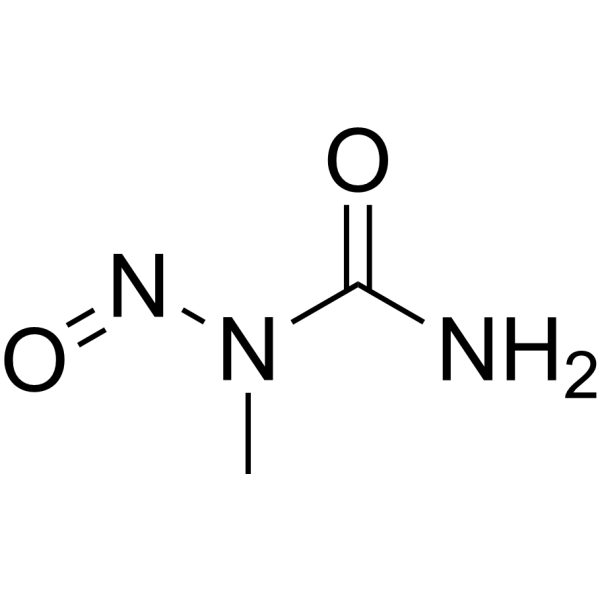
    N-Nitroso-N-methylurea (NMU;MNU;NMH) is a potent carcinogen, mutagen and teratogenand. N-Nitroso-N-methylurea is a direct-acting alkylating agent that interacts with DNA. N-Nitroso-N-methylurea targets multiple animal organs to cause various cancer and/or degenerative disease. N-Nitroso-N-methylurea is also a precursor in the synthesis of diazomethane .
    N-Nitroso-N-methylurea
  • HY-128612
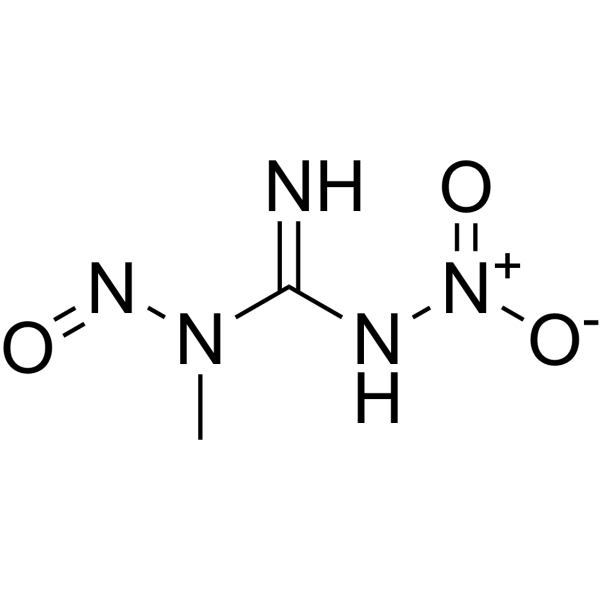
    Methylnitronitrosoguanidine
    10+ Cited Publications

    MNNG

    DNA Alkylator/Crosslinker Cancer
    Methylnitronitrosoguanidine (MNNG) is an orally active alkylating agent with toxic and mutagenic effects. Methylnitronitrosoguanidine can as a carcinogen and mutagen . 50% water content, specifications are based on dry weight.
    Methylnitronitrosoguanidine
  • HY-33354
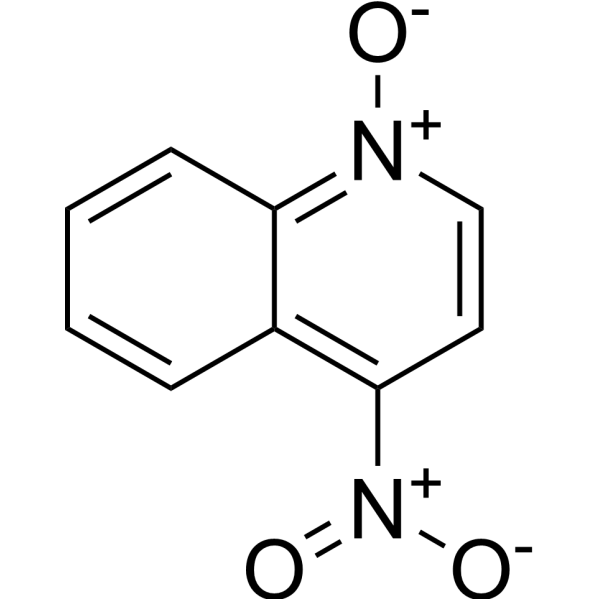
    Nitrochin
    3 Publications Verification

    4-NQO

    DNA/RNA Synthesis Apoptosis Inflammation/Immunology Cancer
    Nitrochin (4-NQO) is a chemical carcinogen. Nitrochin induces oncostatin-M (OSM) in esophageal cells. Nitrochin induces DNA damage, and induces apoptosis via a p53-dependent mitochondrial signaling pathway .
    Nitrochin
  • HY-111375
    Azoxymethane
    15+ Cited Publications

    AOM

    DNA Alkylator/Crosslinker Cancer
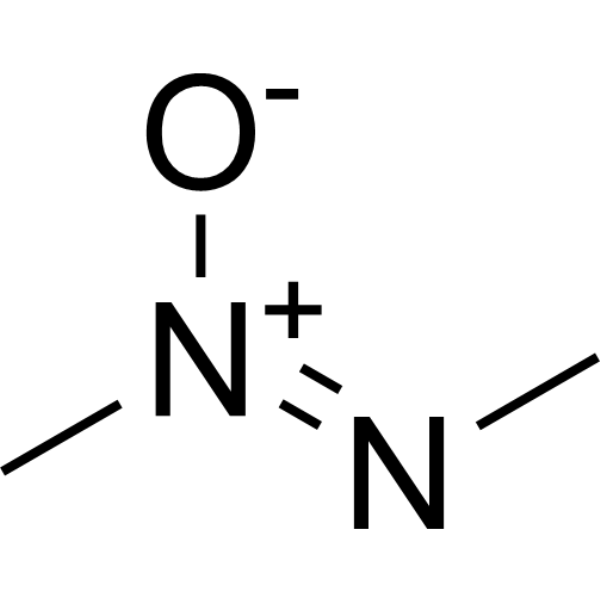
    Azoxymethane is a colon carcinogen which leads to the formation of DNA adducts.
    Azoxymethane
  • HY-107377
    Benzo[a]pyrene
    5+ Cited Publications

    3,4-Benzopyrene

    Environmental Pollutants Endogenous Metabolite Cancer
    Benzo[a]pyrene shows lung carcinogenicity in animal models, and it is frequently used in chemoprevention studies.
    Benzo[a]pyrene
  • HY-W011845
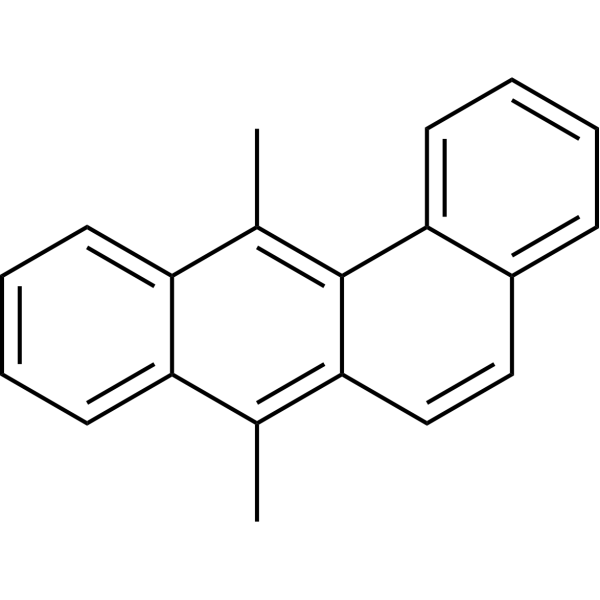
    DMBA
    3 Publications Verification

    7,12-DMBA; 7,12-Dimethylbenzanthracene

    Environmental Pollutants c-Myc Cancer
    DMBA has carcinogenic activity as a polycyclic aromatic hydrocarbon (PAH). DMBA is used to induce tumor formation in various rodent models .
    DMBA
  • HY-N1376
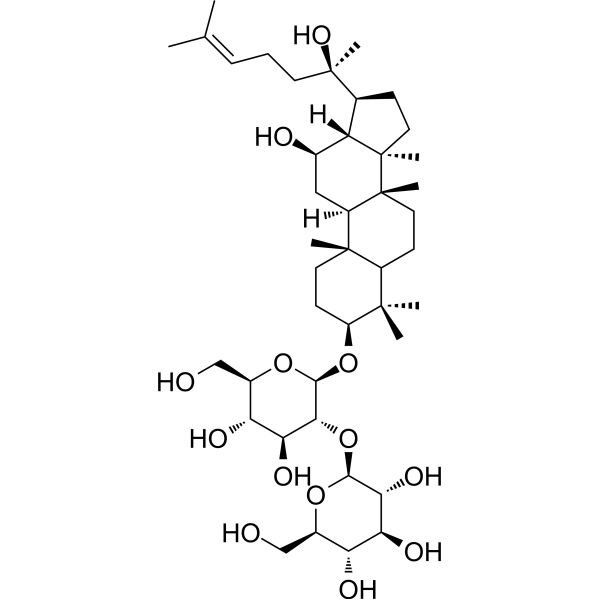
    (20R)-Ginsenoside Rg3
    5 Publications Verification

    (20R)-Propanaxadiol; R-ginsenoside Rg3

    Others Cancer
    (20R)-ginsenoside Rg3 ((20R)-Propanaxadiol), one of the active compounds present in ginseng root, inhibits angiogenesis, and has anti-carcinogenic and antimetastatic effects .
    (20R)-Ginsenoside Rg3
  • HY-N4068
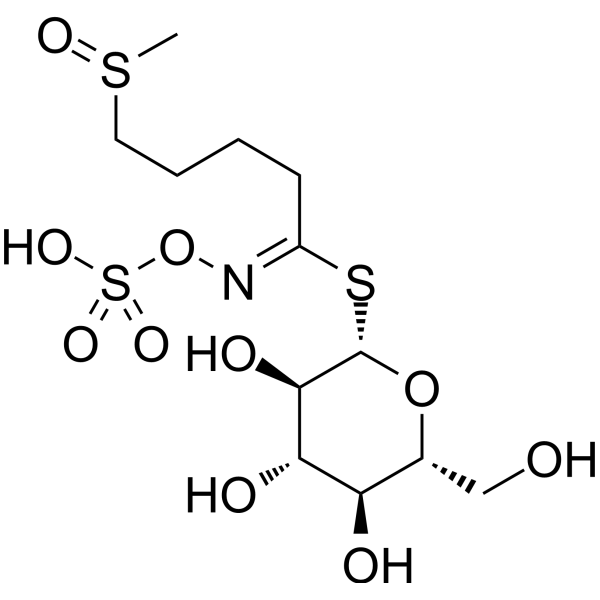
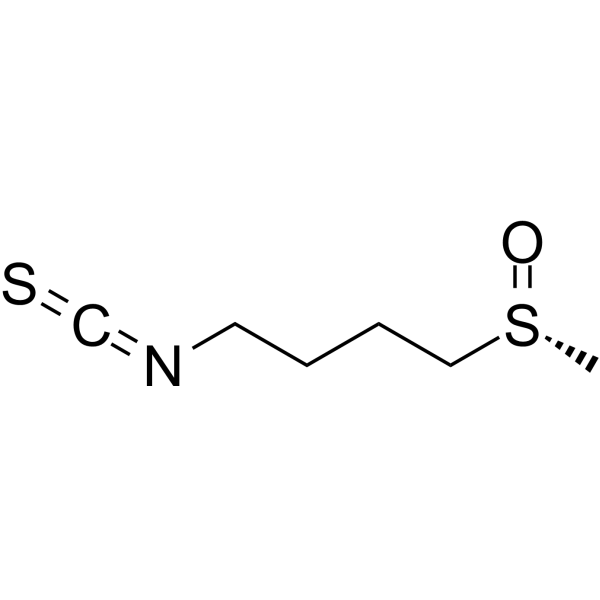
    Glucoraphanin
    5+ Cited Publications

    Reactive Oxygen Species (ROS) Endogenous Metabolite Cancer
    Glucoraphanin, a natural glucosinolate found in cruciferous vegetable, is a stable precursor of the Nrf2 inducer sulforaphane, which possesses antioxidant, anti-inflammatory, and anti-carcinogenic effects.
    Glucoraphanin
  • HY-D0914

    FD&C Green No. 3; Food green 3; C.I. 42053

    Environmental Pollutants α-synuclein Neurological Disease
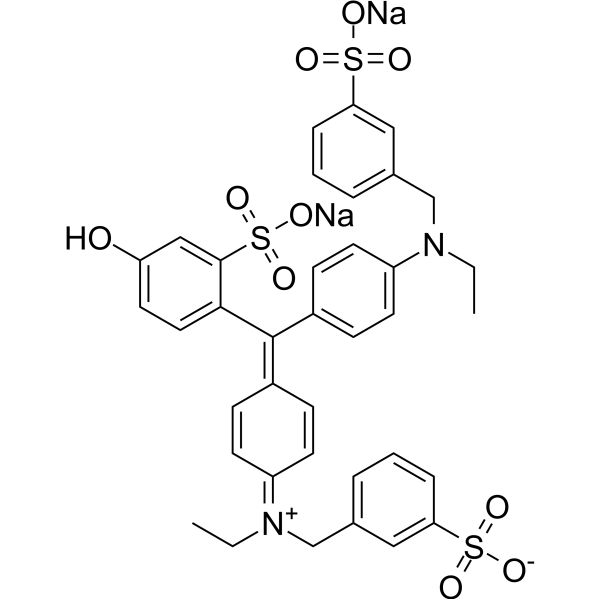
    Fast Green FCF is a sea green triarylmethane food dye, with absorption maximum ranging from 622 to 626 nm. Fast Green FCF inhibits α-synuclein aggregation, as well as and P2X4 receptor, and TLR4/Myd88/NF-κB. Fast Green FCF is widely used as a staining agent like quantitative stain for histones at alkaline pH after acid extraction of DNA, and as a protein stain in electrophoresis. Fast Green FCF improves cognitive impairment, depression, relieves pain allergies, and promotes reproductive function .
    Fast Green FCF
  • HY-B1198
    Piperonyl butoxide
    1 Publications Verification

    ENT-14250

    Environmental Pollutants Parasite Infection Cancer
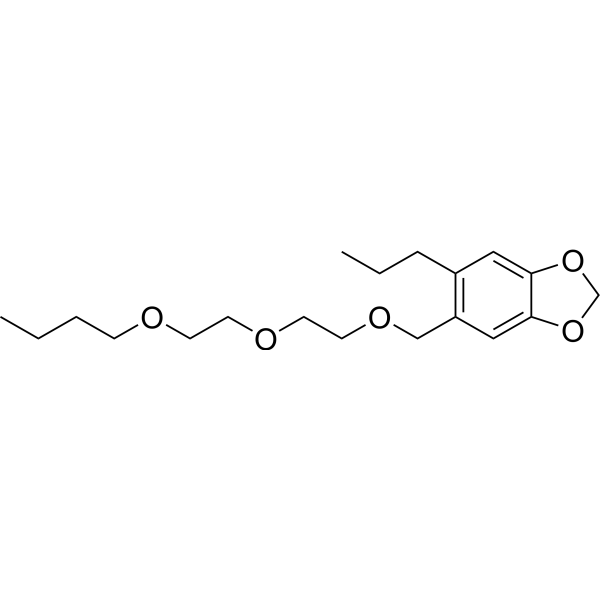
    Piperonyl butoxide (ENT-14250) is a pesticide synergist and food additive. Piperonyl butoxide has adverse effects on reproduction, development and behavior in mice. Piperonyl butoxide can activate c-Jun and ATF-2 in mouse hepatocytes. Piperonyl butoxide is a liver cancer carcinogen in rats and mice .
    Piperonyl butoxide
  • HY-D0211
    Phenolphthalein
    1 Publications Verification

    Fluorescent Dye Cancer
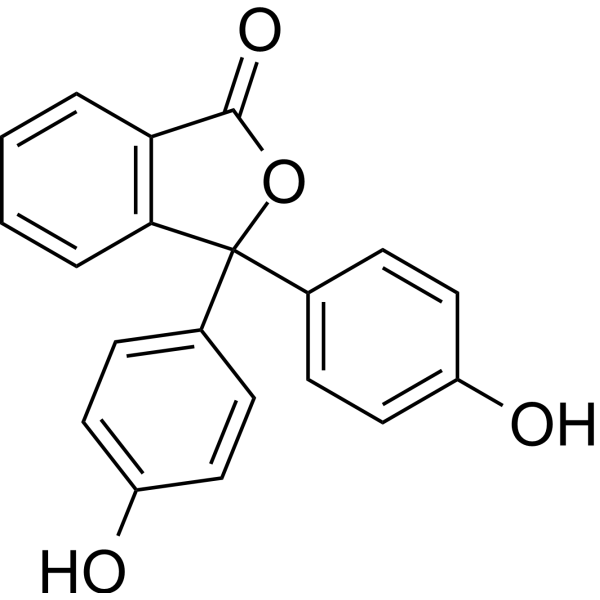
    Phenolphthalein is an acid-base indicator that is colorless in an acidic environment and pink in an alkaline environment. Phenolphthalein is genotoxic and potentially carcinogenic to mice. In addition, phenolphthalein is also a blood indicator .
    Phenolphthalein
  • HY-W013075
    Rutin trihydrate
    Maximum Cited Publications
    30 Publications Verification

    Rutoside trihydrate; Quercetin 3-O-rutinoside trihydrate

    Apoptosis Endogenous Metabolite Neurological Disease Cancer
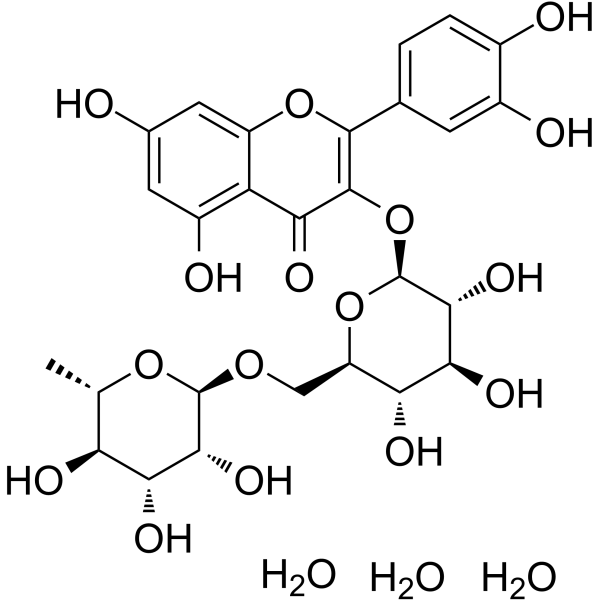
    Rutin (Rutoside) trihydrate is a multifunctional natural flavonoid glycoside. Rutin trihydrate has been demonstrating excellent antioxidant, anti-inflammatory, anti-diabetic, and anti-carcinogenic properties. Cardioprotective and neuroprotective activities .
    Rutin trihydrate
  • HY-D0256
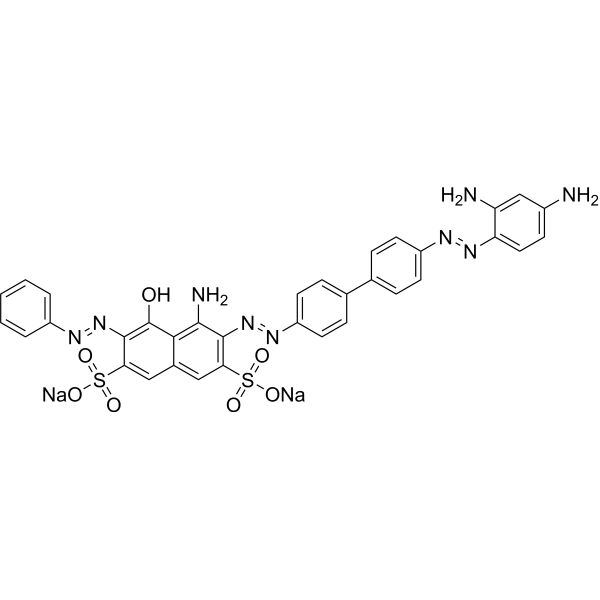
    Direct Black 38
    2 Publications Verification

    Chlorazol Black E; Ferristatin II disodium; C.I. 30235

    Biochemical Assay Reagents Others
    Direct Black 38 (Chlorazol Black E) is a benzidine-based azo dye, a substrate of Enterococcus gallinarum, and is mainly used for textile dyeing. Direct Black 38 is biodegradable after being reduced by microbial enzymes (such as Enterococcus gallinarum azoreductase), breaking the azo bonds and releasing benzidine and 4-aminobiphenyl. Direct Black 38 can be used in environmental toxicology, wastewater treatment and carcinogenicity studies, but its metabolite benzidine is listed as a human carcinogen .
    Direct Black 38
  • HY-Y0946

    Environmental Pollutants Inflammation/Immunology Cancer
    Acetamide is used as an intermediate in the synthesis of methylamine, thioacetamide, and insecticides, and as a plasticizer in leather, cloth and coatings. Acetamide has carcinogenicity. Acetamide derivatives may has antioxidant activity and potential anti-inflammatory activity. Acetamide holds promise for research in the fields of anti-inflammatory and cancer studies .
    Acetamide
  • HY-Y1010

    Glycidol

    Drug Isomer Cancer
    Oxiran-2-ylmethanol (Glycidol) is an ester product. Oxiran-2-ylmethanol induces base pair point mutations in bacterial strains and structural chromosome aberrations in cultured cells. Oxiran-2-ylmethanol forms N-(2,3-dihydroxypropyl)valine hemoglobin adducts. Oxiran-2-ylmethanol acts as an animal carcinogen but does not significantly induce micronucleated immature erythrocytes in animal bone marrow. Oxiran-2-ylmethanol enables anionic polymerization to produce linear poly(glycidol). Oxiran-2-ylmethanol can be used for cancer-related research .
    Oxiran-2-ylmethanol
  • HY-Y1354S

    Dimethyl-d6 Amine Hydrochloride

    Isotope-Labeled Compounds Cancer
    Dimethylamine-d6 hydrochloride is a deuterium labeled Dimethylamine hydrochloride. Dimethylamine hydrochloride is the immediate precursor of dimethylnitrosamine, a known potent carcinogen in a wide variety of animal species .
    Dimethylamine-d6 hydrochloride
  • HY-N1925
    Tea polyphenol
    2 Publications Verification

    Apoptosis Autophagy Neurological Disease Inflammation/Immunology Cancer
    Tea polyphenol is the floorboard of phenolic compounds in tea. Tea polyphenol exhibits biological activity including antioxidant and anti-cancer activities, inhibition of cell proliferation, induction of apoptosis, cell cycle arrest and modulation of carcinogen metabolism .
    Tea polyphenol
  • HY-W030778
    Nitrilotriacetic acid
    1 Publications Verification

    Triglycollamic acid

    Biochemical Assay Reagents Others
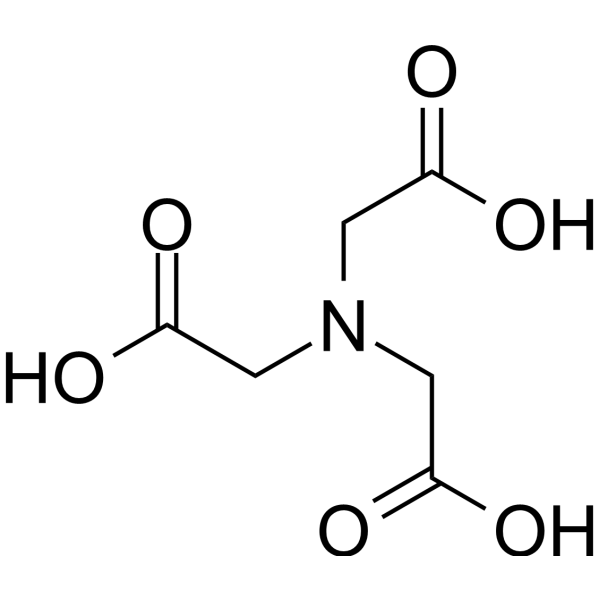
    Nitrilotriacetic acid is an orally active chelating agent for metal ions. Nitrilotriacetic acid is an aminotricarboxylic acid that can sequester metal ions as water soluble complexes. Nitrilotriacetic acid reacts with strong oxidizing agents such as hypochlorite, chlorine, ozone, or oxygen in the presence of palladium/carbon catalyst. Nitrilotriacetic acid interacts with solid phases such as cell membranes and bone matrices in the mammalian system. Nitrilotriacetic acid is classified as an epigenetic rodent carcinogen .
    Nitrilotriacetic acid
  • HY-124211

    Environmental Pollutants MDM-2/p53 Aryl Hydrocarbon Receptor Cancer
    Dibenzo (a,i) pyrene is a polycyclic aromatic hydrocarbon and also a carcinogenic ligand of the TCDD (Ah) receptor. Dibenzo (a,i) pyrene binds to the TCDD (Ah) receptor in rat liver. Dibenzo (a,i) pyrene induces DNA adduct formation and upregulates the protein levels of p53 and p21 WAF1 in diploid lung fibroblasts. Dibenzo (a,i) pyrene alters the cell cycle distribution of diploid lung fibroblasts, increasing the proportion of cells in the S phase, decreasing the proportions of cells in the G0/G1 and G2/M phases, and causing S phase delay/arrest. Dibenzo (a,i) pyrene is applicable for cancer research .
    Dibenzo(a,i)pyrene
  • HY-131123

    Environmental Pollutants DNA/RNA Synthesis Cancer
    N-Nitrosomorpholine is a photosensitive nitrosamine that is carcinogenic and can be used to construct animal cancer models .
    N-Nitrosomorpholine
  • HY-121107
    Chrysene
    1 Publications Verification

    Environmental Pollutants Cancer
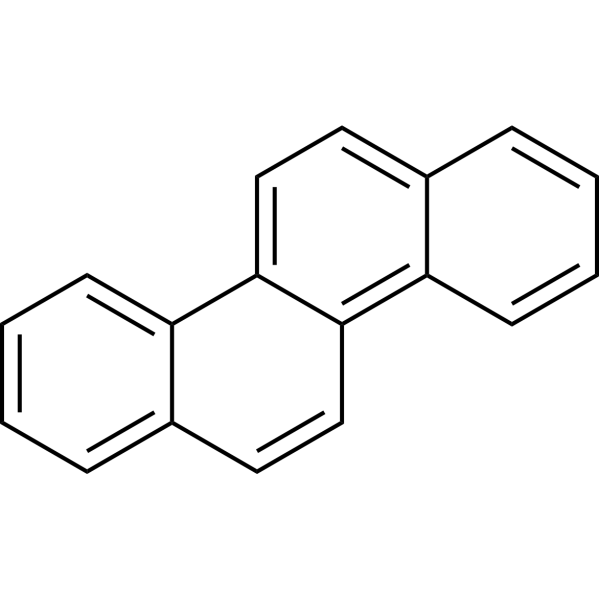
    Chrysene is a high molecular weight (HMW), polycyclic aromatic hydrocarbon (PAH) known for its recalcitrance and carcinogenic properties .
    Chrysene
  • HY-131551

    Environmental Pollutants Biochemical Assay Reagents Others
    Drometrizole is an orally active UV absorber and can be used in cosmetic research. Drometrizole has low acute toxicity, no teratogenicity and carcinogenicity .
    Drometrizole
  • HY-131120

    Biochemical Assay Reagents Cancer
    Bromonitromethane is a halonitromethane that can be used in production of various protected α-bromo nitroalkane donors for use in Umpolung Amide Synthesis (UmAS) .
    Bromonitromethane
  • HY-107377S

    Endogenous Metabolite Cancer
    Benzo[a]pyrene-d12 is the deuterium labeled Benzo[a]pyrene . Benzo[a]pyrene shows lung carcinogenicity in animal models, and it is frequently used in chemoprevention studies .
    Benzo[a]pyrene-d12
  • HY-N4068R

    Reference Standards Reactive Oxygen Species (ROS) Endogenous Metabolite Cancer
    Glucoraphanin (Standard) is the analytical standard of Glucoraphanin. This product is intended for research and analytical applications. Glucoraphanin, a natural glucosinolate found in cruciferous vegetable, is a stable precursor of the Nrf2 inducer sulforaphane, which possesses antioxidant, anti-inflammatory, and anti-carcinogenic effects.
    Glucoraphanin (Standard)
  • HY-136433

    1,4-Dinitrosopiperazine; DNP

    Others Cancer
    N,N'-Dinitrosopiperazine (1,4-Dinitrosopiperazine; DNP) is a carcinogen with specificity for nasopharyngeal epithelium and facilitates NPC metastasis. N,N'-Dinitrosopiperazine regulates multiple signaling pathways through protein phosphorylation, including LYRIC at serine 568 .
    N,N'-Dinitrosopiperazine
  • HY-W000838

    DNA/RNA Synthesis Cancer
    1-Hydroxyanthraquinone, a naturally occurring compound with oral activity from some plants like Tabebuia avellanedae, exhibits carcinogenic effect .
    1-Hydroxyanthraquinone
  • HY-141638

    Methyl-IQ

    Biochemical Assay Reagents Cancer
    Me-IQ (Methyl-IQ), an orally active heterocyclic amine, is carcinogenic and mutagenic. Me-IQ is several hundred-fold more mutagenic in liver than in lung microsomal preparations from uninduced mice and rabbits .
    Me-IQ
  • HY-N6695

    Aflatoxin R0

    Drug Metabolite Cancer
    Aflatoxin (Aflatoxin R0) is a metabolite of aflatoxin B1 produced from Rhizopus spp , and is mutagenic and carcinogenic mycotoxin .
    Aflatoxicol
  • HY-N6725

    DNA/RNA Synthesis Bacterial Apoptosis Antibiotic Endogenous Metabolite Infection Cancer
    Sterigmatocystine is a precursor of aflatoxins and a mycotoxin produced by common mold strains from Aspergillus versicolor . Sterigmatocystine, a inhibitor of G1 Phase and DNA synthesis, is used to inhibit p21 activity. Sterigmatocystine has teratogenic, and carcinogenic effects in animals .
    Sterigmatocystine
  • HY-W019817

    NNAL

    Endogenous Metabolite Cancer
    4-(Methylnitrosamino)-1-(3-pyridyl)-1-butanol (NNAL) is the main metabolite of 4-(methylnitrosamino)-1-(3-pyridyl)-1-butanone (NNK), a tobacco-specific lung carcinogen. The oxidative metabolic pathway in which NNAL is oxidized to NNK and other products exhibits carcinogenic activity. 4-(Methylnitrosamino)-1-(3-pyridyl)-1-butanol can be used in research on carcinogenic mechanisms related to lung cancer .
    4-(Methylnitrosamino)-1-(3-pyridyl)-1-butanol
  • HY-131123S1

    Isotope-Labeled Compounds Others
    N-Nitrosomorpholine-d8 is deuterium labeled N-Nitrosomorpholine. N-Nitrosomorpholine is a nitrosamine that is sensitive to light. N-nitrosomorpholine is a strong animal carcinogen .
    N-Nitrosomorpholine-d8
  • HY-107377R

    3,4-Benzopyrene (Standard)

    Reference Standards Endogenous Metabolite Cancer
    Benzo[a]pyrene (Standard) is the analytical standard of Benzo[a]pyrene. This product is intended for research and analytical applications. Benzo[a]pyrene shows lung carcinogenicity in animal models, and it is frequently used in chemoprevention studies.
    Benzo[a]pyrene (Standard)
  • HY-116108

    Musk tibetine

    Olfactory Receptor Cancer
    Musk tibetene (Musk tibetine) is a nitro musk compound with carcinogenic activity. Musk tibetine reveals no genotoxicity in the micronucleus test with human lymphocytes and human hepatoma cell line .
    Musk tibetene
  • HY-W588194

    Drug Metabolite Neurological Disease Metabolic Disease
    Cotinine N-β-D-Glucuronide is a glucuronide conjugate of the tobacco metabolite Cotinine (HY-B1178). Cotinine N-β-D-Glucuronide is promising for research of tobacco carcinogen metabolism and cognitive function .
    Cotinine N-β-D-Glucuronide
  • HY-W683760

    (2S)-N'-Nitrosonornicotine

    DNA/RNA Synthesis Cancer
    N-Nitrosonornicotine is a tobacco-specific nitrosamine that has carcinogenic and mutagenic activity, and it can induce micronuclei in C3A cells. N-Nitrosonornicotine can form DNA adducts .
    N-Nitrosonornicotine
  • HY-131102

    Bacterial DNA/RNA Synthesis Infection
    Mequindox is an antimicrobial agent . Mequindox acts as an inhibitor of DNA synthesis. Mequindox induces genotoxicity and carcinogenicity in mice .
    Mequindox
  • HY-W002820

    Endogenous Metabolite Cancer
    2-Amino-5-phenylpyridine is a mutagenic heterocyclic aromatic amine that is formed by pyrolysis of phenylalanine in proteins. 2-Amino-5-phenylpyridine is in broiled sardines and is considered as potentially carcinogenic .
    2-Amino-5-phenylpyridine
  • HY-W110980

    Anthracen-2-amine; 2-Anthramine

    DNA/RNA Synthesis Cancer
    2-Aminoanthracene (Anthracen-2-amine) is a nitrogen substituted polycyclic aromatic hydrocarbon. 2-Aminoanthracene is mutagenic and carcinogenic. 2-Aminoanthracene acts by intercalating into DNA, causing structural distortion and interfering with DNA replication and transcription .
    2-Aminoanthracene
  • HY-114652

    2-Amino-α-carboline; AαC

    Endogenous Metabolite Cancer
    AalphaC (AαC) is a potential carcinogen with carcinogenic activity. AalphaC is an important biomarker in tobacco smoke and is associated with tobacco smoke exposure. Urinary concentrations of AalphaC are significantly higher in dedicated smokers than in non-smokers, indicating its importance in monitoring tobacco exposure. AalphaC levels increase significantly with increasing serum nicotine levels, indicating its close relationship with tobacco use. In addition, consuming high-temperature cooked beef significantly increases the amount of AalphaC in urine, while consuming vegetables is associated with a decrease in AalphaC concentrations. Smoking half a pack of cigarettes is associated with a significant increase in the amount of AalphaC, which further confirms the biological activity of AalphaC and its association with dietary habits .
    AalphaC
  • HY-121111

    HIV Protease Cancer
    Agaritine is a compound isolated from the commonly cultivated commercial mushroom Agaricus bisporus. Agaritine is hydrolyzed by an enzyme system present in the mushroom into 4-(hydroxymethyl)benzenediazonium ion, which is a carcinogen in mice. Agaritine is structurally similar to some known carcinogens and can be used for research in cancer and food safety .
    Agaritine
  • HY-23498

    Environmental Pollutants Endogenous Metabolite Others
    Benzo[k]fluoranthene is a polycyclic aromatic hydrocarbon (PAH) that is carcinogenic and genotoxic .
    Benzo[k]fluoranthene
  • HY-N7027

    Others Neurological Disease Cancer
    Macrozamin is a major constituent principle of Cycads. Macrozamin has carcinogenic, mutagenic, teratogenic and neurotoxic properties .
    Macrozamin
  • HY-118547

    2-Benzyl-4-chlorophenol

    Bacterial Infection
    Clorofene (2-Benzyl-4-chlorophenol) is an aryl halide fungicide widely used in hospitals and homes as a broad-spectrum fungicide in general cleaning and disinfection disinfectant solutions and in soap formulations. Clorofene has antibacterial and carcinogenic activity .
    Clorofene
  • HY-W679891

    Drug Derivative Cancer
    N-Nitroso-N-methyl-4-aminobutyric acid is a tobacco-specific nitrosamine carcinogen .
    N-Nitroso-N-methyl-4-aminobutyric acid
  • HY-W004460

    Environmental Pollutants Biochemical Assay Reagents Cancer
    9,10-Dimethylanthracene is a polycyclic aromatic hydrocarbon that acts as a DNA-damaging agent. 9,10-Dimethylanthracene is promising for research of carcinogenic risks of environmental pollutants .
    9,10-Dimethylanthracene
  • HY-W017708

    Drug Intermediate Others
    Triphenylene is a highly symmetrical polycyclic aromatic hydrocarbon. Triphenylene shows no carcinogenic activity in mouse skin application experiments. Triphenylene can be used as a drug intermediate for the synthesis of triphenyl polycyclic aromatic hydrocarbons (PAHs) .
    Triphenylene
  • HY-W587741

    Dihydroxybutyl mercapturic acid; DHBMA

    Drug Metabolite Others
    N-Acetyl-S-(3,4-dihydroxybutyl)-L-cysteine (Dihydroxybutyl mercapturic acid) is a biomarkersof 1,3-butadiene exposure. 1,3-Butadiene is a known human carcinogen present in cigarette smoke and in automobile exhaust.
    N-Acetyl-S-(3,4-dihydroxybutyl)-L-cysteine
  • HY-W364575

    Drug Derivative Cancer
    Methyl-4-oxoretinoate is a derivative of Retinoic acid (HY-14649). Methyl-4-oxoretinoate inhibits TPA (HY-18739)-induced ornithine decarboxylase (ODC) activity, and carcinogen-induced papillomas in mouse skin .
    Methyl-4-oxoretinoate
  • HY-N7882

    Braxin C; Aquilide A

    Others Cancer
    Ptaquiloside is a sesquiterpene glycoside isolated from Pteridium aquilinum var.latiusculum and has carcinogenic activity .
    Ptaquiloside

Inquiry Online

Your information is safe with us. * Required Fields.

Salutation


Country or Region *

Applicant Name *


Organization Name *

Department *


Email Address *


Product Name *

Cat. No.


Requested quantity *

Phone Number *


Remarks

Inquiry Online

Inquiry Information

Product Name:
Cat. No.:
Quantity:
MCE Japan Authorized Agent: