
1. Search Result
Search Result
Results for "

Cell apoptosis induction

" in MedChemExpress (MCE) Product Catalog:

134

Inhibitors & Agonists

3

Inhibitory Antibodies

29

Natural
Products

11

Isotope-Labeled Compounds

3

Oligonucleotides

Cat. No. Product Name Target Research Areas Chemical Structure
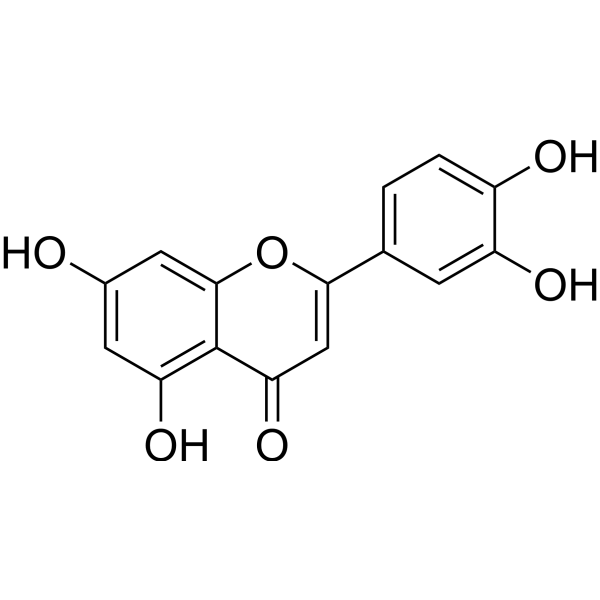
  • HY-N0162
    Luteolin
    Maximum Cited Publications
    89 Publications Verification

    Luteoline; Luteolol; Digitoflavone

    Keap1-Nrf2 Apoptosis Autophagy Endogenous Metabolite Inflammation/Immunology Cancer
    Luteolin (Luteoline), a flavanoid compound, is a potent Nrf2 inhibitor. Luteolin has anti-inflammatory, anti-cancer properties, including the induction of apoptosis and cell cycle arrest, and the inhibition of metastasis and angiogenesis, in several cancer cell lines, including human non-small lung cancer cells .
    Luteolin
  • HY-16938
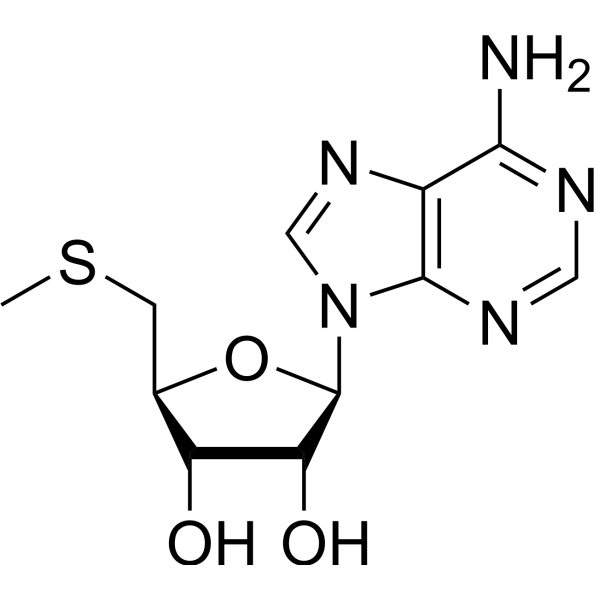
    5'-Methylthioadenosine
    5+ Cited Publications

    5'-(Methylthio)-5'-deoxyadenosine; 5'-Deoxy-5'-(methylthio)adenosine; 5'-S-Methyl-5'-thioadenosine

    Endogenous Metabolite Apoptosis Parasite Metabolic Disease Cancer
    5'-Methylthioadenosine (5'-(Methylthio)-5'-deoxyadenosine) is a nucleoside generated from S-adenosylmethionine (SAM) during polyamine synthesis . 5'-Methylthioadenosine suppresses tumors by inhibiting tumor cell proliferation, invasion, and the induction of apoptosis while controlling the inflammatory micro-environments of tumor tissue. 5'-Methylthioadenosine and its associated materials have striking regulatory effects on tumorigenesis .
    5'-Methylthioadenosine
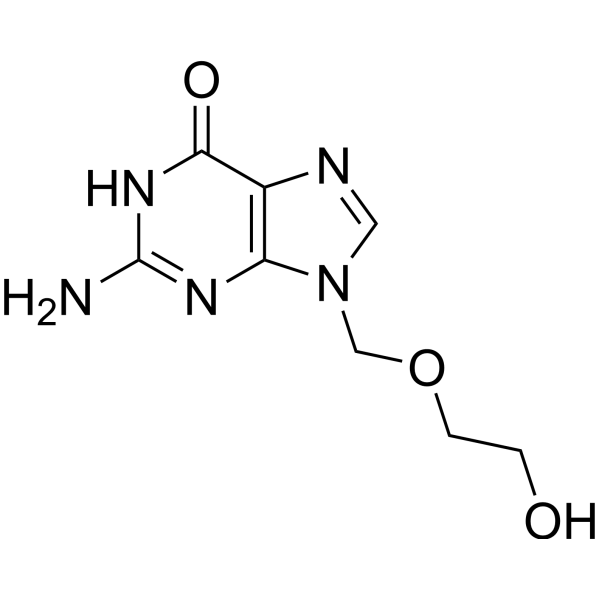
  • HY-17422
    Acyclovir
    20+ Cited Publications

    Aciclovir; Acycloguanosine

    HSV Apoptosis Antibiotic Bacterial Infection Cancer
    Acyclovir (Aciclovir) is a potent, orally active antiviral agent. Acyclovir has antiherpetic activity with IC50 values of 0.85 μM and 0.86 μM for HSV-1 and HSV-2, respectively. Acyclovir induces cell cycle perturbation and apoptosis. Acyclovir prevents bacterial infections during induction therapy for acute leukaemia .
    Acyclovir
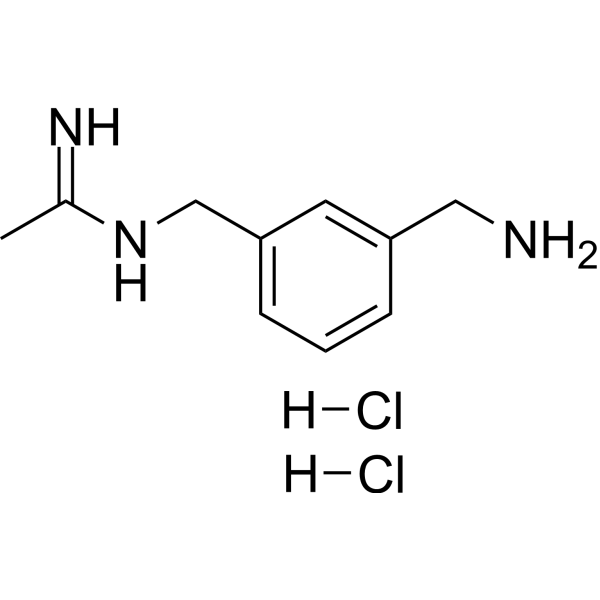
  • HY-18731
    1400W Dihydrochloride
    25+ Cited Publications

    NO Synthase Apoptosis Cardiovascular Disease Inflammation/Immunology Cancer
    1400W dihydrochloride is the dihydrochloride form of 1400W (HY-18730). 1400W is a slow, tight binding, and highly selective inducible nitric-oxide synthase (iNOS) inhibitor, with a Kd value ≤ 7 nM. 1400W inhibits iNOS induction in microglial cells, and reduces generation of NO, thereby mitigating oxidative stress and neuronal cell apoptosis in the rat cerebral cortex, and improving the spatial memory dysfunction caused by acute hypobaric hypoxia-reoxygenation .
    1400W Dihydrochloride
  • HY-P9948

    Campath-IH

    Apoptosis Cancer
    Alemtuzumab (Campath-IH) is a humanized monoclonal antibody against CD52. Alemtuzumab does not cross-react with murine CD52. Alemtuzumab selectively targets the CD52 antigen to induce profound lymphocyte depletion, followed by recovery of T and B cells with regulatory phenotypes. Alemtuzumab is capable of complement-dependent cytotoxicity and antibody-dependent cell-mediated cytotoxicity (ADCC), as well as induction of apoptosis. Alemtuzumab has the potential for B-cell chronic lymphocytic leukaemia research .
    Alemtuzumab
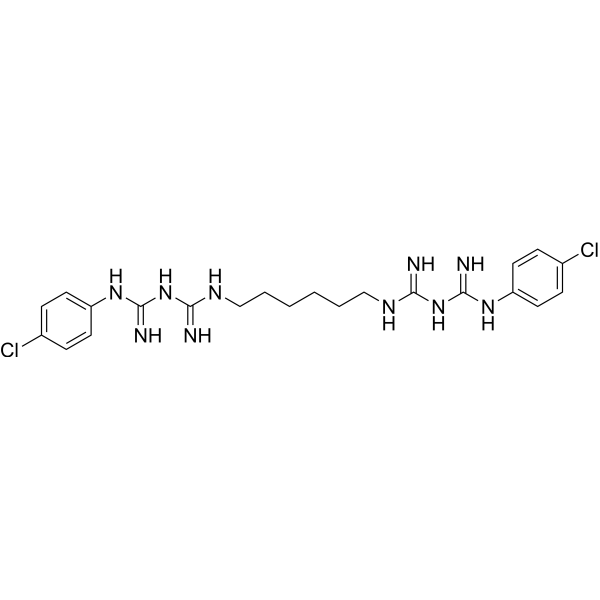
  • HY-B1248
    Chlorhexidine
    10+ Cited Publications

    Environmental Pollutants Antibiotic Necroptosis Bacterial Apoptosis Infection
    Chlorhexidine is a orally active cationic antimicrobial agent that targets microbial cell membranes. Chlorhexidine binds to cell membrane phospholipids non-specifically, destroys membrane structure and induces leakage of cell contents. Chlorhexidine has broad-spectrum bactericidal activity against both Gram-positive and Gram-negative bacteria. Chlorhexidine can interfere with membrane permeability, cause protein precipitation and energy metabolism disorders, such as rapid inhibition of microbial growth and induction of cell death (necrosis or apoptosis) .
    Chlorhexidine
  • HY-B0965
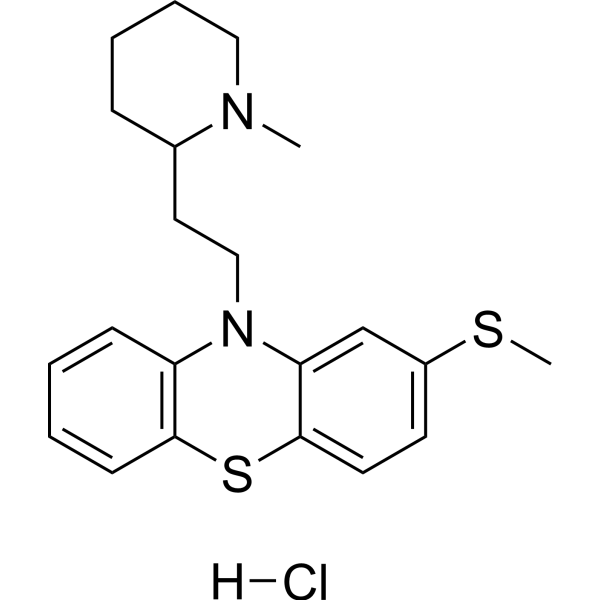
    Thioridazine hydrochloride
    5 Publications Verification

    Dopamine Receptor Apoptosis 5-HT Receptor Autophagy Bacterial Infection Neurological Disease Cancer
    Thioridazine hydrochloride, an orally active antagonist of the dopamine receptor D2 family proteins, exhibits potent anti-psychotic and anti-anxiety activities. Thioridazine hydrochloride is also a potent inhibitor of PI3K-Akt-mTOR signaling pathways with anti-angiogenic effect. Thioridazine hydrochloride shows antiproliferative and apoptosis induction effects in various types of cancer cells, with specificity on targeting cancer stem cells (CSCs) .
    Thioridazine hydrochloride
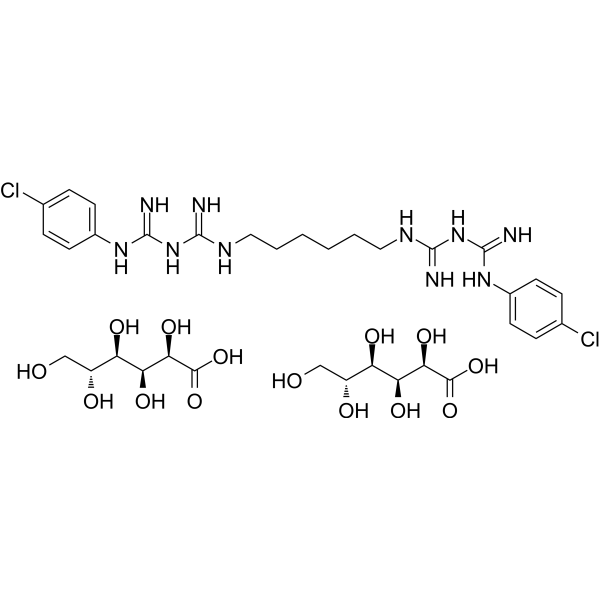
  • HY-B0608

    Environmental Pollutants Antibiotic Bacterial Necroptosis Apoptosis Infection
    Chlorhexidine digluconate (20% in water) is a orally active cationic antimicrobial agent that targets microbial cell membranes. Chlorhexidine digluconate (20% in water) binds to cell membrane phospholipids non-specifically, destroys membrane structure and induces leakage of cell contents. Chlorhexidine digluconate (20% in water) has broad-spectrum bactericidal activity against both Gram-positive and Gram-negative bacteria. Chlorhexidine digluconate (20% in water) can interfere with membrane permeability, cause protein precipitation and energy metabolism disorders, such as rapid inhibition of microbial growth and induction of cell death (necrosis or apoptosis) .
    Chlorhexidine digluconate (20% in water)
  • HY-N6033

    (+)-Ferruginol

    EBV HSV Apoptosis Infection Cardiovascular Disease Neurological Disease Cancer
    Ferruginol ((+)-Ferruginol), a natural diterpenoid, is an inhibitor of the activation of Epstein-Barr virus early antigen (EBV-EA). Ferruginol inhibits the growth of thyroid cancer cells through the induction of mitochondrial apoptosis. Ferruginol has antitumor, cardioprotective, antioxidant, gastroprotective, and neuroprotective activities .
    Ferruginol
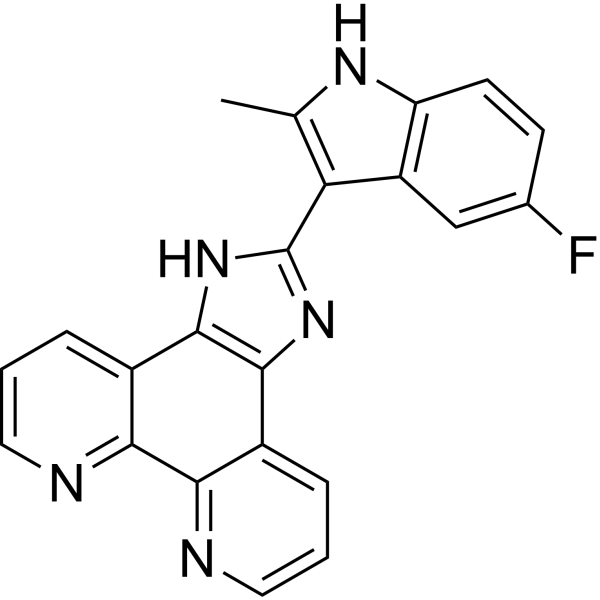
  • HY-16291
    APTO-253
    20+ Cited Publications

    LOR-253; LT-253

    c-Myc KLF Apoptosis Inflammation/Immunology Cancer
    APTO-253 (LOR-253) is a small molecule that inhibits c-Myc expression, stabilizes G-quadruplex DNA, and induces cell cycle arrest and apoptosis in acute myeloid leukemia cells. APTO-253 mediates anticancer activity through induction of the Krüppel-like factor 4 (KLF4) tumor suppressor . APTO-253 has antiarthritic activity .
    APTO-253
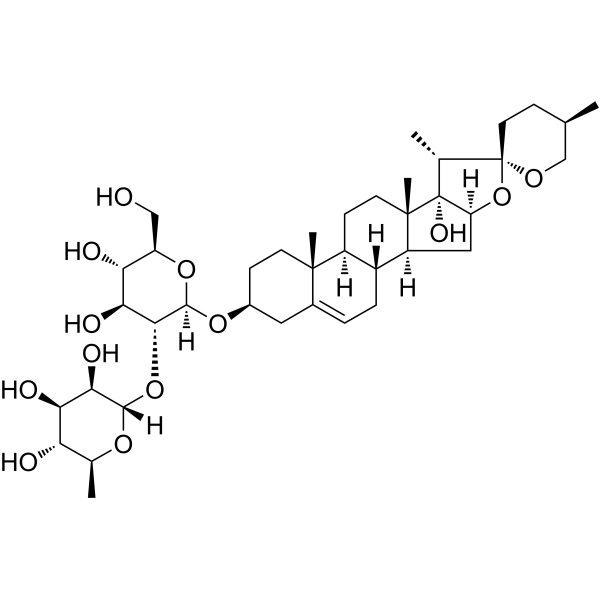
  • HY-N0816
    Polyphyllin VI
    5+ Cited Publications

    Apoptosis Pyroptosis Cancer
    Polyphyllin VI, an active saponin, possess anti-cancer activities. Polyphyllin VI induces G2/M cell cycle arrest and triggers apoptosis. Polyphyllin VI induces caspase-1-mediated pyroptosis via the induction of ROS/NF-κB/NLRP3/GSDMD signal axis in non-small cell lung cancer .
    Polyphyllin VI
  • HY-W013699
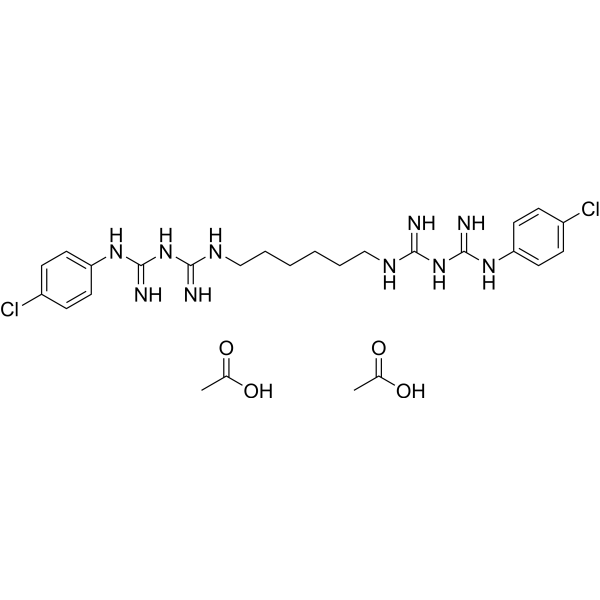
    Chlorhexidine diacetate
    10+ Cited Publications

    Environmental Pollutants Antibiotic Necroptosis Bacterial Apoptosis Infection
    Chlorhexidine diacetate is a orally active cationic antimicrobial agent that targets microbial cell membranes. Chlorhexidine diacetate binds to cell membrane phospholipids non-specifically, destroys membrane structure and induces leakage of cell contents. Chlorhexidine diacetate has broad-spectrum bactericidal activity against both Gram-positive and Gram-negative bacteria. Chlorhexidine diacetate can interfere with membrane permeability, cause protein precipitation and energy metabolism disorders, such as rapid inhibition of microbial growth and induction of cell death (necrosis or apoptosis) .
    Chlorhexidine diacetate
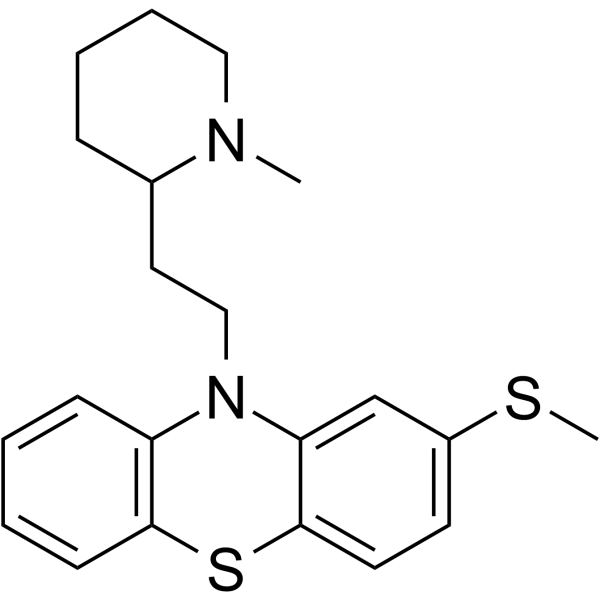
  • HY-B0965A
    Thioridazine
    5 Publications Verification

    Dopamine Receptor Apoptosis 5-HT Receptor Autophagy Bacterial Neurological Disease Cancer
    Thioridazine, an antagonist of the dopamine receptor D2 family proteins, exhibits potent anti-psychotic and anti-anxiety activities. Thioridazine is also a potent inhibitor of PI3K-Akt-mTOR signaling pathways with anti-angiogenic effect. Thioridazine shows antiproliferative and apoptosis induction effects in various types of cancer cells, with specificity on targeting cancer stem cells (CSCs) .
    Thioridazine
  • HY-108431
    MN58b
    1 Publications Verification

    Apoptosis Cancer
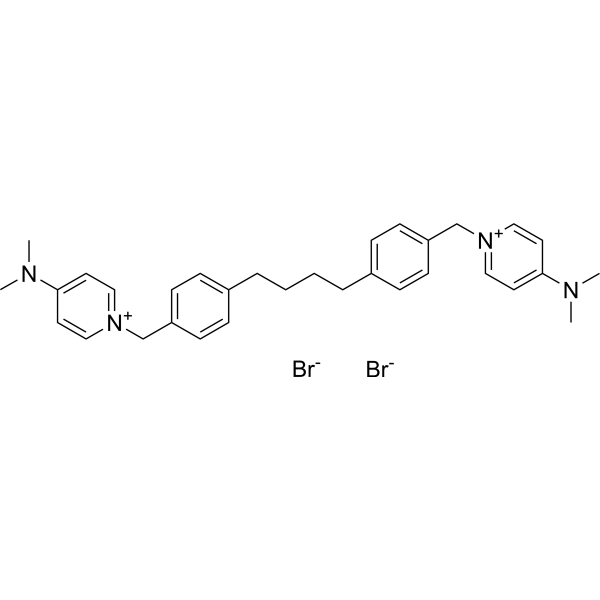
    MN58b is a selective choline kinase α (CHKα) inhibitor, and results in inhibition of phosphocholine synthesis. MN58b reduces cell growth through the induction of apoptosis, and also has antitumoral activity .
    MN58b
  • HY-N0837
    Veratramine
    1 Publications Verification

    NSC17821; NSC23880

    PI3K Akt mTOR Autophagy Apoptosis Neurological Disease Metabolic Disease Inflammation/Immunology Cancer
    Veratramine (NSC17821; NSC23880) is an orally active inhibitor of the PI3K/Akt/mTOR signaling pathway and a SIGMAR1 modulator. Veratramine induces autophagic apoptosis of tumor cells, arrests the cell cycle at the G0/G1 phase, and inhibits epithelial-mesenchymal transition (EMT)-related proteins to reduce tumor migration. Veratramine reduces spinal cord and sciatic nerve pathological damage in a neuropathy model by inhibiting SIGMAR1 binding to NMDAR and phosphorylation of NMDAR Ser896. Veratramine has anti-tumor proliferation, apoptosis induction, anti-inflammatory and neuroprotective activities, and can be used in the study of cancers such as liver cancer and osteosarcoma, as well as diabetic peripheral neuropathy .
    Veratramine
  • HY-13208
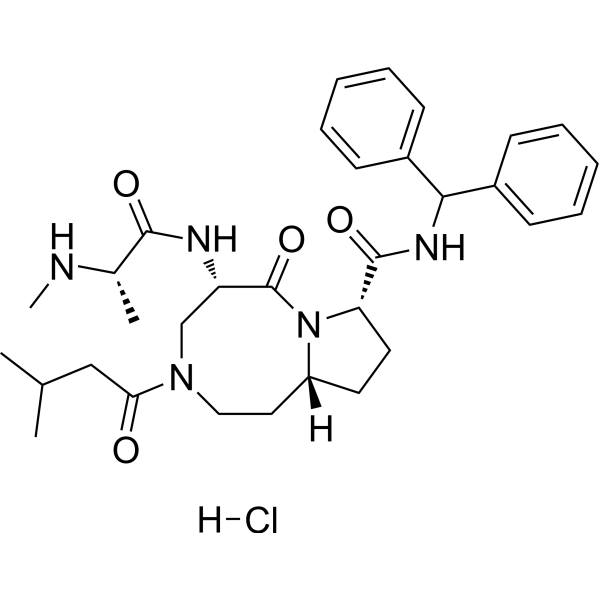
    Xevinapant hydrochloride
    10+ Cited Publications

    AT-406 hydrochloride; Debio 1143 hydrochloride; SM-406 hydrochloride

    IAP Apoptosis Cancer
    Xevinapant (AT-406) hydrochloride is a potent and orally bioavailable Smac mimetic and an antagonist of the inhibitor of apoptosis proteins (IAPs). Xevinapant hydrochloride binds to XIAP, cIAP1, and cIAP2 proteins with Kis of 66.4, 1.9, and 5.1 nM, respectively. Xevinapant hydrochloride effectively antagonizes XIAP BIR3 protein in a cell-free functional assay, induces rapid degradation of cellular cIAP1 protein, and inhibits cancer cell growth in various human cancer cell lines. Xevinapant hydrochloride is highly effective in induction of apoptosis in xenograft tumors .
    Xevinapant hydrochloride
  • HY-18696
    AMG-337
    3 Publications Verification

    c-Met/HGFR Caspase Apoptosis Cancer
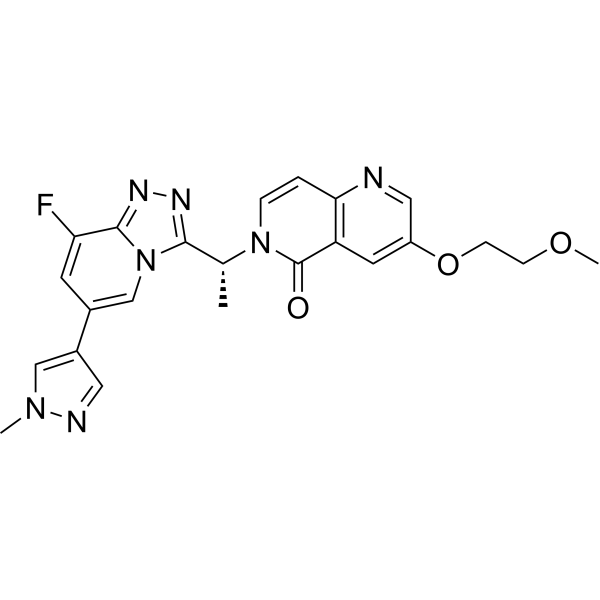
    AMG-337 is a potent, orally active, selective MET kinase inhibitor with IC50 values of 1, 1, 4.7, 5, 21.5, 1077 and >4000 nM of WT MET, H1094R MET, M1250T MET, HGF-stimulated pMET (PC3 cells) MET, V1092I MET, Y1230H MET, and D1228H MET, respectively. AMG 337 inhibits the phosphorylation of MET and downstream effectors in MET-amplified cancer cell lines, resulting in an inhibition of MET-dependent cell proliferation and induction of apoptosis .
    AMG-337
  • HY-W015084
    β-Ionone
    1 Publications Verification

    Environmental Pollutants Apoptosis Cancer
    β-Ionone is effective in the induction of apoptosis in gastric adenocarcinoma SGC7901 cells. Anti-cancer activity .
    β-Ionone
  • HY-138936
    SSK1
    2 Publications Verification

    p38 MAPK Apoptosis Inflammation/Immunology
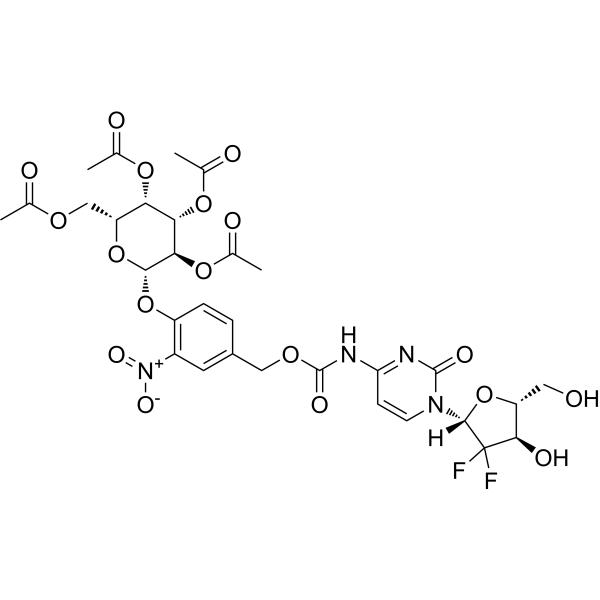
    SSK1, a senescence-specific killing compound, is a β-galactosidase-targeted proagent attenuates inflammation. SSK1 is activated by lysosomal β-galactosidase and selectively killed senescent cells through the activation of p38 MAPK and induction of apoptosis .
    SSK1
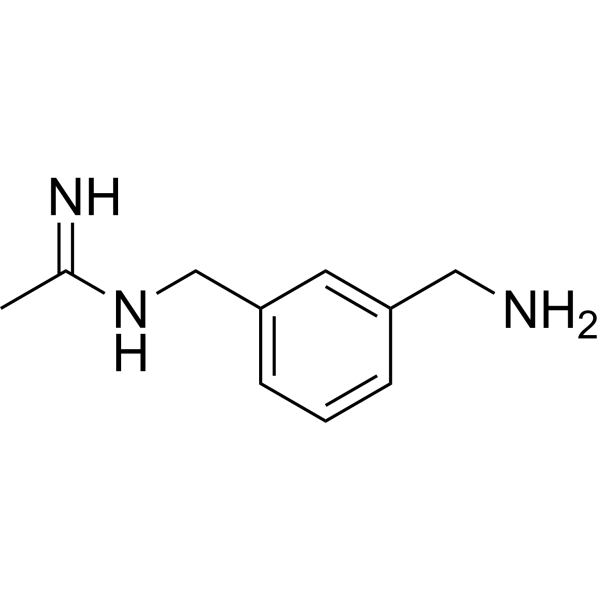
  • HY-18730
    1400W
    25+ Cited Publications

    W1400

    NO Synthase Apoptosis Cardiovascular Disease Inflammation/Immunology Cancer
    1400W is a slow, tight binding, and highly selective inducible nitric-oxide synthase (iNOS) inhibitor, with a Kd value ≤ 7 nM. 1400W inhibits iNOS induction in microglial cells, and reduces generation of NO, thereby mitigating oxidative stress and neuronal cell apoptosis in the rat cerebral cortex, and improving the spatial memory dysfunction caused by acute hypobaric hypoxia-reoxygenation .
    1400W
  • HY-B1145
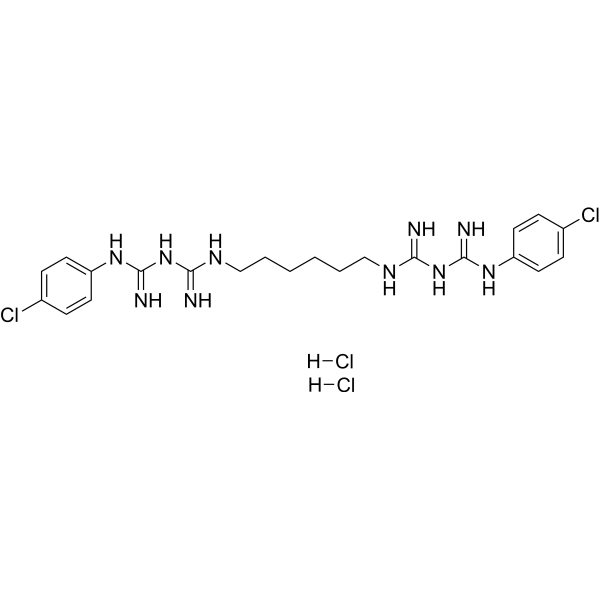
    Chlorhexidine dihydrochloride
    10+ Cited Publications

    Environmental Pollutants Antibiotic Apoptosis Bacterial Necroptosis Infection
    Chlorhexidine dihydrochloride is a orally active cationic antimicrobial agent that targets microbial cell membranes. Chlorhexidine dihydrochloride binds to cell membrane phospholipids non-specifically, destroys membrane structure and induces leakage of cell contents. Chlorhexidine dihydrochloride has broad-spectrum bactericidal activity against both Gram-positive and Gram-negative bacteria. Chlorhexidine dihydrochloride can interfere with membrane permeability, cause protein precipitation and energy metabolism disorders, such as rapid inhibition of microbial growth and induction of cell death (necrosis or apoptosis) .
    Chlorhexidine dihydrochloride
  • HY-112158
    NSC139021
    1 Publications Verification

    ERGi-USU

    RIO Kinase Cancer
    NSC139021 (ERGi-USU) is a RIOK2 inhibitor with anticancer activity. RIOK2 can highly selectively inhibit the growth of ERG-positive cancer cells with IC50s of 30-400 nM against cell lines. RIOK2 also causes cell cycle arrest and apoptosis in glioblastoma via induction of Skp2 and Skp2-p27/p21-Cyclin E/CDK2-pRb signaling .
    NSC139021
  • HY-N0438
    Pimpinellin
    1 Publications Verification

    Apoptosis Cancer
    Pimpinellin is a constituent of Cyrtomium fortumei (J.). Pimpinellin inhibits the growth of tumor cells via the induction of tumor cell apoptosis .
    Pimpinellin
  • HY-12960

    FLT3-​IN-​1

    FLT3 c-Kit Apoptosis Cancer
    SKLB4771 is a potent and selective Flt3 inhibitor with an IC50 value of 10 nM. SKLB4771 downregulates the phosphorylation of FLT3/STAT5/ERK, blocks cell proliferation, and induces apoptosis in tumor tissue .
    SKLB4771
  • HY-N1925
    Tea polyphenol
    2 Publications Verification

    Apoptosis Autophagy Neurological Disease Inflammation/Immunology Cancer
    Tea polyphenol is the floorboard of phenolic compounds in tea. Tea polyphenol exhibits biological activity including antioxidant and anti-cancer activities, inhibition of cell proliferation, induction of apoptosis, cell cycle arrest and modulation of carcinogen metabolism .
    Tea polyphenol
  • HY-N3376

    Spermatheridine; VLT045

    Apoptosis Cancer
    Liriodenine (Spermatheridine; VLT045) is an aporphine alkaloid isolated from the plant?Mitrephora sirikitiae?and has anti-cancer activities . Liriodenine induces cell apoptosis, activates the intrinsic pathway by induction of caspase-3 and caspase-9 .
    Liriodenine
  • HY-176954

    Proton Pump Ras Autophagy Apoptosis Cancer
    RSC-1255 is a potent and selective Vacuolar H⁺-ATPase (V-ATPase) inhibitor that directly binds the mammalian V-ATPase complex with a Kd = 23 nM. RSC-1255 exhibits preferential cytotoxicity toward KRAS-mutant cancer cells, especially KRAS G13D and KRAS G12V cells. RSC-1255 induces apoptosis and blocks lysosomal acidification, autophagy, and macropinocytosis in cancer cells. RSC-1255 can be used for the study of KRAS-driven lung and colon cancers .
    RSC-1255
  • HY-N0162R
    Luteolin (Standard)
    Maximum Cited Publications
    89 Publications Verification

    Luteoline(Standard); Luteolol(Standard); Digitoflavone (Standard)

    Reference Standards Keap1-Nrf2 Apoptosis Autophagy Endogenous Metabolite Inflammation/Immunology Cancer
    Luteolin (Standard) is the analytical standard of Luteolin. This product is intended for research and analytical applications. Luteolin (Luteoline), a flavanoid compound, is a potent Nrf2 inhibitor. Luteolin has anti-inflammatory, anti-cancer properties, including the induction of apoptosis and cell cycle arrest, and the inhibition of metastasis and angiogenesis, in several cancer cell lines, including human non-small lung cancer cells .
    Luteolin (Standard)
  • HY-107426
    Verrucarin A
    1 Publications Verification

    Muconomycin A

    Apoptosis Reactive Oxygen Species (ROS) Cancer
    Verrucarin A (Muconomycin A), a Type D macrocyclic mycotoxin derived from the pathogen fungus Myrothecium verrucaria, is an inhibitor of protein synthesis. Verrucarin A inhibits growth of leukemia cell lines and activates caspases and apoptosis and inflammatory signaling in macrophages. Verrucarin A effectively increased the phosphorylation of p38 MAPK and diminished the phosphorylation of ERK/Akt. Verrucarin A caused cell cycle deregulation through the induction of p21 and p53 .
    Verrucarin A
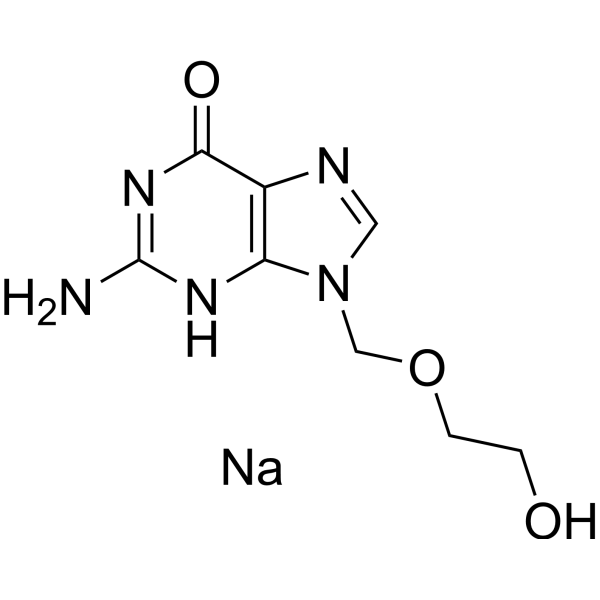
  • HY-17422A
    Acyclovir sodium
    20+ Cited Publications

    Aciclovir sodium; Acycloguanosine sodium

    HSV Apoptosis Antibiotic Bacterial Infection Cancer
    Acyclovir (Aciclovir) sodium is a potent, orally active antiviral agent. Acyclovir sodium has antiherpetic activity with IC50 values of 0.85 μM and 0.86 μM for HSV-1 and HSV-2, respectively. Acyclovir sodium induces cell cycle perturbation and apoptosis. Acyclovir sodium prevents bacterial infections during induction therapy for acute leukaemia .
    Acyclovir sodium
  • HY-161409

    Androgen Receptor Apoptosis Cancer
    SC912 is an AR-V7 inhibitor (IC50 = 0.36 μM). SC912 possesses safety, potency and selectivity. SC912 binds directly to AR-FL and AR-V7 proteins, inhibites nuclear localization and chromatin binding capabilities. SC912 exerts anticancer activity through inhibition of proliferation, induction of cell cycle arrest and apoptosis .
    SC912
  • HY-17422R

    Aciclovir (Standard); Acycloguanosine (Standard)

    Reference Standards HSV Apoptosis Antibiotic Bacterial Infection Cancer
    Acyclovir (Standard) is the analytical standard of Acyclovir. This product is intended for research and analytical applications. Acyclovir (Aciclovir) is a potent, orally active antiviral agent. Acyclovir has antiherpetic activity with IC50 values of 0.85 μM and 0.86 μM for HSV-1 and HSV-2, respectively. Acyclovir induces cell cycle perturbation and apoptosis. Acyclovir prevents bacterial infections during induction therapy for acute leukaemia .
    Acyclovir (Standard)
  • HY-13603
    Crolibulin
    1 Publications Verification

    EPC2407

    Microtubule/Tubulin Apoptosis Cardiovascular Disease Cancer
    Crolibulin (EPC2407) is a tubulin polymerization inhibitor, with potent apoptosis induction and cell growth inhibition. Crolibulin has anti-tumor activity. Crolibulin also has cardiovascular toxicity and neurotoxicity .
    Crolibulin
  • HY-W015084A

    β-Lonone

    Environmental Pollutants Apoptosis Cancer
    (E)-β-Ionone is the isomer of β-Ionone (HY-W015084). β-Ionone is effective in the induction of apoptosis in gastric adenocarcinoma SGC7901 cells. β-Ionone has anti-cancer activity .
    (E)-β-Ionone
  • HY-15003

    FLT3 Apoptosis Cancer
    ATH686 is a potent, selective and ATP-competitive FLT3 inhibitor. ATH686 target mutant FLT3 protein kinase activity and inhibit the proliferation of cells harboring FLT3 mutants via induction of apoptosis and cell cycle inhibition. ATH686 has antileukemic effects .
    ATH686
  • HY-121725

    STAT Cancer
    MM-206, a STAT3 activity inhibitor, potently inhibits the STAT3 SH2 domain-phosphopeptide interaction with IC50 of 1.2 μM. MM-206 demonstrates dose-dependent induction of apoptosis in acute myeloid leukemia (AML) cell lines .
    MM-206
  • HY-123714

    MAP4K Apoptosis Inflammation/Immunology Cancer
    TL4-12 is a selective MAP4K2/GCK inhibitor, dose-dependently downregulates IKZF1 and BCL-6 and leads to MM cell proliferation inhibition (IC50=37 nM) accompanied by induction of apoptosis. TL4-12 can be used to overcome immunomodulatory agent resistance in multiple myeloma (MM) .
    TL4-12
  • HY-122496

    Syringidin

    Apoptosis Cancer
    Malvidin (chloride) is a bioactive compound isolated from grape. Malvidin shows cytotoxicity through the arrest of the G2/M phase of cell cycle and induction of apoptosis. Malvidin can be used for the research of cancer .
    Malvidin chloride
  • HY-129746

    Apoptosis Cancer
    Arylquin 1, a prostate-apoptosis-response-4 (Par-4) secretagogue, targets vimentin to induce Par-4 secretion. Arylquin 1 induces non-apoptotic cell death in cancer cells through the induction of lysosomal membrane permeabilization (LMP) .
    Arylquin 1
  • HY-168926

    Reactive Oxygen Species (ROS) Apoptosis Cancer
    NQO2-IN-1 (Compound 20b) is the inhibitor for quinone oxidoreductase (NQO) that inhibits NQO2 with an IC50 of 95 nM. NQO2-IN-1 overcomes the resistance of NSCLC cells to tumor necrosis factor-related apoptosis-inducing ligand (TRAIL) by induction of ROS and apoptosis .
    NQO2-IN-1
  • HY-N11097

    Apoptosis HSV HIV Infection Cancer
    FK-3000 is a potent anti-tumor agent that inhibits the growth of carcinoma cells through apoptosis and induction cell cycle arrest. FK-3000 also exhibit antiviral effects against HSV-1 and HIV-1 .
    FK-3000
  • HY-139181

    HDAC Cancer
    NR160 is a selective HDAC6 inhibitor with an IC50 value of 30 nM. NR160 shows low cytotoxicity against leukemia cell line. NR160 augments the apoptosis induction of Bortezomib (HY-10227) (proteasome inhibitor), Epirubicin (HY-13624) and Daunorubicin (HY-13062A) significantly .
    NR160
  • HY-B1145S

    Isotope-Labeled Compounds Antibiotic Bacterial Necroptosis Apoptosis Infection
    Chlorhexidine-d8 (dihydrochloride) is the deuterium labeled Chlorhexidine dihydrochloride (HY-B1145). Chlorhexidine dihydrochloride is a orally active cationic antimicrobial agent that targets microbial cell membranes. Chlorhexidine dihydrochloride binds to cell membrane phospholipids non-specifically, destroys membrane structure and induces leakage of cell contents. Chlorhexidine dihydrochloride has broad-spectrum bactericidal activity against both Gram-positive and Gram-negative bacteria. Chlorhexidine dihydrochloride can interfere with membrane permeability, cause protein precipitation and energy metabolism disorders, such as rapid inhibition of microbial growth and induction of cell death (necrosis or apoptosis) .
    Chlorhexidine-d8 dihydrochloride
  • HY-B1248R

    Reference Standards Antibiotic Bacterial Necroptosis Apoptosis Infection
    Chlorhexidine (Standard) is the analytical standard of Chlorhexidine (HY-B1248). This product is intended for research and analytical applications. Chlorhexidine is a orally active cationic antimicrobial agent that targets microbial cell membranes. Chlorhexidine binds to cell membrane phospholipids non-specifically, destroys membrane structure and induces leakage of cell contents. Chlorhexidine has broad-spectrum bactericidal activity against both Gram-positive and Gram-negative bacteria. Chlorhexidine can interfere with membrane permeability, cause protein precipitation and energy metabolism disorders, such as rapid inhibition of microbial growth and induction of cell death (necrosis or apoptosis) .
    Chlorhexidine (Standard)
  • HY-114372

    Lipoxygenase Caspase Apoptosis Cancer
    Lycopodine, a pharmacologically important bioactive component derived from Lycopodium clavatumspores, triggers apoptosis by modulating 5-lipoxygenase, and depolarizing mitochondrial membrane potential in refractory prostate cancer cells without modulating p53 activity . Lycopodine inhibits proliferation of HeLa cells through induction of apoptosis via caspase-3 activation .
    Lycopodine
  • HY-W724853

    1,4-Dimethyltetrasulfane

    Apoptosis Caspase Reactive Oxygen Species (ROS) Cancer
    Dimethyl tetrasulfide (1,4-Dimethyltetrasulfane) is an apoptosis inducer targeting leukemia cells. Dimethyl tetrasulfide exerts cytotoxic effects through the induction of intracellular reactive oxygen species (ROS) production and activation of caspase-3 enzyme. Dimethyl tetrasulfide is promising for research of cancers, such as leukemia .
    Dimethyl tetrasulfide
  • HY-101287

    Microtubule/Tubulin JNK Apoptosis Caspase Cancer
    MPT0B392, an orally active quinoline derivative, induces c-Jun N-terminal kinase (JNK) activation, leading to apoptosis. MPT0B392 inhibits tubulin polymerization and triggers induction of the mitotic arrest, followed by mitochondrial membrane potential loss and caspases cleavage by activation of JNK and ultimately leads to apoptosis. MPT0B392 is demonstrated to be a novel microtubule-depolymerizing agent and enhances the cytotoxicity of sirolimus in sirolimus-resistant acute leukemic cells and the multidrug resistant cell line .
    MPT0B392
  • HY-151453

    Topoisomerase Apoptosis Cancer
    Topoisomerase IIα-IN-4 (F2) is a non-intercalative ATP-competitive human DNA topoisomerase II inhibitor with an IC50 value of 3.8 and 10.1 μM for TopoIIα and TopoIIβ, respectively. Topoisomerase IIα-IN-4 shows potent potency in apoptosis induction and cell cycle arrest in HepG2 cells. Topoisomerase IIα-IN-4 exhibits strong antitumor activities against human cancer cell lines, it can be used for the research of cancer .
    Topoisomerase IIα-IN-4
  • HY-B0965AS

    Dopamine Receptor Apoptosis 5-HT Receptor Autophagy Bacterial Neurological Disease
    Thioridazine-d3 (hydrochloride) is the deuterium labeled Thioridazine. Thioridazine, an antagonist of the dopamine receptor D2 family proteins, exhibits potent anti-psychotic and anti-anxiety activities. Thioridazine is also a potent inhibitor of PI3K-Akt-mTOR signaling pathways with anti-angiogenic effect. Thioridazine shows antiproliferative and apoptosis induction effects in various types of cancer cells, with specificity on targeting cancer stem cells (CSCs) .
    Thioridazine-d3 hydrochloride
  • HY-126876
    GL-V9
    1 Publications Verification

    Apoptosis AMPK Reactive Oxygen Species (ROS) Cancer
    GL-V9 inhibits proliferation of HepG2 cell (IC50 is 35.2 μM) through induction of apoptosis and cell cycle arrest at G2/M phase. GL-V9 regulates mitochondrial membrane potential and increases the production of intracellular reactive oxygen species. GL-V9 inhibits the pentose phosphate pathway (PPP), enhances fatty acid oxidation (FAO) through activation of AMPK, and thus inhibits the metastasis of cancer cells. GL-V9 exhibits antitumor efficacy in mouse model .
    GL-V9

Inquiry Online

Your information is safe with us. * Required Fields.

Salutation


Country or Region *

Applicant Name *


Organization Name *

Department *


Email Address *


Product Name *

Cat. No.


Requested quantity *

Phone Number *


Remarks

Inquiry Online

Inquiry Information

Product Name:
Cat. No.:
Quantity:
MCE Japan Authorized Agent:

