

1. Search Result
Search Result
Results for "

Chaperone

" in MedChemExpress (MCE) Product Catalog:

124

Inhibitors & Agonists

2

Fluorescent Dye

2

Biochemical Assay Reagents

7

Peptides

17

Natural
Products

24

Recombinant Proteins

9

Isotope-Labeled Compounds

11

Antibodies

3

Click Chemistry

Cat. No. Product Name Target Research Areas Chemical Structure
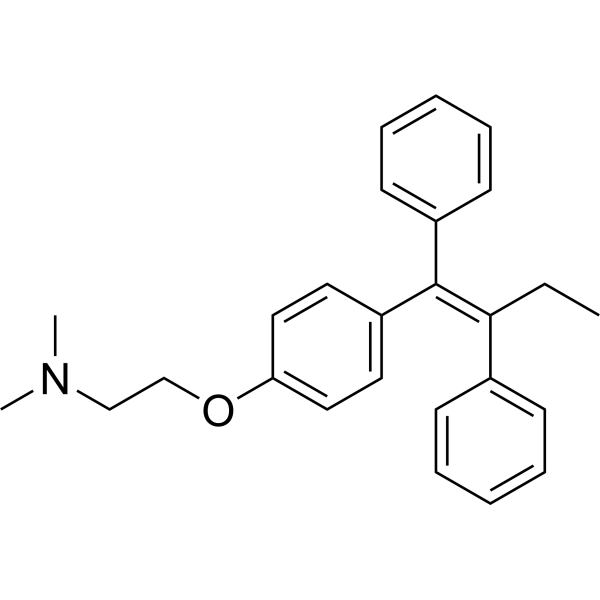
  • HY-13757A
    Tamoxifen
    Maximum Cited Publications
    229 Publications Verification

    ICI 47699; (Z)-Tamoxifen; trans-Tamoxifen

    Estrogen Receptor/ERR HSP Autophagy Apoptosis Infection Neurological Disease Metabolic Disease Inflammation/Immunology Cancer
    Tamoxifen (ICI 47699) is an orally active, selective estrogen receptor modulator (SERM) which blocks estrogen action in breast cells and can activate estrogen activity in other cells, such as bone, liver, and uterine cells. Tamoxifen is a potent Hsp90 activator and enhances the Hsp90 molecular chaperone ATPase activity. Tamoxifen also potent inhibits infectious EBOV Zaire and Marburg (MARV) with IC50 of 0.1 μM and 1.8 μM, respectively. Tamoxifen activates autophagy and induces apoptosis. Tamoxifen can also be dissolved in corn oil (HY-Y1888) for use in inducing gene knockout in CreER transgenic mice. Tamoxifen has better solubility in corn oil compared to Tamoxifen Citrate (HY-13757) .
    Tamoxifen
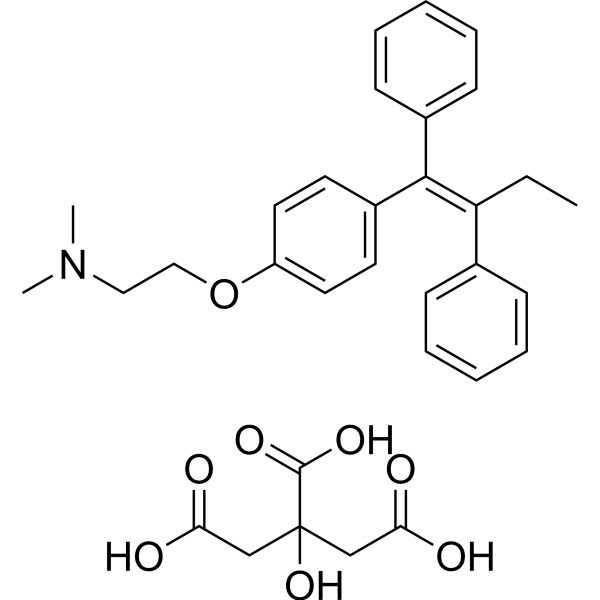
  • HY-13757
    Tamoxifen Citrate
    Maximum Cited Publications
    229 Publications Verification

    ICI 46474; (Z)-Tamoxifen Citrate; trans-Tamoxifen Citrate

    Estrogen Receptor/ERR HSP Autophagy Apoptosis Infection Neurological Disease Inflammation/Immunology Cancer
    Tamoxifen Citrate (ICI 46474) is an orally active, selective estrogen receptor modulator (SERM) which blocks estrogen action in breast cells and can activate estrogen activity in other cells, such as bone, liver, and uterine cells.Tamoxifen Citrate is a potent Hsp90 activator and enhances the Hsp90 molecular chaperone ATPase activity. Tamoxifen Citrate also potent inhibits infectious EBOV Zaire and Marburg (MARV) with IC50 of 0.1 μM and 1.8 μM, respectively. Tamoxifen Citrate activates autophagy and induces apoptosis. Tamoxifen Citrate can also be used to induce gene knockout in CreER transgenic mice .
    Tamoxifen Citrate
  • HY-P1098
    Ac2-26
    Maximum Cited Publications
    8 Publications Verification

    Annexin A NF-κB Inflammation/Immunology
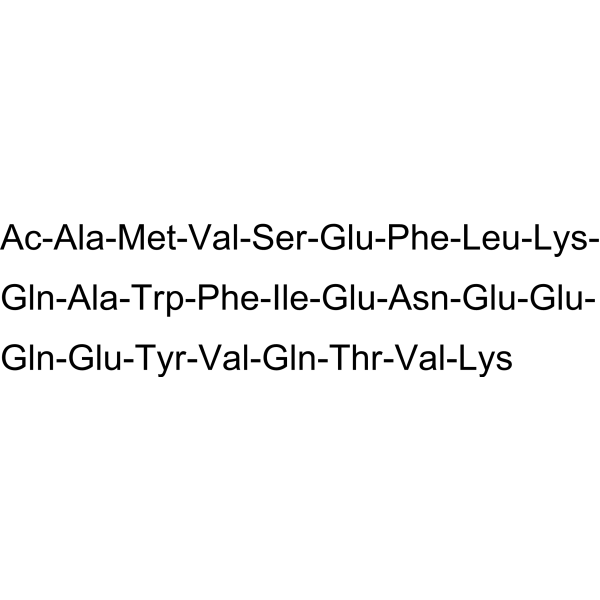
    Ac2-26 is the N-terminal peptide of annexin 1, and has anti-inflammatory activity. Ac2-26 induces a decrease in IKKβ protein in lysosomes by chaperone-mediated autophagy (CMA). Ac2-26 ameliorates lung ischemia-reperfusion injury. Ac2-26 also inhibits airway inflammation and hyperresponsiveness in an asthma rat model .
    Ac2-26
  • HY-100437
    HA15
    30+ Cited Publications

    HSP Autophagy Apoptosis Cancer
    HA15 is a potent and specific inhibitor of ER chaperone BiP/GRP78/HSPA5, inhibits the ATPase activity of BiP, with anti-cancerous activity .
    HA15
  • HY-18935
    CBL0137
    10+ Cited Publications

    Curaxin 137; CBL-C137

    Histone Acetyltransferase MDM-2/p53 NF-κB Cancer
    CBL0137, a curaxin compound, is a histone chaperone facilitates chromatin transcription (FACT) inhibitor. CBL0137 downregulates NF-κB and activates p53. CBL0137 restores both histone H3 acetylation and trimethylation. CBL0137 is an anticancer agent. CBL0137 induces cancer cell apoptosis .
    CBL0137
  • HY-B1039A
    Ambroxol hydrochloride
    3 Publications Verification

    NA-872 hydrochloride

    Glycosidase Autophagy Neurological Disease Metabolic Disease
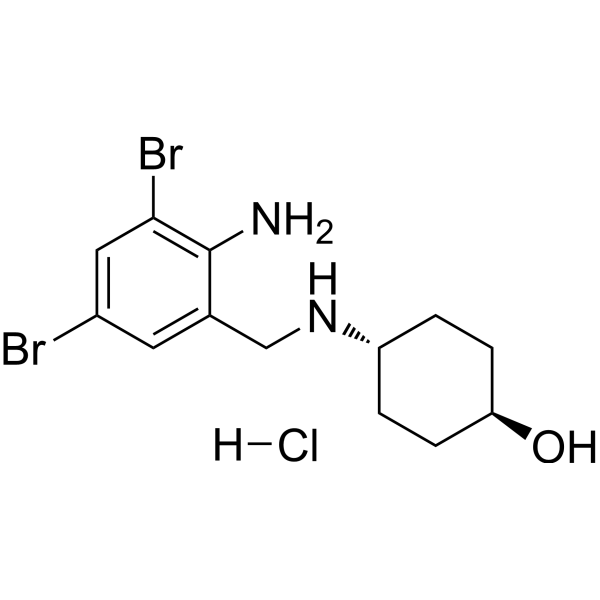
    Ambroxol hydrochloride (NA-872 hydrochloride), an active metabolite of the proagent Bromhexine, has potent expectorant effects. Ambroxol hydrochloride is a glucocerebrosidase (GCase) chaperone and increases glucocerebrosidase activity. Ambroxol hydrochloride induces lung autophagy and has the potential for Parkinson disease and neuronopathic Gaucher disease research .
    Ambroxol hydrochloride
  • HY-18935A
    CBL0137 hydrochloride
    10+ Cited Publications

    Curaxin-137 hydrochloride; CBL-C137 hydrochloride

    MDM-2/p53 NF-κB Cancer
    CBL0137 hydrochloride is an inhibitor of the histone chaperone, FACT. CBL0137 hydrochloride can also activate p53 and inhibits NF-κB with EC50s of 0.37 and 0.47 μM, respectively.
    CBL0137 hydrochloride
  • HY-14829

    D-Isofagomine; Isofagomine

    Glycosidase Neurological Disease
    Afegostat is a pharmacological chaperone, which specifically and reversibly binds acid-β-glucosidase (GCase) in the endoplasmic reticulum (ER) with high affinity .
    Afegostat
  • HY-101106
    AR7
    10+ Cited Publications

    RAR/RXR Neurological Disease Cancer
    AR7 is an atypical RARA/RARα (retinoic acid receptor, alpha) antagonist. AR7 specifically activates chaperone-mediated-autophagy (CMA) activity without affecting macroautophagy .
    AR7
  • HY-14929A
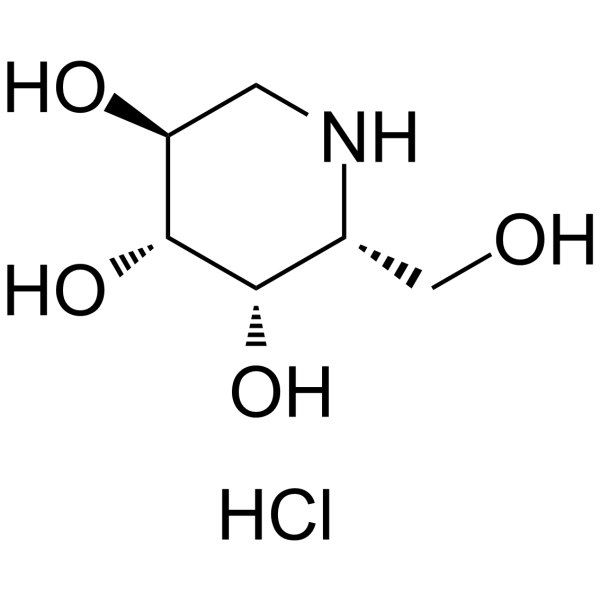
    Migalastat hydrochloride
    1 Publications Verification

    GR181413A

    Glycosidase Others
    Migalastat (GR181413A free base) hydrochloride is an orally active α-galactosidase A molecular chaperone, with an IC50 value of 0.04 μM for human α-Gal A. Migalastat binds to the active site of certain unstable mutant forms of α-galactosidase A, facilitating their transport to the lysosome. After dissociation in the acidic environment, Migalastat enables the mutant α-galactosidase A to exhibit biological activity .
    Migalastat hydrochloride
  • HY-B1039
    Ambroxol
    3 Publications Verification

    NA-872

    Glycosidase Autophagy Neurological Disease Metabolic Disease
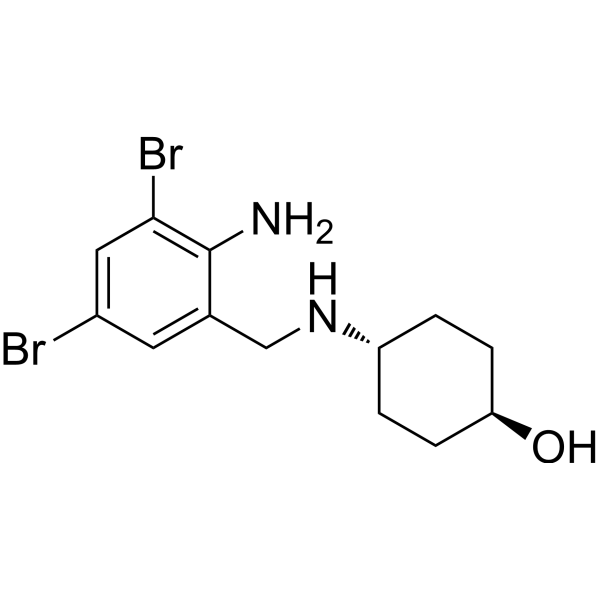
    Ambroxol (NA-872), an active metabolite of the proagent Bromhexine, has potent expectorant effects. Ambroxol is a glucocerebrosidase (GCase) chaperone and increases glucocerebrosidase activity. Ambroxol induces lung autophagy and has the potential for Parkinson disease and neuronopathic Gaucher disease research .
    Ambroxol
  • HY-18669
    ML346
    5+ Cited Publications

    HSP Cancer
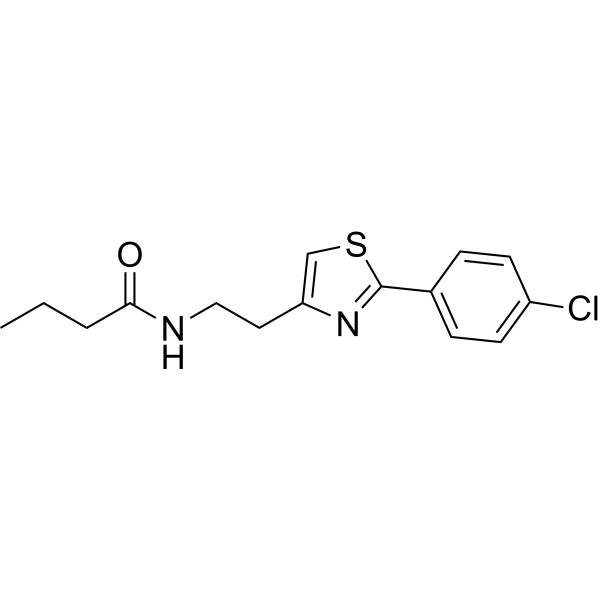
    ML346 is an activator of Hsp70 expression and HSF-1 activity, with an EC50 of 4.6 μM for Hsp70. ML346 restores protein folding in conformational disease models, without significant cytotoxicity or lack of specificity. ML346 induces specific increases in genes and protein effectors of the heat shock response (HSR), including chaperones such as Hsp70, Hsp40, and Hsp27 .
    ML346
  • HY-18705
    Azoramide
    5+ Cited Publications

    Apoptosis Reactive Oxygen Species (ROS) Caspase Bcl-2 Family Mitochondrial Metabolism Endocrinology
    Azoramide is a potent, orally active small-molecule modulator of the unfolded protein response (UPR). Azoramide improves ER protein folding and elevates ER chaperone capacity, which together protects cells against ER stress. Azoramide alleviates PLA2G6 mutant-induced ER stress through modulating unfolded protein response, and enhances the CERB signaling to rescue mitochondrial function, thereby preventing apoptosis of DA neurons. Azoramide has antidiabetic activity .
    Azoramide
  • HY-B1228
    Ribostamycin sulfate
    1 Publications Verification

    Vistamycin sulfate

    Bacterial Antibiotic PDI Infection
    Ribostamycin sulfate (Vistamycin sulfate) is a broad-spectrum antimicrobial, inhibits bacterial protein synthesis at the level of 30S and 50S ribosomal subunit binding, also inhibits the chaperone activity of protein disulfide isomerase (PDI), used in pharmacokinetic and nephrotoxicity studies
    Ribostamycin sulfate
  • HY-30270

    p-Hydroxyanisole

    HSP Estrogen Receptor/ERR Endocrinology
    Mequinol (4-Methoxyphenol)yes MercurialisOne of the bioactive ingredients, mainly used for skin discoloration . MequinolIs an antioxidant that has additive/synergistic effects on carcinogenesis when combined with other phenolic antioxidants. Mequinolalso promote hERαDependent chaperone production with potential estrogenic activity .
    Mequinol
  • HY-155747
    FDW028
    1 Publications Verification

    Autophagy Akt mTOR Cancer
    FDW028 a potent and highly selective FUT8 inhibitor. FUT8 exhibits potent anti-tumor activity by defucosylation and impelling lysosomal degradation of B7-H3 through the chaperone-mediated autophagy (CMA) pathway. FDW028 can be used for metastatic colorectal cancer (mCRC) research .
    FDW028
  • HY-134923
    CA77.1
    5+ Cited Publications

    Autophagy Neurological Disease
    CA77.1 is a potent, brain-penetrant and orally active chaperone-mediated autophagy (CMA) activator with favorable pharmacokinetics. CA77.1 is a derivative of AR7 (HY-101106) and can increase the expression of the lysosomal receptor LAMP2A in?lysosomes. CA77.1 improves behavior and neuropathology in PS19 mice model and can be used for alzheimer's?disease research .
    CA77.1
  • HY-129046C

    Ribonuclease B, Bovine Pancreas

    Endonuclease DNA/RNA Synthesis Endocrinology Cancer
    RNase A (Bovine pancreatic RNase) is a widely used Endonuclease in DNA purification by specifically hydrolyzing cytosine or uracil residues of RNA. RNase A degrades the RNA in the RNA/DNA duplex. RNase A catalyses the breakdown of 3',5'-phosphodiester linkages of single stranded RNA. RNase A family members in organisms are tightly involved in various physiological and pathological processes including cell growth and development, proliferation, differentiation and migration. Dysregulation of RNase A activity or expression level is closely related to pancreatic, ovarian, bladder and thyroid cancer. RNase A has tumor cell-killing ability. RNase B, Bovine Pancreas (Ribonuclease B, Bovine Pancreas) is the N-glycosylated form of RNase A. RNase B, Bovine Pancreas can promote the folding of polypeptide chains and play a role similar to molecular chaperones .
    RNase B, Bovine Pancreas
  • HY-112483
    QX77
    5 Publications Verification

    Autophagy Cancer
    QX77 is a chaperone-mediated autophagy (CMA) activator and upregulates LAMP2A expression in vitro. QX77 induces Rab11 upregulation, rescues Rab11 down-regulation and trafficking deficiency in cystinotic cells . QX77 can impede self-renewal and promote differentiation of ES cells .
    QX77
  • HY-N1986

    HSP Apoptosis Inflammation/Immunology Cancer
    Cucurbitacin D is the active ingredient in Trichosanthes kirilowii and can disrupt the interaction between Hsp90 and two co-chaperones, Cdc37 and p23. Cucurbitacin D is an inflammasome activator. Cucurbitacin D induces cell cycle arrest and cell apoptosis, exhibiting anti-tumor and anti-inflammatory effects .
    Cucurbitacin D
  • HY-124653
    HSP27 inhibitor J2
    5+ Cited Publications

    J2

    HSP Cancer
    HSP27 inhibitor J2 (J2) is a HSP27 inhibitor, which significantly induces abnormal HSP27 dimer formation and inhibits a production of HSP27 giant polymers, thereby having an effect of inhibiting a chaperone function of the HSP27 and reducing a cell protection function thereof. HSP27 inhibitor J2 (J2) remarkably enhances the antiproliferative activity of 17-AAG and sensitizes cisplatin-induced lung cancer cell growth inhibition .
    HSP27 inhibitor J2
  • HY-107636
    DC_AC50
    5+ Cited Publications

    Apoptosis Cancer
    DC_AC50 is a dual inhibitor of Atox1 and CCS (copper chaperones). Inhibiting intracellular copper chaperones as a means of reducing/preventing acquired chemotherapy resistance .
    DC_AC50
  • HY-142127
    Ribostamycin
    1 Publications Verification

    Vistamycin; SF-733

    Bacterial Antibiotic PDI Infection
    Ribostamycin (Vistamycin) is a broad-spectrum aminoglycoside antibiotic. Ribostamycin is effective against Gram-Negative and Gram-Positive bacterial infection. Ribostamycin also inhibits the chaperone activity of PDI .
    Ribostamycin
  • HY-116683
    116-9e
    2 Publications Verification

    MAL2-11B

    HSP DNA/RNA Synthesis Infection Cancer
    116-9e (MAL2-11B) is a Hsp70 co-chaperone DNAJA1 inhibitor. 116-9e inhibits Simian Virus 40 (SV40) replication and DNA synthesis. 116-9e inhibits tumor antigen (TAg)’s endogenous ATPase activity and the TAg-mediated activation of Hsp70 .
    116-9e
  • HY-N10264

    (+)-Avrainvillamide; CJ-17,665

    Antibiotic Infection Cancer
    Avrainvillamide ((+)-Avrainvillamide) is a naturally occurring alkaloid with antiproliferative effects, binds to the nuclear chaperone nucleophosmin, a proposed oncogenic protein that is overexpressed in many different human tumors. Avrainvillamide affects cell biology both by directly binding NPM1 and Crm1 as well as by inhibiting the association of these proteins with certain native cellular partners. Avrainvillamide, an antibiotic, inhibits growth of multi-agent resistant Staphylococcus aureus, Streptococcus pyogenes, and Enterococcus faecalis, with MICs of 12.5, 12.5 and 25 μg/ml, respectively .
    Avrainvillamide
  • HY-117113
    JI051
    1 Publications Verification

    Notch Cancer
    JI051 is a stabilizer for the Hes1-PHB2 interaction. JI051 interacts with a cancer-associated protein chaperone prohibitin 2 (PHB2), induces cell-cycle arrest by inhibiting the Notch downstream effector gene Hes1. Anti-cancer activity .
    JI051
  • HY-N8439

    Phx-3

    HSP Bacterial Antibiotic Infection Cancer
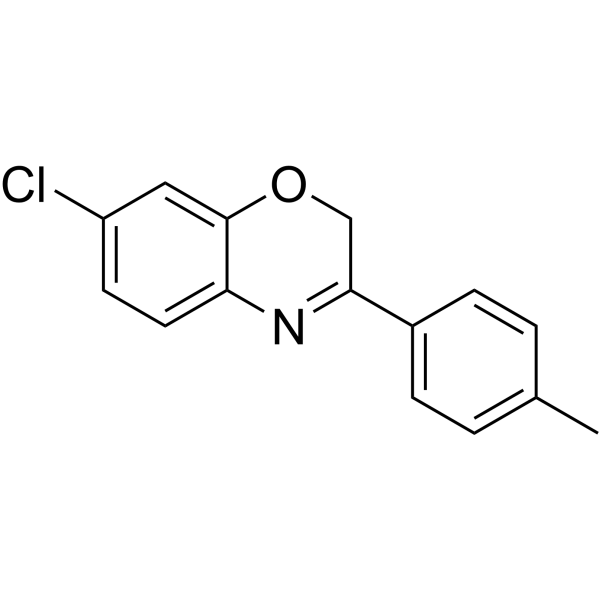
    Questiomycin A (Phx-3) is a GRP78 (cytoprotective endoplasmic reticulum chaperone) degrader and enhances the anticancer activity of Sorafenib. Questiomycin A is also an antimicrobial/antibiotic that can be obtained from the metabolite of Pseudomonas chlororaphis HT66. Questiomycin A can be used in research on biological control of cancer and plant diseases .
    Questiomycin A
  • HY-135457
    JMS-053
    3 Publications Verification

    Phosphatase STAT Ras Cancer
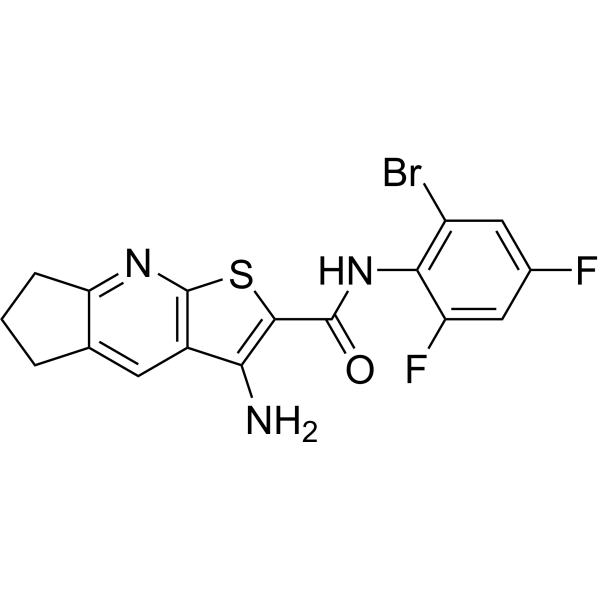
    JMS-053 is an efficient and reversible PTP4A3 inhibitor, with an IC50 value of 18 nM. JMS-053 demonstrates broad PTP4A inhibitory activity with IC50s of 50 nM and 53 nM for PTP4A1 and PTP4A2, respectively. JMS-053 exhibits IC50 values of 92.6 nM and 207.6 nM for CDC25B and DUSP3, respectively. JMS-053 can effectively inhibit the activity of PTP4A3, inhibit tumor cell proliferation and migration through multiple mechanisms such as interfering with RhoA and STAT3/p38 signaling pathway. JMS-053 can be used for the study of cancers such as ovarian cancer, breast cancer and colon cancer .
    JMS-053
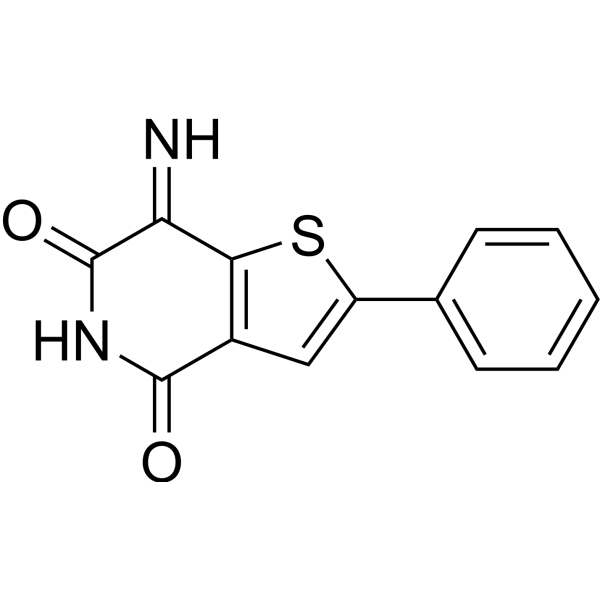
  • HY-145560

    A1752

    HIV Infection
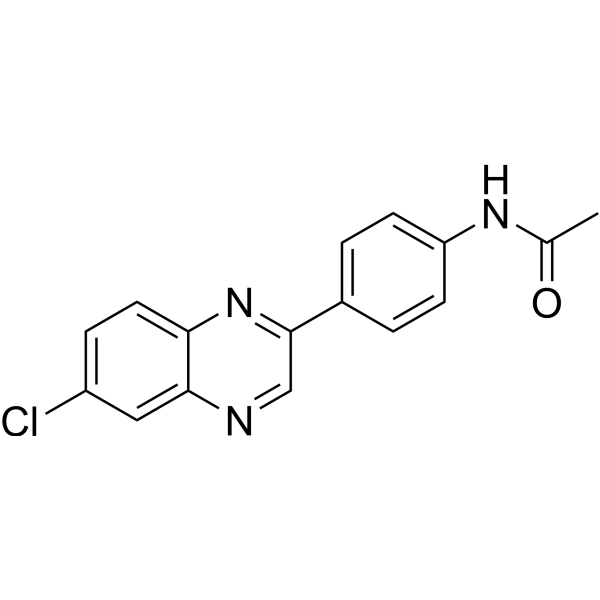
    Claficapavir (A1752) is a specific nucleocapsid protein (NC) inhibitor with an IC50 around 1 μM. Claficapavir strongly binds the HIV-1 NC (Kd=20 nM) thereby inhibiting the chaperone properties of NC and leading to good antiviral activity against the HIV-1 .
    Claficapavir
  • HY-149127

    ASC-JM17; ALZ-003

    Keap1-Nrf2 Androgen Receptor HSP Mitophagy Metabolic Disease
    Rosolutamide (ASC-JM17), a curcumin analog, is an orally active, potent Nrf1 and Nrf2 activator. Rosolutamide activates Nrf1, Nrf2 and heat shock factor 1 (Hsf1), thereby activating the expression of proteasome subunits, antioxidant enzymes and molecular chaperones. Rosolutamide degrades the polyglutamine (polyQ) androgen receptor (AR) via the ubiquitin-proteasome pathway and improves motor function in mouse models of spinal and bulbar muscular atrophy (SBMA). Rosolutamide improves mitochondrial function and promotes autophagy, decreases mutant protein aggregates, and attenuates intracellular/mitochondrial reactive oxygen species (ROS) levels .
    Rosolutamide
  • HY-14456A
    MAC13243
    2 Publications Verification

    Bacterial Infection
    MAC13243, an antibacterial agent, is an inhibitor of bacterial lipoprotein targeting chaperone, LolA. MAC13243 is an antibacterial agent with Gram-negative selectivity .
    MAC13243
  • HY-14829E

    D-Isofagomine D-Tartrate; Isofagomine D-Tartrate

    Glycosidase Neurological Disease
    Afegostat D-Tartrate is a pharmacological chaperone, which specifically and reversibly binds acid-β-glucosidase (GCase) in the endoplasmic reticulum (ER) with high affinity .
    Afegostat D-Tartrate
  • HY-124805

    HSP Cancer
    MAL3-101 is a potent HSP70 allosteric inhibitor. MAL3-101 inhibits HSP70 ATPase activity by blocking Hsp40 co-chaperone interaction. MAL3-101 can be used for researching muscle invasive bladder cancer (MIBC) .
    MAL3-101
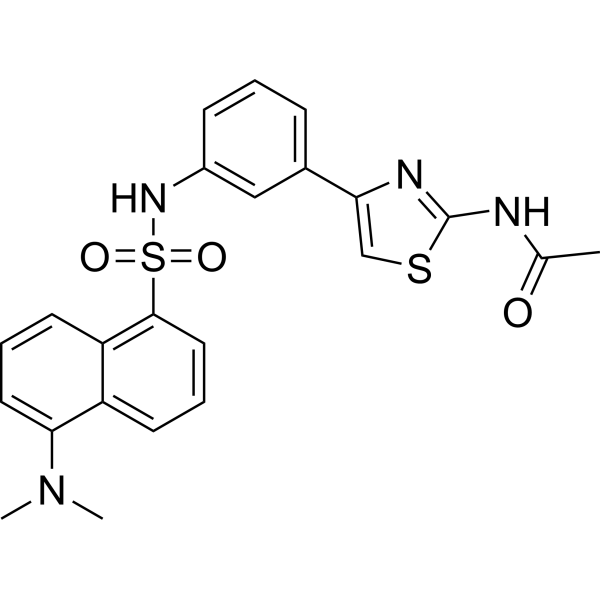
  • HY-W040230

    Fluorescent Dye Others
    Acrylodan, reacted with thiols, is sensitive to the local environmental dipolarity and dynamics within the binding pocket surrounding Cys 34 .
    Acrylodan
  • HY-P1098A
    Ac2-26 TFA
    Maximum Cited Publications
    8 Publications Verification

    Annexin A NF-κB Inflammation/Immunology
    Ac2-26 TFA is the N-terminal peptide of annexin 1, and has anti-inflammatory activity. Ac2-26 induces a decrease in IKKβ protein in lysosomes by chaperone-mediated autophagy (CMA). Ac2-26 ameliorates lung ischemia-reperfusion injury. Ac2-26 also inhibits airway inflammation and hyperresponsiveness in an asthma rat model .
    Ac2-26 TFA
  • HY-124717

    Endogenous Metabolite Others
    YC-001 is an inverse agonist and antagonist of rod opsin. YC-001 reversibly binds rod opsin and stabilizes the rod opsin structure. YC-001 protects mice from bright light-induced retinal degeneration. YC-001 has the potential for the research of retinal degeneration .
    YC-001
  • HY-117861

    Glycosidase Metabolic Disease
    ML198 is a glucocerebrosidase (GCase) modulator with an EC50 of 0.4 μM. ML198 is an activator and non-inhibitory chaperone of glucocerebrosidase. ML198 can be used for the research of Gaucher disease . ML198 is a click chemistry reagent, it contains an Alkyne group and can undergo copper-catalyzed azide-alkyne cycloaddition (CuAAc) with molecules containing Azide groups.
    ML198
  • HY-13757AS

    ICI 47699-​d5; (Z)-Tamoxifen-d5; trans-Tamoxifen-d5

    Isotope-Labeled Compounds Estrogen Receptor/ERR HSP Autophagy Apoptosis Cancer
    Tamoxifen-d5 is a deuterium labeled Tamoxifen. Tamoxifen (ICI 47699) is an orally active, selective estrogen receptor modulator (SERM). Tamoxifen is a potent Hsp90 activator and enhances the Hsp90 molecular chaperone ATPase activity .
    Tamoxifen-​d5
  • HY-149318

    Gap Junction Protein Connexin Others
    VRT-534 (Compound 3) is a chemical chaperone targeting connexin 26 (Cx26). Vrt-534 exhibits dose-responsive binding to recombinant WT Cx26 and mutant Cx26 K188N with EC50s of 19 and 5 μM, respectively. Vrt-534 can be used in research related to hearing impairment .
    VRT-534
  • HY-143344

    PROTACs CFTR Inflammation/Immunology
    NJH-2-056 is a deubiquitinase-targeting chimera (DUBTAC) linking the OTUB1 recruiter EN523 to the CFTR chaperone lumacaftor. NJH-2-056 can be used for cystic fibrosis research .
    NJH-2-056
  • HY-120034
    NCGC 607
    1 Publications Verification

    Glycosidase α-synuclein Neurological Disease Metabolic Disease
    NCGC 607 is a noninhibitory small-molecule chaperone of glucocerebrosidase (GCase). NCGC 607 can increase GCase activity, reduce α-synuclein levels, and decrease glycolipid levels. NCGC 607 can be used in the research of Gaucher disease and Parkinson's disease .
    NCGC 607
  • HY-B1039AS

    NA-872-d5 hydrochloride

    Isotope-Labeled Compounds Glycosidase Autophagy Neurological Disease Metabolic Disease
    Ambroxol-d5 (hydrochloride) is the deuterium labeled Ambroxol hydrochloride. Ambroxol hydrochloride (NA-872 hydrochloride), an active metabolite of the proagent Bromhexine, has potent expectorant effects. Ambroxol hydrochloride is a glucocerebrosidase (GCase) chaperone and increases glucocerebrosidase activity. Ambroxol hydrochloride induces lung autophagy and has the potential for Parkinson disease and neuronopathic Gaucher disease research .
    Ambroxol-d5 hydrochloride
  • HY-169947

    CDK Cancer
    DDO-6079 is a potent CDC37 inhibitor. DDO-6079 inhibits HSP90-CDC37 and CDC37-CDK4/6 chaperone complex by binding to an allosteric site on CDC37. DDO-6079 decreases the thermostability of CDK6 .
    DDO-6079
  • HY-114043

    Glycosidase Metabolic Disease
    NCGC00092410 is a potent, selective, and nonsugar glucocerebrosidase (GC) inhibitor, with an IC50 of 31 nM. NCGC00092410 shows no activity against the related hydrolases at concentrations up to 77 μM. NCGC00092410, a GC chaperone, and increases the activity and lysosomal localization of glucocerebrosidase in mutant cell lines. NCGC00092410 can be used for the research of Gaucher disease .
    NCGC00092410
  • HY-W004705

    2-Hydroxymethylaniline

    Chloride Channel Neurological Disease
    (2-Aminophenyl)methanol (2-Hydroxymethylaniline) is a molecular chaperone to rescue P123S mutant pendrin. (2-Aminophenyl)methanol has the advantages of low dose, long-term effect and low toxicity. (2-Aminophenyl)methanol can be used for the study of Pendred syndrome (a syndromic deafness) .
    (2-Aminophenyl)methanol
  • HY-117395

    HSP Cancer
    PU-H54, a Grp94-selective inhibitor, can be used for the research of breast cancer. Hsp90 chaperone family, comprised in humans of four paralogs, Hsp90α, Hsp90β, Grp94 and Trap-1, has important roles in malignancy . PU-H54 is a click chemistry reagent, it contains an Alkyne group and can undergo copper-catalyzed azide-alkyne cycloaddition (CuAAc) with molecules containing Azide groups.
    PU-H54
  • HY-P2961

    Glutathione S-transferase Cancer
    Glutathione S-transferase is a phase II metabolic enzyme consisting of three superfamilies: cytosolic, mitochondrial, and microsomal. Glutathione S-transferase possesses various catalytic activities such as catalytic detoxification and thiol transfer, as well as chaperone function. GSTP1, a subtype of Glutathione S-transferase, is highly expressed in malignant tissues and serves as a tumor marker .
    Glutathione S-transferase
  • HY-B1039AR

    NA-872 hydrochloride (Standard)

    Reference Standards Glycosidase Autophagy Neurological Disease Metabolic Disease
    Ambroxol (hydrochloride) (Standard) is the analytical standard of Ambroxol (hydrochloride). This product is intended for research and analytical applications. Ambroxol hydrochloride (NA-872 hydrochloride), an active metabolite of the proagent Bromhexine, has potent expectorant effects. Ambroxol hydrochloride is a glucocerebrosidase (GCase) chaperone and increases glucocerebrosidase activity. Ambroxol hydrochloride induces lung autophagy and has the potential for Parkinson disease and neuronopathic Gaucher disease research .
    Ambroxol hydrochloride (Standard)
  • HY-P1098B
    Ac2-26 ammonium
    Maximum Cited Publications
    8 Publications Verification

    IKK Inflammation/Immunology
    Ac2-26 ammonium is the N-terminal peptide of annexin 1, and has anti-inflammatory activity. Ac2-26 ammonium induces a decrease in IKKβ protein in lysosomes by chaperone-mediated autophagy (CMA). Ac2-26 ammonium ameliorates lung ischemia-reperfusion injury. Ac2-26 ammonium also inhibits airway inflammation and hyperresponsiveness in an asthma rat model .
    Ac2-26 ammonium
  • HY-169133

    PROTACs Glutathione Peroxidase Ferroptosis Cancer
    GDCNF-11 is a HIM-PROTAC GPX4 degrader based on the chaperone protein HSP90. GDCNF-11 promotes the ubiquitination and degradation of GPX4 through the HSP 90 chaperone complex, reduces endogenous GPX4 expression to induce ferroptosis in HT-1080 cells, and the DC50 value is 0.08 μM (Pink: Target protein ligand (HY-153748); Blue: HSP90 ligand (HY-10212); Black: Linker (HY-W169526)) .
    GDCNF-11

Inquiry Online

Your information is safe with us. * Required Fields.

Salutation


Country or Region *

Applicant Name *


Organization Name *

Department *


Email Address *


Product Name *

Cat. No.


Requested quantity *

Phone Number *


Remarks

Inquiry Online

Inquiry Information

Product Name:
Cat. No.:
Quantity:
MCE Japan Authorized Agent:

