


From 11:00 pm to 12:00 pm EST ( 8:00 pm to 9:00 pm PST ) on January 6th, the website will be under maintenance. We are sorry for the inconvenience. Please arrange your schedule properly.
Collagenase, Type IV (EC 3.4.24.3) is a microbially derived matrix metalloproteinases (MMPs) and zinc peptidase. Collagenase, Type IV degrades type IV collagen and type VII collagen, the main components of the basement membrane, and can also decompose basement matrix and elastin.
Collagenases are enzymes that break the peptide bonds in collagen. Collagenases are derived from the Clostridium histolyticum. Collagenases (Type I) are proteolytic enzymes that break peptide bonds in collagen and can be used for tissue digestion and dissociation.
Collagenase, Type VIII is a mixed enzyme derived from Clostridium histolyticum that contains collagenase, a nonspecific protease, and a clostripain. Collagenase, Type VIII can hydrolyze Type VIII collagen and may be used to study the formation of atherosclerosis. Type VIII collagen is a regulator of endothelial cell differentiation and angiogenesis, a substrate for cell adhesion and migration such as smooth muscle cells, and may accumulate in atherosclerosis. After endotoxin activates the expression of Collagenase, Type VIII, it can reduce the production of Type VIII collagen and has the potential to inhibit atherosclerosis .
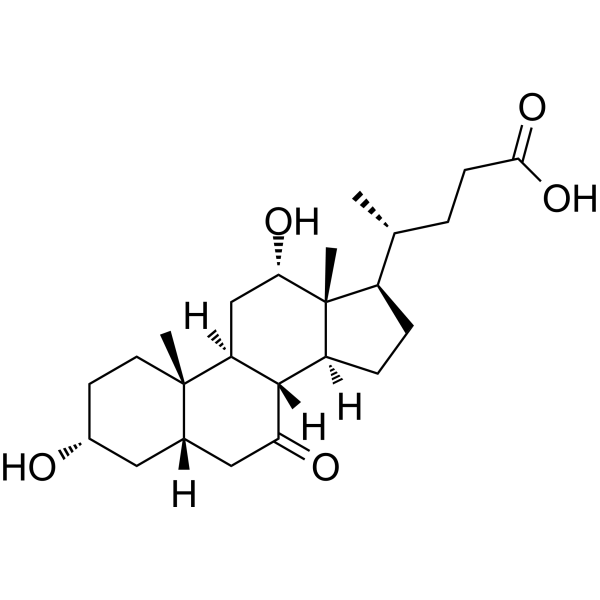
7-keto-Deoxycholic acid is a metabolite of bile acids in Clostridium absonum. 7-keto-Deoxycholic acid is also converted from Lactobacillus and Bifidobacterium with specific condition .
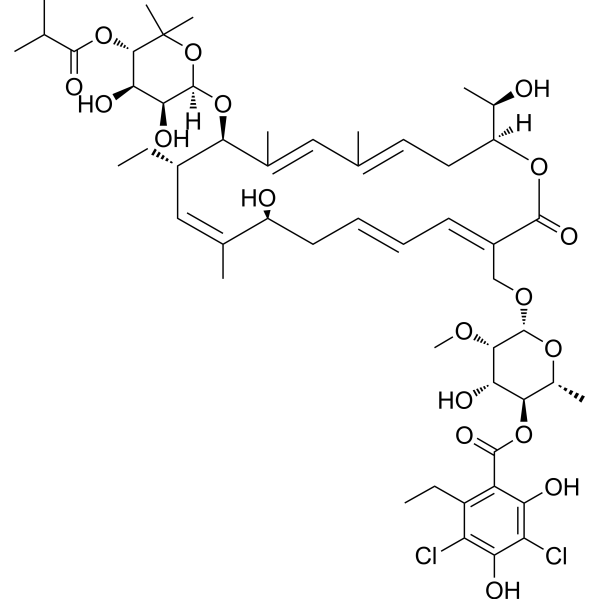
Fidaxomicin (OPT-80), a macrocyclic antibiotic, is an orally active and potent RNA polymerase inhibitor. Fidaxomicin has a narrow spectrum of antibacterial activity and a good anti-Clostridium difficile activity (MIC90=0.12 μg/mL). Fidaxomicin can be used for Clostridium difficile infection (CDI) research .
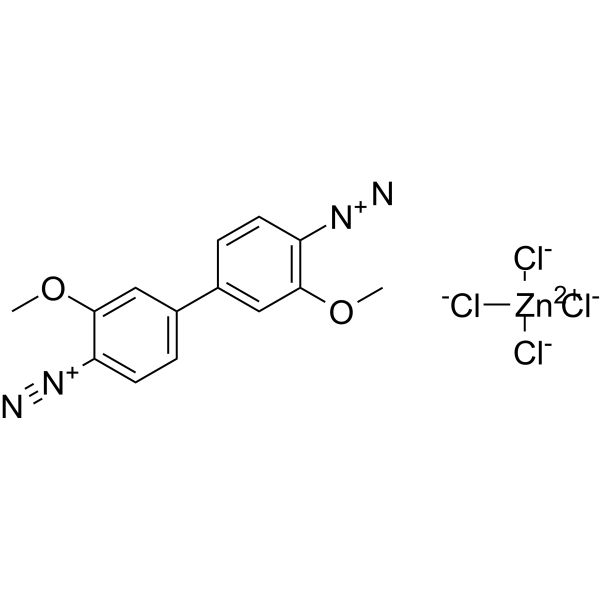
Fast Blue B Salt, Dye content ~95% is a diazo dye, primarily used as a chromogenic substrate in biochemical analysis. Fast Blue B Salt, Dye content ~95% is the coupling agent for the histochemical demonstration of proteases. Fast Blue B Salt, Dye content ~95% can be used for the detection of acid phosphatase in Clostridium perfringens, and also for the determination of lipase activity. Fast Blue B Salt, Dye content ~95% reacts directly with the active hydroxyl groups in phenolic compounds to determine the content of phenolic substances .
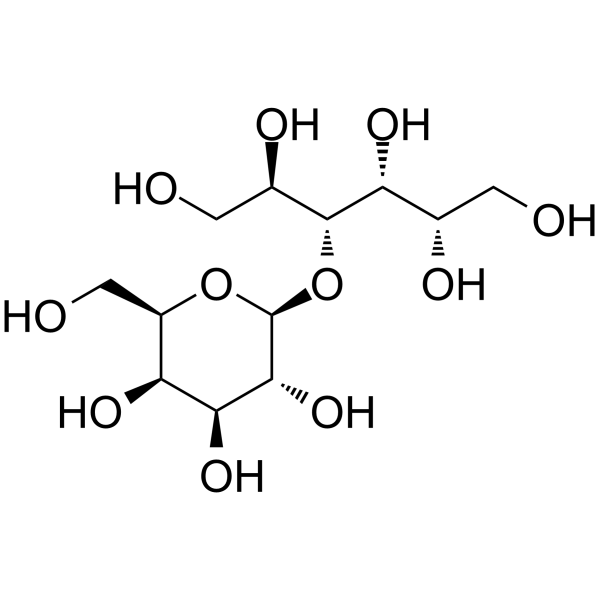
Lactitol (D-Lactitol) is a non-absorbable disaccharide and Bacterial regulator. Lactitol reduces the populations of Bacteroides, Clostridium, coliforms and Eubacterium, while increasing the populations of Lactobacillus and Streptococcus. Lactitol can be used in the research of portosystemic encephalopathy and chronic constipation .
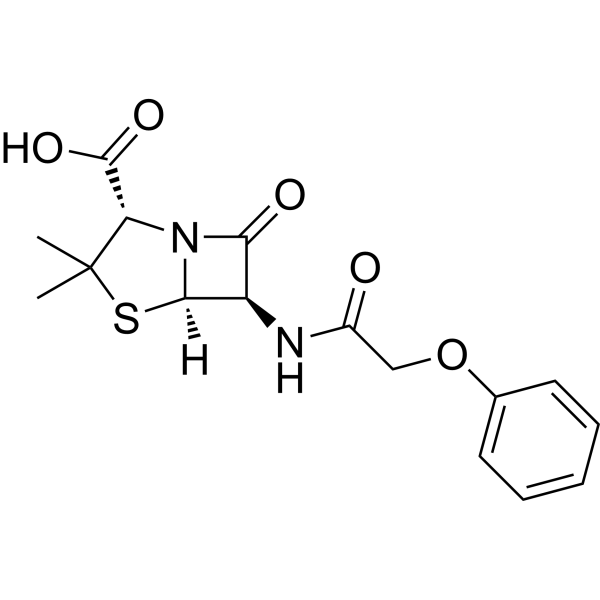
Penicillin V (Phenoxymethylpenicillin) is a potent and orally active antibiotic. Penicillin V shows antibacterial activity for Streptococci, Clostridium difficile and staphylococcus aureus. Penicillin V has the potential for the research of otitis, sinusitis, pharyngitis and tonsillitis .
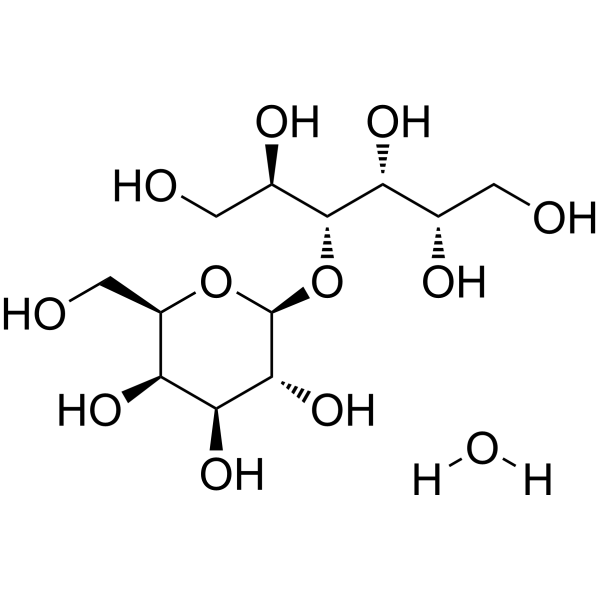
Lactitol monohydrate (D-Lactitol monohydrate) is a non-absorbable disaccharide and Bacterial regulator. Lactitol monohydrate reduces the populations of Bacteroides, Clostridium, coliforms and Eubacterium, while increasing the populations of Lactobacillus and Streptococcus. Lactitol monohydrate can be used in the research of portosystemic encephalopathy and chronic constipation .
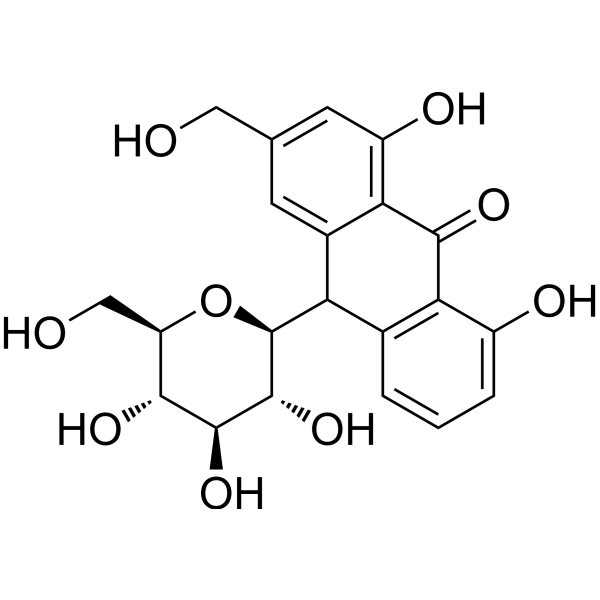
Aloin (mixture of A&B) is an orally active anthraquinone derivative isolated from Aloe vera. Aloin (mixture of A&B) mitigates airway impairment and exerts neuroprotective, anti-inflammatory, antioxidant, antibacterial, antifungal, antiviral and antitumor effects. Aloin (mixture of A&B) inhibits Clostridium histolyticumcollagenase, granulocyte matrix metalloproteinases and human 20S proteasome. Aloin (mixture of A&B) upregulates the Nrf2/HO-1 pathway, suppresses the TGF-β/Smad2/3 pathway. Aloin (mixture of A&B) reduces IL-4/IL-5/IL-13 levels, and reverses oxidative stress markers (MDA, SOD, GSH). Aloin (mixture of A&B) can be used for research on chronic ulcers, burns, wounds, inflammatory and degenerative disorders, asthma and neuroblastoma .
4',5-Dihydroxyflavone (Compound 2c; Compound B3) is a type of flavonoid compound. 4',5-Dihydroxyflavone can inhibit various oxidases and its IC50 values for collagenase A (ColA) and α-glucosidase are less than 1 μM and 66 μM respectively; for soybean lipoxygenase-1 (LOX-1), its Ki value is 102.6 μM. 4',5-Dihydroxyflavone can be used in studies on anti-toxicity and anti-diabetes .
Methyl cholate is a bile acid analog and a specific inhibitor of TcdB toxin from Clostridioides difficile. Methyl cholate exerts a stronger selective inhibitory effect on TcdB than on TcdA. Methyl cholate induces conformational stabilization by binding to a unique site of TcdB, thereby blocking the binding of the toxin to host receptors and its self-processing process. Methyl cholate effectively protects human fibroblasts from TcdB-induced cytopathic effects. Methyl cholate exhibits dose-dependent anti-hepatic fibrosis activity in both cellular and zebrafish models, and significantly reduces the expression levels of α-SMA and COL-I. Methyl cholate is suitable for in-depth research in the fields of Clostridioides difficile infection and hepatic fibrosis .
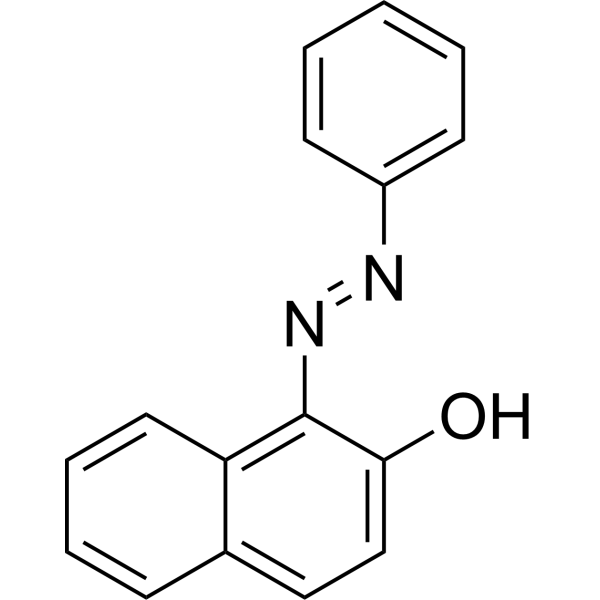
Sudan I (Solvent Yellow 14) is a diazo-conjugate red dye and can be used as an additive to products such as oils, solvents or polishes. Sudan I inhibits growth of bacterial strains Clostridium perfringens and L. rhamnosus .
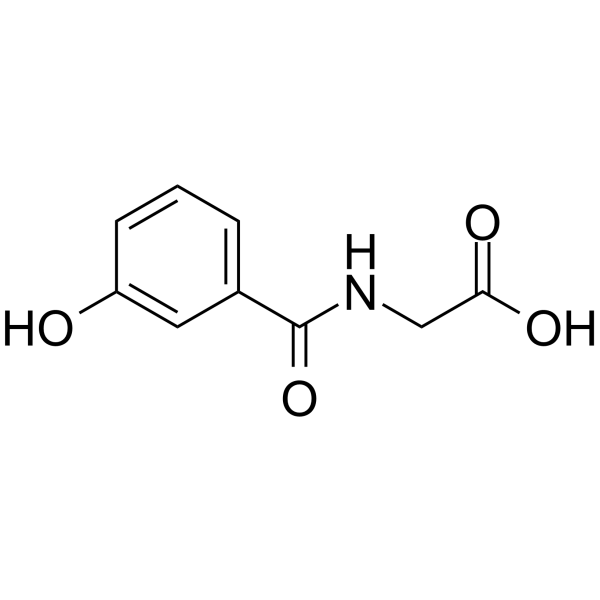
3-Hydroxyhippuric acid is an acylglycine. 3-Hydroxyhippuric acid inhibits kynureninase (Ki=60 μM). The concentration of 3-Hydroxyhippuric acid in autistic experimental groups is higher than that in control groups. 3-Hydroxyhippuric acid is a biomarker for Clostridium and is positively correlated with the content of Clostridium. 3-Hydroxyhippuric acid is one of the major metabolites of catechin-rich and wine polyphenol-rich diets. 3-Hydroxyhippuric acid can be used in the research of neurodegenerative diseases and autism spectrum disorders .
Clostripain (Clostridiopeptidase B) is a thiol protease isolated from Clostridium histolyticum. Clostripain exhibits proteolytic activity as well as amidase-esterase activity. The specificity of Clostripain is primarily restricted to arginine residues, but it also shows minor hydrolytic activity toward most lysine-containing substrates. Clostripain catalyzes the ammonolysis of Carbobenzoxyarginyl methyl ester to generate various dipeptides .
Bezlotoxumab (BLA761046; MBL-CDB1; MDX-1388) is a fully humanized IgG1/kappa monoclonal antibody directed against Clostridium difficile toxin B. Bezlotoxumab mediates the early reconstitution of gut microbiota to reduce the risk of recurrent Clostridium difficile infection (CDI). Bezlotoxumab can be used for the study of recurrent Clostridium difficile infection prevention .
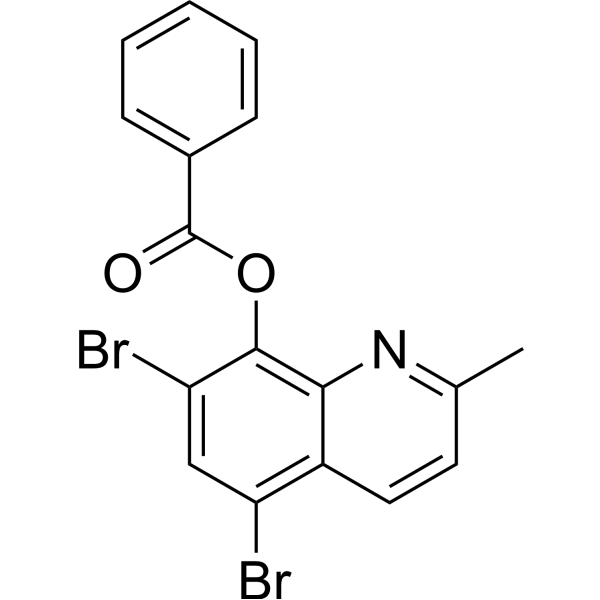
Broxaldine (Brobenzoxaldine) is an antiprotozoal agent. Broxaldine inhibits Clostridium difficile with a MIC value of 4 µM, and has antifungal effects .
Ibezapolstat (ACX-362E) is a first-in-class, orally active DNA polymerase IIIC (pol IIIC) inhibitor, with a Ki of 0.325 μM for the DNA pol IIIC from C. difficile. Ibezapolstat is developed for the research of C. difficile infection(CDI) .
Astressin 2B TFA is a blood-brain barrier-impermeable, highly selective CRFR2 antagonist (rCRFR2, IC50=0.57 nM). Astressin 2B TFA blocks the protective effects mediated by CRFR2, thereby exacerbating indomethacin (HY-14397)-induced hemorrhagic intestinal injury in rats. Astressin 2B TFA reverses the protective effects of Urocortin 1 against intestinal hypermotility, bacterial invasion and upregulation of inflammatory mediators. Astressin 2B TFA also blocks the anxiogenic effect of Urocortin 2 and attenuates stress-induced anxiety-related behaviors. In the Clostridioides difficile toxin A (C. difficile toxin A)-mediated enteritis model, Astressin 2B TFA mimics the phenotype of CRFR2-deficient mice, significantly exacerbating intestinal epithelial damage, edema, neutrophil migration and the expression of multiple proinflammatory cytokines. Astressin 2B TFA is an important tool molecule for investigating the intestinal protective mechanisms of CRFR2 .
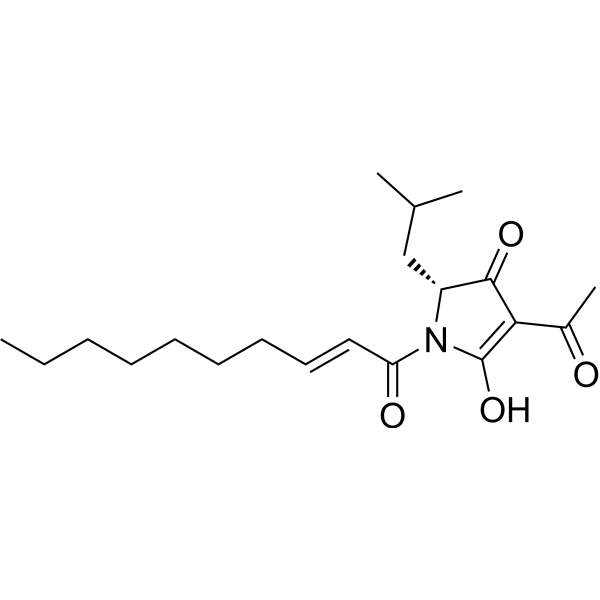
Reutericyclin (Reutericycline) is an orally active antibacterial and anti-obesity agent that selectively inhibits Gram-positive bacteria. By selectively dissipating transmembrane potential, Reutericyclin exerts non-lytic bactericidal or bacteriostatic activity against pathogens such as Clostridium difficile and Staphylococcus aureus, and rapidly kills vegetative cells and spores of Clostridium difficile. Reutericyclin possesses favorable properties including resistance to enzymatic hydrolysis, iron-chelating function, and poor absorption by colonic epithelium. Reutericyclin not only eradicates staphylococcal biofilms and inhibits drug-resistant strains, but also counteracts Risperidone (HY-11018)-induced weight gain by inducing changes in gut microbiota composition and restoring energy utilization efficiency. Reutericyclin can be used in research related to Clostridium difficile infection, Risperidone-induced weight gain, and staphylococcal superficial skin infections .
Rifalazil (KRM-1648; ABI-1648), a rifamycin derivative, inhibits the bacterial DNA-dependent RNA polymerase and kills bacterial cells by blocking off the β-subunit in RNA polymerase . Rifalazil (KRM-1648; ABI-1648) is an antibiotic, exhibits high potency against mycobacteria, gram-positive bacteria, Helicobacter pylori, C. pneumoniae and C. trachomatis with MIC values from 0.00025 to 0.0025 μg/ml . Rifalazil (KRM-1648; ABI-1648) has the potential for the treatment of Chlamydia infection, Clostridium difficile associated diarrhea (CDAD), and tuberculosis (TB) .
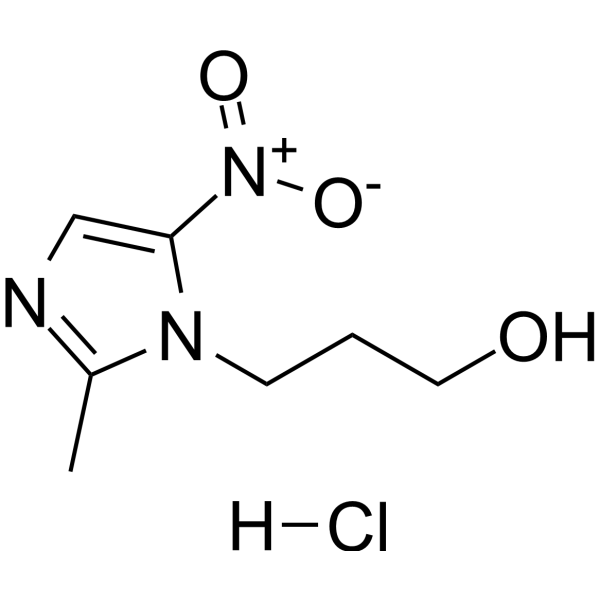
Ternidazole hydrochloride is a nitroimidazole Antibiotic with anti-pathogenic microbial activity. Ternidazole hydrochloride kills and inhibits the visible growth of Clostridium perfringens type A in vitro. Ternidazole hydrochloride helps improve the therapeutic efficacy against bacterial vaginosis, candidal vaginitis and mixed vaginitis. Ternidazole hydrochloride effectively alleviates chronic alcoholism. Ternidazole hydrochloride can be used in research related to vaginitis, pathogenic microbial infections and chronic alcoholism .
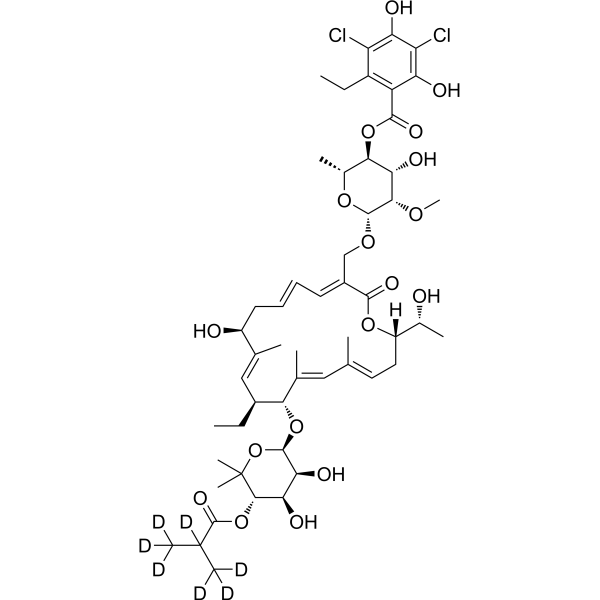
Fidaxomicin-d7 (OPT-80-D7) is the deuterium labeled Fidaxomicin. Fidaxomicin (OPT-80), a macrocyclic RNA polymerase inhibitor, has a narrow spectrum of activity. Fidaxomicin selectively eradicates pathogenic Clostridium difficile with minimal disruption to the multiple species of bacteria that make up the normal, healthy intestinal flora .
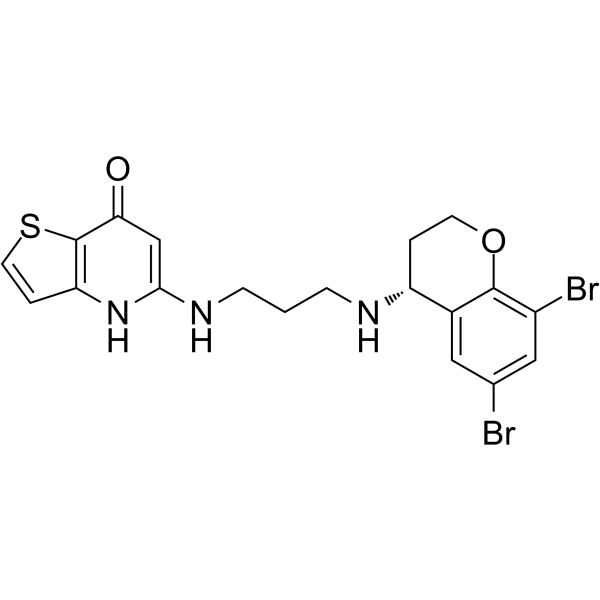
CRS3123 is a potent and orally active narrow-spectrum antibiotic. CRS3123 inhibits bacterial methionyl-tRNA synthetase. CRS3123 has potent activity against Clostridium difficile (C. difficile) and aerobic Gram-positive bacteria but little activity against Gram-negative bacteria, including anaerobes. CRS3123 has the potential for the research of C. difficile infections .
4-Hydroxyhippuric acid is a metabolite of polyphenols. 4-Hydroxyhippuric acid is generated via medium-chain acyl-CoA dehydrogenase (MCAD)-dependent β-oxidation of microbially-produced 3-(4-hydroxyphenyl)propionic acid, followed by host glycine conjugation. 4-Hydroxyhippuric acid can be simultaneously detected in urine as a biomarker of dietary polyphenol intake .
Betamipron (N-benzoyl-β-alanine) is a carbapenem β-lactam antibiotic with antibacterial activity against most Gram-positive and Gram-negative aerobic and anaerobic bacteria. Betamipron can target and inhibit renal organic anion transporters, alleviate renal injury caused by Cisplatin (HY-17394), without interfering with the biological activity of cisplatin. Betamipron is often used in combination with panipenem, which can attenuate the renal effects induced by panipenem and slightly promote the proliferation of Clostridium difficile in the cecum. Betamipron can be used in studies related to renal injury and bacterial infection .
Exoenzyme C3, clostridium botulinum, is a mono-ADP-ribosylating enzyme. Exoenzyme C3, clostridium botulinum specifically modifies RhoA, B, and C by transferring ADP-ribose to them, thereby inactivating these GTPases. Exoenzyme C3, clostridium botulinum can induce neuronal axonal and dendritic growth, inhibit macrophage migration, and regulate cytoskeletal dynamics. Exoenzyme C3, clostridium botulinum can be used in the research of spinal cord injury and diabetic painful neuropathy .
Evodenoson is a selective agonist of the A2A adenosine receptor. Evodenoson’s primary actions include reducing inflammatory responses, decreasing intestinal fluid secretion, edema, tissue damage, and neutrophil infiltration induced by Clostridium difficile toxin A. Evodenoson’s protective effect is achieved by reducing myeloperoxidase (MPO) and adenosine deaminase (ADA) activities, and by lowering the production of tumor necrosis factor-alpha (TNF-α) .
Anti-Mouse GM-CSF Antibody (MP1-22E9) is a rat-derived anti-mouse GM-CSF IgG2a antibody inhibitor. Anti-Mouse GM-CSF Antibody (MP1-22E9) can neutralize GM-CSF. Anti-Mouse GM-CSF Antibody (MP1-22E9) can be used for the researches of cancer, infection inflammation and immunology, such as cholangiocarcinoma and arthritis .
3-Aminobiphenyl is a chemical isomer of 4-ABP. 3-Aminobiphenyl can inhibit the growth of human intestinal bacteria Bifidobacterium infantis ATCC 15697, B. bifidium ATCC 11863, Clostridium perfringens ATCC 13124, Escherichia coli ATCC 25922, E. coli ATCC 35218, Enterobacter cloacae ATCC 13047 and Salmonella typhimurium TA98, TA100, YG1041. 3-Aminobiphenyl can be used as a biomarker of exposure to aromatic amines from cigarette smoke .
Endoproteinase Arg-C is a serine endoproteinase that hydrolyzes peptide bonds on the carboxyl side of arginyl residues and has esterase and amidase activities. Endoproteinase Arg-C can be isolated from Clostridium histolyticum. Endoproteinase Arg-C is of mass spectrometry grade and can be used for peptide mapping, sequence analysis, cell separation .
exo-β-1,4-xylosidase,Clostridium stercorarium (EC.3.2.1.37) is an exonuclease that specifically acts on the β-1,4 glycosidic bonds at the non-reducing ends of xylan and xylooligosaccharides. exo-β-1,4-xylosidase is Ca 2+-dependent and reversibly binds to metal ions to catalyze the hydrolysis of β-1,4 glycosidic bonds, thereby degrading xylan to produce xylose. exo-β-1,4-xylosidase can be used in research fields such as lignocellulose bioconversion, bioethanol production, and optimization of xylan saccharification processes .
CD31 (PECAM-1) is platelet endothelial cell adhesion molecule-1, serves as the endothelial cell-specific receptor of clostridium perfringens b-Toxin (CPB). CD31 is also an ER-MP12 antigen, acts as a linker between mechanical stress, metabolism and inflammation. CD31 peptide is able to sustain phosphorylation of the CD31 ITIM686 and of SHP2 and to inhibit TCR-induced T-cell activation - .
Periplanetasin-4 is an antimicrobial peptide that can be derived from the American cockroach (Periplaneta americana). Periplanetasin-4 reduces cell rounding and apoptosis. Periplanetasin-4 blocks Clostridium difficile toxin A-induced ROS production and the activation of downstream p38 MAPK and p21. Periplanetasin-4 significantly increases mitochondrial calcium level, reduces DPH fluorescence intensity and vacuolar dysfunction in Candida albicans ATCC 90028 cells. Periplanetasin-4 significantly ameliorates toxin A-induced mucosal damage in the mouse gut. Periplanetasin-4 can be used for the study of colitis .
Diaphorase, Clostridium sp. is a diaphorase derived from Clostridium sp. As a flavin-containing NAD (P) H dehydrogenase, Diaphorase, Clostridium sp. uses NADH as an electron donor to reduce artificial dyes such as DCPIP and NBT, and participates in energy metabolism .
7-keto-Deoxycholic acid (Standard) is the analytical standard of 7-keto-Deoxycholic acid. This product is intended for research and analytical applications. 7-keto-Deoxycholic acid is a metabolite of bile acids in Clostridium absonum. 7-keto-Deoxycholic acid is also converted from Lactobacillus and Bifidobacterium with specific condition[1][2].
Ternidazole is a nitroimidazole Antibiotic with anti-pathogenic microbial activity. Ternidazole kills and inhibits the visible growth of Clostridium perfringens type A in vitro. Ternidazole helps improve the therapeutic efficacy against bacterial vaginosis, candidal vaginitis and mixed vaginitis. Ternidazole effectively alleviates chronic alcoholism. Ternidazole can be used in research related to vaginitis, pathogenic microbial infections and chronic alcoholism .
FZD7 antagonist 1 (peptide 34) is a dFz7-21 analogue. FZD7 antagonist 1 is an FZD7 antagonist that inhibits the wnt3a with IC50 value of 9.2 nM. FZD7 antagonist 1 blocks TcdB−FZD interaction via targeting FZD receptors .
3-Hydroxyhippuric acid (Standard) is the analytical standard of 3-Hydroxyhippuric acid. This product is intended for research and analytical applications. 3-Hydroxyhippuric acid is an acyl glycine. 3-Hydroxyhippuric acid inhibits kynureninase (Ki = 60 μM). 3-Hydroxyhippuric acid is found in higher concentrations in autistic group than in the controls. 3-Hydroxyhippuric acid is a marker of Clostridium species, and has a positive correlation with the level of Clostridia. 3-Hydroxyhippuric acid is one of the main metabolites formed from the catechin diet and wine polyphenol diets .
Safflower oil (from Carthamus tinctorius seed) is rich in unsaturated fatty acids such as linoleic acid and oleic acid, as well as tocopherols and phenolic compounds, and exhibits antioxidant, anti-aging and blood lipid-regulating effects. Safflower oil (from Carthamus tinctorius seed) inhibits the activities of collagenase and elastase, and exerts antioxidant activity by scavenging free radicals. Linoleic acid in safflower oil (from Carthamus tinctorius seed) reduces blood cholesterol levels. Safflower oil (from Carthamus tinctorius seed) can be applied to research in fields such as skin aging, atherosclerosis, edible oil processing and industrial raw material development .
Fidaxomicin (Standard) is the analytical standard of Fidaxomicin. This product is intended for research and analytical applications. Fidaxomicin (OPT-80), a macrocyclic antibiotic, is an orally active and potent RNA polymerase inhibitor. Fidaxomicin has a narrow spectrum of antibacterial activity and a good anti-Clostridium difficile activity (MIC90=0.12 μg/mL). Fidaxomicin can be used for Clostridium difficile infection (CDI) research .
DC-159a is an 8-methoxyfluoroquinolone with broad-spectrum antimicrobial activity, especially against Gram-positive pathogens. DC-159a against Peptostreptococcus, Clostridium difficile, and Bacteroides fragilis with MIC90 values of 0.5, 4, and 2 μg/mL, respectively .
Penicillin V (Standard) is the analytical standard of Penicillin V. This product is intended for research and analytical applications. Penicillin V (Phenoxymethylpenicillin) is a potent and orally active antibiotic. Penicillin V shows antibacterial activity for Streptococci, Clostridium difficile and staphylococcus aureus. Penicillin V has the potential for the research of otitis, sinusitis, pharyngitis and tonsillitis [4].
Aloin (mixture of A&B) (Standard) is the analytical standard of Aloin (mixture of A&B) (HY-N6013). This product is intended for research and analytical applications. Aloin (mixture of A&B) is an orally active anthraquinone derivative isolated from Aloe vera. Aloin (mixture of A&B) mitigates airway impairment and exerts neuroprotective, anti-inflammatory, antioxidant, antibacterial, antifungal, antiviral and antitumor effects. Aloin (mixture of A&B) inhibits Clostridium histolyticumcollagenase, granulocyte matrix metalloproteinases and human 20S proteasome. Aloin (mixture of A&B) upregulates the Nrf2/HO-1 pathway, suppresses the TGF-β/Smad2/3 pathway. Aloin (mixture of A&B) reduces IL-4/IL-5/IL-13 levels, and reverses oxidative stress markers (MDA, SOD, GSH). Aloin (mixture of A&B) can be used for research on chronic ulcers, burns, wounds, inflammatory and degenerative disorders, asthma and neuroblastoma .
Phenelfamycin E is an elfamycin-type antibiotic and is active against Gram-positive anaerobes, including Clostridium difficile. Phenelfamycin E can be used for anti-bacteria research .
SC 44914 is a quinoxaline compound with antibacterial effects. SC-44914 has activity against Campylobacter jejuni, C. coli, and Clostridium difficile .
Tetanus toxin peptide is a specific peptide isolated from the toxin produced by Clostridium tetani. Tetanus toxin peptide can be used as an immunogen to induce diabetes in mice. Tetanus toxin peptide can be used in the study of type 1 diabetes .
Sudan I (Standard) is the analytical standard of Sudan I. This product is intended for research and analytical applications. Sudan I (Solvent Yellow 14) is a diazo-conjugate red dye and can be used as an additive to products such as oils, solvents or polishes. Sudan I inhibits growth of bacterial strains Clostridium perfringens and L. rhamnosus .
CD31 (PECAM-1) TFA is platelet endothelial cell adhesion molecule-1, serves as the endothelial cell-specific receptor of clostridium perfringens b-Toxin (CPB). CD31 TFA is also an ER-MP12 antigen, acts as a linker between mechanical stress, metabolism and inflammation. CD31 TFA peptide is able to sustain phosphorylation of the CD31 ITIM686 and of SHP2 and to inhibit TCR-induced T-cell activation - .
Rifalazil (Standard) is the analytical standard of Rifalazil. This product is intended for research and analytical applications. Rifalazil (KRM-1648; ABI-1648), a rifamycin derivative, inhibits the bacterial DNA-dependent RNA polymerase and kills bacterial cells by blocking off the β-subunit in RNA polymerase[1]. Rifalazil (KRM-1648; ABI-1648) is an antibiotic, exhibits high potency against mycobacteria, gram-positive bacteria, Helicobacter pylori, C. pneumoniae and C. trachomatis with MIC values from 0.00025 to 0.0025 μg/ml[3]. Rifalazil (KRM-1648; ABI-1648) has the potential for the treatment of Chlamydia infection, Clostridium difficile associated diarrhea (CDAD), and tuberculosis (TB)[2].
Vecantoxatug is a humanized monoclonal antibody targeting Clostridium tetani toxin (TeNT, neurotoxin). Vecantoxatug specifically binds to Clostridium tetani toxin, preventing the toxin from binding to cell receptors and thus exerting antitoxin activity. Vecantoxatug is promising for research of tetanus .
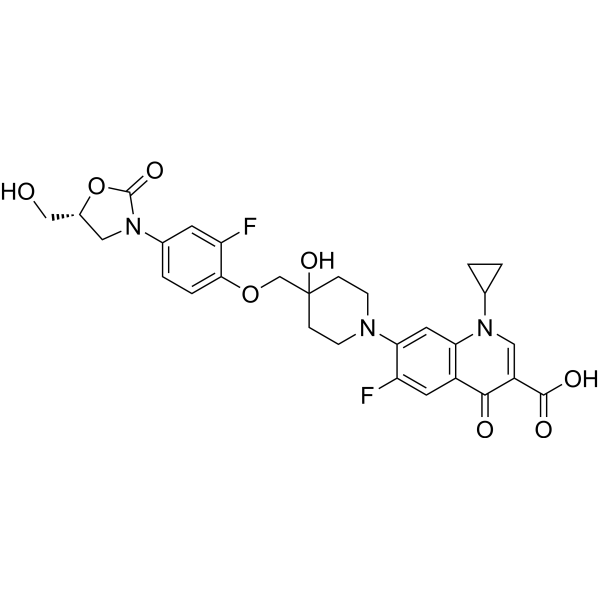
Cadazolid (Standard) is the analytical standard of Cadazolid. This product is intended for research and analytical applications. Cadazolid (ACT-179811) is a new oxazolidinone antibiotic with potent activity against Clostridium difficile.
Sudan I-d5 is a the deuterated Sudan I. Sudan I is a diazo-conjugate red dye and can be used as an additive to products such as oils, solvents or polishes. Sudan I inhibits growth of bacterial strains Clostridium perfringens and L. rhamnosus .
4-Diazo-3-methoxy-2,5-cyclohexadien-1-one has favourable anti-anaerobe activity. MIC: 0.4 μg/mL for Clostridium and Bacterioids, 0.2 μg/mL for Haemophilus .
Cefadroxil (hydrate) (Standard) is the analytical standard of Cefadroxil (hydrate). This product is intended for research and analytical applications. Cefadroxil hydrate (BL-S 578 hydrate) is an orally active and first-generation cephalosporin with a broad spectrum antibacterial activity. Cefadroxil hydrate (BL-S 578 hydrate) also acts as a substrate of the peptide transporter PEPT1 and PEPT2 .
Lactitol (Standard) is the analytical standard of Lactitol (HY-N7104). This product is intended for research and analytical applications. Lactitol (D-Lactitol) is a non-absorbable disaccharide and Bacterial regulator. Lactitol reduces the populations of Bacteroides, Clostridium, coliforms and Eubacterium, while increasing the populations of Lactobacillus and Streptococcus. Lactitol can be used in the research of portosystemic encephalopathy and chronic constipation .
Lactitol (monohydrate) (Standard) is the analytical standard of Lactitol monohydrate (HY-B1389). This product is intended for research and analytical applications. Lactitol monohydrate (D-Lactitol monohydrate) is a non-absorbable disaccharide and Bacterial regulator. Lactitol monohydrate reduces the populations of Bacteroides, Clostridium, coliforms and Eubacterium, while increasing the populations of Lactobacillus and Streptococcus. Lactitol monohydrate can be used in the research of portosystemic encephalopathy and chronic constipation .
Ibezapolstat hydrochloride is a first-in-class, orally active DNA polymerase IIIC (pol IIIC) inhibitor, with a Ki of 0.325 μM for the DNA pol IIIC from C. difficile. Ibezapolstat hydrochloride is developed for the research of C. difficile infection(CDI) .
Ternidazole-d6 hydrochloride is the deuterium labeled Ternidazole hydrochloride (HY-136436). Ternidazole hydrochloride is a nitroimidazole Antibiotic with anti-pathogenic microbial activity. Ternidazole hydrochloride kills and inhibits the visible growth of Clostridium perfringens type A in vitro. Ternidazole hydrochloride helps improve the therapeutic efficacy against bacterial vaginosis, candidal vaginitis and mixed vaginitis. Ternidazole hydrochloride effectively alleviates chronic alcoholism. Ternidazole hydrochloride can be used in research related to vaginitis, pathogenic microbial infections and chronic alcoholism .
Ternidazole hydrochloride (Standard) is the analytical standard of Ternidazole hydrochloride (HY-136436). This product is intended for research and analytical applications. Ternidazole hydrochloride is a nitroimidazole Antibiotic with anti-pathogenic microbial activity. Ternidazole hydrochloride kills and inhibits the visible growth of Clostridium perfringens type A in vitro. Ternidazole hydrochloride helps improve the therapeutic efficacy against bacterial vaginosis, candidal vaginitis and mixed vaginitis. Ternidazole hydrochloride effectively alleviates chronic alcoholism. Ternidazole hydrochloride can be used in research related to vaginitis, pathogenic microbial infections and chronic alcoholism .
Cetefloxacin (E 4868) is a board-spectrum antibacterial antibiotic, MIC of 0.007-8 µg/ml. Cetefloxacin exhibits good pharmacokinetic characters in mice. Cetefloxacin exhibits protective effects against Escherichia coli, Pseudomonas aeruginosa, Staphylococcus aureus, and Streptococcus pneumoniae in mice .
O-GlcNAcase, Clostridium perfringens is a glycosidase derived from Clostridium perfringens, which functions in bacterial nutrient metabolism, host interaction and virulence regulation. O-GlcNAcase is a core enzyme in the cellular signal regulatory network and serves as a key target for various major and chronic diseases. O-GlcNAcase, Clostridium perfringens can be used for basic research and drug development of O-GlcNAcase due to its high conservation in catalytic mechanism and structure with human-derived enzymes .
Betamipron (Standard) is the analytical standard of Betamipron (HY-B1127). This product is intended for research and analytical applications. Betamipron (N-benzoyl-β-alanine) is a carbapenem β-lactam antibiotic with antibacterial activity against most Gram-positive and Gram-negative aerobic and anaerobic bacteria. Betamipron can target and inhibit renal organic anion transporters, alleviate renal injury caused by Cisplatin (HY-17394), without interfering with the biological activity of cisplatin. Betamipron is often used in combination with panipenem, which can attenuate the renal effects induced by panipenem and slightly promote the proliferation of Clostridium difficile in the cecum. Betamipron can be used in studies related to renal injury and bacterial infection .
Xyloglucanase, Clostridium thermocellum (EC 3.2.1.151) belongs to the hydrolase family and is a glycosidase that hydrolyzes O- and S-glycosidic compounds. The two substrates of Xyloglucanase, Clostridium thermocellum are xyloglucan and water, and its product is a xyloglucan oligosaccharide.
Acetyl xylan esterase, Clostridium thermocellum (EC 3.1.1.72) is an enzyme that catalyzes a chemical reaction, the deacetylation of xylans and xylo-oligosaccharides. Acetyl xylan esterase, Clostridium thermocellum (EC 3.1.1.72) belongs to the family of hydrolases, specifically those acting on carboxylic ester bonds.
β-Mannanase, Clostridium thermocellum (EC 3.2.1.78) catalyses the following chemical reaction: Random hydrolysis of (1->4)-beta-D-mannosidic linkages in mannans, galactomannans and glucomannans.
Pectate Lyase, Clostridium acetobutylicum (EC 4.2.2.2) is an enzyme involved in the maceration and soft rotting of plant tissue. Pectate lyase is responsible for the eliminative cleavage of pectate, yielding oligosaccharides with 4-deoxy-α-D-mann-4-enuronosyl groups at their non-reducing ends.
α-Galactosidase, Clostridium cellulolyticum (EC 3.2.1.22) is a glycoside hydrolase enzyme that hydrolyses the terminal alpha-galactosyl moieties from glycolipids and glycoproteins. Two recombinant forms of α-Galactosidase are called agalsidase alfa (INN) and agalsidase beta (INN).
β-Mannanase 5A, Clostridium cellulovorans (EC 3.2.1.78) is an enzyme with system name 4-beta-D-mannan mannanohydrolase. This enzyme catalyses the following chemical reaction: Random hydrolysis of (1->4)-beta-D-mannosidic linkages in mannans, galactomannans and glucomannans.
β-Mannanase 26B, Clostridium cellulovorans (EC 3.2.1.78) is an enzyme with system name 4-beta-D-mannan mannanohydrolase. This enzyme catalyses the following chemical reaction: Random hydrolysis of (1->4)-beta-D-mannosidic linkages in mannans, galactomannans and glucomannans.
β-Mannanase 26C, Clostridium thermocellum (EC 3.2.1.78) is an enzyme with system name 4-beta-D-mannan mannanohydrolase. This enzyme catalyses the following chemical reaction: Random hydrolysis of (1->4)-beta-D-mannosidic linkages in mannans, galactomannans and glucomannans.
β-Mannanase 5B, Clostridium thermocellum (EC 3.2.1.78) is an enzyme with system name 4-beta-D-mannan mannanohydrolase. This enzyme catalyses the following chemical reaction: Random hydrolysis of (1->4)-beta-D-mannosidic linkages in mannans, galactomannans and glucomannans.
α-Galactosidase 27A, Clostridium cellulolyticum (EC 3.2.1.22) is a glycoside hydrolase enzyme that hydrolyses the terminal alpha-galactosyl moieties from glycolipids and glycoproteins. It is encoded by the GLA gene. Two recombinant forms of alpha-galactosidase are called agalsidase alfa (INN) and agalsidase beta (INN) .
β-Glucosidase, Clostridium thermocellum (EC 3.2.1.21), is a glucosidase that acts on the β1→4 glycosidic bond connecting two glucose molecules or glucose-substituted molecules (e.g., disaccharide cellobiose). β-Glucosidase is an exonuclease specific for a variety of β-D-glycosidic substrates. β-Glucosidase catalyzes the hydrolysis of the terminal non-reducing residues of β-D-glucosides, releasing glucose.
β-Glucosidase 1A, Clostridium cellulovorans (EC 3.2.1.21) is a glucosidase enzyme that acts upon β1->4 bonds linking two glucose or glucose-substituted molecules (i.e., the disaccharide cellobiose) . β-Glucosidase is one of the cellulases, enzymes involved in the decomposition of cellulose and related polysaccharides; more specifically, an exocellulase with specificity for a variety of beta-D-glycoside substrates. It catalyzes the hydrolysis of terminal non-reducing residues in beta-D-glucosides with release of glucose.
β-Acetylglucosaminidase 73A, Clostridium perfringensreleases non-reducing terminal β1-2, β1-3, β1-4 and β1-6 linked N-acetylglucosamine from complex carbohydrates. When incubated with oligosaccharides at low concentrations (<50 mU/mL) the enzyme can differentiate between GlcNAcβ1-2Man, GlcNAcβ1-4Man and GlcNAcβ1-6Man linkages.
DABMA is a TMEM175 channel activator with a human EC50 of 17.9 μM. DABMA directly increases TMEM175 channel current via interaction with intracellular, transmembrane, or endosomal lumen-associated domains, and does not alter TMEM175 mRNA or protein levels. DABMA delays endolysosomal substrate degradation, modulates endolysosomal trafficking, increases acidic organelle accumulation, induces cholesterol accumulation and altered late endosome morphology. DABMA can be used for the research of coronavirus disease, Clostridium difficile infection, Pseudomonas aeruginosa infection, rabies, and influenza virus infection .
H-Gly-D-Ala-OH is a dipeptide containing D-amino acid. H-Gly-D-Ala-OH can be specifically hydrolyzed by renal dipeptidase, which acts on peptide segments with a D-amino acid at the carboxyl terminus. H-Gly-D-Ala-OH enables highly specific detection of renal dipeptidase activity without interference from other serum or urine aminopeptidases. When used in combination with low-dose Sodium nitrite (HY-N11218), H-Gly-D-Ala-OH inhibits the initial spore growth of Clostridium botulinum in pork homogenate, whereas it has no such effect on its own. H-Gly-D-Ala-OH can be used in research related to chronic renal failure, diabetes mellitus and botulism .
OP-1118 (Fidaxomicin metabolite OP-1118) is an orally active dual inhibitor of NF-κB and ERK1/2, with low systemic plasma exposure, no accumulation, and primary excretion via feces. By inhibiting the phosphorylation of NF-κB and ERK1/2 and reducing the expression of pro-inflammatory cytokines, OP-1118 exerts significant anti-inflammatory, cytoprotective, anti-apoptotic and antibacterial activities. In Clostridium difficile infection models, OP-1118 effectively blocks toxin-mediated intestinal inflammation, cell rounding, histological damage and apoptosis, and its protective effect can be reversed by PMA (HY-18739) .
NAI-802 is a new lantibiotic. NAI-802 can be produced by Actinoplanes sp. NAI-802 shows a significant activity against Gram-positive anaerobic bacteria, such as Clostridium difficile, C. butyricum, C. perfringens and Peptostreptococcus asaccharolyticus with MIC ranges of 0.25-2 μg/mL .
Sudan I-d6 is the deuterium labeled Sudan I (HY-D0024). Sudan I (Solvent Yellow 14) is a diazo-conjugate red dye and can be used as an additive to products such as oils, solvents or polishes. Sudan I inhibits growth of bacterial strains Clostridium perfringens and L. rhamnosus.
E 5065 is an orally active antibacterial agent. E 5065 exhibits potent in vitro activity against Gram-negative microorganisms, Gram-positive cocci, and anaerobes. E 5065 exhibits an MIC90 of 0.5 μg/mL against Clostridium spp. E 5065 provides protection against experimental infections caused by P. aeruginosa .
(R)-2-Hydroxyglutaryl-CoA dehydratase (EC 4.2.1.167) from the bacteria Acidaminococcus fermentans and Clostridium symbiosum are involved in the fermentation of L-glutamate. (R)-2-Hydroxyglutaryl-CoA dehydratase (EC 4.2.1.167) contains [4F-4S] clusters, FMNH2 and riboflavin. It must be activated by an activator protein. Once activated, it can catalyse many turnovers.
YM 133 (IMC-XV) is a semisynthetic macrolide antibiotic with potent bactericidal activity. YM 133 shows activity against Erythromycin (HY-B0220)-, Josamycin (HY-B1920)-, and rokitamycin-resistant (MIC ≥ 100 μg/mL) strains of staphylococci, streptococci, Bacteroides spp., and Clostridium spp. YM 133 exhibits excellent activity against macrolide-resistant strains and against anaerobes. YM 133 can be used for antibacterial research .
β-D-Galactosyl-(1-4)-L-rhamnose phosphorylase (EC 2.4.1.247) from Clostridium phytofermentans is also active towards towards β-D-Galactosyl derivatives of L-mannose, L-lyxose, D-glucose, 2-deoxy-D-glucose, and D-galactose in this order. Differs from 1,3-β-Galactosyl-N-acetylhexosamine phosphorylase (EC 2.4.1.211) in being active towards L-rhamnose and inactive towards N-acetyl hexosamine derivatives.
3-Hydroxyhippuric acid-d4 is the deuterium labeled 3-Hydroxyhippuric acid (HY-113085). 3-Hydroxyhippuric acid is an acyl glycine. 3-Hydroxyhippuric acid inhibits kynureninase (Ki = 60 μM). 3-Hydroxyhippuric acid is found in higher concentrations in autistic group than in the controls. 3-Hydroxyhippuric acid is a marker of Clostridium species, and has a positive correlation with the level of Clostridia. 3-Hydroxyhippuric acid is one of the main metabolites formed from the catechin diet and wine polyphenol diets .
DS-2969b is an orally active GyrB inhibitor with antibacterial activity. DS-2969b is is active against Clostridium difficile infection (MIC90: 0.06 μg/mL), which is 2-, 16-, and 32-fold lower than those of Fidaxomicin (HY-17580), Metronidazole (HY-B0318), and Vancomycin (HY-B0671), respectively. DS-2969b inhibits the supercoiling activity of C. difficile DNA gyrase. DS-2969b also exhibits activity against other Gram-positive anaerobes, including strict and facultative anaerobes. DS-2969b is safe and well tolerated in preclinical toxicology studies .
Cefcanel is an orally active cephalosporin and antibacterial agent. Cefcanel inhibits growth of methicillin-susceptible Staphylococcus aureus, methicillin-susceptible Staphylococcus epidermidis, Haemophilus influenzae, Moraxella catarrhalis. Cefcanel acts as a substrate hydrolyzed by TEM-1, TEM-3, and Moraxella Bro-1 beta-lactamases .
E-4441 is an orally active Antibacterial agent. E-4441 exerts broad-spectrum in vitro antibacterial activity against Gram-positive bacteria and aerobic bacteria. E-4441 exhibits protective effects against Staphylococcus aureus, Escherichia coli, and Pseudomonas aeruginosa infections. E-4441 can be used in the research of systemic bacterial infections (Staphylococcus aureus, Escherichia coli, and Pseudomonas aeruginosa infections) .
D-Fructose 1-phosphate is a key intermediate metabolite in the fructose metabolic pathway. As a key signaling molecule linking fructose metabolism and glucose metabolic regulation, D-Fructose 1-phosphate acts as an allosteric modulator to counteract the inhibitory effect of the glucokinase-regulatory protein complex, thereby finely regulating the direction of hepatic glucose metabolism at the substrate level .
Antibacterial agent 327 (Compound 6f) is an Antibacterial agent. Antibacterial agent 327 potently inhibits the supercoiling activity of Staphylococcus aureus DNA gyrase with an IC50 of 0.28 μM. It also inhibits the ATPase activities of DNA gyrase and Topoisomerase IV, as well as the decatenation activity of Topoisomerase IV (IC50: 0.43 μM, 0.73 μM, and 2.31 μM, respectively). Antibacterial agent 327 potently inhibits Clostridioides difficile and methicillin-resistant Staphylococcus aureus (HY-121544), with an MIC of 0.78 μg/mL for both. Antibacterial agent 327 inhibits Escherichia coli with an MIC50 of 0.78 μg/mL .
Xylanase is an enzyme targeting 1,4-β-D-xylan that randomly cleaves the β-1,4 backbone of xylan, a complex polysaccharide in plant cell walls. Xylanase finds applications in the food, feed and industrial sectors, including pulp and paper processing, baking, animal feed improvement, and biotransformation of waste .
Fast Blue B Salt, Dye content ~95% is a diazo dye, primarily used as a chromogenic substrate in biochemical analysis. Fast Blue B Salt, Dye content ~95% is the coupling agent for the histochemical demonstration of proteases. Fast Blue B Salt, Dye content ~95% can be used for the detection of acid phosphatase in Clostridium perfringens, and also for the determination of lipase activity. Fast Blue B Salt, Dye content ~95% reacts directly with the active hydroxyl groups in phenolic compounds to determine the content of phenolic substances .
Sudan I (Solvent Yellow 14) is a diazo-conjugate red dye and can be used as an additive to products such as oils, solvents or polishes. Sudan I inhibits growth of bacterial strains Clostridium perfringens and L. rhamnosus .
Sudan I (Standard) is the analytical standard of Sudan I. This product is intended for research and analytical applications. Sudan I (Solvent Yellow 14) is a diazo-conjugate red dye and can be used as an additive to products such as oils, solvents or polishes. Sudan I inhibits growth of bacterial strains Clostridium perfringens and L. rhamnosus .
Fast Blue B Salt, Dye content ~95% is a diazo dye, primarily used as a chromogenic substrate in biochemical analysis. Fast Blue B Salt, Dye content ~95% is the coupling agent for the histochemical demonstration of proteases. Fast Blue B Salt, Dye content ~95% can be used for the detection of acid phosphatase in Clostridium perfringens, and also for the determination of lipase activity. Fast Blue B Salt, Dye content ~95% reacts directly with the active hydroxyl groups in phenolic compounds to determine the content of phenolic substances .
Safflower oil (from Carthamus tinctorius seed) is rich in unsaturated fatty acids such as linoleic acid and oleic acid, as well as tocopherols and phenolic compounds, and exhibits antioxidant, anti-aging and blood lipid-regulating effects. Safflower oil (from Carthamus tinctorius seed) inhibits the activities of collagenase and elastase, and exerts antioxidant activity by scavenging free radicals. Linoleic acid in safflower oil (from Carthamus tinctorius seed) reduces blood cholesterol levels. Safflower oil (from Carthamus tinctorius seed) can be applied to research in fields such as skin aging, atherosclerosis, edible oil processing and industrial raw material development .
Astressin 2B TFA is a blood-brain barrier-impermeable, highly selective CRFR2 antagonist (rCRFR2, IC50=0.57 nM). Astressin 2B TFA blocks the protective effects mediated by CRFR2, thereby exacerbating indomethacin (HY-14397)-induced hemorrhagic intestinal injury in rats. Astressin 2B TFA reverses the protective effects of Urocortin 1 against intestinal hypermotility, bacterial invasion and upregulation of inflammatory mediators. Astressin 2B TFA also blocks the anxiogenic effect of Urocortin 2 and attenuates stress-induced anxiety-related behaviors. In the Clostridioides difficile toxin A (C. difficile toxin A)-mediated enteritis model, Astressin 2B TFA mimics the phenotype of CRFR2-deficient mice, significantly exacerbating intestinal epithelial damage, edema, neutrophil migration and the expression of multiple proinflammatory cytokines. Astressin 2B TFA is an important tool molecule for investigating the intestinal protective mechanisms of CRFR2 .
CD31 (PECAM-1) is platelet endothelial cell adhesion molecule-1, serves as the endothelial cell-specific receptor of clostridium perfringens b-Toxin (CPB). CD31 is also an ER-MP12 antigen, acts as a linker between mechanical stress, metabolism and inflammation. CD31 peptide is able to sustain phosphorylation of the CD31 ITIM686 and of SHP2 and to inhibit TCR-induced T-cell activation - .
Periplanetasin-4 is an antimicrobial peptide that can be derived from the American cockroach (Periplaneta americana). Periplanetasin-4 reduces cell rounding and apoptosis. Periplanetasin-4 blocks Clostridium difficile toxin A-induced ROS production and the activation of downstream p38 MAPK and p21. Periplanetasin-4 significantly increases mitochondrial calcium level, reduces DPH fluorescence intensity and vacuolar dysfunction in Candida albicans ATCC 90028 cells. Periplanetasin-4 significantly ameliorates toxin A-induced mucosal damage in the mouse gut. Periplanetasin-4 can be used for the study of colitis .
FZD7 antagonist 1 (peptide 34) is a dFz7-21 analogue. FZD7 antagonist 1 is an FZD7 antagonist that inhibits the wnt3a with IC50 value of 9.2 nM. FZD7 antagonist 1 blocks TcdB−FZD interaction via targeting FZD receptors .
Tetanus toxin peptide is a specific peptide isolated from the toxin produced by Clostridium tetani. Tetanus toxin peptide can be used as an immunogen to induce diabetes in mice. Tetanus toxin peptide can be used in the study of type 1 diabetes .
CD31 (PECAM-1) TFA is platelet endothelial cell adhesion molecule-1, serves as the endothelial cell-specific receptor of clostridium perfringens b-Toxin (CPB). CD31 TFA is also an ER-MP12 antigen, acts as a linker between mechanical stress, metabolism and inflammation. CD31 TFA peptide is able to sustain phosphorylation of the CD31 ITIM686 and of SHP2 and to inhibit TCR-induced T-cell activation - .
Bezlotoxumab (BLA761046; MBL-CDB1; MDX-1388) is a fully humanized IgG1/kappa monoclonal antibody directed against Clostridium difficile toxin B. Bezlotoxumab mediates the early reconstitution of gut microbiota to reduce the risk of recurrent Clostridium difficile infection (CDI). Bezlotoxumab can be used for the study of recurrent Clostridium difficile infection prevention .
Anti-Mouse GM-CSF Antibody (MP1-22E9) is a rat-derived anti-mouse GM-CSF IgG2a antibody inhibitor. Anti-Mouse GM-CSF Antibody (MP1-22E9) can neutralize GM-CSF. Anti-Mouse GM-CSF Antibody (MP1-22E9) can be used for the researches of cancer, infection inflammation and immunology, such as cholangiocarcinoma and arthritis .
Vecantoxatug is a humanized monoclonal antibody targeting Clostridium tetani toxin (TeNT, neurotoxin). Vecantoxatug specifically binds to Clostridium tetani toxin, preventing the toxin from binding to cell receptors and thus exerting antitoxin activity. Vecantoxatug is promising for research of tetanus .
7-keto-Deoxycholic acid is a metabolite of bile acids in Clostridium absonum. 7-keto-Deoxycholic acid is also converted from Lactobacillus and Bifidobacterium with specific condition .
Fidaxomicin (OPT-80), a macrocyclic antibiotic, is an orally active and potent RNA polymerase inhibitor. Fidaxomicin has a narrow spectrum of antibacterial activity and a good anti-Clostridium difficile activity (MIC90=0.12 μg/mL). Fidaxomicin can be used for Clostridium difficile infection (CDI) research .
Aloin (mixture of A&B) is an orally active anthraquinone derivative isolated from Aloe vera. Aloin (mixture of A&B) mitigates airway impairment and exerts neuroprotective, anti-inflammatory, antioxidant, antibacterial, antifungal, antiviral and antitumor effects. Aloin (mixture of A&B) inhibits Clostridium histolyticumcollagenase, granulocyte matrix metalloproteinases and human 20S proteasome. Aloin (mixture of A&B) upregulates the Nrf2/HO-1 pathway, suppresses the TGF-β/Smad2/3 pathway. Aloin (mixture of A&B) reduces IL-4/IL-5/IL-13 levels, and reverses oxidative stress markers (MDA, SOD, GSH). Aloin (mixture of A&B) can be used for research on chronic ulcers, burns, wounds, inflammatory and degenerative disorders, asthma and neuroblastoma .
4',5-Dihydroxyflavone (Compound 2c; Compound B3) is a type of flavonoid compound. 4',5-Dihydroxyflavone can inhibit various oxidases and its IC50 values for collagenase A (ColA) and α-glucosidase are less than 1 μM and 66 μM respectively; for soybean lipoxygenase-1 (LOX-1), its Ki value is 102.6 μM. 4',5-Dihydroxyflavone can be used in studies on anti-toxicity and anti-diabetes .
Methyl cholate is a bile acid analog and a specific inhibitor of TcdB toxin from Clostridioides difficile. Methyl cholate exerts a stronger selective inhibitory effect on TcdB than on TcdA. Methyl cholate induces conformational stabilization by binding to a unique site of TcdB, thereby blocking the binding of the toxin to host receptors and its self-processing process. Methyl cholate effectively protects human fibroblasts from TcdB-induced cytopathic effects. Methyl cholate exhibits dose-dependent anti-hepatic fibrosis activity in both cellular and zebrafish models, and significantly reduces the expression levels of α-SMA and COL-I. Methyl cholate is suitable for in-depth research in the fields of Clostridioides difficile infection and hepatic fibrosis .
3-Hydroxyhippuric acid is an acylglycine. 3-Hydroxyhippuric acid inhibits kynureninase (Ki=60 μM). The concentration of 3-Hydroxyhippuric acid in autistic experimental groups is higher than that in control groups. 3-Hydroxyhippuric acid is a biomarker for Clostridium and is positively correlated with the content of Clostridium. 3-Hydroxyhippuric acid is one of the major metabolites of catechin-rich and wine polyphenol-rich diets. 3-Hydroxyhippuric acid can be used in the research of neurodegenerative diseases and autism spectrum disorders .
D-Fructose 1-phosphate is a key intermediate metabolite in the fructose metabolic pathway. As a key signaling molecule linking fructose metabolism and glucose metabolic regulation, D-Fructose 1-phosphate acts as an allosteric modulator to counteract the inhibitory effect of the glucokinase-regulatory protein complex, thereby finely regulating the direction of hepatic glucose metabolism at the substrate level .
Reutericyclin (Reutericycline) is an orally active antibacterial and anti-obesity agent that selectively inhibits Gram-positive bacteria. By selectively dissipating transmembrane potential, Reutericyclin exerts non-lytic bactericidal or bacteriostatic activity against pathogens such as Clostridium difficile and Staphylococcus aureus, and rapidly kills vegetative cells and spores of Clostridium difficile. Reutericyclin possesses favorable properties including resistance to enzymatic hydrolysis, iron-chelating function, and poor absorption by colonic epithelium. Reutericyclin not only eradicates staphylococcal biofilms and inhibits drug-resistant strains, but also counteracts Risperidone (HY-11018)-induced weight gain by inducing changes in gut microbiota composition and restoring energy utilization efficiency. Reutericyclin can be used in research related to Clostridium difficile infection, Risperidone-induced weight gain, and staphylococcal superficial skin infections .
Ternidazole hydrochloride is a nitroimidazole Antibiotic with anti-pathogenic microbial activity. Ternidazole hydrochloride kills and inhibits the visible growth of Clostridium perfringens type A in vitro. Ternidazole hydrochloride helps improve the therapeutic efficacy against bacterial vaginosis, candidal vaginitis and mixed vaginitis. Ternidazole hydrochloride effectively alleviates chronic alcoholism. Ternidazole hydrochloride can be used in research related to vaginitis, pathogenic microbial infections and chronic alcoholism .
4-Hydroxyhippuric acid is a metabolite of polyphenols. 4-Hydroxyhippuric acid is generated via medium-chain acyl-CoA dehydrogenase (MCAD)-dependent β-oxidation of microbially-produced 3-(4-hydroxyphenyl)propionic acid, followed by host glycine conjugation. 4-Hydroxyhippuric acid can be simultaneously detected in urine as a biomarker of dietary polyphenol intake .
7-keto-Deoxycholic acid (Standard) is the analytical standard of 7-keto-Deoxycholic acid. This product is intended for research and analytical applications. 7-keto-Deoxycholic acid is a metabolite of bile acids in Clostridium absonum. 7-keto-Deoxycholic acid is also converted from Lactobacillus and Bifidobacterium with specific condition[1][2].
Ternidazole is a nitroimidazole Antibiotic with anti-pathogenic microbial activity. Ternidazole kills and inhibits the visible growth of Clostridium perfringens type A in vitro. Ternidazole helps improve the therapeutic efficacy against bacterial vaginosis, candidal vaginitis and mixed vaginitis. Ternidazole effectively alleviates chronic alcoholism. Ternidazole can be used in research related to vaginitis, pathogenic microbial infections and chronic alcoholism .
3-Hydroxyhippuric acid (Standard) is the analytical standard of 3-Hydroxyhippuric acid. This product is intended for research and analytical applications. 3-Hydroxyhippuric acid is an acyl glycine. 3-Hydroxyhippuric acid inhibits kynureninase (Ki = 60 μM). 3-Hydroxyhippuric acid is found in higher concentrations in autistic group than in the controls. 3-Hydroxyhippuric acid is a marker of Clostridium species, and has a positive correlation with the level of Clostridia. 3-Hydroxyhippuric acid is one of the main metabolites formed from the catechin diet and wine polyphenol diets .
Fidaxomicin (Standard) is the analytical standard of Fidaxomicin. This product is intended for research and analytical applications. Fidaxomicin (OPT-80), a macrocyclic antibiotic, is an orally active and potent RNA polymerase inhibitor. Fidaxomicin has a narrow spectrum of antibacterial activity and a good anti-Clostridium difficile activity (MIC90=0.12 μg/mL). Fidaxomicin can be used for Clostridium difficile infection (CDI) research .
Aloin (mixture of A&B) (Standard) is the analytical standard of Aloin (mixture of A&B) (HY-N6013). This product is intended for research and analytical applications. Aloin (mixture of A&B) is an orally active anthraquinone derivative isolated from Aloe vera. Aloin (mixture of A&B) mitigates airway impairment and exerts neuroprotective, anti-inflammatory, antioxidant, antibacterial, antifungal, antiviral and antitumor effects. Aloin (mixture of A&B) inhibits Clostridium histolyticumcollagenase, granulocyte matrix metalloproteinases and human 20S proteasome. Aloin (mixture of A&B) upregulates the Nrf2/HO-1 pathway, suppresses the TGF-β/Smad2/3 pathway. Aloin (mixture of A&B) reduces IL-4/IL-5/IL-13 levels, and reverses oxidative stress markers (MDA, SOD, GSH). Aloin (mixture of A&B) can be used for research on chronic ulcers, burns, wounds, inflammatory and degenerative disorders, asthma and neuroblastoma .
Phenelfamycin E is an elfamycin-type antibiotic and is active against Gram-positive anaerobes, including Clostridium difficile. Phenelfamycin E can be used for anti-bacteria research .
4-Diazo-3-methoxy-2,5-cyclohexadien-1-one has favourable anti-anaerobe activity. MIC: 0.4 μg/mL for Clostridium and Bacterioids, 0.2 μg/mL for Haemophilus .
Ternidazole hydrochloride (Standard) is the analytical standard of Ternidazole hydrochloride (HY-136436). This product is intended for research and analytical applications. Ternidazole hydrochloride is a nitroimidazole Antibiotic with anti-pathogenic microbial activity. Ternidazole hydrochloride kills and inhibits the visible growth of Clostridium perfringens type A in vitro. Ternidazole hydrochloride helps improve the therapeutic efficacy against bacterial vaginosis, candidal vaginitis and mixed vaginitis. Ternidazole hydrochloride effectively alleviates chronic alcoholism. Ternidazole hydrochloride can be used in research related to vaginitis, pathogenic microbial infections and chronic alcoholism .
Claudin-4/CLDN4 Protein-VLP, Human (HEK293, His) is recommended for animal immunization, ELISA. It is not recommended for receptor-ligand interaction detection and SPR/BLI assay since there are other irrelevant membrane proteins of the host on the VLP envelope, and the receptor-ligand interaction will have strong background interference. High requirements for chips and experimental protocols are needed for SPR/BLI assays. If VLP control is required, it is recommended HY-P701236. Tags can only be detected under denaturing conditions.
Claudin-4/CLDN4 Protein-VLP, Human (HEK293) is recommended for animal immunization, ELISA. It is not recommended for receptor-ligand interaction detection and SPR/BLI assay since there are other irrelevant membrane proteins of the host on the VLP envelope, and the receptor-ligand interaction will have strong background interference. High requirements for chips and experimental protocols are needed for SPR/BLI assays. If VLP control is required, it is recommended HY-P705433.
Claudin-4/CLDN4 protein-VLP is a channel-forming tight junction protein that promotes paracellular chloride transport in the kidney. It is essential for the reabsorption of filtered chloride in the collecting duct. Claudin-4/CLDN4 Protein-Nanodisc, Human (HEK293,His, Strep) is the recombinant human-derived Claudin-4/CLDN4 protein, expressed by HEK293, with C-Strep and N-His labeled tag.
Claudin-3/CLDN3 proteins play a critical role in tight junctions, eliminating intercellular spaces through calcium-independent cell adhesion activity. It exhibits multifunctionality by forming homo- and heteropolymers with other CLDN members, including CLDN1 and CLDN2. Claudin-3/CLDN3 Protein, Human (His-B2M) is the recombinant human-derived Claudin-3/CLDN3 protein, expressed by E. coli , with N-6*His, B2M labeled tag.
Claudin-3/CLDN3 Protein-VLP, Human (HEK293, His) is recommended for animal immunization, ELISA. It is not recommended for receptor-ligand interaction detection and SPR/BLI assay since there are other irrelevant membrane proteins of the host on the VLP envelope, and the receptor-ligand interaction will have strong background interference. High requirements for chips and experimental protocols are needed for SPR/BLI assays. If VLP control is required, it is recommended HY-P701236. Tags can only be detected under denaturing conditions.
Claudin-3/CLDN3 Protein-VLP, Human (HEK293) is recommended for animal immunization, ELISA. It is not recommended for receptor-ligand interaction detection and SPR/BLI assay since there are other irrelevant membrane proteins of the host on the VLP envelope, and the receptor-ligand interaction will have strong background interference. High requirements for chips and experimental protocols are needed for SPR/BLI assays. If VLP control is required, it is recommended HY-P705433.
Fidaxomicin-d7 (OPT-80-D7) is the deuterium labeled Fidaxomicin. Fidaxomicin (OPT-80), a macrocyclic RNA polymerase inhibitor, has a narrow spectrum of activity. Fidaxomicin selectively eradicates pathogenic Clostridium difficile with minimal disruption to the multiple species of bacteria that make up the normal, healthy intestinal flora .
Sudan I-d5 is a the deuterated Sudan I. Sudan I is a diazo-conjugate red dye and can be used as an additive to products such as oils, solvents or polishes. Sudan I inhibits growth of bacterial strains Clostridium perfringens and L. rhamnosus .
Ternidazole-d6 hydrochloride is the deuterium labeled Ternidazole hydrochloride (HY-136436). Ternidazole hydrochloride is a nitroimidazole Antibiotic with anti-pathogenic microbial activity. Ternidazole hydrochloride kills and inhibits the visible growth of Clostridium perfringens type A in vitro. Ternidazole hydrochloride helps improve the therapeutic efficacy against bacterial vaginosis, candidal vaginitis and mixed vaginitis. Ternidazole hydrochloride effectively alleviates chronic alcoholism. Ternidazole hydrochloride can be used in research related to vaginitis, pathogenic microbial infections and chronic alcoholism .
Sudan I-d6 is the deuterium labeled Sudan I (HY-D0024). Sudan I (Solvent Yellow 14) is a diazo-conjugate red dye and can be used as an additive to products such as oils, solvents or polishes. Sudan I inhibits growth of bacterial strains Clostridium perfringens and L. rhamnosus.
3-Hydroxyhippuric acid-d4 is the deuterium labeled 3-Hydroxyhippuric acid (HY-113085). 3-Hydroxyhippuric acid is an acyl glycine. 3-Hydroxyhippuric acid inhibits kynureninase (Ki = 60 μM). 3-Hydroxyhippuric acid is found in higher concentrations in autistic group than in the controls. 3-Hydroxyhippuric acid is a marker of Clostridium species, and has a positive correlation with the level of Clostridia. 3-Hydroxyhippuric acid is one of the main metabolites formed from the catechin diet and wine polyphenol diets .
Safflower oil (from Carthamus tinctorius seed) is rich in unsaturated fatty acids such as linoleic acid and oleic acid, as well as tocopherols and phenolic compounds, and exhibits antioxidant, anti-aging and blood lipid-regulating effects. Safflower oil (from Carthamus tinctorius seed) inhibits the activities of collagenase and elastase, and exerts antioxidant activity by scavenging free radicals. Linoleic acid in safflower oil (from Carthamus tinctorius seed) reduces blood cholesterol levels. Safflower oil (from Carthamus tinctorius seed) can be applied to research in fields such as skin aging, atherosclerosis, edible oil processing and industrial raw material development .
Inquiry Online
Your information is safe with us. * Required Fields.
Western blot analysis of extracts from THP-1(lane 2(20μg), Jurkat (lane 3(20μg) and NIH3T3(lane 4(20μg) using FOXO1A (HY-P80132) Rabbit mAb. Proteins were transferred
to a PVDF membrane and blocked with 5% non-fat milk in TBST for 2 hour at room temperature. The primary antibody (1/1000) and Loading control antibody (Beta Actin, HY-P80438, 1/10000) was
used in 5% non-fat milk in TBST at 4°C overnight. Goat Anti-Mouse/Rabbit IgG-HRP Secondary Antibody (1/10000) was used for 1 hour at room temperature.
Western blot analysis of extracts from THP-1(lane 2(20μg), Jurkat (lane 3(20μg) and NIH3T3(lane 4(20μg) using FOXO1A (HY-P80132) Rabbit mAb. Proteins were transferred
to a PVDF membrane and blocked with 5% non-fat milk in TBST for 2 hour at room temperature. The primary antibody (1/1000) and Loading control antibody (Beta Actin, HY-P80438, 1/10000) was
used in 5% non-fat milk in TBST at 4°C overnight. Goat Anti-Mouse/Rabbit IgG-HRP Secondary Antibody (1/10000) was used for 1 hour at room temperature.
Western blot analysis of extracts from THP-1(lane 2(20μg), Jurkat (lane 3(20μg) and NIH3T3(lane 4(20μg) using FOXO1A (HY-P80132) Rabbit mAb. Proteins were transferred
to a PVDF membrane and blocked with 5% non-fat milk in TBST for 2 hour at room temperature. The primary antibody (1/1000) and Loading control antibody (Beta Actin, HY-P80438, 1/10000) was
used in 5% non-fat milk in TBST at 4°C overnight. Goat Anti-Mouse/Rabbit IgG-HRP Secondary Antibody (1/10000) was used for 1 hour at room temperature.
Western blot analysis of extracts from THP-1(lane 2(20μg), Jurkat (lane 3(20μg) and NIH3T3(lane 4(20μg) using FOXO1A (HY-P80132) Rabbit mAb. Proteins were transferred
to a PVDF membrane and blocked with 5% non-fat milk in TBST for 2 hour at room temperature. The primary antibody (1/1000) and Loading control antibody (Beta Actin, HY-P80438, 1/10000) was
MedchemExpress Validation 03
Western blot analysis of extracts from THP-1(lane 2(20μg), Jurkat (lane 3(20μg) and NIH3T3(lane 4(20μg) using FOXO1A (HY-P80132) Rabbit mAb. Proteins were transferred
MedchemExpress Validation 04
Western blot analysis of extracts from THP-1(lane 2(20μg), Jurkat (lane 3(20μg) and NIH3T3(lane 4(20μg) using FOXO1A (HY-P80132) Rabbit mAb. Proteins were transferred
to a PVDF membrane and blocked with 5% non-fat milk in TBST for 2 hour at room temperature. The primary antibody (1/1000) and Loading control antibody (Beta Actin, HY-P80438, 1/10000) was
used in 5% non-fat milk in TBST at 4°C overnight. Goat Anti-Mouse/Rabbit IgG-HRP Secondary Antibody (1/10000) was used for 1 hour at room temperature.
MedchemExpress Validation
Western blot analysis of extracts from THP-1(lane 2(20μg), Jurkat (lane 3(20μg) and NIH3T3(lane 4(20μg) using FOXO1A (HY-P80132) Rabbit mAb. Proteins were transferred
to a PVDF membrane and blocked with 5% non-fat milk in TBST for 2 hour at room temperature. The primary antibody (1/1000) and Loading control antibody (Beta Actin, HY-P80438, 1/10000) was
used in 5% non-fat milk in TBST at 4°C overnight. Goat Anti-Mouse/Rabbit IgG-HRP Secondary Antibody (1/10000) was used for 1 hour at room temperature.
Western blot analysis of extracts from THP-1(lane 2(20μg), Jurkat (lane 3(20μg) and NIH3T3(lane 4(20μg) using FOXO1A (HY-P80132) Rabbit mAb. Proteins were transferred
to a PVDF membrane and blocked with 5% non-fat milk in TBST for 2 hour at room temperature. The primary antibody (1/1000) and Loading control antibody (Beta Actin, HY-P80438, 1/10000) was
used in 5% non-fat milk in TBST at 4°C overnight. Goat Anti-Mouse/Rabbit IgG-HRP Secondary Antibody (1/10000) was used for 1 hour at room temperature.
MedchemExpress Validation
Western blot analysis of extracts from THP-1(lane 2(20μg), Jurkat (lane 3(20μg) and NIH3T3(lane 4(20μg) using FOXO1A (HY-P80132) Rabbit mAb. Proteins were transferred
to a PVDF membrane and blocked with 5% non-fat milk in TBST for 2 hour at room temperature. The primary antibody (1/1000) and Loading control antibody (Beta Actin, HY-P80438, 1/10000) was
used in 5% non-fat milk in TBST at 4°C overnight. Goat Anti-Mouse/Rabbit IgG-HRP Secondary Antibody (1/10000) was used for 1 hour at room temperature.
MedchemExpress Validation
Western blot analysis of extracts from THP-1(lane 2(20μg), Jurkat (lane 3(20μg) and NIH3T3(lane 4(20μg) using FOXO1A (HY-P80132) Rabbit mAb. Proteins were transferred
to a PVDF membrane and blocked with 5% non-fat milk in TBST for 2 hour at room temperature. The primary antibody (1/1000) and Loading control antibody (Beta Actin, HY-P80438, 1/10000) was
used in 5% non-fat milk in TBST at 4°C overnight. Goat Anti-Mouse/Rabbit IgG-HRP Secondary Antibody (1/10000) was used for 1 hour at room temperature.
MedchemExpress Validation
Western blot analysis of extracts from THP-1(lane 2(20μg), Jurkat (lane 3(20μg) and NIH3T3(lane 4(20μg) using FOXO1A (HY-P80132) Rabbit mAb. Proteins were transferred
to a PVDF membrane and blocked with 5% non-fat milk in TBST for 2 hour at room temperature. The primary antibody (1/1000) and Loading control antibody (Beta Actin, HY-P80438, 1/10000) was
used in 5% non-fat milk in TBST at 4°C overnight. Goat Anti-Mouse/Rabbit IgG-HRP Secondary Antibody (1/10000) was used for 1 hour at room temperature.
MedchemExpress Validation
Western blot analysis of extracts from THP-1(lane 2(20μg), Jurkat (lane 3(20μg) and NIH3T3(lane 4(20μg) using FOXO1A (HY-P80132) Rabbit mAb. Proteins were transferred
to a PVDF membrane and blocked with 5% non-fat milk in TBST for 2 hour at room temperature. The primary antibody (1/1000) and Loading control antibody (Beta Actin, HY-P80438, 1/10000) was
used in 5% non-fat milk in TBST at 4°C overnight. Goat Anti-Mouse/Rabbit IgG-HRP Secondary Antibody (1/10000) was used for 1 hour at room temperature.
MedchemExpress Validation
Western blot analysis of extracts from THP-1(lane 2(20μg), Jurkat (lane 3(20μg) and NIH3T3(lane 4(20μg) using FOXO1A (HY-P80132) Rabbit mAb. Proteins were transferred
to a PVDF membrane and blocked with 5% non-fat milk in TBST for 2 hour at room temperature. The primary antibody (1/1000) and Loading control antibody (Beta Actin, HY-P80438, 1/10000) was
used in 5% non-fat milk in TBST at 4°C overnight. Goat Anti-Mouse/Rabbit IgG-HRP Secondary Antibody (1/10000) was used for 1 hour at room temperature.
MedchemExpress Validation
Western blot analysis of extracts from THP-1(lane 2(20μg), Jurkat (lane 3(20μg) and NIH3T3(lane 4(20μg) using FOXO1A (HY-P80132) Rabbit mAb. Proteins were transferred
to a PVDF membrane and blocked with 5% non-fat milk in TBST for 2 hour at room temperature. The primary antibody (1/1000) and Loading control antibody (Beta Actin, HY-P80438, 1/10000) was
used in 5% non-fat milk in TBST at 4°C overnight. Goat Anti-Mouse/Rabbit IgG-HRP Secondary Antibody (1/10000) was used for 1 hour at room temperature.
MedChemExpress values your privacy and your trust is important to us. We use cookies to enhance your website experience. Some cookies are necessary to run the website.
Privacy and Cookie Policy

