
1. Search Result
Search Result
Results for "

Dha

" in MedChemExpress (MCE) Product Catalog:

85

Inhibitors & Agonists

1

Screening Libraries

1

Biochemical Assay Reagents

2

Peptides

16

Natural
Products

14

Isotope-Labeled Compounds

1

Click Chemistry

1

Oligonucleotides

Cat. No. Product Name Target Research Areas Chemical Structure
  • HY-B2167
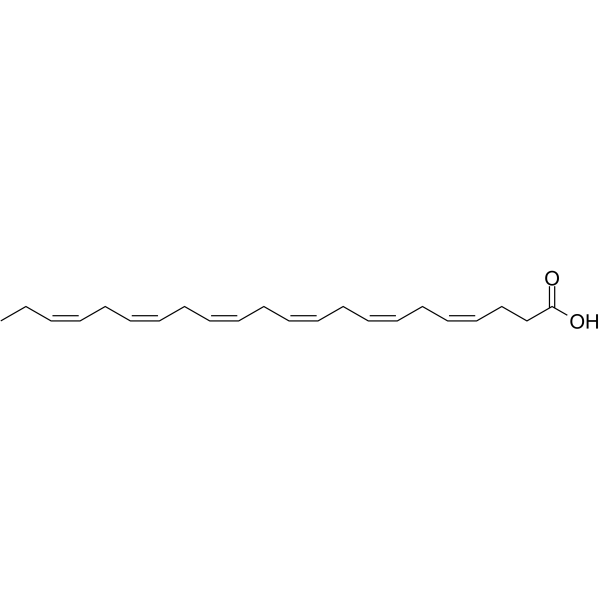
    Docosahexaenoic acid
    Maximum Cited Publications
    46 Publications Verification

    Dha; Cervonic acid

    Endogenous Metabolite Neurological Disease Cancer
    Docosahexaenoic Acid (DHA) is an omega-3 fatty acid abundantly present brain and retina. It can be obtained directly from fish oil and maternal milk.
    Docosahexaenoic acid
  • HY-B0573
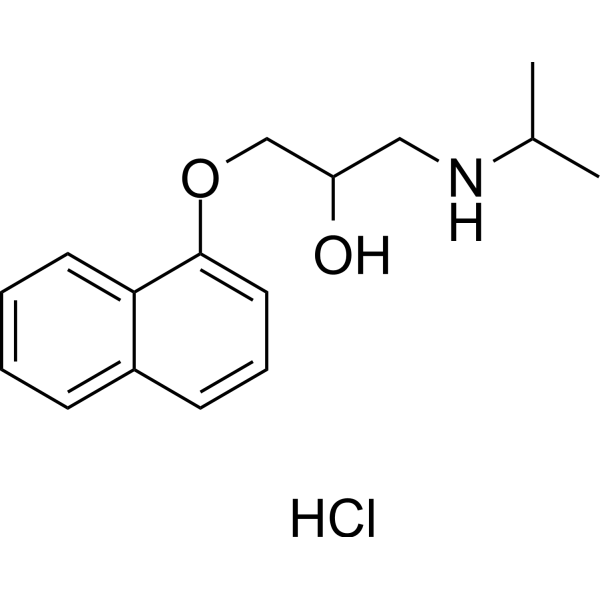
    Propranolol hydrochloride
    40+ Cited Publications

    Adrenergic Receptor Bacterial Cardiovascular Disease Infection Neurological Disease Metabolic Disease Cancer
    Propranolol hydrochloride is a nonselective and BBB-permeableβ-adrenergic receptor (βAR) antagonist, has high affinity for the β1AR and β2AR with Ki values of 1.8 nM and 0.8 nM, respectively. Propranolol hydrochloride inhibits [ 3H]-DHA binding to rat brain membrane preparation with an IC50 of 12 nM. Propranolol hydrochloride is used for study of hypertension, pheochromocytoma, myocardial infarction, cardiac arrhythmias, angina pectoris, and hypertrophic cardiomyopathy .
    Propranolol hydrochloride
  • HY-B0573B
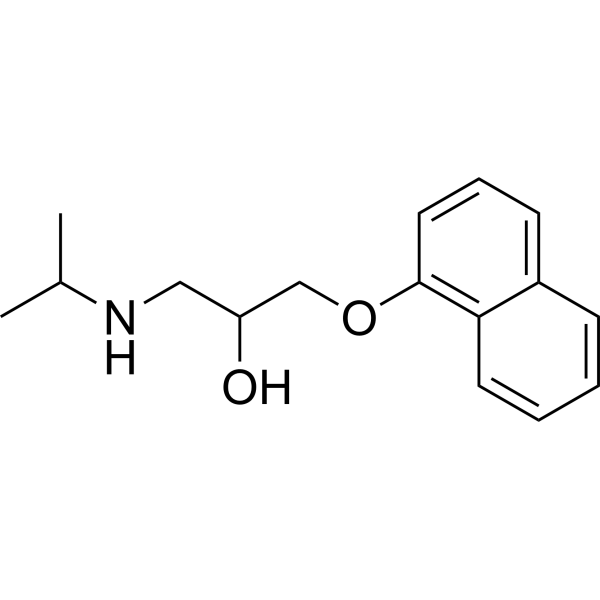
    Propranolol
    40+ Cited Publications

    Adrenergic Receptor Bacterial Cardiovascular Disease Infection Neurological Disease Metabolic Disease Cancer
    Propranolol is a nonselective and BBB-permeable β-adrenergic receptor (βAR) antagonist, has high affinity for the β1AR and β2AR with Ki values of 1.8 nM and 0.8 nM, respectively . Propranolol inhibits [ 3H]-DHA binding to rat brain membrane preparation with an IC50 of 12 nM . Propranolol is used for the study of hypertension, pheochromocytoma, myocardial infarction, cardiac arrhythmias, angina pectoris, and hypertrophic cardiomyopathy .
    Propranolol
  • HY-P1607
    Nisin
    3 Publications Verification

    Bacterial Antibiotic Infection Inflammation/Immunology
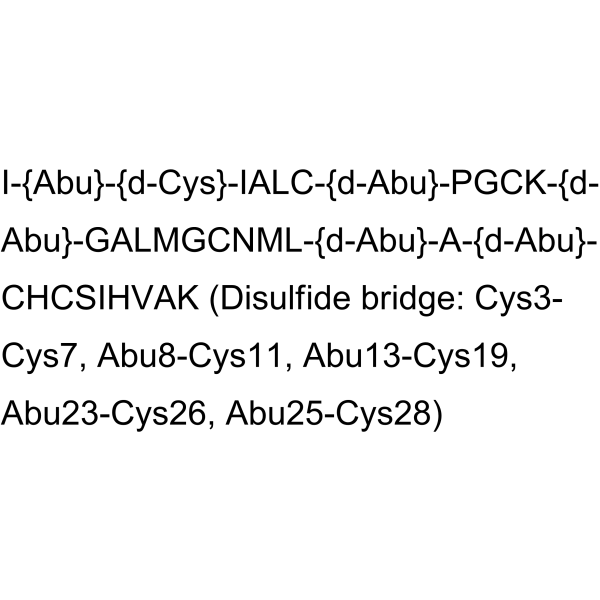
    Nisin is a bacteriocin produced by a group of Gram-positive bacteria that belongs to Lactococcus and Streptococcus species. Nisin has antibacterial and anti-inflammatory activity .
    Nisin
  • HY-Y0335

    Dihydroxyacetone

    Bacterial Antibiotic Drug Intermediate Infection
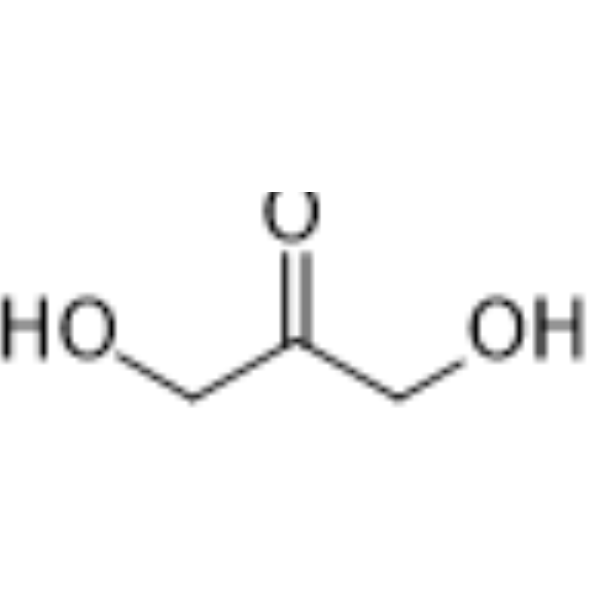
    1,3-Dihydroxyacetone (DHA), the main active ingredient in sunless tanning skin-care preparations and an important precursor for the synthesis of various fine chemicals, is produced on an industrial scale by microbial fermentation of glycerol (HY-B1659) in Gluconobacter oxydans. 1,3-Dihydroxyacetone is also used for synthesis of new biodegradable polymers by combining with lactic acid (HY-B2227) .
    1,3-Dihydroxyacetone
  • HY-113131

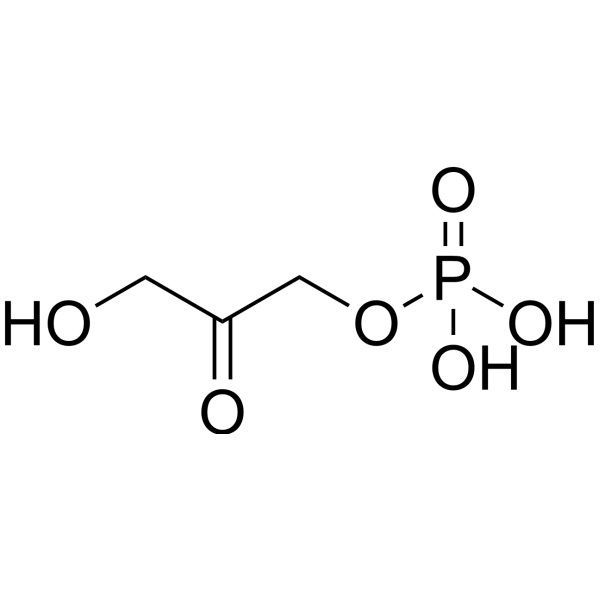
    DhaP

    Endogenous Metabolite Biochemical Assay Reagents Metabolic Disease
    Dihydroxyacetone phosphate (DHPA), a derivative of Dihydroxyacetone (DHA), is an important intermediate that participates in key pathways including glycolysis, lipid biosynthesis, and the plant Calvin cycle. Dihydroxyacetone phosphate can be used as a substrate and metabolic marker in biochemical research .
    Dihydroxyacetone phosphate
  • HY-121636
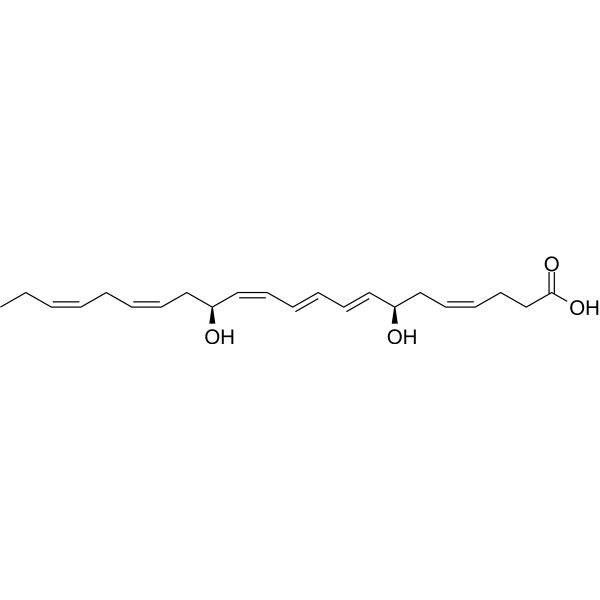
    Resolvin D2
    5 Publications Verification

    RvD2

    TRP Channel Infection Neurological Disease Inflammation/Immunology
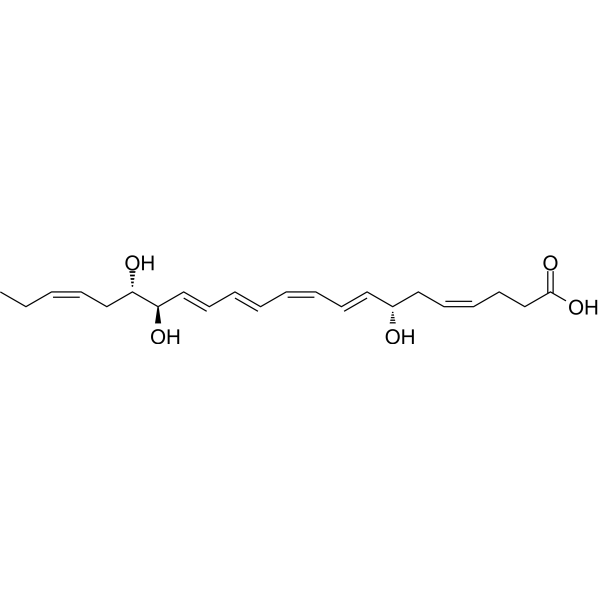
    Resolvin D2 is a metabolite of docosahexaenoic acid (DHA), with anti-inflammatory, anti-infective activities. Resolvin D2 is a potent regulator of leukocytes and controls microbial sepsis. Resolvin D2 is a remarkably potent inhibitor of TRPV1 (IC50 = 0.1 nM) and TRPA1 (IC50 = 2 nM) in primary sensory neurons .
    Resolvin D2
  • HY-B2167R

    Dha (Standard); Cervonic acid (Standard)

    Reference Standards Endogenous Metabolite Neurological Disease Cancer
    Docosahexaenoic acid (Standard) is the analytical standard of Docosahexaenoic acid. This product is intended for research and analytical applications. Docosahexaenoic Acid (DHA) is an omega-3 fatty acid abundantly present brain and retina. It can be obtained directly from fish oil and maternal milk. In Vitro: Docosahexaenoic acid (DHA) is essential for the growth and functional development of the brain in infants. DHA is also required for maintenance of normal brain function in adults. The inclusion of plentiful DHA in the diet improves learning ability and memory . DHA is an essential requirement in every step of brain development like neural cell proliferation, migration, differentiation, synaptogenesis. The multiple double bonds and unique structure allow DHA to impart special membrane characteristics for effective cell signaling. Many development disorders like dyslexia, autism spectrum disorder, attention deficit hyperactivity disorder, schizophrenia etc. are causally related to decreased level of DHA . DHA is a potent RXR ligand inducing robust RXR activation already at low micro molar concentrations. The EC50 for RXRα activation by DHA is about 5-10 μM fatty acid . In Vivo: Docosahexaenoic acid administration over 10 weeks significantly reduces the number of reference memory errors, without affecting the number of working memory errors, and significantly increases the docosahexaenoic acid content and the docosahexaenoic acid/arachidonic acid ratio in both the hippocampus and the cerebral cortex . DHA treatment exerts neuroprotective actions on an experimental mouse model of PD. There is a decrease tendency in brain lipid oxidation of MPTP mice but it does not significantly .
    Docosahexaenoic acid (Standard)
  • HY-P3466

    Bacterial Fungal Infection Inflammation/Immunology
    Nisin Z is an antimicrobial and anti-inflammatory peptide. Nisin Z is effective against Gram-positive bacteria and fungi, such as C. albicans .
    Nisin Z
  • HY-116429
    Maresin 1
    5+ Cited Publications

    Reactive Oxygen Species (ROS) Inflammation/Immunology
    Maresin 1, produced by human Mφs from endogenous docosahexaenoic acid (DHA) and a specialized proresolving mediator, stimulates intracellular [Ca 2+] and secretion. Maresin 1 possesses anti-inflammatory activity .
    Maresin 1
  • HY-113131A

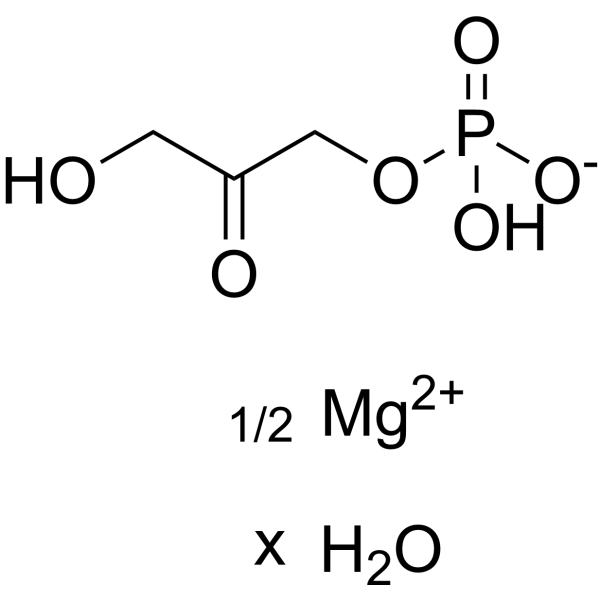
    DhaP hemimagnesium hydrate

    Endogenous Metabolite Biochemical Assay Reagents Metabolic Disease
    Dihydroxyacetone phosphate (DHPA) hemimagnesium hydrate, a derivative of Dihydroxyacetone (DHA), is an important intermediate that participates in key pathways including glycolysis, lipid biosynthesis, and the plant Calvin cycle. Dihydroxyacetone phosphate hemimagnesium hydrate can be used as a substrate and metabolic marker in biochemical research .
    Dihydroxyacetone phosphate hemimagnesium hydrate
  • HY-107343

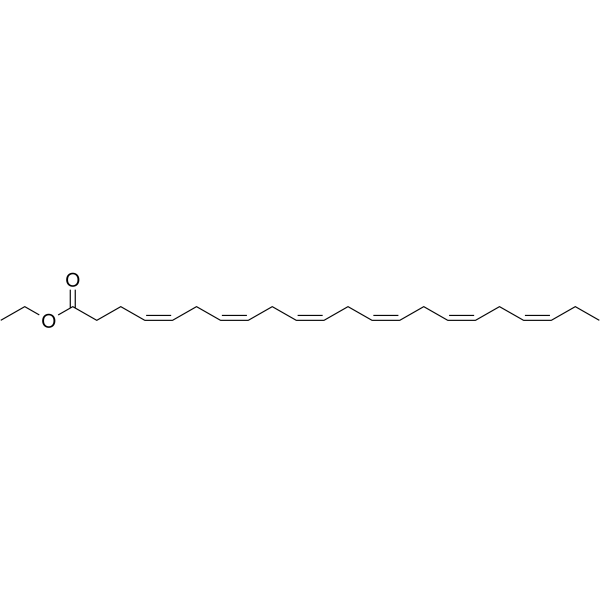
    Ethyl docosahexaenoate

    COX Neurological Disease Metabolic Disease
    Docosahexaenoic acid ethyl ester (Ethyl docosahexaenoate) is a 90% concentrated ethyl ester of docosahexaenoic acid manufactured from the microalgal oil. Docosahexaenoic acid ethyl ester enhances 6-hydroxydopamine-induced neuronal damage by induction of lipid peroxidation in mouse striatum. Docosahexaenoic acid (DHA) is a key component of the cell membrane, and its peroxidation is inducible due to the double-bond chemical structure. Docosahexaenoic acid has neuroprotective effects .
    Docosahexaenoic acid ethyl ester
  • HY-B2167S

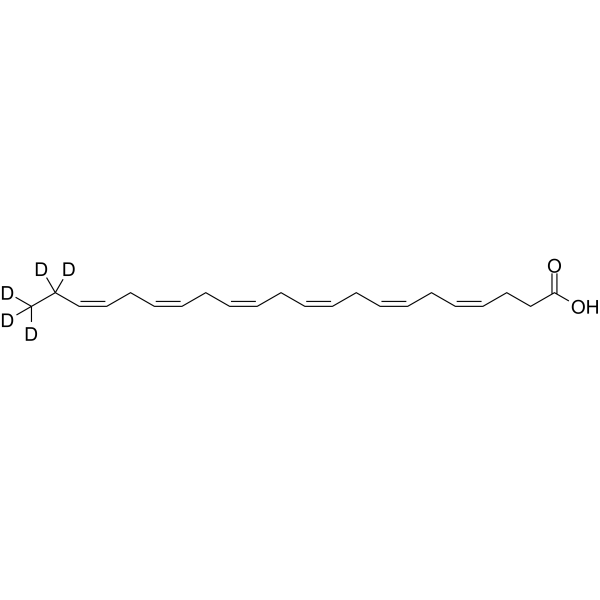
    Dha-d5; Cervonic acid-d5

    Endogenous Metabolite Neurological Disease
    Docosahexaenoic acid-d5 is the deuterium labeled Docosahexaenoic Acid. Docosahexaenoic Acid (DHA) is an omega-3 fatty acid abundantly present brain and retina. It can be obtained directly from fish oil and maternal milk.
    Docosahexaenoic acid-d5
  • HY-Y1422I

    Environmental Pollutants Biochemical Assay Reagents Lipase Others
    Lipase, Pseudomonas fluorescens (Immobilized) is an immobilized biocatalyst derived from Pseudomonas fluorescens. Lipase, Pseudomonas fluorescens (Immobilized) efficiently catalyzes the hydrolysis, esterification and transesterification of triacylglycerols in solvent-free systems, and is particularly suitable for biodiesel production from soybean oil and selective modification of oils rich in EPA and DHA. Lipase, Pseudomonas fluorescens (Immobilized) exhibits optimal activity at pH 8.5 and 45°C, and retains residual activity after repeated cycles of use. Lipase, Pseudomonas fluorescens (Immobilized) is activated by Ca 2+, but inhibited by Co 2+, Ni 2+, Fe 3+, Fe 2+ and EDTA .
    Lipase,Pseudomonas fluorescens (Immobilized)
  • HY-101541

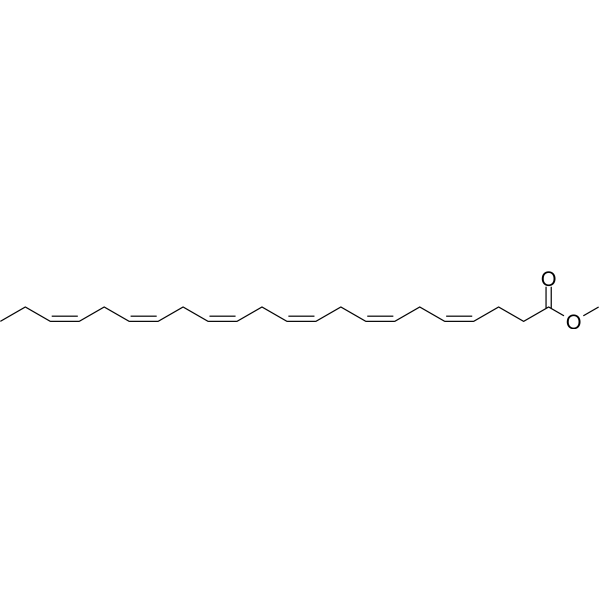
    Methyl docosahexaenoate; all cis-Dha methyl ester

    Drug Intermediate Neurological Disease
    Docosahexaenoic Acid methyl ester is a methylated docosahexaenoic acid analog which can be intercalated into membrane phospholipids without being oxidized or hydrolyzed.
    Docosahexaenoic acid methyl ester
  • HY-B0573S1

    Adrenergic Receptor Neurological Disease Endocrinology
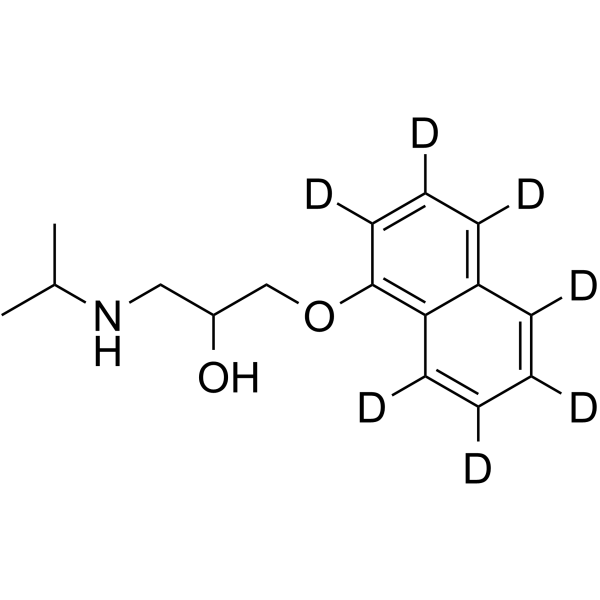
    Propranolol-d7 (ring-d7) is the deuterium labeled Propranolol hydrochloride. Propranolol hydrochloride is a nonselective β-adrenergic receptor (βAR) antagonist, has high affinity for the β1AR and β2AR with Ki values of 1.8 nM and 0.8 nM, respectively . Propranolol hydrochloride inhibits [3H]-DHA binding to rat brain membrane preparation with an IC50 of 12 nM . Propranolol hydrochloride is used for study of hypertension, pheochromocytoma, myocardial infarction, cardiac arrhythmias, angina pectoris, and hypertrophic cardiomyopathy .
    Propranolol-d7 (ring-d7)
  • HY-141469

    HPA; Heneicosapentaenoic acid methyl ester

    PGE synthase Lipoxygenase Cardiovascular Disease Neurological Disease
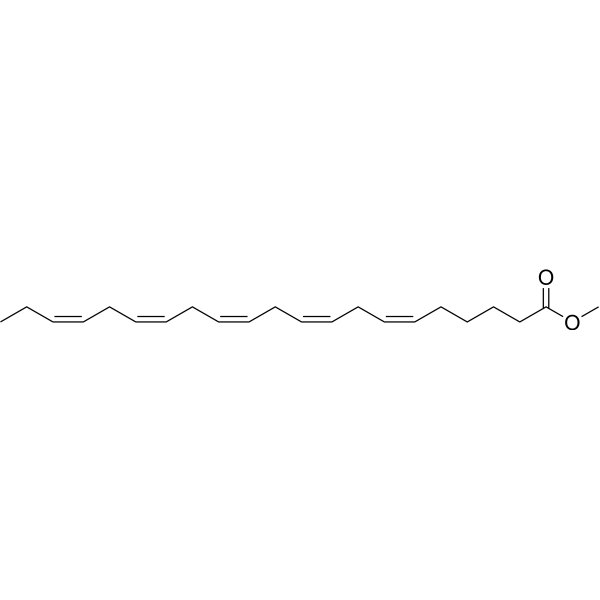
    6,9,12,15,18-Heneicosapentaenoic acid (HPA) is a ∆5 desaturase inhibitor. 6,9,12,15,18-Heneicosapentaenoic acid serves as a weak substrate for Prostaglandin H synthase and 5-lipoxygenase, yet it inactivates Prostaglandin H synthase at a rate comparable to that of AA, EPA and DHA. 6,9,12,15,18-Heneicosapentaenoic acid is a weak inducer of Aacyl-CoA oxidase. 6,9,12,15,18-Heneicosapentaenoic acid incorporates into phospholipids and triacylglycerols in cell culture. 6,9,12,15,18-Heneicosapentaenoic acid can be used in research related to liver cancer .
    6,9,12,15,18-Heneicosapentaenoic acid
  • HY-130289

    4-Hydroxy docosahexaenoic acid; (±)4-HDoHE

    PPAR Metabolic Disease Inflammation/Immunology
    (±)4-HDHA (4-Hydroxy docosahexaenoic acid) is an autoxidation product of Docosahexaenoic acid (HY-B2167) (DHA). (±)4-HDHA is a PPARγ agonist, antidiabetic and anti-inflammatory agent .
    (±)4-HDHA
  • HY-113131B

    DhaP dilithium

    Biochemical Assay Reagents Endogenous Metabolite Metabolic Disease
    Dihydroxyacetone phosphate (DHPA) dilithium, a derivative of Dihydroxyacetone (DHA), is an important intermediate that participates in key pathways including glycolysis, lipid biosynthesis, and the plant Calvin cycle. Dihydroxyacetone phosphate dilithium can be used as a substrate and metabolic marker in biochemical research .
    Dihydroxyacetone phosphate dilithium
  • HY-B0573BS

    Adrenergic Receptor Cardiovascular Disease Neurological Disease Endocrinology
    Propranolol-d7 is the deuterium labeled Propranolol. Propranolol is a nonselective β-adrenergic receptor (βAR) antagonist, has high affinity for the β1AR and β2AR with Ki values of 1.8 nM and 0.8 nM, respectively . Propranolol inhibits [3H]-DHA binding to rat brain membrane preparation with an IC50 of 12 nM . Propranolol is used for the study of hypertension, pheochromocytoma, myocardial infarction, cardiac arrhythmias, angina pectoris, and hypertrophic cardiomyopathy .
    Propranolol-d7
  • HY-B0573S

    Adrenergic Receptor Cardiovascular Disease Neurological Disease Endocrinology
    Propranolol-d7 (hydrochloride) is a deuterium labeled Propranolol hydrochloride. Propranolol hydrochloride is a nonselective β-adrenergic receptor (βAR) antagonist, has high affinity for the β1AR and β2AR with Ki values of 1.8 nM and 0.8 nM, respectively . Propranolol hydrochloride inhibits [3H]-DHA binding to rat brain membrane preparation with an IC50 of 12 nM . Propranolol hydrochloride is used for the study of hypertension, pheochromocytoma, myocardial infarction, cardiac arrhythmias, angina pectoris, and hypertrophic cardiomyopathy .
    Propranolol-d7 hydrochloride
  • HY-W348896

    Amino Acid Derivatives Others
    Fmoc-Dha-OH is an amino acid derivative applicable to peptide synthesis.
    Fmoc-Dha-OH
  • HY-W440983

    PC(18:0/22:6); Dha-PC; 1-Stearoyl-2-docosahexaenoyl-sn-glyerco-3-phosphocholine

    PPAR Cardiovascular Disease Cancer
    SDPC (DHA-PC) is a new generation of omega-3 lipids, which contains an ester bond linking DHA at the sn-2 position of phospholipid. 1-Stearoyl-2-docosahexaenoyl-sn-glyerco-3-phosphocholine exerts anti-angiogenesis effect through activating PPARγ. 1-Stearoyl-2-docosahexaenoyl-sn-glyerco-3-phosphocholine significantly declines the proliferation, migration, tube formation of human umbilical vein endothelial cells. 1-Stearoyl-2-docosahexaenoyl-sn-glyerco-3-phosphocholine has the potential for anti-tumor angiogenesis research .
    SDPC
  • HY-113512

    Influenza Virus Inflammation/Immunology
    17-HDHA is a DHA-derived specialized proresolving mediator (SPM). 17-HDHA enhances the antibody-mediated immune response against influenza virus. 17-HDHA enhances the differentiation of B cells toward the CD27 + CD38 + antibody-secreting cell phenotype, thereby strongly increasing IgM and IgG production by activated B cells .
    17-HDHA
  • HY-101540

    Dopamine Receptor Neurological Disease
    NMI 8739 is a dopamine D2 autoreceptor agonist, which is an amine conjugate of the DHA carrier and the neurotransmitter dopamine.
    NMI 8739
  • HY-130239

    14(S)-HDoHE

    Drug Metabolite Neurological Disease
    14(S)-HDHA (14(S)-HDoHE) is an oxygenation product of Docosahexaenoic acid (DHA). 14(S)-HDHA is a marker reflecting activation of a Docosahexaenoic acid carbon 14-lipoxygenation pathway .
    14(S)-HDHA
  • HY-130239A

    (±)14-HDoHE; 14-hydroxy Docosahexaenoic acid; (±)14-HDoHE

    Drug Metabolite Neurological Disease
    (±)14-HDHA is the isomer of 14(S)-HDHA (HY-130239). 14(S)-HDHA is an oxygenation product of Docosahexaenoic acid (DHA). 14(S)-HDHA is a marker reflecting activation of a Docosahexaenoic acid carbon 14-lipoxygenation pathway .
    (±)14-HDHA
  • HY-B0573R

    Reference Standards Adrenergic Receptor Bacterial Neurological Disease Endocrinology Cancer
    Propranolol (hydrochloride) (Standard) is the analytical standard of Propranolol (hydrochloride). This product is intended for research and analytical applications. Propranolol hydrochloride is a nonselective β-adrenergic receptor (βAR) antagonist, has high affinity for the β1AR and β2AR with Ki values of 1.8 nM and 0.8 nM, respectively . Propranolol hydrochloride inhibits [ 3H]-DHA binding to rat brain membrane preparation with an IC50 of 12 nM . Propranolol hydrochloride is used for study of hypertension, pheochromocytoma, myocardial infarction, cardiac arrhythmias, angina pectoris, and hypertrophic cardiomyopathy .
    Propranolol hydrochloride (Standard)
  • HY-136540

    RvD3

    AMPK Autophagy Inflammation/Immunology
    Resolvin D3 (RvD3) is a docosahexaenoic acid (DHA) derived mediator. Resolvin D3 is dysregulated in arthritis and reduces arthritic inflammation .
    Resolvin D3
  • HY-165071

    (±)16,17 EDP; (±)16,17-Epoxy docosapentaenoic acid; (±)16,17-Epoxy DPA

    Drug Isomer Others
    (±)16(17)-EpDPA is the DHA homolog of (±)14(15)-EpETrE, derived via epoxidation of the 16,17-double bond of DHA.
    (±)16(17)-EpDPA
  • HY-124355

    4-HHE

    Endogenous Metabolite Metabolic Disease
    4-Hydroxy hexenal (4-HHE) is a lipid peroxidation product derived from oxidized ω-3 fatty acids such as DHA.
    4-Hydroxy hexenal
  • HY-B2167S2

    Isotope-Labeled Compounds Endogenous Metabolite Neurological Disease Cancer
    Docosahexaenoic acid- 13C4 is 13C labeled Docosahexaenoic acid. Docosahexaenoic Acid (DHA) is an omega-3 fatty acid abundantly present brain and retina. It can be obtained directly from fish oil and maternal milk .
    Docosahexaenoic acid-13C4
  • HY-116429S

    Isotope-Labeled Compounds Reactive Oxygen Species (ROS) Inflammation/Immunology
    Maresin 1-d5 is the deuterium labeled Maresin 1. Maresin 1, produced by human Mφs from endogenous docosahexaenoic acid (DHA) and a specialized proresolving mediator, stimulates intracellular [Ca2+] and secretion. Maresin 1 possesses anti-inflammatory activity .
    Maresin 1-d5
  • HY-121636S

    RvD2-d5

    TRP Channel Infection Neurological Disease Inflammation/Immunology
    Resolvin D2-d5 is the deuterium labeled Resolvin D2. Resolvin D2 is a metabolite of docosahexaenoic acid (DHA), with anti-inflammatory, anti-infective activities. Resolvin D2 is a potent regulator of leukocytes and controls microbial sepsis. Resolvin D2 is a remarkably potent inhibitor of TRPV1 (IC50 = 0.1 nM) and TRPA1 (IC50 = 2 nM) in primary sensory neurons .
    Resolvin D2-d5
  • HY-N11286

    TG-Dha; Meganol D

    Others Neurological Disease Metabolic Disease Inflammation/Immunology
    Tridocosahexaenoylglycerol (TG-DHA) is an orally active dietary supplement that improves autoimmune encephalomyelitis in mice. Tridocosahexaenoylglycerol shows beneficial effects on neurodegenerative diseases and also improves macular function in diabetic retinopathy. Tridocosahexaenoylglycerol can be used for research on neurological diseases, inflammatory immune diseases, and metabolic diseases .
    Tridocosahexaenoylglycerol
  • HY-116663

    (±)20-HDoHE

    Endogenous Metabolite Neurological Disease
    (±)20-HDHA ((±)20-HDoHE) is a racemic mixture and is an autoxidation product of Docosahexaenoic acid (DHA). (±)20-HDHA is also formed by peroxidation process in human platelets and rat brain homogenate .
    (±)20-HDHA
  • HY-130238

    (±)8-HDoHE; 8-hydroxy Docosahexaenoic acid; (±)8-HDoHE

    Endogenous Metabolite Metabolic Disease
    (±)8-HDHA is an autoxidation product of docosahexaenoic acid (DHA) in vitro. It is also produced from incubations of DHA in rat liver, brain, and intestinal microsomes. (±)8-HDHA is a potential marker of oxidative stress in brain and retina where DHA is an abundant polyunsaturated fatty acid.
    (±)8-HDHA
  • HY-130288

    (±)13-HDoHE; 13-hydroxy Docosahexaenoic acid; (±)13-HDoHE

    Lipoxygenase Inflammation/Immunology
    (±)13-HDHA is an autoxidation product of docosahexaenoic acid (DHA) in vitro. It is also produced from incubations of DHA in rat liver, brain, and intestinal microsomes. Fresh water hydra is shown to metabolize DHA to 13(R)-HDHA, presumably via the 11R-lipoxygenase activity. (±)13-HDHA is a potential marker of oxidative stress in brain and retina where DHA is an abundant polyunsaturated fatty acid.
    (±)13-HDHA
  • HY-W103225

    Bacterial Infection
    Dihydroanthracene (9,10-Dihydroanthracene) is a substrate for toluene dioxygenase (TDO) expressed by Pseudomonas putida UV4. Toluene dioxygenase (TDO) expressed by Pseudomonas putida UV4 catalyzes the benzylic monooxygenation of Dihydroanthracene to 9-hydroxy-9,10-DHA as the only product .
    Dihydroanthracene
  • HY-W011120

    Endogenous Metabolite Metabolic Disease
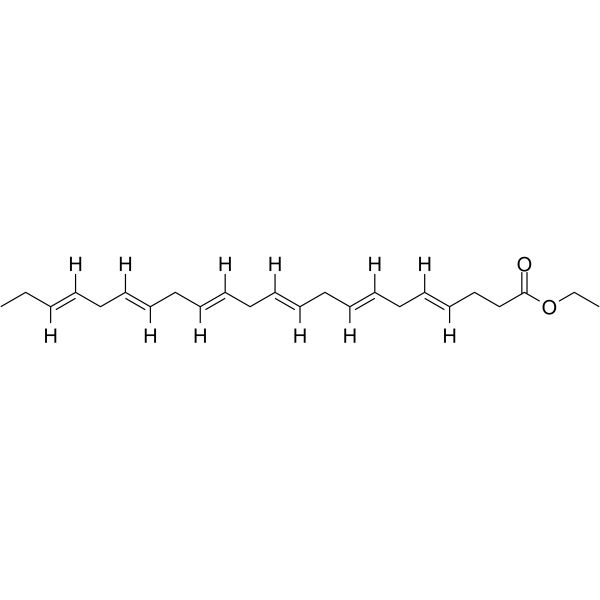
    Ethyl cis-4,7,10,13,16,19-Docosahexaenoate, the ethyl ester of Docosahexaenoate (DHA), is enriched in the ethyl ester fraction by the selective alcoholysis of fatty acid ethyl esters originating from tuna oil with lauryl alcohol.
    Ethyl docosa-4,7,10,13,16,19-hexaenoate
  • HY-101541S

    Methyl docosahexaenoate-d5; all cis-Dha methyl ester-d5

    Isotope-Labeled Compounds Neurological Disease
    Docosahexaenoic acid-d5 methyl ester is the deuterium labeled Docosahexaenoic Acid methyl ester. Docosahexaenoic Acid methyl ester is a methylated docosahexaenoic acid analog which can be intercalated into membrane phospholipids without being oxidized or hydrolyzed .
    Docosahexaenoic acid-d5 methyl ester
  • HY-107343R

    Ethyl docosahexaenoate (Standard)

    Endogenous Metabolite Reference Standards Neurological Disease Metabolic Disease
    Docosahexaenoic acid ethyl ester (Standard) is the analytical standard of Docosahexaenoic acid ethyl ester. This product is intended for research and analytical applications. Docosahexaenoic acid ethyl ester (Ethyl docosahexaenoate) is a 90% concentrated ethyl ester of docosahexaenoic acid manufactured from the microalgal oil. Docosahexaenoic acid ethyl ester enhances 6-hydroxydopamine-induced neuronal damage by induction of lipid peroxidation in mouse striatum. Docosahexaenoic acid (DHA) is a key component of the cell membrane, and its peroxidation is inducible due to the double-bond chemical structure. Docosahexaenoic acid has neuroprotective effects .
    Docosahexaenoic acid ethyl ester (Standard)
  • HY-N16406

    SOD Metabolic Disease
    Auroglaucin is a potent antioxidant. Auroglaucin shows 1,1-diphenyl-2-picrylhydrazyl (DPPH) radical scavenging capacity and superoxide radical scavenging activity with EC50 value of 74.6, 12.3 µM, respectively. Auroglaucin shows low activity for inhibiting the autoxidation of docosahexaenoic acid (DHA) .
    Auroglaucin
  • HY-139408

    17-Oxo-Dha; 17-Oxo-4(Z),7(Z),10(Z),13(Z),15(E),19(Z)-Dha

    PPAR Keap1-Nrf2 Metabolic Disease
    17-Oxo-4(Z),7(Z),10(Z),13(Z),15(E),19(Z)-docosahexaenoic acid (17-Oxo-DHA) is a metabolite of lipoxygenase-mediated oxidation of DHA. 17-Oxo-4(Z),7(Z),10(Z),13(Z),15(E),19(Z)-docosahexaenoic acid is a PPARγ agonist and activates a Nrf2 dependent antioxidant reaction .
    17-Oxo-4(Z),7(Z),10(Z),13(Z),15(E),19(Z)-docosahexaenoic acid
  • HY-139247

    Drug Derivative Inflammation/Immunology
    pNPS-DHA (Compound 19) is an orally active DHA-ethanolamide (DHEA) derivative that has antiallergic activity. pNPS-DHA inhibits IgE-dependent passive cutaneous anaphylaxis (PCA) reaction in mice. pNPS-DHA has anti-degranulating activity in RBL-2H3 mast cells with an IC50 of 15 μM .
    pNPS-DHA
  • HY-131397

    Dha-5-HT

    Interleukin Related Inflammation/Immunology
    Docosahexaenoyl serotonin (DHA-5-HT) is an endogenous n-3 fatty acid-serotonin conjugate. Docosahexaenoyl serotonin is an inhibitor of IL-17. Docosahexaenoyl serotonin has anti-inflammatory activity .
    Docosahexaenoyl serotonin
  • HY-156559

    Biochemical Assay Reagents Others
    GlcNAc-SH is a thiol-derivatized saccharide that can be used to label Dha to generate glycoprotein mimics .
    GlcNAc-SH
  • HY-165781

    C22:6 Ceramide

    Drug Derivative Metabolic Disease
    DHA Ceramide (C22:6 Ceramide) is an ester product.
    DHA Ceramide
  • HY-148944

    Reactive Oxygen Species (ROS) Apoptosis Cancer
    Didocosahexaenoin, an omega-3 derivative, is a diglyceride of DHA and can be synthesised from DHA triglycerides. Didocosahexaenoin causes significant loss of mitochondrial membrane potential and induces ROS production. Didocosahexaenoin induces apoptosis. Didocosahexaenoin induces stronger cytotoxicity than DHA in human prostate carcinoma cells .
    Didocosahexaenoin
  • HY-124019

    PPAR Neurological Disease
    4,5-DiHDPA lactone (5), a derivative of docosahexaenoic acid (DHA), is a PPARγ activator .
    4,5-DiHDPA lactone

Inquiry Online

Your information is safe with us. * Required Fields.

Salutation


Country or Region *

Applicant Name *


Organization Name *

Department *


Email Address *


Product Name *

Cat. No.


Requested quantity *

Phone Number *


Remarks

Inquiry Online

Inquiry Information

Product Name:
Cat. No.:
Quantity:
MCE Japan Authorized Agent:

