
1. Search Result
Search Result
Results for "

ERK1/ERK2

" in MedChemExpress (MCE) Product Catalog:

45

Inhibitors & Agonists

1

Fluorescent Dyes

1

Biochemical Assay Reagents

2

Peptides

6

Natural
Products

7

Antibodies

2

Oligonucleotides

Targets Recommended:
Cat. No. Product Name Target Research Areas Chemical Structure
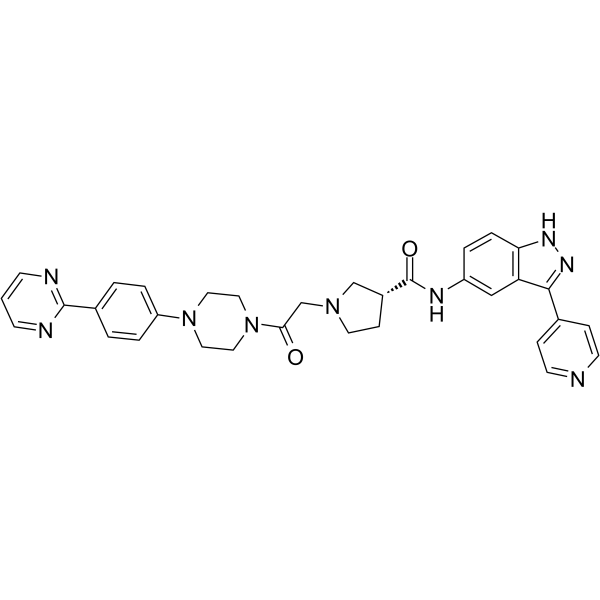
  • HY-50846
    SCH772984
    Maximum Cited Publications
    182 Publications Verification

    ERK Cancer
    SCH772984 is a highly selective and ATP-competitive ERK inhibitor, with IC50s of 4 and 1 nM for ERK1 and ERK2, respectively. SCH772984 has antitumor activity in MAPK inhibitor-na?ve and MAPK inhibitor-resistant cells containing BRAF or RAS mutations [1].
    SCH772984
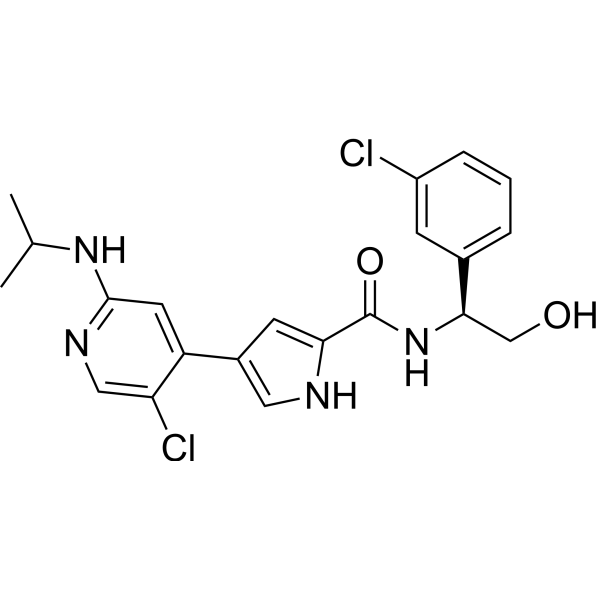
  • HY-15816
    Ulixertinib
    45+ Cited Publications

    BVD-523; VRT752271

    ERK Cancer
    Ulixertinib (BVD-523; VRT752271) is a potent, orally active, highly selective, ATP-competitive and reversible covalent inhibitor of ERK1/2 kinases, with an IC50 of <0.3 nM against ERK2. Ulixertinib (BVD-523; VRT752271) inhibits the phosphorylated ERK2 (pERK) and downstream kinase RSK (pRSK) in an A375 melanoma cell line [1] [2].
    Ulixertinib
  • HY-15947
    Ravoxertinib
    50+ Cited Publications

    GDC-0994

    ERK Cancer
    Ravoxertinib (GDC-0994) is an orally active ERK kinase inhibitor with an IC50 of 6.1 nM and 3.1 nM for ERK1 and ERK2, respectively.
    Ravoxertinib
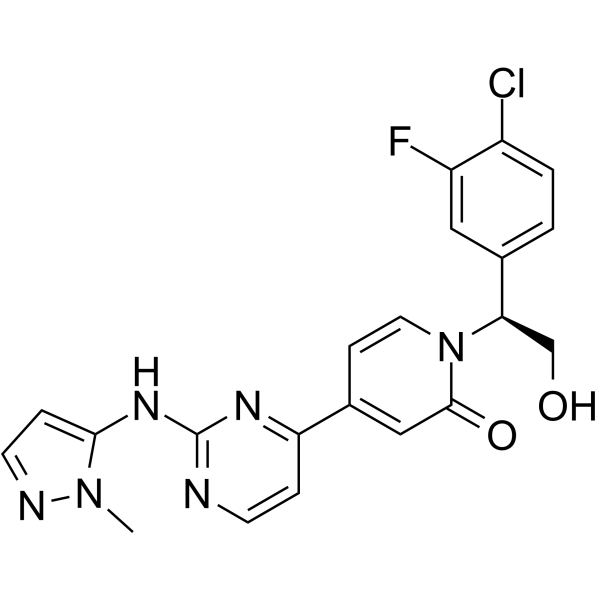
  • HY-101494
    Temuterkib
    30+ Cited Publications

    LY3214996

    ERK Cancer
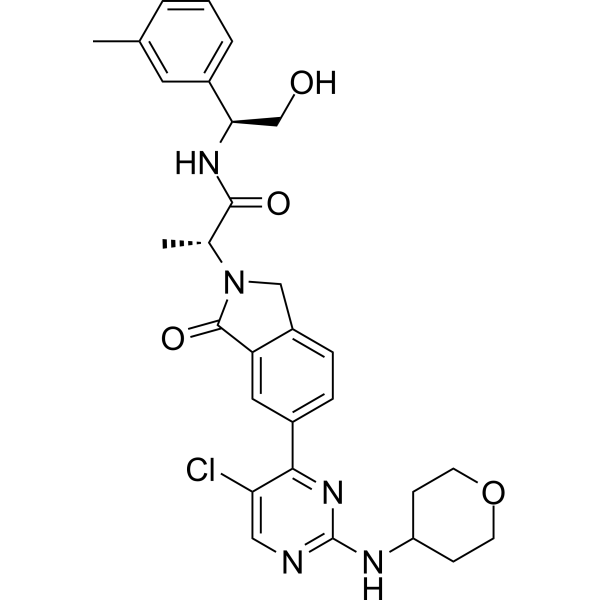
    Temuterkib (LY3214996) is a highly selective inhibitor of ERK1 and ERK2, with IC50 of 5 nM for both enzymes in biochemical assays. Temuterkib potently inhibits cellular p-RSK1 in BRAF and RAS mutant cancer cell lines. Temuterkib shows potent antitumor activities in cancer models with MAPK pathway alterations.
    Temuterkib
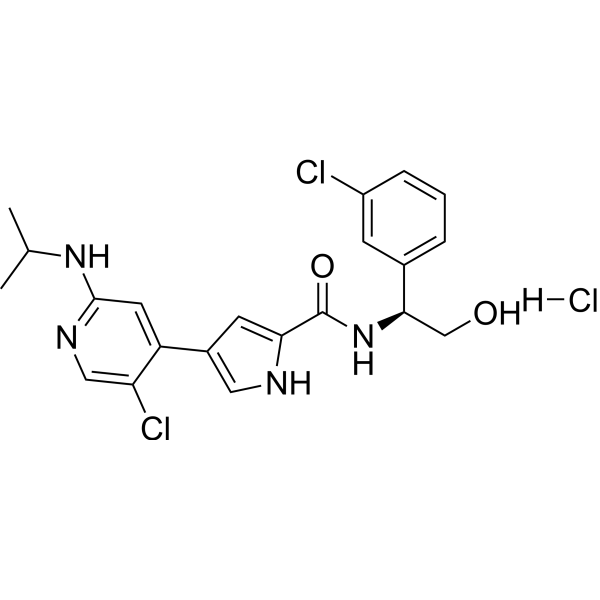
  • HY-15816A
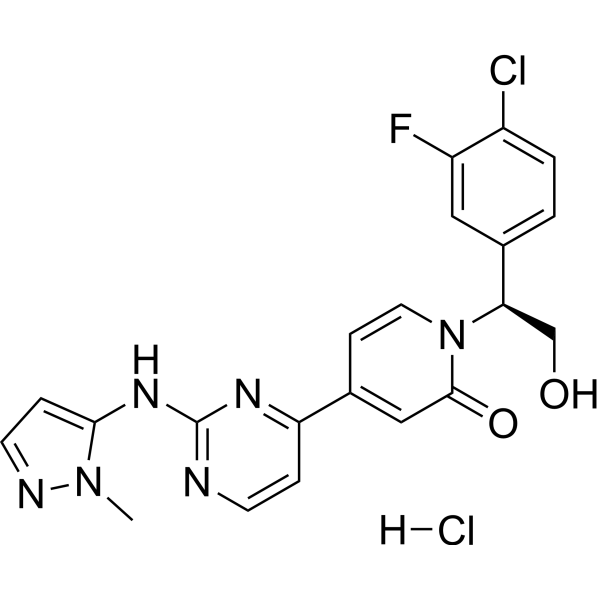
    Ulixertinib hydrochloride
    45+ Cited Publications

    BVD-523 hydrochloride; VRT752271 hydrochloride

    ERK Cancer
    Ulixertinib hydrochloride (BVD-523 hydrochloride) is a potent, orally active, highly selective, ATP-competitive and reversible covalent inhibitor of ERK1/2 kinases, with an IC50 of <0.3 nM against ERK2. Ulixertinib hydrochloride inhibits the phosphorylated ERK2 (pERK) and downstream kinase RSK (pRSK) in an A375 melanoma cell line [1] [2].
    Ulixertinib hydrochloride
  • HY-12275
    FR 180204
    20+ Cited Publications

    Flavivirus Dengue Virus ERK Apoptosis Cancer
    FR 180204 is an ATP-competitive and selective ERK inhibitor. FR 180204 inhibits ERK1 and ERK2 with IC50s of 0.51 μM (Ki=0.31 μM) and 0.33 μM (Ki=0.14 μM), respectively [1].
    FR 180204
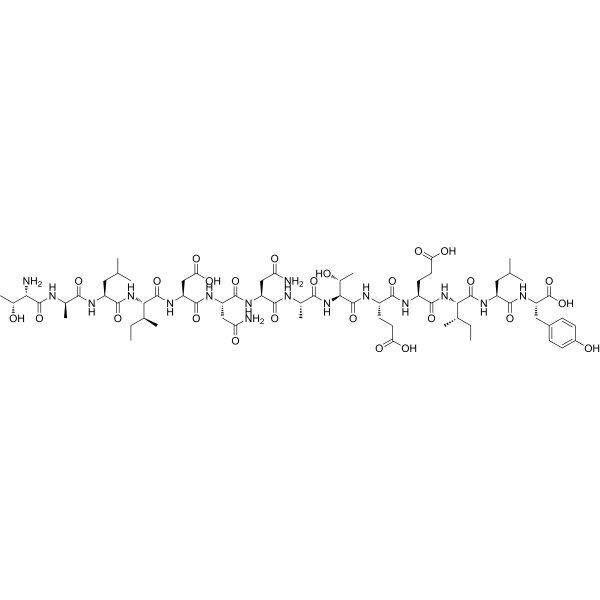
  • HY-P1342
    Prosaptide Tx14(A)
    1 Publications Verification

    Neurological Disease
    Prosaptide Tx14(A), a prosaposin-derived peptide, is a potent GPR37L1 and GPR37 agonist with EC50s of 5 and 7 nM, respectively. Prosaptide Tx14(A) increases both ERK1 and ERK2 phosphorylation in Schwann cells [1] [2].
    Prosaptide Tx14(A)
  • HY-112287
    ERK1/2 inhibitor 1
    5+ Cited Publications

    ERK Cancer
    ERK1/2 inhibitor 1 is a potent, orally bioavailable ERK1/2 inhibitor, showing 60% inhibition at 1 nM and an IC50 of 3.0 nM against ERK1 and ERK2, respectively [1].
    ERK1/2 inhibitor 1
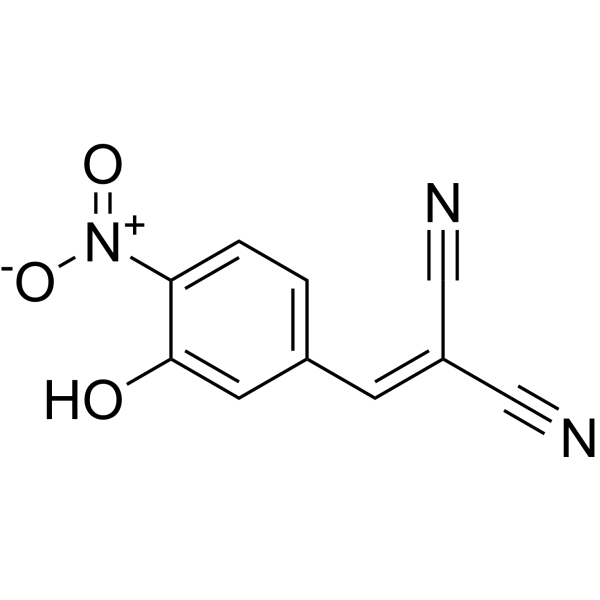
  • HY-108330
    AG126
    3 Publications Verification

    Tyrphostin AG126

    ERK Mitosis Inflammation/Immunology
    AG126 is a tyrosine kinase inhibitor, can inhibit the phosphorylation of ERK1 and ERK2 at 25-50 μM. AG126 can be used in meiosis, mitosis, and postmitotic research [1] [2] .
    AG126
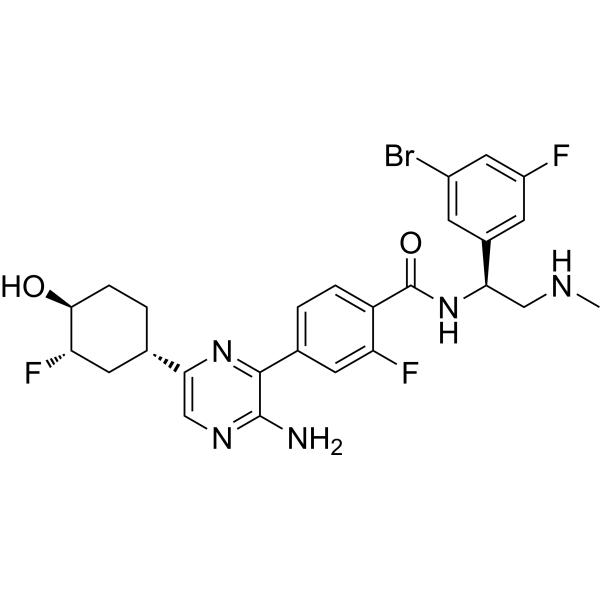
  • HY-114491

    ERK Raf Cancer
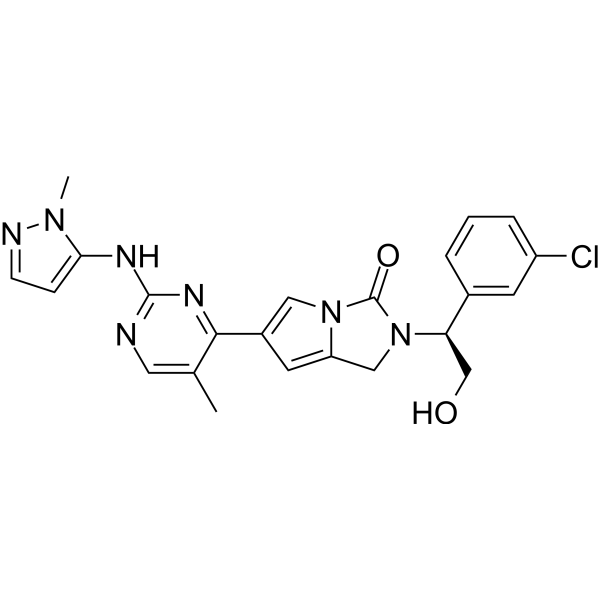
    Rineterkib (compound B) is an orally available ERK1 and ERK2 inhibitor in the treatment of a proliferative disease characterized by activating mutations in the MAPK pathway. The activity is particularly related to the treatment of KRAS-mutant NSCLC, BRAF-mutant NSCLC, KRAS-mutant pancreatic cancer, KRAS-mutant colorectal cancer (CRC) and KRAS-mutant ovarian cancer. Rineterkib hydrochloride can also inhibit RAF [1] [2].
    Rineterkib
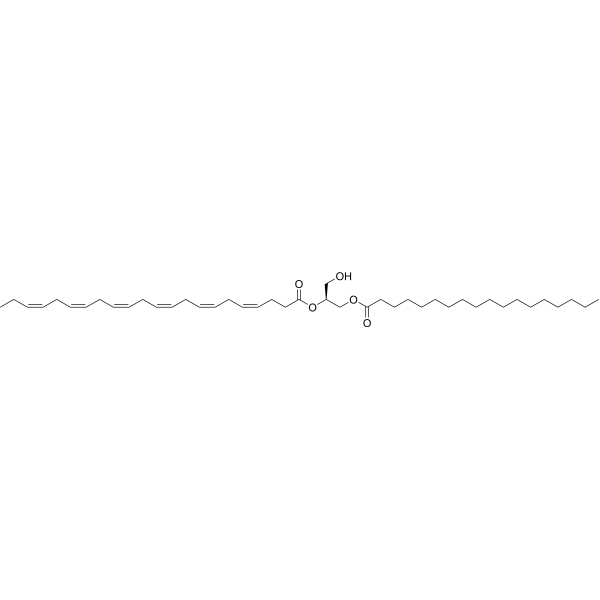
  • HY-143212

    1-Stearoyl-2-docosahexaenoyl-sn-glycerol

    Ras p38 MAPK ERK PKC Metabolic Disease Inflammation/Immunology Cancer
    18:0-22:6 DG (1-Stearoyl-2-docosahexaenoyl-sn-glycerol) is a diacylglycerol (DG) that can interact with RasGRP (Ras guanine nucleotide-releasing protein) (Ki = 8.37 μM) and modulate the activation of MAP kinases (such as ERK1/ERK2), which play a crucial role in cellular signaling processes. 18:0-22:6 DG can also activate protein kinase C (PKC) isozyme. 18:0-22:6 DG can be used for research of cancer, immunology and metabolic disease [1] [2].
    18:0-22:6 DG
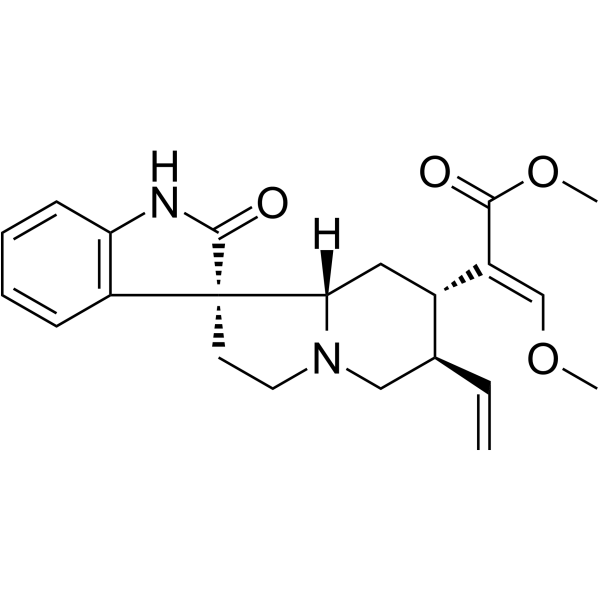
  • HY-N0590
    Corynoxeine
    5+ Cited Publications

    ERK Cardiovascular Disease
    Corynoxeine, isolated from the hook of Uncaria rhynchophylla, is a potent ERK1/ERK2 inhibitor of key PDGF-BB-induced vascular smooth muscle cells (VSMCs) proliferation.
    Corynoxeine
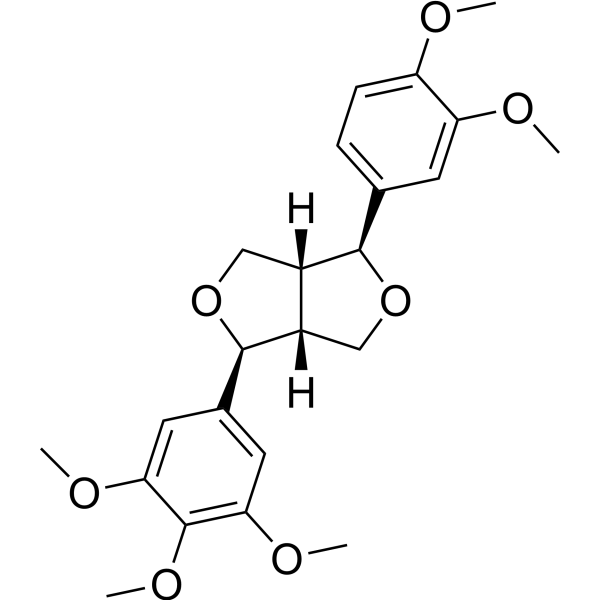
  • HY-N1374
    Magnolin
    2 Publications Verification

    ERK Inflammation/Immunology
    Magnolin, a major component of Magnolia liliiflora, inhibits the Ras/ERKs/RSK2 signaling axis by targeting the active pocket of ERK1 and ERK2 with IC50s of 87 nM and 16.5 nM, respectively.
    Magnolin
  • HY-15947A
    Ravoxertinib hydrochloride
    50+ Cited Publications

    GDC-0994 hydrochloride

    ERK Cancer
    Ravoxertinib hydrochloride (GDC-0994 hydrochloride) is an orally bioavailable inhibitor selective for ERK kinase activity with IC50 of 6.1 nM and 3.1 nM for ERK1 and ERK2, respectively.
    Ravoxertinib hydrochloride
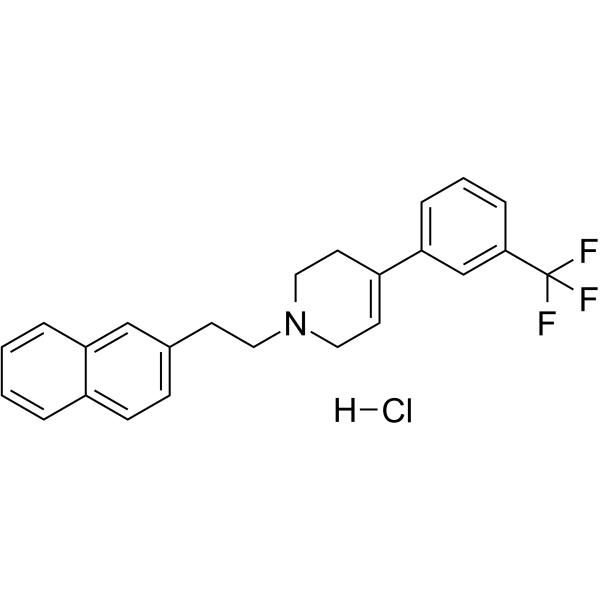
  • HY-14604
    Xaliproden hydrochloride
    1 Publications Verification

    SR57746A; SR57746 hydrochloride

    5-HT Receptor Dopamine Receptor Trk Receptor PKC ERK Akt JNK Neurological Disease Metabolic Disease
    Xaliproden (SR57746) hydrochloride (SR57746A) is an orally active, highly selective 5-HT1A receptor agonist. Xaliproden hydrochloride activates pertussis toxin-sensitive G protein-coupled signaling cascades, as well as the PKC, ERK1/ERK2, Akt and p21 Ras/MEK-1 pathways. Xaliproden hydrochloride also downregulates the JNK/p66/c-Jun signaling pathway, induces phosphorylation of the shc adaptor protein, regulates extracellular dopamine and 5-HT levels, and induces [ 35S]GTPγS labeling in rat brain structures rich in 5-HT1A receptors. Xaliproden hydrochloride exerts neurotrophic, neuroprotective, renoprotective, anti-inflammatory, anti-apoptotic, anti-fibrotic and analgesic effects. Xaliproden hydrochloride also enhances NGF-induced neurite outgrowth, promotes motor neuron survival, attenuates renal tubular injury and inhibits chemotherapy-induced mechanical allodynia, without activating or altering NGF-induced TrkA receptor activation. Xaliproden hydrochloride can be used in the research of motor neuron disease, diabetic nephropathy, chemotherapy-induced peripheral neuropathy, amyotrophic lateral sclerosis, Alzheimer's disease, acute tonic nociceptive pain, inflammatory pain, depression and anxiety [1] [2] .
    Xaliproden hydrochloride
  • HY-150700

    ERK Metabolic Disease
    RLX-33 is a potent, selective and blood-brain barrier (BBB) penetrant relaxin family peptide 3 (RXFP3) antagonist, also blocks relaxin-3-induced ERK1/2 phosphorylation, with IC50 values of 2.36 μM for RXFP3, 7.82 and 13.86 μM for ERK1 and ERK2 phosphorylation, respectively. RLX-33 can block the stimulation of food intake induced by the RXFP3-selective agonist R3/I5 in rats. RLX-33 can be used for the research of metabolic syndrome [1].
    RLX-33
  • HY-151367

    ERK Cancer
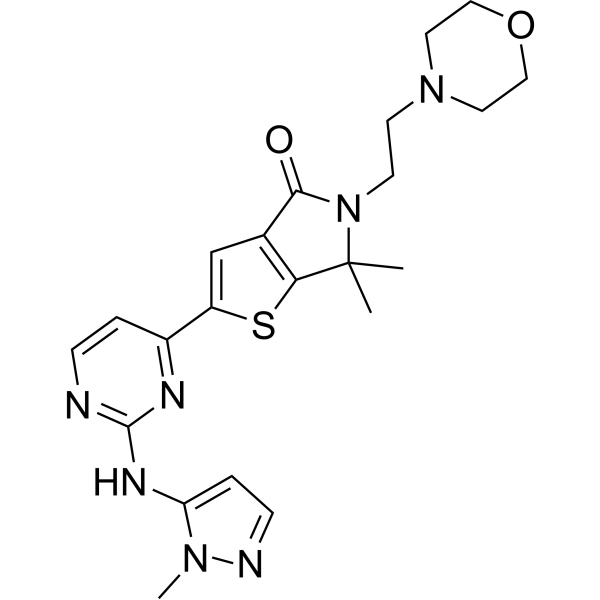
    SHR2415 is a highly potent, selective and orally active ERK1/2 inhibitor. SHR2415 has inhibition activity for ERK1 and ERK2 with IC50 values of 2.8 nM and 5.9 nM, respectively. SHR2415 exhibits high potency with an IC50 value of 44.6 nM in Colo205 cells. SHR2415 can be used for the research of cancer [1].
    SHR2415
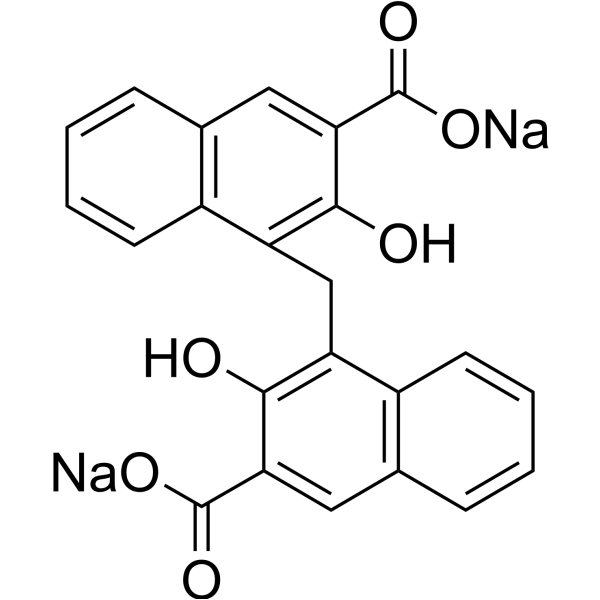
  • HY-W010907
    Pamoic acid disodium
    4 Publications Verification

    GPR35 ERK Neurological Disease
    Pamoic acid disodium is a potent GPR35 agonist with an EC50 value of 79 nM. Pamoic acid disodium induces GPR35 internalization and activates ERK1/2 with EC50 values of 22 nM and 65 nM, respectively. Pamoic acid disodium potently recruits β-arrestin2 to GPR35 and has an antinociceptive effect [1].
    Pamoic acid disodium
  • HY-142433

    ERK Cancer
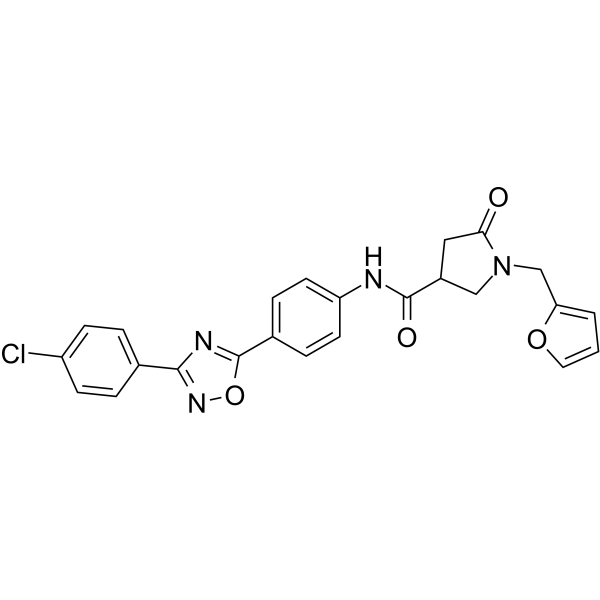
    ERK1/2 inhibitor 7 is a potent ERK inhibitor with an IC50 of 0.94 nM for ERK2 (WO2021110168A1, WX006) [1].
    ERK1/2 inhibitor 7
  • HY-15816R

    BVD-523 (Standard); VRT752271 (Standard)

    ERK Reference Standards Cancer
    Ulixertinib (Standard) is the analytical standard of Ulixertinib. This product is intended for research and analytical applications. Ulixertinib (BVD-523; VRT752271) is a potent, orally active, highly selective, ATP-competitive and reversible covalent inhibitor of ERK1/2 kinases, with an IC50 of <0.3 nM against ERK2. Ulixertinib (BVD-523; VRT752271) inhibits the phosphorylated ERK2 (pERK) and downstream kinase RSK (pRSK) in an A375 melanoma cell line [1] [2].
    Ulixertinib (Standard)
  • HY-107417

    VEGFR MEK FLT3 PDGFR ERK Cancer
    Hypothemycin, a fungal polyketide, is a multikinase inhibitor with Kis of 10/70 nM, 17/38 nM, 90 nM, 900 nM/1.5 μM, and 8.4/2.4 μM for VEGFR2/VEGFR1, MEK1/MEK2, FLT-3, PDGFRβ/PDGFRα, and ERK1/ERK2, respectively [1] [2].
    Hypothemycin
  • HY-170879

    p38 MAPK JNK Cancer
    JD123 inhibits JNK1 activity and the expression of cJun (1-135). JD123 is a ATP-competitive p38-γ MAPK inhibitor, but not effect to ERK1, ERK2, or p38-α, p38-β or p38-δ. [1].
    JD123
  • HY-111407B

    (R)-SCH900353

    ERK Cancer
    (R)-MK-8353 ((R)-SCH900353) is the R-enantiomer of MK-8353 (HY-111407). MK-8353 (SCH900353) is a potent, selective and orally active ERK1 and ERK2 inhibitor with IC50s of 23.0 nM and 8.8 nM, respectively [1].
    (R)-MK-8353
  • HY-142437

    ERK Cancer
    ERK1/2 inhibitor 8 is a potent ERK inhibitor with an IC50 of 0.48 nM for ERK2 (WO2021110168A1, WX007) [1].
    ERK1/2 inhibitor 8
  • HY-177132

    WX001

    ERK Cancer
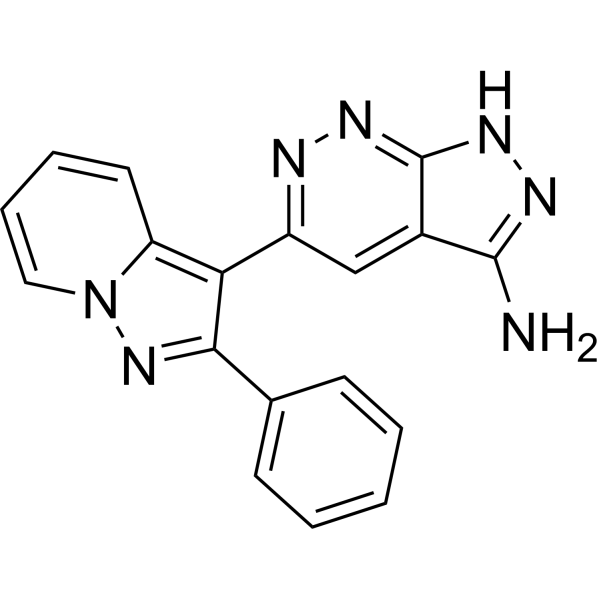
    Sonvuterkib (WX001) is a potent and orally active extracellular signal-regulated kinases (ERK) inhibitor with IC50 values of 1.4, 0.54 nM for ERK1, ERK2, respectively. Sonvuterkib inhibits cell proliferation. Sonvuterkib shows anticancer activity [1] [2].
    Sonvuterkib
  • HY-173119

    ERK Autophagy Apoptosis p62 mTOR Reactive Oxygen Species (ROS) Ferroptosis Cancer
    SKLB-D18 is an orally active ERK1/2/ERK5 inhibitor, with an IC50 of 38.69 nM and a Kd of 126.9 nM against human ERK1, an IC50 of 40.12 nM and a Kd of 209.8 nM against ERK2, and an IC50 of 59.72 nM and a Kd of 468.2 nM against ERK5. SKLB-D18 inhibits cancer cell proliferation, induces G0/G1 cell cycle arrest and apoptosis. SKLB-D18 reduces the levels of p-ERK5, p-RSKp90, p-c-Myc and c-Myc, and upregulates the level of p-ERK1/2, thereby inhibiting the ERK1/2/5 pathway in cells. SKLB-D18 increases LC3B-II accumulation, and decreases the levels of p62, p-mTOR and p-p70S6K. SKLB-D18 elevates the levels of ROS, lipid peroxidation and free ferrous ions, reduces the levels of NCOA4 and GPX4, and induces ferritin autophagy-dependent ferroptosis in cancer cells. SKLB-D18 exhibits antitumor activity in a triple-negative breast cancer xenograft mouse model. SKLB-D18 can be used in research related to triple-negative breast cancer [1].
    SKLB-D18
  • HY-177802

    ERK Cancer
    C3 sodium is an aptamer that binds to Erk2. C3 binds to the MAP kinase insert domain, a unique site on Erk1/2. Due to this recognition profile C3 inhibits Erk2 activation by its upstream kinase MKK1.
    C3 sodium
  • HY-162460

    ERK Cancer
    ERK1/2 inhibitor 10 (Compound 36c) is a potent ERK1 and ERK2 inhibitor (IC50: 0.11 and 0.08 nM respectively). ERK1/2 inhibitor 10 inhibits ERK1/2 and blocks the phosphorylation expression of their downstream substrates p90RSK and c-Myc. ERK1/2 inhibitor 10 induces cell apoptosis and incomplete autophagy-related cell death. ERK1/2 inhibitor 10 shows potent antitumor efficacy against triple-negative breast cancer and colorectal cancer models harboring BRAF and RAS mutations [1].
    ERK1/2 inhibitor 10
  • HY-P1342A

    ERK Neurological Disease
    Prosaptide Tx14(A) TFA, a prosaposin-derived peptide, is a potent GPR37L1 and GPR37 agonist with EC50s of 5 and 7 nM, respectively. Prosaptide Tx14(A) TFA increases both ERK1 and ERK2 phosphorylation in Schwann cells [1] [2].
    Prosaptide Tx14(A) TFA
  • HY-E70844

    MEK Cancer
    MAP2K2 (MEK2) is a dual specificity protein kinase that belongs to the MAP kinase kinase family. This kinase is known to play a critical role in mitogen growth factor signal transduction. MAP2K2 phosphorylates and thus activates MAPK1/ERK2 and MAPK3/ERK1. MAP2K2 Recombinant Human Active Protein Kinase is a recombinant MAP2K2 protein that can be used to study MAP2K2-related functions [1].
    MAP2K2 Recombinant Human Active Protein Kinase
  • HY-174274

    ERK Cancer
    ERK2-IN-6 (Compound 20) is a highly selective ERK1/2 inhibitor with an IC50 value of 7.9 nM for ERK2. ERK2-IN-6 inhibits the proliferation of BRAF V600E mutant cells (IC50=250 nM in A375 cells). ERK2-IN-6 is promising for research of solid tumors, such as BRAF-mutated melanoma [1].
    ERK2-IN-6
  • HY-153350

    ERK Cancer
    ERK-IN-7 (Example 10), an analogue of SHR2415 (HY-151367), is a potent ERK inhibitor with IC50 of 5 nM and 7 nM against ERK1 and ERK2, respectively [1].
    ERK-IN-7
  • HY-N0590R

    Reference Standards ERK Cardiovascular Disease
    Corynoxeine (Standard) is the analytical standard of Corynoxeine. This product is intended for research and analytical applications. Corynoxeine, isolated from the hook of Uncaria rhynchophylla, is a potent ERK1/ERK2 inhibitor of key PDGF-BB-induced vascular smooth muscle cells (VSMCs) proliferation.
    Corynoxeine (Standard)
  • HY-N1374R

    Reference Standards ERK Inflammation/Immunology
    Magnolin (Standard) is the analytical standard of Magnolin. This product is intended for research and analytical applications. Magnolin, a major component of Magnolia liliiflora, inhibits the Ras/ERKs/RSK2 signaling axis by targeting the active pocket of ERK1 and ERK2 with IC50s of 87 nM and 16.5 nM, respectively.
    Magnolin (Standard)
  • HY-173060

    ERK Apoptosis Autophagy Cancer
    ERK1/2 inhibitor 13 (Compound 21y) is the orally active inhibitor for ERK that inhibits ERK1 and ERK2 with IC50 of 91.71 nM and 97.87 nM. ERK1/2 inhibitor 13 inhibits the proliferation of MCF-7, 4T1, MDA-MB-468, and HCC1970 (IC50 of 0.67, 2.76, 2.15 and 1.68 μM), inhibits the cancer cell migration, induces apoptosis and autophagy in MCF-7. ERK1/2 inhibitor 13 exhibits antitumor and anti-metastatic effect in 4T1 xenograft mouse model [1].
    ERK1/2 inhibitor 13
  • HY-108330R

    Tyrphostin AG126 (Standard)

    ERK Mitosis Reference Standards Inflammation/Immunology
    AG126 (Standard) is the analytical standard of AG126. This product is intended for research and analytical applications. AG126 is a tyrosine kinase inhibitor, can inhibit the phosphorylation of ERK1 and ERK2 at 25-50 μM. AG126 can be used in meiosis, mitosis, and postmitotic research [1] [2] .
    AG126 (Standard)
  • HY-114491A

    ERK Raf Cancer
    Rineterkib hydrochloride (compound B) is an orally available ERK1 and ERK2 inhibitor in the treatment of a proliferative disease characterized by activating mutations in the MAPK pathway. The activity is particularly related to the treatment of KRAS-mutant NSCLC, BRAF-mutant NSCLC, KRAS-mutant pancreatic cancer, KRAS-mutant colorectal cancer (CRC) and KRAS-mutant ovarian cancer. Rineterkib hydrochloride can also inhibit RAF [1] [2].
    Rineterkib hydrochloride
  • HY-E70747

    MEK Cancer
    MEK5 Recombinant Human Active Protein Kinase is a MAP/ERK kinase. MEK5 is thought to lie in an uncharacterized MAP kinase pathway, because MEK5 does not phosphorylate the ERK/MAP kinase family members ERK1, ERK2, ERK3, JNK/SAPK, or p38/HOG1, nor will Raf-1, c-Mos, or MEKK1 highly phosphorylate it [1].
    MEK5 Recombinant Human Active Protein Kinase
  • HY-182401

    ERK Akt Neurological Disease
    NS-417 free base is an ERK1, ERK2, and Akt kinase activator with neuroprotective, neurite outgrowth potentiating, and dopaminergic cell population enhancing activity. NS-417 free base enhances activation of ERK1, ERK2, and Akt kinase via growth factor stimulation. NS-417 free base rescues cells from growth factor withdrawal-induced death, stimulates neurite outgrowth, increases tyrosine hydroxylase-positive cell counts, and displays neurotrophic-like activity in in vitro models. NS-417 free base can be used for the research of parkinson’s disease [1].
    NS-417 free base
  • HY-119820

    SR57746A free base

    Akt Dopamine Receptor Trk Receptor 5-HT Receptor PKC JNK ERK Neurological Disease
    Xaliproden (SR57746) free base is an orally active, highly selective 5-HT1A receptor agonist. Xaliproden free base activates pertussis toxin-sensitive G protein-coupled signaling cascades, as well as the PKC, ERK1/ERK2, Akt and p21 Ras/MEK-1 pathways. Xaliproden free base also downregulates the JNK/p66/c-Jun signaling pathway, induces phosphorylation of the shc adaptor protein, regulates extracellular dopamine and 5-HT levels, and induces [ 35S]GTPγS labeling in rat brain structures rich in 5-HT1A receptors. Xaliproden free base exerts neurotrophic, neuroprotective, renoprotective, anti-inflammatory, anti-apoptotic, anti-fibrotic and analgesic effects. Xaliproden free base also enhances NGF-induced neurite outgrowth, promotes motor neuron survival, attenuates renal tubular injury and inhibits chemotherapy-induced mechanical allodynia, without activating or altering NGF-induced TrkA receptor activation. Xaliproden free base can be used in the research of motor neuron disease, diabetic nephropathy, chemotherapy-induced peripheral neuropathy, amyotrophic lateral sclerosis, Alzheimer's disease, acute tonic nociceptive pain, inflammatory pain, depression and anxiety [1] [2] .
    Xaliproden free base
  • HY-101494R

    LY3214996 (Standard)

    ERK Reference Standards Cancer
    Temuterkib (Standard) is the analytical standard of Temuterkib (HY-101494). This product is intended for research and analytical applications. Temuterkib (LY3214996) is a highly selective inhibitor of ERK1 and ERK2, with IC50 of 5 nM for both enzymes in biochemical assays. Temuterkib potently inhibits cellular p-RSK1 in BRAF and RAS mutant cancer cell lines. Temuterkib shows potent antitumor activities in cancer models with MAPK pathway alterations.
    Temuterkib (Standard)
  • HY-125522

    ERK Apoptosis Inflammation/Immunology
    Methyl helicterate is a triterpenoid, that can be isolated from Helicteres angustifolia (Sterculiaceae). Methyl helicterate inhibits hepatic stellate cell activation and promotes cell apoptosis through downregulating the ERK1/2 signaling pathway [1] [2] .
    Methyl helicterate
  • HY-14604R

    SR57746A (Standard); SR57746 hydrochloride (Standard)

    Reference Standards Akt Dopamine Receptor Trk Receptor 5-HT Receptor PKC JNK ERK Neurological Disease Cancer
    Xaliproden (hydrochloride) (Standard) is the analytical standard of Xaliproden (hydrochloride). This product is intended for research and analytical applications. Xaliproden (SR57746) hydrochloride (SR57746A) is an orally active, highly selective 5-HT1A receptor agonist. Xaliproden hydrochloride activates pertussis toxin-sensitive G protein-coupled signaling cascades, as well as the PKC, ERK1/ERK2, Akt and p21 Ras/MEK-1 pathways. Xaliproden hydrochloride also downregulates the JNK/p66/c-Jun signaling pathway, induces phosphorylation of the shc adaptor protein, regulates extracellular dopamine and 5-HT levels, and induces [ 35S]GTPγS labeling in rat brain structures rich in 5-HT1A receptors. Xaliproden hydrochloride exerts neurotrophic, neuroprotective, renoprotective, anti-inflammatory, anti-apoptotic, anti-fibrotic and analgesic effects. Xaliproden hydrochloride also enhances NGF-induced neurite outgrowth, promotes motor neuron survival, attenuates renal tubular injury and inhibits chemotherapy-induced mechanical allodynia, without activating or altering NGF-induced TrkA receptor activation. Xaliproden hydrochloride can be used in the research of motor neuron disease, diabetic nephropathy, chemotherapy-induced peripheral neuropathy, amyotrophic lateral sclerosis, Alzheimer's disease, acute tonic nociceptive pain, inflammatory pain, depression and anxiety [1] [2] .
    Xaliproden hydrochloride (Standard)
  • HY-181842

    PARP ERK Apoptosis Cancer
    PARP1/ERK IN-1 is a dual PARP1/ERK inhibitor, with a PARP1 IC50 of 0.9 nM and an ERK2 IC50 of 1.8 nM. PARP1/ERK IN-1 inhibits proliferation and migration of various cancer cell lines, and induces apoptosis and DNA damage. PARP1/ERK IN-1 suppresses tumor growth in mouse models of colorectal cancer, and reduces the expression of Ki‑67, BRCA1 and Rad51. PARP1/ERK IN-1 can be used in the research of colorectal cancer, triple-negative breast cancer and pancreatic cancer [1].
    PARP1/ERK IN-1
  • HY-181232

    ERK Cancer
    Anticancer agent 301 is an anticancer agent. Anticancer agent 301 selectively downregulates the phosphorylation level of ERK1/2 without affecting the NF-κB p65 subunit. Anticancer agent 301 exhibits antiproliferative activity against breast cancer cells and can be used in breast cancer-related research [1].
    Anticancer agent 301

Inquiry Online

Your information is safe with us. * Required Fields.

Salutation


Country or Region *

Applicant Name *


Organization Name *

Department *


Email Address *


Product Name *

Cat. No.


Requested quantity *

Phone Number *


Remarks

Inquiry Online

Inquiry Information

Product Name:
Cat. No.:
Quantity:
MCE Japan Authorized Agent:

