From 11:00 pm to 12:00 pm EST ( 8:00 pm to 9:00 pm PST ) on January 6th, the website will be under maintenance. We are sorry for the inconvenience. Please arrange your schedule properly.
Agrimol B, a polyphenol, is an orally active and potent SIRT1 activator. Agrimol B shows anti-adipogenic and anticancer activity. Agrimol B shows antibacterial activity against plant pathogens. Agrimol B dramatically inhibits 3T3-L1 adipocyte differentiation by reducing PPARγ, C/EBPα, FAS, UCP-1, and apoE expression. The action of Agrimol B on the cancer cells is likely derived from its effect on c-MYC, SKP2 and p27 .
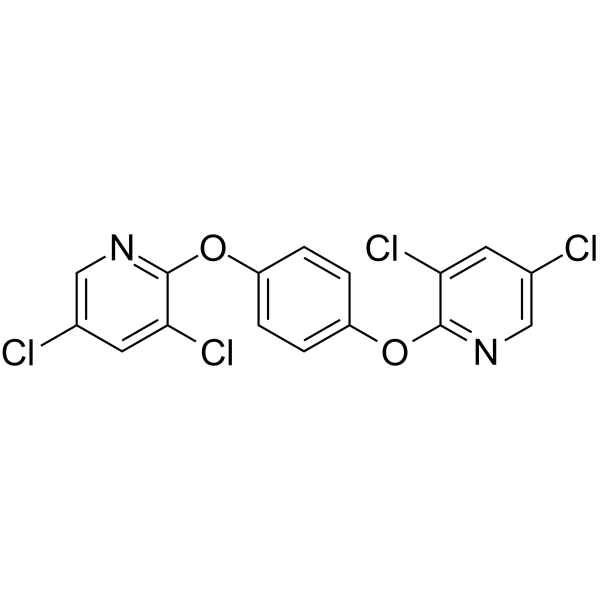
TCPOBOP is a constitutive androstane receptor (CAR) agonist that induces robust hepatocyte proliferation and hepatomegaly without any liver injury or tissue loss . TCPOBOP attenuates Fas-induced murine liver injury by altering Bcl-2 proteins .
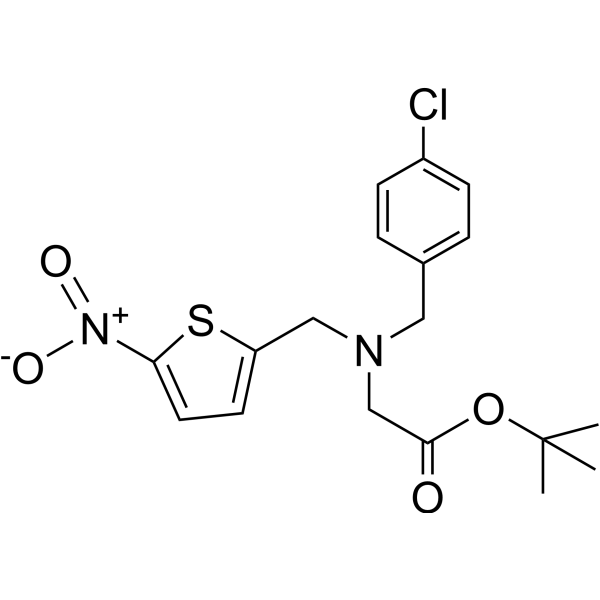
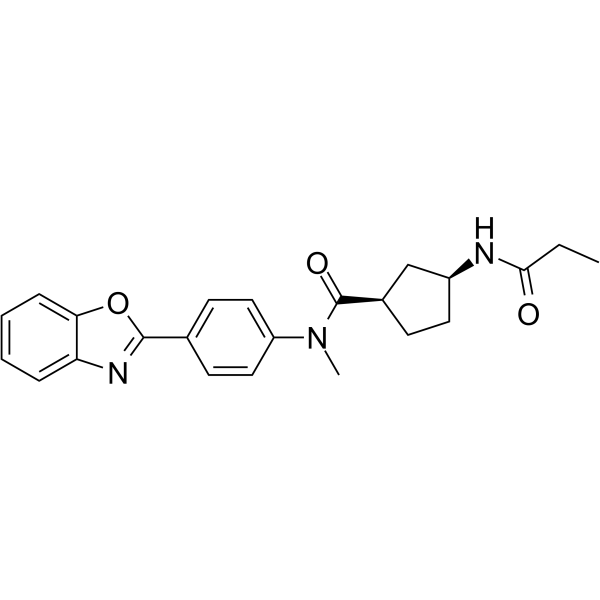
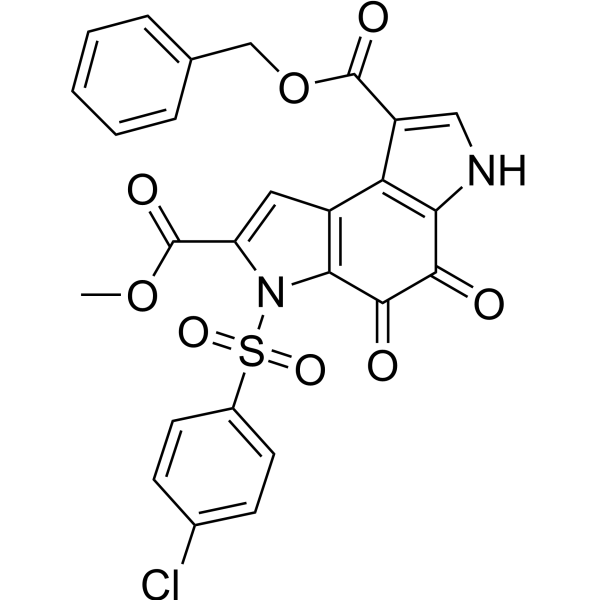
F5446 (Compound 1) is a selective small molecule inhibitor of SUV39H1 methyltransferase. F5446 decreases H3K9me3 deposition at the FAS promoter, increases Fas expression and increases colorectal carcinoma cell sensitivity to FasL-induced apoptosis in vitro. F5446 suppresses human colon tumor xenograft growth in vivo .
GSK2194069 is a potent inhibitor of β-ketoyl reductase (KR) of fatty acid synthase (FASN), with an IC50 value of 7.7 nM. GSK2194069 shows specifically inhibitory effect on FAS expressing cancer cells, by acting potent efficacy on acetoacetyl-CoA, NADPH with IC50 or Ki values of 4.8 nM and 5.6 nM, respectively .
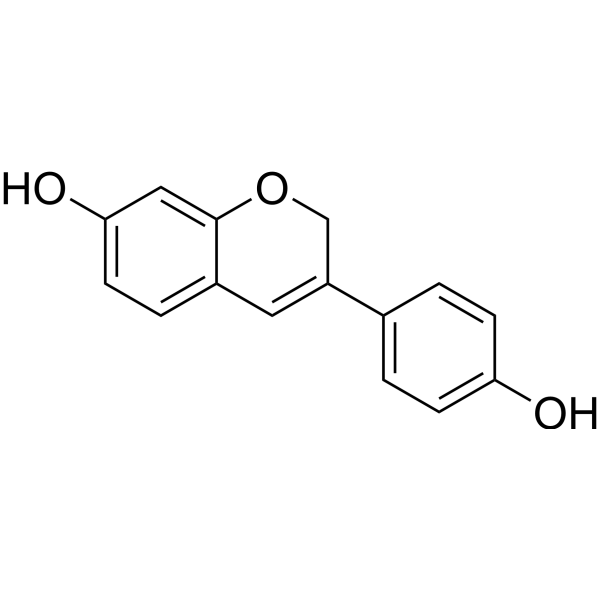
Phenoxodiol (Idronoxil), a synthetic analog of Genestein, activates the mitochondrial caspase system, inhibits XIAP (an apoptosis inhibitor), and sensitizes the cancer cells to Fas-mediated apoptosis. Phenoxodiol also inhibits DNA topoisomerase II by stabilizing the cleavable complex. Phenoxodiol induces cell cycle arrest in the G1/S phase of the cell cycle and upregulates p21 WAF1 via a p53 independent manner .
GSK4112 (SR6452) is a Rev-erbα agonist with an EC50 value of 0.4 μM. GSK4112 can be used as a chemical tool to probe the function of Rev-erbα in transcriptional repression, regulation of circadian biology, and metabolic pathways .
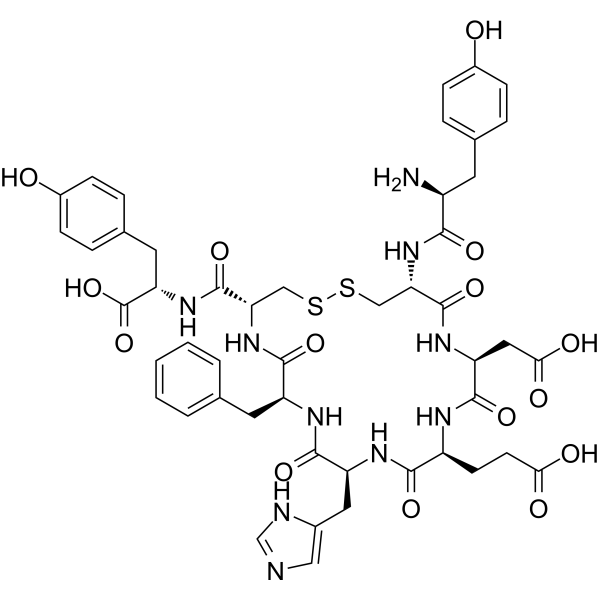
Kp7-6 is a Fas mimetic peptide and also a Fas/FasL antagonist. Kp7-6 specifically binds to Fas and FasL, disrupts receptor complexes, and blocks downstream apoptosis signaling pathways. Kp7-6 inhibits the phosphorylation of ERK1-2, induces the phosphorylation of IκBα, and activates NF-κB. Kp7-6 inhibits the activation of caspase-8, caspase-3 and JNK, and suppresses human amylin-induced β-cell apoptosis. Kp7-6 inhibits FasL-induced lymphoid cytotoxicity and apoptosis. Kp7-6 reduces local tumor FasL expression, increases CD8 +Fas + T cell infiltration, and decreases tumor volume in pancreatic neuroendocrine tumor models. Kp7-6 prevents concanavalin A-induced liver injury in mice. Kp7-6 is applicable to research related to type 2 diabetes, concanavalin A-induced hepatitis and pancreatic neuroendocrine tumors .
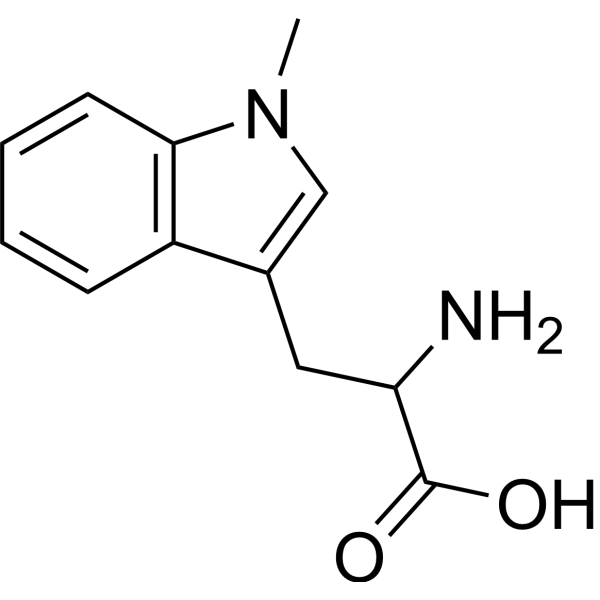
(Rac)-Indoximod (1-Methyl-DL-tryptophan) is an indoleamine 2,3-dioxygenase (IDO) inhibitor. Co-treatment with IFN-γ and (Rac)-Indoximod markedly reduces the activity of human cardiac myofibroblasts (hCMs) expressing α-SMA and induces apoptosis through up-regulating the IRF-1, Fas, and FasL genes .
Ginkgolic acid C17:1 is a fatty acid synthase (FAS) inhibitor with an IC50 of 10.5 µM. Ginkgolic acid C17:1 shows anti-tumor activity by inhibiting the phosphorylation of STAT3 and inducing apoptosis. Ginkgolic acid C17:1 can block the interaction between S-RBD and ACE2, and has anti-SARS-CoV-2-S pseudovirus activity. Ginkgolic acid C17:1 inhibits the biofilm formation of enterohemorrhagic Escherichia coli and Staphylococcus aureus .
Ibandronate Sodium Monohydrate (BM-210955; RPR-102289A) is an orally active, selective inhibitor of farnesyl pyrophosphate synthase (FPP synthase). Ibandronate Sodium Monohydrate can block the mevalonate pathway to inhibit the isoprenylation modification of small GTPases (such as RAS, RHO family proteins), induce tumor cell apoptosis and inhibit bone resorption. Ibandronate Sodium Monohydrate inhibits tumor cell proliferation (such as ER + breast cancer cells), promotes the expression of the pro-apoptotic gene FAS, and can produce synergistic anti-tumor effects with anti-estrogen compounds. Ibandronate Sodium Monohydrate is used in the study of osteoporosis and bone metastatic tumors (such as breast cancer bone metastasis) .
ELOVL6-IN-5 is an orally active and selective elongase enzyme of long-chain fatty acid family 6 (ELOVL6) inhibitor with IC50 values of 85 nM and 38 nM for human and mouse ELOVL6, respectively. ELOVL6-IN-5 shows >60-fold selectivity over other ELOVL family enzymes (ELOVL1, 2, 3, 5) and no effect on other lipid synthesis enzymes like ACC1, ACC2. ELOVL6-IN-5 reduces hepatic fatty acid composition ratio of C18 to C16 in diet-induced obesity (DIO) and KKAy mice. ELOVL6 inhibition by ELOVL6-IN-5 does not improve insulin resistance. ELOVL6-IN-5 can be used for the research of metabolic disease .
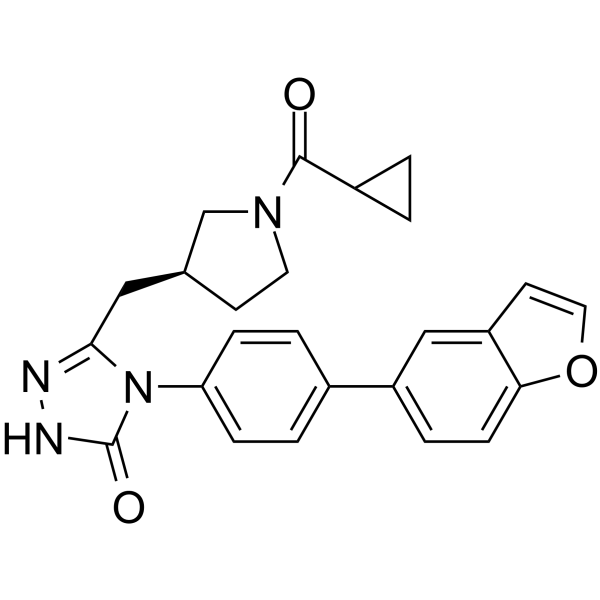
BI 99179, a chemical probe, is a potent and selective type I fatty acid synthase (FAS) inhibitor with an IC50 of 79 nM. BI 99179 is a tool compound suitable for the in vivo validation of FAS as a target for lipid metabolism related diseases. BI 99179 exhibits significant exposure (both peripheral and central) upon oral administration in rats .
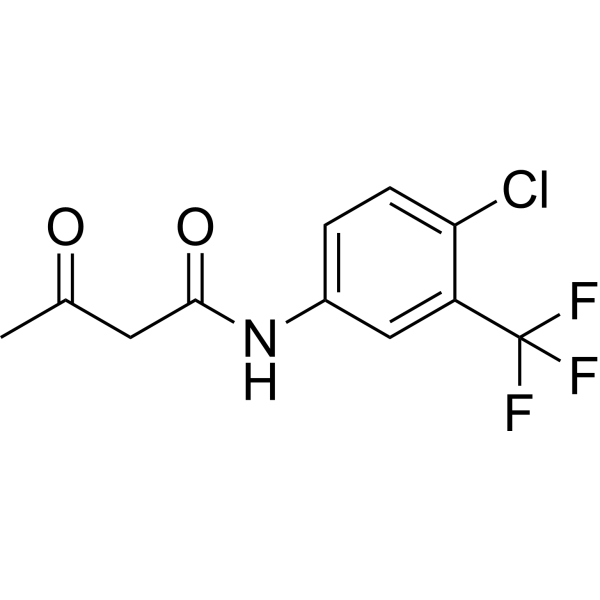
Fasentin, a potent glucose uptake inhibitor, inhibits GLUT-1/GLUT-4 transporters. Fasentin preferentially inhibits GLUT4 (IC50=68 μM) over GLUT1. Fasentin is a death receptor stimuli (FAS) sensitizer and sensitizes cells to FAS-induced cell death. Fasentin is also a tumor necrosis factor (TNF) apoptosis-inducing ligand sensitizer. Fasentin blocks glucose uptake in cancer cell lines and has anti-angiogenic activity .
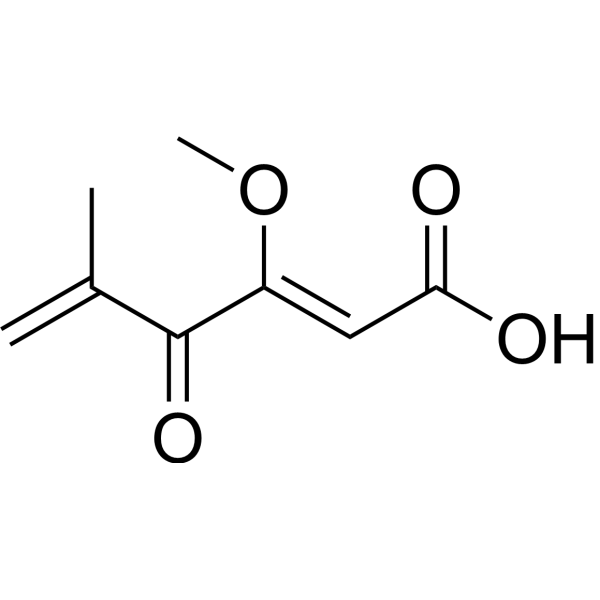
Penicillic acid is a polyketide mycotoxin produced by several species of Aspergillus and Penicillium. Penicillic acid exhibits cytotoxicity in rat alveolar macrophages (AM) in vitro. Penicillic acid inhibits Fas ligand-induced apoptosis by blocking self-processing of caspase-8 .
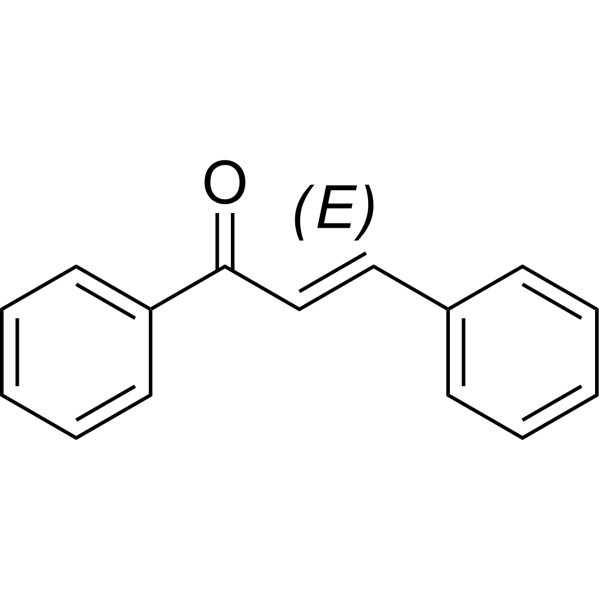
trans-Chalcone, isolated from Aronia melanocarpa skin, is a biphenolic core structure of flavonoids precursor. trans-Chalcone is a potent fatty acid synthase (FAS) and α-amylase inhibitor. trans-Chalcone causes cellcycle arrest and induces apoptosis in the breastcancer cell line MCF-7. trans-Chalcone has antifungal and anticancer activity .
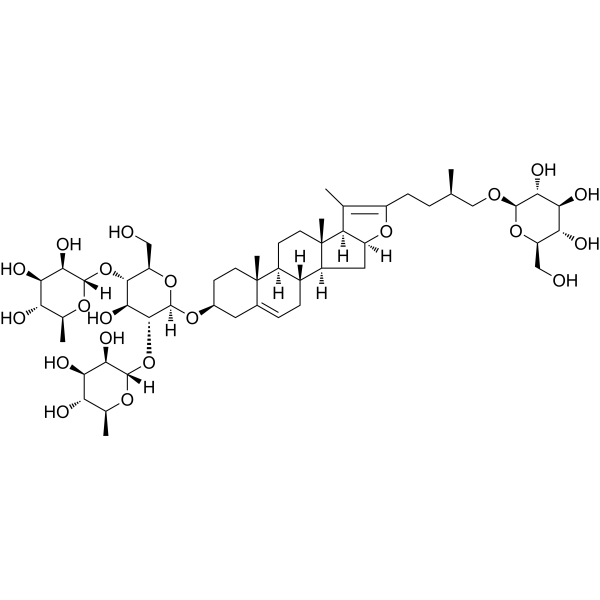
Pseudoprotodioscin, a furostanoside, inhibits SREBP1/2 and microRNA 33a/b levels and reduces the gene expression regarding the synthesis of cholesterol and triglycerides .
Iridin is an orally active natural isoflavone. Iridin inhibits the PI3K/AKT and PKM2 signaling pathways, and downregulates the JAK/STAT and NF-κB pathways. Iridin induces Fas-mediated extrinsic apoptosis, G2/M cell cycle arrest, and inhibits cell proliferation. Iridin reduces inflammation, inhibits ROS production, suppresses glycolysis, and also exhibits antioxidant and antidiabetic activities. Iridin can be used in research related to gastric cancer and acute lung injury .
Xelafaslatide (ONL-1204) is a Fas receptor antagonist. Xelafaslatide blocks the Fas receptor signaling pathway and inhibits downstream apoptosis and inflammatory pathways. Xelafaslatide suppresses neuroinflammation and microglial activation in glaucoma models, protects retinal ganglion cells and prevents axonal degeneration. Xelafaslatide is applicable to relevant research on glaucoma .
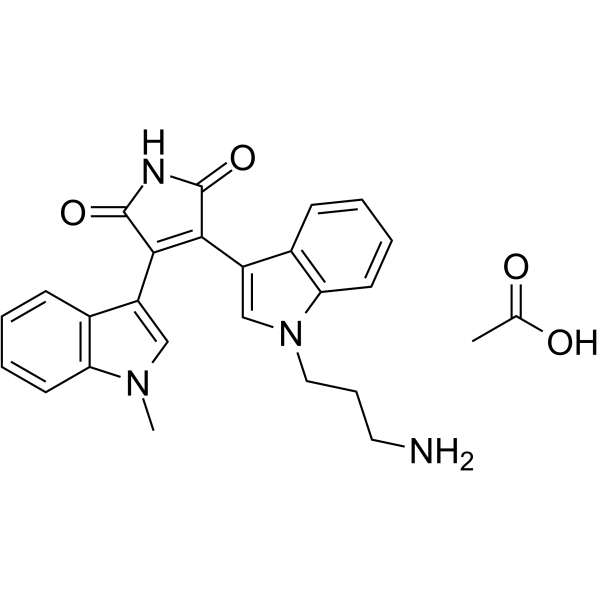
Bisindolylmaleimide VIII acetate (Ro 31-7549 acetate) is a potent and selective protein kinase C (PKC) inhibitor with an IC50 of 158 nM for rat brain PKC. Bisindolylmaleimide VIII acetate has IC50s of 53, 195, 163, 213, and 175 nM for PKC-α, PKC-βI, PKC-βII, PKC-γ, PKC-ε, respectively . Bisindolylmaleimide VIII acetate facilitates Fas-mediated apoptosis and inhibits T cell-mediated autoimmune diseases .
Met-12 is a small peptide inhibitor of the Fas receptor. Met-12 can inhibit Fas receptor-mediated photoreceptor cell apoptosis, reduce Caspase activation. Met-12 can be used in the research of photoreceptor .
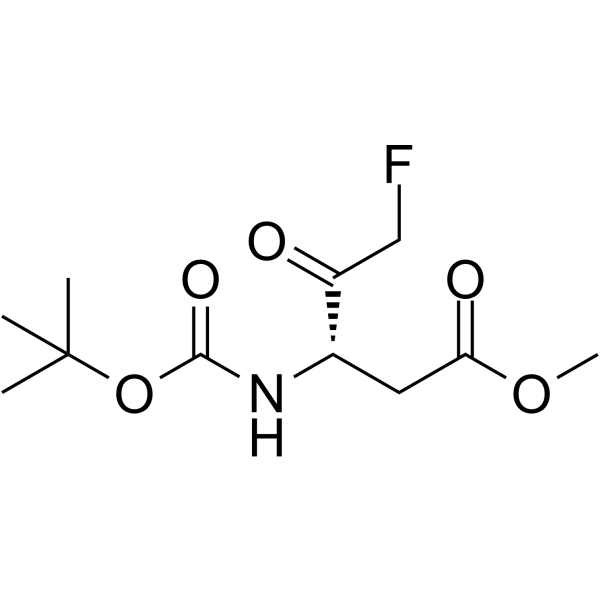
Boc-Asp(OME)-Fluoromethyl Ketone is a broad range caspase inhibitor that inhibits Fas-mediated phagocytosis and oxidative rupture inhibition, but does not affect the chemotactic activity of IL-8 .
Ibandronate Sodium is an orally active, selective inhibitor of farnesyl pyrophosphate synthase (FPP synthase). Ibandronate Sodium can block the mevalonate pathway to inhibit the isoprenylation modification of small GTPases (such as RAS, RHO family proteins), induce tumor cell apoptosis and inhibit bone resorption. Ibandronate Sodium inhibits tumor cell proliferation (such as ER+ breast cancer cells), promotes the expression of the pro-apoptotic gene FAS, and can produce synergistic anti-tumor effects with anti-estrogen compounds. Ibandronate Sodium is used in the study of osteoporosis and bone metastatic tumors (such as breast cancer bone metastasis) .
Casuarinin is an orally active antiproliferative, anti-inflammatory, antifungal, virucidal and gastroprotective agent. Casuarinin upregulates the expression of p21/WAF1, Fas/APO‑1, mFasL, sFasL and HSP‑70, arrests cell cycle, induces apoptosis and inhibits cancer cell proliferation. Casuarinin inhibits TNF‑α-induced phosphorylation of MAPK and activation of NF‑κB, downregulates the expression of iNOS, NF‑κB, COX‑2 and ICAM‑1, and reduces the production of proinflammatory mediators. Casuarinin attenuates ethanol-induced activation of caspase‑3 and elevation of TNF‑α, inhibits the growth of Candida albicans, and inhibits HSV‑2. Casuarinin can be used in research related to mammary adenocarcinoma, inflammatory skin diseases, gastric ulcers, candidiasis and herpes simplex virus infections .
M50054 is a potent inhibitor of apoptosis. M50054 inhibits Etoposide-induced caspase-3 activation of U937 cells with an IC50 of 79 μg/mL. M50054 does not directly inhibit the enzymatic activity of caspase-3. M50054 can be used for the research anti-Fas-antibody-induced hepatitis and chemotherapy-induced alopecia .
Ac- IETD- CHO is a potent, reversible inhibitor of granzyme B and caspase-8. Ac- IETD- CHO inhibits Fas-mediated apoptotic cell death, hemorrhage, and liver failure. Ac- IETD- CHO also inhibits cytotoxic T lymphocytes induced cell death .
β-Patchoulene is an orally active anti-inflammatory, antioxidant, and anti-apoptotic agent. β-Patchoulene inhibits the NF-κB, TLR4, and cAMP/PKA/CREB signaling pathways; activates the Sirt1/Nrf2 and AMPK signaling pathways; and targets Fas/FasL, Caspase-3, ERK1/2, ROCK1/MLC2 for inhibition. β-Patchoulene regulates cytokine secretion, inflammatory cell infiltration, lipid peroxidation, cell polarization, gut microbiota, and lipid metabolism, restores barrier function, mitochondrial function, and cell viability, and exhibits repellent activity against Spodoptera exigua larvae. β-Patchoulene can be used in research related to various inflammatory, ischemic, fibrosis-associated diseases, as well as hepatocellular carcinoma .
(S)-Edelfosine ((S)-ET-18-OCH3) is the (S)-enantiomer of Edelfosine (ET-18-OCH3) (HY-108610C). Edelfosine is a selective antitumour lipid targeting apoptosis through intracellular activation of Fas/CD95 Death receptor .
IP3RCYT is an IP3R inhibitory peptide, which can inhibit the binding of cytochrome C to IP3R with an IC50 about 100 nM. IP3RCYT regulates calcium signaling within cells. P3RCYT inhibits apoptosis in HeLa and Jurkat cells treated with Staurosporine (HY-15141) or Membrane-bound Fas ligand (FasL) .
Petasin inhibits adipogenesis in cell 3T3-F442A with an IC50 of 0.95 μM. Petasin inhibits the expression of lipid synthesis factors ACC1, FAS and SCD1 by inhibiting transcription factors PPARγ and C/EBPα, as well as targeting TRPA1 and TRPV1 channels . Petasin inhibits mitochondrial complex I, thereby inhibiting tumor growth and metastasis. Petasin activates AMPK signaling pathway, participating in regulation of glucose and lipid metabolism. Petasin is orally active .
FASN Human Pre-designed siRNA Set A contains three designed siRNAs for FASN gene (Human), as well as a negative control, a positive control, and a FAM-labeled negative control.
Anti-Mouse Fas Ligand Antibody (MFL3) is an anti-mouse Fas Ligand IgG antibody inhibitor derived from host Armenian Hamster. Anti-Mouse Fas Ligand Antibody (MFL3) can block Fas Ligand (FasL). Anti-Mouse Fas Ligand Antibody (MFL3) can be used for the researches of cancer and immunology .
Amyloid 17-42 (Aβ(17-42)) is a major constituent of diffuse plaques in Alzheimer's disease and cerebellar pre-amyloid in Down's syndrome, derived by alpha- and gamma-secretase cleavage of the amyloid precursor protein (APP). Amyloid 17-42 can induce neuronal apoptosis via a Fas-like/caspase-8 activation pathway .
ML356 (Compound 16) is an inhibitor for fatty acid synthase(FAS), that inhibits the thioesterase domain of FAS(FAS TE) with an IC50 of 0.334 μM, and blocks the de novo palmitate synthesis in PC-3 cell with an IC50 of 20 μM. ML356 exhibits good membrane permeability, and good stability in human and mouse plasma .
Procyanidin C2 (Procyanidine C2) is a lipid metabolism regulator and antioxidant with free radical scavenging activity. Procyanidin C2 down-regulates ACC, SREBP-1c, FAS, SCD-1 and PPARγ. Procyanidin C2 increases the level of phosphorylated AMPKα and inhibits the level of phosphorylated mTOR. Procyanidin C2 reduces lipid accumulation, alleviates oxidative stress, enhances fatty acid oxidation and improves mitochondrial function. Procyanidin C2 can be used in the research of non-alcoholic fatty liver disease .
Fas Mouse Pre-designed siRNA Set A contains three designed siRNAs for Fas gene (Mouse), as well as a negative control, a positive control, and a FAM-labeled negative control.
FAS Human Pre-designed siRNA Set A contains three designed siRNAs for FAS gene (Human), as well as a negative control, a positive control, and a FAM-labeled negative control.
Fasentin (Standard) is the analytical standard of Fasentin. This product is intended for research and analytical applications. Fasentin, a potent glucose uptake inhibitor, inhibits GLUT-1/GLUT-4 transporters. Fasentin preferentially inhibits GLUT4 (IC50=68 μM) over GLUT1. Fasentin is a death receptor stimuli (FAS) sensitizer and sensitizes cells to FAS-induced cell death. Fasentin is also a tumor necrosis factor (TNF) apoptosis-inducing ligand sensitizer. Fasentin blocks glucose uptake in cancer cell lines and has anti-angiogenic activity .
Bisindolylmaleimide VIII (Ro 31-7549) is a potent and selective protein kinase C (PKC) inhibitor with an IC50 of 158 nM for rat brain PKC. Bisindolylmaleimide VIII has IC50s of 53, 195, 163, 213, and 175 nM for PKC-α, PKC-βI, PKC-βII, PKC-γ, PKC-ε, respectively . Bisindolylmaleimide VIII facilitates Fas-mediated apoptosis and inhibits T cell-mediated autoimmune diseases .
M50054 (Standard) is the analytical standard of M50054. This product is intended for research and analytical applications. M50054 is a potent inhibitor of apoptosis. M50054 inhibits Etoposide-induced caspase-3 activation of U937 cells with an IC50 of 79 μg/mL. M50054 does not directly inhibit the enzymatic activity of caspase-3. M50054 can be used for the research anti-Fas-antibody-induced hepatitis and chemotherapy-induced alopecia .
Fasn Mouse Pre-designed siRNA Set A contains three designed siRNAs for Fasn gene (Mouse), as well as a negative control, a positive control, and a FAM-labeled negative control.
Human FASLG mRNA encodes the human Fas ligand (FASLG) protein, a member of the tumor necrosis factor superfamily. The primary function of the FASLG is the induction of apoptosis triggered by binding to FAS. The FAS/FASLG signaling pathway is essential for immune system regulation, including activation-induced cell death (AICD) of T cells and cytotoxic T lymphocyte induced cell death. It has also been implicated in the progression of several cancers.
Fasciculin-I is isolated from the mambas venom. Fasciculin-I exerts its toxic effects by inhibiting acetylcholinesterase (AChE). Fasciculin-I blocks α-neurotoxins of nicotinic acetylcholine receptors and cardiac toxins that interact with cell membranes .
Apoptotic agent-1 (Compound 8a) is an apoptotic agent with high antiproliferative activity against cancer cells and low cytotoxic effect. Apoptotic agent-1 induces over-expression of Fas receptor and Cyto C genes .
NPD6433 is a triazenyl indole with broad-spectrum activity against all screening fungal strains. NPD6433 targets the enoyl reductase domain of fatty acid synthase 1 (Fas1), covalently inhibiting its flavin mononucleotide-dependent NADPH-oxidation activity and arresting essential fatty acid biosynthesis .
Crenulatin is a gallotannin that can be isolated from Rhodiola rosea. Crenulatin can be used as a biomarker to identify potentially adulterated R. rosea products. Crenulatin has dual- direction effects on apoptosis of cerebral microvascular endothelial cells, via regulating Fas/Bcl-2 expression and caspase-3 activity .
TCPOBOP (Standard) is the analytical standard of TCPOBOP. This product is intended for research and analytical applications. TCPOBOP is a constitutive androstane receptor (CAR) agonist that induces robust hepatocyte proliferation and hepatomegaly without any liver injury or tissue loss . TCPOBOP attenuates Fas-induced murine liver injury by altering Bcl-2 proteins .
(Rac)-NPD6433 is a racemate of NPD6433. NPD6433 is a triazenyl indole with broad-spectrum activity against all screening fungal strains. NPD6433 targets the enoyl reductase domain of fatty acid synthase 1 (Fas1), covalently inhibiting its flavin mononucleotide-dependent NADPH-oxidation activity and arresting essential fatty acid biosynthesis .
TRX585 is a humanised anti-immunoglobulin-like transcript 5 (ILT5) monoclonal antibody. TRX585 has a potent immunoregulatory activity. TRX585 significantly activates human T cells and upregulates NKG2D and Fas ligand, followed by enhancing antitumor activity with potent cytotoxicity. TRX585 can be used for viral infections and malignancies research .
FMP is a Platinum(IV) complexe. FMP significantly upregulates the expression of γ-H2AX and p53. FMP increases the production of ROS. FMP markedly upregulates the expressions of Apoptosis-related proteins (DR5, Fas, caspase-8, Cyt-c, caspase-3, cleaved-PARP1, Bax). FMP shows antiproliferative activity against breast cancer .
TAT-GluR6-9c is a GluR6-PSD95 interaction blocker. By regulating the GluR6 mediated signaling pathway, TAT-GluR6-9c inhibits the activation of JNK and phosphorylation of c-Jun, reduces the expression of Fas L and thus reduces the occurrence of apoptosis. TAT-GluR6-9c can be used to study cerebral ischemia and neuroprotective strategies .
Phenoxodiol (Standard) is the analytical standard of Phenoxodiol. This product is intended for research and analytical applications. Phenoxodiol (Idronoxil), a synthetic analog of Genestein, activates the mitochondrial caspase system, inhibits XIAP (an apoptosis inhibitor), and sensitizes the cancer cells to Fas-mediated apoptosis. Phenoxodiol also inhibits DNA topoisomerase II by stabilizing the cleavable complex. Phenoxodiol induces cell cycle arrest in the G1/S phase of the cell cycle and upregulates p21WAF1 via a p53 independent manner .
Cl-Necrostatin-1 is a RIPK1 inhibitor. Cl-Necrostatin-1 can also inhibit TNF-α-induced necroptosis in Jurkat cells deficient in Fas-associated death domain protein (FADD; EC50 = 180 nM), a modification that prevents caspase activation in response to death-domain receptor signaling. Cl-Necrostatin-1 can also reduce infarct size in a mouse model of middle cerebral artery occlusion (MCAO). Cl-Necrostatin-1 is used for research in cardiovascular and cerebrovascular diseases .
Pseudoprotodioscin (Standard) is the analytical standard of Pseudoprotodioscin. This product is intended for research and analytical applications. Pseudoprotodioscin, a furostanoside, inhibits SREBP1/2 and microRNA 33a/b levels and reduces the gene expression regarding the synthesis of cholesterol and triglycerides .
Iridin (Standard) is the analytical standard of Iridin. This product is intended for research and analytical applications. Iridin is an orally active natural isoflavone. Iridin inhibits the PI3K/AKT and PKM2 signaling pathways, and downregulates the JAK/STAT and NF-κB pathways. Iridin induces Fas-mediated extrinsic apoptosis, G2/M cell cycle arrest, and inhibits cell proliferation. Iridin reduces inflammation, inhibits ROS production, suppresses glycolysis, and also exhibits antioxidant and antidiabetic activities. Iridin can be used in research related to gastric cancer and acute lung injury .
HSD17B13-IN-104 (Compound 32) is an orally active, highly potent and selective HSD17B13 inhibitor (IC50=2.5 nM). HSD17B13-IN-104 regulates hepatic lipid metabolism by inhibiting the SREBP-1c/FAS pathway. HSD17B13-IN-104 blocks HSD17B13 enzymatic activity to improve hepatic lipid accumulation. HSD17B13-IN-104 is promising for research of metabolic dysfunction-associated steatohepatitis .
Ginkgolic acid C17:1 (Standard) is the analytical standard of Ginkgolic acid C17:1. This product is intended for research and analytical applications. Ginkgolic acid C17:1 is a fatty acid synthase (FAS) inhibitor with an IC50 of 10.5 µM. Ginkgolic acid C17:1 shows anti-tumor activity by inhibiting the phosphorylation of STAT3 and inducing apoptosis. Ginkgolic acid C17:1 can block the interaction between S-RBD and ACE2, and has anti-SARS-CoV-2-S pseudovirus activity. Ginkgolic acid C17:1 inhibits the biofilm formation of enterohemorrhagic Escherichia coli and Staphylococcus aureus .
Ibandronate Sodium Monohydrate (BM-210955; RPR-102289A) (Standard) is the analytical standard of Ibandronate Sodium Monohydrate (HY-B0515). This product is intended for research and analytical applications. Ibandronate Sodium Monohydrate (BM-210955; RPR-102289A) is an orally active, selective inhibitor of farnesyl pyrophosphate synthase (FPP synthase). Ibandronate Sodium Monohydrate can block the mevalonate pathway to inhibit the isoprenylation modification of small GTPases (such as RAS, RHO family proteins), induce tumor cell apoptosis and inhibit bone resorption. Ibandronate Sodium Monohydrate inhibits tumor cell proliferation (such as ER + breast cancer cells), promotes the expression of the pro-apoptotic gene FAS, and can produce synergistic anti-tumor effects with anti-estrogen compounds. Ibandronate Sodium Monohydrate is used in the study of osteoporosis and bone metastatic tumors (such as breast cancer bone metastasis) .
Human FAS mRNA encodes the human Fas cell surface death receptor (FAS) protein, a member of the TNF-receptor superfamily. FAS has been shown to play a central role in the physiological regulation of programmed cell death, and has been implicated in the pathogenesis of various malignancies and diseases of the immune system.
Fas Rat Pre-designed siRNA Set A contains three designed siRNAs for Fas gene (Rat), as well as a negative control, a positive control, and a FAM-labeled negative control.
Anti-Human/Mouse CD95 Antibody (HFE7A) is an antibody targeting human/mouse Fas (CD95), with a Kd of 1.6 nM in mice. Anti-Human/Mouse CD95 Antibody (HFE7A) modulates the Fas-mediated apoptotic signaling pathway without blocking the binding of Jo2 to Fas. Anti-Human/Mouse CD95 Antibody (HFE7A) inhibits Jo2-induced caspase activation, mitochondrial depolarization, hepatocyte death and apoptosis. Anti-Human/Mouse CD95 Antibody (HFE7A) protects BALB/c mice against Jo2-induced acute liver injury and reduces Jo2-associated elevation of serum transaminase levels. Anti-Human/Mouse CD95 Antibody (HFE7A) can be used in studies related to liver injury. For isotype control, refer to Mouse IgG1 kappa, Isotype Control (HY-P99977) .
KR-33493 (Standard) is the analytical standard of KR-33493 (HY-100755). This product is intended for research and analytical applications. KR-33493 is a potent inhibitor of Fas-mediated cell death (FAF1).
Ac-IETD-CHO TFA is a potent, reversible inhibitor of granzyme B and caspase-8. Ac-IETD-CHO TFA inhibits Fas-mediated apoptotic cell death, hemorrhage, and liver failure. Ac-IETD-CHO TFA also inhibits cytotoxic T lymphocytes induced cell death .
Penicillic acid- 13C8 is the 13C-labeled Penicillic acid (HY-N6777). Penicillic acid is a polyketide mycotoxin produced by several species of Aspergillus and Penicillium. Penicillic acid exhibits cytotoxicity in rat alveolar macrophages (AM) in vitro. Penicillic acid inhibits Fas ligand-induced apoptosis by blocking self-processing of caspase-8 .
Boc-Asp(OMe)-fluoromethyl ketone (Standard) is the analytical standard of Boc-Asp(OMe)-fluoromethyl ketone (HY-103348). This product is intended for research and analytical applications. Boc-Asp(OME)-Fluoromethyl Ketone is a broad range caspase inhibitor that inhibits Fas-mediated phagocytosis and oxidative rupture inhibition, but does not affect the chemotactic activity of IL-8 .
trans-Chalcone (Standard) is the analytical standard of trans-Chalcone (HY-Y0598). This product is intended for research and analytical applications. trans-Chalcone, isolated from Aronia melanocarpa skin, is a biphenolic core structure of flavonoids precursor. trans-Chalcone is a potent fatty acid synthase (FAS) and α-amylase inhibitor. trans-Chalcone causes cellcycle arrest and induces apoptosis in the breastcancer cell line MCF-7. trans-Chalcone has antifungal and anticancer activity .
SNX-7081 is an Hsp90 inhibitor with Ki and IC50 values of 26 nM and 44 nM, respectively. SNX-7081 blocks the nuclear translocation of NF-κB, inhibits the production of pro-inflammatory cytokines, attenuates the ERK/JNK and PDGF signaling pathways, and suppresses LPS (HY-D1056)-induced nitric oxide production. SNX-7081 inhibits DNA repair, induces G2/M cell cycle arrest, and triggers apoptosis via downregulation of MYC/nucleolin and activation of Fas. SNX-7081 can be used in research related to rheumatoid arthritis and cancer .
ara-GMP (ara-G monophosphate) is a metabolite of Arabinosylguanine (ara-G) (HY-N0097A). ara-GMP incorporates into replicating DNA , initiates S phase-specific apoptosis. ara-GMP can be used for the research of cancer, such as T-cell acute lymphoblastic leukemia .
α-Patchoulene is an orally active anti-inflammatory, antioxidant, and anti-apoptotic agent. α-Patchoulene inhibits the NF-κB, TLR4, and cAMP/PKA/CREB signaling pathways; activates the Sirt1/Nrf2 and AMPK signaling pathways; and targets Fas/FasL, Caspase-3, ERK1/2, ROCK1/MLC2 for inhibition. α-Patchoulene regulates cytokine secretion, inflammatory cell infiltration, lipid peroxidation, cell polarization, gut microbiota, and lipid metabolism, restores barrier function, mitochondrial function, and cell viability, and exhibits repellent activity against Spodoptera exigua larvae. α-Patchoulene can be used in research related to various inflammatory, ischemic, fibrosis-associated diseases, as well as hepatocellular carcinoma .
Fatty acids (FAs) are the main components of lipids. The synthesis of fatty acids mainly involves the Triglyceride (TG) cycle and De Novo Lipogenesis (DNL). Fatty acids which exist widely in organisms are components of cell membranes and play an indispensable role in cell signaling. In addition, FFAs can be taken up from circulating plasma by all mitochondria-containing cells, and they are metabolized by β-oxidation and the citric acid cycle to release large amounts of energy in the form of ATP. Abnormal fatty acid metabolism is associated with the occurrence and development of cardiovascular diseases, diabetes, fatty liver, hyperthyroidism, and other diseases.
MCE offers a unique collection of fatty acid compounds. Fatty Acids Compound Library is an important tool for the study of energy metabolism and drug development of metabolism-related diseases.
Kp7-6 is a Fas mimetic peptide and also a Fas/FasL antagonist. Kp7-6 specifically binds to Fas and FasL, disrupts receptor complexes, and blocks downstream apoptosis signaling pathways. Kp7-6 inhibits the phosphorylation of ERK1-2, induces the phosphorylation of IκBα, and activates NF-κB. Kp7-6 inhibits the activation of caspase-8, caspase-3 and JNK, and suppresses human amylin-induced β-cell apoptosis. Kp7-6 inhibits FasL-induced lymphoid cytotoxicity and apoptosis. Kp7-6 reduces local tumor FasL expression, increases CD8 +Fas + T cell infiltration, and decreases tumor volume in pancreatic neuroendocrine tumor models. Kp7-6 prevents concanavalin A-induced liver injury in mice. Kp7-6 is applicable to research related to type 2 diabetes, concanavalin A-induced hepatitis and pancreatic neuroendocrine tumors .
Xelafaslatide (ONL-1204) is a Fas receptor antagonist. Xelafaslatide blocks the Fas receptor signaling pathway and inhibits downstream apoptosis and inflammatory pathways. Xelafaslatide suppresses neuroinflammation and microglial activation in glaucoma models, protects retinal ganglion cells and prevents axonal degeneration. Xelafaslatide is applicable to relevant research on glaucoma .
Met-12 is a small peptide inhibitor of the Fas receptor. Met-12 can inhibit Fas receptor-mediated photoreceptor cell apoptosis, reduce Caspase activation. Met-12 can be used in the research of photoreceptor .
Acyl Carrier Protein (ACP) (65-74) is a key coenzyme fragment of fatty acid synthase (FAS) and participates in fatty acid synthesis as an acyl carrier. Acyl Carrier Protein (ACP) (65-74) mediates condensation, reduction and other cyclic reactions in fatty acid synthesis by covalently binding to acyl chains to form acyl-ACP intermediates, promoting acyl chain extension. Acyl Carrier Protein (ACP) (65-74) can regulate the synthesis ratio of saturated and unsaturated fatty acids. Acyl Carrier Protein (ACP) (65-74) can be used to study the mechanism of bacterial fatty acid synthesis and is a potential target for antibiotics (such as inhibiting the FAS system of pathogens) .
Ac- IETD- CHO is a potent, reversible inhibitor of granzyme B and caspase-8. Ac- IETD- CHO inhibits Fas-mediated apoptotic cell death, hemorrhage, and liver failure. Ac- IETD- CHO also inhibits cytotoxic T lymphocytes induced cell death .
IP3RCYT is an IP3R inhibitory peptide, which can inhibit the binding of cytochrome C to IP3R with an IC50 about 100 nM. IP3RCYT regulates calcium signaling within cells. P3RCYT inhibits apoptosis in HeLa and Jurkat cells treated with Staurosporine (HY-15141) or Membrane-bound Fas ligand (FasL) .
Amyloid 17-42 (Aβ(17-42)) is a major constituent of diffuse plaques in Alzheimer's disease and cerebellar pre-amyloid in Down's syndrome, derived by alpha- and gamma-secretase cleavage of the amyloid precursor protein (APP). Amyloid 17-42 can induce neuronal apoptosis via a Fas-like/caspase-8 activation pathway .
Fasciculin-I is isolated from the mambas venom. Fasciculin-I exerts its toxic effects by inhibiting acetylcholinesterase (AChE). Fasciculin-I blocks α-neurotoxins of nicotinic acetylcholine receptors and cardiac toxins that interact with cell membranes .
TAT-GluR6-9c is a GluR6-PSD95 interaction blocker. By regulating the GluR6 mediated signaling pathway, TAT-GluR6-9c inhibits the activation of JNK and phosphorylation of c-Jun, reduces the expression of Fas L and thus reduces the occurrence of apoptosis. TAT-GluR6-9c can be used to study cerebral ischemia and neuroprotective strategies .
Ac-IETD-CHO TFA is a potent, reversible inhibitor of granzyme B and caspase-8. Ac-IETD-CHO TFA inhibits Fas-mediated apoptotic cell death, hemorrhage, and liver failure. Ac-IETD-CHO TFA also inhibits cytotoxic T lymphocytes induced cell death .
Anti-Mouse Fas Ligand Antibody (MFL3) is an anti-mouse Fas Ligand IgG antibody inhibitor derived from host Armenian Hamster. Anti-Mouse Fas Ligand Antibody (MFL3) can block Fas Ligand (FasL). Anti-Mouse Fas Ligand Antibody (MFL3) can be used for the researches of cancer and immunology .
TRX585 is a humanised anti-immunoglobulin-like transcript 5 (ILT5) monoclonal antibody. TRX585 has a potent immunoregulatory activity. TRX585 significantly activates human T cells and upregulates NKG2D and Fas ligand, followed by enhancing antitumor activity with potent cytotoxicity. TRX585 can be used for viral infections and malignancies research .
Anti-Human/Mouse CD95 Antibody (HFE7A) is an antibody targeting human/mouse Fas (CD95), with a Kd of 1.6 nM in mice. Anti-Human/Mouse CD95 Antibody (HFE7A) modulates the Fas-mediated apoptotic signaling pathway without blocking the binding of Jo2 to Fas. Anti-Human/Mouse CD95 Antibody (HFE7A) inhibits Jo2-induced caspase activation, mitochondrial depolarization, hepatocyte death and apoptosis. Anti-Human/Mouse CD95 Antibody (HFE7A) protects BALB/c mice against Jo2-induced acute liver injury and reduces Jo2-associated elevation of serum transaminase levels. Anti-Human/Mouse CD95 Antibody (HFE7A) can be used in studies related to liver injury. For isotype control, refer to Mouse IgG1 kappa, Isotype Control (HY-P99977) .
Agrimol B, a polyphenol, is an orally active and potent SIRT1 activator. Agrimol B shows anti-adipogenic and anticancer activity. Agrimol B shows antibacterial activity against plant pathogens. Agrimol B dramatically inhibits 3T3-L1 adipocyte differentiation by reducing PPARγ, C/EBPα, FAS, UCP-1, and apoE expression. The action of Agrimol B on the cancer cells is likely derived from its effect on c-MYC, SKP2 and p27 .
Ginkgolic acid C17:1 is a fatty acid synthase (FAS) inhibitor with an IC50 of 10.5 µM. Ginkgolic acid C17:1 shows anti-tumor activity by inhibiting the phosphorylation of STAT3 and inducing apoptosis. Ginkgolic acid C17:1 can block the interaction between S-RBD and ACE2, and has anti-SARS-CoV-2-S pseudovirus activity. Ginkgolic acid C17:1 inhibits the biofilm formation of enterohemorrhagic Escherichia coli and Staphylococcus aureus .
Penicillic acid is a polyketide mycotoxin produced by several species of Aspergillus and Penicillium. Penicillic acid exhibits cytotoxicity in rat alveolar macrophages (AM) in vitro. Penicillic acid inhibits Fas ligand-induced apoptosis by blocking self-processing of caspase-8 .
trans-Chalcone, isolated from Aronia melanocarpa skin, is a biphenolic core structure of flavonoids precursor. trans-Chalcone is a potent fatty acid synthase (FAS) and α-amylase inhibitor. trans-Chalcone causes cellcycle arrest and induces apoptosis in the breastcancer cell line MCF-7. trans-Chalcone has antifungal and anticancer activity .
Pseudoprotodioscin, a furostanoside, inhibits SREBP1/2 and microRNA 33a/b levels and reduces the gene expression regarding the synthesis of cholesterol and triglycerides .
Iridin is an orally active natural isoflavone. Iridin inhibits the PI3K/AKT and PKM2 signaling pathways, and downregulates the JAK/STAT and NF-κB pathways. Iridin induces Fas-mediated extrinsic apoptosis, G2/M cell cycle arrest, and inhibits cell proliferation. Iridin reduces inflammation, inhibits ROS production, suppresses glycolysis, and also exhibits antioxidant and antidiabetic activities. Iridin can be used in research related to gastric cancer and acute lung injury .
Casuarinin is an orally active antiproliferative, anti-inflammatory, antifungal, virucidal and gastroprotective agent. Casuarinin upregulates the expression of p21/WAF1, Fas/APO‑1, mFasL, sFasL and HSP‑70, arrests cell cycle, induces apoptosis and inhibits cancer cell proliferation. Casuarinin inhibits TNF‑α-induced phosphorylation of MAPK and activation of NF‑κB, downregulates the expression of iNOS, NF‑κB, COX‑2 and ICAM‑1, and reduces the production of proinflammatory mediators. Casuarinin attenuates ethanol-induced activation of caspase‑3 and elevation of TNF‑α, inhibits the growth of Candida albicans, and inhibits HSV‑2. Casuarinin can be used in research related to mammary adenocarcinoma, inflammatory skin diseases, gastric ulcers, candidiasis and herpes simplex virus infections .
β-Patchoulene is an orally active anti-inflammatory, antioxidant, and anti-apoptotic agent. β-Patchoulene inhibits the NF-κB, TLR4, and cAMP/PKA/CREB signaling pathways; activates the Sirt1/Nrf2 and AMPK signaling pathways; and targets Fas/FasL, Caspase-3, ERK1/2, ROCK1/MLC2 for inhibition. β-Patchoulene regulates cytokine secretion, inflammatory cell infiltration, lipid peroxidation, cell polarization, gut microbiota, and lipid metabolism, restores barrier function, mitochondrial function, and cell viability, and exhibits repellent activity against Spodoptera exigua larvae. β-Patchoulene can be used in research related to various inflammatory, ischemic, fibrosis-associated diseases, as well as hepatocellular carcinoma .
Petasin inhibits adipogenesis in cell 3T3-F442A with an IC50 of 0.95 μM. Petasin inhibits the expression of lipid synthesis factors ACC1, FAS and SCD1 by inhibiting transcription factors PPARγ and C/EBPα, as well as targeting TRPA1 and TRPV1 channels . Petasin inhibits mitochondrial complex I, thereby inhibiting tumor growth and metastasis. Petasin activates AMPK signaling pathway, participating in regulation of glucose and lipid metabolism. Petasin is orally active .
Procyanidin C2 (Procyanidine C2) is a lipid metabolism regulator and antioxidant with free radical scavenging activity. Procyanidin C2 down-regulates ACC, SREBP-1c, FAS, SCD-1 and PPARγ. Procyanidin C2 increases the level of phosphorylated AMPKα and inhibits the level of phosphorylated mTOR. Procyanidin C2 reduces lipid accumulation, alleviates oxidative stress, enhances fatty acid oxidation and improves mitochondrial function. Procyanidin C2 can be used in the research of non-alcoholic fatty liver disease .
Crenulatin is a gallotannin that can be isolated from Rhodiola rosea. Crenulatin can be used as a biomarker to identify potentially adulterated R. rosea products. Crenulatin has dual- direction effects on apoptosis of cerebral microvascular endothelial cells, via regulating Fas/Bcl-2 expression and caspase-3 activity .
Pseudoprotodioscin (Standard) is the analytical standard of Pseudoprotodioscin. This product is intended for research and analytical applications. Pseudoprotodioscin, a furostanoside, inhibits SREBP1/2 and microRNA 33a/b levels and reduces the gene expression regarding the synthesis of cholesterol and triglycerides .
Iridin (Standard) is the analytical standard of Iridin. This product is intended for research and analytical applications. Iridin is an orally active natural isoflavone. Iridin inhibits the PI3K/AKT and PKM2 signaling pathways, and downregulates the JAK/STAT and NF-κB pathways. Iridin induces Fas-mediated extrinsic apoptosis, G2/M cell cycle arrest, and inhibits cell proliferation. Iridin reduces inflammation, inhibits ROS production, suppresses glycolysis, and also exhibits antioxidant and antidiabetic activities. Iridin can be used in research related to gastric cancer and acute lung injury .
Ginkgolic acid C17:1 (Standard) is the analytical standard of Ginkgolic acid C17:1. This product is intended for research and analytical applications. Ginkgolic acid C17:1 is a fatty acid synthase (FAS) inhibitor with an IC50 of 10.5 µM. Ginkgolic acid C17:1 shows anti-tumor activity by inhibiting the phosphorylation of STAT3 and inducing apoptosis. Ginkgolic acid C17:1 can block the interaction between S-RBD and ACE2, and has anti-SARS-CoV-2-S pseudovirus activity. Ginkgolic acid C17:1 inhibits the biofilm formation of enterohemorrhagic Escherichia coli and Staphylococcus aureus .
trans-Chalcone (Standard) is the analytical standard of trans-Chalcone (HY-Y0598). This product is intended for research and analytical applications. trans-Chalcone, isolated from Aronia melanocarpa skin, is a biphenolic core structure of flavonoids precursor. trans-Chalcone is a potent fatty acid synthase (FAS) and α-amylase inhibitor. trans-Chalcone causes cellcycle arrest and induces apoptosis in the breastcancer cell line MCF-7. trans-Chalcone has antifungal and anticancer activity .
α-Patchoulene is an orally active anti-inflammatory, antioxidant, and anti-apoptotic agent. α-Patchoulene inhibits the NF-κB, TLR4, and cAMP/PKA/CREB signaling pathways; activates the Sirt1/Nrf2 and AMPK signaling pathways; and targets Fas/FasL, Caspase-3, ERK1/2, ROCK1/MLC2 for inhibition. α-Patchoulene regulates cytokine secretion, inflammatory cell infiltration, lipid peroxidation, cell polarization, gut microbiota, and lipid metabolism, restores barrier function, mitochondrial function, and cell viability, and exhibits repellent activity against Spodoptera exigua larvae. α-Patchoulene can be used in research related to various inflammatory, ischemic, fibrosis-associated diseases, as well as hepatocellular carcinoma .
Fas receptor is a cell surface death receptor, can bind to Fas ligand to form death-inducing signaling complexes, such as Fas associated death domain proteins (FADD). Fas receptor participates in the caspase cascade and regulate the activation of JNK and p38-K downstream. It is also involved in the signaling cascade of ERK/JNK MAPKs, activating MAPK3/ERK1, MAPK8/JNK and NF-κB, which has been implicated in the pathogenesis of various malignant tumors and immune system diseases. Mouse Fas receptor contain a death domain (222-306 a.a.) that plays a key role in regulating programmed death. Fas/CD95 Protein, Mouse (HEK293, Fc) has a full length of 148 amino acids (Q22-R169), produced in HEK293 cells with C-terminal hFc-tag.
Fas receptor is a cell surface death receptor, can bind to Fas ligand to form death-inducing signaling complexes, such as Fas associated death domain proteins (FADD). Fas receptor participates in the caspase cascade and regulate the activation of JNK and p38-K downstream. It is also involved in the signaling cascade of ERK/JNK MAPKs, activating MAPK3/ERK1, MAPK8/JNK and NF-κB, which has been implicated in the pathogenesis of various malignant tumors and immune system diseases. Mouse Fas receptor contain a death domain (222-306 a.a.) that plays a key role in regulating programmed death. Fas/CD95 Protein, Mouse (HEK293, His) has a full length of 148 amino acids (Q22-R169), produced in HEK293 cells with C-terminal 6*His-tag.
Fas receptor is a cell surface death receptor, can bind to Fas ligand to form death-inducing signaling complexes, such as Fas associated death domain proteins (FADD). Fas receptor participates in the caspase cascade and regulate the activation of JNK and p38-K downstream. It is also involved in the signaling cascade of ERK/JNK MAPKs, activating MAPK3/ERK1, MAPK8/JNK and NF-κB, which has been implicated in the pathogenesis of various malignant tumors and immune system diseases. Human Fas receptor contain a death domain (230-314 a.a.) that plays a key role in regulating programmed death. Fas/CD95 Protein, Human has a full length of 157 amino acids (R17-N173), produced in E.coli with tag free.
Fas receptor is a cell surface death receptor, can bind to Fas ligand to form death-inducing signaling complexes, such as Fas associated death domain proteins (FADD). Fas receptor participates in the caspase cascade and regulate the activation of JNK and p38-K downstream. It is also involved in the signaling cascade of ERK/JNK MAPKs, activating MAPK3/ERK1, MAPK8/JNK and NF-κB, which has been implicated in the pathogenesis of various malignant tumors and immune system diseases. Human Fas receptor contain a death domain (230-314 a.a.) that plays a key role in regulating programmed death. Fas/CD95 Protein, Human (HEK293) has a full length of 157 amino acids (Q26-S172), produced in HEK293 cells with tag free.
Fas receptor is a cell surface death receptor, can bind to Fas ligand to form death-inducing signaling complexes, such as Fas associated death domain proteins (FADD). Fas receptor participates in the caspase cascade and regulate the activation of JNK and p38-K downstream. It is also involved in the signaling cascade of ERK/JNK MAPKs, activating MAPK3/ERK1, MAPK8/JNK and NF-κB, which has been implicated in the pathogenesis of various malignant tumors and immune system diseases. Macaca mulatta Fas receptor contain a death domain (228-312 a.a.) that plays a key role in regulating programmed death. Fas/CD95 Protein, Cynomolgus (HEK293) has a full length of 173 amino acids (M1-D173), produced in HEK293 cells with tag free.
Fas receptor is a cell surface death receptor, can bind to Fas ligand to form death-inducing signaling complexes, such as Fas associated death domain proteins (FADD). Fas receptor participates in the caspase cascade and regulate the activation of JNK and p38-K downstream. It is also involved in the signaling cascade of ERK/JNK MAPKs, activating MAPK3/ERK1, MAPK8/JNK and NF-κB, which has been implicated in the pathogenesis of various malignant tumors and immune system diseases. Rat Fas receptor contain a death domain (219-303 a.a.) that plays a key role in regulating programmed death. Fas/CD95 Protein, Rat (HEK293, His) has a full length of 149 amino acids (Q22-K170), produced in HEK293 cells with C-terminal 6*His-tag.
Fas receptor is a cell surface death receptor, can bind to Fas ligand to form death-inducing signaling complexes, such as Fas associated death domain proteins (FADD). Fas receptor participates in the caspase cascade and regulate the activation of JNK and p38-K downstream. It is also involved in the signaling cascade of ERK/JNK MAPKs, activating MAPK3/ERK1, MAPK8/JNK and NF-κB, which has been implicated in the pathogenesis of various malignant tumors and immune system diseases. Human Fas receptor contain a death domain (230-314 a.a.) that plays a key role in regulating programmed death. Fas/CD95 Protein, Human (HEK293, Fc) has a full length of 173 amino acids (M1-N173), produced in HEK293 cells with C-terminal hFc-tag.
Fas receptor is a cell surface death receptor, can bind to Fas ligand to form death-inducing signaling complexes, such as Fas associated death domain proteins (FADD). Fas receptor participates in the caspase cascade and regulate the activation of JNK and p38-K downstream. It is also involved in the signaling cascade of ERK/JNK MAPKs, activating MAPK3/ERK1, MAPK8/JNK and NF-κB, which has been implicated in the pathogenesis of various malignant tumors and immune system diseases. Rat Fas receptor contain a death domain (219-303 a.a.) that plays a key role in regulating programmed death. Fas/CD95 Protein, Rat (HEK293, Fc) produced in HEK293 cells with C-terminal hFc tag.
Fas receptor is a cell surface death receptor, can bind to Fas ligand to form death-inducing signaling complexes, such as Fas associated death domain proteins (FADD). Fas receptor participates in the caspase cascade and regulate the activation of JNK and p38-K downstream. It is also involved in the signaling cascade of ERK/JNK MAPKs, activating MAPK3/ERK1, MAPK8/JNK and NF-κB, which has been implicated in the pathogenesis of various malignant tumors and immune system diseases. Macaca mulatta Fas receptor contain a death domain (228-312 a.a.) that plays a key role in regulating programmed death. Fas/CD95 Protein, Cynomolgus (HEK293, Fc) is produced in HEK293 cells with C-terminal hFc-tag.
Fas receptor is a cell surface death receptor, can bind to Fas ligand to form death-inducing signaling complexes, such as Fas associated death domain proteins (FADD). Fas receptor participates in the caspase cascade and regulate the activation of JNK and p38-K downstream. It is also involved in the signaling cascade of ERK/JNK MAPKs, activating MAPK3/ERK1, MAPK8/JNK and NF-κB, which has been implicated in the pathogenesis of various malignant tumors and immune system diseases. Human Fas receptor contain a death domain (230-314 a.a.) that plays a key role in regulating programmed death. Fas/CD95 Protein, Human (HEK293, His) has a full length of 147 amino acids (Q26-N173), produced in HEK293 cells with C-terminal 6*His-tag.
The cytoplasmic form of Fas ligand protein exerts powerful effects by inhibiting gene transcription. This protein plays a crucial role in regulating cellular processes by inhibiting the expression of specific genes. Animal-Free Fas Ligand Protein, Mouse (His) is the recombinant mouse-derived animal-FreeFas Ligand protein, expressed by E. coli , with N-His labeled tag. This product is for cell culture use only.
FASLG protein binds to TNFRSF6/FAS and triggers apoptotic signals.Fas Ligand Protein, Human (His) is the recombinant human-derived FASLG protein, expressed by E. coli , with N-6*His labeled tag.
FASLG protein binds to TNFRSF6/FAS and triggers apoptotic signals. Fas Ligand Protein, Human (P.pastoris, His) is the recombinant human-derived FASLG protein, expressed by P. pastoris , with N-6*His labeled tag.
Fas Ligand (CD178; APTL) is a ligand to TNFRSF6/FAS/CD95, transduces the apoptotic signal to regulate cytotoxic T-cell-mediated apoptosis, natural killer cell-mediated apoptosis and in T-cell development. Human Fas Ligand exhibits 4 isoforms, the soluble form (130-281 a.a.) of which plays an important role in the activation-induced cell death (AICD) of T lymphocytes Jurkat cells. However the membrane-bound isoform could be responsible for its inflammatory activity. Animal-Free Fas Ligand Protein, Human (His) has a total length of 152 amino acids (Q130-L281), is expressed in E. coli with N-terminal His-tag.This product is for cell culture use only.
Fas Ligand (CD178; APTL) is a ligand to TNFRSF6/FAS, transduces the apoptotic signal to regulate cytotoxic T-cell-mediated apoptosis, natural killer cell-mediated apoptosis and in T-cell development. Mouse Fas Ligand has a total length of 279 amino acids (M1-L279), with a TNF_2 domain (144-279 a.a.). Fas Ligand Protein, Mouse (P.pastoris, His) is a recombinant protein expressed in P.pastoris cells with N-terminal His-tag.
Fas Ligand (CD178; APTL) is a ligand to TNFRSF6/FAS/CD95, transduces the apoptotic signal to regulate cytotoxic T-cell-mediated apoptosis, natural killer cell-mediated apoptosis and in T-cell development. Human Fas Ligand exhibits 4 isoforms, the soluble form (130-281 a.a.) of which plays an important role in the activation-induced cell death (AICD) of T lymphocytes Jurkat cells. However the membrane-bound isoform could be responsible for its inflammatory activity. Fas Ligand Protein, Human (HEK293, His, solution) has a total length of 148 amino acids (P134-L281), is expressed in HEK392 cells with N-terminal 6*His-tag.
Fas Ligand (CD178; APTL) is a ligand to TNFRSF6/FAS/CD95, transduces the apoptotic signal to regulate cytotoxic T-cell-mediated apoptosis, natural killer cell-mediated apoptosis and in T-cell development. Human Fas Ligand exhibits 4 isoforms, the soluble form (130-281 a.a.) of which plays an important role in the activation-induced cell death (AICD) of T lymphocytes Jurkat cells. However the membrane-bound isoform could be responsible for its inflammatory activity. Fas Ligand Protein, Human (HEK293, His) has a total length of 148 amino acids (P134-L281), is expressed in HEK392 cells with N-terminal 6*His-tag.
Fas Ligand (CD178; APTL) is a ligand to TNFRSF6/FAS, transduces the apoptotic signal to regulate cytotoxic T-cell-mediated apoptosis, natural killer cell-mediated apoptosis and in T-cell development. Human Fas Ligand exhibits 4 isoforms, the soluble form (130-281 a.a.) of which plays an important role in the activation-induced cell death (AICD) of T lymphocytes Jurkat cells. However the membrane-bound isoform could be responsible for its inflammatory activity. Fas Ligand Protein, Human (148a.a, P.pastoris, His) has a total length of 148 amino acids (P134-L281), with a TNF_2 domain (146-281 a.a.). It is a recombinant protein expressed in P.pastoris cells with N-terminal His-tag.
The FCMR/FAIM3 protein plays a critical role in immune system processes and uniquely protects against FAS, TNF alpha, and FADD-induced apoptosis. Unlike traditional apoptosis inhibitors, FCMR/FAIM3 activates the inhibitory pathway and prevents CASP8 activation after FAS stimulation. FCMR/FAIM3 Protein, Human (HEK293, Fc) is the recombinant human-derived FCMR/FAIM3 protein, expressed by HEK293 , with C-hFc labeled tag. The total length of FCMR/FAIM3 Protein, Human (HEK293, Fc) is 234 a.a., with molecular weight of ~66 kDa.
HIPK3; Homeodomain-interacting protein kinase 3; Androgen receptor-interacting nuclear protein kinase; ANPK; FAS-interacting serine/threonine-protein kinase; FIST; Homolog of protein kinase YAK1
HIPK3 is a multifaceted serine/threonine protein kinase that plays multiple roles in transcriptional regulation, apoptosis, and steroidogenic gene expression. It phosphorylates the transcription factors JUN and RUNX2, contributing to complex gene expression control. HIPK3 Protein, Human (sf9, GST) is the recombinant human-derived HIPK3 protein, expressed by sf9 insect cells , with N-GST labeled tag.
TRAIL R2/TNFRSF10B protein is the receptor of TNFSF10/TRAIL and activates apoptosis through FADD-mediated recruitment of caspase-8 to form death-inducing signaling complex (DISC).It initiates caspase cascade-mediated apoptosis and promotes NF-kappa-B activation, which is critical for ER stress-induced apoptosis.TRAIL R2/TNFRSF10B Protein, Mouse (HEK293, His) TRAIL R2/TNFRSF10B Protein, Mouse (HEK293, His) is the recombinant mouse-derived TRAIL R2/TNFRSF10B protein, expressed by HEK293 , with C-His labeled tag.
TRAIL R2/TNFRSF10B protein is the receptor of TNFSF10/TRAIL and recruits caspase-8 through FADD to initiate cell apoptosis. It forms the death-inducing signaling complex (DISC), activates caspases and mediates apoptosis. TRAIL R2/TNFRSF10B Protein, Human (HEK293, His-Avi) is the recombinant human-derived TRAIL R2/TNFRSF10B protein, expressed by HEK293 , with C-Avi, C-His labeled tag.
TRAIL R2/TNFRSF10B protein is the receptor of TNFSF10/TRAIL and recruits caspase-8 through FADD to initiate cell apoptosis. It forms the death-inducing signaling complex (DISC), activates caspases and mediates apoptosis. TRAIL R2/TNFRSF10B Protein, Human (Biotinylated, HEK293, His-Avi) is the recombinant human-derived TRAIL R2/TNFRSF10B protein, expressed by HEK293 , with C-Avi, C-His labeled tag.
Stabilin-2 protein is a multifunctional phosphatidylserine and hyaluronic acid receptor that engulfs apoptotic cells and mediates hyaluronic acid endocytosis. As a systemic scavenger receptor, it binds various ligands and supports extracellular matrix turnover and body mobility. Stabilin-2 Protein, Human (His) is the recombinant human-derived Stabilin-2 protein, expressed by E. coli , with C-His labeled tag.
Penicillic acid- 13C8 is the 13C-labeled Penicillic acid (HY-N6777). Penicillic acid is a polyketide mycotoxin produced by several species of Aspergillus and Penicillium. Penicillic acid exhibits cytotoxicity in rat alveolar macrophages (AM) in vitro. Penicillic acid inhibits Fas ligand-induced apoptosis by blocking self-processing of caspase-8 .
FADD; FADD protein; FADD_HUMAN; FAS; TNFRSF6; associated via death domain; FAS associated via death domain; FAS associating death domain containing protein; FAS associating death domain containing protein; FAS associating protein; FAS associating protein with death domain; FAS associating protein with death domain; FAS TNFRSF6 associated via death domain; FAS-associated death domain protein; FAS-associating death domain-containing protein; FASTNFRSF6 associated via death domain; FASTNFRSF6 associated via death domain; GIG 3; GIG3; Growth inhibiting gene 3 protein; Growth-inhibiting gene 3 protein; H sapiens mRNA for mediator of receptor induced toxicity; H sapiens mRNA for mediator of receptor induced toxicity; Mediator of receptor induced toxicity; Mediator of receptor induced toxicity; MGC8528; MGC8528; MORT 1; MORT1; MORT1; Protein FADD.
WB, ICC/IF, ELISA
Human
FADD Antibody (YA5328) is a Mouse-derived and non-conjugated monoclonal antibody, targeting to FADD.
FAS like protein; Apoptosis inducing protein TRICK2A/2B; Apoptosis inducing receptor TRAIL R2; CD 262; CD262; CD262 antigen; Cytotoxic TRAIL receptor 2; Death domain containing receptor for TRAIL/Apo 2L; Death domain containing receptor for TRAIL/Apo2L; D
WB, ICC/IF
Human, Mouse
DR5 Antibody (YA660) is a Mouse-derived and non-conjugated IgG1 monoclonal antibody, targeting to DR5.
FAS like protein; Apoptosis inducing protein TRICK2A/2B; Apoptosis inducing receptor TRAIL R2; CD 262; CD262; CD262 antigen; Cytotoxic TRAIL receptor 2; Death domain containing receptor for TRAIL/Apo 2L; Death domain containing receptor for TRAIL/Apo2L; D
WB, ICC/IF
Human, Mouse
DR5 Antibody (YA660) is a Mouse-derived and non-conjugated IgG1 monoclonal antibody, targeting to DR5.
FASN Human Pre-designed siRNA Set A contains three designed siRNAs for FASN gene (Human), as well as a negative control, a positive control, and a FAM-labeled negative control.
Fas Mouse Pre-designed siRNA Set A contains three designed siRNAs for Fas gene (Mouse), as well as a negative control, a positive control, and a FAM-labeled negative control.
FAS Human Pre-designed siRNA Set A contains three designed siRNAs for FAS gene (Human), as well as a negative control, a positive control, and a FAM-labeled negative control.
Fasn Mouse Pre-designed siRNA Set A contains three designed siRNAs for Fasn gene (Mouse), as well as a negative control, a positive control, and a FAM-labeled negative control.
Human FASLG mRNA encodes the human Fas ligand (FASLG) protein, a member of the tumor necrosis factor superfamily. The primary function of the FASLG is the induction of apoptosis triggered by binding to FAS. The FAS/FASLG signaling pathway is essential for immune system regulation, including activation-induced cell death (AICD) of T cells and cytotoxic T lymphocyte induced cell death. It has also been implicated in the progression of several cancers.
Human FAS mRNA encodes the human Fas cell surface death receptor (FAS) protein, a member of the TNF-receptor superfamily. FAS has been shown to play a central role in the physiological regulation of programmed cell death, and has been implicated in the pathogenesis of various malignancies and diseases of the immune system.
Fas Rat Pre-designed siRNA Set A contains three designed siRNAs for Fas gene (Rat), as well as a negative control, a positive control, and a FAM-labeled negative control.
Inquiry Online
Your information is safe with us. * Required Fields.
Western blot analysis of extracts from THP-1(lane 2(20μg), Jurkat (lane 3(20μg) and NIH3T3(lane 4(20μg) using FOXO1A (HY-P80132) Rabbit mAb. Proteins were transferred
to a PVDF membrane and blocked with 5% non-fat milk in TBST for 2 hour at room temperature. The primary antibody (1/1000) and Loading control antibody (Beta Actin, HY-P80438, 1/10000) was
used in 5% non-fat milk in TBST at 4°C overnight. Goat Anti-Mouse/Rabbit IgG-HRP Secondary Antibody (1/10000) was used for 1 hour at room temperature.
Western blot analysis of extracts from THP-1(lane 2(20μg), Jurkat (lane 3(20μg) and NIH3T3(lane 4(20μg) using FOXO1A (HY-P80132) Rabbit mAb. Proteins were transferred
to a PVDF membrane and blocked with 5% non-fat milk in TBST for 2 hour at room temperature. The primary antibody (1/1000) and Loading control antibody (Beta Actin, HY-P80438, 1/10000) was
used in 5% non-fat milk in TBST at 4°C overnight. Goat Anti-Mouse/Rabbit IgG-HRP Secondary Antibody (1/10000) was used for 1 hour at room temperature.
Western blot analysis of extracts from THP-1(lane 2(20μg), Jurkat (lane 3(20μg) and NIH3T3(lane 4(20μg) using FOXO1A (HY-P80132) Rabbit mAb. Proteins were transferred
to a PVDF membrane and blocked with 5% non-fat milk in TBST for 2 hour at room temperature. The primary antibody (1/1000) and Loading control antibody (Beta Actin, HY-P80438, 1/10000) was
used in 5% non-fat milk in TBST at 4°C overnight. Goat Anti-Mouse/Rabbit IgG-HRP Secondary Antibody (1/10000) was used for 1 hour at room temperature.
Western blot analysis of extracts from THP-1(lane 2(20μg), Jurkat (lane 3(20μg) and NIH3T3(lane 4(20μg) using FOXO1A (HY-P80132) Rabbit mAb. Proteins were transferred
to a PVDF membrane and blocked with 5% non-fat milk in TBST for 2 hour at room temperature. The primary antibody (1/1000) and Loading control antibody (Beta Actin, HY-P80438, 1/10000) was
MedchemExpress Validation 03
Western blot analysis of extracts from THP-1(lane 2(20μg), Jurkat (lane 3(20μg) and NIH3T3(lane 4(20μg) using FOXO1A (HY-P80132) Rabbit mAb. Proteins were transferred
MedchemExpress Validation 04
Western blot analysis of extracts from THP-1(lane 2(20μg), Jurkat (lane 3(20μg) and NIH3T3(lane 4(20μg) using FOXO1A (HY-P80132) Rabbit mAb. Proteins were transferred
to a PVDF membrane and blocked with 5% non-fat milk in TBST for 2 hour at room temperature. The primary antibody (1/1000) and Loading control antibody (Beta Actin, HY-P80438, 1/10000) was
used in 5% non-fat milk in TBST at 4°C overnight. Goat Anti-Mouse/Rabbit IgG-HRP Secondary Antibody (1/10000) was used for 1 hour at room temperature.
MedchemExpress Validation
Western blot analysis of extracts from THP-1(lane 2(20μg), Jurkat (lane 3(20μg) and NIH3T3(lane 4(20μg) using FOXO1A (HY-P80132) Rabbit mAb. Proteins were transferred
to a PVDF membrane and blocked with 5% non-fat milk in TBST for 2 hour at room temperature. The primary antibody (1/1000) and Loading control antibody (Beta Actin, HY-P80438, 1/10000) was
used in 5% non-fat milk in TBST at 4°C overnight. Goat Anti-Mouse/Rabbit IgG-HRP Secondary Antibody (1/10000) was used for 1 hour at room temperature.
Western blot analysis of extracts from THP-1(lane 2(20μg), Jurkat (lane 3(20μg) and NIH3T3(lane 4(20μg) using FOXO1A (HY-P80132) Rabbit mAb. Proteins were transferred
to a PVDF membrane and blocked with 5% non-fat milk in TBST for 2 hour at room temperature. The primary antibody (1/1000) and Loading control antibody (Beta Actin, HY-P80438, 1/10000) was
used in 5% non-fat milk in TBST at 4°C overnight. Goat Anti-Mouse/Rabbit IgG-HRP Secondary Antibody (1/10000) was used for 1 hour at room temperature.
MedchemExpress Validation
Western blot analysis of extracts from THP-1(lane 2(20μg), Jurkat (lane 3(20μg) and NIH3T3(lane 4(20μg) using FOXO1A (HY-P80132) Rabbit mAb. Proteins were transferred
to a PVDF membrane and blocked with 5% non-fat milk in TBST for 2 hour at room temperature. The primary antibody (1/1000) and Loading control antibody (Beta Actin, HY-P80438, 1/10000) was
used in 5% non-fat milk in TBST at 4°C overnight. Goat Anti-Mouse/Rabbit IgG-HRP Secondary Antibody (1/10000) was used for 1 hour at room temperature.
MedchemExpress Validation
Western blot analysis of extracts from THP-1(lane 2(20μg), Jurkat (lane 3(20μg) and NIH3T3(lane 4(20μg) using FOXO1A (HY-P80132) Rabbit mAb. Proteins were transferred
to a PVDF membrane and blocked with 5% non-fat milk in TBST for 2 hour at room temperature. The primary antibody (1/1000) and Loading control antibody (Beta Actin, HY-P80438, 1/10000) was
used in 5% non-fat milk in TBST at 4°C overnight. Goat Anti-Mouse/Rabbit IgG-HRP Secondary Antibody (1/10000) was used for 1 hour at room temperature.
MedchemExpress Validation
Western blot analysis of extracts from THP-1(lane 2(20μg), Jurkat (lane 3(20μg) and NIH3T3(lane 4(20μg) using FOXO1A (HY-P80132) Rabbit mAb. Proteins were transferred
to a PVDF membrane and blocked with 5% non-fat milk in TBST for 2 hour at room temperature. The primary antibody (1/1000) and Loading control antibody (Beta Actin, HY-P80438, 1/10000) was
used in 5% non-fat milk in TBST at 4°C overnight. Goat Anti-Mouse/Rabbit IgG-HRP Secondary Antibody (1/10000) was used for 1 hour at room temperature.
MedchemExpress Validation
Western blot analysis of extracts from THP-1(lane 2(20μg), Jurkat (lane 3(20μg) and NIH3T3(lane 4(20μg) using FOXO1A (HY-P80132) Rabbit mAb. Proteins were transferred
to a PVDF membrane and blocked with 5% non-fat milk in TBST for 2 hour at room temperature. The primary antibody (1/1000) and Loading control antibody (Beta Actin, HY-P80438, 1/10000) was
used in 5% non-fat milk in TBST at 4°C overnight. Goat Anti-Mouse/Rabbit IgG-HRP Secondary Antibody (1/10000) was used for 1 hour at room temperature.
MedchemExpress Validation
Western blot analysis of extracts from THP-1(lane 2(20μg), Jurkat (lane 3(20μg) and NIH3T3(lane 4(20μg) using FOXO1A (HY-P80132) Rabbit mAb. Proteins were transferred
to a PVDF membrane and blocked with 5% non-fat milk in TBST for 2 hour at room temperature. The primary antibody (1/1000) and Loading control antibody (Beta Actin, HY-P80438, 1/10000) was
used in 5% non-fat milk in TBST at 4°C overnight. Goat Anti-Mouse/Rabbit IgG-HRP Secondary Antibody (1/10000) was used for 1 hour at room temperature.
MedchemExpress Validation
Western blot analysis of extracts from THP-1(lane 2(20μg), Jurkat (lane 3(20μg) and NIH3T3(lane 4(20μg) using FOXO1A (HY-P80132) Rabbit mAb. Proteins were transferred
to a PVDF membrane and blocked with 5% non-fat milk in TBST for 2 hour at room temperature. The primary antibody (1/1000) and Loading control antibody (Beta Actin, HY-P80438, 1/10000) was
used in 5% non-fat milk in TBST at 4°C overnight. Goat Anti-Mouse/Rabbit IgG-HRP Secondary Antibody (1/10000) was used for 1 hour at room temperature.
MedChemExpress values your privacy and your trust is important to us. We use cookies to enhance your website experience. Some cookies are necessary to run the website.
Privacy and Cookie Policy

