

1. Search Result
Search Result
Results for "

FOXP3 inhibitor

" in MedChemExpress (MCE) Product Catalog:

23

Inhibitors & Agonists

1

Fluorescent Dyes

1

Biochemical Assay Reagents

6

Peptides

1

Inhibitory Antibodies

1

Natural
Products

1

Click Chemistry

3

Oligonucleotides

1

GMP Molecules

Cat. No. Product Name Target Research Areas Chemical Structure
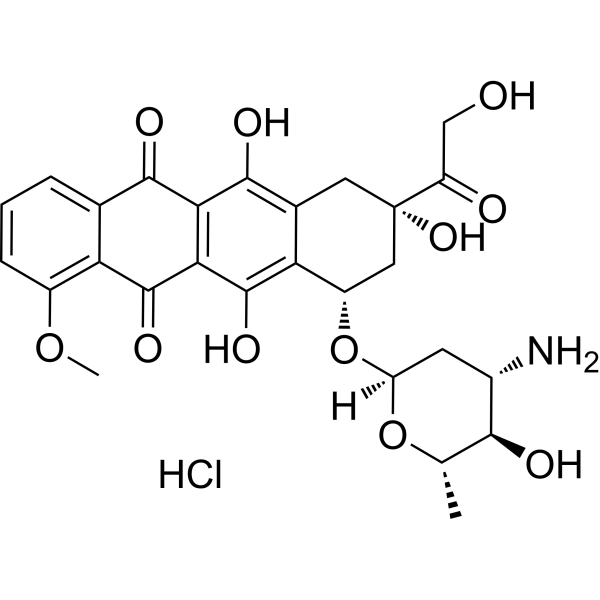
  • HY-13624A
    Epirubicin hydrochloride
    Maximum Cited Publications
    36 Publications Verification

    4'-Epidoxorubicin hydrochloride

    DNA/RNA Synthesis Topoisomerase Apoptosis Antibiotic Infection Neurological Disease Inflammation/Immunology Cancer
    Epirubicin hydrochloride (4'-Epidoxorubicin hydrochloride), a semisynthetic L-arabino derivative of doxorubicin, has an antineoplastic agent by inhibiting Topoisomerase . Epirubicin hydrochloride inhibits DNA and RNA synthesis. Epirubicin hydrochloride is a Forkhead box protein p3 (Foxp3) inhibitor and inhibits regulatory T cell activity .
    Epirubicin hydrochloride
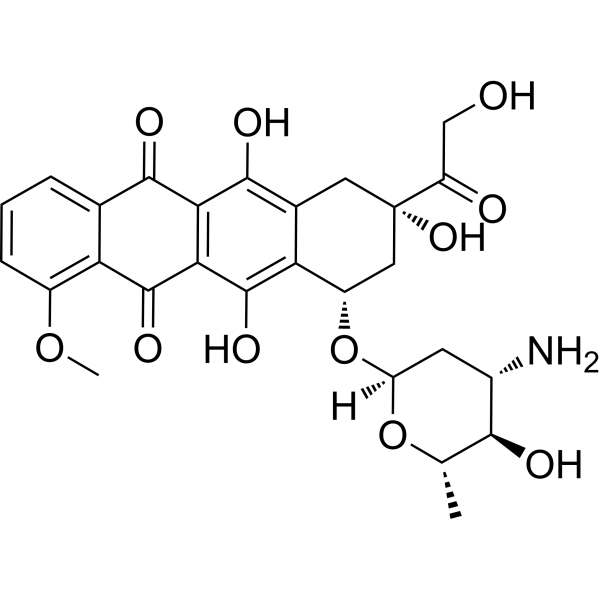
  • HY-13624
    Epirubicin
    Maximum Cited Publications
    36 Publications Verification

    4'-Epidoxorubicin

    DNA/RNA Synthesis Topoisomerase Apoptosis Antibiotic Cancer
    Epirubicin (4'-Epidoxorubicin), a semisynthetic L-arabino derivative of doxorubicin, has an antineoplastic agent by inhibiting Topoisomerase . Epirubicin inhibits DNA and RNA synthesis. Epirubicin is a Forkhead box protein p3 (Foxp3) inhibitor and inhibits regulatory T cell activity .
    Epirubicin
  • HY-148808

    RXC007

    ROCK Cancer
    Zelasudil (RXC007) is an orally active, highly selective small molecule Rho-associated coiled-coil containing protein kinase 2 (ROCK2) inhibitor with anti-fibrotic efficacy. Zelasudil elicits positive immunomodulatory effects in metastatic pancreatic tumors with increase of CD8+ and CD4+ T cell infiltrate into the tumor cortex and reduction in immunosuppressive FOXP3+ regulatory T cells at the tumor border. Zelasudil is promising for research of pancreatic ductal adenocarcinoma .
    Zelasudil
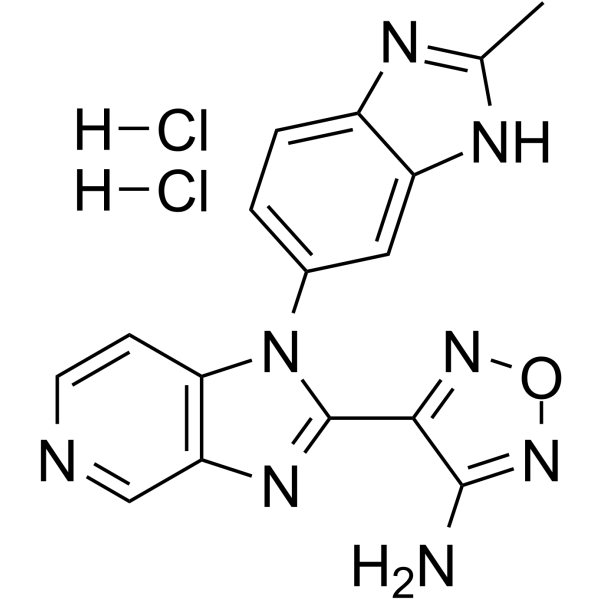
  • HY-126675A
    AS2863619
    5+ Cited Publications

    CDK STAT Inflammation/Immunology
    AS2863619 enables conversion of antigen-specific effector/memory T cells into Foxp3 + regulatory T (Treg) cells for the treatment of various immunological diseases. AS2863619 is a potent, orally active cyclin-dependent kinase 8 (CDK8) and CDK19 inhibitor with IC50s of 0.61 nM and 4.28 nM, respectively. STAT5 activation enhanced by AS2863619 inhibition of CDK8/19, which consequently activates the Foxp3 gene .
    AS2863619
  • HY-P1684
    Peptide P60
    1 Publications Verification

    FOXP3 inhibitor P60

    NF-κB Nuclear Factor of activated T Cells (NFAT) Infection Inflammation/Immunology Cancer
    Peptide P60 is a FOXP3 inhibitor. Peptide P60 reduces the nuclear translocation of FOXP3 and impairs FOXP3-mediated inhibition of NF-κB and NFAT activity. Peptide P60 inhibits the immunosuppressive activity of regulatory T cells and restores the proliferation and activation of effector T cells. Peptide P60 induces lymphoproliferative autoimmune syndrome in neonatal ICR mice and reduces the number of CD4 +CD25 +Foxp3 + T cells in the spleen. Peptide P60 enhances the efficacy of AH1 (HY-P4193) peptide vaccine and recombinant adenovirus-based HCV NS3 vaccine in BALB/c mice, including protective effects against CT26 tumor implantation. Peptide P60 can be used in studies related to tumor immunity, viral infection and lymphoproliferative autoimmune syndrome .
    Peptide P60
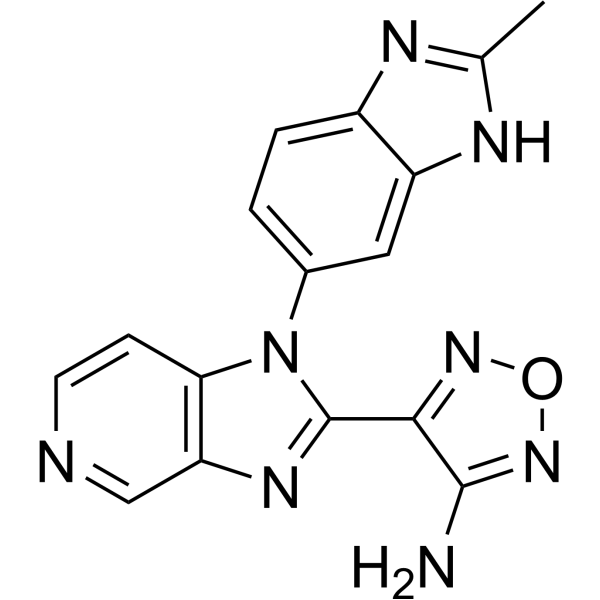
  • HY-126675
    AS2863619 free base
    5+ Cited Publications

    CDK STAT Inflammation/Immunology
    AS2863619 free base enables conversion of antigen-specific effector/memory T cells into Foxp3 + regulatory T (Treg) cells for the treatment of various immunological diseases. AS2863619 free base is a potent, orally active cyclin-dependent kinase 8 (CDK8) and CDK19 inhibitor with IC50s of 0.61 nM and 4.28 nM, respectively. STAT5 activation enhanced by AS2863619 free base inhibition of CDK8/19, which consequently activates the Foxp3 gene .
    AS2863619 free base
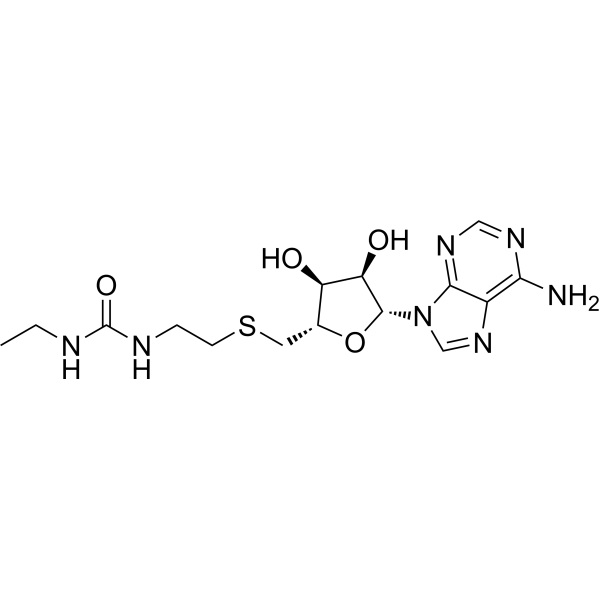
  • HY-124131
    DS-437
    1 Publications Verification

    Histone Methyltransferase Inflammation/Immunology Cancer
    DS-437 is a dual PRMT5/7 inhibitor (IC50s of PRMT5/7=6 μM). DS-437 is selective for PRMT5 and PRMT7 over 29 other human protein-, DNA-, and RNA-methyltransferases. DS-437 is a S-adenosylmethionine (SAM)-competitive inhibitor of PRMT5. DS-437 also inhibits DNMT3A and DNMT3B, with IC50s of 52 and 62 μM, respectively. DS-437 inhibits the methylation of FOXP3 .
    DS-437
  • HY-162946

    Ligands for Target Protein for PROTAC Cancer
    Alkyne-P60 is a potent 15-mer peptide inhibitor of Foxp3. Alkyne-P60 can bind with Foxp3, hinder its nuclear translocation, and diminish Foxp3-mediated inhibition of NFKB and NFAT functions. Alkyne-P60 is a ligand for target protein for PROTAC (HY-162943).
    Alkyne-P60
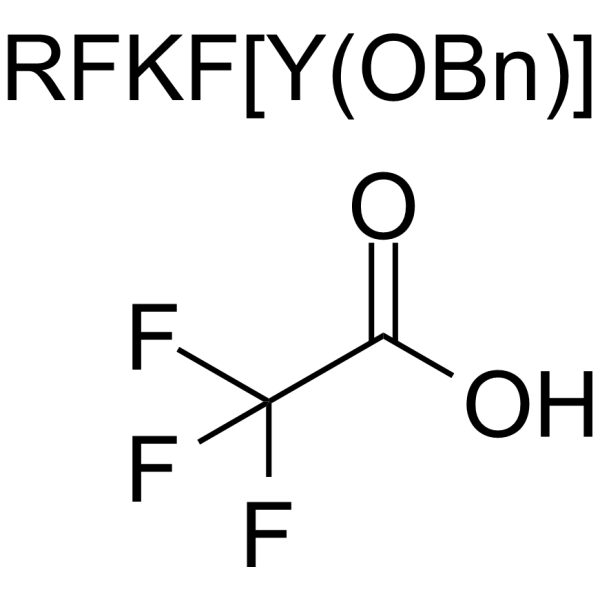
  • HY-P1453A

    STAT Cancer
    CMD178 TFA is a lead peptide that consistently reduced the expression of Foxp3 and STAT5 induced by IL-2/s IL-2Rα signaling and inhibits Treg cell development .
    CMD178 TFA
  • HY-13624AR

    4'-Epidoxorubicin hydrochloride (Standard)

    Reference Standards DNA/RNA Synthesis Topoisomerase Apoptosis Antibiotic Cancer
    Epirubicin (hydrochloride) (Standard) is the analytical standard of Epirubicin (hydrochloride). This product is intended for research and analytical applications. Epirubicin hydrochloride (4'-Epidoxorubicin hydrochloride), a semisynthetic L-arabino derivative of doxorubicin, has an antineoplastic agent by inhibiting Topoisomerase . Epirubicin hydrochloride inhibits DNA and RNA synthesis. Epirubicin hydrochloride is a Forkhead box protein p3 (Foxp3) inhibitor and inhibits regulatory T cell activity .
    Epirubicin hydrochloride (Standard)
  • HY-160040

    Toll-like Receptor (TLR) Inflammation/Immunology
    Cobitolimod is a DNA oligonucleotide agonist of TLR-9 with anti-inflammatory activity. Cobitolimod suppresses Th17 cells and induces anti-inflammatory FoxP3 and IL-10 expression, inhibiting the IL-17 signaling pathway .
    Cobitolimod
  • HY-P11011

    Pep R54; CXCR4 antagonist peptide 19

    CXCR Cancer
    Peptide R54 (Pep R54; CXCR4 antagonist peptide 19) is an antagonistic peptide targeting CXCR4 with significant anticancer activity. Peptide R54 inhibits CXCR4-dependent cell migration, epithelial-mesenchymal transition, and lung metastasis development, with better serum stability and higher CXCR4 affinity than the lead compound (IC50=20 nM). Peptide R54 synergizes with anti-PD-1 therapy to exert anti-tumor activity in vivo, enhances granzyme activity, and reduces infiltration of Foxp3 cells. Peptide R54 can be used in the study of colon cancer, ovarian cancer, and melanoma .
    Peptide R54
  • HY-W060417

    Interleukin Related Inflammation/Immunology Cancer
    iST2-1 is an Stimulation-2 (ST2) inhibitor with an IC50 value of 46.65 μM, blocks interaction between ST2 and IL-33, inhibits downstream signaling. iST2-1 functions as an immunomodulator, reduces proliferation of CD4 + and CD8 + T cells, increases regulatory T cell populations, reduces IFN-γ +CD4 + T cell populations, increases Foxp3 +CD4 + regulatory T cell populations in the gastrointestinal tract. iST2-1 reduces plasma soluble ST2 and IFN-γ levels, reduces graft-versus-host disease scores, improves survival in graft-versus-host disease animal models, preserves graft-versus-tumor effect. iST2-1 can be used for the research of graft-versus-host disease .
    iST2-1
  • HY-P1453

    STAT Cancer
    CMD178 is a lead peptide that consistently reduced the expression of Foxp3 and STAT5 induced by IL-2/s IL-2Rα signaling and inhibits Treg cell development .
    CMD178
  • HY-160040A

    Toll-like Receptor (TLR) Inflammation/Immunology
    Cobitolimod sodium is a DNA oligonucleotide agonist of TLR-9 with anti-inflammatory activity. Cobitolimod sodium inhibits Th17 cells and induces anti-inflammatory FoxP3 and IL-10 expression, inhibiting the IL-17 signaling pathway .
    Cobitolimod sodium
  • HY-P10808

    Angiotensin-converting Enzyme (ACE) Cardiovascular Disease
    RSRGVFF (FOXP3 inhibitor P60) is a mixed-type angiotensin-converting enzyme (ACE) inhibitor with blood-brain barrier permeability, boasting an IC50 value of 5.01 μM . RSRGVFF is capable of binding to both active and non-active sites of ACE and its substrate HHL complex, thus reducing the catalytic activity of ACE. RSRGVFF can be further utilized for research on lowering hypertension .
    RSRGVFF
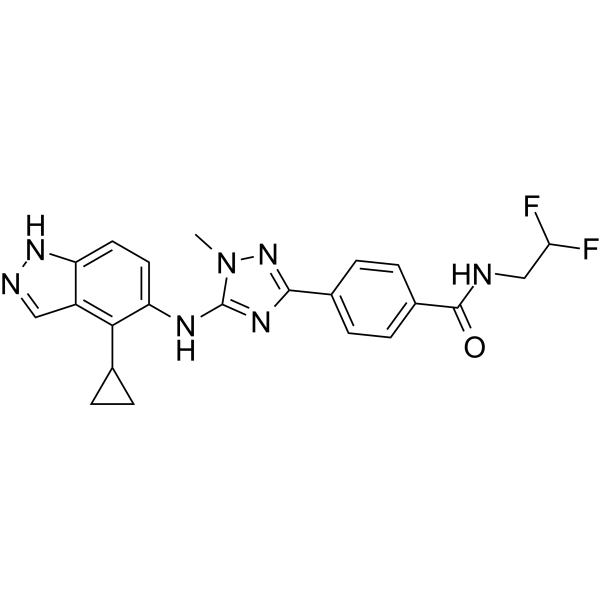
  • HY-162600

    CDK Inflammation/Immunology
    CDK8-IN-15 (Compound 46) is a potent CDK8 inhibitors with an IC50 value of 57 nM. It can enhance the thermal stability of CDK8 along with inhibition against NF-κB and have favourable selectivity across the CDK family and tyrosine kinase. Additionally, it also demostrates a positive effect in vitro psoriasis model induced by TNF-α and alleviats the inflammatory response enhancing the expression of Foxp3 and IL-10, which is promising for research of psoriasis diseases .
    CDK8-IN-15
  • HY-N16465

    Apoptosis Reactive Oxygen Species (ROS) STAT Inflammation/Immunology
    Cinnamtannin D1 is an orally active polyphenolic compound with immunosuppressive activity. Cinnamtannin D1 regulates the balance of Th17/Treg cells by inhibiting AHR expression. Cinnamtannin D1 reduces apoptosis and ROS in INS-1 cells and primary cultured murine islets induced by Palmitic acid (PA) (HY-N0830). Cinnamtannin D1 reduces Th17 cell differentiation via downregulating p-STAT3/RORγt and promotes Treg cell differentiation via upregulating p-STAT5/Foxp3. Cinnamtannin D1 exerts excellent anti-arthritic efficacy in collagen-induced arthritis (CIA) model of mice. Cinnamtannin D1 can be used for the study of rheumatoid arthritis (RA) .
    Cinnamtannin D1
  • HY-159692A

    IONIS-1063734 sodium

    TGF-beta/Smad Inflammation/Immunology Cancer
    AZD8701 (IONIS-1063734) sodium is an antisense oligonucleotide targeting FOXP3 in regulatory T cells (Tregs). AZD8701 sodium can relieve immunosuppression in cancer .
    AZD8701 sodium
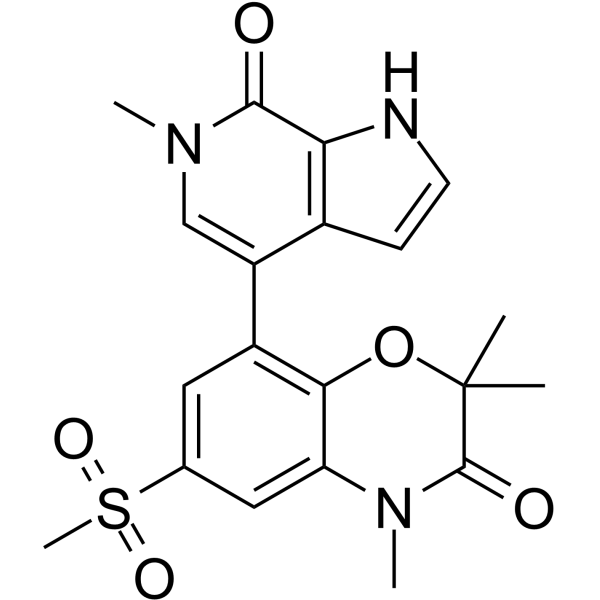
  • HY-122081

    Histone Acetyltransferase LAG-3 CTLA-4 PD-1/PD-L1 Cancer
    CPI-644 is a selective EP300/CBP bromodomain inhibitor, with an IC50 of 0.18 µM against the CBP bromodomain. CPI-644 reduces the proportion of FOXP3 + cells and downregulates the expression of LAG-3, CTLA-4 and PD-1. CPI-644 can be used in cancer-related research .
    CPI-644
  • HY-P992361

    Transmembrane Glycoprotein Cancer
    HB0030 is a TIGIT inhibitor with antibody-dependent cellular cytotoxicity (ADCC) and complement-dependent cytotoxicity (CDC) activities. HB0030 enhances the expression of activation markers in natural killer (NK) cells, promotes the killing of regulatory T cells (Tregs), and reduces the proportion of FoxP3 + Treg in tumor-infiltrating lymphocytes. The combination of HB0030 with the anti-PD-L1/VEGF bispecific antibody HB0025 further enhances tumor suppression efficacy. HB0030 can be used in studies related to colorectal cancer, pancreatic adenocarcinoma, hepatocellular carcinoma, bladder cancer, breast cancer, non-small cell lung cancer, and advanced solid tumors .
    HB0030
  • HY-10540

    AEB071 acetate

    PKC NF-κB Inflammation/Immunology
    Sotrastaurin (AEB071) acetate is a selective, orally active PKC inhibitor. Sotrastaurin acetate inactivates NF-κB by inhibiting PKC α, β, θ, γ subtypes, thereby reducing the transcription levels of immune response-related genes. Sotrastaurin acetate effectively inhibits alloreactive T cell proliferation, conventional T cell activation, as well as the production of pro-inflammatory cytokines and B lymphocytes. Sotrastaurin acetate also maintains the functional and phenotypic stability of regulatory T cells, enhances Foxp3 expression and restores the balance of helper T lymphocytes. Sotrastaurin acetate can prolong the survival time of allografts, and alleviate inflammatory responses and myasthenic symptoms by reducing anti-AChR antibody levels. Sotrastaurin acetate is widely used in studies related to kidney transplantation, psoriasis and myasthenia gravis .
    Sotrastaurin acetate
  • HY-126675G

    CDK TGF-beta/Smad Apoptosis Inflammation/Immunology
    AS2863619 GMP is AS2863619 (HY-126675) produced by using GMP guidelines. GMP small molecules works appropriately as an auxiliary reagent for cell therapy manufacture. AS2863619 is an orally active CDK8/19 inhibitor that also inhibits BMP2, MDA5 and RIG-I receptors. AS2863619 targets Stat5a-CDK8/19 to promote the differentiation of CD4 + T cells into regulatory T cells and induce FOXP3 expression, thereby restoring immune homeostasis and establishing transplant immune tolerance. AS2863619 also enhances the BMP2/SMAD signaling pathway to promote osteogenic differentiation and inhibit adipogenic differentiation. AS2863619 exerts osteoprotective effects by alleviating inflammation-induced impairment of osteogenic function and inducing neutrophil apoptosis (apoptosis). AS2863619 can be applied to research in related fields such as periodontitis-induced bone defects .
    AS2863619

Inquiry Online

Your information is safe with us. * Required Fields.

Salutation


Country or Region *

Applicant Name *


Organization Name *

Department *


Email Address *


Product Name *

Cat. No.


Requested quantity *

Phone Number *


Remarks

Inquiry Online

Inquiry Information

Product Name:
Cat. No.:
Quantity:
MCE Japan Authorized Agent:

