1. Search Result
Search Result
Results for "

Fragrance Ingredient

" in MedChemExpress (MCE) Product Catalog:

88

Inhibitors & Agonists

1

Screening Libraries

33

Biochemical Assay Reagents

35

Natural
Products

19

Isotope-Labeled Compounds

Cat. No. Product Name Target Research Areas Chemical Structure
  • HY-N0711
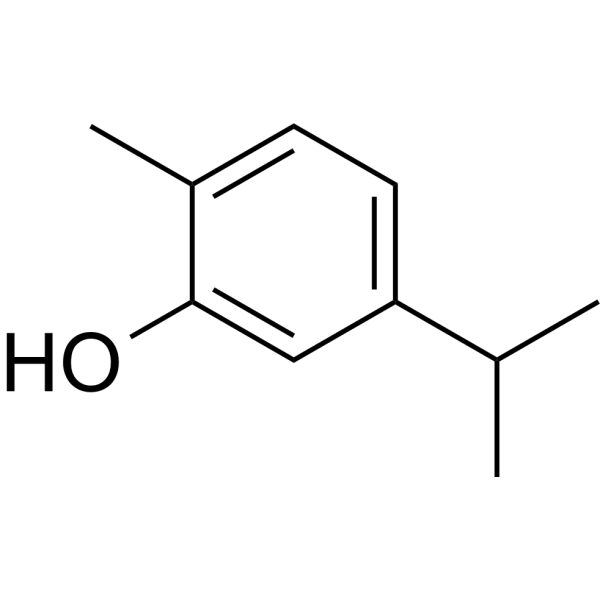
    Carvacrol
    Maximum Cited Publications
    10 Publications Verification

    Cymophenol

    Environmental Pollutants Apoptosis Endogenous Metabolite Notch Fungal Bacterial Infection Neurological Disease Inflammation/Immunology Cancer
    Carvacrol is an orally active and blood-brain barrier-permeable monoterpenic phenol that can be extract from an abundant number of aromatic plants, including thyme and oregano, possessing antioxidant, antibacterial, antifungal, anticancer, anti-inflammatory, hepatoprotective, spasmolytic, and vasorelaxant properties. Carvacrol also causes cell cycle arrest in G0/G1, downregulates Notch-1, and Jagged-1, and induces apoptosis. Carvacrol is used in low concentrations as a food flavoring ingredient and preservative, as well as a fragrance ingredient in cosmetic formulations .
    Carvacrol
  • HY-Y0546
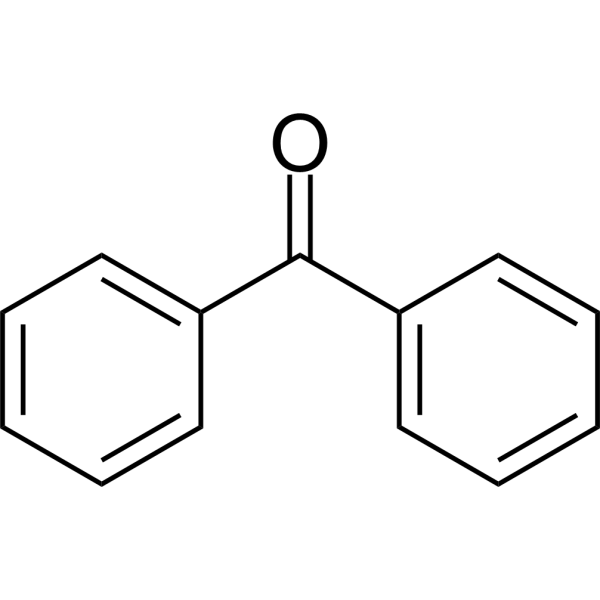
    Benzophenone
    1 Publications Verification

    Environmental Pollutants Endogenous Metabolite Photosensitizer Cancer
    Benzophenone is an endogenous metabolite. Benzophenone is a photosensitizer, that absorbs UV light, transfers its energy to DNA, and triggers DNA damage. Benzophenone can be used as the fragrance enhancer, ultraviolet curing agent, additive in plastics, or the flavor ingredient. Benzophenone can also be used in the manufacturing of insecticides, agricultural chemicals, hypnotics, antihistamines, and other pharmaceuticals. Benzophenone exhibits certain carcinogenicity in mouse/rat models under long term exposure. Benzophenone exhibits estrogenic activity .
    Benzophenone
  • HY-Y1217

    Hydroxycyclohexane; NSC 54711; Naxol; Cyclohexanol

    Environmental Pollutants Biochemical Assay Reagents Endocrinology
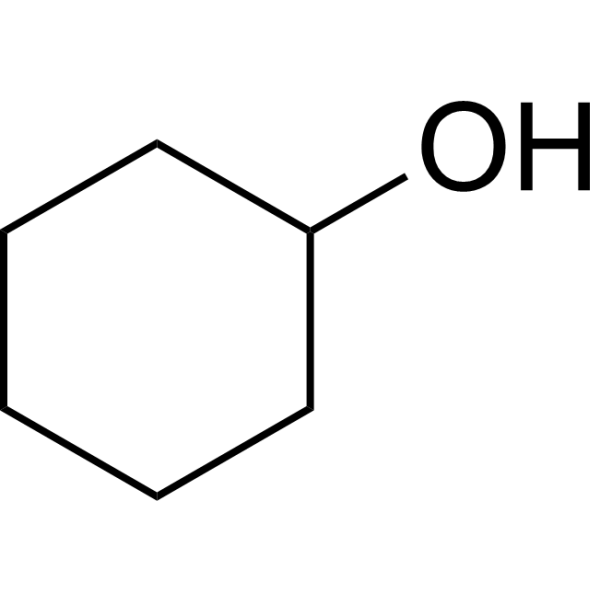
    1-Cyclohexanol (Hydroxycyclohexane; NSC 5471) is an orally active Cramer Class I flavor ingredient that can be used in fragrances. 1-Cyclohexanol has a wide margin of safety and is environmentally friendly .
    1-Cyclohexanol
  • HY-Y0189

    Salicylic acid methyl ester

    Environmental Pollutants COX Inflammation/Immunology
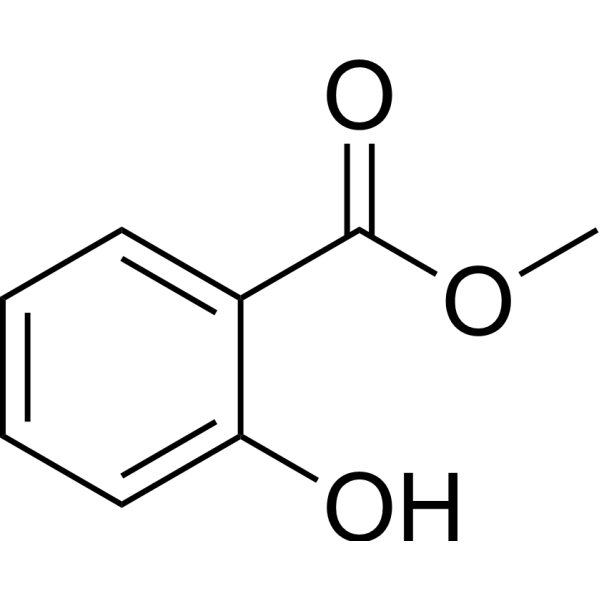
    Methyl Salicylate (Wintergreen oil) is a topical analgesic and anti-inflammatory agent. Also used as a pesticide, a denaturant, a fragrance ingredient, and a flavoring agent in food and tobacco products . A systemic acquired resistance (SAR) signal in tobacco . A topical nonsteroidal anti-inflammatory agent (NSAID). Methyl salicylate lactoside is a COX inhibitor .
    Methyl Salicylate
  • HY-Y1644
    (E)-Crotonic acid
    1 Publications Verification

    (E)-2-Butenoic acid; trans-2-Butenoic acid; trans-Crotonic acid

    Endogenous Metabolite Metabolic Disease
    NSC 8751 (trans-2-Butenoic acid; trans-Crotonic acid) is an unsaturated carboxylic acid compound containing α,β-unsaturated carboxylic acid groups. NSC 8751 is one of the important analogs for evaluating the safety of fragrance ingredients and is used to evaluate the toxicological properties of compounds with similar structures. When NSC 8751 is applied to local lymph nodes, a 50% concentration does not cause skin sensitization. Structural analogs of NSC 8751 have been shown to be non-genotoxic. trans-Crotonic acid can be used in the preparation of cosmetics and food additives .
    (E)-Crotonic acid
  • HY-N7084

    Environmental Pollutants Others
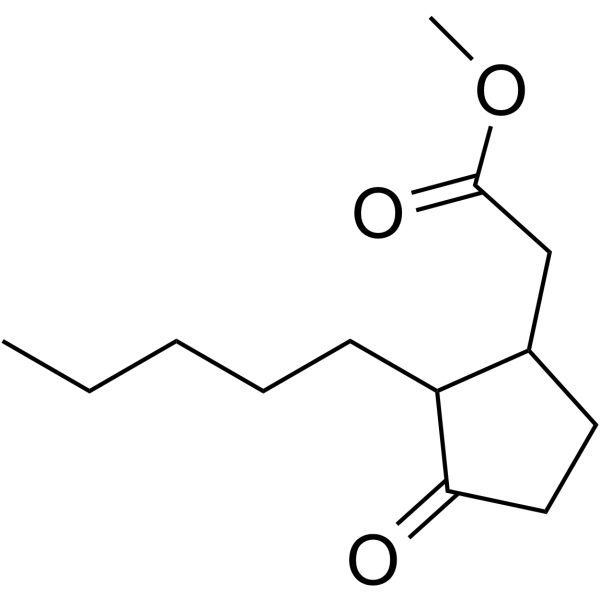
    Methyl dihydrojasmonate is a fragrance ingredient with a jasmine-like odor, used in many fragrance mixtures .
    Methyl dihydrojasmonate
  • HY-W035362

    Environmental Pollutants Others
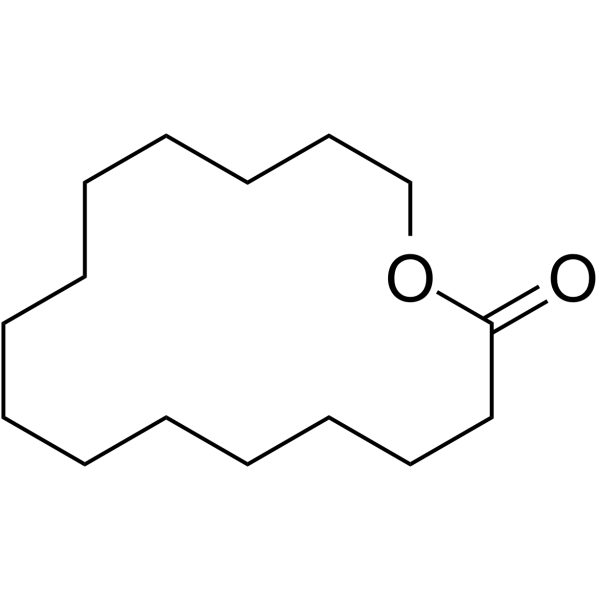
    ω-Pentadecalactone, a macrocyclic lactone, is a fragrance ingredient. ω-Pentadecalactone is a member of the fragrance structural group macrocyclic lactone and lactide derivative .
    ω-Pentadecalactone
  • HY-W010532

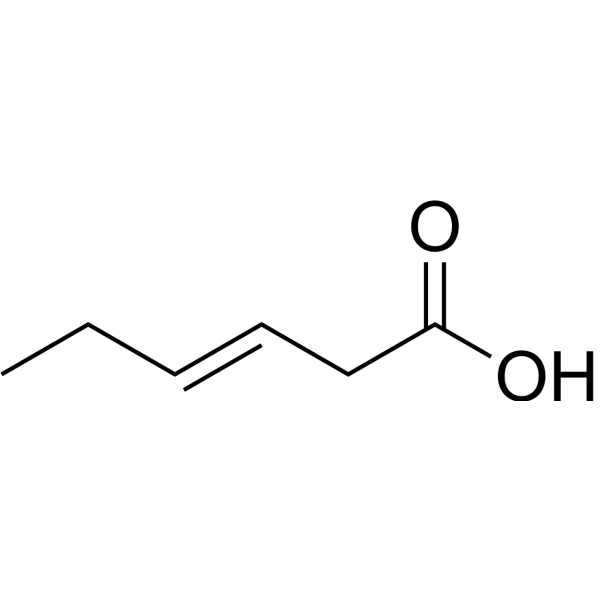
    (E)-Hex-3-enoic acid

    Biochemical Assay Reagents Others
    (E)-Hex-3-enoic acid is an unsaturated organic compound. It is commonly used as a fragrance ingredient in a variety of products, including food, beverages, and personal care products, and it can also be used as a starting material for the synthesis of various organic compounds, including pharmaceuticals and agrochemicals. In addition, (E)-Hex- 3-enoic acid has been investigated for its potential use as a biobased solvent due to its low toxicity and biodegradability, as well as its potential antibacterial and antifungal properties, which may make it useful for developing new Antibacterial agents.
    trans-3-Hexenoic acid
  • HY-Y0121

    Environmental Pollutants Apoptosis Parasite VEGFR Cardiovascular Disease Cancer
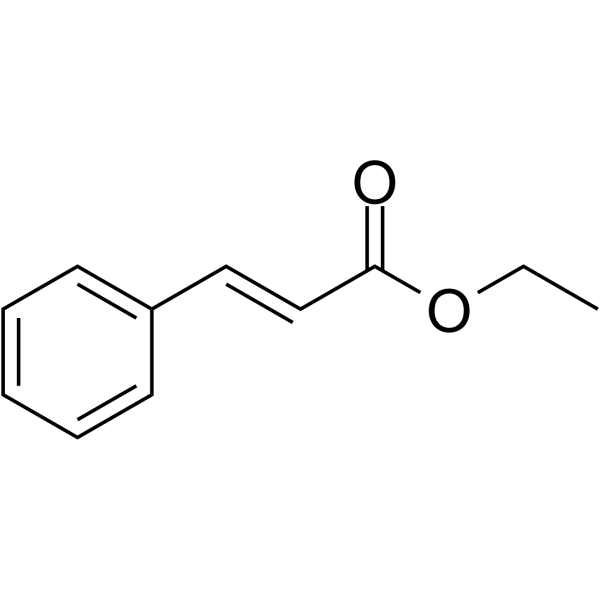
    Ethyl cinnamate, an orally active chemical constituent of the rhizome of Kaempferia galanga, exhibits anti-cancer, nematocidal, sedative and vasorelaxant activities. Ethyl cinnamate is a fragrance ingredient used as a food flavor and additive for cosmetic products. Ethyl cinnamate is also an excellent clearing reagent for mammalian tissues. Ethyl cinnamate suppresses tumor growth through anti-angiogenesis by attenuating VEGFR2 signal pathway in colorectal cancer. Ethyl cinnamate inhibits the tonic contractions induced by high K+ and phenylephrine (PE) with respective IC50 values of 0.30 mM and 0.38 mM in rat aorta .
    Ethyl cinnamate
  • HY-W127604
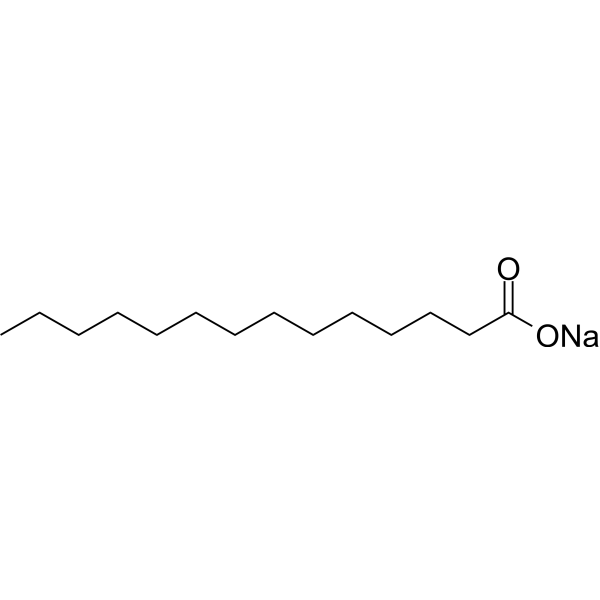
    Sodium myristate
    1 Publications Verification

    Myristic acid sodium

    Biochemical Assay Reagents Others
    Sodium myristate is a salt-like compound commonly used as a surfactant or emulsifier in a variety of industrial applications, including the production of detergents, soaps, and personal care products. In addition, it can be used as an intermediate in the synthesis of various organic compounds, including fragrances and pharmaceuticals. Its unique chemical properties make it an important ingredient in a variety of industrial processes, especially in the manufacture of textiles and paper products.
    Sodium myristate
  • HY-W015936

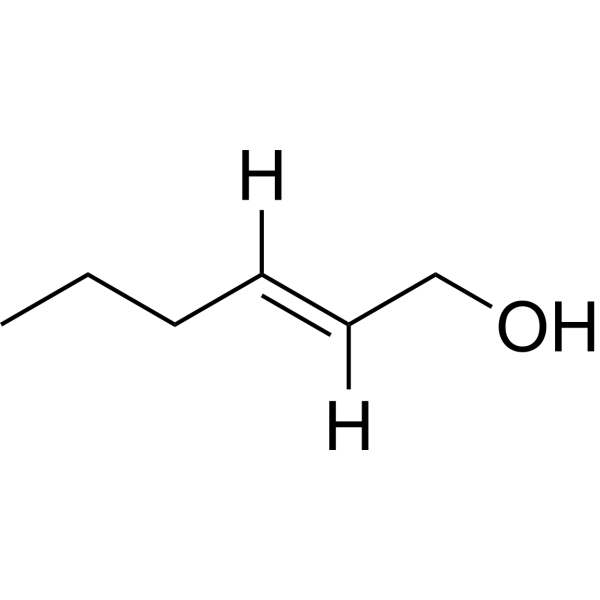
    trans-Hex-2-en-1-ol

    Environmental Pollutants Biochemical Assay Reagents Others
    (E)-Hex-2-en-1-ol belongs to the class of unsaturated alcohols consisting of a six-carbon chain with a double bond between carbon atoms 2 and 3 and a hydroxyl group attached to carbon atom 1. The compound has a grassy or herbaceous smell and is commonly used as a flavoring in foods such as baked goods, candy and beverages. It can also be used as a fragrance ingredient in personal care products and as a starting material for the synthesis of other organic compounds. Furthermore, (E)-hex-2-en-1-ol can be used as a solvent or reagent in various chemical reactions.
    (E)-Hex-2-en-1-ol
  • HY-W015307

    Drug Derivative Others
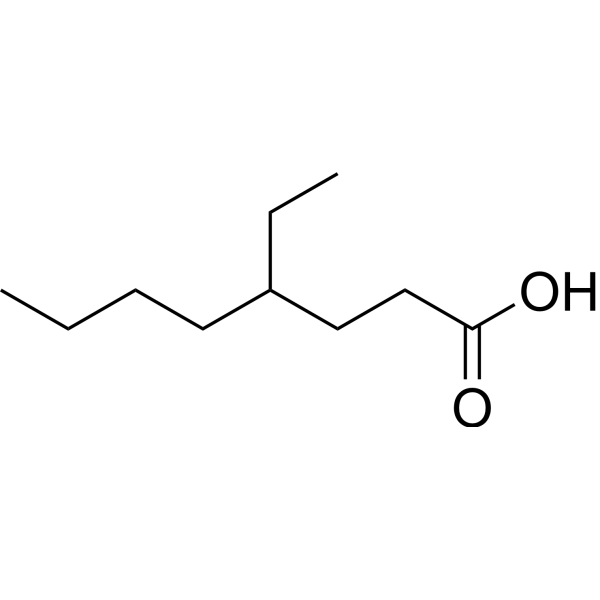
    4-Ethyloctanoic acid is a branched chain aliphatic carboxylic acid that can be found in blue cheeses, various cheese types, and lamb/mutton. 4-Ethyloctanoic acid is a fragrance ingredient .
    4-Ethyloctanoic acid
  • HY-N7124

    Environmental Pollutants Others
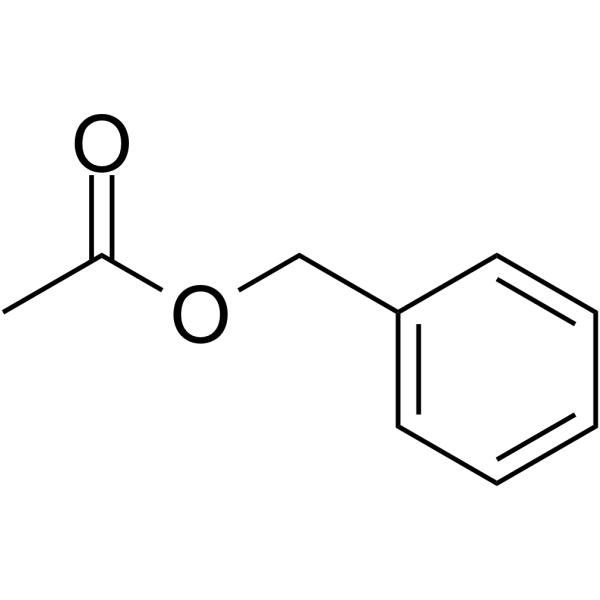
    Benzyl acetate is an aromatic ester with a jasmine scent. Benzyl acetate found in plants and is commonly used as a base fragrance ingredient in perfumes, cosmetics, and soap fragrances. Benzyl acetate is also one of the largest varieties in the synthetic fragrance industry .
    Benzyl acetate
  • HY-W013809

    Stearic acid ethyl ester

    Biochemical Assay Reagents Others
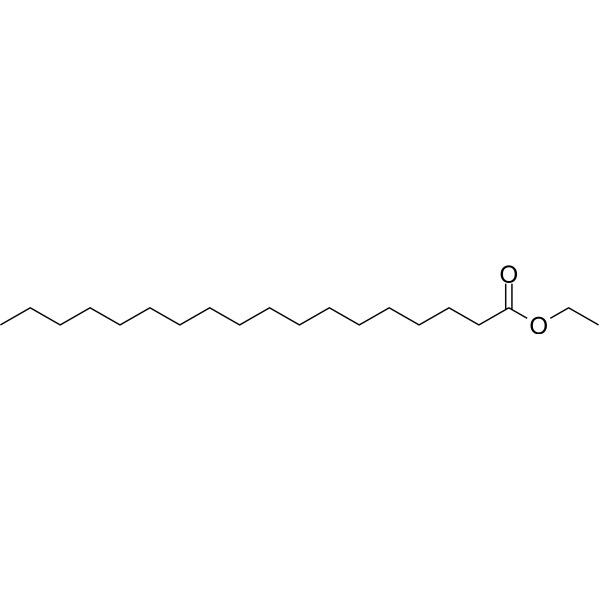
    Ethyl stearate is an ester compound produced by the reaction of ethanol and stearic acid. It is commonly used as a flavoring agent in various foods such as baked goods, beverages and desserts. Ethyl stearate is also used as a fragrance ingredient in the manufacture of perfume, cologne and personal care products. Additionally, it has applications in industrial settings such as the production of lubricants and plasticizers.
    Ethyl stearate
  • HY-W127507

    Environmental Pollutants Biochemical Assay Reagents Others
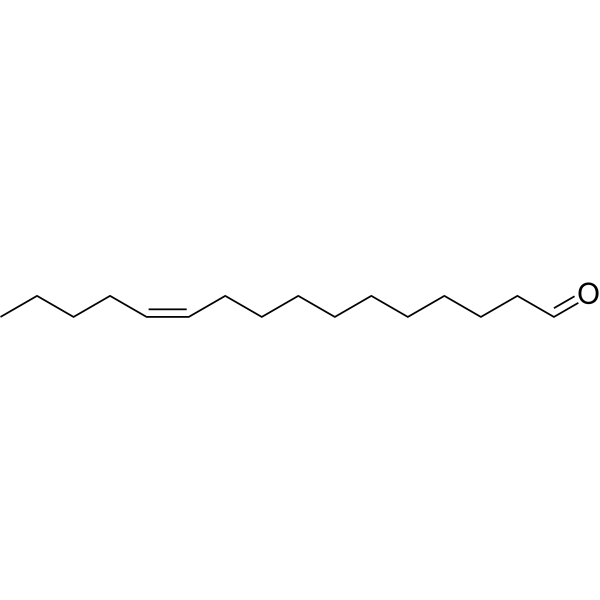
    cis-11-Hexadecenal has a fatty, waxy odor and is commonly used as a flavoring agent in the food and beverage industry. In addition, it can be used as an intermediate in the synthesis of various organic compounds, including fragrances, pharmaceuticals, and agrochemicals. Its unique chemical properties make it an important ingredient in a variety of industrial processes, notably in the production of perfumes and air fresheners.
    cis-11-Hexadecenal
  • HY-Y1074

    Ethyl 2-hydroxybenzoate

    Environmental Pollutants Biochemical Assay Reagents Others
    Ethyl salicylate (Ethyl 2-hydroxybenzoate) is a flavor compound that can be used in fragrances .
    Ethyl salicylate
  • HY-W099689

    Autophagy Bacterial Antibiotic Others
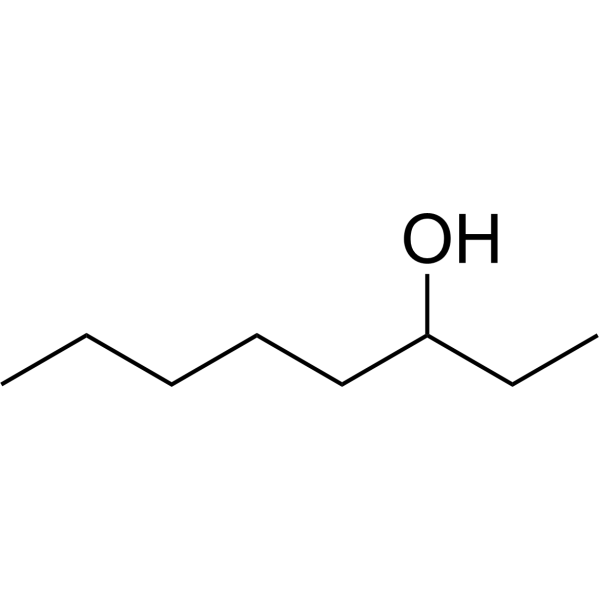
    3-Octanol is a fragrance ingredient. 3-octanol not to be persistent, bioaccumulative, and toxic .
    3-Octanol
  • HY-W105359

    ω-Decen-1-ol

    Environmental Pollutants Biochemical Assay Reagents Others
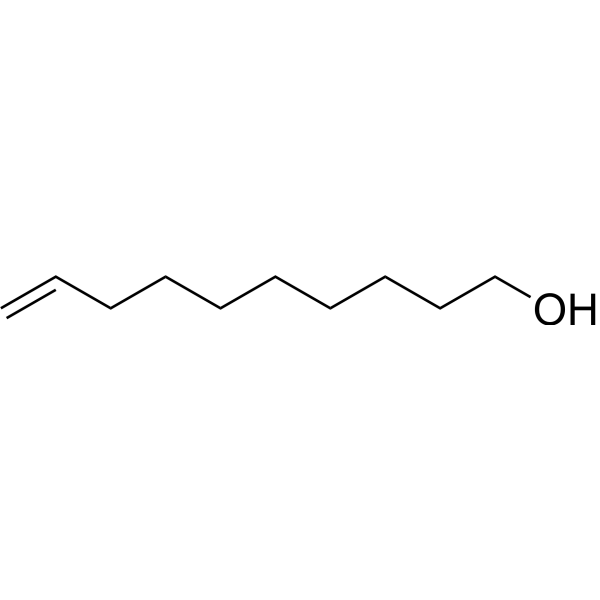
    9-Decen-1-ol has a fatty odour. This compound is used in the flavor and fragrance industry for its pleasant smell, which is often described as sweet, floral and fruity. It can also be used as an intermediate in the synthesis of various organic compounds, including medicine, agricultural chemicals and polymer materials. Its unique chemical properties make it an important ingredient in many commercial products, including soaps, detergents and cosmetics.
    9-Decen-1-ol
  • HY-W111375

    Biochemical Assay Reagents Others
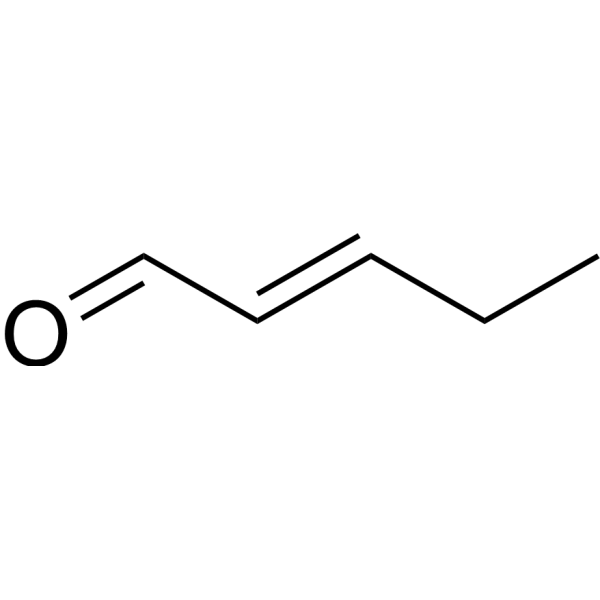
    (E)-Pent-2-enal has a pungent fruity odor. This compound is commonly used in the flavor and fragrance industry because of its strong aroma, often described as fresh and green. Furthermore, (E)-Pent-2-enal can be used as an intermediate in the synthesis of various organic compounds, including pharmaceuticals and agrochemicals. Its unique chemical properties make it an important ingredient in many commercial products, including perfumes, air fresheners and cleaners.
    (E)-Pent-2-enal
  • HY-Y0546S

    Isotope-Labeled Compounds Endogenous Metabolite Photosensitizer Cancer
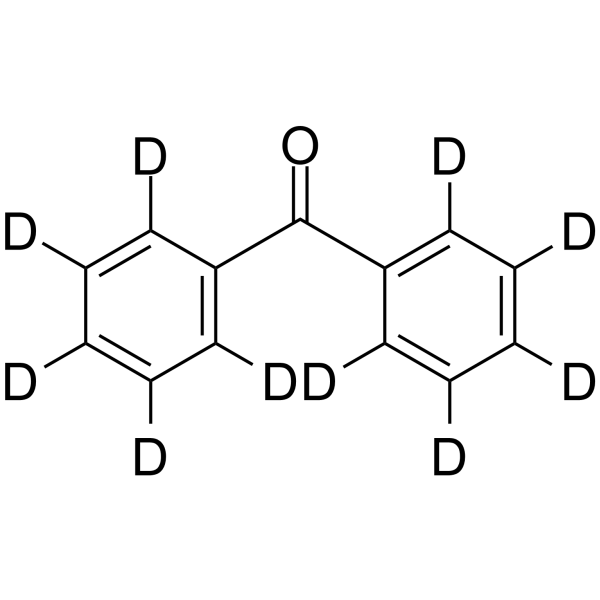
    Benzophenone-d10 is the deuterium labeled Benzophenone (HY-Y0546). Benzophenone is an endogenous metabolite. Benzophenone is a photosensitizer, that absorbs UV light, transfers its energy to DNA, and triggers DNA damage. Benzophenone can be used as the fragrance enhancer, ultraviolet curing agent, additive in plastics, or the flavor ingredient. Benzophenone can also be used in the manufacturing of insecticides, agricultural chemicals, hypnotics, antihistamines, and other pharmaceuticals. Benzophenone exhibits certain carcinogenicity in mouse/rat models under long term exposure. Benzophenone exhibits estrogenic activity .
    Benzophenone-d10
  • HY-N8446

    6,10-Dimethylundeca-5,9-dien-2-one; Dihydropseudoionone

    Environmental Pollutants Biochemical Assay Reagents Others
    (E/Z)-Geranylacetone is an organic compound commonly used as an ingredient in fragrances and fragrances. It can be used in some products such as perfumes, soaps and cosmetics, and can bring a fresh aromatic smell. In addition, the compound is used in some foods and pharmaceuticals, for example in candy, chewing gum and herbal remedies.
    (E/Z)-Geranylacetone
  • HY-B0935S

    Parasite Endogenous Metabolite Infection
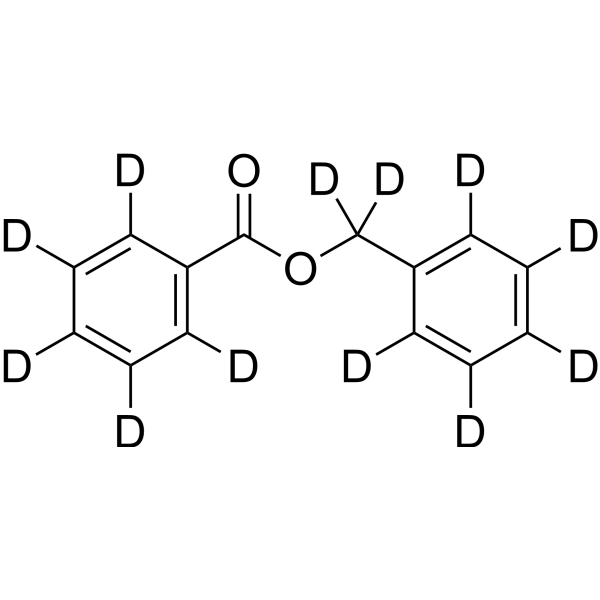
    Benzyl benzoate-d5 is the deuterium labeled Benzyl benzoate . Benzyl benzoate (Benzoic acid benzyl ester) is a fragrance ingredient in cosmetic products. Benzyl benzoate can be used for the research of Scabies and Demodex-associated inflammatory skin conditions .
    Benzyl benzoate-d5
  • HY-W127338

    Biochemical Assay Reagents Others
    Butyl Palmitate is an ester compound commonly used as a conditioning, emollient or fragrance in a variety of cosmetic and personal care products. In addition, it can be used as a solvent or lubricant in various industrial applications. Its unique chemical properties make it an important ingredient in a variety of commercial products, including perfumes, lotions and hair care products.
    Butyl Palmitate
  • HY-W127475

    Biochemical Assay Reagents Others
    6-Hepten-1-ol has a floral and green odor and is commonly used as a flavoring agent in the food and beverage industry. In addition, it can be used as an intermediate in the synthesis of various organic compounds, including fragrances, pharmaceuticals, and agrochemicals. Its unique chemical properties make it an important ingredient in a variety of industrial processes, notably in the production of perfumes, air fresheners and cleaning agents.
    6-Hepten-1-ol
  • HY-W015667

    Ethyl 2-methylvalerate

    Environmental Pollutants Biochemical Assay Reagents Others
    Ethyl 2-methylpentanoate is a class of esters consisting of branched-chain isovaleric acid esterified with ethanol. The compound has a fruity, pungent smell and is commonly used as a flavoring in foods such as baked goods, dairy products and beverages. It can also be used as a fragrance ingredient in personal care products, and as a solvent or plasticizer in various industrial applications. In addition, Ethyl 2-methylpentanoate can be used as a starting material for the synthesis of other organic compounds.
    Ethyl 2-methylpentanoate
  • HY-W013035

    MBO321

    Environmental Pollutants Endogenous Metabolite Metabolic Disease
    3-Methyl-2-buten-1-ol (MBO321) is an orally active endogenous metabolite found in pine trees and is used as a fragrance ingredient in cosmetics and detergents. 3-Methyl-2-buten-1-ol passes cell barrier. 3-Methyl-2-buten-1-ol reduces body weight in rats .
    3-Methyl-2-buten-1-ol
  • HY-W423502

    Menthane carboxamidoethyl acetate

    Biochemical Assay Reagents Others
    WS5 (Menthane carboxamidoethyl acetate) is a cooling agent fragrance ingredient .
    WS5
  • HY-141610

    Methyl enanthate

    Biochemical Assay Reagents Others
    Methyl heptanoate, commonly used as a flavoring and fragrance ingredient in the food and cosmetic industries, Methyl heptanoate is also used as a solvent for various substances, including resins, oils and waxes, in addition, it has been studied for its potential as a biofuel and polymer production application.
    Methyl heptanoate
  • HY-B0935S1
    Benzyl benzoate-d12
    1 Publications Verification

    Benzoic acid benzyl ester-d12

    Parasite Endogenous Metabolite Infection
    Benzyl benzoate-d12 is the deuterium labeled Benzyl benzoate . Benzyl benzoate (Benzoic acid benzyl ester) is a fragrance ingredient in cosmetic products. Benzyl benzoate can be used for the research of Scabies and Demodex-associated inflammatory skin conditions .
    Benzyl benzoate-d12
  • HY-W039379

    trans-2-Octenoic acid methyl ester

    Biochemical Assay Reagents Others
    Methyl (E)-oct-2-enoate is commonly used as an ingredient in perfume, cologne, and food flavor in the perfume and fragrance industry. Its pleasant fragrance and low volatility make it a good choice for adding fruit to various products. A popular choice for incense, in addition to its application in the fragrance and fragrance industry, Methyl (E)-oct-2-enoate is also used as a raw material for the synthesis of other organic compounds, it can be oxidized to form methyl 3-oxobutyrate, Used in the production of pharmaceuticals and agrochemicals. Overall, Methyl (E)-oct-2-enoate is a versatile compound that is used in various industries for its pleasant aroma and reactivity, its fruity and floral notes in fragrances and essences Industry is highly sought after, and its ability to serve as a starting material for other compounds makes it useful in organic synthesis.
    Methyl (E)-oct-2-enoate
  • HY-W015308

    Pelargonic acid methyl ester

    Biochemical Assay Reagents Endogenous Metabolite Others
    Methyl nonanoate is an ester compound obtained by the reaction of methanol and nonanoic acid. It has a fruity aroma and is commonly used as a flavoring agent in a variety of foods such as baked goods, confectionary and beverages. Methyl nonanoate is also used as a fragrance ingredient in the manufacture of perfume, cologne and personal care products. Furthermore, it has applications in industrial settings, for example in the production of solvents, resins and plasticizers.
    Methyl nonanoate
  • HY-113146

    Oct-2-enal

    Biochemical Assay Reagents Others
    2-Octenal is an unsaturated aldehyde commonly found in essential oils of various plants, especially citrus fruits. 2-Octenal has unique chemical properties that make it an important ingredient in many applications where a strong, sweet and fruity aroma is desired. It is commonly used as a flavoring agent in food and beverages, and as a fragrance in perfumes, soaps, and cosmetics.
    2-Octenal
  • HY-W015305

    Octanoic acid ethyl ester

    Environmental Pollutants Biochemical Assay Reagents Others
    Ethyl octanoate is a class of esters consisting of the medium-chain fatty acid octanoic acid esterified with ethanol. The compound has a fruity smell and is commonly used as a flavoring in foods such as baked goods, candy and beverages. It can also be used as a fragrance ingredient in personal care products, and as a solvent or plasticizer in various industrial applications. In addition, Ethyl octanoate can be used as a starting material for the synthesis of other organic compounds.
    Ethyl octanoate
  • HY-W012885

    Biochemical Assay Reagents Others
    (S)-Methyl 3-hydroxybutanoate consists of a chiral center, resulting in two enantiomers, where (S)-Methyl 3-hydroxybutanoate means that the hydroxyl group is located on the third carbon atom of the S-configuration carboxylic acid group stereoisomers. This compound is often used as a building block for the synthesis of various pharmaceuticals and natural products. Due to its fruity taste, it is also used as a flavor and fragrance ingredient.
    (S)-Methyl 3-hydroxybutanoate
  • HY-Y0189R

    Salicylic acid methyl ester (Standard)

    Reference Standards COX Inflammation/Immunology
    Methyl Salicylate (Standard) is the analytical standard of Methyl Salicylate. This product is intended for research and analytical applications. Methyl Salicylate (Wintergreen oil) is a topical analgesic and anti-inflammatory agent. Also used as a pesticide, a denaturant, a fragrance ingredient, and a flavoring agent in food and tobacco products . A systemic acquired resistance (SAR) signal in tobacco . A topical nonsteroidal anti-inflammatory agent (NSAID). Methyl salicylate lactoside is a COX inhibitor .
    Methyl Salicylate (Standard)
  • HY-Y0121R

    Reference Standards Parasite VEGFR Apoptosis Cardiovascular Disease Cancer
    Ethyl cinnamate (Standard) is the analytical standard of Ethyl cinnamate. This product is intended for research and analytical applications. Ethyl cinnamate, an orally active chemical constituent of the rhizome of Kaempferia galanga, exhibits anti-cancer, nematocidal, sedative and vasorelaxant activities. Ethyl cinnamate is a fragrance ingredient used as a food flavor and additive for cosmetic products. Ethyl cinnamate is also an excellent clearing reagent for mammalian tissues. Ethyl cinnamate suppresses tumor growth through anti-angiogenesis by attenuating VEGFR2 signal pathway in colorectal cancer. Ethyl cinnamate inhibits the tonic contractions induced by high K+ and phenylephrine (PE) with respective IC50 values of 0.30 mM and 0.38 mM in rat aorta .
    Ethyl cinnamate (Standard)
  • HY-153204

    Biochemical Assay Reagents Cancer
    Isobutylquinoleine is a fragrance ingredient .
    Isobutylquinoleine
  • HY-W011817

    AHTN

    Environmental Pollutants Biochemical Assay Reagents Others
    6-Acetyl-1,1,2,4,4,7-hexamethyltetraline (AHTN) is a synthetic fragrance ingredient that is not significantly genotoxic in mammalian systems .
    6-Acetyl-1,1,2,4,4,7-hexamethyltetraline
  • HY-W129471

    Pentadecan-2-one

    Bacterial Others
    2-Pentadecanone (Pentadecan-2-one) is a fragrance ingredient and can be used as a food additive .
    2-Pentadecanone
  • HY-W541058

    Biochemical Assay Reagents Others
    Phenethyl Benzoate is a fragrance and flavor ingredient. Phenethyl Benzoate is promising for research of pollutant degradation and cosmetics .
    Phenethyl Benzoate
  • HY-W035362R

    Biochemical Assay Reagents Reference Standards Others
    ω-Pentadecalactone, a macrocyclic lactone, is a fragrance ingredient. ω-Pentadecalactone is a member of the fragrance structural group macrocyclic lactone and lactide derivative .
    ω-Pentadecalactone (Standard)
  • HY-W013809R

    Stearic acid ethyl ester (Standard)

    Biochemical Assay Reagents Reference Standards Others
    Ethyl stearate (Standard) is the analytical standard of Ethyl stearate. This product is intended for research and analytical applications. Ethyl stearate is an ester compound produced by the reaction of ethanol and stearic acid. It is commonly used as a flavoring agent in various foods such as baked goods, beverages and desserts. Ethyl stearate is also used as a fragrance ingredient in the manufacture of perfume, cologne and personal care products. Additionally, it has applications in industrial settings such as the production of lubricants and plasticizers.
    Ethyl stearate (Standard)
  • HY-Y0189S

    Wintergreen oil-d4

    COX Inflammation/Immunology
    Methyl Salicylate-d4 is the deuterium labeled Methyl Salicylate . Methyl Salicylate (Wintergreen oil) is a topical analgesic and anti-inflammatory agent. Also used as a pesticide, a denaturant, a fragrance ingredient, and a flavoring agent in food and tobacco products . A systemic acquired resistance (SAR) signal in tobacco . A topical nonsteroidal anti-inflammatory agent (NSAID). Methyl salicylate lactoside is a COX inhibitor .
    Methyl Salicylate-d4
  • HY-W014206

    Biochemical Assay Reagents Others
    Isopentyl octanoate is a class of esters formed by the esterification of branched-chain isoamyl alcohol, also known as isoamyl alcohol, with octanoylate. The compound has a fruity smell and is commonly used as a flavoring in foods such as baked goods, candy and beverages. It can also be used as a fragrance ingredient in personal care products, and as a solvent or plasticizer in various industrial applications. In addition, Isopentyl octanoate can be used as a starting material for the synthesis of other organic compounds.
    Isopentyl octanoate
  • HY-Y0546S2

    Isotope-Labeled Compounds Endogenous Metabolite Photosensitizer Cancer
    Benzophenone- 13C is the 13C labeled Benzophenone (HY-Y0546). Benzophenone is an endogenous metabolite. Benzophenone is a photosensitizer, that absorbs UV light, transfers its energy to DNA, and triggers DNA damage. Benzophenone can be used as the fragrance enhancer, ultraviolet curing agent, additive in plastics, or the flavor ingredient. Benzophenone can also be used in the manufacturing of insecticides, agricultural chemicals, hypnotics, antihistamines, and other pharmaceuticals. Benzophenone exhibits certain carcinogenicity in mouse/rat models under long term exposure. Benzophenone exhibits estrogenic activity .
    Benzophenone-13C
  • HY-W017562

    Environmental Pollutants Biochemical Assay Reagents Others
    γ-Octalactone is an aromatic lactone compound. γ-Octalactone has a strong fruity (similar to coconut) aroma and a sweet taste, and is commonly used in food, cosmetics and fragrances. γ-Octalactone is highly safe .
    γ-Octalactone
  • HY-W751322

    Biochemical Assay Reagents Others
    α-Amylcinnamaldehyde dimethyl acetal is a fragrance ingredient used in many fragrance compounds .
    α-Amylcinnamaldehyde dimethyl acetal
  • HY-W355140

    Biochemical Assay Reagents Others
    alpha-Methyl ionone is a fragrance ingredient that is widely used in the development of cosmetics .
    alpha-Methyl ionone
  • HY-W015487

    Ethyl 3-oxohexanoate

    Biochemical Assay Reagents Others
    Ethyl butyrylacetate is an organic compound belonging to the class of esters. Synthesized by the reaction of ethyl acetate, butyric acid and acetic anhydride. Ethyl butyrylacetate has a fruity aroma and is commonly used as a flavoring agent in various food and beverages such as candies, ice cream and soft drinks. It is also used as a fragrance ingredient in perfumes and personal care products. In addition to its use in the food and fragrance industries, Ethyl butyrylacetate is also used in industrial settings, such as in the production of solvents.
    Ethyl butyrylacetate
  • HY-W013466

    Sebacic acid dimethyl ester

    Biochemical Assay Reagents Others
    Dimethyl decanedioate belongs to the class of diesters and consists of a sebacic acid backbone (also known as sebacic acid) esterified with two methyl groups. This compound has a fruity smell and is commonly used as a flavor and fragrance ingredient in a variety of products, including perfumes, soaps and cosmetics. It can also be used as a plasticizer in the production of polymers and as a neutralizer in the synthesis of certain drugs.
    Dimethyl decanedioate

Inquiry Online

Your information is safe with us. * Required Fields.

Salutation


Country or Region *

Applicant Name *


Organization Name *

Department *


Email Address *


Product Name *

Cat. No.


Requested quantity *

Phone Number *


Remarks

Inquiry Online

Inquiry Information

Product Name:
Cat. No.:
Quantity:
MCE Japan Authorized Agent:

