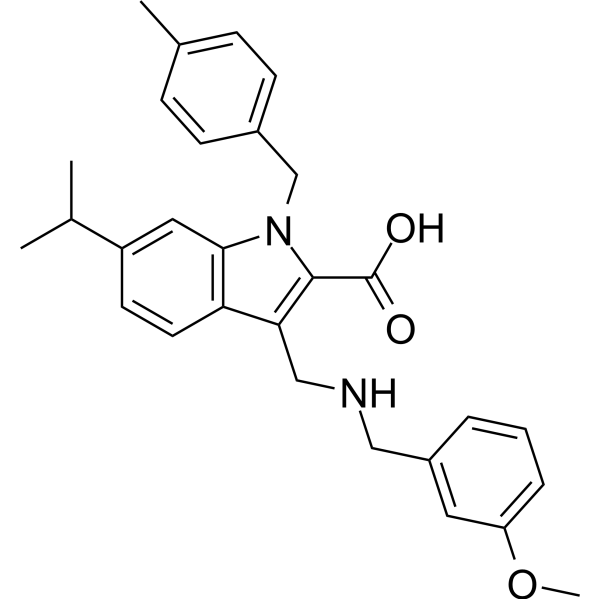
Search Result
Results for "
G1/S arrest
" in MedChemExpress (MCE) Product Catalog:
12
Isotope-Labeled Compounds
| Cat. No. |
Product Name |
Target |
Research Areas |
Chemical Structure |
-
- HY-N1150
-
Thymidine
Maximum Cited Publications
24 Publications Verification
DThyd; NSC 21548
|
DNA/RNA Synthesis
Endogenous Metabolite
Orthopoxvirus
|
Cancer
|
|
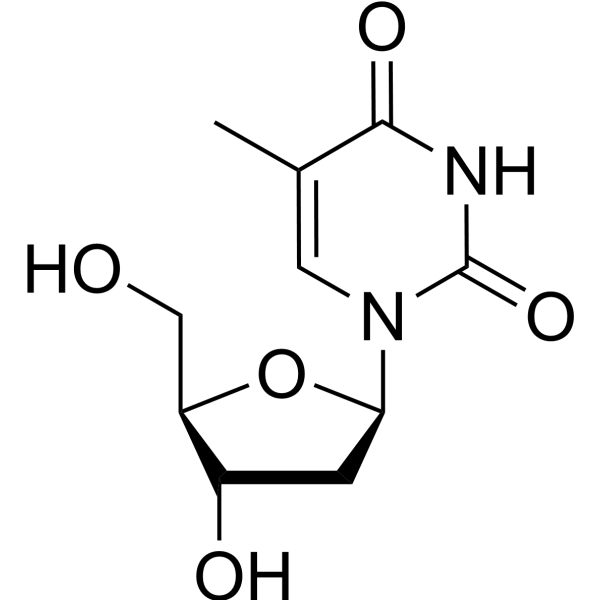
Thymidine, a specific precursor of deoxyribonucleic acid, is used as a cell synchronizing agent. Thymidine is a DNA synthesis inhibitor that can arrest cell at G1/S boundary, prior to DNA replication .
|
-
-
- HY-158106
-
AZD8421
1 Publications Verification
|
CDK
|
Cancer
|
|
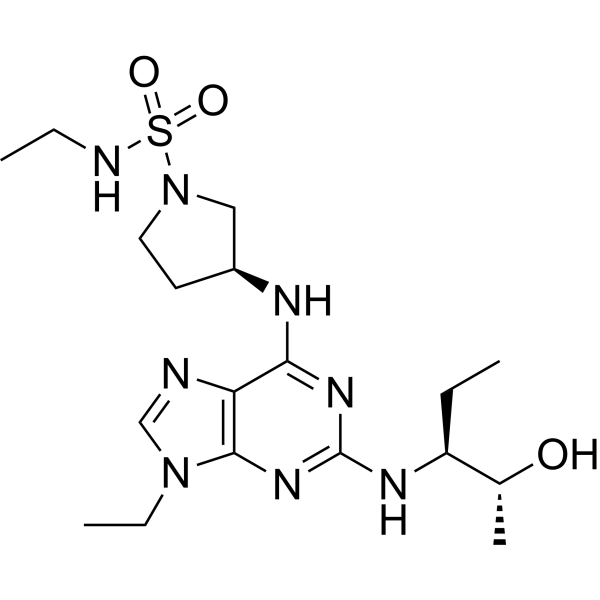
AZD8421 is a selective CDK2 inhibitor (IC50 = 9 nM) as well as achieving CDK family selectivity in cells versus key off-targets (CDK1, CDK4/6, CDK9), AZD8421 had no significant kinase inhibition outside the CDK family. AZD8421 inhibits cancer cell proliferation by inhibiting pRB phosphorylation, inducing cell cycle arrest in G1/S phase and senescence. AZD8421 can be studied in research for breast cancer and ovarian cancer .
|
-
-
- HY-13768
-
Topotecan
Maximum Cited Publications
38 Publications Verification
SKF 104864A; NSC 609669
|
Topoisomerase
Autophagy
Apoptosis
|
Cancer
|
|
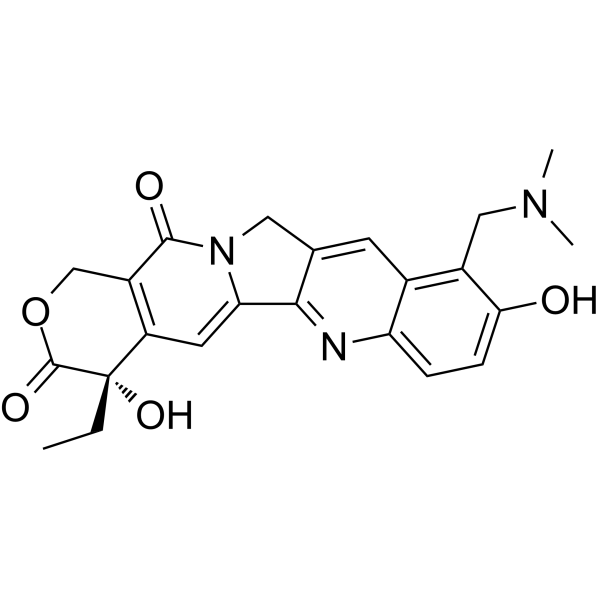
Topotecan (SKF 104864A; NSC 609669) is an orally active and potent Topoisomerase I inhibitor. Topotecan induces cell cycle arrest in G0/G1 and S phases and promotes apoptosis. Topotecan shows anticancer activity .
|
-
-
- HY-N5074
-
|
|
Apoptosis
|
Inflammation/Immunology
Cancer
|
|
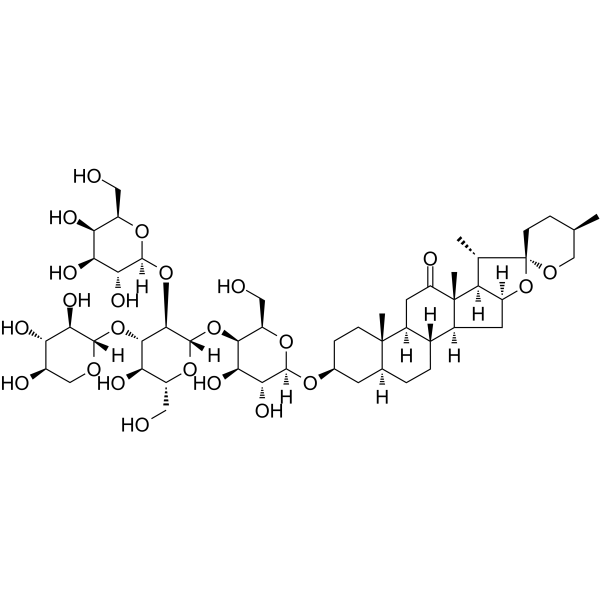
Terrestrosin D is an orally active apoptosis inducer. Terrestrosin D induces cell cycle arrest at the G1 and S phases, reduces mitochondrial membrane potential, and inhibits the growth of cancer cells and endothelial cells. Terrestrosin D is studied in castration-resistant prostate cancer and pulmonary fibrosis .
|
-
-
- HY-13721
-
|
Idronoxil; Dehydroequol; Haginin E
|
Caspase
Apoptosis
Topoisomerase
|
Cancer
|
|
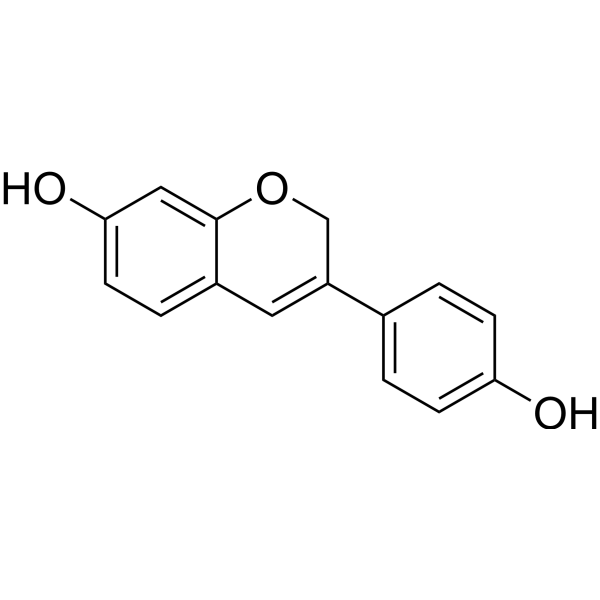
Phenoxodiol (Idronoxil), a synthetic analog of Genestein, activates the mitochondrial caspase system, inhibits XIAP (an apoptosis inhibitor), and sensitizes the cancer cells to Fas-mediated apoptosis. Phenoxodiol also inhibits DNA topoisomerase II by stabilizing the cleavable complex. Phenoxodiol induces cell cycle arrest in the G1/S phase of the cell cycle and upregulates p21 WAF1 via a p53 independent manner .
|
-
-
- HY-131906
-
|
|
JAK
FLT3
Apoptosis
|
Cancer
|
|
JAK2-IN-7 is a selective JAK2 inhibitor with IC50s of 3, 11.7, and 41 nM for JAK2, SET-2, and Ba/F3 V617F cells, respectively. JAK2-IN-7 possesses >14-fold selectivity over JAK1, JAK3, FLT3. JAK2-IN-7 stimulates cell cycle arrest in the G0/G1 phase and induces tumor cellapoptosis. Antitumor activities .
|
-
-
- HY-142076
-
|
|
CDK
|
Cancer
|
|
CDK4/6-IN-15 is an orally active and selective CDK4/6 inhibitor. CDK4/6-IN-15 potently inhibits cancer cells growth. CDK4/6-IN-15 arrests cell cycle at G1 phase and suppresses retinoblastoma tumour suppressor protein (Rb) phosphorylation at S780 and E2 factor (E2F)-regulated gene expression .
|
-
-
- HY-N0858
-
|
|
HIV
|
Infection
|
|
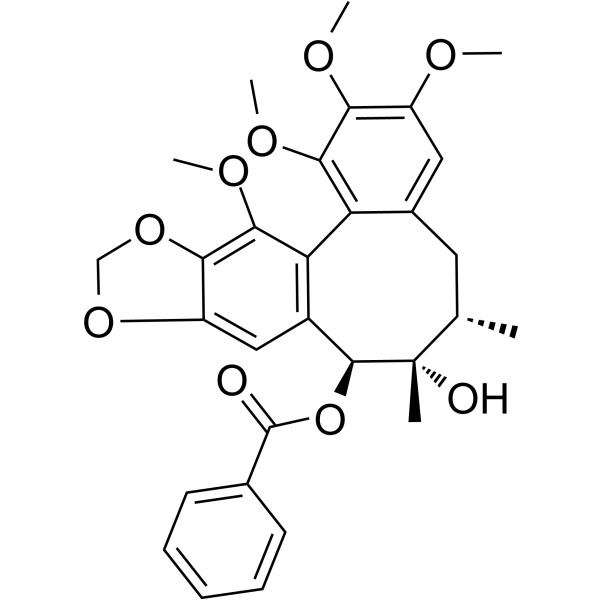
Gomisin G is a lignin from S. chinesis with anti-HIV (EC50 = 0.006 μg/mL), anti-liver cancer and anti-inflammatory activities. Gomisin G has an AKT-cyclin D1 dependent mechanism against triple-negative breast cancer (TNBC) cells through suppressing phosphorylation rather than inducing apoptosis. Gomisin G can inhibit AKT phosphorylation. Gomisin G can cause cell cycle arrest in the G1 phase. Gomisin G can be studied in research for diseases such as HIV, breast and liver cancers .
|
-
-
- HY-113638
-
|
GS-456332
|
Stearoyl-CoA Desaturase (SCD)
Apoptosis
|
Cancer
|
|
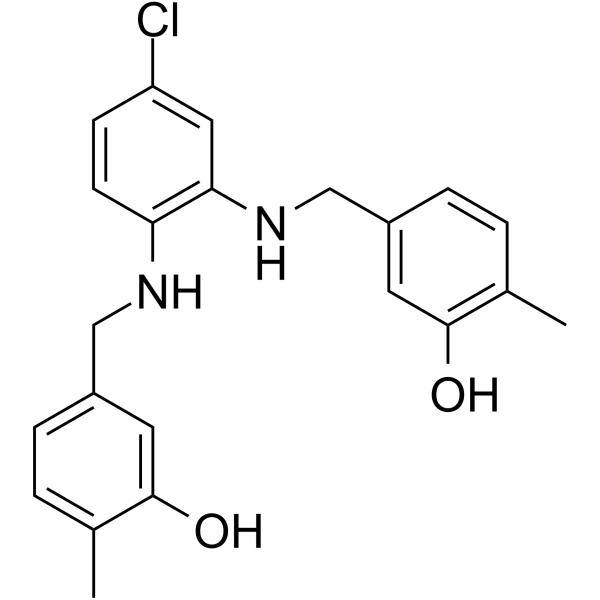
CVT-11127 is a potent SCD inhibitor. CVT-11127 induces apoposis and arrests the cell cycle at the G1/S phase. CVT-11127 has the potential for the research of lung cancer .
|
-
-
- HY-118672
-
|
|
HDAC
MMP
HIF/HIF Prolyl-Hydroxylase
|
Cancer
|
|
HNHA is a potent HDAC inhibitor with an IC50 of 100 nM. HNHA arrests the cell cycle at the G1/S phase via p21 induction. HNHA inhibits tumor growth and tumor neovascularization. HNHA may be a potent anti-cancer agent against breast cancer .
|
-
-
- HY-145963
-
DRB18
1 Publications Verification
|
GLUT
|
Cancer
|
|
DRB18 is a potent pan-class GLUT inhibitor. DRB18 alters energy-related metabolism in A549 cells by changing the abundance of metabolites in glucose-related pathways. DRB18 can eventually lead to G1/S phase arrest and increase oxidative stress and necrotic cell death. DRB18 has anti-tumor activity .
|
-
-
- HY-114414
-
|
|
HDAC
mTOR
Apoptosis
|
Cancer
|
|
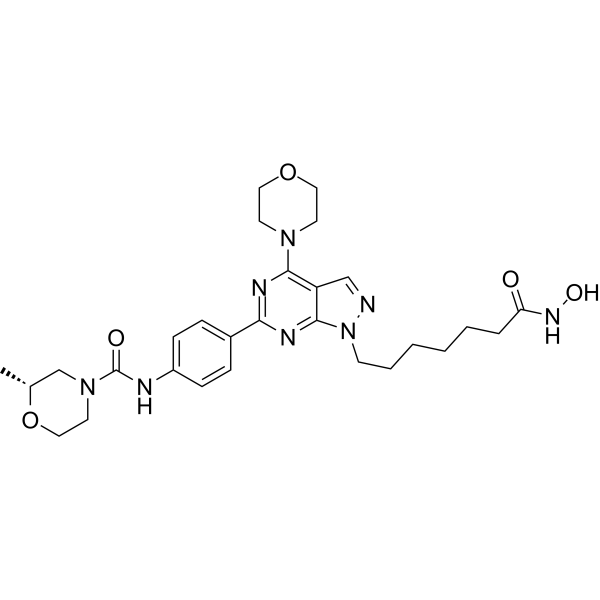
HDACs/mTOR Inhibitor 1 is a dual HDACs and mTOR inhibitor, with IC50s of 0.19 nM, 1.8 nM, 1.2 nM for HDAC1, HDAC6, mTOR, respectively. HDACs/mTOR Inhibitor 1 stimulates cell cycle arrest in G0/G1 phase and induces tumor cell apoptosis with low toxicity in vivo. HDACs/mTOR Inhibitor 1 can be used in the research of hematologic malignancies .
|
-
-
- HY-N0363
-
|
(S)-Columbianetin
|
ERK
JNK
Collagen
TGF-beta/Smad
p38 MAPK
Reactive Oxygen Species (ROS)
|
Others
|
|
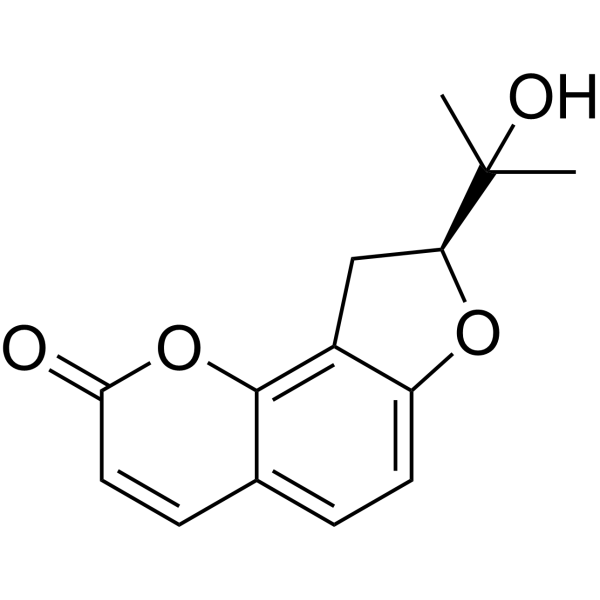
(+)-Columbianetin ((S)-Columbianetin) acts as an inhibitor of JNK/ERK. (+)-Columbianetin inhibits UVA-induced phosphorylation of JNK and ERK, reduces the production of MMP-1, reverses UVA-induced Collagen (HY-NP003) degradation, and alleviates UVA-mediated inhibition of Smad2/3 phosphorylation and translocation. (+)-Columbianetin regulates the AP-1 and ASK1-MAPK signaling pathways, inhibits the production of ROS and blocks sub-G1 cell cycle arrest. (+)-Columbianetin is applicable to research related to skin aging .
|
-
-
- HY-124211
-
|
|
Environmental Pollutants
MDM-2/p53
Aryl Hydrocarbon Receptor
|
Cancer
|
|
Dibenzo (a,i) pyrene is a polycyclic aromatic hydrocarbon and also a carcinogenic ligand of the TCDD (Ah) receptor. Dibenzo (a,i) pyrene binds to the TCDD (Ah) receptor in rat liver. Dibenzo (a,i) pyrene induces DNA adduct formation and upregulates the protein levels of p53 and p21 WAF1 in diploid lung fibroblasts. Dibenzo (a,i) pyrene alters the cell cycle distribution of diploid lung fibroblasts, increasing the proportion of cells in the S phase, decreasing the proportions of cells in the G0/G1 and G2/M phases, and causing S phase delay/arrest. Dibenzo (a,i) pyrene is applicable for cancer research .
|
-
-
- HY-153803
-
|
|
PROTACs
Molecular Glues
Btk
|
Cancer
|
GBD-9 is a degrader based on the E3 ubiquitin ligase CRBN that targets BTK and the G1 to S phase transition protein GSPT1. GBD-9 has both PROTAC and molecular glue properties by inducing ubiquitination and proteasomal degradation of target proteins. GBD-9 can efficiently degrade wild-type and mutant BTK (such as C481S mutation) and GSPT1. GBD-9 significantly inhibits tumor cell proliferation by inducing G1 phase arrest in cancer cells, downregulating anti-apoptotic proteins (BCL-2, MCL-1) and activating Caspase-3 to induce apoptosis. GBD-9 is mainly used in the research of hematological tumors such as diffuse large B-cell lymphoma (DLBCL) and acute myeloid leukemia (AML) .
GBD-9 is composed of E3 ubiquitin ligase ligand (pink part) 5-Aminothalidomide (HY-W023573), target protein ligand (blue part) Btk Inhibitor: IBT6A (HY-13036A), and PROTAC linker (black part) Nonanoic acid (HY-N7057).
|
-
-
- HY-N1150R
-
|
DThyd (Standard); NSC 21548 (Standard)
|
Reference Standards
DNA/RNA Synthesis
Endogenous Metabolite
Orthopoxvirus
|
Cancer
|
|
Thymidine (Standard) is the analytical standard of Thymidine. This product is intended for research and analytical applications. Thymidine, a specific precursor of deoxyribonucleic acid, is used as a cell synchronizing agent. Thymidine is a DNA synthesis inhibitor that can arrest cell at G1/S boundary, prior to DNA replication .
|
-
-
- HY-143412
-
|
|
HDAC
DNA/RNA Synthesis
Apoptosis
|
Cancer
|
|
MIR002 is a potent and orally active DNA polymerase α (POLA1) and HDAC 11 dual inhibitor. MIR002 induces acetylation of p53, activation of p21, G1/S cell cycle arrest, and apoptosis. MIR002 shows significant antitumor activity in vivo .
|
-
-
- HY-143411
-
|
|
HDAC
Apoptosis
DNA/RNA Synthesis
|
Cancer
|
|
GEM144 is a potent and orally active DNA polymerase α (POLA1) and HDAC 11 dual inhibitor. GEM144 induces acetylation of p53, activation of p21, G1/S cell cycle arrest, and apoptosis. GEM144 has significant antitumor activity in human orthotopic malignant pleural mesothelioma xenografts .
|
-
-
- HY-N1196
-
|
|
NF-κB
|
Inflammation/Immunology
|
|
Suberosin, isolated from Plumbago zeylanica, exhibits anti-inflammatory and anticoagulant activity. Suberosin suppresses PHA-induced PBMC proliferation and arrested cell cycle progression from the G1 transition to the S phase through the modulation of the transcription factors NF-AT and NF-κB .
|
-
-
- HY-175783
-
|
|
Apoptosis
|
Cancer
|
|
MM927 is a potent NVL inhibitor, with an IC50 of 0.053 μM. MM927 blocks 60S ribosomal subunit biogenesis in the nucleolus. MM927 induces half-mer polysomes, cell cycle arrest at G1/S and G2/M and apoptosis in cells. MM927 demonstrates antitumor efficacy in MOLM-13 AML and HCT116 CRC xenograft models. MM927 can be used for the study of cancers such as acute myeloid leukemia (AML) and colorectal cancer (CRC) .
|
-
-
- HY-N3389
-
|
|
SARS-CoV
Sirtuin
CDK
Apoptosis
|
Infection
Metabolic Disease
Cancer
|
|
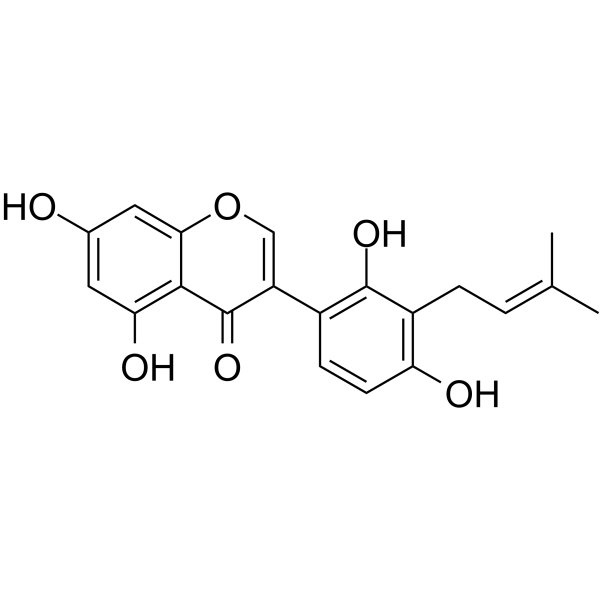
Licoisoflavone A is an orally active isoflavone. Licoisoflavone A inhibits proliferation, induces apoptosis, and causes G1/S phase arrest in colorectal cancer (CRC) cells. Licoisoflavone A inhibits the CDK2-Cyclin E1 axis. Licoisoflavone A inhibits lipid peroxidation with an IC50 of 7.2 μM. Licoisoflavone A shows a dose-dependent inhibition effect on SARS-CoV-2 infection. Licoisoflavone A exhibits significant anti-tumor efficacy in mice bearing CT26 cell subcutaneous xenografts. Licoisoflavone A can be used for the study of colorectal cancer and SARS-CoV-2 infection .
|
-
-
- HY-123450
-
|
|
Bcr-Abl
Apoptosis
PDGFR
|
Cancer
|
|
S116836, a potent, orally active BCR-ABL tyrosine kinase inhibitor, blocks both wild-type as well as T315I Bcr-Abl. S116836 arrests the cells in the G0/G1 phase of cell cycle, induces apoptosis, increases ROS production, and decreases GSH production in BaF3/WT and BaF3/T315I cells. S116836 also inhibits SRC, LYN, HCK, LCK and BLK, and receptor tyrosine kinases such as FLT3, TIE2, KIT, PDGFR-β. Antitumor activies . S116836 is a click chemistry reagent, it contains an Alkyne group and can undergo copper-catalyzed azide-alkyne cycloaddition (CuAAc) with molecules containing Azide groups.
|
-
-
- HY-N0597
-
|
|
Others
Insulin Receptor
|
Cardiovascular Disease
Others
Metabolic Disease
Cancer
|
|
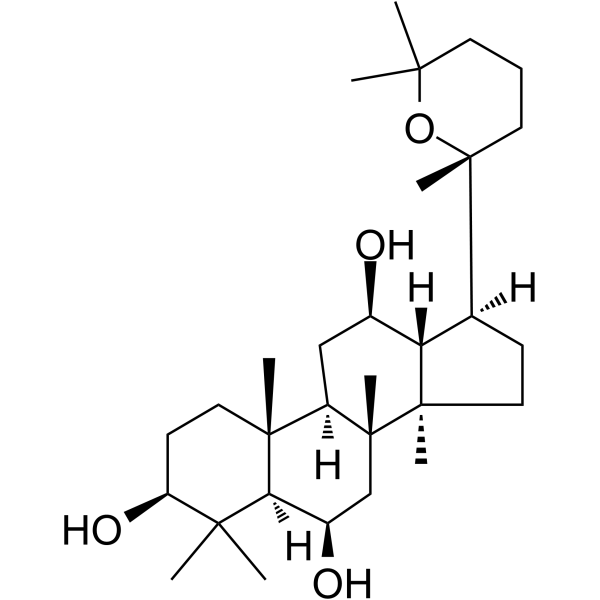
Panaxatriol is an orally active insulin sensitizer. Panaxatriol enhances the phosphorylation levels of Akt, insulin receptor and p70S6K in skeletal muscle. Panaxatriol reduces the mRNA expression level of Atrogin1 in skeletal muscle. Panaxatriol induces apoptosis, pre-G1 cell cycle arrest and increased intracellular ROS levels in prostate cancer cells, decreases mitochondrial membrane potential, inhibits cell migration and reduces colony formation. Panaxatriol can be used in research related to insulin resistance, myocardial ischemia/reperfusion injury and prostate cancer .
|
-
-
- HY-151978
-
|
|
Indoleamine 2,3-Dioxygenase (IDO)
Apoptosis
|
Cancer
|
|
ZC0109 is a dual inhibitor of IDO1 and thioredoxin reductase 1 (TrxR1) with IC50s of 50 nM and 3.0 μM, respectively. ZC0109 induces ROS accumulation and cell cycle arrest at G1/S phase, thus leads to cancer cells apoptosis .
|
-
-
- HY-N1150S9
-
|
DThyd-15N2; NSC-15N2
|
DNA/RNA Synthesis
Endogenous Metabolite
Orthopoxvirus
|
Cancer
|
|
Thymidine- 15N2 is the 15N labeled Thymidine . Thymidine, a specific precursor of deoxyribonucleic acid, is used as a cell synchronizing agent. Thymidine is a DNA synthesis inhibitor that can arrest cell at G1/S boundary, prior to DNA replication .
|
-
-
- HY-N1150S8
-
|
DThyd-13C10,15N2; NSC-13C10,15N2
|
DNA/RNA Synthesis
Endogenous Metabolite
Orthopoxvirus
|
Cancer
|
|
Thymidine- 13C10, 15N2 is the 13C and 15N labeled Thymidine[1]. Thymidine, a specific precursor of deoxyribonucleic acid, is used as a cell synchronizing agent. Thymidine is a DNA synthesis inhibitor that can arrest cell at G1/S boundary, prior to DNA replication[2][3][4].
|
-
-
- HY-N1150S11
-
-
-
- HY-171825
-
|
|
PROTACs
Anaplastic lymphoma kinase (ALK)
|
Cancer
|
|
SIAIS001 is a CRBN-dependent ALK PROTAC degrader with a DC50 of 3.9 nM. SIAIS001 induces ALK protein degradation via the ubiquitin-proteasome system. SIAIS001 induces G1/S phase cell cycle arrest and inhibits proliferation of cancer cells. SIAIS001 can be used for the research of anaplastic large-cell lymphomas .
|
-
-
- HY-120458
-
LCAHA
1 Publications Verification
LCA hydroxyamide
|
Deubiquitinase
|
Cancer
|
|
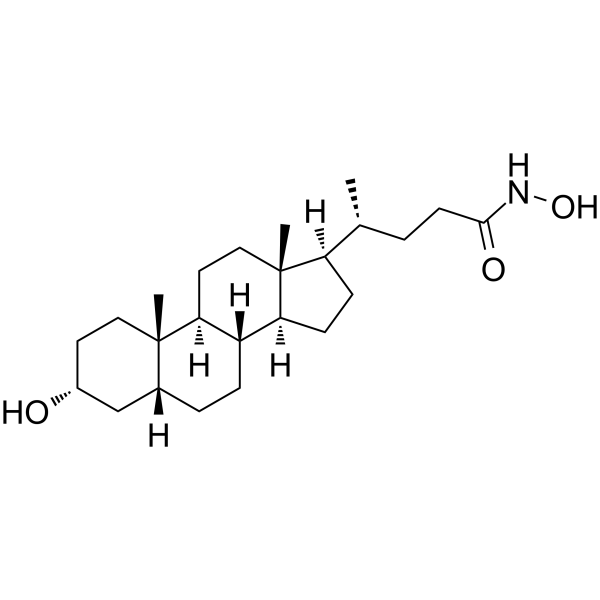
LCAHA (LCA hydroxyamide) is a deubiquitinase USP2a inhibitor with IC50s of 9.7 μM and 3.7μM in Ub-AMC Assay and Di-Ub Assay, respectively. LCAHA destabilizes Cyclin D1 and induces G0/G1 arrest by inhibiting deubiquitinase USP2a .
|
-
-
- HY-146887
-
|
|
Deubiquitinase
Apoptosis
|
Cancer
|
|
USP7-IN-9 is a highly potent ubiquitin-specific protease 7 (USP7) inhibitor with an IC50 value of 40.8 nM. USP7-IN-9 can induce apoptosis and arrest cell progression at G0/G1 and S phases in RS4; 11 cells. USP7-IN-9 reduces the protein levels of oncoproteins MDM2 and DNMT1 and increases the protein levels of tumor suppressors p53 and p21 .
|
-
-
- HY-135564A
-
|
|
Phosphatase
Phospholipase
HIV Protease
ERK
Autophagy
|
Infection
Cancer
|
|
RK-682 is the inhibitor for protein tyrosine phosphatase (PTPase), heparanase, phospholipase A2 and HIV-1 protease. RK-682 inhibits the dephosphorylation of CD45 (IC50 is 54 μM) and VHR (IC50 is 2.0 μM), and thereby inhibits the ERK signaling pathway. RK-682 inhibits the cell viability of cancer cell MGH-U3, T24 and UROtsa with IC50s of 78.2, 43.2 and 145 nM, respectively, arrests the cell cycle at G1/S phase, inhibits the cell migration and autophagy in MGH-U3 and T24 .
|
-
-
- HY-N1150S2
-
-
-
- HY-N1150S
-
|
DThyd-d3; NSC 21548-d3
|
Isotope-Labeled Compounds
DNA/RNA Synthesis
Endogenous Metabolite
|
Others
|
|
Thymidine-d3 is the deuterium labeled Thymidine. Thymidine, a specific precursor of deoxyribonucleic acid, is used as a cell synchronizing agent. Thymidine is a DNA synthesis inhibitor that can arrest cell at G1/S boundary, prior to DNA replication .
|
-
-
- HY-146302
-
|
|
Apoptosis
|
Cancer
|
|
14-3-3η Protein inhibitor 1 (Compound C11) is a 14-3-3η protein inhibitor with a KD of 35 µM. 14-3-3η Protein inhibitor 1 shows inhibitory activities against several typical human liver cancer cell lines. 14-3-3η Protein inhibitor 1 induces cell apoptosis and G1-S cell cycle arrest with good metabolic stability .
|
-
-
- HY-142076A
-
|
|
CDK
|
Cancer
|
|
CDK4/6-IN-15 hydrochloride is an orally active and selective CDK4/6 inhibitor. CDK4/6-IN-15 hydrochloride potently inhibits cancer cells growth. CDK4/6-IN-15 hydrochloride arrests cell cycle at G1 phase and suppresses retinoblastoma tumour suppressor protein (Rb) phosphorylation at S780 and E2 factor (E2F)-regulated gene expression .
|
-
-
- HY-164384
-
|
|
PI3K
Akt
mTOR
Apoptosis
|
Cancer
|
|
DFX117 is a selective, orally active inhibitor for PI3Kα and c-Met tyrosine kinase. DFX117 inhibits PI3K/Akt/mTOR pathway, inhibits the proliferation of NCI-H1975, NCI-H1993, and HCC827 with IC50s 0.02-0.08 µM. DFX117 arrests cell cycle at G0/G1 phase, induces apoptosis in A549 and NCI-H1975. DFX117 exhibits antitumor efficacy in mice .
|
-
-
- HY-N1150S6
-
-
-
- HY-145670
-
|
|
Akt
MDM-2/p53
|
Cancer
|
|
cis,trans-Germacrone is a isomer of Germacrone (HY-N0440). Germacrone exhibits a wide range of antitumor, antioxidant and anti-inflammatory effects. Germacrone inhibits lung cancer cell proliferation and alters the Akt/MDM2/p53. Germacrone also arrests cell cycle at G1/S phase .
|
-
-
- HY-N1150S10
-
-
-
- HY-N16418
-
|
|
Bacterial
Reactive Oxygen Species (ROS)
|
Infection
Cancer
|
|
Epanorin is a secondary metabolite of the Acarospora lichenic species Epanorin can inhibit cancer cells proliferation, ROS production and induce G0/G1 phase arrest. Epanorin shows antibacterial activity. Epanorin can be used for the researches of cancer and infection, such as breast cancer and S. pneumonia infection .
|
-
-
- HY-155285
-
|
|
EGFR
Apoptosis
|
Cancer
|
|
YS-363 is a potent, selective, and orally active EGFR inhibitor, with IC50s of 0.96 nM and 0.67 nM for wild-type and L858R mutant forms of EGFR, respectively. YS-363 can induce G0/G1 cell cycle arrest and apoptosis .
|
-
-
- HY-W142437
-
|
|
Phytohormone
|
Others
|
|
1,4-Dimethylnaphthalen is a non-competitive potato tuber sprouting inhibitor. 1,4-Dimethylnaphthalen blocks cell cycle progression (G1/S arrest) by inducing PP2A phosphatase and oxygen metabolism-related genes. 1,4-Dimethylnaphthalen is promising for research of fungistatic activity during potato storage and sprout control under abiotic stress .
|
-
-
- HY-174129
-
|
|
Btk
Apoptosis
|
Cancer
|
|
TM471-1 is an orally active and covalent Bruton's tyrosine kinase (BTK) inhibitor with IC50 values of 1.3 nM (BTK WT), >40,000 nM (BTK C481S), 7.9 nM (TEC) and 12.4 nM (TXK). TM471-1 inhibits cell growth in vivo and in vitro, arrests cell cycle at G0/G1 phase and induces cell apoptosis .
|
-
-
- HY-19486
-
|
|
Nuclear Factor of activated T Cells (NFAT)
CD3
CD28
Interleukin Related
|
Inflammation/Immunology
|
UR-1505 is a nuclear factor of activated T cells (NF-AT) inhibitor. UR-1505 can suppress CD3/CD28 induced T cell proliferation, increase p27 KIP levels, and induce G1/S cell cycle arrest. UR-1505 can also inhibit the production of IL-5 and IFN-γ in activated T cells. UR-1505 has immunomodulatory properties and can be used in the study of atopic dermatitis .
|
-
-
- HY-170992
-
|
|
Autophagy
CDK
Atg8/LC3
PINK1/Parkin
|
Cancer
|
|
Autophagy agonist-1 (compound 22) is an Autophagy agonist. Autophagy agonist-1 exhibits significant anticancer activity against HepG2 cells and normal cells with IC50s of 8.8 μM and > 50 μM. Autophagy agonist-1 induces G1/S phase cell cycle arrest and inhibits CDK4 and CyclinD1 expression while upregulating P21. Autophagy agonist-1 promotes the accumulation of autophagosomes and the proteins LC3 and PINK1, enhancing autophagy and mitophagy in HepG2 cells .
|
-
-
- HY-175819
-
|
|
Wee1
Apoptosis
|
Cancer
|
|
PD-166285 is a PKMYT1 inhibitor, with an IC50 value of 17 nM. PD166285 shows strong antiproliferative effects against CCNE1-amplified OVCAR3 cells (IC50 = 0.14 μM) and HCC1569 cells (IC50 = 0.21 μM). PD166285 induces apoptosis and arrests CCNE1-amplified HCC1569 cells at the G1/S phase of the cell cycle. PD166285 can be used for the research of PKMYT1-targeted therapies for CCNE1-amplified cancers .
|
-
-
- HY-116861
-
|
|
MetAP
|
Cancer
|
|
A-357300 is a reversible and selective MetAP2 inhibitor with IC50s of 0.12 and 57 μM against MetAP2 and MetAP1. A-357300 induces cytostasis by cell cycle arrest at the G1 phase selectively in endothelial cells and in a subset of tumor cells. A-357300 inhibits angiogenesis both in vitro and in vivo and shows potent antitumor efficacy in carcinoma, sarcoma, and neuroblastoma murine models. A-357300 can be used for the studies of neuroblastoma, fibrosarcoma and breast cancer .
|
-
-
- HY-N1150S1
-
|
DThyd-d4; NSC 21548-d4
|
DNA/RNA Synthesis
Endogenous Metabolite
|
Others
|
|
Thymidine-d4 is the deuterium labeled Thymidine. Thymidine, a specific precursor of deoxyribonucleic acid, is used as a cell synchronizing agent. Thymidine is a DNA synthesis inhibitor that can arrest cell at G1/S boundary, prior to DNA replication .
|
-
-
- HY-N1150S3
-
-
-
- HY-156470
-
|
|
Trk Receptor
Anaplastic lymphoma kinase (ALK)
c-Kit
EGFR
Pim
Casein Kinase
Checkpoint Kinase (Chk)
CDK
Apoptosis
|
Cancer
|
|
Multi-kinase-IN-6 (compound 10e) is a multikinase inhibitor that shows good enzyme inhibitory activity against TrkA, ALK2, c-KIT, EGFR, PIM1, CK2α, CHK1, and CDK2. Multi-kinase-IN-6 reveals antiproliferative activity against MCF7, HCT116 and EKVX with IC50 values of 3.36 μM, 1.40 μM and 3.49 μM, respectively. Multi-kinase-IN-6 shows cell cycle arrest at the G1/S phase and G1 phase in MCF7 and HCT116 cells with good apoptotic effect .
|
-
- HY-130616
-
|
|
EGFR
Apoptosis
|
Cancer
|
|
EGFR-IN-11 is a fourth-generation EGFR-tyrosine kinase inhibitor (EGFR-TKI) with an IC50 of 18 nM for triple mutant EGFR L858R/T790M/C797S. EGFR-IN-11 significantly suppresses the EGFR phosphorylation, induce the apoptosis, and arrest cell cycle at G0/G1 .
|
-
- HY-178461
-
|
|
Lactate Dehydrogenase
|
Cancer
|
|
LDHA-IN-10 (Compound HP19) is a Lactate Dehydrogenase-A (LDHA) inhibitor with an IC50 value of 5.2 μM. LDHA-IN-10 reduces lactate production and ATP levels, inhibiting the proliferation of pancreatic cancer cell line PANC-1. LDHA-IN-10 induces G1/S cell cycle arrest and promotes apoptosis. LDHA-IN-10 is promising for research of pancreatic ductal adenocarcinoma (PDAC) .
|
-
- HY-177766
-
|
|
Molecular Glues
Apoptosis
|
Cancer
|
|
GSPT1 degrader-17 (Compound 9q) is a potent and selective cereblon-based molecular glue degrader that targets G1 to S phase transition 1 (GSPT1). GSPT1 degrader-17 degrades GSPT1 in U937 cells with a DC50 of 35 nM and Dmax of 81.65%. GSPT1 degrader-17 has a strong inhibitory effect on U937, MOLT-4 and MV4-11 cells with IC50 values of 0.019, 0.006 and 0.027 μM. GSPT1 degrader-17 can induce cells apoptosis and G0/G1 phase arrest. GSPT1 degrader-17 can be used for the research of cancer, such as acute myeloid leukemia .
|
-
- HY-W025074
-
|
|
Sirtuin
Histone Methyltransferase
|
Cancer
|
|
BML-278 is a SIRT1 activator (EC150: 1 μM). BML-278 increases H3K9 methylation and inhibits H3K9 acetylation in both the paternal and maternal pronucleus. BML-278 improves early embryonic development. BML-278 arrests the cell cycle at the G1/S phase, and reduces senescence in primary human mesenchymal cells. BML-278 reduces tubulin acetylation in U937 cells. BML-278 also increases mitochondrial density in murine C2C12 myoblasts .
|
-
- HY-10062
-
|
EBP-921
|
Akt
Farnesyl Transferase
|
Cancer
|
|
AZD3409 is a prenyl inhibitor that exhibits inhibitory activity against both farnesyl transferase and geranylgeranyl transferase I. AZD3409 inhibits the growth of breast cancer cells, with IC50s of 220 nM (MDA-MB-468), 180 nM (MDA-MB-361), and 290 nM (SK-Br-3). AZD3409 significantly reduces the activation level of AKT in breast cancer cell lines. AZD3409 induces G0/G1 phase arrest in MDA-MB-468 cells, causes G2/M phase arrest in MDA-MB-361 cells. AZD3409 can be used for the study of breast cancer .
|
-
- HY-115932
-
|
|
Aurora Kinase
Apoptosis
|
Cancer
|
|
Aurora kinase-IN-1 (Compound 9) is a potent inhibitor of aurora kinase. Aurora kinase-IN-1 upregulates the expression of G1 cell cycle inhibitory proteins including p21 and p27, and G1 progressive cyclin D1, and downregulates G1-to-S progressive cyclins, resulting in cell cycle arrest at the G1/S boundary. Aurora kinase-IN-1 also induces apoptosis. Aurora kinase-IN-1 is a lead compound for chemotherapeutic agents .
|
-
- HY-152135
-
|
|
Apoptosis
|
Cancer
|
|
TJ08, a 1,2,5-trisubstituted benzimidazole derivative, efficiently induces G1/S phase arrest and promotes apoptosis in various cancer cells. TJ08 is an anticancer agent .
|
-
- HY-168469
-
|
|
EGFR
|
Cancer
|
|
EGFR-IN-148 (compound 8c) is a potent inhibitor of EGFR , with the IC50 of 0.161 μM. EGFR-IN-148 causes G1/S arrest and markedly enhances apoptosis in HepG2 cells .
|
-
- HY-13768C
-
|
SKF 104864A hydrochloride hydrate; NSC 609669 hydrochloride hydrate
|
Topoisomerase
Apoptosis
Autophagy
|
Cancer
|
|
Topotecan hydrochloride hydrate is an orally active and potent Topoisomerase I inhibitor. Topotecan hydrochloride hydrate induces cell cycle arrest in G0/G1 and S phases and promotes apoptosis. Topotecan hydrochloride hydrate shows anticancer activity .
|
-
- HY-149190
-
|
|
GPR35
|
Cancer
|
|
GPR35 agonist 5 (3,5-dinitro-bisphenol A; compound 6) is a weak GPR35 agonist. GPR35 agonist 5 arrests CHO-S cells at the G1/Gophase .
|
-
- HY-N1150S5
-
-
- HY-N1150S4
-
-
- HY-163722
-
|
|
EGFR
Dihydrofolate reductase (DHFR)
|
Cancer
|
|
EGFR/DHFR-IN-1 (Compound 10e) is a dual inhibitor of EGFR and DHFR with IC50s of 0.151 and 0.541 µM, respectively. EGFR/DHFR-IN-1 arrests the cell cycle at both G0-G1 and S phases .
|
-
- HY-W766305
-
-
- HY-172780
-
|
|
EGFR
Apoptosis
|
Cancer
|
|
EGFR-IN-161 (Compound DD-8) is a potent and reversible inhibitor of L858R/T790M/C797S mutant EGFR kinases, with an IC50 of 0.87 nM. EGFR-IN-161 can induce apoptosis process, G1-phase arrestation, and migration inhibition in tumor cells .
|
-
- HY-146038
-
|
|
Apoptosis
ROS Kinase
MDM-2/p53
Bcl-2 Family
|
Cancer
|
|
Antitumor agent-55 (compound 5q) is a potent antitumor agent. Antitumor agent-55 effectively inhibits PC3, with an IC50 of 0.91 μM. Antitumor agent-55 effectively inhibits the colony formation, suppresses the cell migration in PC3. Antitumor agent-55 induces G1/S phase arrest and apoptosis in PC3 .
|
-
- HY-155055
-
|
|
Reactive Oxygen Species (ROS)
|
Cancer
|
|
Antiproliferative agent-26 (compound 4g) is an antiproliferative agent with much broad range of activity targeting Leukemia, CNS, Melanoma, Renal and Breast (at the concentration of 10 μM). Antiproliferative agent-26 inhibits colony forming and arrests cell cycle at G1 phase/S phase at 5 μM and 25 μM, respectively .
|
-
- HY-146491
-
|
|
VEGFR
Raf
Apoptosis
|
Cancer
|
|
VEGFR-2/BRAF-IN-1 (Compound 4b) is a dual VEGFR-2 and BRAF kinases inhibitor with IC50 values of 0.049, 0.063 and 0.005 µM against VEGFR-2, BRAF V600E and BRAF WT, respectively. VEGFR-2/BRAF-IN-1 induces apoptosis and arrests the cell cycle mainly in the G1/S phase .
|
-
- HY-13721R
-
|
Idronoxil (Standard); Dehydroequol (Standard); Haginin E (Standard)
|
Caspase
Apoptosis
Topoisomerase
Reference Standards
|
Cancer
|
|
Phenoxodiol (Standard) is the analytical standard of Phenoxodiol. This product is intended for research and analytical applications. Phenoxodiol (Idronoxil), a synthetic analog of Genestein, activates the mitochondrial caspase system, inhibits XIAP (an apoptosis inhibitor), and sensitizes the cancer cells to Fas-mediated apoptosis. Phenoxodiol also inhibits DNA topoisomerase II by stabilizing the cleavable complex. Phenoxodiol induces cell cycle arrest in the G1/S phase of the cell cycle and upregulates p21WAF1 via a p53 independent manner .
|
-
- HY-172111
-
|
|
EGFR
Microtubule/Tubulin
Interleukin Related
TNF Receptor
Apoptosis
|
Cancer
|
|
EGFR-IN-144 (Compound 4B) exhibits inhibitory activities against EGFR (IC50=0.639 µg/mL) and tubulin polymerization (IC50=7.339 µg/mL). EGFR-IN-144 exhibits cytotoxicity in multiple cancer cell with GI50 of nanomolare levels. EGFR-IN-144 downregulates the expressions of mTOR, TNF-α, and IL-6, arrests the cell cycle at G1/S phase, and induces apoptosis .
|
-
- HY-146200
-
|
|
PI3K
mTOR
|
Cancer
|
|
PI3K/mTOR Inhibitor-8 (Compound 18b) is a PI3K and mTOR dual inhibitor with IC50 values of 0.46 nM and 12 nM against PI3Kα and mTOR, respectively. PI3K/mTOR Inhibitor-8 induces HCT-116 cells apoptosis and arrests cell cycle at the G1/S phase .
|
-
- HY-145867
-
|
|
Topoisomerase
EGFR
CDK
Apoptosis
|
Cancer
|
|
EGFR-IN-45 is a potent epidermal growth factor receptor (EGFR) pan inhibitor, with IC50s of 0.4 µM and 1.6 µM for EGFR and CDK2, respectively. EGFR-IN-45 also inhibit Topo I and Topo II. EGFR-IN-45 arrests cancer cells in the pre-G1 phase and induces apoptosis .
|
-
- HY-159149
-
|
|
Reactive Oxygen Species (ROS)
Apoptosis
|
Cancer
|
|
Antitumor agent-182 (Compound 12a) decreases mitochondrial membrane potential (MMP) and enhances ROS levels. Antitumor agent-182 arrests the cell cycle at G0/G1 phase, induces apoptosis in HeLa. Antitumor agent-182 inhibits the proliferation of HeLa, PC-3 and HCT-15 with IC50s of 8.83, 10.07 and 7.84 μM, respectively .
|
-
- HY-151630
-
|
|
Carbonic Anhydrase
|
Cancer
|
|
hCAIX-IN-16 (Compound 12d) is hCA IX inhibitor, with Ki values of 190.0 and 187.9 nM for hCA IX and hCA XII, respectively. hCAIX-IN-16 can arrest the cell cycle of breast cancer MDA-MB-468 in G0-G1 and S phase and induce apoptosis. hCAIX-IN-16 shows good broad-spectrum anticancer activity and can be used for cancer research .
|
-
- HY-169408
-
|
|
Cytochrome P450
EGFR
Apoptosis
|
Cancer
|
|
EGFR-IN-137 (Compound 4c) is an inhibitor for aromatase and EGFR with IC50s of 1.67 μg/mL and 0.08 μg/mL. EGFR-IN-137 inhibits the proliferation of cancer cell MCF-7 and MDA-MB-231 with IC50s of 1.62 µM and 4.14 µM. EGFR-IN-137 arrests the cell cycle at G0/G1 phase in MDA-MB-231, and induces apoptosis through caspase-dependent pathway .
|
-
- HY-151154
-
|
|
EGFR
|
Cancer
|
|
EGFR/HER2/DHFR-IN-1 is a potent anticancer agent with high selectivity against MCF-7 breast cancer cells. EGFR/HER2/DHFR-IN-1 is a multiple inhibitor of EGFR/HER2 kinase and DHFR, with IC50s of 0.153 μM, 0.108 μM, 0.291 μM, respectively. EGFR/HER2/DHFR-IN-1 arrests cell cycle at G1/S and induces cells apoptosis .
|
-
- HY-155227A
-
|
|
Anaplastic lymphoma kinase (ALK)
|
Cancer
|
|
ALK/EGFR-IN-2 is a potent dual inhibitor of ALK and EGFR. ALK/EGFR-IN-2 induces apoptosis and G0/G1 cell cycle arrest in cancer cells. ALK/EGFR-IN-2 significantly inhibits the cell proliferation of H1975, PC9, and Baf3-EML4-ALK cancer cell lines with IC50s of 0.0034, 0.0065, and 0.0018 μM, respectively .
|
-
- HY-178009
-
|
|
EGFR
Apoptosis
Akt
PERK
|
Cancer
|
|
EGFR-IN-175 is an orally active and selective EGFR L858R/T790M/C797S inhibitor with an IC50 of 18.94 nM. EGFR-IN-175 can induce cell apoptosis and cause G1 phase arrest. EGFR-IN-175 can downregulate p-EGFR, p-AKT, and p-ERK expression. EGFR-IN-175 can be used for the research of cancer, such as lung cancer .
|
-
- HY-143246
-
|
|
EGFR
Apoptosis
|
Cancer
|
|
EGFR kinase inhibitor 1 is a potent EGFR inhibitor with IC50s of 37, 1.7, >300 nM for WT, l885R/T790M, L858R/T790M/C797S, respectively. EGFR kinase inhibitor 1 induces apoptosis and cell cycle arrest at G0/G1-phase. EGFR kinase inhibitor 1 inhibits the cell motility. EGFR kinase inhibitor 1 shows antiproliferative and anti-tumor activity .
|
-
- HY-172092
-
|
|
Apoptosis
Ferroptosis
|
Cancer
|
|
BG11 induces the accumulation of Fe 2+ and intracellular lipid peroxides, induces ferroptosis. BG11 regulates the expression of Bax and Bcl-2 proteins, and induces apoptosis in MDA-MB-231 cell. BG11 arrests the cell cycle at G0/G1 and S phase, inhibits the proliferation of TNBC cancer cell (IC50 for MDA-MB-231 and BT549 is 0.49 μM and 0.52 μM), and inhibits the cell migration and invasion. BG11 exhibits antitumor efficacy in mouse models .
|
-
- HY-175635
-
|
|
EGFR
VEGFR
|
Cancer
|
|
EGFR/VEGFR2-IN-6 (Compound 3k) is a dual-functional inhibitor of EGFR and VEGFR2 with IC50s of 10.53 and 3.37 μM for EGFR and VEGFR2, respectively. EGFR/VEGFR2-IN-6 has significant anti-proliferation activity against breast cancer cells, and induces G0/G1 cell cycle arrest and cell apoptosis, especially early apoptosis. EGFR/VEGFR2-IN-6 can be used for cancers research .
|
-
- HY-144777
-
|
|
FLT3
Apoptosis
|
Cancer
|
|
FLT3-IN-14 is a potent FLT3 inhibitor with IC50s of 5.6 nM and 1.4 nM for FLT3-WT and FLT3-ITD. FLT3-IN-14 reduces the phosphorylation of FLT3 (Y591), induces cell cycle arrest at G1 phase and apoptosis. FLT3-IN-14 significantly reduces the tumor growth in an MV4-11 xenograft mouse model .
|
-
- HY-146443
-
|
|
Raf
|
Cancer
|
|
BRAF V600E/CRAF-IN-2 (Compound 9c) is a potent inhibitor of BRAF V600E/CRAF with IC50s of 0.888 and 0.229 μM, respectively. BRAF V600E/CRAF-IN-2 triggers apoptosis and cell cycle arrest at G0/G1 phase in HCT-116 colon cancer cell. BRAF V600E/CRAF-IN-2 has the potential for the research of cancer diseases .
|
-
- HY-164411
-
|
|
c-Met/HGFR
|
Cancer
|
|
KRC-00715 is an effective oral c-Met inhibitor with an IC50 of 9.0 nM, demonstrating high selectivity in gastric cancer cells. KRC-00715 specifically inhibits the growth of c-Met-highly expressed cell lines by inducing G1/S phase arrest, leading to a reduction in downstream signaling pathways, including Akt and Erk, as well as c-Met activity. KRC-00715, in the gastric cancer cell line Hs746, is characterized by an IC50 of 39 nM, and it selectively inhibits the proliferation of c-Met-highly expressed cell lines. KRC-00715 reduces tumor size in Hs746T xenograft mouse models .
|
-
- HY-154855
-
|
|
HDAC
|
Cancer
|
|
HDAC-IN-56 ((S)-17b) is an orally active class I histone deacetylase (HDAC) inhibitor with IC50 values of 56.0 ± 6.0, 90.0 ± 5.9, 422.2 ± 105.1, >10000 nM for HDAC1, HDAC2, HDAC3, and HDAC4-11, respectively. HDAC-IN-56 has potent inhibitory activity while strongly increasing intracellular levels of acetylhistone H3 and P21 and effectively inducing G1 cell cycle arrest and apoptosis.HDAC-IN-56 has antitumor activity .
|
-
- HY-161694
-
|
|
DNA Methyltransferase
|
Cancer
|
|
DNMT1-IN-3 (compound 7t-S) is an effective DNA methyltransferase 1 (DNMT1) inhibitor with an IC50 value of 0.777 μM and a KD value of 0.183 μM. DNMT1-IN-3 can bind to the methyl donor S-adenosyl-l-methionine (SAM) site in DNMT1. DNMT1-IN-3 can inhibit cell proliferation in K562 cells by inducing cells apoptosis and arresting cell cycle at G0 / G1 phase, which has the potential to be used for the research of hematologic tumor .
|
-
- HY-170640
-
|
|
FLT3
Reactive Oxygen Species (ROS)
Apoptosis
|
Cancer
|
|
FLT3-IN-29 (Compound MY-10) is a FLT3 inhibitor (IC50s: 6.5 and 10.3 nM for FLT3-ITD and FLT3-D835Y mutants). FLT3-IN-29 arrests cell cycle at the G0/G1 phase and efficiently induces Apoptosis. FLT3-IN-29 also reduces reactive oxygen species (ROS) production and mitochondrial membrane potential (MMP). FLT3-IN-29 displays antileukemic activity .
|
-
- HY-P10819
-
|
|
Histone Demethylase
Apoptosis
|
Cancer
|
|
S9-CMC1 TFA is a covalent peptide lysine-specific demethylase 1 (LSD1) inhibitor with an IC50 value of 2.53 μM. S9-CMC1 TFA specifically recognizes Cys360 in the enzyme-active region. S9-CMC1 TFA inhibits LSD1 activity, increasing H3K4me1 and H3K4me2 levels, leading to G1 cell cycle arrest and apoptosis and inhibiting cell proliferation. S9-CMC1 TFA significantly inhibits tumor growth in A549 xenograft animal models .
|
-
- HY-173038
-
|
|
EGFR
ERK
STAT
Apoptosis
|
Cancer
|
|
EGFR-IN-151 (Compound 10) inhibits EGFR and its downstream signaling pathways ERK/STAT3. EGFR-IN-151 inhibits the proliferation of a variety lung cancer cells (IC50s for NCI-H1781, HCC827, NCI-H3255 and NCI-H1975 is 11.7, 5.19, 7.32 and 1.53 μM, respectively), inhibits the colony formation and migration of H1975, arrests the cell cycle at G1 phase, and induces apoptosis in H1975 .
|
-
- HY-147862
-
|
|
EGFR
Apoptosis
|
Cancer
|
|
EGFR-IN-62 (compound 9h) is a potent and reversible EGFR kinase inhibitor, with IC50 values of 10 nM (L858R/T790 M), 29 nM (WT), and 242 nM (L858R/T790 M/C797S), respectively. EGFR-IN-62 shows antiproliferative activity against A549 and H1975 cell lines, with IC50 values of 2.53 and 1.56 μM, respectively. EGFR-IN-62 induces dose-dependent apoptosis process, G1/G0-phase arrestation, and the inhibition of motility on A549 and/or H1975 cell lines .
|
-
- HY-146749
-
|
|
FLT3
Trk Receptor
Apoptosis
|
Cancer
|
|
FLT3/TrKA-IN-1 is a potent FLT3/TrKA dual kinase inhibitor with the IC50s of 43.8 nM, 97.2 nM, 92.5 nM and 23.6 nM for FLT3, FLT3-ITD, FLT3-TKD and TrKA, respectively. FLT3/TrKA-IN-1 induces cell cycle arrest at the G0/G1 phase as well as apoptosis and shows antiproliferative activity in vitro. FLT3/TrKA-IN-1 has the potential for the research of Acute myeloid leukemia (AML) .
|
-
- HY-135564
-
|
|
Phosphatase
Phospholipase
HIV Protease
ERK
Autophagy
|
Infection
Cancer
|
|
RK-682 hemicalcium is the hemicalcium salt form of RK-682 (HY-135564A). RK-682 hemicalcium is the inhibitor for protein tyrosine phosphatase (PTPase), heparanase, phospholipase A2 and HIV-1 protease. RK-682 hemicalcium inhibits the dephosphorylation of CD45 (IC50 is 54 μM) and VHR (IC50 is 2.0 μM), and thereby inhibits the ERK signaling pathway. RK-682 hemicalcium inhibits the cell viability of cancer cell MGH-U3, T24 and UROtsa with IC50s of 78.2, 43.2 and 145 nM, respectively, arrests the cell cycle at G1/S phase, inhibits the cell migration and autophagy in MGH-U3 and T24 [2] .
|
-
- HY-155358
-
|
|
EGFR
Apoptosis
|
Cancer
|
|
Os30, a potent fourth-generation EGFR inhibitor, is a potent EGFRC797S-TK inhibitor with IC50 values of 18 nM and 113 nM for EGFRDel19/T790M/C797S TK and EGFRL858R/T790M/C797S TK, respectively. Os30 can suppress EGFR phosphorylation, arrest at G1 phase and induce the apoptosis of KC-0116 (BaF3-EGFRDel19/T790M/C797S) cells. Os30 shows potent antitumor efficacy on non-small cell lung cancer (NSCLC) with EGFmRC797S mutation .
|
-
- HY-153509
-
|
|
Sirtuin
|
Cancer
|
|
Sirtuin-IN-1 (Compound 18) is a SIRT1/2 inhibitor (IC50s: 6.2 μM and 4.2μM for SIRT1 and SIRT2, respectively). Sirtuin-IN-1 induces G1 cell cycle arrest. Sirtuin-IN-1 exhibits potent anti-cancer activity against glioma .
|
-
- HY-173118
-
|
|
EGFR
Apoptosis
|
Cancer
|
|
EGFR-IN-152 (compound D4) is a potent EGFR tyrosine kinase inhibitor, exhibiting potent EGFR L858R/T790M/C797S inhibition activity (IC50 = 40 nM). EGFR-IN-152 induces G0/G1 phase cell cycle arrest and apoptosis, thereby inhibiting colony formation and cell proliferation of non-small cell lung cancer (NSCLC) cells. EGFR-IN-152 can be used for NSCLC research .
|
-
- HY-181490
-
|
|
PROTACs
CDK
Apoptosis
|
Cancer
|
|
WWZ-11-098 is a selective CDK6 PROTAC degrader with DC50 of 2.6 nM. WWZ-11-098 induces degradation of CDK6 in a CRBN-dependent manner, while sparing CDK1, CDK2, CDK4, and CDK9. WWZ-11-098 induces apoptosis, G1-S cell cycle arrest and shows anti-proliferative activity in cancer cells. WWZ-11-098 exhibits antitumor efficacy in a xenograft model without signs of toxicity. WWZ-11-098 can be used for the research of leukemia .
|
-
- HY-169413
-
|
|
Akt
|
Cancer
|
|
AKT-IN-25 (Compound 14a) is an inhibitor for Akt, that inhibits the phosphorylation of Akt, and thereby inhibits the PI3K/Akt/mTOR signaling pathway. AKT-IN-25 arrests the cell cycle at G1 phase, inhibits the cell migration of PANC-1, and inhibits the proliferation of cancer cells PANC-1, PATU-T, and SUIT-2 with IC50s of 3.05, 1.32, and 3.85 μM, respectively .
|
-
- HY-182005
-
|
|
EGFR
VEGFR
|
Cancer
|
|
EGFR/VEGFR2-IN-12 (compound 11a) is a dual EGFR/VEGFR2 inhibitor, with an IC50 value of 64 nM against human EGFR and an IC50 value of 74 nM against human VEGFR2. EGFR/VEGFR2-IN-12 inhibits the phosphorylation of EGFR and VEGFR2, induces cell cycle arrest at the G1/S phase, activates apoptotic pathways, promotes PARP-1 cleavage, exhibits low micromolar antiproliferative activity, and shows much higher selectivity for cancer cells than normal cells. EGFR/VEGFR2-IN-12 is applicable for cancer-related research .
|
-
- HY-182447
-
|
DL111-IT
|
CDK
Apoptosis
|
Endocrinology
Cancer
|
|
Contragestazol (DL111-IT) is a non-hormonal antifertility agent. Contragestazol reduces the expression of Cyclin D1 and CDK4, increases the expression of total retinoblastoma protein (pRb), and decreases the level of hyperphosphorylated pRb. Contragestazol induces G0/G1 phase cell cycle arrest. Contragestazol inhibits embryonic development by inducing luteal cell apoptosis and reducing intrauterine polyamine levels. Contragestazol exhibits antitumor activity against prostate cancer, S180 tumor and H22 tumor. Contragestazol shows extremely potent activity in terminating early pregnancy in animals .
|
-
- HY-N15121
-
|
|
Drug Derivative
Apoptosis
c-Myc
AMPK
mTOR
|
Cancer
|
|
4-O-Methyl-ascochlorin (Compound MAC) is a derivative of Ascochlorin (HY-101021). 4-O-Methyl-ascochlorin can selectively induce apoptosis of K562 leukemia cells, cause G1 phase arrest and downregulate c-Myc expression. 4-O-Methyl-ascochlorin can promote the phosphorylation of AMPK and inhibit the phosphorylation of mTOR and its target proteins, including p70S6 K and 4E-BP-1. 4-O-Methyl-ascochlorin can be used for research of leukemia .
|
-
- HY-139815
-
|
|
HDAC
|
Cancer
|
|
ZYJ-34c is an orally active and potent histone deacetylase inhibitor (HDACi) with IC50s of 0.056 μM and 0.146 μM for HDAC6 and HDAC8, respectively. ZYJ-34c causes G1 phase arrest in low concentration. ZYJ-34c has antiproliferative activities. ZYJ-34c exhibits antitumor potency in MDA-MB-231 and HCT116 xenograft models and possesses antimetastatic potential in a mouse hepatoma-22 (H22) pulmonary metastasis model .
|
-
- HY-132231
-
|
|
PI3K
Apoptosis
|
Cancer
|
|
FD223 is a potent and selective phosphoinositide 3-kinase delta (PI3Kδ) inhibitor. FD223 displays high potency (IC50=1 nM) and good selectivity over other isoforms (IC50s of 51 nM, 29 nM and 37 nM, respectively for α, β and γ). FD223 exhibits efficient inhibition of the proliferation of acute myeloid leukemia (AML) cell lines by suppressing p-AKT Ser473 thus causing G1 phase arrest during the cell cycle. FD223 has potential for the research of leukemia such as AML .
|
-
- HY-201330
-
|
RGT-419B
|
CDK
|
Cancer
|
|
GDC-4198 (RGT-419B) is an orally active CDK4/2 inhibitor with desired degrees of selectivity against kinases such as CDK6, CDK9 and GSK3β. GDC-4198 inhibits the activity of cyclin-CDK complexes, blocks phosphorylation of the retinoblastoma protein (pRb), arresting the cell cycle transition from G1 to S phase. GDC-4198 is promising for research of cancers, such as breast cancer (especially hormone receptor-positive, HER2-negative type), lung cancer, and colorectal cancer .
|
-
- HY-118385
-
|
|
Microtubule/Tubulin
|
Cancer
|
ER-67880 is a potent microtubule inhibitor with an IC50 of 9.5 μM. ER-67880 exhibits anti-proliferative activity against KB, Colon 38 and P338 cells with IC50s of 0.55, 0.2 and 0.76 μg/mL. ER-67880 causes G2/M phase arrest and is accompanied by abnormal DNA replication. ER-67880 exhibits a down-regulation pattern of G1 phase-related genes. ER-67880 can be used in various cancer studies, including those of nasopharyngeal carcinoma and murine adenocarcinoma .
|
-
- HY-N2199
-
|
|
Apoptosis
Autophagy
PI3K
JNK
mTOR
p38 MAPK
CDK
MMP
TGF-beta/Smad
STAT
β-catenin
Reactive Oxygen Species (ROS)
Bcl-2 Family
Caspase
|
Inflammation/Immunology
Cancer
|
|
Sotetsuflavone is a flavonoid that can be isolated from Cycas revolute. Sotetsuflavone inhibits phosphorylation of PI3K, Akt, mTOR, JNK, and p38 MAPK; modulates expression of Cyclin D1, CDK4, Bcl-2, Bax, cleaved caspases 3/9, MMP-9, TGF-β, STAT3, and β-catenin. Sotetsuflavone induces G0/G1 cell cycle arrest, apoptosis, autophagy, and intracellular ROS elevation, inhibits cancer cell proliferation. Sotetsuflavone inhibits tumor growth in mouse tumor xenograft models. Sotetsuflavone can be used for the research of non-small cell lung cancer and Crohn’s disease .
|
-
- HY-181659
-
|
|
EGFR
Apoptosis
Akt
ERK
Caspase
Bcl-2 Family
|
Cancer
|
|
EGFR-IN-201 is a potent EGFR inhibitor, with an IC50 of 0.091 μM against wild-type EGFR; for mutant EGFR variants, the IC50 values of EGFR T790M, EGFR L858R and EGFR C797S are 0.147 μM, 0.221 μM and 0.703 μM, respectively. EGFR-IN-201 inhibits EGFR downstream signaling proteins AKT1 (IC50 = 0.225 μg/mL) and ERK1 (IC50 = 0.705 μg/mL). EGFR-IN-201 induces G0/G1 cell cycle arrest, apoptosis and low-level necrosis in cancer cells. EGFR-IN-201 is applicable to research on cancers such as colon cancer .
|
-
- HY-159122
-
|
|
Carbonic Anhydrase
Reactive Oxygen Species (ROS)
Apoptosis
|
Cancer
|
|
CA IX-IN-2 (Compound 9o) is an inhibitor for carbonic anhydrase (CA), that inhibits CA IX, CA XII and CA II with an IC50 of 5.6, 7.4 and 430 nM, respectively. CA IX-IN-2 inhibits the proliferation of cancer cell HCT-116, SW480, MDA-MB 231 and MCF-7, with IC50s of 14.63-29.33 μM. CA IX-IN-2 intercalates DNA, arrests cell cycle at G1/S phase, and induces apoptosis in MDA-MB-231. CA IX-IN-2 affects the mitochondrial membrane potential (MMP), increases the intracellular ROS levels, causes mitochondrial damage, and inhibits the cell migration of MDA-MB-231. CA IX-IN-2 exhibits antitumor efficacy in mouse models .
|
-
- HY-180242
-
|
|
EGFR
CDK
Apoptosis
Caspase
Bcl-2 Family
|
Cancer
|
|
EGFR/CDK2-IN-5 is a potent dual EGFR and CDK2 inhibitor with IC50s of 17.30 and 212.10 nM, respectively. EGFR/CDK2-IN-5 also inhibits EGFR T790M with an IC50 of 123.8 nM. EGFR/CDK2-IN-5 exhibits potent anticancer activity. EGFR/CDK2-IN-5 induces G1 and S cell cycle arrest and apoptosis, accompanied by increased levels of caspase-3/9 and Bax, as well as decreased Bcl-2 levels. EGFR/CDK2-IN-5 can be used for the research of cancers, such as lung cancer, breast cancer, and leukemia .
|
-
- HY-147825
-
|
|
EGFR
Raf
Apoptosis
|
Cancer
|
|
EGFR/BRAFV600E-IN-1 (Compound 23) is a potent EGFR and BRAF V600E dual inhibitor with IC50s of 0.08 and 0.15 µM, respectively. EGFR/BRAFV600E-IN-1 induces apoptosis and cell cycle arrest in both pre-G1 and G2/M phases. EGFR/BRAFV600E-IN-1 exhibits antiproliferative activity againist A-549, MCF-7, Panc-1, HT-29 with IC50s of 1.2, 0.79, 1.3, and 1.23 µM, respectively .
|
-
- HY-169093
-
|
|
PROTACs
Epigenetic Reader Domain
Apoptosis
|
Cancer
|
|
MS41 is a selective eleven-nineteen leukemia (ENL) PROTAC degrader, with DC50s of 3.50 nM (MV4;11), 2.84 nM (SEMK2), 3.03 nM (Jurkat), and 26.58 nM (KASUMI1), respectively. MS41 effectively inhibits the growth of ENL-dependent leukemia cells, induces G1 cell cycle arrest and increases apoptosis. MS41 reduces the chromatin occupancy of ENL-associated transcription elongation machinery, and suppresses oncogenic gene expression and leukemia progression. Red: ENL ligand (HY-169094). Black: linker (HY-W105744). Blue: VHL ligand (HY-112078) .
|
-
- HY-175011
-
|
|
EGFR
Apoptosis
|
Cancer
|
|
EGFR-IN-165 is a potent EGFR inhibitor. EGFR-IN-165 demonstrates superior potency with IC50s of 17.18 and 64.74 nM against EGFR L858R/T790M and EGFR WT; 2.17 and 6.2 μM against NCI-H1975 cells and A431 cells. EGFR-IN-165 significantly inhibits the migration and induces G1 phase cell cycle arrest and cell apoptosis. EGFR-IN-165 can be used for the study of cancers such as non-small cell lung cancer, colorectal cancer, and head and neck squamous cell carcinoma .
|
-
- HY-N0858R
-
|
|
Reference Standards
HIV
|
Infection
Inflammation/Immunology
Cancer
|
|
Gomisin G (Standard) is the analytical standard of Gomisin G. This product is intended for research and analytical applications. Gomisin G is a lignin from S. chinesis with anti-HIV (EC50 = 0.006 μg/mL), anti-liver cancer and anti-inflammatory activities. Gomisin G has an AKT-cyclin D1 dependent mechanism against triple-negative breast cancer (TNBC) cells through suppressing phosphorylation rather than inducing apoptosis. Gomisin G can inhibit AKT phosphorylation. Gomisin G can cause cell cycle arrest in the G1 phase. Gomisin G can be studied in research for diseases such as HIV, breast and liver cancers .
|
-
- HY-118447
-
|
|
CDK
Survivin
|
Cancer
|
|
RO0505124 is a selective CDK4 inhibitor with an IC50 of 20 nM. RO0505124 reversibly binds the ATP pocket of the kinase. RO0505124 induces G1 phase arrest in cancer cells via reduced retinoblastoma protein (Rb) phosphorylation, blocking S phase progression. RO0505124 exhibits anti-proliferative activity against various cancer cells. RO0505124 delays mitotic entry, induces aberrant mitosis with lagging chromosomes, driving mitotic slippage and formation of multinucleated or micronucleated cells. RO0505124 inhibits G2/M phase accumulation of survivin and borealin. RO0505124 can be used for the research of cancer .
|
-
- HY-179052
-
|
|
Apoptosis
Autophagy
Bcl-2 Family
Caspase
Atg8/LC3
Atg7
CDK
Reactive Oxygen Species (ROS)
|
Cancer
|
|
Apoptosis inducer 50 (Compound 5e) is an apoptosis inducer as well as an autophagy inducer agent. Apoptosis inducer 50 exhibits potent and selective anti-cancer activity against triple-negative breast cancer cells and metastatic colon cancer cells. Apoptosis inducer 50 upregulates the expression of pro-apoptotic proteins (Bax, Bim, cleaved Caspase-9) and downregulates the expression of the anti-apoptotic protein (BCL-XL). Apoptosis inducer 50 upregulates key autophagy markers such as Beclin-1 and ATG5, and enhances the conversion of LC3-I to LC3-II., Apoptosis inducer 50 arrests cancer cells in the G1/S phase by upregulating the expression of p21 and p27 while downregulating Cyclin D1. Apoptosis inducer 50 increases the level of ROS .
|
-
- HY-17026A
-
|
dFdCTP
|
Drug Metabolite
DNA/RNA Synthesis
Apoptosis
|
Cancer
|
|
Gemcitabine triphosphate (dFdCTP) is the active metabolite of Gemcitabine (HY-17026). The mechanism of Gemcitabine triphosphate cell-killing is its competition with cytidine triphosphate during DNA replication, which results in the inhibition of chain elongation. Gemcitabine triphosphate shows a Ki of 11.2 μM against DNA polymerase α and 14.4 μM against DNA polymerase ε. Gemcitabine triphosphate partially inhibits dCMP deaminase and acts as a substrate for DNA synthesis to incorporate into cellular DNA and RNA. Gemcitabine triphosphate disrupts DNA and RNA synthesis, arrests cell cycle in G0/G1 and S phases, triggers apoptosis, reduces tumor cell proliferation. Gemcitabine triphosphate can be used for the research of pancreatic cancer and non-small cell lung cancer .
|
-
- HY-17026E
-
|
dFdCTP trisodium
|
Drug Metabolite
DNA/RNA Synthesis
Apoptosis
|
Cancer
|
|
Gemcitabine triphosphate (dFdCTP) trisodium is the active metabolite of Gemcitabine (HY-17026). The mechanism of Gemcitabine triphosphate trisodium cell-killing is its competition with cytidine triphosphate during DNA replication, which results in the inhibition of chain elongation. Gemcitabine triphosphate trisodium shows a Ki of 11.2 μM against DNA polymerase α and 14.4 μM against DNA polymerase ε. Gemcitabine triphosphate trisodium partially inhibits dCMP deaminase and acts as a substrate for DNA synthesis to incorporate into cellular DNA and RNA. Gemcitabine triphosphate trisodium disrupts DNA and RNA synthesis, arrests cell cycle in G0/G1 and S phases, triggers apoptosis, reduces tumor cell proliferation. Gemcitabine triphosphate trisodium can be used for the research of pancreatic cancer and non-small cell lung cancer .
|
-
- HY-168936
-
|
|
PROTACs
Epigenetic Reader Domain
Apoptosis
|
Cancer
|
|
DP-15 is the degrader for GSPT1 and BRD4 with DC50s of 5.25 nM and 0.48 nM. DP-15 exhibits anti-proliferative activity of AML cells and NHL cells with an IC50 of nanomolar levels, arrests the cell cycle at G1 phase, and induces apoptosis in MOLM13. DP-15 exhibits anti-leukemia activity in MOLM-13 xenograft mouse models . (Pink: ligand for target protein JQ-1 carboxylic acid (HY-78695); Black: linker (HY-W262798); Blue: ligand for E3 ligase Cereblon Thalidomide-5-OH (HY-23095))
|
-
- HY-155066
-
|
|
PI3K
mTOR
Apoptosis
|
Cancer
|
|
FD274 is a highly potent PI3K/mTOR dual inhibitor with IC50s of 0.65 nM, 1.57 nM, 0.65 nM, 0.42 nM, and 2.03 nM against PI3Kα/β/γ/δ and mTOR, respectively. FD274 exhibits significant anti-proliferation of AML cell lines (HL-60 and MOLM-16). FD274 arrests HL-60 cell cycle at G1 phase and increases apoptosis. FD274 demonstrates dose-dependent inhibition of tumor growth in the HL-60 xenograft model. FD274 has the potential for acute myeloid leukemia research .
|
-
- HY-174302
-
|
|
Pim
HDAC
PARP
Apoptosis
|
Cancer
|
|
PIM-1/HDAC-IN-2 is a robust PIM/HDAC inhibitor (IC50 = 0.11 μM in MV4-11cells), which exerts a synergistic antiproliferative effect through a dual mechanism of inhibiting PIM1 kinase and selectively inhibiting HDAC6. PIM-1/HDAC-IN-2 induces cell apoptosis. PIM-1/HDAC-IN-2 remarkably induces the cleavage of PARP, thereby initiating the arrest of the cell cycle in G1 phase and a reduction in S phase. PIM-1/HDAC-IN-2 demonstrates significant anticancer efficacyin the MV4-11 xenograft model without notable toxicity[1].
|
-
- HY-175320
-
|
|
PROTACs
c-Met/HGFR
Apoptosis
STAT
|
Cancer
|
|
PROTAC c-Met degrader-5 (Compound D19) is an orally active c-Met PROTAC degrader with DC50s of 0.42 and 0.32 nM in EBC-1 and Hs746T cells, respectively. PROTAC c-Met degrader-5 significantly induces cell apoptosis, G1 cell cycle arrest, and inhibits cell migration and invasion. PROTAC c-Met degrader-5 has potent antiproliferative and degradation efficacy against c-Met-addicted cancer cells and Tepotinib (HY-14721)-resistant cancer cells . Pink: c-Met ligand (HY-W425461); Blue: CRBN ligase ligand (HY-14658); Black: linker
|
-
- HY-179485
-
|
|
EGFR
VEGFR
COX
Caspase
Apoptosis
Bcl-2 Family
|
Cancer
|
|
EGFR/VEGFR2-IN-10 is a selective EGFR, VEGFR2 and COX2 inhibitor with IC50s of 8.5, 68 and 158 nM, respectively. EGFR/VEGFR2-IN-10 induces G1-phase cell cycle arrest in MCF-7 cells. EGFR/VEGFR2-IN-10 increases the Bax/Bcl-2 ratio, upregulates caspase-8, and elevates caspase-9 protein levels, confirming activation of the intrinsic apoptotic pathway. EGFR/VEGFR2-IN-10 demonstrates exceptional therapeutic potential by simultaneously inhibiting tumor proliferation, angiogenesis, and inflammation pathways while maintaining a favorable selectivity profile. EGFR/VEGFR2-IN-10 can be used as a research tool for cervical, liver, colon, and breast cancer studies .
|
-
- HY-179151
-
|
|
CDK
Reactive Oxygen Species (ROS)
SOD
|
Cancer
|
|
CDK4/6-IN-26 is a carbamate derivative that targets CDK4/CDK6. CDK4/6-IN-26 reduces CDK4/CDK6 levels, resulting in cell cycle arrest in the G0/G1 phase and in the S phase. CDK4/6-IN-26 exhibits high potency against SW480 cells (IC50 = 6.3 μM). CDK4/6-IN-26 affects ROS levels by increasing the expression of SOD2/MnSOD. CDK4/6-IN-26 establishes several interactions with the amino acids of the CDK6 active site. CDK4/6-IN-26 can be used for the research of colorectal cancer .
|
-
- HY-173062
-
|
|
Epigenetic Reader Domain
c-Myc
|
Others
|
|
BRD4 Inhibitor-40 (Compound 23) is the inhibitor for BRD that inhibits BRD4-BD1, BRD4-BD2, BRD2-BD1 and BRD2-BD2 with IC50s of 16.1, 142.18, 29.35 and 302.35 nM, respectively. BRD4 Inhibitor-40 modulates the expression of c-Myc and p21, arrests cell cycle at G1 phase, inhibits Pkd1-null (PN) renal cystic epithelial cells, and blocks the renal cysts formation in Madin-Darby canine kidney and embryonic kidney vesicle models. BRD4 Inhibitor-40 exhibits renal cysts inhibitory activity in mouse models .
|
-
- HY-168962
-
|
|
HDAC
Apoptosis
Autophagy
Reactive Oxygen Species (ROS)
Mitochondrial Metabolism
Parasite
|
Infection
Cancer
|
|
HDAC-IN-88 (Compound HJ-9) is the inhibitor for HDAC that inhibits HDAC6, HDAC1, HDAC2, HDAC8 and HDAC3 with IC50s of 0.226, 1.103, 2.308, 3.255 and 3.864 μM, respectively. HDAC-IN-88 inhibits the proliferation of cancer cell HepG2, HCT116 and MV4-11 with IC50 of 5.47, 9.78 and 0.38 μM, inhibits the migration of HCT116, arrests the cell cycle at G0/G1 phase, and induces apoptosis and autophagy in MV4-11. HDAC-IN-88 reduces ROS level and mitochondrial membrane potential. HDAC-IN-88 exhibits antimalarial activity that inhibits P. falciparum 3D7 with EC50 of 165 nM. HDAC-IN-88 also exhibits anti-angiogenic activity .
|
-
- HY-158117
-
|
|
Apoptosis
Autophagy
|
Cancer
|
|
[Cu2Cl2(4'-(4-Methoxy-1-naphthyl)-terpy)2](PF6)2 (Compound 3) is a copper complex, which inhibits cell viability of HCT116, HCT116DoxR, A2780 and fibroblasts, with IC50s of 0.13, 0.15, 0.66 and 6.24 μM, respectively. [Cu2Cl2(4'-(4-Methoxy-1-naphthyl)-terpy)2](PF6)2 induces apoptosis and autophagy, and arrests cell cycle at G0/G1 phase in HCT116DoxR. [Cu2Cl2(4'-(4-Methoxy-1-naphthyl)-terpy)2](PF6)2 exhibits antimetastatic efficacy .
|
-
- HY-129108
-
|
(9Z)-UAB-30
|
Oct3/4
Microtubule/Tubulin
E1/E2/E3 Enzyme
Proteasome
|
Neurological Disease
Cancer
|
|
9-cis-UAB30 is a rexinoid agonist. 9-cis-UAB30 significantly decreases the proliferation, viability, and motility of both patient-derived xenografts (PDXs). 9-cis-UAB30 induced cell-cycle arrest as demonstrated by the significant increase in the percentage of cells in G1 and a decrease in the percentage of cells in S phase by downregulating SKP2 and/or 20S proteasome activity, which leads to increased p27kip1 protein stability. 9-cis-UAB30 downregulates the abundance of stem cell marker mRNAs (Oct4, Nanog, Sox2, nestin) and upregulates the abundance of differentiation marker mRNAs (β3-tubulin, NSE, HOXC9, GAP43). 9-cis-UAB30 has no adverse effects on the central nervous system and cardiovascular system at the tested dose. 9-cis-UAB30 can be used for the study of neuroblastoma, cutaneous T-cell lymphomas, and breast cancer .
|
-
- HY-173119
-
|
|
ERK
Autophagy
Apoptosis
p62
mTOR
Reactive Oxygen Species (ROS)
Ferroptosis
|
Cancer
|
|
SKLB-D18 is an orally active ERK1/2/ERK5 inhibitor, with an IC50 of 38.69 nM and a Kd of 126.9 nM against human ERK1, an IC50 of 40.12 nM and a Kd of 209.8 nM against ERK2, and an IC50 of 59.72 nM and a Kd of 468.2 nM against ERK5. SKLB-D18 inhibits cancer cell proliferation, induces G0/G1 cell cycle arrest and apoptosis. SKLB-D18 reduces the levels of p-ERK5, p-RSKp90, p-c-Myc and c-Myc, and upregulates the level of p-ERK1/2, thereby inhibiting the ERK1/2/5 pathway in cells. SKLB-D18 increases LC3B-II accumulation, and decreases the levels of p62, p-mTOR and p-p70S6K. SKLB-D18 elevates the levels of ROS, lipid peroxidation and free ferrous ions, reduces the levels of NCOA4 and GPX4, and induces ferritin autophagy-dependent ferroptosis in cancer cells. SKLB-D18 exhibits antitumor activity in a triple-negative breast cancer xenograft mouse model. SKLB-D18 can be used in research related to triple-negative breast cancer .
|
-
- HY-N0566
-
|
Anemosapogenin
|
Apoptosis
Autophagy
Bcl-2 Family
Caspase
Survivin
p38 MAPK
MMP
|
Cancer
|
|
23-Hydroxybetulinic acid (Anemosapogenin) is an orally active triterpenoid with broad-spectrum anticancer activity. 23-Hydroxybetulinic acid reduces the levels of Bcl-2 and survivin, elevates the level of Bax, promotes the cleavage/activation of caspase-3 and caspase-9, and induces apoptosis via the endogenous mitochondrial pathway involving cytochrome C release and mitochondrial membrane potential disruption. 23-Hydroxybetulinic acid arrests the cell cycle at S and G1 phases, inhibits cancer cell proliferation, blocks the MAPK signaling pathway, regulates MMP2, and induces autophagic apoptosis by upregulating beclin-1. 23-Hydroxybetulinic acid inhibits the activity and efflux function of P-gp, increases the intracellular accumulation of chemotherapeutic drugs, and synergistically enhances cytotoxicity with Doxorubicin (HY-15142). 23-Hydroxybetulinic acid inhibits the phosphorylation and nuclear translocation of STAT6, blocks M2 macrophage polarization, and reduces M2 macrophage-mediated apoptosis resistance of colon cancer cells. 23-Hydroxybetulinic acid can be used in related studies on chronic myeloid leukemia, hepatocellular carcinoma, sarcoma 180, multidrug-resistant breast cancer, leukemia, Doxorubicin-induced cardiotoxicity, and colorectal cancer .
|
-
- HY-N0566R
-
|
Anemosapogenin (Standard)
|
Reference Standards
Apoptosis
Autophagy
Bcl-2 Family
Caspase
Survivin
p38 MAPK
MMP
|
Cancer
|
|
23-Hydroxybetulinic acid (Standard) is the analytical standard of 23-Hydroxybetulinic acid (HY-N0566). This product is intended for research and analytical applications. 23-Hydroxybetulinic acid (Anemosapogenin) is an orally active triterpenoid with broad-spectrum anticancer activity. 23-Hydroxybetulinic acid reduces the levels of Bcl-2 and survivin, elevates the level of Bax, promotes the cleavage/activation of caspase-3 and caspase-9, and induces apoptosis via the endogenous mitochondrial pathway involving cytochrome C release and mitochondrial membrane potential disruption. 23-Hydroxybetulinic acid arrests the cell cycle at S and G1 phases, inhibits cancer cell proliferation, blocks the MAPK signaling pathway, regulates MMP2, and induces autophagic apoptosis by upregulating beclin-1. 23-Hydroxybetulinic acid inhibits the activity and efflux function of P-gp, increases the intracellular accumulation of chemotherapeutic drugs, and synergistically enhances cytotoxicity with Doxorubicin (HY-15142). 23-Hydroxybetulinic acid inhibits the phosphorylation and nuclear translocation of STAT6, blocks M2 macrophage polarization, and reduces M2 macrophage-mediated apoptosis resistance of colon cancer cells. 23-Hydroxybetulinic acid can be used in related studies on chronic myeloid leukemia, hepatocellular carcinoma, sarcoma 180, multidrug-resistant breast cancer, leukemia, Doxorubicin-induced cardiotoxicity, and colorectal cancer.
|
-
- HY-146980
-
|
|
Apoptosis
GLUT
|
Cancer
|
|
GLUT4-IN-2 is a potent and selective GLUT4 inhibitor with IC50s of 11.4 µM and 6.8 µM for GLUT1 and GLUT4, respectively. GLUT4-IN-2 induces cell apoptosis and cell cycle arrest at G0/G1phase. GLUT4-IN-2 shows potent antitumor activity .
|
-
| Cat. No. |
Product Name |
Target |
Research Area |
-
- HY-113638
-
|
GS-456332
|
Stearoyl-CoA Desaturase (SCD)
Apoptosis
|
Cancer
|
|
CVT-11127 is a potent SCD inhibitor. CVT-11127 induces apoposis and arrests the cell cycle at the G1/S phase. CVT-11127 has the potential for the research of lung cancer .
|
-
- HY-P10819
-
|
|
Histone Demethylase
Apoptosis
|
Cancer
|
|
S9-CMC1 TFA is a covalent peptide lysine-specific demethylase 1 (LSD1) inhibitor with an IC50 value of 2.53 μM. S9-CMC1 TFA specifically recognizes Cys360 in the enzyme-active region. S9-CMC1 TFA inhibits LSD1 activity, increasing H3K4me1 and H3K4me2 levels, leading to G1 cell cycle arrest and apoptosis and inhibiting cell proliferation. S9-CMC1 TFA significantly inhibits tumor growth in A549 xenograft animal models .
|
| Cat. No. |
Product Name |
Category |
Target |
Chemical Structure |
-
- HY-N1150
-
-
-
- HY-N5074
-
-
-
- HY-17026E
-
|
dFdCTP trisodium
|
Structural Classification
Natural Products
Classification of Application Fields
Endogenous metabolite
Disease Research Fields
Source Classification
Cancer
|
Drug Metabolite
DNA/RNA Synthesis
Apoptosis
|
|
Gemcitabine triphosphate (dFdCTP) trisodium is the active metabolite of Gemcitabine (HY-17026). The mechanism of Gemcitabine triphosphate trisodium cell-killing is its competition with cytidine triphosphate during DNA replication, which results in the inhibition of chain elongation. Gemcitabine triphosphate trisodium shows a Ki of 11.2 μM against DNA polymerase α and 14.4 μM against DNA polymerase ε. Gemcitabine triphosphate trisodium partially inhibits dCMP deaminase and acts as a substrate for DNA synthesis to incorporate into cellular DNA and RNA. Gemcitabine triphosphate trisodium disrupts DNA and RNA synthesis, arrests cell cycle in G0/G1 and S phases, triggers apoptosis, reduces tumor cell proliferation. Gemcitabine triphosphate trisodium can be used for the research of pancreatic cancer and non-small cell lung cancer .
|
-
-
- HY-N0858
-
-
-
- HY-17026A
-
|
dFdCTP
|
Structural Classification
Natural Products
Classification of Application Fields
Endogenous metabolite
Disease Research Fields
Source Classification
Cancer
|
Drug Metabolite
DNA/RNA Synthesis
Apoptosis
|
|
Gemcitabine triphosphate (dFdCTP) is the active metabolite of Gemcitabine (HY-17026). The mechanism of Gemcitabine triphosphate cell-killing is its competition with cytidine triphosphate during DNA replication, which results in the inhibition of chain elongation. Gemcitabine triphosphate shows a Ki of 11.2 μM against DNA polymerase α and 14.4 μM against DNA polymerase ε. Gemcitabine triphosphate partially inhibits dCMP deaminase and acts as a substrate for DNA synthesis to incorporate into cellular DNA and RNA. Gemcitabine triphosphate disrupts DNA and RNA synthesis, arrests cell cycle in G0/G1 and S phases, triggers apoptosis, reduces tumor cell proliferation. Gemcitabine triphosphate can be used for the research of pancreatic cancer and non-small cell lung cancer .
|
-
-
- HY-N0363
-
-
-
- HY-N0566
-
|
Anemosapogenin
|
Triterpenes
Structural Classification
other families
Classification of Application Fields
Terpenoids
Plants
Disease Research Fields
Source Classification
Cancer
|
Apoptosis
Autophagy
Bcl-2 Family
Caspase
Survivin
p38 MAPK
MMP
|
|
23-Hydroxybetulinic acid (Anemosapogenin) is an orally active triterpenoid with broad-spectrum anticancer activity. 23-Hydroxybetulinic acid reduces the levels of Bcl-2 and survivin, elevates the level of Bax, promotes the cleavage/activation of caspase-3 and caspase-9, and induces apoptosis via the endogenous mitochondrial pathway involving cytochrome C release and mitochondrial membrane potential disruption. 23-Hydroxybetulinic acid arrests the cell cycle at S and G1 phases, inhibits cancer cell proliferation, blocks the MAPK signaling pathway, regulates MMP2, and induces autophagic apoptosis by upregulating beclin-1. 23-Hydroxybetulinic acid inhibits the activity and efflux function of P-gp, increases the intracellular accumulation of chemotherapeutic drugs, and synergistically enhances cytotoxicity with Doxorubicin (HY-15142). 23-Hydroxybetulinic acid inhibits the phosphorylation and nuclear translocation of STAT6, blocks M2 macrophage polarization, and reduces M2 macrophage-mediated apoptosis resistance of colon cancer cells. 23-Hydroxybetulinic acid can be used in related studies on chronic myeloid leukemia, hepatocellular carcinoma, sarcoma 180, multidrug-resistant breast cancer, leukemia, Doxorubicin-induced cardiotoxicity, and colorectal cancer .
|
-
-
- HY-N1150R
-
-
-
- HY-N1196
-
-
-
- HY-N3389
-
-
-
- HY-N0597
-
-
-
- HY-N16418
-
-
-
- HY-W142437
-
-
-
- HY-N2199
-
|
|
Structural Classification
Flavonoids
Classification of Application Fields
Phenols
Polyphenols
Selaginellaceae
Plants
Biflavones
Selaginella tamariscina (P. Beauv.) Spring
Disease Research Fields
Source Classification
Cancer
|
Apoptosis
Autophagy
PI3K
JNK
mTOR
p38 MAPK
CDK
MMP
TGF-beta/Smad
STAT
β-catenin
Reactive Oxygen Species (ROS)
Bcl-2 Family
Caspase
|
|
Sotetsuflavone is a flavonoid that can be isolated from Cycas revolute. Sotetsuflavone inhibits phosphorylation of PI3K, Akt, mTOR, JNK, and p38 MAPK; modulates expression of Cyclin D1, CDK4, Bcl-2, Bax, cleaved caspases 3/9, MMP-9, TGF-β, STAT3, and β-catenin. Sotetsuflavone induces G0/G1 cell cycle arrest, apoptosis, autophagy, and intracellular ROS elevation, inhibits cancer cell proliferation. Sotetsuflavone inhibits tumor growth in mouse tumor xenograft models. Sotetsuflavone can be used for the research of non-small cell lung cancer and Crohn’s disease .
|
-
-
- HY-N0858R
-
|
|
Structural Classification
Lignans
Phenylpropanoids
Plants
Schisandraceae
Schisandra chinensis (Turcz.) Baill.
Source Classification
|
Reference Standards
HIV
|
|
Gomisin G (Standard) is the analytical standard of Gomisin G. This product is intended for research and analytical applications. Gomisin G is a lignin from S. chinesis with anti-HIV (EC50 = 0.006 μg/mL), anti-liver cancer and anti-inflammatory activities. Gomisin G has an AKT-cyclin D1 dependent mechanism against triple-negative breast cancer (TNBC) cells through suppressing phosphorylation rather than inducing apoptosis. Gomisin G can inhibit AKT phosphorylation. Gomisin G can cause cell cycle arrest in the G1 phase. Gomisin G can be studied in research for diseases such as HIV, breast and liver cancers .
|
-
-
- HY-N0566R
-
|
Anemosapogenin (Standard)
|
Triterpenes
Structural Classification
other families
Terpenoids
Plants
Source Classification
|
Reference Standards
Apoptosis
Autophagy
Bcl-2 Family
Caspase
Survivin
p38 MAPK
MMP
|
|
23-Hydroxybetulinic acid (Standard) is the analytical standard of 23-Hydroxybetulinic acid (HY-N0566). This product is intended for research and analytical applications. 23-Hydroxybetulinic acid (Anemosapogenin) is an orally active triterpenoid with broad-spectrum anticancer activity. 23-Hydroxybetulinic acid reduces the levels of Bcl-2 and survivin, elevates the level of Bax, promotes the cleavage/activation of caspase-3 and caspase-9, and induces apoptosis via the endogenous mitochondrial pathway involving cytochrome C release and mitochondrial membrane potential disruption. 23-Hydroxybetulinic acid arrests the cell cycle at S and G1 phases, inhibits cancer cell proliferation, blocks the MAPK signaling pathway, regulates MMP2, and induces autophagic apoptosis by upregulating beclin-1. 23-Hydroxybetulinic acid inhibits the activity and efflux function of P-gp, increases the intracellular accumulation of chemotherapeutic drugs, and synergistically enhances cytotoxicity with Doxorubicin (HY-15142). 23-Hydroxybetulinic acid inhibits the phosphorylation and nuclear translocation of STAT6, blocks M2 macrophage polarization, and reduces M2 macrophage-mediated apoptosis resistance of colon cancer cells. 23-Hydroxybetulinic acid can be used in related studies on chronic myeloid leukemia, hepatocellular carcinoma, sarcoma 180, multidrug-resistant breast cancer, leukemia, Doxorubicin-induced cardiotoxicity, and colorectal cancer.
|
-
-
- HY-N15121
-
-
| Cat. No. |
Product Name |
Chemical Structure |
-
- HY-N1150S9
-
|
|
|
Thymidine- 15N2 is the 15N labeled Thymidine . Thymidine, a specific precursor of deoxyribonucleic acid, is used as a cell synchronizing agent. Thymidine is a DNA synthesis inhibitor that can arrest cell at G1/S boundary, prior to DNA replication .
|
-
-
- HY-N1150S8
-
|
|
|
Thymidine- 13C10, 15N2 is the 13C and 15N labeled Thymidine[1]. Thymidine, a specific precursor of deoxyribonucleic acid, is used as a cell synchronizing agent. Thymidine is a DNA synthesis inhibitor that can arrest cell at G1/S boundary, prior to DNA replication[2][3][4].
|
-
-
- HY-N1150S11
-
|
|
|
Thymidine- 13C10 (DThyd- 13C10; NSC 21548- 13C10) is 13C-labeled Thymidine (HY-N1150). Thymidine, a specific precursor of deoxyribonucleic acid, is used as a cell synchronizing agent. Thymidine is a DNA synthesis inhibitor that can arrest cell at G1/S boundary, prior to DNA replication.
|
-
-
- HY-N1150S2
-
|
|
|
Thymidine- 13C is the 13C labeled Thymidine. Thymidine, a specific precursor of deoxyribonucleic acid, is used as a cell synchronizing agent. Thymidine is a DNA synthesis inhibitor that can arrest cell at G1/S boundary, prior to DNA replication
|
-
-
- HY-N1150S
-
|
|
|
Thymidine-d3 is the deuterium labeled Thymidine. Thymidine, a specific precursor of deoxyribonucleic acid, is used as a cell synchronizing agent. Thymidine is a DNA synthesis inhibitor that can arrest cell at G1/S boundary, prior to DNA replication .
|
-
-
- HY-N1150S6
-
|
|
|
Thymidine-d2 is the deuterium labeled Thymidine. Thymidine, a specific precursor of deoxyribonucleic acid, is used as a cell synchronizing agent. Thymidine is a DNA synthesis inhibitor that can arrest cell at G1/S boundary, prior to DNA replication[1
|
-
-
- HY-N1150S10
-
|
|
|
Thymidine-d14 (DThyd-d14; NSC 21548-d14) is deuterium labeled Thymidine (HY-N1150). Thymidine, a specific precursor of deoxyribonucleic acid, is used as a cell synchronizing agent. Thymidine is a DNA synthesis inhibitor that can arrest cell at G1/S boundary, prior to DNA replication.
|
-
-
- HY-N1150S1
-
|
|
|
Thymidine-d4 is the deuterium labeled Thymidine. Thymidine, a specific precursor of deoxyribonucleic acid, is used as a cell synchronizing agent. Thymidine is a DNA synthesis inhibitor that can arrest cell at G1/S boundary, prior to DNA replication .
|
-
-
- HY-N1150S3
-
|
|
|
Thymidine- 13C-1 is the 13C labeled Thymidine. Thymidine, a specific precursor of deoxyribonucleic acid, is used as a cell synchronizing agent. Thymidine is a DNA synthesis inhibitor that can arrest cell at G1/S boundary, prior to DNA replication
|
-
-
- HY-N1150S5
-
|
|
|
Thymidine-2′- 13C is the 13C labeled Thymidine. Thymidine, a specific precursor of deoxyribonucleic acid, is used as a cell synchronizing agent. Thymidine is a DNA synthesis inhibitor that can arrest cell at G1/S boundary, prior to DNA replication .
|
-
-
- HY-N1150S4
-
|
|
|
Thymidine- 13C-2 is the 13C labeled Thymidine. Thymidine, a specific precursor of deoxyribonucleic acid, is used as a cell synchronizing agent. Thymidine is a DNA synthesis inhibitor that can arrest cell at G1/S boundary, prior to DNA replication
|
-
-
- HY-W766305
-
|
|
|
Thymidine- 13C, 15N2 is the 13C- and 15N-labeled Thymidine (HY-N1150). Thymidine, a specific precursor of deoxyribonucleic acid, is used as a cell synchronizing agent. Thymidine is a DNA synthesis inhibitor that can arrest cell at G1/S boundary, prior to DNA replication .
|
-
Your information is safe with us. * Required Fields.
Inquiry Information
- Product Name:
- Cat. No.:
- Quantity:
- MCE Japan Authorized Agent:

