
1. Search Result
Search Result
Pathways Recommended: Stem Cell/Wnt Cell Cycle/DNA Damage
Results for "

H9 cells

" in MedChemExpress (MCE) Product Catalog:

32

Inhibitors & Agonists

1

Biochemical Assay Reagents

3

Peptides

1

Inhibitory Antibodies

7

Natural
Products

Cat. No. Product Name Target Research Areas Chemical Structure
  • HY-B0581
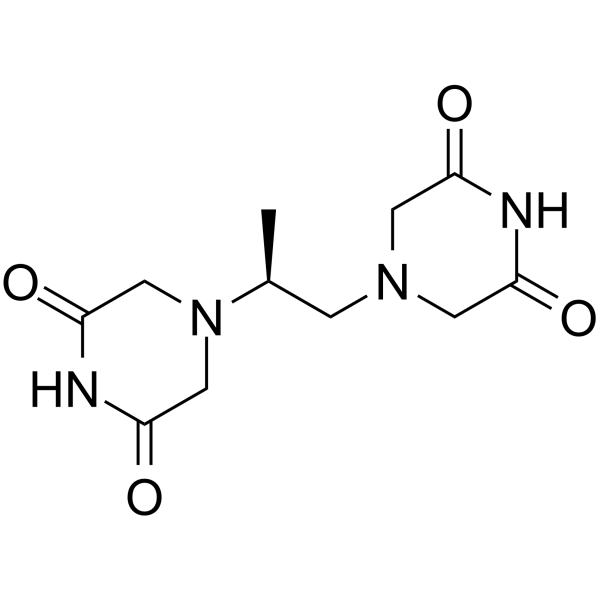
    Dexrazoxane
    Maximum Cited Publications
    19 Publications Verification

    ICRF-187; ADR-529; NSC-169780

    Ferroptosis Apoptosis Cardiovascular Disease Neurological Disease Inflammation/Immunology Cancer
    Dexrazoxane, as an intracellular iron chelating agent, reduces the formation of superoxide radicals and has cardioprotective, anti-inflammatory, antioxidant, anti-tumor and neuroprotective activities. Dexrazoxane inhibits ferroptosis of H9c2 cells by inhibiting HMGB1. Dexrazoxane induces DNA damage and apoptosis in human fibrosarcoma cells .
    Dexrazoxane
  • HY-111152
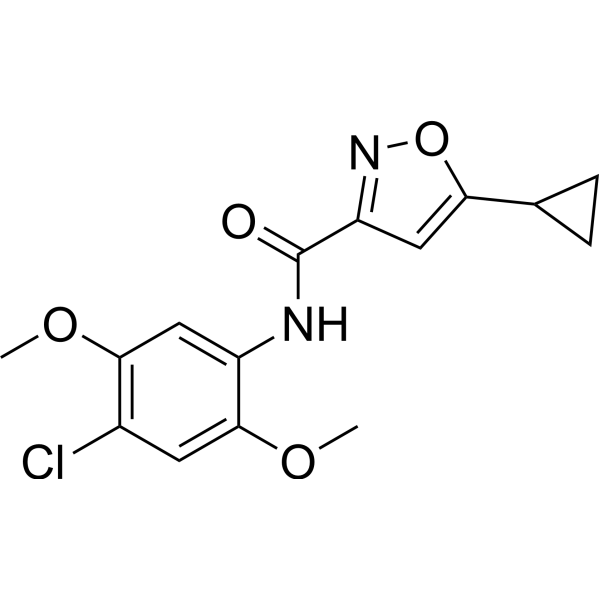
    ML115
    5+ Cited Publications

    STAT Cancer
    ML115, a molecular probe of the signal transducer, is a selective STAT3 agonist, with an EC50 of 2 nM. ML115 increases the expression of BCL3, a known STAT3-dependent oncogene. ML115 is inactive against the related STAT1, STAT5 and NF-κB anti-targets. ML115 counteracts the effects of Ginsenoside Rc (HY-N0042) on cell viability and inflammatory responses in LPS (HY-D1056)-stimulated H9c2 and RAW264.7 cells, while altering oxidative stress markers. ML115 can be used for the study of breast and prostate cancers .
    ML115
  • HY-100594
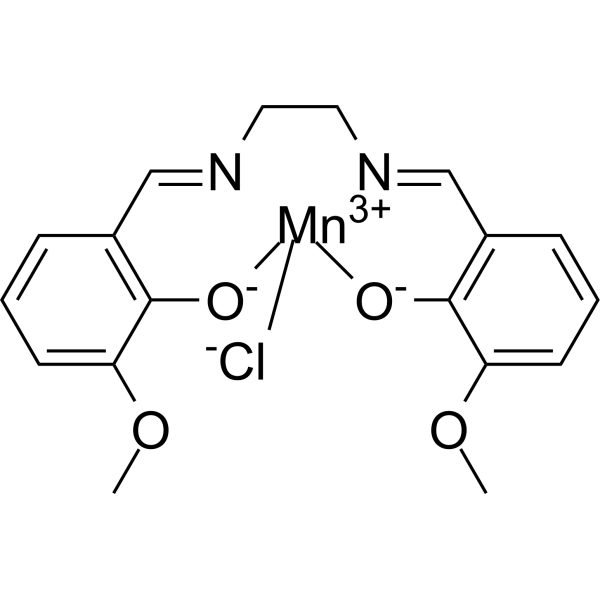
    EUK-134
    1 Publications Verification

    NF-κB Cardiovascular Disease
    EUK-134, a synthetic superoxide dismutase and catalase mimetic, protects rat kidneys from ischemia-reperfusion-induced damage. EUK-134 is a superoxide dismutase (SOD) mimetics (SODm) with catalase activity. EUK-134 is a mitoprotective antioxidant. EUK-134 reduces the expression of NF-κB, MDA level, and protein carbonylation in H9C2 cells .
    EUK-134
  • HY-N7543

    HIV Endothelin Receptor Infection Metabolic Disease
    Schisantherin D is a lignan. Schisantherin D can be isolated from Kadsura interior. Schisantherin D downregulates the expression of ETBR and inhibits the secretion of ECM and ET-1. Schisantherin D alleviates EtOH + ET-1-induced hepatocyte cytotoxicity. Schisantherin D potently inhibits HIV replication in cells .
    Schisantherin D
  • HY-N3431

    AMPK PD-1/PD-L1 FXR Reactive Oxygen Species (ROS) Cardiovascular Disease
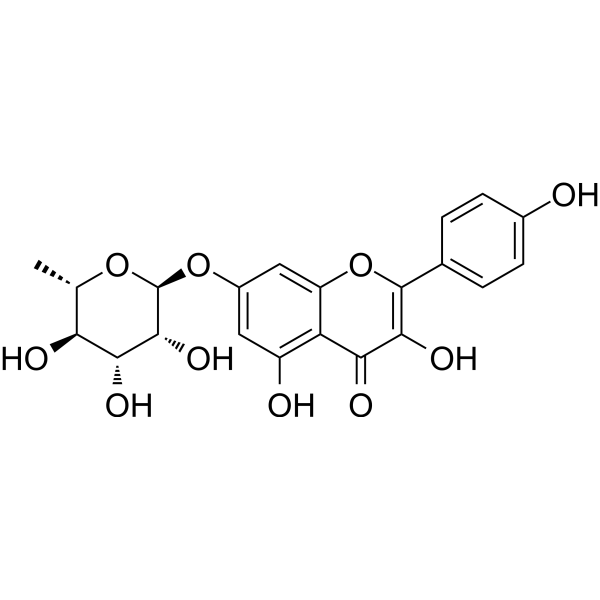
    Kaempferol-7-O-rhamnoside is a PD-1/PD-L1 inhibitor and farnesoid X receptor (FXR) agonist. Kaempferol-7-O-rhamnoside demonstrates cardioprotective potential targeting the AMPKα1 signaling pathway. Kaempferol-7-O-rhamnoside significantly upregulates the mRNA expression of AMPKα1 in H9c2 cardiomyocytes. Kaempferol-7-O-rhamnoside reverses APAP-induced reduction of glutathione (GSH) content and increase of ROS production in L02 cells. Kaempferol-7-O-rhamnoside has the potential for heart failure .
    Kaempferol-7-O-rhamnoside
  • HY-P990833

    Mesothelin Cancer
    Anti-Mesothelin Antibody (YP218) is a kind of rabbit IgG chimeric antibody, targeting to human Mesothelin. Anti-Mesothelin Antibody (YP218) reacts with a epitope in the C-terminal end close to the tumor cell surface of human mesothelin (MSLN). Anti-Mesothelin Antibody (YP218) can be used for the research of cancer, such as A431/H9 tumor .
    Anti-Mesothelin Antibody (YP218)
  • HY-100923

    PKA 5-HT Receptor EGFR Neurological Disease
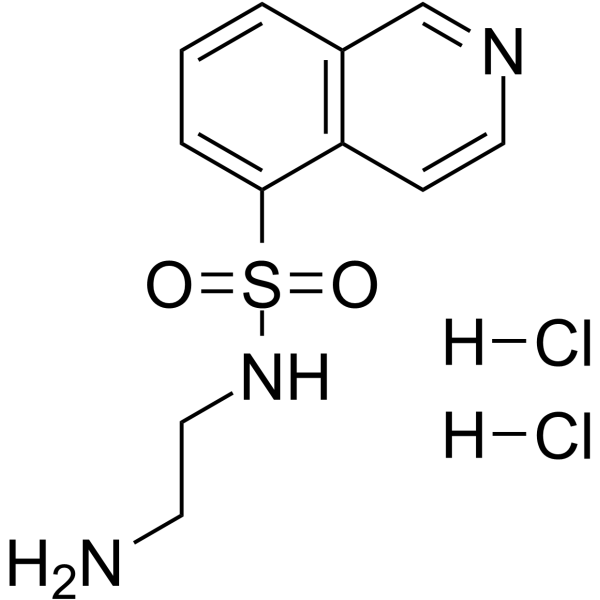
    H-9 Dihydrochloride is a PKA (protein kinase) inhibitor. H-9 Dihydrochloride (10 μM) significantly reduces the excitatory response to 5-HT. H-9 Dihydrochloride also has a direct effect on pharyngeal activity. H-9 Dihydrochloride inhibits signal-transduction and cell growth in EGF (epidermal growth factor)-dependent epithelial cell lines .
    H-9 Dihydrochloride
  • HY-12310

    DNA Methyltransferase HDAC MDM-2/p53 Others Inflammation/Immunology
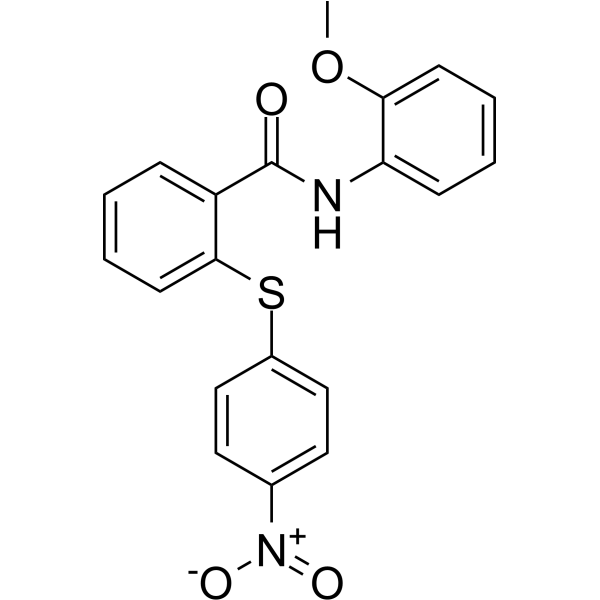
    RSC133 is a dual inhibitor of DNA methyltransferase 1 and histone deacetylase 1 inhibitor. RSC133 promotes cell proliferation, up-regulates H3K9 histone acetylation, down-regulates p53, p21, p16/INK4A, and ablates pro-senescence phenotypes .
    RSC133
  • HY-102014

    HIV Infection
    RN-18 is a HIV-1 viral infectivity factor (HIV-1 Vif) inhibitor with an IC50 of 6 μM in nonpermissive H9 cells.
    RN-18
  • HY-119678
    Fortunellin
    1 Publications Verification

    AMPK Keap1-Nrf2 Cardiovascular Disease Metabolic Disease
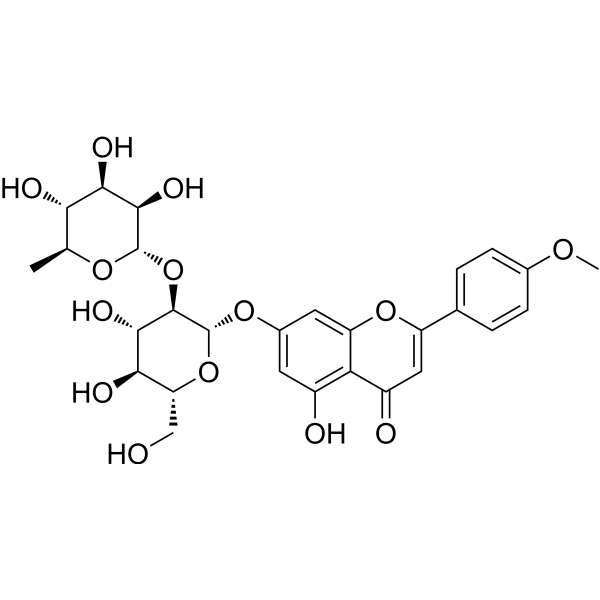
    Fortunellin, is a flavonoid, that can be isolated from the fruits of Fortunella margarita (kumquat). Fortunellin exhibits little toxicity to mice and suppresses inflammation and ROS generation in H9C2 cells induced by LPS. Fortunellin protects against fructose-induced inflammation and oxidative stress by enhancing AMPK/Nrf2 pathway. Fortunellin can be used for diabetic cardiomyopathy research .
    Fortunellin
  • HY-P1837

    Influenza Virus HSV Infection
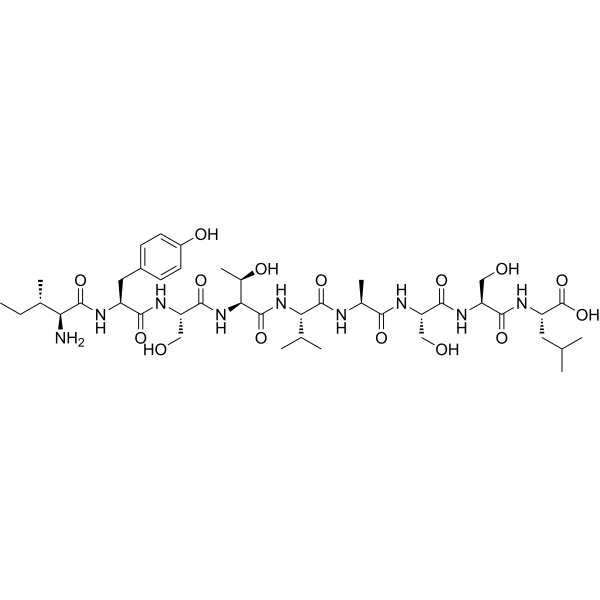
    Influenza HA (518-526) is an H-2d-restricted CTL epitope derived from influenza virus hemagglutinin. Influenza HA (518-526) is highly conserved across various H5N1, some H9N2, and H1N1 strains. Influenza HA (518-526) binds to the mouse MHC class I allele K d to form a complex, which is then recognized by specific CD8 + T cells. Influenza HA (518-526) is an immunodominant epitope in influenza-infected BALB/c mice, and it stimulates CD8 + T cells to secrete IFN-γ to induce a robust immune response. Currently, Influenza HA (518-526) is widely used in research related to respiratory syncytial virus (RSV), influenza virus, and H5N1 influenza .
    Influenza HA (518-526)
  • HY-105690

    TRP Channel Neurological Disease Inflammation/Immunology
    SAR-115740 is a TRPV1 antagonist. SAR-115740 exhibits developmental toxicity in H9 cell experiments. SAR-115740 can be used for research on inflammatory conditions or neurological disorders .
    SAR-115740
  • HY-N8368

    HIV Infection
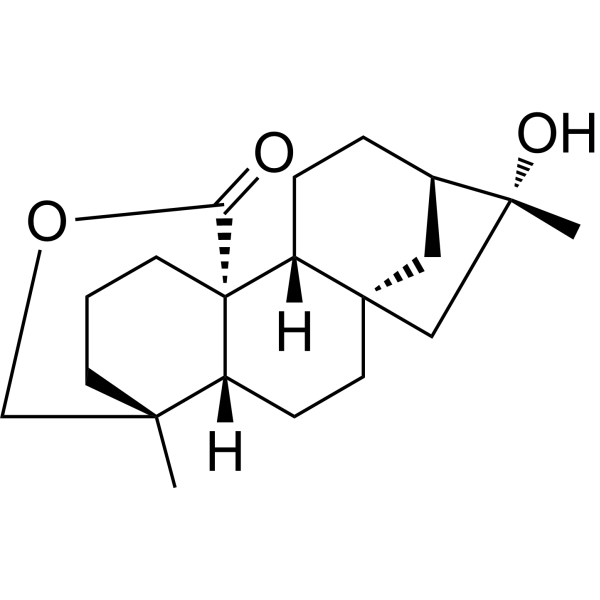
    Neotripterifordin is a inhibitor of HIV. Neotripterifordin has anti-HIV replication activity in H9 lymphocyte cells with an EC50 of 25 nM .
    Neotripterifordin
  • HY-164895

    PIN1 Cancer
    PIN1 degrader-1 (Compound 158H9) is the inhibitor for proline cis trans isomerase (Pin1) with an IC50 of 21.5 nM. PIN1 degrader-1 forms covalent bond with Cys113 of Pin1, induces conformational changes in Pin1, reduces its stability, and leads to a proteasome-dependently degradation. PIN1 degrader-1 inhibits the cell viability of multi cancer cells, and can be used in cancer research .
    PIN1 degrader-1
  • HY-20559

    Drug Intermediate Cancer
    4-Chloro-3-nitrobenzoic acid is a benzoic acid derivative and an important intermediate for the synthesis of anticancer agents. 4-Chloro-3-nitrobenzoic acid shows low cytotoxicity against HepG2, A549 and HeLa cancer cells in vitro (>10,000 μM). 4-Chloro-3-nitrobenzoic acid can block thymidine uptake and inhibit lymphocyte growth. 4-Chloro-3-nitrobenzoic acid serves as a ligand for Cu (II) complexes and is used in the preparation of 10H-pyrazino[2,3-b][1,4]benzothiazine derivatives .
    4-Chloro-3-nitrobenzoic acid
  • HY-175640

    Pyroptosis Reactive Oxygen Species (ROS) Interleukin Related Caspase Cardiovascular Disease
    Troponin-IN-1 is a troponin inhibitor. Troponin-IN-1 protects OGD/R-injured H9c2 cardiomyocytes by reducing LDH leakage, pyroptosis and ROS accumulation. Troponin-IN-1 inhibits NO production and IL-1β/TNF-α/IL-18 release in LPS (HY-D1056)-induced RAW264.7 cells. Troponin-IN-1 acts via caspase-1/GSDMD/IL-18 pathway. Troponin-IN-1 reduces myocardial infarct size in LAD-induced myocardial ischemia/reperfusion (MI/R) male rats. Troponin-IN-1 can be used for the study of myocardial ischemia/reperfusion (MI/R) injury .
    Troponin-IN-1
  • HY-N6080

    HIV Infection
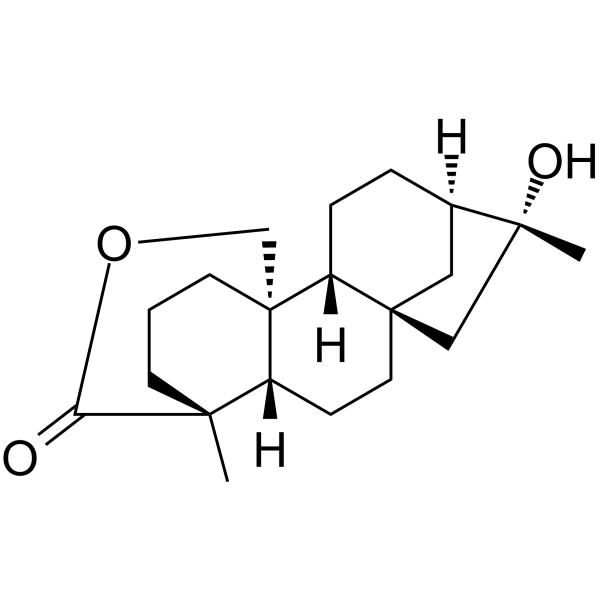
    Tripterifordin possesses significant anti-HIV replication activities in H9 lymphocyte cells with an EC50 value of 3100 nM, respectively .
    Tripterifordin
  • HY-127078

    HIV Others
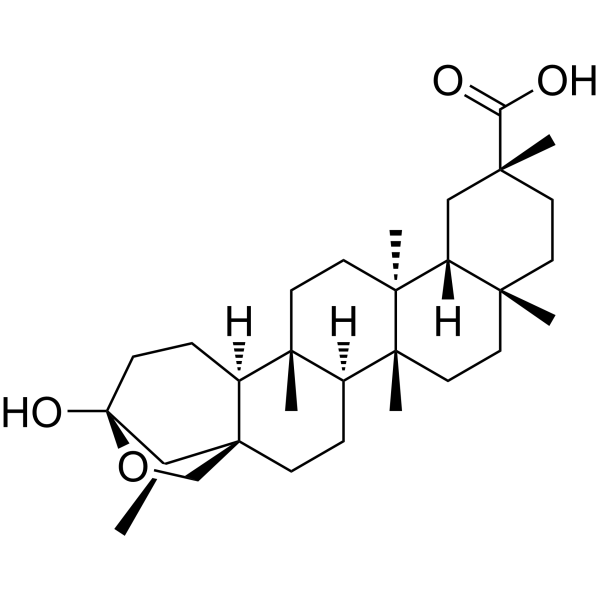
    Salaspermic acid is a new triterpene acid isolated from Salacia macrosperma Wight. Salaspermic acid is an inhibitor of HIV reverse transcriptase and HIV replication in H9 lymphocyte cells .
    Salaspermic acid
  • HY-117434

    HIV Infection
    Suberosol, a C31 lanostane-type triterpene, is an anti-HIV drug. Suberosol shows anti-HIV replication activity in H9 lymphocyte cells with an EC50 of 3 μg/mL .
    Suberosol
  • HY-125153

    Influenza Virus Others
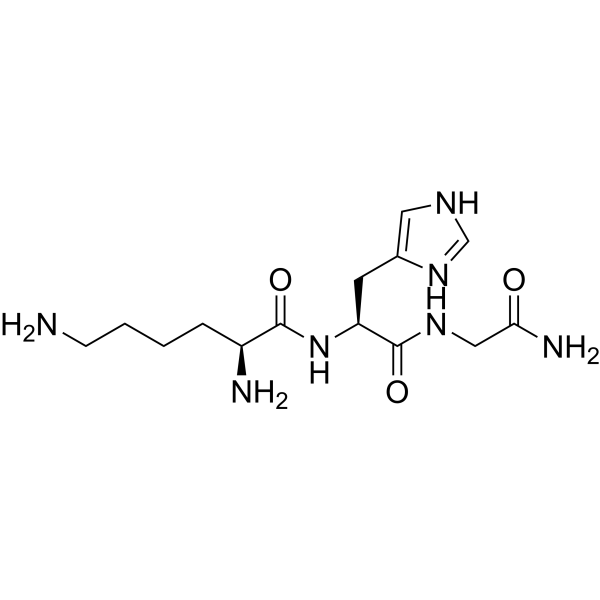
    Bursin is a peptide that can be isolated from the bursa of Fabricius of chicken. Bursin induces the phenotypic differentiation of mammalian and avian B precursor cells. Bursin also increases cyclic guanosine monophosphate in cells of the human B-cell line Daudi, its derivatives are able to protect against infection by amplifying the immune response induced by H9N2 .
    Bursin
  • HY-161902

    Ser/Thr Protease Influenza Virus SARS-CoV Infection
    MI-1904 is the inhibitor for matriptase/TMPRSS2, that exhibits antiviral activity against influenza virus H1N1 and H9N2. MI-1904 blocks the cleavage of glycoproteins on the viral surface, prevents the virus from binding to host cell receptors, and thus inhibits the entry and replication of the virus .
    MI-1904
  • HY-122156

    HIV Infection
    IMB-301 is a specific HIV-1 replication inhibitor that binds to hA3G (human APOBEC3G), interrupts the hA3G-Vif interaction and inhibits Vif-mediated degradation of hA3G. IMB-301 inhibits the replication of HIV-1 in H9 cells (IC50=8.63 uM). Human APOBEC3G is a restriction factor that inhibits human immunodeficiency 1 virus (HIV-1) replication .
    IMB-301
  • HY-170867

    Keap1-Nrf2 Heme Oxygenase (HO) Reactive Oxygen Species (ROS) Cardiovascular Disease
    Nrf2/HO-1 activator 3 (Compound C3a) is the activator for Nrf2 signaling pathway that promotes the Nrf2 translocation into nuclei and upregulates the expression of heme oxygenase-1 HO-1. Nrf2/HO-1 activator 3 inhibits the overespression of ROS and MDA in H2O2- or glucose-stimulated H9c2 cardiomyocytes, inhibits the cell viability and colony formation, thereby exhibiting antioxidant efficacy .
    Nrf2/HO-1 activator 3
  • HY-123659

    Na+/H+ Exchanger (NHE) Apoptosis Cardiovascular Disease Cancer
    KR-33028 is a selective NHE1 inhibitor. KR-33028 reduces hypoxia-induced necrosis and apoptosis in H9c2 cells. KR-33028 inhibits hypoxia-induced increases in cytoplasmic and mitochondrial Ca 2+ levels and cytochrome c release. KR-33028 improves cardiac contractility, reduces lactate dehydrogenase release, and increases tissue ATP, creatine phosphate, and glycogen levels. KR-33028 can be used in research on cancers such as cardioblastoma and cardiovascular diseases such as ischemic stroke .
    KR-33028
  • HY-B0581R

    ICRF-187 (Standard); ADR-529 (Standard); NSC-169780 (Standard)

    Ferroptosis Apoptosis Reference Standards Cardiovascular Disease Neurological Disease Inflammation/Immunology Cancer
    Dexrazoxane (Standard) is the analytical standard of Dexrazoxane. This product is intended for research and analytical applications. Dexrazoxane, as an intracellular iron chelating agent, reduces the formation of superoxide radicals and has cardioprotective, anti-inflammatory, antioxidant, anti-tumor and neuroprotective activities. Dexrazoxane inhibits ferroptosis of H9c2 cells by inhibiting HMGB1. Dexrazoxane induces DNA damage and apoptosis in human fibrosarcoma cells .
    Dexrazoxane (Standard)
  • HY-N10595

    Others Others
    Ladanetin-6-O-β-(6′′-O-acetyl)glucoside is a flavonoid isolated from the whole plants of Dracocephalum tanguticum, with antioxidant ability. Flavonoids from Dracocephalum tanguticum show cardioprotective effects against Doxorubicin (HY-15142A)-induced toxicity in H9c2 cells .
    Ladanetin-6-O-β-(6′′-O-acetyl)glucoside
  • HY-147716

    CDK Cancer
    CDK8-IN-6 (compound 9) is a potent cyclin-dependent kinase 8 (CDK8) inhibitor with an Kd of 13 nM. CDK8-IN-6 shows cytotoxicity for MOLM-13, OCI-AML3, MV4-11, NRK and H9c2 cells with IC50s of 11.2, 7.5, 8.6, 20.5, 12.5-25 µM, respectively. CDK8-IN-6 has the potential for the research of AML-cancer .
    CDK8-IN-6
  • HY-147717

    CDK Cancer
    CDK8-IN-7 (compound 12) is a potent and selective cyclin-dependent kinase 8 (CDK8) inhibitor with an Kd of 3.5 nM. CDK8-IN-7 shows cytotoxicity for MOLM-13, OCI-AML3, MV4-11, NRK and H9c2 cells with IC50s of 5.9, 4.8, 5.4, 16.2, 12.5-25 µM, respectively. CDK8-IN-7 has the potential for the research of AML-cancer .
    CDK8-IN-7
  • HY-178913

    JAK STAT Inflammation/Immunology
    Tyk2-IN-23 is a potent, orally active, selective TYK2 inhibitor (IC50 = 18 nM), exhibiting more than > 70-fold selectivity over JAK1/2/3 isoforms. Tyk2-IN-23 potently inhibits p-STAT3 in TYK2-dependent signaling activated by IFN-α and IL-10. Tyk2-IN-23 potently inhibits IFN-α-induced STAT1 phosphorylation in H9 cells. Tyk2-IN-23 can be used for the study of alopecia areata and allergic Rhinitis .
    Tyk2-IN-23
  • HY-183663

    HIV Infection
    PD-159206 is an anti-HIV agent. PD-159206 inhibits early pre-integration steps of the HIV life cycle, and delays sequential progression of reverse transcription products. PD-159206 can be used for the research of HIV infection .
    PD-159206
  • HY-183886

    HIV Reverse Transcriptase Infection
    U 80493 is a HIV-1 reverse transcriptase inhibitor with IC50 of 20 μM. U 80493 can be used for the research of acquired immunodeficiency syndrome .
    U 80493
  • HY-P4083A

    Fluorescent Dye Others
    (Arg)9,TAMRA-labeled acetate is a TAMRA-labeled, membrane-permeable cationic cell-penetrating polyarginine peptide. (Arg)9,TAMRA-labeled acetate acts as a cell-penetrating peptide for drug delivery .
    (Arg)9,TAMRA-labeled acetate

Inquiry Online

Your information is safe with us. * Required Fields.

Salutation


Country or Region *

Applicant Name *


Organization Name *

Department *


Email Address *


Product Name *

Cat. No.


Requested quantity *

Phone Number *


Remarks

Inquiry Online

Inquiry Information

Product Name:
Cat. No.:
Quantity:
MCE Japan Authorized Agent:

